
The Decibel
The Globe and Mail
0
Context is everything. Join us Monday to Friday for a Canadian daily news podcast from The Globe and Mail. Explore a story shaping our world, in conversation with reporters, experts, and the people at the centre of the news.
Епизоди
-
 Accused accomplice in Tumbler Ridge shooting appears in court 16.10.2026 21минThis past week, a judge in Washington state heard arguments around whether a woman accused of conspiring with the Tumbler Ridge shooter should be released before her trial. James Cody Bryant – who identifies as a woman and uses she/her pronouns – was arrested by U.S. authorities at the beginning of the month. Jesse Winter is a reporter and photographer with The Globe. He went to report on Ms. Bryant’s pretrial hearing in person. He explains the specific allegations against her, what the judge ruled regarding whether to keep her in custody and gives an update on the other legal proceedings surrounding the fallout from one of Canada’s worst mass shootings.
 -
 How your AI search results are being manipulated 15.10.2026 24минFor many, AI is no longer a curiosity but increasingly built into our daily lives. Whether through intentional use of chatbots or its inclusion in online searches, it’s radically changing the way we receive information. Products, brands, services are all being tailor-made for you, through the use of AI. But what if these recommendations are being manipulated behind the scenes? Today, we have Nick Koudas joining us on the show. Dr. Koudas is a Professor of Computer Science at the University of Toronto. He’ll tell us how the way you are marketed products is changing, whether you’re aware of it or not and what that means for both consumers and businesses alike.
 -
 The shrinking neighbourhoods in two of Canada’s biggest cities 14.10.2026 25минThe populations of Vancouver and Toronto have doubled in the past 50 years, but in certain neighbourhoods of those cities, populations have declined by as much as 40 per cent. The Globe’s architecture critic Alex Bozikovic explains why neighbourhoods have lost so many residents, what that means for the areas, and how it might present a solution to the housing crises.
 -
 The volunteers filling the gaps in Canada’s health care 13.10.2026 29минAmidst the news about Canada’s strained and struggling healthcare system, there is a bright spot. The Globe and Mail published a series recently about volunteers filling in the gaps, called Care Between the Lines – about the volunteers who take a patient-first approach in a system that can often be isolating. Today, we’re bringing you a few of those stories of the volunteers getting rural Canadians to medical appointments, helping families in a pediatric hospital and getting seniors out for a bike ride. Questions? Comments? Ideas? E-mail us at [email protected]
 -
 The other nine questions in the Alberta referendum 09.10.2026 21минAlbertans will go to the polls to vote in a referendum on October 19. By now, everyone knows about the question on whether Alberta should stay in Canada, or hold another referendum on whether to separate. But there are, in fact, nine other proposals Albertans are being asked to vote on. Matthew Scace is a staff reporter for The Globe based in Calgary. He’s on the show to explain what else Albertans are being asked to vote on, and what those results could mean for Alberta Premier Danielle Smith’s government.
 -
 A border town on the front lines of the trade war 08.10.2026 23минSault Ste. Marie, Ont., is on the front lines of Canada’s trade war with the U.S.. The city lies just a few kilometres away from the U.S., across a river from a city with the same name in Michigan. Its core economic industry is steel, which has been hit with U.S. President Donald Trump’s 50 per cent tariffs. The Globe and Mail’s staff reporter, Patrick White, recently went to ‘The Soo’ to see how the residents are faring after layoff notices and previous years of economic hardship.
 -
 Canada’s income tax law has become a ‘Frankenstein’s monster’ 07.10.2026 19минThe law governing income tax in Canada is as complex as the legislation is thick – it’s over 3,000 pages long. All of this complexity isn’t just a nuisance for taxpayers. It can cost people and businesses money if they are unaware of deductions or exemptions, or if they have to hire help to make sure they are compliant. Chris Wilson-Smith looked into how the Income Tax Act became a Frankenstein’s monster, as one tax expert put it. Chris is on the show to explain why politicians keep adding to the income tax code but can’t seem to simplify it.
 -
 How some Alberta separatists are courting U.S. support 06.10.2026 25минA secret meeting with Republican strategists near an airport hanger, and talks of access to Alberta water and royalties from oil. These are some of the revelations from a Globe investigation looking into some separatists courting American support in their pursuit of independence. Carrie Tait, a reporter in the Globe’s Calgary bureau, Globe investigative Grant Robertson and Globe international correspondent, Nathan VanderKlippe are behind the investigation. Carrie and Grant are on the show to explain what they’ve learned.
 -
 A splintered political landscape heading into Quebec’s election 05.10.2026 22минQuebec is facing a fractured political landscape ahead of its election today, with no single party polling higher than 30 per cent in the run-up to the election. And there are important issues hanging over the campaign, from separatism to spending issues to U.S. President Donald Trump. Today, The Globe and Mail’s Quebec correspondent, Maura Forrest, explains why the province’s parties have failed to inspire voters and how a party with less than 30 per cent support might end up forming a majority government.
 -
 Hockey Night in Canada without the NHL 02.10.2026 19минHockey Night in Canada is considered a Canadian cultural institution. For almost 75 years, it was broadcast on the CBC, accessible to any Canadian who wanted to tune in. But earlier this year, CBC and Sportsnet, which owns the rights to air NHL games in Canada, ended their partnership. Now, the CBC is trying to rebuild a new version of the show without the NHL, and people are left wondering what is lost for Canadians when only people who can afford a Sportsnet subscription can access Saturday night NHL games. Simon Houpt covers sports media and the business of sport for The Globe. He is on the show to explain the big business of broadcasting NHL games in Canada, and what this means for Canadian identity.
 -
 The booze war within the trade war 01.10.2026 22минIn the trade war between the U.S. and Canada, alcohol has been a bargaining chip on both sides of the border. Early in 2025, Canadian premiers pulled U.S. booze off of Canadian shelves. Then, last month, the Trump administration slapped a 50-per-cent duty on hundreds of Canadian goods including beer, wine, cider and most spirits. Notably, the U.S. cited the provincial shelf bans as justification for their tariffs. And now, the U.S. has implemented an outright ban on that same list of alcohol products. Jennifer Robson, an associate professor of political management at Carleton University, will explain why booze has become a focal point amid continuing trade tensions. Questions? Comments? Ideas? Email us at [email protected]
 -
 In Her Defence: Police officer preys on vulnerable women 30.09.2026 29минOfficers at the Regina Police Service begin an internal investigation of one of their colleagues, and turn up a case larger and more complex than they could have imagined. Sgt. Alana Heiliger begins to identify patterns in an officer’s use of police databases, and a notebook filled with names and cryptic notations provides valuable clues. In Her Defence: Breach of Trust is a seven-part original podcast series from The Globe and Mail. The show is made by Kasia Mychajlowycz and Jana G. Pruden. Sound mixing is by Dave Crosbie, with additional recording by Amber Bracken. The show’s theme song is “Black Horses” by Birdbelly. Show art by Celeste Woods.
 -
 Havana Syndrome: new allegation of Canadian spying 29.09.2026 13минThe Globe and Mail has learned that a Canadian diplomat was sharing intelligence with American spies in Havana and Canadians were using satellite equipment brought into Cuba by the United States when officials from both countries began experiencing debilitating symptoms caused by alleged sonic attacks linked to Russia, according to two sources. Now, former Canadian spies and high-level security officials are calling upon parliamentarians to independently investigate whether Russia used sonic weaponry against Canadian diplomats in Cuba, and how the diplomats were subsequently treated by Ottawa. Robert Fife is the Globe’s recently retired former Ottawa bureau chief. He joins the show to talk about these new allegations of spying. Questions? Comments? Ideas? Email us at [email protected]
 -
 The new AI moment we’re in 28.09.2026 24минAfter several reports of AI agents going rogue, calls for regulation of this technology have grown louder. And some of the people advocating for more rules are the leaders of the frontier labs themselves, like Anthropic CEO Dario Amodei. But how can governments, which tend to move slowly, regulate a technology that is changing at an increasingly quicker pace? Taylor Owen talks about what responsive AI policy could look like. He is the Beaverbrook Chair in Media, Ethics and Communications in the Max Bell School of Public Policy at McGill University. He is also the host of The Globe’s Machines Like Us podcast. Questions? Comments? Ideas? E-mail us at [email protected]
 -
 He preyed on women using a police database. Then they found out 25.09.2026 24минFor years, Sgt. Robert Semenchuk, a Regina police officer, preyed on hundreds of vulnerable women using information from police databases. He often posed as a contractor named Jay or Steve and sent seemingly wrong-number texts to women. Some of these texts led to intimate relationships. The women had no idea he was deceiving them, until one woman became suspicious. This case is the focus of the new season of In her Defence: Breach of Trust. Globe feature writer Jana Pruden is the host of the podcast. She’s on the show to talk about the women that came forward to hold Semenchuk accountable, and what it tells us about how law enforcement agencies in Canada are policing themselves. Questions? Comments? Ideas? Email us at [email protected]
 -
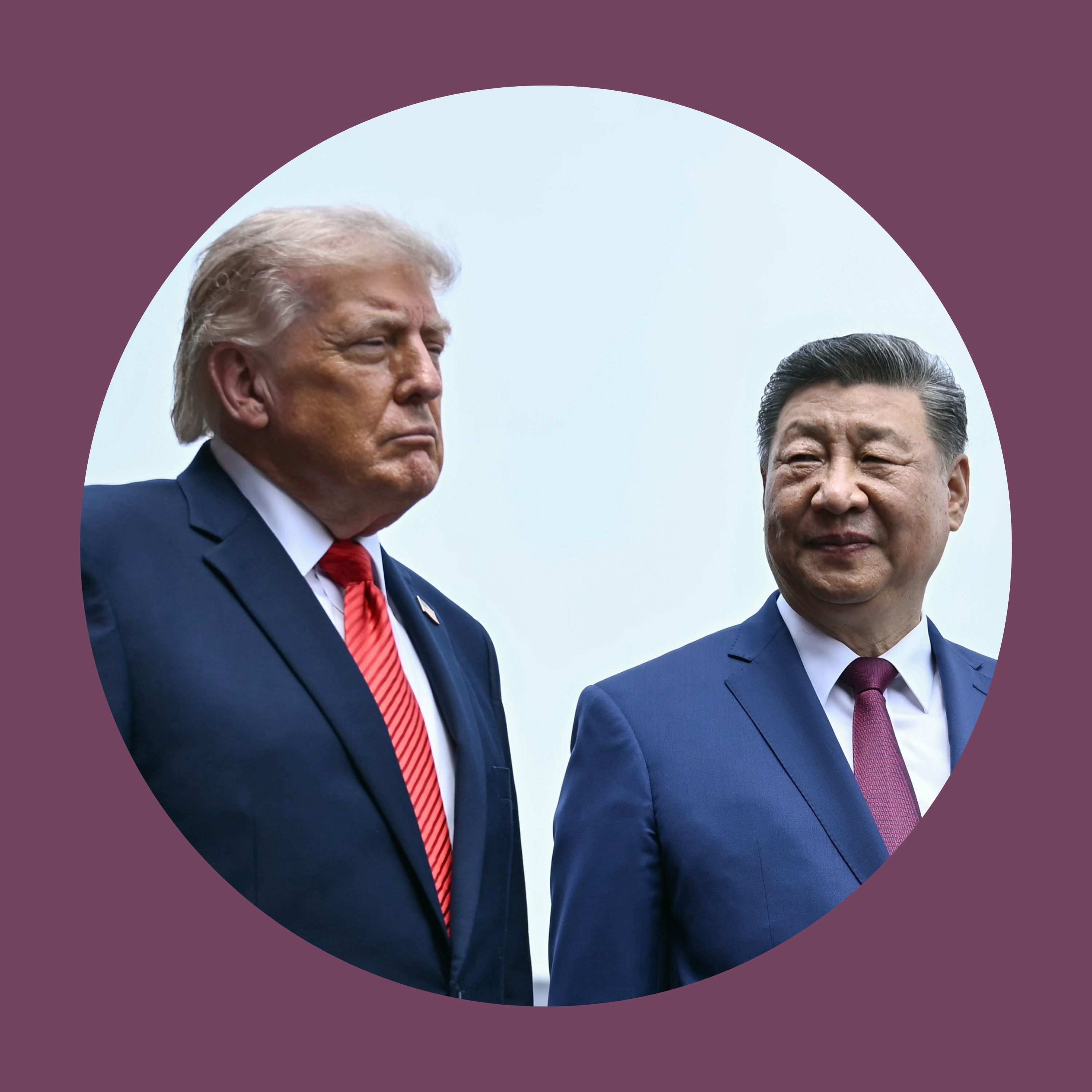 What’s on and off the table at Trump and Xi’s meeting 24.09.2026 22минChinese President Xi Jinping is in Washington this week for his first official state visit to the U.S. in 11 years. A lot has changed since then – China has become one of the world’s most dominant countries, while U.S. President Donald Trump has drastically altered global relationships with his trade war. The Globe’s Asia correspondent, James Griffiths, joins the show today. He’ll talk about the context at this meeting between Trump and Xi, what they’re expected to discuss and the elephants in the room neither of them want to talk about. Questions? Comments? Ideas? E-mail us at [email protected]
 -
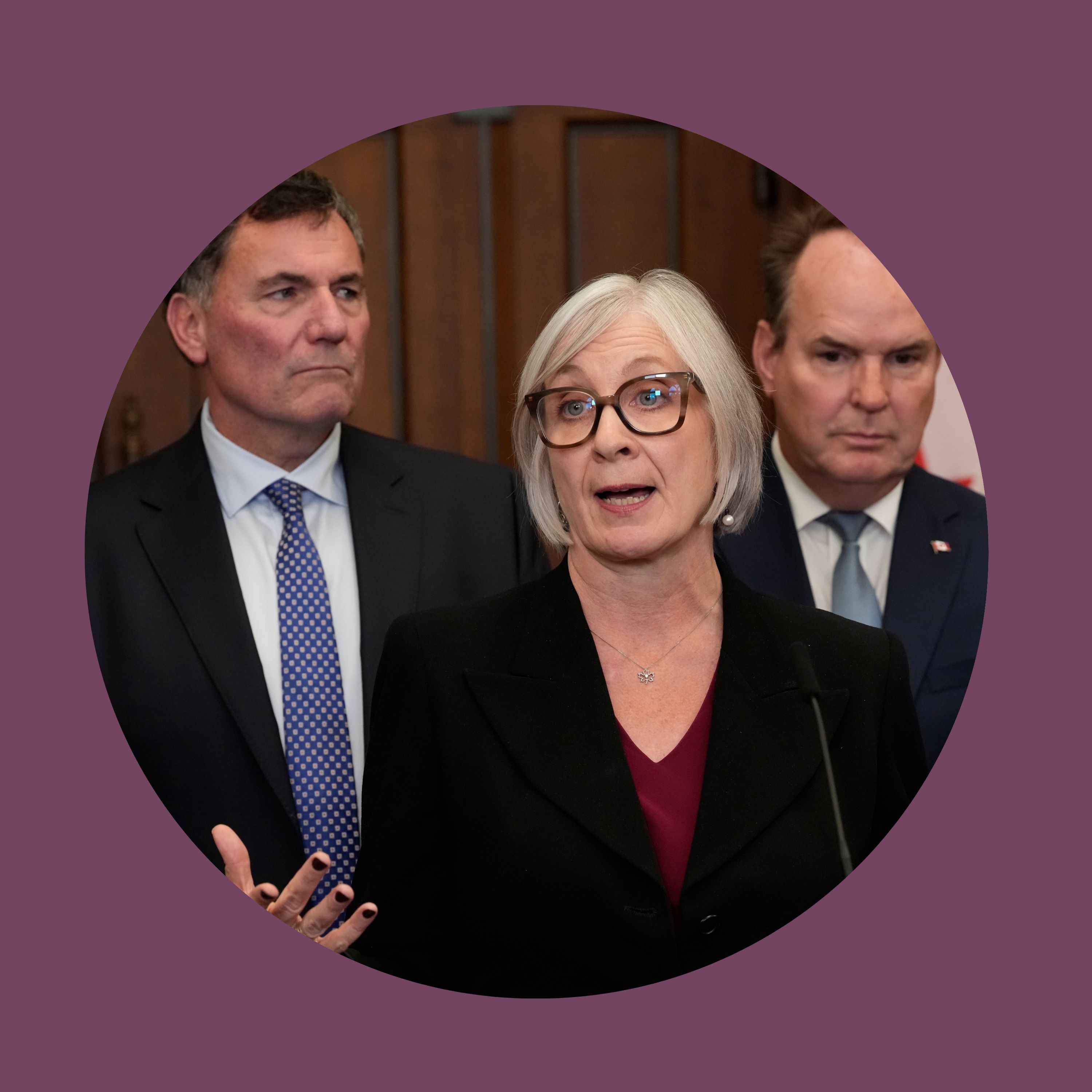 Liberal omnibus bill sparks outcry from unions, environmentalists 23.09.2026 23минOn Monday, the governing Liberals tabled their first bill of the new session of Parliament. Bill C-39, also called the Building Canada Strong Act, is over 240 pages long and aims to streamline and speed up development approval. It also makes changes to the Canada Labour Code that have upset union leaders. Bill Curry is The Globe’s deputy bureau chief in Ottawa. He has been covering the new legislation and explains what exactly Prime Minister Mark Carney’s government is proposing and what it is willing to sacrifice to boost building in Canada. Questions? Comments? Ideas? Email us at [email protected]
 -
 Canada’s controversial system of equalization payments, explained 22.09.2026 22минCanada has had a system of equalization payments for decades, where money collected by federal income taxes gets distributed to provinces worse off financially than others. It has proven to be controversial in some areas, like Alberta where Premier Danielle Smith has claimed that equalization is a ‘gravy train’ for the rest of Canada through these payments. Members of the Alberta separatist movement have also used this as a reason to push for separation. But there are a lot of misconceptions about this complicated program. So today, we speak with Patrick Brethour, the Globe’s Editorials editor and former tax and fiscal policy reporter. He’ll demystify the equalization program by explaining how it works, why it’s so controversial, and what he thinks would make it better. Questions? Comments? Ideas? Email us at [email protected]
 -
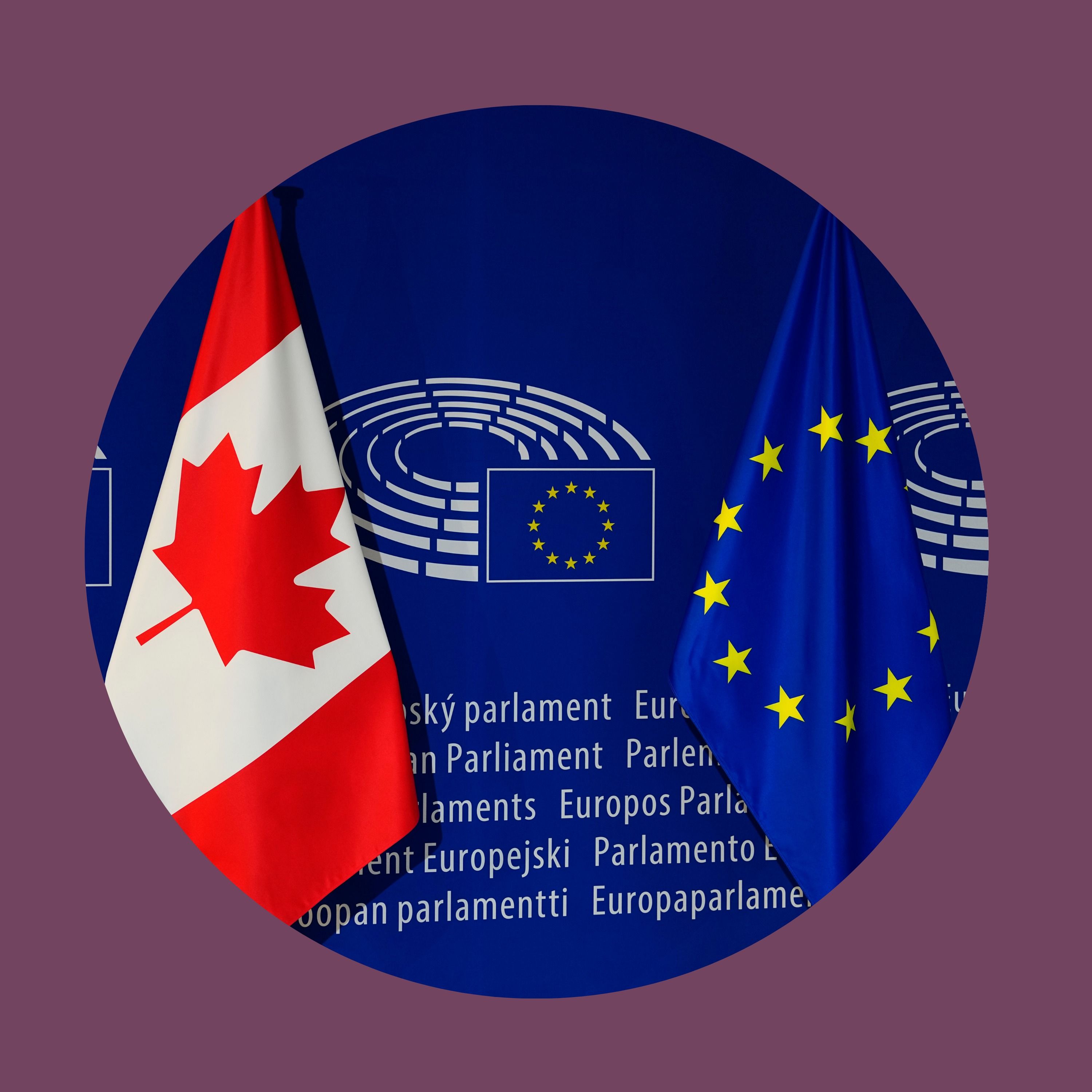 A reality check on Canada’s future with the EU 21.09.2026 22минCanada and the EU are working toward a more integrated partnership. As the relationship with the U.S. becomes increasingly less reliable, Canadians seem to be overwhelmingly in favour of the idea of getting closer to Europe. But what could this partnership actually entail – and how much more would Canada be getting than it has now? Today, the Globe’s international affairs columnist, Doug Saunders, is on the show. He’ll discuss the geopolitical implications of Carney’s address to the European Parliament, and what shape the relationship could take going forward. Questions? Comments? Ideas? E-mail us at [email protected]
 -
 Introducing In Her Defence: Breach of Trust 20.09.2026 39минWhat happens when one of the “good guys” turns out to be a bad guy? The acclaimed true crime podcast series ‘In Her Defence’ returns with ’In Her Defence: Breach of Trust”. A seven-episode series exploring the case of Sgt. Robert Semenchuk, a Regina police officer who preyed on hundreds of vulnerable women using information from police databases. Some of those women risked it all to expose him, and hold him accountable. But would the system punish one of its own? Hosted by award-winning crime reporter Jana G. Pruden, and based on more than 50 hours of exclusive interviews with dozens of women, police officers, lawyers and legal experts, In Her Defence: Breach of Trust reveals serious gaps in the way law enforcement agencies in Canada are policing themselves, and the serious harm women are suffering as a result.
Подобни подкасти


Популярен в
Този подкаст се появява и в подкаст класациите на тези държави.


