
Financial Market Insights For Traders | Crystal Ball Markets
Crystal Ball Markets
0
Financial Market Insights For Traders is a podcast that helps traders understand the factors moving financial markets. It provides daily market insights and educational content for better-informed trading. The podcast covers general market analysis and is intended for educational and entertainment purposes only. It does not offer personalized financial advice or trading recommendations.
Епизоди
-
 How Sanctions Move Commodity Prices: Energy & Metals Market Breakdown | Crystal Ball Markets 23.09.2026 18минThis episode explores how geopolitical sanctions reshape global commodity markets, from energy supply disruptions to metals price volatility. We break down the mechanics behind price spikes, shifting trade flows, and long‑term market consequences for traders, investors, and macro watchers.🔍 Key Topics CoveredWhy sanctions immediately impact commodity prices Supply constraints, trade barriers, and market uncertainty.Energy market reactionsOil price spikes driven by restricted exportsNatural gas rerouting and regional price fragmentationHow sanctions create long‑term structural shifts in global energy flowsMetals market disruptionsAluminium and nickel supply bottlenecksHow sanctions reshape industrial metals demandThe rise of alternative suppliers and shadow trade networksGeopolitical risk and market volatilityHow traders price in uncertaintyThe role of futures markets during geopolitical shocksWhy volatility persists long after sanctions are imposedRegional price differentialsEurope’s premium pricing under energy constraintsAsia’s shifting metals demandEmerging markets adapting to new trade routesInvestment and risk management implicationsHedging strategies during sanctions‑driven volatilityLong‑term positioning in energy and metalsHow macro traders interpret geopolitical catalysts📌 Actionable Insights for Traders & AnalystsMonitor supply chain bottlenecks as early indicators of price movement.Track regional trade flows to identify arbitrage opportunities.Use volatility spikes to refine hedging and options strategies.Follow policy announcements closely—markets often move before sanctions are formally enacted.🧠 Keyword Cluster sanctions and commodity pricesenergy market volatilitymetals market disruptionsgeopolitical risk commoditiesoil and gas sanctions impactindustrial metals supply chainglobal trade flow shifts🚀 Call to Action (Naked, Do‑Follow Link)For deeper macro insights, charts, and full market breakdowns, visit the CrystalBall Markets blog: https://crystalballmarkets.com/blog
 -
 How Trade Wars Reshape Global Supply Chains — The Macro Ripple Effects You Need to Know | Crystal Ball Markets 17.09.2026 17минThis episode breaks down how escalating trade wars are transforming global supply chains, reshaping production networks, and creating powerful macroeconomic ripple effects across markets. You’ll learn why these shifts matter, who benefits, who loses, and how investors and businesses can stay ahead of the next wave of geopolitical and economic disruption.Key Talking Points 🌍 The New Era of Trade WarsWhy trade tensions have intensified in recent yearsMajor players: U.S., China, EU, and emerging marketsHow geopolitical rivalry fuels supply chain fragmentation🏭 Global Supply Chain DisruptionsTariffs, sanctions, and export controls reshaping production hubsRising costs for manufacturers and logistics providersReal‑world examples of supply chain bottlenecks and rerouting🔄 Reshoring, Nearshoring & FriendshoringWhy companies are moving production closer to homeStrategic advantages: resilience, cost control, political alignmentCase studies of industries shifting supply chain geography📉 Macro Ripple Effects on the Global EconomyImpact on inflation, commodity prices, and currency volatilityHow trade wars influence GDP growth and market sentimentWinners vs. losers across sectors and regions📦 Corporate Strategy & Risk ManagementHow multinationals are adapting to geopolitical uncertaintySupply chain diversification as a competitive advantageTechnology’s role: automation, AI logistics, real‑time risk mapping📈 Investor InsightsWhat market indicators reveal about trade‑driven disruptionsSectors most exposed to trade conflict volatilityLong‑term implications for global investment flowsKeyword Focustrade warsglobal supply chainsmacroeconomic ripple effectstariffs and trade barrierssupply chain resiliencegeopolitical trade tensionsreshoring and nearshoringCall to Action (Do‑Follow Link)For deeper analysis, charts, and macro insights, explore our latest research at: https://crystalballmarkets.com/blog
 -
 Election Cycles & Market Volatility — What History Reveals About Investor Behavior | Crystal Ball Markets 15.09.2026 19минThis episode breaks down how election cycles influence financial markets, why volatility spikes during political transitions, and what historical patterns reveal about investor behavior. You’ll learn how equities, bonds, currencies, and risk sentiment typically react when political uncertainty rises — and what long‑term data shows about market performance in election years.📌 Key Topics Covered 🔹 1. Why Elections Trigger Market VolatilityHow political uncertainty affects investor sentimentShort‑term volatility spikes around debates, polls, and election dayThe role of policy expectations in shaping market reactions🔹 2. Historical Market Patterns in Election YearsCommon trends in equities during pre‑election and post‑election phasesHow markets have behaved during past presidential transitionsData‑backed insights on volatility cycles and recovery periods🔹 3. Asset Class ReactionsStock market behavior across sectors sensitive to policy changesBond market movements driven by fiscal and monetary expectationsCurrency fluctuations tied to geopolitical and economic uncertainty🔹 4. Investor Psychology During ElectionsWhy investors often overreact to political headlinesBehavioral biases amplified during election cyclesHow long‑term investors typically navigate election‑year noise🔹 5. What Election‑Driven Volatility Means for Market StrategyUnderstanding short‑term vs long‑term market impactsHow historical data can help contextualize election‑year movesWhy diversification and risk management matter most during political transitions🔑 Keyword Focuselection impact on marketsmarket volatility during electionshistorical market patternspolitical uncertainty and investor behaviorelection‑year market trends📣 Call to Action For deeper insights, charts, and full market analysis, explore our latest research on the CrystalBall Markets blog: https://crystalballmarkets.com/blog
 -
 How Interest Rates Shape Stablecoin Stability: The Hidden Macro Risks | Crystal Ball Markets 10.09.2026 15минInterest‑rate cycles are quietly reshaping the stability, liquidity, and reserve strategies behind major stablecoins. In this episode, we break down how monetary tightening, rising yields, and shifting macro conditions influence stablecoin issuers, market demand, and peg resilience. You’ll learn why stablecoins—despite their branding—are deeply exposed to global macro forces.📌 Key Topics Covered1. Interest Rates & Stablecoin Reserve DynamicsHow rising yields change reserve allocation strategiesTreasury‑backed reserves vs. bank depositsWhy higher rates increase issuer profitability but also systemic riskThe hidden link between monetary policy and stablecoin collateral quality2. Liquidity Cycles in Crypto During Rate RegimesWhy liquidity tightens across crypto when rates riseStablecoin demand patterns during tightening vs. easing cyclesThe feedback loop between global liquidity and stablecoin circulation3. Peg Stability Under Macro StressHow interest‑rate shocks can trigger depegging eventsBanking system vulnerabilities that spill into stablecoinsThe role of short‑term funding markets in maintaining peg stability4. Macro Risks Most Crypto Investors OverlookStablecoins as shadow money marketsExposure to sovereign yield volatilityCounterparty risks embedded in “safe” reservesWhy stablecoins are not insulated from traditional finance5. What Higher Rates Mean for the Future of StablecoinsYield‑bearing stablecoins and new competitive pressuresRegulatory implications as stablecoins behave like money‑market fundsLong‑term macro sensitivity of crypto’s most widely used asset🎧 Episode HighlightsStablecoins depend heavily on interest‑rate environmentsRising yields increase issuer profits but amplify systemic fragilityLiquidity cycles in crypto mirror global monetary conditionsPeg stability is more macro‑sensitive than most investors realizeStablecoins behave like money‑market instruments, not isolated crypto assets🔑 Keyword Clusters in Notesstablecoins, interest rates, monetary policy, macro risks, liquidity cycles, peg stability, treasury yields, crypto markets, stablecoin reserves, macroeconomic volatility🚀 Call to ActionExplore deeper macro insights, real‑time market analytics, and institutional‑grade tools on CrystalBall Markets: https://crystalballmarkets.com/blog
 -
 How Geopolitics Moves Markets: Understanding Global Risk and Investment Opportunities | Crystal Ball Markets 07.09.2026 18минGeopolitics is now one of the strongest forces shaping global markets. In this episode, we break down how conflicts, trade rivalries, sanctions, and shifting alliances influence market volatility, capital flows, and long‑term investment opportunities. Investors who understand geopolitical risk gain a major edge in navigating today’s uncertain world.Key Topics Covered🌍 How Geopolitical Tensions Move MarketsWhy markets react instantly to geopolitical shocksThe link between political instability and asset volatilityCase studies: conflicts, sanctions, trade wars, and supply chain disruptions📉 Market Volatility and Global RiskHow geopolitical risk premiums rise during global tensionsCurrency reactions: safe‑haven flows into USD, CHF, JPYCommodities under pressure: oil, gas, critical minerals📈 Investment Opportunities Created by GeopoliticsSectors that benefit from geopolitical shifts (energy, defense, commodities)Emerging markets vs. developed markets during instabilityLong‑term structural opportunities in supply chain realignment🔍 Strategic Insights for InvestorsHow to interpret geopolitical signals before markets moveBuilding resilient portfolios in a multipolar worldWhy diversification across regions and asset classes mattersUnderstanding policy risk, industrial strategy, and global competitionActionable TakeawaysGeopolitics is no longer background noise—it’s a core market driverInvestors must track political risk alongside macroeconomic indicatorsMarket shocks often create asymmetric opportunities for prepared investorsStrategic positioning requires understanding both risk and opportunityKey Topic Areasgeopolitical riskgeopolitics and marketsglobal investment opportunitiesmarket volatilityglobal economic risksupply chain disruptionsenergy markets geopoliticsgeopolitical shocksCall to Action If you want to analyze global risk, track market signals, and identify investment opportunities with real‑time tools, explore the CrystalBall Markets platform: https://crystalballmarkets.com/platform
 -
 Beyond Stocks & Bonds: Building a Modern Macro Portfolio with Alternative Assets | Crystal Ball Markets 01.09.2026 14минThis episode breaks down how alternative assets—commodities, private markets, real assets, and digital instruments—fit into a modern macro framework. You’ll learn how these non‑traditional exposures behave across macro cycles, hedge regime shifts, and strengthen portfolio resilience when traditional stock‑bond mixes fall short.📌 Key Talking Points1. Why Alternative Assets Matter in Today’s Macro EnvironmentStructural macro shifts pushing investors beyond traditional marketsDeclining diversification benefits of the 60/40 portfolioRising importance of inflation‑sensitive and real‑return assets2. Commodities as Macro ToolsHow commodities respond to inflation, supply shocks, and geopolitical riskThe role of energy, metals, and agriculture in macro hedgingTactical vs. strategic commodity allocation3. Private Markets in a Macro FrameworkPrivate equity and private credit as long‑duration macro playsWhy private markets behave differently across cyclesLiquidity premiums and macro‑driven return dispersion4. Real Assets for Inflation ProtectionInfrastructure, real estate, and natural resourcesCash‑flow stability during macro volatilityReal assets as long‑term inflation hedges5. Digital Assets and the New Macro FrontierDigital stores of value and macro‑sensitive crypto narrativesTokenized real‑world assets and market structure evolutionVolatility considerations within macro portfolios6. Building a Macro‑Aligned Multi‑Asset PortfolioHow to blend alternatives with traditional exposuresCorrelation behavior across macro regimesPosition sizing, risk management, and cycle‑aware allocation7. What Investors Often MissOverlooking regime‑shift hedgesMisunderstanding liquidity riskUnderestimating structural macro trends🔍 Keyword Highlightsalternative assetsmacro investingportfolio diversificationcommoditiesprivate marketsreal assetsdigital assetsinflation hedgingmacro cyclesregime shifts📣 Call to ActionReady to explore alternative assets through a macro‑driven lens? Build, test, and optimize your multi‑asset strategy on CrystalBall Markets: https://crystalballmarkets.com/platformIf you want, I can also generate: ✅ Episode transcript ✅ Meta description + OG tags ✅ Social media promo copy ✅ Keyword‑cluster‑optimized YouTube descriptionJust tell me what you want next.
 -
 Liquidity Flows Explained: The Real Engine Behind Market Trends | Crystal Ball Markets 24.08.2026 18минLiquidity—not headlines, narratives, or sentiment—is the dominant force shaping asset prices across global markets. In this episode, we break down how liquidity cycles work, why they consistently front‑run fundamentals, and how traders can use liquidity indicators to anticipate major market moves before they happen.🔍 Key Topics CoveredWhat Liquidity Really Means in MarketsMonetary liquidity vs market liquidityWhy liquidity availability determines risk appetiteHow liquidity impacts equities, bonds, FX, and cryptoThe Mechanics of Liquidity FlowsCentral bank balance sheet expansion and contractionTreasury issuance and its drain/injection effectsMoney supply (M2) trends and investor positioningLiquidity as a Leading IndicatorWhy markets often rally during liquidity expansions even with weak fundamentalsHistorical examples of liquidity-driven bull marketsLiquidity droughts and their role in triggering selloffsHow Investors Can Track LiquidityKey indicators: M2, reverse repos, TGA levels, credit spreadsHow to interpret liquidity inflection pointsTools and dashboards to monitor liquidity in real timePractical Trading ImplicationsLiquidity-driven asset rotationWhy liquidity shocks matter more than earningsPositioning strategies during tightening vs easing cycles📌 Key Topics Clusterliquidity cyclesmarket liquidityasset price driversmonetary policy impactliquidity shocksliquidity indicatorsmacro liquidity analysiscentral bank liquidityliquidity-driven markets📣 Call to ActionIf you want to track liquidity flows in real time, analyze macro trends, and access institutional‑grade market tools, explore the CrystalBall Markets platform:https://crystalballmarkets.com/platform
 -
 Is Bitcoin Becoming a Macro Asset? How BTC Is Reshaping Global Market Dynamics | Crystal Ball Markets 17.08.2026 18минBitcoin is rapidly shifting from a speculative digital asset into a macro‑relevant market indicator. This episode breaks down how institutional flows, ETF adoption, liquidity cycles, and global macro forces are reshaping Bitcoin’s behavior—and what this means for traders, investors, and global markets.🔍 Key Discussion Points1. Bitcoin’s Evolution Into a Macro AssetHow Bitcoin moved from retail‑driven speculation to institutional participationThe impact of spot Bitcoin ETFs on liquidity, volatility, and market depthWhy macro funds and asset managers now treat Bitcoin as part of global risk cycles2. Correlation Trends With Major Macro IndicatorsBitcoin’s rising correlation with equities, especially during liquidity expansionsBTC’s relationship with interest‑rate cycles, inflation expectations, and USD strengthHow Bitcoin behaves during risk‑on vs. risk‑off market regimes3. Global Liquidity & Monetary Policy InfluenceWhy Bitcoin reacts strongly to Federal Reserve policy shiftsLiquidity waves and their impact on crypto market performanceBTC as a proxy for global liquidity sentiment4. Institutional Adoption & Market StructureETF inflows and their role in stabilizing Bitcoin’s market profileGrowing participation from hedge funds, pension funds, and sovereign entitiesHow institutional-grade infrastructure is transforming Bitcoin’s volatility profile5. Bitcoin’s Role in Modern PortfoliosBTC as a diversifier in multi‑asset portfoliosIts emerging role as a digital macro hedgeLong-term implications for asset allocation strategies📊 Actionable Insights for Traders & InvestorsWatch Bitcoin during major macro announcements (CPI, FOMC, NFP)Track ETF flows as a leading indicator of institutional sentimentUse Bitcoin’s correlation shifts to anticipate broader market movesUnderstand BTC’s sensitivity to liquidity cycles for better timing🚀 Call to ActionLevel up your macro trading strategy with real‑time analytics, institutional‑grade tools, and market intelligence. Access the CrystalBall Markets platform here: https://crystalballmarkets.com/platform
 -
 How Crypto Moves Through Macro Cycles: Why Digital Assets Track Global Markets | Crystal Ball Markets 10.08.2026 17минThis episode breaks down how crypto behaves across different macroeconomic cycles—expansion, tightening, recession, and recovery—and why digital assets increasingly correlate with global liquidity, interest rates, and risk sentiment. Listeners gain a clear understanding of the macro forces shaping crypto volatility, performance, and investor behavior.Key Talking Points 🔹 Macro Cycles & Crypto BehaviorHow crypto reacts during expansion, slowdown, recession, and recovery phasesWhy liquidity conditions drive crypto’s boom‑and‑bust dynamicsThe shift from crypto as an “uncorrelated asset” to a macro‑sensitive risk asset🔹 Liquidity, Rates & Market SentimentThe role of global liquidity in crypto price cyclesHow interest rate hikes tighten financial conditions and suppress crypto risk appetiteWhy easing cycles often trigger crypto rallies ahead of traditional markets🔹 Correlation With Traditional MarketsRising correlation between Bitcoin, Ethereum, and equitiesHow institutional adoption changed crypto’s macro sensitivityWhen crypto decouples—and why those periods are rare and short‑lived🔹 Crypto in Recession vs ExpansionTypical crypto performance during recessionsWhy recovery phases often produce outsized crypto returnsThe importance of monitoring macro regime shifts for timing crypto exposure🔹 Investor Behavior Across CyclesRetail vs institutional positioningFlight‑to‑quality dynamics within crypto (BTC dominance spikes)How macro uncertainty amplifies volatility and leverage unwindsKeyword Integrationcrypto macro cyclesmacroeconomic impact on cryptocrypto correlation with equitiesglobal liquidity and cryptointerest rates and digital assetscrypto volatility across macro regimesCall to Action To access deeper macro insights, liquidity models, and real‑time market analytics, explore the CrystalBall Markets platform: https://crystalballmarkets.com/platform
 -
 How Dollar Cycles Move Global Markets: The Hidden Power of USD Trends | Crystal Ball Markets 06.08.2026 12минThis episode breaks down how dollar cycles shape global markets — influencing commodities, equities, emerging‑market currencies, global liquidity, and investor sentiment. You’ll learn why USD trends matter everywhere, how they ripple across asset classes, and what traders and investors should watch as the next dollar cycle unfolds.📌 Key Talking Points1. What Dollar Cycles Really AreDefinition of dollar cycles and why they recurThe role of the Dollar Index (DXY)How global liquidity and risk appetite shift with USD strength2. Why USD Trends Matter GloballyUSD as the world’s reserve currencyHow dollar strength tightens global financial conditionsWhy emerging markets are especially sensitive to USD moves3. Impact on Major Asset ClassesCommodities: Oil, gold, and industrial metals vs USD strengthEquities: Global stock performance during strong vs weak dollar phasesCurrencies: EM FX pressure, carry trades, and volatility spikesBonds: Treasury yields, global borrowing costs, and capital flows4. The Fed’s Role in Dollar CyclesRate hikes vs rate cuts and their impact on USD directionHow expectations around monetary policy drive global positioningWhy traders obsess over Fed forward guidance5. What Investors Should Watch NextKey indicators: DXY, Treasury yields, global PMIs, EM credit spreadsHow geopolitical shocks amplify USD volatilityPositioning strategies for strong‑dollar and weak‑dollar environments🔍 Keyword Cluster Embedded in Notesdollar cycles, USD trends, global markets, DXY index, emerging‑market currencies, commodity prices, global liquidity, Federal Reserve policy, forex volatility, macroeconomic cycles🎧 Episode TakeawaysThe USD is the central axis of global financeDollar cycles influence every major asset classUnderstanding USD trends helps investors anticipate market risk, capital flows, and price actionThe next dollar cycle could reshape global markets — knowing the signals is essential🚀 Call to Action (Naked, Do‑Follow Link)Level up your market strategy with real‑time analytics, macro dashboards, and institutional‑grade tools. Explore the CrystalBall Markets platform: https://crystalballmarkets.com/platform
 -
 Forex Through a Macro Lens: How Big‑Picture Forces Drive Currency Markets | Crystal Ball Markets 04.08.2026 12минThis episode breaks down how global macro forces shape currency markets, giving traders a clear framework for understanding FX moves through interest rates, inflation cycles, central‑bank policy, growth trends, and geopolitical risk. Designed for macro‑focused traders, analysts, and investors who want to build conviction‑based forex strategies grounded in real economic dynamics.🔍 Key Topics Covered (SEO‑Optimized Bullet Points)Macro Forces Driving Forex MarketsHow interest rate differentials influence currency strength and carry tradesWhy inflation trends shift FX valuations and long‑term currency regimesThe role of central‑bank policy (Fed, ECB, BOJ, BOE) in shaping FX volatilityUnderstanding GDP growth cycles and their impact on currency demandHow geopolitical shocks create safe‑haven flows into USD, JPY, and CHFMacro Trading FrameworksTop‑down macro analysis for forex tradersIdentifying macro regimes: tightening, easing, stagflation, disinflationUsing bond yields, real rates, and macro calendars to anticipate FX movesCross‑asset signals: commodities, equities, and global risk sentimentFX Strategy InsightsBuilding a macro‑driven forex strategy with convictionHow institutional traders use macro data to position in major currency pairsUnderstanding commodity currencies (AUD, CAD, NZD) through terms of tradeWhy macro beats technicals during regime shiftsPractical TakeawaysHow to interpret macro data releases for immediate FX impactThe importance of aligning trades with macro trends, not noiseTools and indicators for monitoring global macro conditions📌 Keyword Focus AreasForex macro strategy • macro forces in currency markets • interest rate differentials • inflation FX impact • central‑bank policy forex • GDP growth currency trends • macro trading explained • safe‑haven flows • commodity currencies macro🚀 Call to Action (Naked, Do‑Follow Link)If you want to apply these macro insights directly into your trading, explore advanced tools and real‑time market analytics at: https://crystalballmarkets.com/platform
 -
 Which Strategy Leads in 2026—Growth Investing or Value Investing? | Crystal Ball Markets 22.07.2026 13минIn this episode, we dive deep into the ongoing battle between growth investing and value investing—and explore which strategy may have the upper hand as we move through 2026. With shifting interest rates, evolving market cycles, and sector‑specific catalysts, investors are re‑evaluating how to position their portfolios for the year ahead.📌 Key Topics Covered2026 Market Landscape How macroeconomic trends—interest rates, inflation, and GDP growth—are shaping investor expectations.Growth Stocks: Strengths & Risks Why innovation‑driven companies may benefit from tech adoption, AI expansion, and productivity gains, but still face valuation pressure.Value Stocks: Strengths & Risks How stable cash flows, dividends, and defensive sectors could offer resilience in a volatile environment.Sector Breakdown for 2026 Which sectors historically favor growth vs. value, and how they’re positioned this year.Investor Sentiment Trends What analysts and institutions are forecasting for both strategies.Portfolio Strategy Insights How investors can think about balancing growth and value exposure—without making specific investment recommendations.🔍 Main Talking Pointsgrowth vs value investing 2026growth stocks outlook 2026value stocks performance forecastbest investment strategy for 2026economic trends affecting stock marketsinterest rates impact on equitiessector performance predictions📝 Episode HighlightsThe gap between growth and value performance narrowed in early 2026.Tech and AI‑driven companies continue to attract capital, but valuations remain a concern.Value sectors—financials, industrials, energy—show signs of stability amid rate uncertainty.Market volatility is pushing investors toward diversified strategies.Analysts suggest watching earnings revisions closely throughout Q3 and Q4.🎧 What You’ll LearnHow to evaluate growth vs. value in a changing economic environmentWhich market signals matter most in 2026How sector rotation influences performanceWhy investor psychology plays a major role in strategy selection🚀 Call to ActionIf you want deeper insights, market forecasts, and tools to help you analyze growth vs. value trends in 2026, explore the platform here: https://crystalballmarkets.com/platform
 -
 Sector Rotation Strategy for 2026 – Aligning Sectors with Macro Trends for Smarter Investing | Crystal Ball Markets 17.07.2026 13минAre you ready to stop guessing market cycles and start building a resilient portfolio? In this episode, we break down how to align your investments with dominant macroeconomic trends. Learn the exact mechanics of sector rotation to protect your capital and outpace the market.What You Will Learn TodayDefine rotation: Understand cyclical market flow.Identify trends: Spot massive macroeconomic shifts.Timing entries: Learn when sectors peak.Manage risk: Balance cyclical vs defensive.Execute trades: Use advanced trading platforms.Key Takeaways & Market Roadmap1. The Anatomy of Sector RotationMarket capital constantly rotates between sectors based on the economic cycle.Early-cycle phases heavily favour industrials, technology, and consumer discretionary.Late-cycle environments require shifting into health care, utilities, and consumer staples.2. Spotting the 2026 Macro TrendsInterest rate trajectories dictate which sectors will attract institutional capital.Structural shifts like AI integration and energy transitions create long-term winners.Investors tracking macroeconomic indicators can position portfolios ahead of the crowd.3. Execution Strategy for Smarter InvestingSuccessful rotation requires real-time data feeds and reliable execution tools.Utilising institutional-grade platforms helps traders capture short and long-term sector swings.Diversification across highly liquid indices and shares minimises individual stock risk.Take Action: Upgrade Your Trading SetupReady to apply this sector rotation strategy with precision execution tools? Access institutional-grade instruments, real-time market data, and advanced charting fields to elevate your trading decisions.Explore trading conditions and execute your strategy seamlessly here: https://crystalballmarkets.com/platform
 -
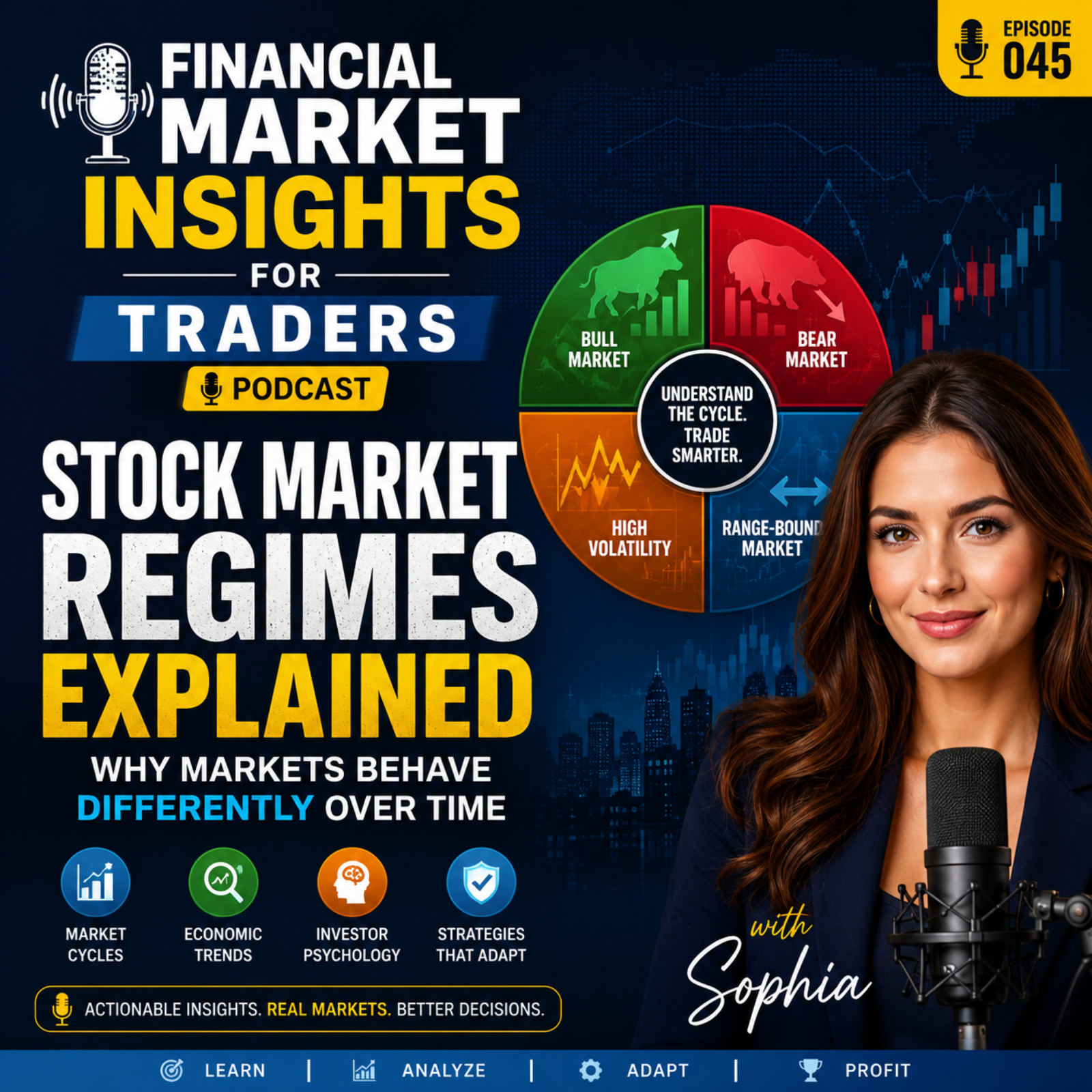 Understanding Stock Market Regimes and Market Behavior Shifts | Crystal Ball Markets 16.07.2026 16минEver wonder why a trading strategy that made money for months suddenly starts losing? Markets don't change their mind; they change their regime. In this episode, we break down the hidden economic forces behind stock market regimes. Learn how shifting volatility, macroeconomic data, and interest rates alter asset price behavior. We share actionable insights on how to identify these structural market shifts early so you can adapt your trading strategies and successfully protect your capital.Key TakeawaysDefine market regimes: Understand structural market environments driven by economic cycles.Identify shift factors: Recognize how growth, inflation, and monetary policies trigger changes.Track market volatility: Measure volatility states to gauge shifting investor sentiment.Adapt trading strategies: Switch your tactical approach when transitioning from bull to bear regimes.Mitigate portfolio risk: Adjust risk management parameters before market environments shift completely.Ready to execute your strategy across changing market environments? Access institutional-grade trading tools and advanced analytics on the execution platform: https://crystalballmarkets.com/platform
 -
 How Global Markets May Evolve in the Second Half of 2026: A Macro Deep Dive | Crystal Ball Markets 07.07.2026 14минOverviewA deep‑dive into the macro scenarios shaping global markets in the second half of 2026, covering inflation trajectories, central‑bank policy paths, growth risks, geopolitical catalysts, and cross‑asset implications for investors.🔹 Key Themes CoveredGlobal Growth PathsDivergence between advanced and emerging marketsSoft‑landing vs. late‑cycle slowdown dynamicsFiscal policy shifts influencing regional momentumInflation & Disinflation TrendsSticky services inflation vs. cooling goods inflationWage‑price dynamics heading into Q3/Q4Energy and commodity‑driven inflation risksCentral Bank Policy OutlookFed’s late‑cycle rate path and balance‑sheet strategyECB’s recalibration amid uneven Eurozone growthEM central banks navigating currency stability and imported inflationMarket Drivers & Cross‑Asset ImplicationsEquity market catalysts: earnings resilience, margin pressure, sector rotationRates & bonds: duration risk, yield‑curve normalization, volatility pocketsFX: USD trajectory, carry trades, geopolitical risk premiumsCommodities: supply constraints, demand recovery, structural supercycle themesGeopolitical & Structural RisksElection‑driven policy uncertaintyTrade fragmentation and supply‑chain realignmentEnergy transition and commodity bottlenecks🔹 Investor Positioning for H2 2026Defensive vs. cyclical balance as growth moderatesDuration opportunities in stabilizing rate environmentsFX strategies aligned with carry, volatility, and policy divergenceCommodity exposure tied to structural demand and supply constraintsTactical vs. strategic allocation shifts heading into year‑end🔹 Key Topic Areasmacro outlook 2026, global macro scenarios, second half 2026 outlook, inflation outlook 2026, interest rate forecast 2026, recession risk 2026, central bank policy 2026, market outlook 2026, macroeconomic scenarios H2 2026🔹 Call to ActionExplore real‑time macro dashboards, market analytics, and trading tools to position effectively for H2 2026: https://crystalballmarkets.com/platform
 -
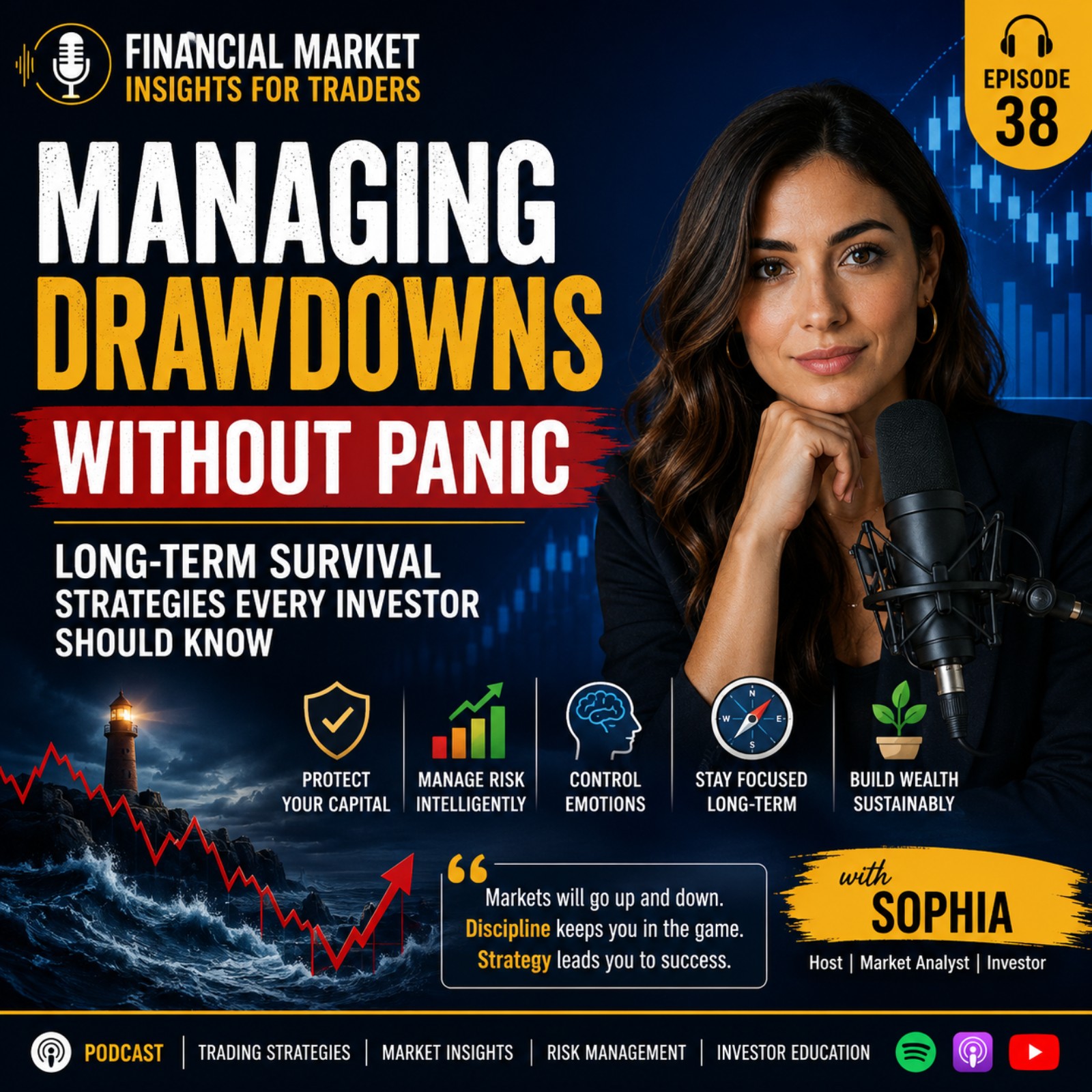 Volatility Survival Guide: How Investors Can Manage Drawdowns and Survive Long Term | Crystal Ball Markets 03.07.2026 14минMarket drawdowns are inevitable — but panic doesn’t have to be. In this episode, we break down the psychology behind downturns, the strategic frameworks that help investors stay disciplined, and the long‑term survival tactics that protect portfolios when volatility spikes. These insights help listeners build resilience, reduce emotional decision‑making, and stay focused on wealth creation even during turbulent market cycles.🔍 Key Topics CoveredWhy drawdowns happen and what they reveal about market structureThe psychology of panic selling and how to avoid emotional trapsLong‑term investing principles that keep you grounded during volatilityRisk‑management tools every investor should use during downturnsHow to build a resilient portfolio that survives market shocksPractical steps to stay disciplined when markets declineMindset shifts that separate long‑term investors from short‑term reactors📌 Detailed Episode Breakdown 1. Understanding DrawdownsWhat drawdowns mean for long‑term investorsHistorical patterns and why downturns are normalHow to interpret market corrections vs. crashes2. The Psychology of PanicEmotional triggers that lead to poor decisionsCognitive biases during volatilityTechniques to stay calm and rational3. Long‑Term Survival StrategiesDollar‑cost averaging during downturnsMaintaining strategic asset allocationUsing diversification to reduce drawdown severityWhy time in the market beats timing the market4. Risk‑Management EssentialsPosition sizing and exposure controlStop‑loss frameworks (pros and cons)Hedging tools for advanced investorsHow to evaluate risk without fear5. Building a Resilient PortfolioDefensive assets that stabilize returnsBalancing growth vs. protectionRebalancing during volatilityCreating a long‑term investment playbook6. Practical Action StepsWhat to do during the first signs of a drawdownHow to review your portfolio without panicWhen to adjust strategy — and when to stay putJournaling and tracking decisions to improve discipline🎧 Why This Episode MattersListeners walk away with a clear, actionable framework for navigating market downturns confidently. Instead of reacting emotionally, they learn how to think strategically, manage risk effectively, and stay committed to long‑term wealth creation.🚀 Call to ActionTake control of your investing journey with tools designed for clarity, discipline, and long‑term success. Explore the CrystalBall Markets platform here: https://crystalballmarkets.com/platform
 -
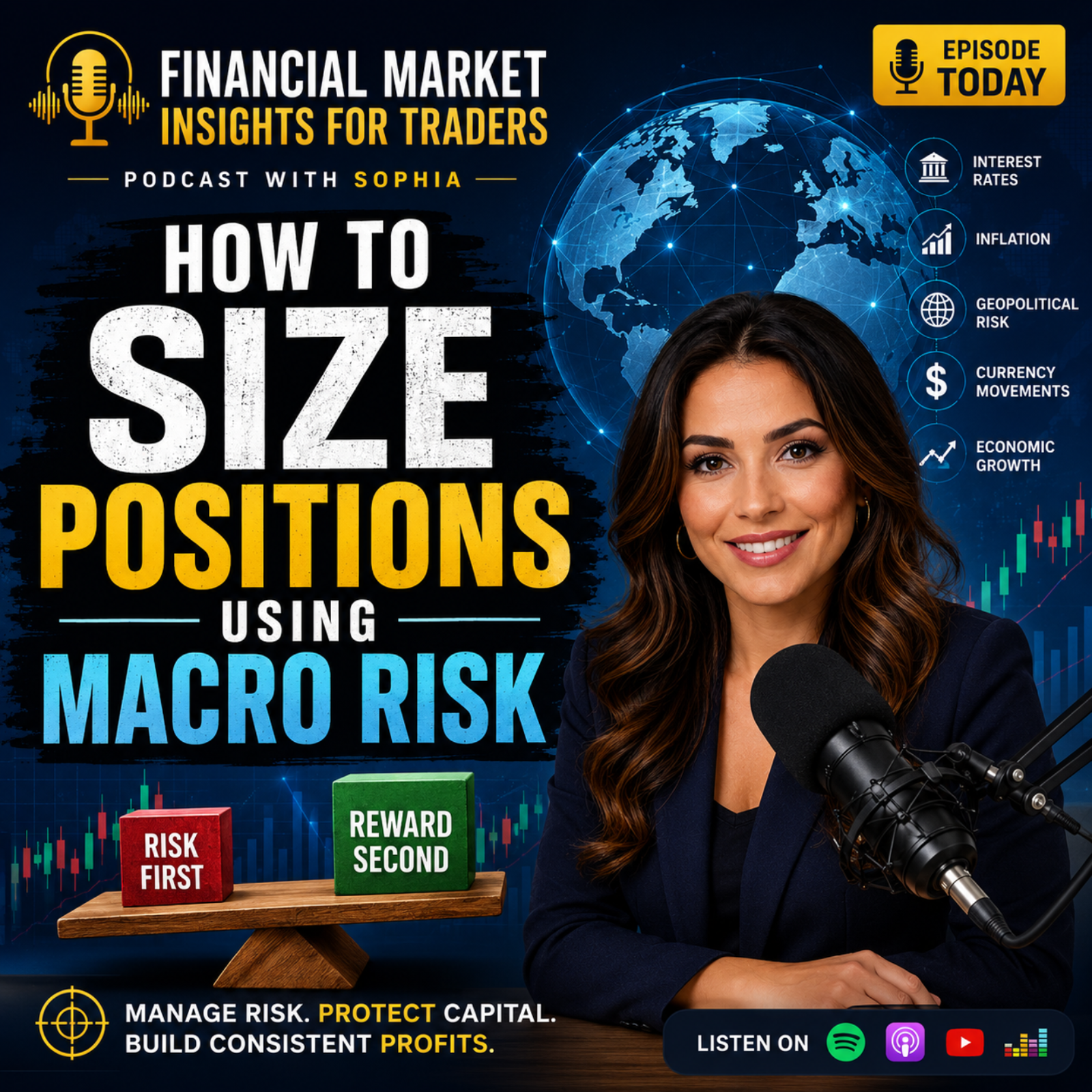 Mastering Position Sizing with Macro Risk Signals | Crystal Ball Markets 02.07.2026 14минPosition sizing is one of the most overlooked levers in macro investing. In this episode, we break down how volatility regimes, liquidity conditions, and macro risk indicators can guide smarter sizing decisions—helping investors avoid hidden leverage, protect downside, and build more resilient portfolios.Key Topics Covered1. Why Position Sizing Matters in MacroHow sizing drives portfolio outcomes more than security selectionThe role of macro volatility in determining exposureAvoiding concentration risk and unintended leverage2. Core Macro Risk SignalsVolatility regimes (low‑vol, high‑vol, transition periods)Liquidity conditions and funding stress indicatorsCorrelation spikes and cross‑asset contagionMacro regime shifts (inflation cycles, growth cycles, policy pivots)3. Position Sizing FrameworksVolatility‑adjusted sizingRisk budgeting across asset classesUsing ATR, VIX, MOVE, and cross‑asset vol metricsScaling exposure based on macro regime probability4. Practical Tools & TechniquesHow to translate macro signals into position size adjustmentsManaging exposure during correlation breakdownsTechniques for reducing tail‑risk through dynamic sizingWhen to scale up vs. when to de‑risk5. Real‑World ExamplesSizing FX positions during policy divergenceAdjusting equity exposure during liquidity contractionsUsing macro indicators to manage commodity leverageKey TakeawaysPosition sizing is a macro risk decision—not just a portfolio math exerciseVolatility and liquidity are the two most important sizing inputsMacro regime awareness prevents overexposure during transitionsDynamic sizing improves risk‑adjusted returns across cyclesCall to ActionIf you want to apply these concepts using real‑time macro data, tools, and analytics, explore the CrystalBall Markets platform:https://crystalballmarkets.com/platform
 -
 How Market Volatility Shifts Across Macro Regimes — Beyond the Fear Narrative | Crystal Ball Markets 22.06.2026 13минThis episode breaks down how volatility behaves across different macro regimes—expansion, slowdown, recession, and recovery—and why market swings are driven by far more than investor fear. We explore the structural forces, liquidity dynamics, and behavioral shifts that shape volatility cycles and what they signal for traders, investors, and risk managers.📌 Key Topics Covered🔹 Understanding Volatility Beyond FearWhy volatility is not just a “fear gauge”The limitations of relying solely on the VIXStructural vs cyclical volatility drivers🔹 Volatility in Expansion RegimesLow volatility as liquidity and growth stabilize marketsComplacency risk and volatility suppressionHow credit conditions anchor market calm🔹 Volatility in Slowdown PhasesEarly warning signs: tightening liquidity, rising dispersionWhy volatility begins to “flicker” before recessionsShifts in investor positioning and risk appetite🔹 Volatility in Recession RegimesWhy recessions produce volatility spikesForced deleveraging, liquidity stress, and flight‑to‑qualityCorrelation breakdowns and cross‑asset volatility surges🔹 Volatility in Recovery CyclesWhy volatility remains elevated even as growth returnsRe‑risking behavior and the rebuilding of liquidityMarket fragility and regime uncertainty🔹 Macro Regime TransitionsHow volatility clusters around turning pointsWhy regime shifts matter more than the regimes themselvesUsing volatility as a macro signal rather than a reaction📊 Actionable Insights for Traders & InvestorsVolatility is a macro indicator, not just a market emotionRegime‑aware strategies outperform regime‑agnostic onesLiquidity conditions often predict volatility better than sentimentMonitoring cross‑asset volatility improves risk managementVolatility spikes often precede—not follow—macro inflection points🧠 What You’ll LearnHow to interpret volatility in context of the economic cycleWhy volatility behaves differently across macro regimesHow to use volatility signals to anticipate market transitionsThe hidden macro forces that shape market turbulence🔍 Key Focus topicsvolatility across macro regimesmacroeconomic volatilityvolatility cyclesrecession volatility patternsliquidity and volatilityinvestor behavior and volatilityvolatility beyond fear🚀 Call to ActionTake your market analysis to the next level with institutional‑grade tools. Explore the CrystalBall Markets trading platform here: https://crystalballmarkets.com/platform
 -
 How Risk Parity Works: A Modern Allocation Framework for Retail Investors | Crystal Ball Markets 18.06.2026 7минThis episode breaks down risk parity, a portfolio construction method that allocates based on risk contribution rather than capital weight. Retail investors often default to traditional 60/40 or market‑cap‑weighted portfolios, but risk parity offers a more balanced, volatility‑aware framework designed to perform across different market regimes.Listeners will learn how risk parity works, why it differs from conventional allocation, and how it can help build more resilient, diversified portfolios—even without institutional‑level tools.📌 Key Topics CoveredWhat Risk Parity Actually Means Understanding the shift from capital allocation to risk allocation and why it matters.Why Traditional Portfolios Are Often Unbalanced How a 60/40 portfolio still concentrates most risk in equities.Volatility as a Core Input Why risk parity uses volatility and correlation to determine position sizing.Diversification Beyond Asset Classes How risk parity seeks balance across economic environments, not just assets.The Role of Leverage Why many institutional risk‑parity strategies use leverage—and what retail investors should understand about it.Risk Parity vs. Traditional Allocation A practical comparison of outcomes, stability, and drawdown behavior.How Retail Investors Can Apply Risk Parity Concepts Simple, actionable ways to incorporate risk‑balanced thinking without complex models.Common Misconceptions Addressing myths around leverage, complexity, and performance during rising‑rate environments.📊 Actionable Insights for Retail InvestorsThink in terms of risk contribution, not just capital weight.Use volatility as a guide to determine position sizing.Balance exposure across growth, inflation, and deflation regimes.Understand that leverage is a tool, not a requirement.Focus on portfolio resilience, not chasing returns.🔍 Key Topic Areas risk parity investingrisk‑based allocationretail investor portfolio strategiesvolatility‑based allocationdiversified portfolio constructionrisk parity vs traditional allocation🚀 Call to ActionReady to build smarter, more resilient portfolios using institutional‑grade tools? Explore the full trading and analytics platform here: https://crystalballmarkets.com/platform
 -
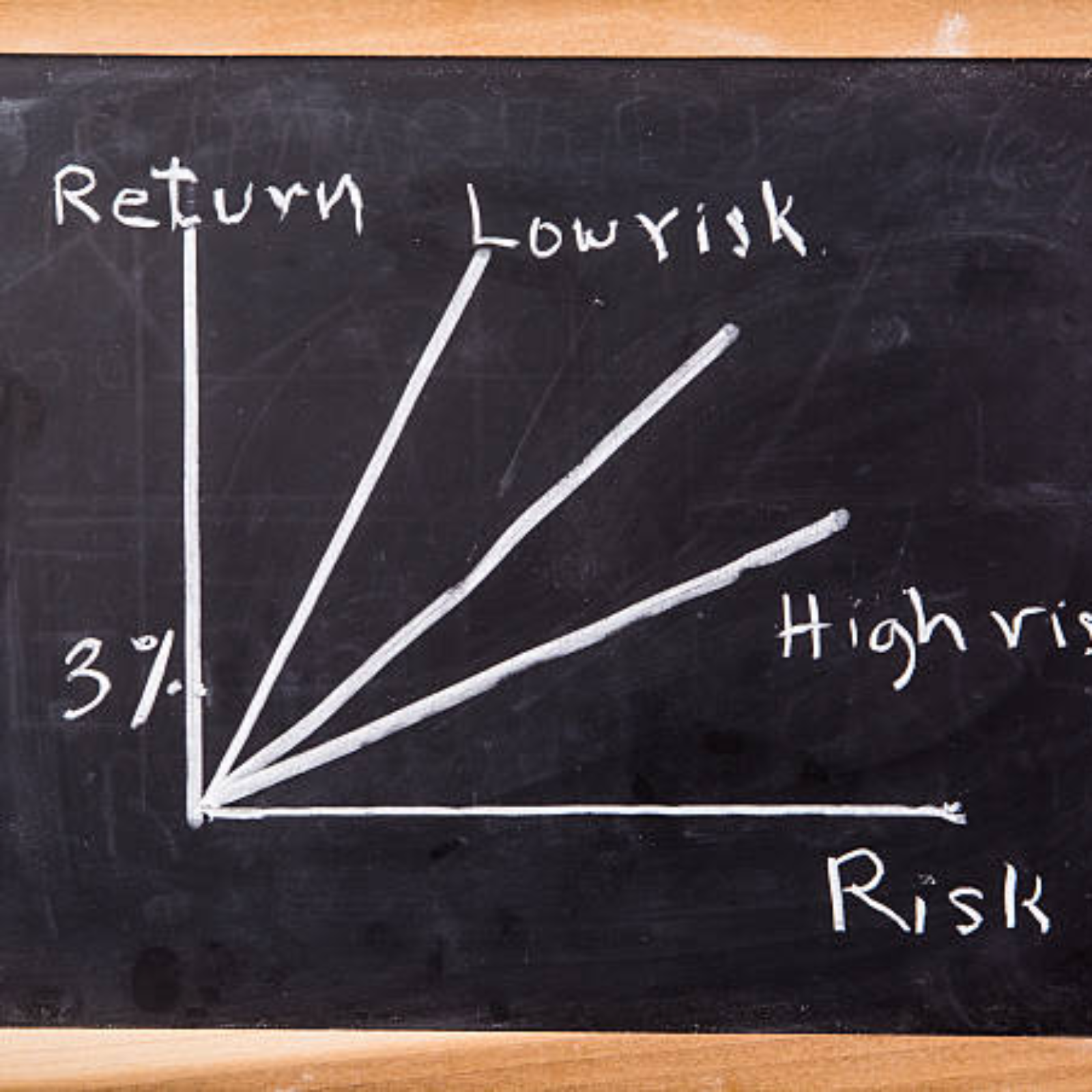 The Correlation Spike Problem: How Macro Shocks Break Diversification | Crystal Ball Markets 15.06.2026 13минDiversification is supposed to protect portfolios—but in the moments investors need it most, everything suddenly moves together. In this episode, we break down the macro forces that cause asset correlations to spike, why traditional diversification fails during stress, and how investors can rethink risk in a world where “uncorrelated” assets don’t stay uncorrelated.🔍 What We Cover in This Episode📌 1. Why Asset Correlations Break DownHow macro shocks override asset‑specific fundamentalsWhy correlations rise sharply during recessions, liquidity crunches, and systemic stressThe role of global risk sentiment in synchronizing markets📌 2. The Macro Regimes That Drive Correlation SpikesRisk‑on vs. risk‑off cyclesInflationary vs. disinflationary environmentsPolicy tightening, easing, and the liquidity cycleHow central bank pivots create cross‑asset co‑movement📌 3. Liquidity: The Hidden Driver of Market ConvergenceWhy liquidity shortages force investors to sell “good” assets with the “bad”How margin calls and deleveraging create forced correlationThe mechanics of flight‑to‑safety flows📌 4. When Diversification Stops WorkingWhy bonds and equities can fail simultaneouslyCorrelation regime shifts during inflation shocksThe myth of permanent low‑correlation assets📌 5. What Investors Can Do in High‑Correlation Markets(Educational insights — not financial advice)Understanding macro regime indicatorsStress‑testing portfolios for correlation spikesRethinking diversification beyond asset classesThe importance of liquidity buffers and scenario analysis🔑 Key topic areas asset correlation breakdown, diversification failure, macroeconomic shocks, liquidity stress, policy shifts, correlation spikes, systemic risk, cross‑asset behavior, macro regimes, portfolio risk🚀 Call to ActionIf you want to trade global markets with deeper macro insight, explore the CrystalBall Markets platform here: https://crystalballmarkets.com/platform
Подобни подкасти


Популярен в
Този подкаст се появява и в подкаст класациите на тези държави.
