
Talking Indonesia
Talking Indonesia
0
In the Talking Indonesia podcast, Dr Jemma Purdey, Dr Jacqui Baker, Tito Ambyo and Dr Elisabeth Kramer present an extended interview each fortnight with experts on Indonesian politics, foreign policy, culture, language and more. Find all the Talking Indonesia podcasts and more at the Indonesia at Melbourne blog.
Епизоди
-
 Mitha Eka & Linda Bennett - Patient Education for Cancer 09.09.2026 25минAny cancer diagnosis will leave the patient with lots of questions. What is this disease, and why has it happened to me? What are my chances, what are my options, and what will it mean for me and my family? For Indonesian women diagnosed with cervical cancer, the answers have not always been easy to come by. Until recently, no formal patient education materials were being provided at the point of diagnosis — and where good information is scarce, myths fill the gap, the biggest one being that a diagnosis is simply a death sentence. In this episode, we look at what happened when a team of Australian and Indonesian researchers set out to change that. Dr Mitha Eka and Professor Linda Rae Bennett, with colleagues at the Centre for Reproductive Health at Universitas Gadjah Mada, spent a year co-designing the first patient education materials of their kind in Indonesia. Funded by the Australia-Indonesia Institute, the project brought together survivors, clinicians, four hospitals in Yogyakarta, community organisations, and government at both provincial and national levels. With our guests, host Dr Elisabeth Kramer discusses what it takes to build something like this inside a health system where clinicians may see a hundred patients a day, why the team developed a new “collaborative equilibrium” approach rather than importing international guidelines, and how questions of culture, hierarchy and collective family decision-making shaped every stage of the work. They also share what came out of it: a diagnostic flipchart for clinicians, take-home fact sheets for patients and families, and a word bank to help clinicians explain complex medical information in everyday spoken Indonesian. About the guests Dr Mitha Eka is an educational specialist and early career researcher who works across the University of Melbourne and Federation University. She has more than a decade of experience designing, delivering and evaluating educational programs spanning global health, social innovation and plant biosecurity, in both Australia and Indonesia. Professor Linda Rae Bennett is a medical anthropologist based at the Nossal Institute for Global Health at the University of Melbourne. She has thirty years of experience in research and health capacity building in Indonesia, and for the past decade has collaborated with the Centre for Reproductive Health at Universitas Gadjah Mada on a range of projects related to HPV and cervical cancer. Find out more The project is the Australia-Indonesia Collaboration for Cervical Cancer Patient Education (AI-KPPKS / Australia Indonesia Kolaborasi untuk Pendidikan Pasien Kanker Serviks), funded by the Australia-Indonesia Institute. Full details are available on the Nossal Institute for Global Health project page: Collaborative curriculum development for cervical cancer patient education in Indonesia https://mspgh.unimelb.edu.au/research-groups/nossal-institute-for-global-health/Prevention-and-Management-of-Health-Conditions/collaborative-curriculum-development-for-cervical-cancer-patient-education-in-indonesia
 -
 Imam Ardhianto - Changing Human-Tiger Relations in Sumatra 29.08.2026 48минSix years ago, in a village in West Sumatra, a tiger died and its human relatives moved to bury it — because the tiger is understood as their own family. The Indonesian wildlife conservation authority BKSDA intervened, fearing poachers might take the carcass; the villagers, in deep grief, buried the tiger anyway. It's not an isolated case: similar stand-offs have played out in southern Aceh and elsewhere, as Sumatra's forests are cut into ever-smaller patches by plantations and logging, pushing tigers and people into closer contact than ever before, and tensions grow between different ontologies and practices on how to manage the relationship. This is why, as Universitas Indonesia anthropologist Imam Ardhianto puts it, human-tiger relations are best read not as belief systems in isolation, but as sensitive registers of ongoing socio-ecological change. So what happens to a centuries-old relationship between people and tigers when plantations fragment the forest, a virus jumps species from village dogs, and social media reshapes how a new generation understands the animal at all? In this week's episode, Tito Ambyo chats with Imam Ardhianto, an anthropologist and Chair of the Department of Anthropology at Universitas Indonesia. Imam's research on the cosmopolitics of human-tiger relations draws on fieldwork in Sumatra, tracing how ancestral guardian tigers, were-tigers, and “outsider” tigers are understood — and how those categories are shifting as the forest itself changes. In 2026, the Talking Indonesia podcast is co-hosted by Dr Jemma Purdey from the Australia-Indonesia Centre, Dr Clara Siagian from the University of College London, Dr Jacqui Baker from Murdoch University, Dr Elisabeth Kramer from the University of New South Wales, and Dr Tito Ambyo from RMIT
 -
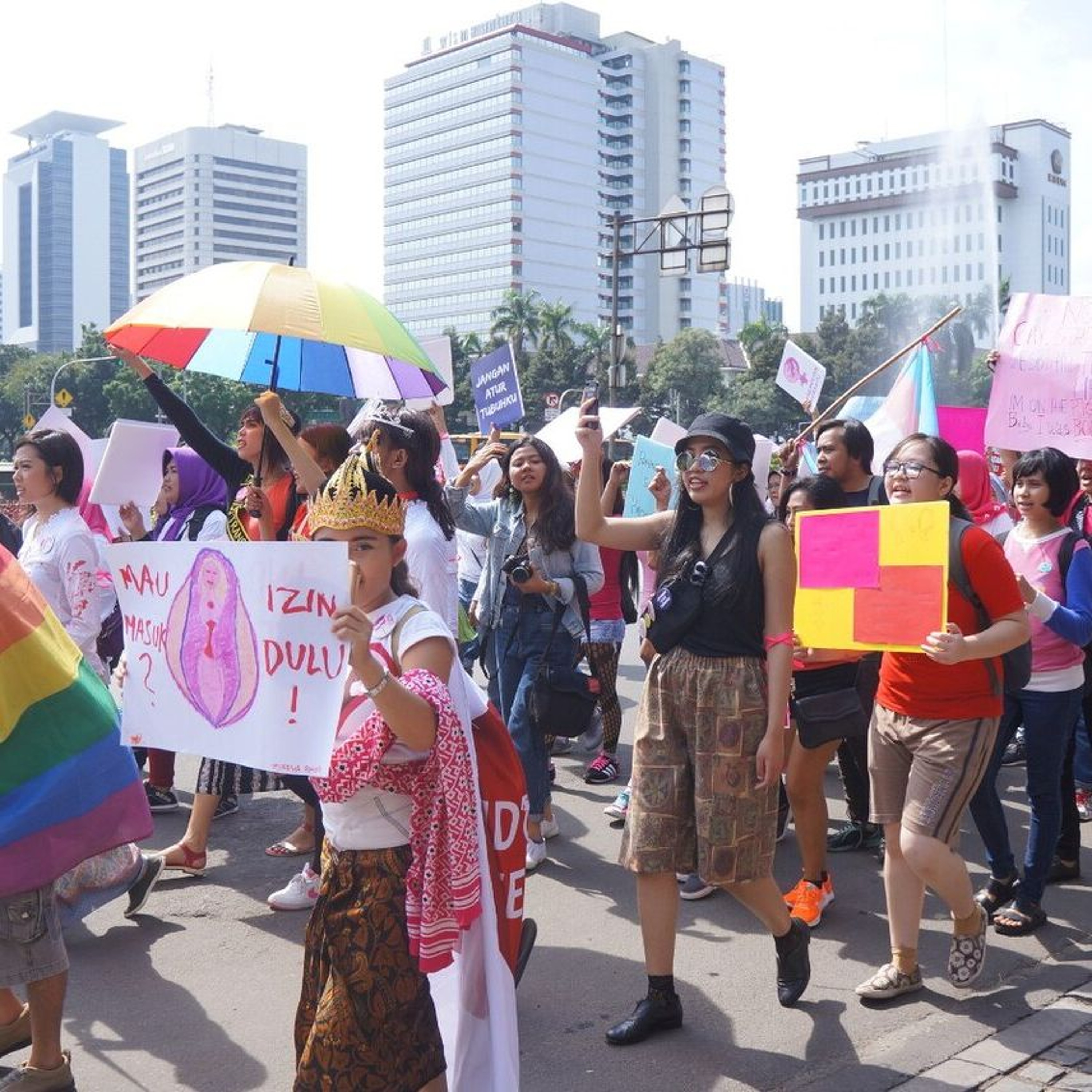 Dania Joedo - LGBTQI+ Community under Attack 13.08.2026 36минLast month a series of attacks on transgender women in Bogor, sent a chill through a community for whom this kind of violence is increasingly normal. The recent attacks have coincided the release of the full text of Presidential Regulation No. 111 of 2025 concerning the 2025-2029 General Policy for National Defense, classifying the spread of LGBTQI+ culture as a ‘non-military’ threat to the state, placing it within the same category as terrorism, separatism and radicalism. A recent Human Rights Watch report quoted the chairperson of LGBTQI+ advocacy organisation, Arus Pelangi, Nono Sugiono, as saying, “Patterns of hate based on gender identity and sexual orientation are building year on year.” So, what forms does this ‘pattern of hatred’ take, how is the LGBTQI+ community coping and ultimately, why do morality issues have such social currency in Indonesia? In this week's episode, Jemma chats with Dania Joedo, a musician and human rights activist based in Jakarta, Indonesia. Dania works with a variety of NGOs such as Jakarta Legal Aid, Omah Munir, New Naratif, ASEAN Parliamentarians for Human Rights, YAPPIKA ActionAid, and Indonesia Legal Aid Foundation. With her band, Tashoora, Dania makes music that aims to raise awareness about issues that are underrepresented today. In 2026, the Talking Indonesia podcast is co-hosted by Dr Jemma Purdey from the Australia-Indonesia Centre, Dr Jacqui Baker from Murdoch University, Dr Elisabeth Kramer from the University of New South Wales, Tito Ambyo from RMIT and Dr Clara Siagian from University College, London. Image: Indonesian LGBT activists protests in Jakarta 2018/ Bayu Fuller Wikimedia CC
 -
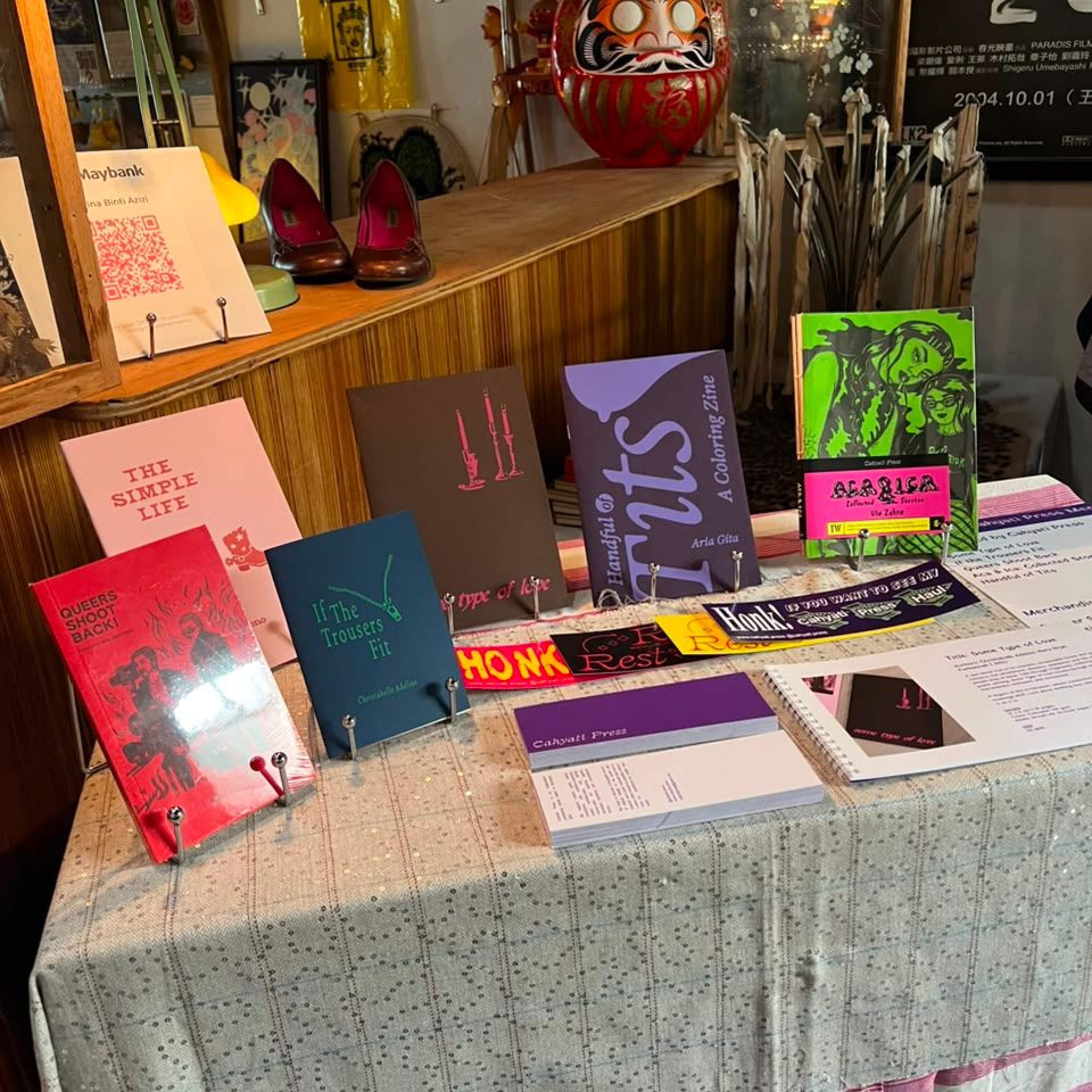 Syarafina Vidyadhana - Indonesia's Independent Publishing 31.07.2026 37минIndependent publishing might seem like a small element of Indonesia’s cultural landscape: limited print runs, niche books, and audiences that rarely extend into the mainstream. Yet these spaces can matter precisely because they make room for voices, ideas, and forms of cultural expression that have little place elsewhere. This matters in Indonesia today, where civic space is increasingly constrained and marginalised communities, including queer people, face growing stigma, scapegoating, and political hostility. In this context, publishing becomes not only about circulating books but a way of sustaining communities, and creating spaces where people can think, disagree, and imagine different forms of social and political relations. In this episode of Talking Indonesia, Dr Clara Siagian speaks with Syarafina, co-founder and commissioning editor of Cahyati Press, an independent publishing practice based in Bali. Cahyati publishes books, zines, and artist books by writers, poets, artists, and researchers, particularly queer, working-class, and BIPOC voices that are often overlooked by mainstream publishing. Syarafina reflects on her twelve-year journey through independent publishing and on why Cahyati Press came into being. For her, independent publishing is less about size than editorial freedom to publish work because it matters, even when it defies common literary classification or when it is not commercially viable. That freedom takes on particular significance when we talk about queer publishing. As LGBTQ+ people in Indonesia face increasing stigma and political scapegoating, Syarafina argues for the importance of documenting queer lives in all their complexity. This means communicating not only stories of violence and survival, but also stories of friendship, family, work, migration, desire, boredom and joy. Publishing, in this sense, can be a quiet form of resistance which encompasses preserving stories, creating memory, and allowing people to recognise that they are not alone. The conversation also takes us beyond Indonesia. Cahyati Press is part of a growing international network of independent publishers, artists, writers, booksellers and cultural organisers across Southeast Asia, Australia, Europe and beyond. Rather than seeing Indonesia simply as a place where international researchers and artists come to study or work, this network points to Indonesia as a place from which connections are being forged, and cultural conversations are being shaped. Finally, we discuss what independent publishing might offer academics: an opportunity to experiment with shapes, audiences and methods, and to imagine forms of knowledge production beyond the rigid conventions of academic publishing. In 2026, Talking Indonesia podcast is co-hosted by Dr Jacqui Baker from Murdoch University, Dr Clara Siagian from University College London, Dr Elisabeth Kramer from the University of New South Wales, Dr Jemma Purdey from the Australia-Indonesia Centre, and Tito Ambyo from RMIT.
 -
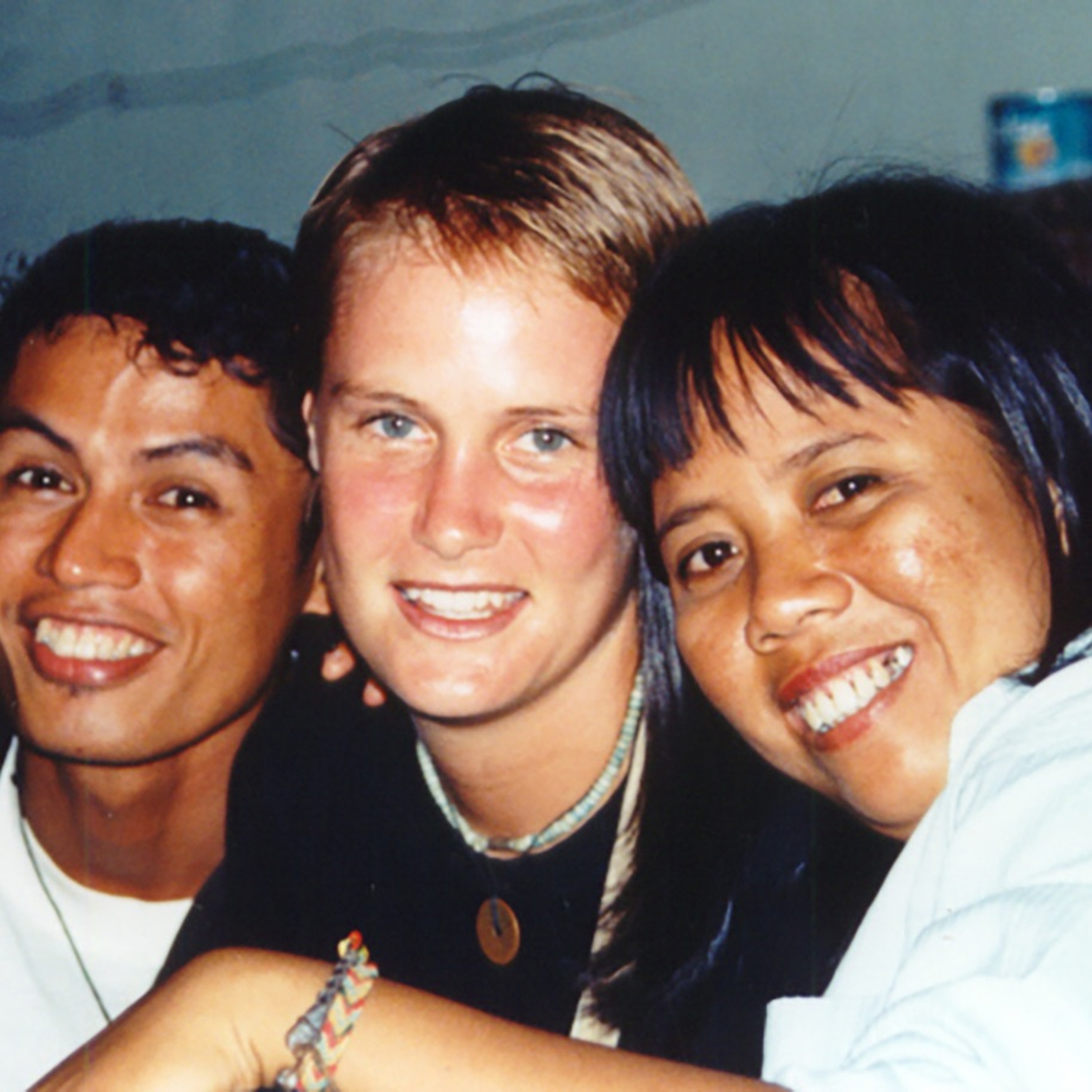 Liam Prince - Experiencing Indonesia 16.07.2026 33минThe problem of Australian knowing and engaging Indonesia, as our closest neighbour, has vexed successive Australia governments ever since Keating called for Asian literacy in the 1980s. Toward that end, we have seen intermittent policy interventions recognizing the strategic importance of what has come to known as Australia’s “Asian capabilities”. This includes a National Asian Language and Studies program in the 1990s, a 2012 white paper under the Gillard government and in 2015, the Department of Foreign Affairs and Trade unveiled the New Colombo Plan which provides grants and high prestige scholarships to Australian undergraduates studying in the region. And yet Australia’s quest for “Asian Capabilities” has been nonetheless been marked by declining numbers in Asian language learning, closures of Asian studies departments and programs at senior high school and in universities and with repeated warnings from educators, language teachers, high schools and universities about the catastrophic decline in student numbers. An important element of Australia’s relationship to Asia has been forged through study abroad programs which send hundreds of Australian students to Asia each year. The Australian Consortium for In Country Studies Indonesia Studies, known as ACICIS, is the longest running facilitator of these kinds of programs to Indonesia, having facilitated some 5000 of Australian students to Indonesian universities since it was established nearly 30 years ago. This month also marks the launch of a new book on the generational impact of these programs called Experiencing Indonesia: 30 years of ACICIS published by ANU Press and edited by Kirrilee Hughes, Kate Naidu and David Reeve. Today I’m speaking to Liam Prince, Director of the ACICIS program based at the University of Western Australia about the future of Australia’s Asia and Indonesia capabilities.
 -
 Austin Jenish - Environmental activism, the law and SLAPP 01.07.2026 35минIndonesia is home to some of the largest stretches of tropical rainforest left on Earth — and to a growing community of people willing to put themselves on the line to defend it. But across the archipelago, environmental activists are increasingly finding that the sharpest threat they face isn't out in the field. It's in the courtroom. In this episode, we're looking at how the law itself is being turned against environmental defenders in Indonesia, especially through what are known as SLAPPs — strategic lawsuits against public participation. What are these suits, and what is the intention behind them? To unpack this, I'm joined by Austin Jenish. Austin recently finished his studies, and his path into these questions didn’t begin in a lecture or a research program, but with a study abroad program that took him to Indonesia. He came to the country's legal system and its environment out of genuine curiosity, and followed that interest far enough to start writing about it. So, we connected through an article Austin wrote for Earth.org on SLAPP which can be found at https://earth.org/how-malicious-lawsuits-are-silencing-climate-activists-in-indonesia/. Austin holds degrees in both law and genetics from Monash University and now works at a commercial litigation firm, but his engagement with environmental issues is a longstanding passion. He's served as a conservation status assessor with the International Union for Conservation of Nature, contributed environmental law and policy work to NGOs including the Institute for Criminal Justice Reform in Jakarta, and through Monash's law clinics helped draft a framework for environmental litigation and supported the Cook Islands in the UN's plastic pollution treaty negotiations.
 -
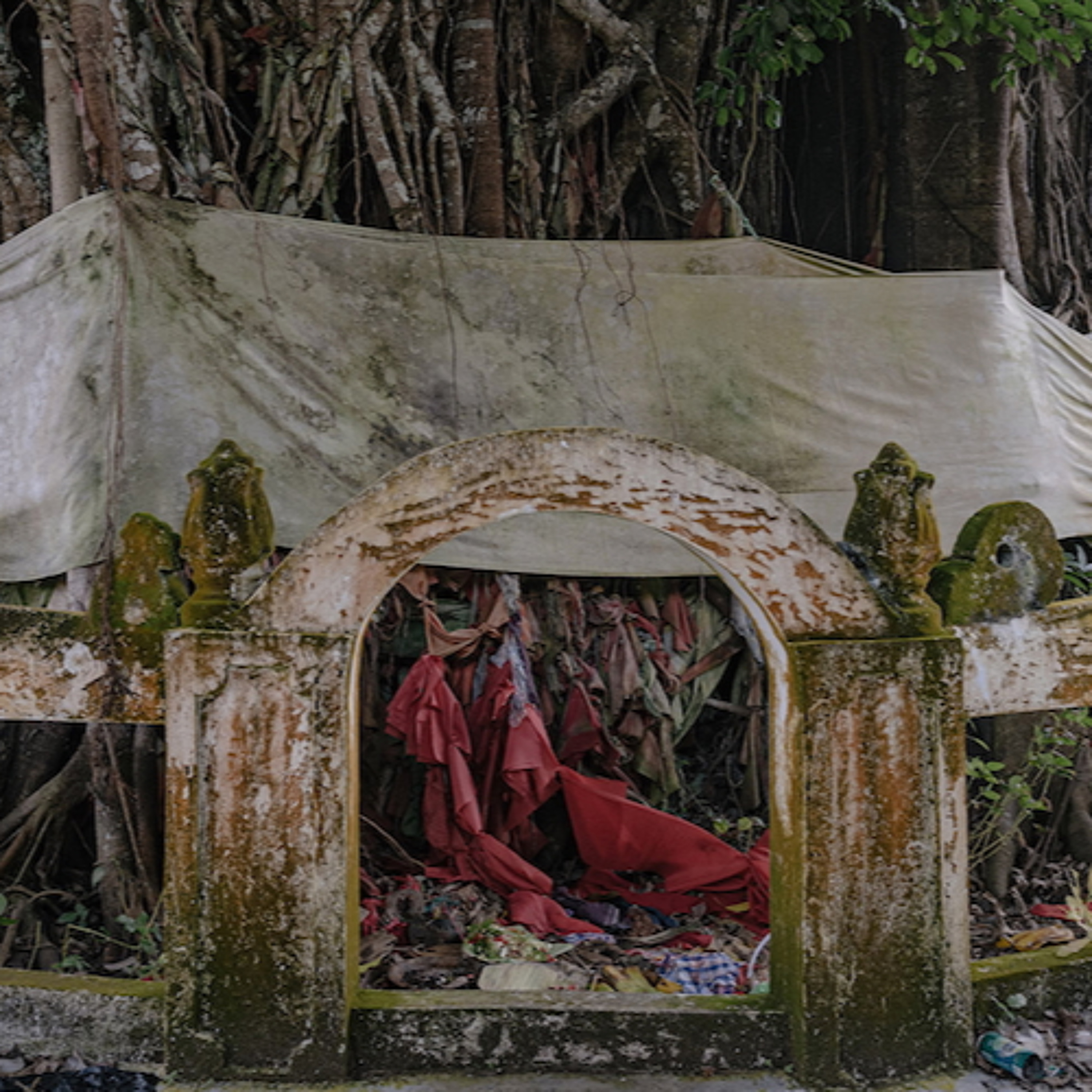 Tito Ambyo and Jamie Edmonds - Indonesian Ghosts and Ghost Stories 20.06.2026 39минWhat does it mean to believe in ghosts? It turns out that's exactly the wrong question. In this special episode of Talking Indonesia, co-hosts Tito Ambyo and Jamie Edmonds sit down together not as interviewer and guest, but as co-editors who have spent months immersed in a collection of essays on ghosts and haunting in Indonesia. The result is something that is a bit different than the usual podcast interview: two scholars thinking aloud about what the ghostly has done to them. They move between the personal and the theoretical. Jamie's childhood on a road called Whispering Woods, his years navigating psychosis and hallucination, and the way ghost stories kept refusing to let him stay on the outside. And Tito's discovery, buried in a Dutch East Indies newspaper, that his grandfather hosted a radio programme about spirituality, which was a revelation that arrived mid-thesis, mid-life, with the force of a haunting. The episode also serves as a guide to the Inside Indonesia special edition on ghosts that Tito and Jamie co-edited: essays on pulung gantung in Gunung Kidul, haunted manuscripts that resist digitisation, headless soldiers whose presence keeps colonial violence from being forgotten, female dancers whose spectral power is reshaping Indonesian cinema, and journalists learning to take seriously the tree that refused to be felled. What emerges from all of it is not an argument for or against the existence of ghosts, but something more interesting: a case for sitting with what we cannot explain, and for the kind of knowing that begins with admitting we do not know. In this episode of Talking Indonesia, Tito Ambyo and Jamie Edmonds explore what ghosts teach us about Indonesia — and about ourselves. Jamie Edmonds is Director of the Critical Languages Institute, Associate Director of the Melikian Center for Russian, Eurasian, and East European Studies, and Clinical Assistant Professor of Religious Studies at Arizona State University. His research focuses on Islam, popular culture, and the supernatural in Indonesia. In 2026, the Talking Indonesia podcast is co-hosted by Dr Jemma Purdey from the Australia-Indonesia Centre, Dr Elisabeth Kramer from the University of New South Wales, Dr Tito Ambyo from RMIT, Dr Jacqui Baker from Murdoch University, and Dr Clara Siagian from University College London.
 -
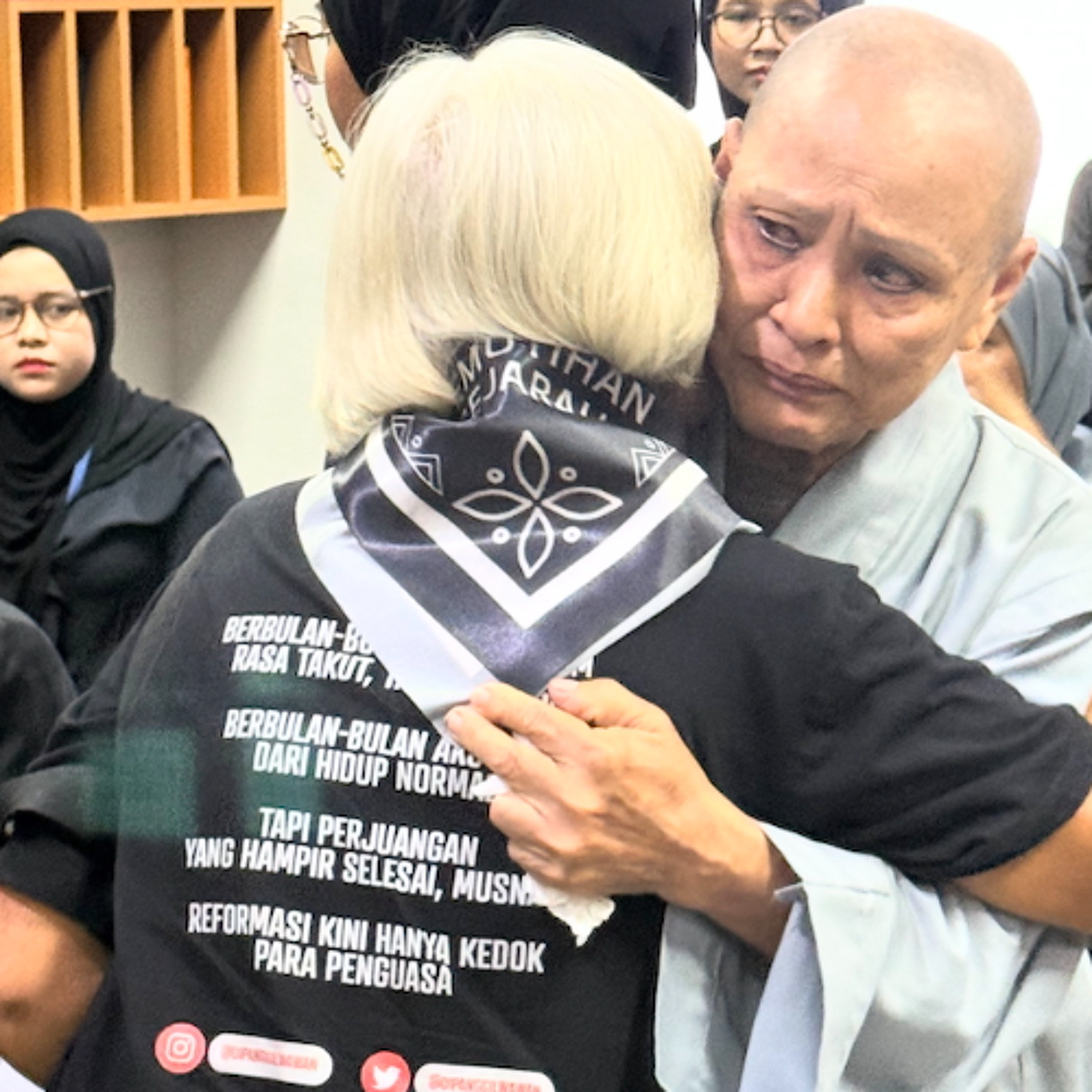 Airlangga Julio - The People versus Fadli Zon 04.06.2026 34минAirlangga Julio - The People versus Fadli Zon Last month marked the 28th anniversary of the mass rioting, that shook Indonesia's capital, Jakarta, and other major cities for several days in mid-May 1998. There was widespread looting and arson, which resulted in the deaths of over a 1000 people and large-scale property damage and capital flight. Soon, it was also revealed that incidents of sexual assaults and rapes had occurred on a massive scale. The rioters’ targets were overwhelmingly properties and businesses owned by ethnic Chinese Indonesians. The victims of sexual violence and rapes were also, although not exclusively, Chinese, Indonesian women. In the following days, Suharto’s authority became fractured and his regime fell, ushering in the Reformasi era. Key actors involved in these events of almost three decades ago, are today at the centre of power in Indonesia. Prabowo Subianto, now President, was then Commander of Kostrad, the Army Strategic Reserve Command, and Sjafrie Sjamsoeddin, now Defence Minister, was then Commander in charge of Jakarta, Pangkoops Jaya. At the time, Sjamsoeddin’s failure to protect the capital was singled out for condemnation. Around the fringes of these events was also Fadli Zon, a long-time supporter of Prabowo, who by his own account, was close to the now president as the events of May 1998 played out. When he was appointed the Minister of Culture in Prabowo’s first cabinet in 2024, Fadli Zon immediately embarked on a controversial project to rewrite Indonesia’s official history for school curricula. He had a particular interest in the way in which the history of May 1998 would be represented. This became a focus in his public statements about the project, including challenging the historical account of these events accepted by the official government-appointed task force set up after the riots, and by rigorous academic research. Then in June 2025, Zon went on the record questioning if sexual assaults and rapes had taken place. A few months later, a group of advocates, including some of those directly involved in the fact-finding investigation and who provided support to victims at the time, filed a case against the minister in the Jakarta Administrative Court. Following several months of evidence, the trial concluded in April 2026. What was the nature of their case against Minister Zon? How did the court respond? And what implications might this case have for the broader struggle for human rights protections and democracy in Indonesia right now? In this week's episode Jemma chats with Airlangga Julio, associate lawyer at AMAR Law Firm and Public Interest Law Office and a member of the Tim Advokasi Untuk Demokrasi (TAUD, Advocacy Team for Democracy). In 2026, the Talking Indonesia podcast is co-hosted by Dr Jemma Purdey from the Australia-Indonesia Centre, Dr Jacqui Baker from Murdoch University, Dr Elisabeth Kramer from the University of New South Wales, Tito Ambyo from RMIT and Dr Clara Siagian from University College, London.
 -
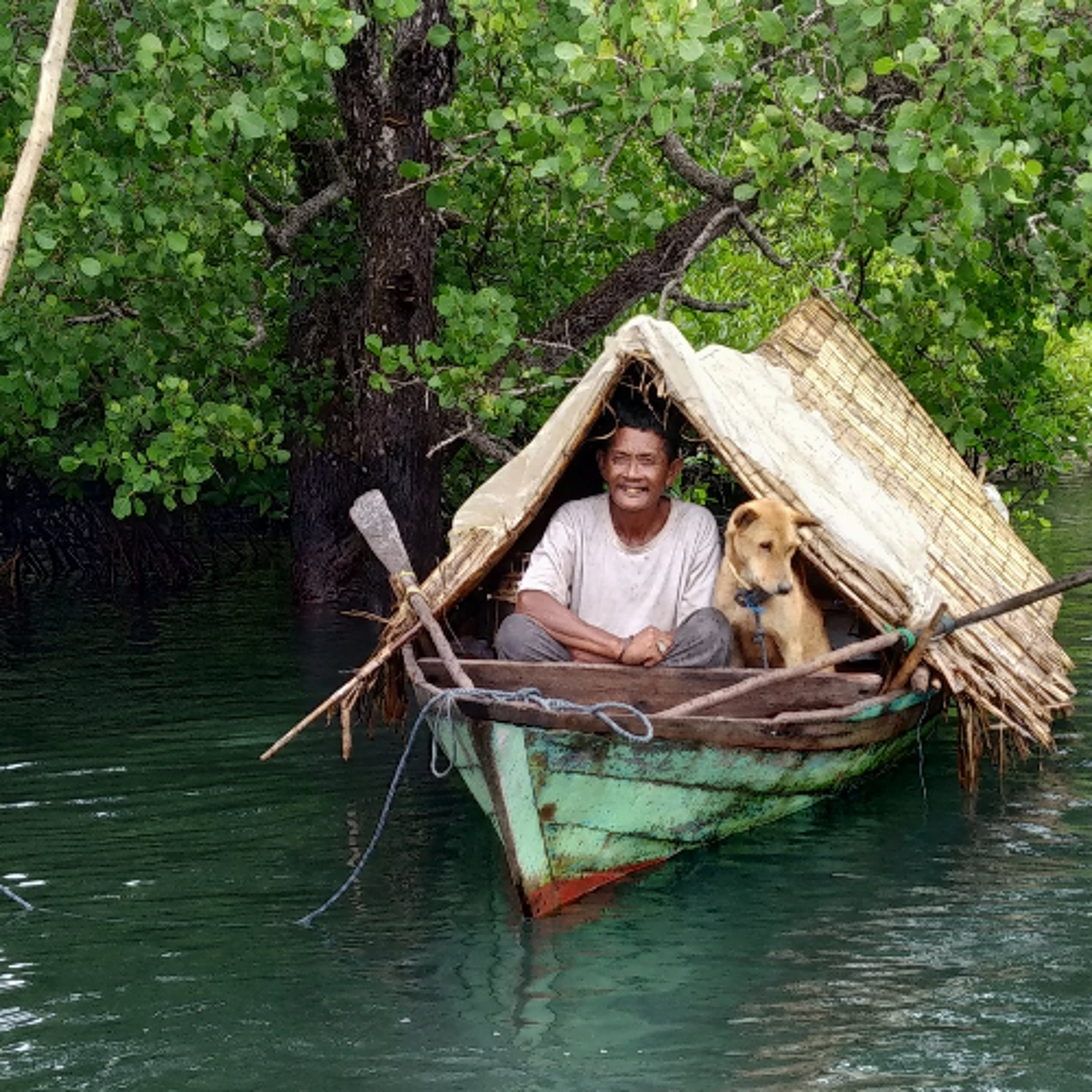 Wengki Ariando: Sea Nomads and the Future of Our Ocean 21.05.2026 46минEvery year on the 8th of June, World Ocean Day calls us to reflect on the vital role our seas and waterways play in sustaining life on Earth. Yet for most of us, the ocean remains something we observe from a distance, and more recently, a source of anxiety as sea levels rise, waters warm, and marine ecosystems collapse under the pressures of the Anthropocene. For Indonesia, a nation that defines itself as a maritime and archipelagic country, this distancing carries a particular irony. Despite the political rhetoric of "returning to the sea" that depicts the ocean as the future of our civilisation especially during Jokowi’s administration, Indonesia's relationship with its waters has been largely shaped by an impulse to conquer, control, and extract. It is within this tension that the stories of Indonesia's Sea Nomad peoples become both urgent and instructive. Communities such as the Orang Suku Laut and the Sama-Bajau have maintained deep cultural, social, and economic ties to the ocean across generations. For them, the sea is home, identity, and livelihood, not something to be managed or tamed. Yet these communities are increasingly marginalised, their connection to the sea is systematically eroded for economic development, conservation, and paternalistic policies enacted in the name of their own welfare. In this episode, Dr Clara Siagian speaks with Dr. Wengki Ariando, a scholar-activist from the Royal Netherlands Institute of Southeast Asian and Caribbean Studies (KITLV). He is also a part of Sea Nomads Contact Group, a collective of researchers and community representatives with a mission to translate research into advocacy and activisms for the political recognition of Sea Nomads in Southeast Asia. Drawing from more than a decade working with and learning from Sea Nomad communities in Indonesia, Wengki unpacks who Orang Suku Laut and Sama-Bajau are, the nature of their relationship with the sea and the very real threats they face today. Crucially, Wengki also introduces the concept of fluid or rhizomatic territory and Aquapelagos to challenge the dominant, land-based notion of territory as something fixed and bounded, and views the ocean and the land as separate entities. For Sea Nomads, whose lives and identities are organised around movement in water, and between water and land, such conventional territorial frameworks render them invisible and rightless. A rhizomatic understanding of territory, by contrast, opens space for recognising the legitimacy of Sea Nomads' claims to their waters, and with it, the political recognition they are long overdue. In 2026, the Talking Indonesia podcast is co-hosted by Dr Jacqui Baker from Murdoch University, Dr Clara Siagian from the University of College London, Dr Elisabeth Kramer from the University of New South Wales, Dr Jemma Purdey from the Australia-Indonesia Centre, and Tito Ambyo from RMIT.
 -
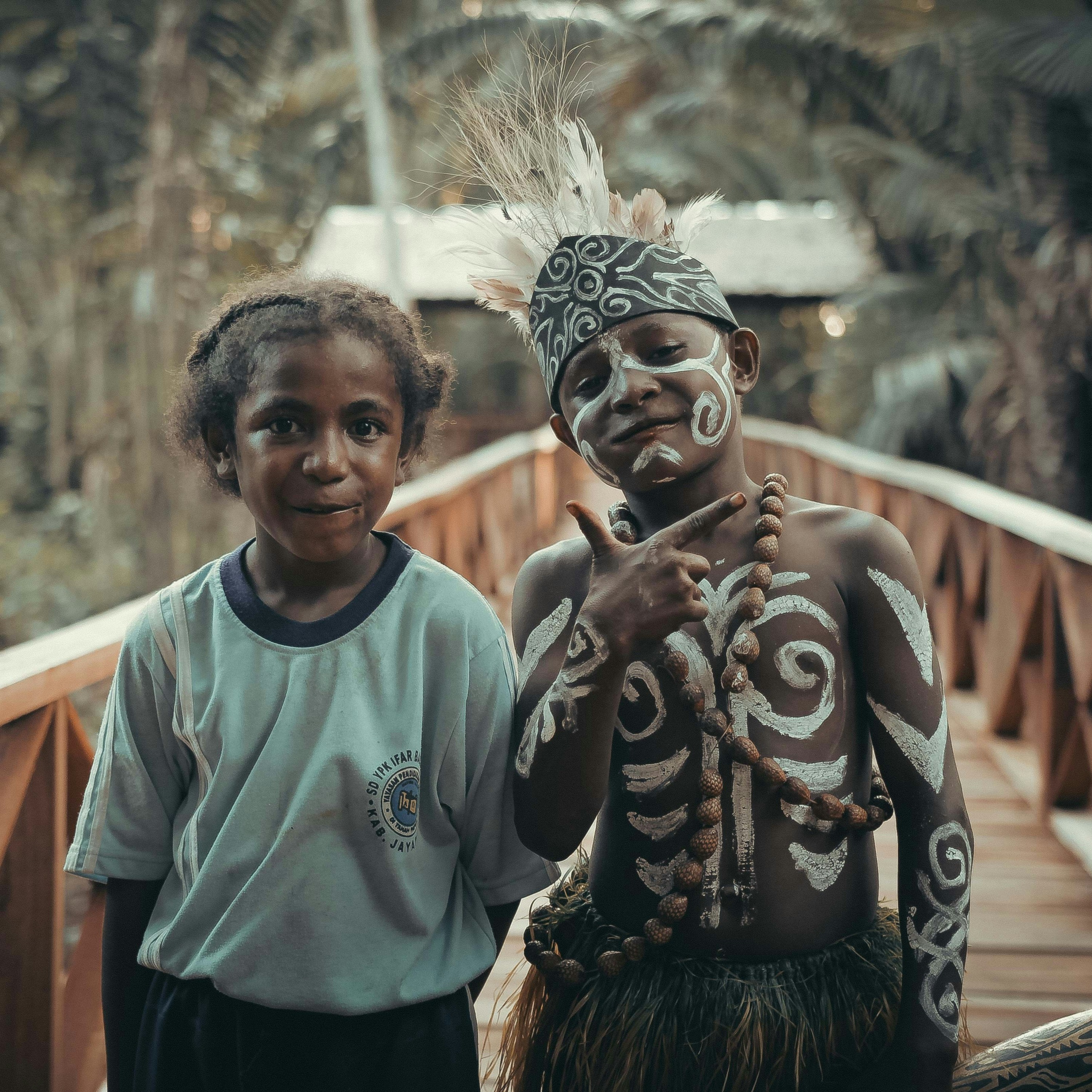 Murni Sianturi - Education in Papua 23.04.2026 31минWhen we talk about improving education in remote or indigenous communities, we usually start with the wrong questions. We ask: what's missing? What needs to be fixed? But what if the problem isn't a lack of education but a failure to recognise the rich opportunities for education that are already there? In this episode, Dr Murni Sianturi challenges some of the most deeply held assumptions about schooling, knowledge, and what it means to learn. Her research in West Papua pushes back on three pervasive myths: that indigenous parents don't care about their children's education, that learning only happens in formal schools, and that indigenous communities are problems to be solved rather than partners to be heard. Children in West Papua face additional challenges around their identity and how to navigate their Indonesian selves with their indigenous identity. At the heart of Murni's work is a deceptively simple argument — that education works best when it's built on real relationships, when schools treat families as partners rather than outsiders, and when children are allowed to explore all aspects of their identity so they know who they are and where they're going. This is a conversation about West Papua, but it's really about something much bigger: whose knowledge counts, and who gets to decide how children are educated. As an Indigenous scholar and lecturer in education with over six years of professional academic experience, Dr Murni Sianturi has built a strong track record in leading research. She completed her PhD at the University of New South Wales with a prestigious Scientia PhD Scholarship. Currently, she leads a competitively funded Australia–Indonesia international research project with Universitas Pendidikan Indonesia (UPI), funded by the Indonesian Government and co-funded by Excelsia University College. She has shared her expertise in Indigenous education and educational technology through invited talks, keynotes, plenary sessions, and international conference presentations. Her publications include two books and 21 peer-reviewed articles, seven of which appear in top-tier journals such as Pedagogy, Culture & Society and Education and Information Technologies, contributing to scholarship that influences both research and practice. In 2026, the Talking Indonesia podcast is co-hosted by Dr Jemma Purdey from the Australia-Indonesia Centre, Dr Clara Siagian from the University of College London, Dr Jacqui Baker from Murdoch University, Dr Elisabeth Kramer from the University of New South Wales, and Dr Tito Ambyo from RMIT. Image: Child in school uniform besides child in traditional Papua dress. Photo by Asso Myon/Unsplash.
 -
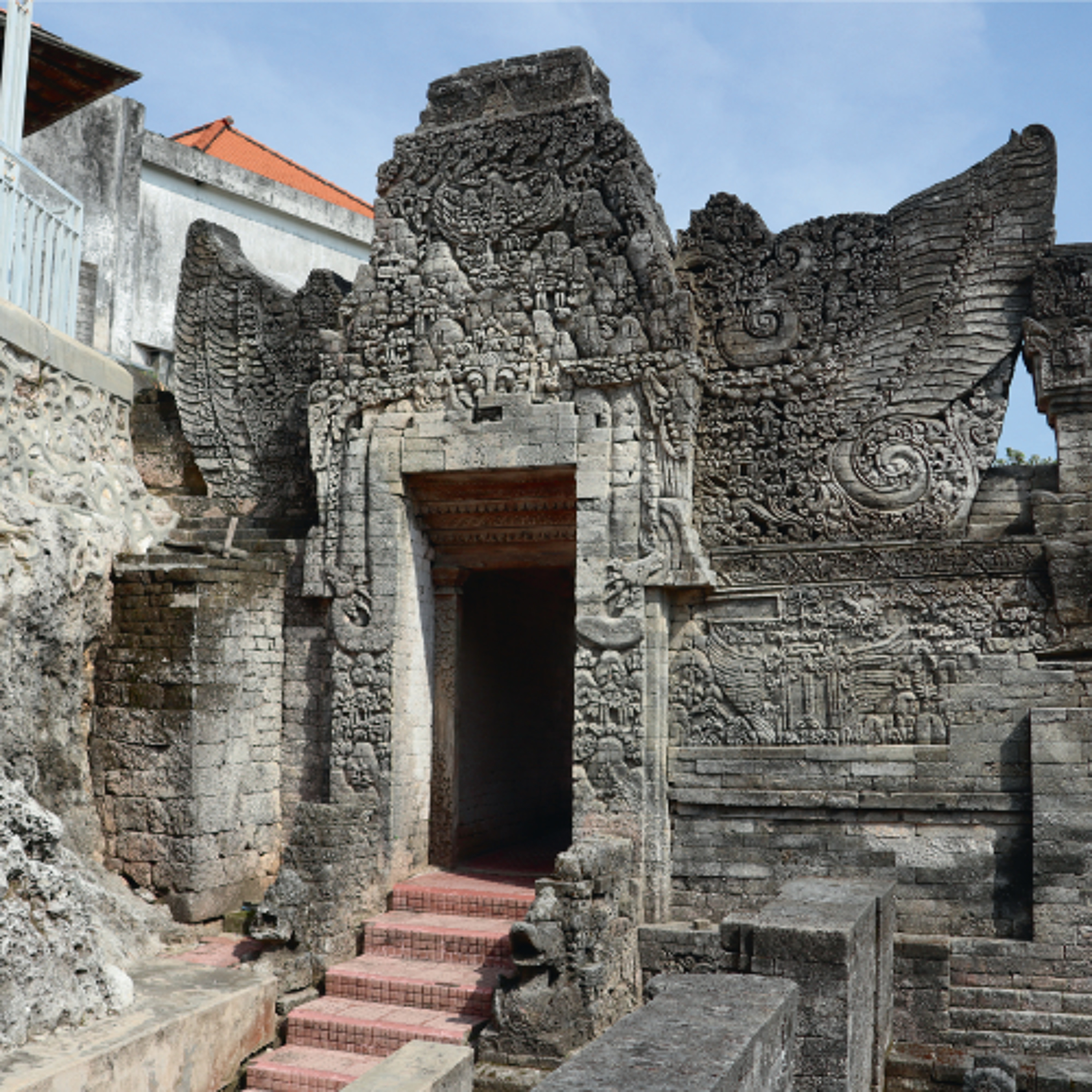 Panggah Ardiyansyah: 'Kramat' and the Politics of Indonesian History 10.04.2026 42минIf you studied Indonesian history in school in the 1990s, you learned to divide the archipelago's past into neat chapters: Hindu-Buddhist kingdoms, then Islamic sultanates, with a brief “transitional period” somewhere in between. Colonial archaeologists created these categories in the nineteenth century, and they've structured Indonesian historiography ever since — shaping not just how we study ancient sites, but what counts as history in the first place and what we archive and remember for the future. But visit Sendang Duwur, a sixteenth-century Islamic compound in East Java, and these categories start to fracture. Here, soaring temple gates with Hindu iconography guard an active mosque. Pilgrims climb stairs designed like pathways to heaven, passing through spaces that refuse singular religious meanings. The site has been continuously inhabited, renovated, and reinterpreted for five centuries, yet archaeological scholarship tends to freeze it in time. What if this framework blinds us to how Javanese communities actually understand sacred space? What recourse do scholars have to resist these inherited categories and imagine decolonial futures for Indonesian archaeology? In this week's episode, Tito chats with Panggah Ardiyansyah, a Research Associate at the Digital Humanities Institute at the University of Sheffield, whose research challenges us to read Indonesian antiquities through Indonesian epistemologies. Drawing on his paper Fragment and Evocation: Hindu-Buddhist Hauntings in the Islamic Complex of Sendang Duwur published in the journal Art History in 2025 as part of a special edition on decoloniality, Panggah argues that the concept of kramat — sacred sites imbued with ancestral power — offers better tools for understanding sites like Sendang Duwur than the binaries we inherited from colonial scholarship. In 2026, the Talking Indonesia podcast is co-hosted by Dr Jemma Purdey Dr Jemma Purdey from the Australia-Indonesia Centre, Dr Clara Siagian from the University of College London, Dr Jacqui Baker from Murdoch University, Dr Elisabeth Kramer from the University of New South Wales, and Dr Tito Ambyo from RMIT.
 -
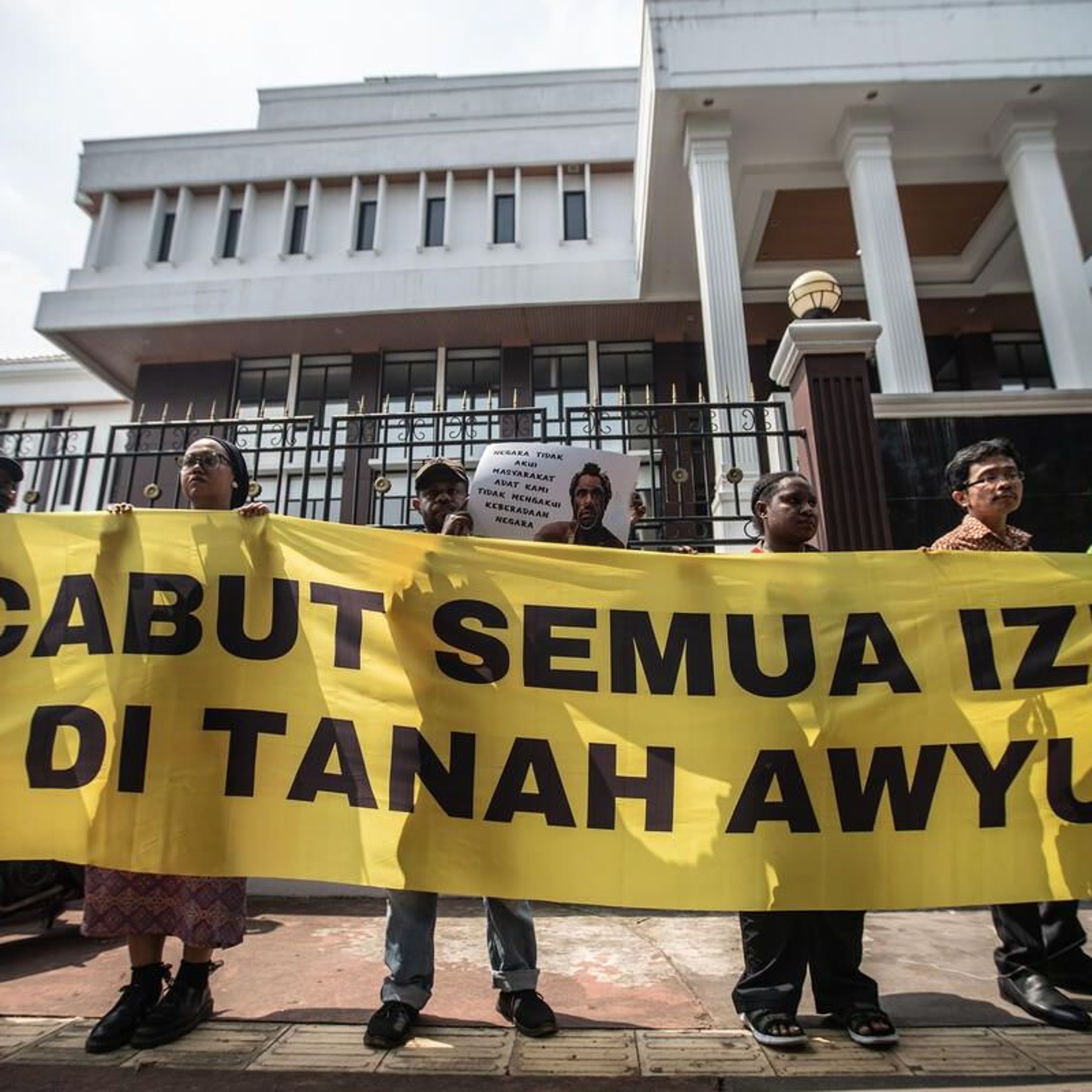
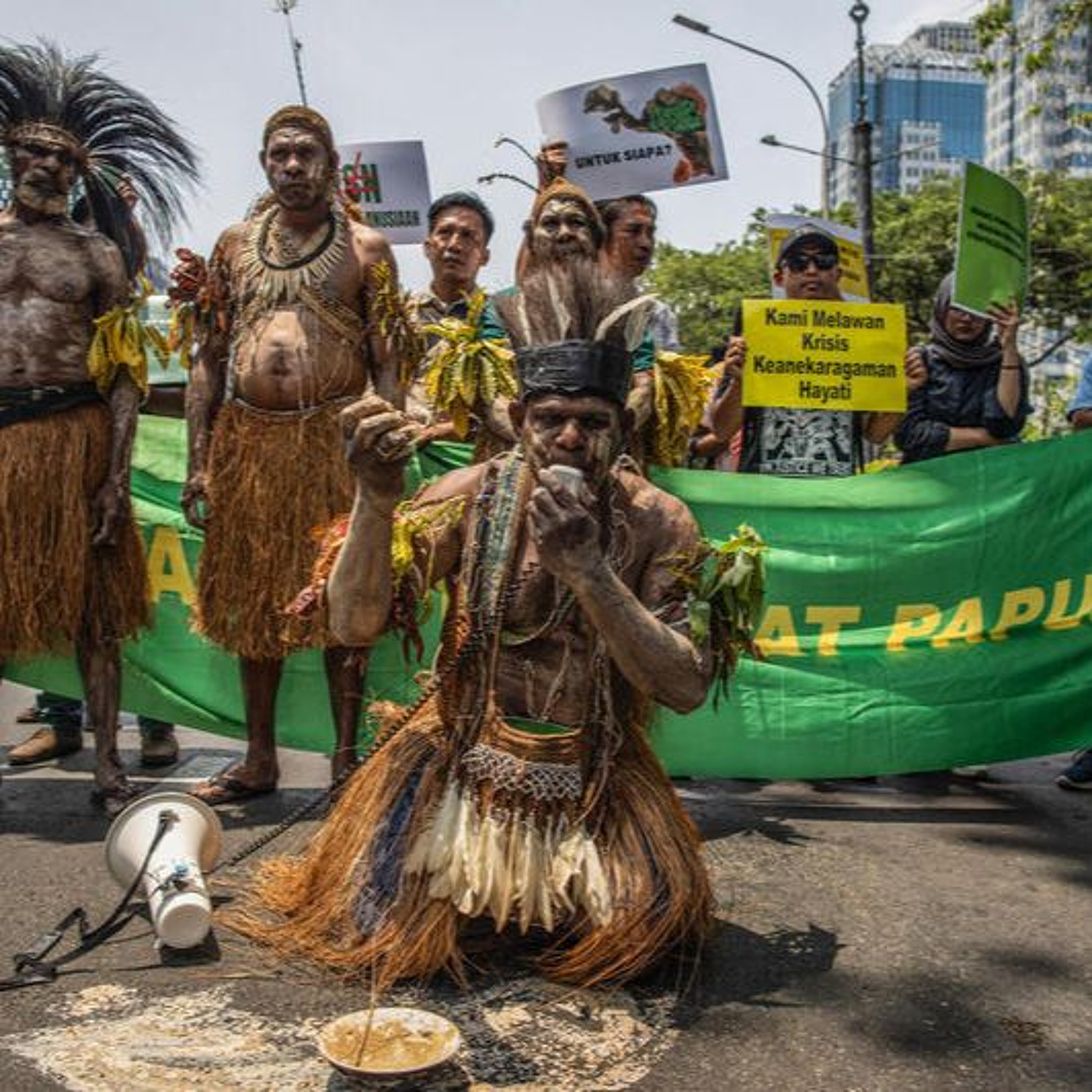 Rassela Malinda - Papua, Development and Politics From Below 25.03.2026 40минRassela Malinda – Papua, development and politics from below In his inauguration speech in October 2024 President Prabowo Subianto reiterated his campaign pledge to “achieve food security in the shortest possible time”. He was not the first Indonesian president to make such a declaration. For Jokowi’s administration too and now Prabowo’s, West Papua occupies a central place in its ambitions to achieve both food and energy security, with the rollout of massive sugarcane and palm oil plantations to meet increasing biofuel targets, as well as mega rice production. These plans involve the clearing and development of hundreds of thousands of hectares of forests, the customary lands of the indigenous peoples of these regions. Resource extraction at such scale by the state and the corporations is backed by military force, often rendering the indigenous communities helpless to respond. But some are fighting back. So just what recourse do the customary owners of the forests of Papua have to resist and take a stand, in the face of such powerful forces? In this week's episode Jemma chats with Rassela Malinda, a PhD candidate at the University of Melbourne who lived and worked with indigenous communities in Papua and whose research gives us rare insights into their struggles from below. She previously worked with the NGO Yayasan Pusaka Bentala Rakyat whose report she draws on in this podcast. In 2026, the Talking Indonesia podcast is co-hosted by Dr Jemma Purdey from the Australia-Indonesia Centre, Dr Jacqui Baker from Murdoch University, Dr Elisabeth Kramer from the University of New South Wales, Tito Ambyo from RMIT and Dr Clara Siagian from University College, London. Image 1: Indigenous activists protesting Merauke food estate project in front of Defence Ministry in Jakarta – October 16, 2024 (Photo by Afriadi Hikmal/Greenpeace)
 -
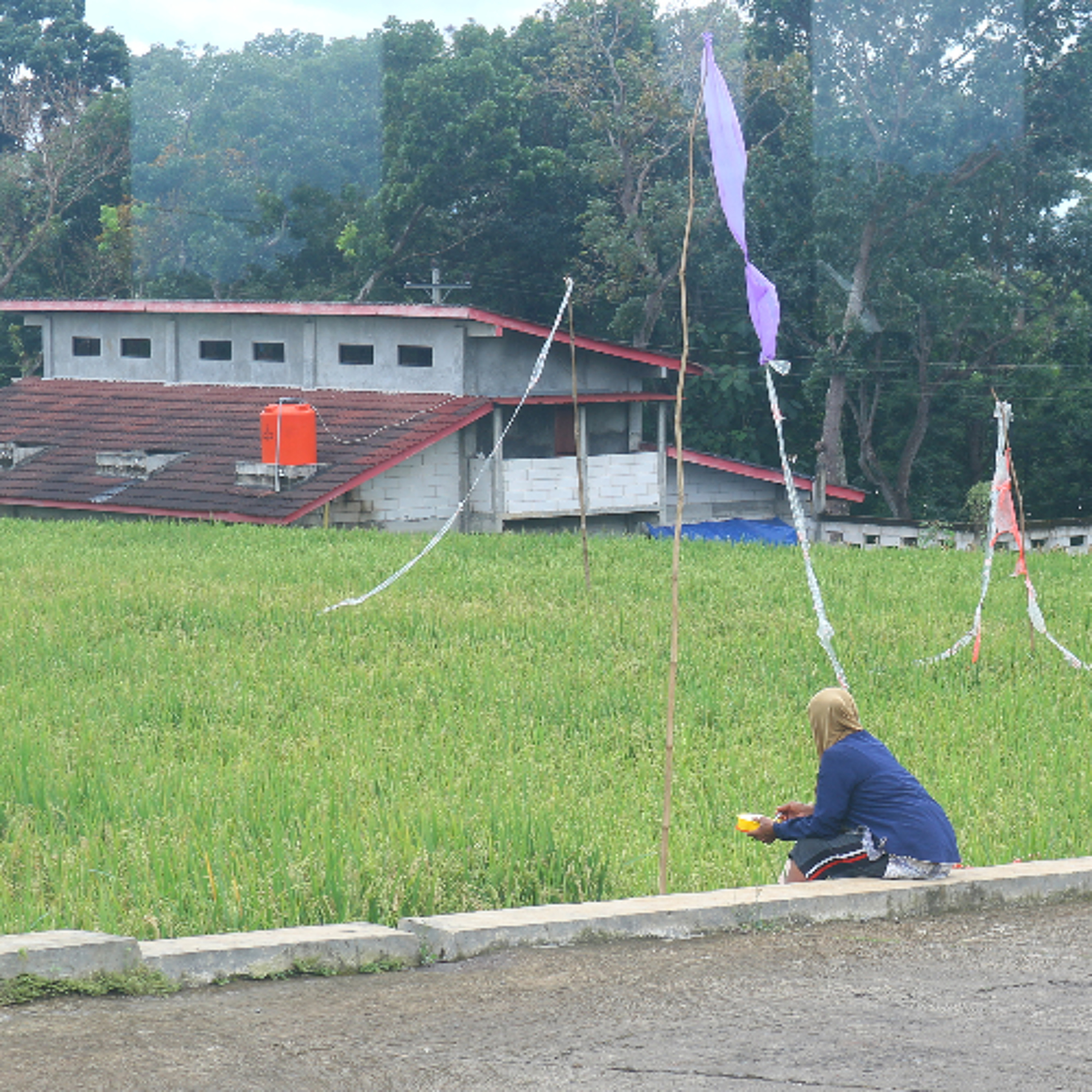 Linda Susilowati: Gender Transformation in Rural Java 11.03.2026 42минRural Java has changed enormously over the past half-century. Girls now finish school, women hold community leadership positions, and dual incomes have become the norm rather than the exception. And yet, many Javanese women will tell you they still cook every meal, manage the household, and show up visibly as devoted wives, on top of everything else. It is this gap between what has changed and what has not that drives the research of Dr Linda Susilowati, a lecturer at Universitas Kristen Satya Wacana in Salatiga. Drawing on her doctoral fieldwork in Wonogiri, Central Java with over two hundred women, men, and community members across generations, Linda traces how gender roles have been renegotiated, and how cultural expectations have proven far more resilient than economic or infrastructural change alone. In this episode, recorded in the spirit of International Women’s Day, Dr Clara Siagian chats with Linda about generational shifts in rural Javanese women’s lives, the enduring weight of kodrat (predetermined nature) and kewajiban (obligation), and how Julia Suryakusuma’s concept of State Ibuism appears in contemporary Indonesia. In 2026, the Talking Indonesia podcast is co-hosted by Dr Clara Siagian from the University of College London, Dr Jacqui Baker from Murdoch University, Dr Elisabeth Kramer from the University of New South Wales, Dr Jemma Purdey from the Australia-Indonesia Centre, and Tito Ambyo from RMIT.
 -
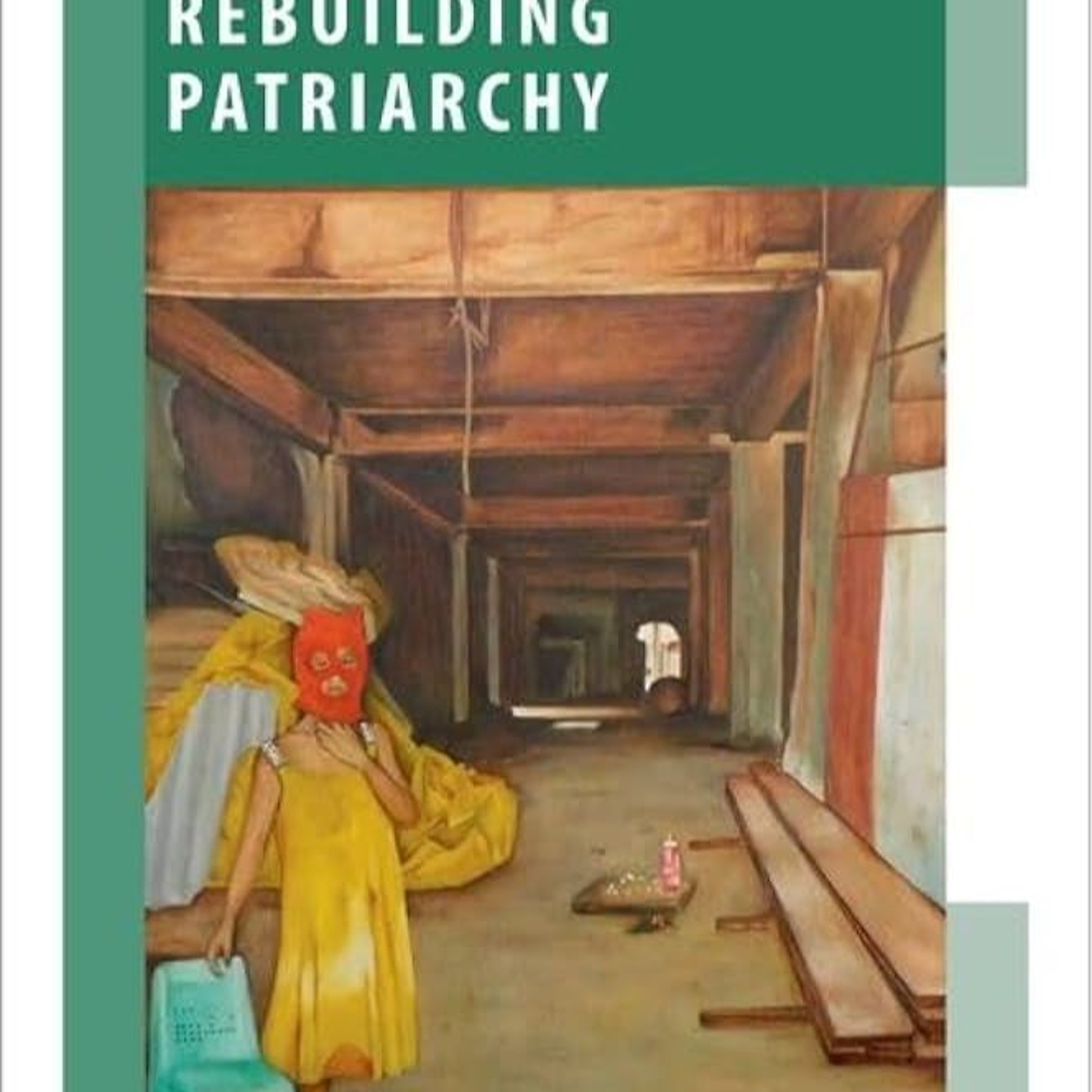 Melissa Johnston: Resilient Patriarchies 26.02.2026 43минTimor Leste became independent from Indonesia in 2002, after 24 painful years of Indonesian occupation built on centuries of Portuguese colonisation. Both regimes were deeply violent and extractive, and as my guest today argues, drew Timorese society into different forms of a valorised armed masculinity that would have repercussions well after Timor’s independence. It’s in this post-conflict context that Mel Johnston examines Timor’s gender interventions. Gender mainstreaming is a global set of strategies, interventions and approaches that seek to address the inequality of being a women in policy-making. These set of principals have particular traction in the region. Gender mainstreaming has been mandatory in Indonesia since 2000. In Timor Leste, gender mainstreaming is so important its crystallised in the actual constitution. And yet, Mel went to East Timor to investigate women’s lives after independence, she found deep tensions between the goal of peace on one hand and gender equality on the other. Why would this be so? Did Timor’s independence transform the role of women in Timorese society? How did major gender reforms like microfinance and the law against domestic violence impact ordinary Timorese women? Today we will be talking about Mel Johnston’s prize winning book, Building Peace, Rebuilding Patriarchy
 -
 Maidina Rahmawati - The New Criminal Code 11.02.2026 34минOn January 2nd, 2026, Indonesia entered what officials are calling a "new era" of criminal justice. The country implemented a completely new Criminal code – KUHP - and a new Criminal Procedure Code—known as KUHAP—that changes what counts as a crime and how crimes are identified, investigated and punished. The government says this marks a shift toward "restorative justice" that prioritizes rehabilitation over punishment. Officials describe it as "more humane, modern, and just". But civil society groups are sounding the alarm. They're calling the new law "draconian and illiberal"—and potentially worse than the system it replaces. At the heart of the controversy: police can still arrest and detain people without a warrant and Amnesty International has identified 88 articles that could be used to silence critics and criminalize peaceful dissent. So which is it? A historic reform that modernises the Indonesian justice, or a step backward that gives authorities concerning new powers? In this episode, we're speaking with a legal expert who's been following this law since its drafting. Maidina Rahmawati has over 8 years of experience in criminal justice reform advocacy. She is a certified advocate/litigator and mediator, and currently serves as the Deputy Director of the Institute for Criminal Justice Reform (ICJR). Mai holds a Master of Laws from the University of New South Wales, specialising in Criminal Justice and Human Rights. She is newly appointed as a lecturer in Criminal Law and Human Rights at Atma Jaya University Jakarta and in Criminal Law in the undergraduate Criminology program at the University of Indonesia (UI).
 -
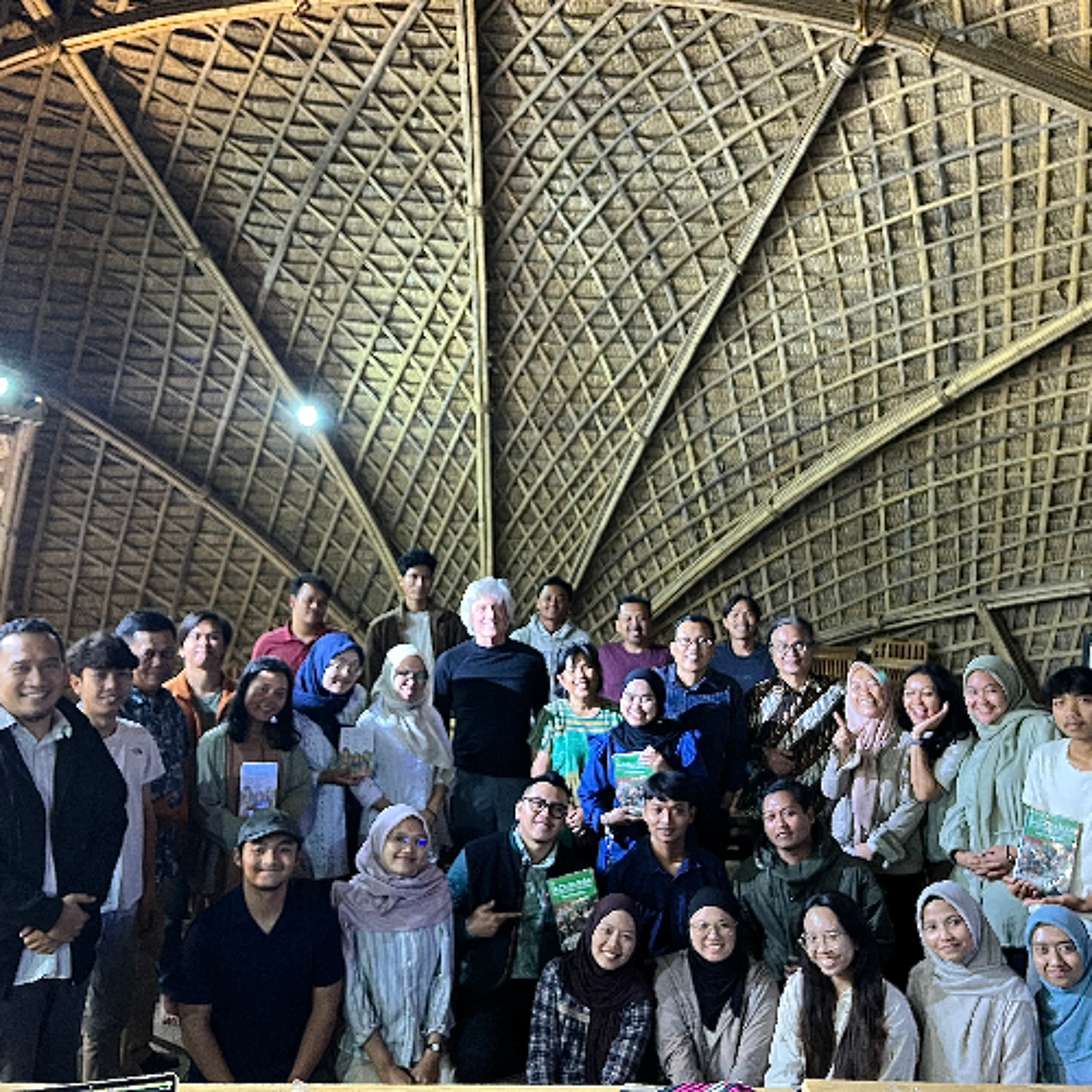 Farabi Fakih and Fathun Karib: Indonesian Ecological Thinking 30.01.2026 51минAs Indonesia grapples with increasingly frequent climate disasters—from the devastating floods in Sumatra and Aceh to prolonged droughts affecting food security—a new book is rejecting the usual solutions. No carbon credits. No waiting for the next Elon Musk. Instead, Bacaan Bumi asks: what if the answers lie in Indonesia's own revolutionary history, its constitutional foundations, and its diverse philosophical traditions? Published by Yayasan Obor Pustaka Indonesia last year, Bacaan Bumi began as a monthly supplement for Inside Indonesia magazine—where, we should acknowledge, several Talking Indonesia hosts are also involved. (Yes, this is a slightly nepotistic episode, but we promise the ideas are worth it.) The supplement was initiated by Gerry van Klinken, a longtime Indonesia scholar and one of the board members of Inside Indonesia, and brought together 17 Indonesian academics, activists, and thinkers who argue that technology and market mechanisms alone won't save us. Instead, they propose something more radical: an eco-socialist manifesto rooted in Indonesian soil. The book emerged from conversations sparked by a groundbreaking summer school on critical environmental history at Gadjah Mada University—Indonesia's first university program of its kind. The response has been striking: packed book launches across Java, students demanding more courses, and activists finding new language to connect Marxist commodity analysis with Javanese mysticism, Islamic green theology with feminist readings of adat traditions, and Sukarno's Marhaenism with 21st-century ecological citizenship. The editors don't call it an academic collection. They call it a manifesto. In his introduction, Farabi Fakih writes that Indonesia's environmental movement in the 21st century is “the natural continuation of the Southern revolution imagined by Sukarno.” He explicitly rejects what he calls the “techno-magical narrative” of Silicon Valley billionaires and the “declensionist narrative” of inevitable doom—both of which, he argues, serve to disable collective action against capitalism. But what does an environmental manifesto look like in the Indonesian context? How do you connect Marx's theory of metabolic rift to flood disasters in Sumatra? Why do young Indonesians find hope in pan-psychism and Kendeng mountain feminism? And what happens when you discover that Indonesia's 1945 constitution already contains ecological philosophy that's been largely forgotten? In this episode, we had a conversation with two of Bacaan Bumi's key contributors: Farabi Fakih, who heads the Master's program in History at Gadjah Mada University where the critical environmental history curriculum was born, and Fathun Karib, a historical sociologist, postdoctoral fellow at the Asia Research Institute, and founding member of punk band Critical Death. Together they explore why genuine solutions must come from within Indonesia, why book tours revealed both hope and anxiety among younger generations, and how a 1960s Indonesian constitutional provision about the earth might offer more wisdom than all of Silicon Valley's promises combined. In 2026, the Talking Indonesia podcast is co-hosted by Dr Jemma Purdey from the Australia-Indonesia Centre, Dr Elisabeth Kramer from the University of New South Wales, Tito Ambyo from RMIT, Dr Jacqui Baker from Murdoch University, and Clara Siagian from University College London.
 -
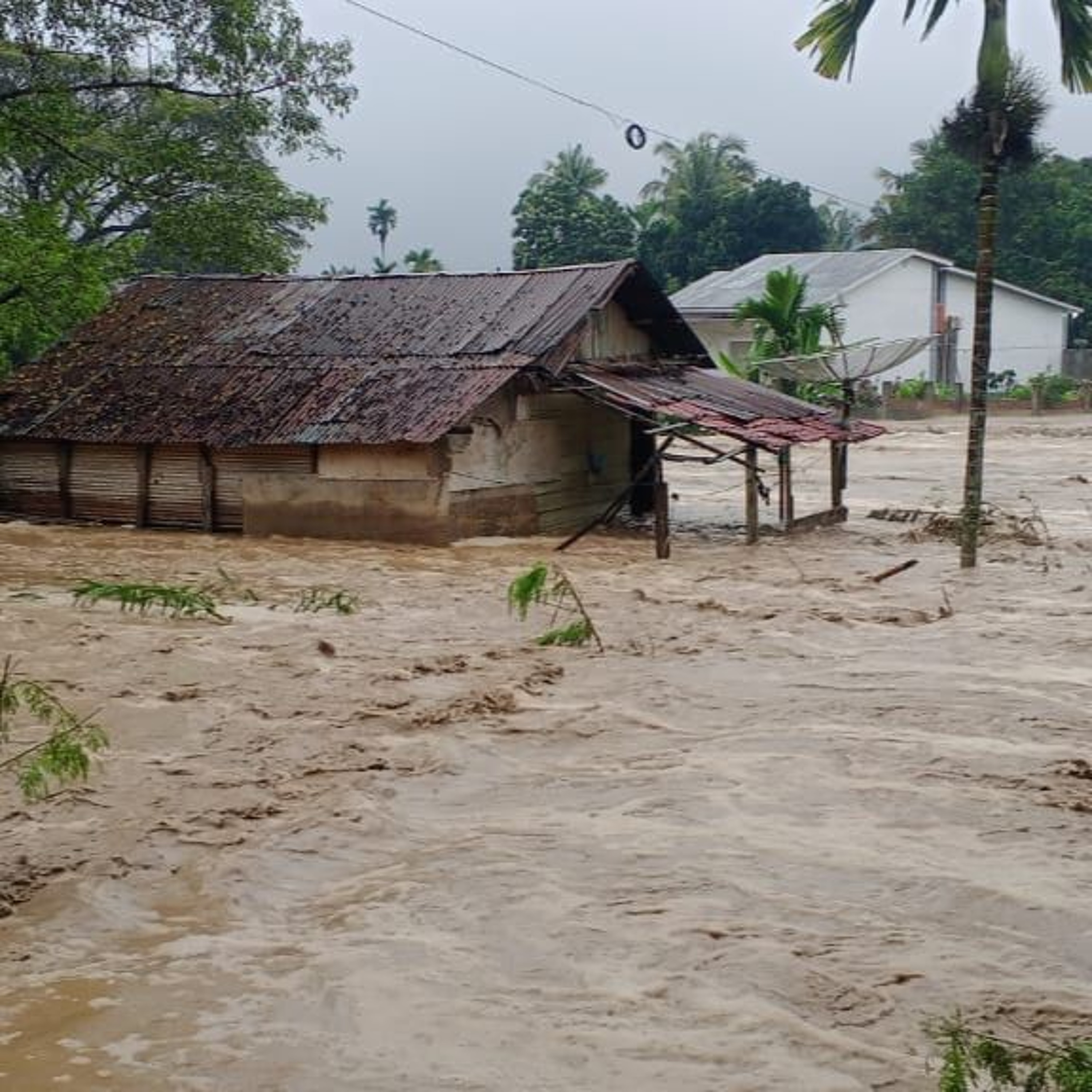 Alfira O'Sullivan and Murtala - After the Flood 11.01.2026 33минAfter the floods – Alfira O’Sullivan and Murtala In late November last year, heavy rainfall brought by Cyclone Senyar saw massive floods and landslides hit large parts of West and North Sumatra and Aceh Province. The images captured on cell phones and quickly sent across the world showed horrifying scenes of villages swept away by raging rivers and mudslides; and astonishingly, tree logs coursing down hillsides, collecting everything in their wake. The cost of this disaster, six weeks later, is still being counted. The National Disaster Management Agency's official tally has around 1,200 people killed, with hundreds still missing and thousands more injured. Over 230,000 people remained displaced. In the wake of the disaster, in a somewhat surprising shift in tone, government officials joined scientists and environmental experts in acknowledging that changes to these landscapes caused by large-scale deforestation and forest conversion were contributing factors to the disaster and must be addressed. Whilst this was welcomed, concrete policy is still to come, and aid has been slow to reach those in need with victims calling for more and faster assistance. Over a month later, what is the situation in these affected areas? Just how huge is the scale of this disaster? And how are the people of Aceh coping with yet another massive natural disaster? In this week's episode Jemma chats with Alfira O’Sullivan and Murtala, directors of Suara Indonesia Dance. Mur, originally from Banda Aceh, worked as a volunteer assisting in the wake of the 2002 tsunami. Together with friends and colleagues in Aceh, they are coordinating relief efforts in flood-stricken Aceh. In 2026, the Talking Indonesia podcast is co-hosted by Dr Jemma Purdey from the Australia-Indonesia Centre, Dr Jacqui Baker from Murdoch University, Dr Elisabeth Kramer from the University of New South Wales, Tito Ambyo from RMIT and Dr Clara Siagian from University College London.
 -
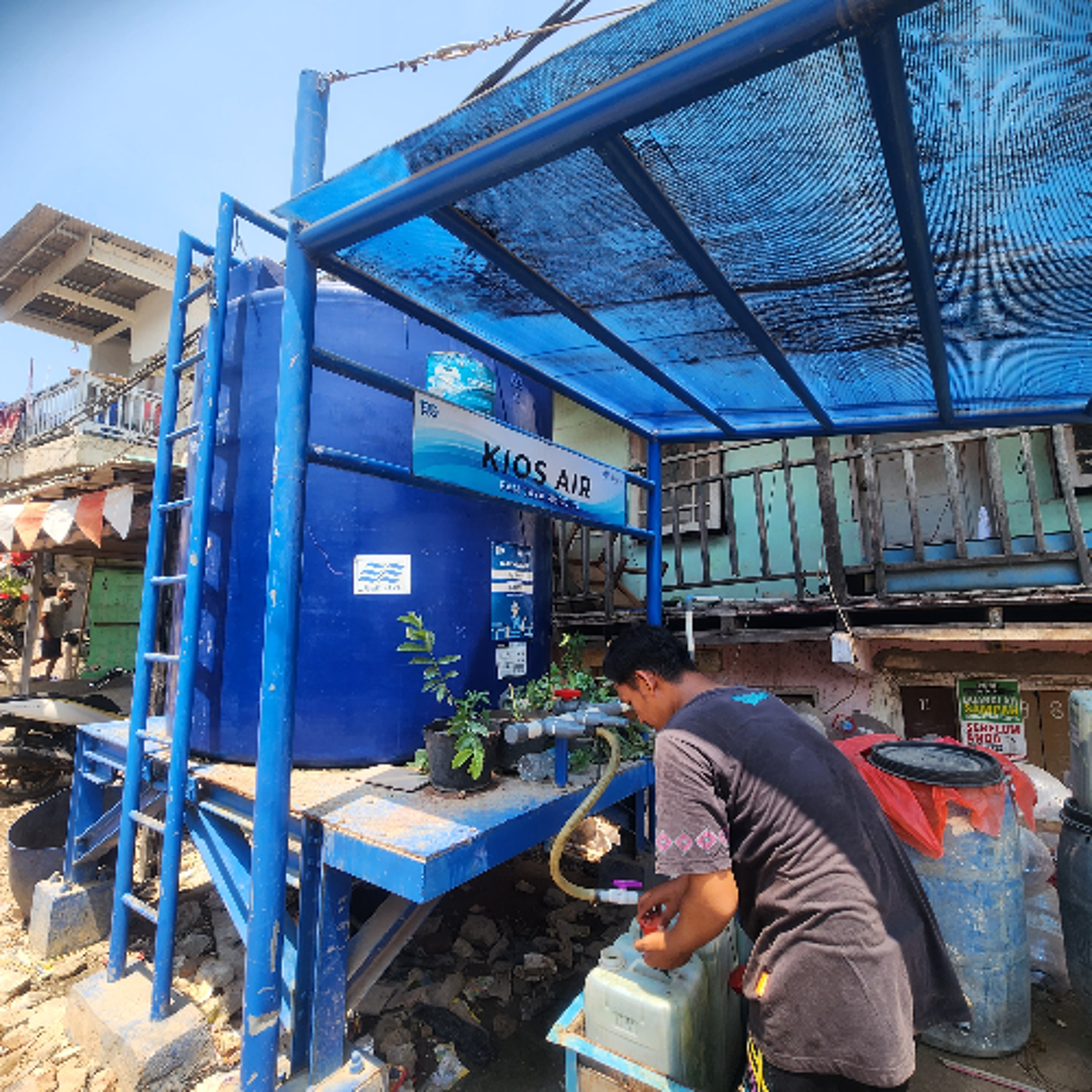 Wahyu Astuti - Jakarta Water Crisis 08.01.2026 36минJakarta is said to be in a water crisis. This is a familiar claim that has been repeated for years as parts of the city sink, groundwater is over-extracted, and access to clean water remains uneven. Yet what, precisely, is the crisis that Jakarta is facing? In this episode of Talking Indonesia, I speak with Wahyu Astuti, a PhD candidate at the University of Sydney, whose research shows that Jakarta’s water crisis is not singular, but defined in multiple and competing ways. She traces how certain framings of the crisis are sidelined, while others are actively promoted, and asks how the state narrates the water problem amid pressures to move away from privatization. Following UN-Habitat’s recent designation of Jakarta and the surrounding regions as the world’s largest city, with an estimated 42 million people across its metropolitan region, questions of how life is sustained at this scale become unavoidable. Water sits at the centre of these questions. This conversation unpacks the political and financial logics shaping water governance today, revealing how efforts to make water provision financially viable draw in different levels of government, new institutional arrangements, investment actors, and private businesses. As Ayu’s research makes clear, the drive to build a water system that can “pay for itself” does not resolve Jakarta’s water crisis. Instead, it produces a governance system riddled with contradictions that shapes how the crisis is understood, and who ultimately bears its consequences. In 2025, the Talking Indonesia podcast is co-hosted by Dr Elisabeth Kramer from the University of New South Wales, Dr Clara Siagian from University College London, Dr Jemma Purdey from the Australia-Indonesia Centre, Dr Tito Ambyo from RMIT, and Dr Jacqui Baker from Murdoch University.
 -
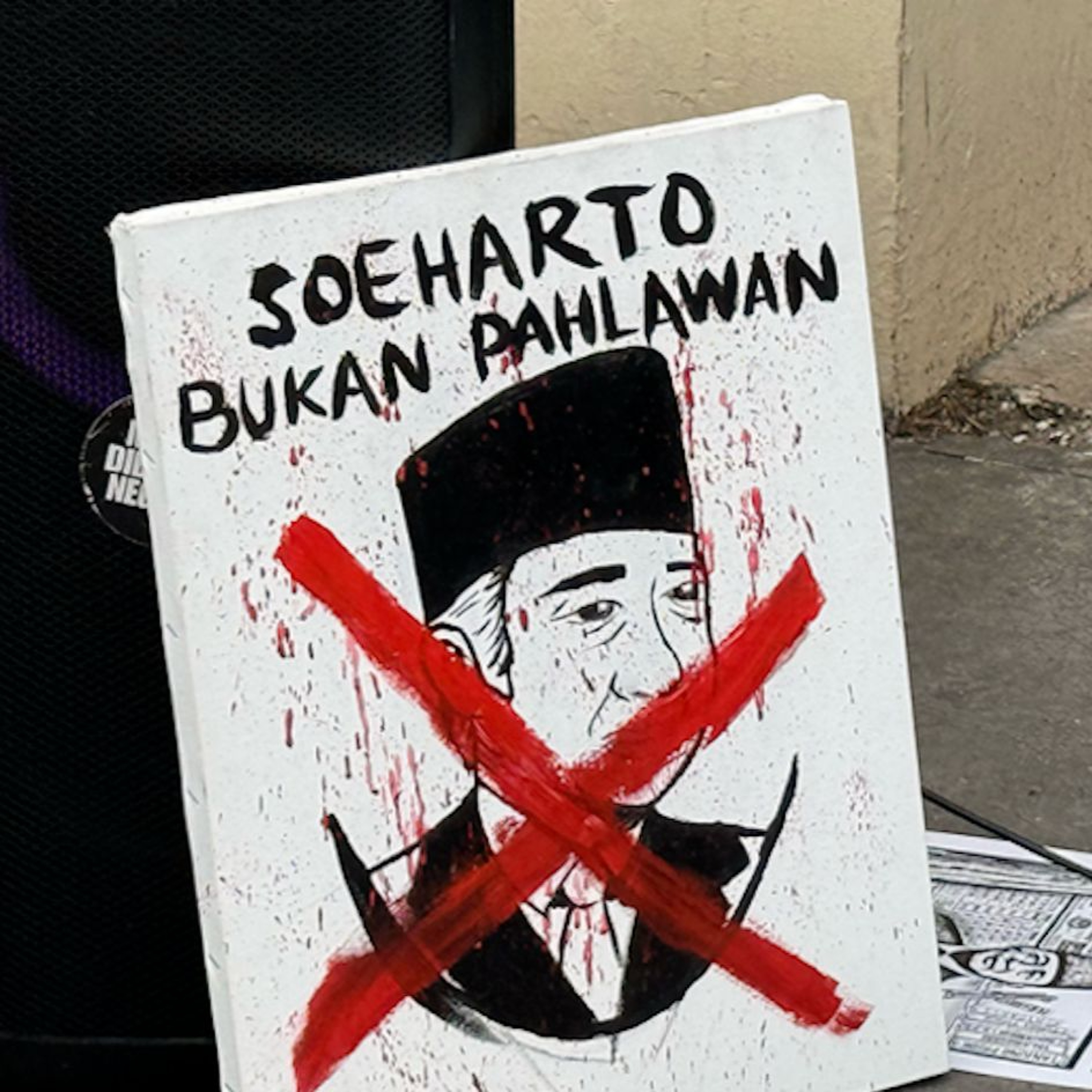 Ken Setiawan and Lailly Prihatiningtyas - Soeharto as National Hero 18.12.2025 35минOn 10 November 2025, Indonesia's President Prabowo Subianto made a controversial decision that reignited divisions in Indonesian society: he posthumously designated former President Suharto as a pahlawan nasional or a ‘national hero.’ Suharto seized power in 1965 during a period of violent upheaval and ruled Indonesia for over three decades until 1998, presiding over what he called the "New Order" regime. His rule brought rapid economic development, lifting millions out of poverty and transforming Indonesia into a regional power. But it was also marked by systematic human rights violations, including the mass killings of alleged communists in 1965-66, as well as brutal crackdowns in East Timor, Aceh, and West Papua. His regime was characterized by media censorship, restrictions on freedom, and widespread corruption. The decision to honour Suharto came despite protests from over 500 civil society members, academics, and activists who argue the designation whitewashes history and betrays the victims of his regime. But defenders point to his role in Indonesia's economic transformation and his contributions during the independence era. In this episode Elisabeth Kramer is joined by historian Dr. Ken Setiawan and Lailly Prihatiningtyas, a PhD student representing Sydney group Aliansi Gusar, to explore what this designation means for Indonesia's democracy, its memory politics, and its ongoing struggle with accountability for past atrocities. We also ask, how have young people reacted to this, and what does it mean to them? Dr Setiawan has written a highly relevant article on historical revisionism under the Prabowo presidency, which you can find at https://indonesiaatmelbourne.unimelb.edu.au/of-heroes-and-villains-prabowos-playbook-for-power-and-historical-revisionism/. Dr Ken Setiawan is a Senior Lecturer in Indonesian Studies and a Deputy Director (Diversity and Inclusion) at the Asia Institute, Faculty of Arts. She is also an Associate at the Centre for Indonesian Law, Islam and Society (CILIS) at the Melbourne Law School. Ken's research interests include globalisation and human rights, historical violence and transitional justice, as well as gender and civil society. She has widely published on the politics of human rights in Indonesia, and teaches in the areas of Indonesian Studies, including language, and Asian Studies, with a particular focus on politics and human rights. Lailly Prihatiningtyas is a PhD candidate and research consultant at the Institute for Sustainable Futures, University of Technology Sydney. Her work focuses on the governance of just energy transitions, green jobs, and labour market institutions, especially in Southeast Asia. She has more than a decade of diverse professional experience in Indonesia, working with government, development organisations, the private sector, and NGOs. She is part of Aliansi GUSAR (Gerakan untuk Sydney Bersuara), a grassroots collective of Indonesian diasporas in Sydney concerned with justice and equality in Indonesia, and joins Talking Indonesia to share a civic engagement perspective on social justice, state accountability, and the impacts of political decisions on ordinary Indonesian citizens.
 -
 Zainal Arifin Mochtar: Dirty Vote II o3 01.12.2025 34минCast your minds back to February 2024, in the campaign lull before Indonesians hit the ballot box, a documentary unceremoniously dropped on youtube. Now, documentaries on electoral campaigning are legion, and generally they attract a pretty narrow audience. By contrast, Dirty Vote, directed by acclaimed Indonesian investigative journalist, Dhandy Dwi Laksono, garnered 6.4 million eyeballs in the first 48 hours, over the week Dirty vote attracted half a million tweet on twitter, trending worldwide. Overall Dirty Vote had over 30 million viewers. So to say Dirty Vote went viral would be putting it mildly. And yet Dirty Vote was anything but ephemeral. In a large warehouse, against what was a essentially a giant power-point deck, three nationally renowned Constitutional lawyers, Bivitri Susanti, Feri Amsari and Zainal Arifin Mochtar systematically laid out the case for a critical double take on how key figures, principally then- President Jokowi, were using all the instruments of the state to ensure the 2024 national election would be won by his anointed successor, Prabowo Subianto. This included Bansos, or social welfare payments, the use of police to pressure and criminalise village heads and opposition figures, and of course, the Supreme Court decision’s overturning the election law to allow Jokowi’s son, Gibran Rakabuming Raka to run as VP. Now that team is back, with their sequel Dirty Vote two, and they are here once again to methodically unpack the consolidation of the Prabowo regime. My guest today is Dirty Vote presenter, Dr Zainal Arifin Mochtar, Professor at the faculty of Law at the Gadjah Mada University. Pak Zainal has been involved in the establishment and running of number of research centres, including Pukat Korupsi UGM, the Centre for Anti-Corruption Studies, Caksana Institute and the Administrative Law Society. He also serves on the board of the Partnership for Governance Reform and has won numerous awards over his career, including the Muhammad Yamin Constitution Award in 2016 and the Best Constitutional Law writer from the Constitutional Court in 2018. You can find Dirty Vote 2 here: https://www.youtube.com/watch?v=895Cqij7i00
Подобни подкасти


Популярен в
Този подкаст се появява и в подкаст класациите на тези държави.

