
The AI and ML Conversations with Iavor Botev
Iavor Botev
0
Conversations with AI and ML experts on building real-world systems, navigating career growth, and exploring the future of generative AI. From messy data pipelines to scaling infrastructure, from proof of concept to production, we dive into the technical lessons, human stories, and big-picture impacts shaping the future of AI.
Епизоди
-
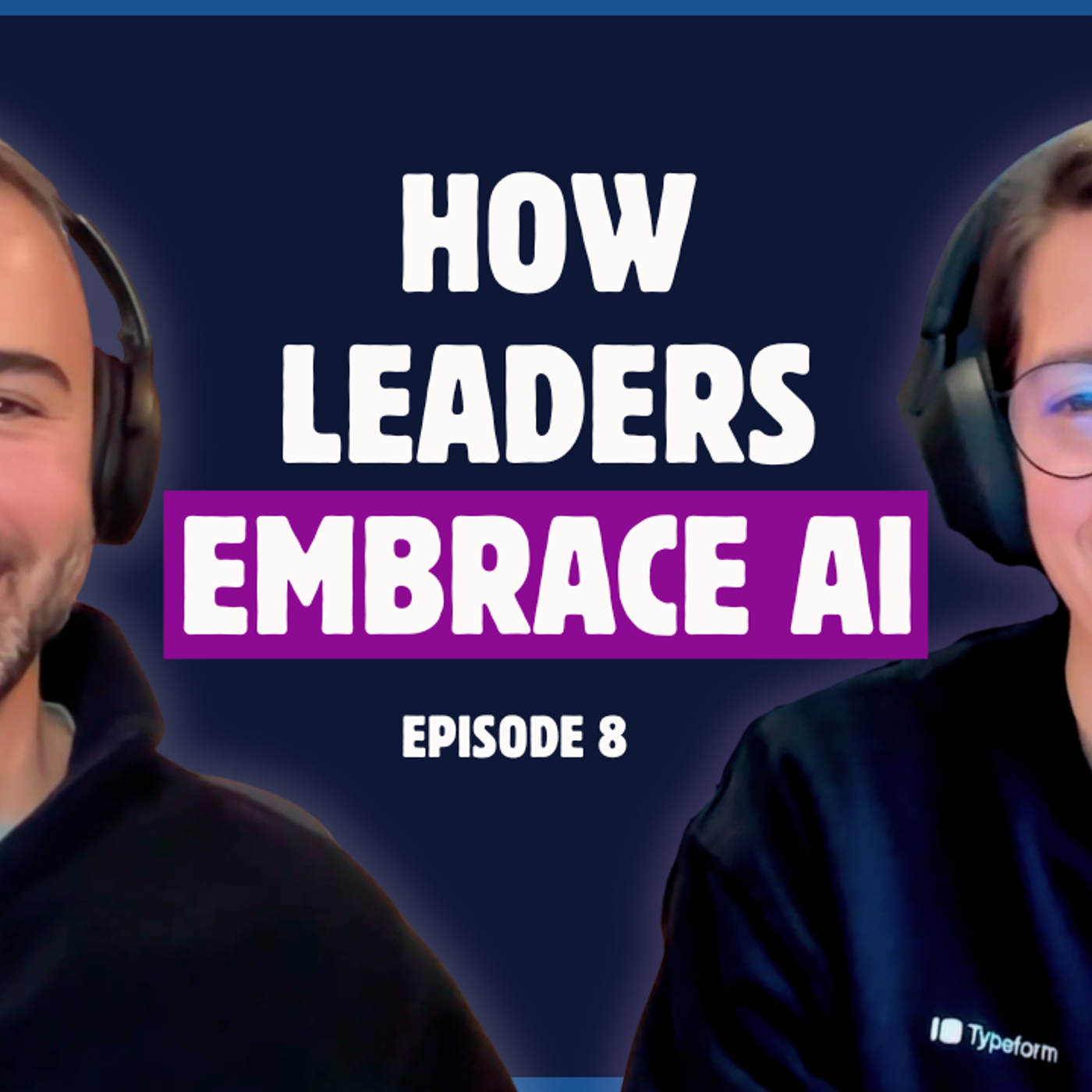 Director of AI Engineering: How to Solve Real Customer Problems | Carmen Herrera, AI and ML # 8 05.05.2026 1ч 9мин🎙️ In this episode of "AI and ML Conversations," I chat with Carmen Herrera, the Director of AI Engineering at Typeform, who shares an incredible journey from studying 300,000-year-old ocean data to leading AI engineering at a top SaaS company. 🚀 Carmen discusses her transition from a PhD in physical oceanography - where she used bubbles in Antarctic ice to model ancient climates - into the fast-paced world of retail and e-sports.We dive deep into her experience at Mango, where she built early data lakes and demand forecasting models that optimized pricing across 15 countries.We also explore the technical and cultural shifts required to become an "AI-native" organization. Carmen breaks down how Typeform integrates LLMs to solve real customer problems, the move from deterministic to non-deterministic software engineering, and why "evals" (evaluations) and observability are now the backbone of product quality. Finally, we discuss the "infinite game" of leadership, managing burnout, and why ownership is the most valuable trait in a modern data team.LinksIavor Botev http://www.linkedin.com/in/iavorbotev/Carmen Herrero https://www.linkedin.com/in/carherrero/Timestamps00:00 – Introduction01:47 – Carmen’s background: From physical oceanography to data science06:40 – Modeling the ancient ocean: Causal settings and 15-variable equations13:16 – Moving the needle at Mango: Pricing optimization and demand forecasting25:05 – Bridging the gap: How a physicist masters software engineering27:27 – Understanding models: Do we still need to know the math in the age of LLMs?31:13 – Rising through the ranks: Transitioning from Senior DS to Director at Typeform39:56 – The infinite game: Strategies for preventing burnout and fostering well-being48:58 – Building AI-native: Typeform’s technical approach to LLM integration52:50 – AI in the IDE: Boosting productivity for data engineers and scientists58:41 – Frameworks and observability: Moving from custom scripts to Arise AI01:00:52 – Generalists vs. Specialists: Who thrives in the new AI landscape?01:04:05 – Measuring ROI: How data teams prove their value to the business01:12:35 – Career advice: Quitting the hype and building for the real world01:14:53 – Closing
 -
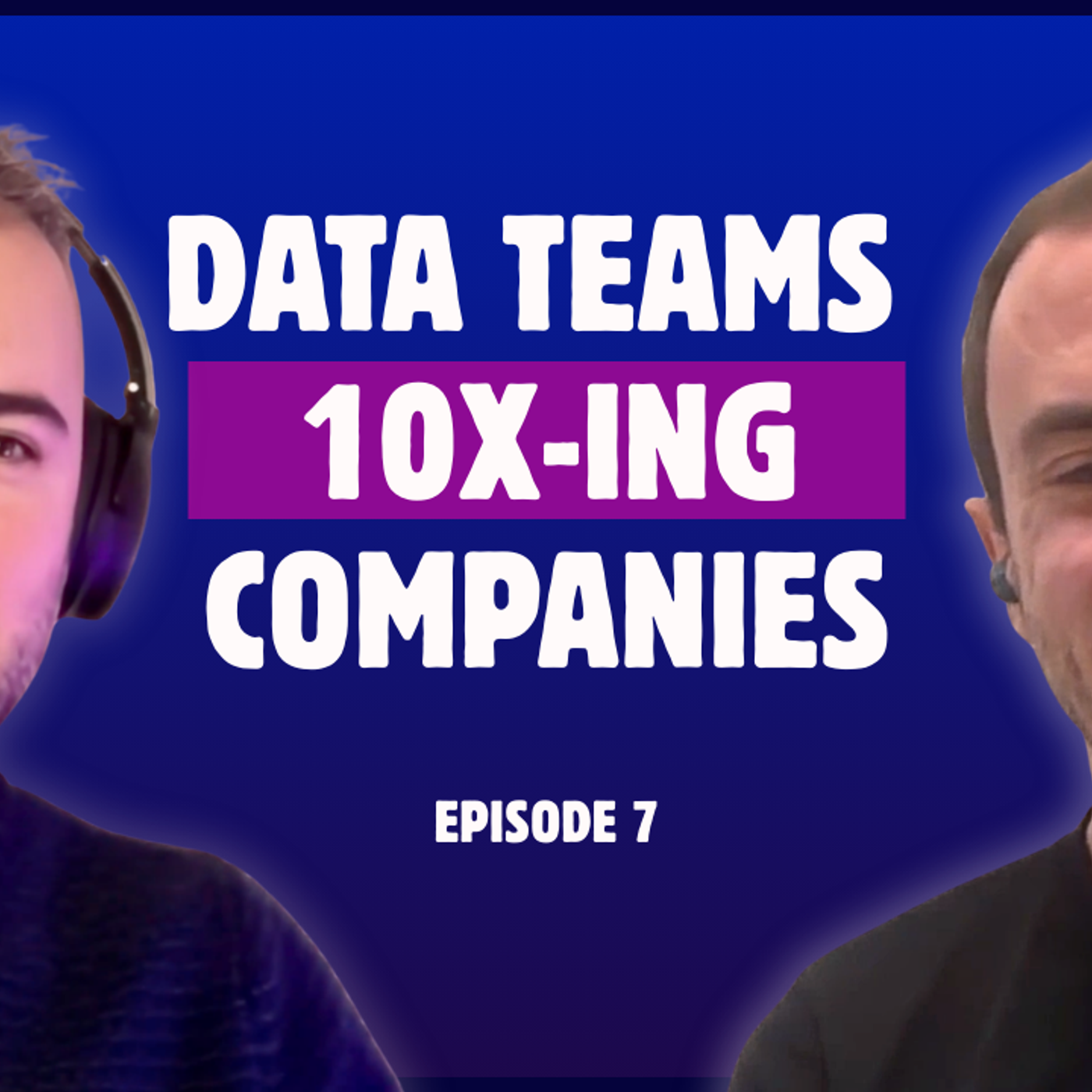 How Data Teams Can Transform Organizations - Xavier Gumara Rigol | AI and ML Conversations # 7 10.03.2026 1ч 14мин🎙️ In this episode of "AI and ML Conversations," I chat with Xavier Gumara Rigol, the Head of Data at Manychat, who shares his wealth of experience transitioning from Business Intelligence to leading data functions in top tech companies like Oda and Adevinta.Xavier dives deep into the evolving relationship between data and product, explaining why data teams must move away from being "black box" service providers to becoming integral parts of cross-functional product squads. He shares hands-on tips on how to secure executive support for data transformations and why treating "Data as a Product" is the key to driving real business value.We also explore the human side of the industry, from the benefits of teaching at the university level to the nuances of remote vs. hybrid work. Plus, Xavier gives us a sneak peek into his upcoming book, "Data as a Product Driver," and how Generative AI is already transforming the way he works and writes.Whether you're an individual contributor looking to make an impact or a leader scaling a data organization, this conversation is packed with actionable insights on building a data-driven culture.LinksIavor Botev http://www.linkedin.com/in/iavorbotev/Xavier Gumara Rigol https://www.linkedin.com/in/xgumara/Xaviers's book & substack https://www.dataproductdriver.com/𝗧𝗶𝗺𝗲𝘀𝘁𝗮𝗺𝗽𝘀00:00 – Introduction02:05 – Xavier’s background: From BI and consultancy to Head of Data06:46 – Why teach? The benefits of being a university instructor12:36 – Remote vs. Hybrid: Protecting your time and "owning your calendar"17:25 – The evolution of Data and Product functions32:08 – Solving the ownership problem in cross-functional teams45:45 – Executive support & treating "Data as a Product"55:45 – KPIs and outcome-based OKRs: Using data to set baselines01:04:05 – Scaling data teams: How many data people do you actually need?01:08:01 – The impact of GenAI on data workflows and book editing01:12:56 – Xavier’s upcoming book and where to find his work01:13:39 – Closing
 -
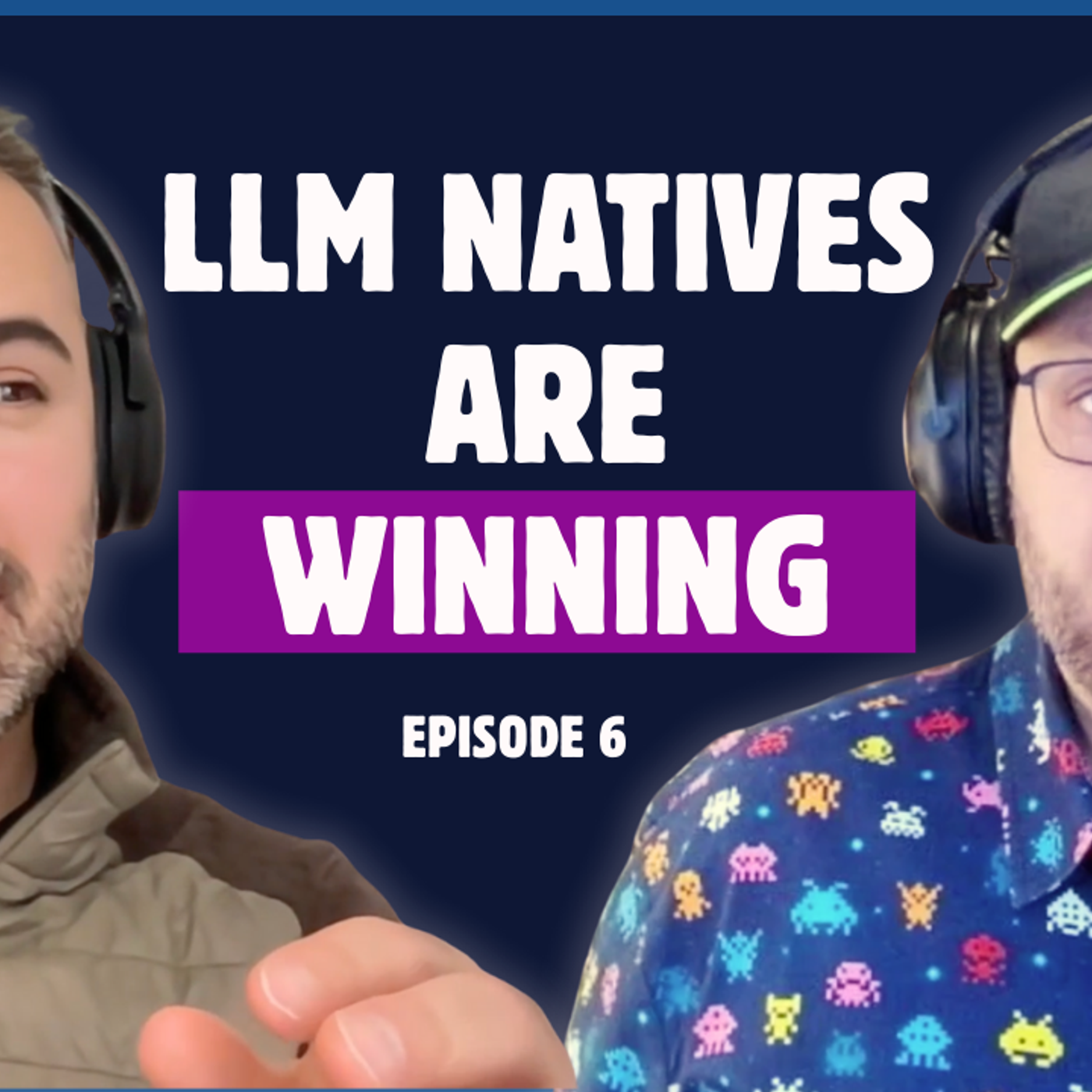 Pablo Fernandez (Head of Eng Pexels@Canva, Ex-Google): AI Shift, LLMs | AI and ML Conversations #6 16.02.2026 1ч 16мин🎙️ In this episode of "AI and ML Conversations," I sit down with Pablo Fernandez, Head of Engineering for Pexels at Canva. Pablo brings a wealth of experience from his time at Google to co-founding multiple startups and leading engineering teams in the age of AI.We explore the shifting landscape of software engineering, specifically the rise of the "Product Engineer" and how LLMs are lowering the "cost per line of code," forcing engineers to focus more on business impact and decision-making.Pablo shares his unique philosophy on work-life integration, the importance of "quality of thinking" over hours worked, and why he believes traveling is a secret weapon for unlocking new ideas.We also dive deep into the practicalities of remote work, discussing how to fight proximity bias, the hidden dangers of private Slack channels, and how to maintain a healthy engineering culture in a fully distributed team.Finally, Pablo offers invaluable advice for junior engineers looking to break into today’s tough job market, highlighting why open-source contributions (like his own work on KDE) are the ultimate "proof of experience."LinksIavor Botev http://www.linkedin.com/in/iavorbotev/Pablo Fernandez https://www.linkedin.com/in/pupeno/Pablo's website pablofernandes.tech𝗧𝗶𝗺𝗲𝘀𝘁𝗮𝗺𝗽𝘀00:00 – Introduction01:17 – Pablo’s background: Google vs. Startups05:10 – Developing a business mindset as an engineer07:14 – Should engineers focus on code, business, or both?08:58 – The rise of the "Product Engineer" in the AI era11:56 – Balancing technical and leadership roles as a founder14:57 – Work-life balance vs. Work-life integration17:21 – Maintaining relationships while in a "single focus" mindset20:24 – Why travel and change of scenery unlock better ideas24:04 – Engineering leadership at Pexels and Canva26:20 – Value Stream Aligned teams and setting engineering goals32:35 – How Pexels uses AI: The weekly "AI Exchange"35:57 – Ownership and the risks of AI-generated code38:15 – Practical AI use cases in product and data40:17 – Why you shouldn't delegate decision-making to LLMs44:11 – Lessons from 20 years of remote work48:28 – Fighting proximity bias and "Second Class Citizen" status52:10 – Why private Slack channels can be toxic for culture56:46 – Tackling office politics in remote teams57:11 – The current state of the engineering job market01:00:38 – Reimagining the "Junior Engineer" role01:07:04 – Advice for juniors: The power of Open Source contributions01:12:05 – How to effectively contribute to large projects (React, KDE)01:15:34 – Closing
 -
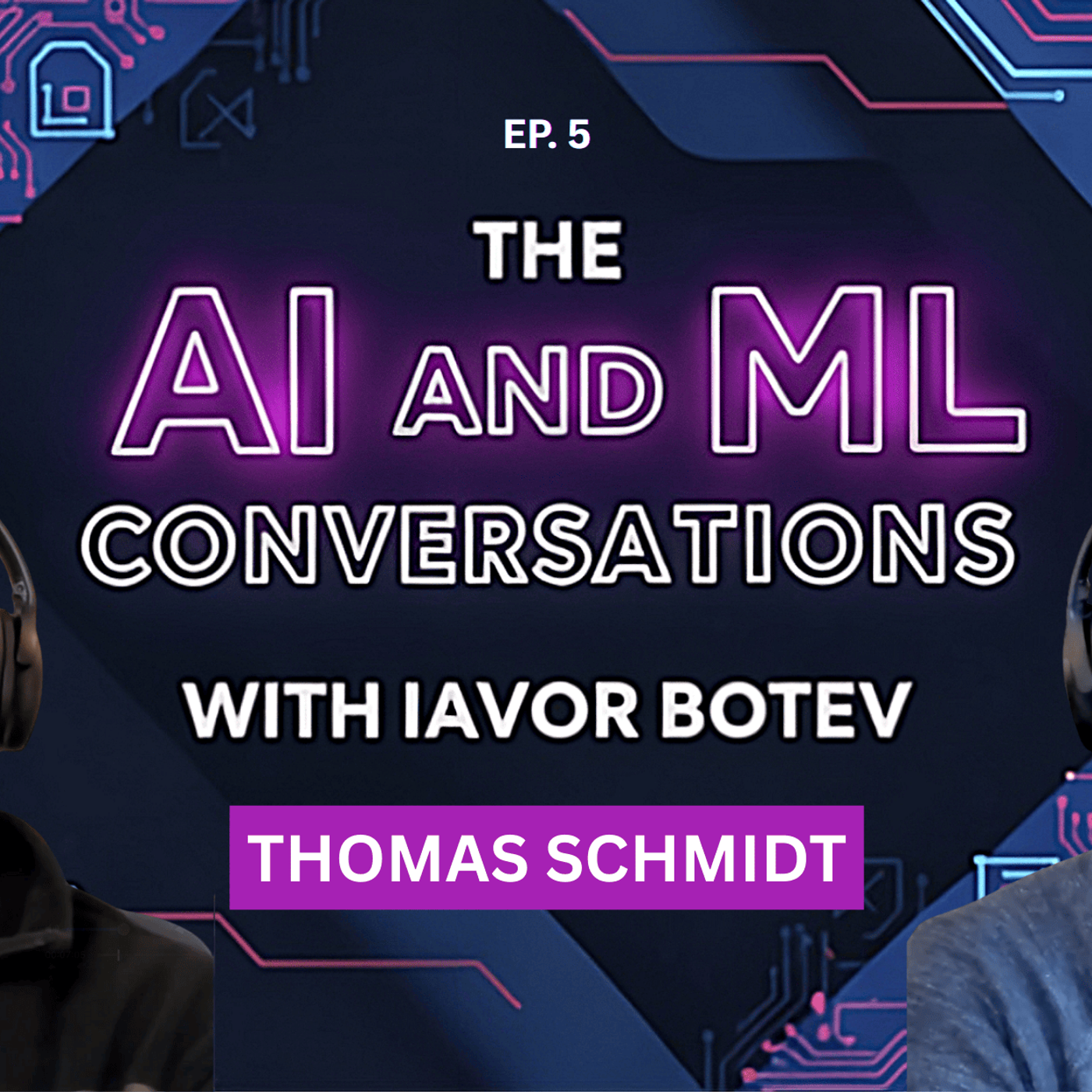 Thomas Schmidt: AI Agents, Shopify Culture, Remote Work, Agritech | AI and ML Conversations #5 16.12.2025 1ч 27мин🎙️ In episode 5 of "AI and ML Conversations," I chat with Thomas Schmidt, an AI engineer at Metabase, who pivoted from agricultural science to data at Shopify and AI agent development. 🚀Thomas shares his unique journey from a master's thesis on predicting farm animals health, to roles at an agritech startup, Shopify, and now building Metabase's AI analytics agent (Metabot).We dive into key topics like the importance of context in decision-making and communication (like using TLDRs in Slack and "assume good intent"), remote work rituals (retrospectives for safe feedback), and the high technical standards at Shopify vs. startups.Thomas then talks about practical AI agent challenges such as dealing with the AI overhype, benchmarks for evaluation (query correctness, hallucination rates), choosing frameworks like Langchain for control, and managing costs.Thomas advises juniors to stay curious, follow unconventional paths, master communication to stand out, and use LLMs intentionally without blindly relying on them. LinksIavor Botev: www.linkedin.com/in/iavorbotev/Thomas Schmidt: https://www.linkedin.com/in/thomas-heinz-schmidt/Talk by Thomas at the AI Engineer conference - Everything That Can Go Wrong Building Analytics Agents (And How We Survived It): https://www.youtube.com/watch?v=EnvozxnWjP4Article by Thomas on effective (data) communication: https://dataanalysis.substack.com/p/how-to-communicate-data-effectivelyTimestamps00:00 – Introduction01:12 – Thomas’s background: From dairy farm to data science06:46 – Learning to code & the transition from Excel to R10:28 – Breaking into the industry at an agri-tech startup15:25 – Simple solutions vs. AI hype in agriculture20:03 – Why context is everything in remote communication29:22 – The power of retrospectives & team rituals34:51 – Working at Shopify: Trust batteries & engineering standards45:33 – Using LLMs for personal productivity & coding53:46 – Building AI Agents at Metabase: Reality vs. Hype59:43 – Challenges in agent optimization & evaluation01:06:38 – Tools & Frameworks: LangChain, LightLLM, Pydantic AI01:11:57 – Managing the costs of LLM-powered features01:16:56 – Career advice for juniors & staying curious01:24:26 – Closing
 -
 Yordan Madzhunkov: Low-level Code, Computer Vision, GGML, AI, Politics | AI and ML Conversations #4 04.11.2025 1ч 40мин🎙️ In this episode of "AI and ML Conversations," I sit down with Yordan Madzhunkov, a multi-talented engineer with a fascinating background spanning physics, low-level programming, computer vision, and even politics. Yordan shares his unique journey from competing in math and physics olympiads to self-teaching programming in Pascal, eventually developing computer vision solutions for radiation measurement labs before the term "computer vision" was even commonly used.With engineering experience in companies like HyperScience, Chaos Group, and Alcatraz AI, to serving as a member of the Bulgarian Parliament, he brings a rare combination of deep technical expertise and real-world insight into how AI intersects with business, politics, and society.We explore the realities of low-level optimization, why most AI applications fail economically, the dangers of over-hyped AI integration (like chatbots needlessly replacing functional web forms), and the importance of understanding your actual users before building solutions. Yordan also discusses his friend Georgi Gerganov's groundbreaking GGML library and shares war stories from failed AI trading experiments.LinksIavor Botev: https://www.linkedin.com/in/iavorbotev/Yordan Madzhunkov: https://www.linkedin.com/in/yordanmadzhunkov/Timestamps:00:00 – Introduction02:28 – Studying physics and self-teaching programming08:02 – Video stabilization and numerical precision errors11:21 – Explore vs exploit: learning strategies16:44 – First projects: assembly optimization and computer vision22:12 – Radiation track counting project (pre-neural network era)28:26 – Client motivation and Google's research31:00 – Warehouse automation: when AI doesn't make economic sense34:26 – The AI hype problem and misapplied solutions40:03 – Banks forcing AI chatbots on users43:23 – Future of chatbots and adversarial attacks46:01 – Career prospects for low-level optimization engineers50:57 – GGML library: beating GPUs with CPU optimization55:27 – Economic viability of AI applications1:02:32 – YOLO model and military applications1:06:13 – Politics, technology, and decision-making1:11:36 – AI regulation and enforcement challenges1:21:23 – Using LLMs in development workflows1:29:31 – AI trading algorithms: why they (mostly) don't work1:32:33 – Learning from failure vs traditional education1:36:18 – Closing thoughts
 -
 Diogo Diogo: Pragmatic Data Science, Marketing Measurement, Privacy | AI and ML Conversations #3 14.10.2025 45минIn episode 3 of "AI and ML Conversations," I sit down with Diogo, a senior data scientist at Usercentrics and a PhD researcher in data science, to unpack pragmatic data science, marketing measurement, and using LLMs with strong privacy guardrails.Diogo traces his path from management and marketing into industry roles across Europe, balancing a remote career in Norway with research on measuring cultural value - drawing sharp parallels to brand equity, data scarcity, and business value.We cover what it takes to be effective with quick proofs of concept, financial value proxies, and privacy-first use of LLMs for customer data enrichment.The conversation also dives into remote vs office culture across countries, startup realities where roles blur across data and engineering, and lightweight rituals like bi‑weekly project reviews that keep stakeholders aligned and accountable.Timestamps00:00 - Introduction00:40 - Guest intro: Diogo, background, Usercentrics01:13 - Why a PhD and timing trade‑offs05:02 - Cultural economics: measuring cultural value vs brand equity07:41 - Data scarcity and useful variables: ticketing API, weather/holidays, telco footfall, surveys09:19 - Economic impact: spillovers to housing and tourism; online reviews sentiment11:59 - Moving from Portugal to Norway; EOR setup and distributed teams13:15 - Remote vs office: flexibility, productivity, and policy pitfalls16:55 - Portugal’s remote reality, expats, and housing pressure19:04 - Ship value fast: POCs, value rules, pragmatic LTV signals23:49 - Communicating with non‑technical stakeholders and focusing on business metrics27:18 - Startup roles: DS, DE, MLE, AI eng; wearing multiple hats30:34 - Meetings and ceremonies: beyond daily standups to bi‑weekly project cadences34:57 - Toolbox: VS Code, schemas, and data discoverability pains36:59 - The measurement trifecta: attribution, geo‑incrementality, and Marketing Mix Modelling (MMM)39:35 - Adding external signals (e.g., Apple keynotes) to MMM40:29 - LLMs for customer data enrichment and segmentation42:26 - Hosting models on Vertex AI/Azure and privacy considerations43:09 - Career advice: build close stakeholder relationships and iterate visibly44:56 - Closing
 -
Sebastián Poliak: Independent App Development, ML Engineering, RecSys | AI and ML Conversations #2 23.09.2025 1ч🎙️ In episode 2 of "AI and ML Conversations," I sit down with Sebastián Poliak, an experienced machine learning engineer who's transitioned into an independent app developer. 🚀Sebastián opens up about his path from applied research to building AI-powered mobile apps like Stridly and Babli (https://publicspeakingcoach.app/).With notable roles including Senior ML Engineer at Bloomreach and Machine Learning Researcher at Seznam, he brings a wealth of expertise.We explore the changing world of machine learning engineers, the influence of generative AI, and why focusing on high-quality products with great user experiences matters.Join us for practical tips on career shifts, integrating AI into app development, and making the most of data-driven strategies - the links are in the comments.Timestamps:00:00 – Introduction01:22 – Sebastián’s background & early interest in AI03:42 – Career as a machine learning engineer08:02 – Key projects: search, NLP & recommender systems11:33 – The impact of transformers & GenAI14:19 – From ML engineer to indie app developer24:03 – Building and launching first apps26:50 – Marketing strategies30:13 – Data-driven product design & user experience37:55 – Using AI in development & backend setup40:19 – Costs, fine-tuning, and evaluation challenges48:22 – Focus on onboarding, growth & staying solo52:32 – Influencer marketing & growth hacks55:15 – Overview of Sebastián’s apps57:54 – Life advice: freedom, happiness, and building quality products01:00:23 – Closing
-
Dimitar Nentchev: Soccer, Economics, Data, and Product | AI and ML Conversations #1 06.09.2025 1ч 16минIn this conversation, Dimitar Nentchev shares his journey from aspiring professional soccer player to a successful career in data science and analytics. He discusses the challenges he faced during his transition, the importance of aligning data projects with business needs, and the impact of AI and LLMs on productivity. Dimitar emphasizes the value of iterative development and the necessity of quality data in machine learning projects, while also reflecting on his experiences in both startups and large organizations. The conversation also delves into personal experiences with mental health, work-life balance, and the significance of taking risks in one's career.
Подобни подкасти


Популярен в
Този подкаст се появява и в подкаст класациите на тези държави.
