
Humans, On Rights
Stuart Murray
0
Humans, On Rights is a podcast that features thoughtful conversations with grassroots human rights influencers, community leaders, policymakers, advocates, and educators. Host Stuart Murray, the inaugural President and CEO of the Canadian Museum for Human Rights, talks with guests about their passion for becoming human rights champions. Each episode explores how connecting education, mobilization, and action can lead to positive outcomes in the human rights field.
Епизоди
-
 Lennard Taylor: Clothing as Identity, Dignity, and Belonging 03.09.2026 46минWinnipeg designer, artist, and storyteller Lennard Taylor joins Stuart Murray to talk about clothing as identity, not just fabric. Lennard traces his path from a soccer career cut short by injury to two decades of painting, sewing, and dressing people out of his studio and boutique on Sherbrooke Street.Lennard pushes back against fast fashion, arguing that most people have lost the basic skill and instinct of dressing themselves with intention. He talks about his "bloodline" signature, a red stripe stitched into many of his garments as a symbol that everyone bleeds the same blood regardless of skin colour or language. He names his pieces after real Winnipeg clients — the Catherine pant, the Brenda Swing shirt — because his designs are, in his words, built from real community relationships, not abstractions.Much of the conversation is about zero waste: free repair workshops that teach basic skills like sewing on a button, turning worn or memory-laden clothing into sculpture instead of landfill, and a longer-term vision for turning textile waste into building material for housing. He closes on why community matters to him as a father, entrepreneur, and artist.We're talking:Fast fashion versus intentional, longer-lasting wardrobesThe "bloodline" signature and its human rights meaningZero waste, repair, and turning old clothing into artConnect with Lennard or find out about his upcoming sustainability events at LennardTaylor.com
 -
 Johise Namwira: Bringing the National Black Canadian Summit to the Prairies 20.08.2026 40минJohise Namira joins Stuart to discuss bringing the National Black Canadian Summit to Winnipeg and building lasting change through recognition, justice and development.
 -
 Holly Spence: Building Manitoba's Indigenous Tourism Industry 06.08.2026 52минIndigenous Tourism Manitoba's work runs in two directions at once: on one side, indigenous business owners who need support getting market ready, connected to funders, and connected to each other. On the other, a public that often can't name a single indigenous-owned business. As CEO, Holly Spence has spent her career building the links on both sides, work she ties directly to what reconciliation actually requires.We're talking:Holly's own experience learning to walk between two systems, from Peguis First Nation to the city, and what that taught her about the barriers other business owners faceA persistent myth about who pays taxes, and what the numbers actually showTourism as a form of self-determination: who controls the story determines who profits from itHer case for why indigenous-led tourism might be the strongest driver of reconciliation in the provinceHolly also talks about what it took to get here, including a system that wouldn't count $400,000 in business equipment as collateral because it sat on reserve land. But the throughline of the conversation is bigger than her own path: it's about who gets to tell the story of a place, and who profits when they do.Learn more about Indigenous Tourism Manitoba
 -
 Kate Sjoberg: Homelessness and the Speed of Trust 23.07.2026 52минKate Sjoberg has been calling for more housing in Winnipeg since long before she became Executive Director of Resource Assistance for Youth (RaY). With over two decades in community development and nonprofit leadership, including prior roles at the Wrench, North Point Douglas Women's Centre, the Spence Neighbourhood Association, and Main Street Project, she's seen the city's homelessness response from nearly every angle.Her assessment of the city's encampment policy is blunt: the map of where people can't go covers nearly the whole city, and the recent sweeps at Main and Logan broke trust in the very place Winnipeg told people to come for help.In this episode, Kate discusses:The city's encampment policy map: nearly all of Winnipeg marked red with places people can't goWhy housing people faster than "the speed of trust" fails, sometimes within four hoursThe recent sweeps at Main and Logan, and why Kate calls them indefensibleHow decades of government pullback built a sector expected to perform miracles on underfunded budgetsFrom the AIDS crisis to the toxic drug supply: the quiet movement keeping Winnipeggers aliveGet involved:Get trained on how to administer naloxone - Nahuen Consultation is running community drug poisoning training sessions this summer.Learn more about the Right to Housing CoalitionSupport Resource Assistance for Youth (RaY)
 -
 David Kron: "We're Not Going Away" - Rebuilding Manitoba's Broken Disability Support System 09.07.2026 45минWhat does it mean to "age out" of a support system? For Manitobans with disabilities, it means renegotiating your entire life at 18, at 21, at 65 - arbitrary ages set by government departments that don't talk to each other.David Kron, executive director of the Cerebral Palsy Association of Manitoba, joins Stuart Murray to talk about “Equality, Dignity, and Belonging: Building a Better System for People with Disabilities in Manitoba” - the landmark report he helped steer through a five-year pilot project born from a human rights complaint that started a decade ago. The report's conclusion is blunt: Manitoba's disability support system is failing many of the people it was designed to serve.David, who has cerebral palsy himself, doesn't frame this as a funding fight. It's an access fight - and a human rights problem.In this episode, David shares:• How an IQ score of 70 became the gatekeeper for support in Manitoba, and why David argues you shouldn't test for services based on IQ, period.• The difference between a resource problem and an access problem - and why David refuses to have the funding conversation until people can even get on the list.• Charity versus rights: what changes when disability supports stop being something you have to prove you deserve.• What happens after December 16, 2026: the deadline that decides whether this report becomes generational change or a human rights hearing.Nearly 29% of Manitobans identify as having a disability. As David puts it, if we all live long enough, we're all going to join the club - and services shouldn't depend on how well you or your parents can advocate.Read the reportLearn more about the Cerebral Palsy Association of Manitoba
 -
 Vince Barletta: Manitoba Food Banks Weren't Supposed to Be Permanent 25.06.2026 53мин\When Harvest Manitoba opened in 1985, it was meant to be temporary. A stopgap for a rough economic patch. Today, they serve 1,200 families a day, and 30% of them have jobs.Stuart Murray sits down with Vince Barletta, President and CEO of Harvest Manitoba, to talk about what that shift means, and what it would actually take to build a Manitoba where the food bank isn't a permanent fixture.In this episode, Vince shares:Why 30% of people coming to food banks in Manitoba today are employed, and what that shift means for how we understand food insecurityHarvest Manitoba's journey toward indigenous reconciliation, including serving nine remote fly-in First Nations communities and a new indigenous-led urban food bank coming soon in partnership with the Ma Mawi Wi Chi Itata CentreThe scale of Canada's food waste problem ($50 billion annually) and the Manitoba Food Transformation Centre Harvest is working to buildAs Vince puts it: "It takes a province to feed a province."Get Involved:Visit harvestmanitoba.ca to volunteer, donate, or learn more about partnering with Harvest Manitoba.Read Harvest Voices, Harvest Manitoba's annual community survey on food insecurity.
 -
 Dayna Steinfeld: The Notwithstanding Clause and the Silencing of Minority Rights 11.06.2026 49минWhen governments can override the Charter before a court even looks at it, who's left to protect the people who can't protect themselves at the ballot box?Winnipeg labour and human rights lawyer Dayna Steinfeld joins Stuart to break down one of the most consequential constitutional debates in Canada right now: the expanding use of the notwithstanding clause, and what Manitoba's Bill 4 is trying to do about it.Provinces like Alberta and Saskatchewan are invoking Section 33 to push through so-called "parental rights" legislation: restricting access to gender-affirming care, controlling names and pronouns at school, limiting sports participation. Legislation that physicians say causes measurable harm. And some governments aren't waiting for courts to weigh in. They're invoking the clause preemptively, with the argument that courts aren't even allowed to look at it afterward.Manitoba's Bill 4 is a direct response to that. It would make court review mandatory any time the province invokes the override, keeping the judiciary in the conversation even when government has the last word.We're talking:What the notwithstanding clause is and how its use has shifted dramatically since 2018Why Alberta's "parental rights" legislation almost certainly violates the Charter — and why the government invoked the clause anywayWhy this isn't only a trans rights issueWhy "just vote them out" fails when the people most affected are children, or minorities without electoral powerWhat Bill 4 does, and why it matters that a future government could repeal itDayna also shares how growing up in Winnipeg and studying the General Strike — particularly the role of immigrant and Jewish communities, and the women who helped sustain it — set her on the path to labour and human rights law.
 -
 Ralph Bryant: State of the Queer — Manitoba's first-of-its-kind 2SLGBTQ+ Survey 28.05.2026 42минAs we move into Pride month, Ralph Bryant returns to Humans, On Rights. This time, the Rainbow Resource Center's Manager of Stewardship sits down with Stuart to dig into The State of 2SLGBTQ+ Communities in Manitoba 2026 — the first report of its kind in Manitoba.This report surveyed 623 queer Manitobans alongside 1,000 members of the general public. It provides, for the first time, a true snapshot of the experiences, needs and priorities of queer Manitobans, as well as the state of allyship among straight Manitobans.The findings paint a picture of a community that is resilient and connected — but still navigating serious gaps in mental health, safety, and acceptance.We're talking:Why mental health ranked as the number one issue facing 2SLGBTQ+ communities in Manitoba by a wide margin, and what's driving itWhat it means that 54% of Manitobans believe gender ideology has "gone too far"The striking gap between soft and strong support for 2SLGBTQ+ legal protectionsThe candid "In Their Own Words" section of the report, where queer Manitobans name systemic exclusion within queer spaces themselvesThe single data point Ralph most wants to see change when the survey is done againThe full report — including key findings and complete data — is available at rainbowresourcecentre.org/reportsGet Involved:Download and share the State of the Queer reportConnect with Rainbow Resource Centre's Learning and Change department if your organization wants to work toward a more authentic and inclusive cultureVolunteer with Camp Aurora (sleepaway camp) or Spirit Day CampAttend or support Rainbow Resource Centre's community programs and social groups
 -
 KC Adams: Red Dress Day and the Art of Relational Making 14.05.2026 40минFollowing Red Dress Day earlier this month, Stuart sits down with KC Adams, a Cree and Anishinaabe relational maker, curator, writer and educator based in Winnipeg, whose work uses photography, installation and public art to explore identity, cultural reclamation and the ongoing impacts of colonialism.KC brings both lived experience and creative practice to a rich conversation about Red Dress Day, the evolution of Jamie Black's iconic installation at the Canadian Museum for Human Rights, and what it really means to make art as an act of advocacy and community uplift.We're talking:Why national recognition of missing and murdered Indigenous women, Two Spirit people, and men matters so deeplyWhy KC prefers the term "relational maker" over "artist," and how Western art terminology fails to honour Indigenous ways of knowing, creating and being in relationshipThe story behind the reimagined Sky Woman installation at the Canadian Museum for Human Rights, and how KC and Jamie Black collaborated to shift the conversation from awareness toward action and ceremonyWhat meaningful allyship looks like, and why KC believes moving forward requires bringing people into the circle, not pushing them awayLearn more about KC Adams and her work at kcadams.netLearn more about the Red Dress Project by Jamie BlackVisit the Canadian Museum for Human Rights to see the Sky Woman installation in person.
 -
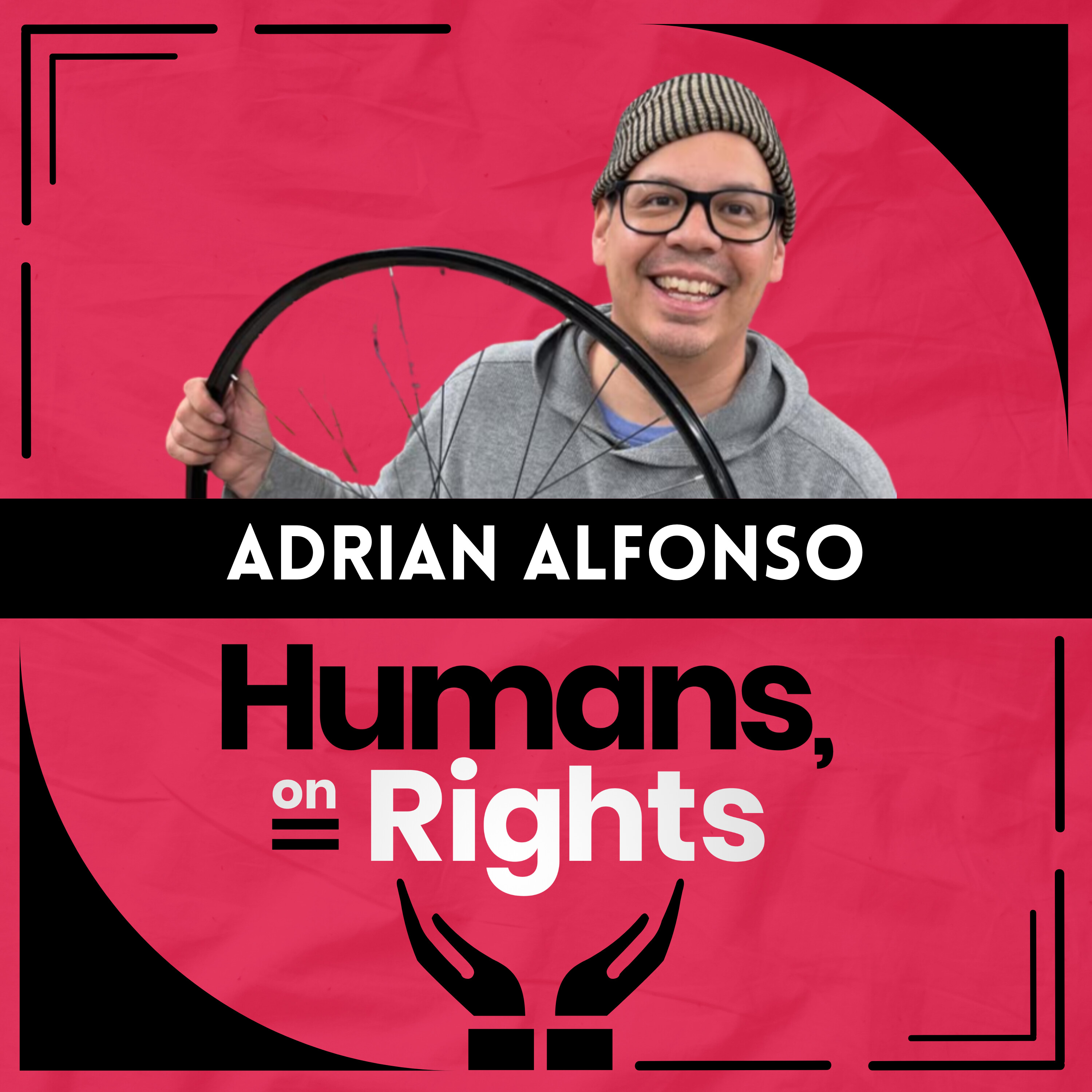 Adrian Alfonso: Trails, Truth, and Reconciliation on Two Wheels 30.04.2026 47минAdrian Alfonso has been building trails in Winnipeg since he was a kid ripping around on a BMX bike in South Osborne. Today, he's a cyclist, trail builder, Indigenous advocate, and founder of Clear Paths, a program that uses cycling routes and green spaces as a framework for Truth and Reconciliation education. Stuart sits down with Adrian to talk about what trails can teach us, what it means to be a contemporary First Nations person in Winnipeg, and why the land beneath our wheels has a lot more to say than most of us realize.We're talking:How Adrian's childhood on the "monkey trails" became the foundation for a life of advocacyWhat Clear Paths is, and how it leads participants through a guided experience of language, relationship, and reconciliationThe idea that a good trail connects the best places together, and how that philosophy shapes his approach to community buildingHis concept of "my truth plus your truth equals reconciliation," and what active listening actually looks like in practiceConnect with Adrian on Instagram Connect with the Clear Paths program on Instagram
 -
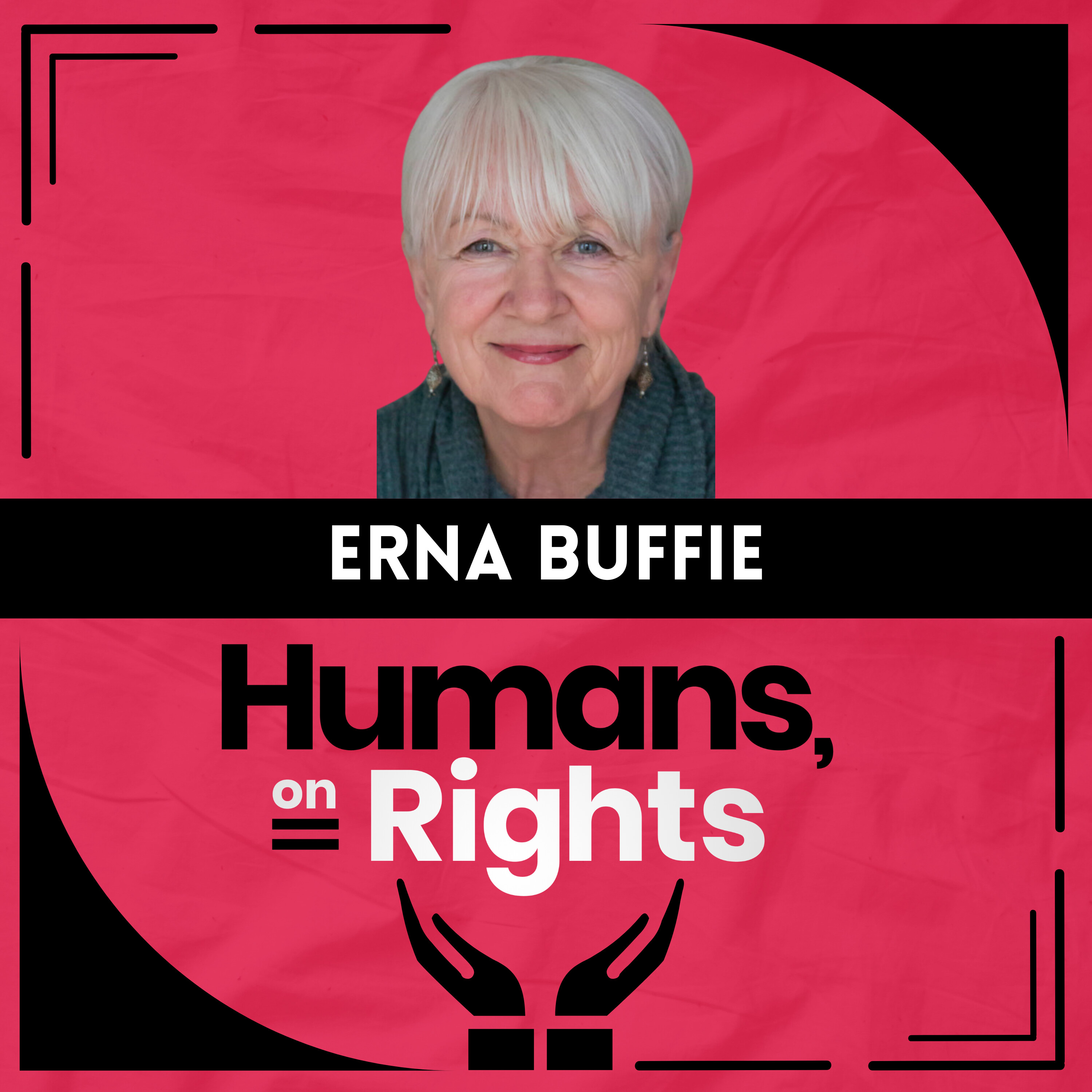 Erna Buffie: Out on a Limb 16.04.2026 53минStuart Murray sits down with Winnipeg writer, filmmaker, and environmental advocate Erna Buffie. After more than two decades producing science documentaries for CBC's The Nature of Things, Erna has turned her attention closer to home — documenting why Winnipeg's urban forest is in crisis, and what it will take to save it. Her book Out on a Limb makes the case that trees aren't a civic amenity. They're essential infrastructure.We're talking:Why Winnipeg — despite its iconic canopy of elms — scores among the lowest of major Canadian cities for greenness, and what's driving that declineThe health benefits of urban trees and the argument for treating trees as infrastructure: for every $1 invested in a tree, the city sees $6 in benefitsWhy "we'll just plant more" isn't the answer — and why it takes a minimum of 10 years for a sapling to deliver even a fraction of what a mature tree providesThe case for a private tree bylaw — why more than 700 cities have passed them, and why Winnipeg has been reluctant to followAs Erna puts it, trees aren't just a pretty way to beautify a city. They cool the air, capture pollutants, absorb rainwater, support biodiversity, and help us build the kind of climate resilience we're going to need. The science is clear. What's missing is political will.“Out on a Limb” is out now. There will be a book launch event on Wednesday May 20, 7:00 pm, at McNally Robinson in Grant ParkCheck out Out on a LimbLearn more about Trees Please Winnipeg
 -
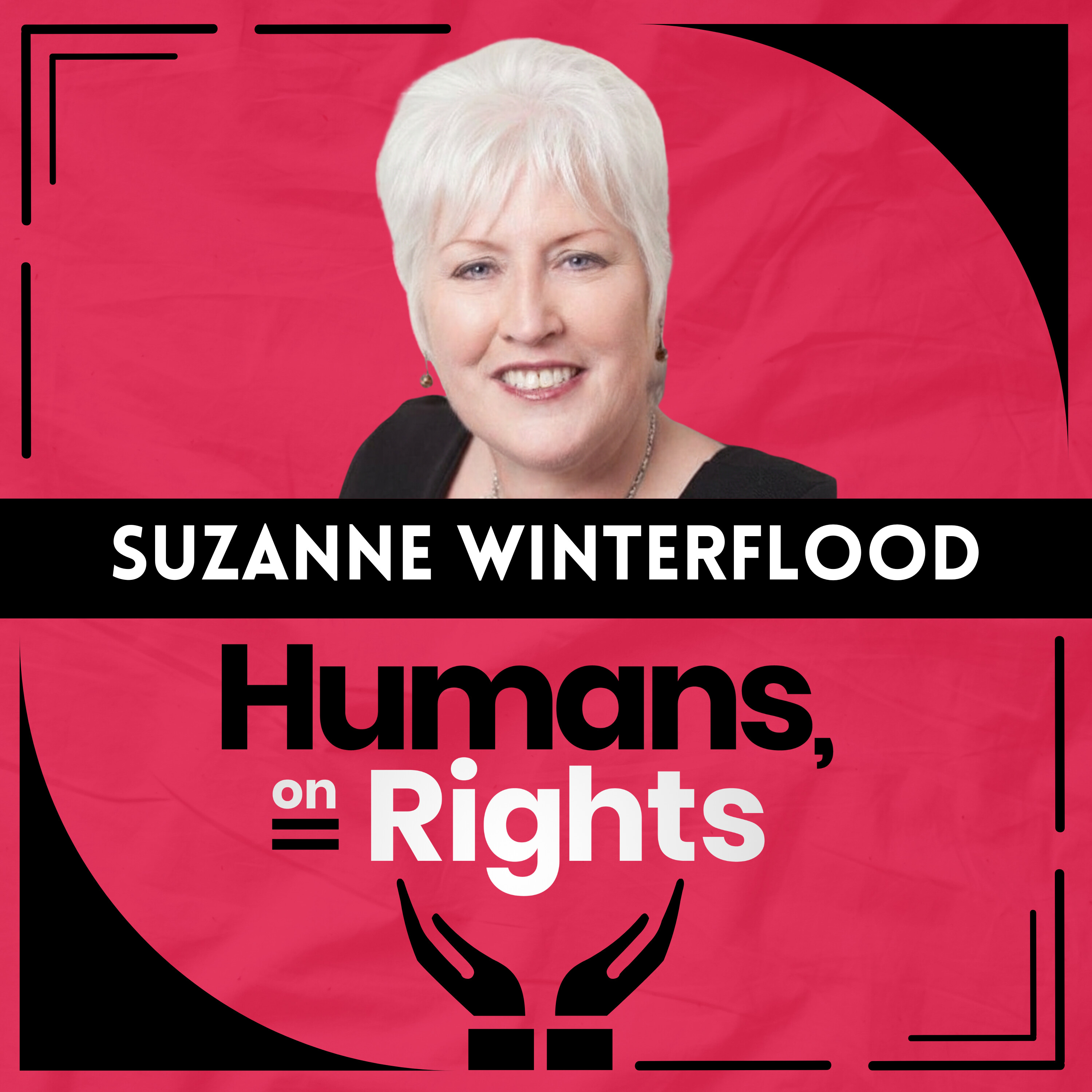 Suzanne Winterflood: Breaking Down Barriers in STEM 02.04.2026 44минOn this episode of Humans, On Rights, we sit down with Suzanne Winterflood, Program Manager of WISE Kinetic Energy — Manitoba's largest STEM outreach program. What started over 35 years ago as a small group of professors working to bring more girls into science and engineering has grown into a province-wide initiative reaching over 43,000 young people a year.And yet, Suzanne is the first to admit: the needle hasn't moved nearly as far as it should have. This conversation gets into what equitable access to STEM education actually looks like — and what keeps getting in the way.We're talking:Why early exposure to STEM matters most, and why grades 8 and 9 are such a critical turning point for girlsThe barriers specific to Black and Indigenous youth in accessing STEM education and careersWhy WISE Kinetic Energy is building toward land-based, culturally specific programming for Indigenous youthThe role of undergraduate students as near-peer role models — and why that model worksHow AI hype is pulling government funding away from the foundational, youth-focused work that actually builds the next generation of workersWISE Kinetic Energy website
 -
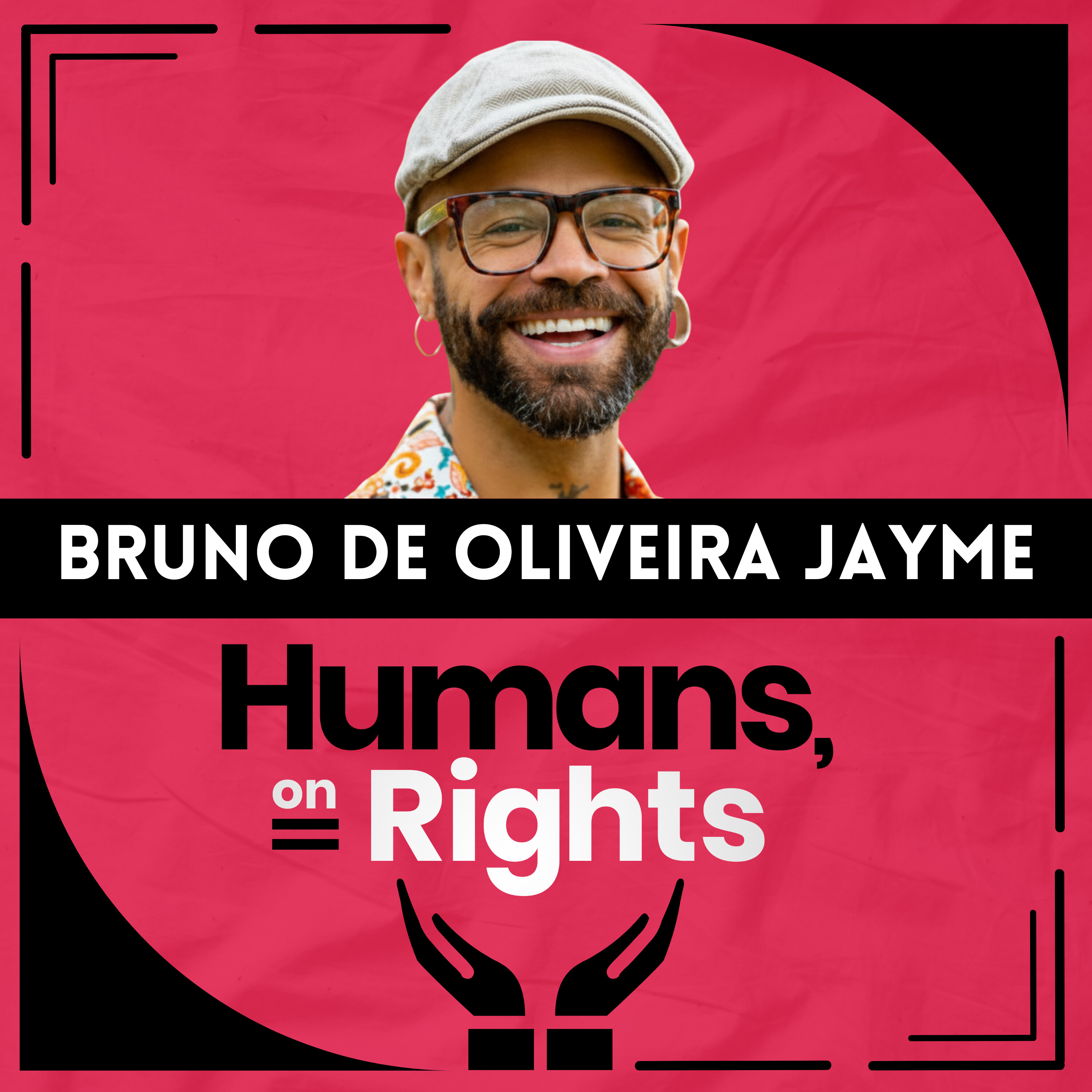 Bruno de Oliveira Jayme: Art, Activism, and the Power of Creative Dissent 19.03.2026 51минOn this episode of Humans, On Rights, we sit down with Bruno de Oliveira Jayme, a Brazilian-born artist, educator, and community arts practitioner who has spent 25 years making Canada his home. Now a full professor in the Faculty of Education at the University of Manitoba, Bruno brings together curriculum theory, arts-based research, and a deep commitment to social justice. His work explores what happens when art stops being decoration and starts becoming dissent.Bruno introduces us to the concept of "artivism" — the intersection of art and activism — and makes the case that creative expression is not a softer substitute for protest, but a distinct and powerful tool for surfacing stories, building collective identity, and opening space for conversations that more traditional forms of advocacy often can't reach.We're discussing:How Bruno's upbringing in Brazil during the end of a military dictatorship first opened his eyes to art as a political forceThe roots of community art and artivism in the social movements of the late 1960s and '70s — from the Black movement and second-wave feminism to the landless movement in Latin AmericaWhy art is uniquely capable of addressing difficult issues "in a light manner" — and why that accessibility matters for movements like environmental justiceHis advice to aspiring artivist students: start with what you know, what you're struggling with, what you're hopeful for. Bring that to your community, and think together, collectively, about what you can do next.Bruno's website (edited)
 -
 Divya Sharma: Opting Out Is a Privilege 05.03.2026 51минAt 21 years old, Divya Sharma has already led a $16 million student organization, represented Manitoba at the United Nations in both New York and Geneva, and is writing her honours thesis on the human rights implications of artificial intelligence. Her story is a reminder that age isn't a barrier to meaningful change — and that the most powerful advocacy often starts right in your own community.We're talking:Her COVID-19 project that started with a few micro-grants and grew into 16,000 care packages for frontline workers across Canada — recognized by the United Nations as one of the top stories of the pandemicHer path to becoming the 100th and youngest president of the University of Manitoba Students' Union (UMSU)Advocating for international students' access to healthcare as a human right, and the successful push to expand bursaries and bring menstrual products into university washroomsHer take on the biggest human rights challenge facing Canadians today: literacy, in every sense of the wordIf you want to know what the next generation of Winnipeg changemakers looks like, Divya's a pretty good place to start.Get Involved:Manitoba Council for International Cooperation:Provincial press releases:Lieutenant Governor of Manitoba email list:
 -
 Janet James: Leadership, Economic Equity, and the Work Nobody Sees 19.02.2026 48минFor our second Black History Month episode, we're going beyond celebration and into accountability. Stuart Murray sits down with Janet James, Edmonton entrepreneur and leadership strategist, whose journey from growing up as one of the only Black families in Lancashire, England to becoming a corporate executive and business owner is both a personal story of resilience and a lens on who gets access to power, capital, and opportunity.Janet is the founder of Janet James Growth Leadership, and has been involved with the National Black Coalition of Canada, Black History Manitoba, and leadership events for Indigenous youth — work that reflects her belief that real progress is about closing gaps, not checking boxes.We're talking:Why representation alone isn't enough, and what economic equity actually looks like in practiceThe concept of "dark work" — the inner work nobody sees that makes everything else possibleHow the word "woke" got weaponized, and what it actually means to the people who've always used itWhat performative allyship looks like up close, and how to redirect it without coming from a place of angerJanet's path took her from suppressing her identity in an almost entirely white town in England, to finding community and courage in Edmonton, to rising through corporate ranks and eventually building her own business. Along the way, she ran DEI programs, spoke publicly about racism at a time when she feared it would cost her her job, and led leadership training for Indigenous youth in Winnipeg — drawing the through-line between different communities' shared experiences of being told what they can't do.As Janet puts it: "In order to grow yourself, you must know yourself first."Janet James' Website
 -
 Nadia Thompson: Celebrating 45 Years of Black History in Manitoba 05.02.2026 59минBlack History Month isn't just 28 days in February—it's a year-round commitment to education, connection, and celebration. We sit down with Nadia Thompson, chair of Black History Manitoba, to discuss the 2026 theme "Rooted in Legacy: Honouring a Century of Black History" and the organization's 45th anniversary milestone.Nadia shares the evolution from the Black History Month Celebration Committee to Black History Manitoba, a shift that signals their year-round presence in the community. What started as two or three events in 1981 has grown to over 45 events in the first week alone—a testament to growing community engagement and awareness.We're talking:Why Black History Month is like a birthday celebration—recognizing that while the struggle exists every day, February offers a dedicated time to highlight pride and achievementThe Craig Block and Pilgrim Baptist Church as forgotten pieces of Winnipeg's Black history, including their role in supporting railway porters and creating safe spaces for Black travellersThe explosion of youth-led programming through Black Student Unions across Manitoba schoolsThe importance of volunteerism and how just one hour a week can make a meaningful impactMoving beyond February: Emancipation Day in August, Kwanzaa in December, and year-round educationNadia reminds us that diversity in Manitoba schools has skyrocketed since she was young, when she and her twin sister could count Black faces on one hand. Today's youth are more engaged, more connected, and more empowered to continue the legacy of those who fought for a seat at the table—or better yet, brought their own table.As Nadia puts it: "We struggle every day. But in February, the world has given us an opportunity to highlight the pride of being Black in this world."Find out more about Black History Manitoba and how you can get involved (in February and year-round): https://www.bhmwinnipeg.com/
 -
 Helga Jakobson: A "Zero Waste" Forks and the Right to a Healthy Environment 22.01.2026 53минWhen we picture zero waste, we often think of recycling bins or reusable coffee cups. But Helga Jacobsen sees something bigger: behind every piece of waste is a human story — someone who made it, someone who handles it, and communities who live with its impact.As Sustainability Coordinator at The Forks, Helga Jakobson is turning one of Winnipeg's most beloved gathering places into a living example of how community spaces can practice real sustainability. From her background as a transdisciplinary new media artist to her current work transforming coffee grounds into de-icer, Helga brings creativity and data together to communicate what's happening with our planet in ways people can actually understand and act on.We're talking:- Why protecting the earth and protecting people are the same conversation- How The Forks operates in a circular economy instead of the "produce, consume, throw away" linear model- Why setting "zero" as a goal matters even if you don't quite reach itHelga reminds us that sustainability work doesn't require perfection or pushback. Sometimes the most innovative solutions come from conversations with tenants over coffee, listening to Indigenous voices and water protectors, and staying hopeful even when the news feels overwhelming.As she puts it: "Everyone has the ability to create impact around them. So speak up."Learn more about the Forks' "Target Zero" project.More on Helga:Helga Jakobson is the Sustainability Coordinator at the Forks and is a Transdisciplinary Artist. In 2017, she received an MFA from AKV St. Joost (The Netherlands) in conjunction with courses in the Transdisciplinary New Media program at the Paris College of Art (France). She has exhibited, lectured and participated in residencies across North and South America and Europe. She was selected for the Emerging Excellence Award by the Manitoba Arts Council in 2019, has mentored through Creative Manitoba, Video Pool and, currently, MAWA. She lectures on material ecologies, eco-feminism, and sustainability in art. Her art practice often focuses on how to live on a damaged earth and how to make tangible the almost invisible and inaudible losses that are occurring all around us, from an environmental perspective.As CEO of a bourgeoning recycling business (REDO Waste), a Butterflyway Ranger for the David Suzuki Foundation and former Executive Director of ArtsJunktion (a creative reuse depot), Helga brings to her role as Sustainability Coordinator wide spanning experiences that help her to promote sustainability, with waste diversion and composting at the Forks.When she’s off duty, she can be found hiking and camping, gardening and cuddling her foster fail dogs; Wednesday and Huginn.
 -
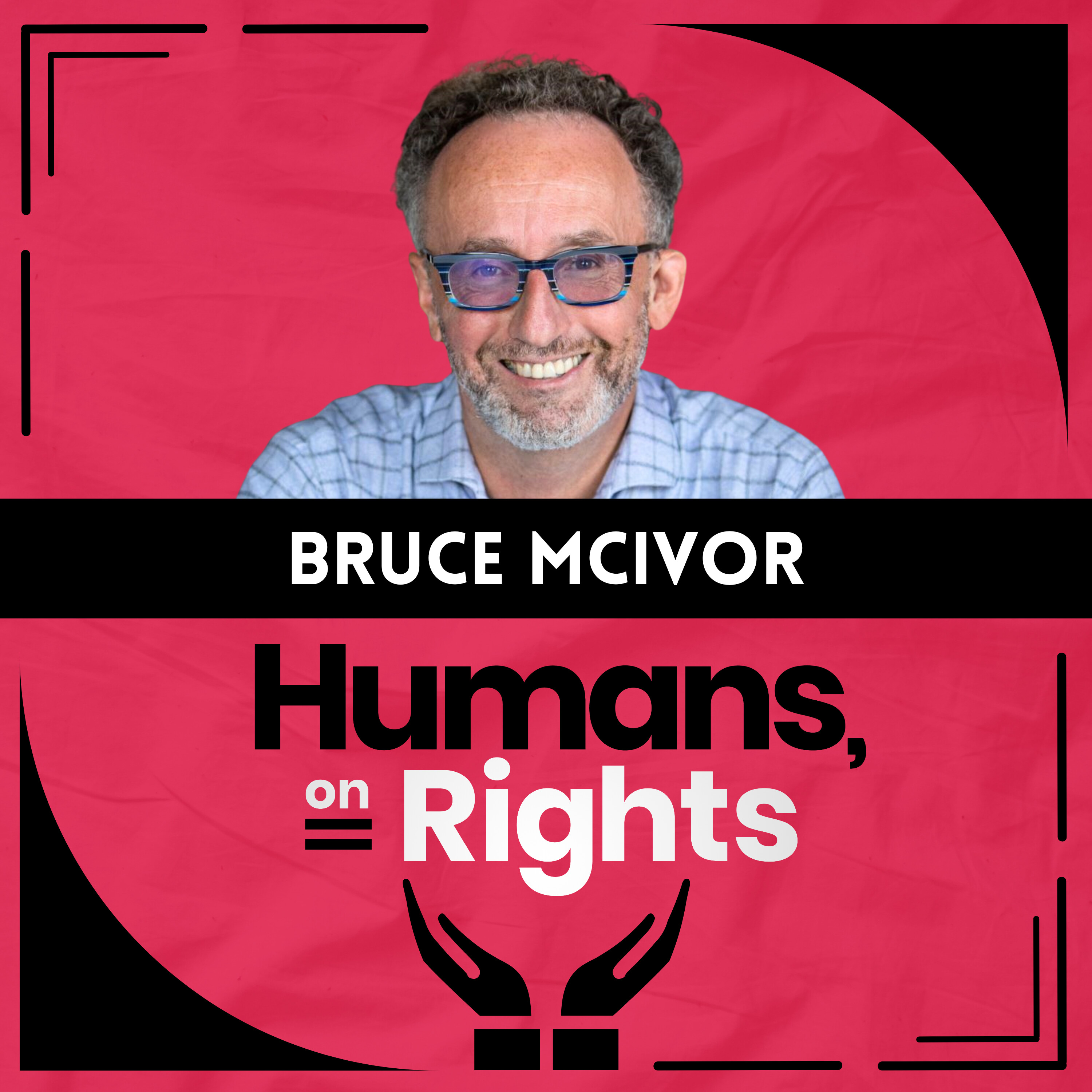 Bruce McIvor: What You Need to Know to Talk Reconciliation 08.01.2026 51минIf your goals for 2026 include actually moving the needle on reconciliation, lawyer Bruce McIvor has news: you need to get uncomfortable.The Manitoba-born author of Indigenous Rights in One Minute joins us to cut through the performative gestures and explain what reconciliation actually demands. Bruce breaks down centuries of Indigenous law and constitutional rights in plain language—then challenges us to move beyond land acknowledgements to action that matters.We're talking:Why Indigenous rights aren't "special" privileges—they're legal obligations Canada made and must keepWhat Section 35 of the Constitution actually protects (and why most Canadians don't understand it)The difference between consultation theatre and genuine partnershipWhy feeling uncomfortable is exactly where real reconciliation work beginsWhat non-Indigenous Canadians can actually do to move reconciliation work forwardBruce reminds us: "If reconciliation is making you feel good, you're doing it wrong."Read Indigenous Rights in One Minute: What You Need to Know to Talk Reconciliation
 -
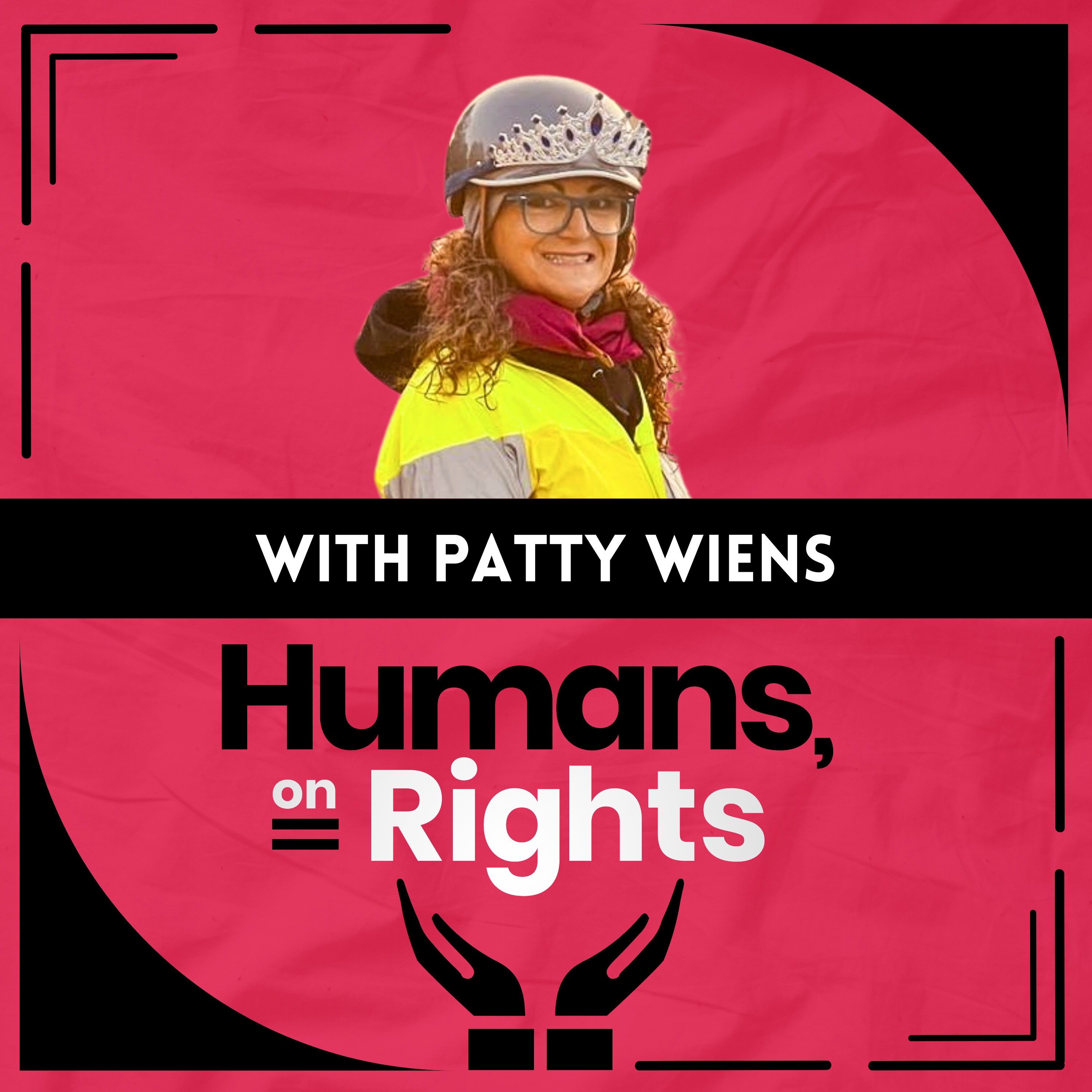 Patty Weins: Transportation, Safety, and the Right to the City 18.12.2025 50минWe sit down with Patty Weins—author of That'll Never Work Here, host of the That's Her Problem podcast, and Bicycle Mayor of Winnipeg. Patty's journey from winter cycling newcomer to city-wide advocate reveals how transportation choices connect to mental health, physical wellbeing, climate justice, and the fundamental right to move safely through our cities.We're talking:Why 30% of the population can't drive—and what that means for designing equitable citiesHow winter cycling transformed from a parking cost workaround into a movement for safer streetsThe hidden connection between snow removal priorities and gender equality in urban designWhy "trip chaining" matters: how women navigate cities differently than traditional planning assumesWhat happened when one collision on Wellington Crescent galvanized 54 advocates in four weeksHow Brazil's bike culture shaped Patty's view of car dependency in Winnipeg—and what needs to changePatty challenges us to see transportation not as a convenience issue but as a fundamental right. When we design cities exclusively for cars, we're making choices about who belongs, who stays safe, and who gets left behind. Whether you're a daily driver reconsidering that right turn at Sherbrooke and Broadway or someone curious about the freedom winter cycling can bring, this conversation offers practical insights into building cities where everyone can arrive alive.Connect with Patty:Website: PattyBikes.comBook: That'll Never Work HerePodcast: That's Her Problem Learn more:Bike Winnipeg: bikewinnipeg.caBycs (Bicycle Mayors Network): bycs.org
 -
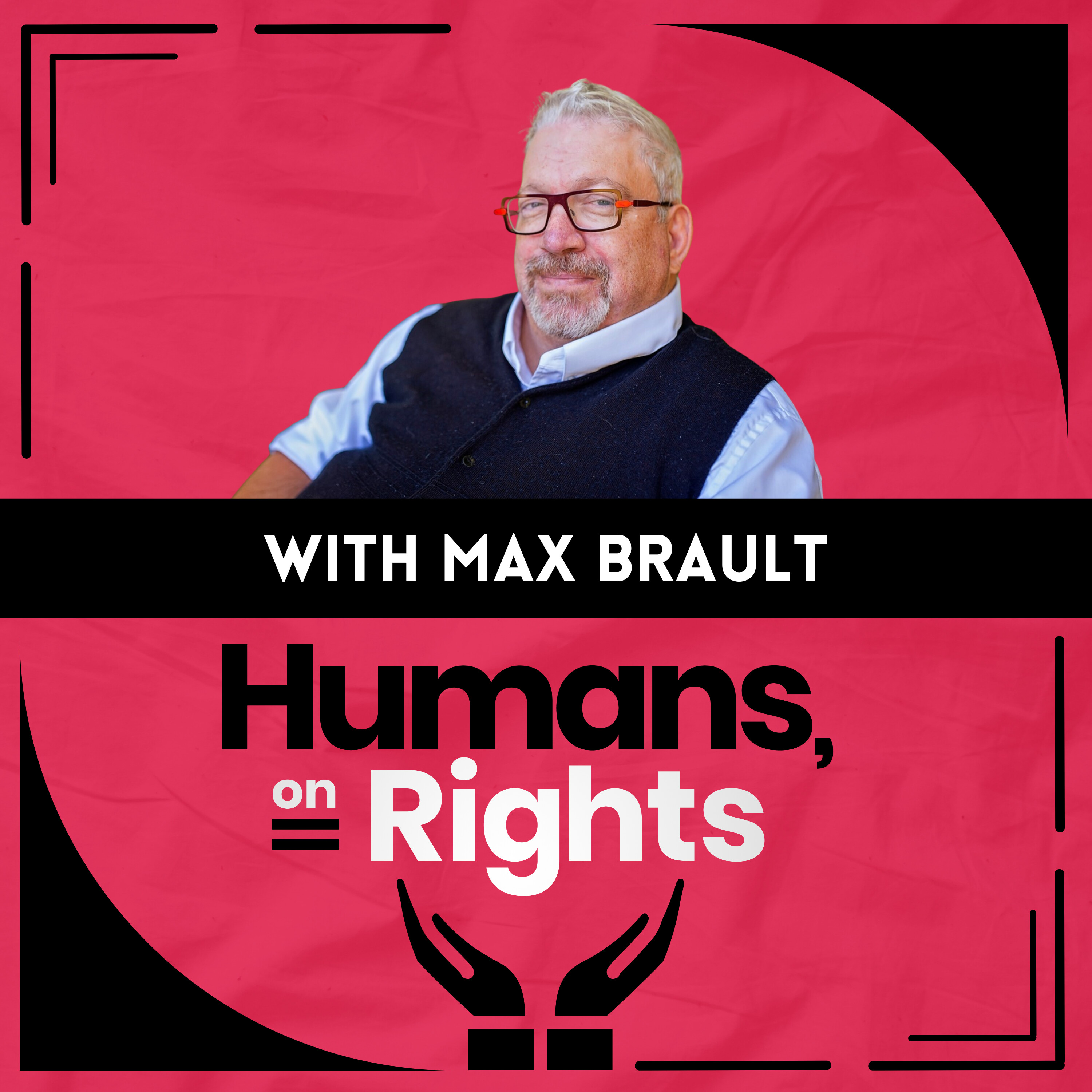 Max Brault: Race to the Starting Line 04.12.2025 56минDecember 3rd was International Day of Persons with Disabilities—a day meant to recognize the contributions and rights of people with disabilities worldwide. Today, we're sitting down with someone who's spent 40 years making sure that recognition turns into actual change.Max Brault—national leader in accessibility, author, and someone who lives with spinal muscular atrophy—doesn't just talk about accessibility. He's helped build the Accessible Canada Act, transformed hiring practices in the federal government, and now consults with corporations trying to figure out what true inclusion actually looks like. His new book, The Race to the Starting Line, cuts through all the box-checking and virtue signalling to explain why equality has to start long before anyone even gets to compete.We're talking:Why the Accessible Canada Act exists—and why the Charter alone wasn't enoughThe moment Stats Canada discovered 27% of Canadians identify as having a disability (not the 4% everyone kept citing)How organizations confuse accommodation with inclusionWhy "we're working on it" is code for "we haven't actually started"The difference between designing for people with disabilities and designing with themWhether you're building spaces, creating policies, or just trying to understand why accessibility matters beyond compliance, Max brings decades of lived experience and hard-won wisdom about what it actually takes to build a world where everyone gets to show up fully.Learn more: Max Brault's website and book
Подобни подкасти


Популярен в
Този подкаст се появява и в подкаст класациите на тези държави.
