
EUVC
EUVC
0
EUVC is a podcast centered on the European technology ecosystem, covering the people, capital, and companies shaping the continent's future. Each episode features conversations with founders, investors, operators, and policymakers. The show explores topics such as venture capital, startups, AI, deeptech, defense, industrial policy, and entrepreneurship. Its goal is to document the ideas and individuals driving European competitiveness.
Епизоди
-
 This Week in European Tech: Europe’s venture market still leans on public capital 18.09.2026 1чEurope’s venture ecosystem has grown, but how durable is the capital supporting it? Government and sovereign funding remain significant while European pension fund participation is still limited.In this episode, Dan Bowyer, Mads Jensen and Priyanka Savjani of SuperSeed examine what Europe’s reliance on public capital means for the long-term strength of its venture market.They also share their takeaways from the All-In Summit, discuss why Langdock reversed its Delaware structure, assess how higher rates could affect AI infrastructure spending and explore Europe’s role in physical AI and advanced manufacturing.HighlightsWhy public funding can leave European venture politically vulnerableWhat limited pension fund participation means for long-term capitalWhy Langdock moved its corporate structure back to EuropeWhether independent evaluation can address AI safety concernsHow rising rates could reshape the AI infrastructure boomOpenAI’s advertising opportunity and the economics of conversational AIEuropean technology’s role in physical AI and manufacturingThe companies and technologies worth watching this weekTimestamps(00:00) Cold open(01:13) Introduction(02:39) Inside the All-In Summit(15:00) Closer ties between Canada and the EU(17:59) Why LangDock moved its corporate structure to Europe(20:38) Who funds European venture?(23:44) AI safety: Slow down or audit the models?(35:53) How higher rates could affect AI infrastructure spending(42:45) OpenAI’s advertising and monetisation opportunity(46:39) European IPOs and the OpenAI–Anthropic model race(49:41) Physical AI, humanoid robots and industrial software(55:37) Deals and companies of the week(58:48) The week ahead
 -
 Summit | Krishna Visvanathan (Crane): From contrarian view to a consensus bet, twice and counting 18.09.2026 12минWhat changes when an investor encounters a founder who expands their sense of what is possible?Krishna Visvanathan, Co-Founder and Partner at Crane Venture Partners, reflects on meeting James Dacombe in 2019. At 19, James was proposing a non-invasive brain sensor inspired by the experiences of two grandparents with dementia. Krishna could not yet know whether the technology behind CoMind would work, but he believed James had the qualities to build more than one consequential company.Crane backed that potential. Several years later, the firm became the only institutional investor in the first round of James’s second company, now OLIX.In this conversation, recorded during the EUVC Summit & Awards Show in April 2026, Krishna shares how working with James sharpened Crane’s approach to identifying outlier founders. He explains why the firm considers whether every investment could return half or all of a fund and why a founder’s humility, self-awareness and capacity to learn can matter as much as the initial idea.The discussion also explores how exceptional founders attract people with deeper specialist expertise, why Crane continues to increase its appetite for ambitious technical bets and what investors should search for when the next outlier will not resemble the last one.HighlightsWhy Krishna backed James before he could assess whether CoMind’s technology was achievableHow James changed Crane’s expectations of founders and potential outcomesWhy Crane underwrites investments for fund-returning potentialThe qualities that suggest a founder can keep learning and developingWhy searching for another version of a past success can obscure the next outlierHow founders without conventional credentials can assemble world-class technical teamsWhat gave Crane the conviction to back James’s second companyTimestamps(00:00) Intro(01:29) Meeting James Dacombe and backing CoMind(04:05) Betting on the founder before the product(05:42) How James raised Crane’s investment bar(07:23) Why Crane refuses to hedge(08:55) What another outlier founder looks like(10:03) Humility, self-awareness and maturity(11:46) The founder at the back of the room
 -
 Alex Bakir (Norrsken Evolve): Europe’s AI ambitions need a new electricity system 15.09.2026 10минEurope can invest heavily in AI, but without enough cheap, reliable electricity, its ambitions will eventually hit a physical limit. Data centres, industry and digital infrastructure all need power, making Europe’s energy system an increasingly important part of its technology strategy. Alex Bakir, General Partner at Norrsken Evolve, argues that electricity is becoming a question of competitiveness, resilience and sovereignty, not only climate. Alex traces how Europe became dependent on imported energy and why electrification now requires changes to grids, costs and supply chains. He also explains why Europe may already have the technology and capital it needs, if it can overcome fragmentation and build enough momentum to act. HighlightsWhy Europe’s AI ambitions depend on electricityHow energy became a competitiveness and sovereignty issueWhy grid infrastructure is becoming a bottleneckThe risk of swapping one dependency for anotherWhy Alex believes Europe already has the technology and capital to actThis session was recorded at the Love Tomorrow Summit, where EUVC curated the investor-focused programme.Timestamps(01:00) Why Europe should run on cheap, clean electricity(02:00) How Europe’s postwar model shaped its energy system(03:00) From industrial power to dependence on imported energy(04:00) Why this is bigger than climate change(05:00) Energy, geopolitics and economic power(06:00) Europe’s vulnerability to energy price shocks(07:00) Why AI raises the stakes for Europe’s electricity system(08:00) Grid bottlenecks, high costs and new dependencies(09:00) Why Europe already has the technology and capital to act(10:00) The case for a more electrified Europe
 -
 This Week in European Tech: Europe has the talent. Can it own the upside? 12.09.2026 55минWhat Europe lacks is not necessarily talent. The bigger challenge is keeping ambitious founders here, financing them at scale and capturing more of the value created by European technology.In this episode of This Week in European Tech, Dan Bowyer and Priyanka Savjani of SuperSeed are joined by Andrew J Scott of 7percent Ventures to discuss what needs to change if Europe wants to build and retain more global technology leaders.They cover EU Inc., European pension capital, AI sovereignty and access to frontier models, as well as Europe’s space ambitions and the wider economic impact of AI. The conversation also looks at what happens if AI shifts more value from labour towards capital, and whether Europe is positioned to benefit from that shift.HighlightsWhy Europe’s talent may not be the real constraintWhether EU Inc. can reduce fragmentationWhy domestic capital matters for European techWhat AI sovereignty really meansWhy access to frontier models could become a strategic riskWhat Europe needs to unlock in spaceHow AI could reshape the balance between labour and capitalDeals of the week across AI and space
 -
 Summit | Chris Preston (ZEREN) & Rishabh Kaul (Hoxton Ventures): Building AI-native leadership teams 11.09.2026 14минWhat does it really mean to be AI-native when hiring or backing a leadership team?Chris Preston, CEO at ZEREN, a global technology recruitment firm, and Rishabh Kaul, Venture Partner at Hoxton Ventures, discuss how AI is changing the signals that matter in senior talent, from curiosity and hands-on experimentation to judgement and functional expertise. Recorded at the EUVC Summit & Awards Show in April 2026, they explore the trade-off between proven experience and AI-native thinking, how founders can rethink hiring and how investors can better assess and support leadership teams as expectations evolve.HighlightsWhat AI-native leadership looks like in practiceHow founders and investors can assess AI capabilityWhy curiosity and experimentation matter alongside experienceWhen deep domain expertise still matters moreWhy interim executives can help shape evolving rolesWhy early-stage teams should focus on standout strengths rather than perfectionTimestamps(00:00) Intro(02:00) How AI is changing leadership hiring(04:00) Why experienced leaders need to stay close to how AI is being used(06:00) How to test for genuinely AI-native thinking(07:00) Balancing proven experience with AI curiosity(09:00) The investor perspective on AI adoption across portfolio companies(11:00) When deep domain expertise still matters more(12:00) Using interim leaders when roles are still evolving(13:00) Why founders should hire for standout strengths, not perfection
 -
 Rokas Peciulaitis (Contrarian Ventures): Why responsible innovation wins with better products 08.09.2026 13минResponsible innovation works best when it creates products people genuinely prefer, not when it asks them to accept a compromise.Rokas Peciulaitis, Founder and Managing Partner at Contrarian Ventures, argues that better products, longer lifecycles and stronger customer loyalty can make responsibility a competitive advantage. Using examples from Vinted, Patagonia and Mako, Rokas explores how founders can build companies around durability, reuse and purpose, and why he believes every euro spent is effectively a vote for the kind of future we want to create. HighlightsWhy “climate change” may be the wrong framingWhy responsible innovation has to win on productWhat Vinted, Patagonia and Mako get rightHow purpose can become a long-term moatWhy every euro spent is a voteTimestamps(01:00) The Titanic metaphor and why climate action is too slow(03:00) Why “climate change” may be the wrong framing(05:00) Why builders matter more than waiting for policy(07:00) Mako: giving materials another life(08:00) Vinted and making secondhand mainstream(09:20) Patagonia and killing a bestselling product(11:00) What responsible companies have in common(12:00) Why every euro spent is a vote(12:40) The climate worsens by default, but gets better by choiceThis session was recorded at the Love Tomorrow Summit, where EUVC curated the investor-focused programme.
 -
 This Week in European Tech: Apple rents AI. What should Europe build? 07.09.2026 54минApple’s decision to rent rather than build its core AI model raises a wider question for Europe: where should companies own the technology, and where does it make more sense to build on top of the best models available?That is one of the themes in this episode of This Week in European Tech, featuring Dan Bowyer, Mads Jensen and Priyanka Savjani of SuperSeed, alongside Andrew J Scott of 7percent Ventures. They also discuss where Mistral and Wayve can compete, why business data is becoming more valuable and how the AI infrastructure boom is starting to reshape capital markets.HighlightsWhy Apple may have made “renting AI” more respectableWhere Mistral could find an advantage beyond the frontier-model raceWhy business data is becoming one of AI’s most valuable assetsWhy governments should act as customers, not just grant providersHow AI infrastructure spending is moving into debt marketsWhy new forms of AI reasoning are raising questions around observability and safetyTimestamps(00:00) Intro(03:00) Broadcom and the AI chip race(06:00) Matt Clifford, Anthropic and where AI power sits(08:00) Apple rents AI: build or buy?(12:00) nScale and the numbers behind its AI infrastructure story(14:00) Wayve, Waymo and the autonomous driving race(17:00) Why governments should become startup customers(18:00) Europe, capital flows and the AI kill switch debate(21:00) Thinking Machines, Mistral and the open-source AI race(25:00) Meta’s AI pricing bet and the value of business data(31:00) Why bond markets suddenly matter to tech(37:00) AI financing moves from equity into debt(41:00) Oracle’s leveraged bet on OpenAI(43:00) What happens when AI models reason in their own language?(47:00) Deals of the week(50:00) What to watch next week
 -
 Summit | Dave Bailey (Founder Coach): Creating simplicity 04.09.2026 12минComplexity is one of the biggest barriers to scaling, and AI may make it worse. As building new features gets easier, the temptation is to keep adding.Dave Bailey, CEO of Founder Coach, argues that scaling requires the opposite: subtraction. In this talk from the EUVC Summit & Awards Show 2026, he shares a practical framework for focusing on the goal that matters most, challenging plans that no longer serve it and removing the hidden priorities that create complexity.Dave coaches venture-backed CEOs from Seed to pre-IPO and previously co-founded and scaled multiple venture-backed companies, including Delivery Hero.HighlightsWhy simple scales and complex failsHow bigger goals and shorter timelines create clarityWhy AI can increase organisational complexityHow hidden goals and fear keep weak plans aliveWhy raising the bar is a tool for subtractionTimestamps(01:15) Why simple scales and complex fails(03:00) Why AI makes complexity worse(03:40) Finding your simplifying goal(05:15) Why bigger goals create clarity(05:40) Compressing the timeline(07:00) Clean thinking vs dirty thinking(08:30) The hidden goal iceberg(10:35) Why fear keeps bad plans alive(10:50) Raising the bar through subtraction(11:45) The path to simplicityWant to simplify how you scale? Book a discovery call with Dave Bailey to identify the challenges holding your company back and explore how Founder Coach can help.https://www.eu.vc/products/dave-bailey-ceo-founder-coach
 -
 Michael Smith (Regeneration.VC): The future wins by being superior, not moral 03.09.2026 8минWhat if the better environmental solution is also the better business? Michael Smith, General Partner at Regeneration.VC, argues that regeneration is about building products and systems that waste less, use resources better and outperform what they replace.He explores why we may have a design problem rather than a consumption problem, how corporate supply chains can drive change and why the ambition should go beyond sustainability and circularity towards restoring natural systems.HighlightsWhy better environmental solutions can also deliver better economicsHow supply chains can become a platform for impactThe difference between circularity and regenerationHow technology could help restore natural systemsThis session was recorded at the Love Tomorrow Summit, where EUVC curated the investor-focused programme.Timestamps(01:18) From DJ to regeneration(03:16) A design problem, not a consumption problem(04:06) Supply chains as a force for change(05:00) Regeneration in practice(05:50) When environmental solutions make better business(06:18) Beyond circularity(07:05) Super nature: where technology meets nature
 -
 Award winner - Summit | CVC of the Year: Henkel Ventures (represented by Marc Thom) 02.09.2026 8минA corporate investor should offer more than capital. The strongest CVCs connect startups with corporate expertise, industrial capabilities and valuable networks.That is the approach of Marc Thom, Head of Henkel Ventures, who accepted the Corporate Venture Capital of the Year award at the EUVC Summit & Awards Show.The award recognises Europe’s leading CVC arm based on investment activity, innovation, impact and contribution to the ecosystem.Henkel Ventures focuses on investments where Henkel’s business units, technical expertise and wider network can create strategic value.On stage, Marc shared how CVCs can use their parent companies’ capabilities to support startups in practical ways.HighlightsWhat founders should expect from a strategic investorWhy CVC is a marathon, not a sprintHow Henkel Ventures aligns strategy and partnershipsWhere European corporates still hold an advantageThe EUVC Summit & Awards Show returns in April 2027. Secure your spot here.
 -
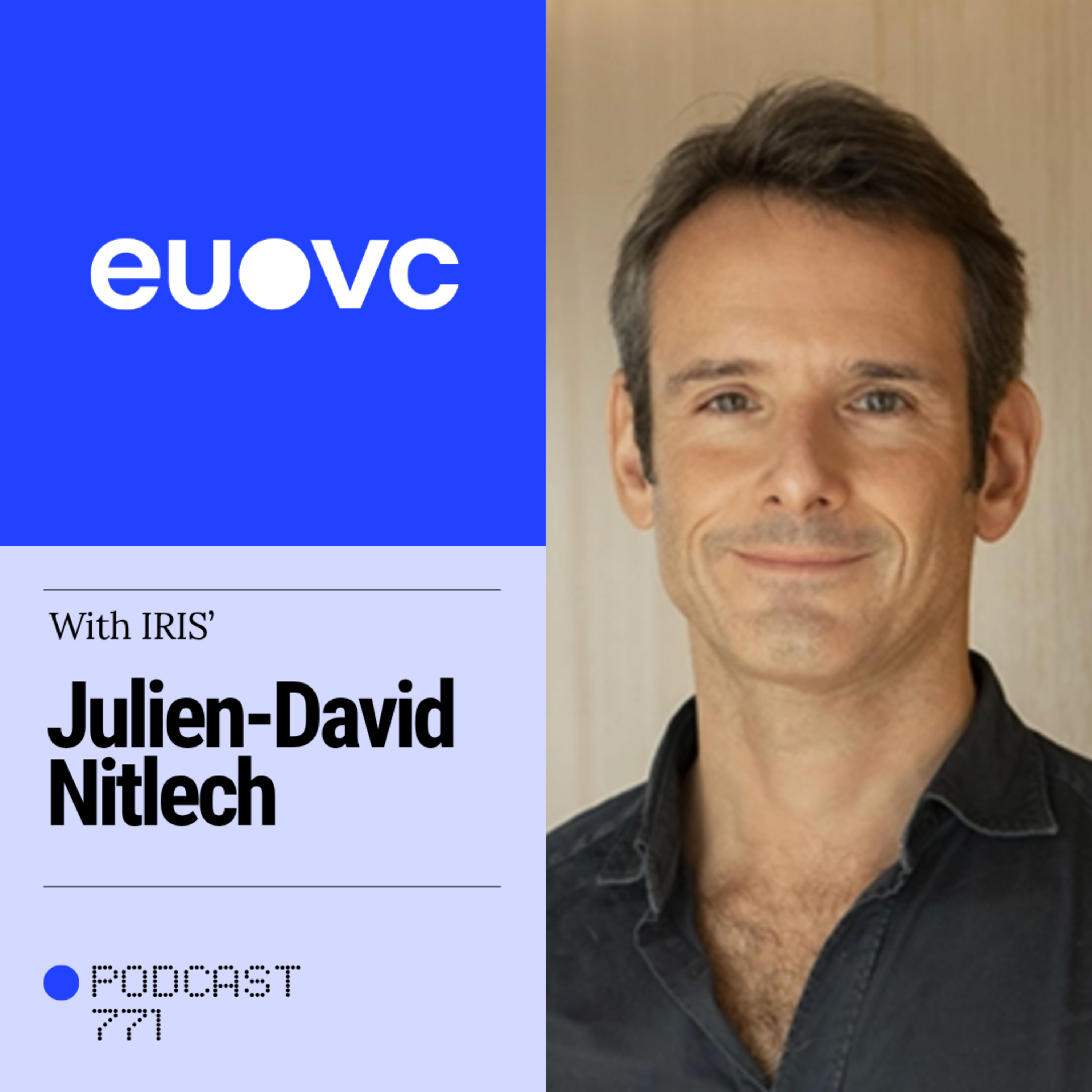 Julien-David Nitlech (IRIS): What Exotec taught IRIS about backing deep tech that lasts 01.09.2026 50минExotec’s journey from an early-stage warehouse robotics company to France’s first industrial unicorn, now valued at $2bn+, reflects what IRIS looks for in applied deep tech: differentiated technology, a clear market need and founders who understand both.In this EUVC episode, we are joined by Julien-David Nitlech, Managing Partner at IRIS, to explore why Exotec initially seemed too early, what changed his mind and how the company continued to evolve through international expansion.Julien-David then takes us inside IRIS, the European venture and growth firm founded in 1986. He explains how the firm has navigated four decades of technological change by renewing its teams, ownership and investment thinking while preserving the values at its core.What we cover:Why Exotec initially looked promising but was early for IRIS’s investment thesisWhat Julien-David saw during a 20-minute meeting with its founderWhere IRIS draws the line between applied deep tech and capital-intensive foundational betsHow early customer validation helps IRIS assess a technical stackWhat AI companies need to build lasting value as technologies and markets evolveWhy IRIS may be approaching what Julien-David describes as its “fifth life”Follow EUVC for more conversations with the founders, investors and operators shaping European tech and venture capital.Timestamps(01:20) IRIS at 40: how the firm has kept reinventing itself(05:00) What IRIS looks for in tech investments(07:00) How venture firms survive generational change(13:00) Humility, governance and growing as an investor(18:00) Why fundraising changes how VCs think(22:50) Exotec: the investment IRIS nearly missed(31:00) How IRIS approaches deep tech(38:00) IRIS’s AI investment thesis(44:00) What creates a durable moat in AI(47:00) Concentration, uncertainty and the future of VC(49:00) Could IRIS enter its fifth life?
 -
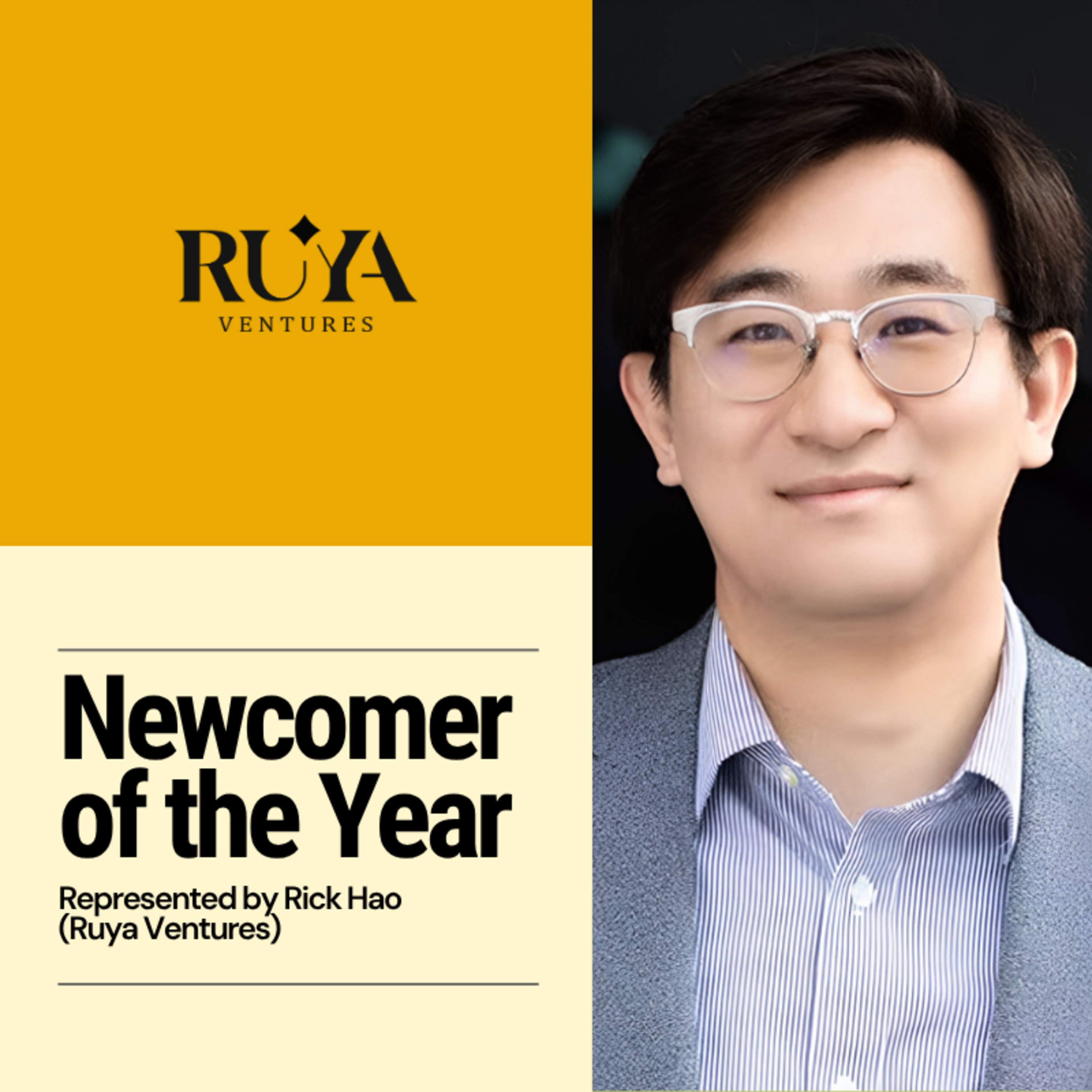 Award winner - Summit | Newcomer of the Year: Ruya Ventures (represented by Rick Hao) 28.08.2026 8минEurope’s deep tech companies will not become global leaders by copying traditional venture playbooks. They need specialist investors who can tackle commercialisation, manufacturing and supply chain bottlenecks from the earliest stages.After accepting the Newcomer of the Year award on behalf of Ruya Ventures at the EUVC Summit & Awards Show 2026, Founder and Managing Partner Rick Hao explains:Why Ruya backs a small, concentrated portfolio at pre-seed and seedHow early support and global supply chain expertise can help hardware startups scaleWhy underinvested sectors such as battery technology may offer overlooked opportunitiesHear how Ruya is helping deep tech companies scale faster with less capital and compete globally.The EUVC Summit & Awards Show returns to London in April 2027. Secure your ticket here.Chapters(00:00) Intro(01:00) Ruya Ventures’ pre-seed and seed strategy(02:00) Global supply chain expertise and the fundraise(03:00) Lessons from specialist and generalist VC funds(04:00) Why deep tech needs a dedicated investment thesis(05:00) Combining the strengths of both fund models(06:00) A different scale-up strategy for hardware(07:00) Ruya’s first investment and scaling ambition
 -
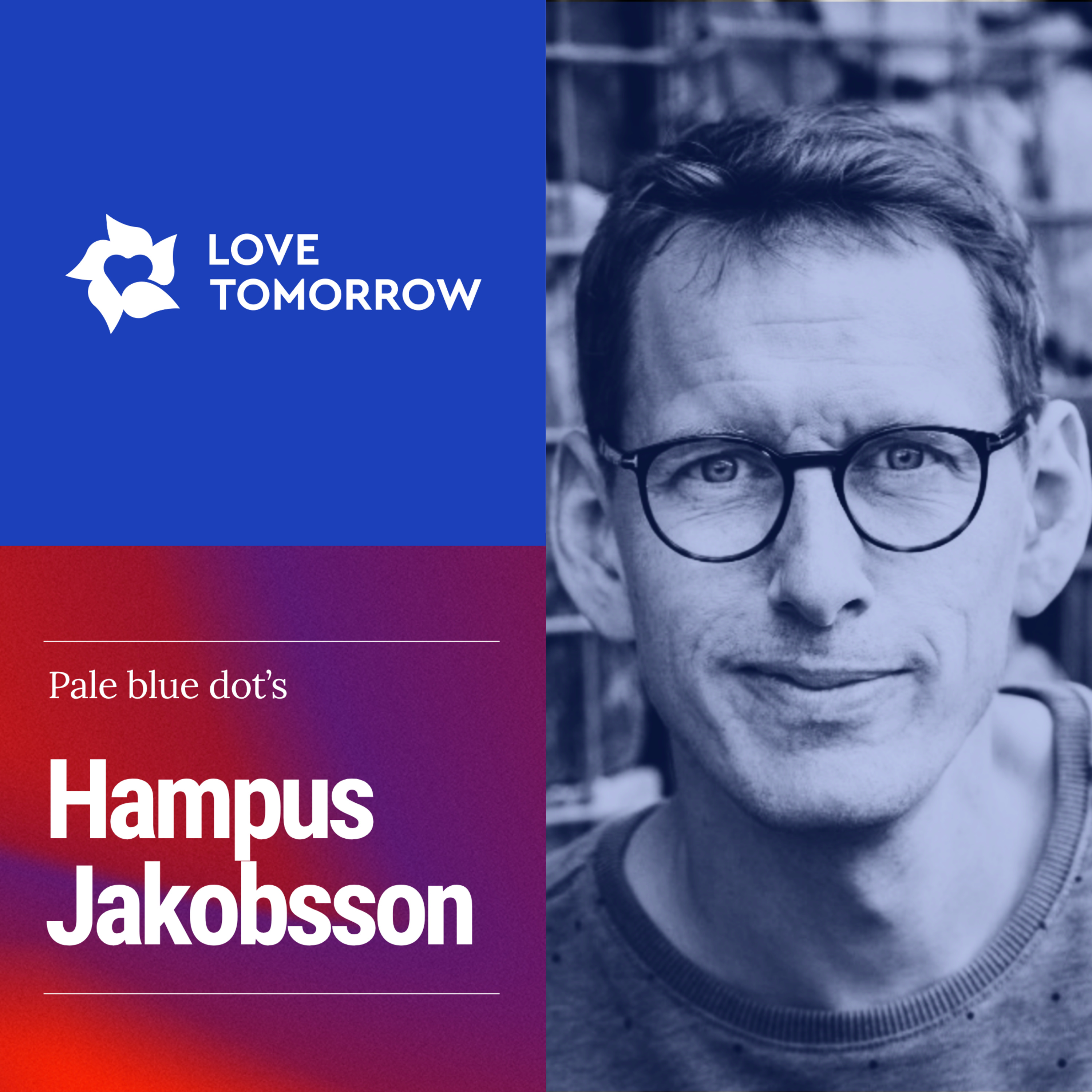 Hampus Jakobsson (Pale blue dot): How to stop doubt from stealing your dreams 27.08.2026 9минHampus Jakobsson, General Partner at Pale blue dot, explains how Founders and investors can balance careful planning with decisive action when doubt takes over.Through the true story of polar explorer Ann Daniels and his “swimming with sharks” framework, he explores:Why planning without action keeps you stuckWhy speed without direction wastes energyHow extraordinary people act before certainty arrivesRecorded at Love Tomorrow Summit, where EUVC curated the investor-focused programme. Subscribe to EUVC for more insights.Timestamps(01:00) Ann Daniels reaches a breaking point(02:00) An unexpected opportunity at the North Pole(03:00) Surviving the expedition selection process(04:00) What makes extraordinary people different?(05:00) Why you have to handle cringe(06:00) Breaststroke versus crawl(07:00) Planners, action heroes and why you need both(08:00) Scheduling your breaststroke meeting(09:00) Give doubt an appointment
 -
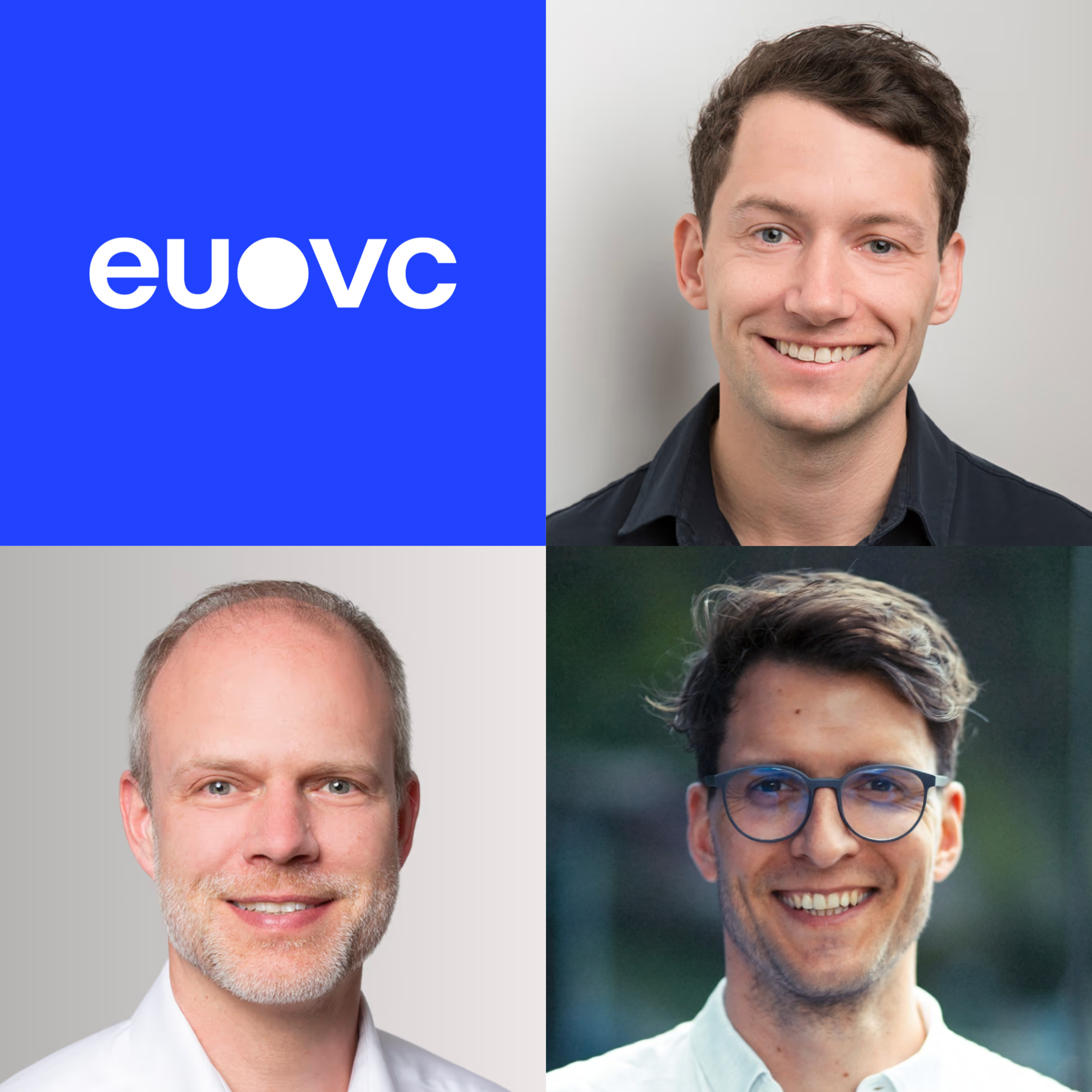 Franz Tschimben (ALLSIDES) & Michael Brehm & Ben Scheidt (Redstone): Why physical AI needs 3D data 26.08.2026 32минThe next wave of AI will not be driven by larger general-purpose models alone. It will be verticalized, grounded in the physical world, and trained on reality-grade 3D data.In this EUVC episode, host Andreas Munk Holm speaks with Michael Brehm (General Partner and Founder at Redstone), Ben Scheidt (Partner at Redstone) and Franz Tschimben (Co-Founder of ALLSIDES).They explore why one-size-fits-all AI falls short in robotics, simulation, and other physical applications, and how ALLSIDES converts physical objects into relightable 3D digital twins in minutes.ALLSIDES has worked with clients such as Meta, Amazon, Nike, adidas, Zalando, NUREG, GORE-TEX, La Sportiva, and Inditex Group brands including Zara, Massimo Dutti, and Bershka. It also has a deep integration with NVIDIA.Key takeawaysAs foundation models commoditize, defensibility shifts toward specialized data and infrastructurePhysical AI and world models require high-fidelity 3D data, not only internet-derived 2D contentReality-grade digital twins at scale can unlock robotics, simulation, generative 3D, digital commerce, and AI content creationBuilding global deep tech from Europe requires proximity to customers and demand in the US and AsiaTimestamps(00:00) The 3D data opportunity(01:05) Why AI needs real-world grounding(02:20) Why AI is becoming verticalized(05:10) Building the data layer for physical AI(07:25) Why robots need 3D data(09:10) Automated 3D scanning at scale(13:15) Market size and the platform opportunity(17:00) Mapping the physical world(21:00) Customers, NVIDIA and market adoption(26:20) Building a global deep-tech companySubscribe to EUVC for more insights.
 -
 Award winner - Summit | Exit of the Year: Balderton (represented by Rob Moffat) 25.08.2026 7минA great venture exit is not necessarily the biggest headline transaction. The better test is whether it returns meaningful capital while allowing the company to keep building.Balderton Capital’s exit from Dream Games offers one model. CVC acquired the VC investors’ stakes, creating liquidity for early backers while Dream Games continued building the Royal universe and pursuing its ambition to create world-leading games.After Balderton received EUVC’s Exit of the Year award, Partner Rob Moffat reflected on the investment and why venture investors should think beyond the traditional IPO path.Balderton backed Dream Games in 2019 when it was just two months old, with five founders, no employees and, as Rob recalls, around 12 slides. The conviction came from an exceptional team with product obsession, ambition and competitiveness, including experience building Toon Blast and Toy Blast.Rob also explains how secondaries and private equity can provide liquidity without requiring founders to sell the company or give up control.Key takeawaysExceptional teams can justify very early convictionProduct obsession can be a powerful investment signalIPOs are not the only route to venture returnsPrivate equity can create liquidity while founders keep buildingExit structures can align investor returns with founder controlTimestamps(00:00) Why team quality matters at the earliest stage(01:00) Backing five founders with zero employees(02:00) What makes an exceptional founder(03:00) Dream Games’ obsession with product quality(04:00) Why “IPO or nothing” is the wrong approach(05:00) Finding the right liquidity route(06:00) Preserving founder control in the CVC transaction(07:00) Why private equity is moving into mobile games and techSubscribe to EUVC for more insights.
 -
 Award winner - Summit | Emerging Manager of the Year 2025: byFounders (represented by Eric Lagier) 21.08.2026 14минEric Lagier shares his perspective on stage following byFounders’ recognition as Emerging Manager of the Year 2025 at the EUVC Summit & Awards Show 2026.The award recognises a rising fund manager across financial performance, firm building, impact, diversity, transparency and fairness.Eric is a Founding Partner at byFounders with more than 20 years of operational experience across Silicon Valley and Scandinavia. He was part of the early teams at Skype and Tradeshift and co-founded Memolane, which was acquired by HP. byFounders’ investments include Lovable.In the discussion, Eric explains why capital is increasingly a commodity, how byFounders’ founder network supports sourcing and company building, and why the firm prioritises long-term relationships over simply joining a fundraising process. He also reflects on Lovable, conviction at seed and why the Nordics need to think bigger.The EUVC Summit & Awards Show returns in 2027. Find out more and secure your spot here.
 -
 Award winner | Firm of the Year 2025 (Sub-€200M): Point Nine (represented by Ricardo Sequerra Amram) 19.08.2026 18минRicardo Sequerra Amram takes the stage following Point Nine after Point Nine was named Firm of the Year 2025 in the sub-€200 million category at the EUVC Summit & Awards Show 2026.The award takes a holistic view of a venture firm, considering financial performance, firm building, founder and LP value creation, impact, diversity, transparency and fairness.Ricardo is a Partner at Point Nine, a thesis-driven early-stage venture firm based in Europe and investing globally. Point Nine operates as an equal partnership and has remained focused on leading pre-seed and seed rounds, with each partner making only a small number of new commitments each year.In the discussion, Ricardo explains why the firm has deliberately resisted scaling into later stages, how its thesis has evolved from B2B SaaS and marketplaces towards AI and other emerging technologies, and why staying close to what is genuinely new matters at seed.He also shares how Point Nine thinks about identifying founders before the opportunity is obvious, from the “magnetism” of people who attract talent, capital and customers to three qualities the firm looks for more deeply: insight, obsession and taste.The EUVC Summit & Awards Show returns in 2027. Find out more and secure your spot here.
 -
 This Week in European Tech: Can Europe compete with China in the robotics race? 16.08.2026 53минChina is moving quickly in physical AI and humanoid robotics. For Europe, the bigger question is not simply whether it can match Chinese hardware, but whether it should try to compete on the same terms at all.In this episode of This Week in European Tech, Dan Bowyer and Mads Jensen of SuperSeed discuss what China’s progress in robotics means for European companies, where Europe may still have an edge and why the most valuable opportunity could sit in the software, intelligence and systems built around the hardware.They also explore whether humanoid robots are really the right form factor for many industrial applications. In some cases, the better answer may be to embed intelligence directly into the machine itself and focus on solving the full business problem.Other highlightsNvidia’s growing role in financing the AI infrastructure boomThe cybersecurity risks emerging from increasingly capable AI agentsWhy reverse acquihires could become more common in EuropeCambridge Aerospace and the gap in Europe’s defence manufacturing capacity
 -
 Award winner - Summit | Firm of the Year 2025 (€200M+): Creandum (represented by Staffan Helgesson) 14.08.2026 17минStaffan Helgesson takes the stage following Creandum being named Firm of the Year 2025 (>€200M AUM) at the EUVC Summit & Awards Show 2026.The award goes beyond returns, recognising how a VC performs across the full stack: portfolio outcomes, founder support, LP value creation and contribution to the ecosystem, from backing emerging sectors to setting standards on transparency, diversity and fairness.Staffan founded Creandum in 2003 and is now a Partner based in Stockholm. His work has focused largely on SaaS, alongside leading the firm’s climate practice with a particular focus on electrification.In the discussion, he reflects on how Creandum has evolved over more than two decades, why the firm treats venture as a team sport and how it thinks about fund size, performance and Europe’s changing venture ecosystem.He also returns to a principle Creandum has carried with it: “the price always increases”. What was enough to win a deal, recruit someone or build a firm last year will not be enough next year, especially as AI reshapes venture.The EUVC Summit & Awards Show returns in 2027. Find out more and secure your spot here.
 -
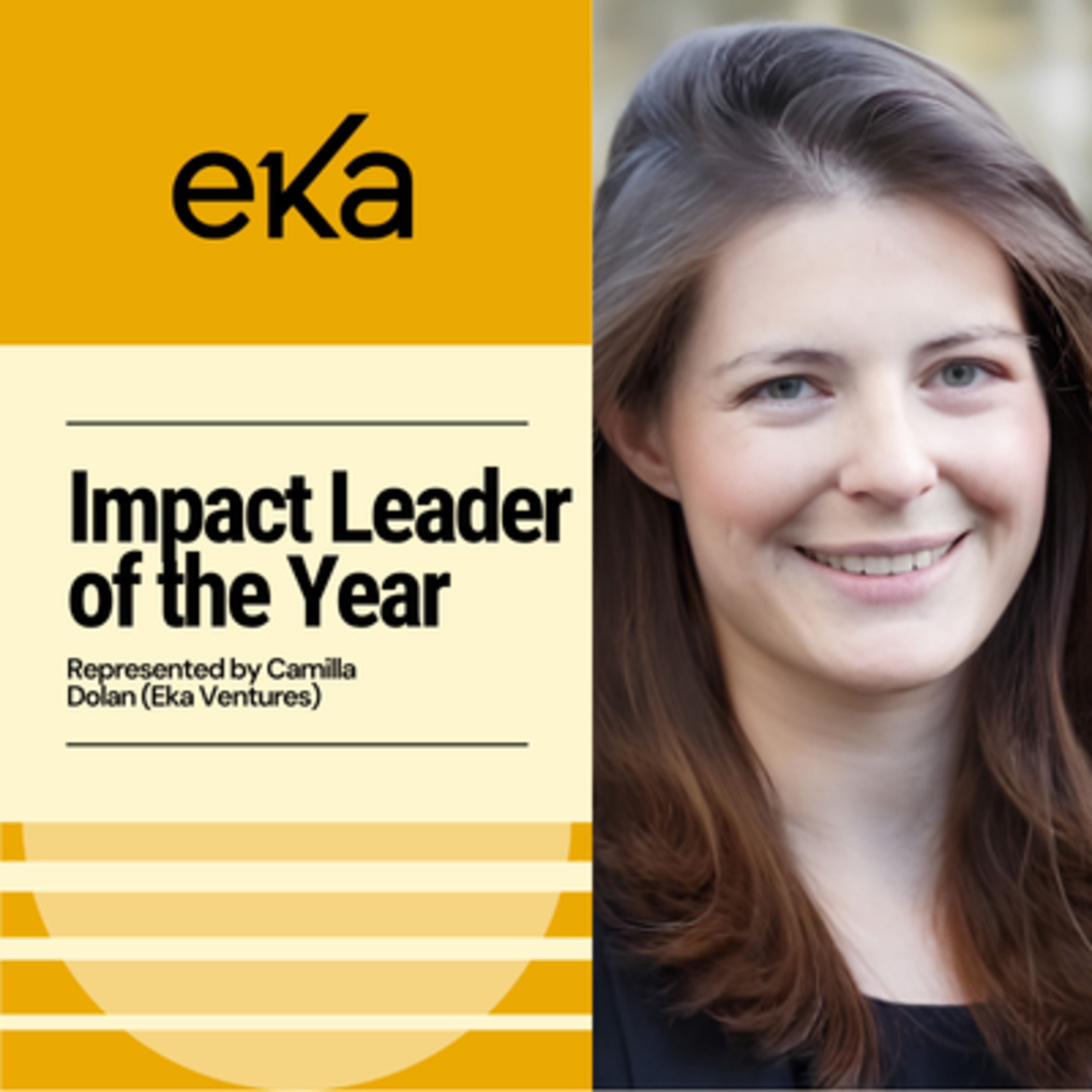 Award winner - Summit | Impact Leader of the Year 2025: Eka Ventures (represented by Camilla Dolan) 12.08.2026 9минCamilla Dolan, General Partner at Eka Ventures, joins a conversation following Eka being named Impact Leader of the Year 2025 at the EUVC Summit & Awards Show 2026.The award recognises exceptional positive impact alongside strong financial performance, with impact intention, measurement and reporting integrated throughout the investment process.The recognition follows the close of Eka’ $107 million second fund, focused on health, wellbeing and sustainability as long-term drivers of value.In the conversation, Camilla explains Eka’s shared value thesis and why the firm believes impact investing can drive outlier returns while bringing more commercial capital into the market.In Fund I, she says every pound invested by Eka has been followed by roughly £10 of additional capital, much of it from commercial investors.She also explains how Eka assesses founders, looking for people who learn at an exceptional rate, show high intentionality and have evidence of outlier achievement.Camilla connects that approach to investments including Runna, which Eka backed in 2022 before its acquisition by Strava.The discussion explores what it looks like to treat impact as part of the investment discipline itself, rather than something separate from commercial performance.The EUVC Summit & Awards Show returns in 2027. Find out more and secure your spot here.
Подобни подкасти


Популярен в
Този подкаст се появява и в подкаст класациите на тези държави.
