
IHSA Safety Podcast
IHSA Safety Podcast
0
The IHSA Safety Podcast is produced by the Infrastructure Health and Safety Association, a Canadian organization focused on improving workplace safety in Ontario. It features conversations with professionals and industry influencers on implementing health and safety solutions across construction, transportation, and electric utility sectors. Each episode explores best practices, resources, and training to reduce hazards in high-risk work environments. The goal is to protect workers by sharing practical knowledge and thought-provoking discussions.
Епизоди
-
 Building a Strong Safety Culture: Lessons from Ontario's Safety Leaders 05.09.2026 22минThis episode of the IHSA Safety Podcast discusses the strategies and safety practices that set successful small businesses apart, and features Carrie Briley, Director of Health and Safety Program Design at the Workplace Safety and Insurance Board (WSIB).Carrie explains that successful businesses focus on practical, low-cost safety improvements, engage workers in identifying hazards and solutions, and treat health and safety as an ongoing part of daily operations rather than a standalone program. She shares practical advice for small businesses to improve workplace safety, including: · Talking regularly with workers about risks and potential solutions· Keeping records of training, inspections, and corrective actions· Using WSIB resources such as the Business Safety Portal, Health and Safety Talks, and the Health and Safety Excellence Program (HSEp) to support continuous improvement and safety performance.Carrie also discusses the redesigned WSIB Small Business Safety Awards, which recognize businesses with fewer than 50 employees that have demonstrated innovative and effective approaches to workplace health and safety.Health and safety is an investment that supports employee wellbeing, and employers are encouraged to start small, focus on their most significant workplace risks, involve workers in safety discussions, and take advantage of WSIB resources and support programs to drive continuous improvement.Free resources Small Business ResourcesWSIB Health and Safety Excellence Program (HSEp)Small business services | WSIBWSIB See Privacy Policy at https://art19.com/privacy and California Privacy Notice at https://art19.com/privacy#do-not-sell-my-info.
 -
 Creating Better Safety Talks: Tips for Engaging Workers and Preventing Injuries 25.08.2026 31минThis episode of the IHSA Safety Podcast discusses safety talks and features Mike Estalilla and Karolina Chelminiak, Program Developers and Instructional Designers at IHSA. Mike and Karolina explain that a safety talk should be a short, interactive discussion that addresses real workplace hazards and encourages worker participation. Safety talks are most effective when they are relevant, engaging, worker-focused, and followed by meaningful observation and feedback. When properly planned and delivered, they become a valuable tool for changing behaviours and improving workplace safetyMike and Karolina explore practical strategies for planning and delivering safety talks, including understanding the workforce, using storytelling to create relevance, and applying principles of adult learning and neuroscience to encourage knowledge retention and behaviour change.They also highlight ways supervisors can evaluate whether safety talks are effective, including asking review questions, observing worker behaviours, measuring understanding over time, and adjusting future talks based on worker feedback and performance. Safety talks should be viewed as an ongoing learning process rather than a compliance exercise, helping to build a stronger safety culture and improve workplace performance. Free resourcesSafety talksSafety talks manual See Privacy Policy at https://art19.com/privacy and California Privacy Notice at https://art19.com/privacy#do-not-sell-my-info.
 -
 Preventing Slips, Trips, and Falls in Aggregates 07.08.2026 23минThis episode of the IHSA Safety Podcast focuses on slips, trips, and falls in Ontario’s aggregate industry and features Ryan Smith, Health and Safety Consultant at IHSA.Ryan discusses why slips, trips, and falls remain one of the most common workplace injuries in the sector, highlighting key contributing factors such as poor housekeeping, unsafe surface conditions, complacency, inadequate risk assessments, weather conditions, and insufficient hazard reporting. He also discusses how fatigue, distractions, rushing, and routine work can increase the likelihood of incidents when workers fail to recognize or address hazards.Ryan emphasizes the importance of maintaining three-point contact when accessing equipment, using fall protection when required, and ensuring pedestrian walkways, tool storage areas, and equipment access points remain free of hazards. He also discusses the importance of proper safety footwear, regular inspections, worker involvement in hazard identification, and ongoing safety conversations to combat complacency.Preventing slips, trips, and falls is a shared responsibility, and even small hazards should never be ignored, as they can lead to serious injuries if left unaddressed. Free resourcesAggregates - Slips, trips, and fallsAggregates See Privacy Policy at https://art19.com/privacy and California Privacy Notice at https://art19.com/privacy#do-not-sell-my-info.
 -
 Improving Heavy Equipment Safety in Aggregate Operations 25.07.2026 32минThis episode of the IHSA Safety Podcast focuses on heavy equipment safety in Ontario’s aggregate industry and features Ryan Smith, Health and Safety Consultant at IHSA.Ryan discusses the key hazards associated with working around heavy equipment, including blind spots, pedestrian interactions, unstable ground conditions, stockpiles, articulated equipment, and heavy equipment right-of-way. He highlights the importance of equipment-specific training, pre-shift inspections, preventative maintenance, and effective communication in preventing incidents.Ryan also explores how emerging technologies, such as proximity warning systems, fatigue detection tools, autonomous equipment, improved cab filtration, and automatic greasing systems, are helping improve worker safety.Ryan highlights broader industry challenges, including exposure to silica and diesel exhaust, slips, trips and falls, and labour shortages. He emphasizes that building a strong safety culture, providing comprehensive training, encouraging proactive hazard reporting, and continuously identifying ways to improve are essential to creating safer aggregate workplaces. Free resourcesAggregatesSilica Control Tool See Privacy Policy at https://art19.com/privacy and California Privacy Notice at https://art19.com/privacy#do-not-sell-my-info.
 -
 Tiny Ticks, Big Risks: How to Prevent Lyme Disease and Protect Ontario Outdoor Workers 15.07.2026 21минThis episode of the IHSA Safety Podcast focuses on tick risks in Ontario and how workers can protect themselves from tick-borne illnesses, and features Dr. Curtis Russell, Senior Program Specialist at Public Health Ontario.Dr. Russell explains that while tick populations and Lyme disease cases can vary year to year depending on weather, the long-term trend in Ontario shows a steady increase—particularly for black-legged ticks, the only species in the province known to transmit Lyme disease. He outlines where ticks are most commonly found, such as brushy, wooded areas with leaf litter, and notes that their range has expanded across much of southern Ontario.Dr. Russell shares practical prevention strategies for people working outdoors, including wearing light-coloured clothing, tucking in clothing, using repellents, and performing thorough tick checks both before leaving a worksite and again at home. He also explains how to properly remove a tick, the importance of early removal to reduce the risk of disease transmission, and why common myths—such as ticks jumping or falling from trees—are inaccurate.In addition to Lyme disease, Dr. Russell briefly discusses other tick-borne illnesses in Ontario and reinforces that the same prevention measures apply.Free resources· Guard against insect bites and stings· Insect bites and stings (safety talk)· Lyme disease (safety talk)· Ontario Vector-Borne Disease Tool · Ontario Tick-Borne Diseases· eTick· TickTOOL See Privacy Policy at https://art19.com/privacy and California Privacy Notice at https://art19.com/privacy#do-not-sell-my-info.
 -
 Construction Site Inspections in Ontario: What Inspectors Really Look For 09.07.2026 45минThis episode of the IHSA Safety Podcast explores what Ministry of Labour, Immigration, Training and Skills Development (MLITSD) inspectors look for during construction site inspections, and features Aris Finnson, a former Occupational Health and Safety Inspector with MLITSD.Aris explains that the primary goal of an inspection is to assess whether a strong internal responsibility system (IRS) is in place by verifying that hazards are identified, planned for, and controlled. Inspectors often form an impression within the first few minutes on site, based on visible indicators such as housekeeping, signage, use of personal protective equipment, fall protection practices, and overall site organization. Aris highlights that:Workers should be able to identify their supervisor, explain their tasks and hazards, and know how to report concernsStrong supervision, clear communication, and proactive planning are major indicators of a compliant and well-run siteCommon issues leading to orders include fall protection gaps, improper ladder use, poor housekeeping, missing PPE, and incomplete documentationAris encourages workplaces to focus on protecting workers every day—rather than preparing only for inspections—by maintaining strong planning, supervision, communication, and accountability across all levels of the organization. Free resourcesWhat Supervisors Need to KnowBasics of Supervising TrainingSupervisor Log Book See Privacy Policy at https://art19.com/privacy and California Privacy Notice at https://art19.com/privacy#do-not-sell-my-info.
 -
 Health and Safety Research in Action: Practical Insights for Safer Workplaces in Ontario 11.06.2026 31минThis episode of the IHSA Safety Podcast discusses how workplace health and safety research is being translated into practical tools that employers and workers can use to improve safety outcomes across Ontario, and features Rod Cook, Vice President of Workplace Health and Safety Services at WSIB, and Dr. Amin Yazdani, President of the Canadian Institute for Safety, Wellness and Performance (CISWP).Rod shares how the WSIB is investing in research and partnerships to better understand the root causes of workplace injuries and support prevention-focused solutions across sectors. Dr. Amin explains how CISWP’s applied research approach brings data collection directly to job sites through mobile labs and advanced technologies, helping generate insights based on real working conditions.Together, they discuss how research findings are being translated into practical, accessible tools that employers can use to strengthen their health and safety programs. They highlight the importance of collaboration between organizations, researchers, and industry in driving meaningful improvements in workplace safety, and explain how employers, supervisors, and health and safety professionals can use research-informed tools and resources to support safer workplaces.Free resourcesWSIB Health and Safety Excellence ProgramWorkplace Safety and Insurance Board (WSIB)WSIB Online ServicesCanadian Institute for Safety, Wellness and Performance (CISWP)CCOHS Business Safety Portal See Privacy Policy at https://art19.com/privacy and California Privacy Notice at https://art19.com/privacy#do-not-sell-my-info.
 -
 Building Better Occupational Health and Safety Management Systems with COR® 2020 and ISO 45001 26.05.2026 36минThis episode of the IHSA Safety Podcast discusses occupational health and safety management systems (OHSMS) and features IHSA experts Chris McKean, Vice President of Programs and Strategic Development, and Ken Rayner, Vice President of Market Development and Communications.This episode builds on Episode 132, where we explored the WSIB's Health and Safety Excellence program. Now, we look at what comes next in your health and safety journey.We cover:· How an OHSMS can help your business succeed· Where COR® 2020 or ISO 45001 works best· How to choose the right standard for your business· What makes an OHSMS effective· How to know that workers trust your system· How good leadership and oversight make the system strongerListen to learn how the COR® 2020 and ISO 45001 standards can help your business improve decision-making, reduce risk, and keep workers healthy and safe. Free resourcesIHSA - Certificate of Recognition (COR®)Debunking Seven Myths about the COR® ProgramComparing COR® 2020 and ISO 45001:2018ISO 45001:2018 See Privacy Policy at https://art19.com/privacy and California Privacy Notice at https://art19.com/privacy#do-not-sell-my-info.
 -
 Workwear That Works: Why Proper-Fit PPE Matters for Women in Skilled Trades 11.05.2026 26минThis episode of the IHSA Safety Podcast discusses the importance of proper-fitting workwear for women in skilled trades and features Alicia Woods, founder of Covergalls.Alicia discusses the real challenges women in trades face in finding suitable workwear, including reduced mobility, discomfort, and safety risks caused by poorly fitting personal protection equipment (PPE). Alicia was motivated to create Covergalls based on her own experiences and frustrations with the lack of fitted workwear while working in the mining industry.Key takeaways on the importance of proper-fit PPE in skilled trades:· Proper-fit PPE improves day-to-day comfort and reduces physical strain, allowing workers to perform tasks more efficiently· Proper-fit PPE helps reduce safety risks by ensuring coveralls or equipment function as intended without requiring unsafe modifications· Designing PPE for diverse body types helps eliminate barriers that have often discouraged women from entering or staying in skilled trades. Listen to the full episode to learn more about why proper-fit PPE is crucial for workplace safety and inclusion. Free resourcesPersonal Protective Equipment (PPE) - ResourcesPersonal Protective Equipment – Requirements and SamplesPPE and winter weatherThe right fit for your respiratory and hearing protection See Privacy Policy at https://art19.com/privacy and California Privacy Notice at https://art19.com/privacy#do-not-sell-my-info.
 -
 Understanding Commercial Diving Risks and Contractor Requirements 27.04.2026 36минThis episode of the IHSA Safety Podcast discusses commercial diving and its underlying risks and features Doug Elsey, Executive Director of the Canadian Association for Diving Contractors (CADC).Doug explains that commercial diving typically happens when something sinks, breaks, or needs inspection or repair underwater. Commercial divers are essential for maintaining underwater infrastructure, and it’s critical to follow all safety precautions because of the high-risk nature of the work.Doug mentions several key factors in commercial diving:Recreational diving experience is not sufficient for commercial work; commercial divers must undergo formal training and adhere to strict safety standards.Hiring unqualified divers puts lives at risk and may lead to incidents, fines, or lawsuits. Investing in a competent diving contractor helps ensure work is done safely and efficiently.A safe diving operation depends on trained diving teams that know how to manage underwater hazards, the right equipment, and proper procedures in place.Because of the risks involved in commercial diving, choosing the right contractor is a critical part of planning the work. Before any work begins, it’s important to ensure the contractor meets the necessary safety and competency requirements. Refer to IHSA’s ‘Hiring a commercial diving contractor’ brochure for proper guidance.Free resourcesHiring a commercial diving instructor (brochure)Diving operationsCanadian Association for Diving Contractors (CADC) See Privacy Policy at https://art19.com/privacy and California Privacy Notice at https://art19.com/privacy#do-not-sell-my-info.
 -
 From Compliance to Culture: How WSIB’s HSEp Builds Stronger Safety Systems in Ontario 13.04.2026 52минThis episode of the IHSA Safety Podcast discusses how Ontario employers—especially small and growing businesses—can build effective occupational health and safety systems using WSIB's Health and Safety Excellence Program (HSEp). The episode features experts Maren Gamble and Chris McKean.HSEp is a flexible program developed by WSIB that helps employers build and improve their occupational health and safety systems in an intentional and structured way over time. It offers a step-by-step framework that allows businesses to formalize what they’re already doing and build a stronger, more consistent safety culture as they grow. Key highlights of HSEp include:Breaking safety improvements into over 40 easy-to-choose topics with clear requirements, so employers can choose what’s most relevant to their needsProviding structure through timelines, milestones, and quarterly rebates to keep progress on trackStrong financial incentives and rebates—participating employers can receive up to 200% of their WSIB premiums backImproved efficiency, better communication, stronger employee attraction and retention, and preparation for certifications like COR ® or ISO 45001Providers like IHSA play a key role by supporting employers throughout the process—helping them understand requirements and make the right decisions. Employers interested in building a more consistent safety culture are encouraged to explore WSIB’s HSEp and learn how they can access available rebates. Connect with IHSA to get started. Free resourcesWSIB Health and Safety Excellence ProgramSmall businessOccupational Health and Safety: The Physical Work Environment See Privacy Policy at https://art19.com/privacy and California Privacy Notice at https://art19.com/privacy#do-not-sell-my-info.
 -
 Safety Training and Resources for Young Workers: Why Parents Should Get Involved 30.03.2026 39минThis episode of the IHSA Safety Podcast discusses the health and safety resources available to young workers and their parents and features Pam Patry, northern region manager at WSPS.Pam highlights that young workers don’t know what they don’t know, so if they’re not trained or taught about hazards in their workplace, they won’t know what to look out for or how to recognize a hazard. Young workers often receive generic training such as WHMIS but may not be educated on specific hazards they could face in their roles. There’s a pressing need for site-specific training so that young workers can be better equipped to handle hazards. Workplace training should clearly explain what the job involves, the hazards that may be present, and how to manage or remove them. Training should also be easy to understand to help young workers quickly grasp the essential information they need.Pam emphasizes that young workers should be reminded of their three rights—right to know about hazards, right to participate in safety procedures, and right to refuse unsafe work. Parents should support their children in asserting those rights and be proactive in understanding their child's work environment, including what their tasks are and how much safety training they’ve received. Their tasks may appear simple, but they could pose risks if not done correctly. Free resourcesHealth and safety basics for new and young workersNew and Young WorkersRights of workers in Ontario See Privacy Policy at https://art19.com/privacy and California Privacy Notice at https://art19.com/privacy#do-not-sell-my-info.
 -
 Preparing Teens for Work: Safety Training and Parental Support 15.03.2026 28минThis episode of the IHSA Safety Podcast discusses adequate health and safety training for teenagers entering the workforce and features Angela and Melanie.Angela and Melanie express concerns about young workers receiving proper training on common workplace hazards, emergency procedures, or personal protective equipment (PPE) at their places of work. Angela says, although her son learned some basic safety protocols, there should have been more focused training at his workplace on potential hazards like chemical exposure and working at heights.Melanie states that while her daughter did receive some training on health and safety at her current job, her previous job did not provide adequate training, especially in the context of potential violence and harassment, which are common hazards in the workforce. Angela and Melanie emphasize the importance of safety education and communication in preventing workplace incidents. Both parents agree that high schools should provide more education on workplace safety, especially before students enter the workforce. They also encourage other parents to ask questions about their children's work environments, emphasize their rights, and engage more proactively in conversations about safety. Free resourceHealth and safety basics for new and young workersNew and Young WorkersRights of workers in Ontario See Privacy Policy at https://art19.com/privacy and California Privacy Notice at https://art19.com/privacy#do-not-sell-my-info.
 -
 Protecting Young Workers Starts With Effective Health and Safety Training 03.03.2026 24минThis episode of the IHSA Safety Podcast discusses young workers' experiences with health and safety training and features guest speakers Ashley and Will, who share their experiences from different sectors.Ashley and Will discuss the challenges young workers face when it comes to health and safety awareness and training. Ashley, who works in healthcare and previously in a grocery store, mentions that her grocery store job provided only minimal training during orientation, mainly through video content that wasn’t engaging. However, her healthcare job involves ongoing learning, helping her stay informed about safety practices. Will, who works in the service sector, didn’t receive any formal safety training at his job; however, he learned some safety tips from family and other sources.When asked about overall safety at their jobs, Will feels his safety is prioritized, while Ashley, who received little attention when she got injured at her grocery store job, says her current workplace supports and encourages open discussions on safety. They both discuss more topics such as safety procedures, incident reporting, and PPE, and both express the need for improved and more interactive safety training processes to better prepare young workers for real workplace hazards. Free resourcesHealth and safety basics for new and young workersNew and Young WorkersRights of workers in Ontario See Privacy Policy at https://art19.com/privacy and California Privacy Notice at https://art19.com/privacy#do-not-sell-my-info.
 -
 IHSA’s 5-Part Series on Best Practices for Construction Health and Safety 02.02.2026 37минThis episode of the IHSA Safety Podcast discusses IHSA’s 5-part video series "Ask a Construction Health and Safety Expert" and features series host Ken Rayner and industry experts Deb Moskal and Dave Dametto.Ken states that the series is designed to support small business owners, especially those in their first year, by providing easy, accessible health and safety resources and helping them achieve compliance. With over 10,000 new construction businesses joining IHSA each year, the series addresses common questions and misconceptions about health and safety compliance.Deb Moskal highlights how crucial it is for new construction businesses in Ontario to have basic health and safety guidance. The number of requirements and responsibilities they face can feel daunting; however, with the right guidance and tools, they don’t have to be. As these businesses face initial start-up challenges, keeping their workers safe is critical, so it's essential that they create strong health and safety practices from the beginning.Dave explains that the series covers a plethora of health and safety topics for construction workers, such as mandatory training, legislation, hazard assessments, incident response plans, and competent supervision. The episodes are free and available on IHSA's website and YouTube, as well as on a dedicated landing page designed for easy access to additional resources. Free resourcesAsk a Construction Health and Safety Expert landing pageIHSA’s free health and safety resourcesSafety talksIHSA’s 5-episode series on construction health and safety (YouTube) See Privacy Policy at https://art19.com/privacy and California Privacy Notice at https://art19.com/privacy#do-not-sell-my-info.
 -
 Closing the Loop: Using the COR® Maintenance Action Plan to Drive Continuous Improvement 19.01.2026 21минThis episode of the IHSA Safety Podcast discusses COR®’s Maintenance Action Plan (MAP) and features Peter Smith, Lead COR® Auditor at IHSA, and Margaret Hart, health and safety program administrator at Hart-Well Electrical.The MAP, which was introduced in Alberta in 2016 to improve health and safety standards, is a new option for mature COR®-certified organizations in Ontario to enhance health and safety without the burden of repetitive internal audits.Peter explains that following a recertification audit a company has the option to participate in a MAP instead of completing an internal maintenance audit. The company would submit a MAP proposal to IHSA that outlines five objectives for continuous improvement. Once IHSA approves, the company has nine to 10 months to address the outlined objectives and provide evidence to IHSA 60 days before their certification anniversary date. Once IHSA signs off, the MAP effectively replaces the internal maintenance audit for that recertification year, and a letter of good standing is issued to the company.Margaret discusses her team’s experience with MAP, and she and Peter offer tips on the MAP process for companies that may be considering taking the MAP approach. Free resourcesWhat is COR®? COR® – Getting StartedThe Benefits of COR®Debunking Seven Myths about the COR® Program See Privacy Policy at https://art19.com/privacy and California Privacy Notice at https://art19.com/privacy#do-not-sell-my-info.
 -
 Enhancing Efficiency with the COR® Combined Audit 05.01.2026 12минThis episode of the IHSA Safety Podcast discusses the new COR® Combined Audit program and features Peter Smith, Lead COR® Auditor at IHSA.Peter states that the COR® Combined Audit allows organizations with many accounts to undergo one comprehensive COR® audit rather than multiple audits throughout the year. The key benefit of the program is to enhance efficiency during the COR® certification process, so that instead ofreviewing the same health and safety management system with various accounts multiple times, the review can be completed in a single audit of all accounts. The combined audit program isn’t mandatory but rather optional, and it doesn’t change the COR® standards or audit expectations. Each account is still expected to be in compliance withthe COR® 2020 standard, and each account still gets its own individual certification.Peter also highlights other benefits of the program, such as saving time and money. It cuts down on the time spent writing several audit reports for each account and also lowers the cost of auditing each account. Free resourcesWhat is COR®? COR® – Getting StartedThe Benefits of COR®Debunking Seven Myths about the COR® Program See Privacy Policy at https://art19.com/privacy and California Privacy Notice at https://art19.com/privacy#do-not-sell-my-info.
 -
 Understanding the Hierarchy of Controls in Workplace Health & Safety 26.12.2025 44минThis episode of the IHSA Safety Podcast discusses the hierarchy of controls as a fundamental tool in workplace health and safety and features Scott Laing.Scott explains that the hierarchy of controls is a framework that helps to reduce or eliminate hazards, starting with the most effective methods such as elimination and substitution and moving down to less effective measures such as personal protective equipment (PPE).The hierarchy of controls helps manage workplace risks effectively, particularly on construction sites. Because construction sites are dynamic with conditions changing frequently, it’s always critical to identify hazards before they lead to incidents. Scott emphasizes that workers' involvement in hazard identification and safety discussions is necessary, as they can best identify risks that may not be obvious to supervisors or health and safety committee members.Scott discusses the ways technology is improving the ability to recognize and control hazards in construction, such as the use of drones for site inspections and the Building Information Modeling (BIM) equipment, which visualizes a project before the construction begins. Scott also shares additional safety tips for workers and safety professionals when using the hierarchy of controls.Free resourcesHierarchy of Controls to Ensure Workers’ SafetyBasics of Supervising TrainingTraining Requirements ChartSafety Talks See Privacy Policy at https://art19.com/privacy and California Privacy Notice at https://art19.com/privacy#do-not-sell-my-info.
 -
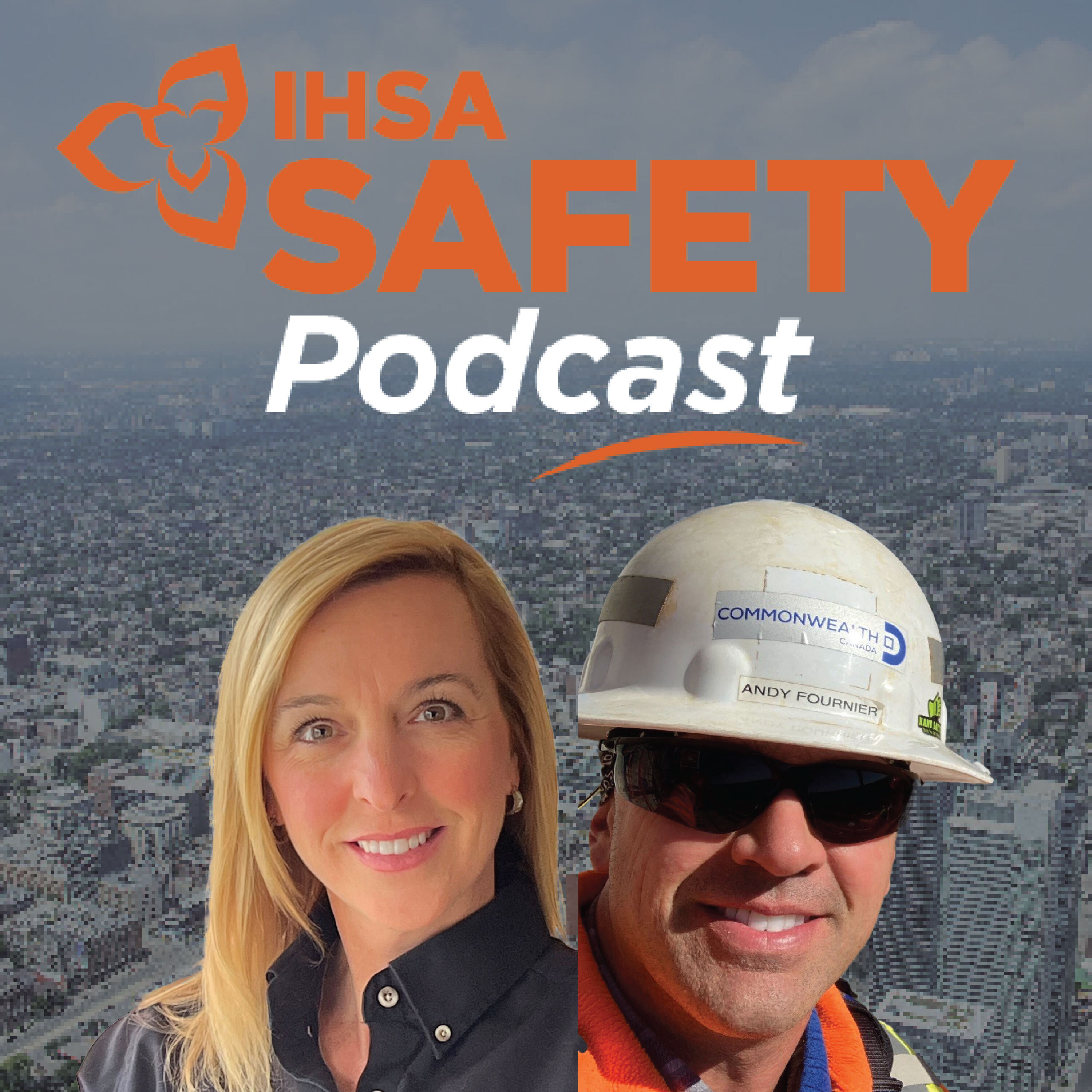 A Day in the Life of a Construction Supervisor Part 2 – Self-care 09.12.2025 33минThis episode of the IHSA Safety Podcast discusses mental health and self-care within the construction industry and features construction supervisor Andy Fournier. Andy discusses areas of supervising that can lead to stress, such as tight schedules and deadlines. One way he manages stress is to set realistic expectations and understand that deadlines can change due to unforeseen factors. It’s better if a project is delayed than to cut corners and put lives at risk. It's also important to be open and honest with clients about deadlines and adjusting their expectations.Andy states that prioritizing self-care is vital and should include actions like focusing on the most important tasks and setting boundaries to prevent burnout. He makes it a point to disconnect from work outside of work hours, which has been good for his mental health.Although the stigma around mental health remains, more individuals are starting to talk more openly and freely about stress and emotional challenges with coworkers or those who have experienced similar struggles and can relate. Andy highlights his practice of incorporating mental health discussions into safety meetings, encouraging workers to talk about their challenges and support one another.Free resourcesMental Health at Work - A Mental Health Guide for Construction Small BusinessesMental Health Safety Talks: Facilitator's GuideThe Role of a SupervisorWhat Supervisors Need to KnowThe Working Minds for the Trades - Manager See Privacy Policy at https://art19.com/privacy and California Privacy Notice at https://art19.com/privacy#do-not-sell-my-info.
 -
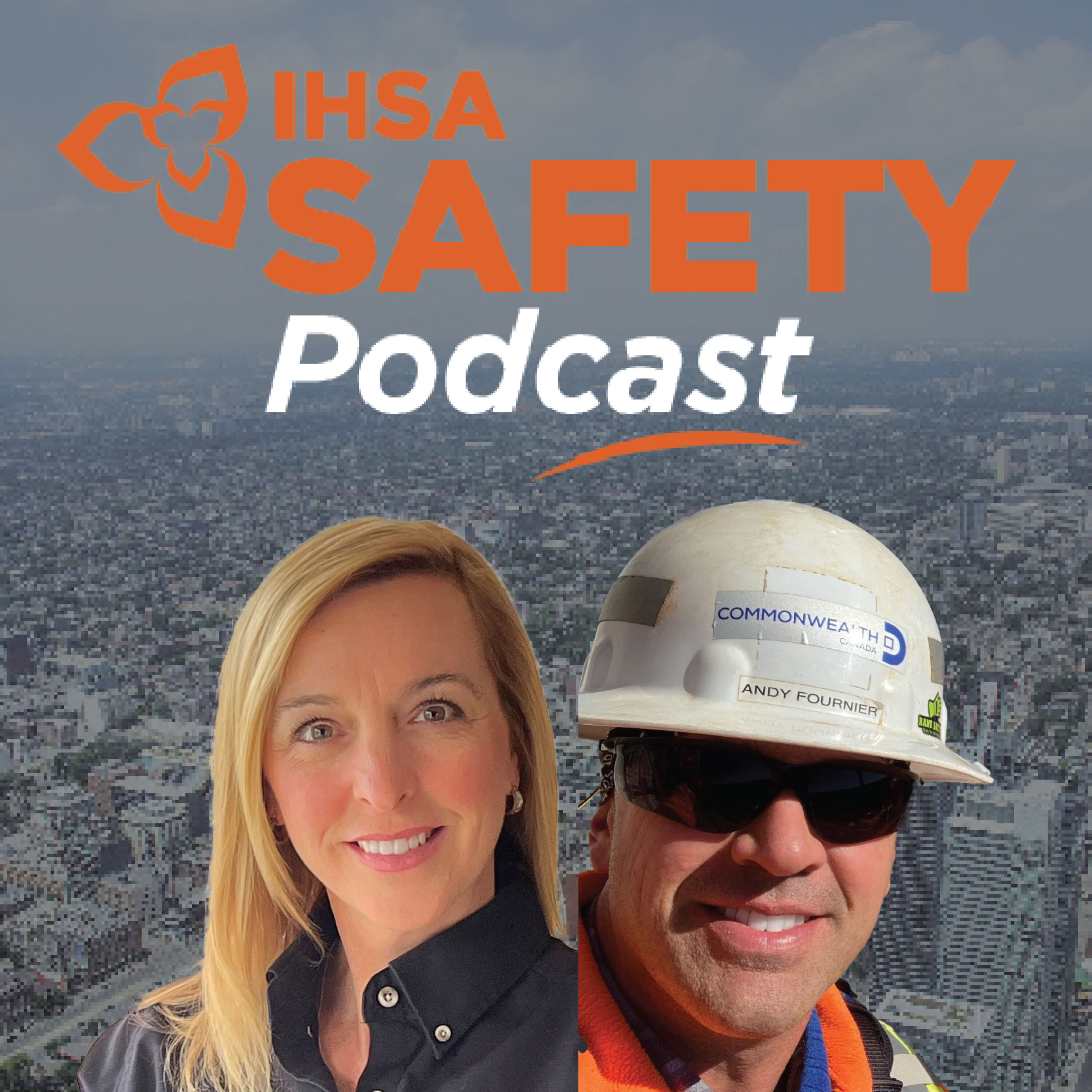 A Day in the Life of a Construction Supervisor Part 1 – Taking Care of Business 23.11.2025 29минThis episode of the IHSA Safety Podcast discusses the legal responsibilities, safety standards, and regulatory framework that every construction supervisor needs to know and features construction supervisor Andy Fournier.Andy discusses the most important supervisory responsibilities on a construction project, one of which is prioritizing safety above all else. He speaks against a culture that puts schedule and deadlines over safety, stating that while no one may remember how quickly a project is completed, everyone will always remember the impact of safety oversights, such as incidents that result in serious injuries or fatalities. Jobsites should promote a culture in which taking the extra time to do things correctly is valued, even if it means the project takes longer than planned.Another responsibility Andy prioritizes as a supervisor is proper planning. Poor planning can lead to frustration and chaos on jobsites, which makes it crucial that supervisors stay ahead of potential issues with adequate planning.Andy further discusses some tips on being able to handle different types of personalities and also shares some tools and resources that have improved his understanding of the different construction regulations. Free resourcesThe Role of a SupervisorThe Competent SupervisorWhat Supervisors Need to KnowThe Working Minds for the Trades - ManagerBasics of Supervising See Privacy Policy at https://art19.com/privacy and California Privacy Notice at https://art19.com/privacy#do-not-sell-my-info.
Подобни подкасти


Популярен в
Този подкаст се появява и в подкаст класациите на тези държави.
