
Project SHIVOHAM
Aravind Markandeya
0
Project Shivoham explores the history, wisdom, science, symbolism, and forgotten stories of Indian civilization. It examines India's cultural and spiritual heritage through a blend of historical research and philosophical insight. Episodes discuss topics such as ancient texts, traditions, scientific knowledge, and lesser-known narratives. The show aims to present Indian civilization's contributions and enduring relevance.
Епизоди
-
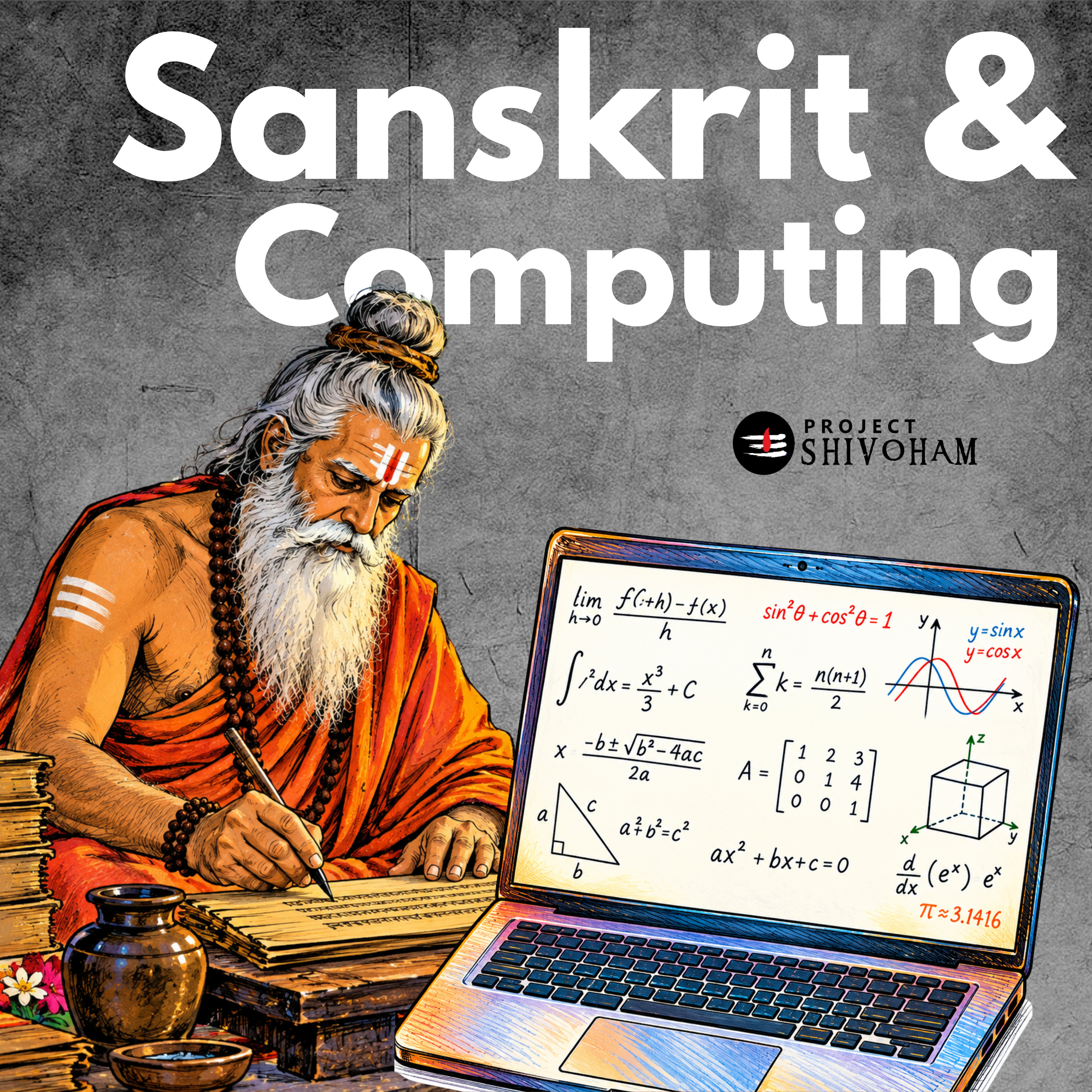 Sanskrit and Computing: What Is the Real Connection? 09.09.2026 15минWhat is the real connection between Sanskrit and modern computing?Popular discussions often swing between two extremes: claims that Sanskrit is somehow an ancient programming language, and the dismissal of any connection between Sanskrit and modern science.The historical story is far more interesting.In this episode, we explore how Sanskrit’s intellectual traditions intersect with ideas that later became important in mathematics, linguistics and computing — from Pingala’s systematic enumeration of Laghu and Guru syllables and the mathematics of binary patterns, to combinatorics and Meru Prastara, Pāṇini’s remarkably formal system of grammar, and modern research into intensive Sanskrit and Vedic memorization.We also examine the famous claim that NASA declared Sanskrit the ideal language for computers — and separate the actual research from the internet mythology surrounding it.This is not a story about proving that every modern discovery existed in ancient India. It is an attempt to understand something more valuable: what the historical evidence actually tells us about Sanskrit, mathematics, language and computational thinking.Because the strongest case for India’s intellectual heritage is not exaggeration.It is evidence.
 -
 Vedic Geometry: How Ancient India Measured? 26.08.2026 15минHow did ancient Indians construct precise fire altars, align structures with the cardinal directions and design extraordinarily complex temples all without modern measuring instruments?In this episode, we explore the remarkable world of Vedic geometry through four ancient traditions: Kalpa, Jyotisha, Shilpa Shastra and Srividya.Discover how the Shulba Sutras used ropes to construct geometrical forms, how Baudhāyana described the diagonal relationship centuries before Pythagoras, and how geometry shaped falcon-like fire altars, astronomical calculations, temple architecture and the intricate Sri Chakra.From Aryabhata’s approximation of pi to Madhava’s infinite series, this is the story of how mathematics, architecture, astronomy and devotion came together in ancient India.
 -
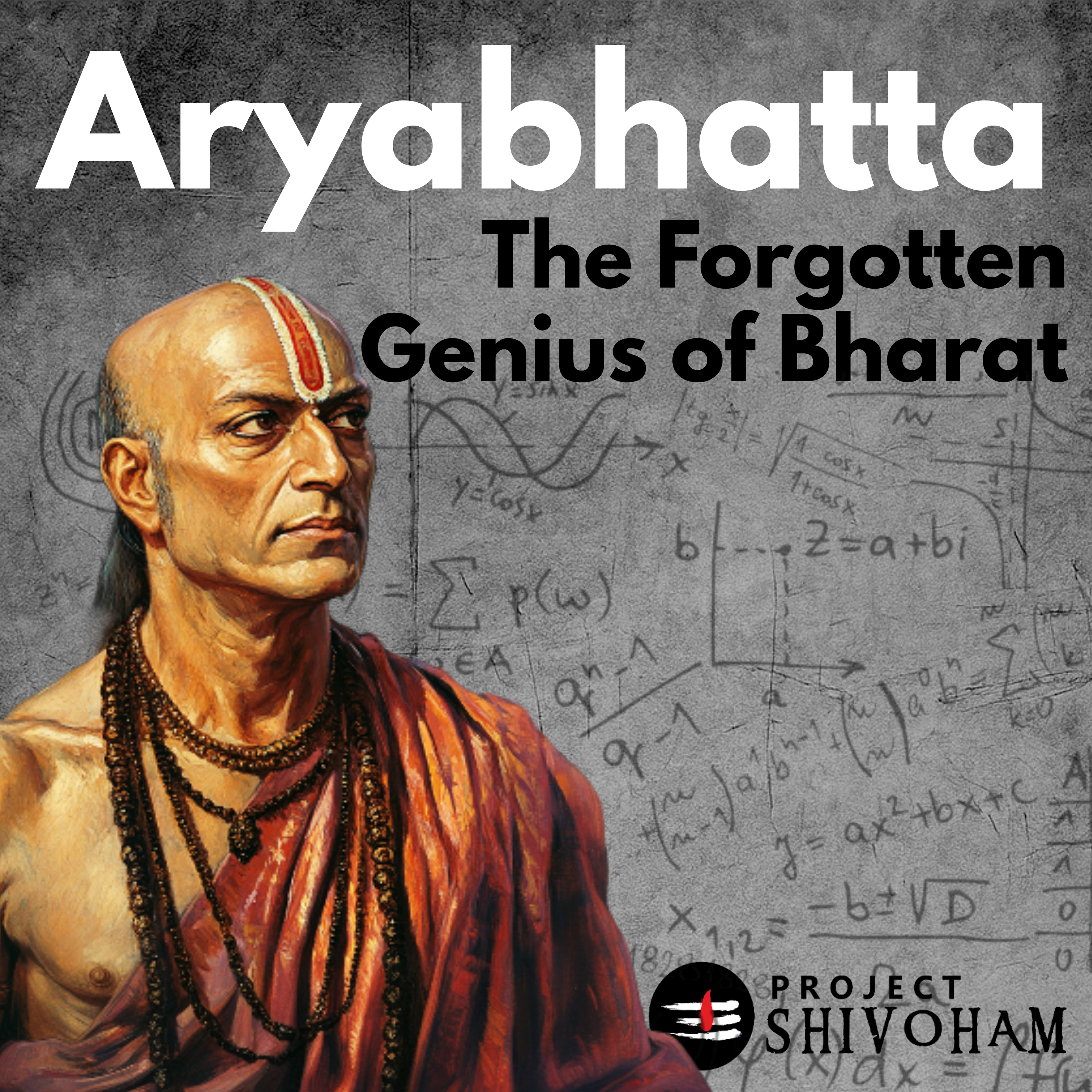 Aryabhata’s Forgotten Scientific Legacy 26.08.2026 11минMost people know Aryabhata as the man who invented zero but that popular story is neither complete nor historically precise.Around 1,500 years ago, Aryabhata calculated pi with astonishing accuracy, developed a sine table, solved complex equations, explored planetary motion and explained eclipses through shadows rather than mythology. He even used the analogy of a moving boat to explain how Earth’s rotation makes the stars appear to move across the sky.Remarkably, he compressed his mathematics and astronomy into the Aryabhatiya, a work containing only 121 Sanskrit verses.In this episode, we explore Aryabhata’s numerical system, geometry, trigonometry, kuttaka method, astronomical insights and enduring influence across India and the wider world. This is the story of a thinker far greater than the single symbol through which we remember him.
 -
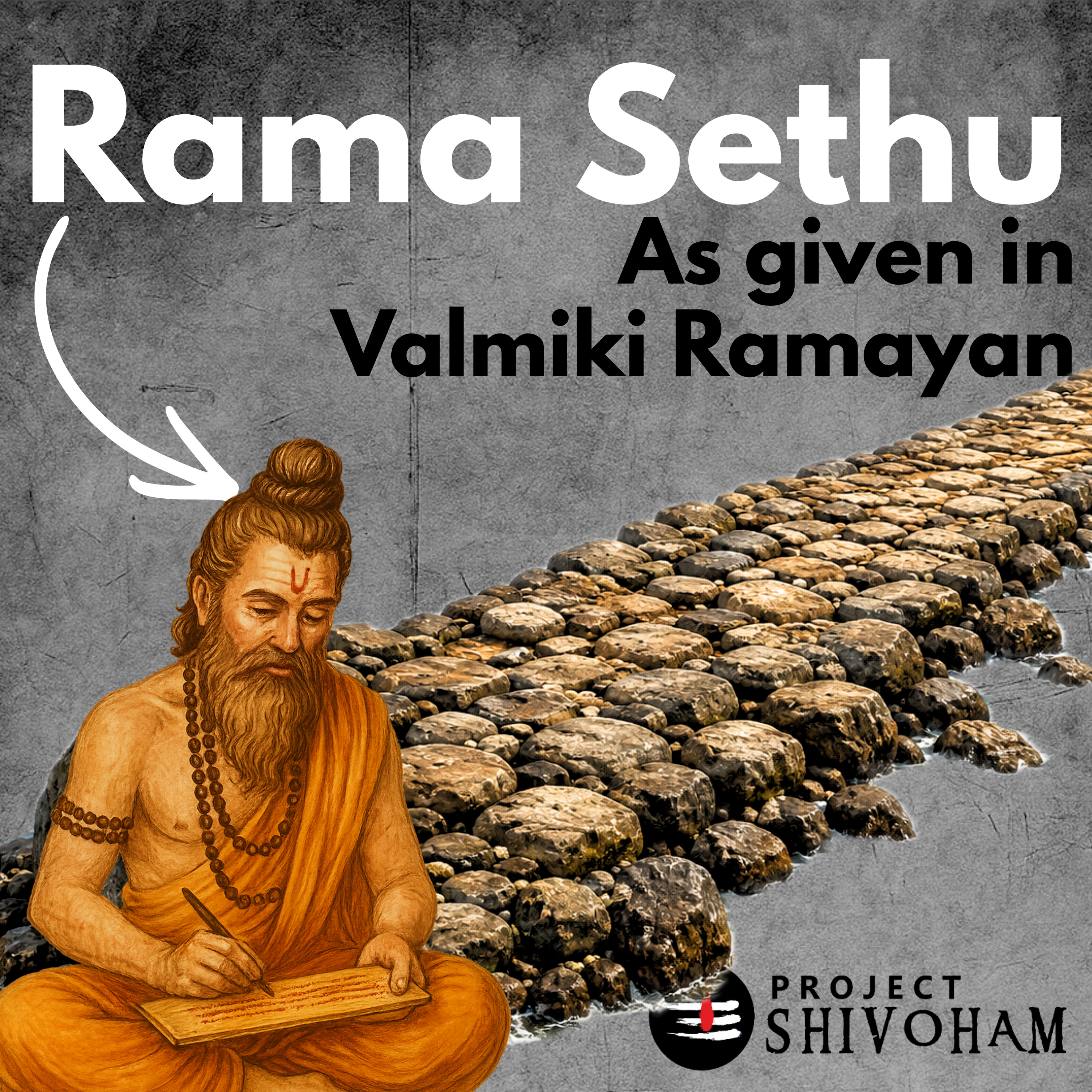 Rama Setu: What the Valmiki Ramayana Actually Says 26.08.2026 10минDid the stones of Rama Setu magically float? Who actually built the bridge and why does the Valmiki Ramayana call it Nala Setu?In this episode, we return to the original epic to examine its fascinating description of the crossing to Lanka: an enormous Vanara workforce, trees and rocks carried into the ocean, measurements taken with cords, and a bridge reportedly completed in just five days.We also investigate the mystery of the yojana, the extraordinary dimensions given in the text, the uncertain location of Ravana’s Lanka, and the relationship between the Ramayana’s bridge and the geological formation visible today between India and Sri Lanka.Beyond history, faith and geography, Rama Setu carries a timeless message: when something worth reaching lies on the other side, even an ocean can become a road.Project SHIVOHAM, Exploring the past. Understanding the present.
 -
 Why Everything You Know About Shambala Is Wrong? 24.06.2026 11минFor centuries, Shambala has been described as a hidden kingdom, a mystical land beyond ordinary human reach. But do the original scriptures actually say that?In this episode, we return directly to the primary sources—the Bhagavata Purana, Vishnu Purana, Bhavishya Purana, and the Kalachakra Tantra of Vajrayana Buddhism—to uncover what Shambala really is.We explore:• The Puranic prophecy of Kalki Avatar• Why Shambala is described very differently in Hindu and Buddhist traditions• The role of Vishnuyashas and the future restoration of Dharma• The Buddhist vision of the kingdom ruled by the Kings of Shambala• Rudra Chakrin and the Kalachakra prophecy• The deeper idea of sacred geography in the Dharmic world• Mount Meru, Mount Kailash, and the connection between geography and spiritualityRather than speculation, conspiracy theories, or popular myths, this episode examines what the original texts actually say about one of the most mysterious places in Dharmic traditions. Pasted text.txtProject Shivoham Podcast, Exploring India's civilizational wisdom, history, philosophy, and sacred traditions.
 -
 Why No Dogs in Australia? 24.06.2026 13минAustralia is home to some of the most extraordinary animals on Earth.Kangaroos. Koalas. Wombats. Platypuses.But there is one animal that doesn't seem to belong.The dingo.For more than 60,000 years, humans lived in Australia. Yet the dingo appears only around 4,000 years ago.Where did it come from?Who brought it?And why does its arrival coincide with one of the most debated chapters in Australian prehistory?This is not a story about proving a theory.It is a story about following the evidence wherever it leads.Because sometimes the most interesting discoveries are not the answers we find...But the questions that refuse to go away.
 -
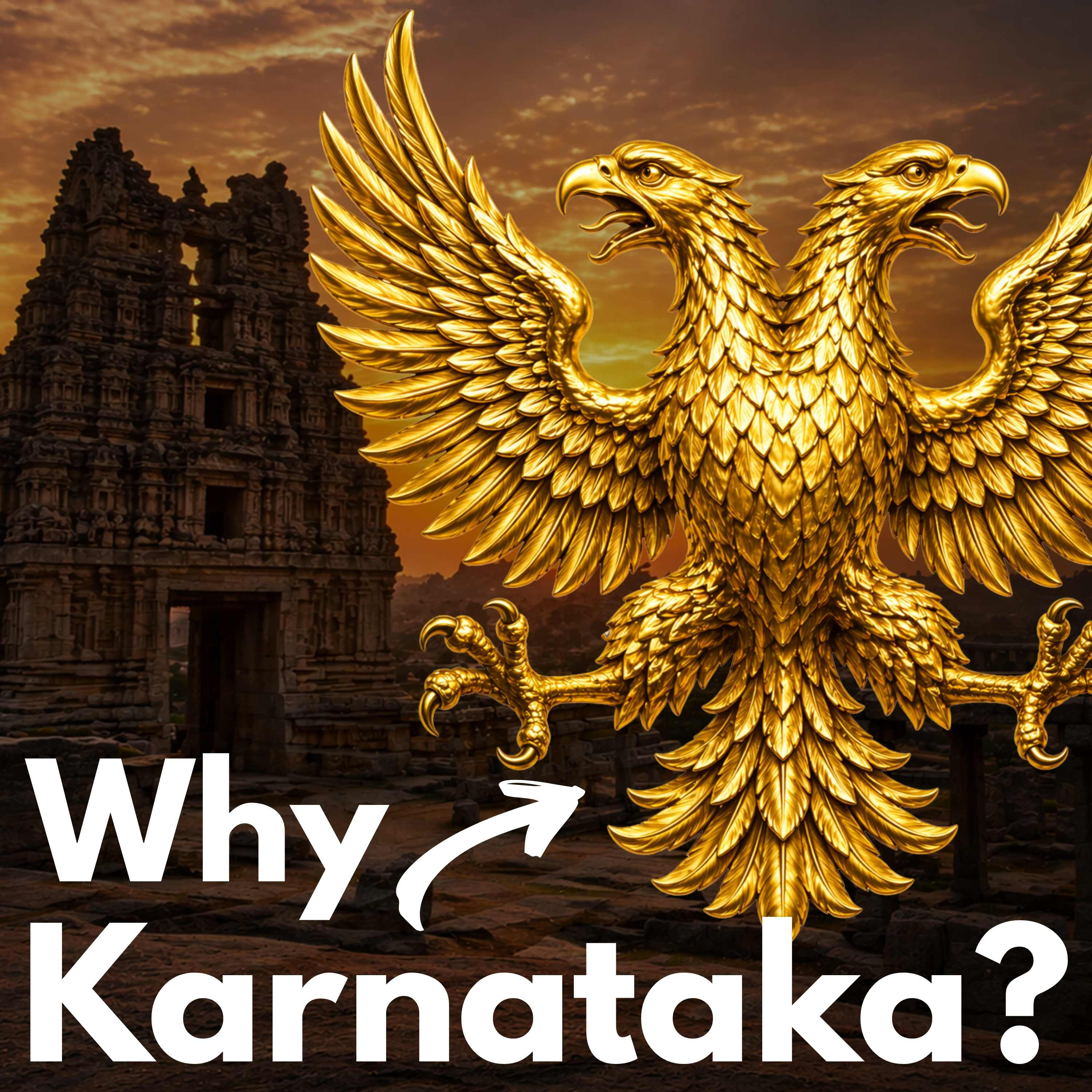 Why Does Karnataka Use a Two-Headed Bird? | The Story of Gandabherunda 17.06.2026 10минWhy does Karnataka use a mysterious two-headed bird as its official emblem?For centuries, the Gandabherunda has appeared in South Indian art, royal insignia, temple sculptures, and the banners of powerful kingdoms. But this extraordinary creature is far more than a decorative symbol. Associated with immense strength, divine power, and imperial authority, the Gandabherunda became one of the most recognizable emblems of the Vijayanagara Empire and later the Kingdom of Mysore.In this episode of Project SHIVOHAM, we explore the origins of the Gandabherunda, its connection to Hindu mythology, the Narasimha tradition, the rise of the Vijayanagara Empire, and the fascinating story of how a mythical two-headed bird became the official symbol of Karnataka.#Gandabherunda #Karnataka #Vijayanagara #Narasimha #IndianHistory #HinduMythology #Mysore #SouthIndia #ProjectSHIVOHAM #HistoryPodcast #IndianCivilization
 -
 Did Indian Scientists Finally Find Saraswathi in 2026? 17.06.2026 12минFor centuries, the Saraswati River has stood at the center of one of India's greatest historical mysteries. Revered in the Rig Veda as a mighty river and remembered in tradition as part of the sacred Triveni Sangam, Saraswati eventually vanished from the landscape—leading many to dismiss it as mythology.But what if the story is more complicated?Recent scientific investigations at Prayagraj have reignited the debate. Researchers studying sediments, groundwater, and ancient river channels believe they may have uncovered evidence of a buried paleo-channel beneath the Sangam region. Could this represent the remnants of a long-lost river system? Could the memories preserved in ancient texts contain a historical core?In this episode of Project SHIVOHAM, we examine the latest scientific findings, the geological evidence, the Rig Vedic descriptions of Saraswati, satellite imagery, paleohydrology, and the arguments both for and against the identification of a lost river beneath northern India.Is Saraswati merely a symbol? A vanished river? Or one of the greatest archaeological and geological mysteries of the ancient world?Join us as we explore where science, history, geology, and tradition meet.
 -
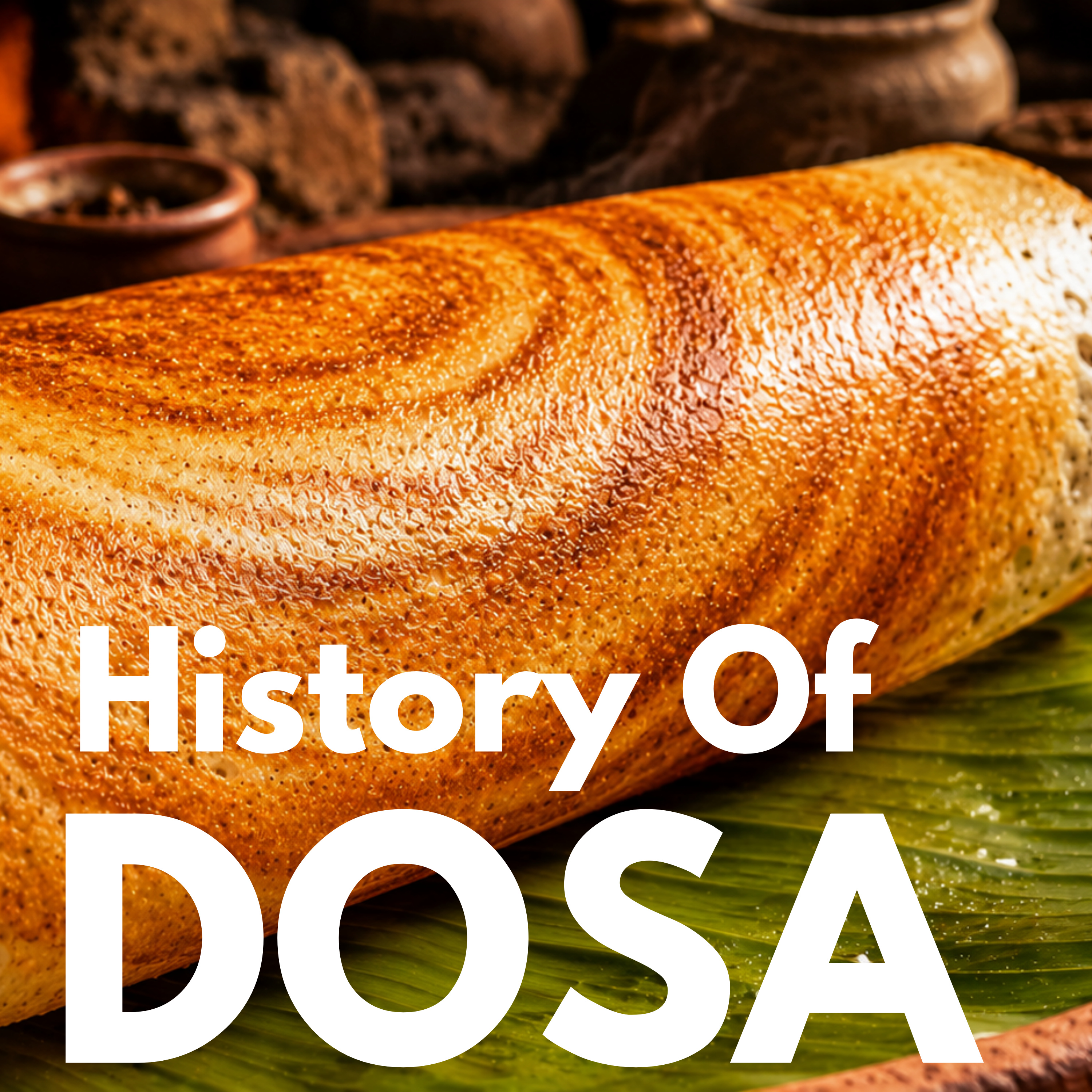 Who Invented the Dosa? The 2,000-Year Journey of India's Iconic Dish 17.06.2026 15минDosa is one of the most famous foods in India today, but where did it come from? Who first created it? And what ancient innovations made it possible?In this episode of Project SHIVOHAM, we trace the remarkable history of dosa from early South Indian culinary traditions and the science of fermentation to the technologies of rice cultivation, wet grinding, and stone griddles that transformed simple ingredients into a revolutionary food.Discover how a humble fermented batter evolved into one of the world's most recognizable dishes, and why the story of dosa is also a story of Indian ingenuity, food science, and civilization itself.#Dosa #IndianHistory #FoodHistory #AncientIndia #SouthIndia #Fermentation #ProjectSHIVOHAM #IndianCivilization #HistoryPodcast #IndianFood
 -
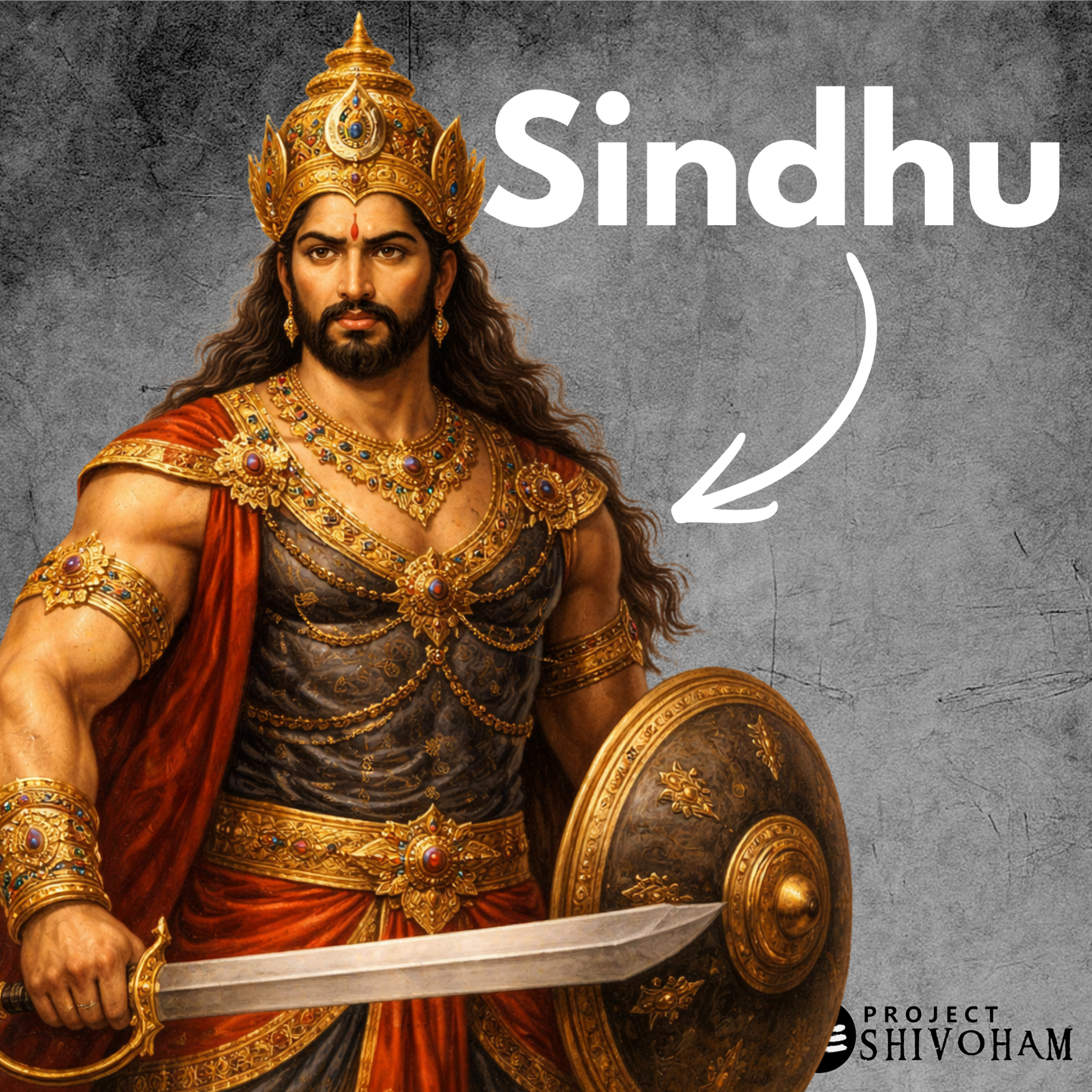 SINDHU: The River That Gave India Its Name 15.06.2026 13минMost rivers in the Rig Veda are remembered as mothers. They nourish, protect, and sustain civilization. But there is one extraordinary exception.Sindhu.Unlike every other major river, Sindhu is described not as a mother, but as a king, a warrior, and a protector.Why?In this episode of Project Shivoham, we explore the Nadi Sukta of the Rig Veda, the unique position of Saraswati and Sindhu in the Rig Vedic world, the fascinating connection with the ancient Iranian tradition of Hapta Hindu, and how a single river eventually gave rise to the words Hindu, Hindustan, and India.Could the masculine nature of Sindhu reveal something deeper about how the composers of the Rig Veda understood their geography and civilization? And what questions does it raise about some of the most debated chapters of ancient Indian history?Join us as we journey into one of the most fascinating rivers in human history.Exploring the past. Understanding the present.
 -
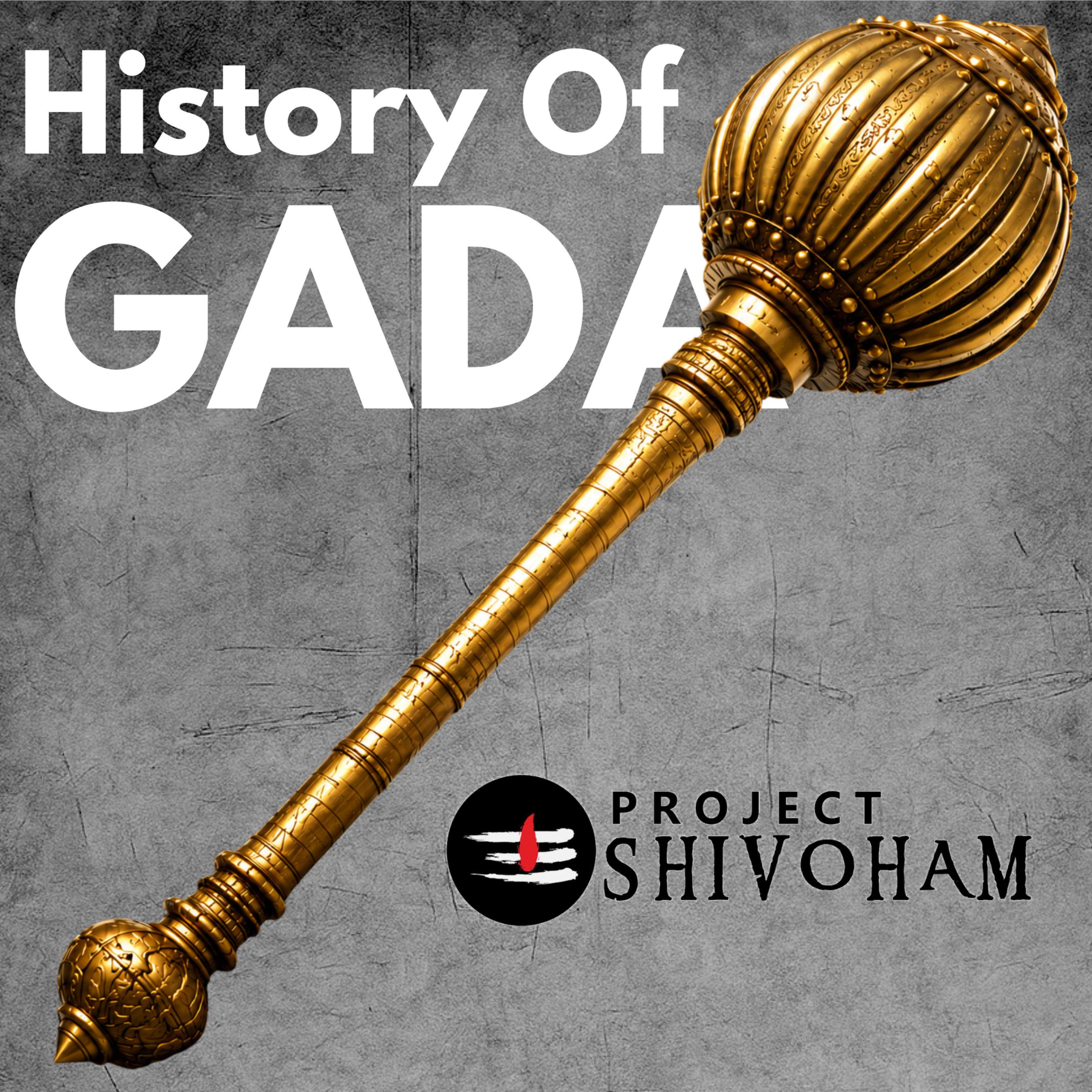 Why Gada is Deadlier than Sword? 13.06.2026 11минWhat made the Gada one of the most feared weapons of the ancient world?Long before it became associated with Hanuman and Bhima, the Gada was already shaping history. Archaeological discoveries from the Indus Valley Civilization reveal that versions of this weapon existed more than 4,500 years ago. From Harappan stone mace-heads to medieval iron Gurjs, from royal courts to wrestling Akharas, the Gada evolved into far more than a battlefield weapon.In this episode, we explore the complete history of the Gada, the physics behind its devastating power, why it was so effective against armor, its connection to kingship and warfare, its influence beyond India, and how it eventually transformed into a symbol of strength, discipline, and devotion.Topics covered:• The earliest Gadas of the Indus Valley Civilization• Why the Gada was more dangerous than many bladed weapons• Gurj, Shaspar, Piyazi and other mace variants• Hindu kings and the symbolism of the Gada• Hanuman and the sacred meaning of the weapon• The Mugadar, Akhara tradition and physical training• The Persian Meel connection• The 4,500-year journey of one of humanity's oldest weaponsA journey from Harappa to Hanuman.🎙️ Project Shivoham Podcast📺 YouTube: Project Shivoham🌐 Exploring Indian history, philosophy, civilization and forgotten knowledge.
 -
 Sinauli: The Forgotten Warriors of Ancient India in 2000 BCE 09.06.2026 13минIn 2018, archaeologists excavating the village of Sinauli in western Uttar Pradesh uncovered one of the most remarkable discoveries in Indian archaeology: warrior graves, copper-covered coffins, antenna swords, shields, helmets and three ancient chariots. Dating to around 2000–1800 BCE, these finds offer a rare glimpse into a forgotten warrior culture that flourished nearly 4,000 years ago. In this episode of Project Shivoham, we explore the evidence, the discoveries and what they reveal about ancient India.
 -
 Dhanurveda: The Sacred Science of War 07.06.2026 16минAncient India did not view warfare as mere violence.It elevated warfare into a science.A sacred science.Known as Dhanurveda, the Upaveda of military knowledge, this remarkable tradition combined weapon engineering, metallurgy, archery, battlefield formations, military psychology, physical conditioning, ethics, and spiritual discipline into a single integrated system.According to traditional accounts, this knowledge flowed through an extraordinary lineage:Shiva → Vashishta → Agastya → Parashurama → Drona → ArjunaIn this episode of Project Shivoham, we explore the fascinating world of Dhanurvedam....
 -
 Did Ancient India Discover Atoms? | The Vaiseshika Philosophy 06.06.2026 17минDid ancient Indian philosophers believe in atoms thousands of years before modern science?In this episode of Project Shivoham, we explore the Vaisheshika Darshana of Maharishi Kanada—one of the oldest systematic attempts to understand reality. From atoms (Anu) and gravity (Gurutva) to space, time, mind and the mysterious force called Adrishta, discover how ancient Indian thinkers tried to reverse-engineer the universe itself.Was Kanada merely a philosopher? Or was he one of history's earliest physicists?Join us as we journey into one of the most remarkable intellectual traditions of ancient India.
Подобни подкасти


Популярен в
Този подкаст се появява и в подкаст класациите на тези държави.
