
Mobility Innovators Podcast
Mobility Innovators
0
Mobility Innovators Podcast is a show from Mobility Innovation Lab focused on innovation in transportation and logistics. It explores transit technology, cleantech, smart cities and the wider mobility tech space. Host Jaspal Singh talks with innovation managers, industry leaders, startup founders, technology experts, investors, consultants and thought leaders. The aim is to connect city authorities and transport operators with new technology firms and fresh ideas.
Епизоди
-
 How Oslo Is Redefining Urban Mobility for the AI Era? | Bernt Reitan Jenssen 30.07.2026 1ч 28минPublic transport is entering a new era where success is no longer measured simply by how many buses or trains are operating, but by how seamlessly people can move throughout a city. Ruter is reimagining urban mobility through digital innovation, autonomous vehicles, artificial intelligence, integrated mobility services, and ambitious sustainability goals. The conversation explores leadership, organizational transformation, and what public transport agencies around the world can learn from Oslo's experience.In this episode of the Mobility Innovators Podcast, Jaspal Singh speaks with Bernt Reitan Jenssen, CEO of Ruter, the public transport authority for Oslo, Norway.They also discuss:• AI agents in public transport• Customer-centric innovation• Autonomous buses and shared mobility• Quantum computing in transit planning• Cybersecurity risks in connected vehicles• Leadership during technological disruption• Building innovative teams• The future of urban mobilityBernt Reitan Jenssen is the Chief Executive Officer of Ruter AS. Jenssen has led Ruter since its inception in 2008, when it was established as a joint administrative company for public transport in Oslo and Akershus. Prior to this, he served for eight years as Executive Vice President at Posten Norge and has also held CEO positions at the logistics companies TNT Norge AS and IL-X Budservice AS.#Mobility #ArtificialIntelligence #AutonomousVehicles #SmartCities #PublicTransport #Innovation #UrbanMobility #Transportation #FutureOfMobility #Leadership
 -
 Why Public Transit Must Reinvent Itself for the AI Era | Mark Seeger 02.06.2026 1ч 28минCities are growing faster than ever, but our transportation systems are struggling to keep up. Advances in AI, autonomy, and digital infrastructure are creating new opportunities to rethink how people move through cities, reduce congestion, and expand access to jobs, education, and social opportunities. The conversation highlights how innovation happens when technology, infrastructure, and human needs are considered together, ultimately creating more sustainable, connected, and opportunity-rich cities.Mark Seeger is CEO and Co-founder of Glydways. Glydways is a form of public transit that can move more people than rail, using less than half of the space, which costs 90% less to build and operate while providing a private and on-demand ride. Prior to founding Glydways, Mark had early careers at NASA and Apple; founded the biodegradable plastics company GreenIdea in Singapore (sold); the electric motorcycle company Mission Motorcycles and Mission Marine; as well built initiatives that focused on low-cost, high-efficiency air-conditioning for third-world countries with his company GeoCool (sold).
 -
 Sentient Ticketing Explained: The AI Revolution in Public Transit | Dheeraj Bhardwaj 15.05.2026 57минWhat if public transport systems could think, learn, and respond in real time? Artificial intelligence and real-time data are transforming the future of mobility and public transportation. Ticketing is one of the important component of public transport system. Many cities are moving from paper ticket to digital ticket. ticketing is no longer just about payments but is becoming the intelligence layer of modern transit systems. The concept of “sentient ticketing,” where AI-powered systems can dynamically respond to passenger demand, traffic conditions, events, and operational disruptions in real time.In this episode of @mobilityinnovators Podcast, Dr. Dheeraj Bhardwaj shares why ticketing is no longer just about payments — it’s becoming the intelligence layer of future mobility systems. We discuss sentient ticketing, AI-driven transit, on-demand buses, real-time pricing, mobility super apps, and why traditional transit systems must rethink their future.Dr. Dheeraj Bhardwaj is currently the vice-chair of door2door. Earlier, he was the Group CEO of City Group Company. Prior to City Group, he was the co-founder and CEO of Arnab Mobility, running a micro-mobility platform in the Middle east. He has wide experience in academia, corporate, consulting, and startups in North America, Europe, Asia and the Middle East. He has recently incubated “Sentient Cities” an Open-Source platform helping Cities not just be connected but become aware, adaptive and responsive.
 -
 How Vancouver is Transforming Public Transportation for the Future of Mobility | Kevin Quinn 10.04.2026 1ч 12минMetro Vancouver is a city that has quietly built one of the most advanced and integrated public transport systems in North America—from automated SkyTrain to strong transit-oriented development. TransLink operates this regional transportation network, serving over 400 million passengers annually across buses, SkyTrain, SeaBus, and commuter rail.The region is now looking ahead to the future—rethinking how transit infrastructure supports growth, sustainability, and changing travel patterns. With its Transport 2050 vision, Metro Vancouver aims to shift from a car-influenced city to a transit-first, people-first region, where around 50% of all trips are made by public transit or active modes like walking and cycling.Kevin Quinn is the CEO of TransLink, the statutory authority responsible for the region’s transportation system. In his role, he oversees planning, operations, and delivery across transit services, as well as key infrastructure including cycling networks, bridges, and the Major Road Network. Under his leadership, TransLink has recovered to over 90% of pre-pandemic ridership, delivered its largest bus service expansion in years, and is advancing major investments in future mobility. Prior to joining TransLink, Kevin served as Administrator and CEO of the Maryland Transit Administration (MTA), where he led one of the largest transit systems in the United States.
 -
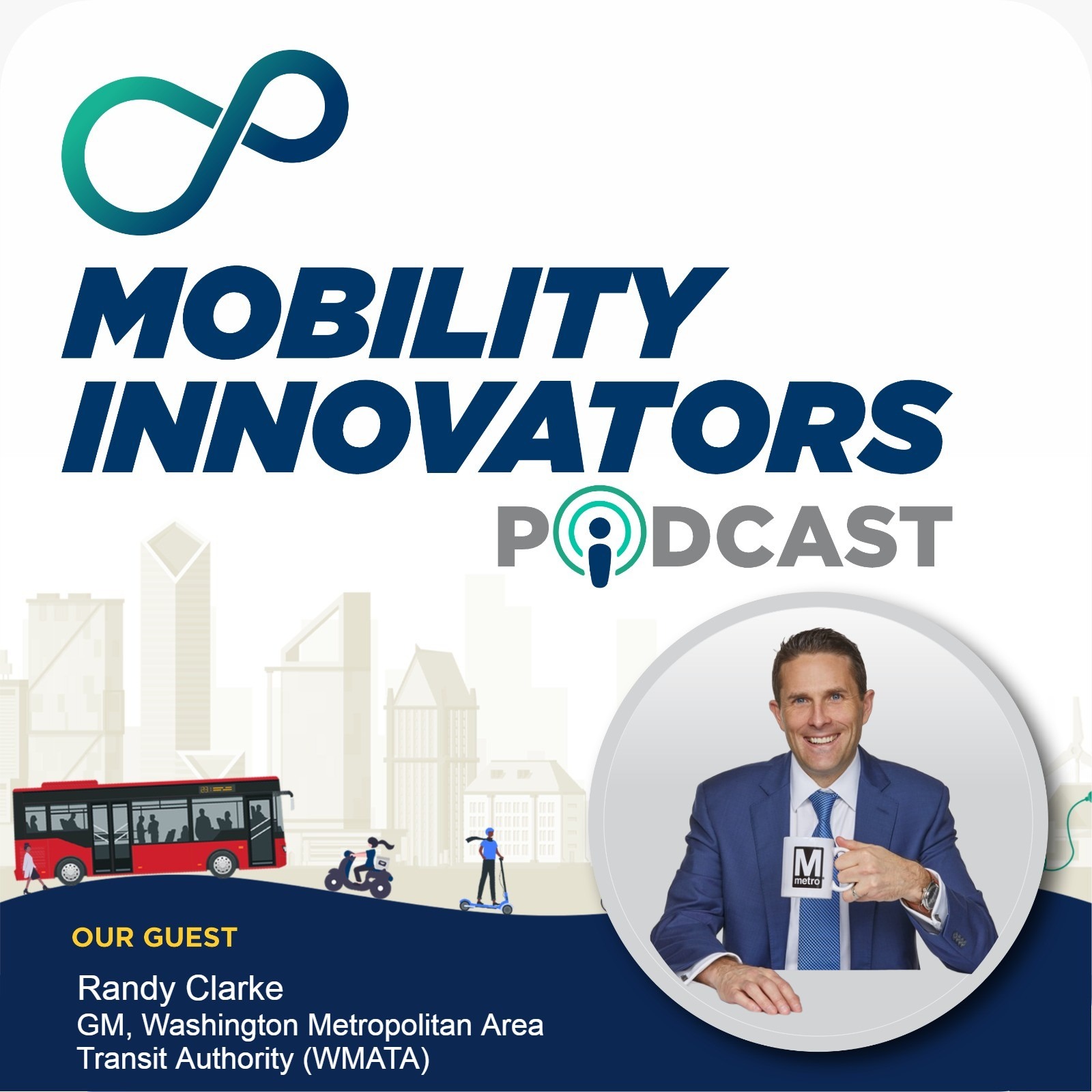 The Future of Transit: Automation, Open Payments & Culture Change | Randy Clarke 24.03.2026 48минPublic transport systems are the lifeline of any city, connecting people, supporting economic growth, and shaping urban life. WMATA operates service in Washington DC Metropolitan area. Metrorail operates 128 miles of track and manage 98 stations. The agency also running a fleet of 1,500 buses. In this episode of the Mobility Innovators Podcast, we explore the remarkable turnaround of one of North America’s most complex transit systems and what it takes to rebuild trust in public transport after a crisis. Randy Clarke is the General Manager of Washington Metropolitan Area Transit Authority (WMATA). He took the role when all transit agencies were facing major challenge coming out of the pandemic with record low ridership. WMATA operates service in Washington DC Metropolitan Area. Before joining Metro, Randy served more than four years as President and CEO of Capital Metro in Austin, Texas, where he secured - Project Connect, multi-billion dollar capital program, which is one of the country’s largest voter-approved transit referendums in US history. He also worked with APTA (American Public Transit Association) from 2016 to 2018 and with Massachusetts Bay Transportation Authority (MBTA) in Boston in different role.
 -
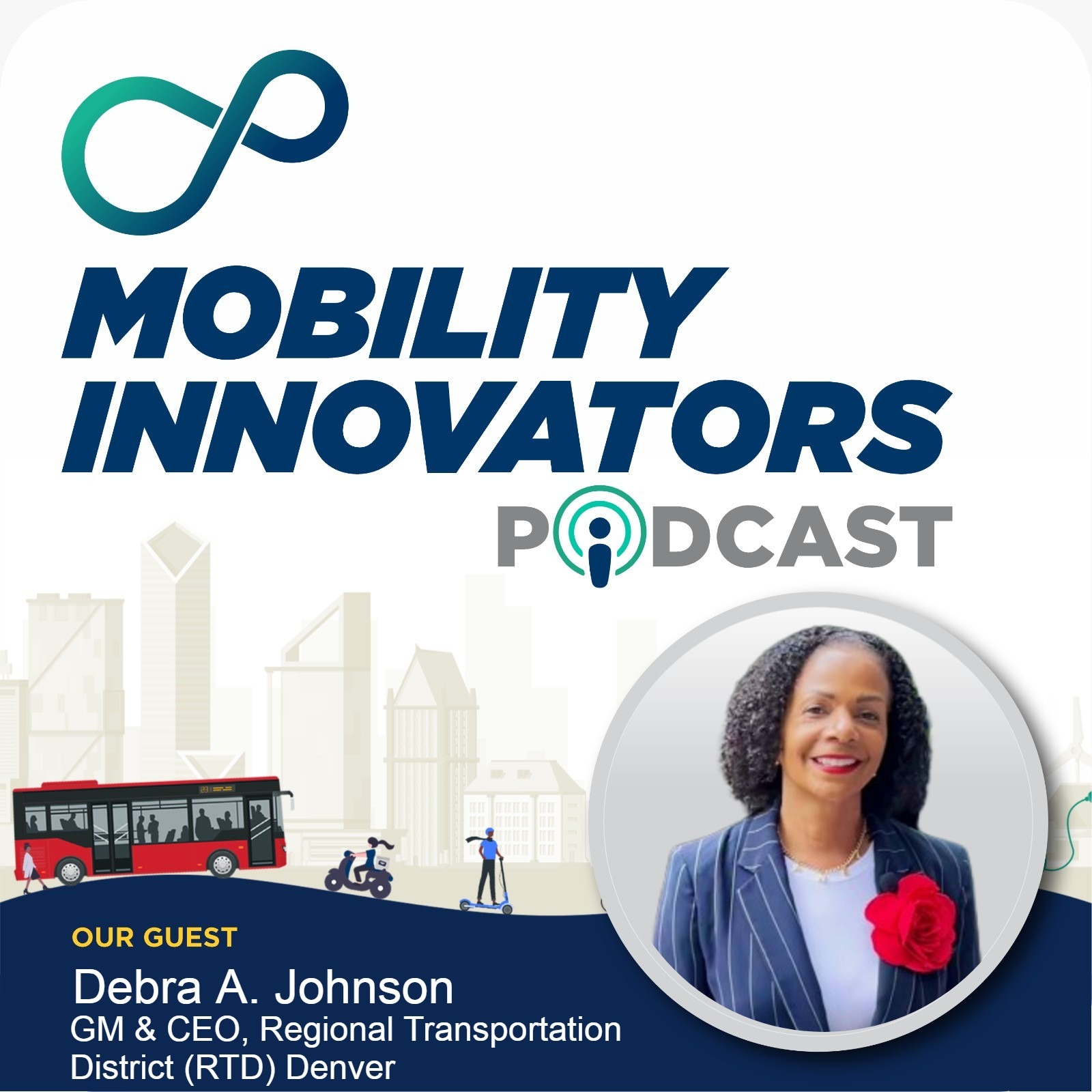 Autonomous mobility will complement Public Transport | Debra A. Johnson 22.12.2025 1ч 2минPublic transport is the business of people moving people and is really the great societal equalizer. Mobility ensures that people can access to job and other opportunities. If the customer get a better service, they will come back and bring more people on the job. Thus, customer service plays an important role. Public Transport needs to transform to improve customer experience including adoption of digitalization, open loop payment, on-demand transit and integration with autonomous mobility. RTD Denver is investing heavily to improve the service quality and reliability.Guest: Debra A. Johnson is General Manager and CEO of RTD Denver and has been leading the organization since 2020. Prior to this, she served as Deputy CEO of Long Beach Transit from 2014 to 2019. Prior to that, she held executive positions at the Los Angeles County Metropolitan Transportation Authority (LA Metro), the San Francisco Municipal Transportation Agency (SFMTA) and Washington Metropolitan Area Transit Authority (WMATA). She worked in all corners of the country and has long experience in the sector. In 2019, she was named as one of 10 “Women Who Move the Nation.” RTD is the only multimodal transit agency in the state of Colorado, serving the Denver metropolitan area, which has a population of over 3 million people across 40 municipalities and 8 counties.
 -
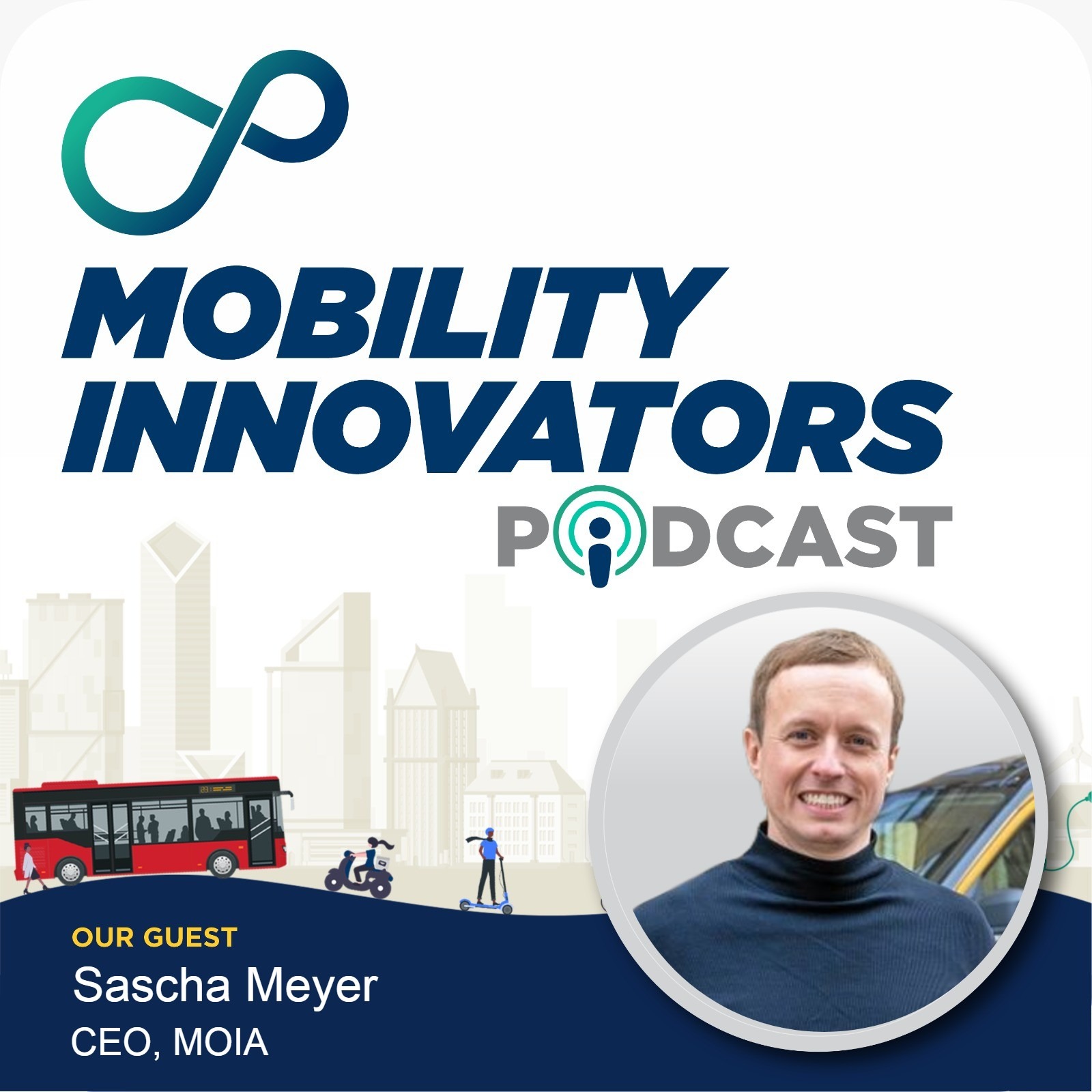 Autonomous Mobility is Here and Accelerating | Sascha Meyer 09.11.2025 1ч 9минAutonomous mobility is set to transform how we move in the coming years. With rapid advancements in artificial intelligence, autonomous vehicle (AV) technology is accelerating faster than ever. Leading innovators such as Waymo, MOIA, WeRide, Tesla, and Pony.ai are already operating commercial services in cities around the world. Each country is charting its own path — in the United States, private vehicles and ride-hailing companies are driving adoption, while in Europe and Asia, cities and public transport agencies are taking the lead. At the same time, regulatory frameworks are evolving differently across regions, shaping how and where AVs will thrive. In this episode, we explore what the future of autonomous mobility looks like — the opportunities, challenges, and the critical role of AI in redefining urban transportation.Sascha Meyer is the CEO of MOIA GmbH. Prior to his current role, he was instrumental in shaping the company's all-electric ride-pooling service and autonomous driving strategy—first as Head of Product starting in 2017, then as Chief Product Officer from 2019 onward. MOIA is running a fleet of 515 battery-electric vehicles in Hamburg. Before joining MOIA, he spent several years as a management consultant, advising international firms on the digital transformation of transport and logistics.
 -
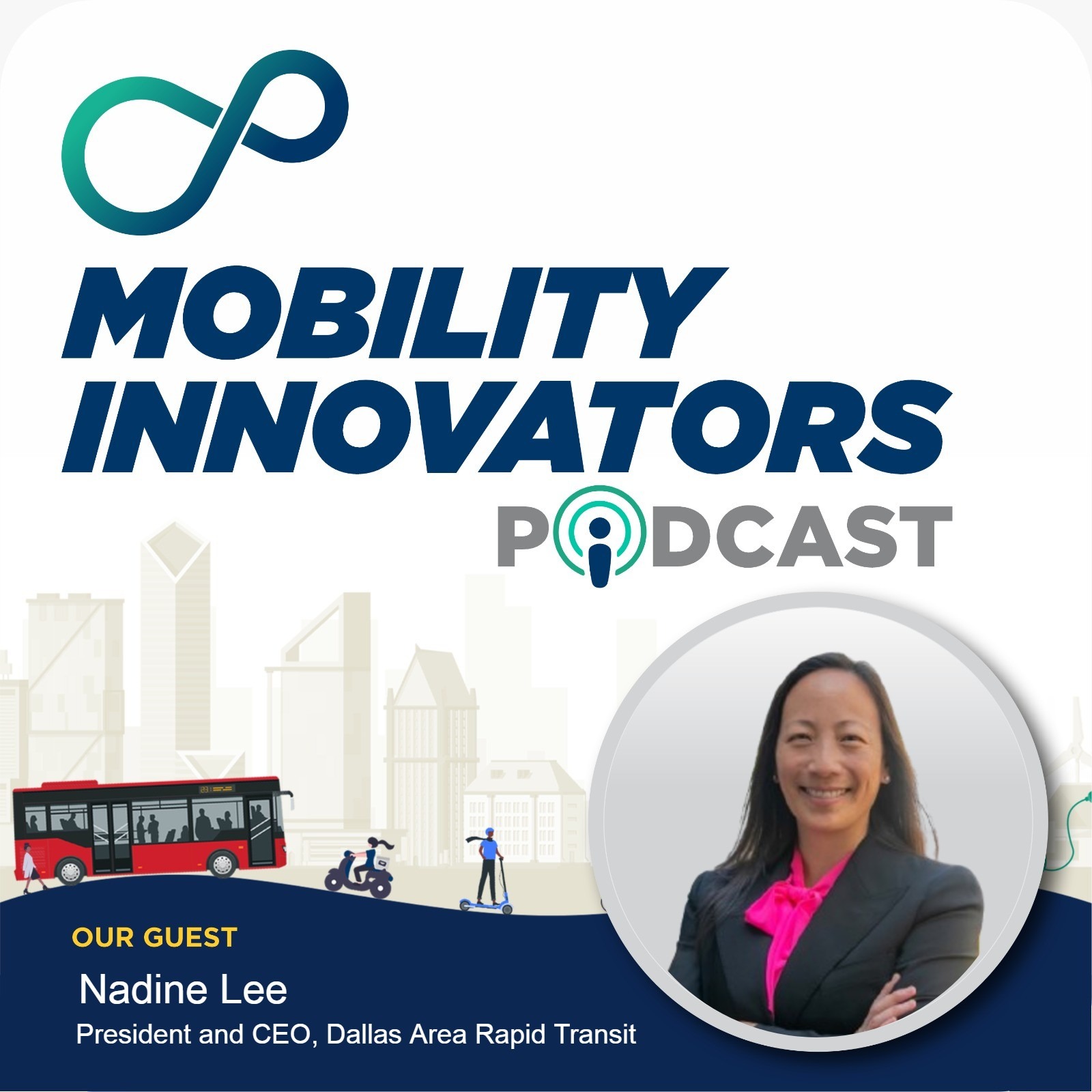 Transform Public Transit Through Better Service | Nadine Lee 11.05.2025 1ч 31минPublic Transit is facing modal competition and it is important to leverage all modes to their highest and best use. It is important for public transit agencies to evolve and reinvest the service to compete with other modes of transport. Consumer behaviors are changing, especially post pandemic in the US. It is important to offer point to point service. Dallas Area Rapid Transit (DART) is the public transit authority in a 700 square mile service area, covering 13 cities in the north Texas. The agency has a mandate to serve more than 2.7 million people in the Dallas regional area. Nadine Lee is the President and CEO of Dallas Area Rapid Transit (DART). She aims to improve the rider experience, enhance service reliability, and increase ridership in the car-centric Dallas region. With nearly 30 years of experience in the transit industry, she brings a wealth of expertise in public transportation management and infrastructure projects. Prior to joining DART, she held key leadership positions at Los Angeles County Metropolitan Transportation Authority (LA Metro), where she worked as Chief of Staff and Deputy Chief Innovation Officer. One of her notable accomplishments at LA Metro was leading the development of the "Vision 2028" strategic plan aimed at improving mobility for Los Angeles County residents. Before her time at LA Metro, she played a crucial role in Denver’s Regional Transportation District (RTD), where she managed projects like the Flatiron Flyer Bus Rapid Transit, which significantly boosted ridership.
 -
 Public Transport agencies must adopt to evolving riders' behaviour | Adam Giambrone 11.09.2024 1ч 32минTransformation is always challenging, and the public transport sector is no exception. Around the world, this industry is undergoing significant change as travel patterns evolve and expectations grow. The rise of autonomous mobility will further reshape travel habits and the broader mobility landscape. However, it is crucial that the core principles of public transport remain intact. To stay relevant, public transport agencies must adapt to shifting rider behaviors. Internal factors such as service reliability, comfort, and convenience, as well as external factors like urban planning and transit-oriented development, will play an important role in driving the adoption and success of public transportation in the future.Adam Giambrone spent 20 plus years working in North America, Africa and the Middle East. He has held senior roles in all three regions. Currently, he is Infrastructure and Transportation Project Management lead at HDR Middle East. Prior to this, he was the head of Land Mobility and Road Transportation at Neom, a new city in Saudi Arabia. He served as General Manager at Saudi Public Transit Company (SAPTCO) from 2018 to 2021. He also spent 7 years with the Toronto Transit Commission (TTC) including 5 years as the Commissioner and Chair of the TTC (Toronto Transit Commission) from 2003 to 2010. He was an elected councilor.
 -
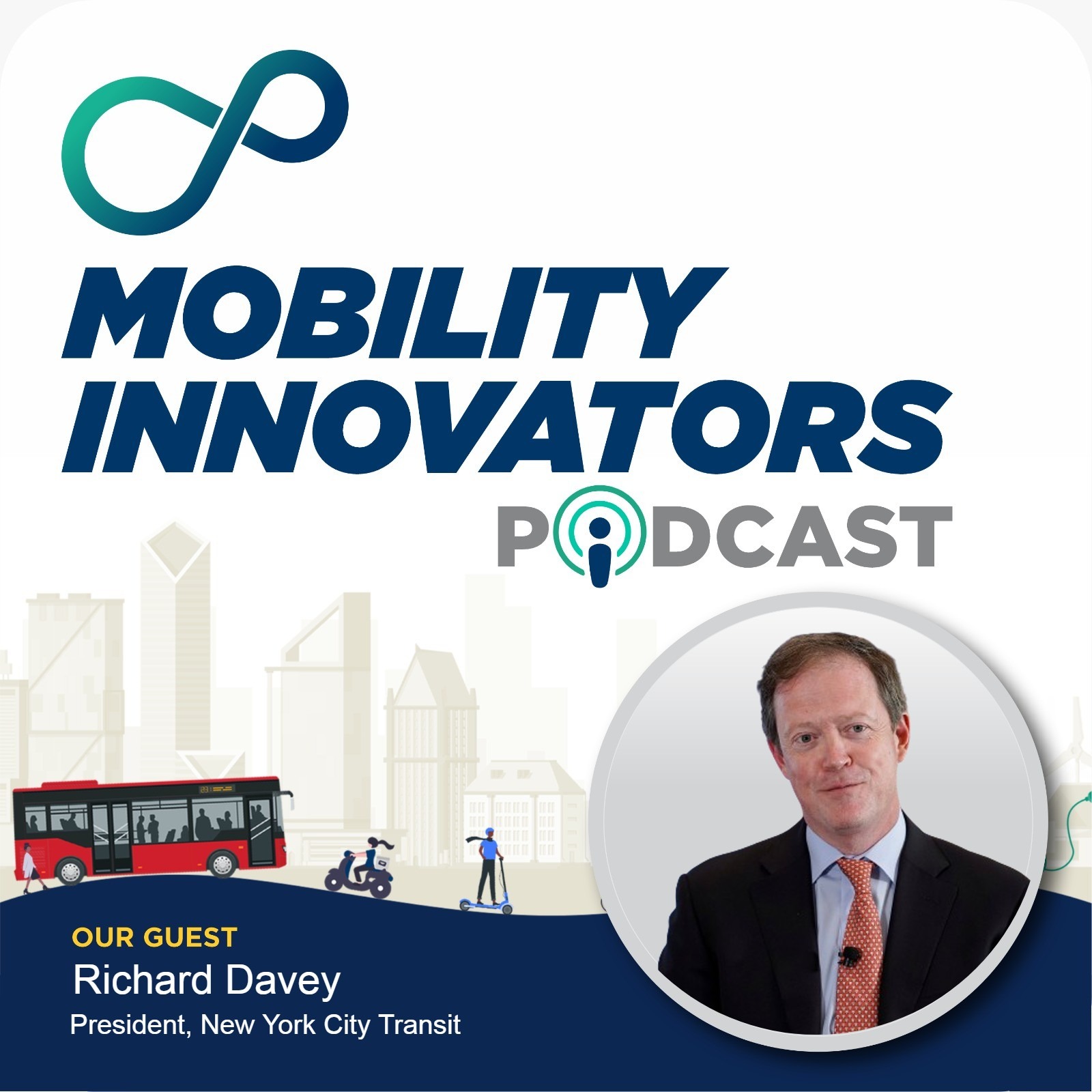 Redefining Transit: Cultivating a Culture of Innovation at NYCT | Richard Davey 23.05.2024 36минNew York City Transit (NYCT) is the largest public transit agency in North America, carrying more than 2.5 billion passengers every year. NYCT is going through transformation and implanting new initiatives including predictive maintenance. The agency is implementing many new initiatives including new ticketing solution. The agency is planning to introduce electric buses and using AI to improve the maintenance of existing buses. The episode will highlight some of the key initiatives launched by NYCT and the new innovation culture within the agency. Richard Davey is President of New York City Transit and is responsible for managing the largest transit agency in North America. He joined in May 2022. Previously, he served as a Partner and Director at the Boston Consulting Group in their Public Sector and Industrial Goods practice areas. He also served as CEO of Boston 2024, the organization that sought to bring the 2024 Summer Olympic and Paralympic Games to Boston. He is a transit enthusiast and was the Massachusetts Secretary of Transportation from September 2011 to October 2014 and previously the General Manager of the Massachusetts Bay Transportation Authority from March 2010 to September 2011.
 -
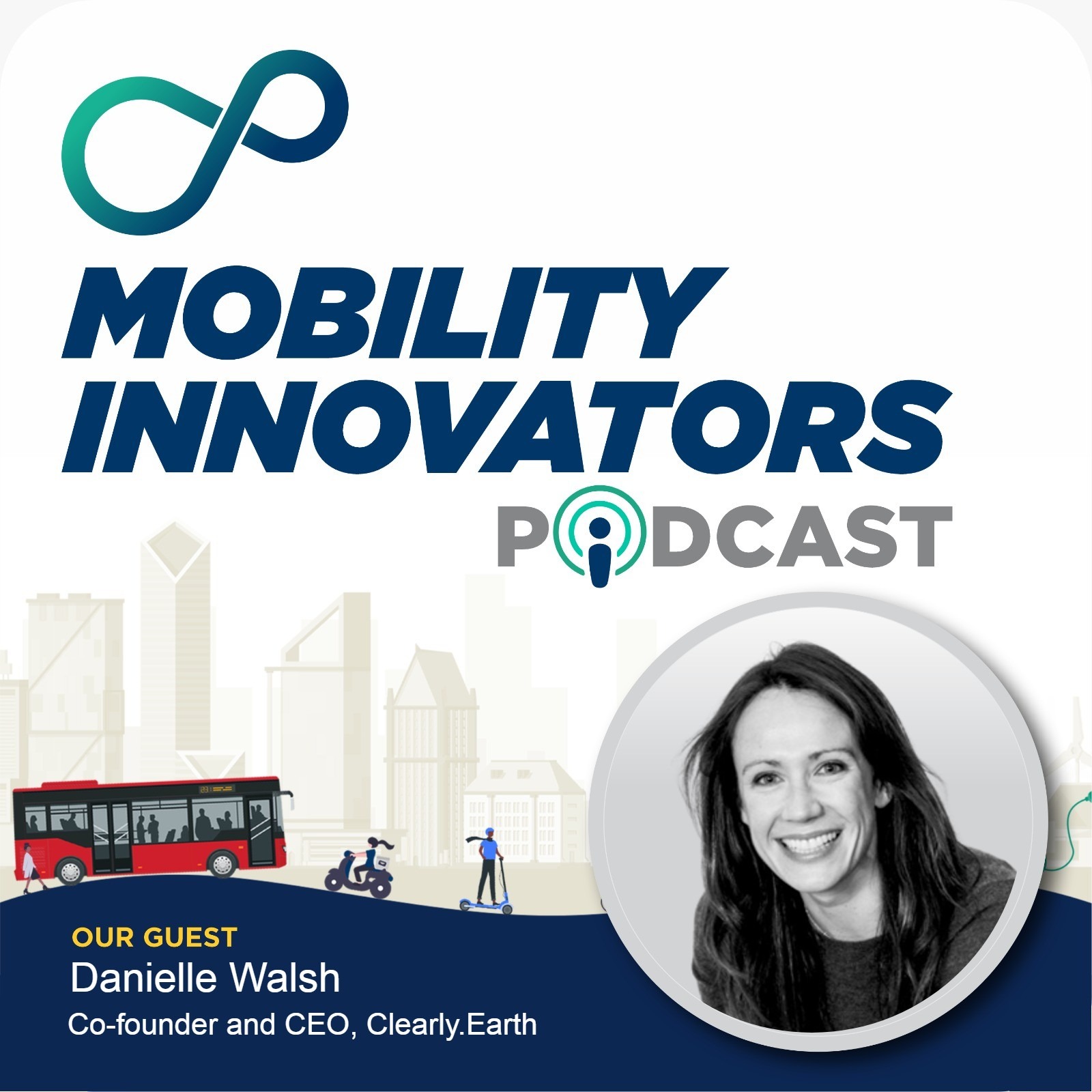 Driving Energy Transition: Role of Data Transparency in Reaching Net Zero | Danielle Walsh 17.03.2024 1ч 22минMany cities and countries globally are setting ambitious targets to achieve net-zero emissions, with mobility and logistics playing a pivotal role in reaching these goals. Fleet operators are confronted with the significant challenge of planning for energy transition, necessitating substantial capital investments in the coming years. However, they must prioritize between various projects and adopt a data-driven approach. Data will also be crucial in ensuring compliance and accessing a rapidly expanding array of climate-based financing products. This will entail leveraging machine learning and artificial intelligence to analyze and comprehend the data, enabling informed decision-making and strategic planning for energy transition initiatives.Danielle Walsh is co-founder and CEO of Clearly, a startup based in the UK, which helps the global transportation sector to reach net zero emissions. Clearly is the company with the data and AI stack that enables corporations to actually achieve their net zero targets in the largest part of the economies - transport and anything related to that. It uses AI to gather, combine, and enhance data across the supply chain so companies know exactly where the most emissions are coming from in the fleet; easily assess optimal projects to reduce emissions, and automate the access of shared and cheaper financing. The company is already operating in 8 cities around the world, has more than 50,000 assets under contract, and has tracked over 100 million trips. Prior to founding her venture, she was a Director in TMT Investment Banking at HSBC and led Technology for Future Cities & New Initiatives. She is also an Angel Investor.
 -
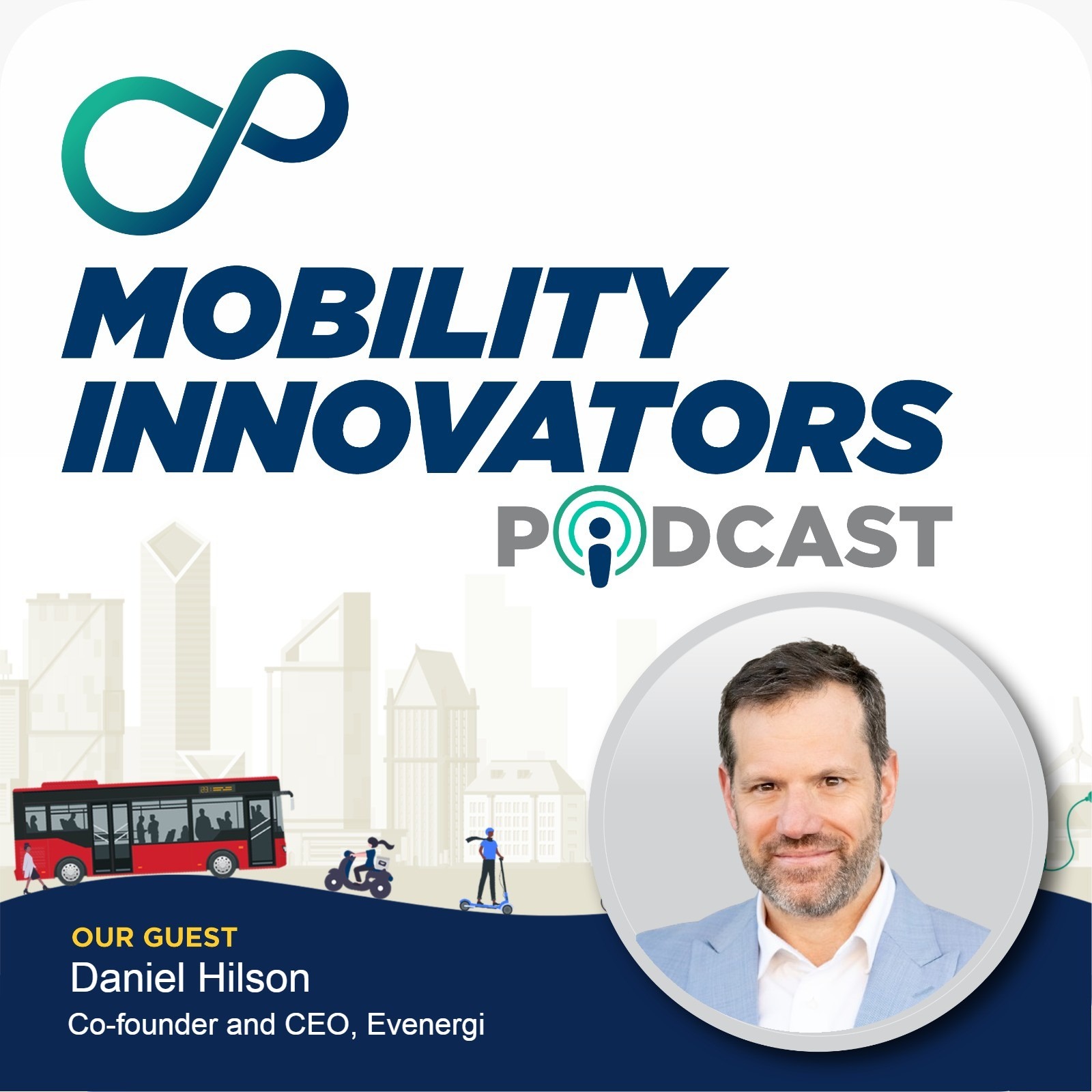 Unleashing AI in Fleet Electrification for Net-Zero Goals | Daniel Hilson 06.02.2024 1ч 22минThe global momentum towards electrification is accelerating, driven by numerous cities setting ambitious net-zero goals. Leveraging advanced technologies can expedite and streamline this process. Digital Twins emerge as a powerful tool for fleet operators, offering the capability to construct real-world scenarios and simulations that precisely reflect the impact of electrification on operations. This enables operators to gain valuable insights into potential challenges and opportunities. The integration of machine learning and artificial intelligence further enhances the optimization of various scenarios, facilitating a more efficient path towards achieving net-zero goals.Daniel Hilson is Founder and CEO of Evenergi and BetterFleet. Evenergi is a company that focuses on accelerating the adoption of electric vehicles (EVs) and helping fleets transition to zero-emission technology. The company works with utilities, governments, and businesses, in implementing EV charging infrastructure and optimizing their energy systems. He also launched BetterFleet to plan, optimize and manage the transition to zero-emission fleet. Before co-founding Evenergi, he worked with some key players including Flow Systems, Veolia Environment and Siemens. He is a lifelong learner and has earned degrees in Environmental Management, Strategic Management and Music & Communication.
 -
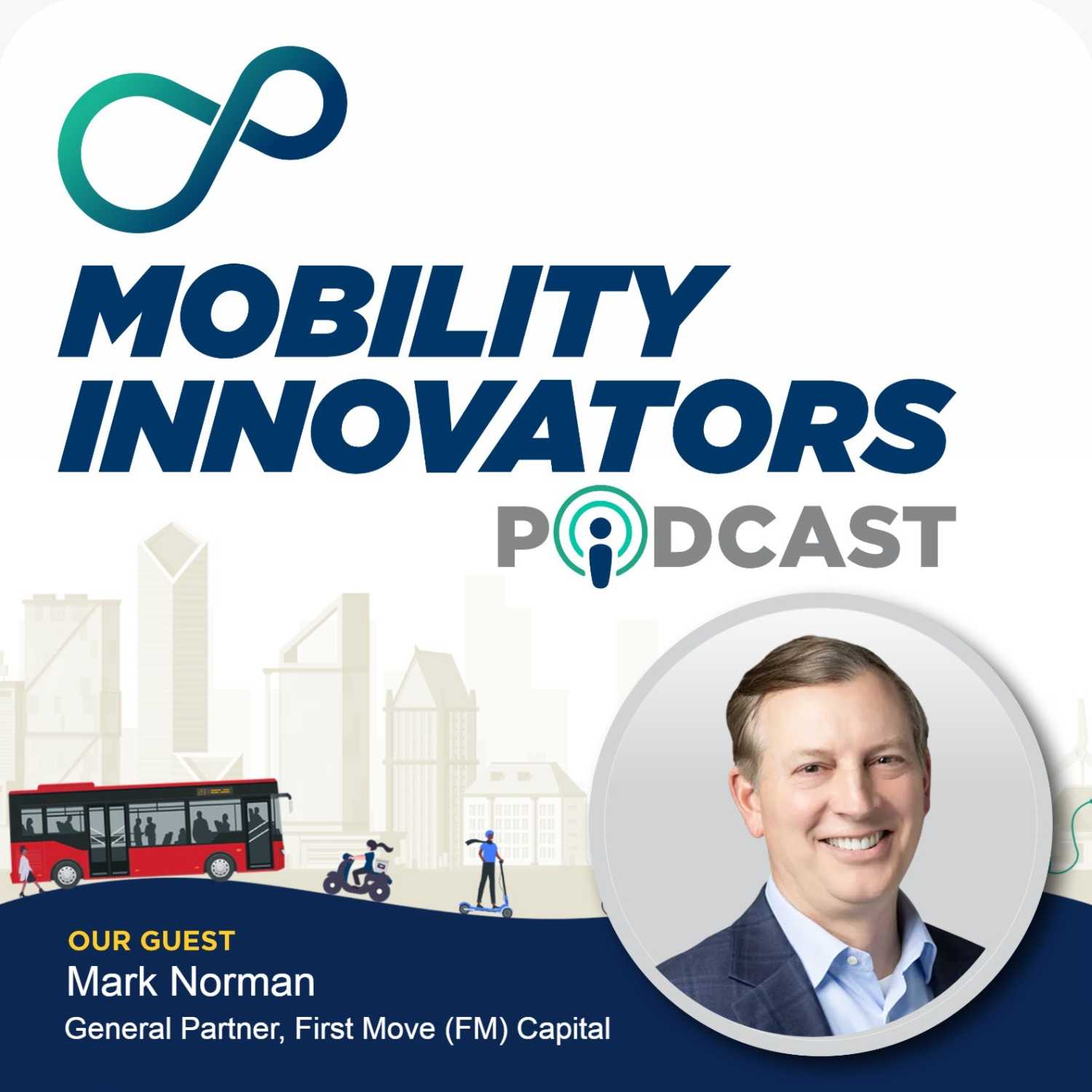 How ACES will transform the Automobile industry? | Mark Norman 15.11.2023 1ч 20минThe automobile industry is going through a big transformation. Mckinsey coined the term ACES to define that how Automation, Connectivity, Energy transition, and shared mobility will redefine the sector. Technology will change the traditional method of how we purchase and use vehicles. New business models are emerging and new entrants especially technology companies are looking to reshare the industry with Software Defined Vehicles (SDV), autonomy, and electric drive. These changes will also create opportunities for new technology startups and build new ecosystems.Mark Norman is General Partner of FM Capital. FM Capital is a venture capital fund focused on technologies transforming the transportation industry. He is responsible for fund leadership, investment strategy, and portfolio management. Prior to setting up the fund, he was president of Zipcar, where he led the company’s expansion creating the world’s largest carsharing network. He was also the CEO of Flexcar, a vehicle subscription company, CEO and Chairman of Chrysler Canada, and Managing Director of Summit Systems, a European technology startup.
 -
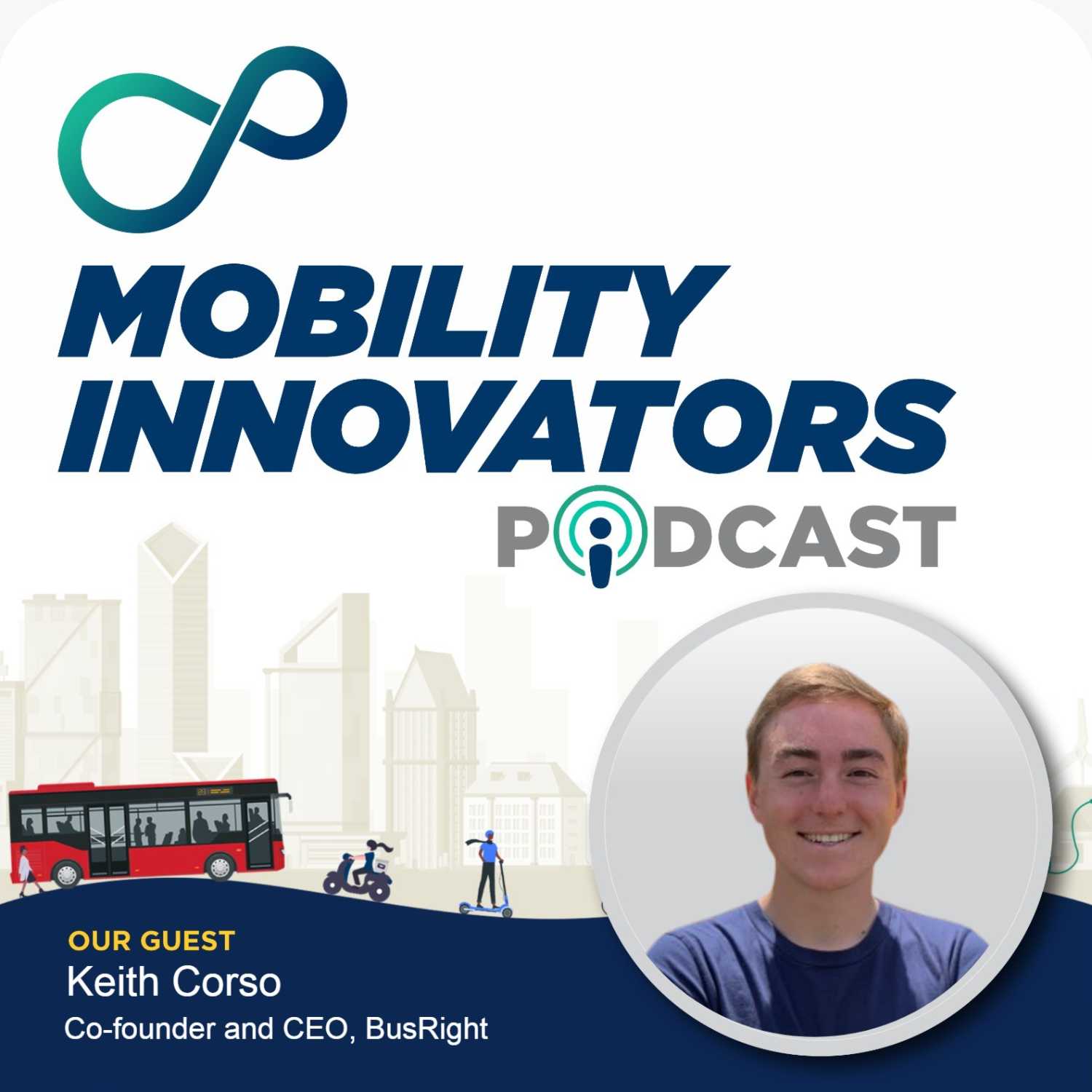 The future of School Bus Transportation: Challenges and Innovations | Keith Corso 30.10.2023 1ч 18минSchool Bus Transportation is the largest transit system in North America. In the US alone, there are 50 million K-12 students in public schools and there are 5.8 million in private schools. So it's in total it's like 57 million students or kids who need to be transported every day. However, School Bus transportation is facing many challenges including a shortage of bus drivers, funding constraints, and increasing complexity. Technology will play an important role in improving the school bus operation and managing resources optimally.Keith Corso is the Co-founder & CEO of BusRight. He ideated the company in high school and built the foundation for BusRight during his time at Northeastern University in Boston, alongside several other team members. BusRight is a transportation technology startup, reshaping the student transportation industry with its routing software, real-time GPS, dynamic driver navigation, and a bus tracking app for parents. He has held roles on both sides of the venture ecosystem, from serving as the President of the Entrepreneurs Club in college, to working as an Analyst for MassMutual Ventures, a Venture Fellow for Underscore VC, and Venture Director for Origin - a deep tech hub
 -
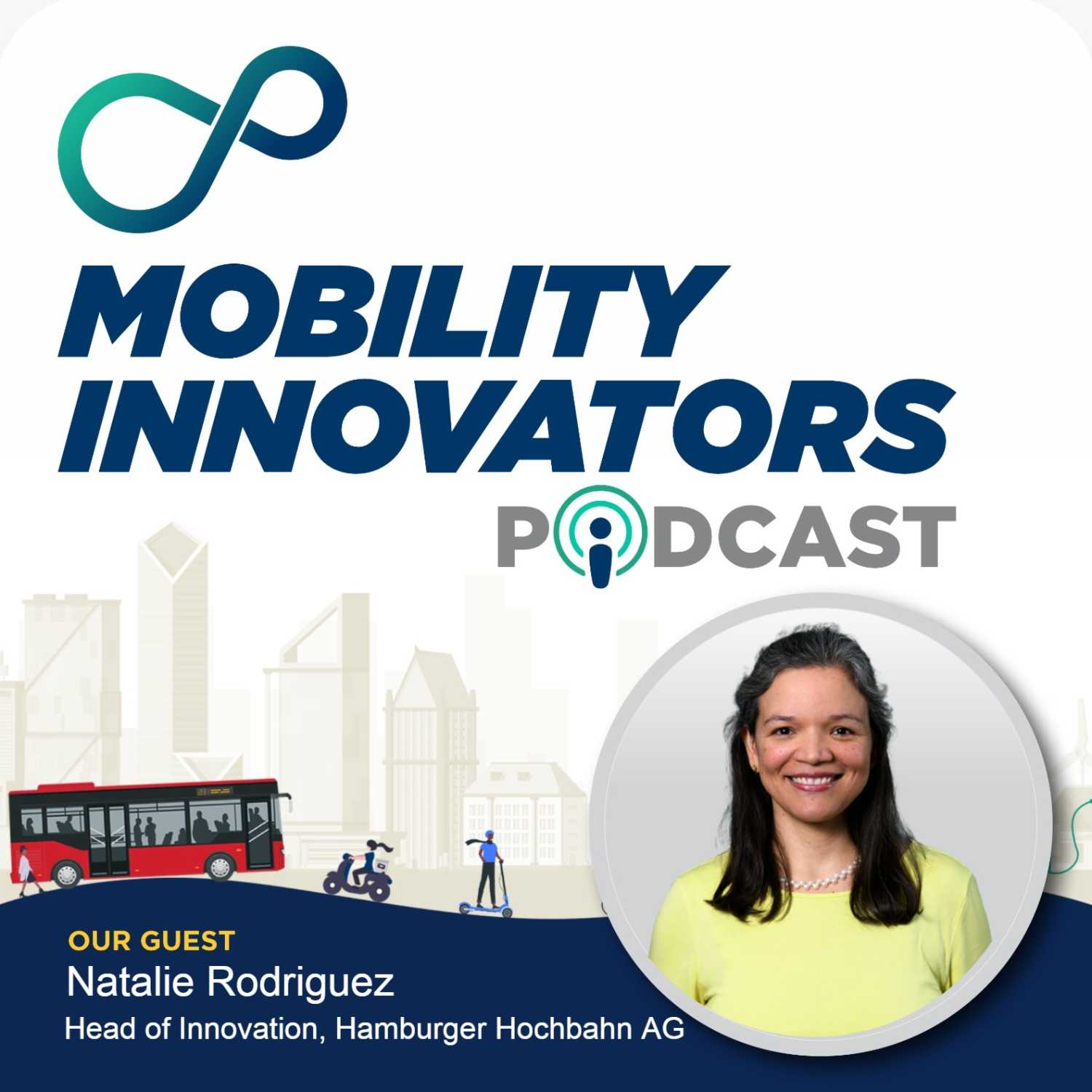 How HAMBURG HOCHBAHN is using Technology and Innovation in Mobility? | Natalie Rodriguez 30.09.2023 1ч 22минHamburg is the second largest city in Germany and is well-known for its busy port, which is among the largest in the world. Hamburg Hochbahn is the public transport operator in the city, operating 111 bus routes and 4 underground lines. The city has launched an ambitious project - Hamburg Takt, which to increase the market share from 22% in 2017 to 30% by 2030. The city is now investing in many innovative projects including GoA4 Metro line and autonomous fleet project. The city is looking to replace 1100 diesel buses with zero-emission buses by 2030. The episode will share “How HOCHBAHN as a key mobility provider is implementing innovative solutions (together with local and regional partners) in Hamburg.”Natalie Rodriguez is Head of Innovation of Hamburg Hochbahn AG, the second largest transport company in Germany. From 2018 until 2021, she was the lead project manager of automated driving, Bus-Segment and was in charge of the HEAT-Project (Hamburg Electric Autonomous Transportation). Natalie has been working for over 15 years in international planning and consulting companies specialized in public transport in Caracas, Lyon, Karlsruhe and since 2011 for the HOCHBAHN holding different positions in the areas of tariff, demand, and revenue estimations; corporate management, project management office, business development and Innovation and Change. She has always tried to combine my love for languages and for Mobility throughout her professional career.
 -
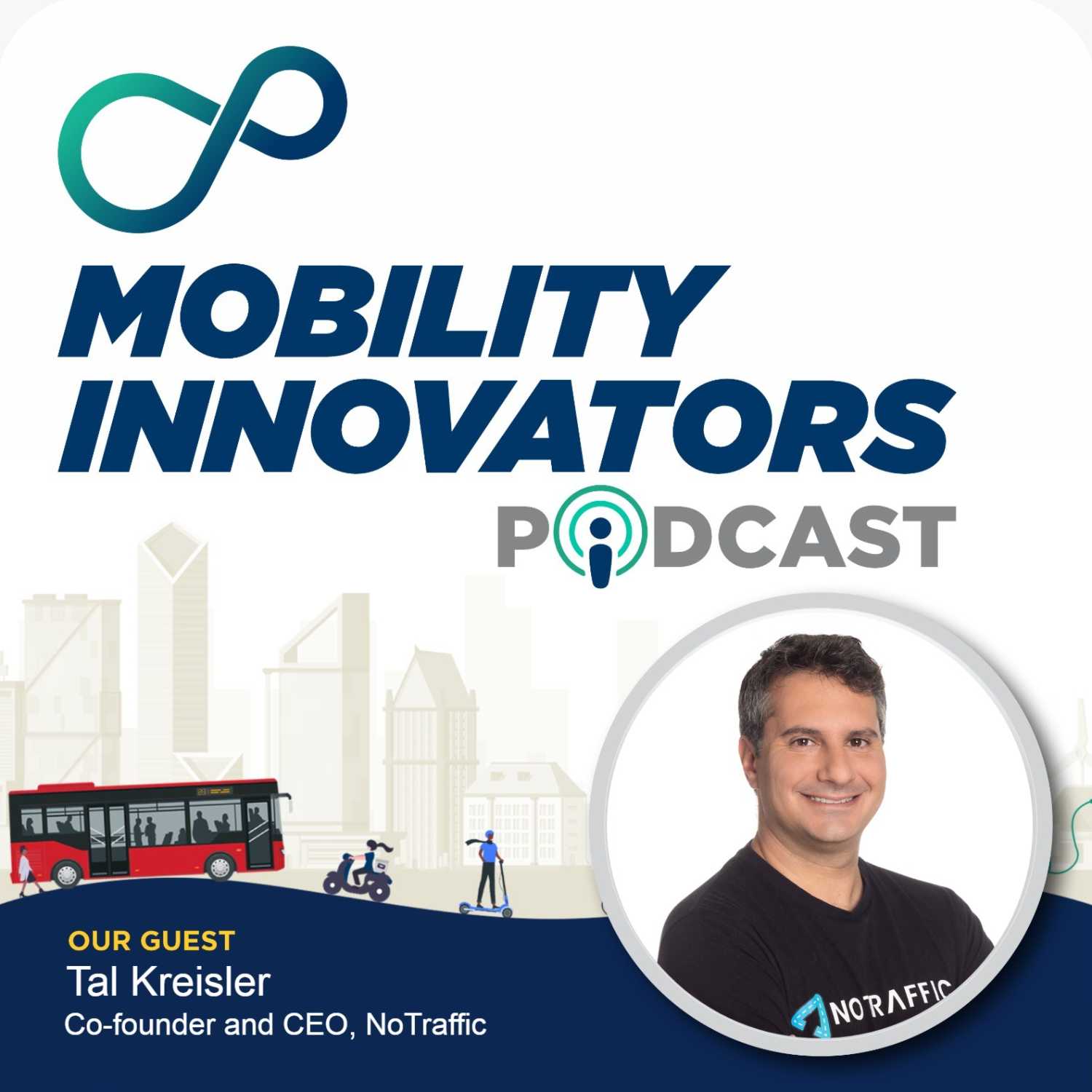 AI in Traffic Management - How NoTraffic is solving Traffic Congestion? | Tal Kresier 15.09.2023 1ч 18минTraffic Congestion is emerging as a major challenge for the cities. More than 1.35 million people die in road accidents every year people are losing 51 hours in traffic jams every year. Traffic management systems use traditional methods to regulate the traffic flow. However, many cities are using artificial intelligence and machine learning to solve traffic congestion issues and follow a network approach rather than a single junction. The cities can simulate different scenarios in real-time to understand the impact on a network basis. Further, Transit Signal Priority (TSP) is helping to reduce travel time for the riders and improve efficiency. The episode will cover the topics related to AI in Traffic Management and the role of traffic signals for autonomous vehicles.Tal Kresier is the Co-founder and CEO of @NoTraffic . NoTraffic is a company that focuses on developing technology for intelligent traffic management and optimization. As CEO, he manages a large team of industry leaders from various fields such as AI, Machine Vision, Cybersecurity, and Engineering, bringing the team together and creating the most sophisticated traffic management platform. Prior to NoTraffic, Tal served as a Business Analyst at Beta Finance consulting firm, where he led complex projects in the transportation, infrastructure, and energy industries.
 -
 Mega Infrastructure Rapid Rail Project (RapidX) of NCRTC | Vinay Kumar Singh 24.08.2023 1ч 50минIndia is investing lots of funds in rail infrastructure projects including urban rail systems in cities, rapid rail transit system for regional cities, and High-Speed rail project to connect cities. Regional Rapid Transit System (RRTS) projects in the National Capital Region of India is connecting 3 major satellite cities with the capital city – Meerut (82 km), Alwar (198 km) and Panipat (103 km). The first corridor from Delhi to Meerut is under construction, costing $5 billion in investment. National Capital Region Transport Corporation (NCRTC) is mandated to design, develop, implement, financing, operate, and maintain the RRTS project. RapidX has adopted an outsourcing model and has appointed Deutsche Bahn for operation and maintenance. The agency is using many innovative technologies to build the project, including BIM (Building Information Modelling), Digital twins, Precasted Tracks, Catenary (Rigid), Rolling stocks, and UPI ticketing solutions.Vijay Kumar Singh is Managing Director of NCRTC and presently leading transformation in regional mobility by implementing Regional Rapid Transit System (RRTS) projects in the National Capital Region of India. NCRTC is mandated for designing, developing, implementing, financing, operating, and maintaining the RRTS project. He has built NCRTC from scratch and is now spearheading the development of the idea into a reality through this $ 15 billion project. Before joining NCRTC, he was the Chief Executive Officer of the High-Speed Rail Corporation, where he played a key role in developing the Mumbai-Ahmedab ad HSR project. Having served as Executive Director in the Ministry of Railways, Government of India, he has experience working on the Board of many joint venture companies and has acquired a profound policy perspective. He has been the officer in charge of the execution team of the first section of Delhi Metro project in the field.
 -
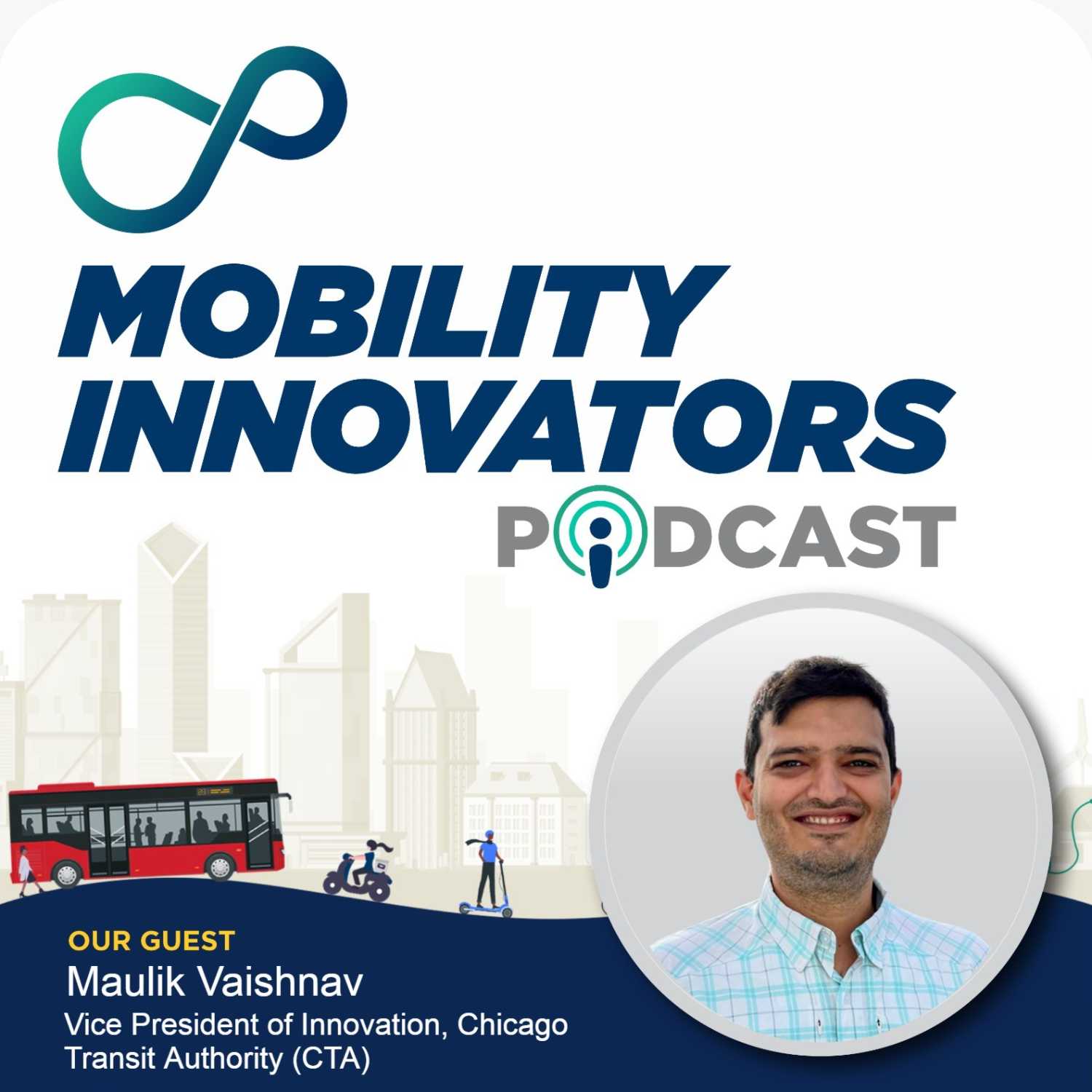 Innovation and customer experience in public transit | Maulik Vaishnav 19.07.2023 1ч 35минTransit recovery in North America remains sluggish, with ridership hovering around the 60-70% mark compared to pre-pandemic levels. However, many transit agencies are experiencing that riders are back in the system, but ridership is not back as travel behavior has changed. The riders are not traveling in the same way. At the same time, public transport operators require to plan the transition to zero-emission buses. Thus, it is becoming increasingly important for agencies to follow a data-driven approach to improve transit riders' experience. One notable example is the Chicago Transit Authority (CTA), a prominent mass transit operator in Chicago, responsible for a fleet of 1,900 buses and approximately 1,200 rail cars that transport around 800,000 passengers daily. The CTA is actively pursuing various innovative initiatives aimed at attracting riders back into the system.Maulik Vaishnav is a transportation policy and transit leader with 15 years of experience in government and consulting. He is currently Chicago Transit Authority (CTA)’s Vice President of Innovation and leads the agency’s ‘Meeting the Moment’ action plan, customer experience and marketing strategy, and a PMO team. During his 11-year tenure at CTA, he has worked in or overseen analytics, strategic planning, budget, revenue, business development, and fare policy teams. He also served as a transportation policy advisor at the City of Chicago Mayor’s Office from 2019 to 2022 where he helped advance a strategic plan for transportation, a forward-thinking ground transportation tax surcharge on downtown ride-hail trips, temporary pandemic bus lanes, a climate action plan, and a vision for trails and open spaces.
 -
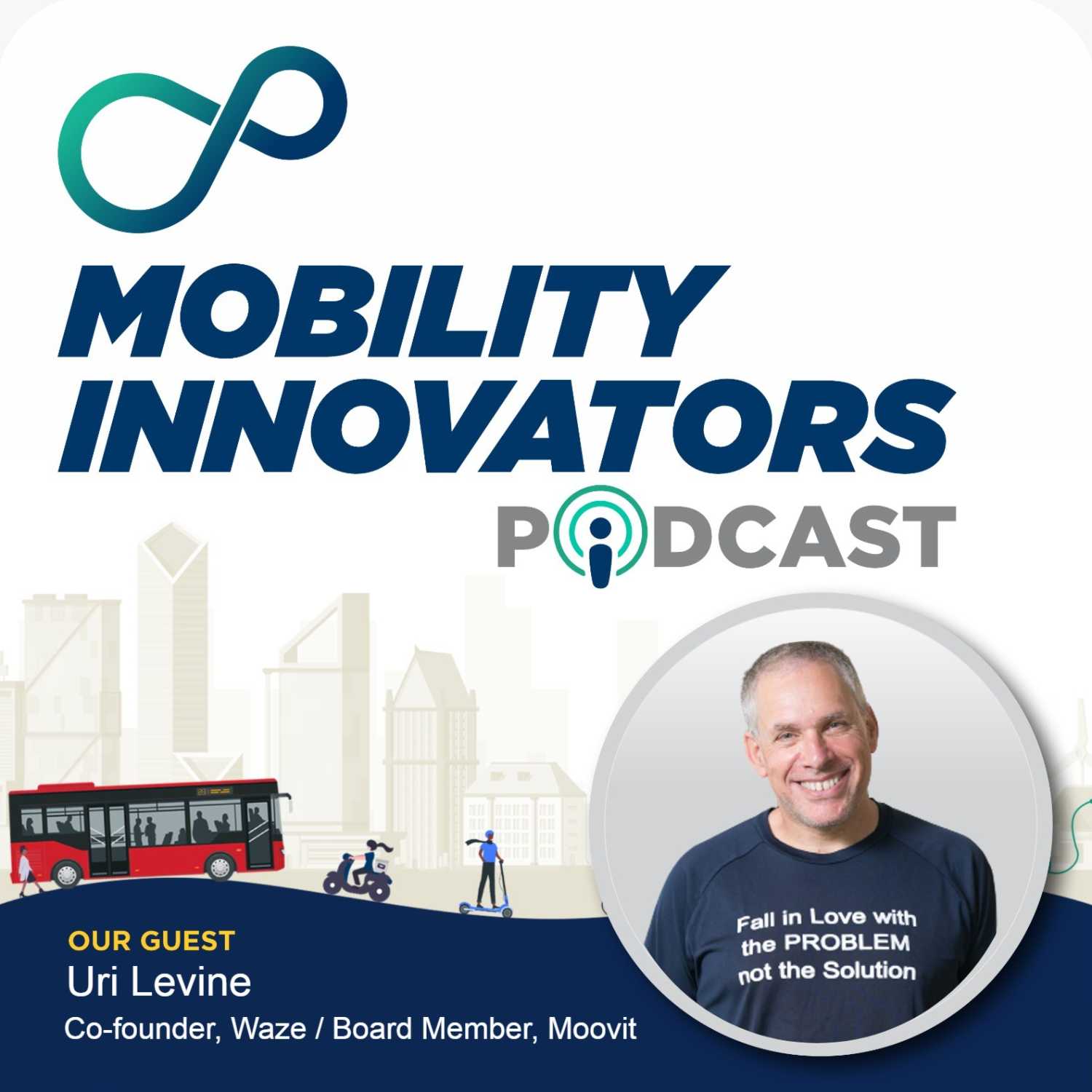 Reimagining Mobility: Fall in Love with the Problems, Not the Solutions | Uri Levine 23.06.2023 1ч 21минEntrepreneurship is a journey of failures. The founders need to stay focused on the execution and achieve product-market fit. Most of the founders start their journey with the problem but they very soon forget about it. The same principle applies to all startups, including mobility and logistics. It is very important to understand your users and focus on solving their problems. Most people think of solving mobility challenges from the system perspective, not from the user perspective. Riders are looking at mobility from three parameters – Convenience, Speed and Cost. The founders should ask what is the value that I'm going to create for those users? This podcast will share some of the key ingredients to build a successful startup. Public transport will face challenges from new emerging mobility options. It is important to reimagine mobility from the users’ perspective.Guest: Uri Levine is a passionate entrepreneur, a 2x 'unicorn' builder (Duocorn), and the author of the book “Fall in Love with the Problem, Not the Solution” – A Handbook for Entrepreneurs. He is co-founder of Waze, the world's largest community-based driving traffic and navigation app, which Google acquired for $1.1 billion in 2013, and former investor and board member in Moovit, 'Waze of public transportation, which Intel acquired for $1 Billion in 2020. Levine's vision is building startups that are doing good and doing well, focusing on solving problems and hence changing the world for the better. He has been in the high-tech business for the last 40 years, more than half of them in the startup scene, and has seen everything ranging from failure, to moderate success, and big success. The startups Levine is Co-Founder, Chairman or Board Member, include Pontera (formerly FeeX); FairFly; SeeTree; Refundit; Fibo; Dynamo; Kahun, and he’s always working on the next one.
 -
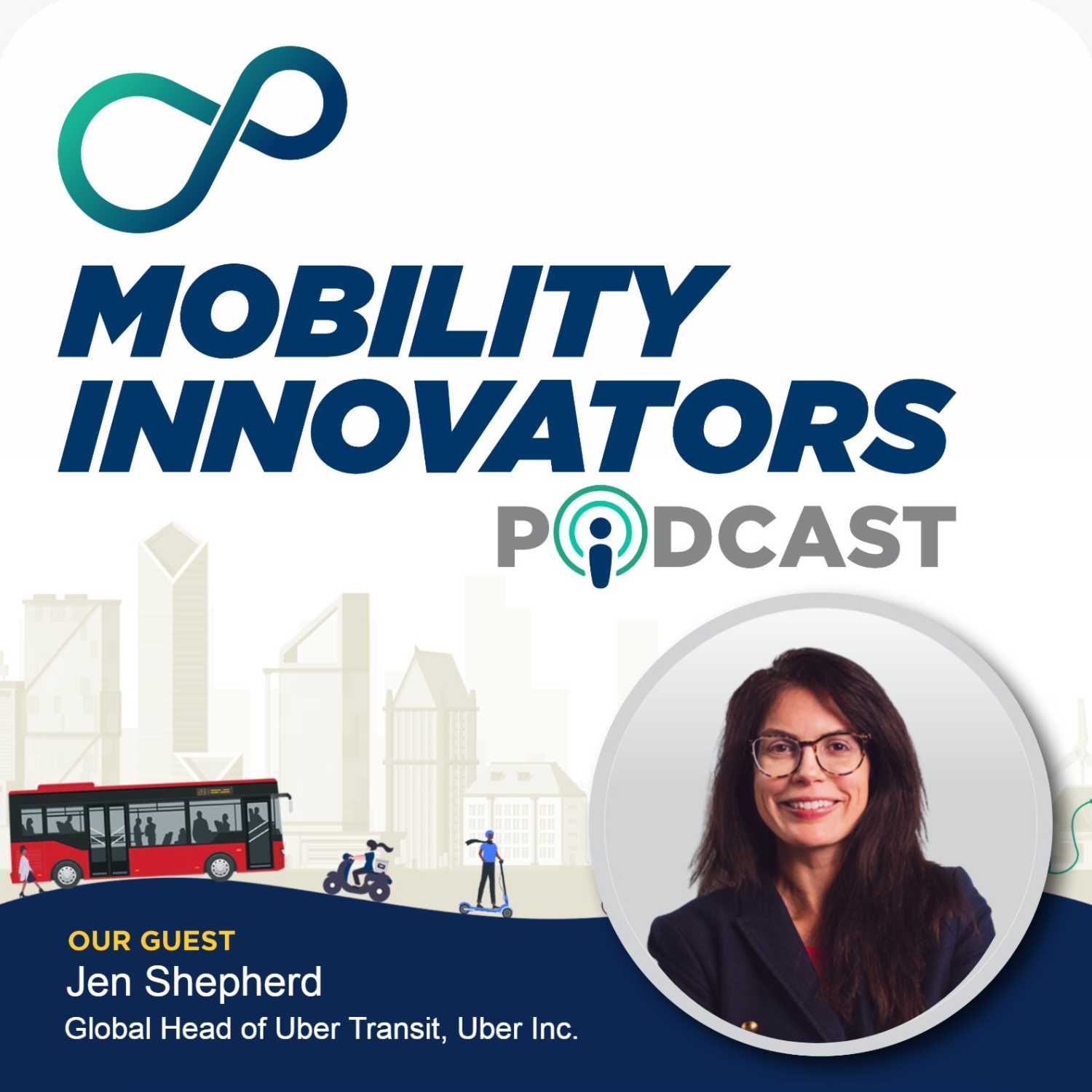 Partnerships Driving Innovation: How Ride-Hailing is Changing Transportation | Jen Shepherd 18.05.2023 1ч 6минPublic transit agencies are grappling with various challenges, from managing increasing ridership to enhancing the customer experience and ensuring improved accessibility. In response to the post-pandemic world, Uber has adjusted its strategy, focusing on solving these problems by offering services such as micro-transits, paratransit, first and last-mile connectivity, and late-night outage assistance. With partnerships spanning over 60 transit agencies globally, Uber is at the forefront of addressing these challenges and driving a more connected transportation ecosystem. In North America, Uber is placing emphasis on micro-transit and paratransit services, while in Europe, the company is collaborating with first and last-mile providers. As we look ahead to the emergence of autonomous mobility, it becomes crucial for transit agencies to partner with different stakeholders to continually improve the customer experience.In this episode, we dive into the evolution of the ride-hailing or on-demand industry, which has transformed the mobility landscape. Initially seen as a competitor to traditional taxis and public transportation, it quickly led to the emergence of new partnership opportunities that reshaped the way we travel.Jen Shepherd is the Global Head of Uber Transit. She is responsible for overseeing the development and expansion of the Uber Transit feature, which allows users to plan and pay for public transportation trips within the Uber app. This includes working with transit agencies and other partners to integrate their services into the app, as well as ensuring that the user experience is seamless and intuitive. Under her leadership, Uber has expanded its transit offerings to more cities and has continued to invest in the development of the Uber Transit feature. She has more than 15 years of experience in strategy and technology. Prior to joining Uber, she worked at Deloitte, Walt Disney, and Starbucks.
Подобни подкасти


Популярен в
Този подкаст се появява и в подкаст класациите на тези държави.
