
Qué Pasa, Raúl: Spanish Thru Songs
RAÚL G.
0
Qué Pasa, Raúl: Spanish Thru Songs is a music podcast for intermediate to advanced Spanish learners (B1-C1) and music lovers. In each episode, host Raúl G. shares stories and curiosities about songs from across the Spanish-speaking world, from iconic hits to lesser-known gems. Raúl is a language teacher with a background in Fine Arts, and he uses music to explore language and culture. The podcast helps listeners improve their Spanish while enjoying great music.
Епизоди
-
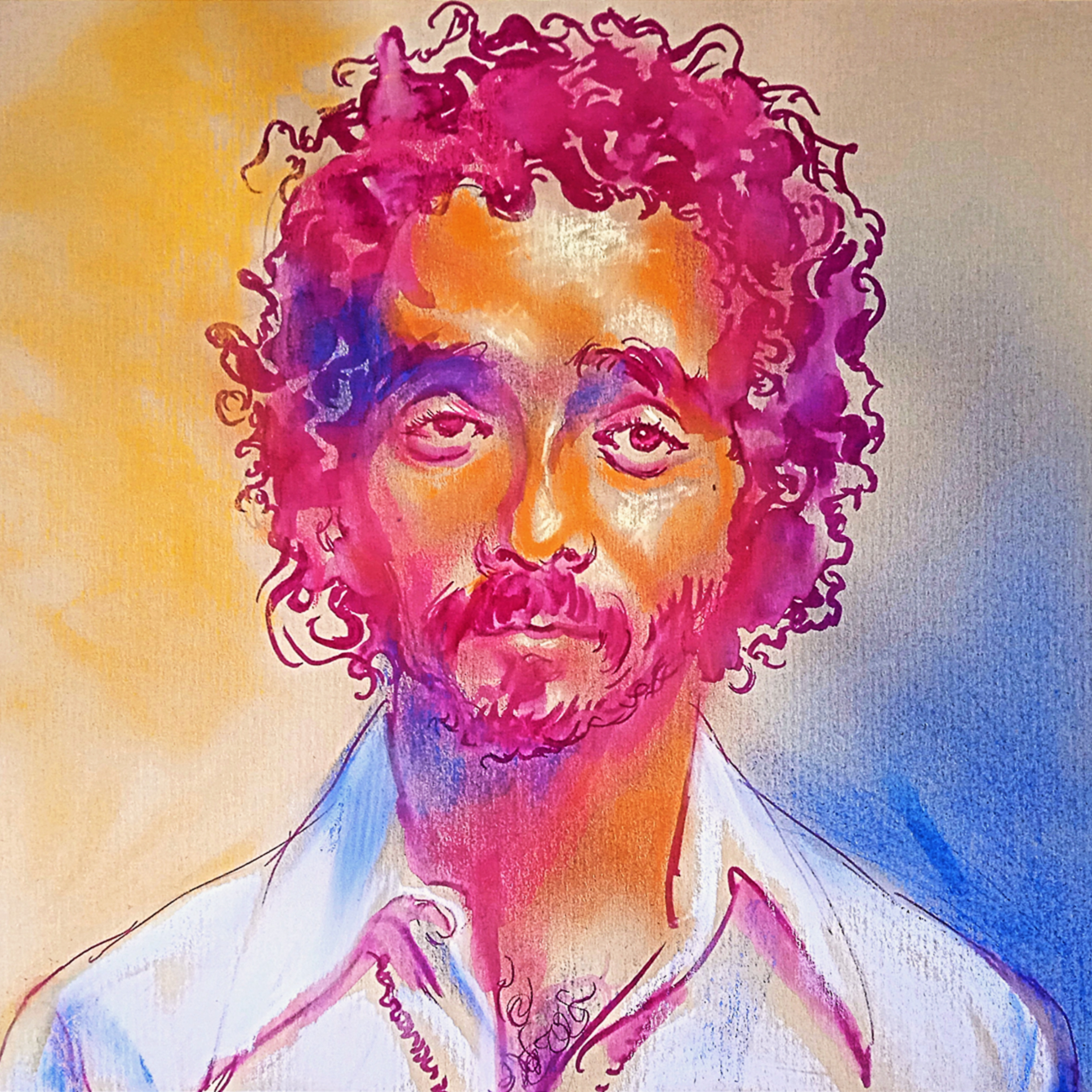 49 - Historias del barrio latino: Willie Colón 04.07.2026 55минHoy hablamos de “El Gran Varón” (1989), tema escrito por el músico panameño Omar Alfanno y popularizada por Willie Colón, el mítico trombonista, productor y cantante estadounidense, fallecido en marzo de este año en su Nueva York natal. Y en el episodio, además...¿Por qué decía Willie Colón que “los reyes de la salsa no sólo tocan canciones de amor”?¿Qué es la “salsa consciente”?Héctor Lavoe, Rubén Blades y Willie Colón: triunvirato de salserosLa salsa como crónica de la realidad cotidiana en los barrios latinosLos divulgadores: Óscar Hijuelos y Leonardo PaduraLa infancia de Colón en el Bronx de los 70, el papel de su abuelita y por qué la música latina le debe (a la abuelita) eterna gratitudLa “extraña enfermedad”: el sida en la música latina Omar Alfanno y la triste historia real de Simón“El Gran Varón”: el doble estigma de ser homosexual y seropositivo ¿Por qué parte de la comunidad gay se ofendió con la canción?Gramática de la salsa: el coro, los pregones y el “diablo”🎧 Escucha “El Gran Varón” en nuestra playlist de Spotify “Qué Pasa, Raúl: La Playlist” **********Sign up here for the show's free Newsletter.If you appreciate my work and would like to support it, make a one-off donation at Buy Me a Coffee. You can also follow and rate the show on Spotify or wherever you get your podcasts.Check out my Instagram for comments, news and to see some of my artwork. If you would like to take Spanish lessons with me, send me an email to [email protected] Visit my art website to see more of my paintings, drawings and portrait work.
 -
 48 - Lalo Guerrero y el viejo espíritu chicano 13.05.2026 39минHoy hablamos de “El chicano” (1977) del artista mexicano-estadounidense Lalo Guerrero. Y además...El sentimiento de identidad nacional: ¿puede una persona “ser de” dos países a la vez?¿Quiénes eran los “pachucos”?El bilingüismo mezclado del habla chicanaLalo Guerrero: artista multigénero y todoterrenoHéroes de la historia mexicana: Juárez, Villa, ZapataCésar Chávez y su legado Nota: el grupo Ronstadt Generations, que suena interpretando en vivo “There’s no tortillas”, actúa hoy bajo el nombre de Ronstadt Brothers y los Tucsonenses. 🎧 Escucha “El Chicano” en nuestra playlist de Spotify “Qué Pasa, Raúl: La Playlist” **********Sign up here for the show's free Newsletter.If you appreciate my work and would like to support it, make a one-off donation at Buy Me a Coffee. You can also follow and rate the show on Spotify or wherever you get your podcasts.Check out my Instagram for comments, news and to see some of my artwork. If you would like to take Spanish lessons with me, send me an email to [email protected] Visit my art website to see more of my paintings, drawings and portrait work.
 -
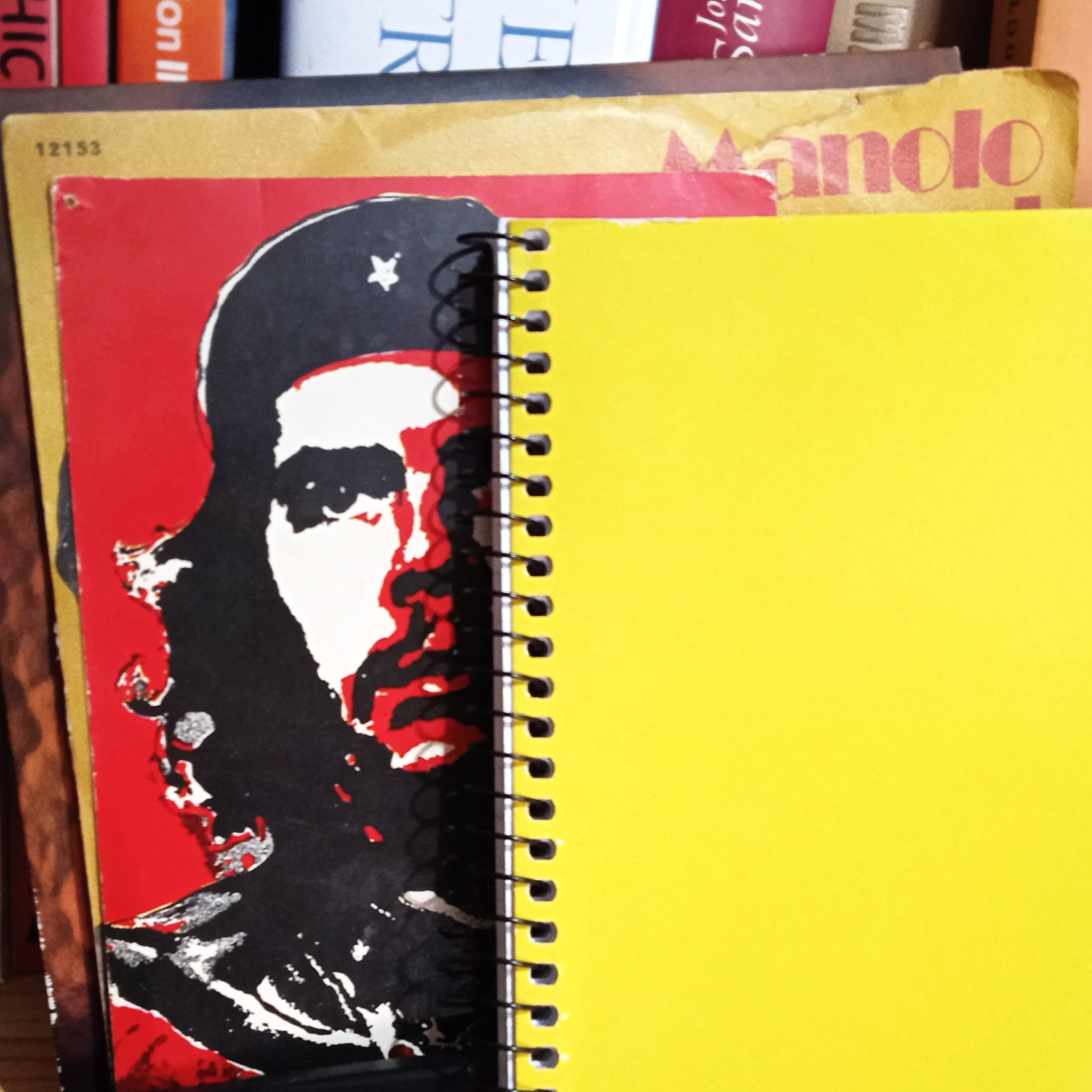 47 - Carlos Puebla le canta al Ché 17.04.2026 39минHoy hablamos de “Hasta siempre, Comandante” (1965) del grupo cubano Carlos Puebla y los Tradicionales. Y además...Ernesto Ché Guevara: ¿héroe o villano? La famosa foto del Ché: de mártir de la revolución a icono popLa música de Carlos Puebla: crónicas de la nueva Cuba¿Qué es un cantante y qué es un “cantor”? La canción “Hasta siempre, Comandante”: ¿homenaje póstumo a un mártir de la revolución? (Spoiler alert: no)El vocabulario de los himnos ideológicos: ideas y palabras recurrentes¿Por qué para Carlos Puebla “siempre es 26”? 🎧 Escucha “Hasta siempre, Comandante” en nuestra playlist de Spotify “Qué Pasa, Raúl: La Playlist” **********Sign up here for the show's free Newsletter.If you appreciate my work and would like to support it, make a one-off donation at Buy Me a Coffee. You can also follow and rate the show on Spotify or wherever you get your podcasts.Check out my Instagram for comments, news and to see some of my artwork. If you would like to take Spanish lessons with me, send me an email to [email protected] Visit my art website to see more of my paintings, drawings and portrait work.
 -
 46 - Marta Sánchez y la llamada nocturna 25.02.2026 35минHoy hablamos de “Sola (con un desconocido)” del grupo madrileño Olé Olé. Y además...El uso de los pretéritos imperfecto e indefinido para narrar una historiaMarta Sánchez: la Marilyn española de los 80 La letra de “Sola”: ¿Creepy? ¿Sexy? ¿Ambas cosas?¿Hemos perdido la capacidad de disfrutar de canciones “problemáticas”?🎧Escucha “Sola (con un desconocido)” en nuestra playlist de Spotify “Qué Pasa, Raúl: La Playlist” *****Sign up here for the show's free Newsletter.If you appreciate my work and would like to support it, make a one-off donation at Buy Me a Coffee. You can also follow and rate the show on Spotify or wherever you get your podcasts.Check out my Instagram for comments, news and to see some of my artwork. If you would like to take Spanish lessons with me, send me an email to [email protected] Visit my art website to see more of my paintings, drawings and portrait work.
 -
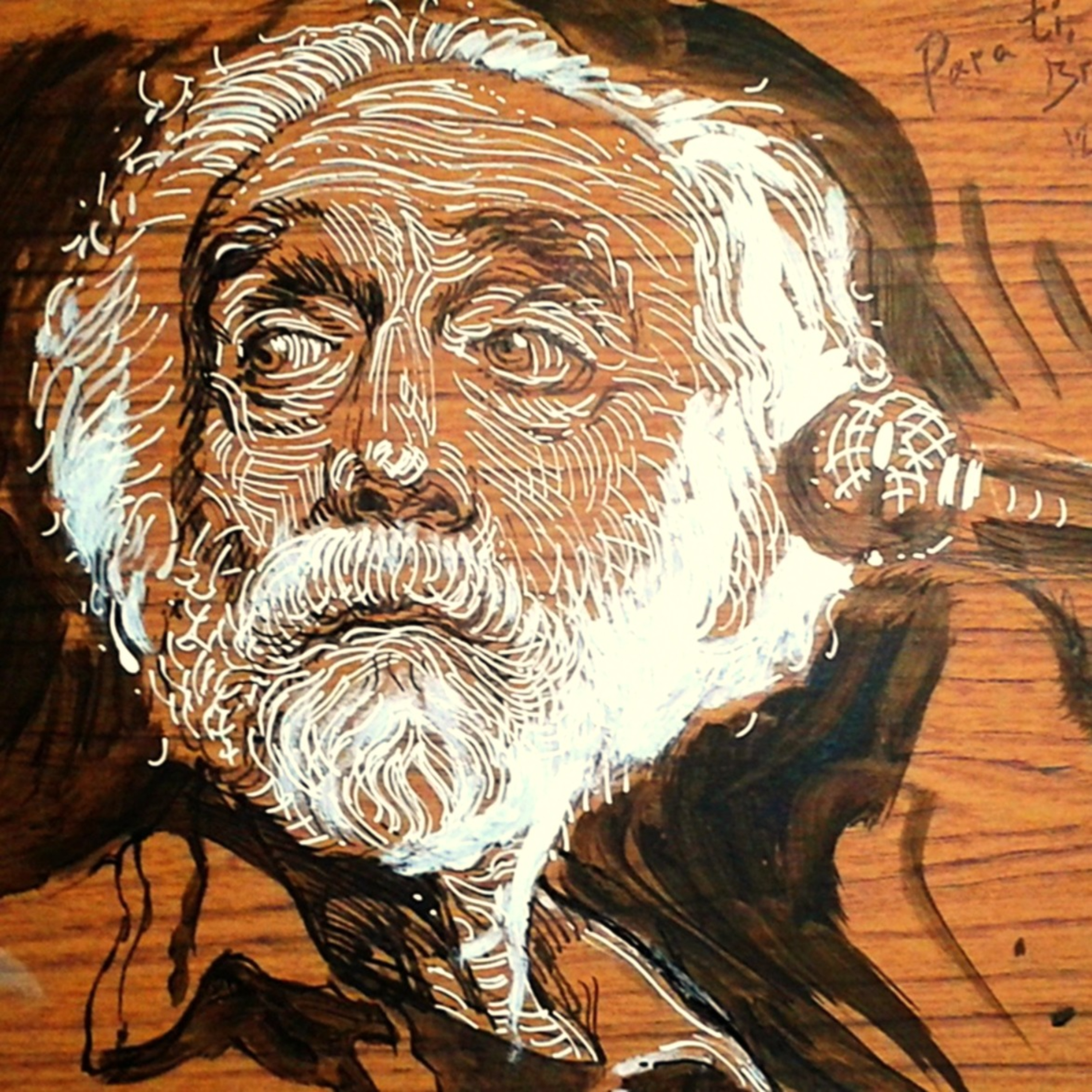 45 - Un cuervo llamado Krahe 16.02.2026 49минHoy hablamos de “Cuervo Ingenuo” (1986) del artista musical madrileño Javier Krahe. Y además…¿Qué lenguas hablaban los “indios” en las antiguas películas del oeste?El referéndum de 1986 en España: ¿OTAN sí u OTAN no?¿Había “cultura de la cancelación” en la España de los 80?🎧Escucha “Cuervo Ingenuo” en nuestra playlist de Spotify “Qué Pasa, Raúl: La Playlist” **********Sign up here for the show's free Newsletter.If you appreciate my work and would like to support it, make a one-off donation at Buy Me a Coffee. You can also follow and rate the show on Spotify or wherever you get your podcasts.Check out my Instagram for comments, news and to see some of my artwork. If you would like to take Spanish lessons with me, send me an email to [email protected] Visit my art website to see more of my paintings, drawings and portrait work.
 -
 44 - Dyango, Pimpinela y el tercer hombre 20.01.2026 28минHoy hablamos de “Por ese hombre” (1985) del cantante español Dyango y el dúo argentino Pimpinela. Y además...Lucía y Joaquín: el arte de la telenovela musical en 3 minutos ¿Existen todavía solistas de canción melódica del estilo de Dyango? ¿O es un género obsoleto?¿Son los artistas pop de hoy “eternamente jóvenes”? De los “carrozas” a los “boomers”: le mediana edad según la jerga juvenil🎧 Escucha “Por ese hombre” en nuestra playlist de Spotify “Qué Pasa, Raúl: La Playlist” **********Sign up here for the show's free Newsletter.If you appreciate my work and would like to support it, make a one-off donation at Buy Me a Coffee. You can also follow and rate the show on Spotify or wherever you get your podcasts.Check out my Instagram for comments, news and to see some of my artwork. If you would like to take Spanish lessons with me, send me an email to [email protected] Visit my art website to see more of my paintings, drawings and portrait work.
 -
 43 - Karol G & Peso Pluma: oda a la mujer culona 10.01.2026 31минHoy hablamos de “Qlona” (2023), un dueto entre la artista de Medellín Karol G y el mexicano Peso Pluma. También analizamos otras cuestiones importantes, tales como:Reguetón Spanish: el guayeteo, el perro, el gateo, el goteoIvonny Bonita y la culona: arquetipos de la mujer latinaEl sexo en la música hispana, antes y ahora El término “hijueputa” como adjetivo intensificador🎧 Escucha “Qlona” en nuestra playlist de Spotify “Qué Pasa, Raúl: La Playlist” **********Sign up here for the show's free Newsletter.If you appreciate my work and would like to support it, make a one-off donation at Buy Me a Coffee. You can also follow and rate the show on Spotify or wherever you get your podcasts.Check out my Instagram for comments, news and to see some of my artwork. If you would like to take Spanish lessons with me, send me an email to [email protected] Visit my art website to see more of my paintings, drawings and portrait work.
 -
 42 - Rosalía y los bad hombres 19.11.2025 33минHoy hablamos de “La perla” (2025) de la artista española Rosalía. También analizamos otras cuestiones importantes, tales como: ¿Qué es “una perla” en el argot coloquial? ¿Existen otras palabras con un significado similar?¿Qué es la “canción despecho”? + ejemplos famosos¿Cuántas maneras hay de engañar a una persona en el vocabulario español? ¿Qué piensan los hombres malos de las canciones que les dedican sus ex? ¿Por qué a las chicas buenas les gustan los chicos malos? (ver episodio 32 para saber más)**********Sign up here for the show's free Newsletter.If you appreciate my work and would like to support it, make a one-off donation at Buy Me a Coffee. You can also follow and rate the show on Spotify or wherever you get your podcasts.Check out my Instagram for comments, news and to see some of my artwork. If you would like to take Spanish lessons with me, send me an email to [email protected] Visit my art website to see more of my paintings, drawings and portrait work.
 -
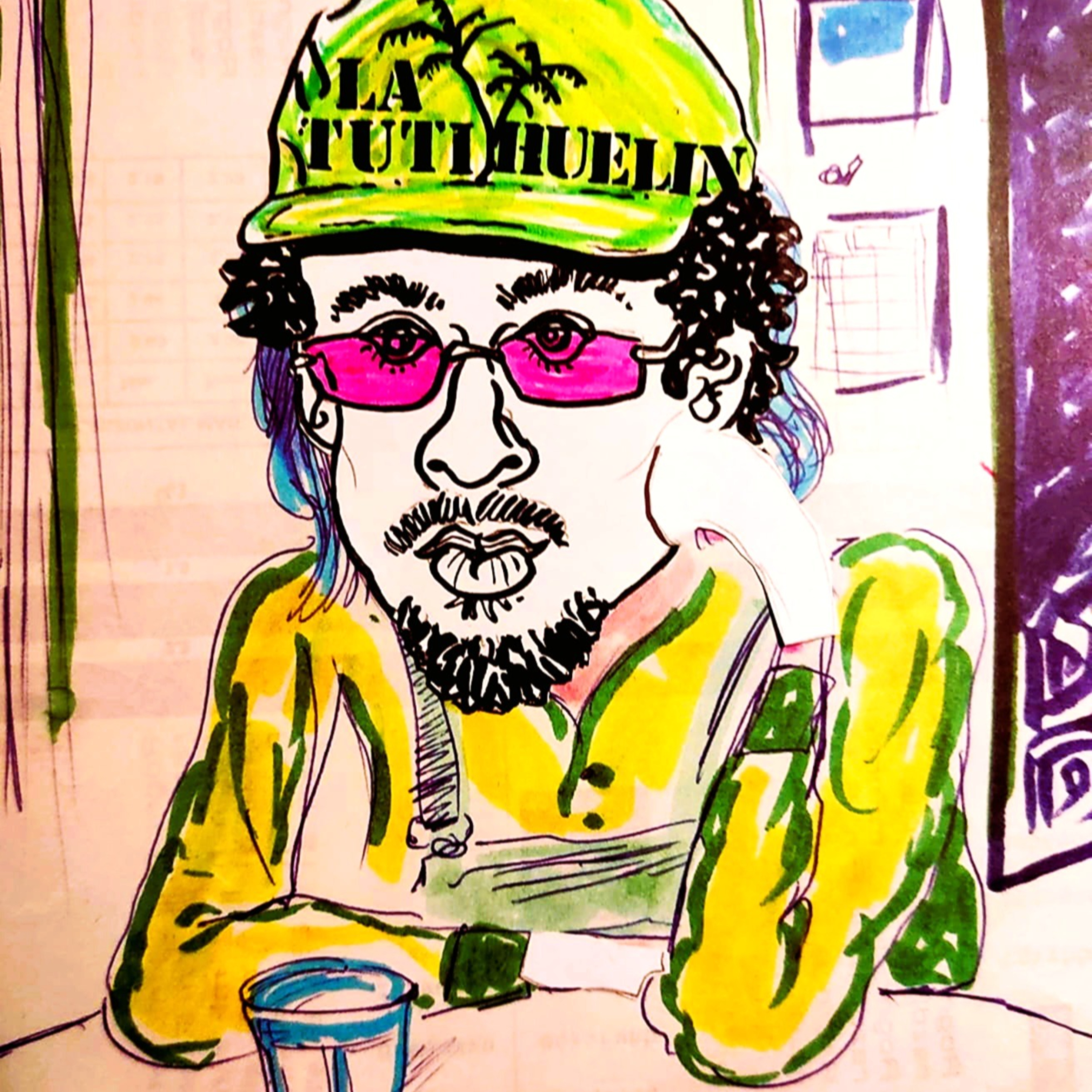 41 - En territorio bolero con Bad Bunny 01.11.2025 36минHoy hablamos de “TURiSTA” (2025), del músico puertorriqueño Bad Bunny. También analizamos otras cuestiones importantes, tales como: ¿Por qué te da Bad Bunny cuatro meses para aprender español?El español de Puerto Rico y el español de España¿Cómo suena un bolero clásico sobre la gentrificación?¿Cómo se le ocurrió el tema al artista?Las propiedades mágicas del verbo “llevar”¿“Pasarlo” bien o “pasarla” bien?¿Somos todos hoy turistas en las vidas de los otros? Episode art: @jorgeguerreroguevara**********Sign up here for the show's free Newsletter.If you appreciate my work and would like to support it, make a one-off donation at Buy Me a Coffee. You can also follow and rate the show on Spotify or wherever you get your podcasts.Check out my Instagram for comments, news and to see some of my artwork. If you would like to take Spanish lessons with me, send me an email to [email protected] Visit my art website to see more of my paintings, drawings and portrait work.
 -
 Cumplimos 40 y lo celebramos con Kiko Veneno 15.10.2025 33минHoy hablamos del tema “Si tú, si yo” (1984) del músico español Kiko Veneno. También analizamos otras cuestiones importantes, tales como:La larga travesía en el desierto de Kiko Veneno¿Puede una canción sobre violencia doméstica ser divertida?¿Puede un mueble cama ser un arma arrojadiza? ¿Y un armario? ¿Y un frigorífico?Pretérito pluscuamperfecto de subjuntivo con condicional compuesto: ¿es tan complicado como parece?Los verbos “moler” y “molar”: ¿sabes la diferencia?¿Es esta canción una profecía de la agresiva polarización del mundo actual?¿Sabes qué es “estar sordo como una tapia”?**********Sign up here for the show's free Newsletter.If you appreciate my work and would like to support it, make a one-off donation at Buy Me a Coffee. You can also follow and rate the show on Spotify or wherever you get your podcasts.Check out my Instagram for comments, news and to see some of my artwork. If you would like to take Spanish lessons with me, send me an email to [email protected] Visit my art website to see more of my paintings, drawings and portrait work.
 -
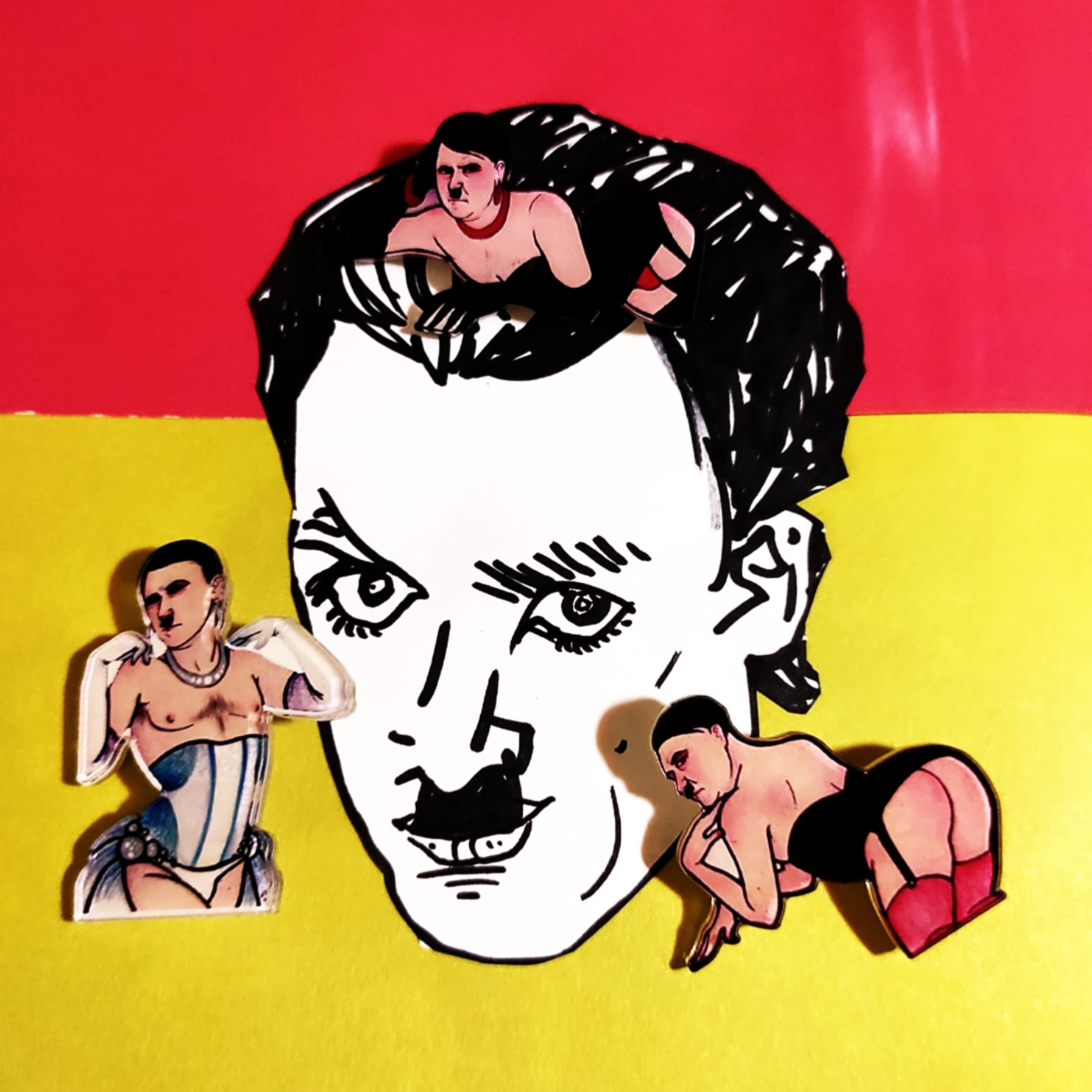 39 - Glutamato Ye-Yé y el abominable hombre de la nevera 28.09.2025 40минHoy hablamos de “Hay un hombre en mi nevera” (1982) del grupo madrileño Glutamato Ye-Yé. También analizamos otras cuestiones importantes, tales como:¿Por qué en la Movida estaba prohibido ser normal?¿Qué fueron las “hornadas irritantes”? ¿Y quiénes eran los “babosos”?¿Es lo mismo estar acalorado que estar caliente?¿Por qué aparecen tantos electrodomésticos en las canciones de la Movida?¿”Nevera” o “frigorífico”? ¿son la misma cosa?¿Existió alguna vez una nevera marxista?¿Quiénes son la “Generación Y”?“Comer” un coco y “comerse” un coco: ¿hay diferencia?¿Es “chirimoya” y “paranoia” la mejor rima de todo el pop español? Episode art: @jorgeguerreroguevara**********Sign up here for the show's free Newsletter.If you appreciate my work and would like to support it, make a one-off donation at Buy Me a Coffee. You can also follow and rate the show on Spotify or wherever you get your podcasts.Check out my Instagram for comments, news and to see some of my artwork. If you would like to take Spanish lessons with me, send me an email to [email protected] Visit my art website to see more of my paintings, drawings and portrait work.
 -
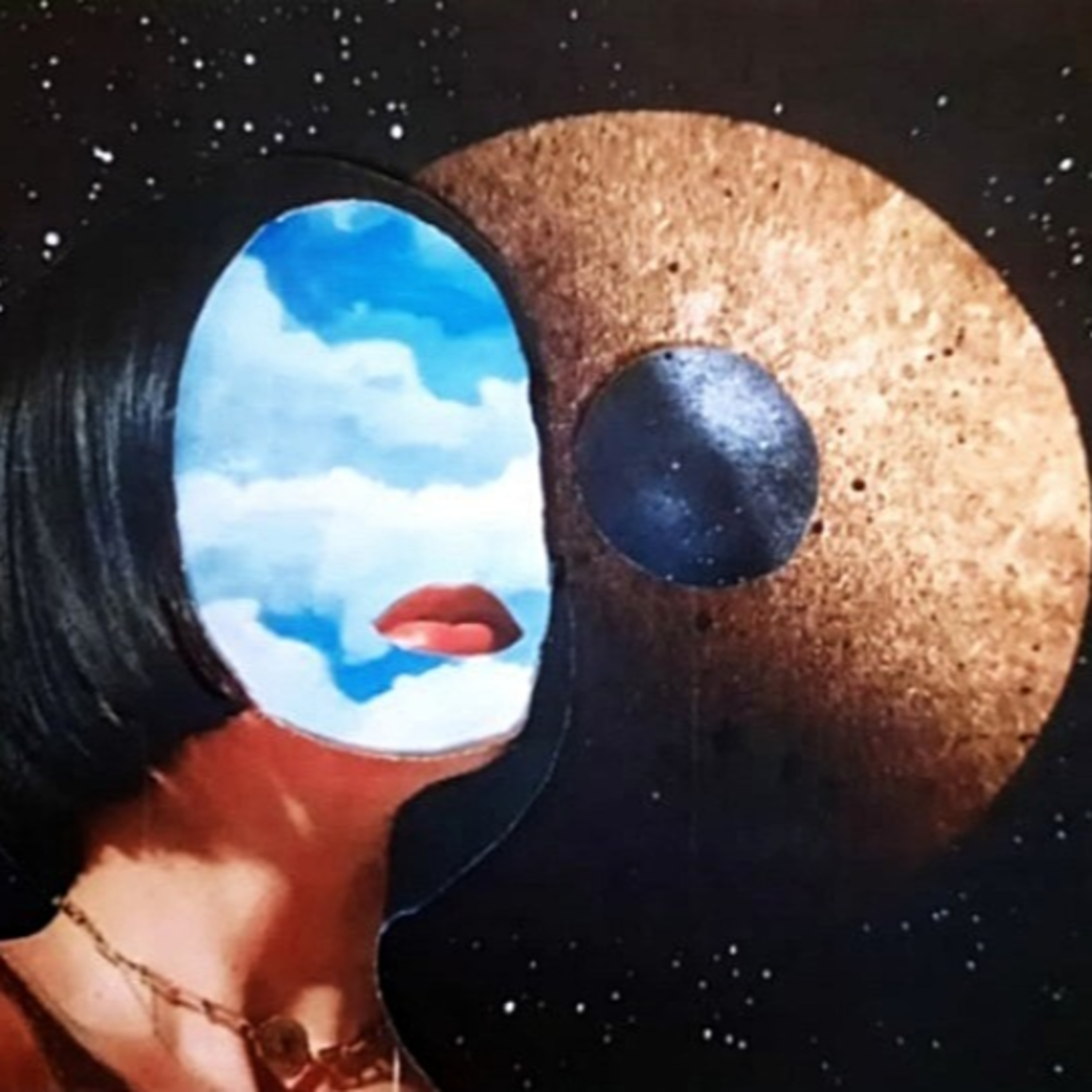 38 - Este SÍ es un episodio sobre Los Planetas 28.02.2025 28минDesde el principio, Los Planetas estuvieron influidos por un cierto tipo de sonido, denso y rico en texturas, inspirado por grupos como My Bloody Valentine or Sonic Youth. Atmósferas pesadas, cargadas de electricidad guitarrera, y melodías susurrantes - whispering melodies - que a veces eran inteligibles para el oyente, y otras no tanto.Un buen día es uno de los momentos más “popis” del grupo granadino, con una letra sencilla y una melodía cantarina, fácilmente tarareable – a tune with a simple lyric and a lilting, easily hummable melody.Gramaticalmente, el tema es una ilustración ideal del pretérito perfecto, the present perfect, un tiempo verbal que los profes solemos introducir para hablar de hábitos cotidianos – daily routines. ‘What have you done today?’ “¿Qué has hecho hoy?” En la canción se usa este tiempo un total de… ¡24 veces!Tal como sugiere el título, Un buen día narra las peripecias del narrador – his ups and downs – durante un día cualquiera, desde que se levanta a media mañana hasta que se acuesta, a altas horas de la madrugada. Los eventos son ordinarios, cotidianos, aunque desde muy pronto empezamos a percibir, por medio de las pistas que nos va dejando el cantante, que aquí hay algo más: un drama subterráneo que avanza y se agita por debajo de la aparente normalidad de este “buen día”…Episode art: Alison Stirling / @stirling.alison**********Sign up here for the show's free Newsletter.If you appreciate my work and would like to support it, make a one-off donation at Buy Me a Coffee. You can also follow and rate the show on Spotify or wherever you get your podcasts.Check out my Instagram for comments, news and to see some of my artwork. If you would like to take Spanish lessons with me, send me a Direct Message on Instagram, or contact me through the Newsletter. Visit my art website to see more of my paintings, drawings and portrait work.
 -
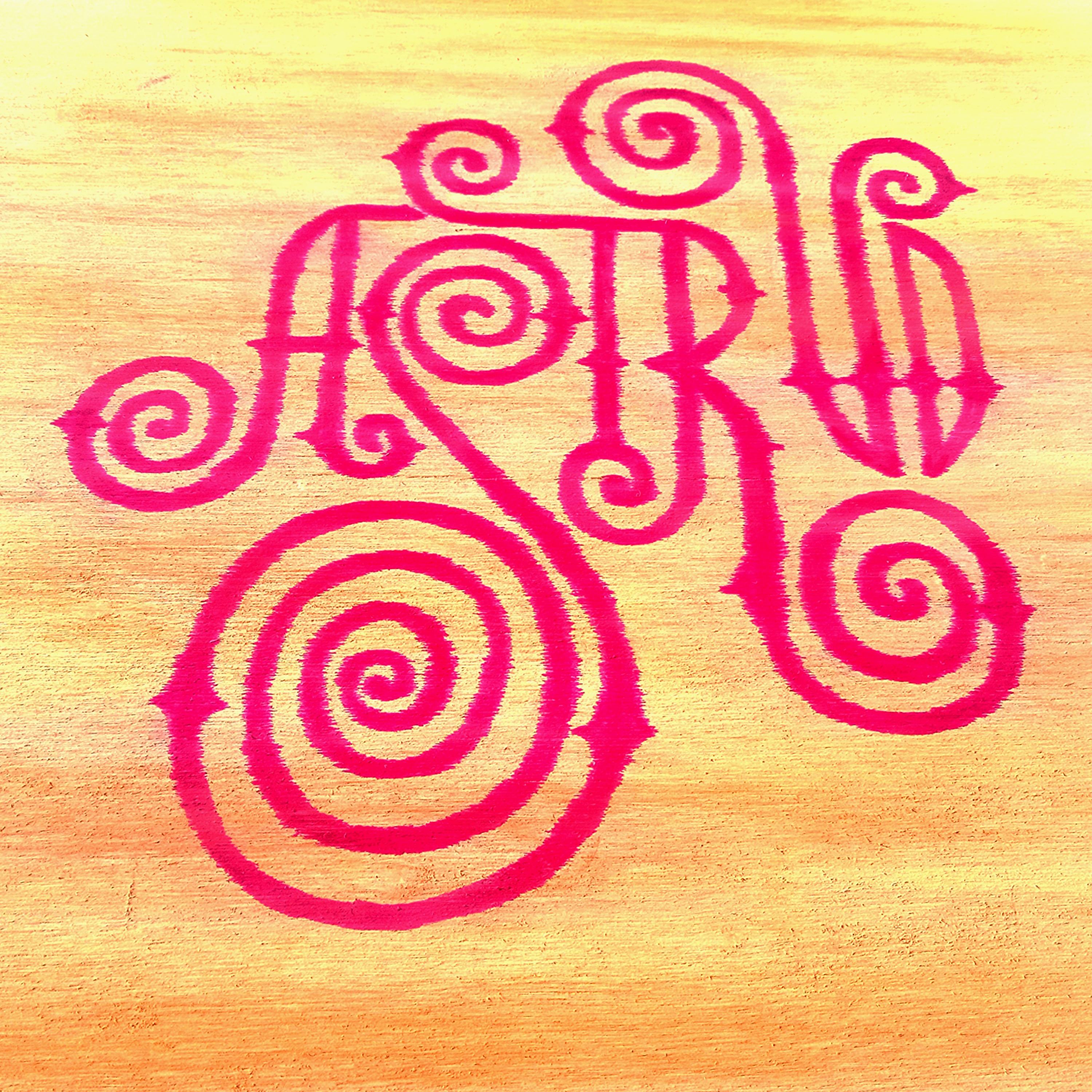 37 - Astrud y la minusvalía emocional 11.02.2025 27минHe vuelto es el tema #6 del álbum Performance de Astrud, un dúo barcelonés formado a mediados de los años 90 y en activo hasta 2011. Astrud eran Manolo Martínez (cantante y autor principal de las letras) y Genís Segarra (teclista y programador de ritmos y efectos).Tal como sugiere el título del disco, Performance presenta al oyente una especie de catálogo de relaciones interpersonales más o menos “tóxicas”, abundantes en gestos teatrales o afectados.He vuelto is a sequel of sorts: una secuela. Part I of this hypothetical ‘song diptych’ would be Caridad, track #3 of the same album. In Caridad (Charity), the narrator has suddenly decided to leave his partner and put an abrupt end to their relationship. “Te dejo”, he says, “¡qué lástima!” I’m leaving you. What a pity!El narrador de He vuelto parece ser la misma persona. Si es así, está claro que ahora el hombre ha cambiado de idea. He’s gone from “te dejo, ¡qué lástima!”, to “he vuelto, ¿ves qué bien?”Martínez, who wrote both songs, deliberately used an almost identical chord progression for both tunes, so that the listener might subconsciously imagine them as sung by the same character: a volatile kind of guy who doesn’t know what he wants and cannot stick to his own decisions - but still portrays himself as being always in the right.En He vuelto, la letra se repite dos veces de manera idéntica. La segunda vez los versos son cantados en falsete, como si se quisiera recalcar el tono insincero, “performativo”, un tanto chirriante de las palabras del personaje: his righteous speech, as he grandly announces his comeback, is made sound by the singer even more cringey by his use of falsetto in the second part of the song.*****Sign up here for the show's free Newsletter.You can give us some love with a one-off donation at Buy Me a Coffee. Your support is much appreciated and will help me keep creating new episodes. Check out also my Instagram for comments, news and to see some of my artwork. (Yes, I do that too). If you would like to take Spanish lessons with me, send me a Direct Message there.Finally, follow and rate us on Spotify or wherever you get your podcasts.
 -
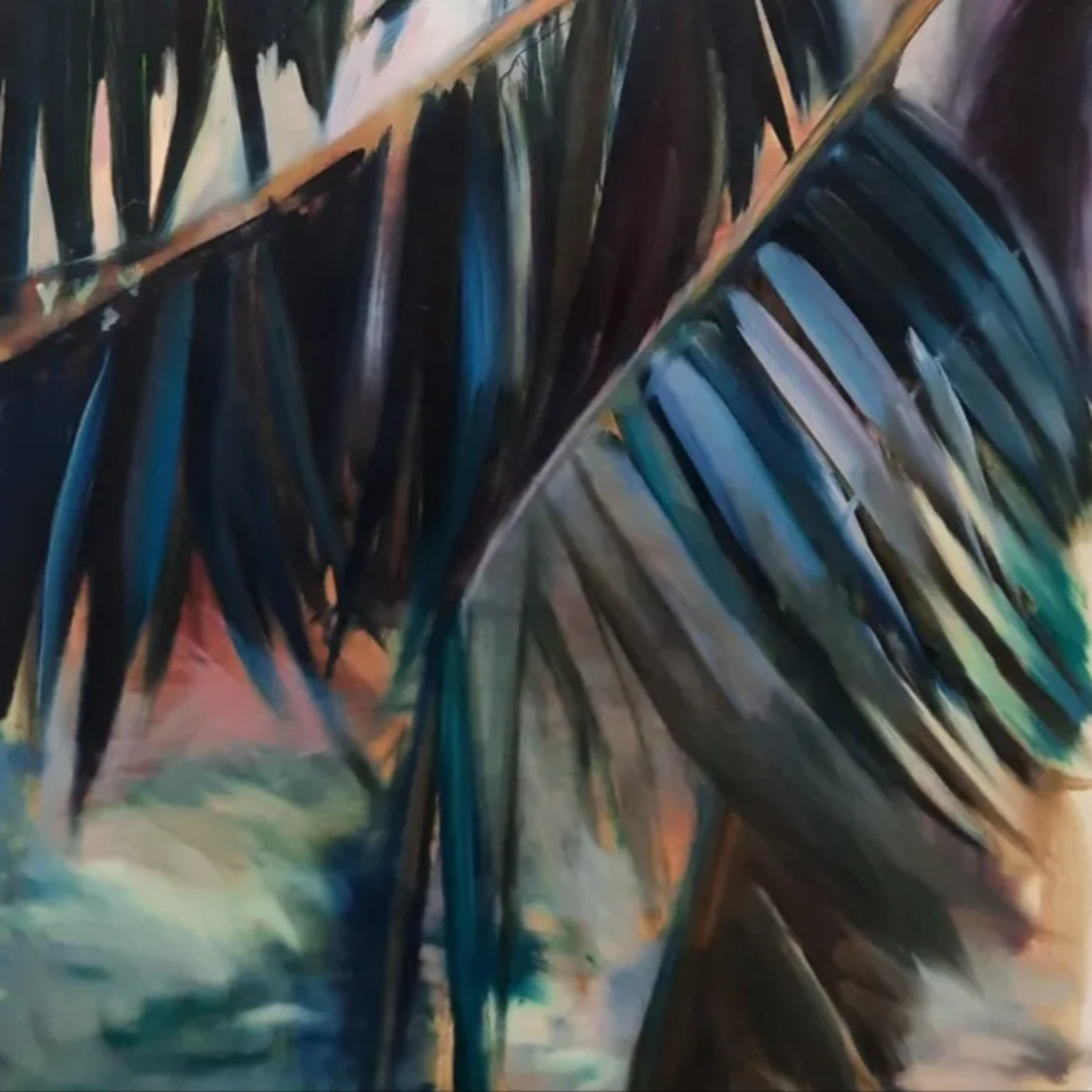 36 - Aquí, en la isla de Gilligan 29.01.2025 29минGilligan’s Island fue una comedia de situación que se emitió por primera vez en Estados Unidos durante los años sesenta.With multiple reruns throughout the subsequent decades, the series has become a well-loved show for a few generations of viewers and something of a pop culture icon.But not only in the US: la serie se emitió también en México y varios otros países del mundo hispanohablante, incluyendo España, donde TVE emitió algunos episodios en 1966, aunque con poca repercusión.Como es habitual, el programa fue doblado al español, con el nombre de La isla de Gilligan. El doblaje incluía la famosa canción de los créditos iniciales. The ballad of Gilligan’s Isle (not Island) se convertía así en La balada de la isla de Gilligan.The new Spanish lyric was both remarkably loyal to the original and effective as a piece of musical story-telling in its own right. It was crucial that this should be so; after all, one of the charms of the series was that theme song itself, and the way in which it gave viewers the entire premise of the show (including the famous, climactic rollcall of all seven characters at the end) before the start of each new episode.The song gives us the chance to encounter, amongst other treasures, a good few Spanish terms related to ship trips and shipwreck... ¡Aquí, en la isla de Gilligan!Episode art: In my dreams (detail) by Alison Stirling / @stirling.alison*****Sign up here for the show's free Newsletter.You can give us some love with a one-off donation at Buy Me a Coffee. Your support is much appreciated and will help me keep creating new episodes. Check out also my Instagram for comments, news and to see some of my artwork. (Yes, I do that too). If you would like to take Spanish lessons with me, send me a Direct Message there.Finally, follow and rate us on Spotify or wherever you get your podcasts.
 -
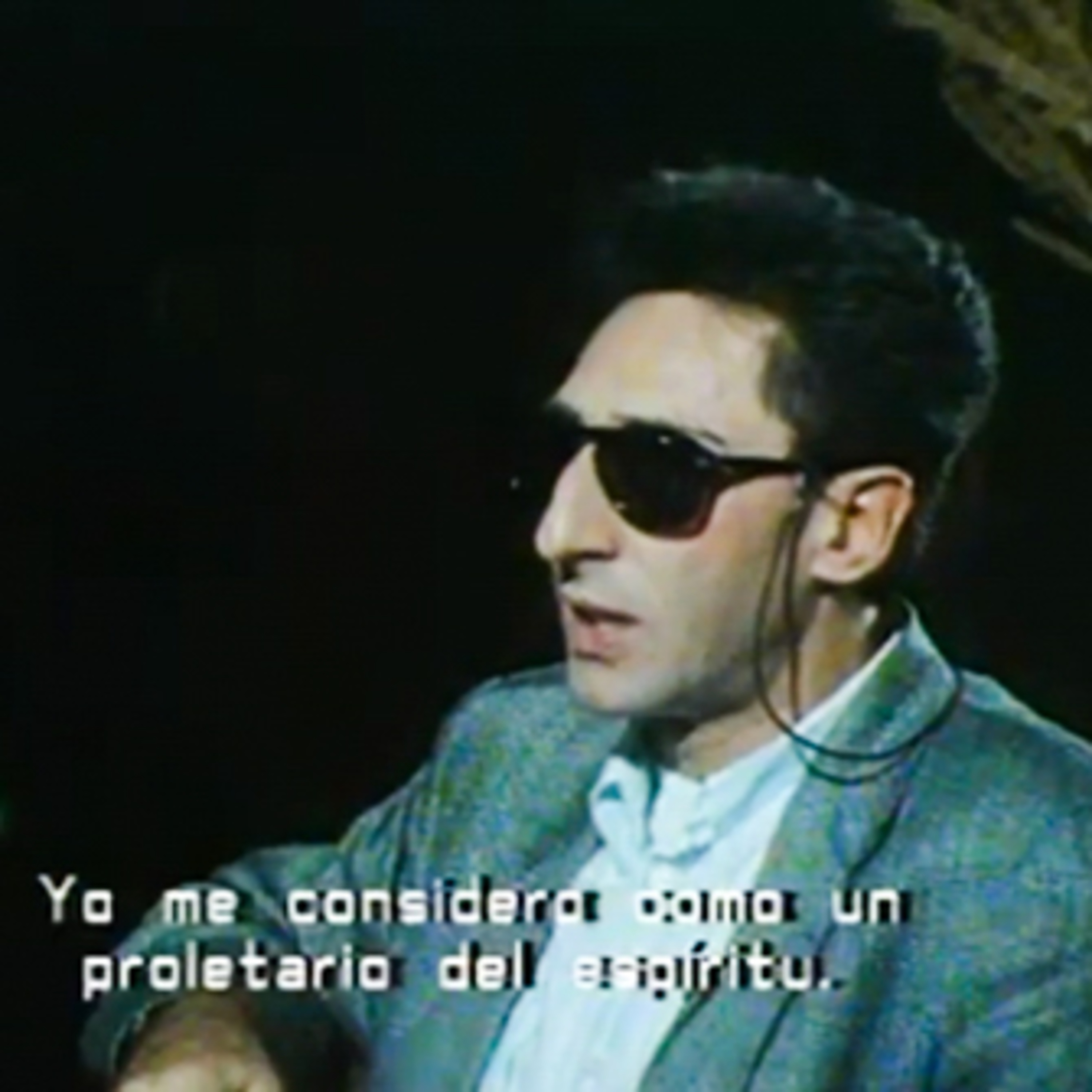 35 - Dimensiones insondables: Franco Battiato 24.07.2024 29минFranco Battiato fue muchas cosas: un nómada, un explorador, un estudioso de las culturas antiguas o, como él mismo se definió: un “viajero profesional” y un “proletario del espíritu”. El amor por las culturas y tradiciones antiguas es una presencia constante en las letras de Battiato, un italiano de Sicilia que cantó también en español, entre otros idiomas. Este hecho le permitiría alcanzar una gran popularidad en España durante los años 80, gracias a temas ya clásicos como La estación de los amores, Centro de gravedad permanente o la canción de nuestro episodio: la maravillosa Yo quiero verte danzar. En este track #3 del álbum Nómadas (1987), el cantante nos lleva de viaje por muy diversas geografías mientras nos invita a participar en “ritos tribales” y a danzar con derviches sirios, gitanos del desierto, bailarines búlgaros o irlandeses del norte. ¿Estás listo para el viaje? Pues ponte las zapatillas rojas y… let’s dance! ***** Sign up here for the show's free Newsletter. You can give us some love with a one-off donation at Buy Me a Coffee. Your support is much appreciated and will help me keep creating new episodes. Check out also my Instagram for comments, news and to see some of my artwork. (Yes, I do that too). If you would like to take Spanish lessons with me, send me a Direct Message there. Finally, follow and rate us on Spotify or wherever you get your podcasts.
 -
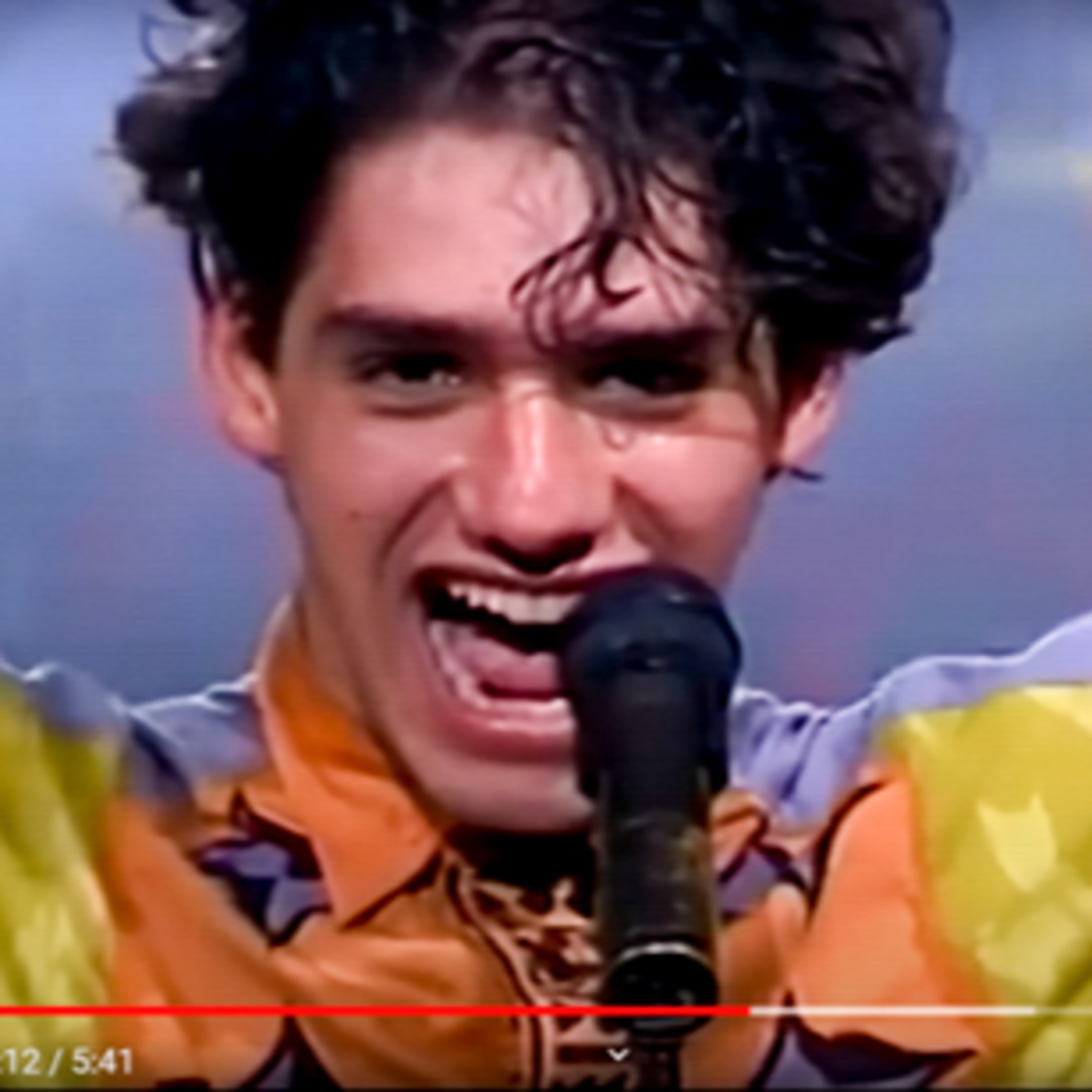 34 - Magneto y su rola más pegajosa 10.06.2024 35минThe song Vuela, vuela was released by Mexican boy band Magneto in 1991. It’s still the group’s most remembered song, and the one that propelled them, rocket-like, into international stardom. The song was a version of the French original Voyage, voyage, by the singer Desireless. The French lyrics were loosely translated into Spanish (‘loosely’ is to put it mildly, but the new words worked nicely enough) for Magneto's version. En ambas versiones, se trata de una canción escapista, que en ese aspecto nos recuerda al Don’t Worry, Be happy de Bobby McFerrin, que aparecía unos tres años antes, en el 88. Vuela, vuela se convirtió en un éxito internacional en 1991 durante 14 semanas en 20 países, incluidos España y Estados Unidos, donde ya en los años 90 había un importante mercado latino (o, como nosotros preferimos llamarlo, hispanohablante). Parte del éxito radicaba en la coreografía de la canción, de movimientos simples y memorables que recordaban a las artes marciales; como si el coreógrafo hubiera sido Daniel LaRusso o el señor Miyagi, otros grandes iconos populares de la época… ***** Sign up here for the show's free Newsletter. You can give us some love with a one-off donation at Buy Me a Coffee. Your support is much appreciated and will help me keep creating new episodes. Check out also my Instagram for comments, news and to see some of my artwork. (Yes, I do that too). If you would like to take Spanish lessons with me, send me a Direct Message there. Finally, follow and rate us on Spotify or whichever platform you use to listen to the show.
 -
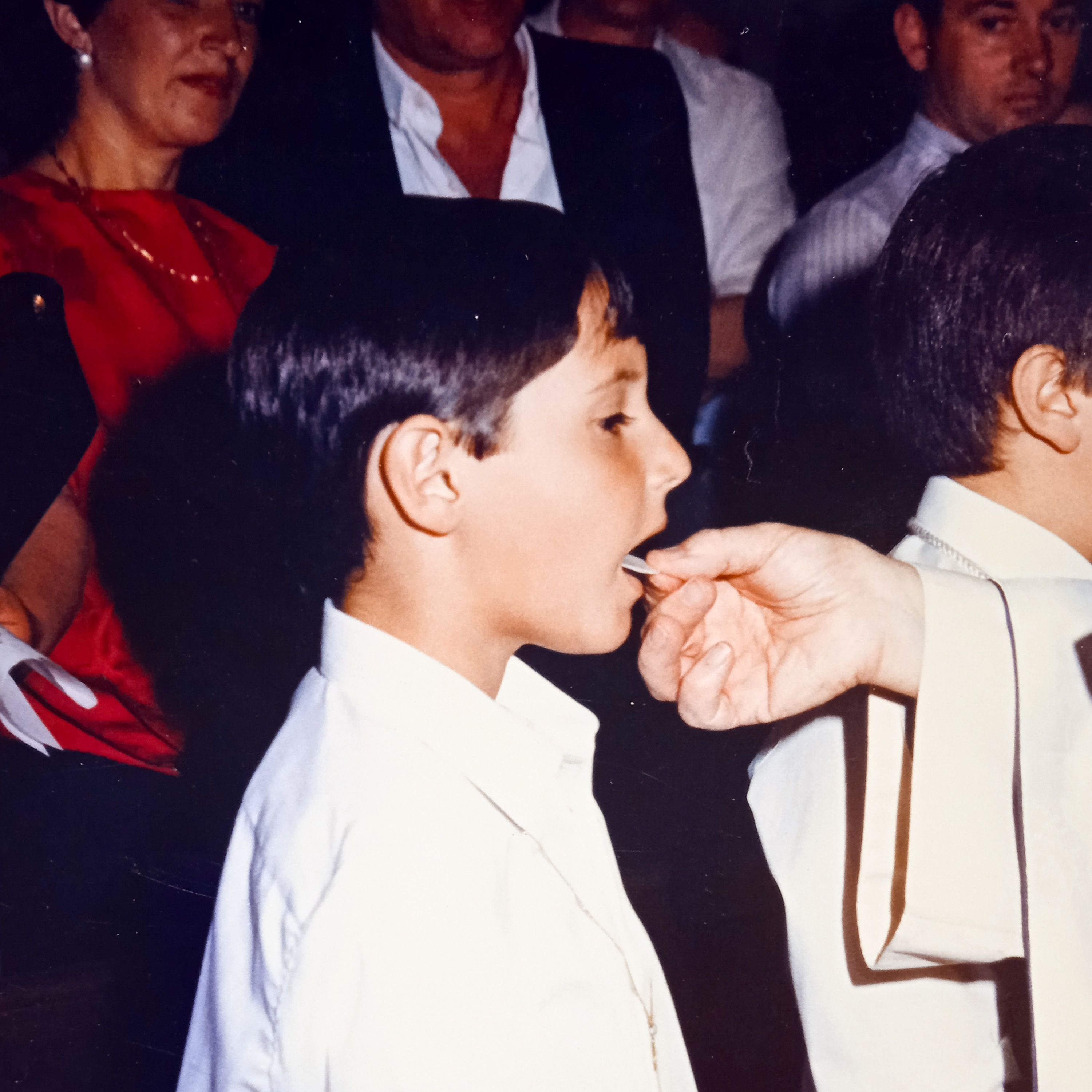 33 - El Señor Chinarro recuerda su Comunión 21.05.2024 34минHoy hablamos del tema Comunión de Señor Chinarro, la banda de rock indie del sevillano Antonio Luque. La canción pertenece a su disco Cal Viva, publicado en abril de este año. As the story goes, Antonio was one day looking at some old family photos and he came across a picture of his First Communion. The sacrament of la Primera Comunión is a ceremony often carried out collectively, so in the photo he could see not only himself but many of his schoolmates, too. This takes our singer into a bittersweet trip through memory lane. As he reminisces about his childhood friends and wonders whatever happened to Consuelo, Amparo, María del Mar or that big crush who for some reason is not in the picture, a song starts taking shape in his head. It will be a melancholy rumination, very much in the Chinarro vein, on the passage of time, loss, oblivion and possibly the ultimate futility of life. Para el episodio hemos invitado a mi prima Martina, que en el momento de la grabación está a punto de hacer su Primera Comunión. Martina nos habla sobre el significado, a su entender, de este importante evento en la vida de los niños españoles. ***** Sign up here for the show's free Newsletter. You can give us some love with a one-off donation at Buy Me a Coffee. Your support is much appreciated and will help me keep creating new episodes. Check out also my Instagram for comments, news and to see some of my artwork. (Yes, I do that too). If you would like to take Spanish lessons with me, send me a Direct Message there. Finally, follow and rate us on Spotify or whichever platform you use to listen to the show.
 -
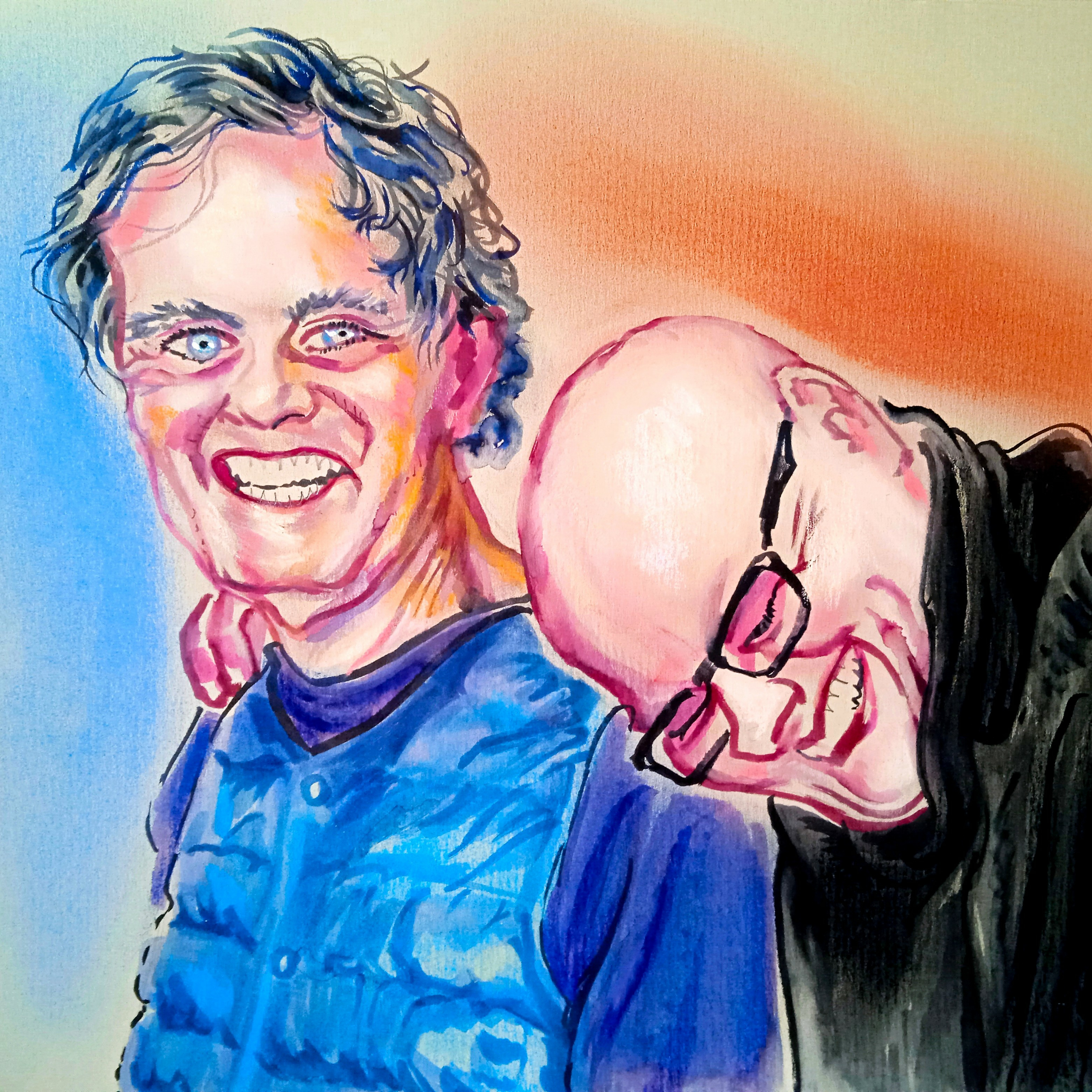 32 - A la chica del Pingüino le gustan los malotes 30.03.2024 35минLas letras de la formación madrileña Un pingüino en mi ascensor (A Penguin in my Lift) exploran temas y elementos de la vida cotidiana con un tono satírico, mordaz y (como sugiere el nombre de la banda) a menudo con un marcado punto surrealista. Nuestra canción para este episodio es Los malos te gustan más (You Like the Baddies Better). En ella, el cantante se lamenta de que su chica siempre le deja por “malotes” – o sea, chicos malos o “canallitas”: scoundrels, rascals, louts. Very bad men indeed. El cantante-narrador hábilmente establece un paralelo entre los “malos” que le gustan a su chica y una serie de villanos famosos de la historia, la literatura, la televisión y el cine. Así, por la canción desfilan "baddies" antológicos como Darth Vader, Plancton, John Silver el Largo, Magneto, Shere Khan, Caifás y un cierto dictador austriaco. Watch out for some idiomatic expressions in the song’s lyric - such as dar plantón or saber a ciencia cierta - and some reflexive and phrasal verbs, like esforzarse en or convertir en. Also, the title and chorus provide a useful illustration of that simple yet most grammatically awkward of verbs: gustar. ***** Sign up here for the show's free Newsletter. You can give us some love with a one-off donation at Buy Me a Coffee. Your support is much appreciated and will help me keep creating new episodes. Check out also my Instagram for comments, news and to see some of my artwork. (Yes, I do that too). If you would like to take Spanish lessons with me, send me a Direct Message there. Finally, follow and rate us on Spotify or whichever platform you use to listen to the show.
 -
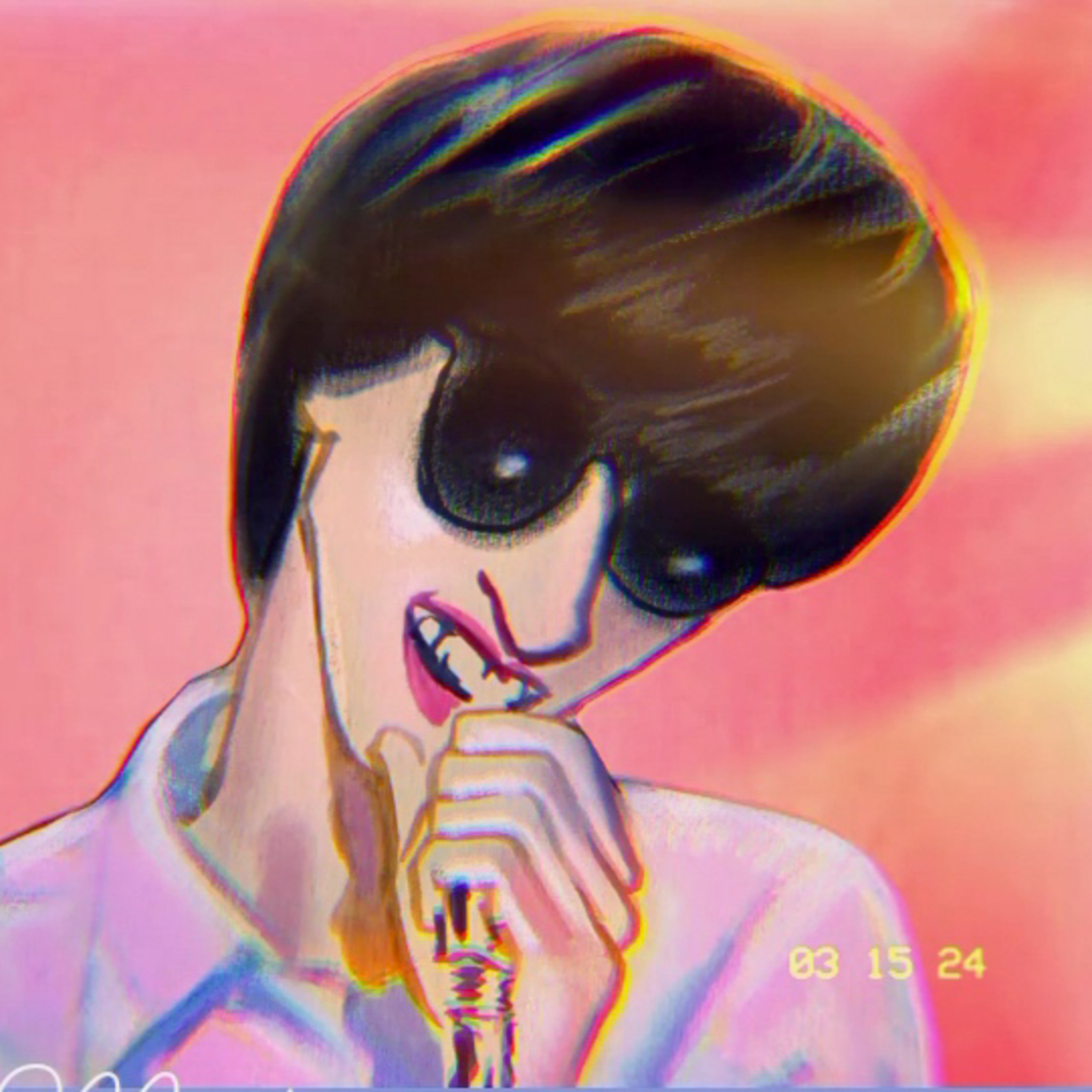 31 - El Paraíso Roxy de La Mode 24.03.2024 31минWith Fernando Márquez “el Zurdo” as vocalist, the Spanish band La Mode made only two albums. The first one came out in 1982 and is a masterpiece called El eterno femenino. The album’s title was apparently a quote from Goethe’s Faust. Lofty art references abound in La Mode’s lyrics. El tema número 3 de El eterno femenino lleva por título Aquella canción de Roxy. That Roxy song. En la canción se nos cuenta una historia; una historia de amor. Como se anuncia ya en el título, la ficticia banda sonora corre a cargo del grupo británico Roxy Music, uno de los más influyentes de la segunda mitad de los años 70, y referencia explícita en el presente tema de La Mode. No sabemos qué canción de Roxy exactamente es la que suena en “el transistor” durante el encuentro amoroso narrado por el Zurdo. ¿Quizá Love is the drug? Es muy posible… Pero eso queda para la imaginación de cada oyente. Each listener is to decide which Roxy song precisely is the one that the singer-narrator is telling us about. Aquella canción de Roxy is a treatise in some punk and New Wave’s recurrent themes: the night, the thrill, the sleaze, the cruising for a bruising, the fleetingness of love and of youth itself... And there is Mr. Roxy Man himself, Brian Ferry, giving his blessing to our two young lovers, as well as providing the incidental music to their torrid affair. ***** Sign up here for the show's free Newsletter. You can give us some love with a one-off donation at Buy Me a Coffee. Your support is much appreciated and will help me keep creating new episodes. Check out also my Instagram for comments, news and to see some of my artwork. (Yes, I do that too). If you would like to take Spanish lessons with me, send me a Direct Message there. Finally, follow and rate us on Spotify or whichever platform you use to listen to the show.
 -
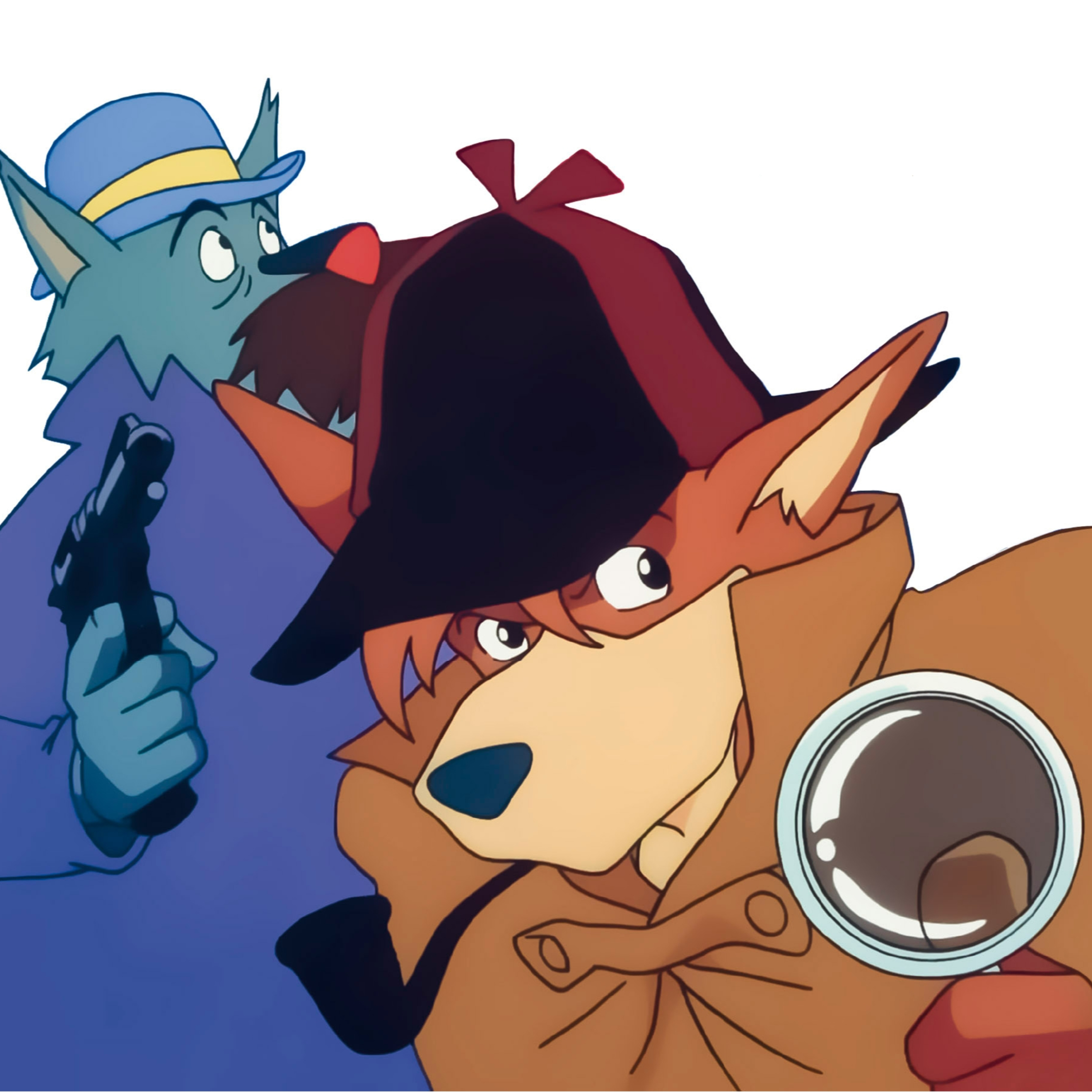 30 - Elemental, queridos Nins 04.03.2024 25минNins fue uno de varios grupos infantiles que tuvieron una gran popularidad en España entre finales de los años 70 y principios de los 80. Otros grupos de este estilo fueron Regaliz, (Liquorice), Botones (Buttons) and, most popular of them all, Parchís (Ludo).Today many probably remember Nins for performing the opening theme song of the animated series Sherlock Holmes, which aired in Spain in the mid 80's. La serie de dibujos animados fue una coproducción italo-japonesa. Los seis primeros episodios los dirigió Hayao Miyazaki, quien poco después sería el fundador, junto con Isao Takahata, de Studio Ghibli, uno de los mejores estudios de animación del mundo. Para Sherlock Holmes, Miyazaki y sus animadores se basaron en el célebre personaje de Arthur Conan Doyle, y crearon un total de 26 episodios. En los países de habla inglesa, la serie se tituló Sherlock Hound – a play on words with the detective's surname: in the show, all characters were anthropomorphised dogs.Nins’ opening theme managed to include in its lyrics quite a few highly recognisable Holmes attributes - su lupa, su pipa, su gabán, etc. - in a song that is not even 2 minutes long, and that is also very catchy.*****Sign up here for the show's free Newsletter.You can give us some love with a one-off donation at Buy Me a Coffee. Your support is much appreciated and will help me keep creating new episodes. Check out also my Instagram for comments, news and to see some of my artwork. (Yes, I do that too). If you would like to take Spanish lessons with me, send me a Direct Message there.Finally, follow and rate us on Spotify or whichever platform you use to listen to the show.
Подобни подкасти


Популярен в
Този подкаст се появява и в подкаст класациите на тези държави.
