
Politically
BBC Radio 4
0
Politically is a BBC Radio 4 podcast featuring conversations with leading political figures. Guests reflect on their lives and careers in politics. The series offers personal insights into political decision-making and public service.
Епизоди
-
 Reflections: Series 1: Kenneth Clarke 15.10.2024 28минThe former Chancellor and Home Secretary Lord Clarke speaks to James Naughtie about his 50-year career at the top of British politics. They discuss his rows with Margaret Thatcher, his passion for Europe, how the country has changed during his life, and whether he ever regrets not getting the top job.Producer: Daniel Kraemer.
 -
Reflections: Series 1: Valerie Amos 15.10.2024 28минBaroness Amos takes James Naughtie behind the scenes of a career in the foreign office, Tony Blair's government, and the UN, and reflects on how to bring activism to the establishment.
-
Reflections: Series 1: George Robertson 15.10.2024 28минLord George Robertson talks to James Naughtie his journey from battling with the Scottish National Party as a Labour MP, to sitting across the table from Vladimir Putin as Secretary General of NATO.Producer: Daniel Kraemer
-
Reflections: Series 1: Norman Fowler 15.10.2024 28минLord Norman Fowler talks to James Naughtie about battling to convince Margaret Thatcher on the importance of tackling the Aids crisis in the 80s and the failure of successive governments to reform the House of Lords.Producer: Daniel Kraemer
-
 Reflections: Series 2: Michael Portillo 16.10.2024 28минIn the first episode of a new series of Reflections, James Naughtie talks to former Conservative Cabinet Minister Michael Portillo about his zigzag career in politics. From his early days working for Margaret Thatcher, to his time as Defence Secretary, dramatic loss in what is still called the 'Portillo moment', and bid for the Conservative Party leadership, Portillo reflects candidly on his strengths and weaknesses, and what kind of a leader he might have made.Producer: Daniel Kraemer.
 -
Reflections: Series 2: Arlene Foster 16.10.2024 28минArlene Foster talks to James Naughtie about her career, which lead from a farm in Fermanagh to being First Minister of Northern Ireland, and holding the fate of Brexit in her hands.Producer: Daniel Kraemer.
-
Reflections: Series 2: Charles Clarke 16.10.2024 28минThe former Home Secretary reflects with Jim Naughtie on life at the heart of the Labour Party.What was it like to be at Neil Kinnock's side during Labour's wilderness years, running the Home Office on 7/7, and being sacked by Tony Blair? Producers: Daniel Kraemer and Giles Edwards
-
Reflections: Series 2: Mary Robinson 16.10.2024 28минThe former President of Ireland and UN human rights chief sits down with Jim Naughtie in Dublin to reflect on her career and why she remains a "prisoner of hope"Producers: Daniel Kraemer and Giles Edwards
-
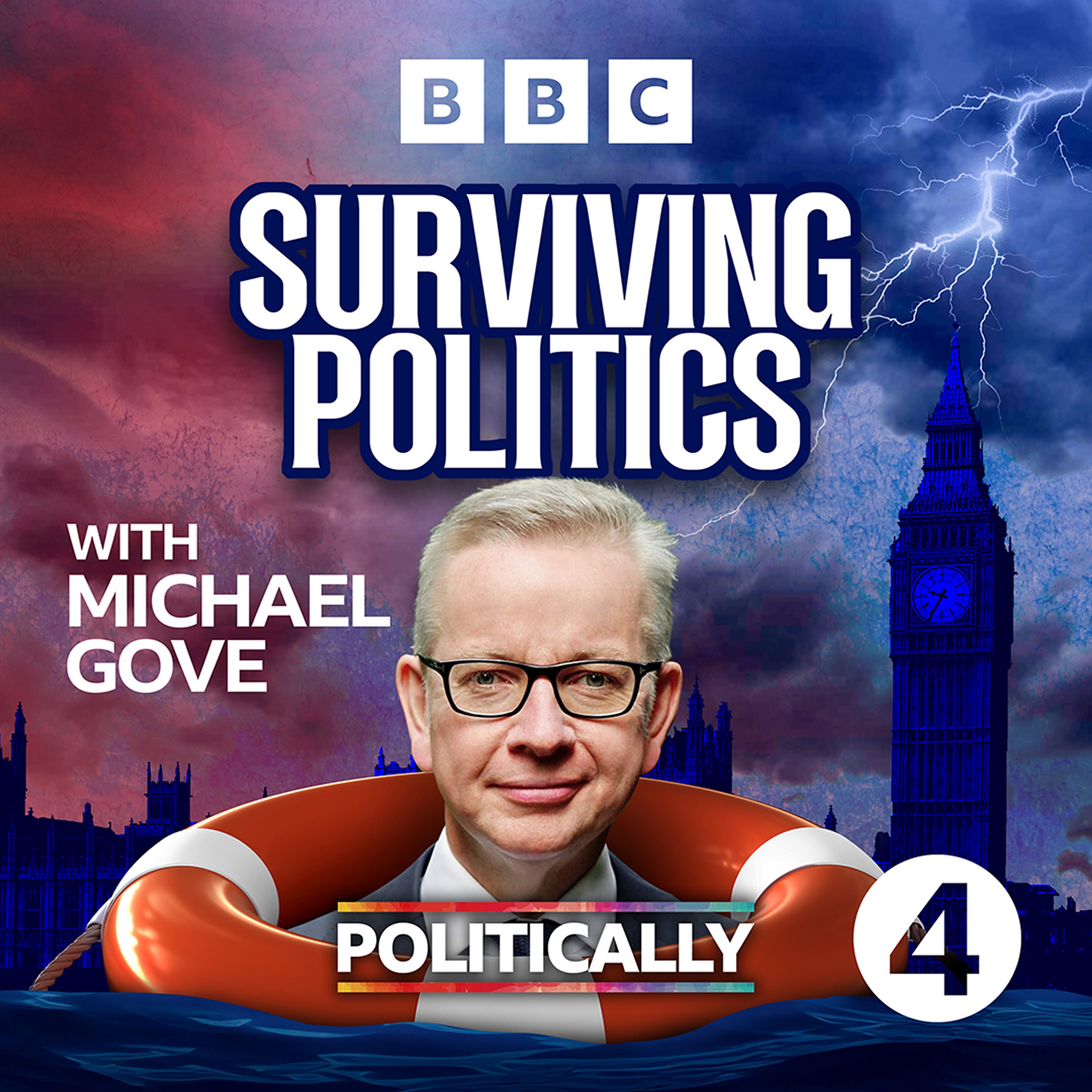 Surviving Politics with Michael Gove: Margaret Hodge 21.10.2024 25минMichael Gove talks to Margaret Hodge about the importance of working with other parties.19 years as a member of parliament, 6 cabinet positions, 5 general elections and serving under 4 prime ministers. During his political career, Michael Gove pretty much saw and did it all. As he says himself, no-one in politics is a conscript. He and others are volunteers who willingly choose their fate. But office can and does take its toll and in this five part series, Michael talks candidly with politicians from different parties about the strengths and skills needed to survive when things get tough.Producer: Ben Carter Editor: Clare Fordham Sound recordists: Jack Graysmark and Hannah Montgomery Mixed by James Beard Production co-ordinators: Janet Staples, Maria Ogundele and Sabine Schereck
 -
Surviving Politics with Michael Gove: Peter Mandelson 21.10.2024 23минMichael Gove talks to Peter Mandelson about the challenge of managing unpopularity.19 years as a member of parliament, 6 cabinet positions, 5 general elections and serving under 4 prime ministers. During his political career, Michael Gove pretty much saw and did it all. As he says himself, no-one in politics is a conscript. He and others are volunteers who willingly choose their fate. But office can and does take its toll and in this five part series, Michael talks candidly with politicians from different parties about the strengths and skills needed to survive when things get tough.Producer: Ben Carter Editor: Clare Fordham Sound recordists: Jack Graysmark and Hannah Montgomery Mixed by James Beard Production co-ordinators: Janet Staples, Maria Ogundele and Sabine Schereck
-
Surviving Politics with Michael Gove: Amber Rudd 21.10.2024 30минMichael Gove talks to Amber Rudd about how and why she chose to take stands of principle.19 years as a member of parliament, 6 cabinet positions, 5 general elections and serving under 4 prime ministers. During his political career, Michael Gove pretty much saw and did it all. As he says himself, no-one in politics is a conscript. He and others are volunteers who willingly choose their fate. But office can and does take its toll and in this five part series, Michael talks candidly with politicians from different parties about the strengths and skills needed to survive when things get tough.Producer: Ben Carter Editor: Clare Fordham Sound recordists: Jack Graysmark and Hannah Montgomery Mixed by James Beard Production co-ordinators: Janet Staples, Maria Ogundele and Sabine Schereck
-
Surviving Politics with Michael Gove: Arlene Foster 21.10.2024 22минMichael Gove talks to Arlene Foster about the challenge of managing schisms in her party.19 years as a member of parliament, 6 cabinet positions, 5 general elections and serving under 4 prime ministers. During his political career, Michael Gove pretty much saw and did it all. As he says himself, no-one in politics is a conscript. He and others are volunteers who willingly choose their fate. But office can and does take its toll and in this five part series, Michael talks candidly with politicians from different parties about the strengths and skills needed to survive when things get tough.Producer: Ben Carter Editor: Clare Fordham Sound recordists: Jack Graysmark and Hannah Montgomery Mixed by James Beard Production co-ordinators: Janet Staples, Maria Ogundele and Sabine Schereck
-
Surviving Politics with Michael Gove: Humza Yousaf 21.10.2024 23минMichael talks to Humza Yousaf about working out who you can trust and managing allies.19 years as a member of parliament, 6 cabinet positions, 5 general elections and serving under 4 prime ministers. During his political career, Michael Gove pretty much saw and did it all. As he says himself, no-one in politics is a conscript. He and others are volunteers who willingly choose their fate. But office can and does take its toll and in this five part series, Michael talks candidly with politicians from different parties about the strengths and skills needed to survive when things get tough.Producer: Ben Carter Editor: Clare Fordham Sound recordists: Jack Graysmark and Hannah Montgomery Mixed by James Beard Production co-ordinators: Janet Staples, Maria Ogundele and Sabine Schereck
-
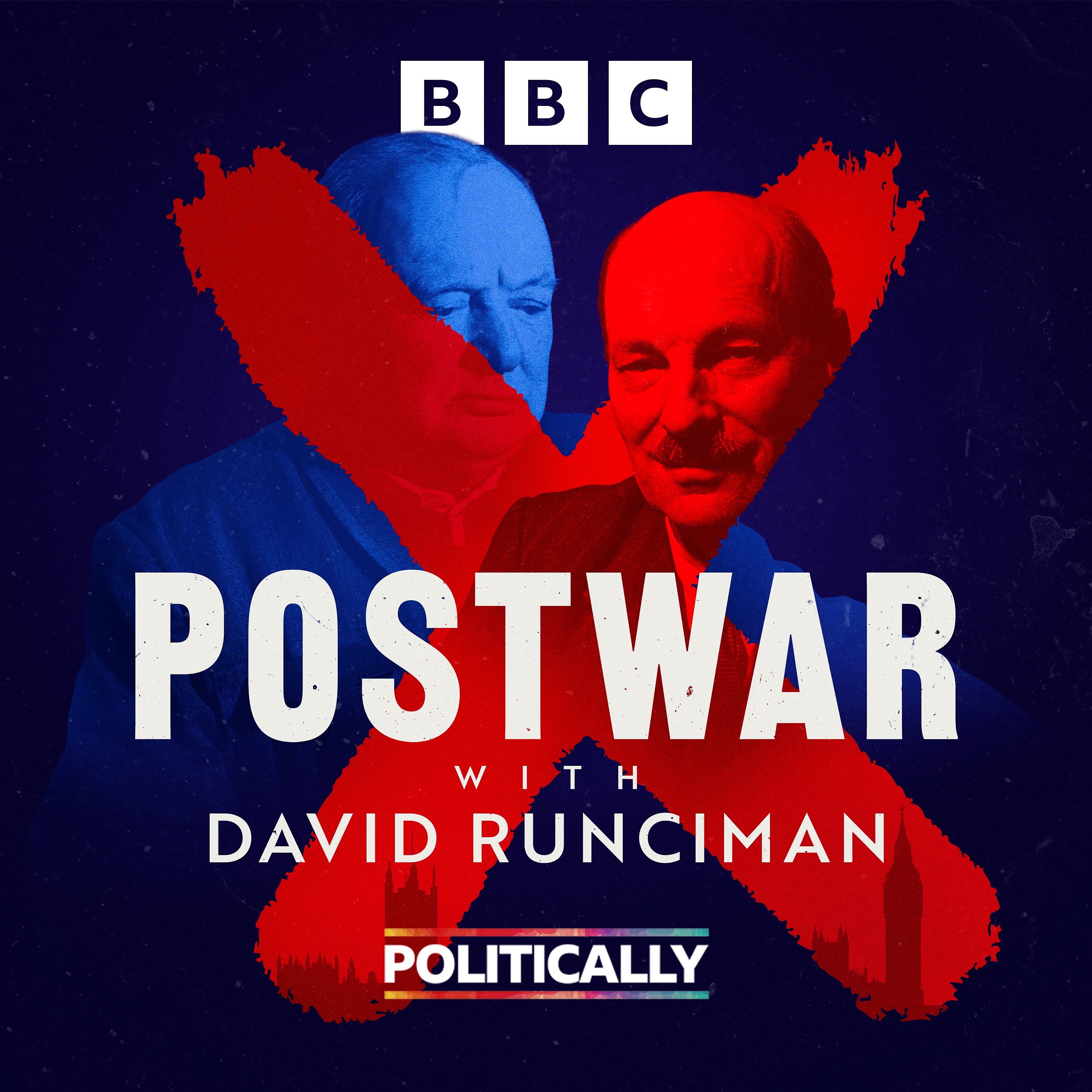 Postwar: 1. The Rejection 09.06.2025 14минDavid Runciman tells the story of the 1945 election and the dawn of a new age.The 1945 general election was one of the biggest shocks in British parliamentary history: a decisive rejection of Winston Churchill and his leadership. The election of Clement Attlee's Labour government in a landslide marked a break with the past and signalled a strong desire on the part of the British people for something new. But it was also a product of Britain's wartime experiences and revealed the many ways in which the country had already changed. The years that followed -- the postwar years -- would bring about bold and radical reform, the building of a new nation, a 'New Jerusalem'. The Britain of the National Health Service and the welfare state, of nationalised industry and the so-called 'postwar consensus' -- all were ushered into place with this election. This is the Britain that most have us have grown up in and which still shapes an idea of who we think we are.On 8th May 1945 -- VE Day -- Winston Churchill was triumphant and vindicated. Less than twelve weeks later he was thrown out of office in a crushing electoral defeat. Why did the man who won the war -- the hero of the hour and a hero for the ages -- find himself so decisively rejected by the electorate?Featuring historian David Kynaston.
 -
Postwar: 2. Mr Churchill and Mr Attlee 09.06.2025 14минDavid Runciman tells the story of the 1945 election and the dawn of a new age.The 1945 general election was one of the biggest shocks in British parliamentary history: a decisive rejection of Winston Churchill and his leadership. The election of Clement Attlee's Labour government in a landslide marked a break with the past and signalled a strong desire on the part of the British people for something new. But it was also a product of Britain's wartime experiences and revealed the many ways in which the country had already changed. The years that followed -- the postwar years -- would bring about bold and radical reform, the building of a new nation, a 'New Jerusalem'. The Britain of the National Health Service and the welfare state, of nationalised industry and the so-called 'postwar consensus' -- all were ushered into place with this election. This is the Britain that most have us have grown up in and which still shapes an idea of who we think we are.Winston Churchill and Clement Attlee had worked closely together for the entire duration of the wartime coalition government, as Prime Minister and Deputy Prime Minister. With the war in Europe at an end, these close colleagues became fierce election rivals.Featuring historian John Bew, author of Citizen Clem: A Biography of Attlee.
-
Postwar: 3. The Beveridge Report 09.06.2025 14минDavid Runciman tells the story of the 1945 election and the dawn of a new age.The 1945 general election was one of the biggest shocks in British parliamentary history: a decisive rejection of Winston Churchill and his leadership. The election of Clement Attlee's Labour government in a landslide marked a break with the past and signalled a strong desire on the part of the British people for something new. But it was also a product of Britain's wartime experiences and revealed the many ways in which the country had already changed. The years that followed -- the postwar years -- would bring about bold and radical reform, the building of a new nation, a 'New Jerusalem'. The Britain of the National Health Service and the welfare state, of nationalised industry and the so-called 'postwar consensus' -- all were ushered into place with this election. This is the Britain that most have us have grown up in and which still shapes an idea of who we think we are.The Beveridge Report was a detailed plan for a universal social security system, intended to vanquish what its author William Beveridge envisioned as Five Evil Giants: Want, Disease, Ignorance, Squalor and Idleness.Published in November 1942, it became a huge popular success, representing a hope for when the war was over and also an answer to the question of what we were fighting for. Battling Beveridge's Five Giants underpinned plans for the postwar welfare state. But who could most be trusted to deliver those plans? Featuring historian Lucy Delap.
-
Postwar: 4. Public Opinion 09.06.2025 14минDavid Runciman tells the story of the 1945 election and the dawn of a new age.The 1945 general election was one of the biggest shocks in British parliamentary history: a decisive rejection of Winston Churchill and his leadership. The election of Clement Attlee's Labour government in a landslide marked a break with the past and signalled a strong desire on the part of the British people for something new. But it was also a product of Britain's wartime experiences and revealed the many ways in which the country had already changed. The years that followed -- the postwar years -- would bring about bold and radical reform, the building of a new nation, a 'New Jerusalem'. The Britain of the National Health Service and the welfare state, of nationalised industry and the so-called 'postwar consensus' -- all were ushered into place with this election. This is the Britain that most have us have grown up in and which still shapes an idea of who we think we are.On the eve of polling day in 1945, Winston Churchill told a private gathering that he was certain his party would win. "I feel it in my bones," he said. Few would have disagreed. At that time the British public hadn't been asked for their opinion in a general election for nearly ten years. Opinion polls were in their infancy. How could political parties know what voters were thinking?Featuring historian Lucy Delap.
-
Postwar: 5. The Soldiers' Election 09.06.2025 14минDavid Runciman tells the story of the 1945 election and the dawn of a new age.The 1945 general election was one of the biggest shocks in British parliamentary history: a decisive rejection of Winston Churchill and his leadership. The election of Clement Attlee's Labour government in a landslide marked a break with the past and signalled a strong desire on the part of the British people for something new. But it was also a product of Britain's wartime experiences and revealed the many ways in which the country had already changed. The years that followed -- the postwar years -- would bring about bold and radical reform, the building of a new nation, a 'New Jerusalem'. The Britain of the National Health Service and the welfare state, of nationalised industry and the so-called 'postwar consensus' -- all were ushered into place with this election. This is the Britain that most have us have grown up in and which still shapes an idea of who we think we are.In 1945 there were almost five million servicemen and women. And some of them stood for election. The stage was set for another 'khaki election', overshadowed by war and the consequences of war. But it didn't turn out that way.Featuring historian Robert Saunders.
-
Postwar: 6. Appealing to Women 09.06.2025 15минDavid Runciman tells the story of the 1945 election and the dawn of a new age.The 1945 general election was one of the biggest shocks in British parliamentary history: a decisive rejection of Winston Churchill and his leadership. The election of Clement Attlee's Labour government in a landslide marked a break with the past and signalled a strong desire on the part of the British people for something new. But it was also a product of Britain's wartime experiences and revealed the many ways in which the country had already changed. The years that followed -- the postwar years -- would bring about bold and radical reform, the building of a new nation, a 'New Jerusalem'. The Britain of the National Health Service and the welfare state, of nationalised industry and the so-called 'postwar consensus' -- all were ushered into place with this election. This is the Britain that most have us have grown up in and which still shapes an idea of who we think we are.After a war which dramatically changed the working lives of women, the 1945 election became, in some ways, the first modern election. Women represented a majority of the electorate and, as far as the party manifestos were concerned, did not form a separate constituency. Women campaigned alongside men on the airwaves and a record number of female MPs were elected.Featuring historian Lucy Delap.
-
Postwar: 7. The Labour Manifesto 09.06.2025 14минDavid Runciman tells the story of the 1945 election and the dawn of a new age.The 1945 general election was one of the biggest shocks in British parliamentary history: a decisive rejection of Winston Churchill and his leadership. The election of Clement Attlee's Labour government in a landslide marked a break with the past and signalled a strong desire on the part of the British people for something new. But it was also a product of Britain's wartime experiences and revealed the many ways in which the country had already changed.The years that followed -- the postwar years -- would bring about bold and radical reform, the building of a new nation, a 'New Jerusalem'. The Britain of the National Health Service and the welfare state, of nationalised industry and the so-called 'postwar consensus' -- all were ushered into place with this election. This is the Britain that most have us have grown up in and which still shapes an idea of who we think we are.Up to this point, manifestos had traditionally been the election address of the party leader. The Conservative leader in 1945 was the towering figure in the nation and it made sense to stick to that formula. In contrast, the Labour manifesto made no mention of the party leader Clement Attlee. It was a completely different kind of document. Largely the work of a young researcher named Michael Young, it moved far beyond the traditional election address towards offering a real prospectus for government. And, uniquely in modern British history, it was a best-seller.Featuring historians David Kynaston and Robert Saunders.
Подобни подкасти


Популярен в
Този подкаст се появява и в подкаст класациите на тези държави.
