
SHE MD
Dear Media
0
SHE MD is a weekly podcast hosted by OBGYN Dr. Thais Aliabadi and women's advocate Mary Alice Haney. They discuss women's health topics like menopause, endometriosis, PCOS, and fertility with celebrity guests and experts. The show aims to empower women with knowledge and tools to become their own health advocates.
Epizode
-
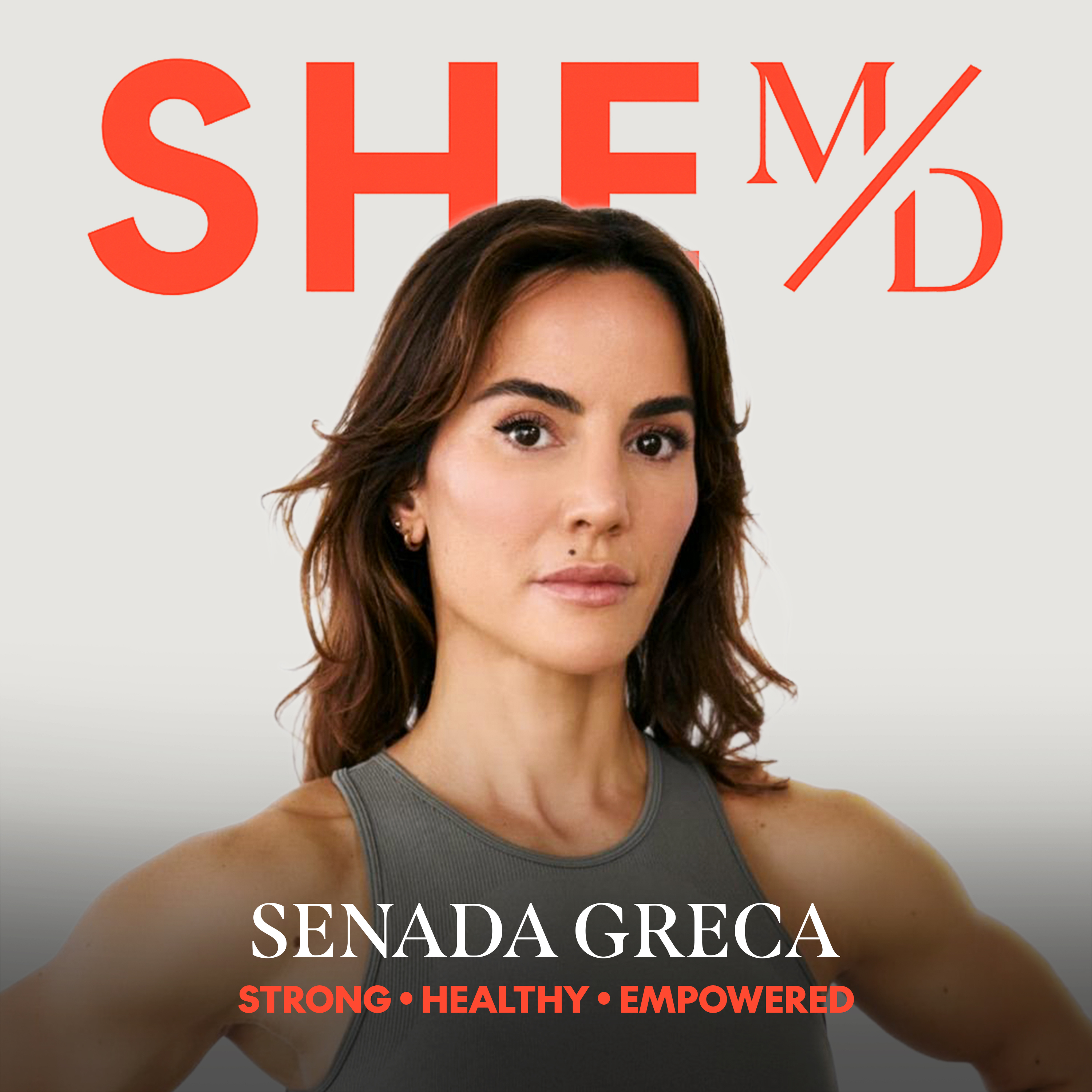 Kim Kardashian's Trainer Senada Greca: Why Women Shouldn't Fear Heavy Weights 15.09.2026 51minMuscle is having its moment, and the woman leading the charge trains one of the most famous bodies in the world. Senada Greca, Kim Kardashian's trainer, joins Dr. A and Mary Alice to make the case that strength is a woman's birthright, and that lifting heavy will not make you bulky. It will make you powerful, capable, and built to last. Senada shares how she went from using exercise to punish her body to using it to build herself, and how strength training became a tool that helped her heal. She and the hosts get into why so many of us were taught to fear the weight rack, what strength really does for your bones, your brain, and your longevity as you age, and how to start moving from a place of love instead of punishment. Her advice for every woman listening: move, move mindfully, and move heavy. Follow SheMD and share this with a woman who's ready to feel strong. @SheMDPodcast, shemdpodcast.com Content note: this conversation includes an honest discussion of disordered eating and recovery. If you're struggling, please reach out to someone you trust or a qualified professional. This podcast is for educational and entertainment purposes only and is not a substitute for medical advice. Some products or services discussed may involve sponsorships or paid advertising..SponsorsSera: You can visit PreTRM.com to learn more and talk with your provider about whether the PreTRM test might be right for you.Momentous: If you want to try Momentous Signature Spec Creatine, head to livemomentous.com and use code sheMD for up to 35% off your entire first order. Opill: Preventing pregnancy is as easy as Opill. You can find Opill at most major retailers, in-stores and online.Egglife: Find egglife wraps chillin' in the fridge at Aldi, Whole Foods, Kroger, Target, Walmart & more. Visit www.egglifefoods.com to find a retailer near you.Ladder: If you have an iPhone, head to ladder.fit/shemd and take a quick quiz to find your perfect Ladder plan. You'll get a free seven-day trial, no credit card required, and $10 off your first month when you join. What You’ll LearnWhy women shouldn’t be afraid of lifting heavy weights and why strength training won’t automatically make you bulkyHow strength training can support muscle mass, bone health, cognitive health, and longevity as women ageHow to start strength training safely, from mastering basic movements to gradually increasing weightWhy progressive overload and proper form matter more than how much weight you can liftHow protein, carbohydrates, and creatine can support strength, muscle, and overall healthHow to shift your relationship with exercise from punishment to a way of caring for and building your bodyHow strength can translate beyond the gym into greater confidence, capability, and trust in yourselfKey Timestamps00:00 Welcome to SHE MD Podcast01:29 Her Battle With Anorexia & Binge Eating03:35 The Shift From Punishment to Strength07:04 Kim's 5x a Week Heavy Lifting Revealed07:51 Why Women Are Terrified of Weights10:14 Progressive Overload Explained19:01 How Beginners Should Start Lifting23:18 "Will Lifting Make Me Bulky?" Myth Busted25:35 Muscle, Bone Density & Alzheimer's Link25:46 Why Protein Is Non-Negotiable28:11 Sonata's Daily Protein & Creatine Ritual40:41 Free Resources for Beginners47:46 Farmer's Carries, Age & MenopauseKey TakeawaysStart where you are. Even five minutes of movement can help build a consistent habit.Focus on moving well and mindfully before adding more weight.Strength training is about becoming stronger and more capable, not shrinking yourself.Gradually increasing the challenge, while maintaining good form, is key to building strength.Aim for consistency over perfection. Three intentional strength-training sessions per week can be effective.Protein is an important part of supporting muscle growth and strength, particularly as women get older.Strength training becomes increasingly important for supporting muscle and bone health as we age and move through perimenopause and menopause.Movement can be an act of self-care: move to protect your future self, support your longevity, and build trust in your body.As Senada puts it: move, move mindfully, and move heavy.Guest Bio - Senada GrecaSenada Greca is a certified personal trainer, breathwork and meditation teacher, and the strength coach behind Kim Kardashian's viral heavy-lifting transformation. After overcoming her own struggle with anorexia, binge eating, depression, and anxiety, she built her career around helping women reframe fitness as a tool for strength rather than punishment. She holds an MBA and is the founder of We Rise, a fitness and self-development platform and app that combines strength training with mental health support, career development, and community-building for women. See Privacy Policy at https://art19.com/privacy and California Privacy Notice at https://art19.com/privacy#do-not-sell-my-info.
 -
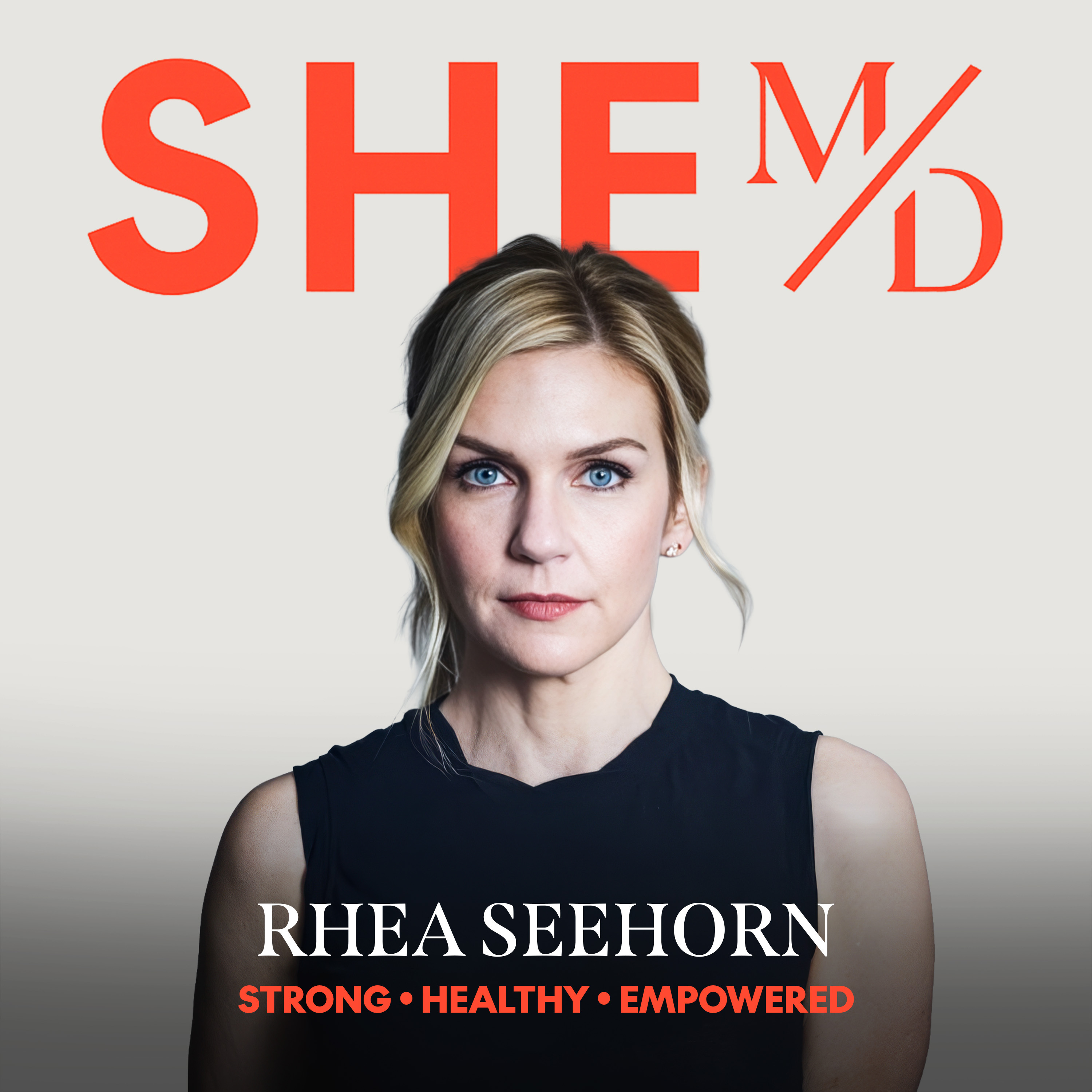 Rhea Seehorn (Revisit): I Set My Best Friend Up With My Ex-Husband 10.09.2026 41minRhea Seehorn is up for an Emmy this weekend for her extraordinary performance in Pluribus, so we're bringing back one of our most personal, most-loved episodes. Because to Mary Alice, Rhea isn't just an award-winning actress. She's her best friend, and the stepmom to her two boys.In this conversation, Mary Alice and Rhea tell the wild (and very true) story of how they met, and how Mary Alice ended up setting Rhea up with her own ex-husband. They get honest about building a thriving blended family over twelve years, co-parenting after divorce, dating in your 30s, the female friendships that hold everything up, and the health scare a dozen doctors waved off as "probably hormonal" before Rhea pushed for a real answer. She closes with five pieces of hard-won advice every woman needs to hear, starting with "you're already enough."Whatever happens on Emmy night, we could not be prouder of her.A companion to our episode with parenting coach Betsy Brown Braun. Follow SheMD and share this with a woman navigating divorce, dating, or a blended family of her own. @SheMDPodcast ·shemdpodcast.comThis podcast is for educational and entertainment purposes only and is not a substitute for medical advice. Some products or services discussed may involve sponsorships or paid advertising.Subscribe to SHE MD Podcast for expert tips on PMOS, endometriosis, fertility, hormonal balance, mental health, and more. Share with friends and visit SHE MD website and Ovii for research-backed resources, holistic health strategies, and expert guidance on women’s health and well-being.SponsorsMidi Health: It's time to get back to feeling like you again. Visit joinmidi.com right now to book your first visit today.Huel: Make healthy eating simple. Get Huel today with our exclusive offer of 15% OFF online with code SheMD at Huel.com/SheMD. Acely: Visit Acely.com and use code SHEMD for 20% off. Toothpillow: For a limited time, SheMD listeners can get a free video assessment. Just head to toothpillow.com/shemdorshemdpod and use code SheMD at checkoutGusto: Try Gusto today at gusto.com/shemd and get three months free when you run your first payroll.Key Timestamps00:00 Welcome to SHE MD Podcast04:24 Rhea’s Dating Advice08:17 Choosing Not to Have Biological Children11:52 Building a Blended Family16:45 Friendship, Confidence & Supporting Other Women18:38 The Hardest Part of a Blended Family21:37 Missing Moments With Your Kids23:17 Becoming a “Bonus Mom”24:52 Balancing Motherhood & a Career27:09 How Rhea Seehorn Became an Actress30:00 Building a Career in Hollywood33:42 Better Call Saul & Career-Defining Roles37:18 Rhea’s Career, Family & Life Today40:15 Final ThoughtsKey Takeaways How to co-parent without chaos: Whether biological or step-parent, your love and presence matter.Making a blended family work: boundaries, respect, and lots of grace. Accept that blended families require flexibility and compromise.Women need to stop apologizing for ambition: Working moms can be great role models by pursuing their passions.Speak up at the doctor’s office: Push for proper medical care, especially when facing dismissive responses.Open communication: Express needs and boundaries to strengthen relationships.Guest Bio: Rhea SeehornRhea Seehorn is an Emmy-nominated actress and director best known for her acclaimed performance as Kim Wexler in Better Call Saul. She currently stars as Carol Sturka in Pluribus, earning a 2026 Emmy nomination for Outstanding Lead Actress in a Drama Series. Before acting, Rhea studied visual art and discovered theater through an acting elective in college, eventually building a career across theater, comedy, television, and drama. In this episode of SHE MD, Rhea joins her close friend Mary Alice Haney for a deeply personal conversation about dating, becoming a stepmother, building a blended family, choosing not to have biological children, balancing motherhood with a demanding career, and the path that ultimately led her to acting. See Privacy Policy at https://art19.com/privacy and California Privacy Notice at https://art19.com/privacy#do-not-sell-my-info.
 -
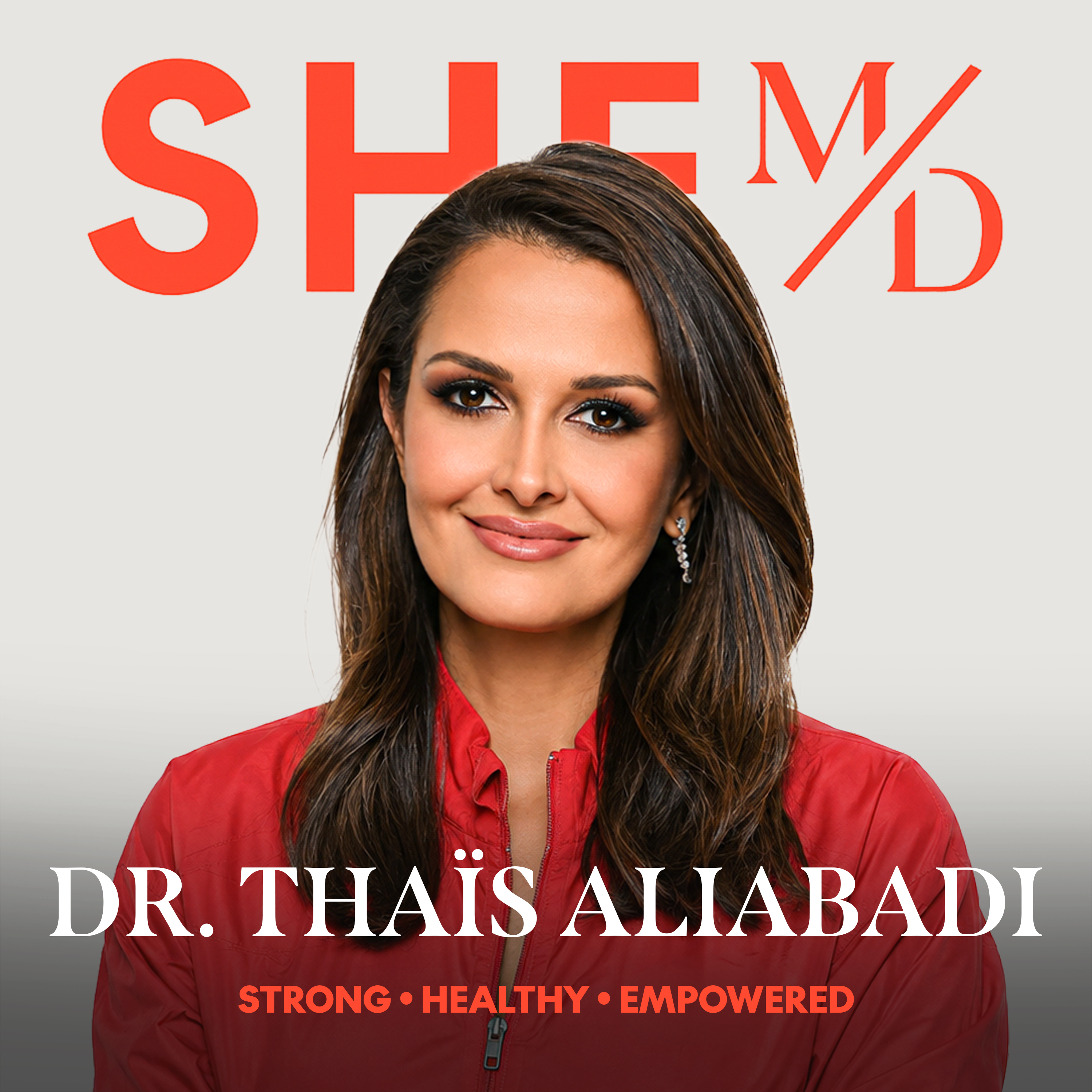 PCOS: The Signs Your Doctor Might Be Missing 08.09.2026 59minNOTE: PCOS is now called PMOS, or Polycystic Metabolic Ovarian Syndrome.PMOS is about so much more than irregular periods or fertility. In this episode of SheMD, Dr. Thaïs Aliabadi breaks down the four major pillars of PCOS, and explains how they can all be connected.This is a deep dive into why PCOS is so often missed, the symptoms that can look different from woman to woman, the role insulin resistance can play, and why you don’t necessarily need high testosterone or polycystic appearing ovaries to meet the criteria for PCOS.Dr. A also explains how PCOS can affect weight, acne, hair growth, mood, brain fog, ovulation, fertility, and long-term health, plus what women and parents of teenage girls should know about getting properly evaluated.If you’ve ever wondered whether your symptoms could be connected, this episode is your PCOS deep dive. See Privacy Policy at https://art19.com/privacy and California Privacy Notice at https://art19.com/privacy#do-not-sell-my-info.
 -
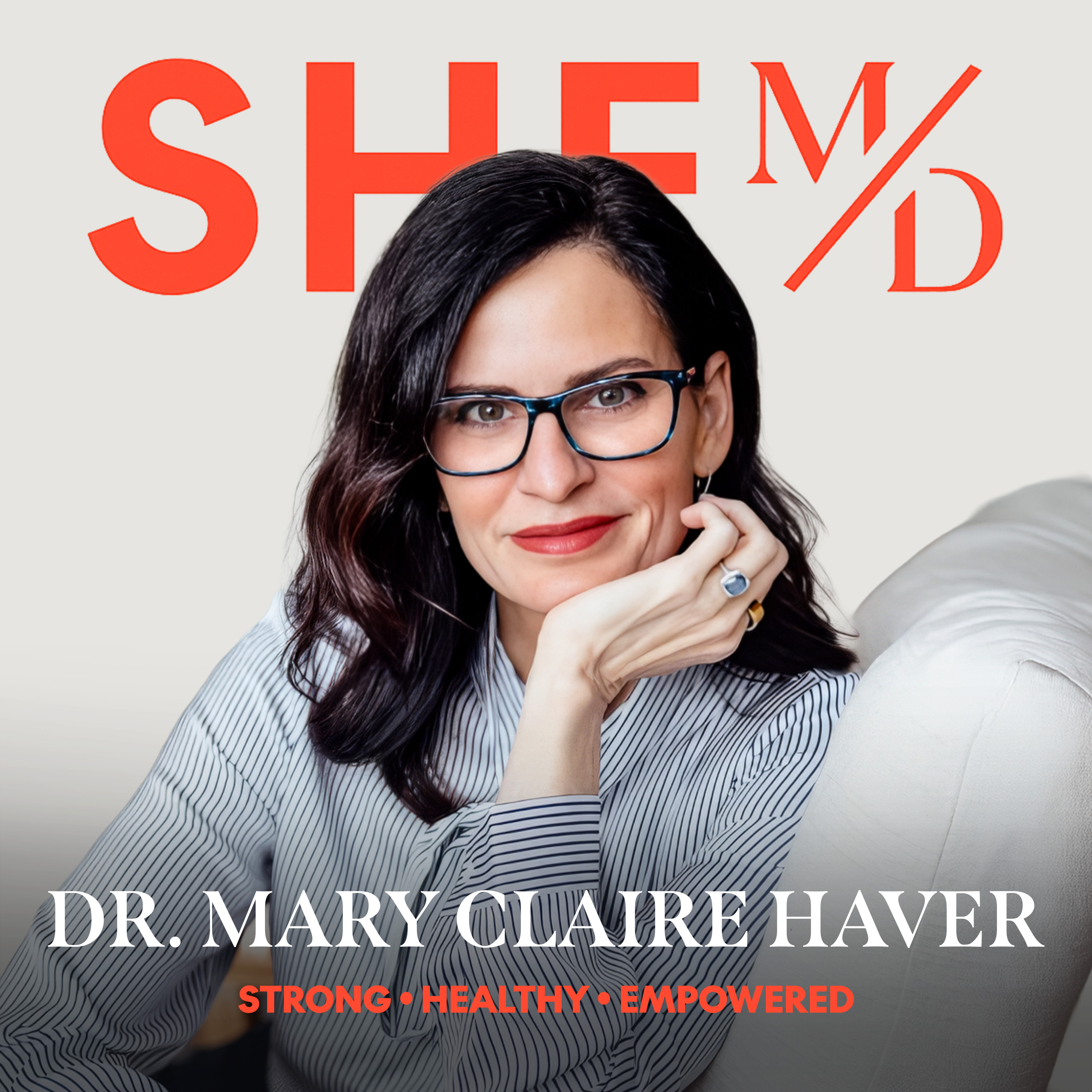 The New Perimenopause: A Masterclass with Dr. Mary Claire Haver 01.09.2026 1h 10minThe frozen shoulder. The 3 a.m. anxiety. The brain fog and the rage that come out of nowhere. For decades, women were told it was "just stress" and sent home with an antidepressant. This week, Dr. A and Mary Alice welcome back the woman changing that — Dr. Mary Claire Haver, the OB-GYN The New York Times calls the "Menopause Queen" — for a full masterclass on perimenopause.It can start in your late 30s, it lasts 7 to 10 years, and almost no one warned us. Dr. Haver explains what's really happening in your body and brain, why so many women are dismissed, and what you can actually do about it — HRT, progesterone, vaginal estrogen, sleep, mood, and the myth that you have to wait until it's "bad enough" to get help. Because suffering isn't the price of admission.Subscribe to SHE MD Podcast for expert tips on PMOS, endometriosis, fertility, hormonal balance, mental health, and more. Share with friends and visit SHE MD website and Ovii for research-backed resources, holistic health strategies, and expert guidance on women’s health and well-being.SponsorsTalkiatry: Head to talkiatry.com/shemd to complete the short assessment and get matched with an in-network psychiatrist in just a few minutes. Babbel: Right now, Babbel is offering listeners up to 60% off. Go to Babbel.com/SheMD Egglife: Find Egglife chillin' in the fridge at Aldi, Whole Foods, Kroger, Target, Walmart & more. Visit egglifefoods.com to find a retailer near you. Acely: Visit Acely.com and use code SHE MD for 20% off. Ladder: If you have an iPhone, head to ladder.fit/SHEMD and take a quick quiz to find your perfect Ladder plan. Use our link and get a free 7-day trial with NO credit card, and $10 off your first month if you join. Skylight Frames: Right now, Skylight is offering our listeners $30 off their 15-inch calendars by going to myskylight.com/shemd. What You’ll LearnWhat perimenopause actually is and how it differs from menopauseWhy perimenopause can begin in your late 30s or 40sWhy brain fog, sleep disruption, anxiety and mood changes can be early symptomsWhen hormone therapy may be considered during perimenopauseThe difference between HRT/MHT, birth control and vaginal estrogenWhat we know, and still don't know, about HRT and cardiovascular and bone healthHow GLP-1 medications can affect muscle and bone healthThe role of protein, resistance training, vitamin D, omega-3s, fiber and creatineWhat declining estrogen can mean for vaginal and urinary healthWhat women should know about HRT and breast cancer riskWhy listening to your symptoms and advocating for yourself mattersKey Timestamps00:00 Why Every Vagina Needs Estrogen01:32 Welcome Back Dr. Mary Claire Haver05:44 What Perimenopause Actually Is08:44 The "Zone Of Chaos" And Brain Glitching18:08 How To Evaluate A Perimenopausal Patient20:01 All Vaginas Need Estrogen24:50 Why Perimenopause Is The Best Time To Start HRT32:13 GLP-1s, Muscle Loss, And Bone Health36:41 Patches, Pellets, Creams: What Actually Works40:23 Debunking The HRT-Breast Cancer Myth50:33 Creatine, Vitamin D, And Key Supplements54:56 The Histamine-Hormone Connection58:12 Vulvar Changes Nobody Warns You About1:04:37 Lightning Round: Hormone Myths Busted1:07:19 Three Takeaways For Every WomanKey TakeawaysPerimenopause is a years-long biological transition, not simply the period immediately before menopause.Symptoms can appear before periods become irregular or hot flashes begin.Brain fog, sleep disruption and mental health changes can be among the earliest signs of fluctuating hormones.Hormone therapy does not necessarily have to wait until a woman is fully menopausal; treatment should be individualized based on symptoms, risks and benefits.Bone health, cardiovascular health, muscle mass and metabolic health all deserve attention during the menopause transition.If using GLP-1 medications, Dr. Haver emphasizes adequate protein, resistance training and monitoring body composition rather than focusing solely on the number on the scale.Vaginal and urinary symptoms can be related to declining estrogen and may be treated with local estrogen therapy.The goal of understanding perimenopause is not simply to get through it, but to enter the next stage of life informed, healthy and empowered.Guest Bio: Dr. Mary Claire HaverDr. Mary Claire Haver is a board-certified OB-GYN and a leading voice in menopause and women's health. She has dedicated her career to helping women better understand the biological changes that happen during midlife and has been called the “Menopause Queen” by The New York Times. She is the author of the bestselling The New Menopause and her newest book, The New Perimenopause, which focuses on the years leading up to menopause. She also hosts the podcast Unpaused and shares women's health education across social media. See Privacy Policy at https://art19.com/privacy and California Privacy Notice at https://art19.com/privacy#do-not-sell-my-info.
 -
 Fertility 101: What Every Woman Should Know About Her Body 25.08.2026 56minMary Alice and Dr. A sit down with reproductive endocrinologist and fertility expert Dr. Natalie Crawford for a deep dive into everything women should know about their fertility before they’re ready to have a baby. They discuss why fertility can be an important reflection of overall health, how inflammation, endometriosis, PCOS/PMOS, and autoimmune conditions can impact reproductive health, and why women shouldn’t have to wait until they’re struggling to conceive before they start asking questions.The conversation also breaks down AMH and ovarian reserve, egg freezing, when it makes sense to see a fertility specialist, and what women should know about long-term birth control and fertility. Dr. Crawford shares why getting more information earlier can give women more choices later, and why understanding your own body is one of the most important parts of advocating for your health.Subscribe to SHE MD Podcast for expert tips on PMOS, endometriosis, fertility, hormonal balance, mental health, and more. Share with friends and visit SHE MD website and Ovii for research-backed resources, holistic health strategies, and expert guidance on women’s health and well-being.SponsorsProlon: For a limited time, Prolon is offering SHE MD listeners 15% off sitewide plus a $40 bonus gift when you subscribe to their 5-Day Program! Just visit ProlonLife.com/SHEMD Olly: Shop Precise Probiotics with Skin, Stress Response or Metabolism Support at a Walmart near you. David: David is offering our listeners a special deal. Buy four cartons and get the fifth free when you go to davidprotein.com/shemd. Gusto: Try Gusto today at gusto.com/SHEMD, and get three months free when you run your first payroll. Hers: Ready to reach your goals? Visit forhers.com/shemd to get personalized, affordable care that gets you. Egglife: Find Egglife chillin' in the fridge at Aldi, Whole Foods, Kroger, Target, Walmart & more. Visit egglifefoods.com to find a retailer near you. What You’ll LearnWhy fertility can be an important marker of overall healthHow inflammation can affect reproductive healthWhat AMH measures and what it can tell you about ovarian reserveWhen women should consider fertility testingWhen it may make sense to see a fertility specialistWhat to know about egg freezing and ovarian reserveHow endometriosis, PCOS/PMOS, and autoimmune conditions can affect fertilityWhether long-term birth control can impact fertilityWhat to consider before coming off birth control and trying to conceiveHow to advocate for yourself when you feel dismissed by your doctorKey Timestamps00:00 Male Fertility Is Half the Puzzle01:42 The Fertility Formula Meet Dr. Natalie Crawford02:15 Reproductive Endocrinology: Her Path to Fertility Medicine05:34 Inflammation: The Hidden Root of Infertility08:01 Chronic Inflammation vs. Normal Immune Response10:07 Celiac, Endo, Hashimoto's Medical Causes of Inflammation11:16 Undiagnosed Infertility13:02 Anti-Inflammatory Eating Explained16:09 Gut Microbiome Fiber & Healthy Fats25:01 AMH:The Ovarian Reserve Test29:53 Missed Diagnoses Endometriosis & PMOS30:16 Private Equity and Fertility Medicine40:28 Endo Test New Blood & Saliva Diagnostics43:18 Does Birth Control Hurt Fertility?45:02 IUDs: Thin Linings & Scar Tissue Risk50:33 When to See a Specialist? 53:05 Pregnancy After 40Key TakeawaysFertility is about more than getting pregnant. Fertility issues can sometimes point to underlying health conditions that deserve attention.You don't have to wait until you're trying to conceive to learn about your fertility. The conversation explores how earlier testing can give women more information and more choices.AMH is one piece of the fertility puzzle. Understanding ovarian reserve can help women make more informed decisions about their reproductive timeline and options.Birth control does not appear to cause long-term infertility. Dr. Crawford explains that research has not shown a long-term difference in conception rates after stopping the pill, while noting that hormonal birth control can affect how certain fertility markers are interpreted.You can see a fertility specialist before experiencing infertility. Fertility specialists can help women understand ovarian reserve, discuss egg freezing, and identify potential issues before someone begins trying to conceive.Guest Bio: Dr. Natalie CrawfordDr. Natalie Crawford is a reproductive endocrinologist, fertility specialist, educator, podcast host, and author of The Fertility Formula. After completing her OBGYN residency at Parkland Hospital, she completed a three-year fellowship in reproductive endocrinology and infertility. She now practices at Fora Fertility in Austin, Texas, and has spent more than a decade educating women about fertility and reproductive health.She is also the host of the As A Woman podcast, which has reached millions of downloads, and wrote The Fertility Formula to give women the foundational fertility education she believes they should have much earlier in life. Her goal is to help women understand their bodies and fertility before they’re ready to have children, so they can make informed decisions when the time comes. See Privacy Policy at https://art19.com/privacy and California Privacy Notice at https://art19.com/privacy#do-not-sell-my-info.
 -
 HRT, GLP-1s & the Health Misinformation Women Need to Know 18.08.2026 46minWhat if your health is about more than your lab results? In this episode of SHE MD, Mary Alice sits down with Dr. Lucy McBride, physician and author of Beyond the Prescription, to talk about how women can become better advocates for their health while navigating an overwhelming medical system. They discuss HRT and perimenopause, GLP-1s, cortisol, alcohol, health misinformation, vaccines, AI, and how to know which medical information you can actually trust. Dr. McBride shares how to make the most of a 10- or 15-minute doctor’s appointment and why sometimes the most important health question isn’t the one you think you should be asking.Subscribe to SHE MD Podcast for expert tips on PMOS, endometriosis, fertility, hormonal balance, mental health, and more. Share with friends and visit SHE MD website and Ovii for research-backed resources, holistic health strategies, and expert guidance on women’s health and well-being.SponsorsMidi Health: Book your first virtual visit today at joinmidi.com. Opill: Opill is birth control in your control. Check out Opill to see if it is right for you. You can find Opill at most major retailers in store and online at opill.com.Olly: Shop Precise Probiotics with Skin, Stress Response, or Metabolism Support at a Walmart near you. Figs: So if you're in healthcare - or know someone who is - get 15% off your first order at wearfigs.com with code FigsRx. Ka'Chavaa: Go to kachava.com and use code SheMD for 15% off your first order. Blueland: If you're looking to make a small change in your routine, you can get 15% off your first order at blueland.com/SheMD.What You’ll LearnWhy your health is about more than what shows up on a blood testHow to prepare for a short doctor’s appointment and advocate for yourselfWhat Dr. McBride wants women to understand about HRT and perimenopauseHow she approaches GLP-1 medications and the growing conversation around “microdosing”Why cortisol has become a misleading catch-all explanation for women’s health concernsHow to think about your relationship with alcohol rather than simply how much you drinkHow to identify misinformation and evaluate medical claims onlineHow to use AI tools like ChatGPT or Claude more thoughtfully when researching your healthWhat questions women should ask when thinking about preventive healthWhy finding the right doctor and building an ongoing relationship with them mattersKey Timestamps00:00 Welcome Dr. Lucy McBride04:02 How to Advocate for Yourself at the Doctor's Office07:33 What Women Need to Know About HRT10:58 Testosterone in Women: Benefits, Risks & When to Consider It12:20 The Truth About the "Cortisol" Wellness Myth14:19 Alcohol, Women's Health & Your Relationship With Drinking21:10 What Preventive Health Really Looks Like23:51 The Pandemic & Why Dr. McBride Wrote Her Book25:24 How to Navigate Health Information in the Age of AI27:50 Spotting Misinformation & Finding Trusted Medical Sources30:23 How to Use AI to Ask Better Health Questions36:05 How to Read Medical Studies & Spot Misleading Headlines38:24 Dangerous Wellness Trends & Medical Misinformation39:39 Vaccines, COVID-19 & What the Data Shows41:36 Understanding Long COVID43:27 Dr. Lucy McBride's Three Takeaways for Patients45:52 Final Thoughts & SHE MD TakeawaysKey TakeawaysHow to advocate for yourself during a short doctor’s appointmentWhy your health is about more than your lab resultsWhat women should know about HRT during perimenopause and menopauseHow to think about GLP-1 medications and who they may be right forThe truth about cortisol and chronic stressHow alcohol can impact women’s physical and mental healthHow to spot health misinformation onlineHow to use AI to ask better questions about your healthWhat preventive health questions women should be asking their doctorsWhy finding the right doctor can make all the differenceGuest Bio: Dr. Lucy McBrideDr. Lucy McBride is a physician, author, and medical communicator whose public-facing work grew during the COVID-19 pandemic, when she began sharing evidence-based information and helping people separate medical facts from misinformation. She has written for The Atlantic, appeared regularly on MSNBC, and testified before congressional committees. Her book, Beyond the Prescription, draws on her own experience as a patient and more than 25 years of medical experience to explore a more holistic approach to health. She is also the author of the weekly Substack newsletter Are You Okay?, which focuses on cutting through medical noise and helping people better understand their health. See Privacy Policy at https://art19.com/privacy and California Privacy Notice at https://art19.com/privacy#do-not-sell-my-info.
 -
 Kim Kardashian’s Battle With Psoriasis: What Finally Helped 13.08.2026 45minKim Kardashian joins Mary Alice Haney and Dr. Thais Aliabadi on SHE MD for an honest conversation about living with psoriasis and psoriatic arthritis. Kim opens up about her first flare, the challenges of managing psoriasis in the public eye, the treatments and lifestyle changes she’s tried, and what finally helped get her symptoms under control. Alongside Dr. Wallace, Mary Alice and Dr. Thais break down what psoriasis actually is, how it can affect the joints and other parts of the body, how it’s diagnosed, and when it’s time to see a dermatologist or rheumatologist. They also discuss genetics, stress, self-care, and why understanding what’s happening beneath the skin is so important.Kim also shares why she’s chosen to be open about her health and use her platform to bring more awareness to psoriasis and help others feel less alone.Subscribe to SHE MD Podcast for expert tips on PMOS, endometriosis, fertility, hormonal balance, mental health, and more. Share with friends and visit SHE MD website and Ovii for research-backed resources, holistic health strategies, and expert guidance on women’s health and well-being.SponsorsSmile Set: Listeners of our show get an additional 35% off discount when they go to smileset.com/shemd. With this discount, you can get the smile of your dreams for under 1,300 bucks. Ladder: If you have an iPhone, head to ladder.fit/shemd. Take the quick quiz and find your plan. You'll get a free seven-day trial, no credit card required, and $10 off your first month when you join.BEAM Minerals: Get 20% off your first order at beamminerals.com/shemd with code SheMD.Gusto: Try Gusto today at gusto.com/shemd and get three months free when you run your first payroll. Acely: If your student is heading into testing season and you wanna help them achieve a life-changing score, go to acey.com and use code SheMD for 20% off today.Skylight Frames: Go to myskylight.com/shemd for $30 off your 15-inch calendar. What You’ll LearnWhat psoriasis is and how it affects the skinWhy psoriasis is considered an immune-mediated conditionThe different types of psoriasis and how they can presentHow psoriasis can be connected to psoriatic arthritisWhy diagnosing psoriasis and psoriatic arthritis can sometimes be complicatedWhen topical treatments may be enough and when systemic therapy may be consideredWhy certain topical steroids need to be used carefullyHow stress and the mind-body connection may relate to psoriasisWhat Kim Kardashian experienced throughout her own psoriasis journeyWhy seeking medical care is important instead of relying solely on social media or home remediesKey Timestamps00:00 Welcome Kim Kardashian & Dr. Daniel J. Wallace02:25 Kim's First Psoriasis Flare at Age 3009:04 What Exactly Is Psoriasis?15:05 When to See a Dermatologist or Rheumatologist22:25 How Doctors Diagnose & Evaluate Psoriasis26:22 Topical Steroids & How to Use Them Safely29:32 Kim's Psoriatic Arthritis & Flare-Up Experience33:45 Kim's Skincare & Self-Care Routine35:45 Kim on Living With Psoriasis in the Public Eye38:13 Kim's Workout, Supplements & Wellness Routine41:04 Kim's Advice to Her Younger Self43:48 5 Things to Know If You Think You Have Psoriasis44:39 Final Thoughts & GoodbyeKey TakeawaysPsoriasis can look different from person to person and may range from localized skin lesions to more extensive disease.Psoriasis can affect more than the skin, including the joints and potentially other parts of the body.Psoriatic arthritis can develop in people with psoriasis and may cause joint pain and swelling.Treatment depends on the type and severity of psoriasis, and some people may require systemic therapy.Strong topical steroids can be effective but need to be used carefully, particularly on the face.Stress, self-care, exercise, and overall lifestyle can be important parts of managing health, although individual triggers and experiences vary.Medical evaluation is important when psoriasis is suspected, especially when joint symptoms are present.Guest Bio: Kim KardashianKim Kardashian is a cultural trailblazer, actress, fashion icon, activist, entrepreneur, and devoted mother of four. She revolutionized the shapewear market with her cult-favorite brand SKIMS and has significantly transformed the beauty industry through her highly successful cosmetic and fragrance lines, KKW Beauty and KKW Fragrance. Beyond her business acumen, Kim is a powerful advocate for criminal justice reform and is currently pursuing a law degree. Her influence on contemporary culture is unparalleled, making her a defining figure of our time. See Privacy Policy at https://art19.com/privacy and California Privacy Notice at https://art19.com/privacy#do-not-sell-my-info.
 -
 Is It ADHD or Anxiety? Why Women Are So Often Misdiagnosed 11.08.2026 53minWhat if the anxiety, emotional sensitivity, and overwhelm you've experienced for years are actually connected to ADHD? On this episode of SHE MD, Mary Alice sits down with board-certified psychiatrist and ADHD specialist Dr. Sasha Hamdani to unpack why ADHD is so often missed or misdiagnosed in women. They discuss the emotional side of ADHD, rejection sensitive dysphoria (RSD), hormones and ADHD symptoms, ADHD during perimenopause and postpartum, medication options, and why treating ADHD is about so much more than improving focus. Dr. Hamdani also shares the science behind her new book, Too Sensitive: Rejection, Resilience, and the Science of Feeling Deeply.Subscribe to SHE MD Podcast for expert tips on PMOS, endometriosis, fertility, hormonal balance, mental health, and more. Share with friends and visit SHE MD website and Ovii for research-backed resources, holistic health strategies, and expert guidance on women’s health and well-being.SponsorsSera: To learn more you can visit PreTRM.com. Talk with your provider about whether the PreTRM Test might be right for you.Momentus: If you want to try Momentous Signature Spec Creatine, head to livemomentous.com and use code SheMD or SheMDpod for up to 35% off your entire first order. Talkiatry: Head to talkiatry.com/shemd to complete the short assessment and get matched with an in-network psychiatrist in just a few minutes. Larine: Right now, Larinco is offering our listeners up to 50% off at buylarine.com/shemd. DripDrop: Right now, DripDrop is offering podcast listeners 20% off your first order. Go to dripdrop.com and use promo code SheMD. Olly: You can find OLLY Precise Probiotics with skin, stress, or metabolism support at a Walmart near you. What You’ll LearnWhy ADHD can look different in women than in menWhy women with ADHD are often diagnosed with anxiety or depression insteadHow estrogen fluctuations can affect ADHD symptoms and dopamine regulationWhat happens to ADHD symptoms during PMS, pregnancy, postpartum, perimenopause, and menopauseThe difference between stimulant and non-stimulant ADHD medicationsHow medication decisions can be personalized for women and childrenWhat rejection sensitive dysphoria (RSD) is and how it can affect relationships and daily lifeWhy emotional dysregulation is an important part of the ADHD conversationWhether supplements can help with ADHD symptomsWhy you can't “give yourself” ADHD by spending too much time on your phoneDr. Hamdani's favorite ADHD sleep hackKey Timestamps00:00 Welcome Dr. Sasha Hamdani02:40 Sasha's ADHD Diagnosis & Her Journey Through Medical School07:28 Why ADHD Looks Different In Women09:07 Why So Many Women Are Misdiagnosed With Anxiety & Depression10:20 How Hormones Can Make ADHD Symptoms Worse16:43 Estrogen, Menopause & ADHD Symptoms18:50 ADHD Medication vs. HRT: What's The Difference?20:56 Finding The Right ADHD Medication23:09 Stimulants Vs. Non-Stimulants & The 80/20 Approach25:26 ADHD Medication For Children31:44 Why ADHD Medication Can Stop Working During Perimenopause32:49 The Long-Term Effects Of ADHD Medication34:11 Are Medication Holidays Helpful?36:40 Understanding Rejection Sensitive Dysphoria (RSD)40:59 How To Regulate Emotional Dysregulation41:36 Inside "Too Sensitive" & The Science Of Feeling Deeply44:52 Dating Advice For Women With RSD47:16 Do Supplements Actually Help ADHD?48:46 Can Your Phone Make ADHD Worse?50:16 The Biggest Misconceptions About ADHD51:05 Sasha's Favorite ADHD Hack For Better Sleep52:28 Final Thoughts & TakeawaysKey TakeawaysADHD is about much more than attention and focus. It can affect emotions, relationships, sleep, eating, executive function, and everyday life.Women are frequently missed because they may present primarily with inattentive symptoms rather than the stereotypical hyperactive presentation.Hormonal changes can worsen ADHD symptoms, particularly when estrogen drops during the menstrual cycle, postpartum period, and perimenopause.Anxiety and depression can coexist with ADHD, but they can also be diagnoses that obscure underlying ADHD.Rejection sensitive dysphoria describes an intense emotional or physical response to real or perceived rejection or criticism and can be particularly disruptive for people with ADHD.Finding the right ADHD treatment is highly individualized. Medication can be one tool alongside behavioral strategies and other forms of support.Dr. Hamdani emphasizes that the goal of ADHD medication isn't to make someone feel “perfect,” but to provide consistent support that allows them to function more like they do on a good day.Emotional sensitivity isn't necessarily something that needs to be eliminated. The goal can be learning to better understand and regulate it.Guest Bio: Dr. Sasha HamdaniDr. Sasha Hamdani is a board-certified psychiatrist and ADHD specialist who has both personal and professional experience with ADHD. After being diagnosed with ADHD as a child, she went on to become a physician and now specializes in treating ADHD and helping patients better understand the condition beyond traditional symptoms of inattention and hyperactivity. She is also the author of Too Sensitive: Rejection, Resilience, and the Science of Feeling Deeply, which explores the neuroscience of emotional sensitivity, rejection, hormones, and practical tools for managing intense emotions. See Privacy Policy at https://art19.com/privacy and California Privacy Notice at https://art19.com/privacy#do-not-sell-my-info.
 -
 The Lindsay Clancy Case and What To Know About Postpartum Psychosis 06.08.2026 16minA heartbreaking case making national headlines has reignited an important conversation about postpartum mental health. In this special bonus episode, Dr. Thais Aliabadi and Mary Alice Haney are joined by psychiatrist Dr. Stacy Cohen to break down the critical differences between postpartum depression and postpartum psychosis: a rare but life-threatening psychiatric emergency. Together, they explain the warning signs every parent, partner, and loved one should know, discuss how these conditions are diagnosed and treated, and share why early intervention can save lives. They also explore the stigma surrounding maternal mental health, the safety of treatment during pregnancy and breastfeeding, and the hope available for women and families navigating postpartum challenges.Subscribe to SHE MD Podcast for expert tips on PMOS, endometriosis, fertility, hormonal balance, mental health, and more. Share with friends and visit SHE MD website and Ovii for research-backed resources, holistic health strategies, and expert guidance on women’s health and well-being.What You’ll LearnThe difference between postpartum blues, postpartum depression, and postpartum psychosisWhy postpartum psychosis is considered a psychiatric emergencyThe symptoms families, partners, and physicians should recognize immediatelyRisk factors associated with postpartum psychosisHow postpartum depression and postpartum psychosis are treated differentlyThe role of medications, psychotherapy, TMS, ketamine therapy, and newer treatment optionsWhy seeking help early can make a life-saving differenceKey Timestamps00:00 The Case That Shocked The Nation: Postpartum Psychosis01:10 Postpartum Psychosis vs Postpartum Depression Explained03:22 Who Is At Risk And When It Becomes An Emergency07:01 How Postpartum Psychosis And Depression Are Treated09:18 What To Do If You Think Someone Has Postpartum Psychosis11:12 Treatment Options For Postpartum Depression15:19 You Are Not Alone: Resources And Final Words From Dr. Stacy CohenKey TakeawaysPostpartum psychosis affects approximately 1 in 1,000 women after childbirth and requires immediate emergency psychiatric care.Unlike postpartum depression, postpartum psychosis can include hallucinations, delusions, paranoia, and a loss of contact with reality.Postpartum depression is much more common and is often successfully treated with therapy, antidepressants, and strong support systems.Families and loved ones play a vital role in recognizing warning signs and getting emergency help when necessary.Mental health treatment during pregnancy and breastfeeding is often safer than leaving depression untreated, and many effective options are available.Guest Bio: Dr. Stacy CohenDr. Stacy Cohen is a board-certified psychiatrist specializing in women's mental health, perinatal psychiatry, mood disorders, and anxiety disorders. She works closely with patients during pregnancy and the postpartum period, helping families navigate conditions including postpartum depression and postpartum psychosis. In this episode, she explains the science behind postpartum psychiatric illnesses, discusses evidence-based treatments, and shares practical guidance on recognizing when immediate medical intervention is needed. See Privacy Policy at https://art19.com/privacy and California Privacy Notice at https://art19.com/privacy#do-not-sell-my-info.
 -
 The Truth About HRT, Menopause & Breast Cancer 04.08.2026 46minFor decades, women have been told that hormone replacement therapy causes breast cancer, but where did that message come from, and is it the full story? In this episode, Mary Alice Haney is joined by former SheMD executive producer and award-winning storyteller, Ami Armstrong, to unpack the Women's Health Initiative, the landmark study that changed the course of menopause care for an entire generation. Together, they explore how one of the largest women's health studies ever conducted became one of the most misunderstood, and why many experts are working to correct the narrative today.Mary Alice and Ami break down the difference between relative and absolute risk, discuss how media headlines fueled decades of fear around hormone therapy, and explain what today's research says about menopause treatment. They also examine why women have historically been left out of medical research, the importance of personalized healthcare, and how understanding your own risks can empower you to make informed decisions alongside your doctor.Subscribe to SHE MD Podcast for expert tips on PCOS, endometriosis, fertility, hormonal balance, mental health, and more. Share with friends and visit SHE MD website and Ovii for research-backed resources, holistic health strategies, and expert guidance on women’s health and well-being.SponsorsK'chava: Treat yourself to a childhood favorite. Go to kachava.com and use code SheMD for 15% off your first order. Midi Health: Book your first virtual visit today at joinmidi.com. Babel: Right now, Babbel is offering listeners up to 60% off. Go to babbel.com/shemd. Rules and restrictions may apply. Osea: Get 10% off your first order sitewide with code SheMD at oseamalibu.com. Cash App: Parents and legal guardians can open a managed account for kids aged six through 12. Visit cash.app/legal/podcast for full disclosures. Opill: Opill is birth control in your control. Check out Opill to see if it is right for you. You can find Opill at most major retailers in store and online at opill.com. What You’ll LearnWhy the Women's Health Initiative became one of the most influential and controversial studies in women's health.The difference between relative risk and absolute risk, and why that distinction matters.How media coverage dramatically changed public perception of hormone replacement therapy.Why today's menopause hormone therapy differs from what was studied in the original trial.How women were historically excluded from clinical research and how that affected medical care.What current evidence says about the timing of hormone therapy and menopause treatment.Why understanding your personal health risks leads to better conversations with your doctor.Key Timestamps00:00 Welcome Ami Armstrong02:57 Ami's own HRT journey & why she made this series05:04 The idea behind "It's Not a Purse" (Magritte inspiration)07:43 "Feminine Forever" and the history of estrogen marketing09:02 Why Ami dug into the Women's Health Initiative11:48 Getting women into clinical trials: the 1990s shift18:43 Placebo, estrogen-only & estrogen+progestin arms20:15 What hormones were actually used in the WHI22:04 The timing hypothesis explained23:14 Inside the July 2002 press conference decision24:53 Breaking down the breast cancer numbers (absolute vs. relative risk)27:06 Why the trial was stopped early & the estrogen-only results32:07 HRT use plummets & what hot flashes really mean35:42 The researchers who fought back42:32 Individualized risk & questioning the headlinesKey TakeawaysThe Women's Health Initiative began as an ambitious effort to better understand disease prevention in postmenopausal women but became defined by a controversial 2002 announcement that dramatically changed hormone therapy use.Headlines focused on relative risk increases without explaining the much smaller absolute risk, creating lasting public fear around HRT.The hormone formulations used in the original study are different from many of today's commonly prescribed bioidentical therapies.Experts now recognize that the timing of hormone therapy initiation plays an important role in determining benefits and risks.Women have historically been underrepresented in clinical research, leading to gaps in medical knowledge that continue to impact healthcare today.Every woman's health decisions should be individualized, based on current evidence, personal risk factors, and informed conversations with qualified healthcare providers, not fear-driven headlines. See Privacy Policy at https://art19.com/privacy and California Privacy Notice at https://art19.com/privacy#do-not-sell-my-info.
 -
 The Hydration Mistake Keeping You Tired, Inflamed & Unhealthy 28.07.2026 51minMost of us think we're hydrated because we're drinking plenty of water, but wellness expert Kristen Coffield says that's only part of the story. In this episode of SHE MD, Kristen shares why hydration is the foundation for nearly every aspect of your health, from better sleep and more energy to reduced inflammation, improved metabolism, and healthier aging. After navigating thyroid cancer while caring for both of her aging parents, Kristen rebuilt her health one simple habit at a time and now helps women do the same through her Resilient Wellness approach.Kristen and Mary Alice dive into practical, science backed strategies you can start today, including how to hydrate properly with electrolytes, why water alone isn't always enough, the foods that support long term wellness, and how to build sustainable habits instead of chasing diets. They also discuss strength training, sleep, inflammation, active aging, and why it's never too late to invest in your health. Whether you're in your 30s, navigating midlife, or planning for healthy aging, this conversation is full of simple, actionable takeaways that can help you feel your best for years to come.Subscribe to SHE MD Podcast for expert tips on PMOS, endometriosis, fertility, hormonal balance, mental health, and more. Share with friends and visit SHE MD website and Ovii for research-backed resources, holistic health strategies, and expert guidance on women’s health and well-being.SponsorsProlon: Visit ProlonLife.com/SheMD to claim your 15% discount and your bonus gift.OLLY: You can find OLLY Precise Probiotics with skin, stress, or metabolism support at a Walmart near you.Alaya: Visit www.alaynaturals.com/shemd and enter code SheMD at checkout for 20% off your order.Blueland: If you're looking to make a small change in your routine, you can get fifteen percent off your first order at blueland.com/shemd.What You’ll LearnWhy drinking more water doesn't always mean you're hydratedHow electrolytes help your body absorb water properlyA simple morning hydration routine that supports energy and focusThe connection between hydration, inflammation, sleep, and brain fogWhy small daily habits create lasting health changesHow to eat for better energy instead of dietingThe importance of fiber, protein, and healthy fats as you ageHow to build strength and mobility for healthy aging and active grandparentingKey Timestamps00:00 Why Water Is The Most Powerful Supplement You're Ignoring00:55 Meet Kristen Coffield, Wellness Expert And Hydration Advocate02:04 How A Personal Tsunami Led To A Health Transformation03:32 Why Hydration Is The Foundation Of Every Wellness Goal05:31 How To Actually Hydrate The Right Way07:09 Why You're Drinking Water But Still Feel Thirsty08:55 The Best Electrolytes And How To Use Them09:51 The Morning Lemon Water Ritual That Changes Everything10:23 Why You Should Wait 90 Minutes Before Your First Coffee11:36 How Much Water You Actually Need Every Day16:14 How Kristen Coffield Rebuilt Her Health After Thyroid Cancer21:45 How Hydration Helps You Fight Inflammation24:00 Why Food Has Changed More In 60 Years Than All Of Human History27:18 The Easiest Way To Add More Fiber To Your Diet28:29 Five Simple Things To Do In Your Kitchen For Better Health33:04 How To Eat For Energy Throughout The Day34:09 The Sleep Habits And Supplements That Actually Work37:03 Why Active Grandparenting Will Change How You Age40:55 The Functional Movements Every Woman Needs To Start Now48:54 How Hydration And Hormones Are More Connected Than You ThinkKey TakeawaysHydration is the foundation of nearly every health goal, including better sleep, muscle function, energy, and food choices.Water alone isn't always enough. Electrolytes help move water into your cells where it's needed most.Consistency matters more than drinking huge amounts of water all at once. Small amounts throughout the day are more effective.Chronic stress and inflammation can quietly undermine your health, making simple daily wellness practices even more important.Rather than following restrictive diets, focus on eating a wider variety of whole foods rich in fiber, healthy fats, and protein.Creating supportive environments, like stocking your kitchen with nutritious foods, makes healthy choices easier.Strength training, mobility work, and functional movement become increasingly important beginning in your 30s and help preserve independence as you age.Healthy aging starts long before retirement by building sustainable habits one step at a time.Guest Bio: Kristen CoffieldKristen Coffield is a wellness expert, former chef, author of How Healthy People Eat, and founder of The Culinary Cure. After navigating thyroid cancer while caring for both of her aging parents, she developed her Resilient Wellness framework to help women rebuild their health through simple, sustainable daily habits. She is also the creator of the Active Grandparenting Movement, inspiring people to build the strength, mobility, and vitality needed to thrive through every stage of life. See Privacy Policy at https://art19.com/privacy and California Privacy Notice at https://art19.com/privacy#do-not-sell-my-info.
 -
 No Family History, No Warning Signs: Amy Robach’s Breast Cancer Story 23.07.2026 31minAward winning journalist, Amy Robach, joins SHE MD to share the powerful story behind her breast cancer diagnosis, from discovering her cancer during a routine mammogram on live television to navigating the emotional and physical challenges that followed. Amy opens up about the shock of hearing the words “you have cancer,” the decisions she faced throughout treatment, and how her experience transformed the way she approaches her health and advocacy.Together, Dr. Thaïs Aliabadi and Mary Alice Haney dive into the importance of understanding your personal breast cancer risk, why family history is only one part of the equation, and how advancements in screening and prevention can help women take a more proactive role in their health. Amy shares why she believes early detection saved her life and why every woman should feel empowered to ask questions, know their body, and advocate for the care they deserve.In this episode, Amy, Dr. Aliabadi, and Mary Alice discuss breast cancer awareness, mammogram recommendations, genetic risk factors, the emotional journey of diagnosis, and the importance of becoming your own strongest health advocate.Subscribe to SHE MD Podcast for expert tips on PMOS, endometriosis, fertility, hormonal balance, mental health, and more. Share with friends and visit SHE MD website and Ovii for research-backed resources, holistic health strategies, and expert guidance on women’s health and well-being.SponsorsNovartis: For more information, visit BreastCancerUnscripted.comWhat You’ll LearnHow Amy Robach's live TV mammogram led to an unexpected breast cancer diagnosisWhy most women diagnosed with breast cancer do not have a family historyThe importance of understanding your personal lifetime breast cancer riskHow breast density influences screening recommendationsWhen women may need screening earlier than age 40The role of genetic testing in identifying inherited cancer riskHow early detection can improve treatment options and outcomesThe emotional and mental health challenges that continue long after diagnosisKey Timestamps00:00 How A Live TV Mammogram Saved Amy Robach's Life01:45 Amy Robach Opens Up About Her Breast Cancer Diagnosis02:01 Why Amy Never Thought Cancer Could Happen To Her03:54 What Robin Roberts Said That Changed Everything05:47 The Moment Amy Found Out Her Results Were Suspicious07:44 Why Amy Waited 30 Days To Go Back For More Imaging08:47 The Lump She Never Felt And The Biopsy That Followed09:01 Hearing The Words Your Cancer Is Malignant12:13 The Second Tumor Nobody Expected To Find15:01 How Breast Cancer Affected Her Plans To Have Children16:10 Why Early Detection Is The Most Powerful Tool Women Have17:03 The Biggest Misconceptions Women Have About Breast Cancer18:06 How A Cancer Diagnosis Changes You Forever20:37 Why Women Feel Alone After A Breast Cancer Diagnosis23:06 Understanding Your Oncotype Score And Risk Of Recurrence25:42 Why Sharing Your Story Can Save Someone Else's Life28:34 Life After A Double Mastectomy, The New Normal29:15 How Breast Cancer Made Amy A Stronger Version Of HerselfKey TakeawaysBreast cancer can affect women with no family history or known genetic mutation.Knowing your personal risk is just as important as following age based screening guidelines.Dense breast tissue can increase breast cancer risk and may require additional imaging.Early detection offers more treatment options and can improve outcomes.Genetic testing may be appropriate for women with a family history of breast, ovarian, or pancreatic cancer.Sharing personal stories can empower more women to prioritize screening and advocate for their health.Guest Bio: Amy RobachAmy Robach is an Emmy Award winning journalist, bestselling author, and longtime television anchor known for her work on Good Morning America, 20/20, and the Today Show. In 2013, while undergoing a mammogram on live television to encourage women to get screened, she was diagnosed with stage II breast cancer. Since then, Amy has become a passionate advocate for breast cancer awareness, early detection, and patient education. Through her storytelling and advocacy, including her work with the Breast Cancer Unscripted campaign, she continues to empower women to understand their risk, prioritize screening, and find strength through community. See Privacy Policy at https://art19.com/privacy and California Privacy Notice at https://art19.com/privacy#do-not-sell-my-info.
 -
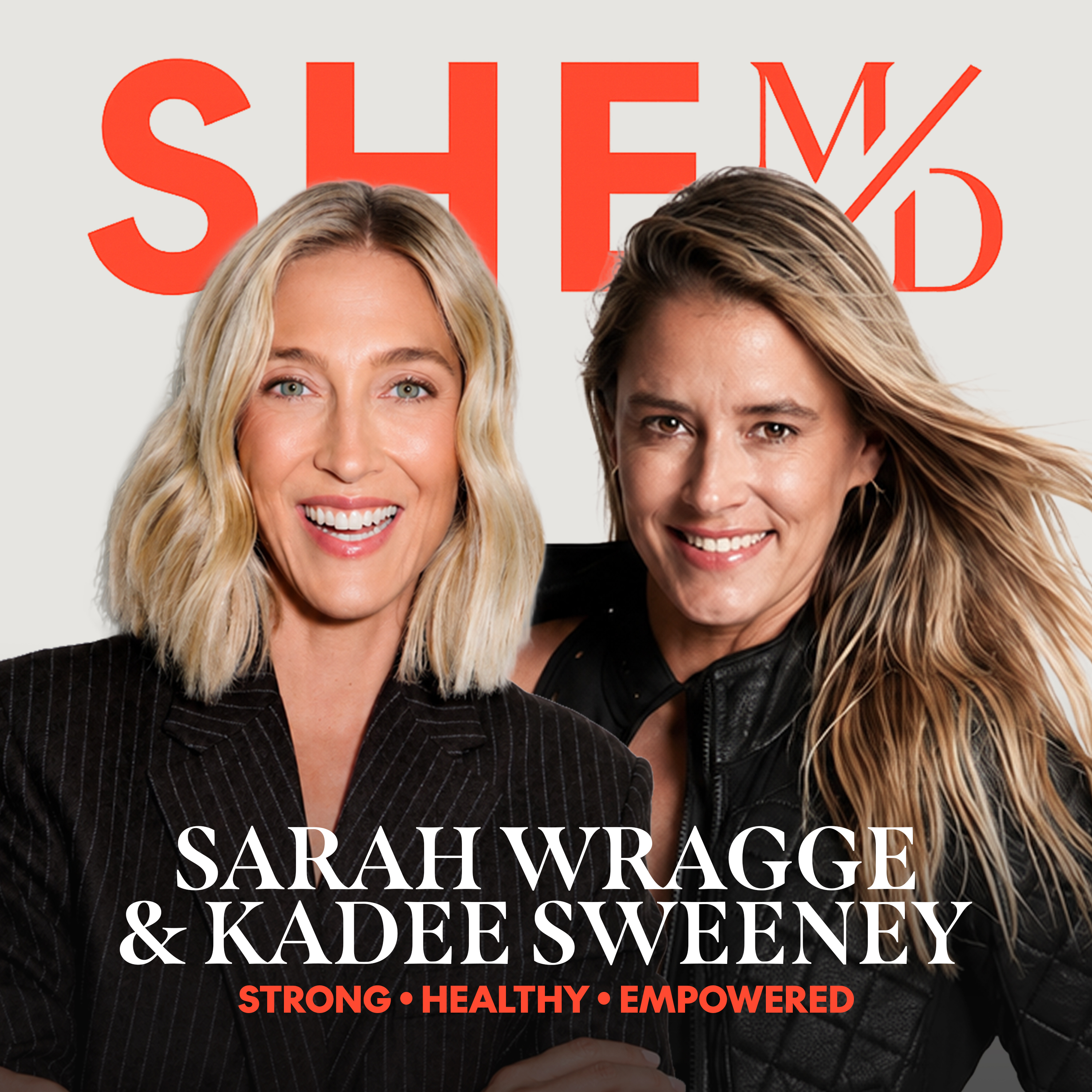 How to Beat Jet Lag: Nutrition, Fitness & Sleep Tips 21.07.2026 44minTravel can leave you feeling exhausted, bloated, stiff, and completely out of sync, but it doesn't have to. In this episode of SHE MD, Dr. Thaïs Aliabadi and Mary Alice Haney are joined by nutrition expert Sarah Wragge and Pilates instructor Kadee Sweeney to share their favorite science-backed strategies for preventing jet lag and helping your body recover after a long flight.From what to eat (and what to avoid) before boarding to hydration, sleep, digestion, movement, and simple exercises you can do on the plane or after you land, this conversation is packed with practical tips you can use on your next trip. Whether you're traveling across the country or around the world, these expert recommendations can help you feel energized, reduce inflammation, improve circulation, and get back to feeling like yourself faster.Subscribe to SHE MD Podcast for expert tips on PMOS, endometriosis, fertility, hormonal balance, mental health, and more. Share with friends and visit SHE MD website and Ovii for research-backed resources, holistic health strategies, and expert guidance on women’s health and well-being.SponsorsPure Encapsulations: Digestive Enzymes UltraSera: To learn more you can visit PreTRM.com (new line)Talk with your provider about whether the PreTRM Test might be right for you.Midi Health: Book your first virtual visit today at joinmidi.com.Talkiatry: Head to talkiatry.com/shemd to complete the short assessment and get matched with an in-network psychiatrist in just a few minutes.Gusto: Try Gusto today at gusto.com/shemd and get three months free when you run your first payroll. OLLY: You can find OLLY Precise Probiotics with skin, stress, or metabolism support at a Walmart near you.Figs: Right now, you can get 15% off your first order at wearfigs.com with code FigsRx.What You’ll LearnWhy eating and drinking on airplanes can leave you feeling bloated, inflamed, and fatiguedHow hydration, protein, fiber, and nutrition choices can help prevent jet lagThe best foods to eat before and after a long flightHow movement, posture, and Pilates-inspired exercises can relieve travel-related back painWhy sitting for long periods can impact circulation and increase blood clot riskHow morning sunlight and movement can help reset your circadian rhythmSimple exercises and stretches you can do on a plane or when you arrive at your destinationTips for improving digestion, sleep, and recovery while travelingHow to build healthy travel habits that support your body before, during, and after your tripKey Timestamps00:00 The Jet Lag Episode Every Traveler Needs To Watch00:54 Meet The Experts, Sarah Wragge And Katie Sweeney01:36 Why What You Eat Before Your Flight Changes Everything02:53 The Number One Rule For Eating On A Plane05:46 What To Eat And Drink The Moment You Land07:04 How To Prevent Blood Clots On Long Flights08:22 The Best Supplements To Take When You Travel10:10 The Truth About Fiber Supplements Nobody Tells You12:00 Sarah Wragge's Top 3 Jet Lag Nutrition Tips19:29 Why Spinal Alignment Is Everything During Travel21:04 Why Stretching Your Low Back Can Actually Make It Worse25:34 Breathing Techniques That Reset Your Body Mid Flight28:18 The Simple Glute Exercise You Can Do In Your Seat29:53 The Exact Workout That Cured Jet Lag After Landing35:02 Vibration Plates Trampolines And Lymphatic Drainage38:55 The First Thing To Do When You Check Into Your Hotel40:00 This Will Change How You Travel ForeverKey TakeawaysStay hydrated before, during, and after your flight to reduce dehydration, fatigue, and digestive issues.Eat a balanced meal before flying and consider skipping airplane meals to help minimize bloating and discomfort.Prioritize protein, vegetables, and fiber to support stable energy levels and healthy digestion while traveling.Get up and move frequently during long flights to improve circulation, reduce stiffness, and lower the risk of blood clots.Maintain good posture and spinal alignment while sitting to help prevent back and hip pain.Reset your body after landing with morning sunlight, gentle movement, and mobility exercises to adjust to a new time zone.If you're taking hormone replacement therapy, discuss travel timing with your healthcare provider, as adjusting medication timing may help with sleep and recovery.Small, consistent habits before, during, and after travel can make a significant difference in how you feel when you arrive.Choose movement that restores your body, not just intense exercise, to reduce stress and support long-term wellness.Guest Bio: Sarah Wragge Sarah Wragge is a certified nutrition coach and wellness expert specializing in sustainable nutrition, metabolic health, and lifestyle habits that help women feel their best. Through her coaching programs, she helps clients build realistic, long-term strategies for healthy eating, blood sugar balance, and overall wellness without restrictive dieting. Sarah is passionate about making healthy living practical and approachable, empowering women to improve their energy, digestion, and confidence through simple daily habits.Guest Bio: Kadee SweeneyKadee Sweeney is a Pilates instructor, movement specialist, and founder of Kadee Fit. Known for her restorative approach to fitness, Kadee works with clients ranging from everyday women to high-profile celebrities, helping them build strength, improve posture, increase mobility, and move without pain. Her philosophy centers on aligning the body, supporting the nervous system, and creating workouts that leave people feeling stronger, healthier, and more energized. Through both in-person and online classes, Kadee is dedicated to helping women move with confidence at every stage of life. See Privacy Policy at https://art19.com/privacy and California Privacy Notice at https://art19.com/privacy#do-not-sell-my-info.
 -
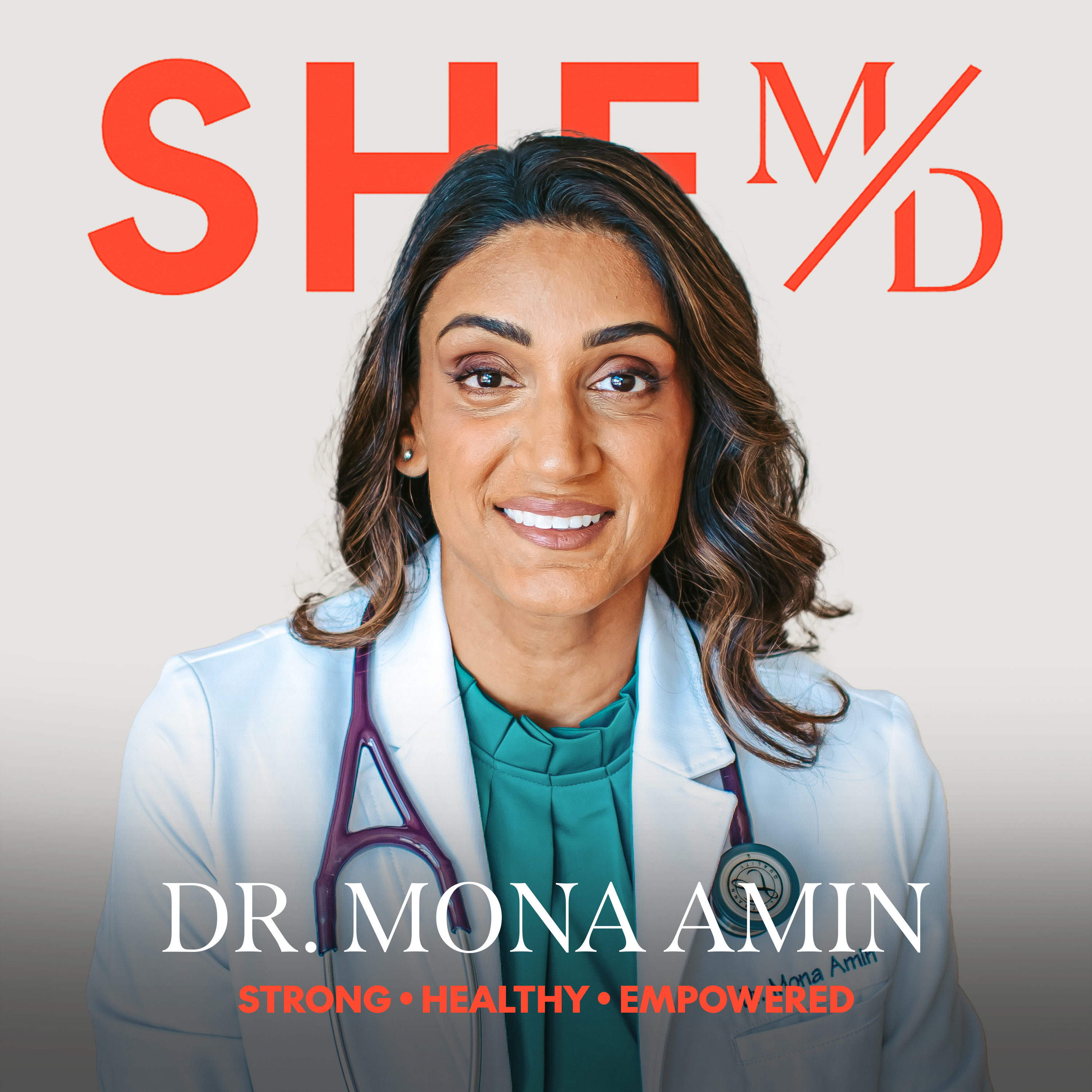 The Parenting Habits That Shape Lifelong Health ft. Dr. Mona Amin 14.07.2026 1h 5minIn this episode of SHE MD, Dr. Thais Aliabadi and Mary Alice Haney welcome board-certified pediatrician, parenting educator, and PedsDocTalk founder Dr. Mona Amin for a conversation about the childhood habits that shape lifelong health.Dr. Mona explains why longevity starts much earlier than most people think, and how sleep, nutrition, movement, emotional regulation, and self-worth can influence a child's future wellbeing. She also shares practical, evidence-based guidance on some of today's biggest parenting questions, including breastfeeding versus formula, sleep training, childhood vaccinations, screen time, fevers, probiotics, childhood obesity, and the role of GLP-1 medications.Whether you're raising a newborn, toddler, or teenager, this episode is packed with actionable advice to help parents build healthier habits, stronger relationships, and a foundation for lifelong physical and emotional health.Subscribe to SHE MD Podcast for expert tips on PMOS, endometriosis, fertility, hormonal balance, mental health, and more. Share with friends and visit SHE MD website and Ovii for research-backed resources, holistic health strategies, and expert guidance on women’s health and well-being.What You’ll LearnWhy lifelong health and longevity begin during childhoodThe four foundational pillars every family should prioritizeWhy sleep may be the single most important health habit children developHealthy sleep routines and approaches to sleep trainingThe science behind breastfeeding versus formula feedingHow parental mental health influences child developmentEvidence-based guidance on childhood vaccinationsWhat parents should know about measles and vaccine misinformationWhen GLP-1 medications may be appropriate for childhood obesityWhy connection creates better behavior than punishmentCommon parenting myths Dr. Mona debunksFive habits that help children thrive throughout lifeChapters00:00 Welcome to SheMD2:27 Meet Pediatrician Dr. Mona Amin4:14 Why Longevity Starts in Childhood9:10 The #1 Habit for Lifelong Health: Sleep12:12 Sleep Training: What Actually Works?14:18 Common Sleep Mistakes Parents Make21:37 Breastfeeding vs. Formula: Does It Matter?26:22 Eating Dirt, Germs & Building Immunity28:58 Dr. Mona Amin on Childhood Vaccines35:41 The Truth About Alternative Vaccine Schedules41:07 Should Children Use GLP-1 Weight Loss Medications?45:22 Teaching Kids Emotional Regulation51:53 Fevers: When Should Parents Worry?54:58 Antibiotics & Probiotics for Kids57:21 Rapid-Fire Parenting Questions1:03:33 Where To Find Dr. Mona Amin Key TakeawaysPrevention starts long before adulthood.Healthy sleep is one of the greatest investments in lifelong health.Children learn values by watching their parents.Emotional regulation is a skill that must be modeled and practiced.Parenting with warmth and clear boundaries produces the healthiest outcomes.Formula-fed and breastfed children can both thrive when their caregivers are supported.Vaccines remain one of the most effective tools for preventing serious childhood illness.GLP-1 medications can be valuable for children with obesity when combined with lifestyle interventions.Connection, curiosity, and collaboration are more effective than punishment.Guest Bio: Dr. MonaDr. Mona Amin is a board-certified pediatrician, parenting educator, and the founder of PedsDocTalk, one of the world's leading evidence-based parenting platforms. Through her educational content, podcast, and social media community of more than 1.5 million parents, she helps families navigate childhood development, behavior, nutrition, sleep, illness, and emotional wellbeing with practical, science-backed guidance.Known for translating complex medical information into approachable advice, Dr. Mona combines her clinical experience with compassionate parenting strategies that empower caregivers to raise healthy, emotionally resilient children. She is also the host of the PedsDocTalk Podcast and a trusted voice on childhood health and development. See Privacy Policy at https://art19.com/privacy and California Privacy Notice at https://art19.com/privacy#do-not-sell-my-info.
 -
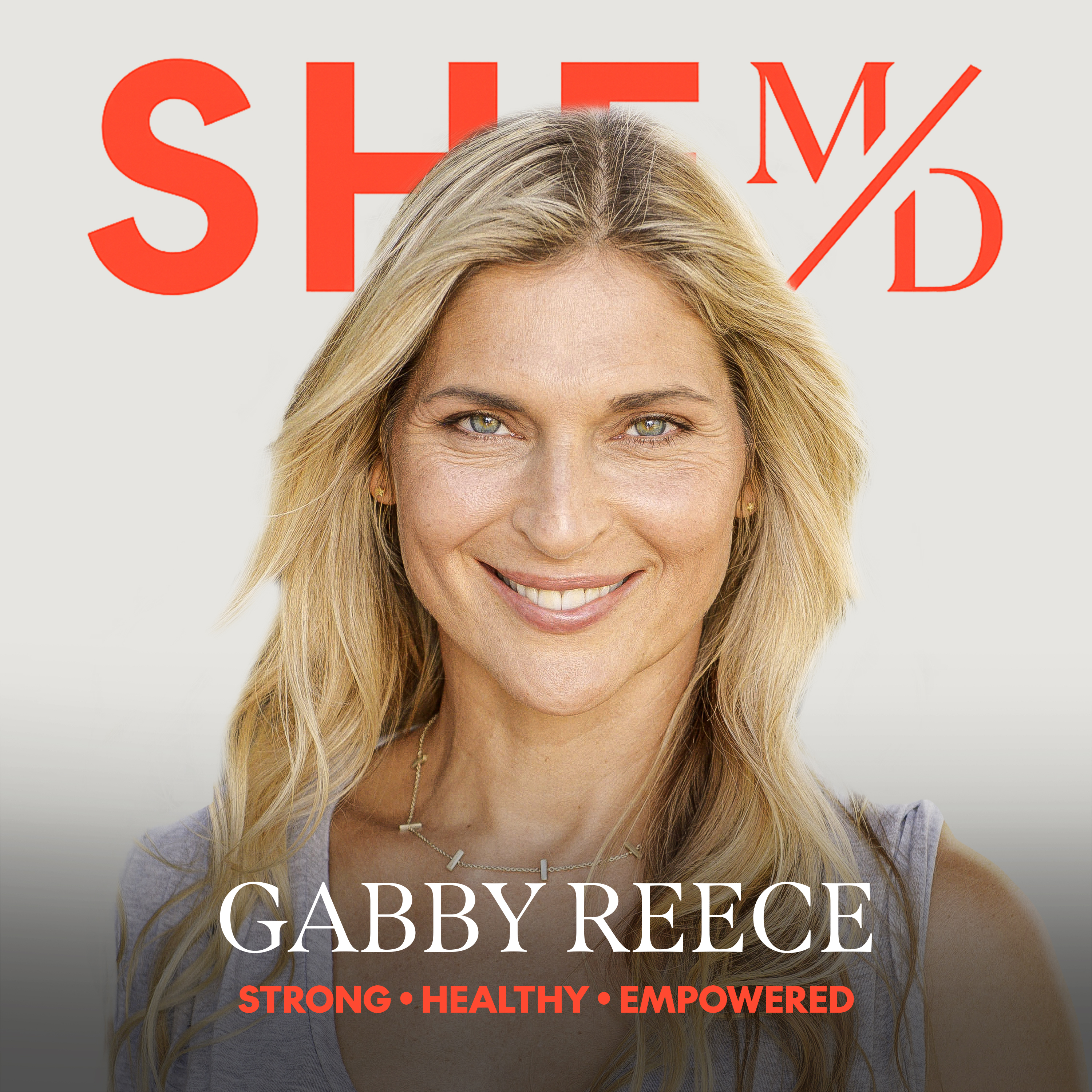 What Every Woman Should Know About Aging ft. Gabby Reece 07.07.2026 59minWhat does it actually mean to age well? In this episode of SHE MD, Mary Alice Haney sits down with former professional volleyball player, entrepreneur, and wellness advocate, Gabby Reece, for an honest conversation about strength, longevity, and redefining what healthy aging looks like. Gabby shares how her perspective on fitness has evolved over the years, why building muscle is one of the most important investments women can make, and how recovery has become just as essential as training itself.Together, they discuss practical ways to build sustainable habits that support long-term health, from strength training and nutrition to sleep, stress management, hydration, and recovery. Gabby explains why having a meaningful "why" is the foundation of lasting lifestyle change, how to stop chasing perfection, and why focusing on small, consistent improvements often leads to the biggest results.The conversation also explores menopause, body image, and the societal pressures women face as they age. Gabby opens up about learning to stop comparing herself to younger versions of herself, embracing the different strengths that come with every stage of life, and why she believes aging isn't about becoming invisible.Whether you're in your 20s, navigating perimenopause, or looking for sustainable ways to feel your best at any age, this conversation offers an empowering perspective on what it truly means to build a healthy, fulfilling life.Subscribe to SHE MD Podcast for expert tips on PMOS, endometriosis, fertility, hormonal balance, mental health, and more. Share with friends and visit SHE MD website and Ovii for research-backed resources, holistic health strategies, and expert guidance on women’s health and well-being.SponsorsKa’chava: Go to https://kachava.com and use code SHEMD for 15% off your first orderMidi: Book your first virtual visit today at joinmidi.comBabbel: Go to Babbel.com/SHEMD for up to 60% offOsea: Get 10% off your first order sitewide with code SHEMD at OSEAMalibu.comOpill: Use code SHEMD for twenty five percent off your first month of Opill at Opill.comDavid: Buy 4 cartons and get the 5th free when you go to davidprotein.com/SHEMDWhat You’ll LearnWhy strength training becomes increasingly important as women ageHow to create healthy habits that are sustainable for the long termWhy recovery is just as important as exerciseHow nutrition changes throughout midlife and menopauseThe role of protein, hydration, and muscle maintenance in healthy agingHow to develop an "athlete's mindset" for everyday lifeWhy having a clear purpose makes healthy habits easier to maintainHow to stop comparing yourself to your younger selfThe connection between mindset, self-talk, and long-term healthWhy community and accountability improve consistencyGabby Reece's daily fitness, recovery, and wellness routineHow to redefine aging as a period of growth rather than declineKey Timestamps00:00 What Does It Actually Mean To Age Well00:43 Meet Gabby Reece, Athlete, Entrepreneur And Wellness Advocate03:35 Why Building Muscle Is The Best Investment Women Can Make07:36 What The Athlete Mindset Really Means10:47 The First Steps Anyone Can Take To Get Stronger15:01 What Gabby Reece's Weekly Workout Really Looks Like16:32 Why Recovery Is More Important Than The Workout20:59 Cold Plunge Sauna And The Truth About Cold Exposure27:07 Why Sunlight Is The Most Underrated Health Tool30:15 How Laird Superfood Started In Their Kitchen33:05 How Aging Has Changed Her Training And Nutrition36:05 Why Carbs And Protein Matter More In Midlife44:44 How Perimenopause Changed Her Recovery45:36 The Non-Negotiables In Gabby Reece's Daily Routine48:39 What Every Woman Should Know About Healthy Aging51:04 Why Feeling Invisible After 50 Is A Myth53:22 Reframing Aging In A Culture Obsessed With Youth57:47 Final Words Of Wisdom From Gabby ReeceKey TakeawaysBuilding and maintaining muscle supports mobility, metabolic health, and independence as women age.Consistency with simple daily habits is more effective than chasing quick fixes.Recovery, including sleep, stress management, and rest, is essential for long-term health.Healthy aging begins with identifying meaningful personal motivations rather than relying on appearance alone.Nutrition should prioritize high-quality protein, hydration, and whole foods while remaining flexible and sustainable.Mindset plays a critical role in physical health, resilience, and overall well-being.Aging brings new opportunities for purpose, leadership, and confidence, not invisibility.Strong relationships, community, and lifelong curiosity contribute to healthier, more fulfilling lives.Guest Bio: Gabby ReeceGabby Reece is a former professional beach volleyball player, New York Times bestselling author, entrepreneur, podcast host, and leading voice in health and wellness. After becoming one of the most recognizable athletes of the 1990s, she built a career centered on helping people optimize their health through movement, nutrition, recovery, and sustainable lifestyle habits.She is the co-founder of Laird Superfood, a company dedicated to clean, functional food products inspired by the nutrition principles she and her husband, legendary big-wave surfer Laird Hamilton, have practiced for decades. Together, they have also championed conversations around longevity, resilience, and performance through their work, speaking engagements, and media appearances.Gabby hosts The Gabby Reece Show, where she interviews experts, athletes, entrepreneurs, and thought leaders about health, relationships, mindset, and personal growth. She is also the author of several books, including the New York Times bestseller My Foot Is Too Big for the Glass Slipper.A longtime advocate for strength training and healthy aging, Gabby continues to inspire women to prioritize resilience, confidence, and lifelong wellness. She lives in Hawaii with her husband, Laird Hamilton, and their family. See Privacy Policy at https://art19.com/privacy and California Privacy Notice at https://art19.com/privacy#do-not-sell-my-info.
 -
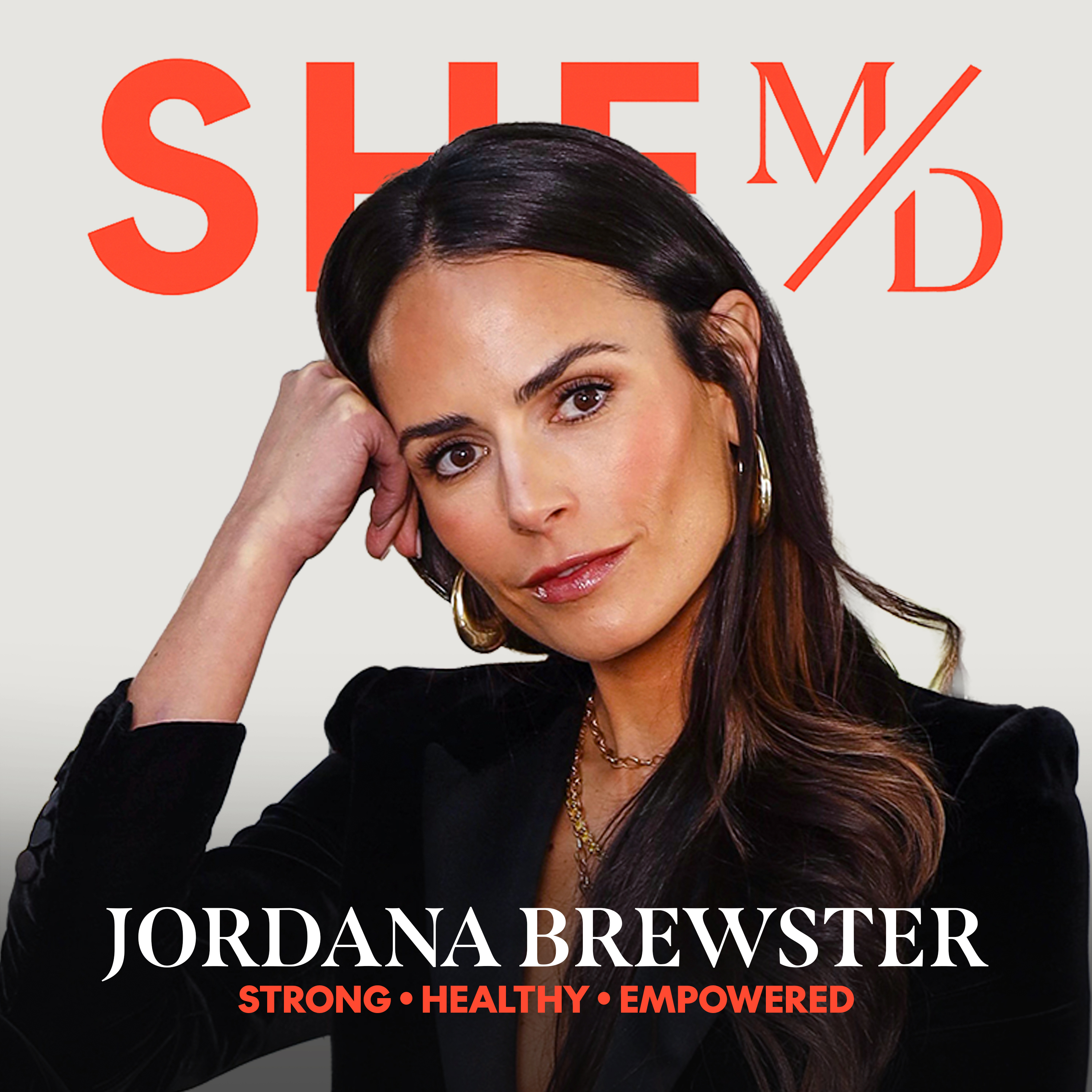 Why I Chose Surrogacy After My Brain Disorder Diagnosis ft. Jordana Brewster 30.06.2026 52minFor years, Jordana Brewster quietly lived with a life-altering diagnosis that few people knew about. After suffering a seizure at 28, she learned she had a cavernous malformation (CVM), a rare vascular condition in her brain that made carrying a pregnancy dangerously high-risk. While continuing a successful acting career, she privately managed her condition, navigated fertility treatments, and ultimately chose gestational surrogacy to grow her family.In this candid conversation, Jordana joins Mary Alice Haney to share the emotional realities behind IVF, infertility, surrogacy, and the difficult decisions that come with protecting both your health and your dream of becoming a parent. She also opens up about undergoing awake brain surgery, overcoming the stigma of living with a neurological condition, healing from disordered eating, and how divorce, blended family life, and finding love again gave her the courage to embrace a completely new chapter.Subscribe to SHE MD Podcast for expert tips on PMOS, endometriosis, fertility, hormonal balance, mental health, and more. Share with friends and visit SHE MD website and Ovii for research-backed resources, holistic health strategies, and expert guidance on women’s health and well-being.SponsorsProlon: Visit ProlonLife.com/SHEMD to claim your 15% discount and your bonus gift. Talkiatry: Head to Talkiatry.com/sheMD to complete the short assessment and get matched with an in‑network psychiatrist in just a few minutes.Alaya Naturals: Visit www.alayanaturals.com/SheMD and enter code SheMD at checkout for 20% off your order.Tuckernuck: Visit tnuck.com and use code SHEMD for 15% off your first purchase.Square: You can get up to $200 off Square hardware at square.com/go/shemdWhat You’ll LearnWhat a cavernous malformation (CVM) is and how it can affect pregnancy and neurological healthHow Jordana's first seizure led to a diagnosis that changed the course of her lifeWhy doctors advised her against carrying a pregnancyThe emotional and physical realities of IVF that aren't often discussedWhat the gestational surrogacy process actually looks like, from choosing a surrogate to legal agreements and deliveryWhy infertility evaluations should always include both partnersCommon misconceptions and stigma surrounding surrogacyWhat it's like to undergo awake brain surgery while doctors monitor language and brain functionHow Jordana managed a seizure disorder while building a demanding acting careerThe long-term impact of disordered eating and learning to build a healthier relationship with food and exerciseHow becoming a mother reshaped her perspective on control, trust, and vulnerabilityNavigating divorce, blended families, co-parenting, and finding love again after major life changesWhy speaking openly about women's health experiences helps break stigma for future generationsKey Timestamps00:00 Why Surrogacy Is Only Legal In 3 Countries01:03 Meet Jordana Brewster, Actress, Mom And Survivor03:39 When Jordana Decided She Wanted To Be A Mom04:36 The Brain Diagnosis That Changed Everything06:30 Living With A Seizure Disorder In Hollywood09:03 The Breakthrough Seizures That Forced A Decision10:11 What Awake Brain Surgery Actually Feels Like12:08 Six Years Seizure Free After The Surgery12:36 Overhauling Her Entire Life In 202015:43 The Stigma Around Surrogacy And What People Get Wrong17:02 Finding The Right Surrogate And Trusting Your Gut19:36 The IVF Journey And Why It Is Never A Slam Dunk22:08 The Hardest Part Of Surrogacy Nobody Talks About24:44 The Birth Story And Being In The Delivery Room26:29 Why She Didn't Take Maternity Leave And Regrets It27:37 Stop Ignoring The Man's Role In Fertility31:43 Finding Love Again And Blending A Family Of Six34:34 How To Successfully Navigate A Blended Family46:37 Losing Paul Walker And How She Honors His Legacy48:19 What She Would Tell Her Younger SelfKey TakeawaysA cavernous malformation (CVM) is a vascular condition in the brain that can cause seizures and may make pregnancy high-risk for some patientsIVF and gestational surrogacy are complex medical processes that often require multiple specialists, legal protections, and emotional resilienceFertility evaluations should include both partners, as male-factor infertility is a significant contributor to difficulty conceivingAwake brain surgery allows surgeons to monitor critical brain functions, such as speech, while safely removing lesions located near essential areas of the brainOpen conversations about infertility, surrogacy, neurological conditions, and mental health can help reduce stigma and encourage others to seek careGuest Bio: Jordana BrewsterJordana Brewster’s beauty and natural screen presence has etched her a permanent place in Hollywood in both film and television. Jordana can most recently be seen in the independent feature THE PIRATE KING, which premiered at the 2026 SXSW Film Festival. She will next be seen as ‘Kat' in the upcoming Prime Video series BISHOP. Jordana is best known for her work in the FAST & FURIOUS franchise which stands at over $7 billion worldwide, making it one of the highest-grossing film series globally. The franchise is celebrating its 25th Anniversary since this original film this year which recently screened at the 2026 Cannes Film Festival and was named a “Cannes Classic.” She can also be seen starring in the Sony feature HEART EYES with Devon Sawa and Olivia Holt, which released Feb 7, 2025. Jordana also starred in the thriller CELLAR DOOR with Scott Speedman and Laurence Fishburne, which was released by Lionsgate in November 2024. On television, Jordan played the role of ‘Denise Brown’ in Ryan Murphy’s Emmy award winning series “American Crime Story”. She also starred on the FOX series “Lethal Weapon,” TNT’s “Dallas,” and ABC’s ”Secrets and Lies” opposite Juliette Lewis and Michael Ealy.In between shooting the F&F franchise, Jordana attended and graduated from Yale University. She is fluent in Portuguese. See Privacy Policy at https://art19.com/privacy and California Privacy Notice at https://art19.com/privacy#do-not-sell-my-info.
 -
 Professional Laser Results at Home? The Science Behind Healthier, Younger Skin 25.06.2026 41minWhat if one of the biggest breakthroughs in skincare didn't rely on damaging your skin to create results? This week on SHE MD, Mary Alice Haney and Dr. Thaïs Aliabadi sit down with Lucy Goff, founder of LYMA, to discuss her incredible journey from surviving a life-threatening case of postpartum sepsis to building one of the most talked-about wellness and beauty brands in the world.Lucy shares how her health crisis sparked an obsession with longevity science, leading first to LYMA's supplement line and eventually to the development of the LYMA Laser. Together, they unpack the science behind light therapy, collagen production, skin aging, scar healing, and why emerging technologies are changing the way we think about skincare and regeneration. They also discuss the unique challenges women with darker skin tones face when pursuing cosmetic treatments and what advancements may mean for the future of skin health.Whether you're curious about longevity, interested in the latest skincare innovations, or looking for new ways to support healthy aging, this episode explores the science behind one of beauty's most talked-about technologies.Subscribe to SHE MD Podcast for expert tips on PMOS, endometriosis, fertility, hormonal balance, mental health, and more. Share with friends and visit SHE MD website and Ovii for research-backed resources, holistic health strategies, and expert guidance on women’s health and well-being.SponsorsLYMA: Use code "SHEMD10" for 10% off the LYMA laser at lyma.lifeWhat You’ll LearnHow Lucy Goff's postpartum sepsis diagnosis inspired the creation of LYMAThe connection between longevity science, wellness, and skin healthThe differences between laser technology and LED light therapyHow collagen production changes as we ageWhy sleep, stress, and inflammation can impact skin healthThe potential role of light-based therapies in scar healing and skin rejuvenationConsiderations for cosmetic treatments in melanin-rich skinWhat researchers are learning about longevity genes and healthy agingKey Timestamps00:00: The Postpartum Infection That Turned Into Sepsis05:12: How Lucy Goff's Health Crisis Inspired LYMA09:38: The Discovery That Changed the Beauty Industry12:35: Laser vs. LED: What's the Difference?17:09: Why This Could Be a Game-Changer for Darker Skin Tones21:09: What the LYMA Laser Actually Does24:17: Scars, C-Sections & Wound Healing31:19: Can It Replace CO2 Lasers and Other Treatments?34:06: The Future of Skin LongevityKey TakeawaysLucy's health journey transformed her perspective on wellness, recovery, and aging.LYMA was founded on the idea that long-term health and skin quality are deeply connected.Skin aging is influenced by multiple factors, including inflammation, stress, sleep quality, and genetics.Laser and LED therapies use different technologies and may affect the skin differently.New research is exploring how light-based technologies interact with cells and support regenerative processes.Scar healing and skin recovery remain important areas of innovation within aesthetic medicine.Women with darker skin tones often have fewer treatment options due to pigmentation concerns, making safe alternatives especially valuable.The future of skincare is increasingly focused on regeneration, longevity, and supporting the body's natural repair mechanisms.Guest Bio: Lucy GoffLucy Goff is the founder and CEO of LYMA, a wellness and beauty company focused on longevity, skin health, and science-backed innovation. After surviving a life-threatening case of postpartum sepsis, Lucy became deeply interested in the connection between recovery, aging, and human health, leading her to launch LYMA's supplement line and later the LYMA Laser. Under her leadership, LYMA has become one of the most recognized names in luxury wellness and beauty technology, known for its evidence-based approach to healthy aging. Lucy is passionate about translating cutting-edge scientific research into products that help people look, feel, and age better. See Privacy Policy at https://art19.com/privacy and California Privacy Notice at https://art19.com/privacy#do-not-sell-my-info.
 -
 PMOS, Infertility, and Finding Answers ft. Hannah Brown 23.06.2026 1h 19minIn this episode of SheMD, hosts Mary Alice Haney and Dr. A sit down with Hannah Brown to unpack her long and complex health journey with PMOS, fertility challenges, and a recently discovered uterine septum.Hannah shares how years of irregular periods, cystic acne, weight fluctuations, and anxiety were repeatedly overlooked before she finally received a clear diagnosis. She opens up about navigating public life while silently struggling with her health, and how getting the right medical support completely changed her trajectory.Dr. A breaks down the science behind PMOS, insulin resistance, and hormone disruption, explaining how metabolic health impacts ovulation, fertility, and long-term well-being. The conversation also explores uterine anomalies, surgical treatment options, and why early diagnosis is critical for reproductive health.The episode also highlights Hannah’s mental health journey, including therapy and EMDR, and how addressing trauma and inflammation helped her rebuild both her physical and emotional health.Subscribe to SHE MD Podcast for expert tips on PMOS, endometriosis, fertility, hormonal balance, mental health, and more. Share with friends and visit SHE MD website and Ovii for research-backed resources, holistic health strategies, and expert guidance on women’s health and well-being.SponsorsSera: To learn more you can visit PreTRM.com.Talk with your provider about whether the PreTRM Test might be right for you.Midi: Ready to feel your best and write your second act script? Visit JoinMidi.com today to book your personalized, insurance-covered virtual visit. Alaya Naturals: Visit alayanaturals.com/shemd and enter code SheMD at checkout for 20% off your order.Gusto: Three months of free payroll at Gusto.com/shemdDavid Protein: David: Buy 4 cartons of Protein Bars and get the 5th free when you go to davidprotein.com/SHEMD.Olly: Shop Olly Precise Probiotics with Skin, Stress Response or Metabolism Support at a Walmart near you.What You’ll LearnWhy PMOS is often missed or misdiagnosed for yearsHow insulin resistance drives hormonal imbalance and symptomsThe connection between PMOS, inflammation, and fertility challengesWhat a uterine septum is and how it affects pregnancy outcomesTreatment options including metformin, GLP-1s, and surgical correctionWhy mental health and trauma can amplify physical symptomsHow to advocate for proper diagnostic testing and careKey Timestamps00:00 Why Most Women With PMOS Are Never Properly Diagnosed02:24 Hannah Brown Opens Up About Her PMOS Journey03:48 How It All Started With Her Very First Period05:01 The Moment A Dermatologist Changed Everything07:16 Finally Getting Real Answers About PMOS10:30 What Hannah Did To Start Feeling Better13:37 What Is PMOS And How Common Is It14:41 The Brain Ovary Loop Nobody Explains To You16:19 Why Your Ovaries Stop Releasing Eggs17:18 The Insulin Resistance Loop Making Everything Worse19:00 How High Insulin Destroys Your Hormones20:24 How Metformin And GLP1s Actually Fix The Root Cause25:37 Why GLP1s Gave Hannah Her Period Back Every 30 Days27:13 How Hannah Became Her Own Health Advocate29:06 The Uterine Septum Nobody Warned Her About31:12 What A Septate Uterus Is And Why It Matters33:30 The Fertility Risks Of An Untreated Septum36:28 Hannah's Full Treatment Plan Before Trying To Conceive41:11 Why You Must Always Get A 3D Ultrasound43:47 Septate vs Bicornuate Uterus What Every Woman Should Know47:22 The Surgical Technique That Changes Everything53:02 Why Hannah Is Sharing Her Story Publicly55:00 Always Ask For A 3D Ultrasound At Your Appointment1:00:07 How PMOS Affected Hannah During The Bachelorette And DWTS1:03:42 Hannah's Experience With EMDR Therapy1:05:28 How EMDR Actually Works In Simple Terms1:07:43 The Moment Hannah Knew She Had To Change Everything1:11:05 How Hannah Completely Transformed Her Health1:13:18 Hannah's Advice For Every Woman Struggling Right Now1:15:10 Take The Free PMOS Quiz And Find Your AnswersKey TakeawaysPMOS is a metabolic and hormonal condition, not just a reproductive oneInsulin resistance plays a central role in worsening symptoms and fertility issuesMany women go years without proper diagnosis despite clear symptomsUterine septums can significantly increase miscarriage risk but are often treatableProper diagnosis and intervention can dramatically improve ovulation and fertility outcomesMental health, stress, and trauma can intensify physical inflammation and symptomsSelf-advocacy and persistence in seeking care can change long-term health outcomesGuest BioHannah Brown is a television personality, bestselling author, and former lead of The Bachelorette. She first gained national recognition as a contestant on The Bachelor before starring in The Bachelorette, winning Dancing with the Stars, and later competing on Special Forces: World's Toughest Test.In addition to her television career, Hannah is a New York Times bestselling author. Her books include the memoir God Bless This Mess and the romance novels Mistakes We Never Made, The Four Engagement Rings of Sybil Rain, and Reasons to Be Loved by You. See Privacy Policy at https://art19.com/privacy and California Privacy Notice at https://art19.com/privacy#do-not-sell-my-info.
 -
 The Surprising Connection Between Anxiety, Tinnitus & Migraine ft. Dr. Hamid Djalilian 16.06.2026 1h 14minWhat if tinnitus, migraines, vertigo, brain fog, and even digestive symptoms all stem from the same underlying issue? In this episode, Dr. Hamid Djalilian, one of the world's leading experts in tinnitus and sensory disorders, explains the concept of brain sensitivity and how neuroinflammation may be driving symptoms many people have been told they simply have to live with.Dr. Djalilian breaks down his treatment approach, including the powerful role of sleep, stress management, hydration, nutrition, and lifestyle changes in reducing symptoms. He also shares the latest research on tinnitus treatments, migraine prevention, supplements, medications, and why finding your personal triggers can be the key to lasting relief.Subscribe to SHE MD Podcast for expert tips on PMOS, endometriosis, fertility, hormonal balance, mental health, and more. Share with friends and visit SHE MD website and Ovii for research-backed resources, holistic health strategies, and expert guidance on women’s health and well-being.SponsorsSera: To learn more you can visit PreTRM.com.Talk with your provider about whether the PreTRM Test might be right for you.Cotton: Learn more at TheFabricOfOurLives.com, and follow @discovercotton with the hashtag #ShopCottonPeloton: Let yourself run, lift, sculpt, push and GO. Explore the new Peloton Cross Training Tread+ at onepeloton.comOlly: Shop Olly Precise Probiotics with Skin, Stress Response or Metabolism Support at a Walmart near you.What You’ll LearnWhy tinnitus, migraines, vertigo, brain fog, and other symptoms may share a common root cause in brain sensitivity and neuroinflammationHow stress, illness, hormonal changes, and sensory overload can trigger symptomsThe three pillars of Dr. Djalilian's protocol: sleep, diet, and stress managementWhy hydration and consistent meal timing may be more important than you thinkCommon food and beverage triggers, including alcohol, caffeine, processed foods, and fermented productsThe supplements most commonly used for migraine-related symptoms, including magnesium, riboflavin, and CoQ10How cognitive behavioral therapy, meditation, and exercise can help calm an overactive nervous systemThe latest developments in tinnitus research and future treatment optionsKey Timestamps00:00 Why You Should Never Check The Clock At Night02:01 Meet The Doctor Rethinking Tinnitus Treatment03:00 The Link Between Anxiety, Tinnitus And Brain Health04:12 Why Tinnitus, Vertigo And Migraines Are Connected06:48 Understanding Brain Sensitivity Syndrome08:45 Why Some Brains React More Strongly Than Others12:30 Everyday Habits Making Symptoms Worse16:47 The Biggest Mistake In Chronic Symptom Recovery20:08 Why Your Brain Can Get Stuck In Survival Mode23:00 The Brain Sensitivity Protocol Explained26:04 How Recovery Really Happens28:30 Sleep Strategies For Calming An Overactive Brain29:23 Migraines Are More Than Just Headaches30:19 How Stress, Diet And Sleep Affect Symptoms34:18 Foods And Triggers You Should Watch For38:25 The Most Effective Supplements For Relief47:07 When Medication May Be Necessary49:58 Finding Your Personal Triggers58:51 Can Surgery Actually Fix Migraines1:00:07 Why Surgery Often Just Shifts The Problem1:01:09 What A Migraine Actually Is1:02:52 Vertigo, Brain Fog And Hidden Symptoms1:05:27 How Hormones Trigger Tinnitus And Migraines1:07:41 Should You Consider Hormone Replacement Therapy1:10:18 What To Do When A Migraine HitsKey TakeawaysTinnitus is not always an ear problem; it may be a manifestation of a broader brain sensitivity disorder.Many conditions, including migraines, vertigo, IBS, fibromyalgia, and tinnitus, may be connected through the same neurological pathways.Consistent, uninterrupted sleep is one of the most important tools for reducing symptoms.Lifestyle changes work best when combined with a personalized understanding of your triggers.Stress management is not optional; it's a critical part of symptom control.Small daily habits can have a major impact on brain health, inflammation, and quality of life.Guest BioDr. Hamid Djalilian is a board-certified otolaryngologist, professor of otolaryngology and biomedical engineering at the University of California, Irvine, and one of the world's leading experts in tinnitus, migraine-related disorders, vertigo, and sensory conditions. He serves as Director of Otology, Neurotology, and Skull Base Surgery at UCI and is President of the Migraine and Otolaryngology Society.Through decades of clinical practice and research, Dr. Djalilian has pioneered a brain-based approach to understanding tinnitus, dizziness, migraine, and other sensory disorders. His work focuses on the connection between neuroinflammation, central sensitization, and chronic symptoms that are often misunderstood or misdiagnosed.He also serves as Chief Medical Advisor for the NeuroMed Tinnitus Clinic, where he helps patients around the world manage tinnitus and related conditions through evidence-based treatment protocols that combine lifestyle interventions, behavioral therapies, supplements, and medical management. See Privacy Policy at https://art19.com/privacy and California Privacy Notice at https://art19.com/privacy#do-not-sell-my-info.
 -
 Ask Dr. A: What Every Woman Should Know About UTIs 09.06.2026 54minUrinary tract infections are one of the most common health issues women experience, yet there's still so much confusion about what they are, why they happen, and how they're different from yeast infections and other vaginal conditions. In this episode of Ask Dr. A, Dr. Aliabadi breaks down the anatomy behind UTIs, explains the difference between bladder infections and kidney infections, and shares the symptoms every woman should know.Dr. Aliabadi also dives into why some women seem to get recurrent UTIs while others never experience them, covering the roles of hydration, sex, genetics, hormones, menopause, and the vaginal microbiome. She explains how bacteria causes infection, why urine cultures are essential for an accurate diagnosis, and the common mistakes that can lead to repeated infections.Plus, you'll learn evidence-based prevention strategies, including the truth about cranberry supplements, D-mannose, vaginal estrogen, probiotics, and whether peeing after sex actually helps. If you've ever wondered why UTIs keep coming back, or how to lower your risk, this episode is packed with practical information every woman should know.Subscribe to SHE MD Podcast for expert tips on PMOS, endometriosis, fertility, hormonal balance, mental health, and more. Share with friends and visit SHE MD website and Ovii for research-backed resources, holistic health strategies, and expert guidance on women’s health and well-being.SponsorsMidi: Ready to feel your best and write your second act script? Visit JoinMidi.com today to book your personalized, insurance-covered virtual visit. Peloton: Let yourself run, lift, sculpt, push and GO. Explore the new Peloton Cross Training Tread+ at onepeloton.comMyriad: List GetMyRisk.com to learn more about hereditary cancer testing and how you can use Myriad’s virtual care option for fast, at-home testing - no office visit required. Talkiatry: Head to Talkiatry.com/shemd and complete the short assessment to get matched with an in-network psychiatrist in just a few minutes.Transcendental Meditation: Curious about Transcendental Meditation? Find a certified teacher near you and begin your journey today. Go to TM.org/SheMDWhat You’ll LearnThe difference between UTIs, bladder infections, kidney infections, and yeast infectionsHow bacteria enters the urinary tract and causes infectionCommon UTI symptoms and warning signs you shouldn't ignoreWhy some women are more prone to recurring infectionsThe role of hydration, sex, and vaginal health in UTI preventionHow menopause and declining estrogen affect urinary tract healthWhen a urine culture is necessary and why it mattersThe truth about cranberry supplements, D-mannose, and other prevention strategiesWhy recurrent UTIs may require a deeper investigationKey Timestamps00:00 Welcome to She MD Podcast00:46 UTI, Yeast infection, Bladder infection, and Kidney infection07:12 E.coli and how you get them in the urethra13:09 How is the test called?19:45 What can a woman do for these infections?29:13 What kind of treatment will help with the infection?37:15 Vaginal Estrogen Treatment 45:18 How do you address the bacteria?50:20 How much is too much?51:40 Let's address some myths 53:33 Final WordsKey TakeawaysUTIs and yeast infections are completely different conditions that affect different parts of the body.Most UTIs begin as bladder infections caused by bacteria entering the urethra.Early diagnosis and treatment can help prevent serious kidney infections.Hydration, urinating after sex, and avoiding prolonged urine retention can reduce risk.Vaginal microbiome health plays a major role in preventing recurrent UTIs.Menopause-related estrogen loss can increase susceptibility to urinary tract infections.A urine culture is the best way to confirm whether symptoms are truly caused by a UTI.Cranberry extract and D-mannose may help prevent recurrent infections but are not treatments for active UTIs.Recurrent infections should prompt an evaluation of underlying causes rather than repeated rounds of antibiotics. See Privacy Policy at https://art19.com/privacy and California Privacy Notice at https://art19.com/privacy#do-not-sell-my-info.
Slični podcasti


Popularan u
Ovaj podcast se pojavljuje i u podcast listama ovih zemalja.


