
The Creative Process · Arts, Culture & Society: Books, Film, Music, TV, Art, Writing, Creativity, Education, Environment, Th
Mia Funk
0
The Creative Process explores the minds of creative people through conversations with writers, artists, and thinkers across the arts and STEM. Guests include Oscar, Emmy, Tony, Pulitzer, and Nobel Prize winners, as well as leaders from organizations like the Smithsonian, UNESCO, and Greenpeace. Hosted by Mia Funk, the interviews delve into their life, work, and artistic practice, offering valuable insights. The podcast also features participation from students and universities worldwide.
Epizode
-
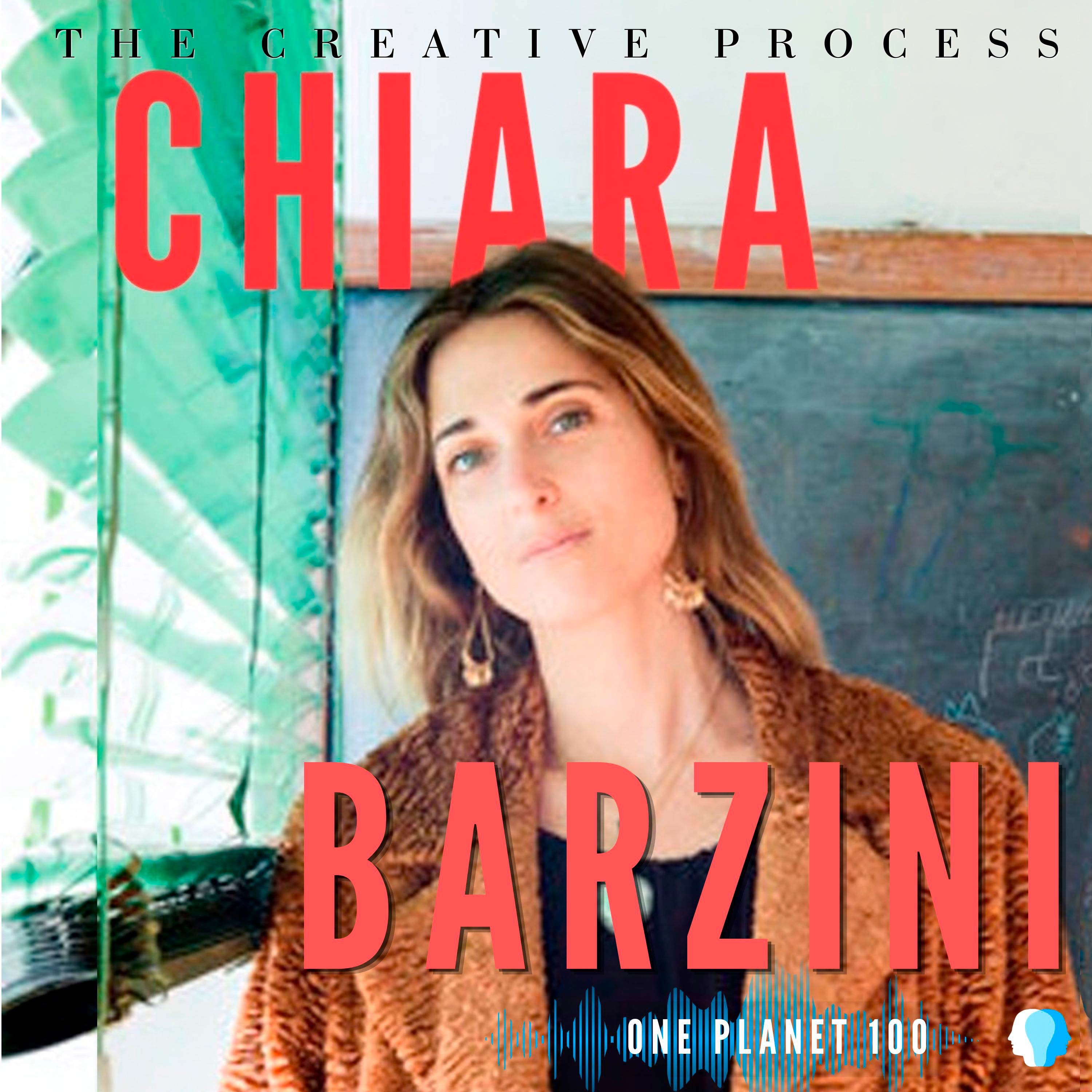 AQUA: A Story of Water & Lost Dreams w/ Author, Screenwriter CHIARA BARZINI 02.10.2026 1h 16min“Well, I think first of all that in order to have disillusion, you need to have illusion and I really want to sort of take a stand in the name of being a delusional person, you know? I do think illusions are necessary to our sense of creativity, and we need to fall in love with extreme projects, and we need to have ideas that are sometimes unsustainable. We need to dream big in order to be creative and feel alive. The illusions that are a part of Aqua are larger illusions. They're illusions that have to do with my adult life. They're connected to nature and the presence or absence of water, the illusion that we can keep sustaining a city even though the water has run out.”My guest today, Chiara Barzini, has spent her life navigating the literal and cultural fault lines between Italy and California. Today we will discuss her book, Aqua: A Story of Water and Lost Dreams, and her life as an artist living between two countries. In her acclaimed 2017 novel, Things That Happened Before the Earthquake, she wrote about arriving in the San Fernando Valley just weeks after a catastrophic natural disaster and the illusions of the '90s.In Aqua, she examines nature, the California water crisis and the broken dreams of the Hollywood machine. We talk about family, film, art as an act of faith and our collective ecological coming of age, where the end of empire meets the end of abundance, and the consequences of hypercapitalism and colonialism. What does it mean to stare our illusions in the eye and find the courage to imagine a better future?(0:00) The Necessity of Illusions(1:40) Chiara Barzini, Author, Screenwriter(4:44) The End of Empire and Ecological Anxiety(12:15) The Allure and Cruelty of Capitalism(16:07) Aqua: A Reading - On Hollywood and Water(21:02) Screenwriter Robert Towne and the Legacy of Chinatown(26:20) AI Consumption and Water Bankruptcy(30:23) The Edge of Apocalypse and Bombay Beach(33:41) The Etruscans and the Art of Dying(42:33) Translation and Creativity(44:28) Raising Children in a Crazy World(47:30) Poetry, Ruins, and The Waste Land(57:33) Scents and Sounds of Rome and Los Angeles(01:04:17) The Connection with Animals and Nature(01:07:35) The Evolution of Love and Compassion(01:09:17) The Memory Museum(01:13:00) We Are in This Lifetime TogetherEpisode Websitewww.creativeprocess.info/podInstagram:@creativeprocesspodcast
 -
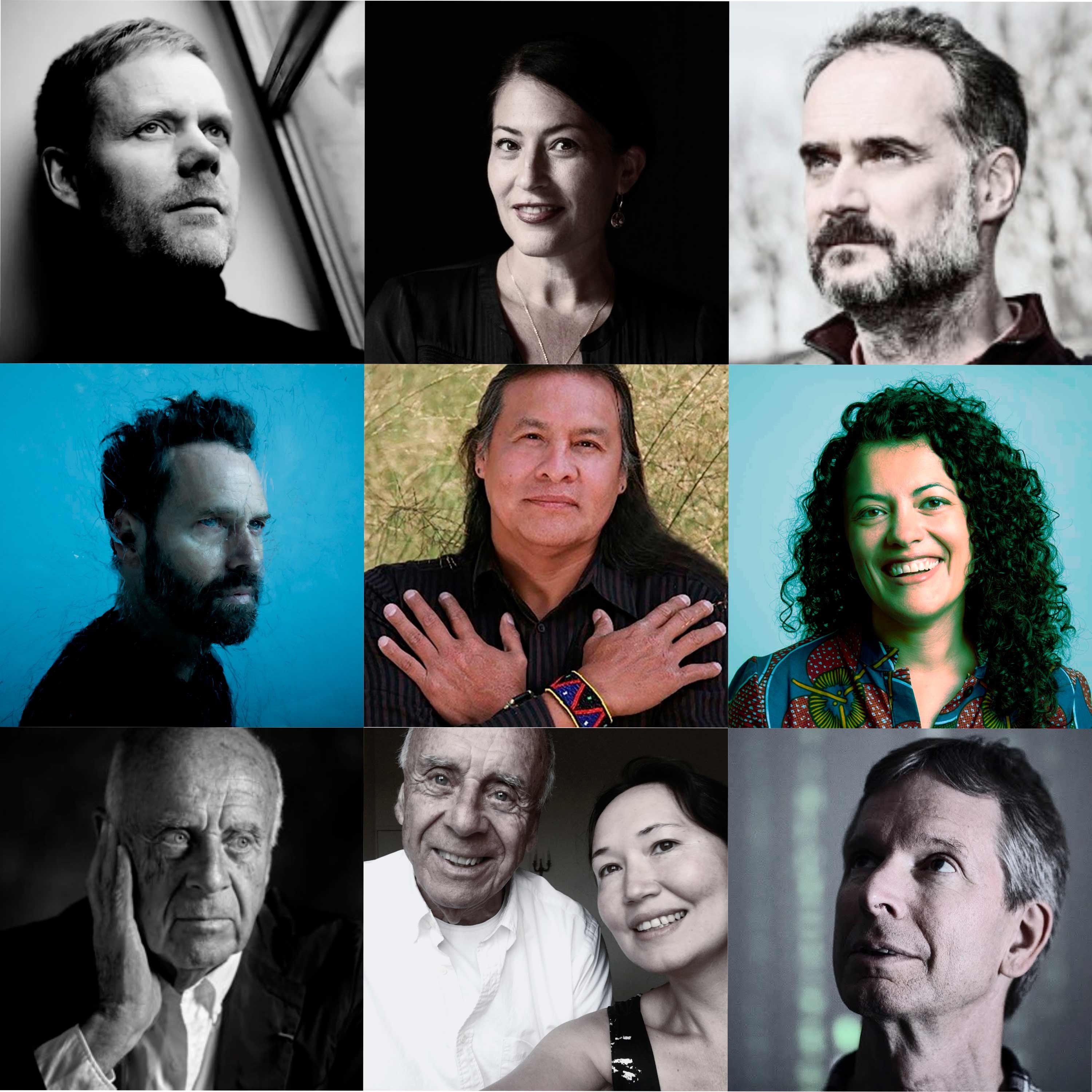 WONDER: Childhood, Memory, Listening to the Earth 16.09.2026 20min“It's my past selves that I feel are so intertwined with the experience of moving home and of childhood, that they're inside of us, that they're with us.”Those past selves that the poet Ada Limón speaks of aren't ghosts, they are part of our present. Before we had the words to explain the world, we understood it through the warmth of sunlight, the scent of rain, and the sound of a mother’s voice. Today, we are joined by composers Max Richter and Dustin O'Halloran; biologist David George Haskell; and cognitive psychologist Donald Hoffman. We hear from the host of First Voices Radio, Tiokasin Ghosthorse, Lincoln Center’s Chief Artistic Officer, Shanta Thake; and photographer Ralph Gibson, who reflect on beauty, childhood and the memories that give their life meaning.(0:00) ADA LIMÓN (24th U.S. Poet Laureate, Startlement) Returning to the Place of Childhood and Imagination (13:05) (19:10)(2:24) TIOKASIN GHOSTHORSE (Founder, First Voices Radio) The Virtue of Patience and Connecting with Nature (5:08)(3:45) MAX RICHTER (Oscar & Golden Globe-Nominated Composer, Hamnet, SLEEP, Arrival, The Blue Notebooks) First Musicial Memories (11:34)(6:59) SHANTA THAKE (Chief Artistic Officer, Lincoln Center) Childhood Memories(8:19) DUSTIN O'HALLORAN (Emmy Award-winning Composer, 1001, Silfur, Transparent, Lion) Exploring Soundwaves Underwater (12:23)(9:53) DAVID GEORGE HASKELL (Biologist, Author, How Flowers Made Our World , The Songs of Trees) The Sensory Awakening of Childhood(14:11) DONALD HOFFMAN (Cognitive Scientist) Childhood and the Magic of Nature(16:23) RALPH GIBSON (Leica Hall of Fame Photographer) Vision in Childhood and the Perception of TimeTo hear more from each guest, listen to their full interviews.Episode Websitewww.creativeprocess.info/podInstagram:@creativeprocesspodcast
 -
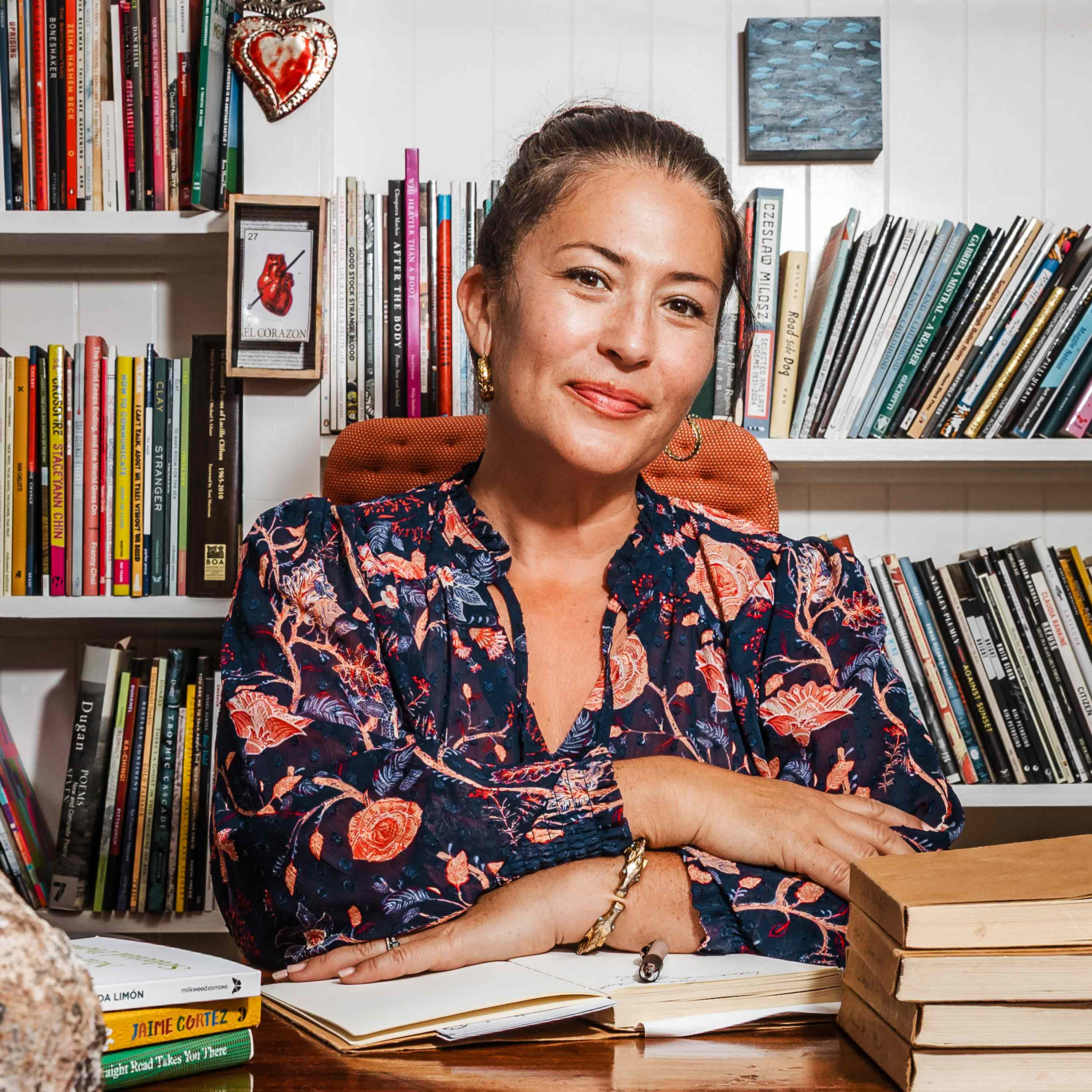 ADA LIMÓN on Interconnectedness, Startlement & The Power of Poetry 27.08.2026 1h 9minMy guest today is Ada Limón. She served two historic terms as the 24th poet laureate in the United States. She has brought poetry to public parks across the US, and her words have traveled through deep space, engraved on NASA’s Europa Clipper spacecraft. In over 20 years of writing in celebrated collections like Bright Dead Things and The Carrying and her new book, Startlement: New and Selected Poems, Ada has brought a sincerity to American poetry rooted in connection to the natural world.She’s written with inspiring honesty about the death of loved ones, trying to conceive and also the unexpected liberation of deciding to step away from societal expectations of motherhood and embrace a life happily childfree. Her latest book on craft, Against Breaking: On the Power of Poetry, asks how a poem can hold our heaviest grief without letting the human spirit fracture.After years living in Kentucky and New York, she bought back her childhood home in Sonoma Valley, stepping back into the rooms where her poetic imagination first took root. We’ll talk about the discipline of paying attention and why poetry remains an essential act of human survival. (1:45) Silence as the Music of the World(9:17) The Deepening of Roots(13:19) 'On Earth As It Is on Earth'(18:08) Bearing Witness Without Surrendering to Grief(21:02) Singing Back the Wounded World and the Case for Beauty(28:22) Love as an Active Daily Choice(30:38) The Practice of Loving-Kindness Meditation(37:34) Writing Without Music, Listening to the Landscape(40:04) Dreams as Archetypes of Consciousness(42:51) The Creative Toll of AI(51:29) Embracing the Liberation of a Childfree Life(1:01:06) Listening to Trees as an Act of Reciprocity(1:06:44) Interconnectedness of Living BeingsEpisode Websitewww.creativeprocess.info/podInstagram:@creativeprocesspodcast
 -
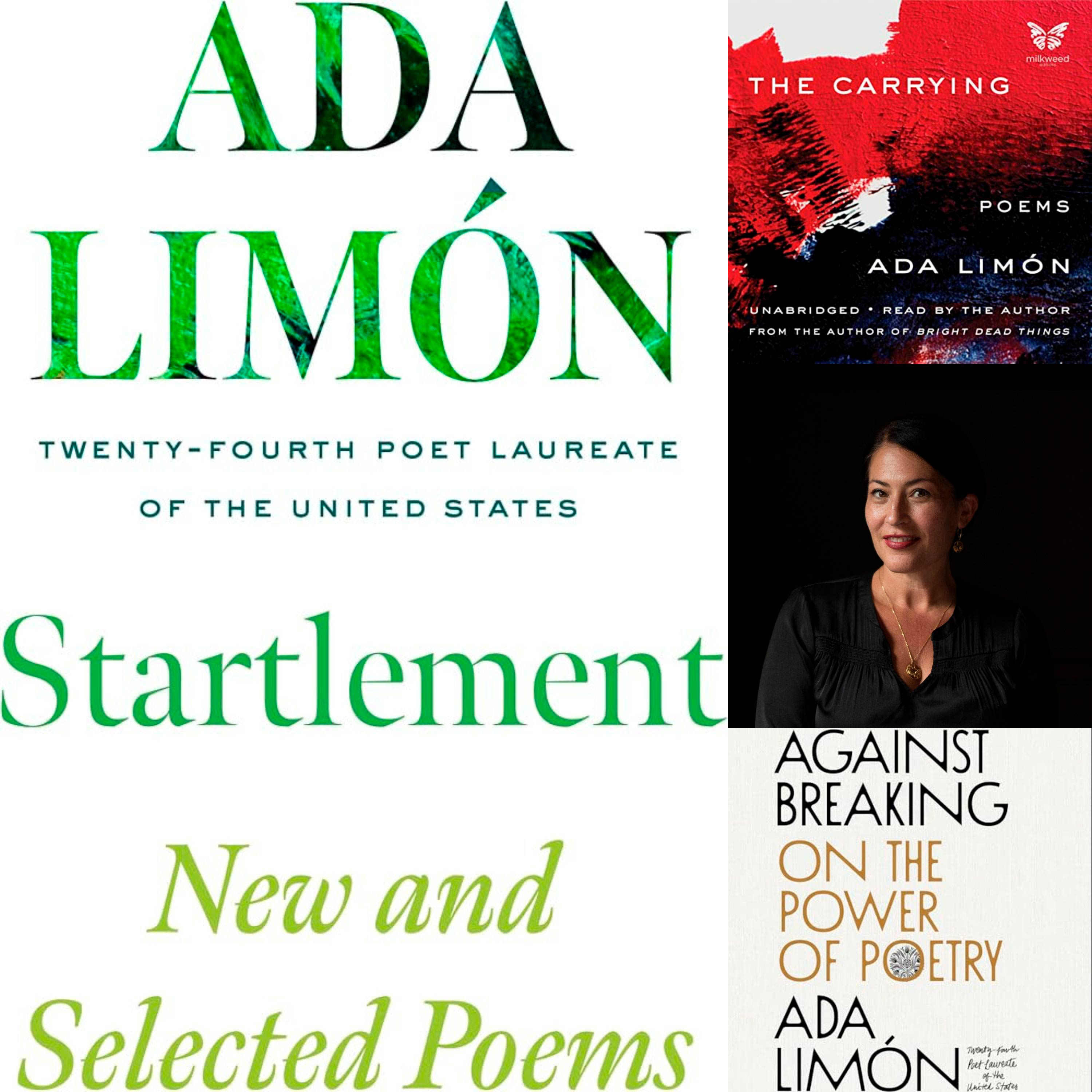 24th US Poet Laureate ADA LIMÓN on Memory, Wonder & Listening to the Living World - Highlights 27.08.2026 35min“It’s always very interesting that we have to make a case for art because we don’t have to make a case for fast food. Like, we don’t have to make a case for all of these sort of things in our lives that we do not need, and yet we have to make a case for beauty? We have to make a case for the soul? We have to make a case for humanity? We have to make a case for singing back the wounded world? That to me is fascinating”My guest today is Ada Limón. She served two historic terms as the 24th poet laureate in the United States. She has brought poetry to public parks across the US, and her words have traveled through deep space, engraved on NASA’s Europa Clipper spacecraft. In over 20 years of writing in celebrated collections like Bright Dead Thingsand The Carryingand her new book, Startlement: New and Selected Poems, Ada has brought a sincerity to American poetry rooted in connection to the natural world.She’s written with inspiring honesty about the death of loved ones, trying to conceive and also the unexpected liberation of deciding to step away from societal expectations of motherhood and embrace a life happily childfree. Her latest book on craft, Against Breaking: On the Power of Poetry, asks how a poem can hold our heaviest grief without letting the human spirit fracture.After years living in Kentucky and New York, she bought back her childhood home in Sonoma Valley, stepping back into the rooms where her poetic imagination first took root. We’ll talk about the discipline of paying attention and why poetry remains an essential act of human survival.(0:03) The Case for Beauty (0:39) About Ada Limón(2:44) The Deepening of Roots(5:01) Reading 'On Earth As It Is on Earth'(6:08) Bearing Witness Without Surrendering to Grief(7:50) The Definition of Beauty and the Dissolving Self(9:41) Love as an Active Daily Choice(11:11) The Practice of Loving-Kindness Meditation(13:28) Reading 'Hell or High Water'(17:01) Writing Without Music and Listening to the Landscape(19:08) Dreams as Archetypes of Consciousness(21:34) The Environmental and Creative Toll of Generative AI(24:02) AI and the Future of the Arts(25:21) Stewardship, Conservation, and Faith in the Invisible Workers(28:14) The Childfree Daughter(29:57) Listening to Trees as an Act of Reciprocity(32:40) The Music of the World(34:03) The Seed of InterconnectednessEpisode Websitewww.creativeprocess.info/podInstagram:@creativeprocesspodcast
 -
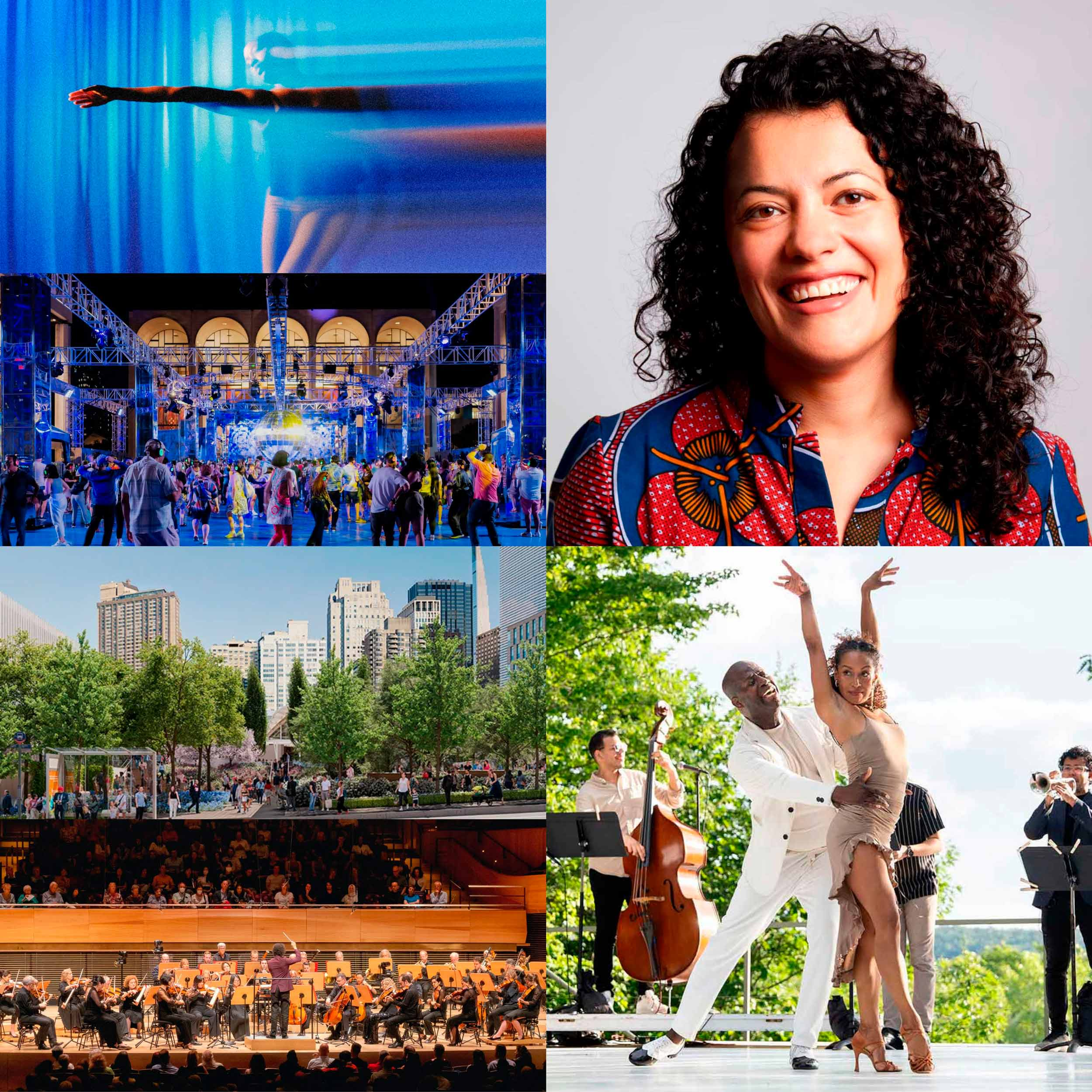 LINCOLN CENTER: Celebrating the Performing Arts & the Human Spirit with SHANTA THAKE 19.08.2026 57min“Lincoln Center is multiple stages. I think probably over three dozen stages across 16 acres. It is a vast canvas in and of itself. And then we have this beautiful plaza that leads to this beautiful campus, and that’s the visual I think that most people have when they think of Lincoln Center is this beautiful fountain in the center and these three gorgeous buildings.It’s New York’s biggest plaza, and it feels very vibrant and beautiful. In the summer, we really take that plaza and we transform it into a dance floor. So this idea of also interrupting what people’s notion of Lincoln Center is because it’s a space that is very aspirational, which is a great thing.”Shanta Thake is the Chief Artistic Officer at Lincoln Center for the Performing Arts—the nation's largest performing arts complex. Before stepping into this role, she spent nineteen years at The Public Theater, shaping the city's cultural landscape through Joe's Pub and expansive community initiatives. Today, she is tearing down walls—both the literal barriers separating Lincoln Center from its neighbors, and the figurative ones that dictate who belongs in our cultural spaces. She views the arts not as a luxury, but as essential civic infrastructure. We are pleased to have Shanta Thake to discuss her journey, the power of radical curation, and the future of public performance.(0:00) Reimagining Lincoln Center(2:27) Art and the Human Experience(4:40) The Curiosity of Childhood(5:44) Alvin Ailey and the Pivot(8:29) The Invisible Arts(9:06) The Power of Public Theater(17:03) Curation, Programming and the Art of Listening(23:42) San Juan Hill and The Wall(31:23) Art as the Oldest Technology(35:02) globalFEST: Music and Connection(38:20) Finding Universal Belonging(41:20) The Gift of Pause(54:27) A Collective CaretakingEpisode Websitewww.creativeprocess.info/podInstagram:@creativeprocesspodcast
 -
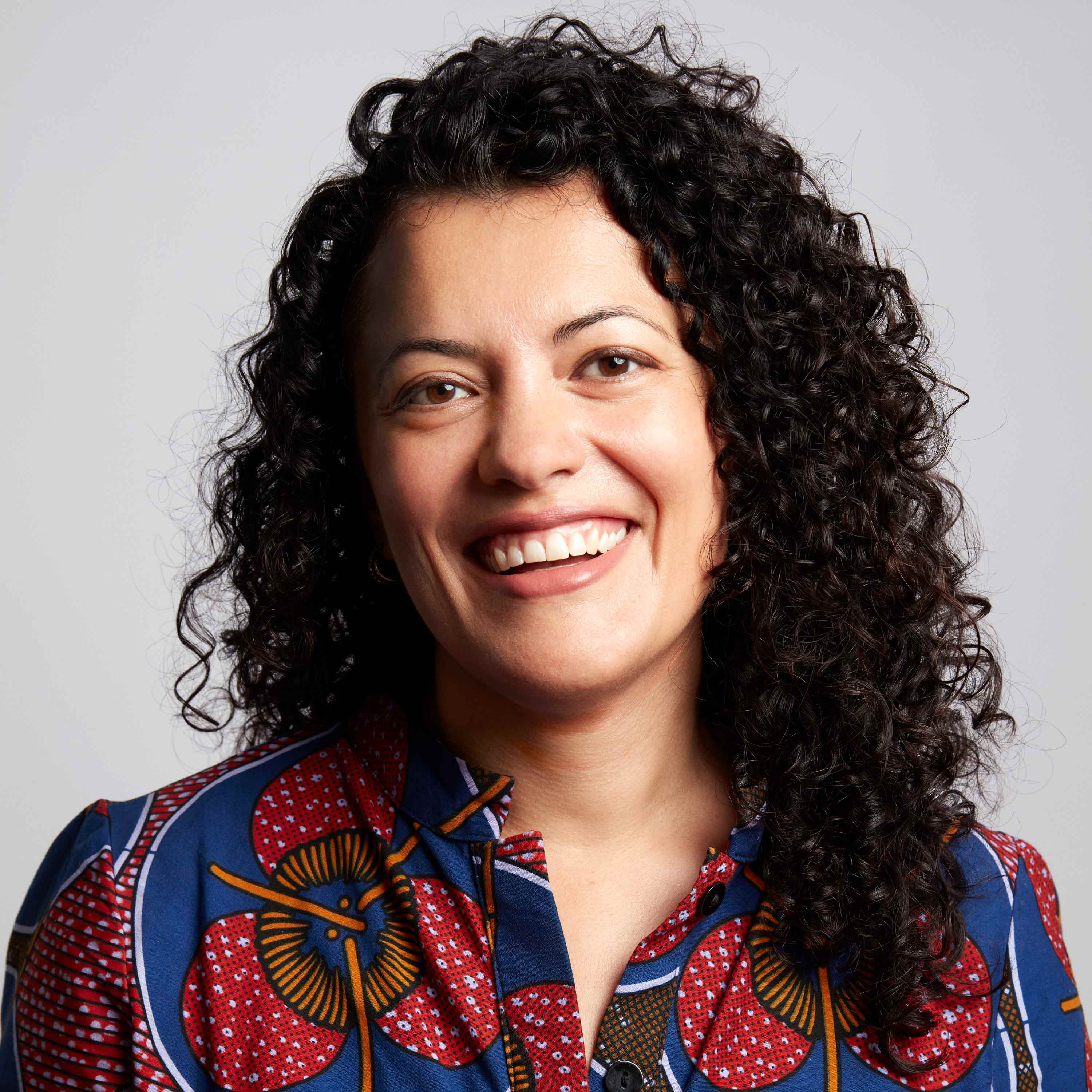 Life and Art at LINCOLN CENTER: Chief Artistic Officer SHANTA THAKE on the Power of the Arts - Highlights 14.08.2026 18min"I really do believe that the arts are critical to how we move forward together, and live performance in particular, I think, is a way of us practicing how to move across our ideological boundaries and find one another and imagine these new worlds together and create together."Shanta Thake is the Chief Artistic Officer at Lincoln Center for the Performing Arts—the nation's largest performing arts complex. Before stepping into this role, she spent nineteen years at The Public Theater, shaping the city's cultural landscape through Joe's Pub and expansive community initiatives. Today, she is tearing down walls—both the literal barriers separating Lincoln Center from its neighbors, and the figurative ones that dictate who belongs in our cultural spaces. She views the arts not as a luxury, but as essential civic infrastructure. We are pleased to have Shanta Thake to discuss her journey, the power of radical curation, and the future of public performance."I really do believe that the arts are critical to how we move forward together, and live performance in particular, I think, is a way of us practicing how to move across our ideological boundaries and find one another and imagine these new worlds together and create together."Shanta Thake is the Chief Artistic Officer at Lincoln Center for the Performing Arts—the nation's largest performing arts complex. Before stepping into this role, she spent sixteen years at The Public Theater, shaping the city's cultural landscape through Joe's Pub and expansive community initiatives. Today, she is tearing down walls—both the literal barriers separating Lincoln Center from its neighbors, and the figurative ones that dictate who belongs in our cultural spaces. She views the arts not as a luxury, but as essential civic infrastructure. We are pleased to have Shanta Thake to discuss her journey, the power of radical curation, and the future of public performance.(00:00) Reimagining Lincoln Center(03:09) A Collective Caretaking(03:47) The Technology of Human Creation(04:20) The Curiosity of Childhood(09:25) San Juan Hill and The Wall(14:20) globalFEST: Music and Connection(16:06) The Gift of Pause(17:20) A Collective CaretakingEpisode Websitewww.creativeprocess.info/podInstagram:@creativeprocesspodcastEpisode Websitewww.creativeprocess.info/podInstagram:@creativeprocesspodcast
 -
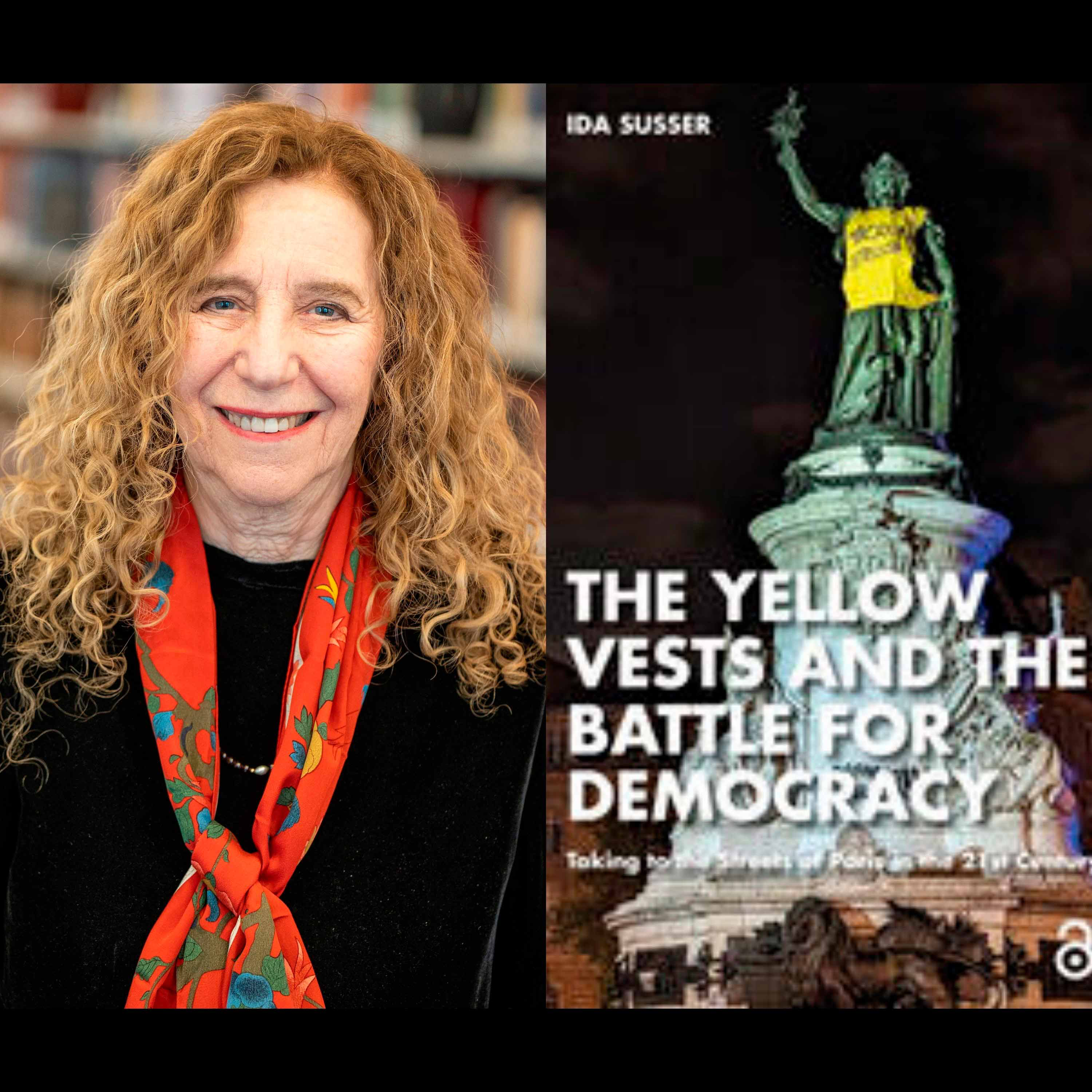 The Yellow Vests & the Battle for Democracy with IDA SUSSER, Author, Anthropologist 23.07.2026 42min“In Paris, when these same people, who had friends who were their police, came to Paris and found themselves tear gassed and shot with LBDs and losing their eyes and feet, and coming back with red all down their faces and blood everywhere, and they began to understand that the violence is beyond legal. And so they began to understand what was happening in areas, what we might call the ghettos or the poor areas of Paris, where Black people or people of color were being harassed by the police.“In 2018, hundreds of thousands of people in France showed up day after day, month after month, to protest the French government’s attacks on labor, on social benefits, and on the environment, among other things, including police violence. Anthropologist Ida Susser took part in these communal actions, interviewing a vast array of participants, who came from all walks of life, from political positions across the spectrum, and from many different regions and class identities. We learn how people formed common cause, organized unique social worlds, and how their struggles, defeats, and successes, can teach us critical lessons in making the a new, more just, world. In the spirit of communing, Ida Susser has made Yellow Vests a free download here.Ida Susser, PHD is Distinguished Professor of Anthropology at the Graduate Center and Hunter College, CUNY. Her recent book The Yellow Vests and the Battle for Democracy: taking to the streets of Paris in the 21st Century(Routledge 2026) focuses on commoning movements and new visions. Her previous books include: Norman Street(Oxford, 2012) a study of working class opposition to cutbacks during the New York City fiscal crisis and the transition of Greenpoint-Williamsburg from a working class neighborhood to a gentrified enclave, andAIDS, Sex and Culture: Global Politics and Survival in Southern Africa (Wiley-Blackwell 2009), a history of the power of social movements to transform health.(0:00) The Reality of Police Violence in Paris(1:00) The Yellow Vests Movement(3:00) The Erosion of French Labor Laws(7:05) The Beginnings of the Diesel Tax Protest(11:00) The Three Commons and Progressive Transformation(16:26) Building a Concrete Utopia(22:16) The Success of the Nuit Debout Commissions(27:57) The Birth of Co-op Cycle(29:34) Redefining Class in the Flexible Economy(34:45) Building a Historical Bloc(38:05) Making Knowledge Free and Open AccessEpisode Websitewww.palumbo-liu.comhttps://speakingoutofplace.comBluesky @palumboliu.bsky.socialIG @speaking_out_of_place
 -
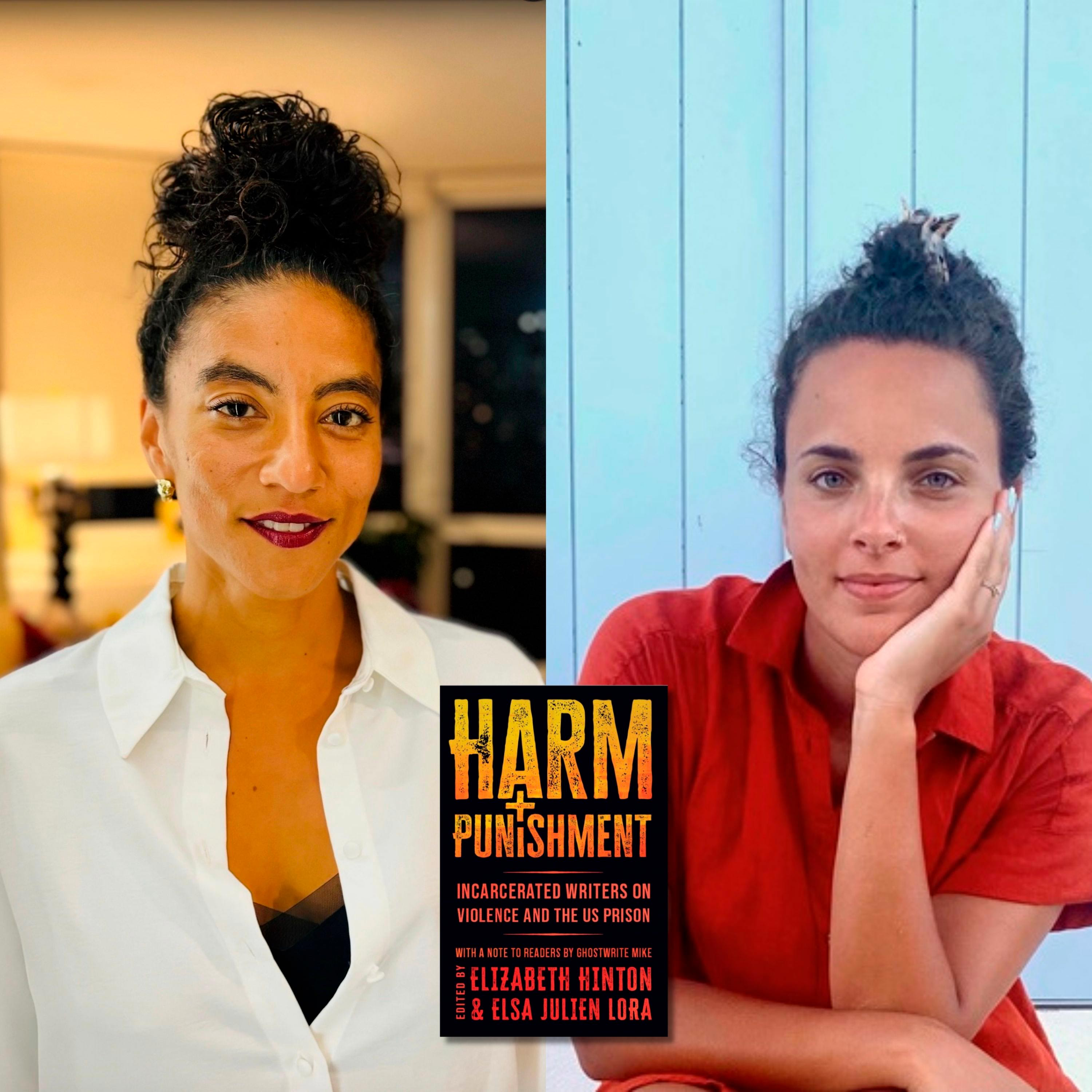 Harm & Punishment: Incarcerated Writers on Violence & the US Prison w/ ELIZABETH HINTON & ELSA JULIEN LORA 20.07.2026 52min“When we look at police brutality, when we look at violent conditions, you can't break a cycle of violence with more violence. And the prison is, if not the most profound and devastating state sanctioned and institutional expression of violence, it is a violence incubator.”In this episode of the Speaking Out of Place podcast, Professor David Palumbo-Liu talks with Elizabeth Hinton and Elsa Julien Lora about their new book, Harm and Punishment: Incarcerated Writers on Violence and the US Prison. Along with two research assistants, Lora and Hinton pored over hundreds of essays by prisoners, found in the American Prison Writing Archive. They then selected and organized the essays found in this volume, offering illuminating introductions to each section.Our discussion moves through many topics—the brutal, dehumanizing, and punitive nature of the prison system, the damage it does to lives both inside and outside prison, and the ways prisoners find to survive and offer each other support, despite being pitted against each other. At base, we consider how we, as a society, are “addicted to violence,” and why and how it is crucial to understand that violence can only produce more violence. These essays organically blend personal observations and stories with a deep understanding of the broad, systemic nature of violence.(0:00) The violence incubator(3:03) Harm and Punishment: Essay Collection(4:18) Curating the American Prison Writing Archive(8:29) A society addicted to violence(13:00) A lack of cohesive theory(15:23) Slow violence and medical neglect(16:59) Childhood trauma and street corner refuges(21:18) Rational responses to untenable conditions(25:35) The picture of despair and heartache(30:00) Razor wire, iron bars, and the slow boil(32:47) Dancing in the penitentiary and moments of joy(37:00) No one here gets out alive(43:21) The logical response is abolition(47:57) A silenced pedagogy for the futureEpisode Websitewww.palumbo-liu.comhttps://speakingoutofplace.comBluesky @palumboliu.bsky.socialInstagram @speaking_out_of_place
 -
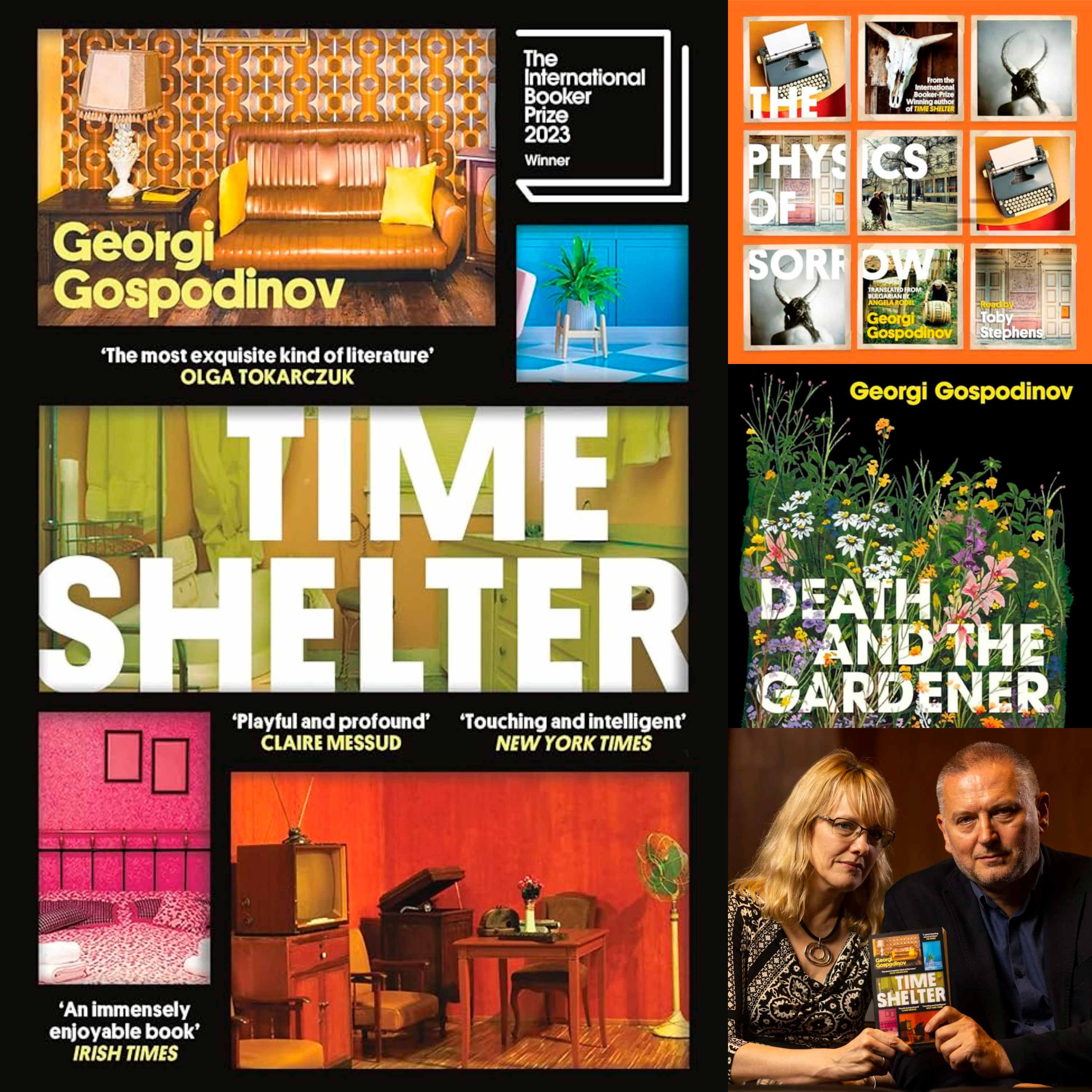 Literature is an Antidote to Propaganda - Grief, Memory & Humanity w/ G. GOSPODINOV & A. RODEL - Highlights 03.08.2026 26minToday, we have a conversation about time, memory, and the bittersweet geography of human sorrow. Georgi Gospodinovis widely considered one of the most daring voices in contemporary European literature. His acclaimed novel, The Physics of Sorrow, won the prestigious Jan Michalski Prize in 2016, blending ancient myth and quantum physics to chronicle the delicate realities of post-socialist Eastern Europe. Joining him is Angela Rodel, a brilliant linguist, musician, and translator whose profound artistic empathy carries the flowing cadences of the Bulgarian language into vivid English. Together, this extraordinary creative duo made history by winning the 2023 International Booker Prizefor Time Shelter—the first book written in Bulgarian to ever receive the honor.Time Shelter is a masterfully dark, funny, and prescient novel. It begins with an enigmatic psychiatrist opening a clinic that treats Alzheimer’s patients by meticulously recreating past decades to match their internal clocks. But the experiment quickly escapes the clinic walls, triggering a pan-European crisis where entire nations hold democratic referendums to choose which era of the past they will retreat into. It is a book that holds up a mirror to our own world, exploring what happens when a civilization faces a deficit of meaning and tries to weaponize nostalgia.(0:00) The Trap of Nostalgia(1:22) The Nonlinear Approach to Storytelling(3:53) Translating the Atmosphere(4:31) The Pandemic of the Past(6:37) Death and the Gardener(9:49) The Translators Calling(11:00) Slowing Down Time(13:14) Storytelling vs Propaganda(15:54) Translating the Atmosphere(18:19) What makes a good life? What has given your life meaning?(20:56) Reflections on God and the Stories His Grandmother Told Him(23:43) The Importance of Hugging, Empathy and StorytellingEpisode Websitewww.creativeprocess.info/podInstagram:@creativeprocesspodcast
 -
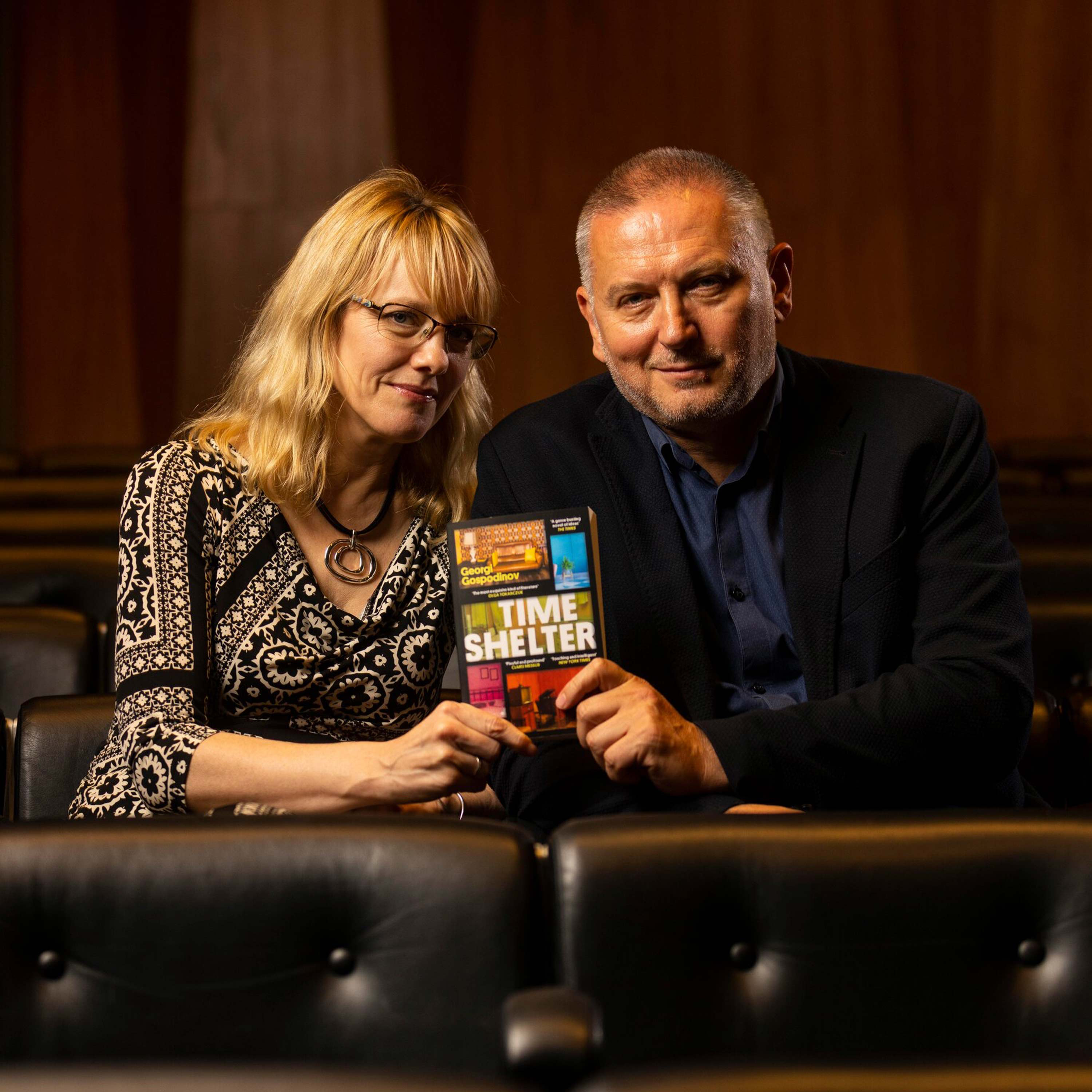 Time, Memory & the Art of Translation with GEORGI GOSPODINOV & ANGELA RODEL 05.08.2026 1h 30min“We are in the middle of a labyrinth which suggests to us many fake corridors. What's the superpower of literature? Literature is like an antidote against propaganda. Propaganda explains the world easily in a two-dimensional way. Literature gives you a more complex explanation. Literature tells personal stories.”Today, we have a conversation about time, memory, and the bittersweet geography of human sorrow. Georgi Gospodinov is widely considered one of the most daring voices in contemporary European literature. His acclaimed novel, The Physics of Sorrow, won the prestigious Jan Michalski Prize in 2016, blending ancient myth and quantum physics to chronicle the delicate realities of post-socialist Eastern Europe. Joining him is Angela Rodel, a brilliant linguist, musician, and translator whose profound artistic empathy carries the flowing cadences of the Bulgarian language into vivid English. Together, this extraordinary creative duo made history by winning the 2023 International Booker Prize for Time Shelter—the first book written in Bulgarian to ever receive the honor.Time Shelter is a masterfully dark, funny, and prescient novel. It begins with an enigmatic psychiatrist opening a clinic that treats Alzheimer’s patients by meticulously recreating past decades to match their internal clocks. But the experiment quickly escapes the clinic walls, triggering a pan-European crisis where entire nations hold democratic referendums to choose which era of the past they will retreat into. It is a book that holds up a mirror to our own world, exploring what happens when a civilization faces a deficit of meaning and tries to weaponize nostalgia.(0:00) The Trap of Nostalgia(2:13) The Art of Translation(5:44) The Pandemic of the Past(11:30) Reading from ‘Time Shelter’(14:28) Death and the Gardener(19:34) The Translator's Calling(26:05) Cultural Rhythms of the Bulgarian Language(30:00) The Nonlinear Approach to Storytelling(34:30) Separating Personal and Historical Pasts(42:55) Storytelling vs Propaganda(47:19) Bodies, Animals and the Loneliness of the Minotaur(56:00) Reading ' Eight Minutes and 19 Seconds’(1:00:28) What makes a good life? What has given your life meaning?(1:04:18) Childhood, Memory and Imagination(1:10:38) Reflections on God and the Stories His Grandmother Told Him(1:17:20) Education and the Empathic Imagination(1:23:25) The Museum of Memory(1:26:15) The Importance of Hugging and Empathy(1:28:02) AI and the Future of HumanityEpisode Websitewww.creativeprocess.info/podInstagram:@creativeprocesspodcast
 -
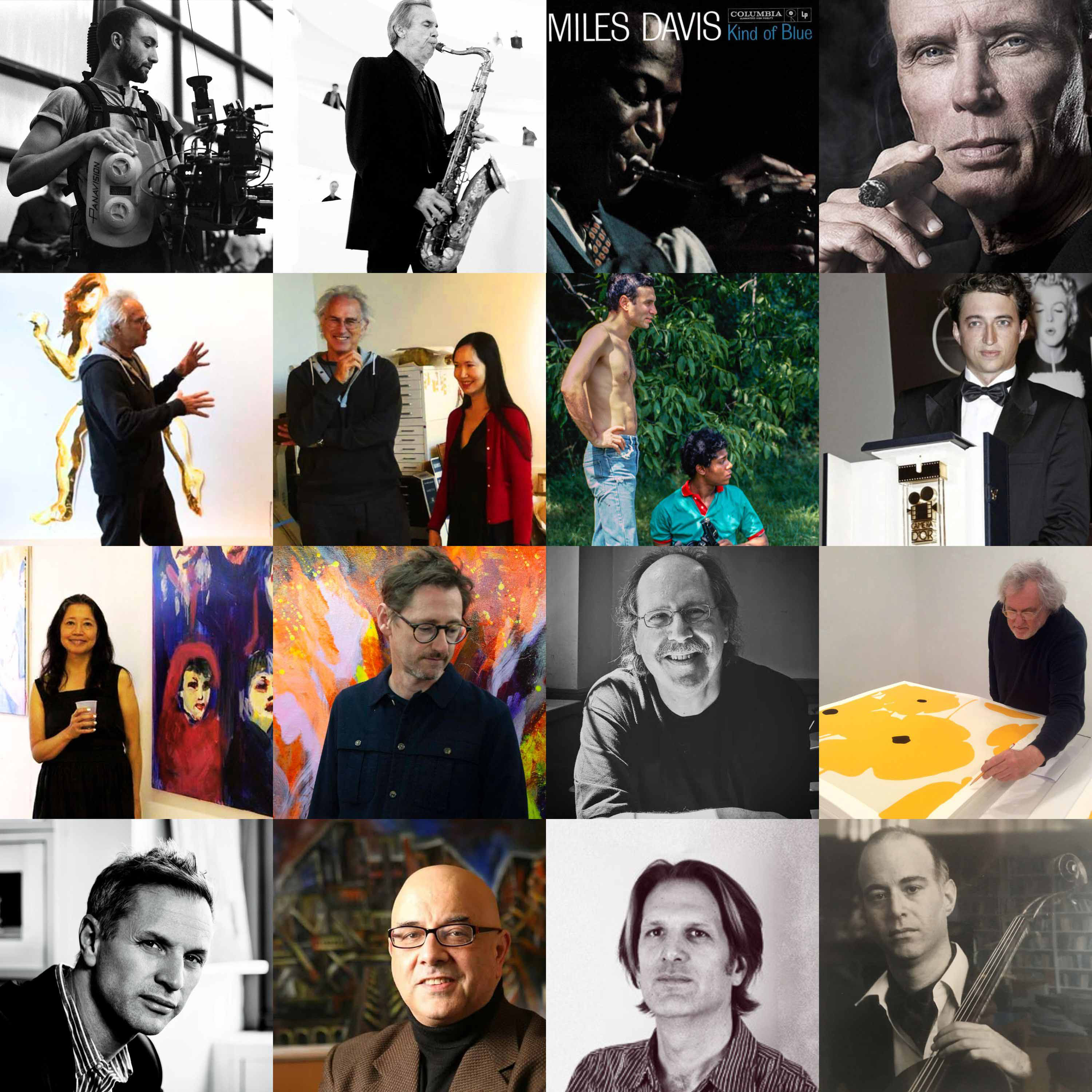 What is the role of the artist? - Artists on Creativity, Improvisation & the Search for Meaning 25.07.2026 30minOur creative lives are shaped by those who come before us. But where does creativity come from? Today, we hear from voices across the arts and sciences. The visual artists exploring emotions through imagery: Eric Fischl, Donald Sultan, Anthony White, Lee Jaffe, and Gloria Pacis. Director Benh Zeitlin, cinematographer Chayse Irvin, and actor, director, and art historian Peter Weller discuss the beauty of small details hidden in the larger story.We examine jazz and the improvised life with musician and artist Dickie Landry, and author Bruce Evan Barnhart. We speak with former NYTimes Magazine editor Adam Moss on how magazines help us understand and honor the urgency of events like 9/11, while sociologist Richard Sennett, writer Paul Levinson, and scientist Julio Ottino talk about the need for a nexus of creativity across disciplines to meet the challenges of our current moment.(0:00) PETER WELLER (Actor, Director, Musician) Remembers Miles Davis(3:08) CHAYSE IRVIN (Cinematographer, Blonde, BlacKkKlansman) On Imperfection(4:30) LEE JAFFE (Artist, Writer) On Life with Bob Marley and Basquiat(6:02) ERIC FISCHL (Artist) To Create an Immediate Narrative, You Need to Have Imbalance(8:02) ADAM MOSS (Fmr. Editor New York Magazine)(12:12) ANTHONY WHITE (Artist)(13:54) DICKIE LANDRY (Musician, Artist) Art, Music and Rauschenberg(16:47) BRUCE EVAN BARNHART (Author) Jazz and Improvisation(18:05) BENH ZEITLIN (Director, Writer of Beasts of the Southern Wild) Freedom, Childhood, Films(20:11) RICHARD SENNETT (Sociologist) Art Can Create or Destroy(21:17) DONALD SULTAN (Artist)(22:59) GLORIA PACIS (Artist) The Dance of Life(24:17) PAUL LEVINSON (Writer)(26:17) JULIO OTTINO (Scientist) The Nexus of Art, Tech, ScienceFor more, listen to their full interviews http://www.creativeprocess.info/podhttp://www.creativeprocess.info/interviews-featured/anth-role-artist
 -
 Surviving the AI Hype Cycle Without Losing Your Mind (or Your Job) w/ NACHO DE GREGORIO - Highlights 22.07.2026 17min"I'm a believer in this technology. I believe that the cheaper it is, the more people will use it. So, even if we assume that models will get smaller for the same level of intelligence, the demand to actually have more compute is going to be enormous. And the reason why you want to have the compute close to you is not only in terms of performance. As a national security threat, I'm not saying this will happen, but it could happen that China or US or whoever decides to stop exporting compute to the rest of the world. If that happens today, Europe has zero AI at the scale of data the data center."For over a decade, technology has promised to make life easier. Social media was meant to connect us, we were told smartphones would simplify our lives, and now artificial intelligence promises to lift even more daily burdens. Yet these advances also raise an important question: when do tools enhance human creativity, and when do they replace the very experiences that give life meaning? While AI holds immense promise, many people face challenges coping with current technological advancements that ‘redefine’ human communication, work, education, and democratic values. Today, we examine societal and cultural impacts of AI, identity, inclusion, governance, education, and community well-being. And are speaking with Nacho de Gregorio, author of TheWhiteBox, one of Medium's most-followed AI analysts, for a level-headed conversation about both the remarkable potential and the real limitations of AI.(0:22) The hidden risks of the AI debt bubble(0:55) Shadow borrowing and the data center boom(3:12) The AI compute gap and national security(5:40) Europe's missing infrastructure and tech sovereignty(8:13) The Jevons paradox and the demand for compute(10:25) Why open source AI is the best path forward(12:31) The chess paradox and the future of human art(12:53) Unmeasurable domains and future-proofing your career(14:00) Tutoring and AI in education(15:11) Navigating AI slop and the information ecosystem(16:24) The Pleasure of Waiting vs. The HustleEpisode Websitewww.creativeprocess.info/podInstagram:@creativeprocesspodcast
 -
 The $7.5 Trillion Gamble on AI Domination & The Future of Humanity w/ NACHO DE GREGORIO 21.07.2026 1h 43minFor over a decade, technology has promised to make life easier. Social media was meant to connect us, we were told smartphones would simplify our lives, and now artificial intelligence promises to lift even more daily burdens. Yet these advances also raise an important question: when do tools enhance human creativity, and when do they replace the very experiences that give life meaning? While AI holds immense promise, many people face challenges coping with current technological advancements that ‘redefine’ human communication, work, education, and democratic values. Today, we examine societal and cultural impacts of AI, identity, inclusion, governance, education, and community well-being. And are speaking with Nacho de Gregorio, author of TheWhiteBox, one of Medium's most-followed AI analysts, for a level-headed conversation about both the remarkable potential and the real limitations of AI.(0:00) The AI compute gap and national security(1:56) The hidden risks of the AI debt bubble(4:40) Separating AI hype from job displacements(12:38) Shadow borrowing and the data center boom(17:19) Europe's missing infrastructure and tech sovereignty(21:52) The Jevons paradox and the demand for compute(26:37) Regulatory capture and doomerism(31:12) Why open source AI is the best path forward(42:19) The chess paradox and the future of human art(46:35) Unmeasurable domains and future-proofing your career(53:45) Tutoring and AI in education(1:01:48) Navigating the AI slop and information ecosystem(1:16:00) Finding beauty in the natural world(1:20:18) The pleasure of waiting vs. the hustle(1:35:01) Setting healthy boundaries with technologyEpisode Websitewww.creativeprocess.info/podInstagram:@creativeprocesspodcast
 -
 Our Wild Familiars - DR. DAN WERB on Animals that Live Among Us & Urban Wildlife Conservation - Highlights 17.07.2026 24minIf you live in a city, you’ve probably had that moment in the middle of the night. You hear a scratching in the walls, or you catch the glowing eyes of a raccoon peering out from a dumpster, and for a second, the concrete world feels a lot less 'controlled' than we like to pretend. We’ve been taught to think of cities as 'biological deserts'—places where nature goes to die. But my guest today, Dan Werb, says that’s a myth we tell ourselves to feel safe. Dan is an award-winning epidemiologist and a musician, and in his new book, Our Wild Familiars, he explores the 'synanthropes'—the wild creatures that aren't our pets, but aren't quite strangers either. They are the coyotes, the bats, and even the octopuses that are learning to use our cities as laboratories for their own rapid evolution. He’s also the author of The Invisible Siege and City of Omens.(0:02) The unexpected biodiversity of urban areas and wild familiars(1:18) What is a Synanthrope?(4:15) The Myth of the Biological Desert(8:04) The Ancestral Bond between early humans, ravens, and foxes(9:15) Crows and Grudges(12:42) Stepping Stones in the Concrete(14:20) The Epidemiological Triangle(17:58) The Illusion of AI Connection(19:56) The Museum of MemoryEpisode Websitewww.creativeprocess.info/podInstagram:@creativeprocesspodcast
 -
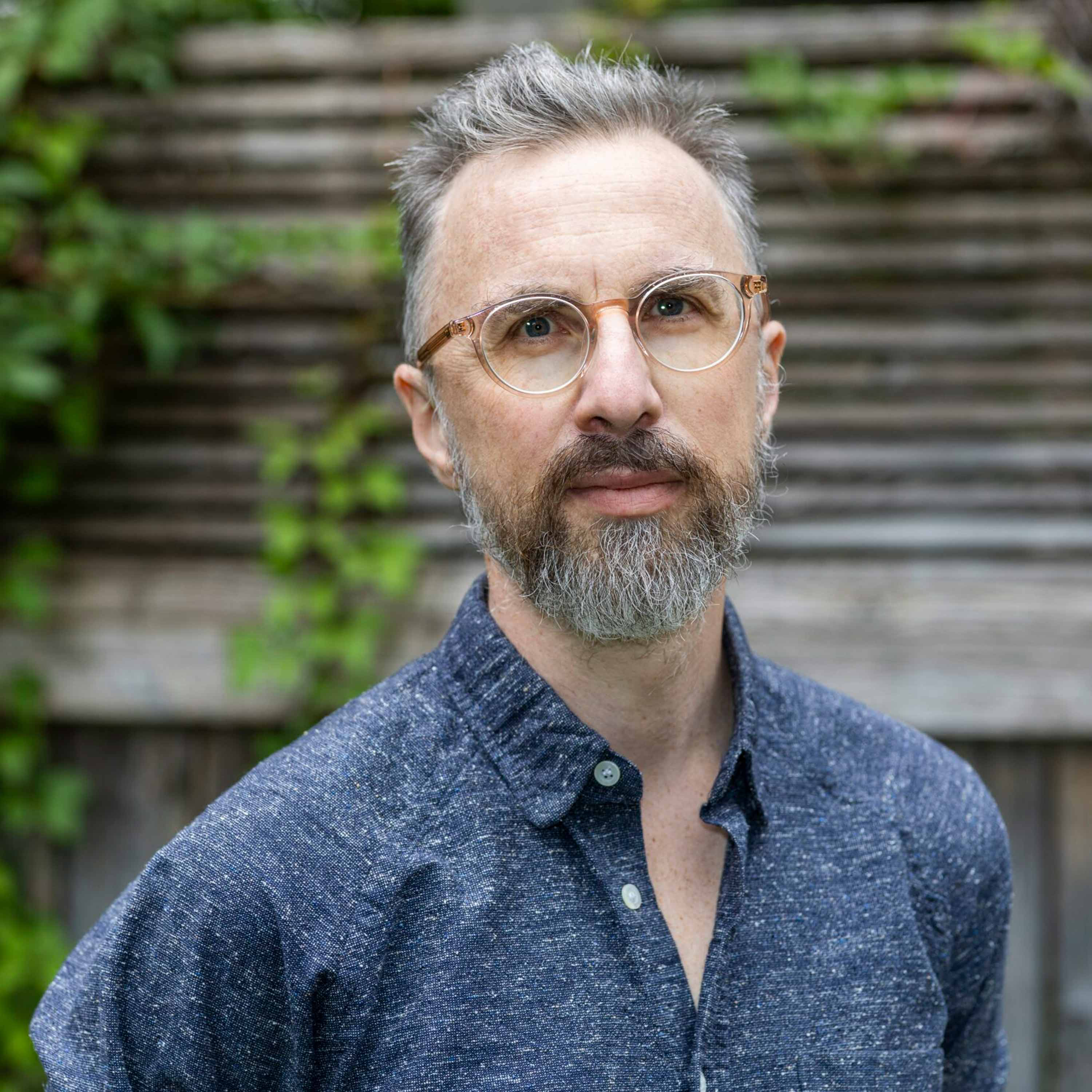 How Animals Are Adapting to Cities & Reshaping the Natural World w/ Author & Epidemiologist DAN WERB 15.07.2026 1h 40min"So synanthropes are animals that have adapted to human-modified environments, and the Greek translation essentially is together with humans, so synanthrope. And they're a fascinating subset of wild animals that they're all around us, but we don't really notice them. And so in this new book, I was excited about writing something that had to do with the natural world. I was excited about writing something that touched on climate change. These are not just insects and earthworms and things like that. These are very large predators that have nevertheless found a way to survive among us. And that in and of itself I think is just an amazing story and what I explore in this book."If you live in a city, you’ve probably had that moment in the middle of the night. You hear a scratching in the walls, or you catch the glowing eyes of a raccoon peering out from a dumpster, and for a second, the concrete world feels a lot less 'controlled' than we like to pretend. We’ve been taught to think of cities as 'biological deserts'—places where nature goes to die. But my guest today, Dan Werb, says that’s a myth we tell ourselves to feel safe. Dan is an award-winning epidemiologist and a musician, and in his new book, Our Wild Familiars, he explores the 'synanthropes'—the wild creatures that aren't our pets, but aren't quite strangers either. They are the coyotes, the bats, and even the octopuses that are learning to use our cities as laboratories for their own rapid evolution. He’s also the author of The Invisible Siege and City of Omens.(0:02) The unexpected biodiversity of urban areas and wild familiars(2:32) What are synanthropes?(6:04) Why cities are becoming magnets for wildlife and natural biodiversity(14:32) How our discarded garbage acts as a reliable nutrition source(18:01) The raccoon city and highly adaptable urban mesopredators(21:49) Redesigning cities as crucial sites for wildlife conservation and containerisation(26:31) The impact of highways on mountain lion migration in Los Angeles(31:03) The ancestral spiritual bond between early humans, ravens, and foxes(38:24) Facial recognition, grudges, and the intense intelligence of urban crows(42:40) Discovering giant Pacific octopuses living in discarded garbage near Seattle(49:04) How translucent boardwalks helped save baby salmon afraid of the dark(52:42) Building green corridors and ecological stepping stones in the concrete(1:01:07) Cultural shifts in pods of orcas sinking boats off the Iberian coast(1:05:23) Social epidemiology, vulnerable populations, and insights from City of Omens(1:08:29) The epidemiological triangle and the environmental causes of novel viruses(1:16:08) The rhythm shift required to observe wild animals in urban spaces(1:25:26) Why we need more cosmological humility when studying animal biology(1:31:06) The illusion of AI connection and why engaging with nature expands the mind(1:34:46) Memories, Laughter, and Animal ConnectionEpisode Websitewww.creativeprocess.info/podInstagram:@creativeprocesspodcast
 -
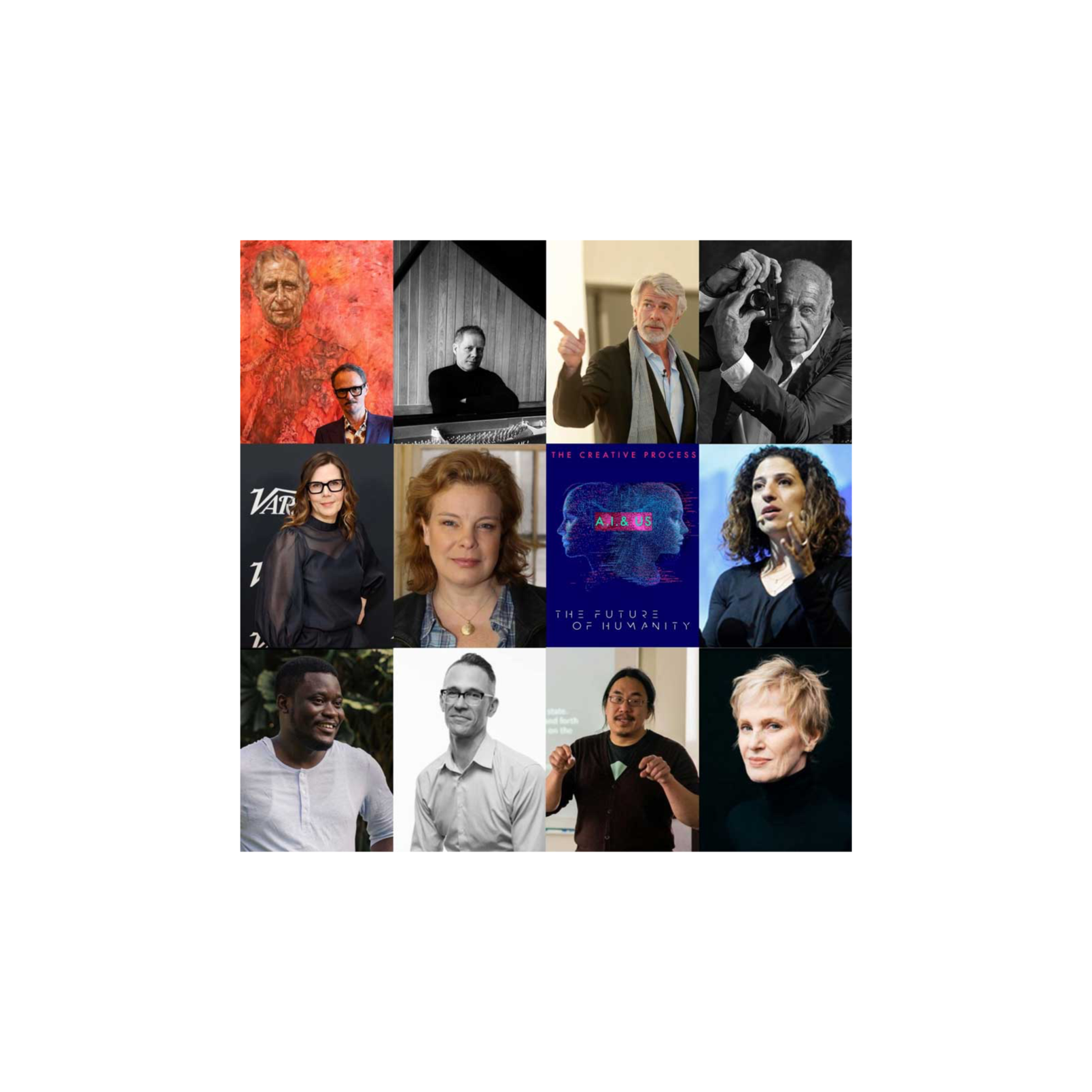 Taking Back Control in the Age of AI: Creativity, Transhumanism & The Myth of Machine Consciousness 24.06.2026 31minIt is an ordinary human impulse to find a reflection of ourselves in the machines we build. But what happens when the lifeless begins to talk back, to paint, to compose and to simulate our emotions? How do we hold on to what makes us human? Today we hear from philosophers and writers Siri Hustvedt, C. Thi Nguyen, and Bayo Akomolafe on the myth of machine consciousness. Artist Jonathan Yeo, playwright and screenwriter Laura Eason, composer Max Richter, and photographer Ralph Gibson discuss why the struggle of the creative process cannot be outsourced. They are joined by actress Catherine Curtin, neuroscientist Liad Mudrik, tech journalist Jacob Ward, and museum director Chris Dercon, who examine the power of imperfection, imagination, intuition, and how to avoid getting lost in the machine.(0:00) Siri Hustvedt (Author of Ghost Stories, What I Loved) (4:07) Jonathan Yeo (Portrait Artist) (5:08) Catherine Curtin (Actress, Orange is the New Black, Stranger Things) (8:49) C. Thi Nguyen (Philosopher, Author of The Score) (10:35) Bayo Akomolafe (Philosopher, Writer, Founder of The Emergence Network) (13:41) Chris Dercon (Museum Director, Fondation Cartier) (17:58) Laura Eason (Playwright, Screenwriter, Three Women, House of Cards) (20:58) Max Richter (Composer, Pianist, SLEEP, Hamnet) (23:44) Jacob Ward (Tech Journalist, Author, The Loop: How Technology is Creating a World Without Choices) (28:19) Liad Mudrik (Neuroscientist, Professor, Tel Aviv University) (29:04) Ralph Gibson (Photographer)To hear more from each guest, listen to their full interviews.Episode SiteInstagram:@creativeprocesspodcast
 -
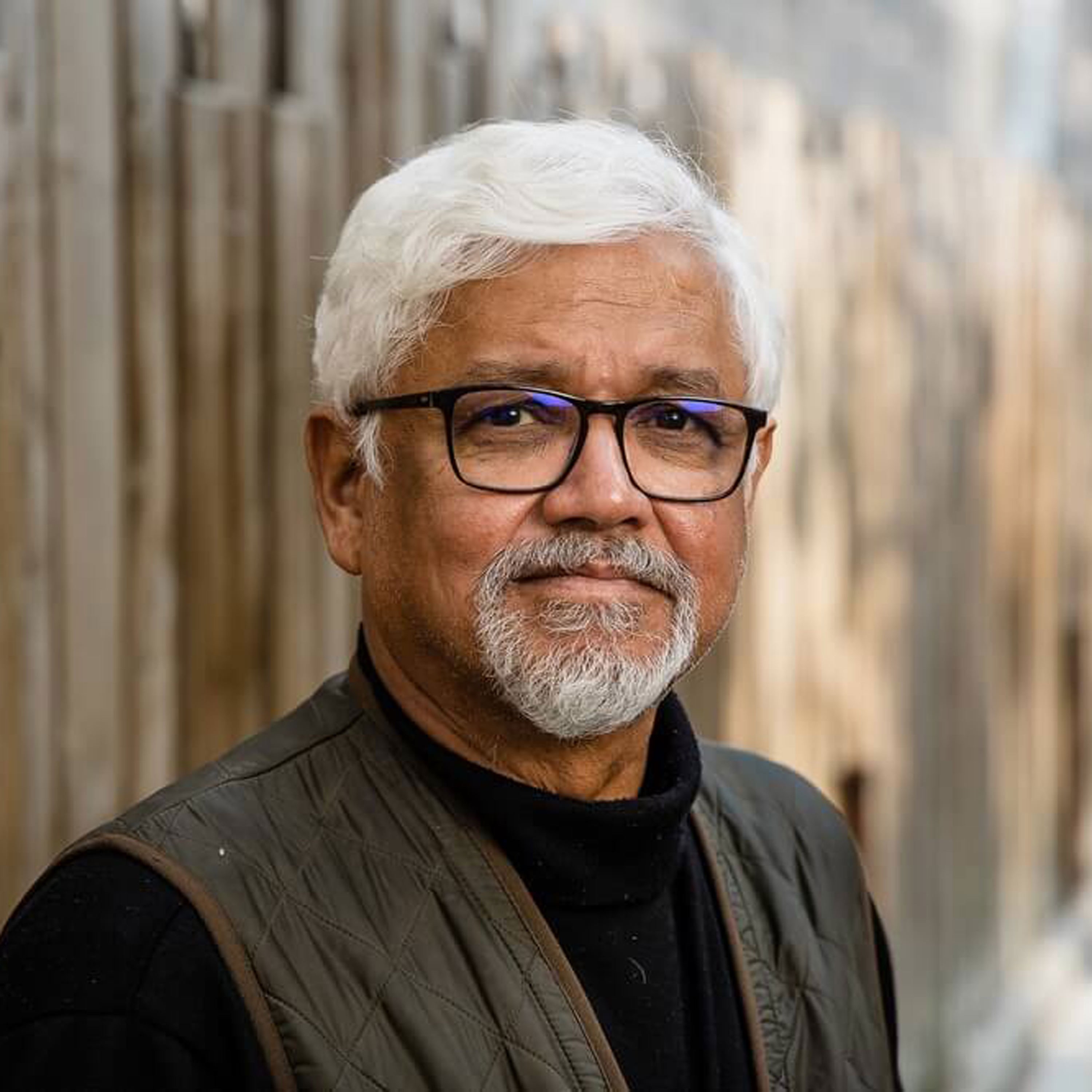 Reincarnation, Food & Memory: AMITAV GHOSH on What Connects Us in an Age of Climate Crisis 22.06.2026 41min“Imagining with precision is a very fundamental part of my work. When I sit down to write about anything, whether it be The Hungry Tide in the Sundarbans, or let's say The Shadow Lines, or Ghost-Eye. It's very important for me to get the topography right, to get the outlay of the streets or the house exactly right so I can actually picture all of that in my head. It's very important for me to have a sort of pictorial sense of what I'm seeing and what I'm writing about. Before I can write about it, I need to see it, as it were. So that's absolutely fundamental to my craft. That's just how I go about it. Like the Sufis say—behind the apparent reality is a hidden or batin reality. “In this episode of the Speaking Out of Place podcast, Professor David Palumbo-Liu talks with Amitav Ghosh about his new novel, Ghost-Eye. The novel is about reincarnation, but also a lot more. In our conversation we talk about the need to address the terrible set of environmental and other crises we face, and the seeming foreclosure of the imagination by the obsession with technology and the future it offers to us. Instead, we look to how we can fashion beginnings out of endings, aided by a renewed sense of wonder, curiosity, and awe. We turn to the body, to the haptic, and perhaps most important, to food as more than simply nourishment. In all this, story-telling, the revival of connections between living beings, and a deep sense of other times and places are central.(0:56) Planetary Crisis and Accelerating Disasters(3:50) The Lasting Impact of The Hungry Tide(5:00) Storytelling and the Existential Crisis(8:26) Imagining with Precision in Literature(12:46) The Denuded Human Existence and AI(15:37) Artisanal Intelligence vs. Artificial Intelligence(17:57) Food, Industrial Agriculture, and Memory(21:16) Cultural Assimilation Through Cooking(24:12) The Sociability and Joy of Cooking(27:57) The Failure of the Humanities(31:38) The Role of the Narrator(35:27) Regaining Our Sense of Wonder(37:04) Past Life Memories and Circular TemporalityEpisode Websitewww.palumbo-liu.com https://speakingoutofplace.com Bluesky @palumboliu.bsky.social Instagram @speaking_out_of_place
 -
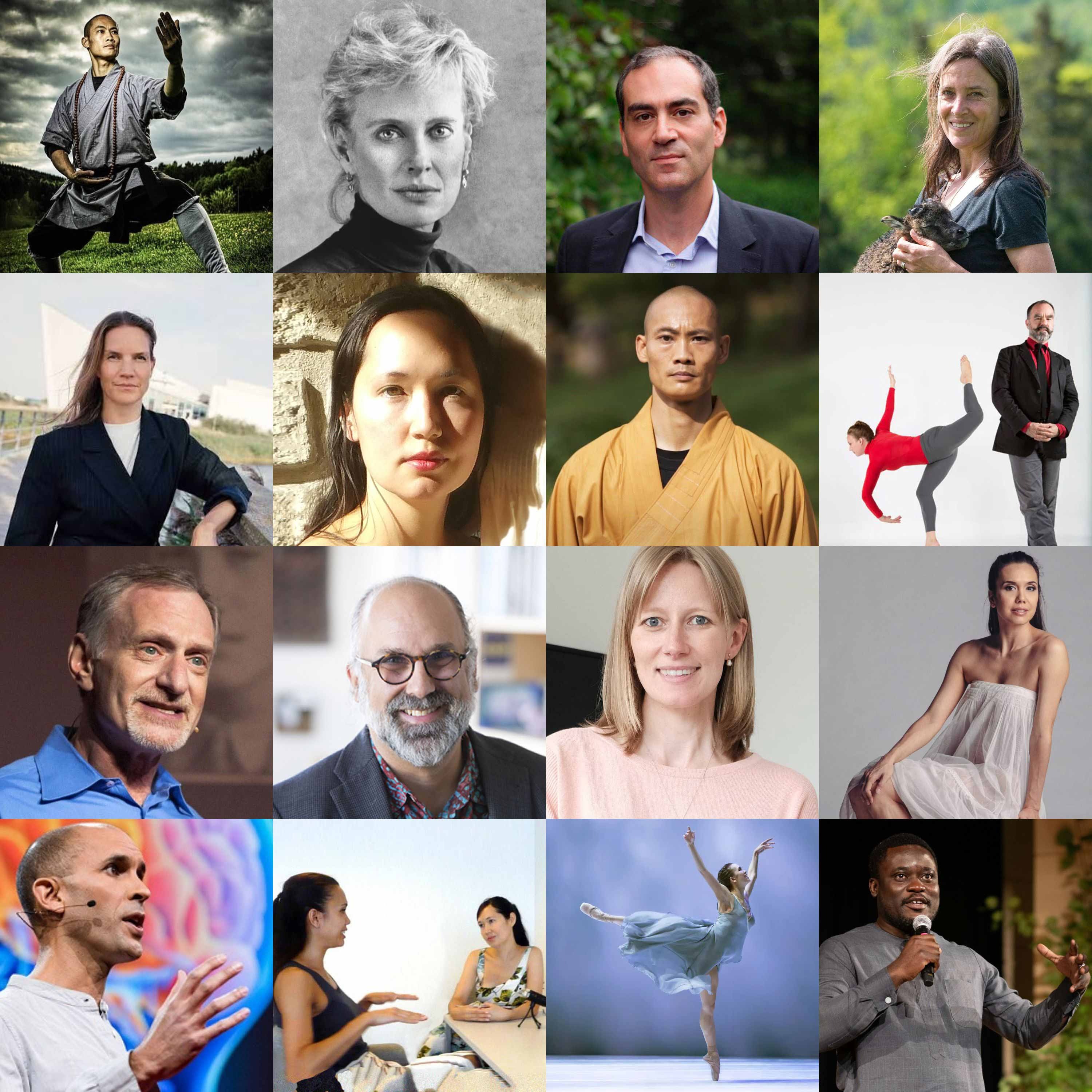 The Body in Motion: Art, Science & Healing w/ Siri Hustvedt, Master Shi Heng Yi, Anil Seth, Noelani Pantastico… 21.06.2026 21minHow much of our consciousness is shaped by our bodies? That rhythmical reality that Siri Hustvedt describes is something we often take for granted until it is disrupted by grief or illness. Much of what we consider the mind is happening in the body.Today, we're looking at embodied cognition, the idea that we think with our limbs, our breath and our physical interactions with the world. We will hear from researchers and neuroscientists Anil Seth, David J. Linden, Dr. Guy Leschziner and Daisy Fancourt, who are studying how much touch, sleep and the arts physically alter our brains. We will also talk with philosophers, advocates and spiritual leaders Arash Abizadeh, Bayo Akomolafe, Master Shi Heng Yi and Helen Whybrow. To understand how this translates into art and movement, we are joined by author Siri Hustvedt, curator Marie Nipper, psychiatrist Robert Waldinger, dancer and ballet stager Noelani Pantastico and choreographer Sean Curran.0:00) Siri Hustvedt (Author of Ghost Stories) (18:53) (2:22) Guy Leschziner (Neurologist, Author, The Nocturnal Brain) (3:45) Daisy Fancourt (Author, Art Cure: The Science of How the Arts Transform Our Health) (5:08) Helen Whybrow (Shepherd, Organic Farmer, Author of The Salt Stones) (6:28) Marie Nipper (Dir., Creator Projects, Fmr. Dir., ARKEN Museum of Modern Art) (8:16) Arash Abizadeh (Professor, Political Science, McGill University, Author) (9:04) David Linden (Professor, Neuroscience, Johns Hopkins University, Author of Unique, Touch) (11:16) Bayo Akomolafe (Philosopher, Founder, Emergence Network) (12:13) Master Shi Heng Yi (35th Generation of Shaolin Masters, Headmaster, Shaolin Temple Europe) (13:48) Anil Seth (Author of Being You: A New Science of Consciousness, Co-director, Sussex Centre for Consciousness Science) (15:41) Robert Waldinger (Psychiatrist, Harvard Study of Adult Development, Author, The Good Life) (16:40) Noelani Pantastico (Fmr. Principal Dancer, Pacific Northwest Ballet, Dance Teacher) (18:02) Sean Curran (Dancer, Dir, Sean Curran Company)For more, listen to their full interviewsEpisode Site https://www.creativeprocess.info/interviews-featured/anth-body
 -
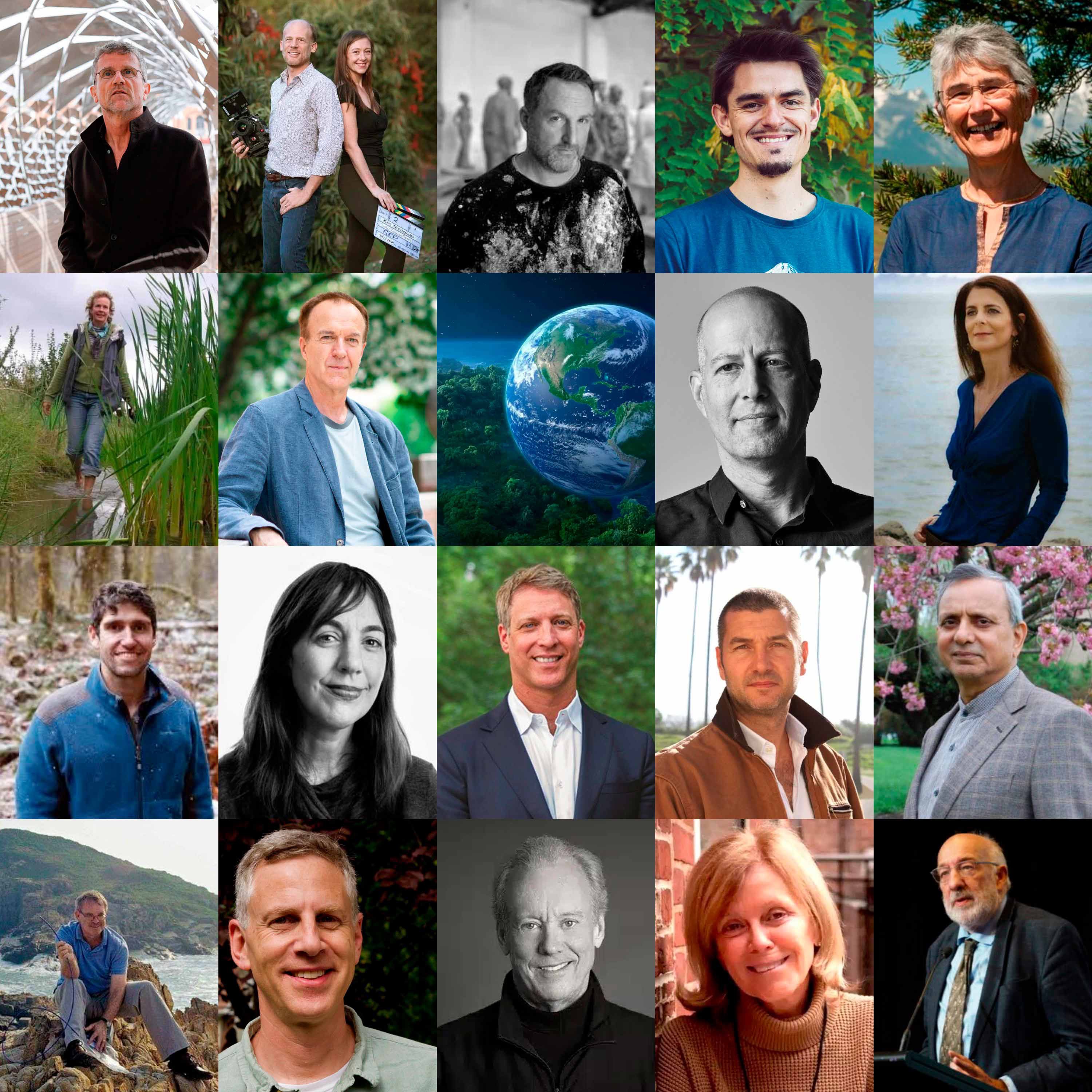 From Extraction to Regeneration: Redesigning Our Relationship with Nature 15.06.2026 35minToday, we examine how we will adapt to a changing climate and learn to listen to the Earth.(0:00) Abrahm Lustgarten (Reporter, ProPublica) (3:00) Jon Gertner (Author, The Ice at the End of the World) (5:32) Bill Hare (CEO, Climate Analytics) (6:35) Rob Nixon (Prof. Environmental Humanities, Princeton) (8:12) Louis de Jaeger (Co-founder, Food Forest Institute) (10:06) Kathleen Rogers (Pres., EarthDay.org) (11:31) Rebecca Tickell (Filmmaker, Kiss the Ground) (13:42) Ben Goldfarb (Author, Crossings) (14:56) Jane Madgwick (CEO, Plantlife International) (19:23) Jason deCaires Taylor (Sculptor, Underwater Museums) (21:02) William McDonough (Architect, Cradle to Cradle) (23:19) Euan Nisbet (Scientist, Royal Holloway) (26:06) Roland Geyer (Author, The Business of Less) (28:15) Ron Gonen (CEO, Closed Loop Partners) (29:34) Paul Shrivastava (Co-President, Club of Rome) (30:14) Carlo Ratti (Architect, Dir., MIT Senseable City Lab) (31:24) Osprey Orielle Lake (Founder, WECAN) (32:38) Liza Featherstone (Journalist) (33:41) Yolanda Kakabadse (Fmr. President, WWF)For more, listen to their full interviewsEpisode Site: https://www.creativeprocess.info/interviews-featured/anth-regen
 -
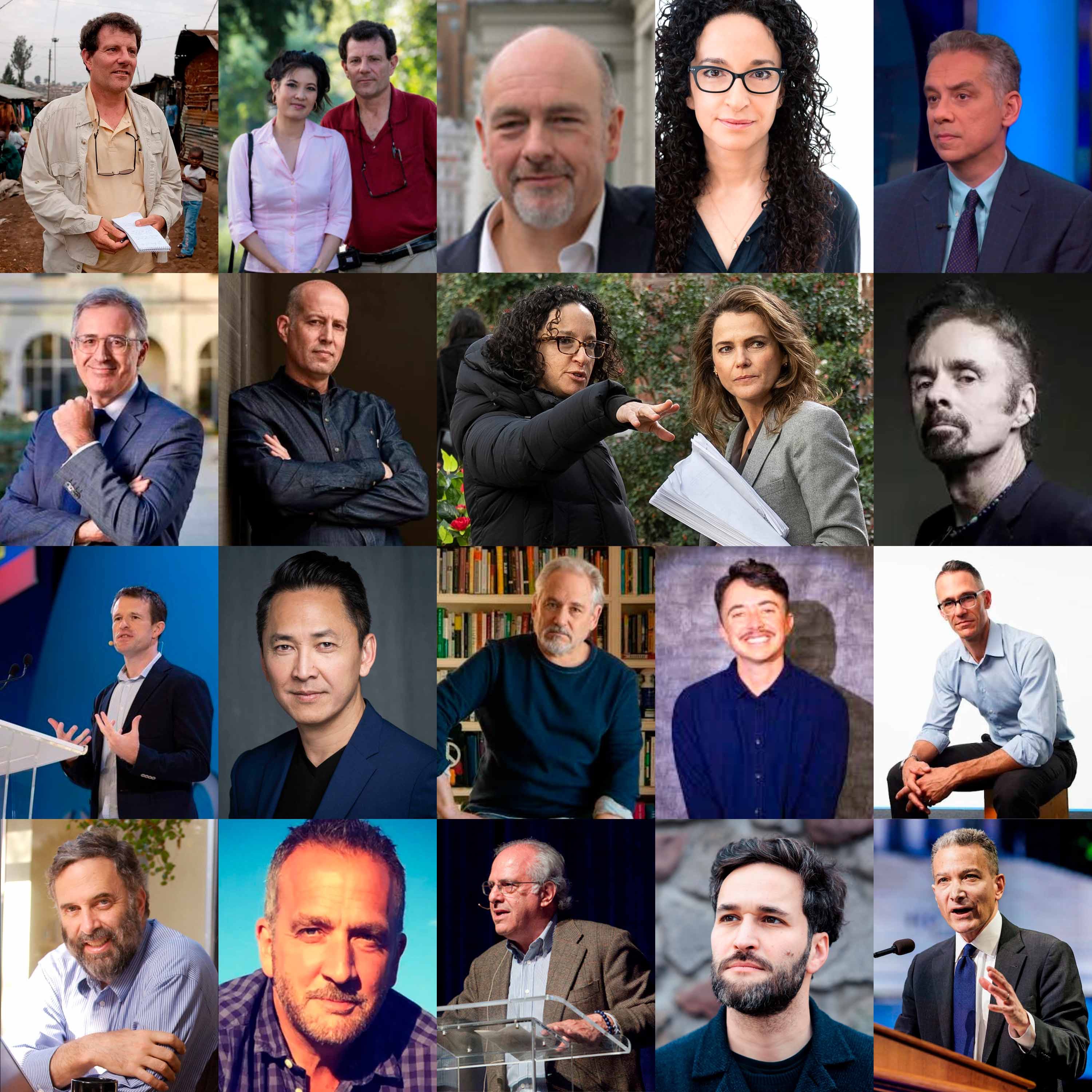 There is No Freedom Without a Free Press: Journalists, Writers, Activists, Political Scientists, Economists & Filmmakers Discuss Democracy & The Fight for Truth 08.06.2026 39minToday we explore the collapse of the journalism business model, the rise of spin dictators and how disinformation has become the new censorship. As empires struggle and media consolidates, the pursuit of truth remains an act of hope. We hear from foreign correspondents and journalists Nicholas Kristof, Abrahm Lustgarten, Michael Maren, Richard Black and Jacob Ward. They're joined by scholars and economists Jeffrey Rosen, Sergei Guriev, James Fishkin, Richard Wolff and Daniel Susskind. Writers Viet Thanh Nguyen, T.C. Boyle and Lee McIntyre, TV showrunners George Pelecanos and Debora Cahn and activists Dean Spade and Mike Davis explore language, authoritarianism and human conflict.(0:00) Nicholas Kristof (Journalist, NYTimes) (3:03) Abrahm Lustgarten (ProPublica) (4:45) Lee McIntyre (Philosopher) (8:40) Richard Black (Fmr. BBC, Dir. of Policy, Ember) (7:40) Jacob Ward (Journalist) (10:50) Jeffrey Rosen (Journalist, Legal Scholar) (11:19) Sergei Guriev (Economist, Dean, LBS) James Fishkin (Dir., Stanford's Deliberative Democracy Lab) (14:14) Viet Thanh Nguyen (Author, The Sympathizer) (15:37) T.C. Boyle (Novelist, Blue Skies) (16:16) George Pelecanos (Writer/Co-creator, We Own This City, The Wire) (17:48) Dean Spade (Activist) (18:15) Debora Cahn (Creator, Netflix's The Diplomat) (18:51) Richard Wolff (Economist, Co-founder, Democracy at Work) (22:23) Daniel Susskind (Economist) (30:19) Mike Davis (CEO, Global Witness) (33:50) Michael Maren (Filmmaker, Fmr. Foreign Correspondent)https://www.creativeprocess.info/interviews-featured/anth-journalism https://www.creativeprocess.info/pod
Slični podcasti


Popularan u
Ovaj podcast se pojavljuje i u podcast listama ovih zemalja.


