
Future Cities · Sustainability, Energy, Innovation, Climate Change, Transport, Housing, Work, Circular Economy, Education &
One Planet Podcast · Creative Process Original Series
1
Future Cities explores the challenges and opportunities of urban life in the 21st century, focusing on sustainability, energy, climate change, transport, housing, and more. The podcast features interviews with changemakers and stakeholders who are reimagining and reshaping our cities. It aims to inform and inspire listeners about the future of urban living.
Epizode
-
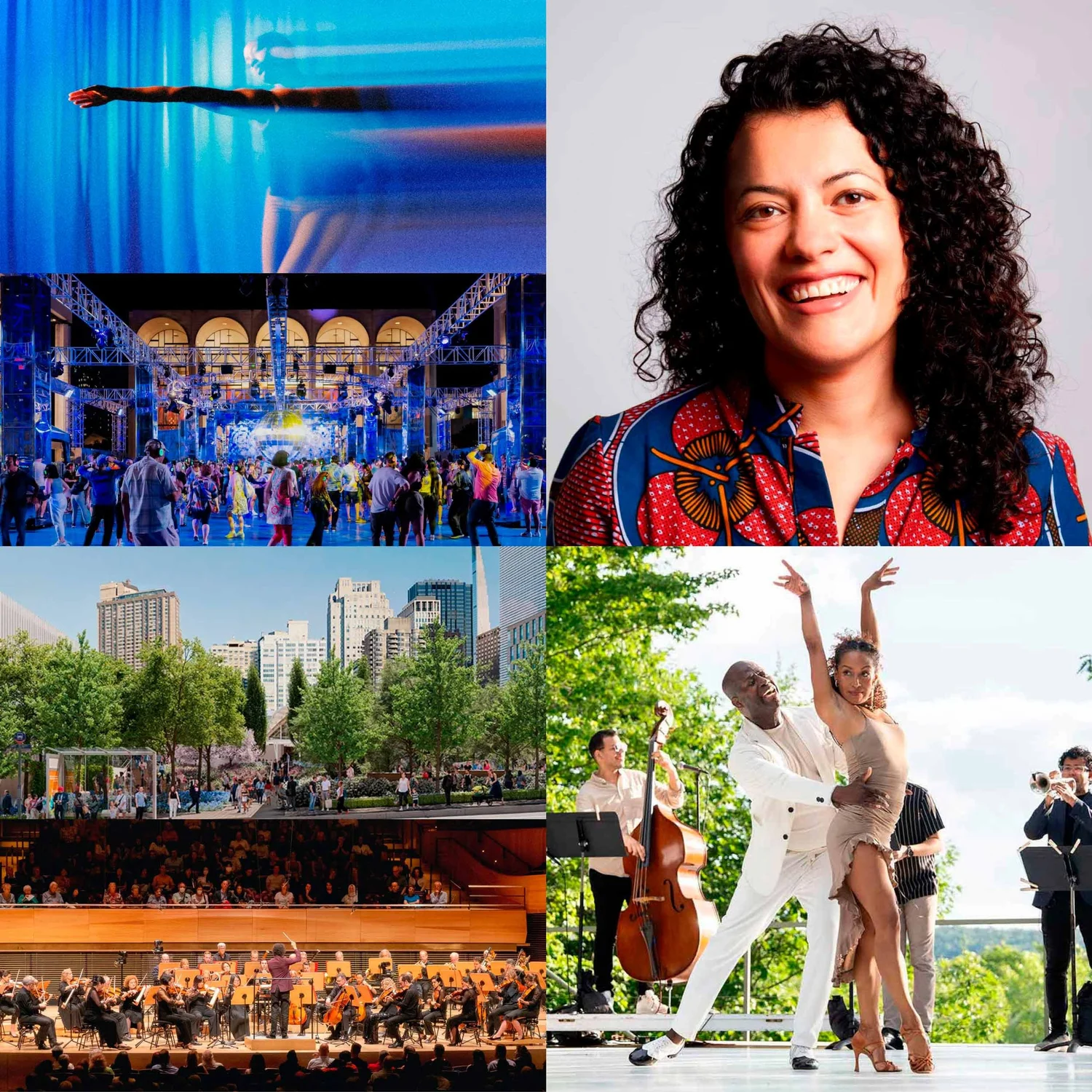 LINCOLN CENTER: Celebrating the Performing Arts & the Human Spirit w/ SHANTA THAKE 19.08.2026 57minAs the Chief Artistic Officer at Lincoln Center for the Performing Arts, Shanta Thake is breaking down barriers—both literal and figurative—to create a more inclusive cultural landscape. From transforming New York’s grandest plazas into welcoming dance floors to grappling with the complex history of San Juan Hill, she views the arts as an essential civic infrastructure. In this episode, we explore her journey from a theater intern to leading one of the world's most prestigious arts institutions, the intersection of technology and human creation, and why gathering together remains our most vital technology for the future.
 -
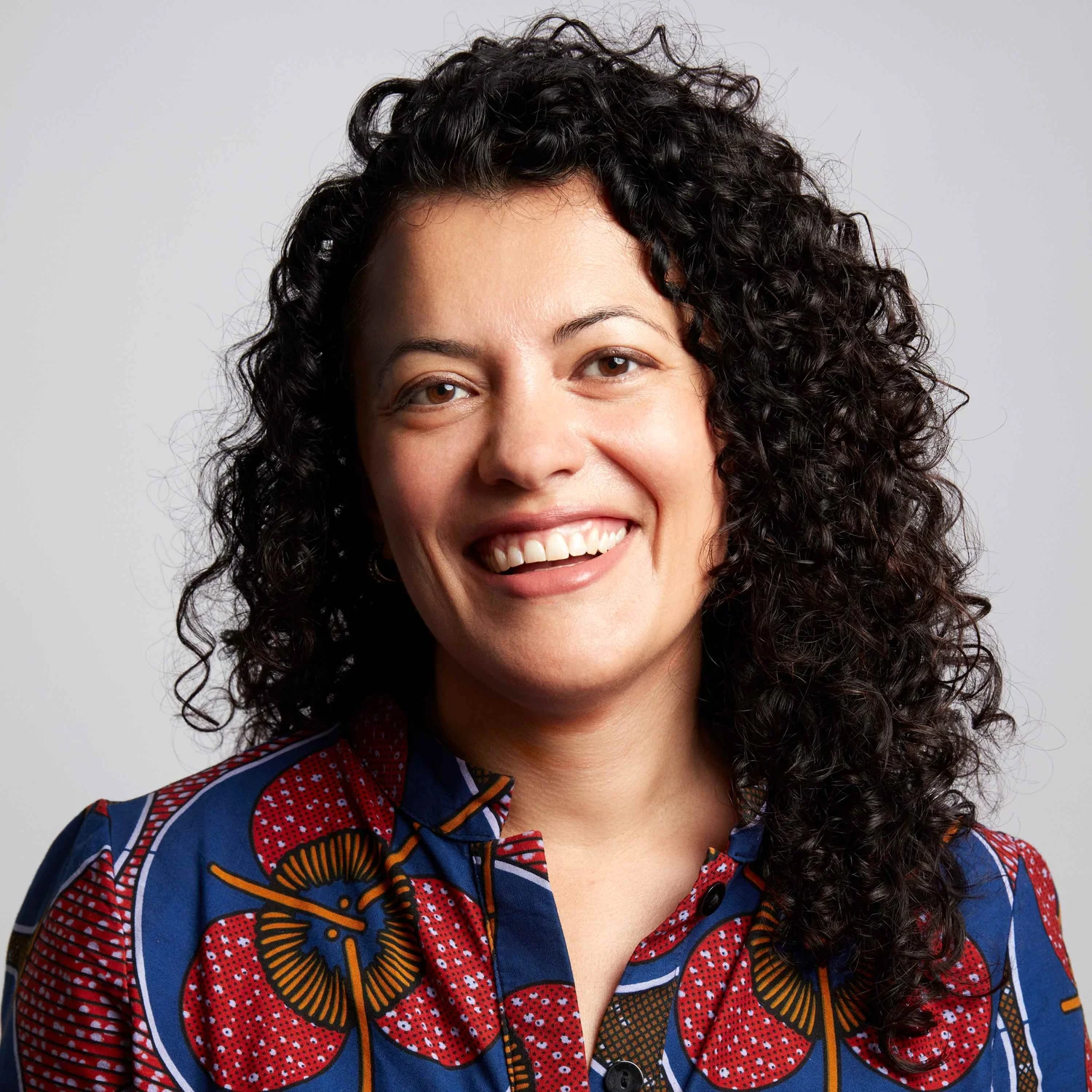 Cities of Tomorrow: Expanding Public Spaces & Tearing Down Civic Walls w/ LINCOLN CENTER’S SHANTA THAKE - Highlights 11.08.2026 18minAs the Chief Artistic Officer at Lincoln Center for the Performing Arts, Shanta Thake is breaking down barriers—both literal and figurative—to create a more inclusive cultural landscape. From transforming New York’s grandest plazas into welcoming dance floors to grappling with the complex history of San Juan Hill, she views the arts as an essential civic infrastructure. In this episode, we explore her journey from a theater intern to leading one of the world's most prestigious arts institutions, the intersection of technology and human creation, and why gathering together remains our most vital technology for the future.
 -
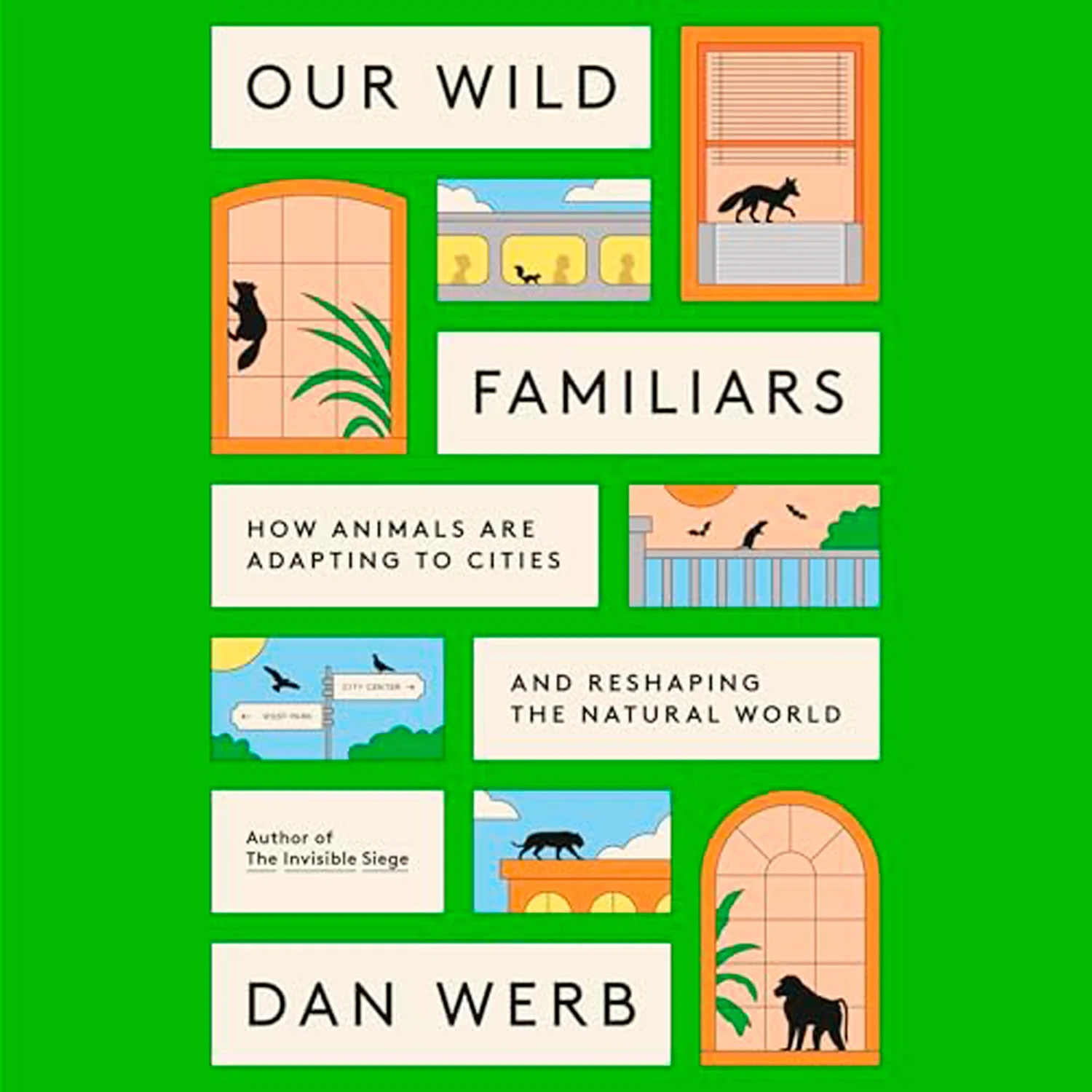 Our Wild Familiars - DR. DAN WERB on Animals that Live Among Us & Urban Wildlife Conservation - Highlights 29.06.2026 24minWe’ve been taught to think of cities as places where nature goes to die, but the reality is much wilder. In this fascinating conversation on One Planet Podcast, award-winning epidemiologist and author Dan Werb challenges our assumptions about urban life by introducing us to "synanthropes"—the wild animals that have adapted to thrive in human-modified environments. From raccoons picking complex locks in Toronto to giant Pacific octopuses building homes in discarded refrigerators off the coast of Seattle, Dan Werb reveals the hidden biodiversity surrounding us every day. Drawing from his latest book, Our Wild Familiars, Dan Werb explains how urban sprawl, climate change, and even our garbage are pulling species into cities, transforming our concrete jungles into unexpected sites of conservation. He also delves into the deep spiritual connections humans have shared with animals like ravens for millennia, the epidemiological risks of habitat destruction explored in The Invisible Siege, and why engaging with the mystery of an animal’s mind is more profoundly mind-expanding than seeking comfort in digital echo chambers.
 -
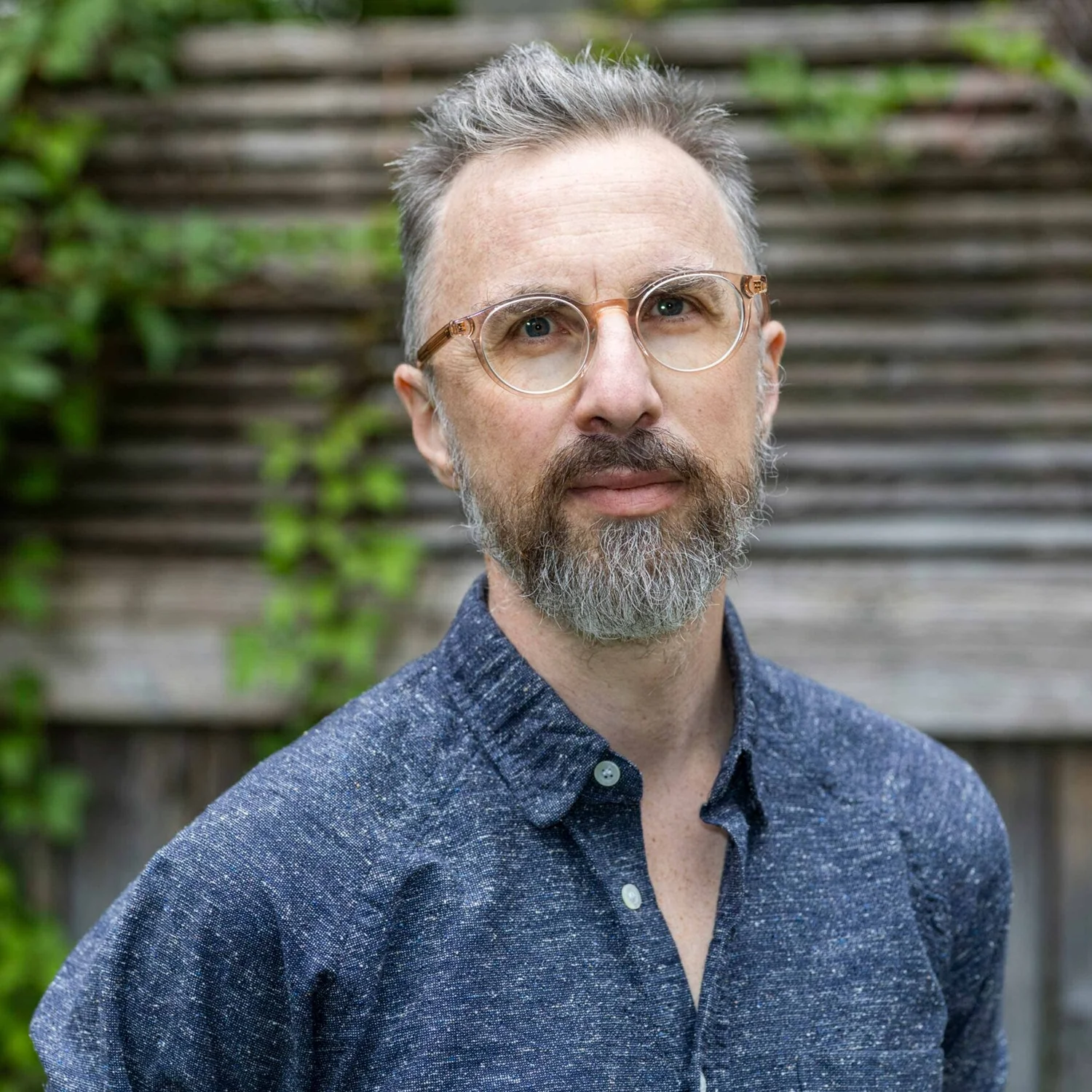 How Animals Are Adapting to Cities & Reshaping the Natural World w/ Author & Epidemiologist DAN WERB 26.06.2026We’ve been taught to think of cities as places where nature goes to die, but the reality is much wilder. In this fascinating conversation on One Planet Podcast, award-winning epidemiologist and author Dan Werb challenges our assumptions about urban life by introducing us to "synanthropes"—the wild animals that have adapted to thrive in human-modified environments. From raccoons picking complex locks in Toronto to giant Pacific octopuses building homes in discarded refrigerators off the coast of Seattle, Dan Werb reveals the hidden biodiversity surrounding us every day. Drawing from his latest book, Our Wild Familiars, Dan Werb explains how urban sprawl, climate change, and even our garbage are pulling species into cities, transforming our concrete jungles into unexpected sites of conservation. He also delves into the deep spiritual connections humans have shared with animals like ravens for millennia, the epidemiological risks of habitat destruction explored in The Invisible Siege, and why engaging with the mystery of an animal’s mind is more profoundly mind-expanding than seeking comfort in digital echo chambers.
 -
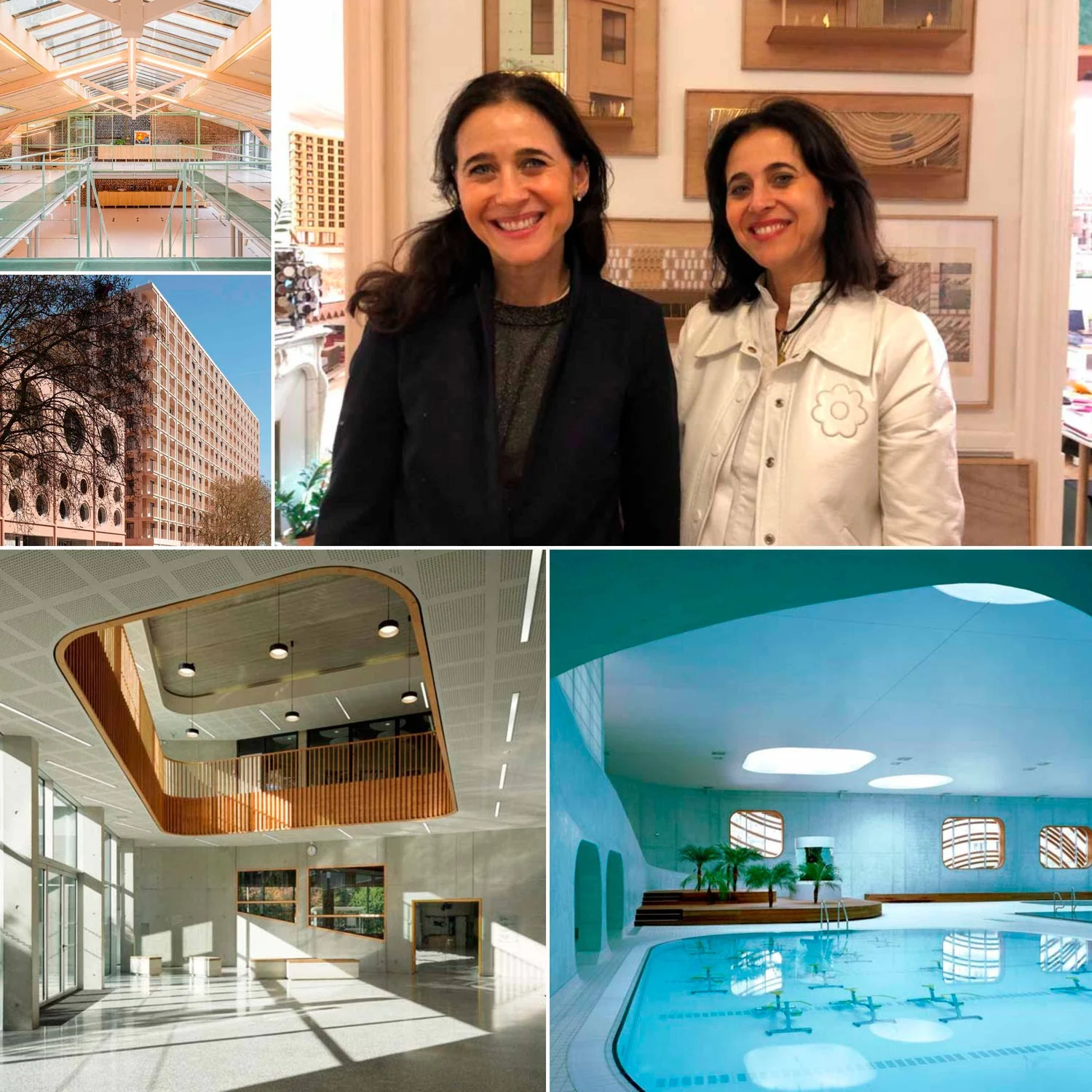 Future Cities: Building Bridges Between Memory, Nature & Architecture w/ SALWA & SELMA MIKOU 16.06.2026 1h 18minFounders of Mikou Architecture, Salwa & Selma Mikou bring a deeply human-centric approach to modern design. Drawing from their childhood in the vibrant, labyrinthine medinas of Fez, Morocco, they view architecture as a powerful social infrastructure that shapes relationships and evokes memory. In this episode of The Creative Process, they discuss how they transform sites into living ecosystems, weaving local narratives and historical traces into their projects. The sisters reflect on their formative years working alongside architectural legends Jean Nouvel and Renzo Piano, and how their complementary visions fuel their collaborative practice. From designing serene mosques in England and holistic "water temples" in France to crafting intricate spaces for Hermès and Yves Saint Laurent, they reveal how buildings can truly sing. Join us to explore how art, intuition, and structural necessity converge to create spaces of profound wellbeing.
 -
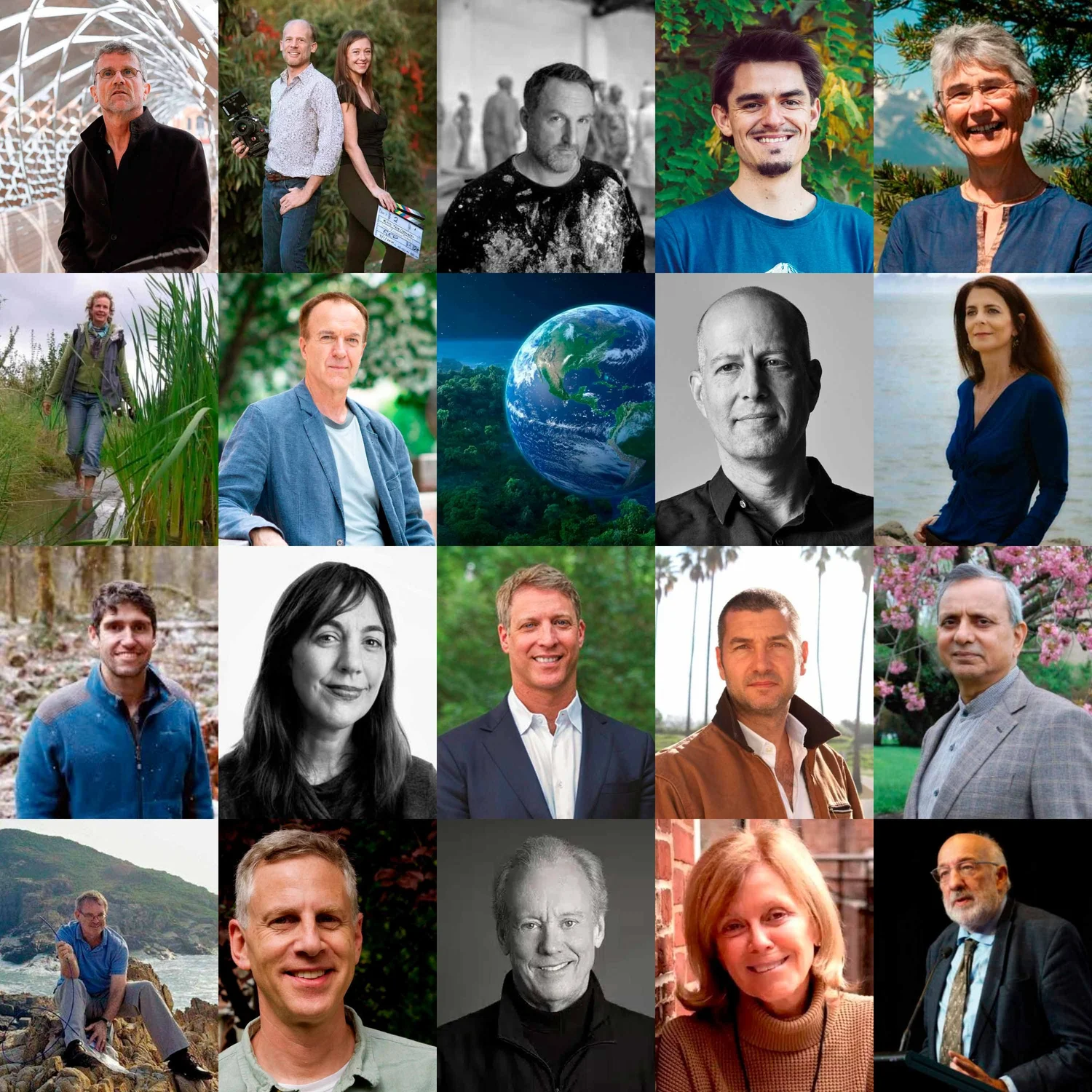 Cities of the Future: Regeneration and Redesigning Our Relationship with Nature 18.05.2026 35minENVIRONMENTALISTS, SCIENTISTS & VISIONARIES · Anthology Guests Author of Various Works · From Extraction to Regeneration"We are living with an extractive mindset... And we need to change from that extractive mindset to a regenerative mindset."
 -
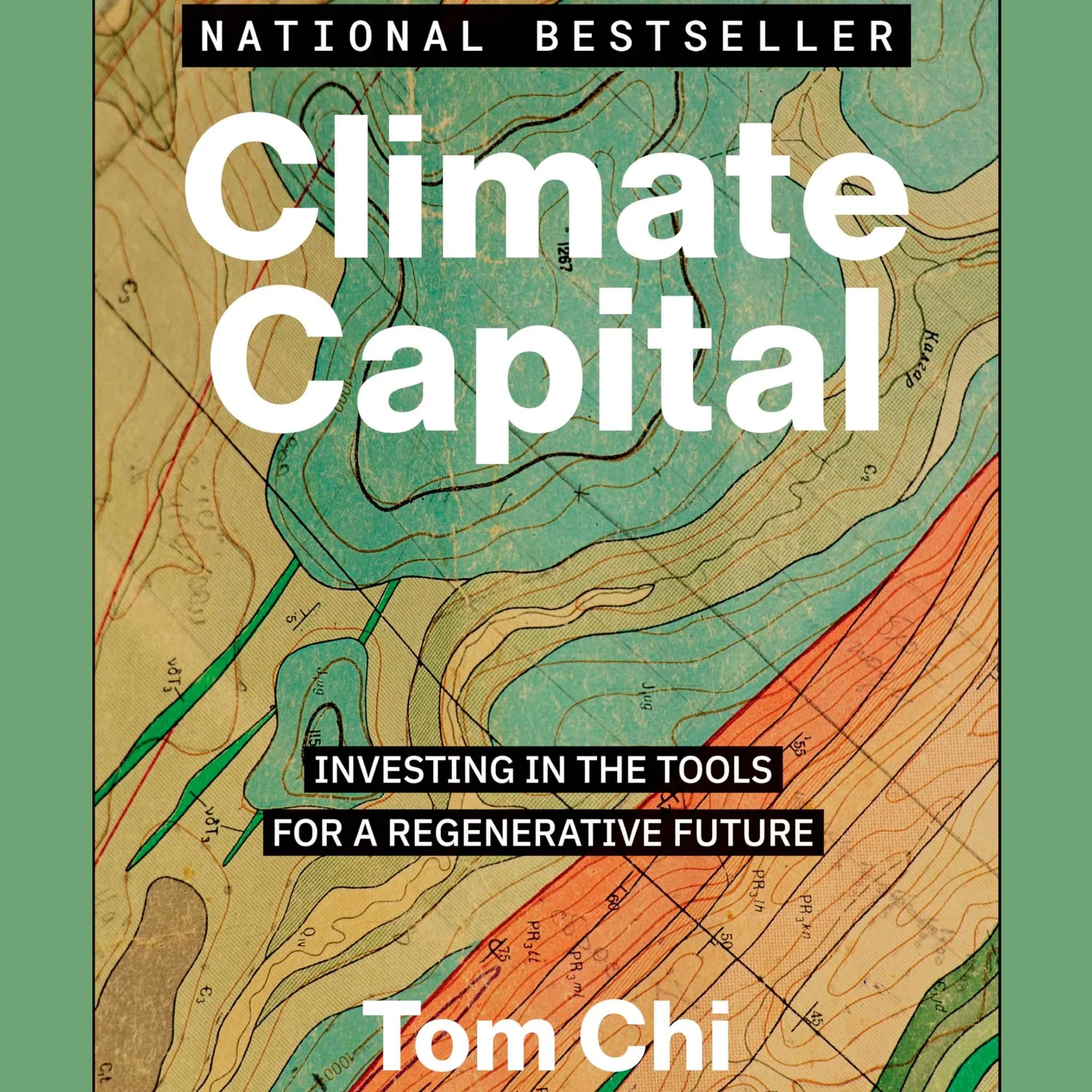 Why Do We Listen to the Talkers More Than the Builders Saving the Planet? - TOM CHI - Highlights 18.04.2026 22minHow do we move past climate anxiety and into actionable solutions? Tom Chi, physicist, inventor, and founding partner at At One Ventures, argues that our current economic systems are not fixed laws of nature, but flawed designs that can be rewritten. Drawing from his extensive experience in rapid prototyping at Google X and his new book, Climate Capital, Chi unpacks the "powerlessness algorithm" and reveals how local action, innovative deep tech, and a "builder's mindset" can heal the planet. From scaling robotic agriculture to protecting honeybees with the first-ever insect vaccine, this episode offers a practical, grounded roadmap for designing a world where humanity is a net positive to nature. By shifting our energy away from polarizing "talkers" and toward those who actually build solutions, Chi provides the frameworks necessary for restoring both community resilience and global ecosystems.
 -
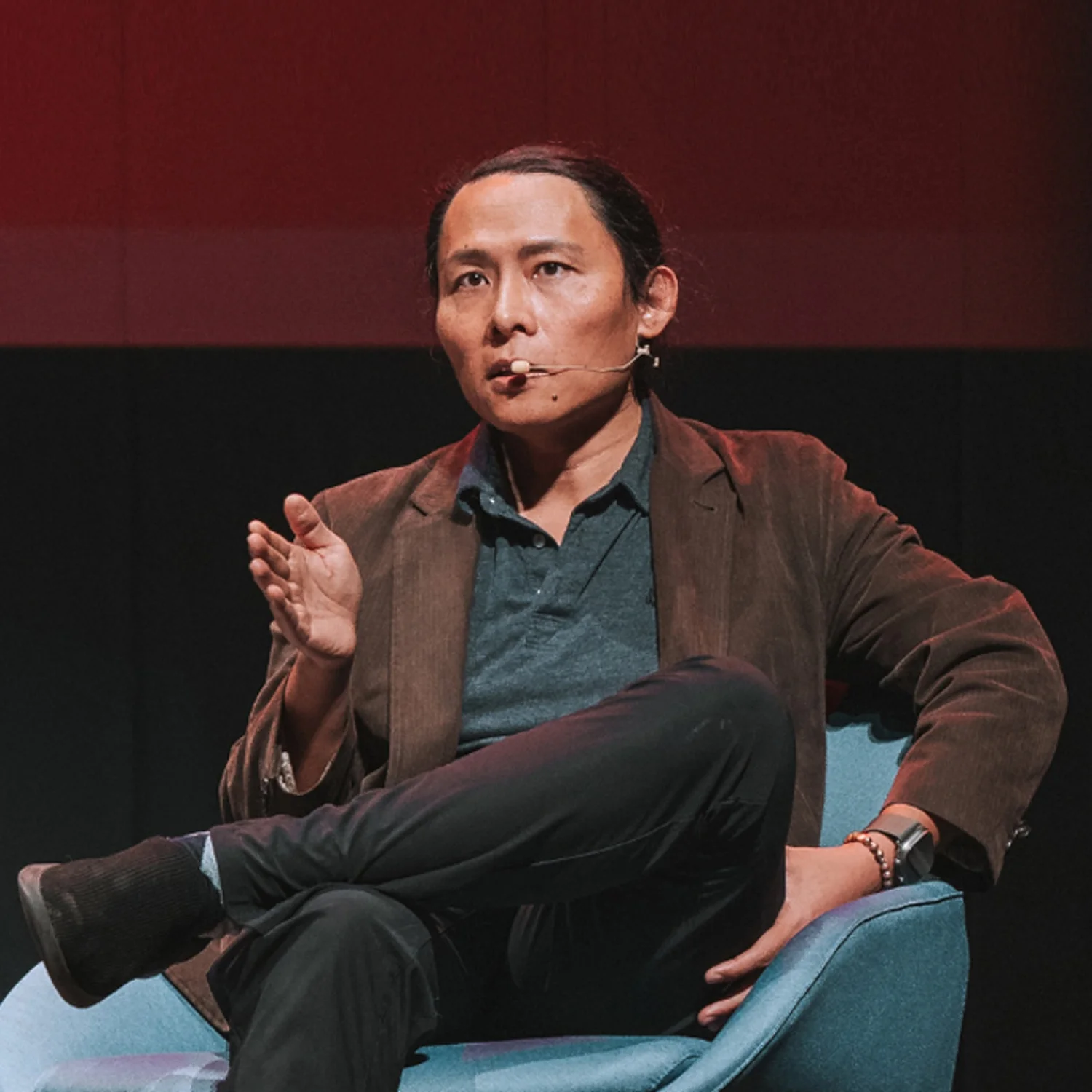 Climate Capital with TOM CHI - Google X Co-founder, Founding Partner At One Ventures 18.04.2026 1h 27minHow do we move past climate anxiety and into actionable solutions? Tom Chi, physicist, inventor, and founding partner at At One Ventures, argues that our current economic systems are not fixed laws of nature, but flawed designs that can be rewritten. Drawing from his extensive experience in rapid prototyping at Google X and his new book, Climate Capital, Chi unpacks the "powerlessness algorithm" and reveals how local action, innovative deep tech, and a "builder's mindset" can heal the planet. From scaling robotic agriculture to protecting honeybees with the first-ever insect vaccine, this episode offers a practical, grounded roadmap for designing a world where humanity is a net positive to nature. By shifting our energy away from polarizing "talkers" and toward those who actually build solutions, Chi provides the frameworks necessary for restoring both community resilience and global ecosystems.
 -
 Performance, Politics, Art & Society w/ Sociologist RICHARD SENNETT - Highlights 18.04.2025 12min“I'm really interested in the relation between performance and ritual. Where do those two separate?” Richard Sennett grew up in the Cabrini Green housing project in Chicago, attended the Juilliard School in New York, and then studied social relations at Harvard. Over the last five decades, he has written about social life in cities, changes in labour, and social theory. His books include The Performer: Art, Life, Politics, The Hidden Injuries of Class, The Fall of Public Man, The Corrosion of Character, The Culture of the New Capitalism, The Craftsman, and Building and Dwelling. Sennett has advised the United Nations on urban issues for the past thirty years and currently serves as member of the UN Committee on Urban Initiatives. He is the Centennial Professor of Sociology at the London School of Economics and former University Professor of the Humanities at New York University. “I want to show what is kind of the basic DNA that people use for good or for ill. What are the tools they use, if you like, of expression that they use in the creative process?”
 -
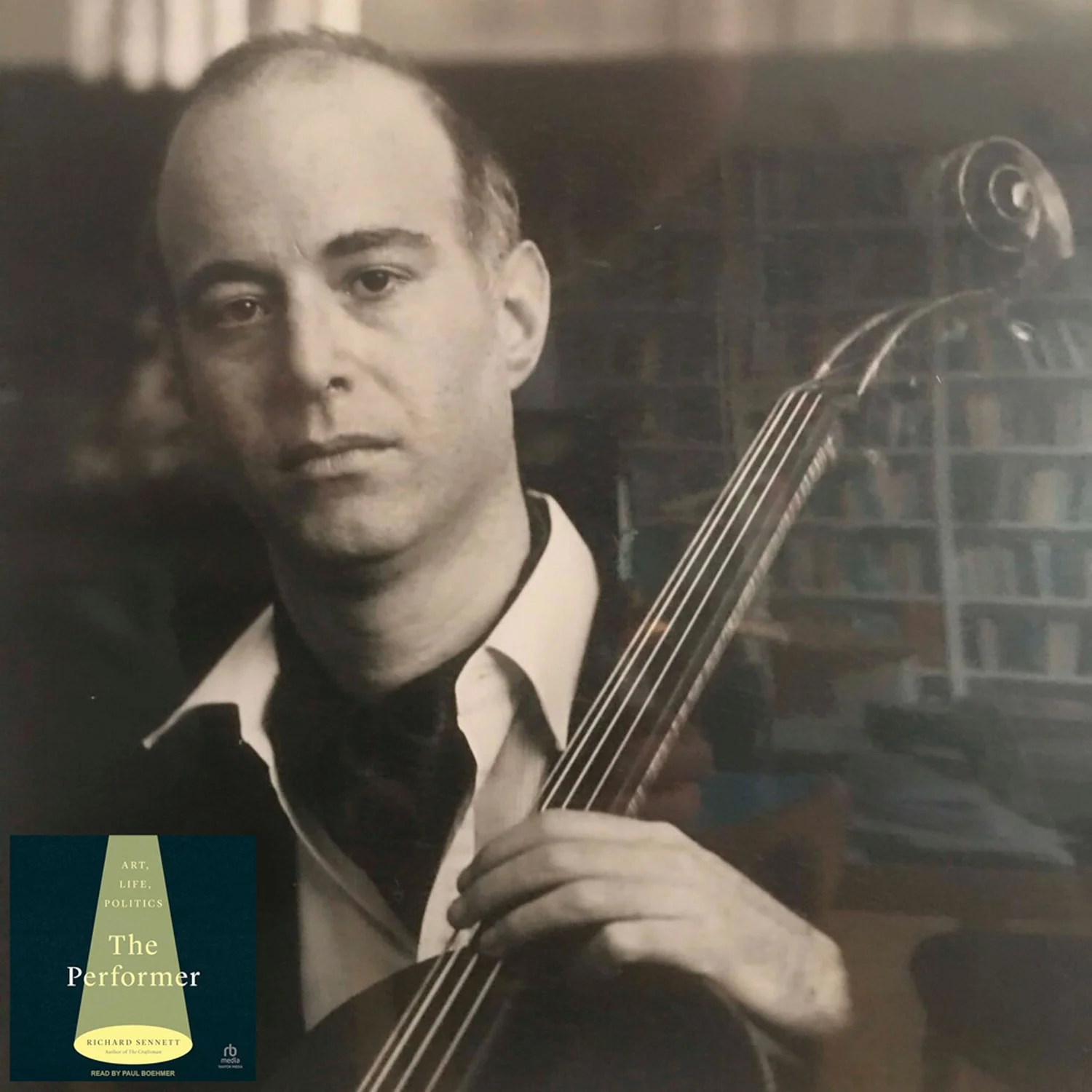 The Performer: Art, Life, Politics with RICHARD SENNETT, Sociologist & Author 17.04.2025 31min“We look at creative work as though the very creative process itself is something good. These are tools of expression, and like any tool, you can use them to damage something or to make something. They can be turned to very malign purposes, for instance, in the operas of Wagner. So I wanted to do this set of books, I want to show what is kind of the basic DNA that people use for good or for ill. What are the tools they use, if you like, of expression that they use in the creative process?” Richard Sennett grew up in the Cabrini Green housing project in Chicago, attended the Juilliard School in New York, and then studied social relations at Harvard. Over the last five decades, he has written about social life in cities, changes in labour, and social theory. His books include The Performer: Art, Life, Politics, The Hidden Injuries of Class, The Fall of Public Man, The Corrosion of Character, The Culture of the New Capitalism, The Craftsman, and Building and Dwelling. Sennett has advised the United Nations on urban issues for the past thirty years and currently serves as member of the UN Committee on Urban Initiatives. He is the Centennial Professor of Sociology at the London School of Economics and former University Professor of the Humanities at New York University.
 -
 Navigating Our Environmental Future From Climate Crisis to Urban Revolution 18.10.2024 12minHave we entered what Earth scientists call a “termination event,” and what can we do to avoid the worst outcomes? How can we look beyond GDP and develop new metrics that balance growth with human flourishing and environmental well-being? How can the 15-minute city model revolutionize urban living, enhance health, and reduce our carbon footprint?
 -
 The Human Smart City: Balancing Ecology & Economy with CARLOS MORENO - Highlights 03.10.2024 14min“It all starts at home. As a university professor, I have observed the process of transformation of different generations. We need to find a sense of life. We need to find a sense of belonging to our humanity, but to have this sense of life, we need to find a sense in our local communities.” Carlos Moreno was born in Colombia in 1959 and moved to France at the age of 20. He is known for his influential "15-Minute City" concept, embraced by Paris Mayor Anne Hidalgo and leading cities around the world. Scientific Director of the "Entrepreneurship - Territory - Innovation" Chair at the Paris Sorbonne Business School, he is an international expert of the Human Smart City, and a Knight of the French Legion of Honour. He is recipient of the Obel Award and the UN-Habitat Scroll of Honour. His latest book is The 15-Minute City: A Solution to Saving Our Time and Our Planet.
 -
 The 15-Minute City: A Solution to Saving Our Time & Our Planet with CARLOS MORENO 03.10.2024 38minHow can the 15-minute city model revolutionize urban living, enhance wellbeing, and reduce our carbon footprint? Online shopping is turning cities into ghost towns. We can now buy anything anywhere anytime. How can we learn to stop scrolling and start strolling and create more livable, sustainable communities we are happy to call home. Carlos Moreno was born in Colombia in 1959 and moved to France at the age of 20. He is known for his influential "15-Minute City" concept, embraced by Paris Mayor Anne Hidalgo and leading cities around the world. Scientific Director of the "Entrepreneurship - Territory - Innovation" Chair at the Paris Sorbonne Business School, he is an international expert of the Human Smart City, and a Knight of the French Legion of Honour. He is recipient of the Obel Award and the UN-Habitat Scroll of Honour. His latest book is The 15-Minute City: A Solution to Saving Our Time and Our Planet. “It all starts at home. As a university professor, I have observed the process of transformation of different generations. We need to find a sense of life. We need to find a sense of belonging to our humanity, but to have this sense of life, we need to find a sense in our local communities.”
 -
 Future Cities, Utopian Visions & Embracing Imperfection - SCOTT DOORLEY & CARISSA CARTER - Co-authors of Assembling Tomorrow - Highlights 21.09.2024 23min“Today, someone is putting the finishing touches on a machine- learning algorithm that will change the way you relate to your family. Someone is trying to design a way to communicate with animals in their own language. Someone is designing a gene that alters bacteria to turn your poop bright blue when it’s time to see the doctor. Someone is cleaning up the mess someone else left behind seventy years ago yesterday. Today, someone just had an idea that will end up saving one thing while it harms another… To be a maker in this moment— to be a human today— is to collaborate with the world. It is to create and be created, to work and be worked on, to make and be made. To be human is to tinker, create, fix, care, and bring new things into the world. It is to design. You— yes, you!— might design products or policy, services or sermons, production lines or preschool programs. You might run a business, make art, or participate in passing out meals to the poor. You may write code or pour concrete, lobby for endangered species legislation or craft cocktails. Wherever you fit in, you are part of shaping the world. This is design work.” – Assembling Tomorrow A Guide to Designing a Thriving Future Scott Doorley is the Creative Director at Stanford's d. school and co author of Make Space. He teaches design communication and his work has been featured in museums and architecture and urbanism and the New York Times. Carissa Carteris the Academic Director at Stanford's d. schooland author of The Secret Language of Maps. She teaches courses on emerging technologies and data visualization and received Fast Company and Core 77 awards for her work on designing with machine learning and blockchain. Together, they co authored Assembling Tomorrow: A Guide to Designing a Thriving Future.
 -
 Can Design Save the World? - SCOTT DOORLEY & CARISSA CARTER - Co-authors of Assembling Tomorrow - Directors of Stanford’s d.School 21.09.2024 57minHow can we design and adapt for the uncertainties of the 21st century? How do emotions shape our decisions and the way we design the world around us? Scott Doorley is the Creative Director at Stanford's d. school and co author of Make Space. He teaches design communication and his work has been featured in museums and architecture and urbanism and the New York Times. Carissa Carter is the Academic Director at Stanford's d. school and author of The Secret Language of Maps. She teaches courses on emerging technologies and data visualization and received Fast Company and Core 77 awards for her work on designing with machine learning and blockchain. Together, they co authored Assembling Tomorrow: A Guide to Designing a Thriving Future. “Today, someone is putting the finishing touches on a machine- learning algorithm that will change the way you relate to your family. Someone is trying to design a way to communicate with animals in their own language. Someone is designing a gene that alters bacteria to turn your poop bright blue when it’s time to see the doctor. Someone is cleaning up the mess someone else left behind seventy years ago yesterday. Today, someone just had an idea that will end up saving one thing while it harms another… To be a maker in this moment— to be a human today— is to collaborate with the world. It is to create and be created, to work and be worked on, to make and be made. To be human is to tinker, create, fix, care, and bring new things into the world. It is to design. You— yes, you!— might design products or policy, services or sermons, production lines or preschool programs. You might run a business, make art, or participate in passing out meals to the poor. You may write code or pour concrete, lobby for endangered species legislation or craft cocktails. Wherever you fit in, you are part of shaping the world. This is design work.” – Assembling Tomorrow A Guide to Designing a Thriving Future
 -
 The SDGs & UN Summit of the Future - Highlights - GUILLAUME LAFORTUNE 31.07.2024 15minHow can we get 193 countries to move in the same direction for a better tomorrow? In today's podcast, we talk with Guillaume Lafortune, Vice President and Head of the Paris Office of the UN Sustainable Development Solutions Network (SDSN), the largest global network of scientists and practitioners dedicated to implementing the Sustainable Development Goals (SDGs). We discuss the intersections of sustainability, global progress, the UN Summit of the Future, and the daunting challenges we face. From the impact of war on climate initiatives to transforming data into narratives that drive change, we explore how global cooperation, education, and technology pave the way for a sustainable future and look at the lessons of history and the power of diplomacy in shaping our path forward.
 -
 How Can We Unite 193 Countries for a Sustainable Future? - GUILLAUME LAFORTUNE - VP, UN SDSN, Paris 31.07.2024 1h 12minHow can we get 193 countries to move in the same direction for a better tomorrow? In today's podcast, we talk with Guillaume Lafortune, Vice President and Head of the Paris Office of the UN Sustainable Development Solutions Network (SDSN), the largest global network of scientists and practitioners dedicated to implementing the Sustainable Development Goals (SDGs). We discuss the intersections of sustainability, global progress, the UN Summit of the Future, and the daunting challenges we face. From the impact of war on climate initiatives to transforming data into narratives that drive change, we explore how global cooperation, education, and technology pave the way for a sustainable future and look at the lessons of history and the power of diplomacy in shaping our path forward.
 -
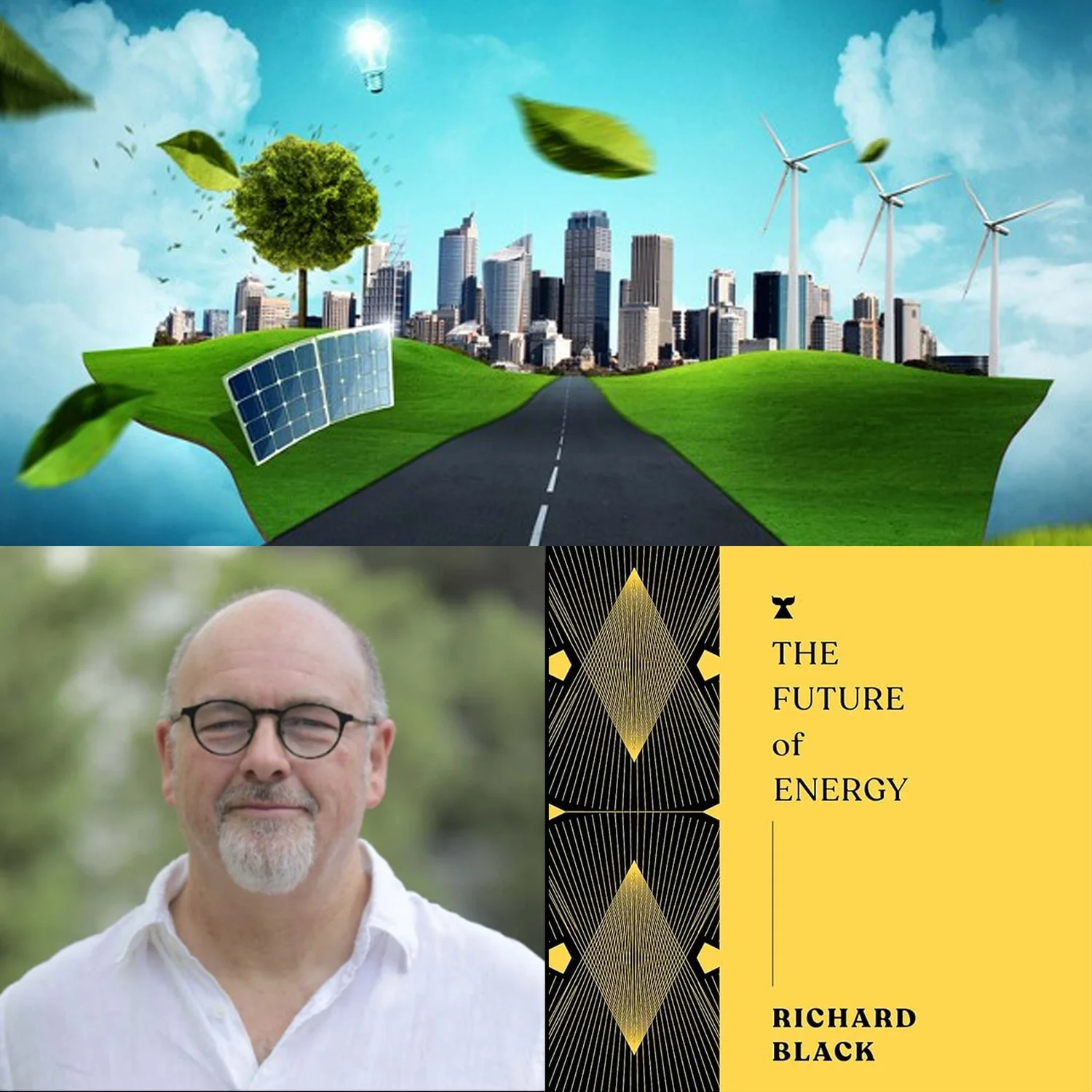 How and when will we transition to a clean energy future? - Highlights - RICHARD BLACK 16.07.2024 13min“The fact is you've got a lot of industrial and political muscle now coming behind clean energy, especially from China, which is the leading country deploying wind energy, the leading country deploying solar, and the leading manufacturer and user of electric vehicles by miles. As one recent report put it, ‘We have petrostates in the world. China is the first electrostate.’ And China is on its way to becoming the world's most powerful country. So, where China leads, the rest of the world is almost certain to follow. Yes, there are massive air pollution problems in China, of course, but I think it's more than that. It's also about seeing that this is the future that the world is going to have. And if these goods are going to be made anywhere, well, the Chinese government clearly would like them to be made in China. And they've set out, you know, industrial policies and all kinds of other policies for, well, at least a decade now, in pursuit of that aim. It's interesting now to see other countries, India, for example, and the United States now sort of deploying muscle to try and carve out a slice of the pie themselves as well.” The Five-pronged Clean Energy Future “I thought about it, and I was wondering, what do we actually need in the world? Because we don't need petrol and we don't need coal. We need energy to power various things. So, we need these energy services. So, what's the simplest way of providing all of the energy services? And it really seems to me that we can basically do it all with about five different types of goods. So the system of the future I put out in the book is first of all, you have the generation of electricity, which is mainly going to be with renewables, mainly with wind and solar because they are the cheapest and they're getting cheaper thanks to Wright's Law. Then you need energy storage and other means of sharing matching demand to supply. So, storage is the one that people will be most familiar with, which can be batteries, for example. And again, the price of batteries has also plummeted about 85 percent price reduction in a decade. And it continues because, again, we have mounting volumes. In a competitive market, there's lots of innovation going on in terms of battery design, in terms of construction, and all of this stuff, new materials coming into batteries. So, that's your first two, that's your renewable generation and your battery storage. Electric vehicles will be the main method of transportation. Already, they dominate sales in the two-wheeler market in China and India. They're already eating into global oil demand. They're taking about 1.5 percent of global oil demand already, and the sales are increasing exponentially in China and other countries as well. They are cost-competitive. It's just on the purchase price in some markets with some models now. And it's going to get cheaper again because battery costs will fall. Heating and cooling, which is a big demand for energy. We can use heat pumps, which are super efficient running on electricity…Hydrogen, that will probably be the fifth prong, but a smaller prong, rather like the little finger on your hand."
 -
 The Future of Energy - RICHARD BLACK - Director, Policy & Strategy, Ember - Fmr. BBC Environment Correspondent 15.07.2024 56minHow and when will we transition to a clean energy future? How will the transition empower individuals and transform global power dynamics? How did China become the world’s first electrostate, leading the drive for renewable energy, and what can we learn from this? Richard Black spent 15 years as a science and environment correspondent for the BBC World Service and BBC News, before setting up the Energy & Climate Intelligence Unit. He now lives in Berlin and is the Director of Policy and Strategy at the global clean energy think tank Ember, which aims to accelerate the clean energy transition with data and policy. He is the author of The Future of Energy; Denied:The Rise and Fall of Climate Contrarianism, and is an Honorary Research Fellow at Imperial College London.
 -
 Resisting Fascism & Ecological Collapse with Writer-Organizer-Activist CHRIS CARLSSON 10.07.2024 1h 6minIn this episode of the Speaking Out of Place podcast Professor David Palumbo-Liu talks with acclaimed author and activist, and San Francisco legend, Chris Carlsson about his new novel, When Shells Crumble. It begins in December 2024, when the US Supreme Court nullifies the popular vote in the Presidential election and awards the presidency to an authoritarian Republican, who proceeds to demolish democracy and install a fascistic state that hastens ecological havoc. The novel is much more than your usual dystopian tale—it focuses on how to resist political cynicism and defeatism, and rebuild on planetary wreckage. It is a world-building project filled with wisdom, sadness, and joy. We specifically put this fictional text in conservation with his brilliant non-fiction work, Nowtopia, which offers a radical redefinition of “work” that restores dignity and value to their proper places. Chris Carlsson, co-director of the “history from below” project Shaping San Francisco, is a writer, publisher, editor, photographer, public speaker, and occasional professor. He was one of the founders in 1981 of the seminal and infamous underground San Francisco magazine Processed World. In 1992 Carlsson co-founded Critical Mass in San Francisco, which both led to a local bicycling boom and helped to incubate transformative urban movements in hundreds of cities, large and small, worldwide. In 1995 work began on “Shaping San Francisco;” since then the project has morphed into an incomparable archive of San Francisco history at Foundsf.org, award-winning bicycle and walking tours, and almost two decades of Public Talks covering history, politics, ecology, art, and more (see shapingsf.org). Beginning in Spring 2020, Carlsson has hosted Bay Cruises along the San Francisco shoreline. His latest novel, When Shells Crumble was published by Spuyten Duyvil in Brooklyn, NY at the end of 2023. At the dawn of the pandemic, he published a detailed historical guidebook of the city, Hidden San Francisco: A Guide to Lost Landscapes, Unsung Heroes, and Radical Histories (Pluto Press: 2020). His full-length nonfiction work Nowtopia (AK Press: 2008), offers a groundbreaking look at class and work while uniquely examining how hard and pleasantly we work when we’re not at our official jobs. He published his first novel, After The Deluge, in 2004, a story of post-economic utopian San Francisco in the year 2157. He has edited six books, including three “Reclaiming San Francisco” collections with the venerable City Lights Books. He redesigned and co-authored an expanded Vanished Waters: A History of San Francisco’s Mission Bay after which he joined the board of the Mission Creek Conservancy. He has given hundreds of public presentations based on Shaping San Francisco, Critical Mass, Nowtopia, Vanished Waters, and his “Reclaiming San Francisco” history anthologies since the late 1990s, and has appeared dozens of times in radio, television and on the internet.
Slični podcasti


Popularan u
Ovaj podcast se pojavljuje i u podcast listama ovih zemalja.

