
Pathology News
Pathology News
0
Pathology News is your go-to podcast for the latest insights and innovations in pathology. We explore digital pathology, molecular diagnostics, and more, featuring conversations with industry experts and leaders. Whether you're a pathologist or simply interested in the future of diagnostics, this podcast keeps you informed on the trends shaping the field. Tune in for expert perspectives and practical knowledge to enhance workflows and advance patient care.
Epizode
-
 From Pixels to Pathology: Professor Nasir Rajpoot and the Story of the TIA Centre - Episode 2 17.09.2026 28minIn the second part of this conversation, Sidney Ocanagil-Tunstall continues his discussion with Professor Nasir Rajpoot, Director of the Tissue Image Analytics (TIA) Centre at the University of Warwick, exploring the milestones and collaborations that helped move digital and computational pathology forward.Nasir reflects on establishing Warwick’s Bioimage Analysis Lab in 2011/12, as a decade of persistence began to translate into growing momentum and new partnerships. He discusses how collaborations with researchers in the life sciences, including those working with fluorescence images, helped shape this early period and bring together a community around bioimage analysis.
 -
 Pathology Bites: "The Mayo Clinic Came To Us with a Wishlist" Ben Cahoon 11.09.2026 9minFollowing the recent collaboration between Techcyte and Mayo Clinic, join us for this short Pathology News interview, where Sidney Ocanagil-Tunstall speaks with Ben Cahoon, CEO of Techcyte, about the development of Fusion AP and what the platform could mean for the future of digital pathology.In the conversation, Ben explains how Fusion AP brings together anatomic and clinical pathology workflows, connecting information from the LIS and EHR while deeply integrating third-party AI tools into a single platform. He also discusses how the collaboration with Mayo Clinic helped shape a flexible system that can be configured around the different needs and workflows of individual laboratories.Looking ahead, the interview explores Techcyte’s vision for a more connected and consolidated pathology ecosystem, bringing histology, cytology, AI and other pathology workflows together. Ben also discusses the wider rollout of Fusion AP, its recent CE-IVDR mark, and plans to expand the platform across pathology organisations worldwide.
 -
 From Pixels to Pathology: Professor Nasir Rajpoot and the Story of the TIA Centre - Episode 1 09.09.2026 25minIn this episode, Sidney Ocanagil-Tunstall is joined by Professor Nasir Rajpoot, Director of the Tissue Image Analytics (TIA) Centre at the University of Warwick, to explore a career that has developed alongside the evolution of digital and computational pathology.Nasir reflects on his journey from computer science and early image analysis to becoming one of the pioneers working with pathology images, sharing the challenges of building a field before whole slide imaging, large datasets and modern AI tools became widely available. He also discusses the early research and collaborations that helped build the computational pathology community and the landmark digital pathology validation work at University Hospitals Coventry and Warwickshire, which helped accelerate adoption across the UK.
 -
 Pathology Bites: From Stain Consistency to AI Readiness: The Story Behind Tango 08.09.2026 16minJoin Pathology News for this short interview, where Sidney Ocanagil-Tunstall speaks with Professor David Brettle, Chief Scientific Officer at Leeds Teaching Hospitals NHS Trust, and Steven Lynum, President and CEO of Epredia, about Tango - a new technology designed to tackle stain variability and support greater consistency across histopathology laboratories.In the conversation, David and Steven explore the story behind Tango, its development through a collaboration between Leeds and Epredia, and how improving upstream staining consistency could help create higher-quality, more standardised data for digital pathology and AI.Looking ahead, the discussion considers Tango’s potential to support AI readiness by reducing variability, making algorithms easier to develop and deploy, and helping move AI towards more scalable use in routine pathology workflows.
 -
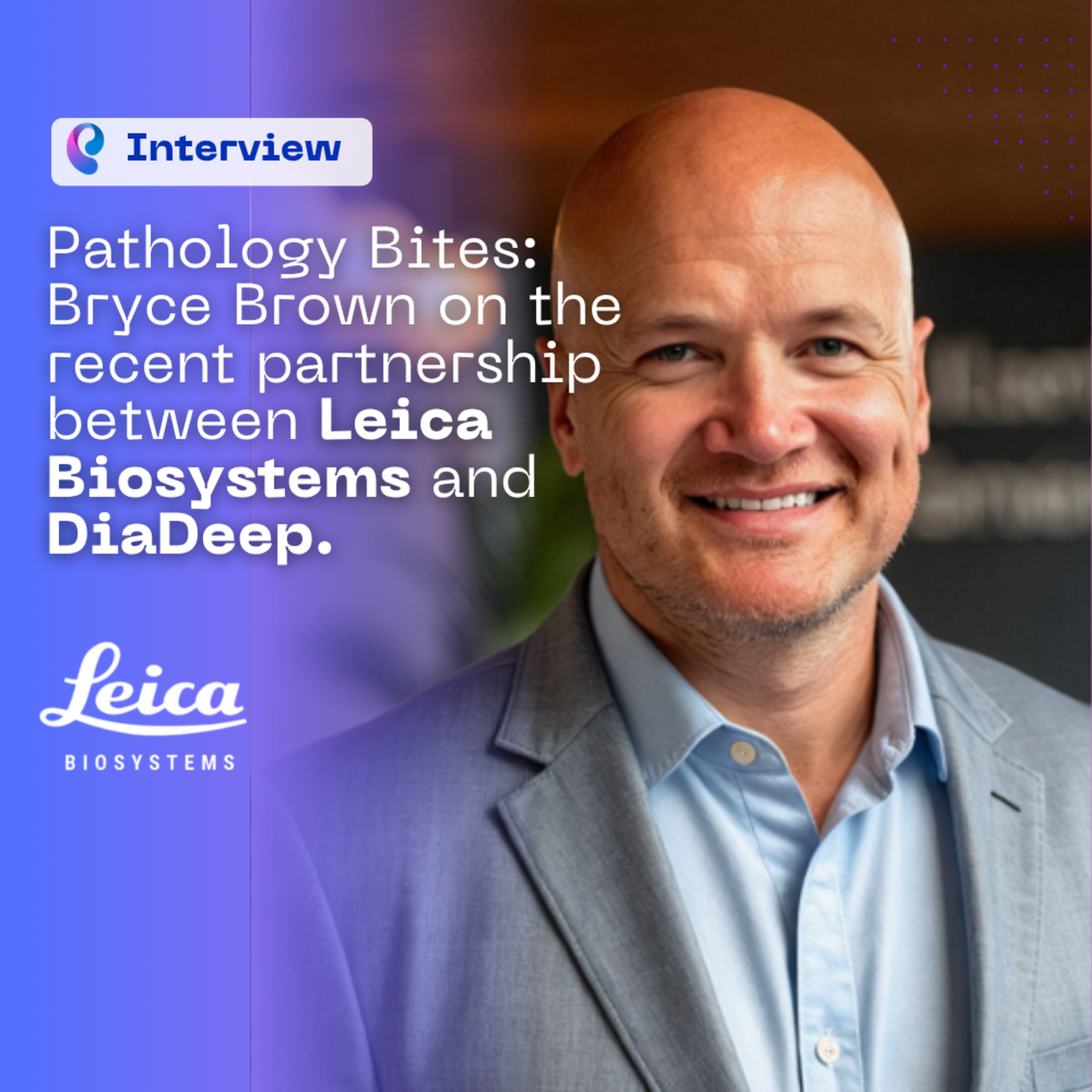 Pathology Bites: Bryce Brown on the recent partnership between Leica Biosystems and Diadeep. 20.08.2026 12minwing the recent partnership between Leica Biosystems and DiaDeep, join us for this short Pathology News interview, where Sidney Ocanagil-Tunstall speaks with Bryce Brown, Director of Product Enablement at Leica Biosystems, about what the collaboration means for AI adoption in digital pathology. In the conversation, Bryce explores how DiaDeep’s biomarker quantification tools are being integrated into the Aperio AI Store, helping laboratories access specialised AI applications through a single digital pathology workflow. He also discusses the Store’s flexible approach to licensing and its growing ecosystem of AI partners. Looking ahead, the discussion considers how Leica Biosystems is working to move AI beyond proof-of-concept and into practical, routine pathology workflows, with a focus on accessibility, integration and supporting pathologists as AI adoption continues to grow.
 -
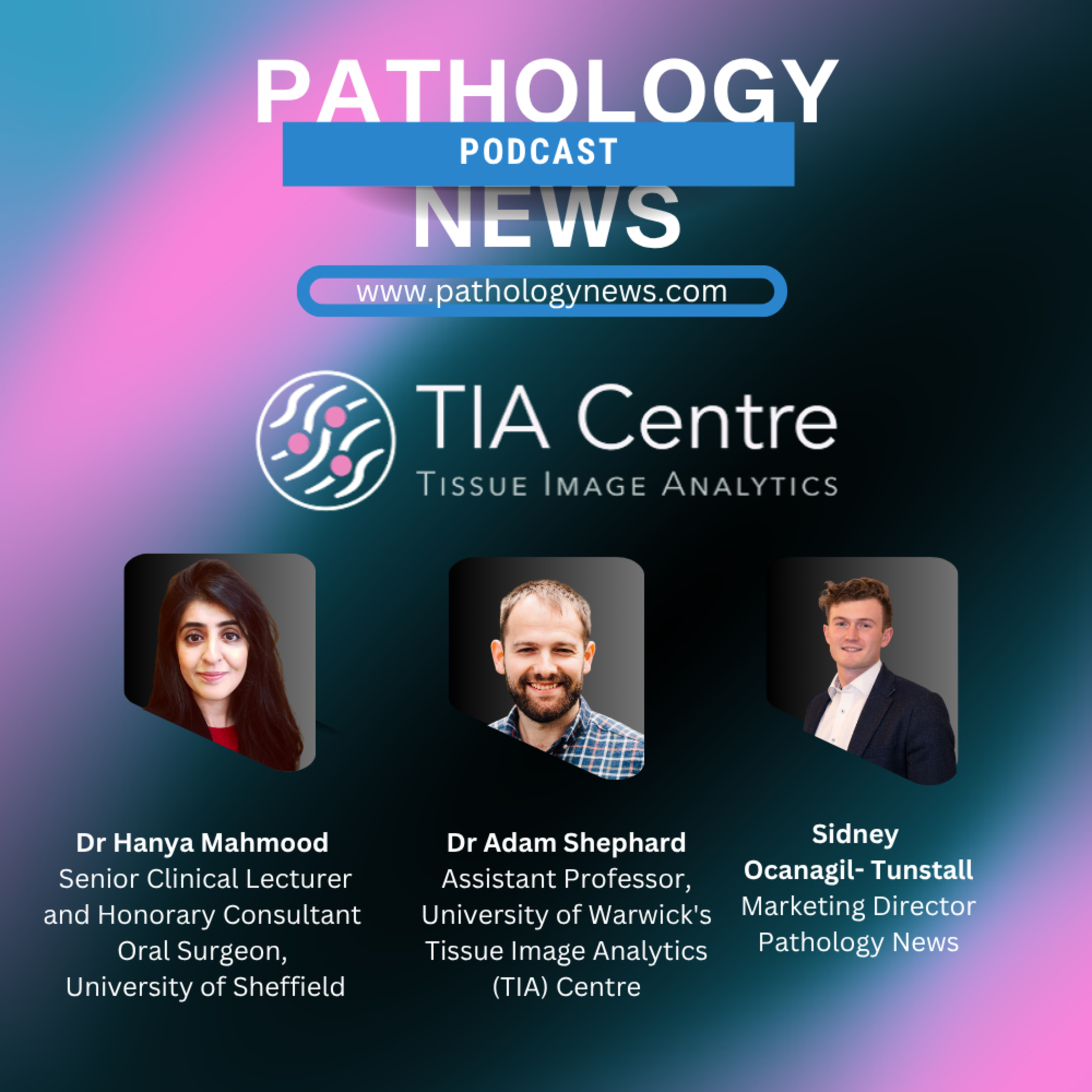 Beyond the Diagnosis: How the TIA Centre Is Advancing AI-Powered Risk Prediction in Oral Dysplasia 09.07.2026 38minIn this episode, Sidney Ocanagil-Tunstall is joined by Dr Adam Shephard, Assistant Professor at the University of Warwick's Tissue Image Analytics (TIA) Centre, and Dr Hanya Mahmood, Senior Clinical Lecturer and Honorary Consultant Oral Surgeon at the University of Sheffield, to explore how artificial intelligence is transforming the diagnosis and management of oral epithelial dysplasia (OED).The conversation focuses on OYDN, an AI-powered computational pathology model developed through a collaboration between the TIA Centre and the University of Sheffield. Adam and Hanya discuss how the technology supports more objective diagnosis, improves risk stratification for patients at risk of developing oral cancer, and is helping uncover novel digital biomarkers that could shape future treatment strategies.The discussion broadens into the challenges of translating AI from research into routine clinical practice, exploring the importance of explainable AI, robust validation, clinician confidence, and NHS adoption. Looking ahead, the guests share their vision for how AI can support pathologists, standardise clinical decision-making, and ultimately improve outcomes for patients through earlier, more accurate intervention.
 -
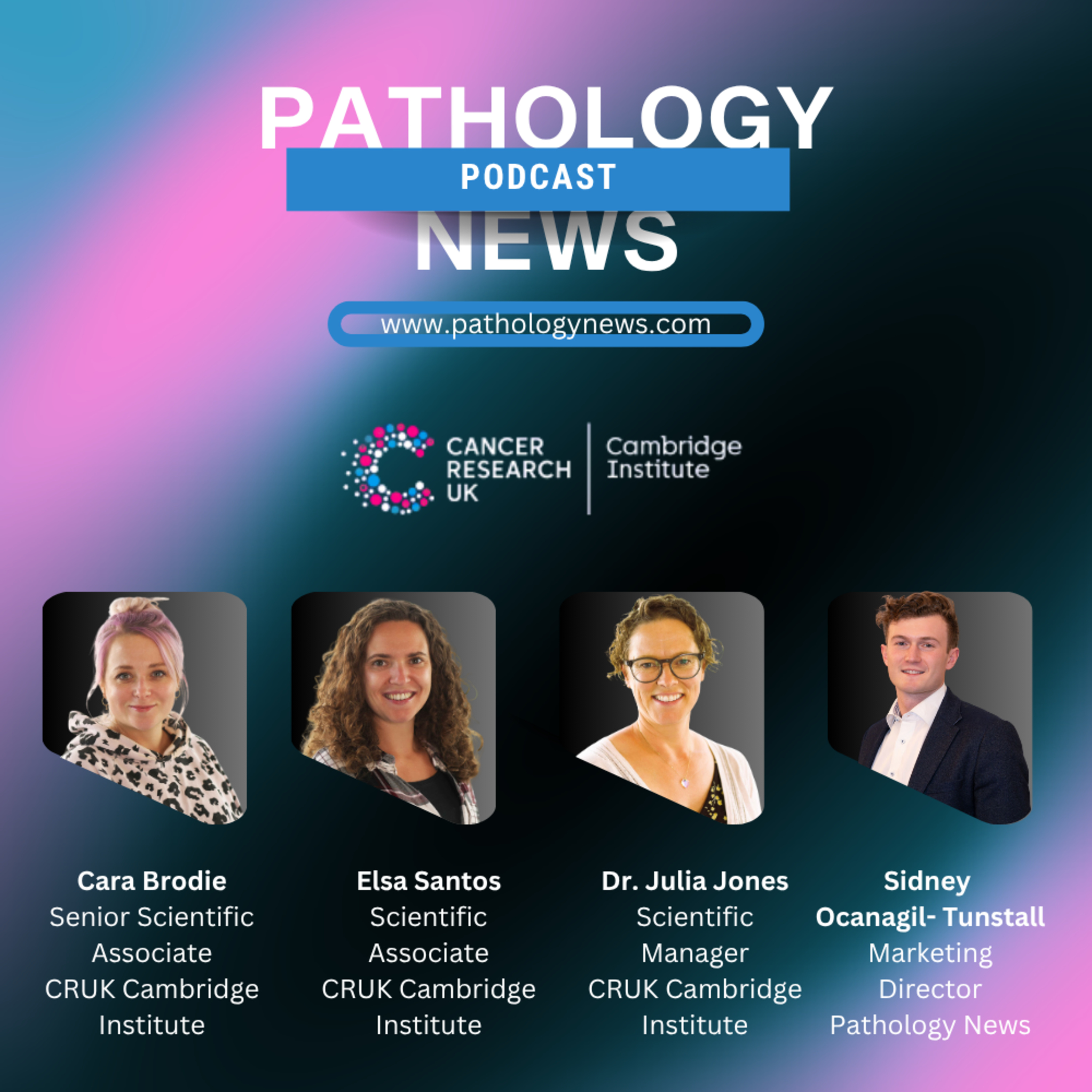 Cancer Research UK: Scanner Selection, Image Quality and the Future of AI 07.07.2026 25minIn this episode, Sidney Ocanagil-Tunstall continues the conversation with Dr Julia Jones, Elsa Santos and Cara Brodie from the Cancer Research UK Cambridge Institute, focusing on the technologies underpinning modern digital pathology workflows.The discussion explores how the team evaluates and procures whole slide scanners, balancing image quality, flexibility and downstream compatibility over speed alone. They also examine the growing importance of colour standardisation across scanning platforms, the challenges it presents for image analysis, and how AI could help overcome variability to deliver more robust and reproducible results.Looking ahead, the conversation turns to the future of multimodal imaging, data integration and artificial intelligence, alongside practical advice for researchers adopting new technologies in digital pathology and spatial biology.
 -
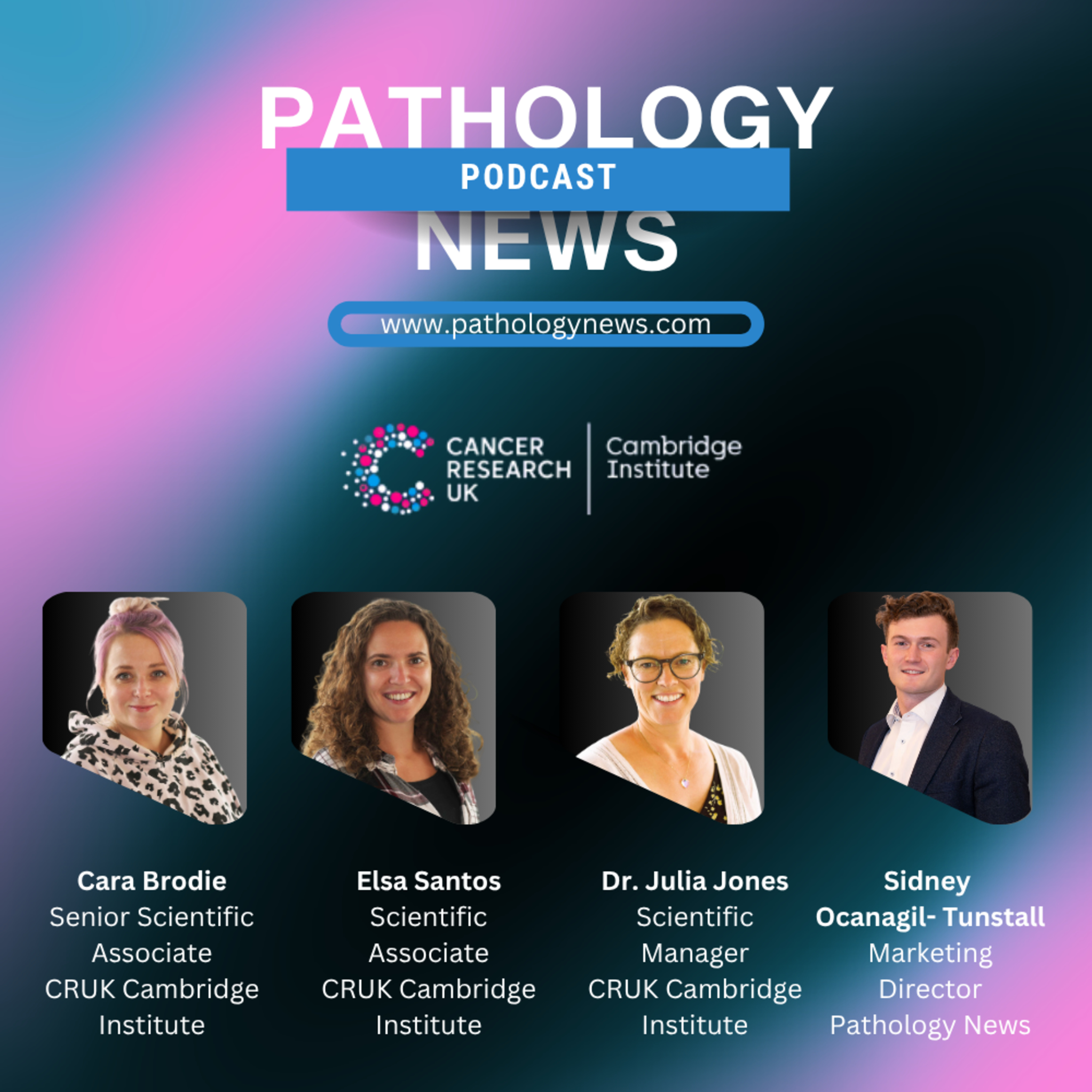 Cancer Research UK: Driving Innovation in Digital Pathology and Spatial Biology 30.06.2026 20minIn this episode, Sidney Ocanagil-Tunstall visits the Cancer Research UK Cambridge Institute to explore how digital pathology and spatial biology are transforming cancer research.Joined by Dr Julia Jones, Scientific Manager for In Situ Hybridisation, alongside Senior Scientific Associates Elsa Santos and Cara Brodie, the conversation examines the Institute’s long-standing commitment to innovation, from early adoption of digital pathology workflows to the integration of advanced spatial omics technologies.The discussion covers image analysis, multiplex assays, multimodal approaches combining RNA and protein detection, and the growing role of spatial biology in understanding the tumour microenvironment. The team also reflects on the practical challenges of implementation, including costs, technology selection, collaboration, and the importance of shared expertise in driving the next generation of cancer research.
 -
 Beyond the PSA: How Proclarix Is Supporting Smarter Clinical Decisions - Episode 2 23.06.2026 17minIn this episode, Sidney Ocanagil-Tunstall continues the conversation with Dr Asif Naseem, GP and specialist in preventative healthcare and men's health, and Dr Beat Rheiner, CEO of Proteomedix, this time turning to what a better diagnostic pathway could actually look like in practice.Building on the challenges of PSA testing explored in Episode 1, the discussion moves into the role of emerging tools like Proclarix in supporting smarter clinical decision-making. Asif shares his real-world experience using Proclarix as a private GP, including how it has helped him identify patients who may benefit from further investigation, and those who can safely avoid unnecessary downstream procedures.The conversation broadens into a wider discussion around diagnostics implementation and adoption, exploring the relationship between laboratory and clinician as part of the same clinical decision-making process, and why awareness of such diagnostic tools remains one of the most important barriers to overcome. As Asif puts it: new tools need to be more accessible, more widely understood, and correctly used.Proclarix is a blood-based test which works in the PSA "grey zone" of 2-10ng/ML to better stratify risk of clinically significant prostate cancer.
 -
 Rethinking PSA Testing: Navigating the Prostate Cancer Decision Zone - Episode 1 16.06.2026 25minIn this episode, Sidney Ocanagil-Tunstall is joined by Dr Asif Naseem, GP and specialist in preventative healthcare and men's health, alongside Dr Beat Rheiner, CEO of Proteomedix. Together, they discuss the role of PSA testing in current prostate cancer pathways, why many patients fall into a diagnostic “gray zone,” and how emerging approaches could improve early detection and reduce uncertainty for both clinicians and patients.The conversation explores the importance of personalised risk assessment, the impact of false positives and false negatives, and how new diagnostic tools may help identify clinically significant cancers earlier while supporting more efficient, patient-centred care.
 -
 Meet Techcyte’s CMO and uncover the pathologist-first approach to digital pathology 11.06.2026 27minIn this Thought Leaders episode, Sidney Ocanagil-Tunstall speaks with Dr. Tiffany Chen, Chief Medical Officer at Techcyte, about the realities of digital pathology adoption and what pathologists truly need from technology. The conversation explores workflow integration, AI in routine practice, trust in digital systems, and how Techcyte’s Fusion AP platform is designed to simplify increasingly complex pathology environments. Together, they discuss the future of pathology, where seamless workflows, interoperability, and pathologist-centred design are key to successful digital transformation.
 -
 AI, Clinical Trials & Companion Diagnostics: Eric Walk on the Future of Pathology 28.05.2026 18minIn this episode of the Pathology News podcast, Sidney Ocanagil-Tunstall speaks with Eric Walk about how AI-powered pathology tools are beginning to transform clinical diagnostics, pathology workflows, and precision medicine infrastructure.Eric discusses where AI is already delivering value in clinical practice, including case triage, workload balancing, biomarker quantification, quality control, and pathology workflow optimisation through PathAI’s AI Site DX platform. The conversation also explores the growing importance of trust, validation, and human oversight in AI-assisted diagnostics, alongside the ethical questions surrounding patient confidence and clinical decision-making.The episode further examines PathAI’s Precision Pathology Network (PPN), including how digitally mature pathology laboratories can collaborate with pharmaceutical companies through clinical trials, companion diagnostics, data licensing, and biomarker discovery programs. Rather than replacing pathologists, the discussion highlights how deep neural networks may elevate the profession, allowing pathologists to focus less on repetitive measurement tasks and more on precision medicine, therapy guidance, and integrated patient care.
 -
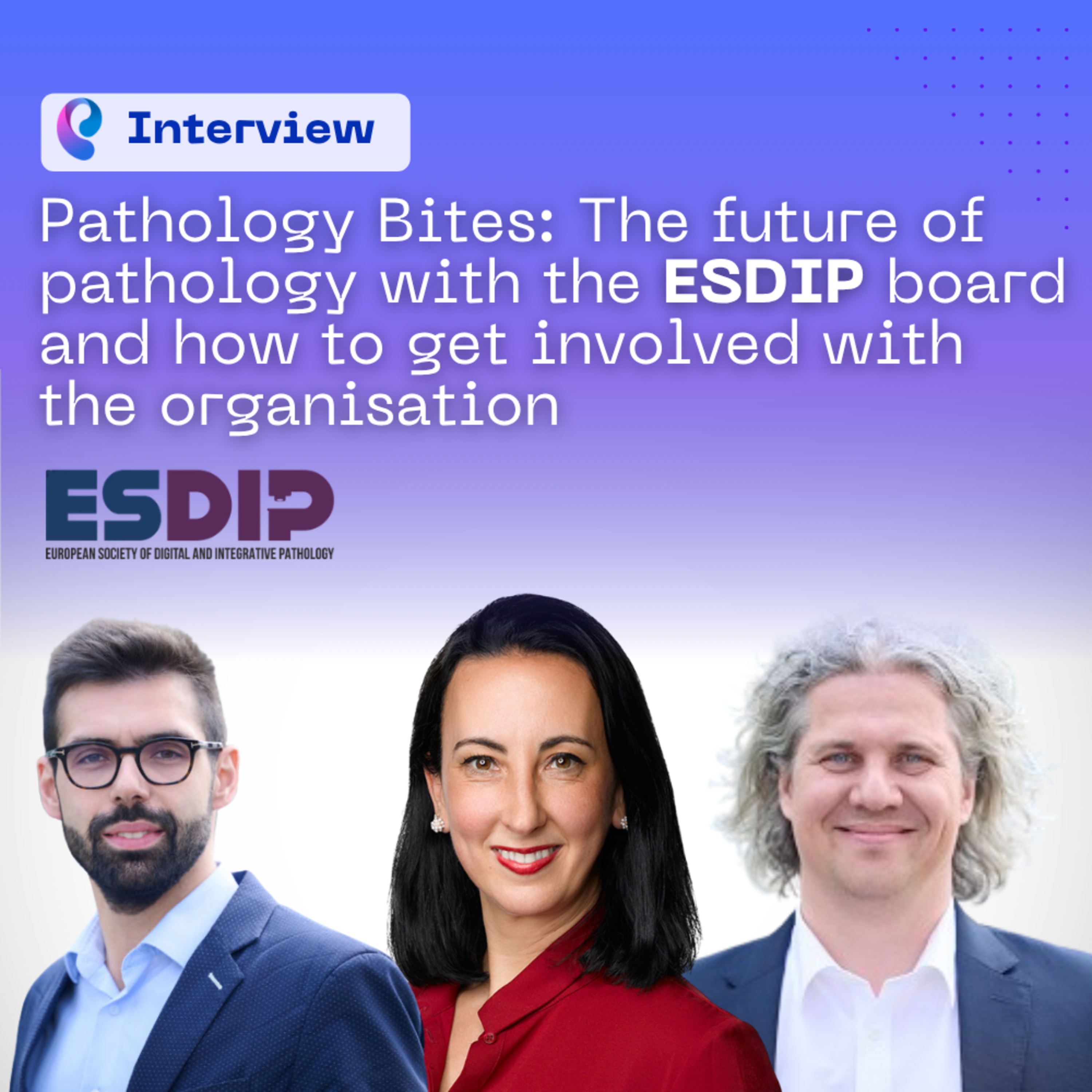 The future of pathology with the ESDIP board and how to get involved with the organisation 26.05.2026 10minSidney Ocanagil-Tunstall, Marketing Director at Pathology News, returns for part 4 of the Pathology Bites series joined by ESDIP leaders Norman Zerbe, Vincenzo L’Imperio, and Inti Zlobec to explore the future of pathology and how professionals can become involved with the organisation and its growing international community.The discussion looks ahead at the next phase of digital and computational pathology, from the wider adoption of digital workflows and AI-powered biomarkers to the growing role of computational tools in therapeutic guidance and patient care. The panel also reflects on the importance of harmonisation, interdisciplinary collaboration, and real-world clinical implementation as the field continues to evolve.Alongside the future-facing conversation, the episode highlights how ESDIP is supporting the pathology community through education, global partnerships, accessible membership opportunities, and initiatives such as the ESDIP Academy. From residents and researchers to practicing pathologists and industry leaders, the discussion captures how the society is helping shape the future of pathology while creating opportunities for the next generation to get involved.
 -
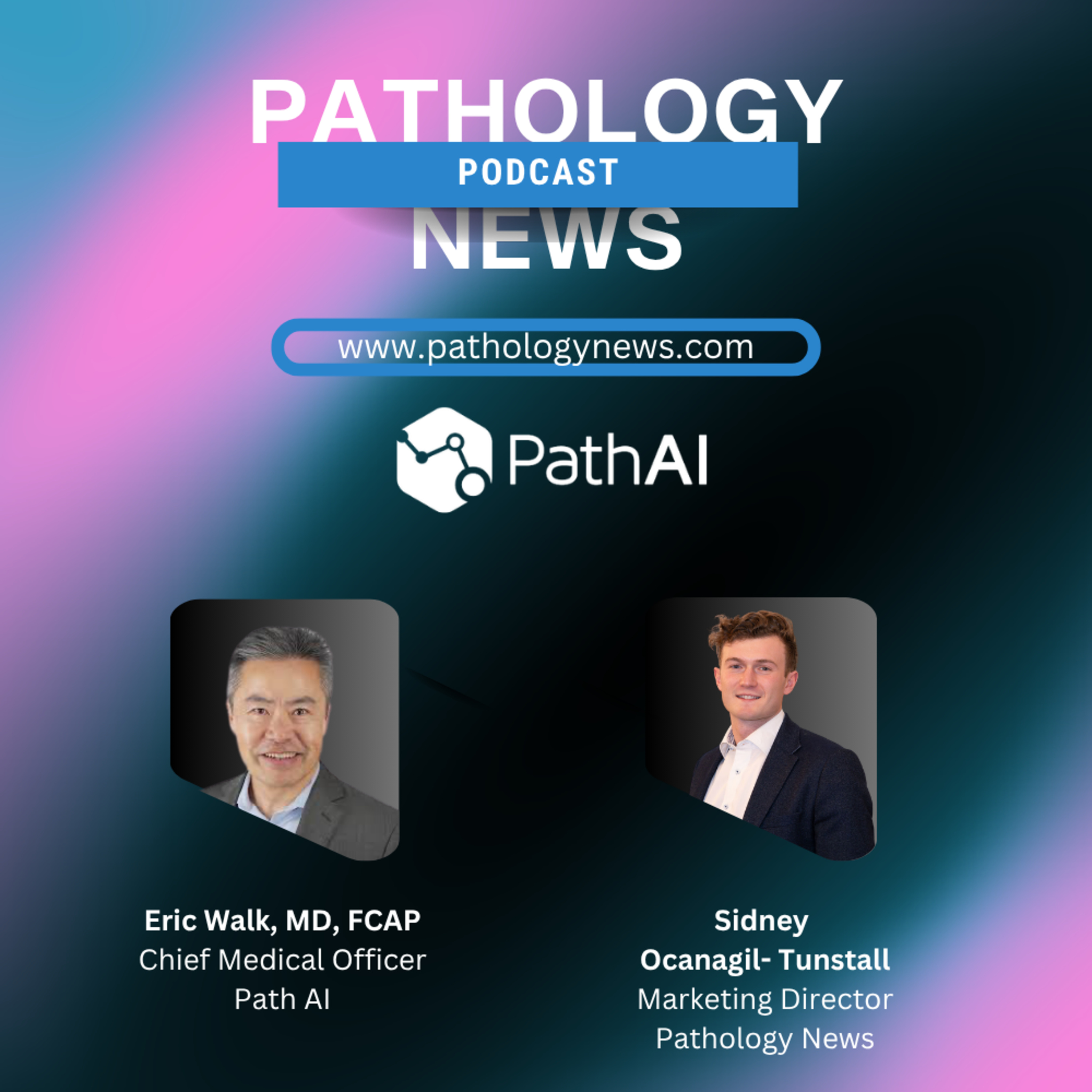 From Workflow Efficiency to Predictive Biomarkers: Eric Walk on the Future of AI Pathology 20.05.2026 23minIn this episode of the Pathology News podcast, Sidney Ocanagil-Tunstall speaks with Eric Walk about the evolving role of deep neural networks in digital pathology and how AI-assisted tools are beginning to reshape clinical diagnostics and drug development.Eric reflects on his career journey from diagnostic pathology into precision medicine and biomarker innovation, before exploring how AI is currently being deployed across pathology workflows, clinical trials, and translational research. The conversation covers digital transformation in pathology, workflow efficiency, predictive biomarkers, variability in clinical trials, and the growing role of AI-assisted decision support.The episode also explores PathAI’s work in MASH and inflammatory bowel disease, including FDA and EMA-qualified AI assist tools designed to improve biomarker scoring and endpoint assessment. Rather than focusing solely on diagnosis, the discussion highlights how computational pathology is enabling more structured histopathology data, improving reproducibility, and creating new opportunities for precision medicine and clinical research.
 -
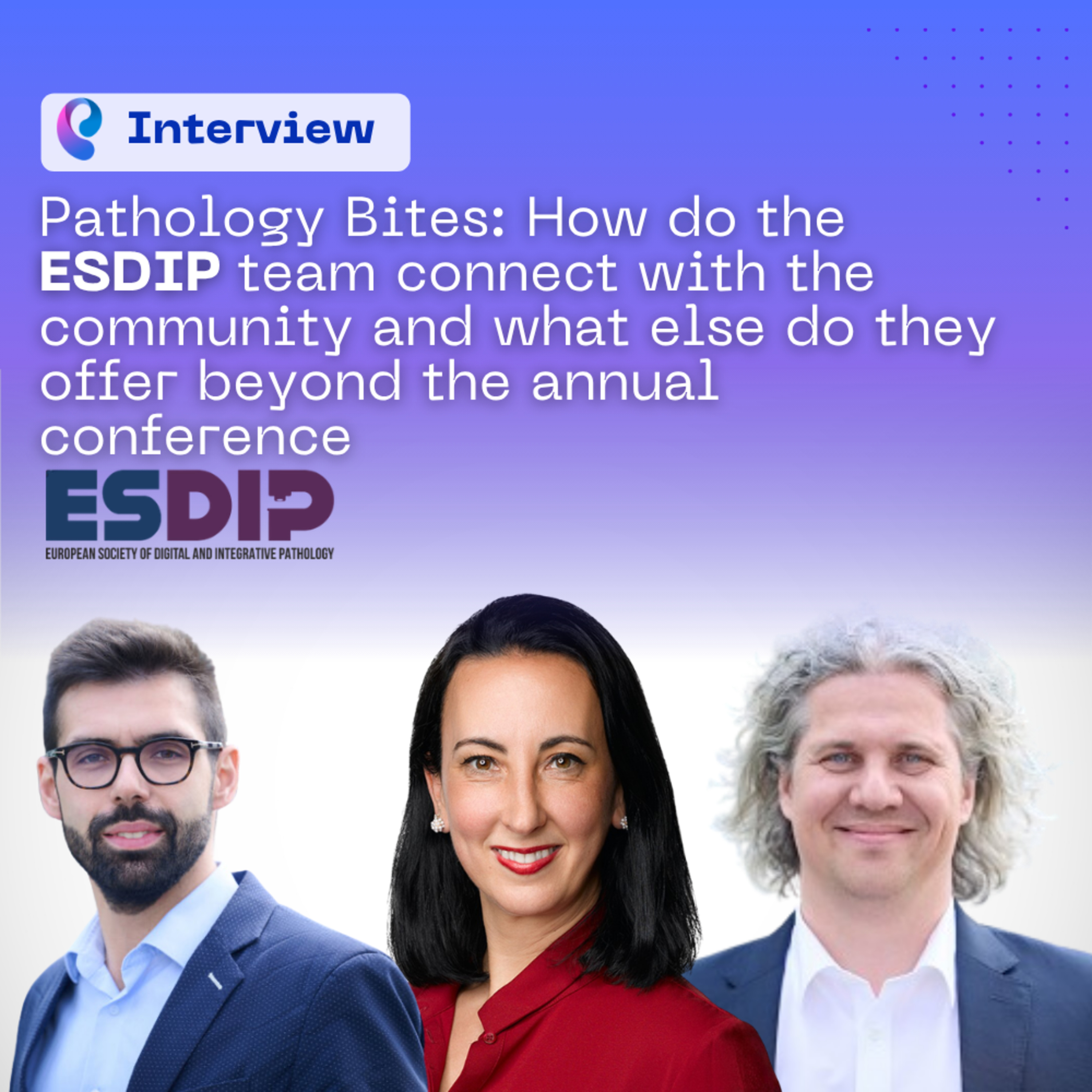 How do the ESDIP team connect with the community and what else do they offer beyond the annual conference 19.05.2026 8minSidney Ocanagil-Tunstall, Marketing Director at Pathology News, returns for another episode of Pathology Bites joined by leaders from the European Society of Digital and Integrated Pathology (ESDIP) – Norman Zerbe, Vincenzo L’Imperio, and Inti Zlobec – to explore how the society is building and supporting its growing global community beyond the annual congress.The discussion highlights ESDIP’s wider mission to connect, educate, and support professionals across digital and computational pathology through scientific publications, webinars, collaborative initiatives, and accessible membership opportunities. The panel reflects on the society’s work in producing practical guidance for digital pathology implementation, annotation standards, AI bias, computational pathology education, and understanding the EU AI Act, all designed to help laboratories and clinicians navigate an increasingly complex and rapidly evolving field.Alongside the scientific contributions, the episode explores how ESDIP is fostering engagement through monthly webinars, international collaborations, networking opportunities, and structured member involvement. From residents and technicians to experienced pathologists and researchers, the conversation captures how ESDIP is creating an inclusive and collaborative environment where members can contribute ideas, build connections, and help shape the future of digital pathology together.
 -
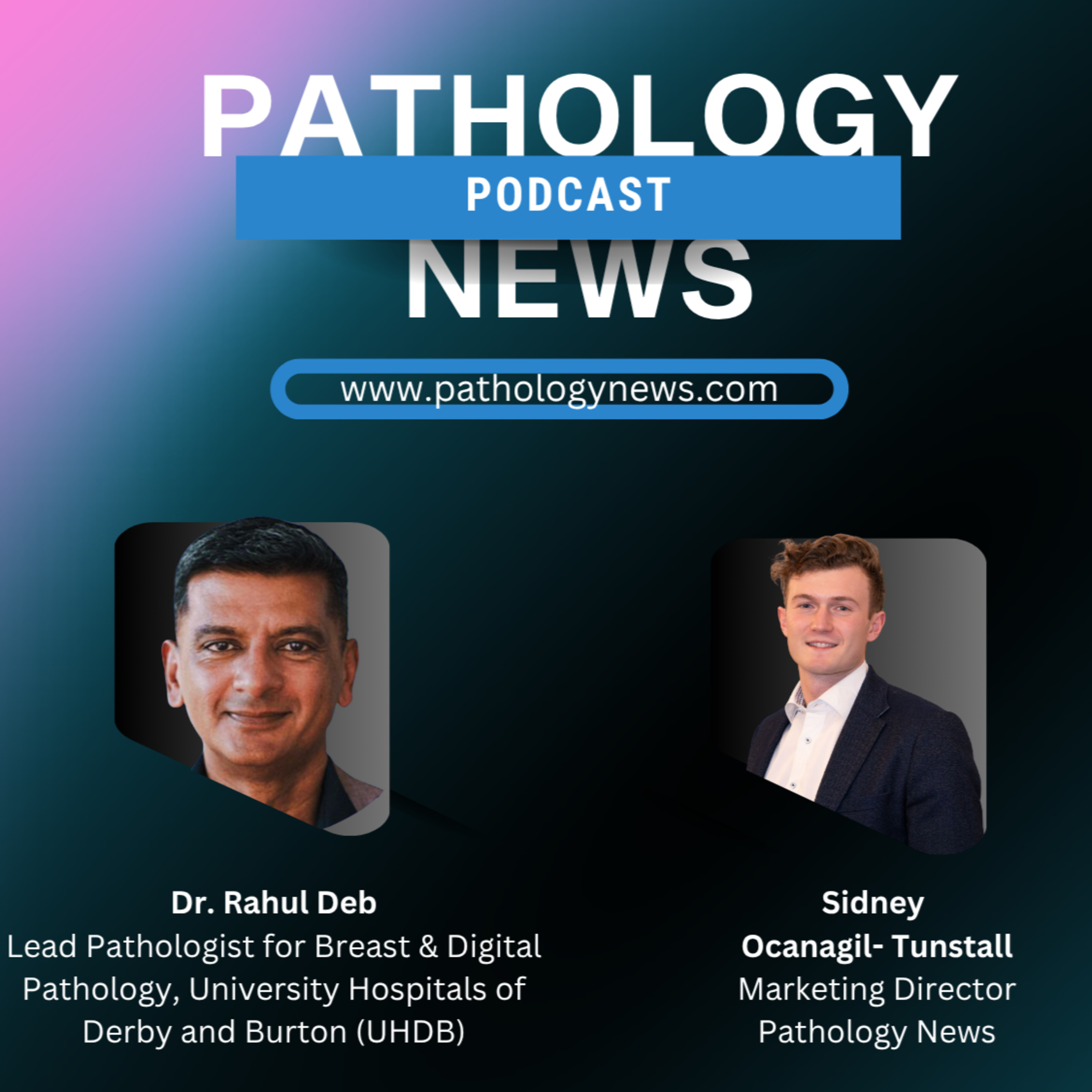 In conversation with Rahul Deb, Derby & Burton NHS Trust Episode 2 14.05.2026 26minThis episode continues the conversation with Rahul, focusing on the practical realities of implementing digital pathology.Rahul explains why digitisation is not simply about replacing microscopes with scanners. Instead, it exposes wider laboratory challenges, from section quality and workflow design to IT infrastructure, LIMS–IMS integration, staffing, space, governance, and NHS data-sharing barriers.The discussion also explores the impact on day-to-day practice, including digital quality control, remote working, faster case sharing, and the transformation of MDT preparation. Rahul then reflects on the differences between pathology in the UK and India, before discussing AI bias, global datasets, and why broader representation will matter as algorithms enter clinical use.The episode closes with Rahul’s advice to young pathologists: see as much as possible, ask questions, and build strong relationships with clinical colleagues.
 -
 Pathology Bites: What can you expect from ECDP 2026 and what are the key takeaways this year 12.05.2026 13minSidney Ocanagil-Tunstall, Marketing Director at Pathology News, returns for episode 2 joined by leaders from the European Society of Digital and Integrated Pathology – Norman Zerbe, Vincenzo L'imperio, and Inti Zlobec – to explore what’s ahead for ECDP 2026 and the major themes shaping this year’s congress.The discussion highlights how ECDP is evolving beyond a traditional pathology meeting into a full “Digital and Computational Pathology Week”, with hands-on workshops, interoperability showcases, AI-focused sessions, and multidisciplinary collaboration at its core. The panel explores the growing role of integrative pathology across oncology, radiology, spatial biology, and computational diagnostics, while also reflecting on the importance of standardisation, education, and global community building.From practical implementation challenges to future-facing innovation, the episode captures how ECDP is creating a collaborative space where pathologists, researchers, technicians, clinicians, and industry leaders can connect, learn, and help shape the future of digital pathology together.
 -
 In conversation with Rahul Deb, Derby & Burton NHS Trust Episode 1 07.05.2026 33minIn this episode of the Pathology News podcast, Sidney Ocanagil-Tunstall speaks with Rahul Deb, Lead Breast and GI Pathologist at University Hospitals of Derby and Burton NHS Trust, about what it really takes to implement digital pathology in the NHS. Rahul reflects on his journey into pathology, from training in India to practising in the UK, before discussing Derby’s own digital transformation. The conversation covers whole slide imaging, speech-to-text reporting, validation, funding, training, and the practical challenges of moving from glass slides to digital workflows.Rahul also shares Derby’s approach to AI implementation in breast and prostate pathology, including the importance of clinical champions, staff engagement, and realistic business cases. Rather than presenting digitisation as a simple technology upgrade, the episode explores how digital pathology changes the way departments work, train, report, and prepare for the future of computational pathology.
 -
 Meet ESDIP: president, vice president and secretary and learn what goes on behind the scenes 05.05.2026 14minIn this Thought Leaders episode, Sydney Ocanagil-Tunstall, Marketing Director at Pathology News, speaks with leaders from the European Society of Digital and Integrated Pathology-Norman Zerbe, Vincenzo Imperiale, and Inti Zlobec-about the rapid evolution of digital pathology.The conversation explores how the field is moving beyond adoption toward effective integration with radiology, genomics, and wider oncology workflows. The panel also shares their personal journeys and reflects on key challenges, including interoperability, regulation, and workforce readiness.Beyond its annual congress, ESDIP is highlighted as a year-round community hub, offering initiatives like webinars, educational resources, and collaborative projects to support the global pathology community.The episode emphasises that the future of pathology depends not just on technology, but on multidisciplinary collaboration and a shared commitment to advancing digital, data-driven diagnostics.
 -
 From Informatics to AI: Liron Pantanowitz on Leading Digital Pathology at Scale 14.04.2026 30minIn this Thought Leaders episode, Sidney Ocanagil-Tunstall, Marketing Director of Pathology News, speaks with Liron Pantanowitz, Chair of Pathology at the University of Pittsburgh and a pioneer in digital pathology and computational pathology.With a career spanning pathology informatics, whole slide imaging, and AI-driven diagnostics, Liron shares his journey from early frustrations with analogue workflows to becoming a global leader in digital transformation. He reflects on the origins of digital pathology, the development of validation guidelines with the College of American Pathologists, and how evidence-based practice has evolved over time.The conversation explores how UPMC is scaling digital pathology across a vast network of hospitals, building one of the most ambitious AI ecosystems in healthcare. Liron discusses the creation of the CPACE AI Center, the integration of imaging, text, and tabular data, and the growing role of both traditional and generative AI in clinical workflows.They also dive into real-world implementation challenges—from interoperability and vendor integration to cultural resistance among pathologists—and why mindset remains one of the biggest barriers to adoption. Liron shares insights into deploying AI in live clinical practice, the current lack of reimbursement models, and what the future may hold for billing, regulation, and global adoption.Finally, the episode highlights innovative initiatives like the “scan van” concept for mobile digitisation, the importance of building digital archives, and why laboratories must act now to remain competitive in an increasingly AI-driven healthcare landscape.
Slični podcasti


Popularan u
Ovaj podcast se pojavljuje i u podcast listama ovih zemalja.

