
Cellular and Molecular Biology for Research
Ahmadreza Gharaeian
0
Cellular and Molecular Biology for Research is a podcast that breaks down complex topics in cellular and molecular biology into clear, understandable explanations. It covers DNA, signaling pathways, protein folding, and experimental techniques, making dense textbook material accessible for students and early-career researchers. The podcast aims to help listeners truly understand the science rather than just memorize it, acting as a study companion that translates jargon and highlights key concepts.
Epizode
-
 Where Memories Live: Synapses, Snails, and the Biology of Learning 30.04.2026 52minMemory isn’t stored in a single place or a single cell—it’s embedded in subtle, widely distributed changes at synapses. In this episode, we explore how neuroscientists moved from abstract theories of memory to concrete biological mechanisms. We follow the trail from Hebb’s insight about synaptic modification to Eric Kandel’s landmark experiments in the sea snail Aplysia, where learning could be traced to specific molecular changes at identifiable synapses. We then bridge simple nervous systems to the mammalian brain, examining how activity-dependent synaptic plasticity links development, learning, and memory. The result is a unifying view of memory as a physical process—measurable, modifiable, and deeply rooted in neural circuitry.
 -
 Wiring the Brain: How Neurons Find Their Targets 27.04.2026 43minThe human brain contains roughly 85 billion neurons, and somehow each one makes the right connections at the right place, in the right order. In this episode, we explore how such astonishing precision emerges during brain development, using the visual system as our guide—from retina to LGN to primary visual cortex. We unpack how genetic programs lay down most of the neural wiring, how axons navigate long distances to their correct targets, and why experience during early life still matters. Nature builds the blueprint; nurture fine-tunes the circuit. Together, they create a brain that can see, adapt, and learn.
 -
 When Brain Meets Mind: Neurology, Psychiatry, and What Goes Wrong 23.04.2026 46minNeurology treats disorders of the nervous system. Psychiatry treats disorders of the mind. For a long time, these worlds were kept politely separate—one dealing with myelin, axons, and lesions, the other with mood, fear, and thought. In this episode, we tear down that artificial wall. By examining anxiety disorders, affective disorders, and schizophrenia, we explore how studying breakdowns in brain function reveals the mechanisms of normal cognition, emotion, and behavior. Mental illness is no longer beyond neuroscience—and understanding what goes wrong may be the fastest way to understand how the brain works at all.
 -
 The Restless Brain: Attention, Awareness, and the Illusion of Calm 20.04.2026 39minYou think your brain is idle while you’re daydreaming on the beach. It isn’t. In this episode, we use a fake shark fin to expose three deeply intertwined brain functions: the brain at rest, selective attention, and consciousness. We explore how the so-called “resting” brain is anything but quiet, how attention filters a sensory flood into something manageable (and occasionally life-saving), and why awareness follows attention—but is not the same thing. From daydreams to sudden danger, this introduction sets the stage for understanding how the brain decides what matters, what gets ignored, and what finally enters consciousness
 -
 How the Brain Invented Language: From Sound to Meaning 17.04.2026 36minThis episode dives into one of the brain’s most audacious tricks: turning vibrations in the air and symbols on a page into ideas, emotions, jokes, and entire cultures. We explore how language travels through our sensory systems, gets sculpted by specialized neural circuits, and emerges as speech, writing, and meaning. From classic lesion studies to modern fMRI maps, we trace the pathways that let humans communicate everything from coffee orders to quantum-induced existential dread. Language may differ across thousands of dialects, but the neural machinery powering it is universal—and astonishingly intricate. This episode unpacks that machinery, neuron by neuron, idea by idea, opening a window into what makes human communication uniquely human.
 -
 Rhythms of the Brain: Sleep, Cycles, and the Clocks That Keep Us Alive 13.04.2026 43minThis episode uncovers the brain’s deep relationship with Earth’s natural rhythms—daily light cycles, seasonal shifts, and the steady beat of biological oscillations inside every one of us. We move from fast cortical electrical patterns to the slow drifts of sleep stages, touching the mysterious logic behind why brains bother to pulse at all. The EEG makes its appearance as our window into these hidden patterns, guiding us through sleep architecture, circadian timing, and the internal clocks tuned by sunlight. By the end, the brain feels less like an organ and more like a symphony conductor syncing the body to the planet’s ancient rhythm.
 -
 Emotion: The Brain’s Most Human Signal 08.04.2026 42minAn exploration of how the brain generates the rich inner world we call emotion. This episode separates feeling from expression, looks at how scientists decode something animals can’t verbalize, and traces the shift from old “emotion centers” to modern network-based models. From lesion studies to human imaging, we follow the evidence that shapes affective neuroscience—and why emotions remain both scientifically elusive and deeply defining to our species.
 -
 Sex, the Brain, and the Biology of Desire 04.04.2026 49minA dive into the neural machinery that makes reproduction possible—far beyond the “birds and bees.” This episode unpacks how the hypothalamus, hormones, sensory circuits, and evolution shape sexual behavior, gender differences, and identity. No fluff, no taboos—just the neuroscience of why reproduction works, why it matters, and why human sexuality is far more complex than instinct alone.
 -
 Why We Do Anything: The Neuroscience of Motivation 31.03.2026 43minA tour through the machinery that pushes behavior into motion. Reflexes twitch on their own, voluntary actions spark from the frontal lobe, and somewhere in between sits the mysterious force called motivation. This episode explores how needs—ranging from a full bladder to a craving for a summer sail—shape the probability of action, how the brain gates competing urges, and why behavior is never as simple as electricity moving across a membrane. Step into the circuitry that keeps us moving, choosing, and sometimes sabotaging our plans.
 -
 When the Brain Switches to Broadcast Mode: Hypothalamus, Autonomics, and the Modulatory Mind 23.03.2026 35minThis episode zooms out from the tight, point-to-point wiring of classic synapses and steps into the brain’s larger communication networks—the ones that don’t whisper to a neighbor but shout across the whole city. You’ll see why precision synapses are fast, tiny, and brutally efficient, keeping sensations sharp and movements coordinated. Then everything changes: we meet the systems that broadcast across the brain and body. The secretory hypothalamus spills chemicals straight into the bloodstream; the autonomic nervous system puppeteers organs, glands, and blood vessels; and the diffuse modulatory systems slowly tune mood, arousal, and whole-brain states using sprawling axonal networks. It’s the difference between a private phone call and your mom exposing your birthday-forgetting crimes on live TV. These long-reaching systems shape everything from sleep to emotion to mental disorders, setting the stage for the chapters ahead.
 -
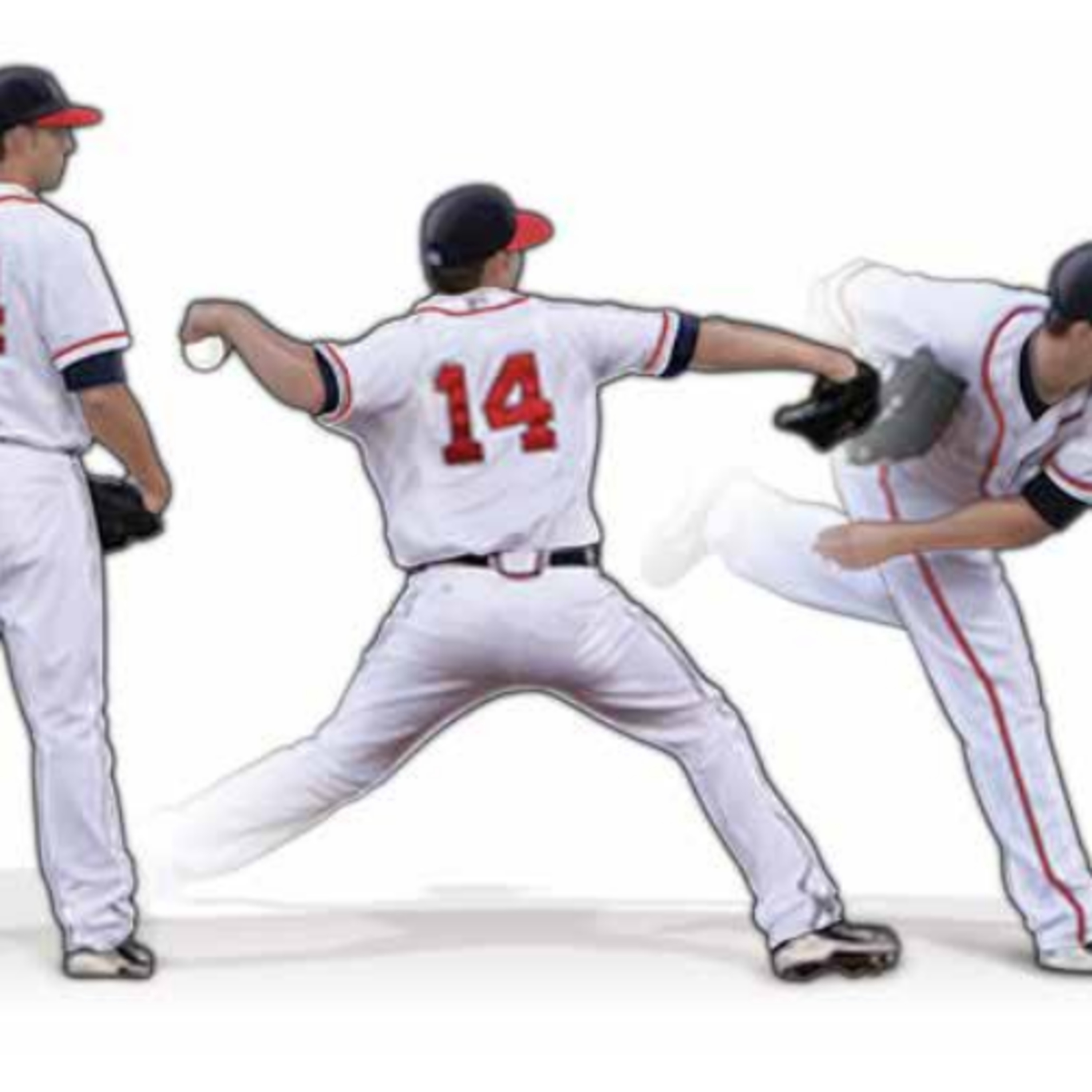 The Brain at the Helm: How Strategy, Tactics, and Execution Shape Movement 19.03.2026 35minThis episode takes you inside the brain’s command center for voluntary movement. We break down the motor hierarchy into its three layers: strategy in the association cortex and basal ganglia, tactics in the motor cortex and cerebellum, and execution in the brainstem and spinal cord. Using the example of a baseball pitcher preparing a throw, we trace how the brain evaluates sensory information, selects a movement plan, and sends precise commands that activate motor neurons and generate coordinated action across the body. You’ll hear how ballistic movements unfold too quickly for mid-course feedback, why past sensory experience shapes present decisions, and how the motor system is inseparable from the sensory pathways that guide it. The story builds toward a full picture of how the brain influences the spinal cord to produce voluntary, complex behavior—and what happens when these systems break down.
 -
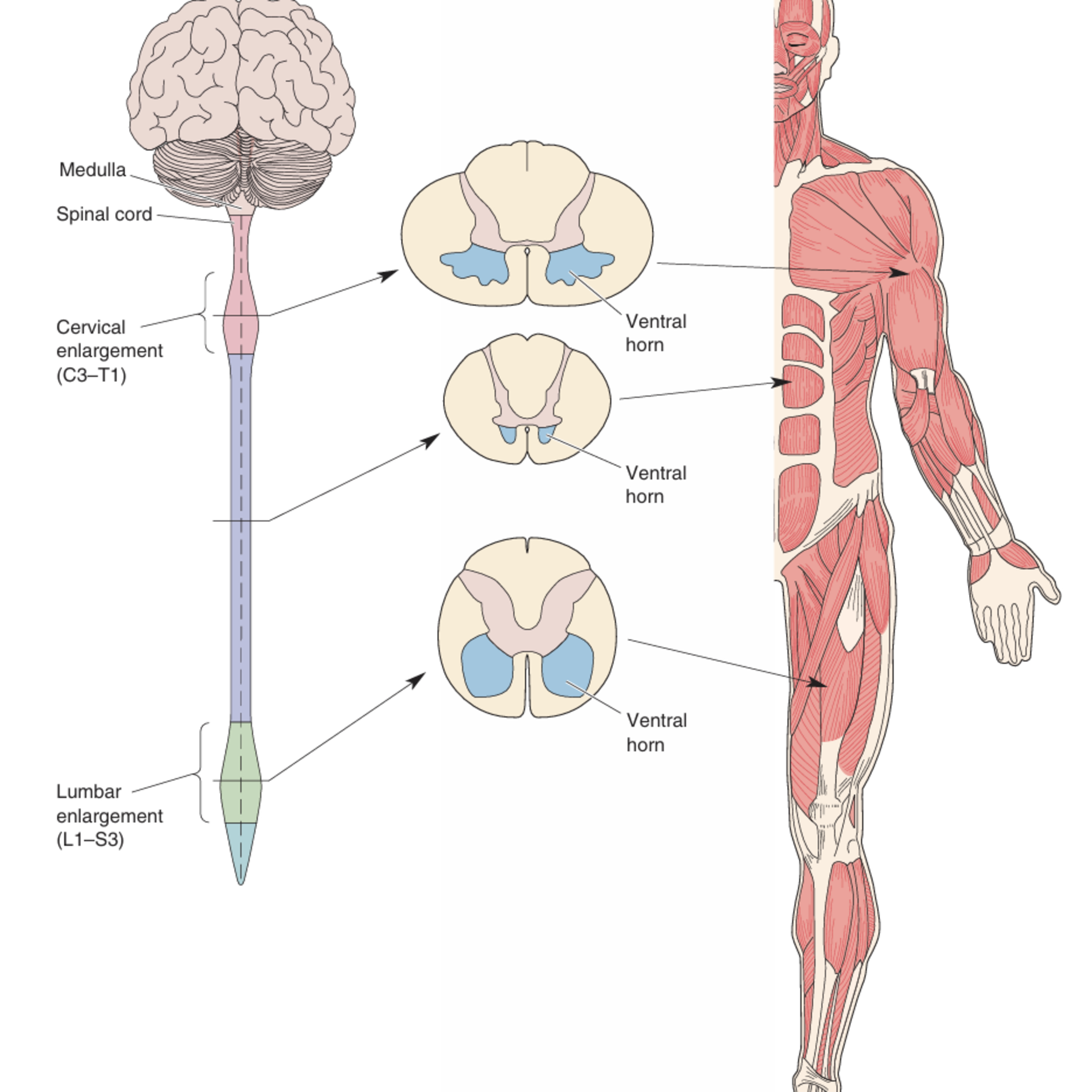 The Machinery of Motion — Inside the Motor System 16.03.2026 51minEvery action, from whispering a word to swinging an axe, begins with the motor system — the grand conductor of movement that turns thought into motion. In this episode, we explore the intricate world of muscles, motor neurons, and spinal circuits, the biological machinery that transforms neural signals into behavior.We’ll unpack how your spinal cord can generate complex, rhythmic patterns of movement — even without direct input from the brain — and how descending motor commands refine and adapt those patterns for real-world challenges. From balance to reflexes, this is the story of how your nervous system builds motion from the ground up.
 -
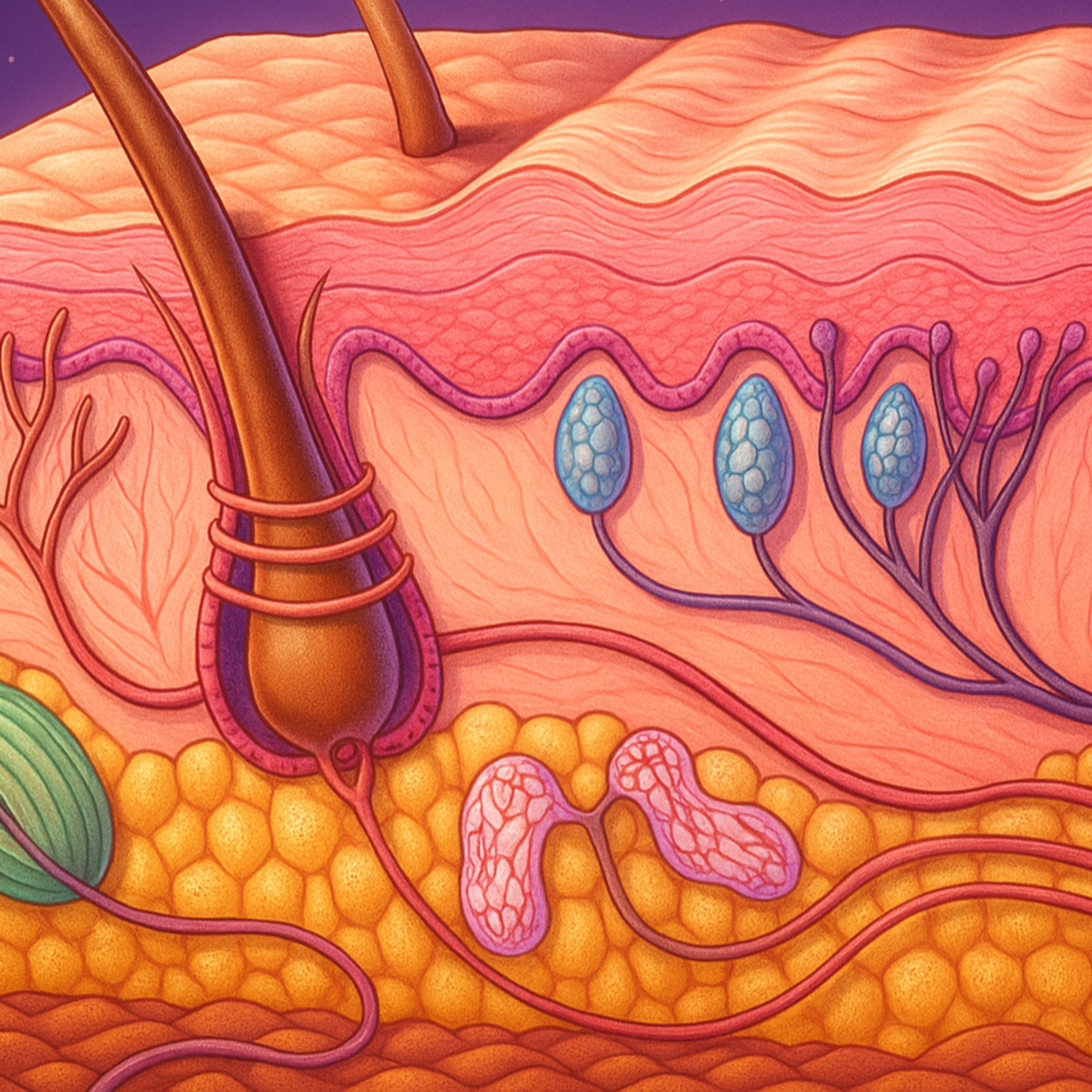 The Body’s Storyteller — The Somatic Sensory System 12.03.2026 44minYour skin, muscles, and joints are constantly talking — and your brain is always listening. In this episode, we dive into the somatic sensory system, the network that lets you feel a soft breeze, a burning flame, or the sharp sting of a pinprick.Unlike sight or hearing, this system isn’t confined to one organ — it’s everywhere. It’s how you sense touch, temperature, pain, and body position, working together to map your body’s reality in real time. From the pleasure of warmth to the lifesaving agony of pain, these sensations define what it means to live in a body.Join us as we uncover how your nerves translate texture, pressure, and even itch into the rich, continuous language of feeling — a story told entirely through electricity and experience.
 -
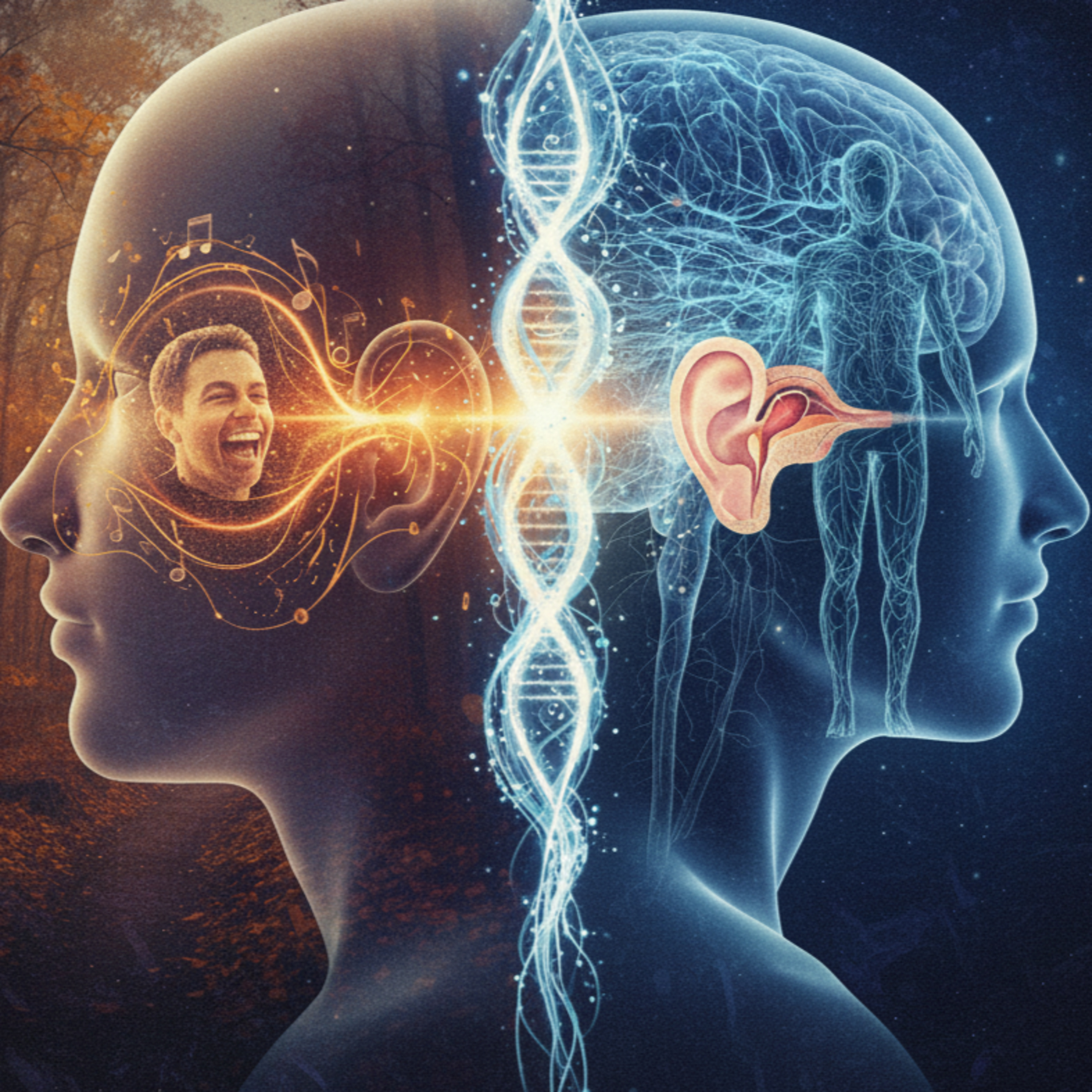 The Symphony of Sound and Balance 08.03.2026 38minIn this episode, we dive into the twin marvels of the auditory and vestibular systems — the senses that let us hear the world and stay upright in it. From the crash of a wave to the whisper of a friend, your brain turns invisible vibrations into vivid perception. Meanwhile, your inner ear quietly works overtime, keeping you balanced and your vision steady even as your head moves.We’ll break down how sound waves and head motion are transformed into neural code, how your brainstem and thalamus orchestrate this sensory duet, and why hearing and equilibrium—though seemingly worlds apart—share deep evolutionary roots.
 -
 Photon to Perception: Reverse Engineering Vision, the Blind Spot 04.03.2026 59minVision is our window to both the microscopic and the cosmic — from spotting a mosquito on your nose to glimpsing galaxies millions of light-years away. Yet for all its apparent simplicity, seeing is one of the most complex feats biology has ever pulled off.In this episode, we peel back the layers of how the brain turns light — mere electromagnetic waves bouncing through space — into meaning. You’ll discover how evolution built the eye as a living camera, and how the retina, a literal piece of the brain tucked inside your eyeball, begins processing images before they ever reach your cortex.We’ll explore how the optic nerves ferry signals to brain regions that set your internal clock, move your eyes, and ultimately let you perceive the world in color, contrast, and motion. From the low-light world of night vision to the dazzling spectrum of daylight, every photon that hits your retina becomes part of the grand neural symphony of sight.And as it turns out, vision didn’t just help us survive — it helped us imagine, predict, create, and paint our understanding of reality itself.
 -
 The Chemistry of Perception — Taste, Smell, and the Origins of Sensation (Section 2) 01.03.2026 46minLong before brains existed, life was already listening — not to sounds or sights, but to chemicals. From single-celled bacteria to humans, survival has always depended on detecting the molecules that mean food, danger, or love. In this episode, we dive into the most ancient and universal senses of all: taste and smell.We’ll explore how evolution shaped our ability to sense the world through chemistry — from bacteria swimming toward nutrients to humans savoring the sweetness of honey or catching the scent of pizza. You’ll learn how chemoreceptors scattered throughout the body detect everything from the flavor of food to the acidity in our muscles, and how our gustatory and olfactory systems work together to create the experience we call flavor.But taste and smell do more than please the palate — they’re deeply tied to emotion, memory, hunger, and even desire. These senses connect the oldest parts of our brain to the most primal parts of our behavior.Join us as we uncover how the chemical world outside becomes meaning inside — and how every breath, bite, and scent speaks the universal language of life itself.
 -
 Inside the Brain: A Guided Tour of Neuroanatomy (Section 1) 22.02.2026 53minBefore we dive into how the brain works, we need to know how it’s built. In this episode, we open the Illustrated Guide to the Brain — your map to the physical landscape of the nervous system.We’ll explore the brain not just as a concept, but as a real, three-dimensional structure with surfaces, sections, and systems that all fit together inside the skull. From the folds of the cerebral cortex to the deep cores of the brainstem and spinal cord, this guided tour will show how anatomy lays the groundwork for everything the nervous system does.You’ll learn how neuroscientists divide the brain into functional systems — like the visual, olfactory, and auditory networks — and how these systems connect into one coordinated whole. We’ll also touch on the cranial nerves, the autonomic nervous system, and the blood vessels that keep the brain alive and working.Think of this as a traveler’s guide to the brain’s terrain — a way to learn the names and landmarks before we start exploring their functions in depth.
 -
 The Brain's Blueprint: From Simple Tube to Conscious Cortex (Section 1) 18.02.2026 1h 11minYour thoughts, movements, and moods all depend on chemistry — specifically, the brain’s breathtakingly precise neurotransmitter systems. In this episode, we dive into the molecules that make neurons talk, and the elegant machinery that keeps those conversations going.We’ll revisit the pioneers of neurochemistry, from Otto Loewi, who discovered acetylcholine and proved that neurons communicate with chemicals, to Henry Dale, who gave us the language we still use today — cholinergic, noradrenergic, glutamatergic, GABAergic. Each neurotransmitter system isn’t just a single molecule; it’s an entire operation: the enzymes that make it, the vesicles that store it, the transporters that recycle it, and the receptors that respond to it.From amino acids to amines to peptides, these tiny messengers define how the brain controls everything from muscle contraction to mood regulation. Understanding them is key to unlocking how drugs, disorders, and even our own emotions shape neural activity.Join us as we explore the variety, precision, and beauty of the brain’s chemical code — the systems that turn electricity into emotion, thought into action, and chemistry into consciousness
 -
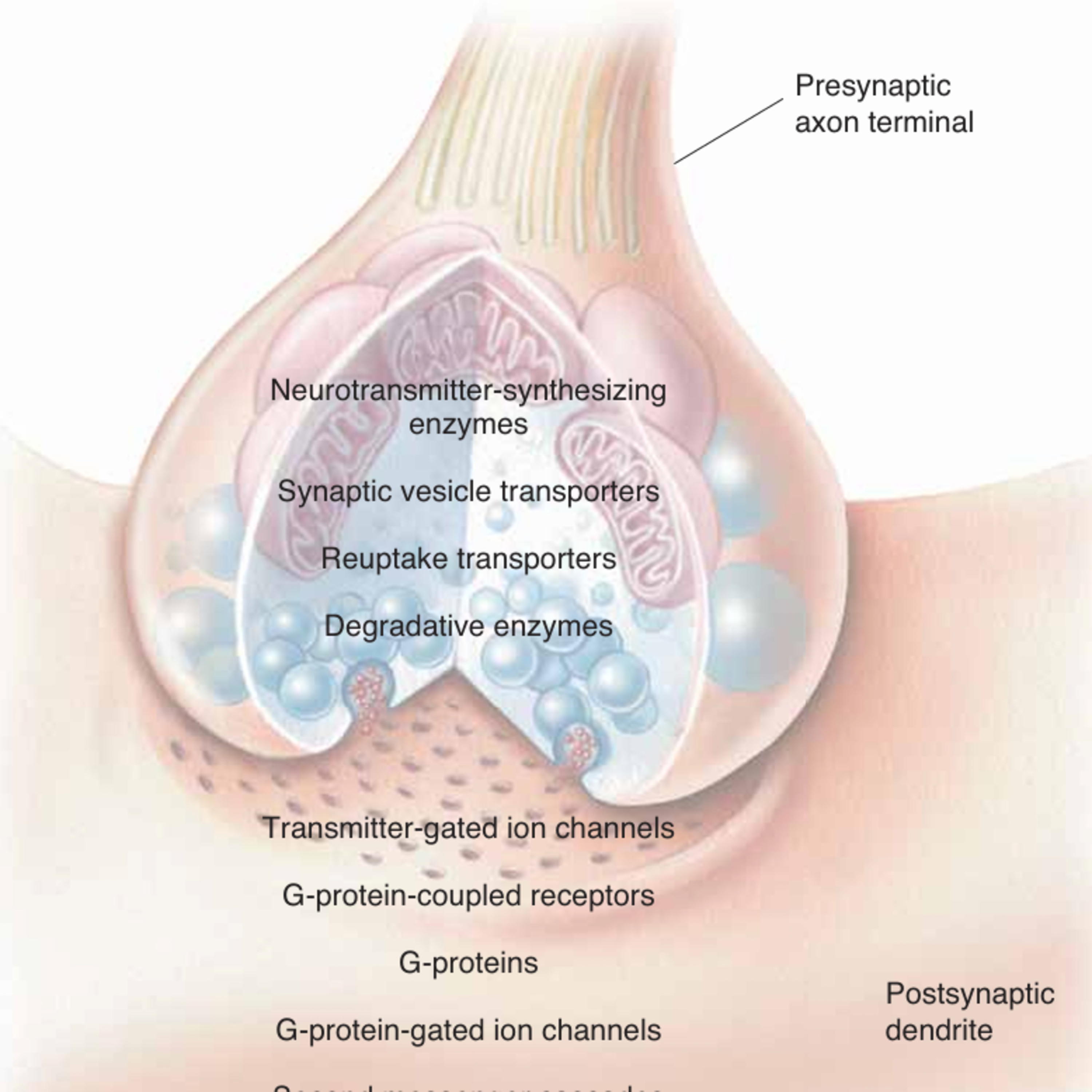 Inside the Chemical Machine: How Neurotransmitters and Receptor (Section 1) 15.02.2026 38minYour thoughts, movements, and moods all depend on chemistry — specifically, the brain’s breathtakingly precise neurotransmitter systems. In this episode, we dive into the molecules that make neurons talk, and the elegant machinery that keeps those conversations going.We’ll revisit the pioneers of neurochemistry, from Otto Loewi, who discovered acetylcholine and proved that neurons communicate with chemicals, to Henry Dale, who gave us the language we still use today — cholinergic, noradrenergic, glutamatergic, GABAergic. Each neurotransmitter system isn’t just a single molecule; it’s an entire operation: the enzymes that make it, the vesicles that store it, the transporters that recycle it, and the receptors that respond to it.From amino acids to amines to peptides, these tiny messengers define how the brain controls everything from muscle contraction to mood regulation. Understanding them is key to unlocking how drugs, disorders, and even our own emotions shape neural activity.Join us as we explore the variety, precision, and beauty of the brain’s chemical code — the systems that turn electricity into emotion, thought into action, and chemistry into consciousness.
 -
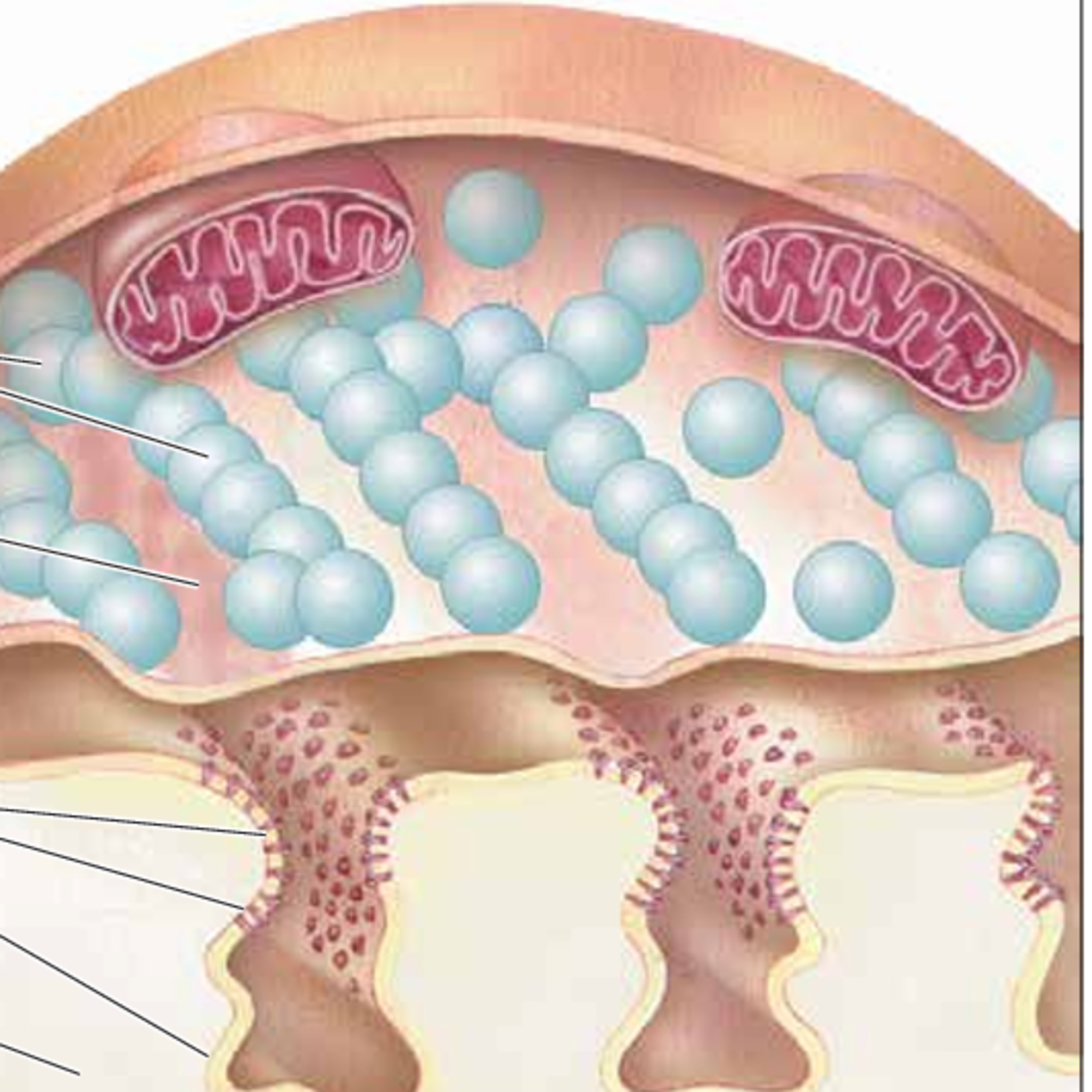 The Synapse Unlocked: From Thumbtacks to Thought: The Electrical Pathway (Section 1) 11.02.2026 43minWe’ve seen how a thumbtack to the foot can trigger an electrical storm in your nerves — but how does that signal jump from one neuron to the next? Welcome to the synapse, the tiny but mighty junction where information changes hands.In this episode, we trace the story from the late 1800s, when scientists first realized neurons don’t just touch — they communicate. Early researchers like Charles Sherrington gave this mysterious meeting point a name, while others debated whether neurons talked through electricity or chemistry.We’ll follow the experiments that settled the score — from Otto Loewi’s famous frog heart experiment that revealed chemical messengers, to Bernard Katz’s work showing how nerve impulses trigger neurotransmitter release, and John Eccles’ discovery that most brain synapses rely on chemical signaling.Today, we know that synaptic transmission is at the heart of everything the nervous system does — from reflexes to memory, emotions to mental illness.Join us as we unpack how these tiny connections create the grand symphony of the brain: how neurotransmitters are made, stored, and released, and how every signal you think, feel, or remember begins at the space between two neurons.
Slični podcasti


Popularan u
Ovaj podcast se pojavljuje i u podcast listama ovih zemalja.
