
Sensible Medicine
Sensible Medicine Authors and Editors
0
Sensible Medicine is a podcast that presents common sense and original thinking in bio-medicine. It serves as a platform for diverse views and debate on medical topics. The show aims to challenge conventional wisdom and explore various perspectives in the field.
Epizode
-
 Lecture 7 15.09.2026 29minNew lectures coming soon (after part 9) This is a public episode. If you'd like to discuss this with other subscribers or get access to bonus episodes, visit www.sensible-med.com/subscribe
 -
 Friday Reflection 63: Foxes, Hedgehogs, Generalists, and Specialists 11.09.2026 9minThis is a public episode. If you'd like to discuss this with other subscribers or get access to bonus episodes, visit www.sensible-med.com/subscribe
 -
 Fortnight in medicine 09.09.2026 9minA royal mistake This is a public episode. If you'd like to discuss this with other subscribers or get access to bonus episodes, visit www.sensible-med.com/subscribe
 -
 Lecture 6 KM Curves 08.09.2026 35minwe are making all the old episodes available for free, and then on to the new ones-v This is a public episode. If you'd like to discuss this with other subscribers or get access to bonus episodes, visit www.sensible-med.com/subscribe
 -
 Lecture 5 01.09.2026 43minNew episodes coming soon. First 9 parts free now. This is a public episode. If you'd like to discuss this with other subscribers or get access to bonus episodes, visit www.sensible-med.com/subscribe
 -
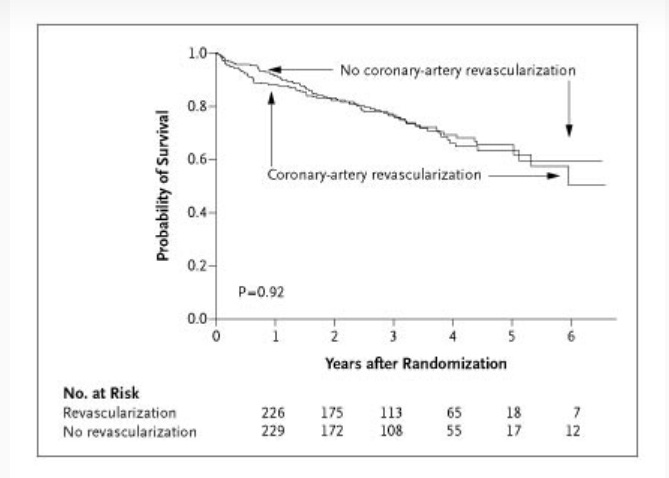 This Fortnight in Medicine XXXIII 26.08.2026 50minCoronary-Artery Revascularization before Elective Major Vascular SurgeryDiscontinuation of statins for primary prevention of atherosclerotic cardiovascular disease in adults aged 75 years or older (SAGA/SITE): a multicentre, open-label, pragmatic, non-inferiority randomised trial This is a public episode. If you'd like to discuss this with other subscribers or get access to bonus episodes, visit www.sensible-med.com/subscribe
 -
 Lecture 4 - How not to be fooled 25.08.2026 36minI notice that someone was angry that we are re-posting old episodes BEFORE we post the new ones. Just a reminder, we said we would do this! We will make the old ones available for free, and then post the new ones. Bear with us.In the meantime, enjoy. This is a public episode. If you'd like to discuss this with other subscribers or get access to bonus episodes, visit www.sensible-med.com/subscribe
 -
 Lecture 3: How Not to Be Fooled - VP's Intro 18.08.2026 35minAnd here is lecture 3 of How Not to Be Fooled series19 parts coming! 9 for free, and 10 for subscribers. This is a public episode. If you'd like to discuss this with other subscribers or get access to bonus episodes, visit www.sensible-med.com/subscribe
 -
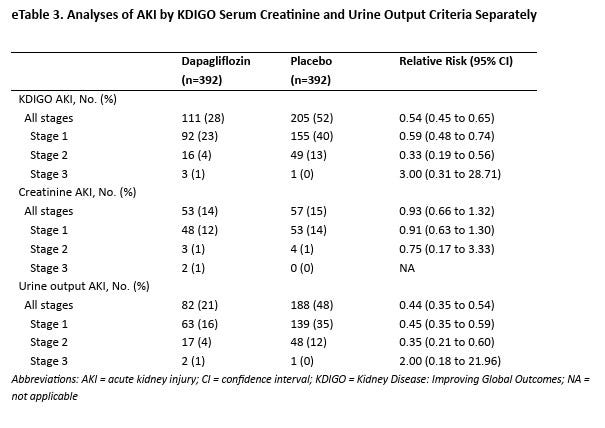 This Fortnight in Medicine XXXII 12.08.2026 46minDapagliflozin and Acute Kidney Injury Following Cardiac Surgery: A Randomized Clinical TrialImpact of cognitive training on claims-based diagnosed dementia over 20 years: evidence from the ACTIVE study This is a public episode. If you'd like to discuss this with other subscribers or get access to bonus episodes, visit www.sensible-med.com/subscribe
 -
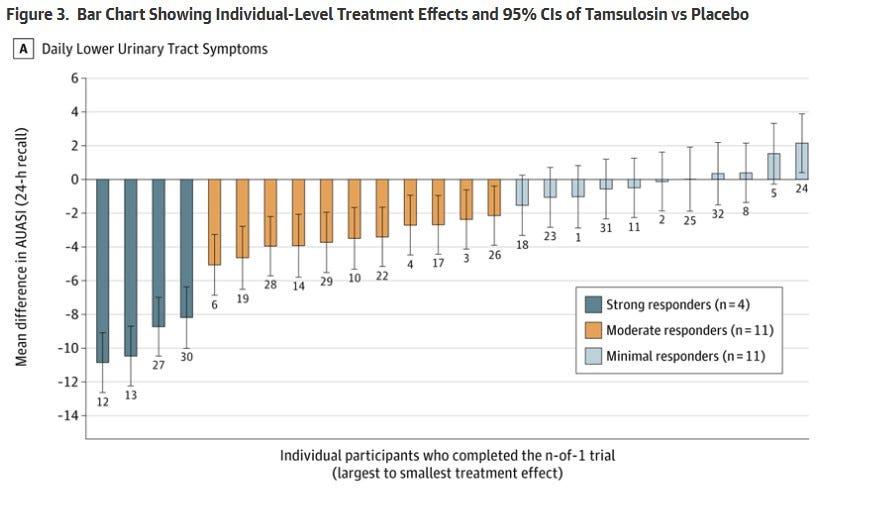 This Fortnight in Medicine XXXI 29.07.2026 41minTamsulosin Deprescribing for Lower Urinary Tract Symptoms in Older Men A Randomized Clinical Trial* Side Effect Patterns in a Crossover Trial of Statin, Placebo, and No TreatmentCost-Effectiveness of Fecal Immunochemical Testing Alone vs Co-Testing With Helicobacter pylori Stool Antigen This is a public episode. If you'd like to discuss this with other subscribers or get access to bonus episodes, visit www.sensible-med.com/subscribe
 -
 This Fortnight in Medicine XXX 15.07.2026 44minPolypill for heart failure with reduced ejection fraction: the POLY-HF randomized trialJohn Mandrola: I am torn on the PolyPill concept This is a public episode. If you'd like to discuss this with other subscribers or get access to bonus episodes, visit www.sensible-med.com/subscribe
 -
 This Fortnight in Medicine XXIX 01.07.2026 37minCefazolin for Methicillin-Susceptible Staphylococcus aureus Bacteremia* Stopping randomized trials early for benefit and estimation of treatment effects: systematic review and meta-regression analysisThe Impact of Midodrine on Guideline-Directed Medical Therapy in Patients Admitted With Systolic Heart Failure This is a public episode. If you'd like to discuss this with other subscribers or get access to bonus episodes, visit www.sensible-med.com/subscribe
 -
 Friday Reflection 62: The Ethics of Telling Patients We Have Nothing Left to Offer 26.06.2026 4minTR is an 88-year-old man who is disabled and in chronic pain from spinal stenosis and knee osteoarthritis. He has multiple other medical issues, including coronary artery disease and COPD.He has been through years of treatment for his knees and back, including physical therapy, multiple joint injections, and an in-office procedure for spinal stenosis. He has been on multiple regimens of oral pain medications. He is not interested in surgery (and probably would not be considered a reasonable candidate if he were).He comes to a visit and asks what can be done.Sensible Medicine is a reader-supported Substack. If you appreciate our work, consider becoming a free or paid subscriber.We are taught never to say, “There is nothing I can do for you.” We may be out of surgical or medical options, but we can always continue to care for and support our patients. This is not part of the Hippocratic Oath, but it is so integral to our training that one might think it belongs there.There are good reasons to caution doctors from saying some version of, “I am sorry, I don’t think there is anything more I can do for you.” It is true that in 21st-century medicine, the act of caring for patients has been so trivialized that we need to remind ourselves that caring is not just a last resort but our first responsibility.Hope in the face of illness is exceedingly valuable. Robbing this hope is not only cruel, but probably bad for the health of patients.Then there is the truth that when one doctor has nothing left to offer, medicine often still has more to offer. I am still haunted by at least one case when I mistook my lack of knowledge for a shortcoming in the field.A doctor saying he has nothing left to offer may be taking the easy way out. Further research or a considered referral often suggests effective treatments, if not cures. There is always a risk that when we say, “We can’t help,” we are wrong.All this being true, I don’t think we admit that there is nothing left to be done often enough. The Modern Hippocratic Oath does include the line:I will not be ashamed to say “I know not”, nor will I fail to call in my colleagues when the skills of another are needed for a patient’s recovery.Is it that much of a stretch to imagine the oath saying:I will not be ashamed to say “I have nothing left to offer beyond my ongoing care and commitment”, nor will I call in my colleagues, knowing they have nothing to offer beyond protecting me from admitting medicine’s limitations.We no longer conceal bad diagnoses from patients; we consider this unethical. It is time that we consider it unethical to conceal that we have nothing to offer beyond palliation.It is hard to tell patients that the best we can do is control pain, especially when we have been trained not to. It takes work to be sure that neither you nor your colleagues have something to offer beyond a hamster wheel of care to provide hope but nothing more. It also takes some guts; we can never be 100% sure that nobody has anything to offer.Yet there are downsides to never saying we are done. Many patients accept that further care is futile, not after an honest conversation, but after being worn down by my endless visits, treatments, and promises that lead nowhere. All the while, time and money are wasted; time and money that could be better spent on life. The useless medical care leaves patients and their families increasingly frustrated by a medical system that refuses to be honest and caring.There are patients who welcome an honest assessment of their options and shift their focus to living with their disease and disability. There are also patients who do not. I’ve had patients fire me for saying there was nothing to do. They left me to get on that hamster wheel of care. This decision did not make them better, but maybe it made them happier and more ready to accept the inevitable. Eventually.TR calls now and then and comes to see me every three or four months. He tells me about his symptoms and the things he wishes he could do. I tell him there are things he could try and people he could see, but I let him know I don’t think any of these options would be productive. He tells me he’s not interested. I advise him to push up on his pain medications and to pretreat his symptoms; I know he will not take this advice. I know we will repeat this visit in the future; I actually hope we will, for years. This is a public episode. If you'd like to discuss this with other subscribers or get access to bonus episodes, visit www.sensible-med.com/subscribe
 -
 This Fortnight in Medicine XXVIII 17.06.2026 32minAmoxicillin-Clavulanate vs Amoxicillin for Acute Sinusitis in Adults* Prespecified Falsification End Points: Can They Validate True Observational Associations?* Ultrasonography versus Computed Tomography for Suspected NephrolithiasisGLP-1 receptor agonist use and cancer risk in obese nondiabetic adults* Risk for Cancer With Glucagon-Like Peptide-1 Receptor Agonists and Dual Agonists: A Systematic Review and Meta-analysis This is a public episode. If you'd like to discuss this with other subscribers or get access to bonus episodes, visit www.sensible-med.com/subscribe
 -
 This Fortnight in Medicine XXVII 03.06.2026 33minReduced Melanoma After Regular Sunscreen Use: Randomized Trial Follow-UpGLP-1 Receptor Agonists or SGLT2 Inhibitors and Nonarteritic Anterior Ischemic Optic Neuropathy* Previously discussed on Fornight XXII: Glucagon-like peptide-1 receptor agonists and risk of substance use disorders among US veterans with type 2 diabetes: cohort study This is a public episode. If you'd like to discuss this with other subscribers or get access to bonus episodes, visit www.sensible-med.com/subscribe
 -
 This Fortnight in Medicine XXVI 20.05.2026 54minLeft Atrial Appendage Closure or Anticoagulation for Atrial Fibrillation This is a public episode. If you'd like to discuss this with other subscribers or get access to bonus episodes, visit www.sensible-med.com/subscribe
 -
 This Fortnight in Medicine XXV 06.05.2026 30minOral Nirmatrelvir–Ritonavir for Covid-19 in Higher-Risk Outpatients* Real-World Effectiveness of Nirmatrelvir–Ritonavir Against Severe Outcomes of COVID-19 in Taiwan: A Nationwide Population-Based Cohort StudyThree Low-Dose Antihypertensive Agents in a Single Pill after Intracerebral Hemorrhage* Effect of Combination Therapy on Adherence Among US Patients Initiating Therapy for Hypertension: a Cohort Study This is a public episode. If you'd like to discuss this with other subscribers or get access to bonus episodes, visit www.sensible-med.com/subscribe
 -
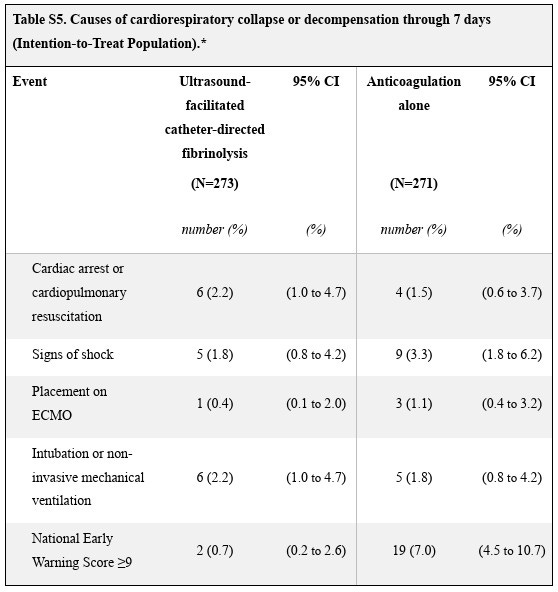 This Fortnight in Medicine XXIV 22.04.2026 46minRSV Prefusion F Vaccine for Prevention of Hospitalization in Older AdultsUltrasound-Facilitated, Catheter-Directed Fibrinolysis for Acute Pulmonary Embolism* Endovascular management of intermediate-risk pulmonary embolism: evidence, outstanding questions, drivers of utilization, and the horizon This is a public episode. If you'd like to discuss this with other subscribers or get access to bonus episodes, visit www.sensible-med.com/subscribe
 -
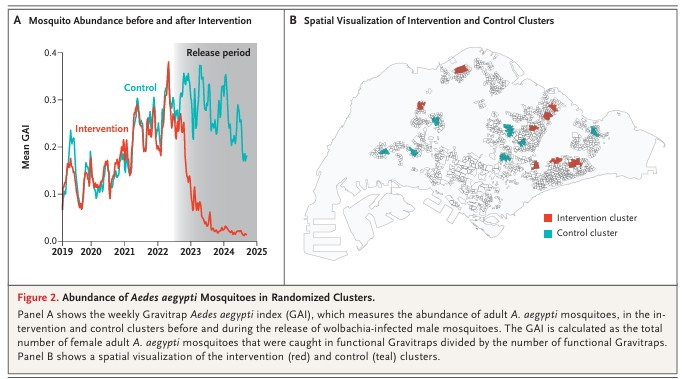 This Fortnight in Medicine XXIII 08.04.2026 33minDengue Suppression by Male Wolbachia-Infected Mosquitoes* World Mosquito ProgramAntibiotic Therapy for Uncomplicated Acute Appendicitis This is a public episode. If you'd like to discuss this with other subscribers or get access to bonus episodes, visit www.sensible-med.com/subscribe
 -
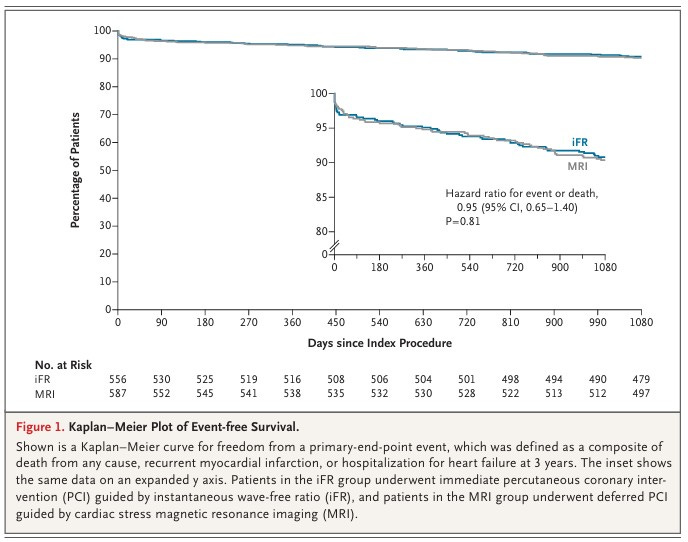 This Fortnight in Medicine XXII 24.03.2026 39min* Glucagon-like peptide-1 receptor agonists and risk of substance use disorders among US veterans with type 2 diabetes: cohort study* Immediate or Deferred Nonculprit-Lesion PCI in Myocardial Infarction* Andrew’s previous SM post on the subject: How a Meta-Analysis can Mislead—The Story of Complete vs Culprit-only PCI in STEMIAnd, a bunch of the other studies we discussed.* Complete Revascularization with Multivessel PCI for Myocardial Infarction* FFR-Guided Complete or Culprit-Only PCI in Patients with Myocardial Infarction* Initial Invasive or Conservative Strategy for Stable Coronary Disease This is a public episode. If you'd like to discuss this with other subscribers or get access to bonus episodes, visit www.sensible-med.com/subscribe
Slični podcasti


Popularan u
Ovaj podcast se pojavljuje i u podcast listama ovih zemalja.


