
Dhammagiri Buddhist Podcasts
Dhammagiri Forest Hermitage
0
Dhamma talks, chanting, precepts, and meditation recordings from Dhammagiri Forest Hermitage in Brisbane, Australia. The podcast features teachings by Ajahn Dhammasiha, Ajahn Moneyyo, and other senior Buddhist monks in the Theravada Forest Tradition of Ajahn Chah. It also includes live streamed weekend sessions and links to the community's website, YouTube channel, and newsletter.
Epizode
-
 Sense Restraint | Self Control | Indriya Samvara | AN Eights #9 'Nanda Sutta'| Ajahn Dhammasiha 21.09.2026 27minThe Buddha's half-brother Venerable Nanda was the foremost bhikkhu disciple in terms of sense restraint. He was attractive, handsome, strong and had a natural inclination to intense sensual desire, which caused him major struggles in the beginning of his monk's life. He overcame his difficulties through: Sense Restraint (Indriya Saṃvara) Knowing the right amount when eating (Bhojanasmiṃ Mattaññutā) Dedication to Wakefulness (Jāgariyaṃ Anuyutta) Mindfulness and Clear Comprehension (Sati Sampajañña)Anguttara Nikāya / Numerical Discourse, Eights, No 9 'Nanda Sutta' See also: Saṃyutta Nikāya / Collected Discourses 21.8 'Nanda Sutta'Udāna / Inspired Exclamations No 22 'Nanda Sutta'Dhammagiri Forest Hermitage:https://www.dhammagiri.net/newsOur email Newsletter:https://www.dhammagiri.net/newsletterPics: https://www.dhammagiri.net/photo-albumsOur Youtube Channel:https://www.youtube.com/@dhammatalksatdhammagiri8724#buddhism #senses #mindfulness #dhammatalk #selfcontrol #selfdiscipline
 -
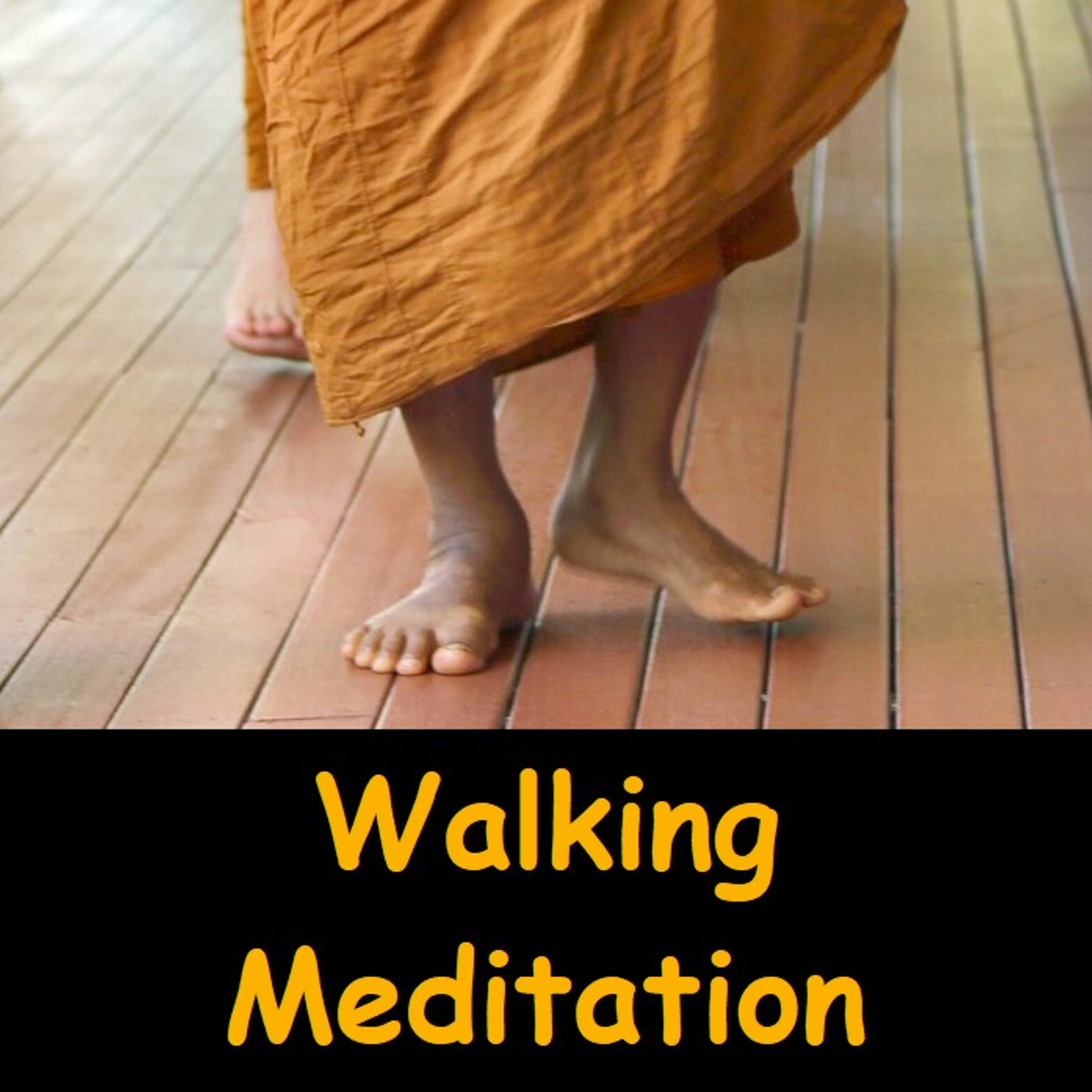 Don't Neglect Walking Meditation! | Cankama Bhavana | Dhamma Talk | Jongrom | Ajahn Dhammasiha 18.09.2026 41minWalking meditation is in no way inferior to sitting meditation. In fact, for many of us in modern society it can be a more suitable posture than sitting crosslegged (or even full lotus). The way we grow up, always sitting on chairs, we're often not flexible enough for sitting crosslegged. Therefore, walking can help us to continue our meditation for a much longer time. It's also excellent for excercise, and to keep us fit and healthy. Ajahn Dhammasiha talks about the many benefits of walking meditation, and also suggests to apply the well known 16 steps of breath meditation to our walking meditation. Dhammagiri Forest Hermitage:https://www.dhammagiri.net/newsOur email Newsletter:https://www.dhammagiri.net/newsletterPics: https://www.dhammagiri.net/photo-albumsOur Youtube Channel:https://www.youtube.com/@dhammatalksatdhammagiri8724 #walking #meditation #buddhistmeditation #walkingmeditation #cankama #mindfulness #sati
 -
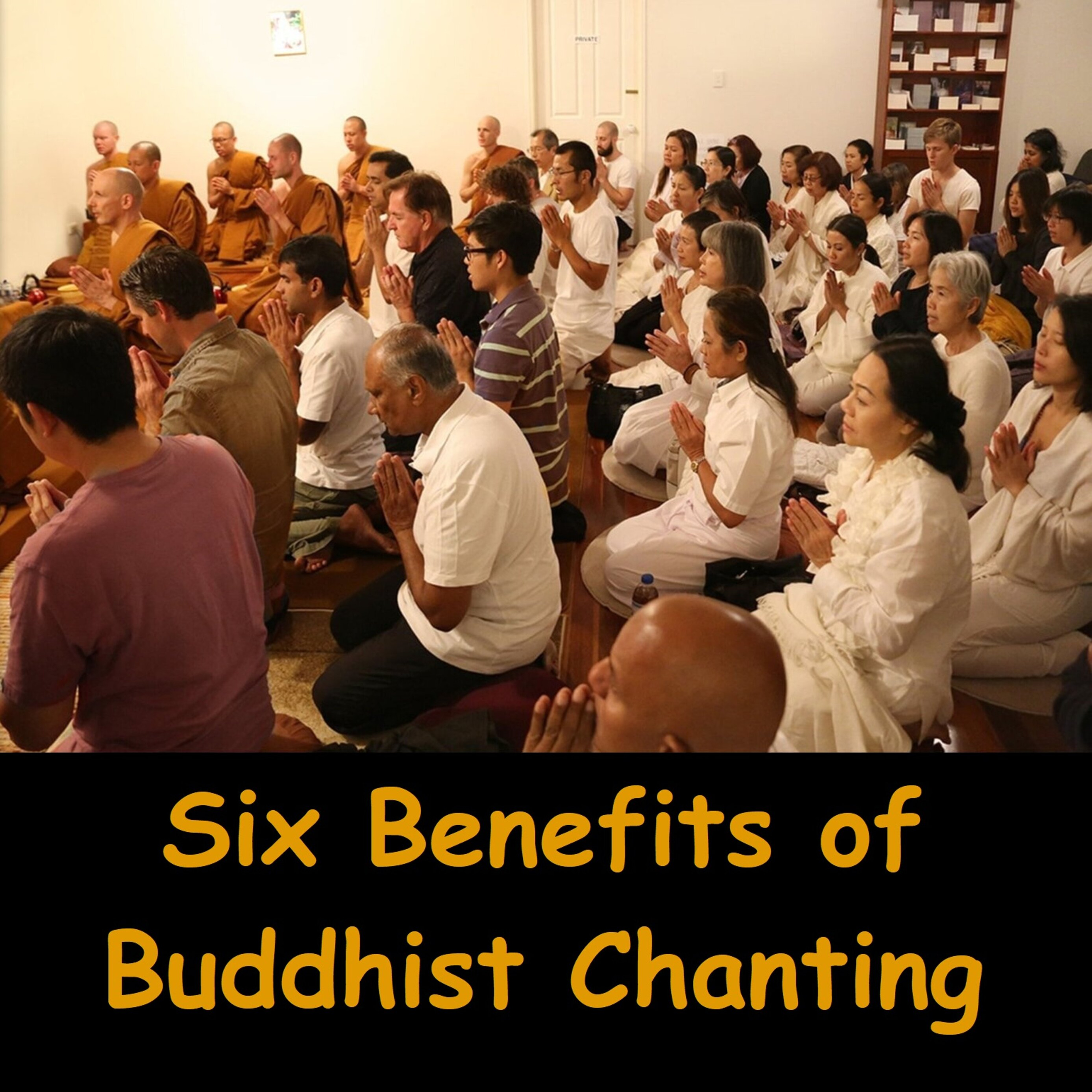 Buddhist Chanting: Why We Do It | Benefits of Dhamma Recitation | Chant by Heart | Ajahn Dhammasiha 14.09.2026 48minChanting is an essential part of meditative practice in virtually all Buddhist traditions, and also in other religions. Ajahn Dhammasiha explains the powerful benefits we receive from diligently learning Buddhist chants by heart, from listening to them, and from reciting them regularly. Chanting the teaching of the Buddha develops samatha (tranquility) and samādhi, due to the calming and uplifting effect on our mind. If we understand the meaning of what we're chanting, it can also lead to profound insight (vipassana). Monks have attained enlightenment while chanting, teaching or listening to Dhamma. At the same time, chanting is also beneficial at the basic, beginning stages of our meditative practice. If we're in danger to be overwhelmed by unwholesome emotions like anger, sadness or intense desire, chanting may succeed in overcoming the crises when other other more refined meditative tools don't work. Dhammagiri Forest Hermitage:https://www.dhammagiri.net/newsOur email Newsletter:https://www.dhammagiri.net/newsletterPics: https://www.dhammagiri.net/photo-albumsOur Youtube Channel:https://www.youtube.com/@dhammatalksatdhammagiri8724 #chanting #buddhistchanting #palichanting #buddhism #dhamma #dhammatalk #recitation #samatha #vipassana
 -
 Transcendental Dependent Origination | Faith is the Bridge from Suffering to Joy | Ajahn Dhammasiha 10.09.2026 33minAjahn Dhammasiha talks about Saṃyutta Nikāya / Connected Discourses 12.23 'Upanisā Sutta' / 'Origin Sutta'In his discourse, the Buddha expands the usual links of Dependent Origination / Paṭicca Samuppāda in a revolutionary way, moving from Suffering to Faith to Joy: ( ... )Birth is the origin of suffering (dukkha)Suffering is the origin of faith (saddhā) Faith is the origin of joy (pāmojja) Joy is the origin of rapture (pīti) Rapture is the origin of tranquillity (Passaddhi) Tranquillity is the origin of bliss (sukha) Bliss is the the origin of unification of mind (samādhī) Unification of mind is the origin of the knowledge and vision of things as they really are (yathā-bhūta-ñāṇa-dassana) The knowledge and vision of things as they really are is the origin of disenchantment (nibbidā) Disenchantment is the origin of dispassion (virāga) Dispassion is the origin of release (vimutti) And release is the origin of the knowledge of the destruction of the defilements (The crucial step here is our response to suffering. It is here where we either descend into more and more misery, or we can use faith to guide us to joy and the way to transcend suffering: Whenever we experience pain and disappointment, we remember that this is exactly what the Buddha talked about, and we remember that he has also taught us the way how to get out of all this mass of misery. Thus the experience of suffering actually strengthens our confidence in the Buddha. At that moment we experince joy, just like a very ill person finallly meeting a doctor they are confident in that he can cure them. Bhikkhu Bodhi has written a helpful article about the Upanisā Sutta:https://accesstoinsight.org/lib/authors/bodhi/wheel277.htmlDhammagiri Forest Hermitage:https://www.dhammagiri.net/newsOur email Newsletter:https://www.dhammagiri.net/newsletterPics: https://www.dhammagiri.net/photo-albumsOur Youtube Channel:https://www.youtube.com/@dhammatalksatdhammagiri8724 #suffering #dukkha #joy #happiness #buddhism #dhamma #dhammatalk
 -
 Retraining the Faultfinding Mind | Focus on Joyful Events to Counter Depression | Ajahn Dhammasiha 06.09.2026 40minAjahn Dhammasiha explains how the faultfinding mind can deprive us of happiness, and even drive us into depression. If we're stuck in the negative feedback loop of complaining and faultfinding, we have to gradually but consistently reeducate our mind to pay attention to good and uplifting events. What we pay attention to ('yoniso manasikāra') is so important. We have a choice where to direct our attention. However much evil is happening in the world, there's still so much goodness as well. We can focus on beautiful and inspiring actions, acts of generosity, kindness, virtue and sacrifice, and we will discover an endless source of joy and happiness.Dhammagiri Forest Hermitage:https://www.dhammagiri.net/newsOur email Newsletter:https://www.dhammagiri.net/newsletterPics: https://www.dhammagiri.net/photo-albumsOur Youtube Channel:https://www.youtube.com/@dhammatalksatdhammagiri8724 #depression #faultfinding #joy #happiness #buddhism #dhamma #positivethinking #dhammatalk
 -
 Nirvana is NOT Nothing | There IS an Unborn, Uncreated, Unconditioned | Nibbana | Ajahn Dhammasiha 31.08.2026 26minThe final goal of Dhamma practice, what it's all about, is to realize Nibbāna (Sanskrit: Nirvāṇa ). It's important to have an accurate understanding of our final objective, otherwise it would be difficult to develop our mind in the right direction. However, as Nibbana / Nirvana is totally beyond all concepts, words, notions and thoughts, even the Buddha can not possibly describe it accurately by means of language. He can only provide similies to inspire us, or he describes what Nibbāna in NOT. For example, the Buddha has stated many times that Nibbana is the end of birth, ageing and death; Nibbana the cessation of suffering; Nibbana is the end of greed, hatred and delusion. Unfortunately, in our modern materialist society, these 'negative' descriptions of Nibbana easily get misinterpreted as meaning that Nibbana is simply nothing. This is false and misleading. Ajahn Dhammasiha therefore quote a statement directly from the Buddha that makes it unambiguously clear that Nibbāna should NOT be understood as 'nothing' - Udāna No 73 (Inspired Exclamations No 73): “There is, monks, an unborn, unbecome, uncreated, unconditioned.("Atthi bhikkhave ajātaṁ abhūtaṁ akataṁ asaṅkhataṁ.) If, monks there were not that unborn, unbecome, uncreated, unconditioned,(No ce taṁ bhikkhave abhavissā ajātaṁ abhūtaṁ akataṁ asaṅkhataṁ,) you could not know an escape here from the born, become, created, and conditioned.(na-y-idha jātassa bhūtassa katassa saṅkhatassa nissaraṇaṁ paññāyetha.) But because there is an unborn, unbecome, uncreated, unconditioned(Yasmā ca kho bhikkhave atthi ajātaṁ abhūtaṁ akataṁ asaṅkhataṁ,) therefore you do know an escape from the born, become, made, and conditioned.”(tasmā jātassa bhūtassa katassa saṅkhatassa nissaraṇaṁ paññāyatī ti.") You can read and download this quote (and all other 'Inspired Exclamations') in the translation of Ajahn Geoff Thanissaro for free here: https://www.accesstoinsight.org/lib/authors/thanissaro/udana.pdfOr a more literal line by line translation giving also the Pali text:https://ancient-buddhist-texts.net/Texts-and-Translations/Udana/Exalted-Utterances.pdfDhammagiri Forest Hermitage:https://www.dhammagiri.net/newsOur email Newsletter:https://www.dhammagiri.net/newsletterPics: https://www.dhammagiri.net/photo-albumsOur Youtube Channel:https://www.youtube.com/@dhammatalksatdhammagiri8724 #nibbana #nirvana #awareness #enlightenment #buddhism #dhamma #dhammatalk.
 -
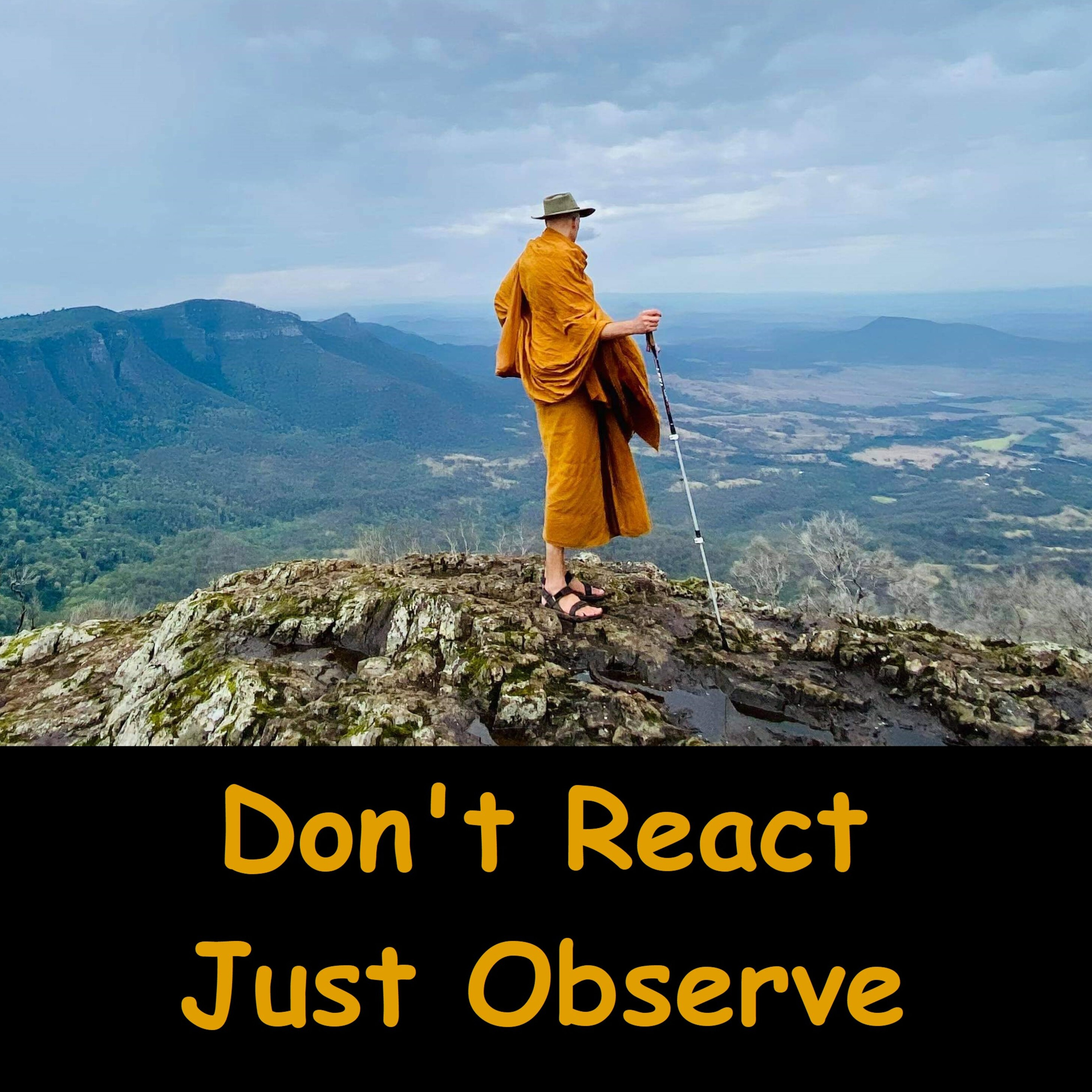 Knowing, Not Interfering | Insight through Awareness | Vipassana | Ajahn Dhammasiha 28.08.2026 22minTo develop insight, vipassana, we have to learn to observe uninterested. We have to be like an objective researcher. We know what we experience, without reacting, interfering and manipulating. We shift our identification towards the 'Knower', rather than the 'Doer'. What we take up as object of our observation, we no longer identify with. We just mindfully know the emotion we're experiencing, we don't have to react to it. It's like watching a movie, and knowing that we're watching a movie. We're not getting sucked into the action, we're aware that we're just looking at images of actors projected onto a screen. We don't take it for real. Dhammagiri Forest Hermitage:https://www.dhammagiri.net/newsOur email Newsletter:https://www.dhammagiri.net/newsletterLatest Photoshttps://latest-pics.dhammagiri.netOur Youtube Channel:https://www.youtube.com/@dhammatalksatdhammagiri8724 #buddhism #meditation #awareness #mindfulness #mindfulnessmeditation #dhammatalk #observing
 -
 Remember Your Good Actions! | Recollection of Generosity | Caganussati | Ajahn Dhammasiha 24.08.2026 29minSome people think: "When I do something good, I just do it and then forget about it. That's what the Buddha would want us to do." No, this is not what the Buddha teaches! The Buddha teaches the exact opposite: We should remember our good actions, we should recollect our generosity, we should be mindful of our virtue. Ajahn Dhammasiha explains why. Dhammagiri Forest Hermitage:https://www.dhammagiri.net/newsOur email Newsletter:https://www.dhammagiri.net/newsletterLatest Photoshttps://latest-pics.dhammagiri.netOur Youtube Channel:https://www.youtube.com/@dhammatalksatdhammagiri8724 #buddhism #meditation #generosity #mindfulness #mindfulnessmeditation #dhammatalk
 -
 What is Dear to Us will Bring us Suffering | Attachment is the Cause of Our Pain | Ajahn Dhammasiha 17.08.2026 26minAjahn Dhammasiha talks about one of the more challenging teachings of the Buddha: "Grief, pain, sorrow, frustration, depression and despair are born from what is dear to us, they originate from what we love." You can find the sutta Ajahn mentions in his talk at: Majjhima Nikāya / Middle Length Discourses No. 87 'Piyajātika Sutta' / 'Born from What is Dear' https://www.dhammatalks.org/suttas/MN/MN87.htmlDhammagiri Forest Hermitage:https://www.dhammagiri.net/newsOur email Newsletter:https://www.dhammagiri.net/newsletterLatest Photoshttps://latest-pics.dhammagiri.netOur Youtube Channel:https://www.youtube.com/@dhammatalksatdhammagiri8724#attachment #clinging #grief #dhamma #dhammatalk #buddhism
 -
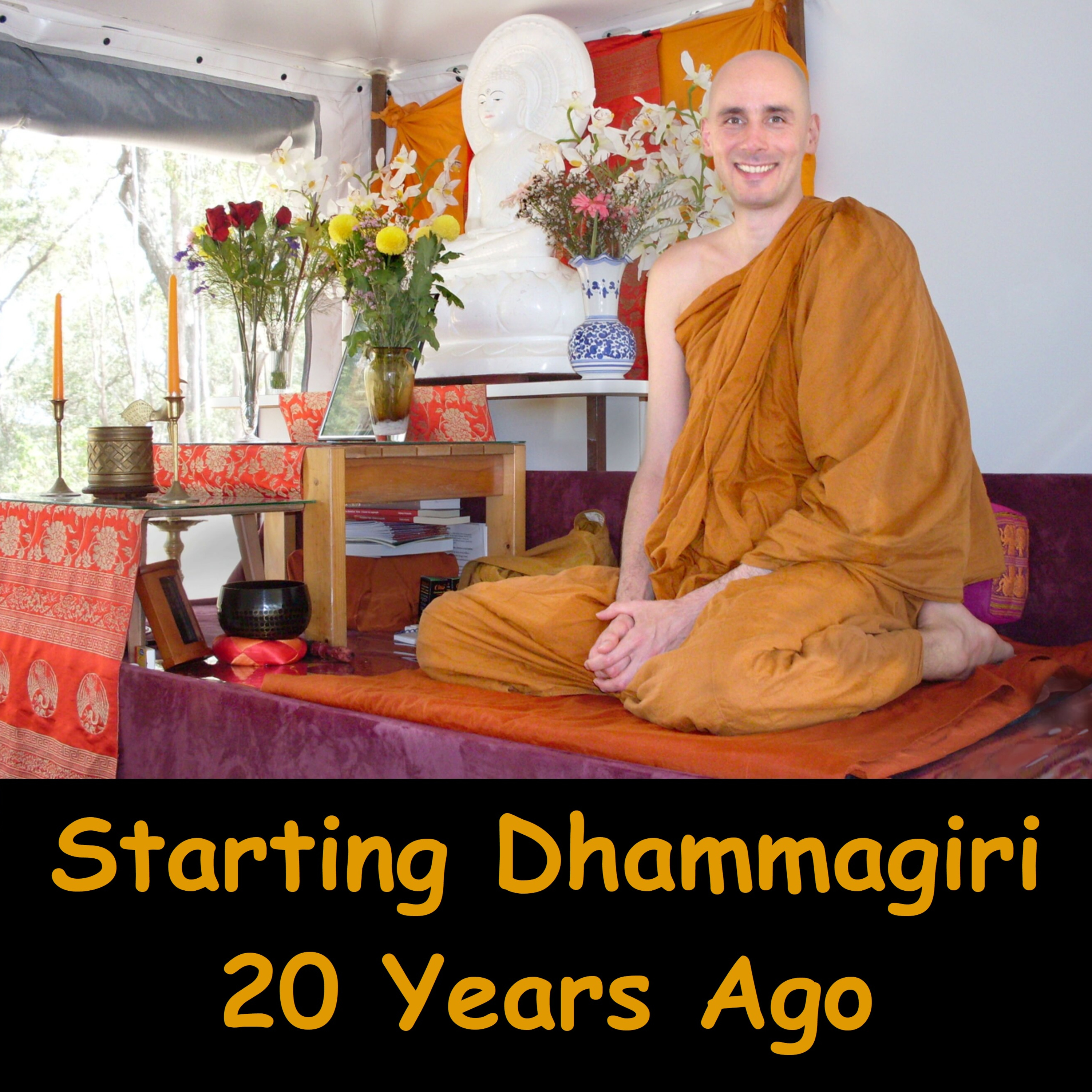 Starting Dhammagiri 20 Years Ago | First Forest Monastery in Brisbane | Ajahn Dhammasiha 10.08.2026 31min20 years ago on 13 August 2006, Brisbane Buddhist Vihara Inc (BBV) decided at a Special General Meeting to invite Ajahn Dhammasiha, to start a Forest Monastery associated with the tradition of Ajahn Chah in the Brisbane area. The next day on 14th August 2006, Dr Gamini Jayasinghe (President of BBV Inc) called Ajahn Dhammasiha to formally extend this invitation to him, and Ajahn accepted. Dr Gamini, his wife Rukmani, and the community of BBV made a very courageous decision with that invitation, as Ajahn had only 11 rains as a monk, was not well known at all, and lived at Vimokkharam, a small hermitage that was also quite unknown. BBV Inc would go on to sell their 3 acres large suburban property with nice house and granny-flat, and buy the property at 30 Ben Varden, which then would become Dhammagiri. This poperty had no water, no power, no sewage connection and no buildings, except a huge empty watertank (half million litres!). Only through the courage, determination, generosity and great faith of the very small group of early supporters could Dhammagiri be founded and ultimately flourish. In this podcast, Ajahn shares some stories of the early days... 14 August 2006 Ajahn Dhammasiha accepts the formal invitation by Dr Gamini, President of Brisbane Buddhist Vihara Inc, to lead the establishment of a Forest Monastery in the Brisbane area, associated with the lineage of Ajahn Chah 09 March 2007 Settlement of Purchasing Contract for Dhammagiri Property 30 Ben Varden Avenue, Kholo 15 March 2007 Luang Por Plien of Wat Aranyavivek, Chiang Mai, visits Dhammagiri property 30 Ben Varden Ave, und provides advice and encouragement (We will commemorate the 20th anniversary of this event on Sun 14 February 2027, together with our visiting guest Luang Por Vajiro) 28 & 29 April 2007 Moving to Dhammagiri property 30 Ben Varden Ave, and celebration of Vesak next day (We're planning the main event of our 20th Anniversary Celebrations for the weekend 15th & 16th May 2027. That's the weekend right before Vesak, just like we moved to Dhammagiri right before Vesak 20 years ago) Dhammagiri Forest Hermitage:https://www.dhammagiri.net/newsOur email Newsletter:https://www.dhammagiri.net/newsletterLatest Photoshttps://latest-pics.dhammagiri.netOur Youtube Channel:https://www.youtube.com/@dhammatalksatdhammagiri8724#buddhistmonk #buddhistmonastery #buddiststory #dhamma #dhammagiri #foresttradition
 -
 Letting Go of Illusion of Ownership | Abandoning Mine-Making | Nekkhamma | Ajahn Dhammasiha 03.08.2026 34minAjahn Dhammasiha talks about Nekkhamma = Letting Go To truly renounce, to truly let go, we have to investigate the process of attachment happening in our mind. We can observe and investigate this process everytime when we're shopping. For example, if we buy a new phone, or any other object. The moment we pay and take the phone, our mental attitude changes profoundly. Mine-making happens. We suddenly regard the phone as 'mine'. It's exactly the same phone, nothing has changed in the object after we bought it. But what has changed is our mental attitude, we now regard it as 'our possession', we cling and attach to it. However, if we clearly see with wisdom how this 'mine-making' actually leads to our pain & suffering (e.g. the phone breaks or malfunctions or gets stolen), we will abandon or at least weaken our sense of ownership. Ajahn also gives examples how ownership implies permanent possession. If we can't keep it forever, it's only 'rented', we don't really own it. But can we keep our body permanently, or is it just 'rented' from nature (earth, water, fire, wind) for a while? How about our feelings and emotions? Can we keep them forever? If not, why do we think we own them? Dhammagiri Forest Hermitage:https://www.dhammagiri.net/newsOur email Newsletter:https://www.dhammagiri.net/newsletterLatest Photoshttps://latest-pics.dhammagiri.netOur Youtube Channel:https://www.youtube.com/@dhammatalksatdhammagiri8724#ownership #clinging #attachment #minemaking #dhammatalk #letinggo
 -
 Enjoying Life in Italy vs Getting Out of Samsara | Zest for Life vs Disenchantment | Ajahn Dhammasiha 31.07.2026 29minAjahn Dhammasiha shares how much he liked Italy and Rome at his recent visit to Santacittarama Monastery in Sabina, Italy. He was surprised how easy it is to get lost in 'Lebenslust' / 'Cheerful Enjoyment of Life', despite the fact that death is closing in on all of us, and that no safe place can be found in Samsāra. If we truly want to transcend all conditioned phenomena and experience Nibbāna, we have to cultivate 'sabba-loke-anabhirata-saññā' (perception of non-delight in the whole world) and 'sabba-sankhāresu-anicchā-saññā' (perception of non-desire towards all conditioned phenomena)Dhammagiri Forest Hermitage:https://www.dhammagiri.net/newsOur email Newsletter:https://www.dhammagiri.net/newsletterLatest Photoshttps://latest-pics.dhammagiri.netOur Youtube Channel:https://www.youtube.com/@dhammatalksatdhammagiri8724#lebenslust #JoieDeVivre #zestforlife #nibbida #viraga #disenchantment #dhammatalk
 -
 4 Noble Truths | First Teaching of Buddha | Entry to Rains Retreat | Dhammacakka | Ajahn Dhammasiha 27.07.2026 53minThe full moon in July marks one of the most important dates in the Buddhist calendar: Asalha Puja (Esala), the start of the Rains Retreat / Vassa for the Buddhist monastic Sangha, and the day when the Buddha delivered his first formal discourse, the Dhammacakkappavattana Sutta ('Discourse on Setting in Motion the Wheel of Dhamma'). This date is also known as 'Dhamma Day'. Ajahn Dhammasiha talks about the meaning of Vassa / Rains Retreat, and encourages us all to dedicate ourselves to enhanced practice for these three months. In particular, we can use the Four Noble Truths, as explained by the Buddha in his first formal teaching, for contemplation to: Fully understand suffering 'Dukkha' Abandon the cause of suffering, craving 'Taṇhā' Realise the end of suffering, throught the end of craving 'Dukkhanirodha = Nibbāna' Develop the Noble Eightfold Path in order to weaken and finally transcend all craving and sufferingDhammagiri Forest Hermitage:https://www.dhammagiri.net/newsOur email Newsletter:https://www.dhammagiri.net/newsletterLatest Photoshttps://latest-pics.dhammagiri.netOur Youtube Channel:https://www.youtube.com/@dhammatalksatdhammagiri8724#asalha #entryrainsretreat #dhammacakkapavattana #4nobletruths #buddha #buddhism #dhammatalk
 -
 Yourself and Dhamma is Your Only Refuge | Attadipa Viharatha | Dhamma Talk | Ajahn Dhammasiha 24.07.2026 26minAjahn Dhammasiha quotes and shares reflections on Samyutta Nikāya 22.43 (Connected Discourses of the Buddha, 22.43): "Attadīpā, bhikkhave, viharatha attasaraṇā anaññasaraṇā, dhammadīpā dhammasaraṇā anaññasaraṇā!""Bhikkhus, live with yourself as an island, live with yourself as a refuge, with no other refuge; live with the Dhamma as an island, live with the Dhamma as your refuge, with no other refuge!"See also Dhammapada Verse #160:"Attā hi attano nātho, ko hi nātho paro siyā. Attanā hi sudantena, nāthaṃ labhati dullabhaṃ."We have to be our own saviour, How could anyone else be our saviour? If we train ourselves well, we gain a saviour that is hard to find. Dhammagiri Forest Hermitage:https://www.dhammagiri.net/newsOur email Newsletter:https://www.dhammagiri.net/newsletterLatest Photoshttps://latest-pics.dhammagiri.netOur Youtube Channel:https://www.youtube.com/@dhammatalksatdhammagiri8724#buddhism #dhammatalk #selfreliance #dhamma #selfcare
 -
 Harmony | Letting Go of Preferences to Preserve Concord | Samaggi | Ajahn Dhammasiha 13.07.2026 36minOne of the most important conditions for progress in one's Dhamma practice and bhavana is harmony in the community one is living in, whether it's the monastic sangha, a lay family, or a work environment. The negative effects of conflicts on our own mind and meditative progress are so severe that it's worthwhile to make major sacrifices to preserve harmony. In particular, letting go of our preferences is often key to reduce conflicts and maintain concord. Dhammagiri Forest Hermitage:https://www.dhammagiri.net/newsOur email Newsletter:https://www.dhammagiri.net/newsletterLatest Photoshttps://latest-pics.dhammagiri.netOur Youtube Channel:https://www.youtube.com/@dhammatalksatdhammagiri8724#buddhism #dhammatalk #harmony #preferences #concord
 -
Feeling the Whole Body in Breath Meditation | Anapanasati | Mindfulness of Breathing | Ajahn Dhammasiha 06.07.2026 21minIn the Buddha's own instructions for Breath Meditation (Anapanasati), the third step is: "Sabba-kaya-patisamvedi assasissami/passasissamit ti sikkhati""One trains oneself to breathe in/out feeling the whole body"Ajahn Dhammasiha offers reflections on the meaning of this step, and how to cultivate it in one's own meditation.Dhammagiri Forest Hermitage:https://www.dhammagiri.net/newsOur email Newsletter:https://www.dhammagiri.net/newsletterLatest Photoshttps://latest-pics.dhammagiri.netOur Youtube Channel:https://www.youtube.com/@dhammatalksatdhammagiri8724#buddhism #dhammatalk #meditation #buddhistmeditation #anapanasati #samadhi #samatha
-
Protection against Snake Bite | Loving Kindness to Snakes | Khandhaparitta | Ajahn Dhammasiha 29.06.2026 43minThe Buddha has given a special Pali Recitation to protect the monks (or anyone) against snake bite, the Khandhaparitta. The power of this protection rests mostly on developing loving kindness (Metta) to all the various kinds of snakes, and to all other animals and beings in general.Dhammagiri Forest Hermitage:https://www.dhammagiri.net/newsOur email Newsletter:https://www.dhammagiri.net/newsletterLatest Photoshttps://latest-pics.dhammagiri.netOur Youtube Channel:https://www.youtube.com/@dhammatalksatdhammagiri8724#buddhism #dhammatalk #snakes #lovingkindness #metta.
-
 Contentment is the greatest wealth - Dhammapada Verse 204 | Teachings of the Buddha | Ajahn Moneyyo 23.06.2026 34minA teaching on Dhammapada Verse 204 of the Buddha: Contentmet is the greatest wealth.How can we relate to our material posessions in a skillfull way, so that we use them for a good purpose rather than increasing our defilements?No matter how much you have - you can always want more and have the feeling that you haven't enough yet, even if you already have $ 1 billion. While someone with relatively simple material posessions can feel happy and content already.Dhammagiri Forest Hermitage:https://www.dhammagiri.net/newsOur email Newsletter:https://www.dhammagiri.net/newsletterLatest Photoshttps://latest-pics.dhammagiri.netOur Youtube Channel:https://www.youtube.com/@dhammatalksatdhammagiri8724
 -
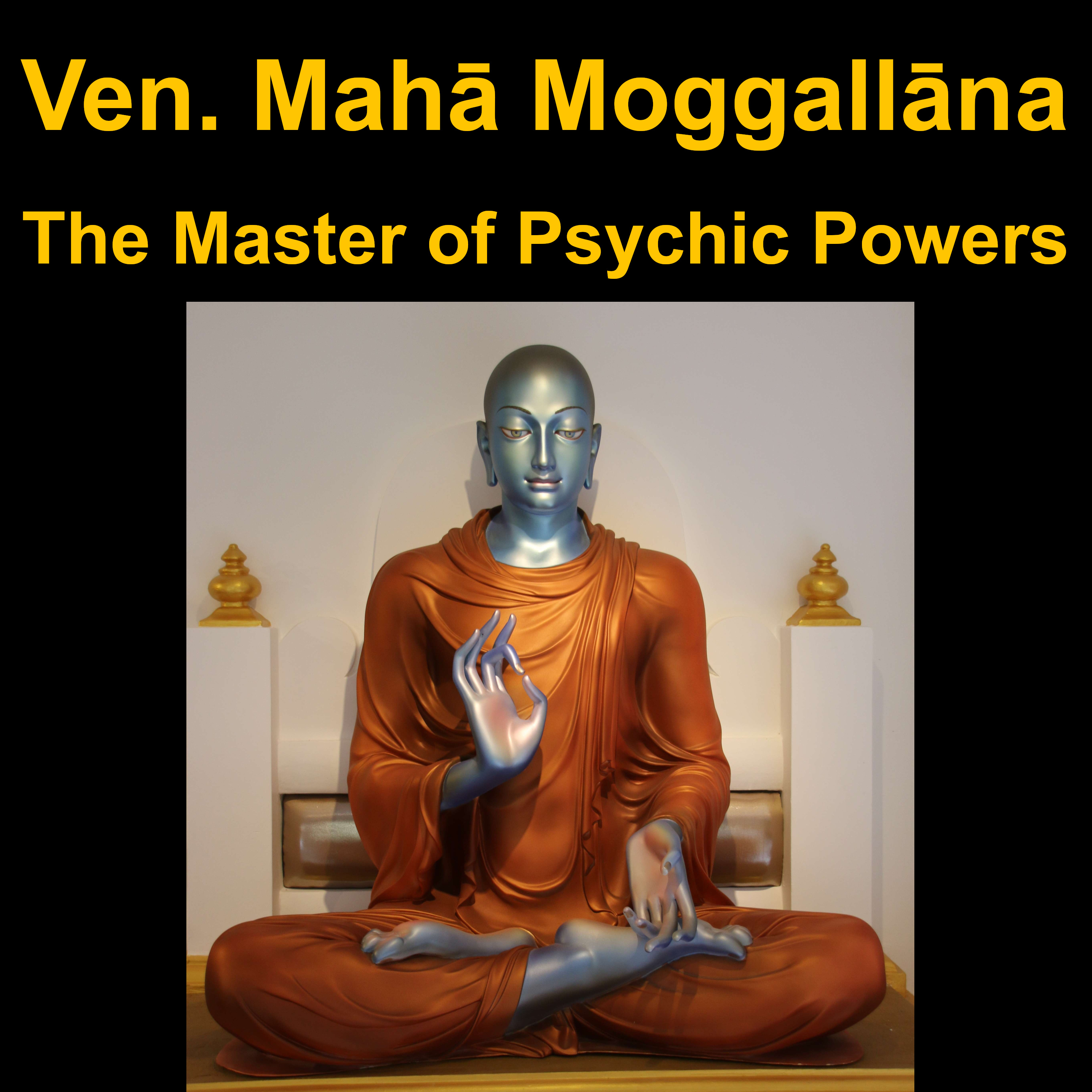 Ven. Maha Moggallana - The Master of Psychic Powers - Great Disciples of the Buddha | Early Buddhism 16.06.2026 1h 9minThe Buddha says that every perfectly awakened one has a pair of monk disciples who are the most outstanding among all the several thousand Arahants (completely liberated disciples). The Buddha calls them "the pair of chief disciples, an excellent pair". For our Buddha the pair of chief disciples were Ven. Sariputta and Ven. Mahamoggallana.This is a Dhamma-Talk recollecting the life and the outstanding qualities of the disciple of the Buddha foremost in psychic powers, Ven. Maha Moggallana. The Buddha is teaching about psychic powers not as something mysterious, but as a part of his knowledge of the causality of the Universe and the citta (heart/mind) that he realized at his awakening. He is teaching how to develop them systematucally as part of his gradual training in Virtue, Samadhi (unification of the citta) and Wisdom. To do so one has to gradually develop the citta to a very high level of purity and peace. If you would like to know what your mind is capable of if you train it systematically - then this talk is for you..."The Great Disciples of the Buddha" Series on YouTube:https://www.youtube.com/playlist?list=PLbxbuMjfRsvyy3PUJe7FdOInpkw_3R8bu"The Life of the Buddha" Series on YouTube:https://www.youtube.com/playlist?list=PLbxbuMjfRsvxKRNGf2OpxFD322oyZzfWk Dhammagiri Forest Hermitage:https://www.dhammagiri.net/newsOur emailNewsletter:https://www.dhammagiri.net/newsletterLatest Photoshttps://latest-pics.dhammagiri.netOur YoutubeChannel:https://www.youtube.com/@dhammatalksatdhammagiri8724
 -
 Great Disciples of the Buddha - Introduction - The benefits of recollecting the Sangha | Meditation | Ajahn Moneyyo 09.06.2026 38minThe Buddha was not only perfect in knowledge and conduct and developed supreme purity, compassion, wisdom and liberation but he was also the unsurpassable trainer of trainable people and teacher of gods and humans and as supreme teacher he had the ability to guide others to awakening.Just like the sun is not only bright and radiant only for itself, but also provides the energy for the entire ecosystem of the planet earth and all beings living on it - so too the Buddha didn't realize awakening just for his own benefit but illuminated the life of countless beings and lead them to liberation.During the 45 years when the Buddha was teaching he led several 1000 people to the realization of Arahantship - the highest spiritual attainment and the same liberation that the Buddha himself had realized and he led several 10000 people to the first stage of awakening, after which they were secure to realize the goal in at least 7 more lifetimes (streamentry). Also after the Buddha had passed away already his disciples continued to practice and realize his teaching in the last 2500 years up to the present day.Among all these noble disciples the Buddha mentions 41 monks, 13 nuns and 20 male and female lay disciples as so called "great disciples" with special outstanding qualities and encourages us to emulate them. By recollecting them we can gain a deeper understanding what it means "to practice well", why they are worthy of respect, we can get to know their qualities, follow their example and enter into the stream of Dhamma and become noble disciples ourselves.“Then there is the case where you recollect the Sangha: ‘The Sangha of the Blessed One’s disciples who have practiced well… who have practiced straight-forwardly… who have practiced methodically… who have practiced masterfully—in other words, the four types (of noble disciples) when taken as pairs, the eight when taken as individual types—they are the Sangha of the Blessed One’s disciples: deserving of gifts, deserving of hospitality, deserving of offerings, deserving of respect, the incomparable field of merit for the world.’ At any time when a disciple of the noble ones is recollecting the Sangha, his mind is not overcome with passion, not overcome with aversion, not overcome with delusion. His mind heads straight, based on the Saṅgha. And when the mind is headed straight, the disciple of the noble ones gains a sense of the goal, gains a sense of the Dhamma, gains joy connected with the Dhamma. In one who is joyful, rapture arises. In one whose mind is enraptured, the body grows calm. One whose body is calmed experiences ease. In one at ease, the mind becomes concentrated.“Of one who does this, Mahānāma, it is said: ‘Among those who are out of tune, the disciple of the noble ones dwells in tune; among those who are malicious, he dwells without malice; having entered the stream of Dhamma, he develops the recollection of the Saṅgha.’"- The Buddha in Anguttara Nikaya 11:12"The Great Disciples of the Buddha" Series on YouTube:https://www.youtube.com/playlist?list=PLbxbuMjfRsvyy3PUJe7FdOInpkw_3R8bu"The Life of the Buddha" Series on YouTube:https://www.youtube.com/playlist?list=PLbxbuMjfRsvxKRNGf2OpxFD322oyZzfWk Dhammagiri Forest Hermitage:https://www.dhammagiri.net/newsOur email Newsletter:https://www.dhammagiri.net/newsletterLatest Photoshttps://latest-pics.dhammagiri.netOur Youtube Channel:https://www.youtube.com/@dhammatalksatdhammagiri8724
Slični podcasti


Popularan u
Ovaj podcast se pojavljuje i u podcast listama ovih zemalja.

