
Digital Innovations in Oil and Gas with Geoffrey Cann
Geoffrey Cann
0
A weekly podcast exploring the impact of digital technologies on the oil and gas industry. Host Geoffrey Cann discusses digital innovation, data analytics, and technology adoption, offering insights and practical advice for energy professionals. The show covers real-world case studies and strategies for leveraging digital tools to improve efficiency and drive business growth.
Epizode
-
 Stick-on Digital Eyes, Ears, and Brain: No Fuss Physical AI for the Field 09.09.2026 36minOil and gas companies have invested billions in SCADA, sensors and other technologies to understand what's happening with their equipment. Yet field workers still spend huge amounts of time driving to remote assets simply to inspect them. Experienced operators can see, hear and sense things that conventional instrumentation misses. Those blind spots have consequences. Equipment problems can go unnoticed until they become failures. Workers make unnecessary truck rolls. Maintenance becomes reactive. And with experienced field workers becoming harder to find, the industry needs a better way to understand what's happening across thousands of pieces of equipment. Physical AI offers another approach. New edge computing technologies can continuously interpret sound, vibration, vision, temperature and other signals right at the equipment. Add AI decision-making and the result is much greater visibility into equipment condition, earlier warning of problems, fewer unnecessary field visits and more targeted maintenance. In this episode, I'm in conversation with Alex Hawkinson, founder and CEO of BrightAI. We talk about stick-on AI sensors, edge computing, connected-worker technology, predictive maintenance and robot dogs. We also explore where this could ultimately lead: an oil field that continuously observes its own condition, decides what needs attention and eventually sends robots to take action. 👤 About Alex Hawkinson Alex Hawkinson is the founder and CEO of BrightAI, a Physical AI company focused on the infrastructure and essential services that modern society depends on. Alex previously founded SmartThings, the connected-home technology company acquired by Samsung. With BrightAI, he is applying his experience in connected devices, AI and edge computing to energy, power, water, transportation and other physical infrastructure. BrightAI: https://bright.ai/ BrightAI for Oil & Gas: https://bright.ai/industries/oil-gas/ Stateful OS: https://bright.ai/stateful-os/ Connect with Alex Hawkinson: https://www.linkedin.com/in/ahawkinson/ ⚒️ Additional Tools & Resources: 🎬 Go backstage and check out my studio: 👉 https://geoffreycann.com/mystudio/ 🎓 Take my one day digital strategy training course for oil and gas: 👉 https://www.udemy.com/course/digital-oil-and-gas/?referralCode=0161D4D49AB75735A185 🔗 Connect with Me: 🖥️ Blog series: https://digitaloilgas.substack.com/ 🎧 Podcast: https://geoffreycann.com/broadcast/ 📇 Linkedin: https://www.linkedin.com/in/advocate-digital-innovation-for-energy/ 🤬 X: https://x.com/geoffreycann ⚠️ Disclaimer: The views expressed in this podcast are my own and do not constitute professional advice. #PhysicalAI #IndustrialAI #OilAndGas
 -
 Can AI Actually Help Us Think? Using Structured AI For High-Stakes Decisions 26.08.2026 34minAI can help us quickly when we need to make decisions. But when executives are making high-stakes decisions about pipelines, energy infrastructure, capital investments or geopolitical risk, a quick answer isn't necessarily a good answer. Insight into the decision is fragmented across organizations, external information is difficult to assess, and misinformation, competing interests and human bias all complicate the picture. General-purpose AI tools can sort of help solve this problem. I find that they are designed to produce a fast answer, not necessarily to work systematically through a complex problem using rigorous analytical techniques. Strategic decisions need something more thorough: clearly defined problems, credible sources, competing hypotheses, scenario analysis, bias checks, traceable reasoning and the ability to revisit an assessment as circumstances change. Structured AI offers a different approach. Instead of replacing the human analyst, it combines AI with formal intelligence methodologies and human judgement. The result is analysis that can be challenged, explained and refreshed as conditions evolve. It's so much more satisfying than an AI-generated answer. In this episode, I talk with Chris Coupal of Foresight Reports about Nexus, the company's structured intelligence platform. I wanted to know why traditional approaches to intelligence are faring with today's complicated information environment, how structured AI differs from tools such as ChatGPT, why deliberately searching for contradictory evidence matters, the continuing importance of the human analyst, and how this approach could change strategic decision-making across energy and other industries. 👤 About The Guest Chris Coupal is Chief Operating Officer of Foresight Reports. His background includes 16 years in the Canadian military as a signals officer, including service in Afghanistan, as well as experience in mining and oil and gas. At Foresight Reports, Chris works with a team of analysts focused on intelligence and forecasting. The company has traditionally specialized in activism intelligence and social licence to operate and is now applying structured analytical techniques and AI to a broader range of strategic problems through its Nexus platform. 💼 Chris Coupal 👉 https://www.linkedin.com/in/chris-c-828702/ 🌐 Foresight Reports 👇 https://www.linkedin.com/company/foresight-reports/ https://foresightreports.com 📧 [email protected] ⚒️ Additional Tools & Resources: 🎬 Go backstage and check out my studio: 👉 https://geoffreycann.com/mystudio/ 🎓 Take my one day digital strategy training course for oil and gas: 👉 https://www.udemy.com/course/digital-oil-and-gas/?referralCode=0161D4D49AB75735A185 🔗 Connect with Me: 🖥️ Blog series: https://digitaloilgas.substack.com/ 🎧 Podcast: https://geoffreycann.com/broadcast/ 📇 Linkedin: https://www.linkedin.com/in/advocate-digital-innovation-for-energy/ 🤬 X: https://x.com/geoffreycann ⚠️ Disclaimer: The views expressed in this podcast are my own and do not constitute professional advice.
 -
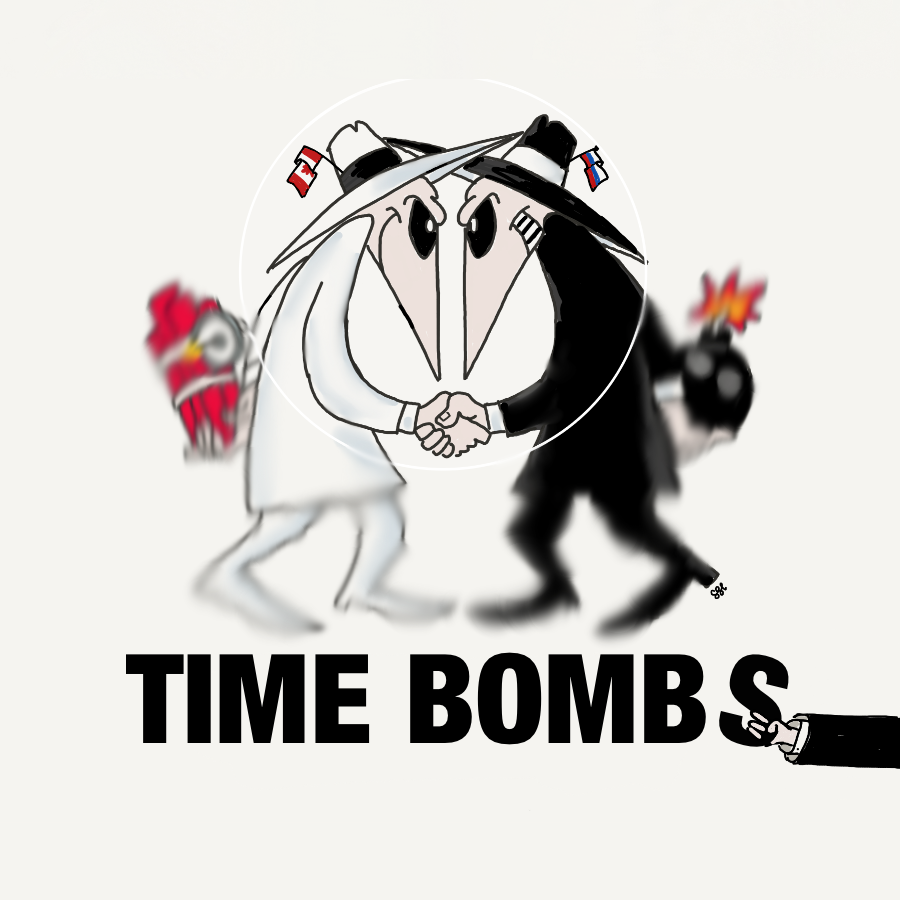 Defuse These Digital Oil and Gas Time Bombs: There's Still Time 19.08.2026 9minDigital innovations are creating huge value for oil and gas, but digital landscape is setting the industry up for problems down the track. Think of them as digital time bombs. Quantum computing will expose encrypted data that companies believe is safely protected. Legacy on-premise software is fast becoming difficult and costy to support as investment capital moves elsewhere. And the industry's shrinking talent pipeline will leave companies without enough people, particularly people with the digital skills needed to replace retiring workers. In this episode, I look at four digital time bombs facing oil and gas: decrypting stolen data, hacking live business communications, aging software, and the shrinking talent pool. The exact timing of these problems is uncertain, but that's the nature of a time bomb. Companies that recognize them early still have time to mitigate the impacts, or perhaps defuse them entirely. ⚒️ Additional Tools & Resources: 🎬 Go backstage and check out my studio: 👉 https://geoffreycann.com/mystudio/ 🎓 Take my one day digital strategy training course for oil and gas: 👉 https://www.udemy.com/course/digital-oil-and-gas/?referralCode=0161D4D49AB75735A185 🔗 Connect with Me: 🖥️ Blog series: https://digitaloilgas.substack.com/ 🎧 Podcast: https://geoffreycann.com/broadcast/ 📇 Linkedin: https://www.linkedin.com/in/advocate-digital-innovation-for-energy/ 🤬 X: https://x.com/geoffreycann ⚠️ Disclaimer: The views expressed in this podcast are my own and do not constitute professional advice.
 -
 Can Canada Become An Energy Superpower? Yes, But It Will Take More Than Slogans 12.08.2026 14minEnergy superpower is a fine marketing slogan. In fact, lots of countries have stated their ambition to become the next energy superpower, but oddly, no one spells out what that actually means. Fortunately, there is a rigorous academic definition for energy superpowerhood, which ranks the EU, the U.S., and China as the world's true energy superpowers. All others are pretenders, Canada included, despite its obvious oil and gas resources. What would it take to become a true energy superpower, and is now strategically the right time to pursue such a game plan? ⚒️ Additional Tools & Resources: 🎬 Go backstage and check out my studio: 👉 https://geoffreycann.com/mystudio/ 🎓 Take my one day digital strategy training course for oil and gas: 👉 https://www.udemy.com/course/digital-oil-and-gas/?referralCode=0161D4D49AB75735A185 🔗 Connect with Me: 🖥️ Blog series: https://digitaloilgas.substack.com/ 🎧 Podcast: https://geoffreycann.com/broadcast/ 📇 Linkedin: https://www.linkedin.com/in/advocate-digital-innovation-for-energy/ 🤬 X: https://x.com/geoffreycann ⚠️ Disclaimer: The views expressed in this podcast are my own and do not constitute professional advice.
 -
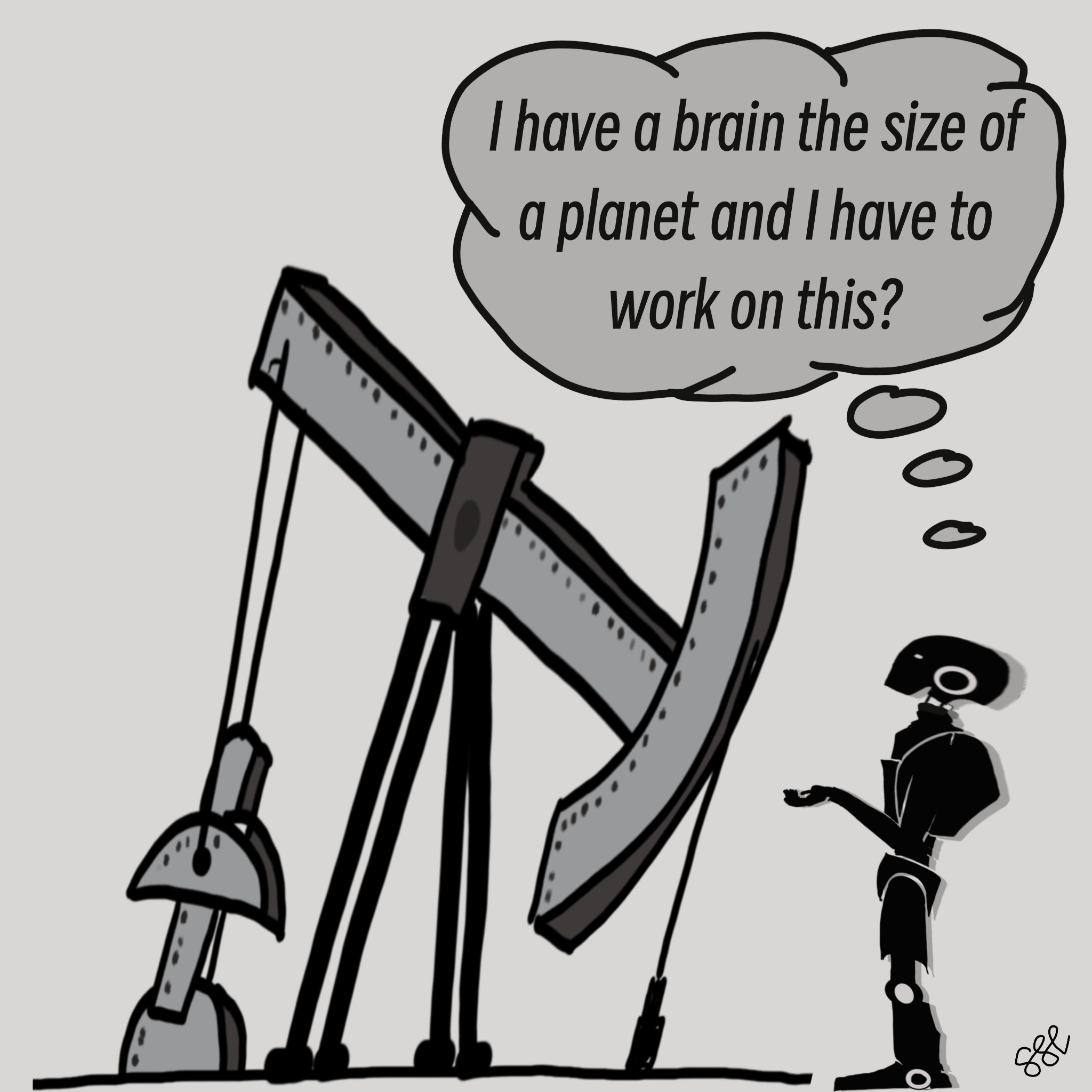 Agentic AI Is All The Rage: Reducing The Cognitive Burden On The Workforce 29.07.2026 12minIndustrial AI is into a new phase. Agentic AI is software that can plan, reason, learn, and act with far greater independence than traditional automation. While the technology is advancing quickly, the oil and gas industry faces unique technical, regulatory, and operational challenges that make full autonomy far less straightforward. In this episode, I share what agentic AI actually is, why it differs from conventional automation, and why the industry's aging assets, fragmented data, safety requirements, cybersecurity concerns, and accountability standards create real barriers to adoption. I also share where I believe agentic AI can deliver the greatest value today: reducing the cognitive burden on engineers by assisting with planning, monitoring, coordination, and decision preparation while keeping humans squarely in the loop. The future is a function of humans plus AI, instead of the gloomy either/or we hear. ⚒️ Additional Tools & Resources: 🎬 Go backstage and check out my studio: 👉 https://geoffreycann.com/mystudio/ 🎓 Take my one day digital strategy training course for oil and gas: 👉 https://www.udemy.com/course/digital-oil-and-gas/?referralCode=0161D4D49AB75735A185 🔗 Connect with Me: 🖥️ Blog series: https://digitaloilgas.substack.com/ 🎧 Podcast: https://geoffreycann.com/broadcast/ 📇 Linkedin: https://www.linkedin.com/in/advocate-digital-innovation-for-energy/ 🤬 X: https://x.com/geoffreycann ⚠️ Disclaimer: The views expressed in this podcast are my own and do not constitute professional advice.
 -
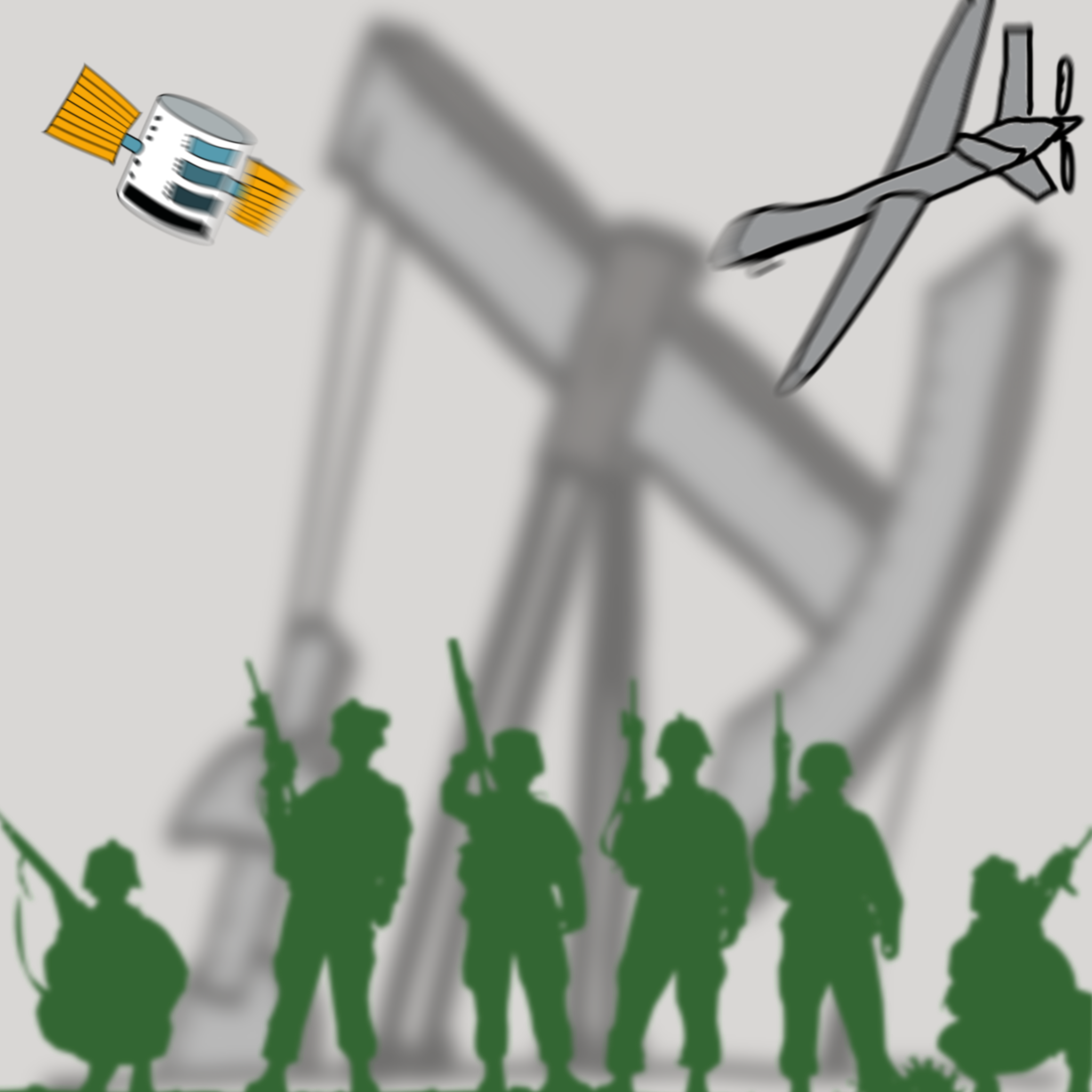 Digital Lessons From The US War on Iran: Drones, Remote Sensing, Speed and More 22.07.2026 12minIt's sad to say but wars create opportunities to apply new technologies in novel ways as the combatants seek to gain advantage over each other. The US-Israeli War on Iran is a case in point. If you've been monitoring the public airwaves about the war, you'll have picked up hints about the role that digital innovations are playing in the crisis. These signals in and of themselves are almost always overshadowed by the big kinetic actions, such as bombings and destruction. Collect them together, project them forward, and they reveal how the world will likely be different when the hostilities abate. In this podcast I share several insights that I believe have significant bearing on the future of oil and gas infrastructure, not just in the Gulf area but globally wherever there is the potential for conflict. ⚒️ Additional Tools & Resources 🎬 Go backstage and check out my studio: https://geoffreycann.com/mystudio/ 🎓 Take my one day digital strategy training course for oil and gas: https://www.udemy.com/course/digital-oil-and-gas/?referralCode=0161D4D49AB75735A185 🔗 Connect with Me 🖥️ Blog series: https://digitaloilgas.substack.com/ 🎧 Podcast: https://geoffreycann.com/broadcast/ 💼 LinkedIn: https://www.linkedin.com/in/advocate-digital-innovation-for-energy/ 🤬 X (formerly Twitter): https://x.com/geoffreycann ⚠️ Disclaimer The views expressed in this podcast are my own and do not constitute professional advice.
 -
 The $50B Junk Drawer: Turning Oilpatch Surplus Into Serious Cash 20.05.2026 30minOil and gas companies are sitting on vast amounts of surplus inventory, often without realizing its true scale or value. Equipment purchased for major projects frequently ends up idle, and stored across warehouses and laydown yards, while tying up capital and incurring ongoing costs. While some of this surplus results from project changes or cancellations, much of it reflects a deeper systemic issue around how industrial assets are tracked and managed. The challenge is greater than just the existence of surplus, and is much more about the inability to act on it. Data quality deteriorates as assets move through their lifecycle, internal systems fail to communicate across business units, and there are few effective tools to support reuse or divestment. At the same time, procurement incentives often favour new purchases over internal utilization. The result is a fragmented environment where companies unknowingly duplicate spend while valuable inventory sits unused. In this episode, I am speaking with Taylor Assaly, founder of IronHub, about how AI-driven data enrichment is transforming surplus management. He explains how structuring and scaling industrial data allows companies to identify, trust, and reuse existing assets—unlocking significant cost savings and improving capital efficiency. We also explore the broader opportunity to create internal and peer-to-peer marketplaces that increase asset utilization and turn surplus into measurable financial returns. 👤 About The Guest Taylor Assaly is the Founder and President of IronHub, a company focused on transforming how industrial organizations manage and monetize surplus inventory. With a background that spans entrepreneurship and frontline oilfield experience, Taylor has built IronHub into a platform that leverages AI to structure and enrich industrial data at scale. His work centers on improving asset visibility, enabling reuse, and driving capital efficiency across the energy sector. 💼 LinkedIn https://www.linkedin.com/in/taylor-assaly/ 🌐 Company Website https://www.ironhub.com/ ⚒️ Additional Tools & Resources 🎬 Go backstage and check out my studio: https://geoffreycann.com/mystudio/ 🎓 Take my one day digital strategy training course for oil and gas: https://www.udemy.com/course/digital-oil-and-gas/?referralCode=0161D4D49AB75735A185 🔗 Connect with Me 🖥️ Blog series: https://digitaloilgas.substack.com/ 🎧 Podcast: https://geoffreycann.com/broadcast/ 💼 LinkedIn: https://www.linkedin.com/in/advocate-digital-innovation-for-energy/ 🤬 X (formerly Twitter): https://x.com/geoffreycann ⚠️ Disclaimer The views expressed in this podcast are my own and do not constitute professional advice.
 -
 EHS Compliance and AI: How Better Data Turns Safety Into Advantage 13.05.2026 35minEHS and AI are starting to transform safety and reliability in oil and gas. But most organizations are still managing safety as a compliance exercise, not an operational advantage. That approach is under pressure. Operations are more complex, regulations keep shifting, and critical EHS data is scattered across systems, spreadsheets, and sites. When something goes wrong, the impact isn't just regulatory — it shows up as downtime, lost production, and real harm to people and communities. There is a better way to run this. When EHS systems are connected and AI is applied to real operational data, safety becomes part of how the business performs day to day. Instead of reacting after the fact, companies can see risk building in real time, understand how conditions interact, and intervene earlier. The outcome is stronger reliability, fewer disruptions, and better decisions in the field. In this episode, I'm speaking with Amanda Smith, EVP Strategy at Cority. We discuss how EHS is shifting from compliance to performance, why most systems remain fragmented, and how AI is enabling real-time insight into operational risk. Amanda also shares the personal story behind her focus on safety, and a practical framework for how organizations can start using AI without taking on unnecessary risk. 👤 About The Guest Amanda Smith has spent more than 20 years working at the intersection of technology, people, and purpose. With a background in Industrial & Operations Engineering from the University of Michigan, she has built her career around helping organizations use technology to create healthier, safer, and more sustainable operations.Over two decades, Amanda has held leadership roles across product, strategy, and customer-focused initiatives, contributing to the evolution of modern EHS and sustainability software. Her work has centered on understanding how people actually use technology, how organizations create value through better decisions, and how connected data and thoughtful design can improve outcomes for workers and communities. Today, as Executive Vice President of Strategy at Cority, she draws on this experience to champion a strategy that stays grounded in what customers need most: solutions that are practical, scalable, and built to create lasting value. 🌐 Cority: https://www.linkedin.com/company/cority/ 💼 Amanda: https://www.linkedin.com/in/amanda-smith-432037a/ ⚒️ Additional Tools & Resources 🎬 Go backstage and check out my studio: https://geoffreycann.com/mystudio/ 🎓 Take my one day digital strategy training course for oil and gas: https://www.udemy.com/course/digital-oil-and-gas/?referralCode=0161D4D49AB75735A185 🔗 Connect with Me 🖥️ Blog series: https://digitaloilgas.substack.com/ 🎧 Podcast: https://geoffreycann.com/broadcast/ 💼 LinkedIn: https://www.linkedin.com/in/advocate-digital-innovation-for-energy/ 🤬 X (formerly Twitter): https://x.com/geoffreycann ⚠️ Disclaimer The views expressed in this podcast are my own and do not constitute professional advice.
 -
 Digital Twin Technology Meets AI: Real-Time Optimization in Oil & Gas 06.05.2026 30minDigital twin technology is evolving rapidly, and when combined with artificial intelligence, it is starting to reshape how oil and gas operations are run in real time. For years, companies have relied on simulation tools to design and test assets, but these tools are slow and limited to planning use. In this episode, we explore how new approaches are closing the gap between simulation and real-world operations, enabling faster and more accurate decisions. I speak with Greg Fallon, CEO of Geminus AI, about how combining physics-based models with machine learning creates a new decision layer for industrial systems. This allows operators to simulate thousands of scenarios in seconds and improve production without new capital investment. We also discuss real-world applications in refineries, oilfields, and LNG facilities, where companies are seeing measurable gains in efficiency, output, and reliability. The conversation explores the shift toward autonomous operations, where AI supports or even makes decisions in complex industrial environments. Looking ahead, this technology opens the door to system-wide optimization, connecting assets across the value chain and helping companies operate closer to their true potential. #oilandgas #digitaltwin #artificialintelligence 👤 About The Guest Greg Fallon is the CEO of Geminus AI, a company focused on advancing digital twin technology through the integration of physics-based simulation and artificial intelligence. Greg is a mechanical engineer by training and spent much of his early career at Ansys, where he worked on advanced simulation technologies for industrial applications. He later led the global manufacturing product portfolio at Autodesk, expanding his experience across multiple industries. At Geminus, Greg is focused on enabling real-time operational decision-making by embedding AI into simulation models, helping industrial companies improve performance, efficiency, and reliability across complex systems. 💼 Greg on LInkedIn: https://www.linkedin.com/in/greg-fallon/ 🌐 Geminus: https://www.geminus.ai ⚒️ Additional Tools & Resources 🎬 Go backstage and check out my studio: https://geoffreycann.com/mystudio/ 🎓 Take my one day digital strategy training course for oil and gas: https://www.udemy.com/course/digital-oil-and-gas/?referralCode=0161D4D49AB75735A185 🔗 Connect with Me 🖥️ Blog series: https://digitaloilgas.substack.com/ 🎧 Podcast: https://geoffreycann.com/broadcast/ 💼 LinkedIn: https://www.linkedin.com/in/advocate-digital-innovation-for-energy/ 🤬 X (formerly Twitter): https://x.com/geoffreycann ⚠️ Disclaimer The views expressed in this podcast are my own and do not constitute professional advice.
 -
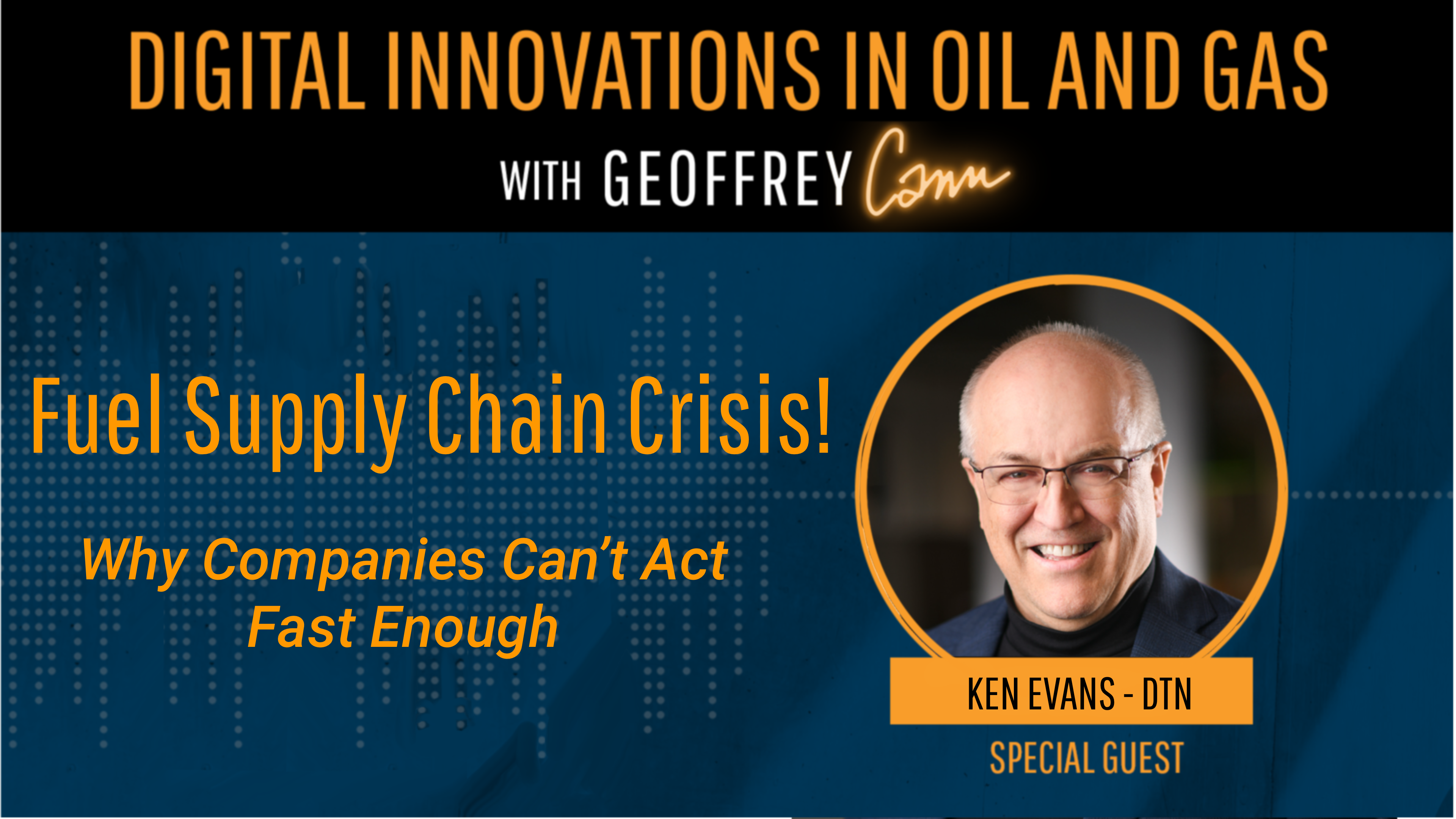 Fuel Supply Chain Crisis: Why Companies Can't Act Fast Enough 29.04.2026 34minGlobal energy markets are under acute pressure as geopolitical disruption tightens supply and drives volatility. Events like the conflict in the Middle East are no longer regional—they ripple through fuel supply chains everywhere. Companies are not short of data. They are overwhelmed by it. Yet despite this abundance, assembling a clear operational picture still takes hours, leaving decision-makers reacting to a fast-moving market with a slow, fragmented view. The real constraint is not the decision itself—it is the time to assemble data and the even longer delay to execute. Information remains scattered across systems, emails, and legacy processes, often with high latency and inconsistent formats. At the same time, the industry operates as a network of hundreds of micro-markets—each terminal, tank, and junction representing a settlement point with its own dynamics. This fragmentation creates friction across the entire value chain, from inventory visibility to logistics coordination, limiting the ability to act on fleeting opportunities and, in some cases, preventing decisions from being made at all. In this episode, I speak with Ken Evans of DTN about how companies can compress decision cycles without increasing risk. We explore why data integration and workflow design matter more than raw analytics, how improving connectivity across the value chain can unlock margin, and where AI can play a practical role without taking control of decisions. Ken shares real-world examples of missed opportunities, execution bottlenecks, and emerging solutions that are helping companies move from fragmented, manual processes to faster, more resilient operations. 👤 About The Guest Ken Evans is a senior leader at DTN, a company specializing in data, analytics, and operational platforms for energy and commodity markets. He works closely with fuel suppliers, distributors, and terminal operators across North America to improve decision-making, supply chain visibility, and operational efficiency. Ken brings deep experience in connecting fragmented systems and data sources across the fuel value chain, helping organizations respond more effectively to market volatility and operational complexity. 💼. Ken on LinkedIn: https://www.linkedin.com/in/kendevans/ 🌐 DTN: https://www.dtn.com ⚒️ Additional Tools & Resources 🎬 Go backstage and check out my studio: https://geoffreycann.com/mystudio/ 🎓 Take my one day digital strategy training course for oil and gas: https://www.udemy.com/course/digital-oil-and-gas/?referralCode=0161D4D49AB75735A185 🔗 Connect with Me 🖥️ Blog series: https://digitaloilgas.substack.com/ 🎧 Podcast: https://geoffreycann.com/broadcast/ 💼 LinkedIn: https://www.linkedin.com/in/advocate-digital-innovation-for-energy/ 🤬 X (formerly Twitter): https://x.com/geoffreycann ⚠️ Disclaimer The views expressed in this podcast are my own and do not constitute professional advice.
 -
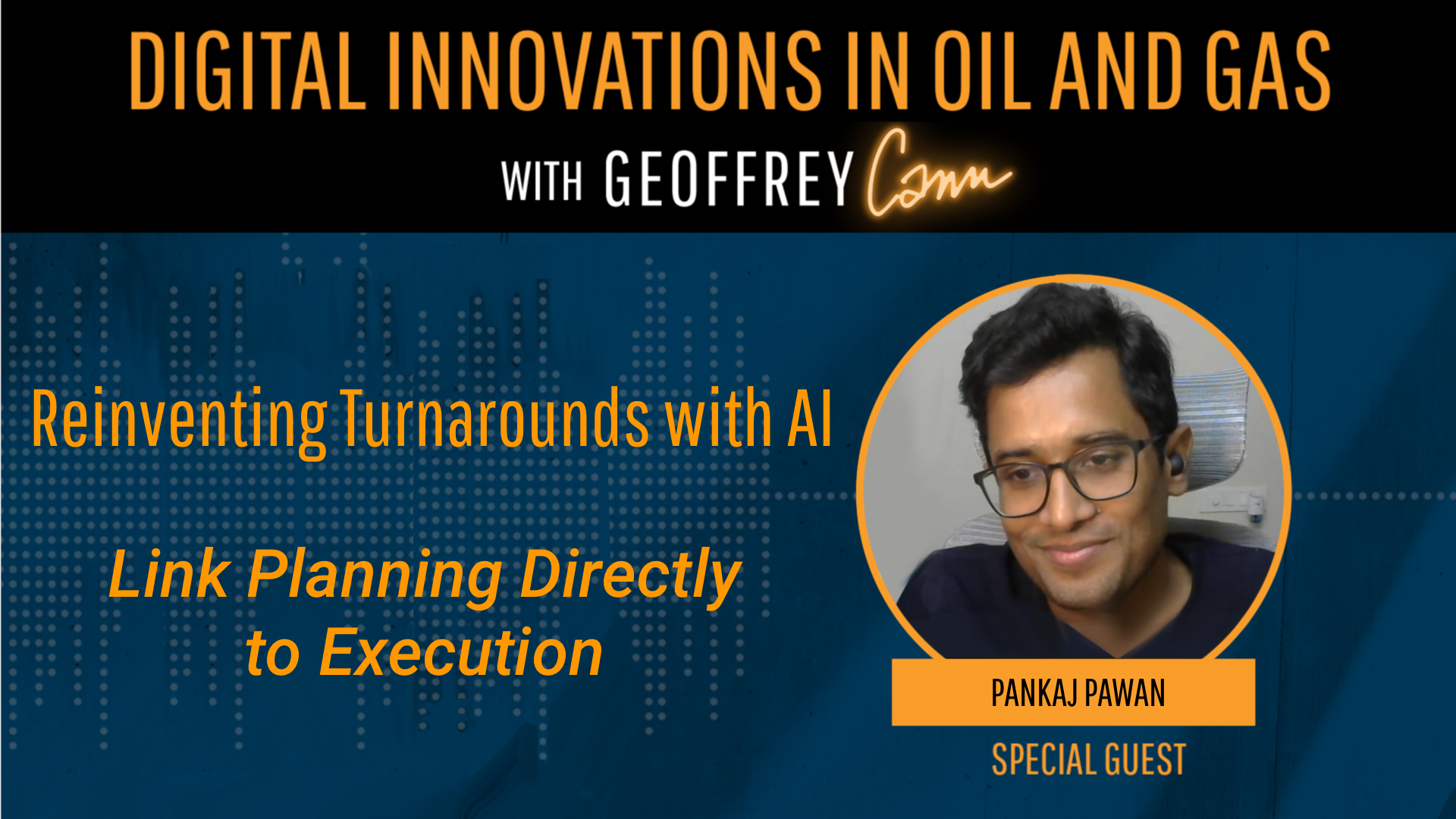 Reinventing Turnarounds with AI: Link Planning Directly to Execution 25.04.2026 39minTurnarounds are one of the most critical and expensive activities in oil and gas, yet many are still managed using spreadsheets, manual coordination, and tribal knowledge. Despite years of investment in digital systems, there remains a persistent gap between turnaround planning and execution in the field. This gap creates real consequences. Turnarounds often run into the hundreds of millions of dollars, and delays of even a single day can result in millions in lost production. At the same time, safety compliance is frequently based on self-declared reporting rather than verified outcomes, and frontline workers are expected to operate with tools that were never designed for how turnaround work actually happens. The question is how to connect turnaround planning directly to execution without adding complexity. Advances in artificial intelligence, mobile technology, and workflow design are enabling organizations to automate large portions of turnaround planning, connect back-office systems with field execution, and validate work using real data captured on site. In this episode, I speak with Pankaj Pawan, CEO and founder of Maximl, about how his company is reinventing turnarounds with AI. We discuss how to reduce delays, improve safety, and bridge the gap between planning and execution by building systems that actually work for frontline teams. 👤 About the Guest Pankaj Pawan is the CEO and founder of Maximl, a company focused on improving industrial operations through artificial intelligence and workflow optimization. He began his career at Goldman Sachs working in quantitative analysis and computer science before moving into industrial technology. After visiting a refinery early in his career, he identified a major gap between modern digital tools and frontline industrial work, which led him to build solutions that connect turnaround planning with execution in the field. #turnarounds #oilandgas #AI ⚒ Additional Tools & Resources 📚 My books: https://geoffreycann.com/book/ 🎬 Go backstage and check out my studio: https://geoffreycann.com/mystudio/ 🔗 Connect with Me 📘 Industry Insight series: https://digitaloilgas.substack.com/ 🎧 Audio Podcast: https://geoffreycann.com/podcast/ 💼 LinkedIn: https://www.linkedin.com/in/advocate-digital-innovation-for-energy/ 👉 https://geoffreycann.com/contact/ ⚠ Disclaimer The views expressed in this podcast are my own and do not constitute professional advice.
 -
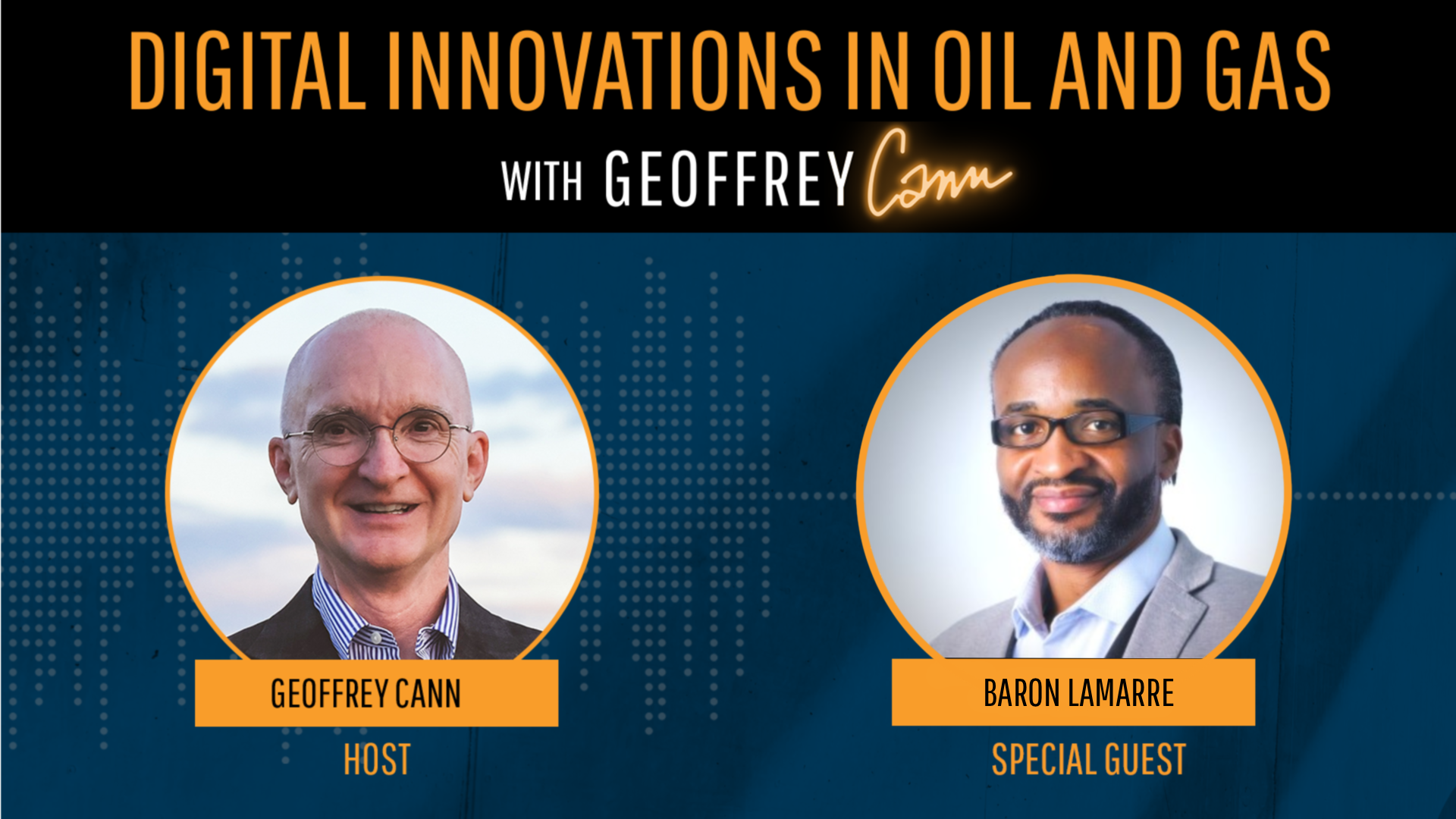 Tokenizing the Barrel: Rewiring Oil Markets from Molecule to Money 15.04.2026 39minThe global oil market still runs on a horribly fragmented system where physical barrels, paper contracts, and financial settlement operate in parallel but disconnected layers. Transactions are dependent on manual processes, emails, PDFs, and handshake relationships built over decades. For a trillion dollar industry, the core trading infrastructure remains slow, opaque, and largely inaccessible for all but the largest players. This creates real operational and financial constraints. Settlement delays can stretch to 90 days, tying up working capital and exposing companies to liquidity risk. Market access is hobbled by lengthy know-your-customer processes and high barriers to entry. Here in the spring of 2026, with the Strait of Hormuz blocked, these inefficiencies add up to systemic challenges that will make eventual recovery much harder than it needs to be. It's time for a new approach, one that digitizes the physical barrel itself. By tokenizing crude oil into smaller, tradable units, markets can accelerate settlement, improve transparency, and broaden participation. Imagine a token that represents a real, physical quantity of oil, enabling traceability across the supply chain and creating a new layer of market visibility. This also opens the door to fractional ownership and new forms of capital access that were previously unavailable. In this episode, I am speaking with Baron Lamarre, co-founder of INDEX, the International Digital Exchange, about how tokenization could fundamentally reshape oil trading. We explore the inefficiencies of today's system, the mechanics of turning barrels into digital assets, and why this shift could materially improve cash flow, transparency, and market access across the energy sector. 👤 About The Guest Baron Lamarre is a petroleum economist and energy trading professional with more than 20 years of experience in the oil and gas industry. He began his career at Petronas, where he worked across operations, logistics, and trading, managing products such as fuel oil, LPG, gasoline, crude oil, and naphtha. Over a 15-year tenure, he handled large-scale international trading portfolios, selling millions of barrels per month to major global buyers. Baron is now co-founder of INDEX, the International Digital Exchange, where he is focused on applying tokenization and blockchain technologies to modernize oil trading infrastructure. 🌐 website: https://indexlitro.com ☎️ Contact: [email protected] ⚒️ Additional Tools & Resources 🎬 Go backstage and check out my studio: https://geoffreycann.com/mystudio/ 🎓 Take my one day digital strategy training course for oil and gas: https://www.udemy.com/course/digital-oil-and-gas/?referralCode=0161D4D49AB75735A185 🔗 Connect with Me 🖥️ Blog series: https://digitaloilgas.substack.com/ 🎧 Podcast: https://geoffreycann.com/broadcast/ 💼 LinkedIn: https://www.linkedin.com/in/advocate-digital-innovation-for-energy/ 🤬 X (formerly Twitter): https://x.com/geoffreycann 🎤 Contact for Lectures and Keynotes I speak regularly on these and other topics. Contact me to book a brief call about your upcoming event needs: https://geoffreycann.com/contact/ ⚠️ Disclaimer The views expressed in this podcast are my own and do not constitute professional advice.
 -
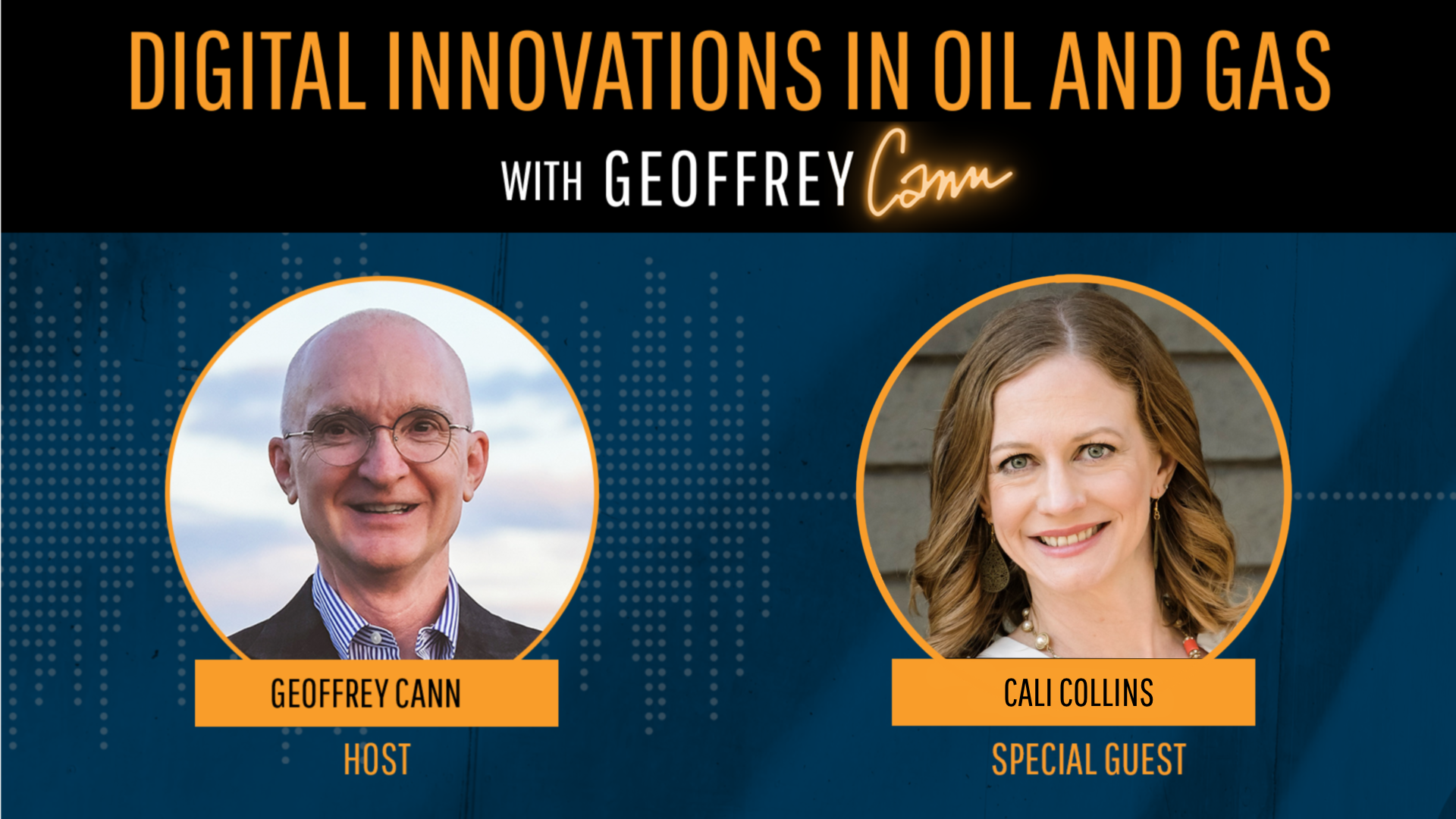 How to Reduce Waste in Capital Projects: Using Execution Intelligence To Fix Broken Coordination 25.03.2026 29minLarge-scale capital projects sit at the heart of the oil and gas industry, and across all infrastructure sectors (power, petrochemicals, rail, water, telecoms). These projects require tight coordination of people, equipment, and timelines, often under pressure to deliver quickly and safely. Despite heavy investment in planning tools and scheduling systems, the day-to-day reality remains fragmented, with teams working across disconnected systems and making decisions in isolation. The issue is not a shortage of data, but a lack of connected context. Teams make decisions that work locally, but cannot see the ripple effects across the broader project. When disruptions occur, such as missing materials or shifting priorities, organizations fall back on manual replanning, pulling experts together to work through scenarios. The result is familiar: delays, rework, misalignment, and a persistent focus on reacting to problems rather than anticipating them. A new approach is emerging that focuses on execution intelligence, not just planning. These systems sit across existing tools, capture real-time context, and use AI to recommend next steps while keeping humans in control. Instead of replacing systems like P6, they enhance them, helping teams understand what matters most today and how decisions impact the wider system. This allows experienced staff to apply judgment more effectively, while also enabling less experienced team members to make better decisions faster. In this episode, I am speaking with Cali Collins, Chief Product Officer at Optimality, about how fragmented decision-making slows down capital projects and why execution—not planning—is where projects succeed or fail. We explore how AI can surface hidden dependencies, improve decision quality, and help teams navigate complex trade-offs in real time. 👤 About The Guest Cali Collins is the Co-Founder and Chief Product Officer of Optimality, an AI-native decision infrastructure platform redefining how organizations structure, optimize, and scale decision-making in an era of overwhelming data and competing priorities. She is an experienced product leader with a background spanning AI infrastructure, knowledge systems, estimating, enterprise transformation, and large-scale capital project execution. Cali specializes in translating complex operational challenges into scalable product strategies, bridging business, technical architecture, and real-world execution across both startups and Fortune 50 environments. ⚒️ Additional Tools & Resources 🌐 Website: https://optimalitypro.com 💼 LinkedIN: https://www.linkedin.com/company/optimalitypro/ 📧 Email Cali: [email protected] 🎬 Go Backstage https://geoffreycann.com/mystudio/ 🎓 Take My one day course https://www.udemy.com/course/digital-oil-and-gas/?referralCode=0161D4D49AB75735A185 🔗 Connect with Me 🖥️ Blog series: https://digitaloilgas.substack.com/ 🎧 Podcast: https://geoffreycann.com/broadcast/ 💼 LinkedIn: https://www.linkedin.com/in/advocate-digital-innovation-for-energy/ 🤬 X (formerly Twitter): https://x.com/geoffreycann 🎤 Contact Me I speak regularly on these and other topics. Contact me to book a brief call about your upcoming event needs: https://geoffreycann.com/contact/ ⚠️ Disclaimer The views expressed in this podcast are my own and do not constitute professional advice.
 -
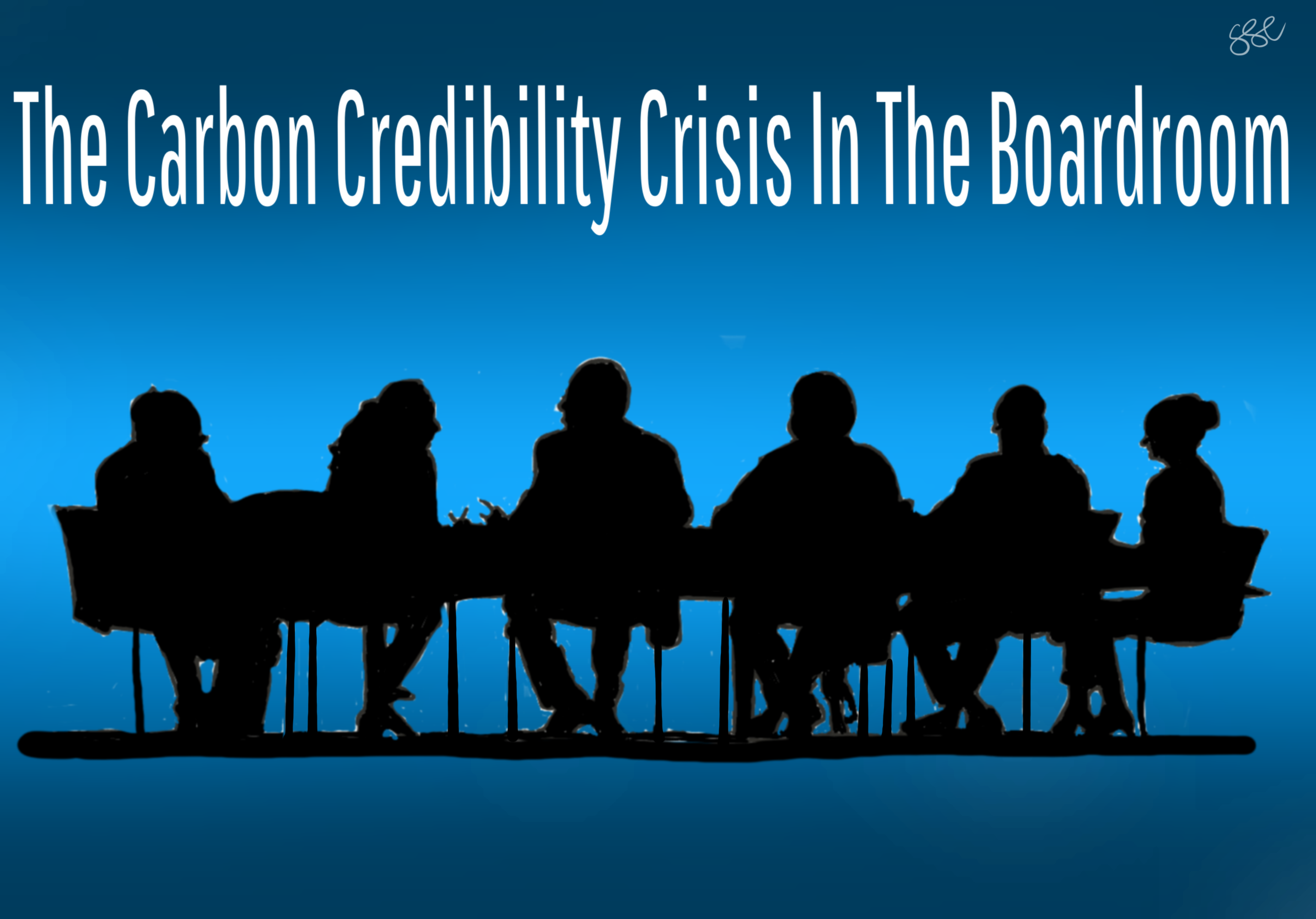 The Carbon Credibility Crisis: We Need Trustworthy Carbon Data 18.03.2026 8minOne thing I've learned from producing lots of videos is that you can't really trust with your own eyes what you see presented to you anymore. Green screens, video editing, and AI are so good now, and so inexpensive, that anyone can create compellingvideo content of scenes that didn't happen in real life. As a result, I'm now very skeptical of claims that companies make that they don't offer to back up. Consider the 'organic' chicken at the butcher shop. How do you really know that the chicken has led an exemplary life free from chemicals, pesticides, and growth hormones? Carbon emissions fall into this category. Carbon dioxide, the invisible by-product of engine output and cement making, has become the poster child for energy transition. Today, producers and (some) consumers are expected to not only reduce carbon emissions but account for them with surgical precision. Yet we need to face an uncomfortable fact: carbon data lacks credibility. It's assembled from fragmented systems, manually reported and manipulated, or derived from engineering models. It's no wonder that financial markets are skeptically treating carbon credits with such low valuations. Carbon accounting is a hot mess. ⚒️ Additional Tools & Resources 🎬 Go backstage and check out my studio: https://geoffreycann.com/mystudio/ 🎓Take my one-day digital strategy training course for oil and gas: https://www.udemy.com/course/digital-oil-and-gas/?referralCode=0161D4D49AB75735A185 🔗 Connect with Me 📘Blog series: https://digitaloilgas.substack.com/ 🎧 Podcast: https://geoffreycann.com/broadcast/ 💼 LinkedIn: https://www.linkedin.com/in/advocate-digital-innovation-for-energy/ 🐦 X: https://x.com/geoffreycann 🎤 Contact for Lectures and Keynotes I speak regularly on these and related topics. Contact me to book a brief call about your upcoming event needs. 👉 https://geoffreycann.com/contact/ ⚠️ Disclaimer The views expressed in this podcast are my own and do not constitute professional advice.
 -
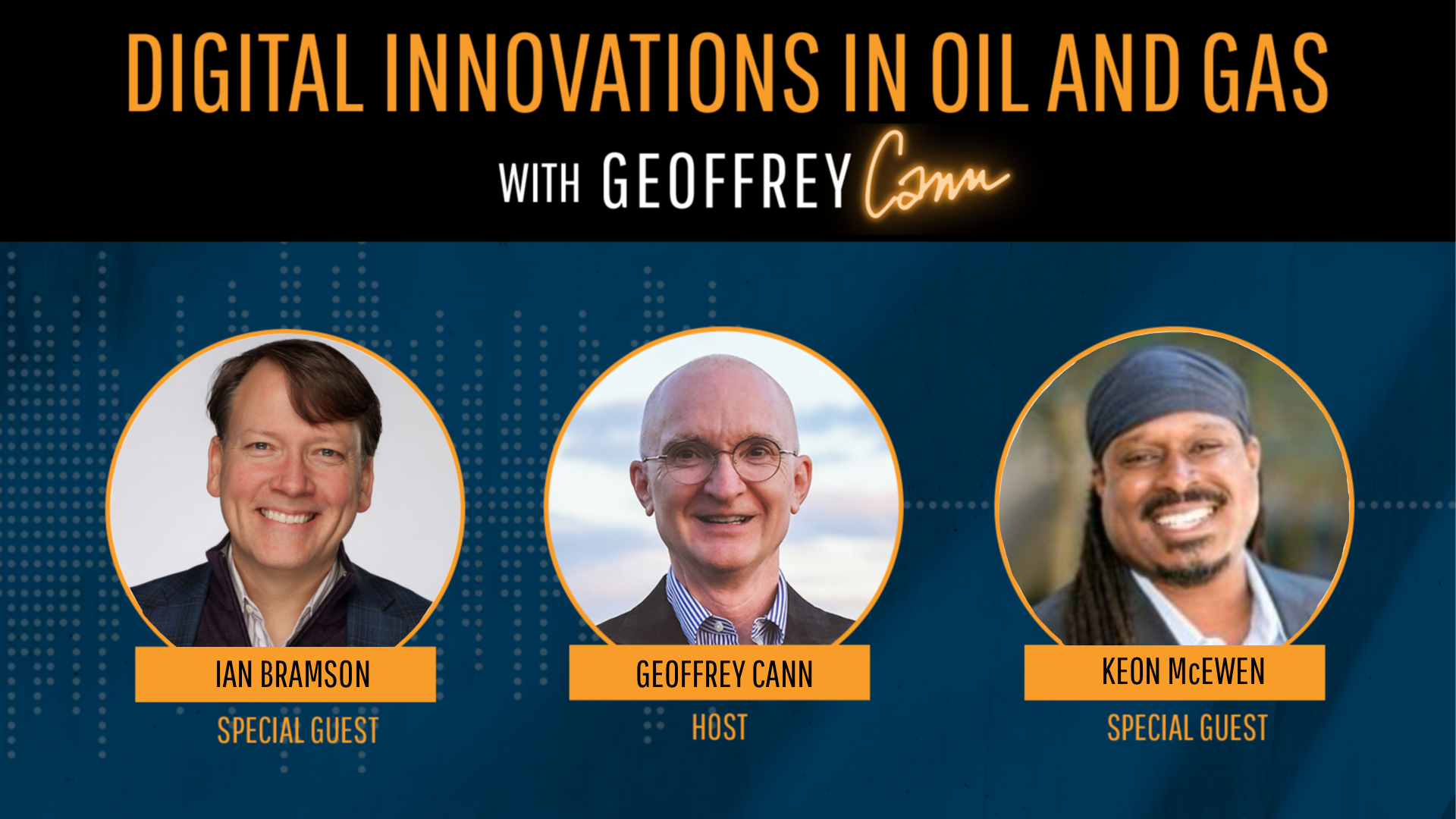 How to Spot Cyber Attacks on Physical Assets 04.03.2026 32minIndustrial operations have spent decades optimizing for safety, reliability, and uptime. Control systems, sensors, and field equipment were designed to be stable and predictable, often isolated from the outside world. Cybersecurity, by contrast, evolved largely in IT environments, on a separate track, with different tools, assumptions, and incentives. That separation is no longer holding. Operational technology is becoming more connected, more digital, and more automated. Sensors stream data to the cloud, vendors require remote access, and AI-driven tools increasingly influence operational decisions. At the same time, cyber threats are moving faster, targeting physical systems with the potential for real-world safety and production impacts. One response is data meshing: combining traditional cyber telemetry with operational data such as vibration, maintenance history, and asset performance to create a richer, more reliable picture of what is really happening inside industrial environments. When these signals are viewed together, anomalies surface faster, false positives drop, and attacks become harder to hide. In this episode, I'm speaking with Ian Bramson, VP of Global Industrial Cybersecurity at Black & Veatch, and Keon McEwen, Head of Solutions Development for Industrial Cybersecurity. We discuss why the old idea of the air gap is fading, how safety and cybersecurity are converging, what data meshing really means in practice, and why points of operational change are the right moment to rethink cyber risk. 👥 About the Guests Ian Bramson is Vice President of Global Industrial Cybersecurity at Black & Veatch. He has spent more than two decades working at the intersection of digital transformation, cybersecurity, and critical infrastructure, with prior roles spanning consulting, energy, and operational technology environments. Ian focuses on helping industrial organizations manage cyber risk as systems become more connected and automated. Keon McEwen is Head of Solutions Development for Industrial Cybersecurity at Black & Veatch. With a background in programming PLCs and operational systems, Keon bridges OT and cyber disciplines, designing practical security solutions that account for how industrial assets actually operate in the field. 🌐 Black and Veatch 🛠️ Additional Tools & Resources 🎬Go backstage and check out my studio https://geoffreycann.com/mystudio/ 🎓 Take my one-day digital strategy course for oil and gas https://www.udemy.com/course/digital-oil-and-gas/?referralCode=0161D4D49AB75735A185 🔗 Connect with Me 📘 Blog: https://digitaloilgas.substack.com/ 🎧 Podcast: https://geoffreycann.com/broadcast/ 💼 LinkedIn: https://www.linkedin.com/in/advocate-digital-innovation-for-energy/ 🐦 X: https://x.com/geoffreycann 🎤 Contact for Lectures and Keynotes I speak regularly on digital innovation, cybersecurity, and energy systems. Book a brief call about your upcoming event here: 👉 https://geoffreycann.com/contact/ ⚠️ Disclaimer The views expressed in this podcast are my own and do not constitute professional advice.
 -
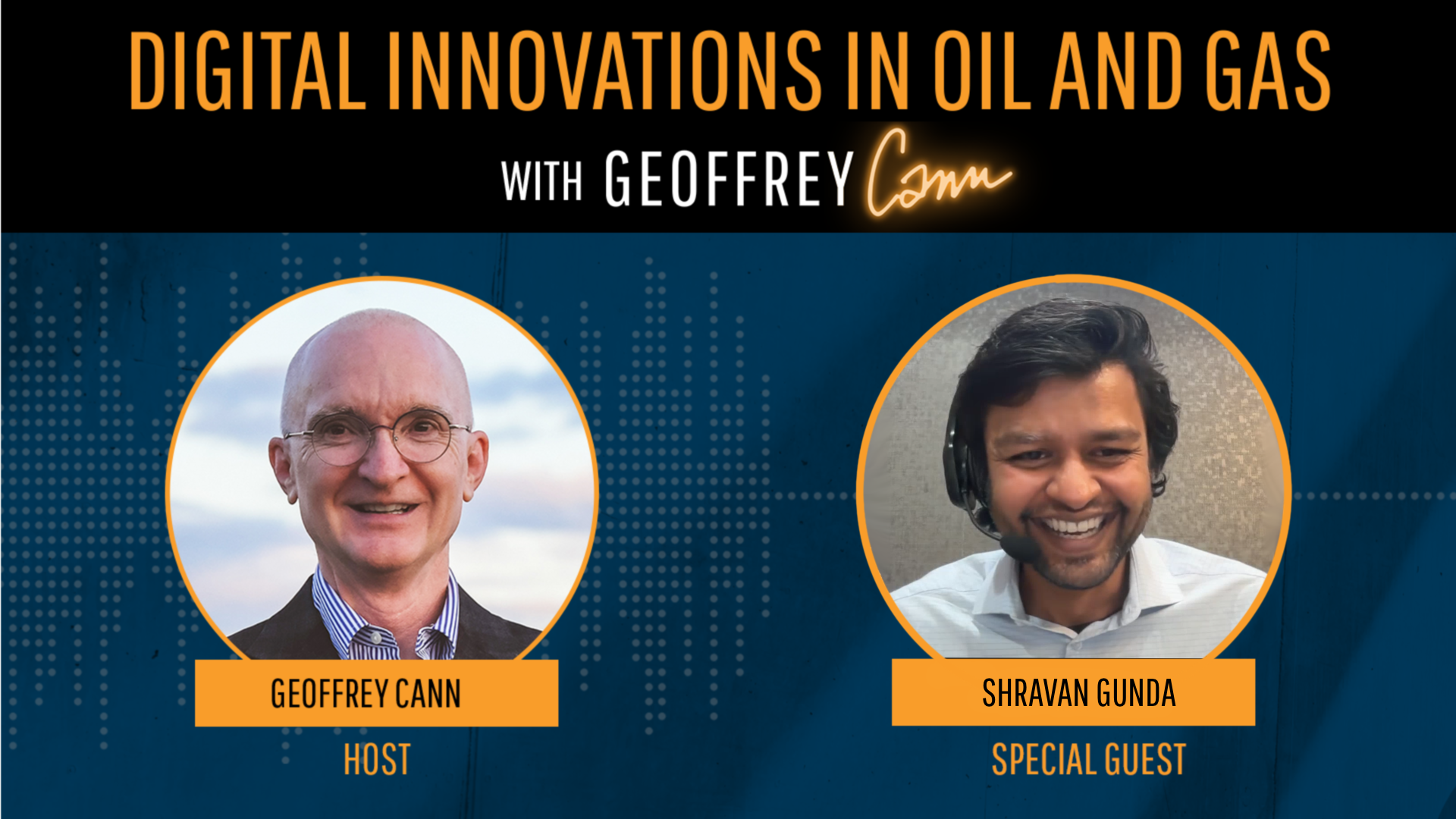 Data Quality Is Your Bottleneck: Fix The Foundation Before Scaling AI 25.02.2026 35minOil and gas companies generate enormous volumes of operational, geological, and production data. Despite this abundance, much of that data remains fragmented, inconsistent, and difficult to trust. Teams often spend a significant portion of their time preparing datasets rather than analyzing them. The result is delayed decision-making, inflated costs, and reduced operational agility. The core complication lies in data quality, data governance, and data readiness. Duplicate records, null values, drift, and structural inconsistencies make it difficult to move quickly from raw data to actionable insight. Asset teams frequently work semi-independently, each rebuilding transformation processes from scratch. Without reliable data foundations, scaling analytics, automation, or advanced modelling becomes difficult and costly. In this episode, I'm in conversation with Shravan Gunda, CEO of Kaarvi, to discuss how a structured approach to data ingestion, anomaly detection, ETL transformation, and data lineage can reduce time-to-insight from weeks to hours. He outlines how upstream teams can standardize workflows, support governance requirements such as SOC 2, and deploy platforms either on-premises or via SaaS. Clean, trusted data is a prerequisite for accelerating analytics and enabling more advanced digital capabilities. 👤 About the Guest Shravan Gunda is the CEO of Kaarvi, an enterprise data platform focused on data quality, governance, transformation, and observability. He previously worked in senior technology roles supporting national oil companies and has extensive experience managing large-scale industrial datasets across upstream environments. 🌐 Website: Kaarvi.ai 💼 Shravan Gunda on LinkedIn 📊 Download the white paper: Operationalizing Agentic AI Across The Entire Data Life Cycle ⚒️ Additional Tools & Resources 🎬 Go backstage and check out my studio: https://geoffreycann.com/mystudio/ 🎓Take my one-day digital strategy training course for oil and gas: https://www.udemy.com/course/digital-oil-and-gas/?referralCode=0161D4D49AB75735A185 🔗 Connect with Me 📘Blog series: https://digitaloilgas.substack.com/ 🎧 Podcast: https://geoffreycann.com/broadcast/ 💼 LinkedIn: https://www.linkedin.com/in/advocate-digital-innovation-for-energy/ 🐦 X: https://x.com/geoffreycann 🎤 Contact for Lectures and Keynotes I speak regularly on these and related topics. Contact me to book a brief call about your upcoming event needs. 👉 https://geoffreycann.com/contact/ ⚠️ Disclaimer The views expressed in this podcast are my own and do not constitute professional advice.
 -
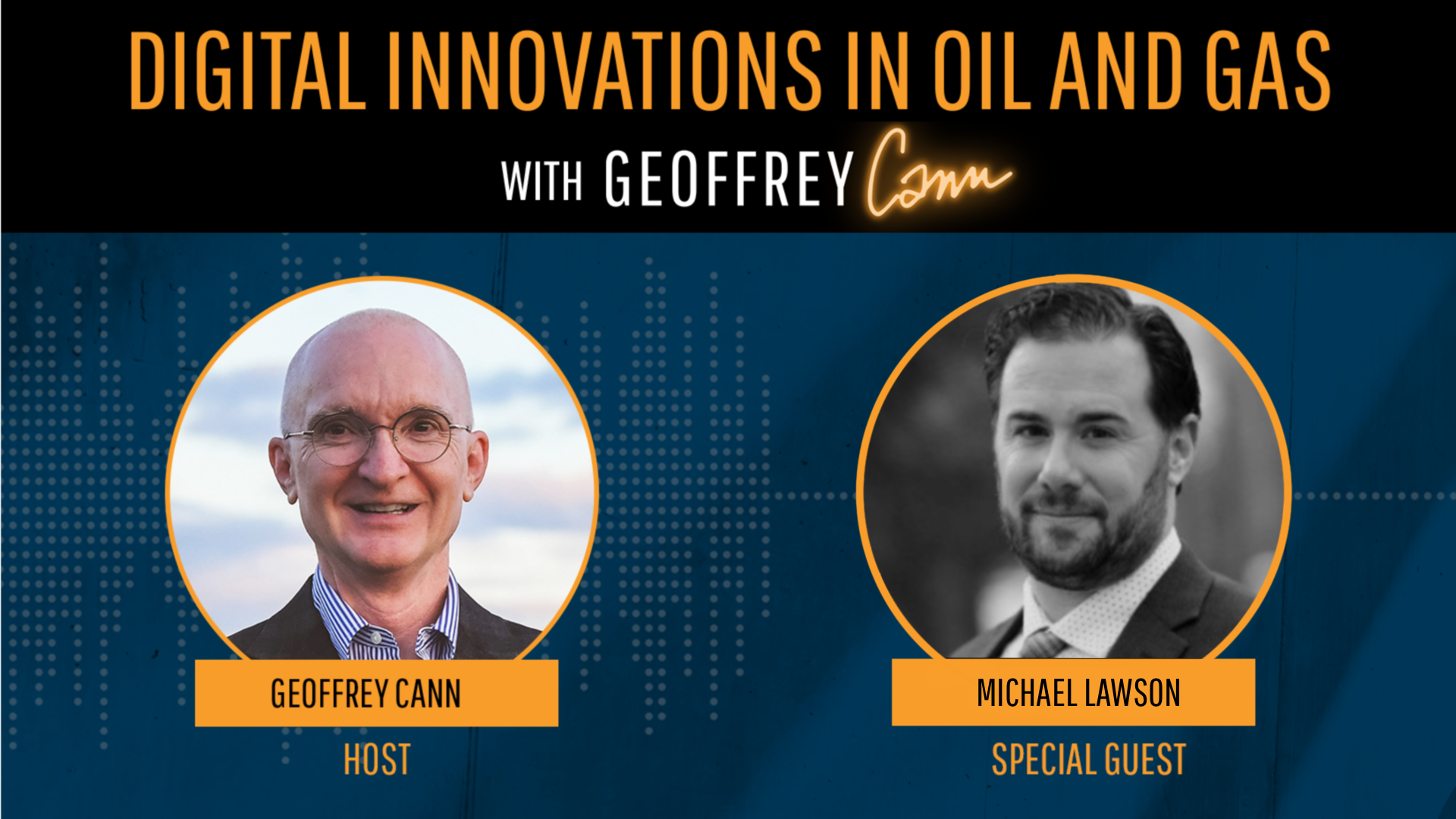 Stranded Gas Has A Job Now: Why Pad Electrification With Gas Wins 18.02.2026 31minDiesel generators have long been the default answer for powering upstream and midstream oil and gas sites. They are familiar, mobile, and deeply embedded in operating practice. Even in regions with abundant natural gas, operators often rely on fleets of diesel gens to run pumps, wireline units, and auxiliary equipment, treating gas as either waste or something to move to market while importing fuel to keep operations running. That status quo is becoming harder to defend. Diesel is expensive, noisy, logistically complex, and increasingly misaligned with emissions rules, carbon pricing, and community expectations. Operators face growing pressure to cut operating costs, reduce flaring, and lower emissions, while still maintaining reliability in the field. Yet infrastructure change moves slowly, driven more by habit and organizational friction than by technical limits. In this episode I'm speaking with Michael Lawson, Vice President of Business Development at Enterprise Group, about using stranded or low-value natural gas to electrify well pads and industrial sites. We discuss replacing dozens of diesel generators with a single gas-turbine microgrid, the economics of site electrification, what kinds of gas streams can be used, and why mindset, not technology, is often the real barrier. It's a practical conversation about cost, reliability, emissions, and why electricity is quietly becoming the enabler of digital innovation in the field. 👤 About the Guest Michael Lawson is Vice President of Business Development at Enterprise Group. Based in Calgary, he has more than two decades of experience across upstream and midstream oil and gas. His current work focuses on site electrification, deploying natural-gas turbines and microgrids to displace diesel power at industrial and energy work sites. 📧 Contact Michael: [email protected] 🌐 https://enterprisegrp.ca #michaelcjlawson ⚒️ Additional Tools & Resources 🎬 Go backstage and check out my studio: https://geoffreycann.com/mystudio/ 🎓Take my one-day digital strategy training course for oil and gas: https://www.udemy.com/course/digital-oil-and-gas/?referralCode=0161D4D49AB75735A185 🔗 Connect with Me 📘Blog series: https://digitaloilgas.substack.com/ 🎧 Podcast: https://geoffreycann.com/broadcast/ 💼 LinkedIn: https://www.linkedin.com/in/advocate-digital-innovation-for-energy/ 🐦 X: https://x.com/geoffreycann 🎤 Contact for Lectures and Keynotes I speak regularly on these and related topics. Contact me to book a brief call about your upcoming event needs. 👉 https://geoffreycann.com/contact/ ⚠️ Disclaimer The views expressed in this podcast are my own and do not constitute professional advice.
 -
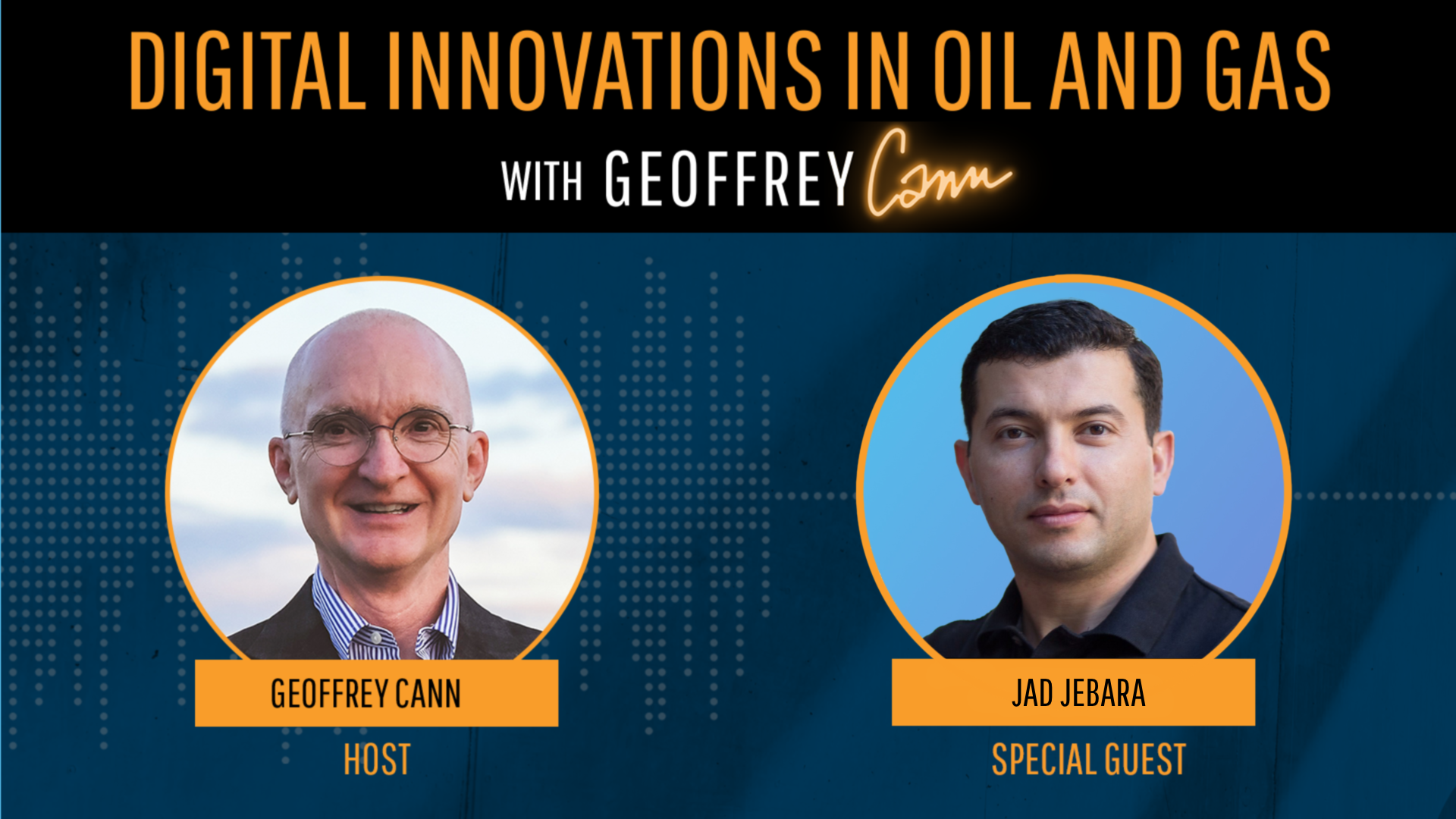 Why Data Centers Need One View Across Power, Facilities, and IT 11.02.2026 33minData centers have shifted from supporting enterprise IT to running large parts of the digital economy. They now host AI model training, AI inference, and many critical digital services. As this shift accelerates, data centers are placing greater demands on power systems and operations teams. Managing energy use, uptime, and physical infrastructure has become central to how these facilities operate. The challenge is that data center growth is moving faster than the tools used to manage it. Many operators still depend on legacy monitoring systems and spreadsheets to understand complex environments. These approaches struggle with rising power density, sustainability targets, and security requirements. At the same time, data sovereignty and grid access are influencing where new infrastructure can be built. In this episode, I speak with Jad Jebara, CEO and co-founder of Hyperview, about how data center operations are changing. We discuss why cloud-native platforms are replacing legacy tools for managing power, facilities, IT, and OT systems. Jad explains how improved operational visibility supports security, efficiency, and scalability. We also explore what these shifts mean for energy companies and oil and gas producers supplying power to this growing infrastructure. 👤 About the Guest Jad Jebara is the CEO and co-founder of Hyperview, a cloud-native platform designed to manage and optimize critical digital infrastructure. He is a CPA and CMA with a master's degree in professional accounting from the University of Texas at Austin. Jad previously helped scale a global hosting company from $35 million to over $600 million in revenue, overseeing large-scale infrastructure operations across multiple regions. 🌐 https://www.hyperviewhq.com 💼 https://www.linkedin.com/in/jadjebara/ ⚒ Additional Tools & Resources 🎬 Go backstage and check out my studio: https://geoffreycann.com/mystudio/ 🎓 Take my one day digital strategy training course for oil and gas: https://www.udemy.com/course/digital-oil-and-gas/?referralCode=0161D4D49AB75735A185 🔗 Connect with Me 🖥 Blog series: https://digitaloilgas.substack.com/ 🎧 Podcast: https://geoffreycann.com/broadcast/ 💼 LinkedIn: https://www.linkedin.com/in/advocate-digital-innovation-for-energy/ 🤬 X (formerly Twitter): https://x.com/geoffreycann 🎤 Contact for Lectures and Keynotes I speak regularly on these and related topics. Contact me to book a brief call about your upcoming event needs: https://geoffreycann.com/contact/ ⚠️ Disclaimer The views expressed in this podcast are my own and do not constitute professional advice.
 -
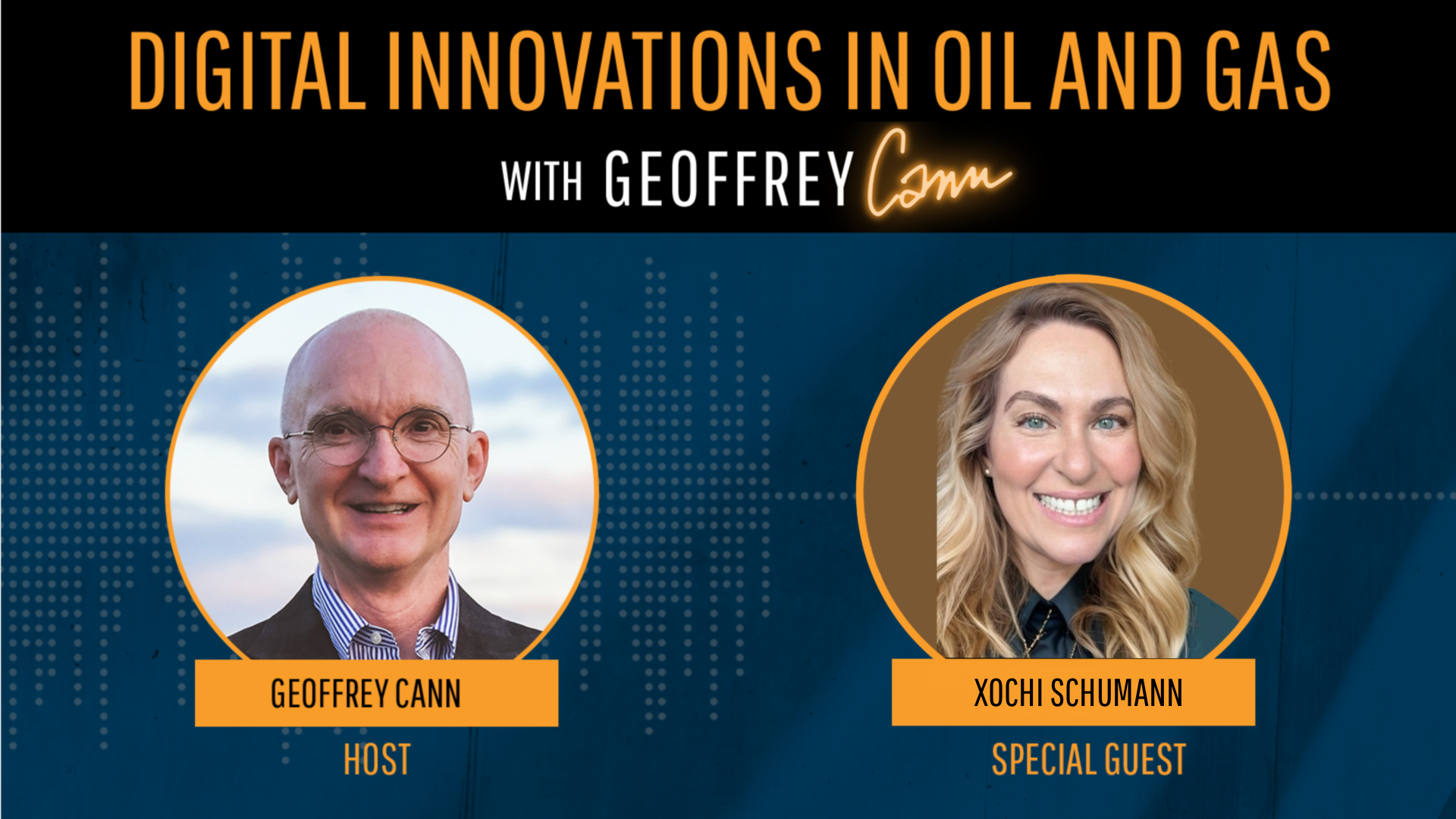 Money Under the Mattress 21.01.2026 25minOil and gas operators have always known that surplus equipment is part of doing business. Projects get cancelled. Long-lead items are over-ordered. Assets are parked in yards, warehouses, and sea cans "just in case." Over time, those decisions quietly turn into idle capital sitting on balance sheets, often forgotten until space runs out or write-downs loom. What's changed is the cost of ignoring it. Tight capital markets, tariffs, long lead times, and supply chain friction make surplus harder to justify. At the same time, operators face pressure to improve capital efficiency, demonstrate sustainability, and recover value from assets that still have useful life. Leaving equipment to rust is no longer neutral. It is a choice with a price tag. There is, however, a better way. With the right data, photos, documentation, and market reach, surplus assets can be exposed to real demand, often well beyond the local buyer network. Digital marketplaces create price discovery, expand the buyer pool across industries and geographies, and turn forgotten inventory into cash, faster than expected. In this episode, I'm joined by Xochi Schumann, an account executive in the Energy Division at Liquidity Services. We talk about why surplus builds up, why data really is money, how digital marketplaces like AllSurplus change recovery outcomes, and why many operators are discovering real value hiding in plain sight. #Surplus #InvestmentRecovery #AssetRecovery #CircularEconomy #OilAndGas #FleetManagement #AssetDisposition 🗣️ About the Guest Xochi Schumann is an account executive with Liquidity Services, working in the Energy Division. She brings more than 30 years of oil and gas experience, including a decade in operations at a turnkey drilling company, where inventory management was a core responsibility. That background gives her a practical, operator-level view of how surplus builds up and how it can be monetized. Today, she helps energy companies convert surplus equipment into liquidity through AllSurplus' global digital marketplace. 🔗 Connect with Xochi Schumann LinkedIn: https://www.linkedin.com/in/xochis email: [email protected] website: https://liquidityservices.com/energy-surplus-asset-sales Liquidity Services: https://www.linkedin.com/company/liquidity-services-inc AllSurplus: https://www.linkedin.com/company/allsurplus ⚒️ Additional Tools & Resources: 🎬 Go backstage and check out my studio: 👉 https://geoffreycann.com/mystudio/ 🎓 Take my one day digital strategy training course for oil and gas: 👉 https://www.udemy.com/course/digital-oil-and-gas/?referralCode=0161D4D49AB75735A185 🔗 Connect with Me: 🖥️ Blog series: https://digitaloilgas.substack.com/ 🎧 Podcast: https://geoffreycann.com/broadcast/ 📇 Linkedin: https://www.linkedin.com/in/advocate-digital-innovation-for-energy/ 🤬 X: https://x.com/geoffreycann 🎤 Contact for Lectures and Keynotes: I speak regularly on these and other topics. Contact me to book a brief call about your upcoming event needs. Click here 👉 https://geoffreycann.com/contact/ ⚠️ Disclaimer: The views expressed in this podcast are my own and do not constitute professional advice.
 -
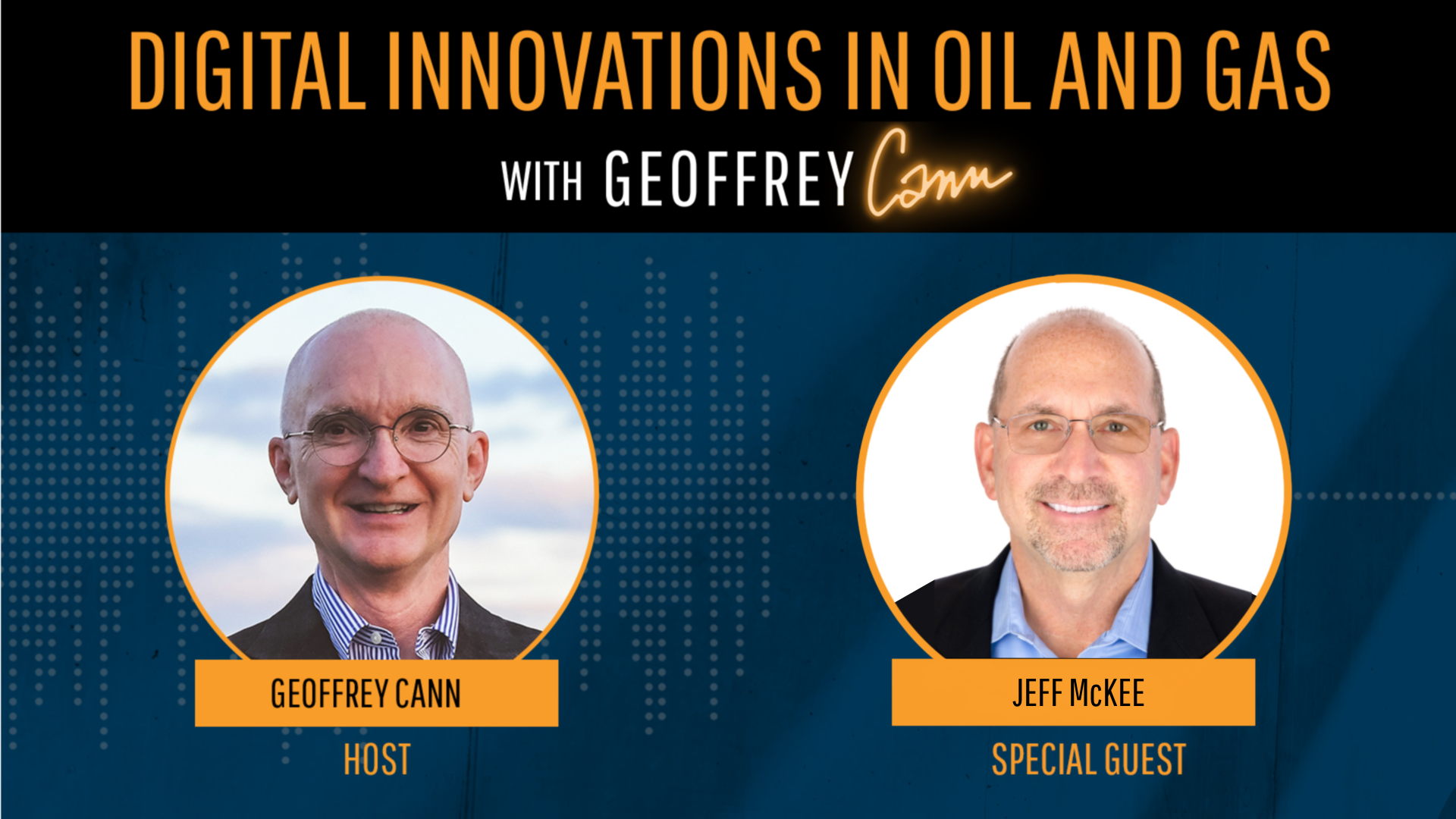 AI Agents Are Starting To Reshape Upstream Operations 14.01.2026 33minUpstream oil and gas companies continue to be very reliant on spreadsheets, legacy systems, and manual workflows to manage thousands of wells, compliance filings, and capital decisions. It's labor-intensive, error-prone, and slow. In light of global energy transition moves, operators are now facing ongoing margin pressure, a supply glut, tighter emissions regulations, and a shrinking pool of skilled labor. Digital solutions to soften the impacts of these pressures too often end up in "pilot hell", with limited results, stalled momentum, and no path to scale. Core systems like SCADA and ERP can't be easily adapted, and the early stage AI tools are often dismissed as too risky, inaccurate, or incompatible with real-world operations. Capital markets frown on any moves that sacrifice short term ROI for the possibility of better results later. New agentic AI tools look perfectly placed to address these constraints, but getting started is daunting. In this episode, I speak with AI strategy advisor Jeff McKee who outlines how a handful of upstream operators are now using agentic AI (modular software agents), that augment field teams and automate critical tasks across production, compliance, and finance. Already live across 1,500 wells, these tools have delivered a 3–10% uplift in production, 5–15% profit lift, and >90% reduction in compliance workload. Jeff explains how companies can start small, define just a few key KPIs, and stand up agents in under two months, all without touching core systems. From Sarbanes-Oxley readiness to workover economics, it's a roadmap for scaling AI one agent at a time. 👤 About the Guest Jeff McKee is the founder of Jeff McKee Consulting and an AI strategy advisor to $100M–$1B+ companies. A former Microsoft leader, he created the PIVOT AI™ framework to help executive teams identify high-impact AI use cases and deliver results fast. In oil and gas, he partners with Mango Bites (Pixie AI) to enable production optimization, profitability, and compliance across upstream field operations. 🌐 Website: jeffmckeeconsulting.com 💼 LinkedIn: linkedin.com/in/jeff-mckee 📧 Email: [email protected] ⚒️ Additional Tools & Resources: 🎬 Go backstage and check out my studio: 👉 https://geoffreycann.com/mystudio/ 🎓 Take my one day digital strategy training course for oil and gas: 👉 https://www.udemy.com/course/digital-oil-and-gas/?referralCode=0161D4D49AB75735A185 🔗 Connect with Me: 🖥️ Blog series: https://digitaloilgas.substack.com/ 🎧 Podcast: https://geoffreycann.com/broadcast/ 📇 Linkedin: https://www.linkedin.com/in/advocate-digital-innovation-for-energy/ 🤬 X: https://x.com/geoffreycann 🎤 Contact for Lectures and Keynotes: I speak regularly on these and other topics. Contact me to book a brief call about your upcoming event needs. Click here 👉 https://geoffreycann.com/contact/ ⚠️ Disclaimer: The views expressed in this podcast are my own and do not constitute professional advice.
Slični podcasti


Popularan u
Ovaj podcast se pojavljuje i u podcast listama ovih zemalja.
