
The John Batchelor Show
John Batchelor
0
The John Batchelor Show is a hard news-analysis radio program covering current events, world history, global politics, and natural sciences. Based in New York City for two decades, the show has traveled widely to report from the Middle East, South Caucasus, Arabian Peninsula, and East Asia.
Epizody
-
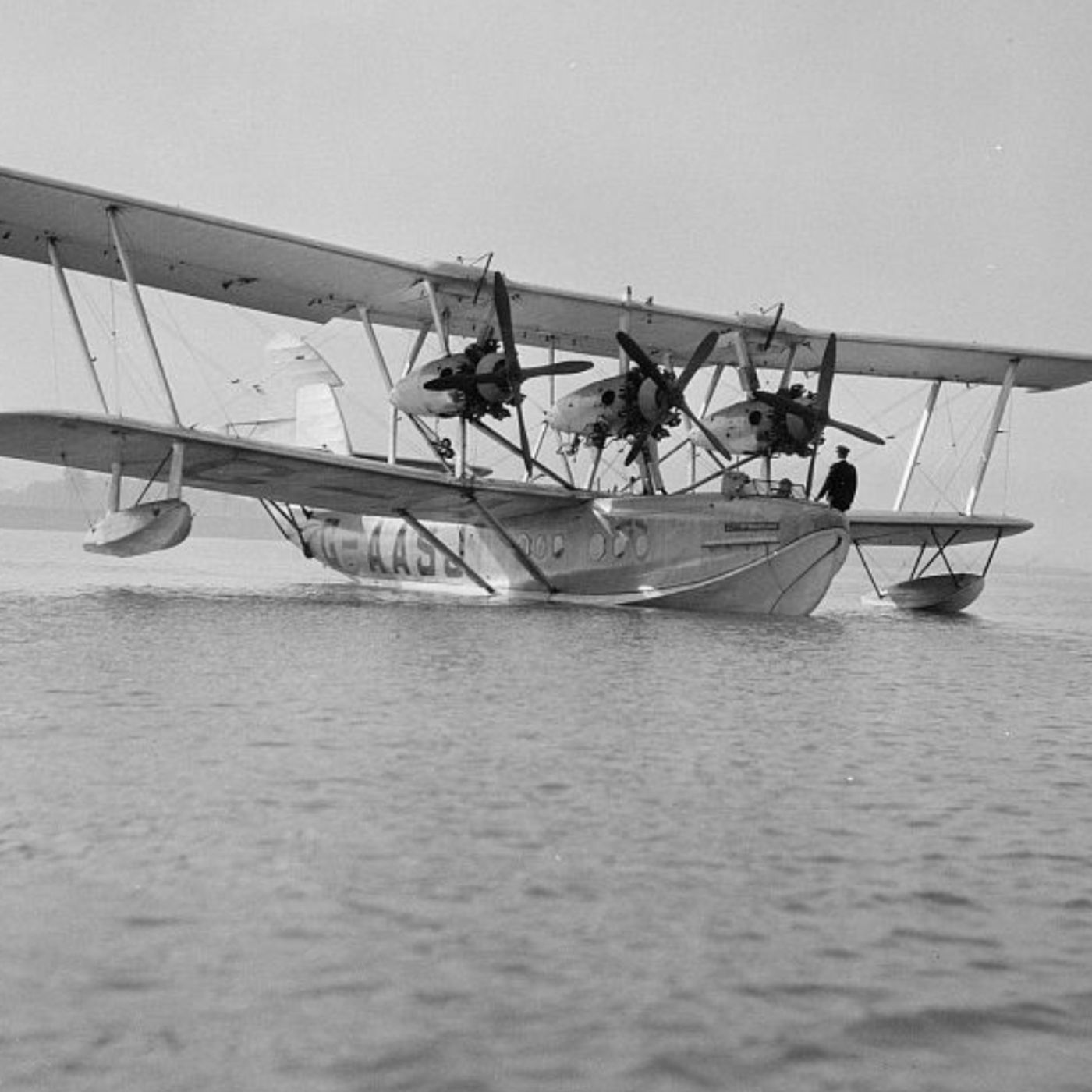 STREAMING-MAKING - TERROR AND THE FOG OF WAR - 10-5-2026 06.10.2026 57min1932 IMPERIAL AIRWAYS GAZATERROR AND THE FOG OF WARThe sources discuss the fog of war surrounding various global terrorist incidents and international conflicts, featuring discussions with experts from the Foundation for Defense of Democracies. Commentary focuses on a Fly Dubaihijacking attempt using an airplane axe, uncertainties regarding British air base security and B-1 bomber movements, and Iranian-linked plots in Manchester. Additional analysis covers the Gaza war, including Israel's targeting of Hamas leadership such as Yahya Sinwar's potential successor, the recovery of hostages, and the documentation of terror affiliations among 170 Palestinian journalists.
 -
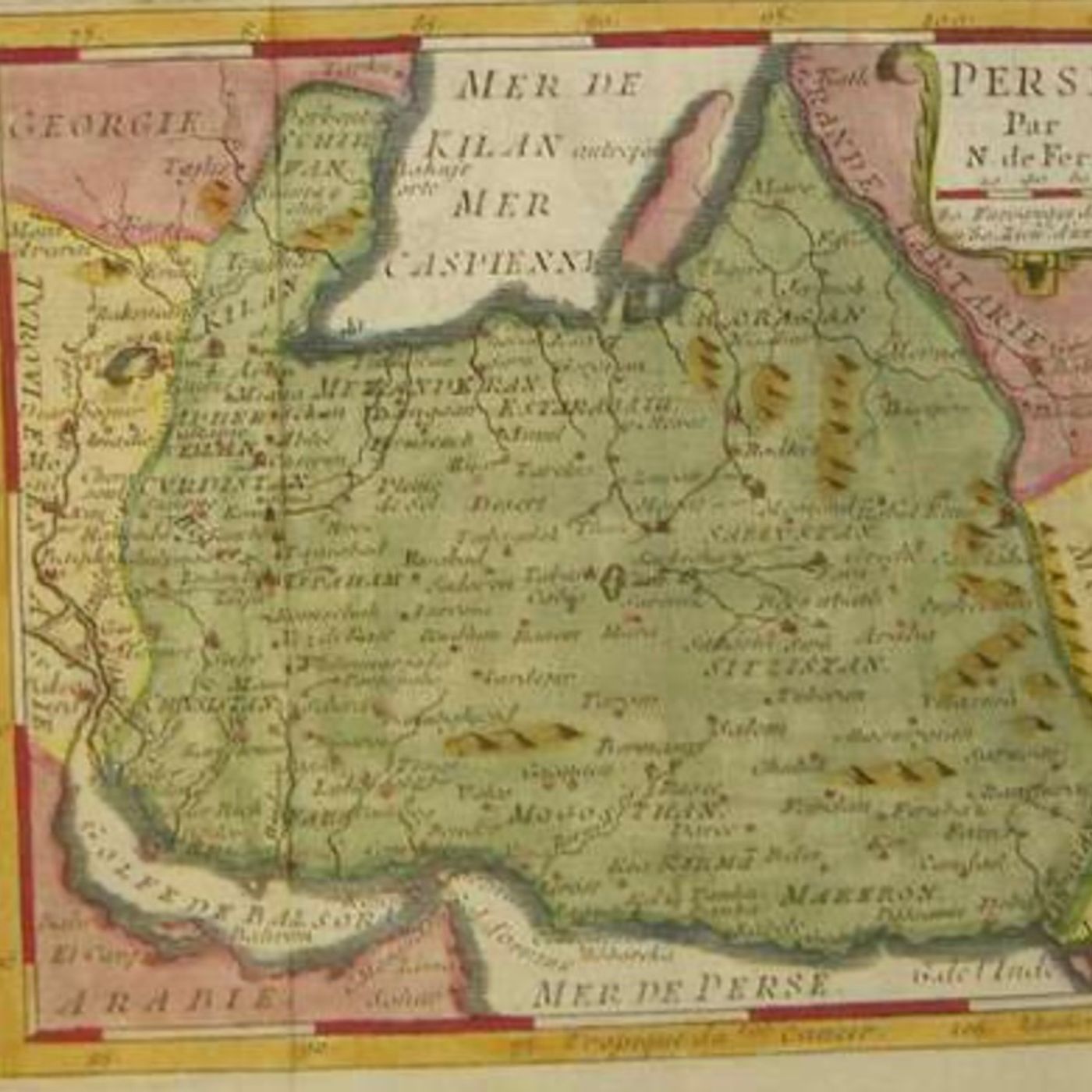 CONTENTS - JOHN BATCHELOR SHOW - 10-5-2026 06.10.2026 7min1700 ARABIACONTENTS OF THE JOHN BATCHELOR SHOW 10-5-2026Fly Dubai Terror InvestigationBill Roggio and John Batchelor discuss an attempted hijacking on a Flydubai flight, where an Omani co-pilot used a cockpit breaching axe in a suspected terror attempt. They explore how the attacker underwent radicalization online or during his time living in Australia. The discussion also highlights heightened security measures and the suspension of flights to Israel. Additionally, they examine two arrests in Britain targeting the Jewish community and the subsequent withdrawal of U.S. bombers from a British airbase. (1)Hong Kong Press FreedomMark Simon, co-host Gordon Chang: Simon and Chang examine the systematic suppression of press freedom in Hong Kong by the Chinese Communist Party. They highlight the solitary confinement and deteriorating health of former Apple Daily publisher Jimmy Lai, whose release was raised during summit discussions with Xi Jinping. The commentary details the ongoing crackdowns against independent journalists under national security laws, describing how capital and reporting space are rapidly shrinking across the territory as totalitarian control tightens. (2)Autonomous Robotic Naval CommandRick Fisher, co-host Gordon Chang: Fisher and Chang analyze the U.S. Navy's establishment of the Robotic and Autonomous Systems Warfighting Development Center, known as AutoWarCom. This new combatant command integrates aerial, surface, and underwater drones to develop tactics and operational doctrine. The initiative aims to counter potential Chinese aggression against Taiwan by deploying autonomous swarms capable of blunting initial invasion forces, amid parallel efforts by the People's Liberation Army to advance AI-driven autonomous warfare. (3)Brazilian Conservative Election VictoryErnesto Araújo and Alejandro Peña Esclusa discuss Senator Flávio Bolsonaro leading President Lula da Silva in Brazil's presidential election. The triumph of conservative candidates across parliamentary and gubernatorial races signals a shift against socialist dominance and judicial overreach. Analysts suggest the defeat of Lula's coalition severely weakens regional leftist alignments like the São Paulo Forum, bolstering continental security initiatives and altering political dynamics across Latin America and Europe. (4)Yemeni Counteroffensive Houthi ConflictBridget Toomey and Bill Roggio review the Yemeni government's military counteroffensive against Iran-backed Houthirebels near the critical Red Sea choke point of Bab el-Mandeb. Supported by Saudi air strikes, government forces seek to regain strategic highlands around Taiz to reopen vital supply routes. Meanwhile, Houthi missile strikes targeting Saudi Aramco oil infrastructure highlight Tehran's broader strategy to disrupt international energy supplies and exert geopolitical leverage over the United States and regional coalition partners. (5)Syrian Hezbollah Diplomatic ManeuversDavid Daoud and Bill Roggio discuss reports of secret negotiations between Syria's government and Hezbollah hosted in Turkey. Following military setbacks against Israel and the weakening of Iranian supply channels, Hezbollah seeks pragmatic stability in Syria to preserve crucial supply lines. President Ahmed al-Sharaa prioritizes national stabilization while balancing internal sectarian tensions, as Turkey attempts to expand its regional influence and leverage status in Middle Eastern security dynamics. (6)Iranian Proxy Pressure StrategyJanatyn Sayeh and Bill Roggio analyze Iran's strategic deployment of Houthi proxy strikes against Saudi Aramcofacilities. Tehran utilizes regional proxy forces to extort financial concessions and indirectly pressure Washington, using maritime chokepoints like the Bab el-Mandeb and Strait of Hormuz as diplomatic bargaining chips. However, returning global oil...
 -
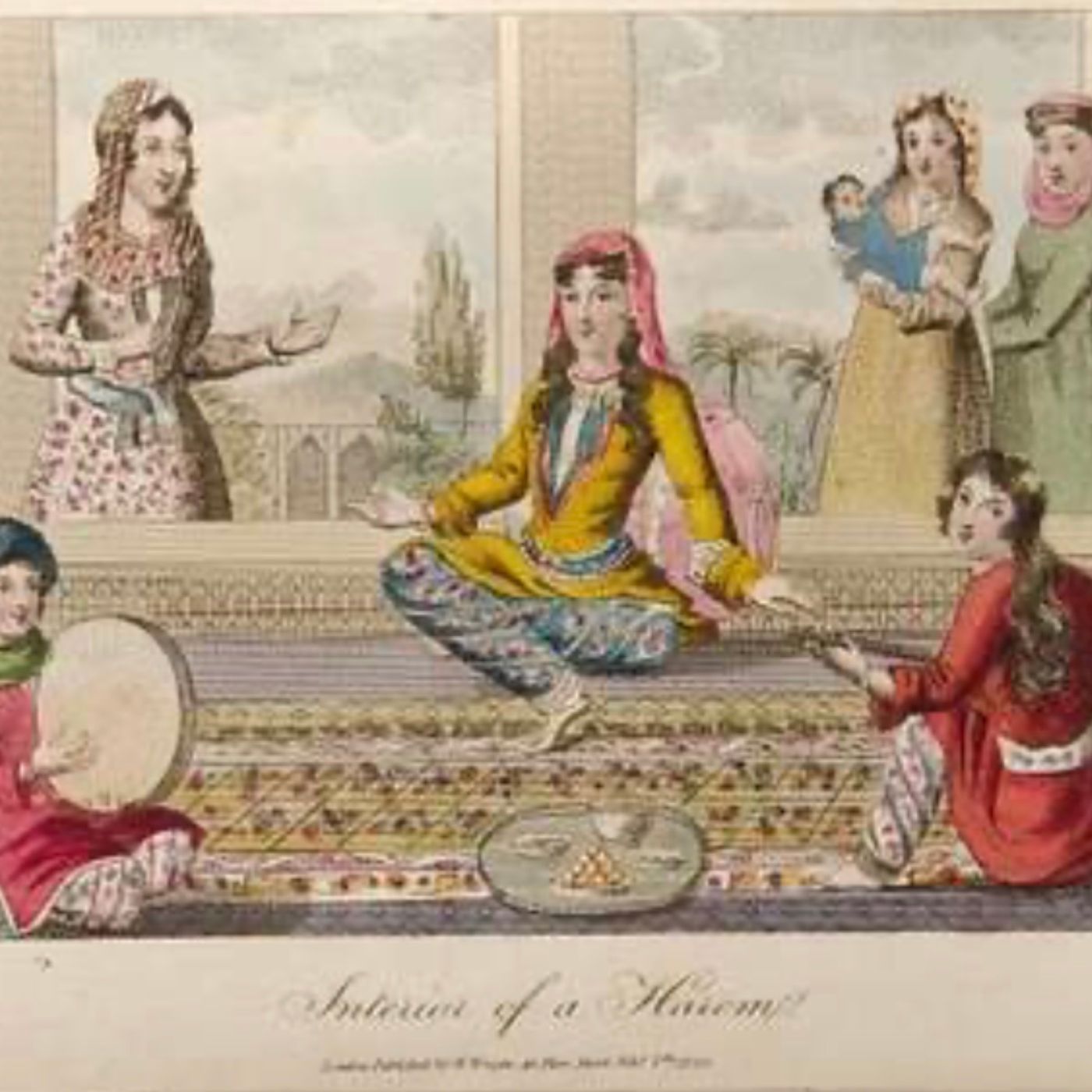 9. IRAN - Global Geopolitical Stagnation Analysis - GREGORY COPLEY 100526 05.10.2026 19min1820 PERSIAGlobal Geopolitical Stagnation AnalysisGregory Copley evaluates global conflict theaters, focusing on the Flydubai hijack attempt and shifting security dynamics in Australia. Copley analyzes the eroding leverage of American diplomacy across the Middle East, noting stalemates with Iran's Islamic Revolutionary Guard Corps and deteriorating regional alliances. Furthermore, the discussion touches on escalating warfare in Ukraine, where Russian forces are escalating infrastructure strikes in response to long-range Ukrainian attacks, highlighting broader strategic miscalculations by Western defense leadership. (9)
 -
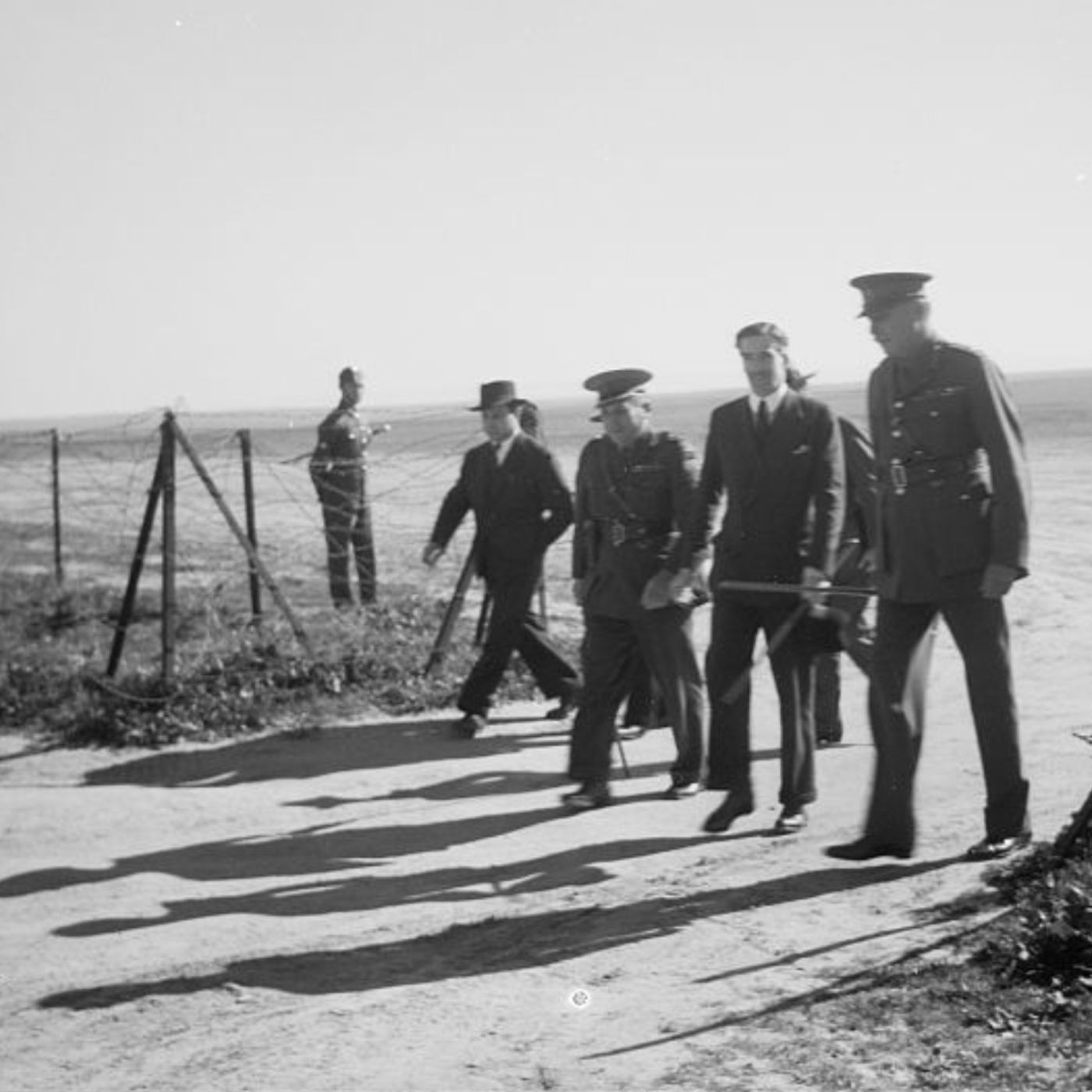 8. GAZA - Hamas Leadership Hostage Operations - SAMUEL BEN-UR & BILL ROGGIO 100526 05.10.2026 17min1940 ANTONY EDEN AT GAZAHamas Leadership Hostage OperationsSamuel Ben-Ur and Bill Roggio examine Israeli military targeted strikes against emerging Hamas leaders in Gazafollowing Yahya Sinwar's death. The discussion details how senior operatives managed hostage networks to deter counterattacks and extract political concessions. Additionally, they review Israeli documentation linking 170 slain Palestinian journalists to terrorist affiliations, illustrating how Hamas embedded command structures within local populations and manipulated international media coverage during the prolonged conflict. (8)
 -
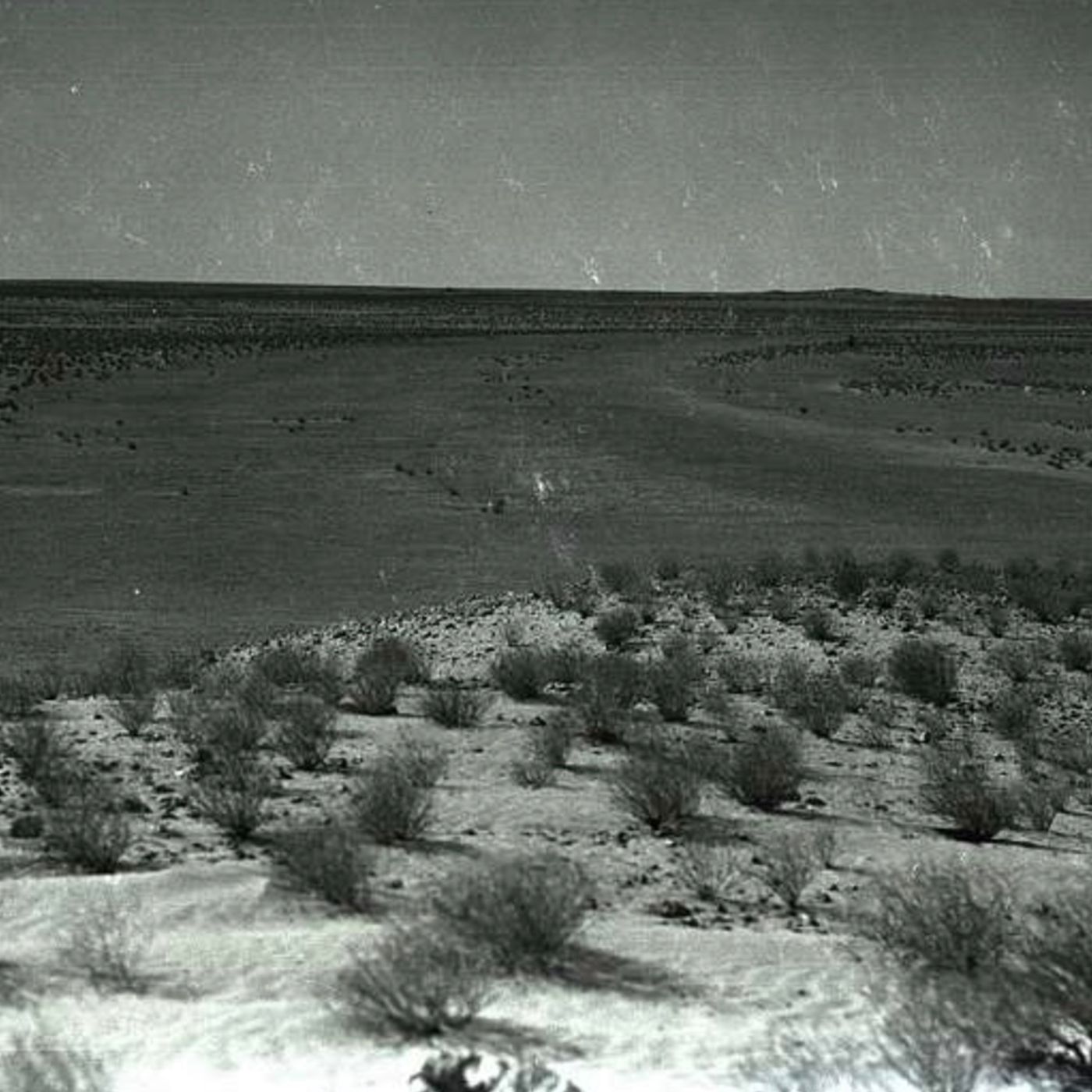 7. SAUDI ARABIA - Iranian Proxy Pressure Strategy - JANATYN SAYEH& BILL ROGGIO 100526 05.10.2026 8min1934-35 CALIFORNIA ARABIAN STANDARD OIL COMPANY EXPEDITIONIranian Proxy Pressure StrategyJanatyn Sayeh and Bill Roggio analyze Iran's strategic deployment of Houthi proxy strikes against Saudi Aramcofacilities. Tehran utilizes regional proxy forces to extort financial concessions and indirectly pressure Washington, using maritime chokepoints like the Bab el-Mandeb and Strait of Hormuz as diplomatic bargaining chips. However, returning global oil flows and mounting economic isolation have eroded Iran's leverage, forcing the regime to confront domestic vulnerabilities and potential renewed American military targeting following mid-term political cycles. (7)
 -
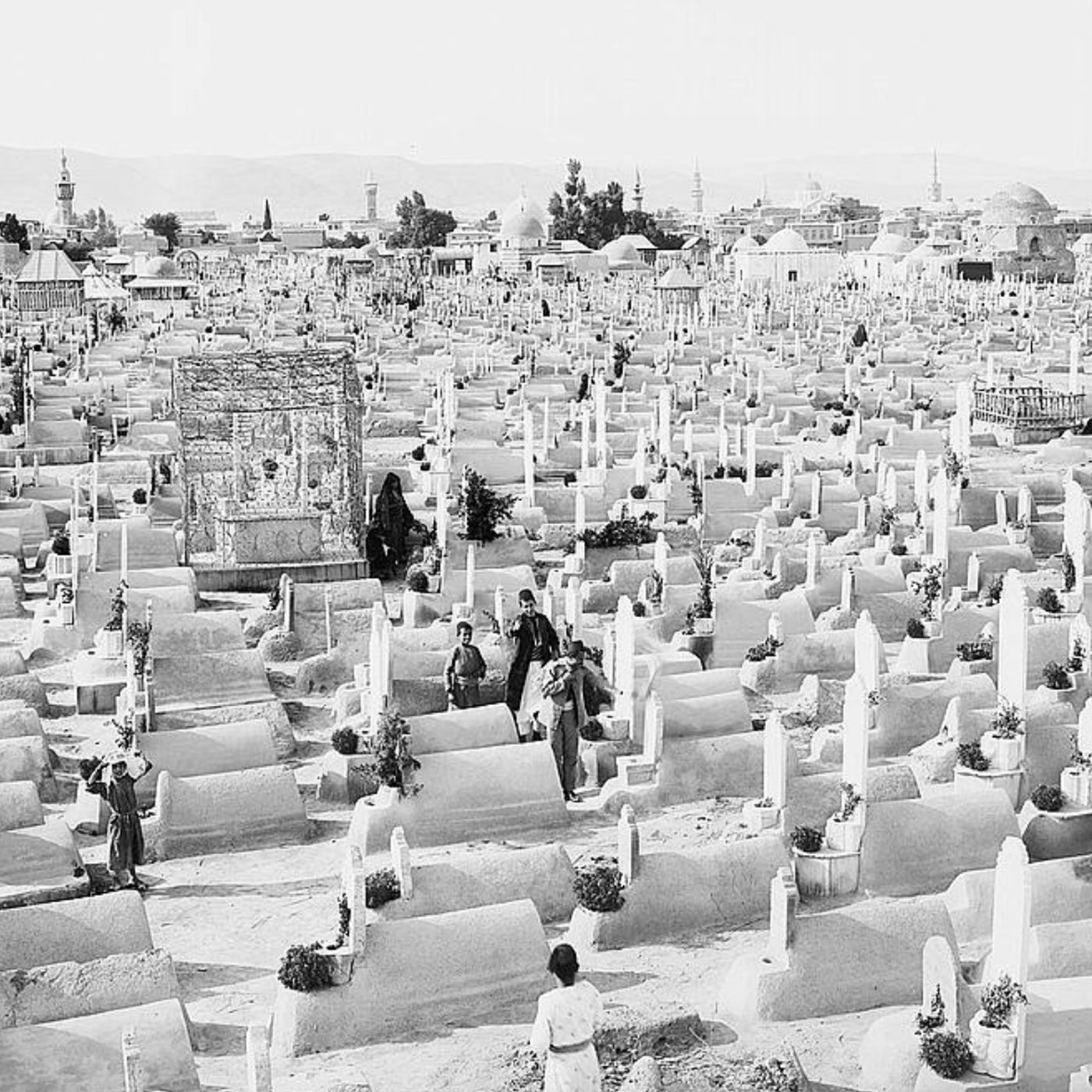 6. SYRIA - Syrian Hezbollah Diplomatic Maneuvers - DAVID DAOUD & BILL ROGGIO 100526 05.10.2026 11min1898 DAMASCUSSyrian Hezbollah Diplomatic ManeuversDavid Daoud and Bill Roggio discuss reports of secret negotiations between Syria's government and Hezbollah hosted in Turkey. Following military setbacks against Israel and the weakening of Iranian supply channels, Hezbollah seeks pragmatic stability in Syria to preserve crucial supply lines. President Ahmed al-Sharaa prioritizes national stabilization while balancing internal sectarian tensions, as Turkey attempts to expand its regional influence and leverage status in Middle Eastern security dynamics. (6)
 -
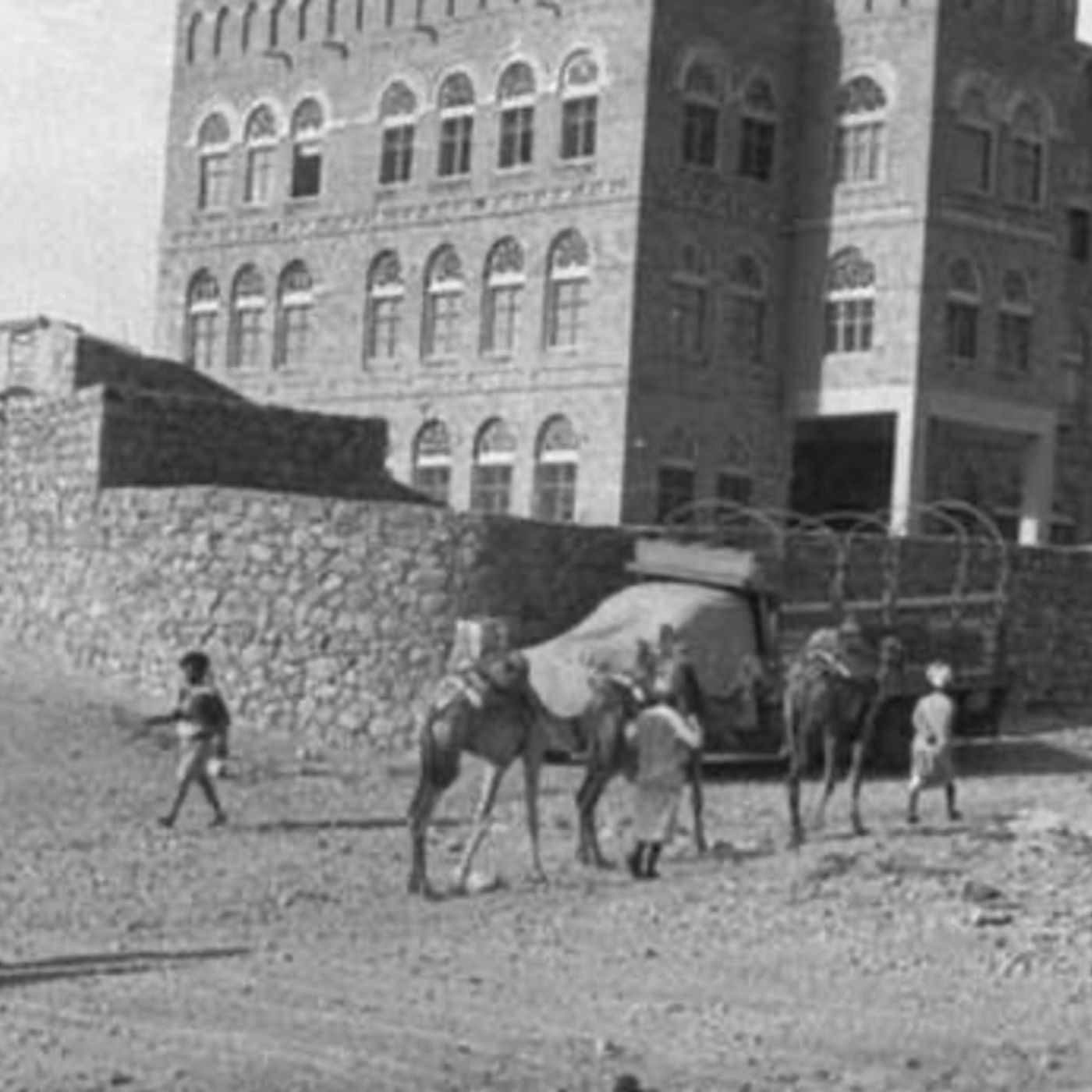 5. YEMEN - Yemeni Counteroffensive Houthi Conflict - BRIDGET TOOMEY & BILL ROGGIO 100526 05.10.2026 17min1962 SOVIET EMBASSY SOUTH YEMENYemeni Counteroffensive Houthi ConflictBridget Toomey and Bill Roggio review the Yemeni government's military counteroffensive against Iran-backed Houthirebels near the critical Red Sea choke point of Bab el-Mandeb. Supported by Saudi air strikes, government forces seek to regain strategic highlands around Taiz to reopen vital supply routes. Meanwhile, Houthi missile strikes targeting Saudi Aramco oil infrastructure highlight Tehran's broader strategy to disrupt international energy supplies and exert geopolitical leverage over the United States and regional coalition partners. (5)
 -
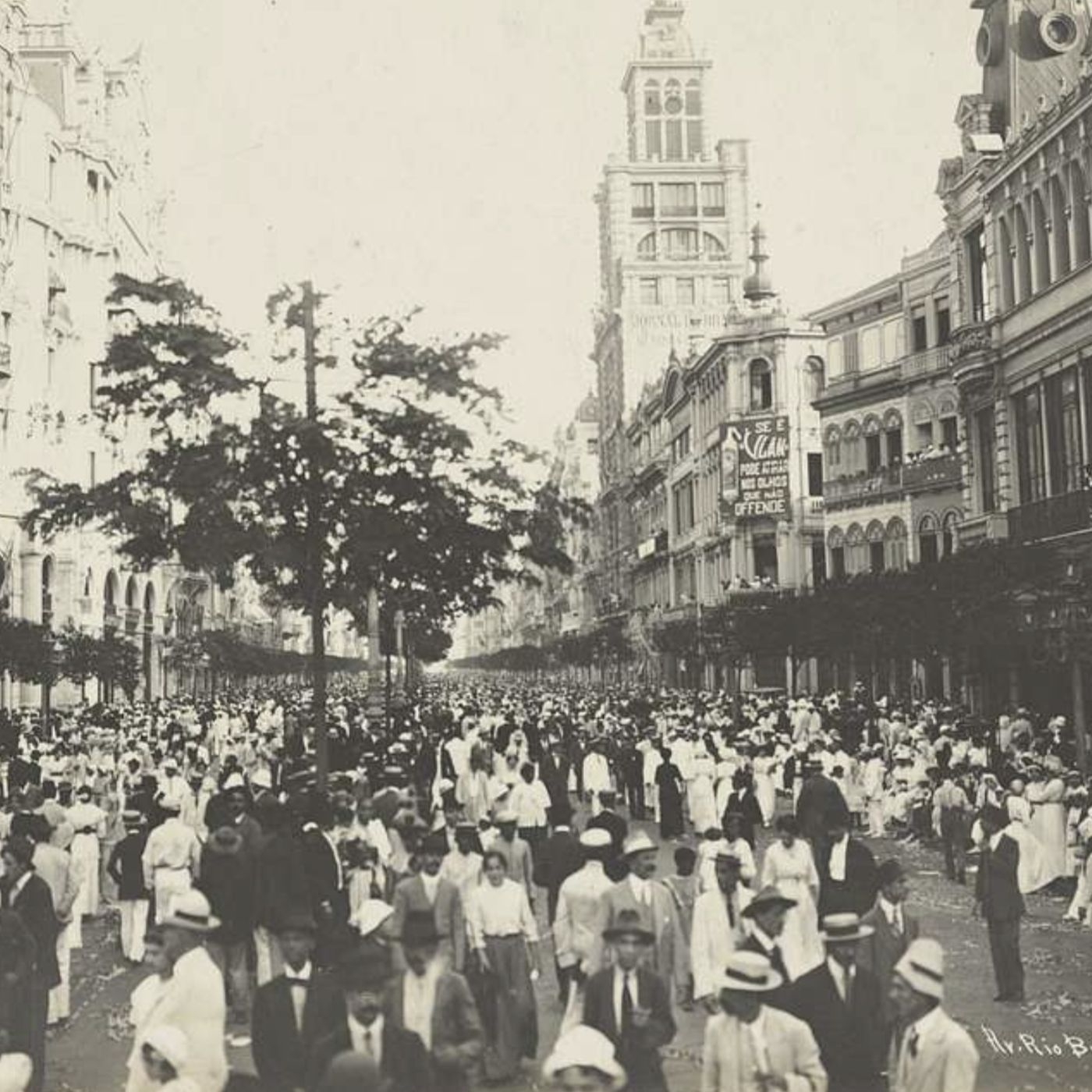 4. BRAZIL - Brazilian Conservative Election Victory - ERNESTO ARAUJO & ALEJANDRO PENA ESCLUSO 100526 05.10.2026 37min1920 RIO DE JANEIROBrazilian Conservative Election VictoryErnesto Araújo and Alejandro Peña Esclusa discuss Senator Flávio Bolsonaro leading President Lula da Silva in Brazil's presidential election. The triumph of conservative candidates across parliamentary and gubernatorial races signals a shift against socialist dominance and judicial overreach. Analysts suggest the defeat of Lula's coalition severely weakens regional leftist alignments like the São Paulo Forum, bolstering continental security initiatives and altering political dynamics across Latin America and Europe. (4)
 -
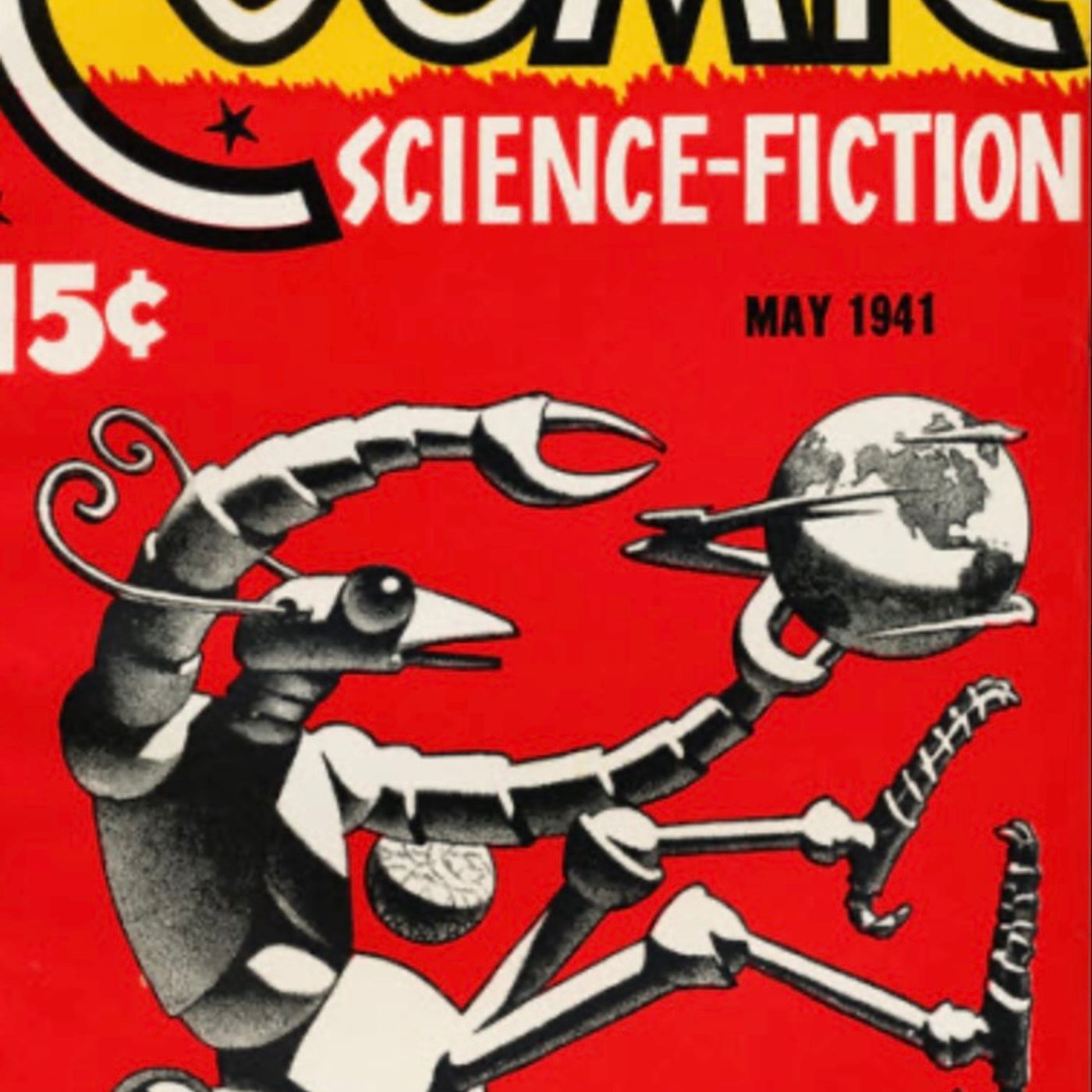 3. TAIWAN - Autonomous Robotic Naval Command - RICK FISHER & GORDON CHANG 100526 05.10.2026 8min1941 C0SMIC SCIENCE FICTIONAutonomous Robotic Naval CommandRick Fisher, co-host Gordon Chang: Fisher and Chang analyze the U.S. Navy's establishment of the Robotic and Autonomous Systems Warfighting Development Center, known as AutoWarCom. This new combatant command integrates aerial, surface, and underwater drones to develop tactics and operational doctrine. The initiative aims to counter potential Chinese aggression against Taiwan by deploying autonomous swarms capable of blunting initial invasion forces, amid parallel efforts by the People's Liberation Army to advance AI-driven autonomous warfare. (3)
 -
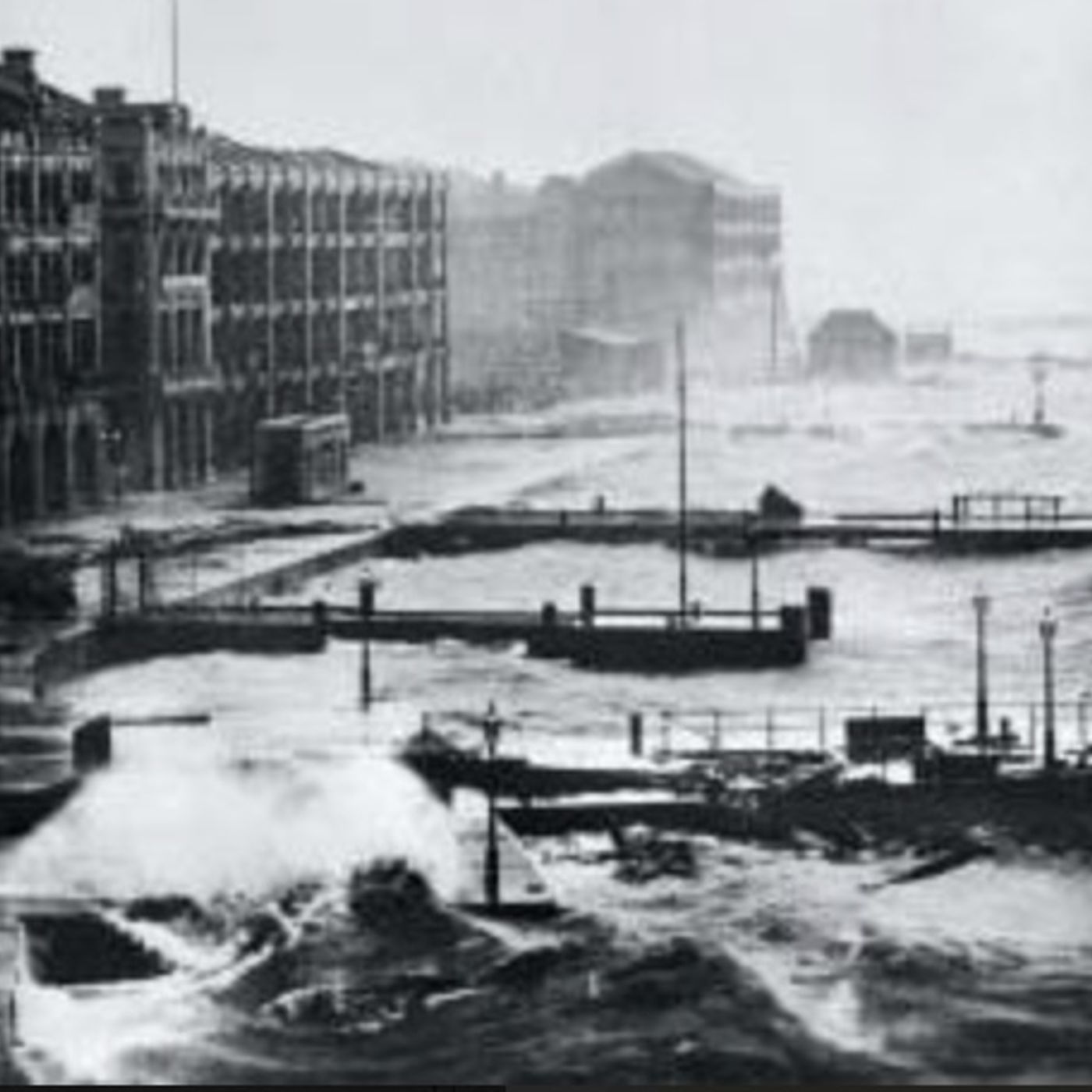 2.HONG KONG - Hong Kong Press Freedom - MARK SIMON & GORDON CHANG 100526 05.10.2026 10min1906 HONG KONG TYPHOONHong Kong Press FreedomMark Simon, co-host Gordon Chang: Simon and Chang examine the systematic suppression of press freedom in Hong Kong by the Chinese Communist Party. They highlight the solitary confinement and deteriorating health of former Apple Daily publisher Jimmy Lai, whose release was raised during summit discussions with Xi Jinping. The commentary details the ongoing crackdowns against independent journalists under national security laws, describing how capital and reporting space are rapidly shrinking across the territory as totalitarian control tightens. (2)
 -
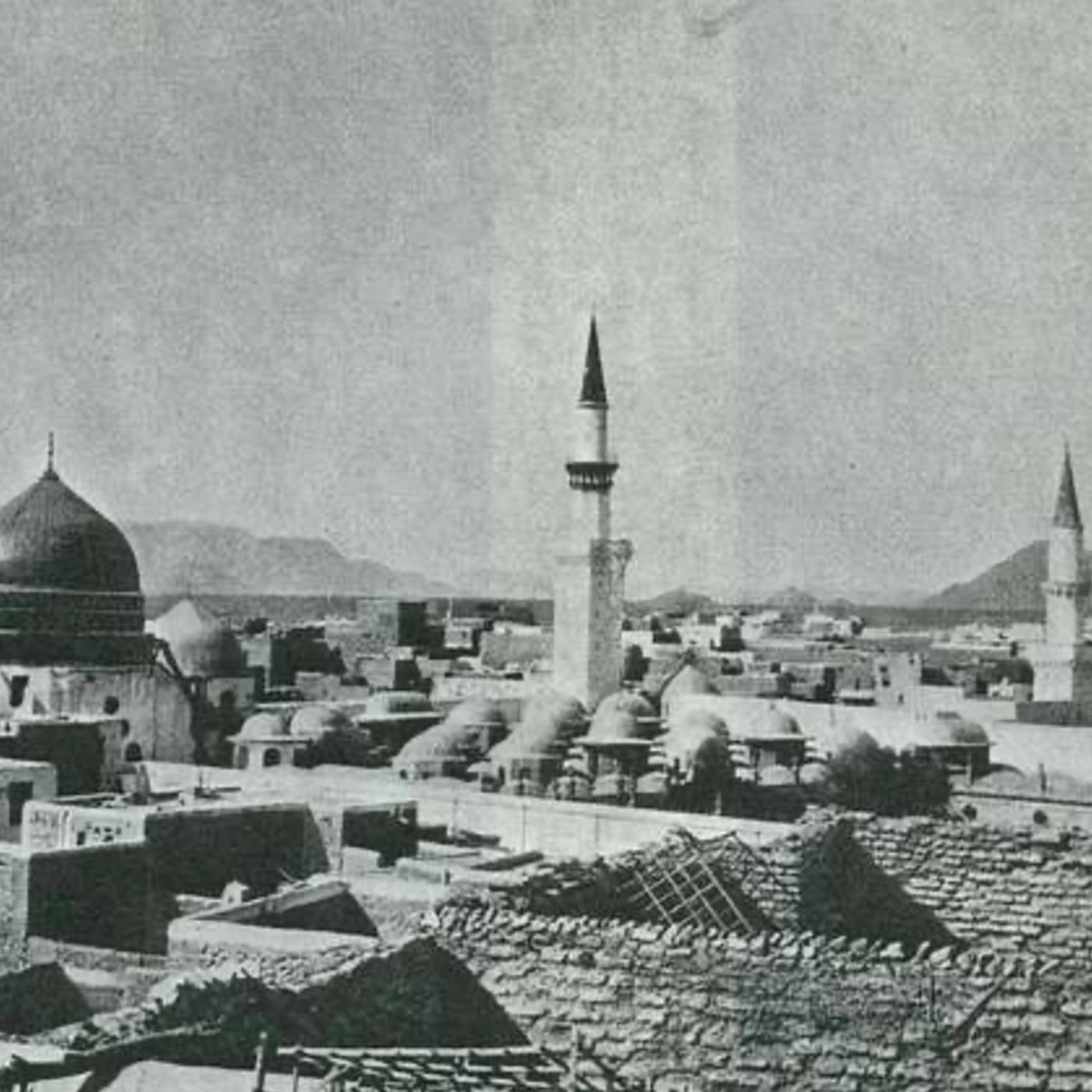 1. THE GULF - Fly Dubai Terror Investigation - BILL ROGGIO 100526 05.10.2026 17min1908 SAUDI ARABIAFly Dubai Terror InvestigationBill Roggio and John Batchelor discuss an attempted hijacking on a Flydubai flight, where an Omani co-pilot used a cockpit breaching axe in a suspected terror attempt. They explore how the attacker underwent radicalization online or during his time living in Australia. The discussion also highlights heightened security measures and the suspension of flights to Israel. Additionally, they examine two arrests in Britain targeting the Jewish community and the subsequent withdrawal of U.S. bombers from a British airbase. (1)
 -
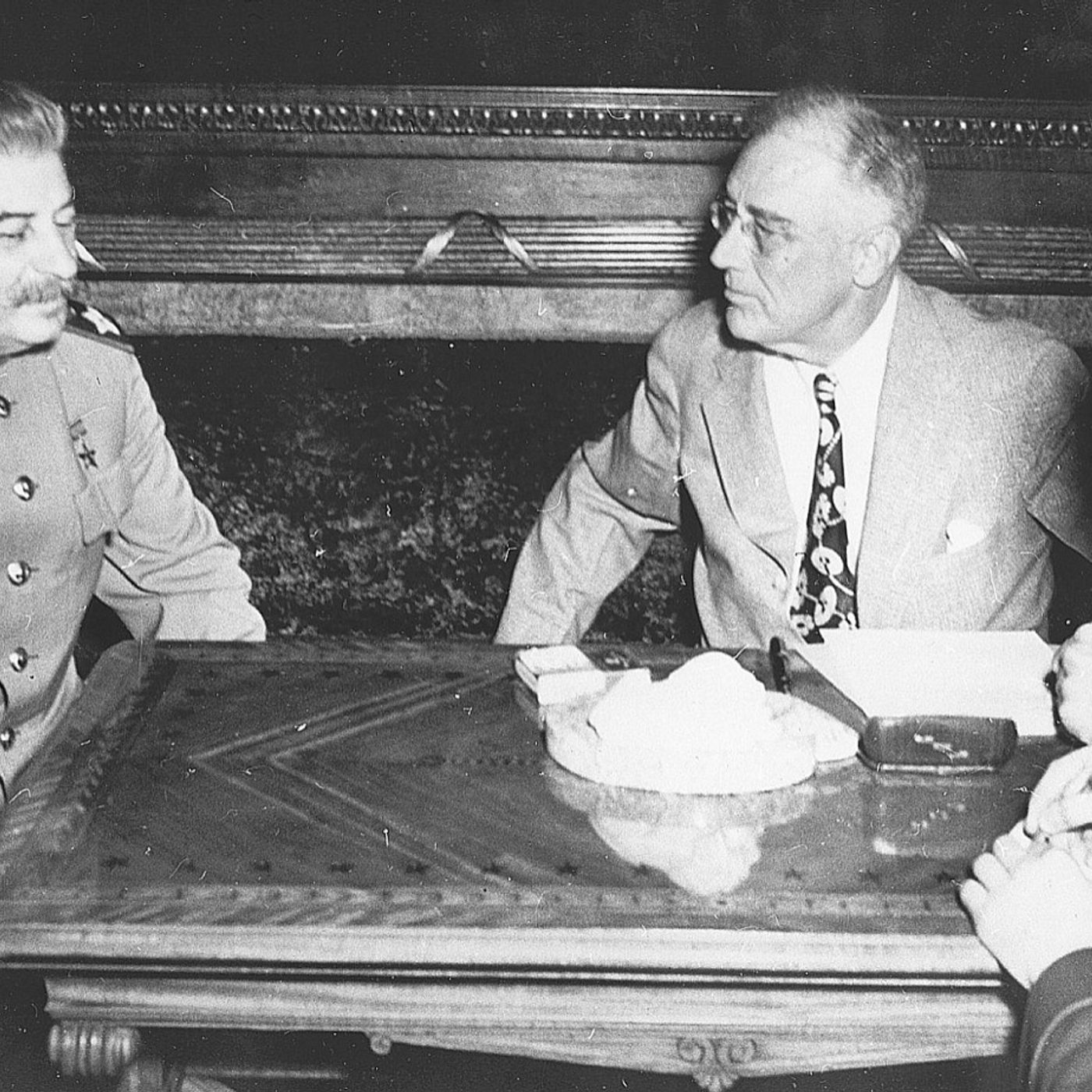 LONDINIUM CHRONICLESS PART 3 - Yalta Debates And Utopian Visions 05.10.2026 16min1945 YALTAYalta Debates And Utopian VisionsGaius and Germanicus: The hosts turn to the February 1945 Yalta Conference, asking whether Franklin D. Roosevelterred on the side of utopian vision. Gaius highlights how FDR prioritized creating the United Nations over confronting Joseph Stalin regarding democratic self-determination in Poland. Germanicus compares FDR's approach to the 1815 Congress of Vienna, arguing that the UN Security Council reflected a hybrid attempt to combine Wilsonian idealism with realistic great power diplomacy. However, unlike 1815, Yalta lacked a shared strategic alignment among major leaders, leading to tragic geopolitical divisions. FDR, physically declining and isolating Winston Churchill, departed Yalta early to establish a critical alliance with Ibn Saud to secure American oil interests. The discussion concludes with an anecdote about Stalin's temporary retreat to his dacha following the 1941 German invasion, where he briefly feared arrest before resuming dictatorial control. (3)
 -
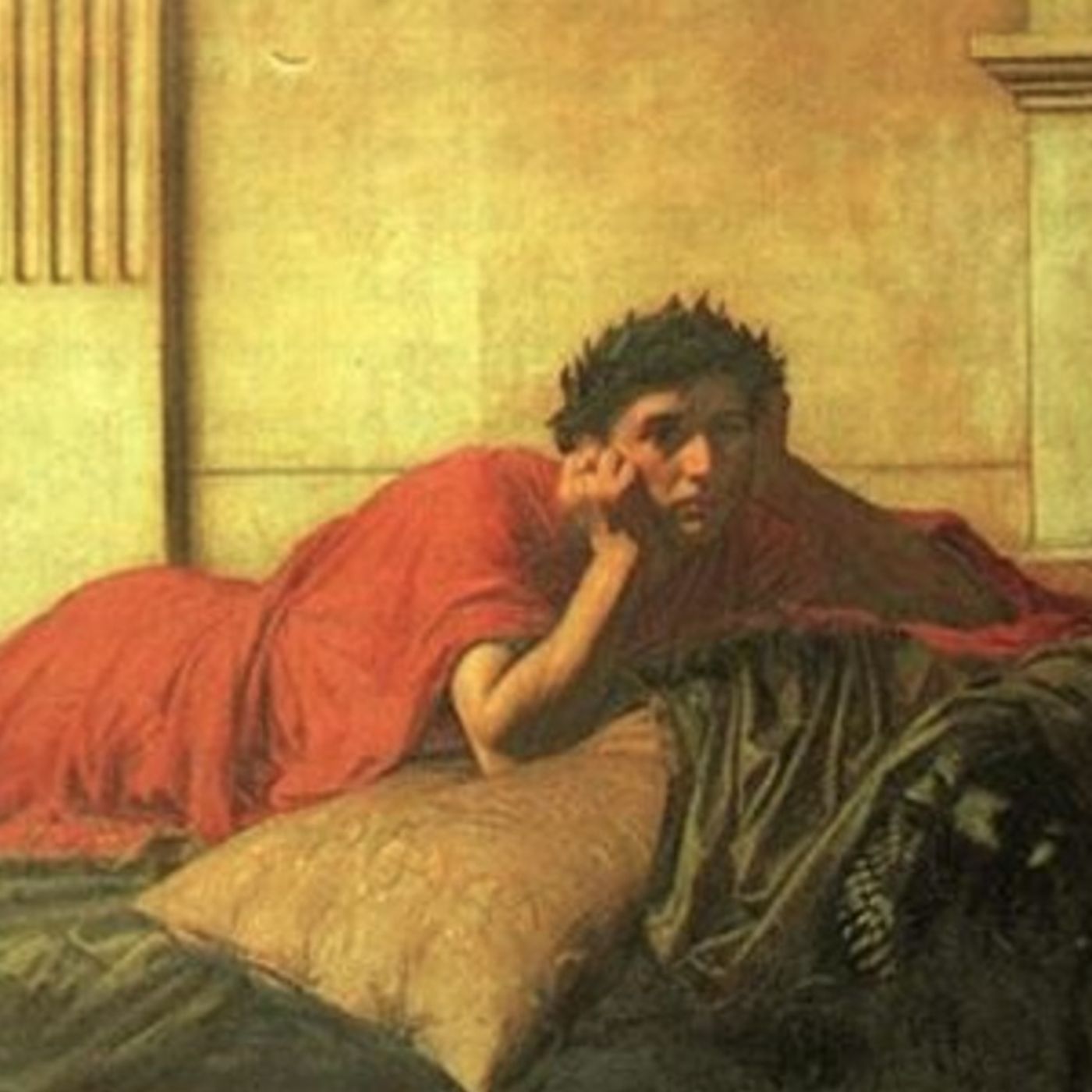 LONDINIUM CHRONICLES PART 2 - Emperor In Shadow Faces Conflict 05.10.2026 18min1900 NERO MISSES HIS MOTHER AGRIPPNA MINOR Emperor In Shadow Faces ConflictGaius and Germanicus: The hosts examine modern political turmoil surrounding the "emperor in shadow," Donald Trump, who faces an incoming sky of arrows during election season. Germanicus asserts that Trump's combative personality leads him to double down during domestic crises rather than seek compromise, potentially restarting foreign conflicts like the war with Iran. Gaius questions Trump's nostalgic strategy of labeling political opponents communists, which Germanicus considers outdated and ineffective with younger voters who lean toward democratic socialism. Furthermore, Germanicus highlights that depleted American air defense missile stockpiles limit effective military options overseas. They also explore transactional geopolitical pragmatism, noting that oil tankers reportedly pay tolls to Iran in the Strait of Hormuz. Germanicus compares this bizarre symbiosis to industrial Britain selling military boots to Napoleon's army during their wartime blockade. Gaius concludes that remaining in shadow provides a calculated position from which the emperor continues fighting. (2)
 -
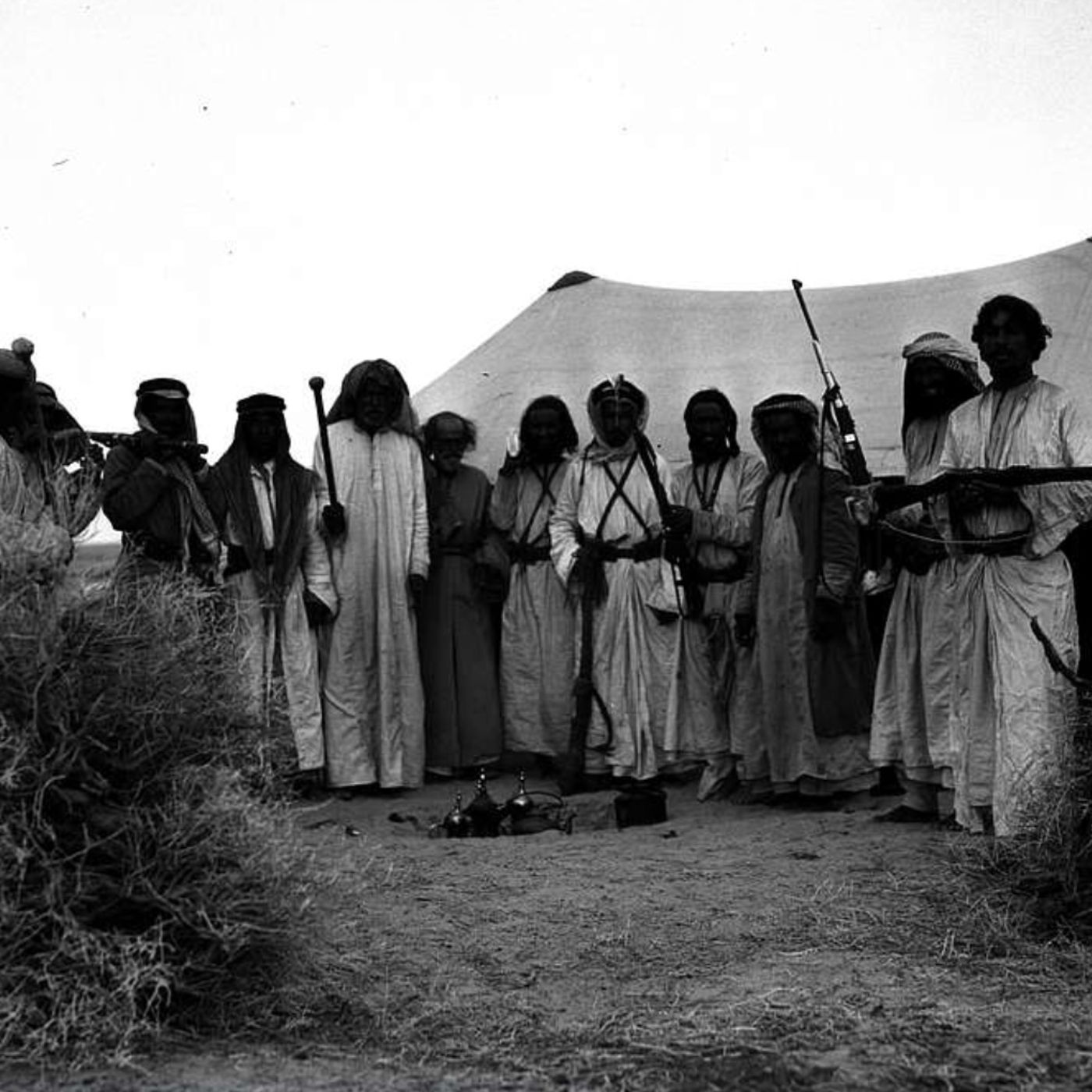 LONDINIUM CHRONICLES PART 1 - Saudi Arabia And Energy Warfare 05.10.2026 27minIn The Londinium Chronicles, Gaius (John Batchelor) and Germanicus (Michael Vlahos) explore the intersections of Roman history and modern geopolitics.CAPTION1934 CALIFORNIA-ARABIAN STANDARD OIL COMPANYSaudi Arabia And Energy WarfareGaius and Germanicus: Meeting in Londinium in 92 AD, the hosts reflect on 21st-century energy shortages and geopolitical volatility. Their conversation centers on the House of Saud and whether its fragile tribal monarchy is approaching collapse under current pressures. They trace the historical origin of Saudi Arabia to post-World War IBritish imperial maneuvering, when Britain supported both Ibn Saud and the Hashemites before backing Saud. Germanicus notes that Saudi Arabia's military relies heavily on contract mercenaries and American support rather than a cohesive domestic fighting force. Consequently, Saudi forces melted away before recent Houthi offensives targeting Aramco. As American security guarantees falter, Iran stands poised to assert dominance across the Middle East. Meanwhile, European nations remain economically helpless, desperate for Russian energy supplies yet bound by American strategic dominance. Ultimately, American oil interests created Saudi Arabia's imperial structure, leaving the regime dangerously vulnerable. (1)
 -
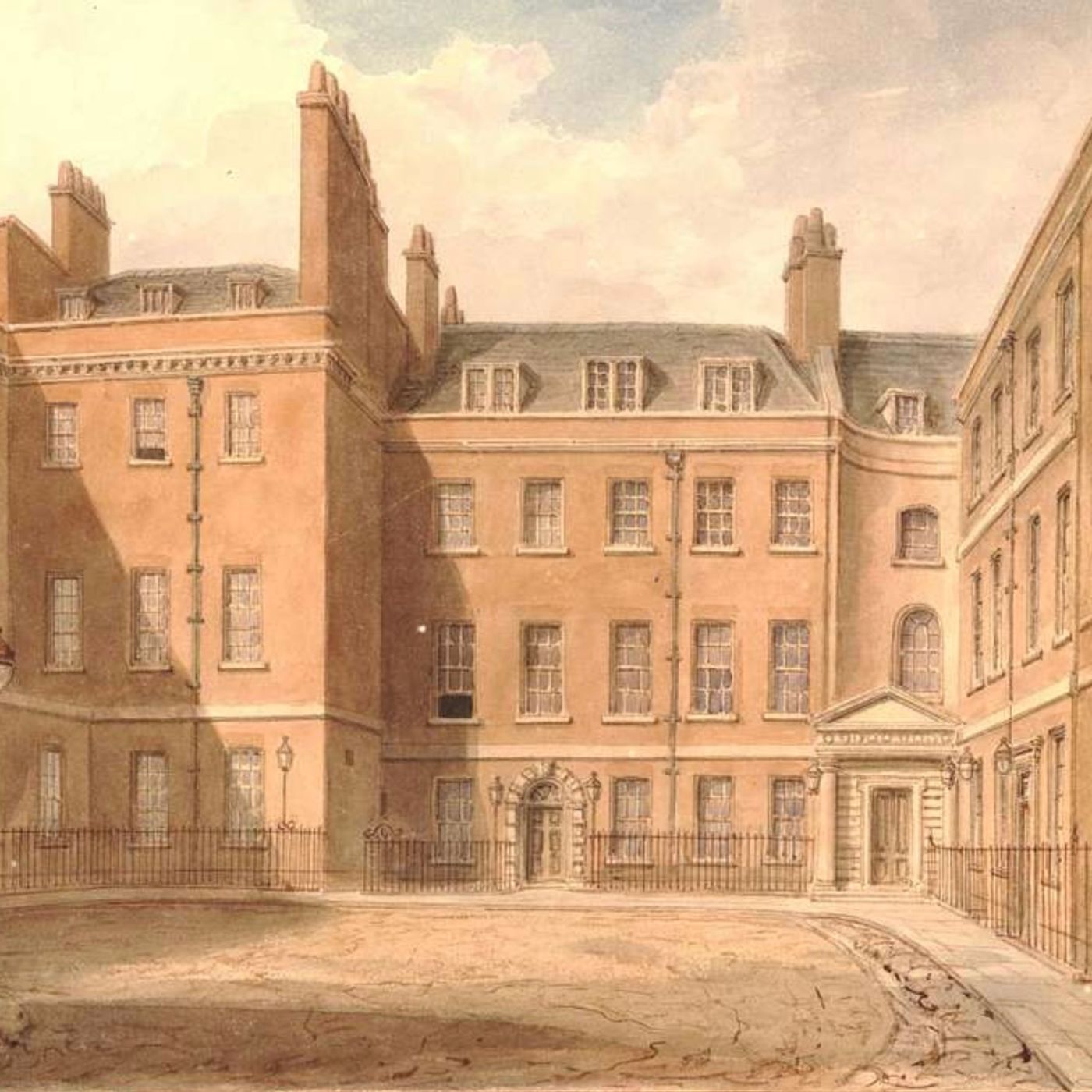 BOOKSHELF - ENGLISH CIVIL WAR - DENNIS SEWELL CROMWELL'S SPY PART 2 05.10.2026 37min1828 DOWNING STREETDiplomacy Betrayal And Royal Favor[Guest], Part Two: Serving as a senior diplomat and spymaster under John Thurloe, Downing negotiates complex European treaties in Latin with figures like Cardinal Mazarin. Domestically, he displays extreme harshness toward religious dissidents like Quakers. Following Oliver Cromwell's death and subsequent political instability, he skillfully switches sides to offer secret intelligence to the exiled Charles II. To secure royal favor after the monarchy's restoration, he ruthlessly turns on former allies, orchestrating the capture and extradition of regicides from Holland. His opportunistic maneuvering cements his immense wealth, political standing, and lasting architectural legacy, Downing Street. (20
 -
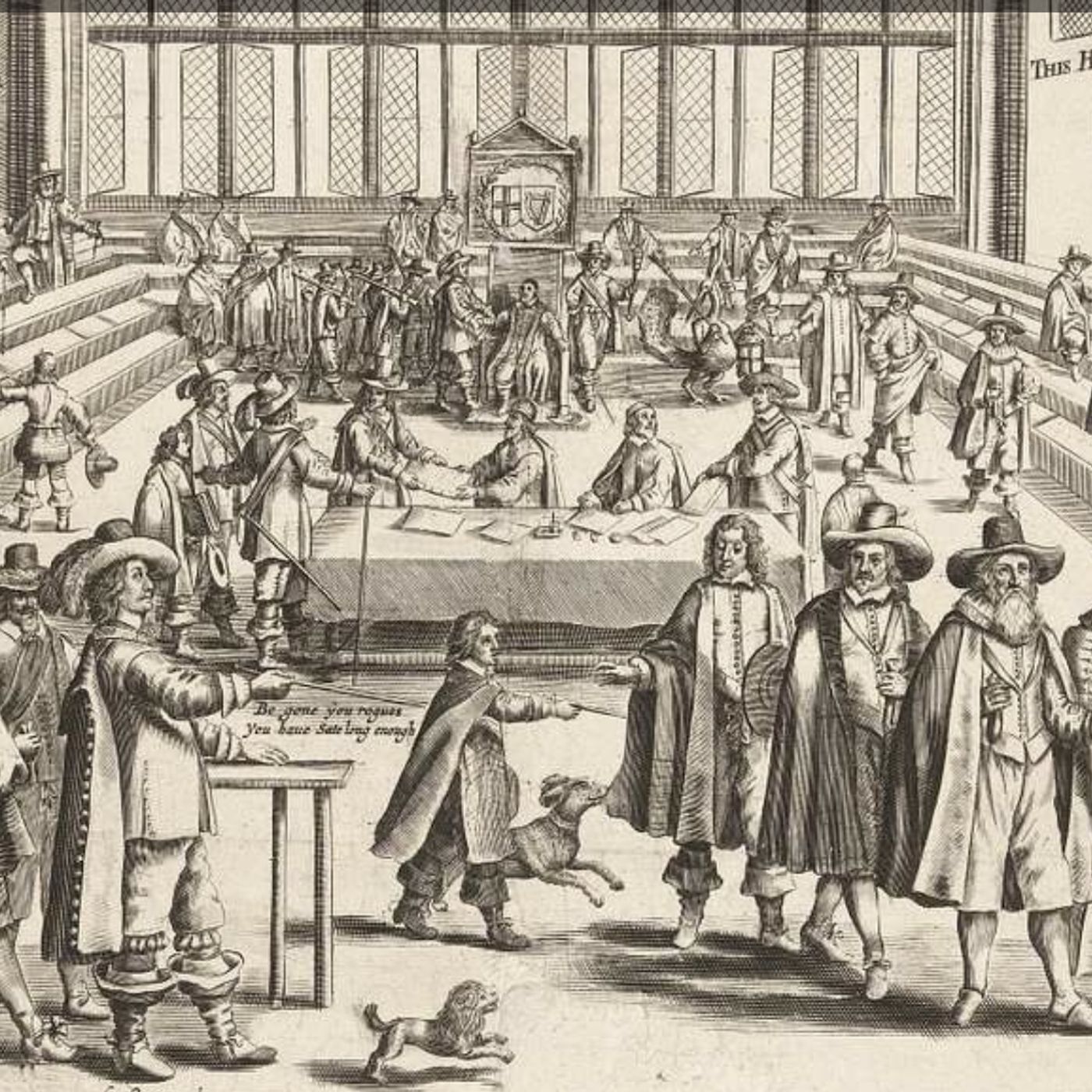 BOOKSHELF - ENGLISH CIVIL WAR - DENNIS SEWELL CROMWELL'S SPY PART 1 05.10.2026 37min1653Rise Of A Harvard Spy[Guest], author of [Book Title], Part One: A Harvard graduate, George Downing, enters the English Civil War as a chaplain for Parliament's New Model Army. Fluent in Latin, he uses his religious rhetoric to project ideological conformity while demonstrating cold-blooded ambition. Recognized for his intelligence and ruthlessness, he rises rapidly to become head of military intelligence during campaigns in Scotland. Through social infiltration and intelligence gathering, he secures key administrative influence in Edinburgh. He also profits by shipping Scottish prisoners of war to slave plantations in Barbados and ironworks in Massachusetts, laying the groundwork for his immense personal wealth and real estate holdings. (1)
 -
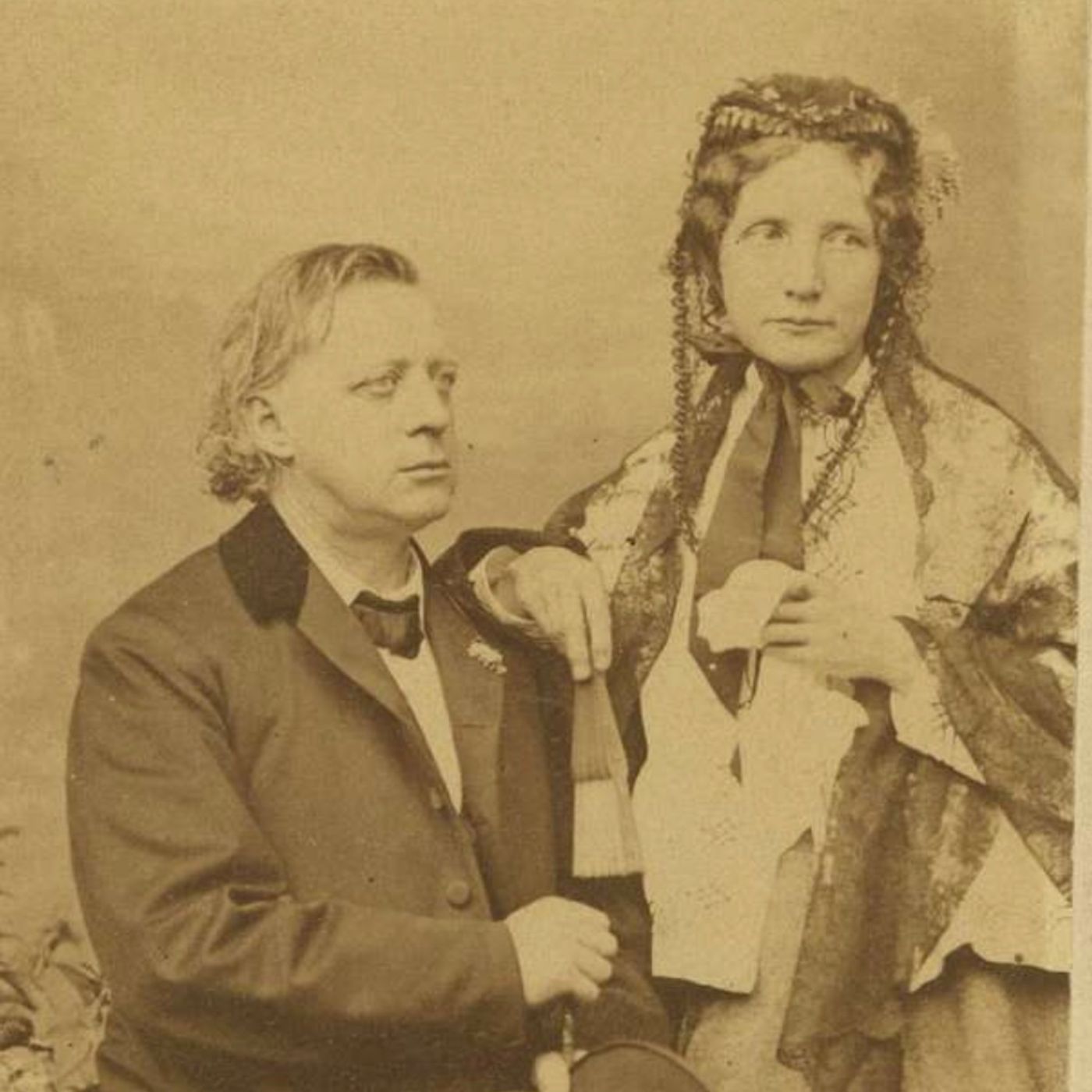 AMERICAN CIVIL WAR - Civil War Faith And Politics - RICHARD-CARWARDINE-RIGHTEOUS-STRIFE PART 2 05.10.2026 37min1870 HENRY WARD BEECHER Z7 HARRIET BEECHER STOWECivil War Faith And PoliticsRichard Carwardine, Part Two: Carwardine analyzes the fierce political opposition President Abraham Lincoln faced in the North following the Emancipation Proclamation. Key dissenters, such as Peace Democrat Clement Vallandigham and Catholic publisher James McMaster, utilized fiery rhetoric to denounce Lincoln as a despot and demand an immediate armistice. The Northern anti-war coalition drew together disparate Catholic and Protestantelements who resisted federal conscription and growing military casualties. Despite plummeting public morale during the bloody summer campaigns of 1864, Lincoln remained committed to preserving the Union and abolishing slavery. (2)
 -
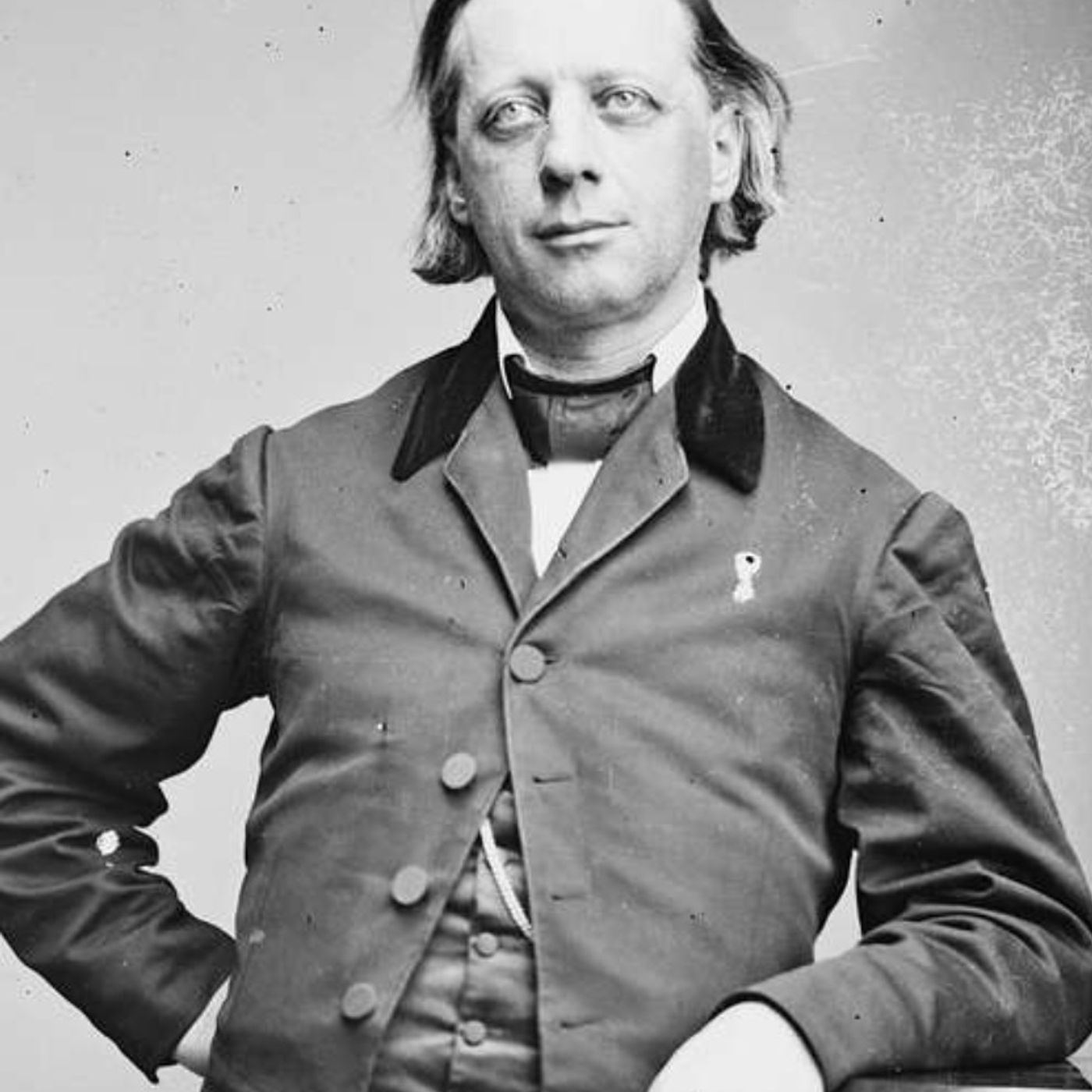 AMERICAN CIVIL WAR - Religious Pulpits Shaping Lincoln's Union - RICHARD-CARWARDINE-RIGHTEOUS-STRIFE PART 1 05.10.2026 37min2855 HENRY WARD BEECHERReligious Pulpits Shaping Lincoln's UnionRichard Carwardine, author of Righteous Strife: How Warring Religious Nationalists Forged Lincoln's Union, Part One: Carwardine examines how conflicting religious ideologies shaped political discourse during the American Civil War. The hour opens with President James Buchanan's January 1861 national fast day, an effort to unite a fracturing country that ultimately highlighted deep ideological divides among conservative, anti-slavery, and pro-slavery nationalists. Church pulpits served as vocal battlegrounds where ministers debated the moral purpose of the American republic. President Abraham Lincoln later utilized fast days to gauge public sentiment, navigate Northern political factions, and manage the rising pressure for emancipation following General John C. Frémont's controversial military order in Missouri. (1)
 -
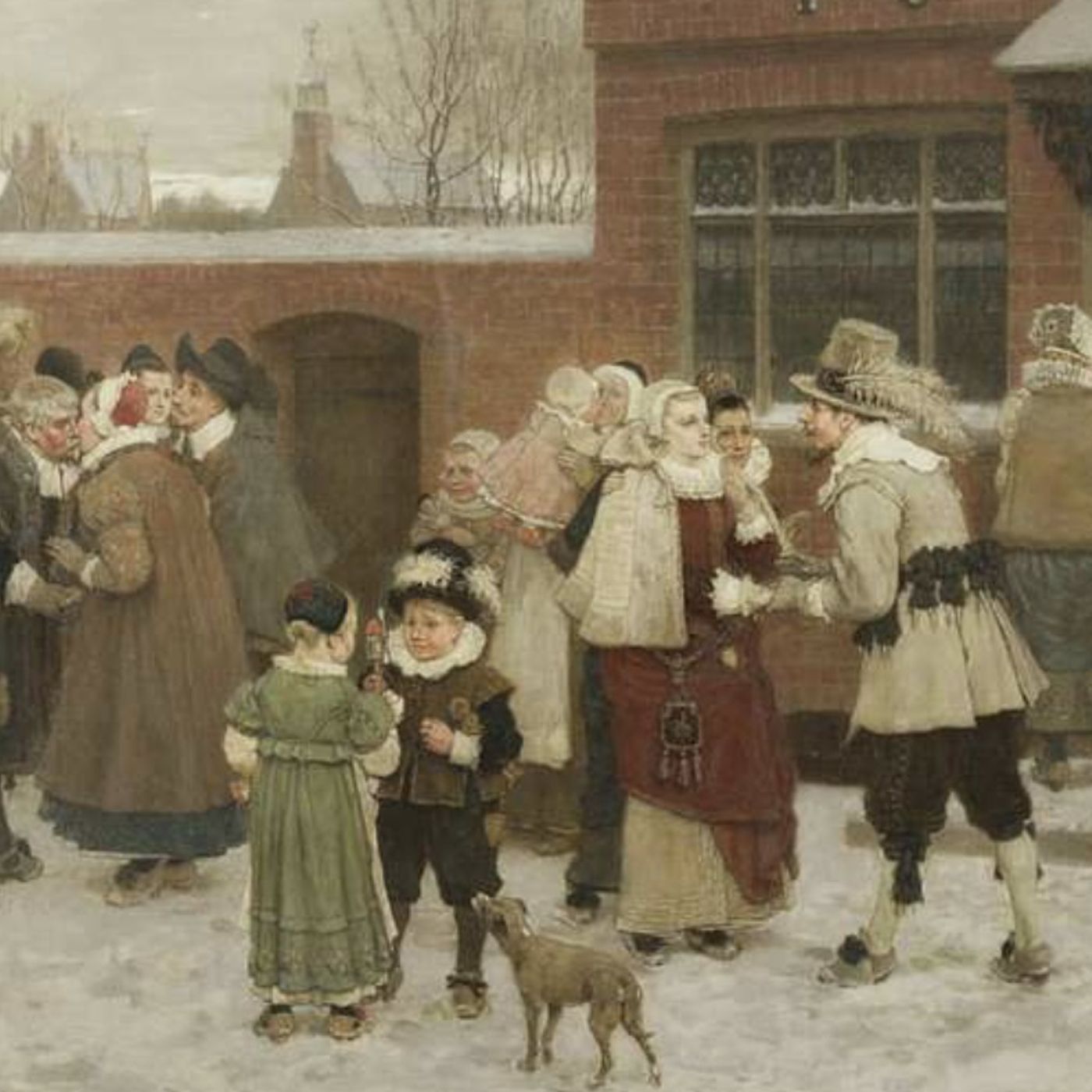 NEW HOLLAND - Revolutionary Life Of Angelica Schuyler - MOLLY-BEER - ANGELICKA 05.10.2026 37min1636 NEW AMSTERDAMRevolutionary Life Of Angelica SchuylerMolly Beer, author of Angelica: For Love and Country in a Time of Revolution: Beer explores the remarkable life of Angelica Schuyler Church during the turbulent era of the American and French Revolutions. Born into the prominent Dutch Schuyler family in Albany, Angelica received an unusual education and secretly eloped with English businessman John Barker Church. Following the Revolutionary War, the couple relocated to London and Paris, where Angelica cultivated influential relationships with major founding figures, including Thomas Jefferson, Alexander Hamilton, and the Marquis de Lafayette. In her later years, Angelica returned to New York and ventured into the wilderness to help found the town of Angelica. (1)
 -
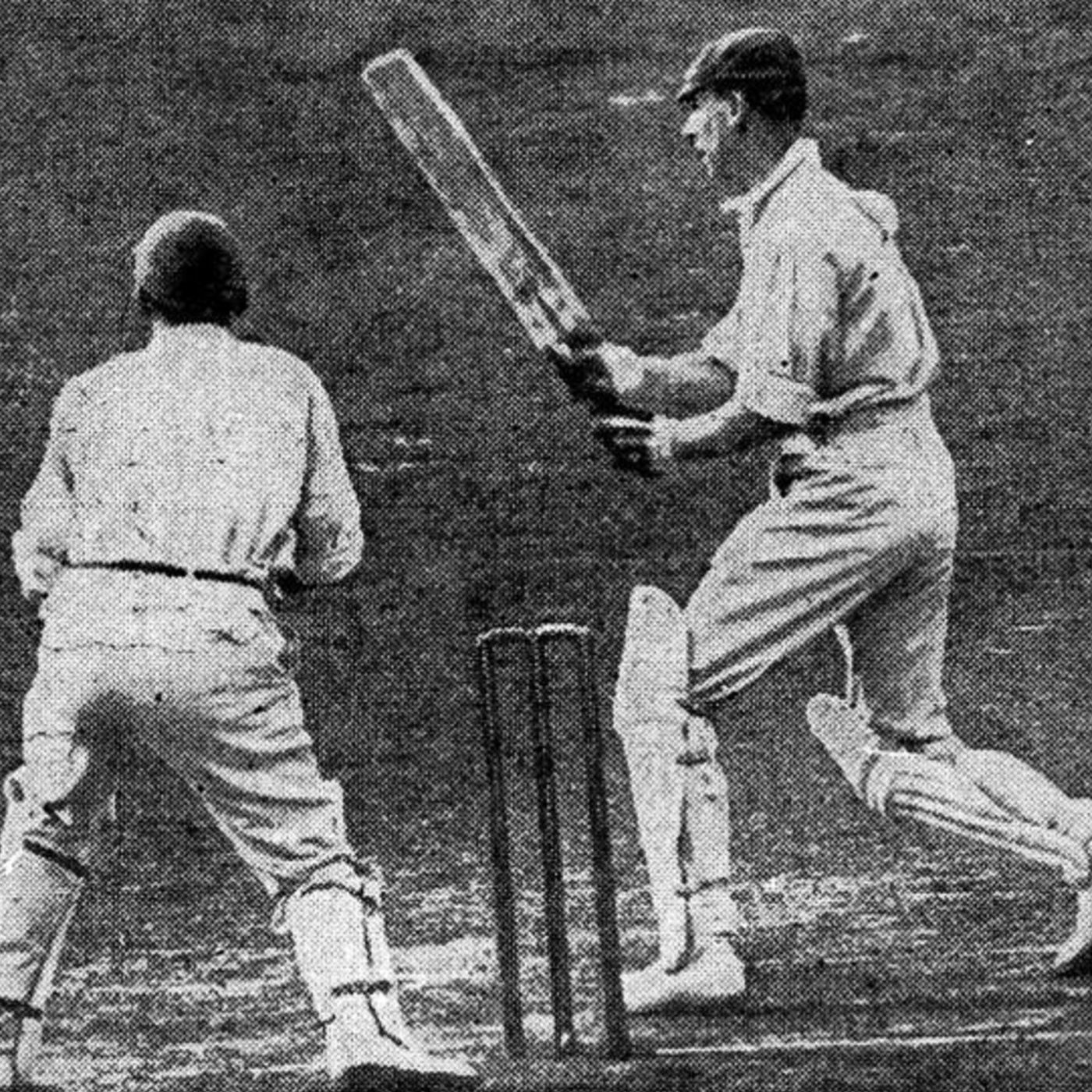 AUSTRALIA - Controversies Disrupting International Cricket Matches - JEREMY ZAKIS 04.10.2026 12min1912Controversies Disrupting International Cricket MatchesJeremy Zakis joins John Batchelor to discuss disciplinary issues roiling international cricket. He begins with Englandplayer Brydon Carse, who faces sanctions following a pub altercation. Zakis then details a new International Cricket Council rule aimed at gamesmanship in the women's game: teams that deliberately slow down play to disrupt the rhythm of the opposing bowling side will now be penalized five runs. He considers how such tactics test cricket's traditions of sportsmanship. (3)
Podobné podcasty


Oblíbený v
Tento podcast se objevuje také v podcastových žebříčcích těchto zemí.


