
Talking Postgres with Claire Giordano
Microsoft
0
Talking Postgres is a podcast for developers who love PostgreSQL. Host Claire Giordano chats with guests each month about the human side of PostgreSQL, databases, and open source. The show features notable guests from the Postgres community and is recorded live on Discord by the Postgres team at Microsoft. Listeners can also join the live text chat by subscribing to the podcast calendar.
Epizody
-
 25 years of contributing to Postgres with Peter Eisentraut 18.09.2026 1h 30minHow does a fix for psql tab completion turn into 25 years of contributing to Postgres? In Episode 43 of Talking Postgres, Peter Eisentraut—PostgreSQL committer, core team member, SQL standards contributor, and Chief Architect of Database Servers at EDB—joins Claire to trace that journey. We dig into how scratch-your-own-itch development drew him in, why “the things you do, people welcome them” kept him coming back, and how Postgres changed as it grew from a small database community into a massive ecosystem where, from the Postgres mailing list perspective, “most of the user base is silent.” Plus: what it feels like when code you commit goes straight to everybody who uses Postgres, and the implications of the EU Cyber Resilience Act.Previously on Talking Postgres:Talking Postgres podcast Ep24: Why mentor Postgres developers with Robert HaasTalking Postgres podcast Ep26: Open Source Leadership with Bruce MomjianTalking Postgres podcast Ep32: The Fundamental Interconnectedness of All Things with Boriss MejíasLinks mentioned in this episode:Conference: FOSDEM 2027LinkedIn: FOSDEM PGDay 2027 announcementConference: Prague PostgreSQL Developers Day (P2D2)Conference: PGDay Lowlands 2026 (the “friendliest” conference)Conference: PGConf EU 2026 in Valencia on 20-23 OctPGConfEU Conference talk: What does the EU Cyber Resilience Act mean for PostgreSQL and its communityWikipedia: EU Cyber Resilience ActPGConf.dev on LinkedIn: PGConf.dev accountPGConf.dev conference talk: Committer Review: An Exercise in Paranoia, by Robert HaasPostgreSQL.org: CommittersPostgreSQL mailing list: Postgres 19 release management teamBlog: Peter Eisentraut BlogBlog post: Where are all the PostgreSQL users, by Peter Eisentraut PGCA non-profit: PostgreSQL Community AssociationBrett Cannon at PyCon 2014: I came for the language but I stayed for the community Planet PostgreSQL: Blog aggregation feedIn this episode, we covered:00:00 Intro & music02:14 Tinkering with the Commodore 64 07:57 The itch that became psql tab completion15:43 Had to make opportunities23:05 From posting at night to posting during the day24:40 Why he stopped committing in the afternoon28:04 On the ground floor of something that grew30:34 What the Postgres core team actually does31:47 Borrowing ideas from other OSS projects36:51 Bringing Postgres into the SQL standards process38:40 Getting to hang out with database nerds42:01 Mentoring Postgres contributors50:56 Making time for Postgres conferences53:35 What the Cyber Resilience Act means for Postgres57:36 Where are all the Postgres users?1:07:00 Becoming a committer early on in Postgres1:16:22 Contributing to Postgres isn't just writing code1:19:40 Why FOSDEM is still his favorite1:22:15 Finding familiar problems in a compiler devroom1:26:14 Shout-out to the Planet Postgres feed
 -
 How AI is changing software development with Simon Willison 14.08.2026 1h 30minWhat’s your gold standard for deciding whether AI-written code is ready for production? In Episode 42 of Talking Postgres, Simon Willison—creator of Datasette, co-creator of Django, and prolific open-source developer—joins Claire to share how AI is changing the way he builds software today. We dig into why his test for shipping AI-generated code is “Could I explain this to somebody else?”, how engineering management skills can be surprisingly useful when managing AI agents, and how the bottleneck is no longer writing code but understanding it. Also: personal credibility, deep research, the Winchester Mystery House, slop proxies, and Simon’s observation that “Features are cheap. That doesn’t mean you should build them all.”Previously on Talking Postgres:Talking Postgres podcast Ep 30: AI for data engineers with Simon Willison Links mentioned in this episode:Blog: Simon Willison’s BlogProject page: Datasette, for finding stories in dataGitHub repo: sqlite-utilsBlog post: Release of alchemy-utils 0.1a0 (featuring Postgres & DuckDB)Blog post: There are no lossless transformations of natural-language text, by Sophie AlpertPodcast episode: The Open Weight Revolution with Simon Willison, on Oxide and FriendsPodcast episode: An AI state of the union, on Lenny’s Podcast Wikipedia: Winchester Mystery HouseIdea in Mythical Man-Month: Conceptual integrityBlog post: SQLite compressed text-history prototypes, by Simon WillisonTools: Simon’s miscellaneous tools repoIn this episode, we covered:00:00 Intro & music04:00 A week of work before breakfast09:12 Red-green TDD makes agents exercise every line14:42 A million lines mean nothing if you don’t understand it18:28 Finding low-hanging fruit among open PRs & issues22:07 Getting work done while walking the dog23:01 Gold standard: “Could I explain this to somebody else?”28:27 Slop proxies add no value at all30:49 Aggressive nitpicking reviews35:01 Everything in software engineering is about trade-offs41:16 Racoon heist game is only fun for 1 minute 15 seconds43:46 New Year’s resolution to be more ambitious48:11 You have to learn to throw things away51:57 Features are cheap. That doesn’t mean you should build them all1:00:45 Engineering management skills are so useful1:04:44 QA specialists should be having a great time1:07:53 Writing is thinking, don’t outsource it1:08:23 Skill atrophy is a choice you make1:10:07 I believe in people who are motivated1:11:55 Systems are not set up to deal with this volume1:18:48 Research agents stopped being absolute garbage1:21:49 The whole point of the “human in the loop”1:26:10 Dream: I want there to be more small businesses
 -
 Working on Postgres after 13 years on SQL Server with Panagiotis Antonopoulos 17.07.2026 1h 13minWhat happens when a database engineer spends 13 years on SQL Server and then starts working on Postgres? In Episode 41 of Talking Postgres, Distinguished Engineer Panagiotis “Panos” Antonopoulos of Microsoft joins Claire to share what surprised him most about making that transition. We explore why Postgres felt familiar from the start—and what shocked Panos about the clean and lean Postgres codebase. We also dig into how public mailing lists and AI can help explain why design decisions were made, why more people are asking “why not Postgres?”, and the shared-storage architecture behind Azure HorizonDB.Previously on Talking Postgres:Talking Postgres Ep 39: From MemSQL to HorizonDB, an engineer's journey with Adam ProutTalking Postgres Ep 38: How I went from Oracle to Postgres (with a big NoSQL detour) with Gwen ShapiraTalking Postgres Ep 40: How I got started running a Postgres user group with Jeremy SchneiderLinks mentioned in this episode:SIGMOD: ACM SIGMOD-PODS Conference 2027 CMUDB talk: HorizonDB: Co-Designing Postgres and Azure for Cloud-Native OLTP, by Adam ProutPostgreSQL mailing list: pgsql-hackersPostgreSQL docs: pg_stat_slru (simple least-recently-used)Docs: Azure HorizonDBPoster: Postgres Happiness Hints
 -
 How I got started running a Postgres user group with Jeremy Schneider 12.06.2026 1h 21minIntensely local user groups have been part of Jeremy Schneider's story from the start—from Linux meetups at a Michigan coffee shop to a closet server running an Oracle database nobody knew anything about. In Episode 40 of Talking Postgres, Postgres engineer and Seattle Postgres User Group co-organizer Jeremy Schneider joins Claire to share how community led him to Postgres after 15 years with Oracle—and why "it's like I was born to be here." Plus: the newly-updated Postgres Happiness Hints poster, advice for starting your own user group, and his POSETTE 2026 talk on CloudNativePG.Previously on Talking Postgres:Talking Postgres Ep 38: How I went from Oracle to Postgres (with a big NoSQL detour) with Gwen ShapiraLinks mentioned in this episode:Seattle Postgres User Group: Meetup pageSeattle Postgres User Group: YouTube channelUser Group Map from PGConfEU 2025 talk: 48 Postgres User Groups during PG18 timeframePostgreSQL.org: Listing of local Postgres User GroupsPostgres Meetup For All (a virtual meetup): Meetup pageJeremy Schneider’s Blog: Ardent Performance ComputingPoster: Postgres Happiness HintsPGConf.dev 2026: Posters from Poster SessionPGConf.dev 2026 Poster Session: Talking Postgres posterPOSETTE: An Event for Postgres 2026: Jeremy’s POSETTE 2026 talk with Leonardo CecchiPOSETTE 2026: Livestream 3 schedule & talksOracle docs: Oracle Database Concepts PDFBook: Oracle Insights: Tales of the Oak Table
 -
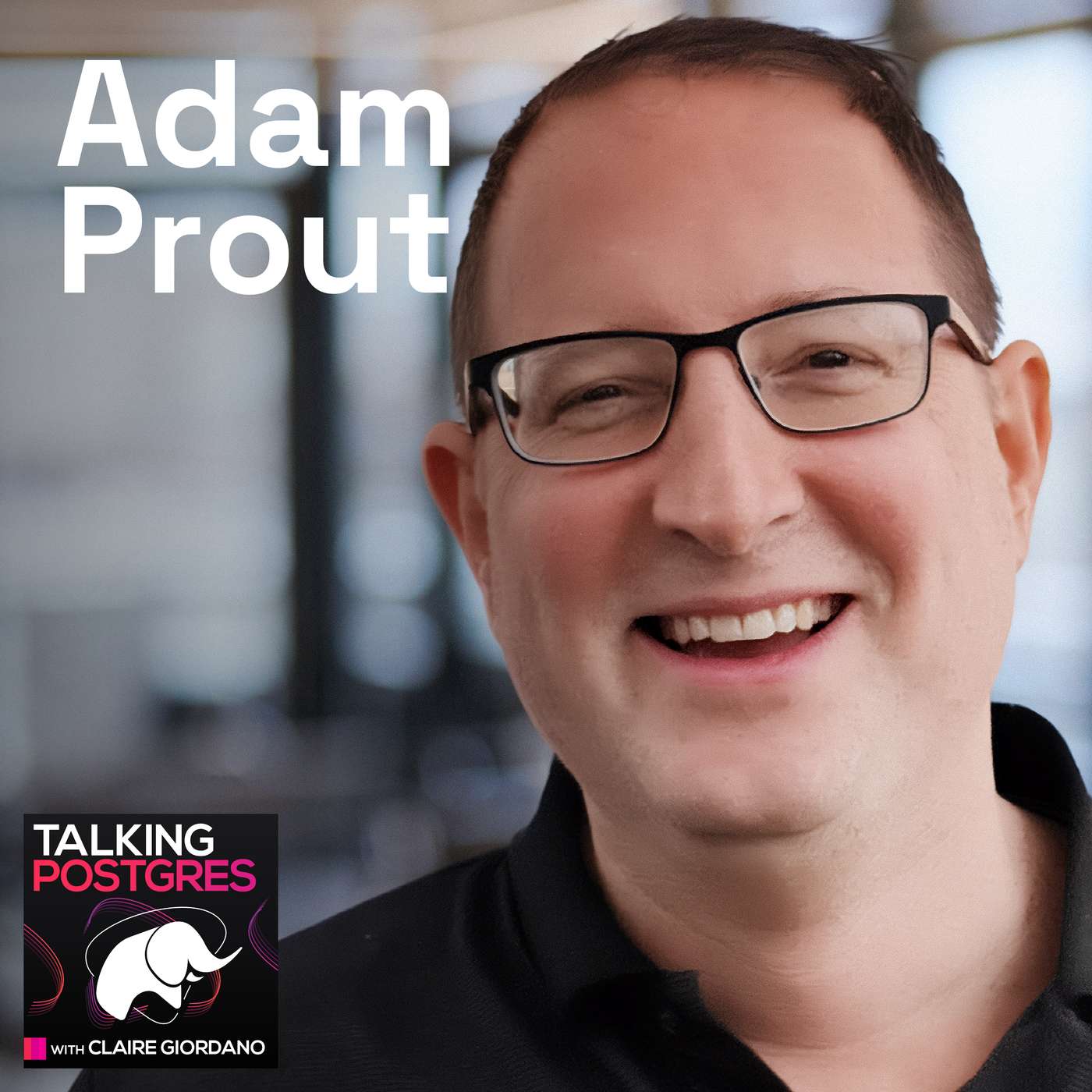 From MemSQL to HorizonDB, an engineer's journey with Adam Prout 08.05.2026 1h 29minWhat does it take to make Postgres and Azure fit together cleanly, like puzzle pieces? In Episode 39 of Talking Postgres, Adam Prout—distinguished engineer at Microsoft and a founding architect of Azure HorizonDB—joins Claire to trace his engineering journey from MemSQL to Postgres. We dig into shared-storage architecture and how HorizonDB pushes more work into the storage layer; why the team chose Rust; and what “good systems programming” looks like when being paranoid is a feature, not a bug. Along the way: startup vs big company tradeoffs, and how working on databases exposes you to so many interesting parts of computer science. Previously on Talking Postgres:Talking Postgres Ep29: How I got started leading database teams with Shireesh ThotaLinks mentioned in this episode:Blog post: Announcing Azure HorizonDB, by Charles Feddersen & Affan DarCMUDB talk: HorizonDB: Co-Designing Postgres and Azure for Cloud-Native OLTP, by Adam ProutResearch paper: Socrates: The New SQL Server in the CloudProduct page: Azure HorizonDBVideo of POSETTE 2025 talk: Scaling Postgres to the next level at OpenAIBlog post: Scaling PostgreSQL to power 800 million ChatGPT users, by Bohan ZhangBlog post: Supporting ChatGPT on PostgreSQL in Azure, by Affan Dar, Adam Prout, & Panagiotis Antonopoulos Docs: Azure Database for PostgreSQLGitHub repo: pgrxDiscord: PostgreSQL Hacking serverConference: PGConf.dev 2026Conference Schedule: PGConf.dev 2026 Schedule
 -
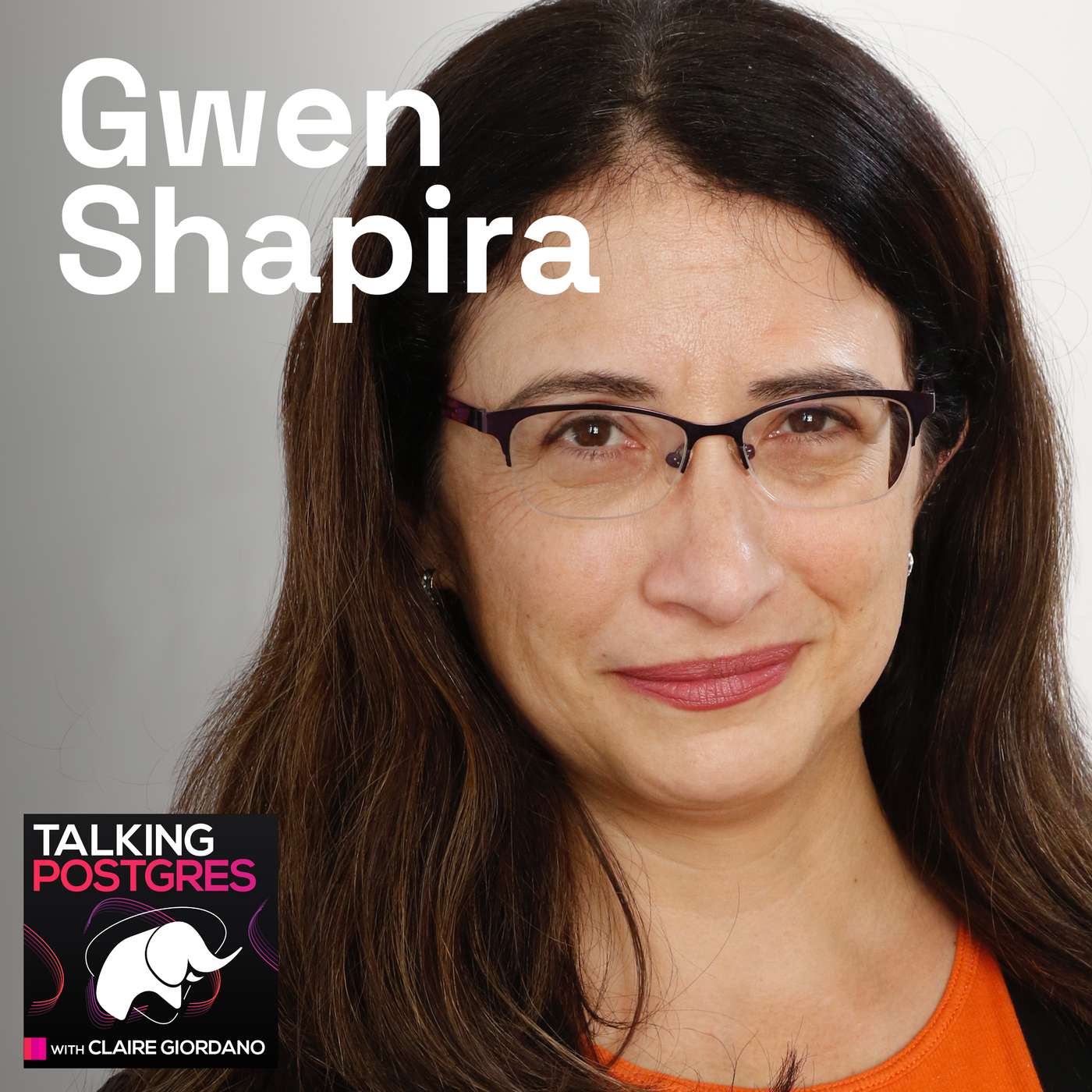 How I went from Oracle to Postgres (with a big NoSQL detour) with Gwen Shapira 10.04.2026 1h 6minIt’s rare for developers to genuinely love their database, so why does Postgres earn that kind of loyalty? In Episode 38 of Talking Postgres, Gwen Shapira, co‑founder of Nile, joins Claire to trace her path from operating Oracle at scale, through a long NoSQL chapter, to co‑founding a Postgres company that wasn’t originally meant to be one—after discovering how much Postgres quietly gets right. Gwen shares how she spun up on Postgres after years with other databases (shout-out to the Happiness Hints and a strong sense of curiosity), and why Postgres has made her appreciate Codd. We also touch on blogging as a career catalyst, the upcoming PGConf.dev conference (where a lot of PG20 work gets discussed, and where we’ll celebrate 30 years of Postgres)—and the #1 rule of consulting: it’s always the consultant’s fault. Previously on Talking Postgres:Talking Postgres Ep15: My Journey to Explaining Explain with Michael ChristofidesTalking Postgres Ep24: Why mentor Postgres developers with Robert HaasTalking Postgres Ep30: AI for data engineers with Simon WillisonLinks mentioned in this episode:Gwen’s company: NileArdent Performance Computing blog: PostgreSQL Happiness HintsBook: Just Use Postgres! by Denis MagdaGitHub repo: HypoPGWikipedia page: Codd’s 12 rulesBlog post: Transaction Isolation in Postgres, by Gwen ShapiraPodcast: Postgres.FMDiscord server: PostgreSQL Hacking Upcoming conferences & talks mentioned:Conference: PGConf.dev 2026 on May 19-22 in Vancouver CanadaConference Schedule: PGConf.dev 2026 scheduleCFP deadline: PGConf.dev Community Discussion Sessions deadline on 14 Apr 2026Conference: PGConf EU 2026 in Valencia SpainLinkedIn post: PGConf.dev 2026 conference t-shirt, celebrating 30 years of PostgresPOSETTE 2026 talk: The Rise of PostgreSQL as the Everything Database, by Varun DhawanPGConf.dev 2026 Panel: Real-Time Patch Idea EvaluationPGConf.dev 2026 Roundtable: Unexpected Successes & Epic Failures by PostgreSQL committersCalendar invite: LIVE recording of Ep39 of Talking Postgres to happen on Wed May 06, 2026
 -
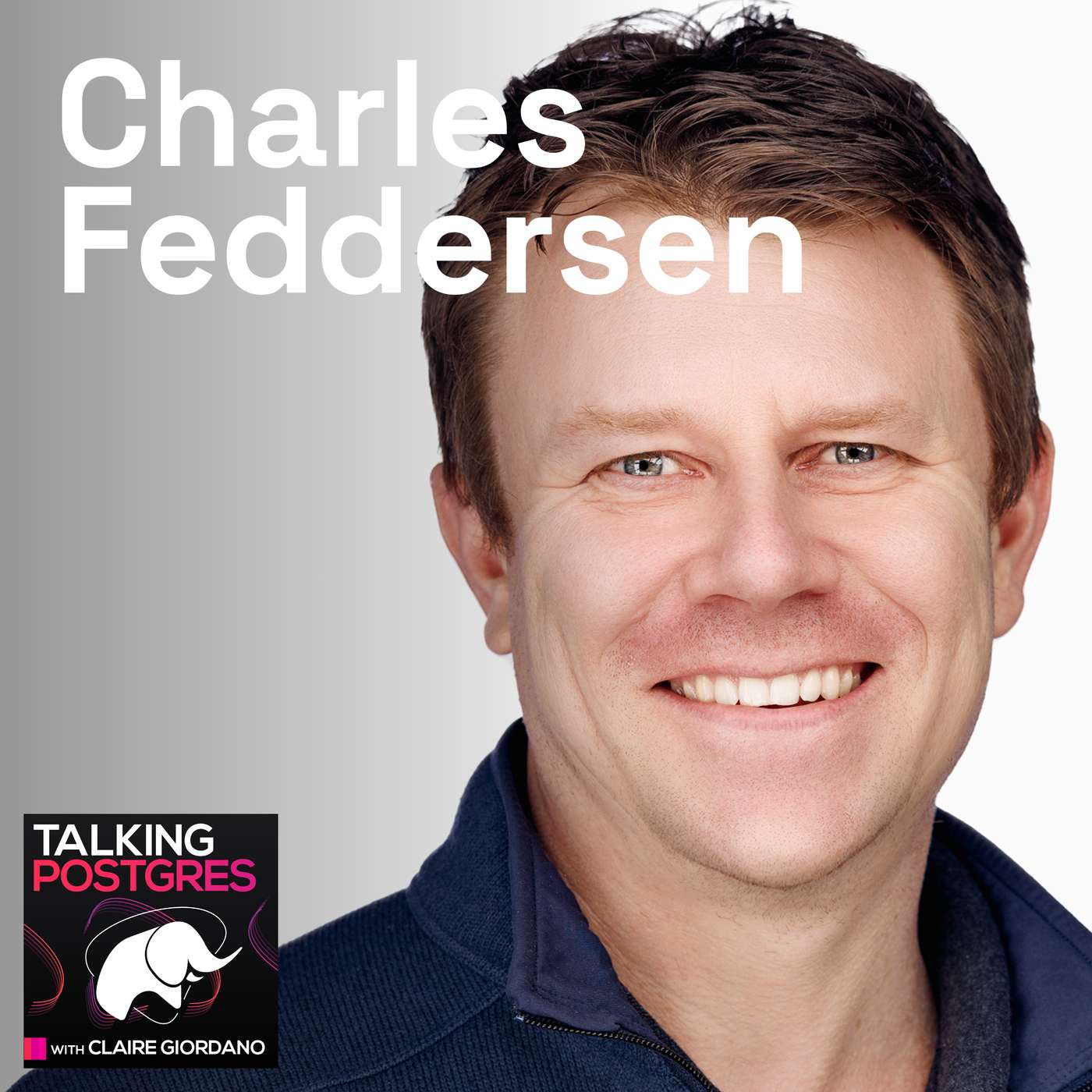 Building Postgres services on Azure with Charles Feddersen 20.03.2026 1h 9minWhy does SQL feel so approachable to some developers, and why do some of them end up spending their careers in the data layer? In Episode 37 of Talking Postgres, Charles Feddersen, who leads product for Postgres at Microsoft, joins Claire to talk about building Postgres services on Azure. We explore his path from classic ASP apps on Microsoft Access to distributed Postgres with Citus, the moment he installed pgAdmin and got pulled deeper into Postgres, and what it takes to build for the many different ways people rely on Postgres today—from Flexible Server and Azure HorizonDB to developer tooling—and why it’s important to support the upstream Postgres open source project.Previously on Talking Postgres:Ep 22: Leading engineering for Postgres on Azure with Affan Dar: https://talkingpostgres.com/episodes/leading-engineering-for-postgres-on-azure-with-affan-darEp29: How I got started leading database teams with Shireesh Thota https://talkingpostgres.com/episodes/how-i-got-started-leading-database-teams-with-shireesh-thotaLinks mentioned in this episode:Video of CMUDB talk: HorizonDB: Co‑Designing PostgreSQL and Azure for Cloud‑Native OLTP, by Adam ProutVideo of talk: Azure HorizonDB: Deep Dive into a New Enterprise-Scale PostgreSQL, by Adam Prout & Denzil RibeiroTalk at SCALE 23x: Did VS Code Quietly Become a Go-To Postgres Tool?, by Phil Vacca Visual Studio Code Marketplace: VS Code extension for PostgreSQLDocs: Azure Database for PostgreSQL – Flexible ServerGitHub repo: Citus open sourcePostgres extension: PostGISConference: PGConf India 2026Upcoming conferences & talks mentioned:Conference: PGConf.dev 2026 in Vancouver CanadaConference: Microsoft Build 2026Keynote at POSETTE: An Event for Postgres 2026: Driving Postgres forward at MicrosoftPOSETTE: An Event for Postgres 2026: ScheduleConference: Postgres Summit US 2026 (formerly PGConf NYC)Conference: PGConf EU 2026 in ValenciaCalendar invite: LIVE recording of Ep38 of Talking Postgres to happen on Wed Apr 08, 2026
 -
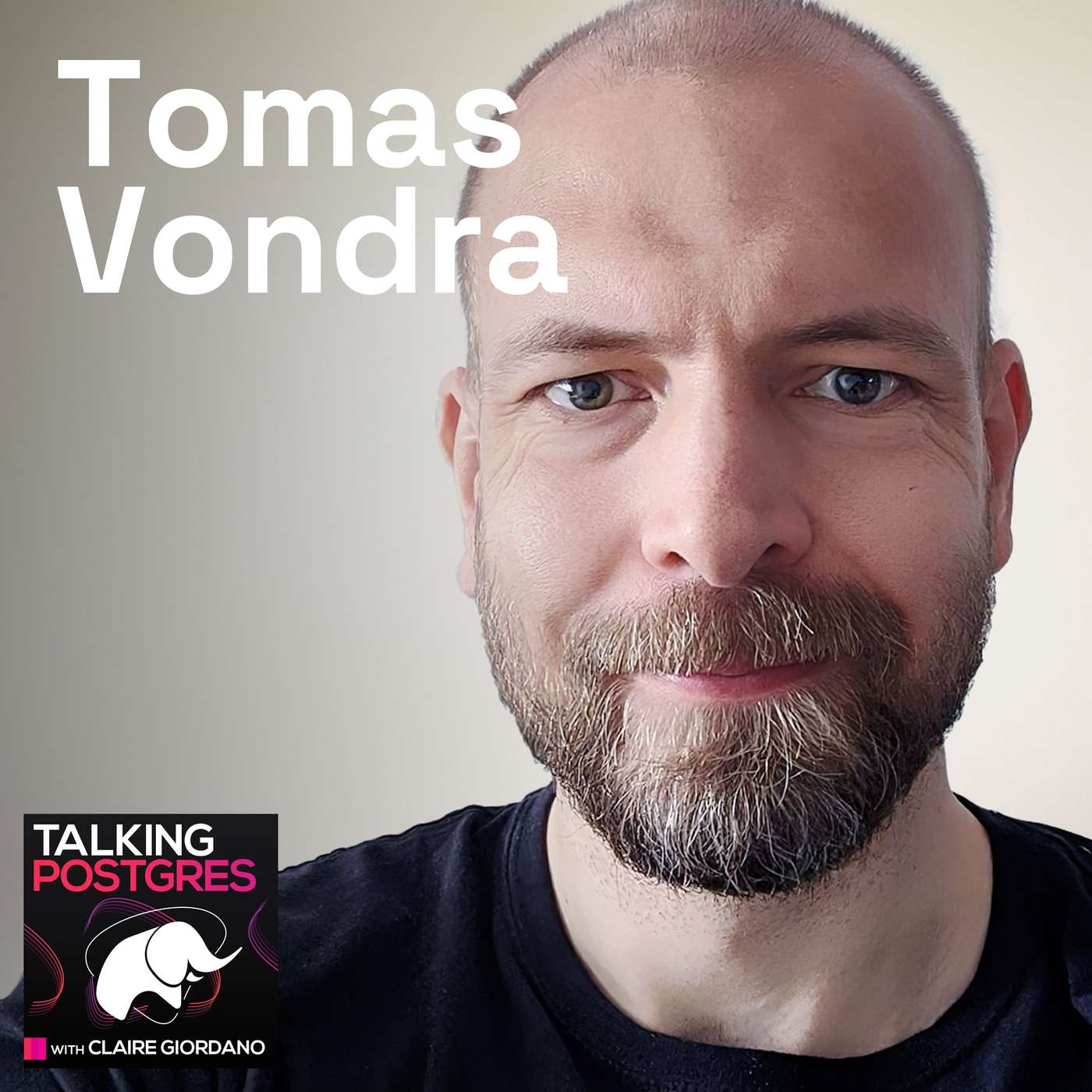 Why it's fun to hack on Postgres performance with Tomas Vondra 20.02.2026 1h 25minWhy would anyone willingly spend weeks chasing a slow query, knowing they might hit dead ends along the way? In Episode 36 of Talking Postgres, Tomas Vondra—Postgres committer and long‑time performance contributor—joins Claire to explain why hacking on Postgres performance is not just hard, but also fun. We dig into the process of investigating why queries are slow, how iteration and “wrong turns” are part of performance work, and why Tomas prefers meaningful performance puzzles over toy problems. Along the way, we talk about using benchmarks to build an understanding of a problem. Tomas also shares how even small changes in code can have outsized impact when that code is used a lot, and how the mathematics embedded in the Postgres query planner/executor makes the work especially rewarding.Previously on Talking Postgres:Talking Postgres Ep31: What went wrong (& what went right) with AIO with Andres FreundTalking Postgres Ep24: Why mentor Postgres developers with Robert HaasLinks mentioned in this episode:PGConf.dev 2026: ScheduleGitHub repo: PostgreSQL Monthly Hacking Workshop, organized by Robert Haas Nordic PGDay 2026: Tomas talk on approximating percentilesVideo of POSETTE 2025 talk: Performance Archaeology – 20 years of improvementsVideo of PGConf EU 2025 talk: Fast-path locking improvements in PG18Conference: Prague PostgreSQL Developer DayDiscord: PostgreSQL Hacking DiscordGitHub repo: tvondra/tdigestBrendan Gregg’s site: perf Linux profiler examplesDocs: pgbench for running benchmarks on PostgreSQLBlog: Tomas Vondra blogPostgres Patch Ideas: List on Tomas Vondra blogCalendar invite: LIVE recording of Ep37 of Talking Postgres to happen on Wed Mar 18, 2026
 -
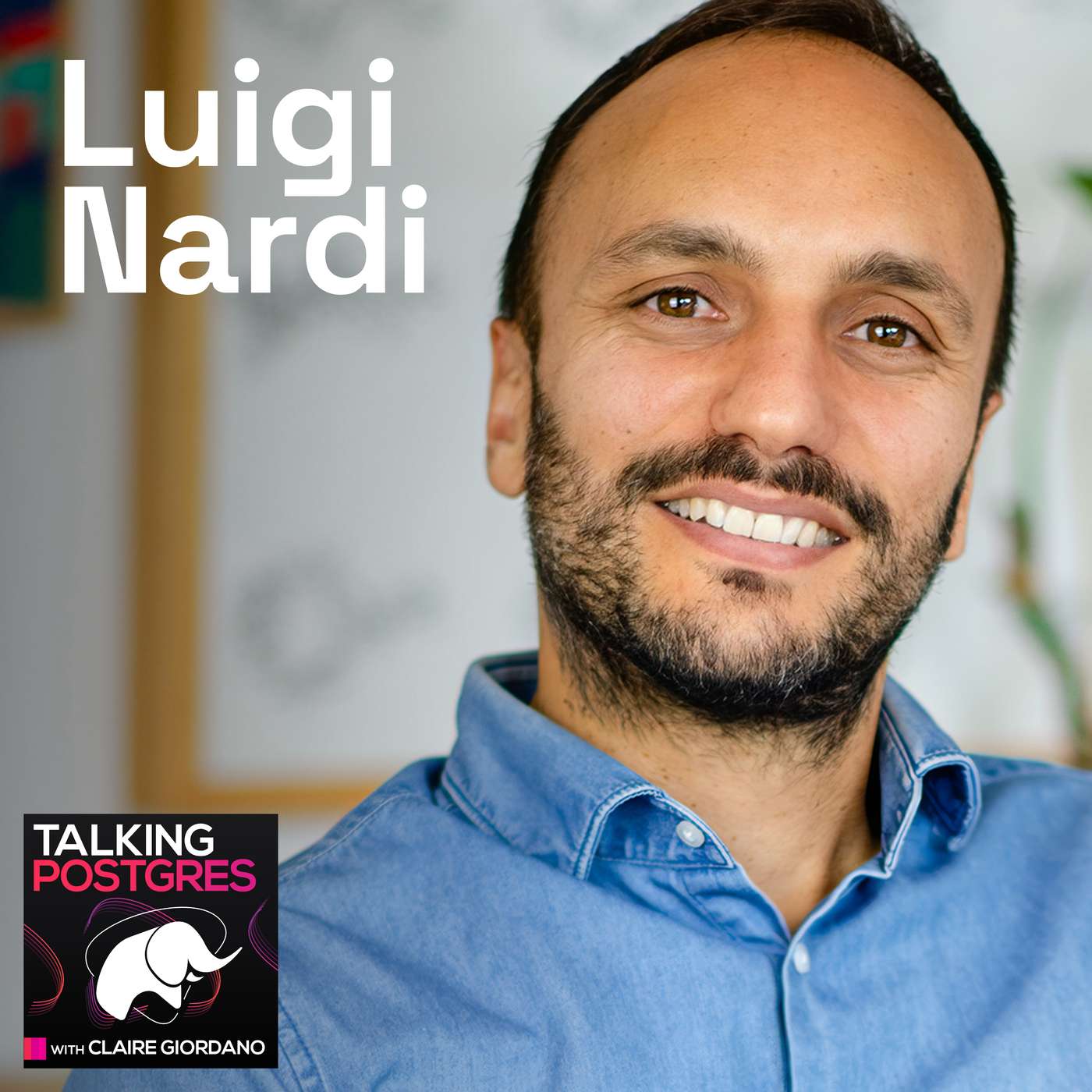 How I got started with DBtune (& why we chose Postgres) with Luigi Nardi 16.01.2026 1h 10minAre self-driving databases the Waymos of the future? In Episode 35 of Talking Postgres, Luigi Nardi—founder and CEO of DBtune and Stanford researcher—joins Claire Giordano to explore his journey from academic research to Level 5 autonomous database tuning. We dig into Luigi’s early days with a Commodore 64, how he began his PhD in Paris before he had learned to speak French, and how "professor privilege" in Sweden helped him bootstrap his startup. You’ll learn why the DBtune team chose database tuning and Postgres as their focus, what the Jevons paradox means for the future of developers, and how the “Level 5” vision fuels the DBtune team’s work toward a truly self-driving system. Previously on Talking Postgres:Talking Postgres Ep30: AI for data engineers with Simon WillisonTalking Postgres Ep23: How I got started as a developer & in Postgres with Daniel GustafssonLinks mentioned in this episode:CFP: POSETTE: An Event for Postgres 2026’s CFP closes on Sun Feb 1, 2026 @ 11:59pm PSTVideo of POSETTE 2024 talk: Autotuning PostgreSQL on Azure Flexible Server, by Luigi NardiVideo of PGConf India 2025 talk: ML for Systems and Systems for ML, by Luigi NardiPGConf India 2025: Round Table Discussion about AIOxide and Friends podcast: Engineering Rigor in the LLM AgeWikipedia: Jevons paradoxWikipedia: Neuro-symbolic AIConference: PGDay Lowlands (Boriss Mejías calls it the second-best Postgres conference in Europe)Calendar invite: LIVE recording of Ep36 of Talking Postgres to happen on Wed Feb 18, 2026
 -
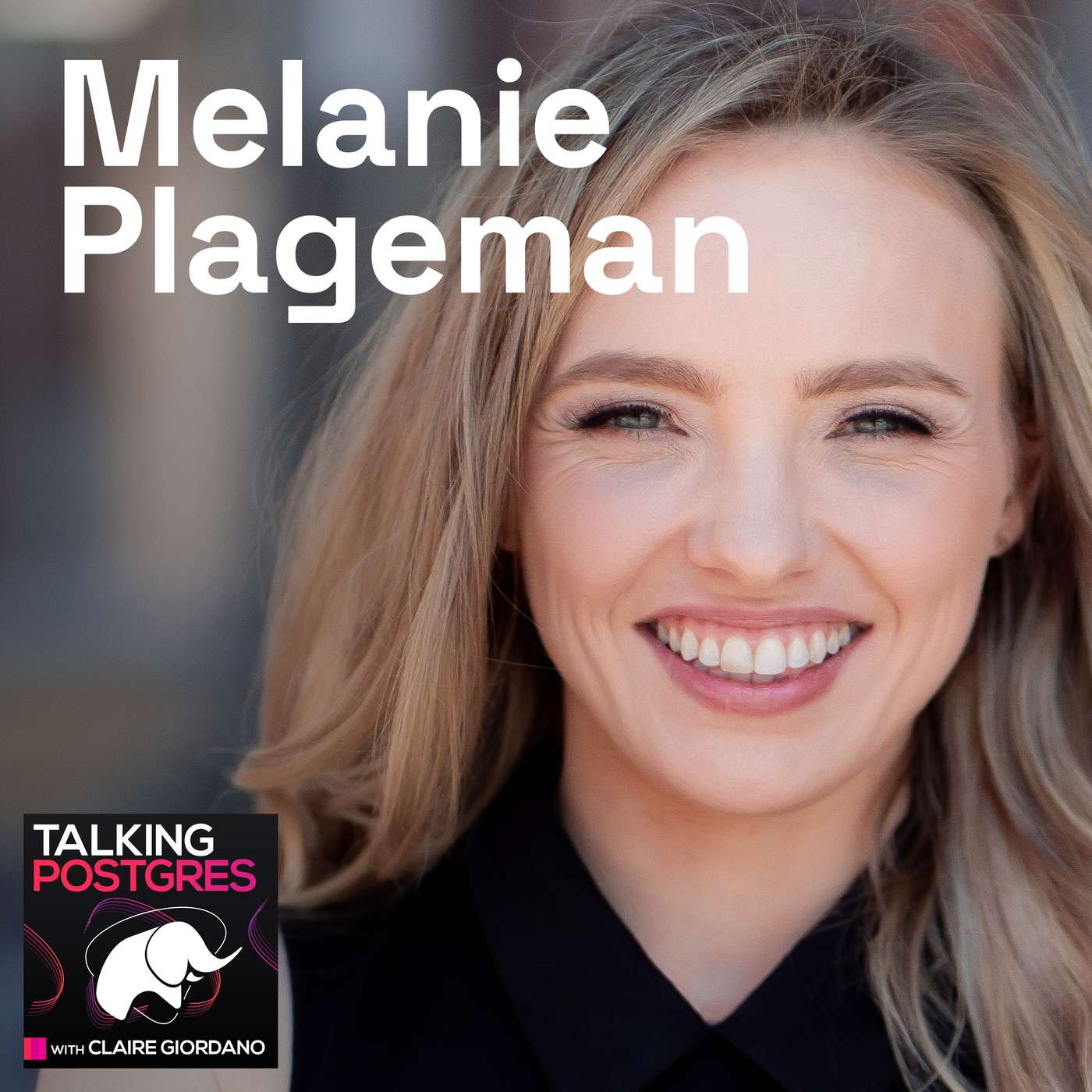 What Postgres developers can expect from PGConf.dev with Melanie Plageman 12.12.2025 1h 16minWhat do conference planning, hacking weddings, and cat-free coding sessions have to do with Postgres? In Episode 34 of Talking Postgres, Melanie Plageman—Postgres committer and major contributor from Microsoft—joins Claire for a lively deep dive into what developers can expect at PGConf.dev 2026 as Postgres turns 30. We explore new content formats, the role of travel grants, why Tuesday becomes a full conference day, and how the hallway track often shapes the next Postgres release. Plus: creating space for new contributors to get inspired and get involved. And yes—the CFP is open until Jan 16, 2026.Links mentioned in this episode:Podcast: Becoming a Postgres committer with Melanie PlagemanPodcast: How I got started as a dev and in Postgres with Melanie Plageman & Thomas MunroConference: PGConf.dev 2026CFP for PGConf.dev: CFP will close on Jan 16, 2026PGConf.dev 2026: AboutPGConf.dev 2026: Sponsorship levelsPGConf.dev 2026: Travel grant programSocial: LinkedIn account for PGConf.devPOSETTE: An Event for Postgres: POSETTE CFP is open until Feb 1, 2026Meetup: Post about inaugural PostgreSQL Nairobi Meetup in Dec 2025 PGDay Lowlands 2025: Debate on Kubernetes, session detailsPGDay Lowlands 2025: Debate about autotuning, session detailsConference talk at PGCon 2019: Intro to Postgres Planner Hacking, by Melanie PlagemanBlog post: The Pac-Man Rule at Conferences, by Eric HolsherDiscord invite for PostgreSQL Hacking Mentoring server: https://discord.gg/bx2G9KWyrYCal invite: LIVE recording of Ep35 of Talking Postgres to happen on Wed Jan 14, 2026
 -
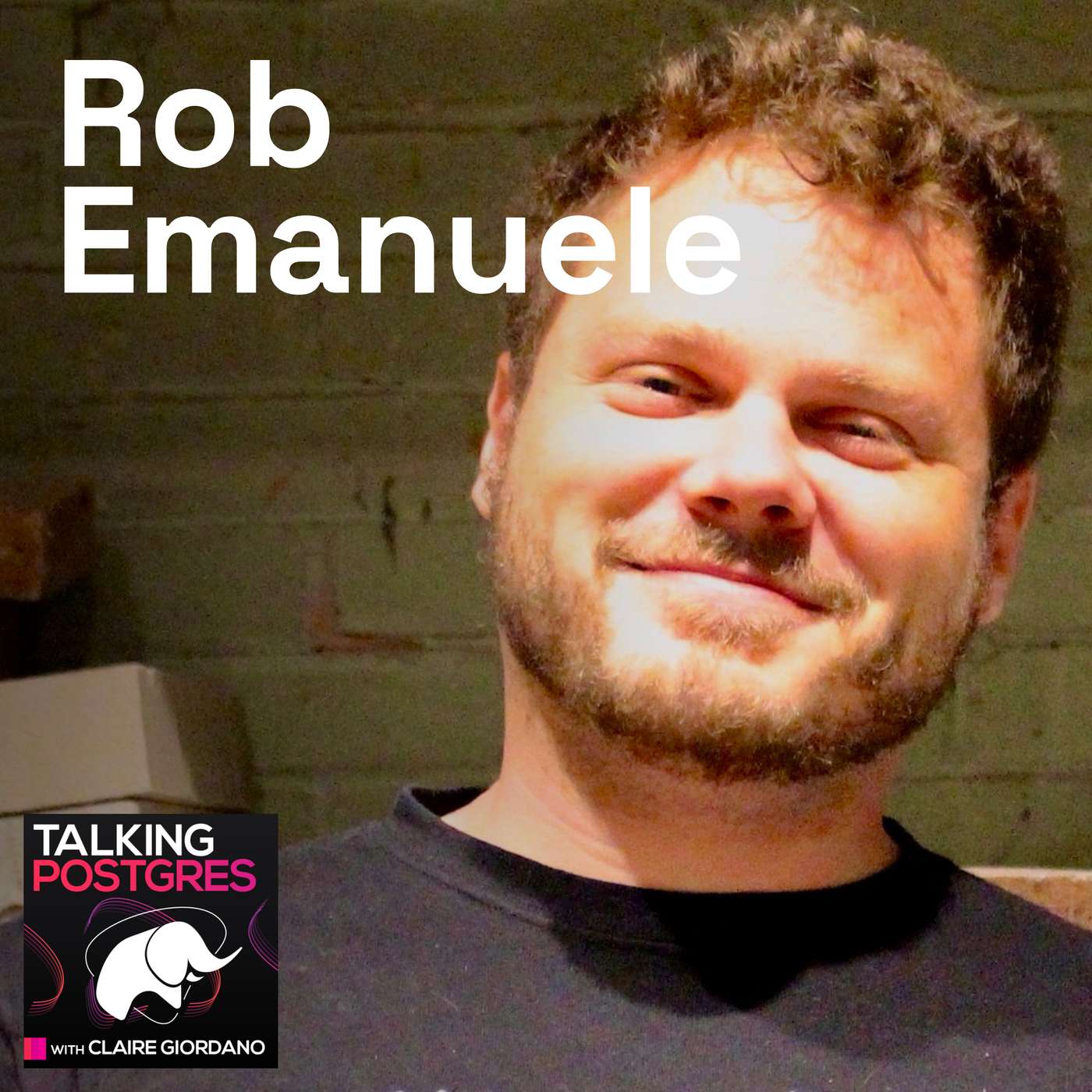 Building a dev experience for Postgres in VS Code with Rob Emanuele 07.11.2025 1h 18minWhat do guitar busking, geospatial queries, and agentic coding have to do with Postgres? In Episode 33 of Talking Postgres, principal engineer Rob Emanuele at Microsoft shares his winding path from Venice Beach to building a new VS Code extension for PostgreSQL—that works with any Postgres, anywhere. We dig into GitHub Copilot, ask vs. agent mode, and how Rob now codes in English—and then spends even more time in code review to decide what’s good, what’s bad, and what’s dangerous. Also: how PyCon changed his life; his work on the Microsoft Planetary Computer with spatio-temporal queries and PostGIS; and how music, improv, and failure shape his approach to developer experience. Links mentioned in this episode:Visual Studio Marketplace: VS Code extension for PostgreSQL with ~261K downloads to dateGitHub repo: VS Code extension for PostgreSQL (for issues/discussions)Docs: GitHub Copilot agent modePOSETTE 2025 Talk: Introducing Microsoft’s VS Code Extension for PostgreSQL, by Matt McFarlandVS Code Live: Working with PostgreSQL databases with the Microsoft PostgreSQL VS Code extension, with Olivia Guzzardo & Rob EmanueleTalking Postgres Ep30: AI for data engineers with Simon WillisonPostgres Meetup for All: VS Code Tools for Postgres, happening on Thu Dec 11, 2025 Wikipedia: DogfoodingTalking Postgres Ep07: Why people care about PostGIS and Postgres with Paul Ramsey & Regina ObePOSETTE 2024 keynote: The Open Source Geospatial Community, PostGIS, & Postgres, by Regina ObeWebsite: Microsoft Planetary ComputerGitHub repo: PgSTACCal invite: LIVE recording of Ep34 of Talking Postgres to happen on Wed Dec 10, 2025
 -
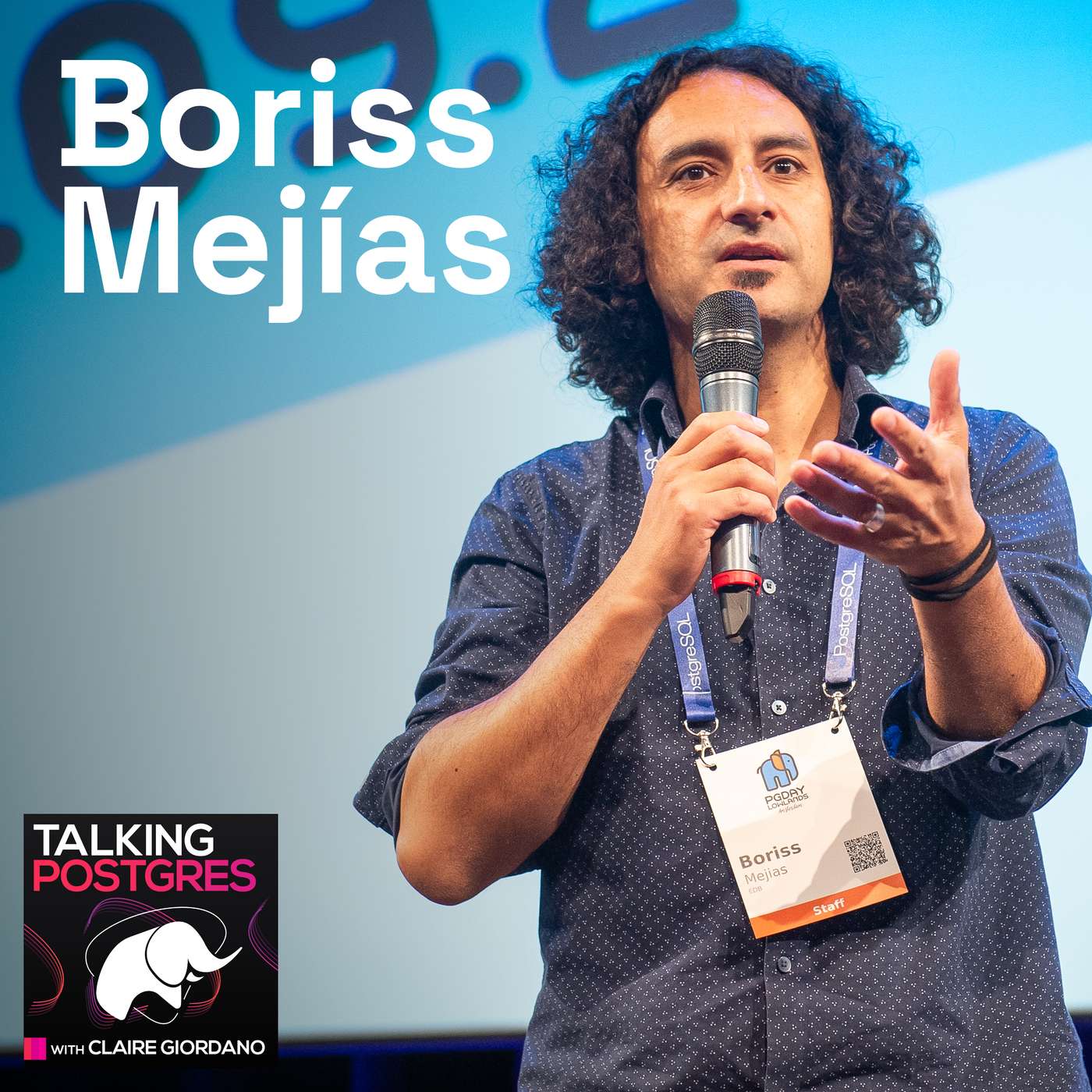 The Fundamental Interconnectedness of All Things with Boriss Mejías 10.10.2025 1h 18minWhat do chess clocks, jazz, and Postgres replication have in common? In Episode 32 of Talking Postgres, solution architect Boriss Mejías shares how the idea of “interconnectedness”—inspired by Douglas Adams—can help you untangle complex Postgres questions. We explore OpenAI’s approach to scaling Postgres, how Postgres active-active mirrors Sparta’s dual kingship, and how a holistic approach can reveal the behavior of synchronous replication. Also: Beethoven’s 17 drafts, and why chasing perfection can hold you back. Listen to learn more about Boriss, Postgres, and the fundamental interconnectedness of all things.Links mentioned in this episode:Podcast Ep32 of Talking Postgres: What went wrong (& what went right) with AIO with Andres FreundPodcast Ep03 of Talking Postgres: Why give talks at Postgres conferences with Álvaro Herrera & Boriss Mejías: Wikipedia: Dirk Gently’s Holistic Detective Agency, by Douglas AdamsTalk at PGConf NYC 2025: Scaling Postgres to the Next Level at OpenAI, by Bohan ZhangVideo of PGConf.dev 2025 talk: Scaling Postgres to the Next Level at OpenAI, by Bohan ZhangTalk at PGConf NYC 2025: Improved Freezing in Postgres Vacuum: From Idea to Commit, by Melanie PlagemanTalk at PGConf NYC 2025: Database Modeling to Study the New York Jazz Scene, by Boriss MejíasJazz Club in NYC: Patrick’s Place in HarlemVideo of PGConf EU 2024 talk: Sparta’s Dual-Kingship and PostgreSQL Active-Active, by Boriss Mejías Video of POSETTE 2025 talk: Postgres Storytelling: Cunning Schema Design with Creative Data Modeling, by Boriss Mejías & Sarah Conway Talk at FOSDEM PGDay 2024: High Availability Configurations Are Very Common for PostgreSQL, But How Do You Investigate Performance Problems When the Standby Can’t Keep Up? by Boriss Mejías and Derk van VeenConference: PGDay Lowlands 2025, the second year of this “second-best Postgres conference in Europe” Conference Schedule: upcoming PGConf EU 2025 in LatviaWikipedia: Chess clockBook: Daily Rituals, by Mason CurreyArticle: It Takes Two to Think, by Itai Yanai & Martin J. LercherPoem: The Rime of the Ancient Mariner, by Samuel ColeridgeWikipedia: City of Bruges Belgium, a good place for beer and cheeseCal invite: LIVE recording of Ep33 of Talking Postgres to happen on Wed Nov 5, 2025
 -
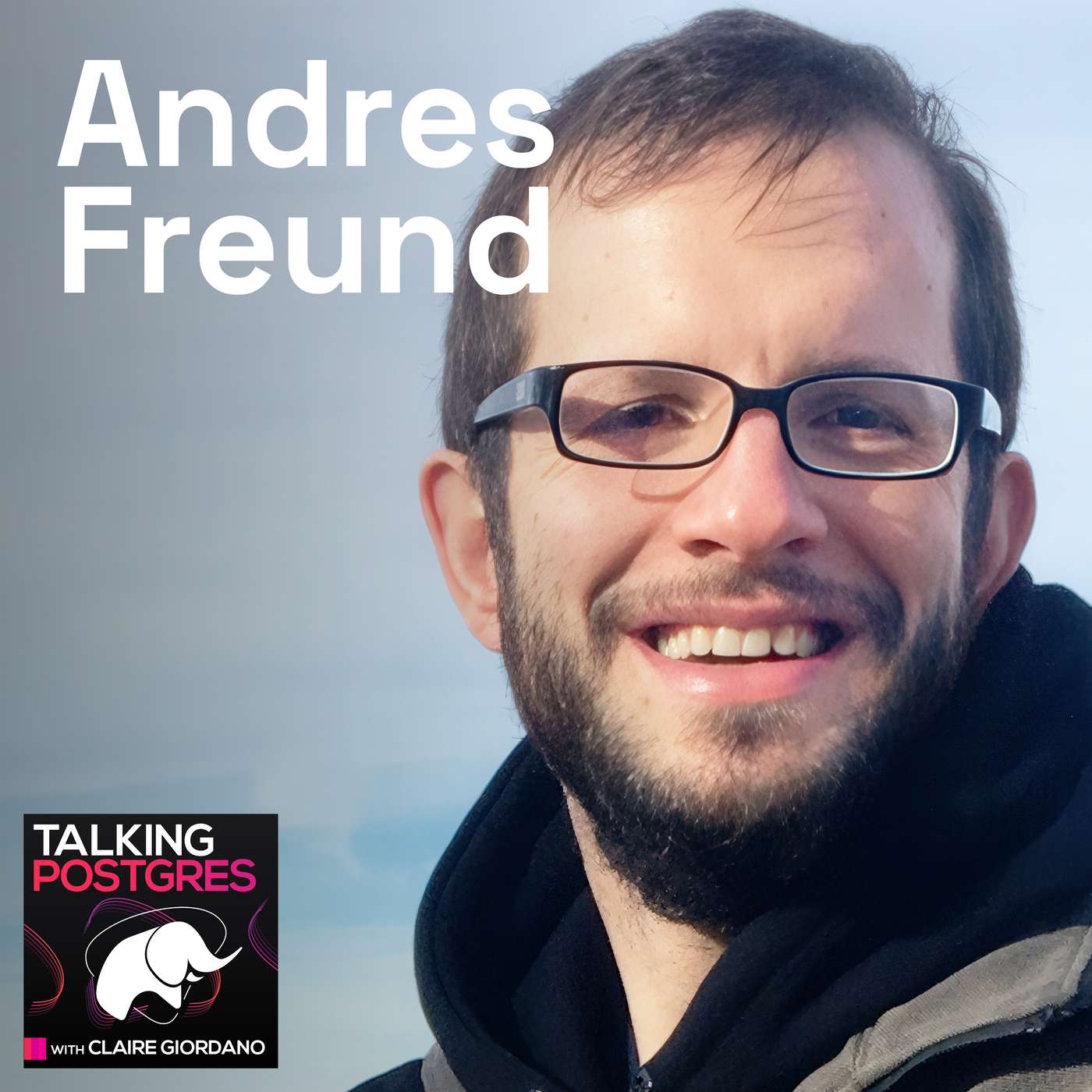 What went wrong (& what went right) with AIO with Andres Freund 19.09.2025 1h 12minSix years, a prototype, and a brief multi-layered descent into “wronger and wronger” design—what does it take to land a major architectural change in Postgres? In Episode 31 of Talking Postgres, Andres Freund—major contributor, Postgres committer, and lead of the Asynchronous I/O project—shares the wins, the missteps, and why he thinks AIO definitely took too long. We dig into io_uring in Linux, direct I/O, streaming reads, technical leadership, and exactly when is the right time to stop working on a prototype. If you’ve ever wondered how big architectural changes happen, or why they sometimes take years, this episode is for you. Links mentioned in this episode:Talking Postgres podcast: How I got started as a developer (& in Postgres) with Andres Freund & Heikki LinnakangasRelease Notes: PostgreSQL 18 release notes News: PostgreSQL RC 1 Released on Sep 04 2025Wikipedia page: io_uringPostgreSQL: Join the PostgreSQL Hacking DiscordVideo of talk: What went wrong with AIO by Andres Freund at PGConfdev 2025Commit: Add core asynchronous I/O infrastructure to PostgreSQLWiki page: AIO project in PostgreSQL with state, sub-projects, and work still to be doneUpcoming Talk: AIO in PG 18 and Beyond at PGConf NYC on 30 Sep 2025Upcoming Talk: AIO in PG 18 and Beyond at PGConf EU on 23 Oct 2025Wikipedia page: XZ Utils backdoor discovery by Andres FreundCal invite: LIVE recording of Ep32 of Talking Postgres to happen on Wed Oct 8, 2025
 -
 Talking Postgres with Claire Giordano – Trailer 15.08.2025 2minWhy do Postgres developers, contributors, and users do what they do? In each episode of Talking Postgres, Claire Giordano talks to people from across the Postgres ecosystem—how they got started, what they’ve learned, and what they’re still figuring out. This 3-minute trailer offers a fast-paced glimpse into the fun, surprising, and deeply human stories behind Postgres, including failures, wins, obstacles—and all the messy parts in between. New episodes monthly. Always on Fridays. Subscribe wherever you get your podcasts.Episodes from Talking Postgres with guests featured in the trailer (in order of appearance): Episode 01: Working in public on open source with Simon Willison and Marco SlotEpisode 18: How I got started as a developer (& in Postgres) with David RowleyEpisode 20: How I got started as a developer (& in Postgres) with Tom LaneEpisode 07: Why people care about PostGIS and Postgres with Paul Ramsey & Regina ObeEpisode 29: How I got started leading database teams with Shireesh ThotaEpisode 25: Why Python developers just use Postgres with Dawn WagesEpisode 19: Becoming a Postgres committer with Melanie PlagemanEpisode 24: Why mentor Postgres developers with Robert HaasEpisode 04: How I got started as a dev (& in Postgres) w/Melanie Plageman & Thomas Munro
 -
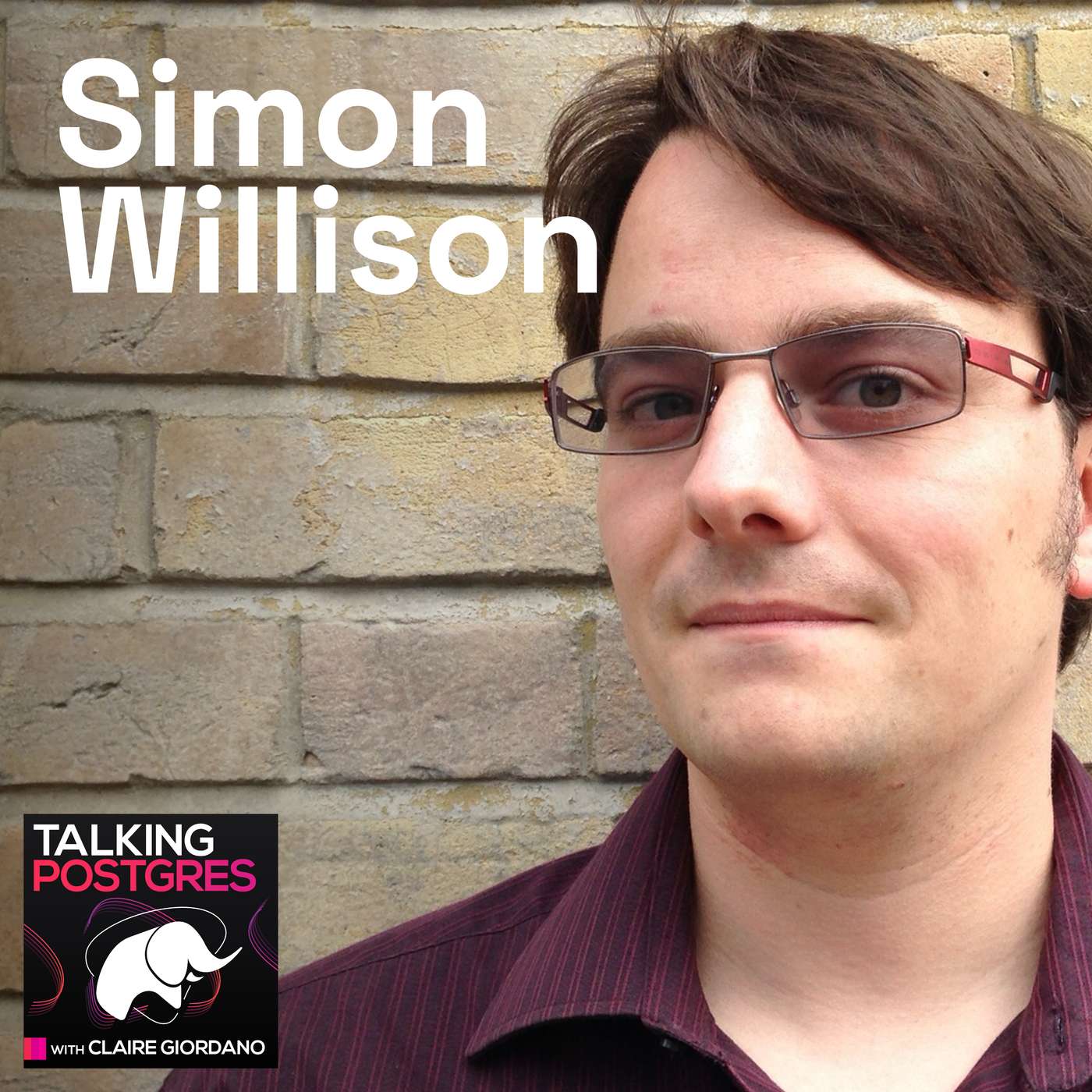 AI for data engineers with Simon Willison 08.08.2025 1h 15minIt’s always a good day if you see a pelican. In Episode 30 of Talking Postgres with Claire Giordano, open source developer Simon Willison—creator of Datasette and co-creator of Django—joins to explore how AI is useful for data engineers today. We move past the hype and boosterism to dig into example after example: structured data extraction, alt text and accessibility, safety and security (aka the fiddly bits), and why Postgres’s fine-grained permissions are such a good fit for AI-powered workflows. Also: Pulitzer-worthy data tooling, the science fiction of the 10X engineer, agents, MCP, RAG, the multitude of models, and why Simon spends so many waking hours on the jagged frontier of AI.Links mentioned in this episode:Blog: Simon Willison’s WeblogBlog: Simon’s Willison’s TIL - Things I’ve LearnedPodcast episode: Working in public on open source with Simon Willison and Marco SlotProject page: Django Web FrameworkProject page: Datasette, for finding stories in data GitHub repo: llm CLI tool and Python libraryDemo: Language models on the command-line w/ Simon WillisonBlog post: OpenAI’s new open weight (Apache 2) models are really good, by Simon Willison Podcast episode: Accessibility and Gen AI podcast with guest Simon WillisonBlog post: New dashboard: alt text for all my images, by Simon Willison Keynote talk: Big Opportunities in Small Data, by Simon Willison at Citus Con: An Event for Postgres 2023 Blog post: How OpenElections Uses LLMs, by Derek Willis Blog posts tagged with pelican-riding-a-bicycle on Simon Willison’s Weblog Blog post: No, AI is not Making Engineers 10x as Productive, via Colton Voege, featured on Simon’s weblogGitHub repo: pgvector extension to PostgresCal invite: LIVE recording of Ep31 of Talking Postgres to happen on Wed Sep 17, 2025
 -
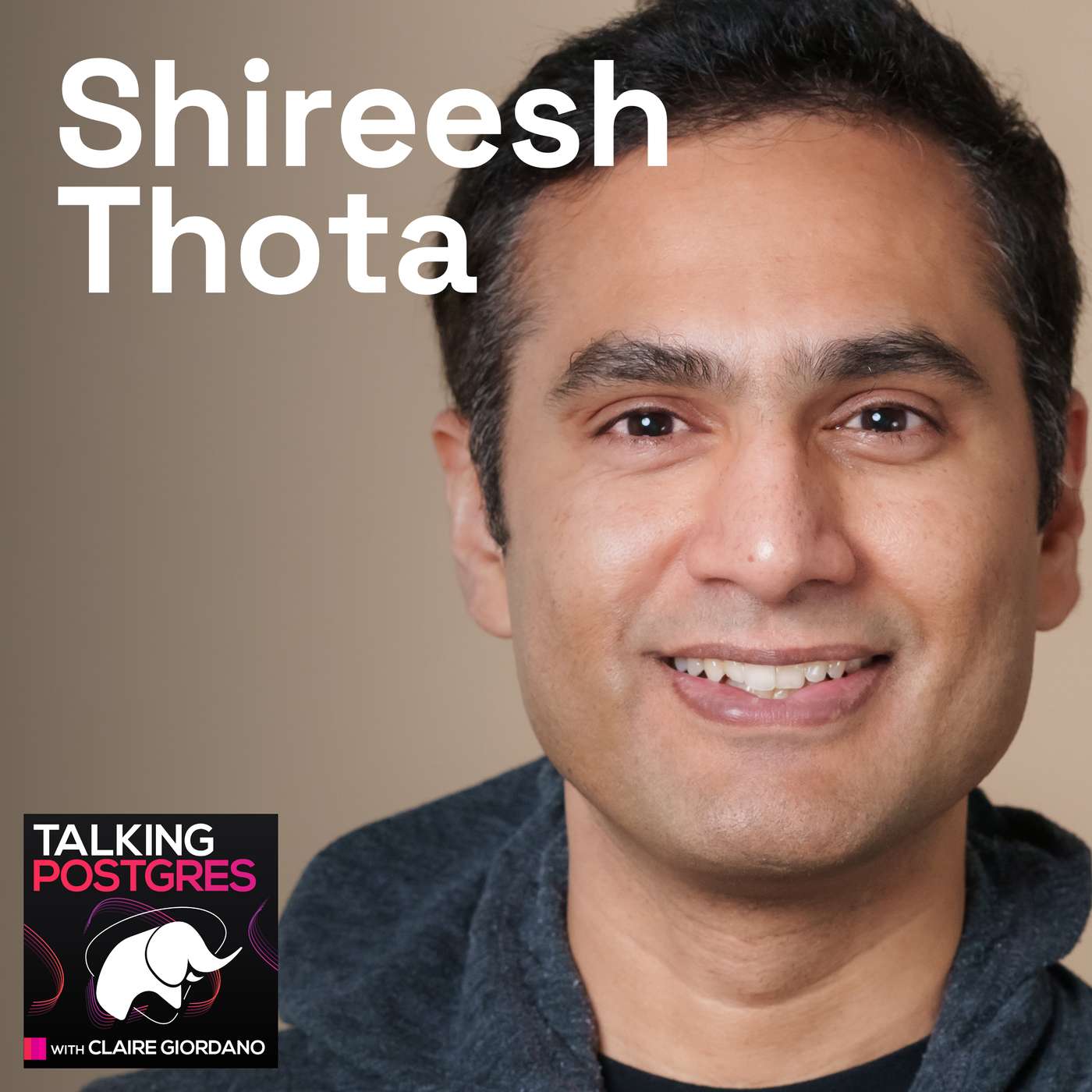 How I got started leading database teams with Shireesh Thota 11.07.2025 57minFrom dreaming of driving a bus to leading database engineering at Microsoft. In Episode 29 of Talking Postgres with Claire Giordano, Shireesh Thota traces his path to becoming CVP of Azure databases—rooted in a love of math, early BASIC programming, and a certainty that he’d become an engineer. We dig into the shift from engineer to manager (if only people came with documentation); why it’s so important for Microsoft to contribute to the PostgreSQL open source project—not just consume it; and whether Shireesh has a favorite database (hint: it better be Postgres.)Links mentioned in this episode:Blog post excerpt: Why we have a Postgres open source contributor team at MicrosoftPodcast episode: Leading engineering for Postgres on Azure with Affan DarVS Code Marketplace: New VS Code extension for PostgreSQLPOSETTE 2025 talk: Introducing Microsoft’s VS Code extension for Postgres by Matt McFarlandLinkedIn post: PGConf.dev 2025 talk on “The trouble with extensions” by Marco SlotPodcast episode: How I got started as a developer (& in Postgres) with David RowleyBook: Who Moved My CheeseCal invite: LIVE recording of Ep30 of Talking Postgres to happen on Wed Aug 6, 2025
 -
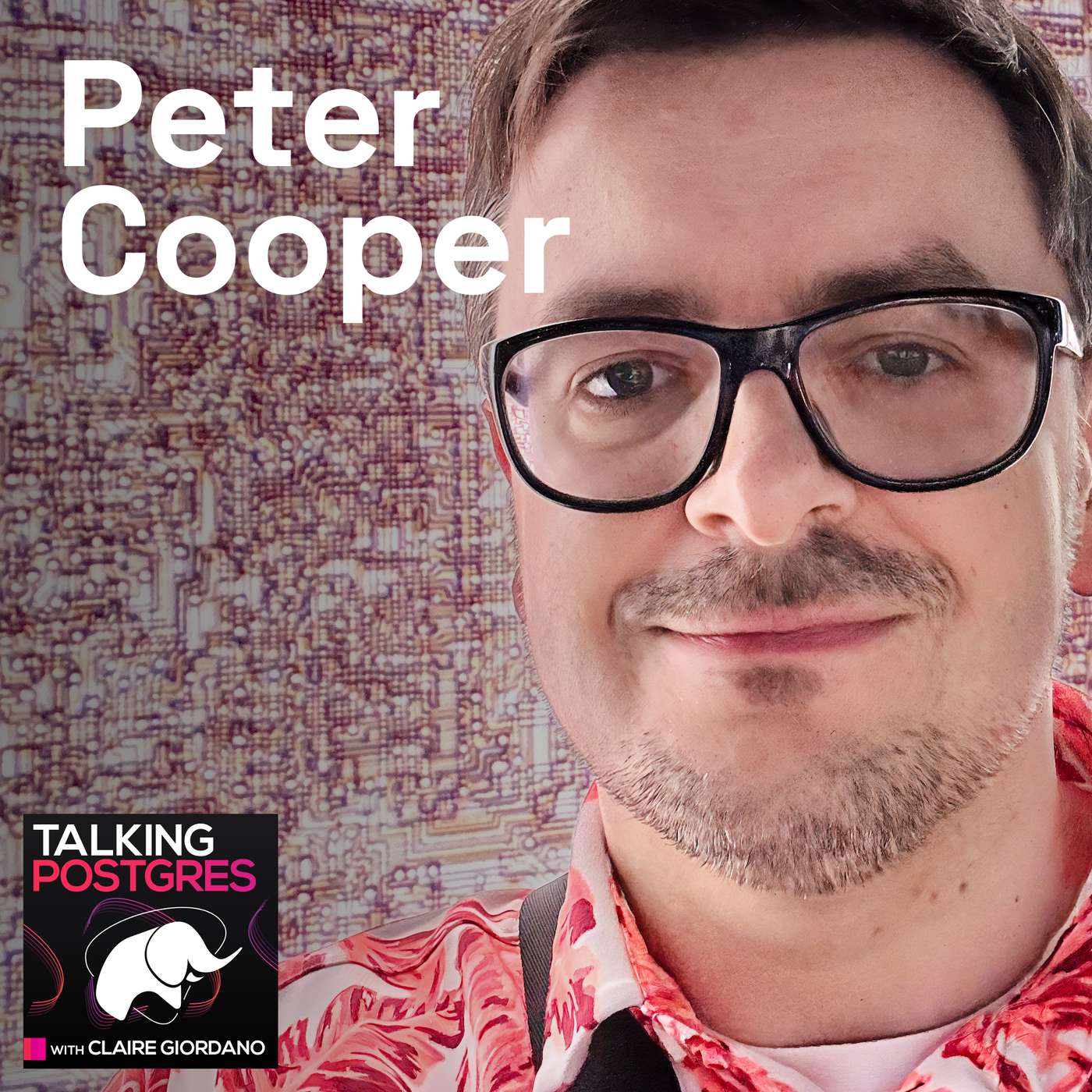 12 years of Postgres Weekly with Peter Cooper 20.06.2025 1h 16minWhat drives someone to publish 600+ issues of a Postgres newsletter for over a decade? In Episode 28 of Talking Postgres with Claire Giordano, Peter Cooper—creator of Postgres Weekly—shares how his days of rustic programming and QBASIC fanzines on Usenet led to a newsletter empire that now reaches nearly half a million developers each week. We dig into the BBC's "big tent" editorial influence, an accidental business model that just worked, and the perils of "temporary" hacks. Plus: spam filters, a Photoshop addiction, and one very cheesy story (dairy-free).Links mentioned in this episode:Newsletter: Postgres WeeklyCooperpress: List of newslettersNewsletter: Latest issue of Postgres Weekly on Jun 19, 2025Newsletter: Postgres Weekly issue with horrible graphicNewsletter: Very first issue of Postgres Weekly on Mar 13, 2013Newsletter: Ruby Weekly, the first Cooperpress newsletterBook: Beginning Ruby Third Edition, by Peter CooperPodcast episode: How I got started as a developer (& in Postgres) with David RowleyFeed reader: FeedbinGitHub repo: feedbin/feedbinFeed reader: FeederEmail testing software: LitmusGitHub repo: MGML markup language for emailPaper: The Design of PostgresGitHub repo: PGRX for building Postgres extensions in RustPodcast news: Podnews.net for daily briefings about podcastsWikipedia page: BBC MicroWikipedia page: ZX SpectrumCal invite: LIVE recording of Ep29 of Talking Postgres to happen on Wed Jul 9, 2025
 -
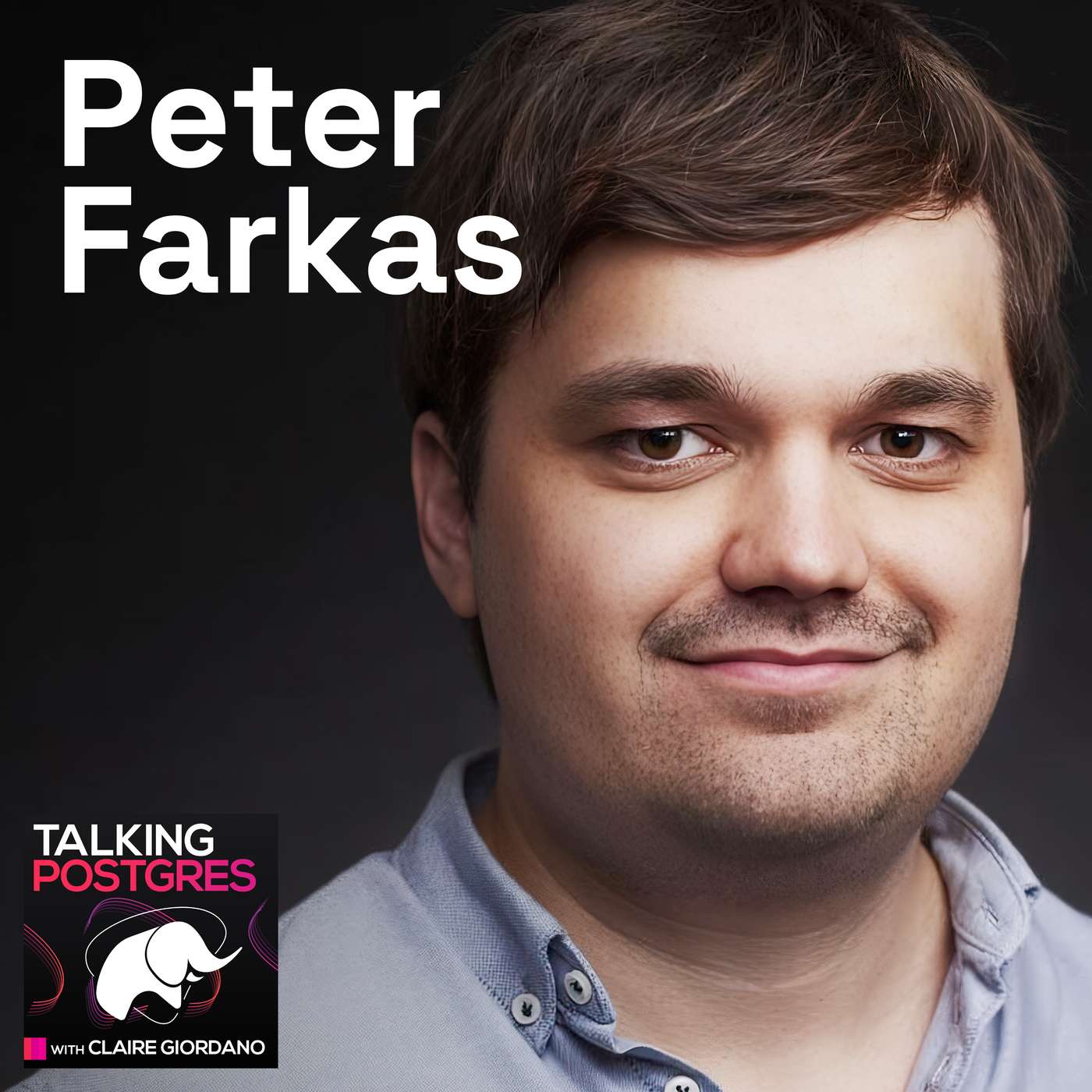 How I got started with FerretDB (& why we chose Postgres) with Peter Farkas 09.05.2025 1h 29minHow does a trek to K2 base camp in the Himalayas spark the idea for a database company? In Episode 27 of Talking Postgres with Claire Giordano, guest Peter Farkas—CEO and co-founder of FerretDB—shares the origin story of this open source MongoDB alternative. (Spoiler: “Ferret” wasn’t the original name). We dig into why Postgres was the obvious choice, what “true open source” means to Peter, and how FerretDB is now powered by the open source DocumentDB extension from Microsoft. Plus, why Hungarian Trappist cheese might deserve a footnote in database history. Links mentioned in this episode:GitHub: FerretDB/FerretDB repoBlog: FerretDB 2.0 GA: Open Source MongoDB alternative, ready for productionACM SIGMOD: The Design of Postgres, published 15 June 1986Postgres Weekly: Issue 591 featuring FerretDBGitHub: Microsoft/DocumentDB open source repoConference talk: From MongoDB to Postgres: Building an Open Standard for Document Databases at POSETTE 2025OSI Blog: The SSL is Not an Open Source LicenseRedMonk Blog: OSS: Two Steps Forward, One Step Back, by Stephen O’GradyTalking Postgres Ep18: How I got started as a developer (& in Postgres) with David RowleyOpenDocDB: initiative to define an open standardWikipedia: K2 (yes, the mountain)Go Blog: The Go Gopherxkcd: webcomic 927 on StandardsWikipedia: Trappista cheeseCal invite: LIVE recording of Ep28 of Talking Postgres to happen on Wed Jun 18, 2025
 -
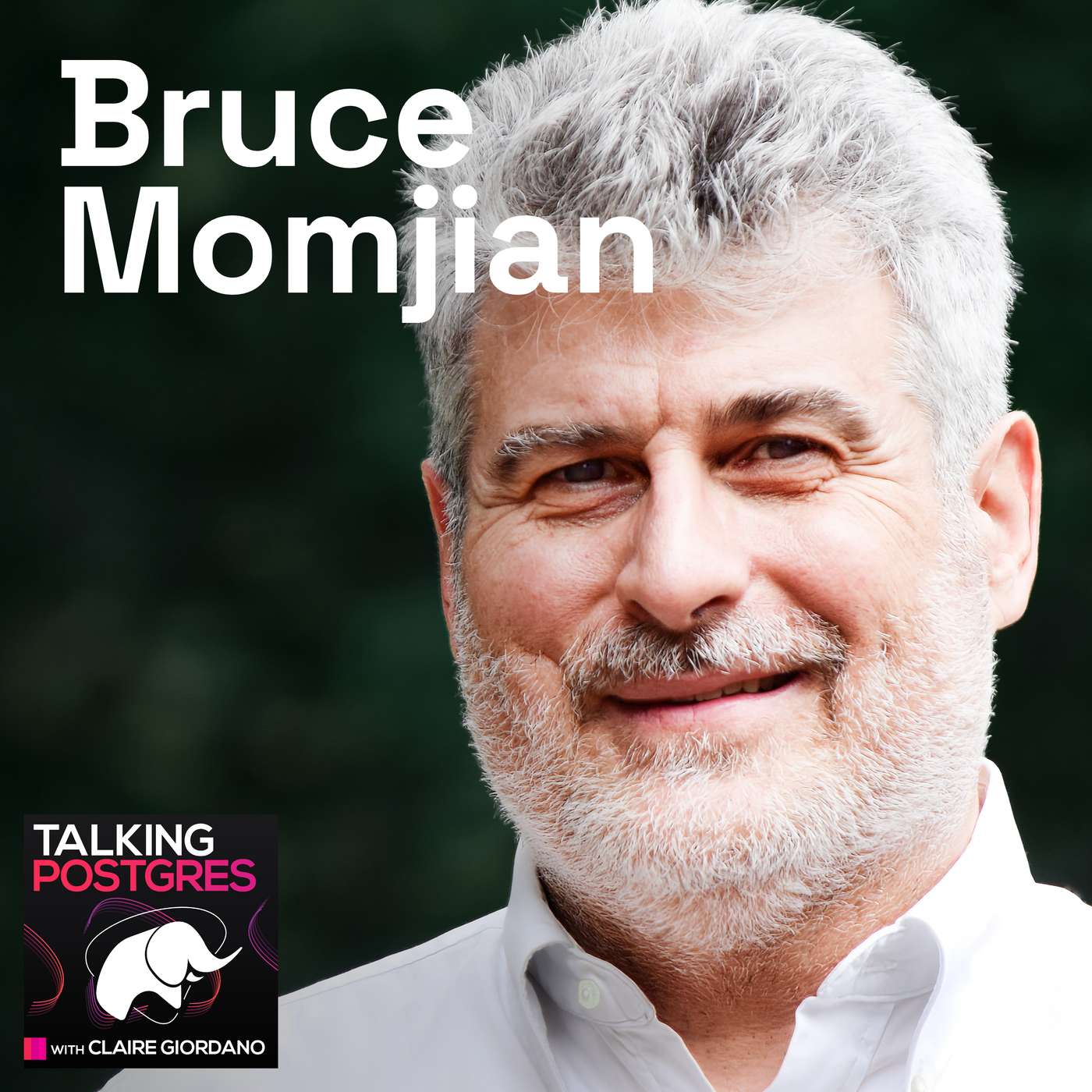 Open Source Leadership with Bruce Momjian 04.04.2025 1h 48minWhat does it take to lead a global open source project like Postgres? In Episode 26 of Talking Postgres with Claire Giordano, we sit down with Bruce Momjian—co-founder and core team member of the PostgreSQL Global Development Group—to explore the art of leadership in a volunteer-run open source community. Bruce shares what “servant leadership” really means; how saying I’m sorry can help make problems go away; and how letting go of who-gets-the-credit can fuel collaboration. We also dive into Bruce’s origin story, from shaping Postgres’s early days to mastering the art of public speaking. Pro tip: if you see a man in a bow tie at a Postgres conference, be sure to say hello—it’s probably Bruce Momjian!Links mentioned in this episode:Open source project website: postgresql.orgWebsite: Bruce MomjianVideo of talk: Building Open Source Teams at FOSDEM 2023Slides: FOSDEM talk on Building Open Source TeamsWikipedia: John C. MaxwellHarry Truman quote: It is amazing what you can accomplish if you do not care who gets the creditThe New Stack: How to Generate AI From a DatabaseEDB Blog: Bruce Momjian’s Insights from PGConf India 2025Conference schedule: PGConf India 2025Book: Why We Sleep by Matthew WalkerVideo of talk: Why Database Teams Need Crew Resource Management by Chris TraversWikipedia: Anna Karenina principleTalking Postgres podcast: Why mentor Postgres developers with Robert HaasDiscord invite: PostgreSQL Hacking serverMailing lists: PostgreSQL mailing listsConference: PostgreSQL Conference Nepal 2025 happening May 5-6Conference: PostgreSQL Conference Germany 2025 on May 8-9Conference: POSETTE: An Event for Postgres 2025 on Jun 10-12Upcoming POSETTE 2025 keynote: Databases in the AI Trenches by Bruce Momjian Conference: SouthEast | LinuxFest on Jun 13-15 in Charlotte NC Conference: Swiss PGDay 2025 happening Jun 26-27 Conference: PGDay Austria 2025 happening in Vienna on Sep 4Conference: PGDay UK 2025 happening in London on Sep 9Conference: PGDay Lowlands 2025 happening in Rotterdam on Sep 12Video from PGConf.dev 2024: Making PostgreSQL Hacking More InclusiveTalking Postgres podcast: How I got started as a developer (& in Postgres) with David RowleyWikipedia: O'Reilly Open Source Convention (OSCON)Calendar invite: LIVE recording of Ep27 of Talking Postgres to happen on Wed May 07 with guest Peter Farkas. The topic: “How I got started with FerretDB (& why we chose Postgres)”
 -
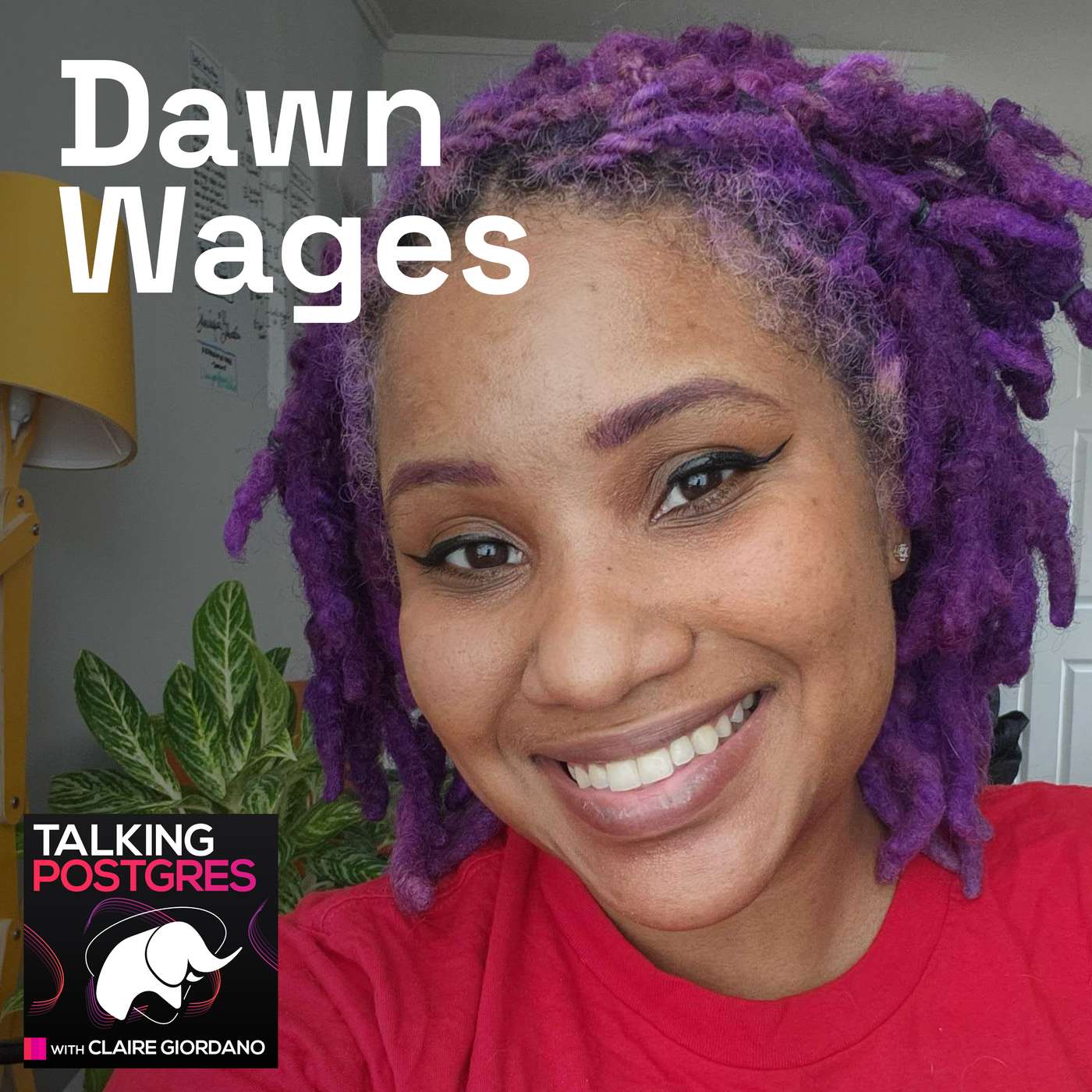 Why Python developers just use Postgres with Dawn Wages 14.03.2025 1hWhen I found out that Django developer and Python Software Foundation chair Dawn Wages has a chapter in her upcoming Domain-Driven Django book called “Just Use Postgres”, I knew we had to get her on the show. In this episode of Talking Postgres with Claire Giordano, Dawn breaks down why so many Python and Django developers have such an affinity for Postgres. And we dive into the Djangonaut Space mentoring program (where contributors launch), learn why “free as in puppies” beats “free as in cake” for open source vibes, and dig into why Python is the second-best language for everything.Links mentioned in this episode:Project page: psycopgDocumentation: Psycopg 3 – PostgreSQL database adapter for PythonProject page: PostgreSQL open source projectGit repo: code for PostgreSQL.org websiteConference: PyCon US 2025, happening May 14-22 in PittsburghConference: PGConf.dev 2025 Schedule, happening May 13-16 in Montreal CanadaConference: Prague PostgreSQL Developer Day 2025 (P2D2) Schedule, which took place Jan 28-29Wikipedia page: Model-view-controller software design patternBook: Professional ASP.NET MVC 1.0, affectionately called “the four heads book”Podcast episode: Working in Public with Simon Willison & Marco SlotBlog: Simon Willison’s TILs, aka Things I’ve learnedSimon Willison’s Weblog: Here’s how I use LLMs to help me write codeSimon Willison’s Weblog: How I make annotated presentationsSurvey: Python Developers Survey 2023 ResultsPython Docs: What’s new in Python 3.14Mentorship program: Djangonaut SpaceMentorship program: Media & Talks about Djangonaut SpacePodcast episode: Why mentor Postgres developers with Robert HaasSlides: PGConf EU 2024 talk by Claire Giordano about Contributions to Postgres, including maps showing how global the Postgres project isVideo of POSETTE 2024 talk by Paolo Melchiorre: Semantic search with Django, PostgreSQL, & pgvectorVideo of Citus Con 2023 talk: Maps with Django (and PostGIS), by Paolo MelchiorreVideo of Citus Con 2022 talk: Django with PostgreSQL superpowers, by Paolo MelchiorreConference: DjangoCon Africa 2025, happening August 11-15 in Tanzania Calendar invite: LIVE recording of Ep26 of Talking Postgres to happen on Wed Apr 02, 2025 with guest Bruce Momjian, to talk about Open Source Leadership
Podobné podcasty


Oblíbený v
Tento podcast se objevuje také v podcastových žebříčcích těchto zemí.

