
Human History ASMR
ASMR HISTORIAN
1
Human History ASMR is a podcast that tells historical stories in a calm, ASMR-style presentation. It is produced by ASMR Historian, a three-person team of historians from the United Kingdom, Australia, and Germany. Every script is written by the team, and all narration is done by human voices rather than text-to-speech. The show aims to make history relaxing, immersive, and easy to enjoy.
Epizody
-
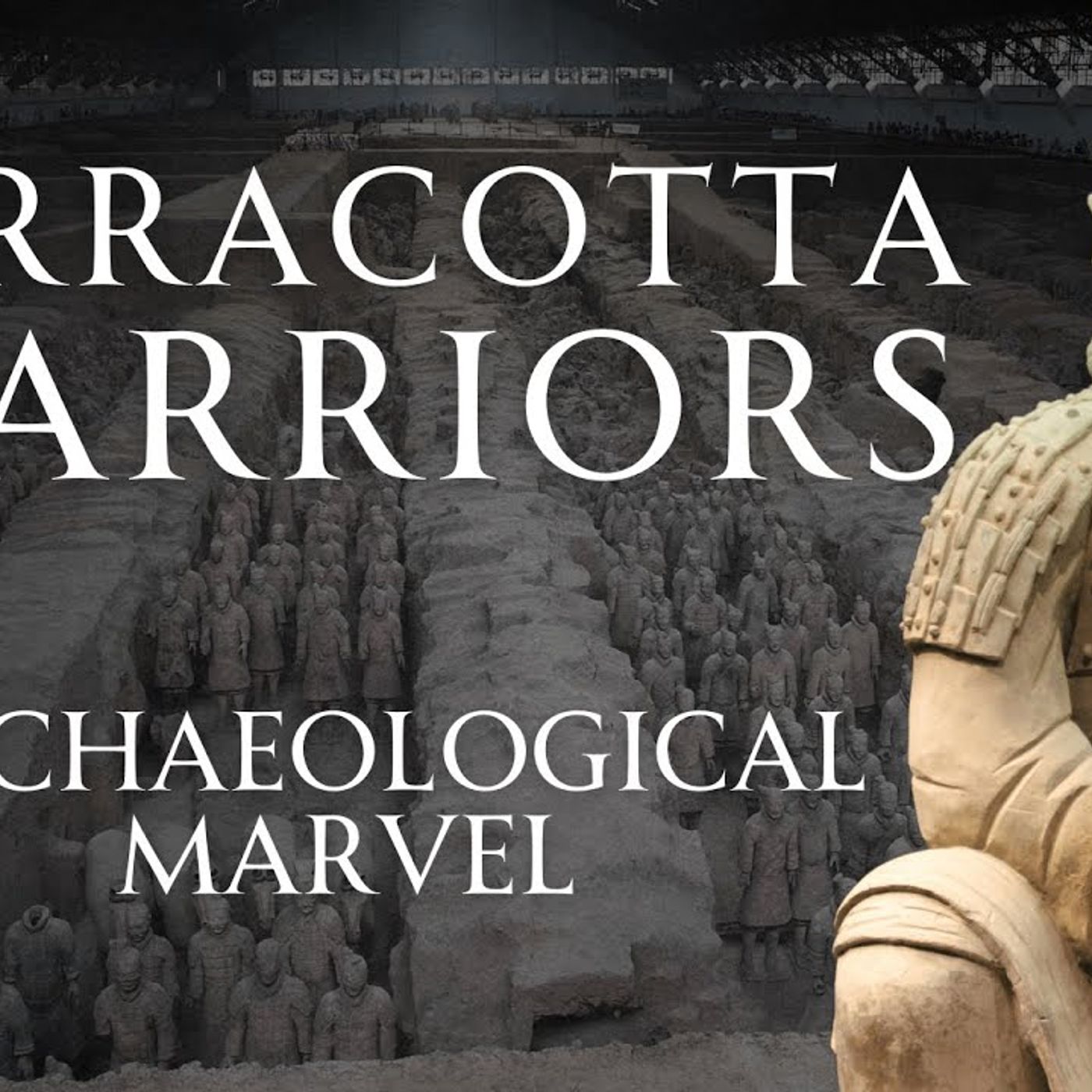 A Deep Dive into the Terracotta Army 02.10.2026 1h 13minJourney deep beneath the soil of ancient China and discover the extraordinary story of the Terracotta Army, one of the most remarkable archaeological discoveries ever made. Created to accompany Qin Shi Huang, the first emperor of a unified China, this vast underground army offers a rare glimpse into imperial power, warfare, craftsmanship, religion, and the world of the Qin dynasty.Explore how thousands of life-sized clay soldiers, horses, chariots, and other figures were produced on an enormous scale. Discover the workshops, craftsmen, molds, techniques, and organizational systems that made such a monumental project possible. Examine the remarkable individuality of many of the figures and what their clothing, armor, hairstyles, weapons, and ranks reveal about the Qin military.The episode also explores the emperor who commissioned this extraordinary underground army. Discover Qin Shi Huang's campaigns to unify the Chinese states, his centralization of government, massive construction projects, and intense concern with death and immortality. Explore why he believed an enormous army would be necessary in the afterlife and how the Terracotta Army formed part of a much larger funerary complex.Step inside the archaeological discoveries surrounding the famous warriors. Explore the underground pits, wooden structures, chariots, weapons, armor, burial practices, and evidence of the complex organization behind the mausoleum. Discover how archaeologists have reconstructed the site and what remains unknown about the enormous tomb of Qin Shi Huang itself.The story also reveals the destruction that affected the site shortly after the emperor's death. Examine evidence of fires, collapsed structures, damaged figures, looting, and the political upheaval that followed the collapse of the Qin dynasty. Discover how the Terracotta Army disappeared beneath the earth for more than two thousand years before its accidental discovery by farmers in 1974.Drawing on archaeological excavations, ancient Chinese historical records, inscriptions, scientific analysis, artifacts, and modern scholarship, this episode separates established discoveries from popular myths and unanswered questions. Explore what the Terracotta Army can tell us about Qin military organization, imperial authority, ancient technology, and beliefs about death.Narrated with a calm, human voice, this immersive journey is perfect for history enthusiasts, ancient China lovers, archaeology fans, military history listeners, documentary audiences, relaxation, or listening before sleep. Step beneath the ancient landscape and uncover the soldiers, secrets, and remarkable craftsmanship hidden within the Terracotta Army.
 -
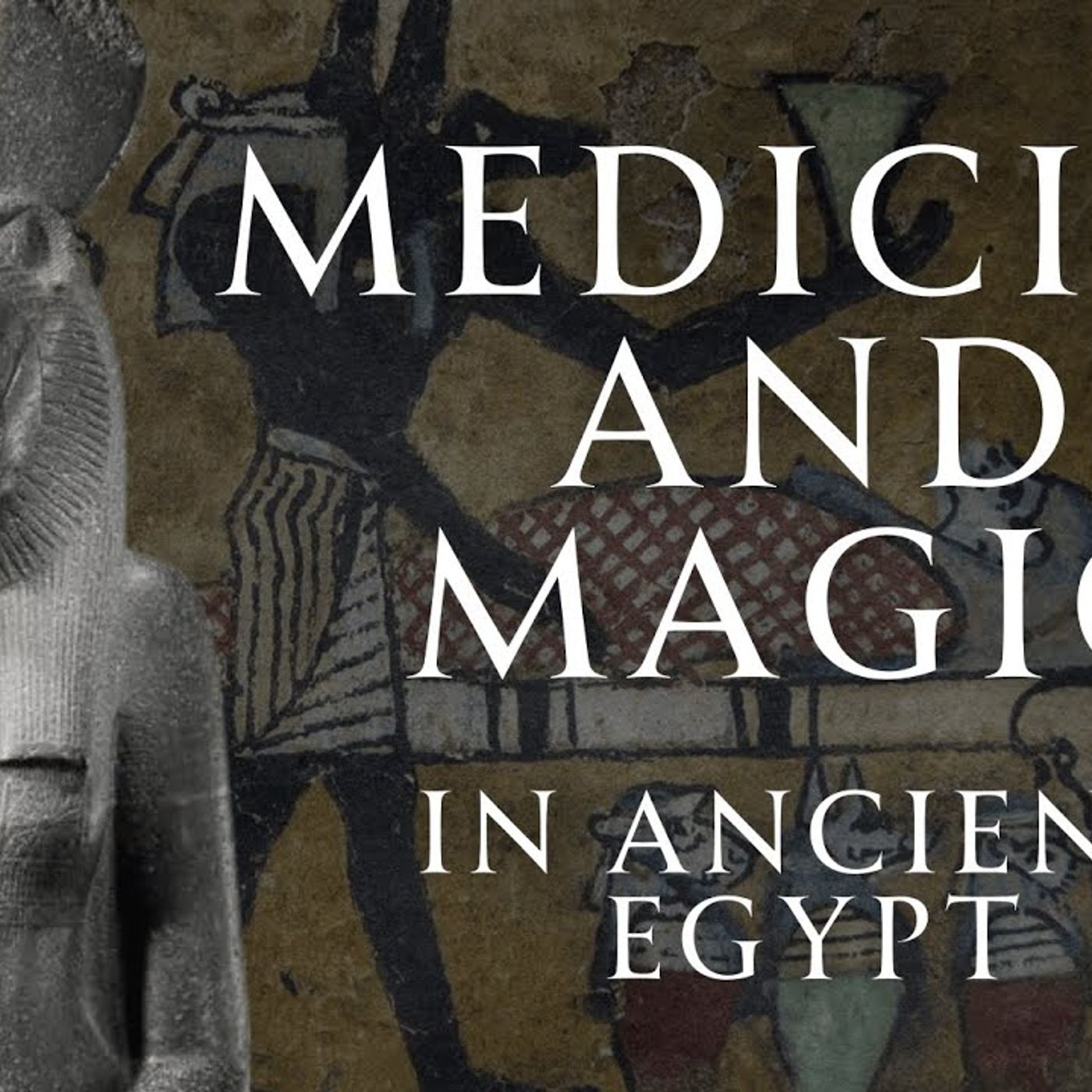 A Guide to Ancient Egyptian Medicine and Magic 02.10.2026 1h 9minJourney into the fascinating world of ancient Egyptian medicine and magic and discover how Egyptians understood the human body, disease, healing, and the supernatural. In a society where practical medical knowledge and religious beliefs were deeply intertwined, physicians, healers, priests, and magicians used a remarkable combination of observation, remedies, rituals, and prayers to treat illness.Explore what Egyptian healers actually knew about anatomy, injuries, infections, pregnancy, childbirth, digestion, and other medical conditions. Discover how physicians examined patients, diagnosed illnesses, prepared medicines, treated wounds, and used ingredients derived from plants, minerals, and animals.But Egyptian medicine was not limited to physical treatments. Discover the important role of magic, spells, amulets, incantations, and religious rituals in the healing process. Explore how Egyptians believed supernatural forces could contribute to illness and how magical practices were sometimes used alongside practical medical treatments.Meet the different specialists involved in Egyptian healing and explore the relationship between physicians, priests, temple institutions, and magical practitioners. Discover how gods such as Imhotep, Sekhmet, Isis, and Thoth became associated with healing, protection, knowledge, and supernatural power.The episode also explores some of the most important surviving medical texts, including the Ebers Papyrus, Edwin Smith Papyrus, Kahun Papyrus, and other documents that preserve treatments, diagnoses, prescriptions, and magical formulas. Discover what these ancient texts reveal about Egyptian medical knowledge and where their understanding differed dramatically from modern medicine.At the same time, this episode separates genuine historical evidence from modern ideas about Egyptian "mysticism" and supernatural medicine. Drawing on medical papyri, archaeological discoveries, mummies, inscriptions, religious texts, artifacts, and modern Egyptological and medical scholarship, this journey explores what ancient Egyptians actually believed and practiced.Narrated with a calm, human voice, this immersive episode is perfect for history enthusiasts, ancient Egypt lovers, medical history fans, archaeology listeners, mythology enthusiasts, relaxation, or listening before sleep. Step into the world of Egyptian healers and discover where medicine, religion, and magic met along the banks of the Nile.
 -
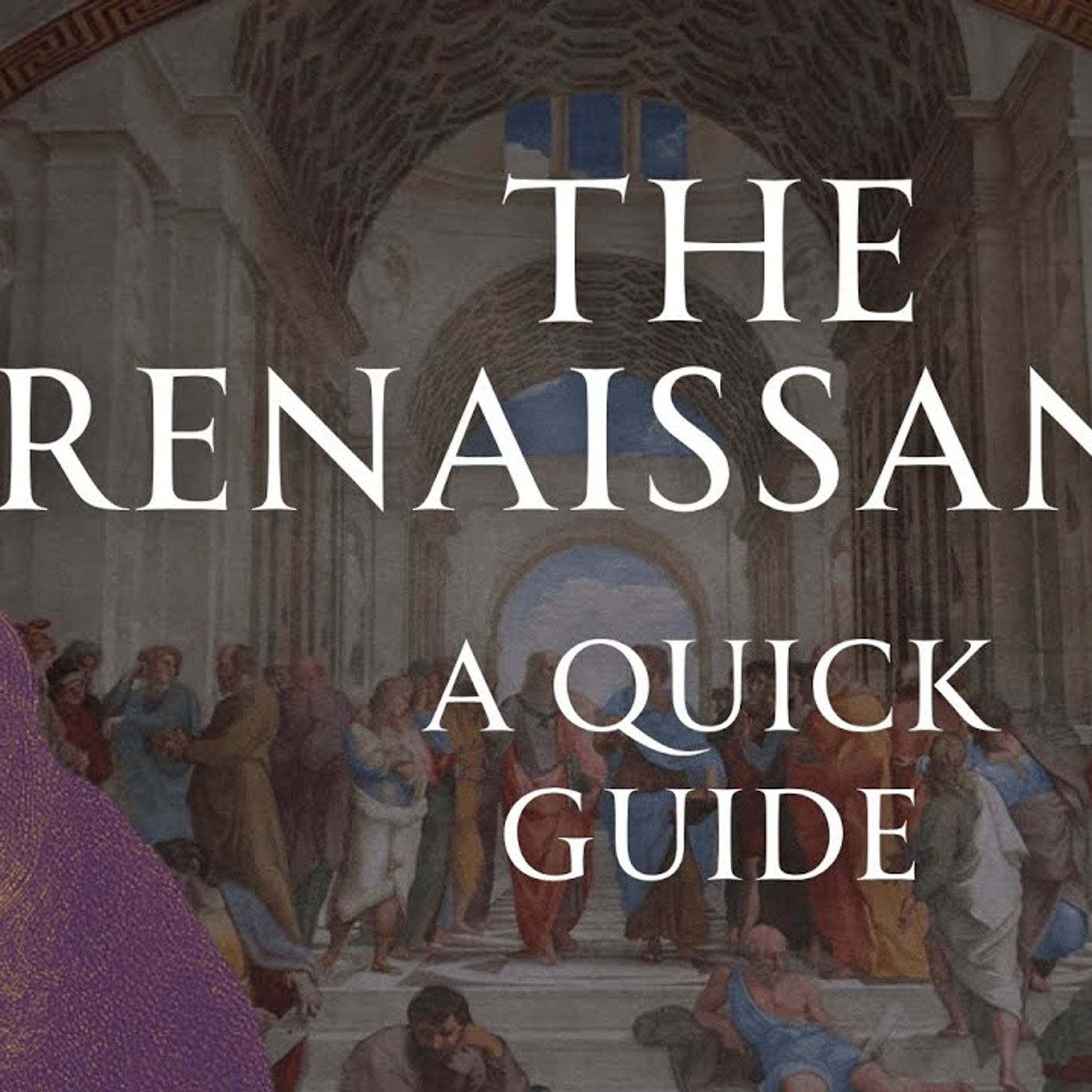 How the Rennaissance Changed the World 01.10.2026 1h 2minJourney into the Renaissance and discover how a cultural movement that began in the cities of Italy transformed art, science, politics, education, religion, and the way Europeans understood the world. From the wealthy courts of Florence and Venice to the workshops, universities, and printing houses of Europe, this episode explores one of history's most influential periods.Discover how Renaissance thinkers revived and reinterpreted the literature, philosophy, art, and political ideas of ancient Greece and Rome. Explore the rise of humanism and the growing emphasis on education, individual achievement, observation, classical learning, and the study of the natural world.Meet some of the extraordinary figures who shaped the period, including Leonardo da Vinci, Michelangelo, Raphael, Niccolò Machiavelli, Petrarch, and other artists, scholars, rulers, and intellectuals. Explore how wealthy patrons, powerful families, city governments, merchants, and religious institutions funded ambitious works that transformed European culture.The Renaissance also changed how people communicated and accessed knowledge. Discover the revolutionary impact of Johannes Gutenberg's printing press, the rapid spread of books and ideas, and the growing ability of scholars and ordinary readers to encounter texts beyond their local communities. Explore how these developments helped create intellectual networks that stretched across Europe.Beyond art and literature, examine the Renaissance's influence on science, exploration, politics, warfare, architecture, and religion. Discover how Renaissance curiosity contributed to new approaches to anatomy, astronomy, cartography, engineering, and geography, while also examining how the period remained deeply connected to medieval traditions rather than representing a sudden break from the past.The Renaissance also had a complicated legacy. Explore the wealth, inequality, warfare, political rivalries, colonial expansion, and religious conflicts that existed alongside its celebrated artistic and intellectual achievements. Drawing on paintings, manuscripts, letters, archaeological discoveries, political writings, scientific texts, and modern historical scholarship, this episode separates the romantic image of the Renaissance from the complex reality behind it.Narrated with a calm, human voice, this immersive journey is perfect for history enthusiasts, European history lovers, art and culture fans, documentary listeners, relaxation, or listening before sleep. Discover how the Renaissance reshaped Europe and helped create ideas, technologies, and cultural traditions that continue to influence the modern world.
 -
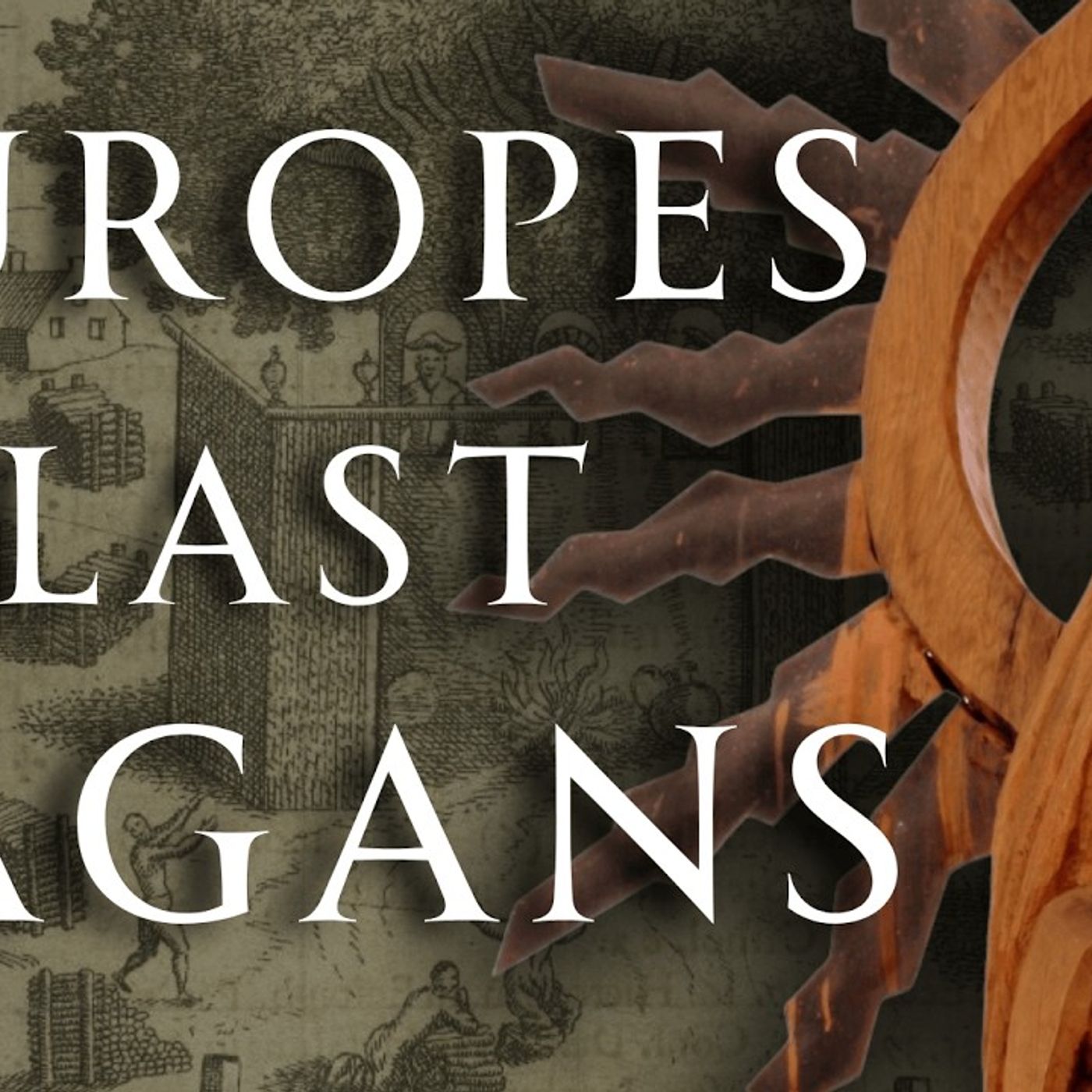 The Slow Death of European Paganism Converting Lithuania 01.10.2026 1hJourney into the last major chapter of Europe's pagan past and discover how Lithuania, one of the last regions of Europe to officially embrace Christianity, was gradually transformed by religion, politics, warfare, and diplomacy. This episode explores the slow and complicated process through which Lithuania's traditional beliefs encountered the expanding Christian world.For centuries, the peoples of the Baltic region maintained religious traditions centered on sacred forests, natural forces, ancestral customs, seasonal rituals, and a diverse collection of pagan deities. Explore the spiritual world of medieval Lithuania and discover what is known about the beliefs and practices that existed before widespread Christianization.The story of conversion was not simply a matter of missionaries arriving and people immediately abandoning their old religion. Explore the powerful political forces behind Lithuania's conversion, including conflicts with the Teutonic Order, relations with neighboring Christian kingdoms, dynastic marriages, diplomacy, and the ambitions of Lithuanian rulers. Discover how religion became deeply connected with questions of sovereignty and survival.The episode follows the reign of Grand Duke Jogaila and the events surrounding Lithuania's official conversion to Christianity in 1387. Explore his marriage to Jadwiga of Poland, the formation of the Polish-Lithuanian political relationship, the baptism of the Lithuanian ruler, and the campaigns to introduce Christianity among the population.But official conversion did not mean that older beliefs disappeared overnight. Discover how traditional customs, sacred places, seasonal celebrations, folk beliefs, and relationships with the natural world survived beneath the new Christian order. Explore the gradual process through which pagan traditions were suppressed, adapted, incorporated, or transformed over generations.This episode also examines the limits of our knowledge. Much of what is known about pre-Christian Lithuanian religion comes from Christian writers, later folklore, archaeological evidence, and historical records written after conversion. Drawing on medieval chronicles, archaeological discoveries, Baltic folklore, religious studies, and modern scholarship, this journey separates reliable evidence from later romantic interpretations of Lithuania's pagan past.Narrated with a calm, human voice, this immersive journey is perfect for history enthusiasts, medieval history lovers, Baltic history fans, religious history listeners, relaxation, or listening before sleep. Discover the final transformation of one of Europe's last great pagan societies and the traditions that survived long after the old gods officially disappeared.
 -
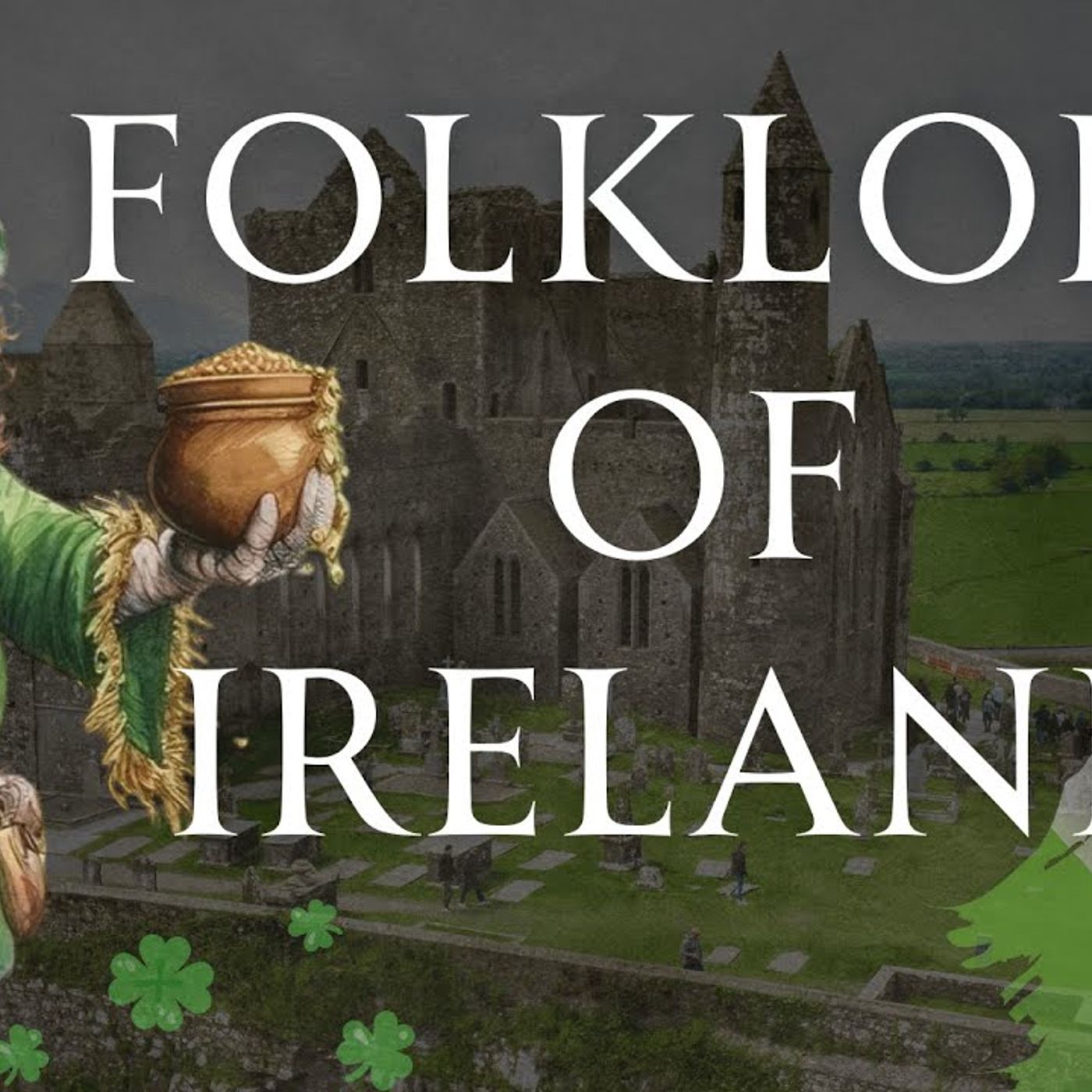 A Guide To Irish Folklore 01.10.2026 1h 18minJourney into the ancient and mysterious world of Irish folklore and discover the legends, spirits, heroes, magical creatures, and traditional beliefs that have shaped Ireland's cultural history for centuries. From mist-covered hills and lonely coastlines to ancient stone circles and remote villages, this episode explores the stories that generations of Irish communities passed down through the ages.Meet some of the most fascinating figures and supernatural beings in Irish tradition, including the Tuatha Dé Danann, leprechauns, banshees, púca, dullahans, merrows, fairies, giants, and legendary heroes. Explore stories of enchanted hills, fairy forts, haunted places, magical weapons, mysterious disappearances, and encounters between the human and supernatural worlds.Discover the deeper traditions behind Ireland's famous legends. Explore the influence of ancient Celtic beliefs, pre-Christian traditions, Christianity, Gaelic culture, and local customs on Irish folklore. Learn how older ideas about spirits, sacred landscapes, ancestors, death, and the supernatural survived and evolved as Ireland's religious and social landscape changed.This episode also explores the role of folklore in everyday Irish life. Discover beliefs surrounding birth, marriage, death, farming, weather, healing, seasonal celebrations, protective rituals, and the mysterious fairy world. Learn why certain landscapes, trees, wells, ruins, and ancient monuments were considered sacred or dangerous, and how these beliefs influenced the decisions of ordinary people.Beyond the famous stories, explore the remarkable regional diversity of Irish folklore. Traditions differed across counties, islands, rural communities, and Gaelic-speaking regions, creating an enormous collection of local legends and supernatural traditions. Discover how storytellers, poets, monks, antiquarians, and folklorists helped preserve these traditions for future generations.Drawing on medieval Irish literature, oral traditions, folklore collections, historical writings, archaeological discoveries, manuscripts, ethnographic records, and modern scholarship, this episode separates traditional Irish beliefs from later romanticized versions and modern popular culture.Narrated with a calm, human voice, this immersive journey is perfect for history enthusiasts, Irish history lovers, Celtic mythology fans, folklore listeners, relaxation, or listening before sleep. Settle in and discover the magical, mysterious, and sometimes haunting folklore of Ireland.
 -
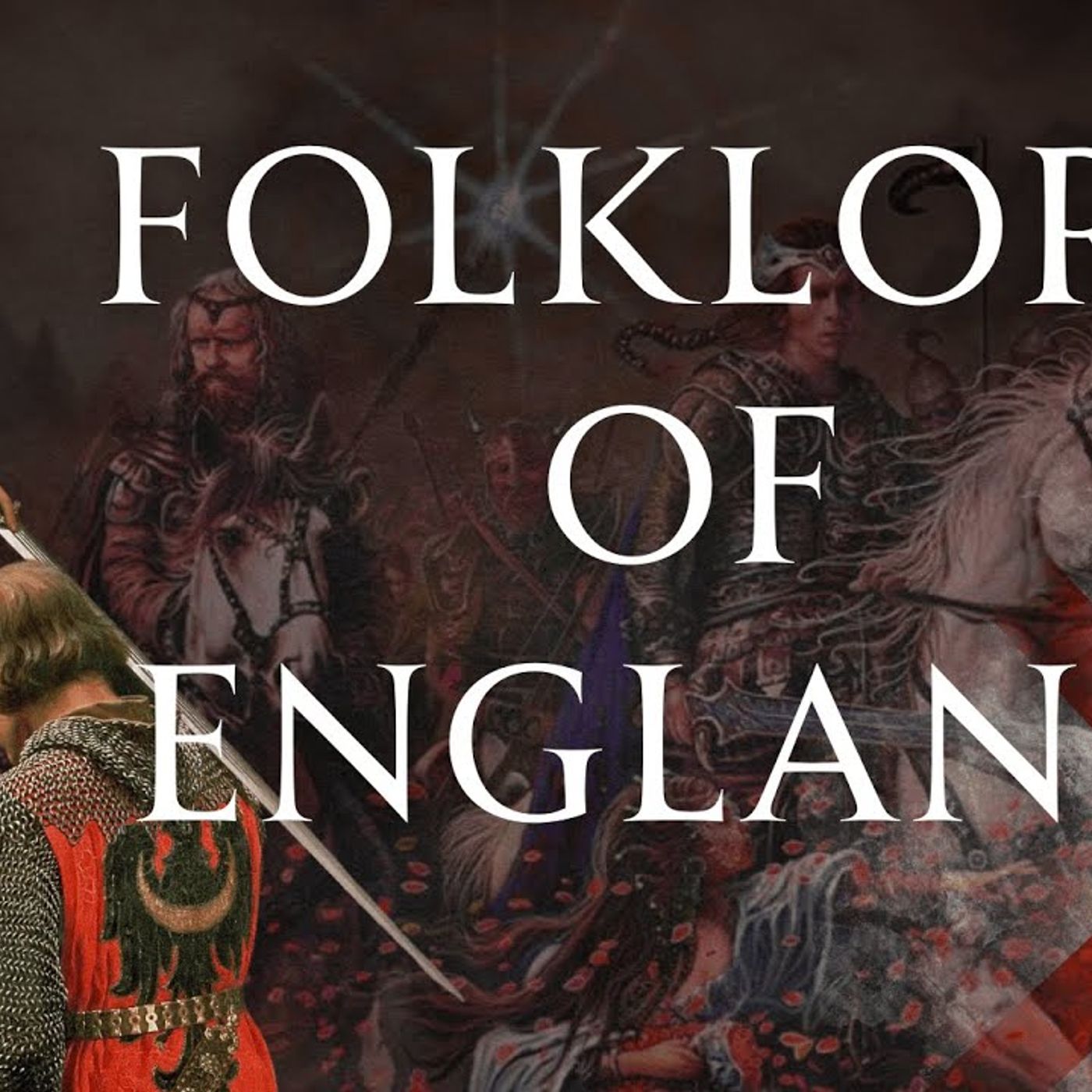 A Guide To English Folklore 01.10.2026 1h 40minJourney into the mysterious world of English folklore and discover the legends, spirits, magical creatures, customs, and traditional beliefs that have shaped England's cultural history for centuries. From ancient forests and windswept villages to medieval castles and quiet country lanes, this episode explores the stories that generations of English communities passed down through the centuries.Meet some of the most fascinating figures and creatures of English tradition, including Robin Hood, the Green Man, black dogs, boggarts, brownies, fairies, witches, ghosts, and other supernatural beings. Explore stories of haunted places, enchanted forests, mysterious travelers, cursed objects, prophetic dreams, and strange encounters that became part of England's rich folklore.Discover how English folklore developed from a mixture of older traditions and later influences. Explore the legacy of Anglo-Saxon beliefs, Celtic traditions, Norse influences, medieval Christianity, local customs, and popular superstition. Learn how older beliefs were adapted, reinterpreted, or incorporated into Christian society while continuing to survive in rural communities.This episode also explores the customs and traditions that once shaped everyday life. Discover the folklore surrounding seasonal celebrations, May Day, harvest festivals, Christmas traditions, weddings, funerals, births, farming, weather predictions, healing practices, and protective rituals. Explore how ordinary people used folklore to make sense of the natural world and events they could not easily explain.Beyond the famous legends, discover the extraordinary regional diversity of English folklore. Traditions from Yorkshire, Cornwall, Devon, Lancashire, East Anglia, the Midlands, and other parts of England often developed their own distinctive characters, creatures, stories, and customs. Many of these traditions survived through oral storytelling before eventually being recorded by folklorists and antiquarians.Drawing on medieval literature, folklore collections, oral traditions, historical writings, local records, artwork, archaeological evidence, and modern scholarship, this episode separates traditional English beliefs from later inventions, literary adaptations, and modern popular culture.Narrated with a calm, human voice, this immersive journey is perfect for history enthusiasts, folklore lovers, English history fans, mythology listeners, relaxation, or listening before sleep. Settle in and discover the strange, magical, and sometimes haunting folklore of England.
 -
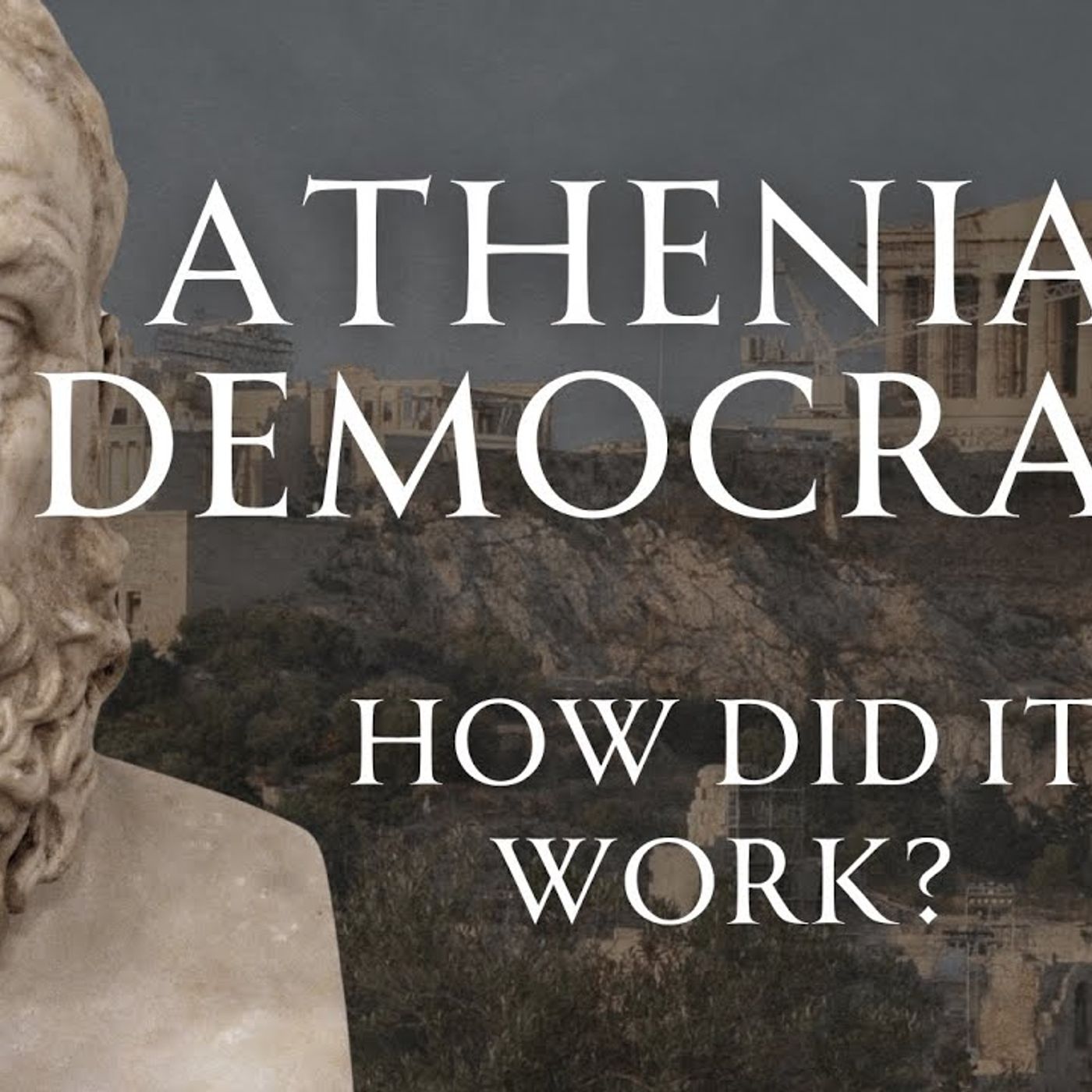 How Greek Democracy Actually Worked 01.10.2026 1h 13minStep into the political world of ancient Athens and discover how Greek democracy actually worked. Far removed from the modern idea of representative government, Athenian democracy was a direct and highly participatory system in which citizens gathered, debated, voted, served on juries, and took part in the daily administration of their city.Explore how ordinary male citizens could participate in the Assembly, where important decisions concerning war, diplomacy, laws, finances, and public policy were debated. Discover how meetings were organized, how proposals were introduced, how speeches influenced political decisions, and how votes were conducted in a society where public participation was considered a civic responsibility.Learn about the Council of 500, the large network of magistrates, public officials, and citizen jurors who helped administer Athens. Explore the unusual methods used to select officials, including lotteries, elections, and short terms of office. Discover why the Athenians believed that randomly selecting many officials could help prevent the concentration of political power.The episode also examines the famous Athenian jury system. Discover how large groups of citizens could decide legal cases, how jurors were selected, how trials worked, and why public speaking and persuasion were so important in ancient Greek law. Explore the role of rhetoric, reputation, evidence, witnesses, and political influence in the courtroom.But ancient democracy was far from equal by modern standards. Women, enslaved people, foreigners, and many residents of Athens were excluded from political citizenship. Explore these limitations and the contradictions at the heart of Athenian democracy, while also examining how citizenship, military service, wealth, class, and family shaped political participation.Beyond Athens, discover how other Greek communities experimented with different forms of government, including oligarchy, monarchy, tyranny, and mixed political systems. Drawing on ancient historians, speeches, inscriptions, philosophical writings, archaeological evidence, and modern scholarship, this episode separates the idealized image of Greek democracy from the complicated reality of how it functioned.Narrated with a calm, human voice, this immersive journey is perfect for history enthusiasts, ancient Greece lovers, political history fans, documentary listeners, relaxation, or listening before sleep. Step into the Assembly, the courtroom, and the streets of ancient Athens to discover how one of history's most influential experiments in democracy really worked.
 -
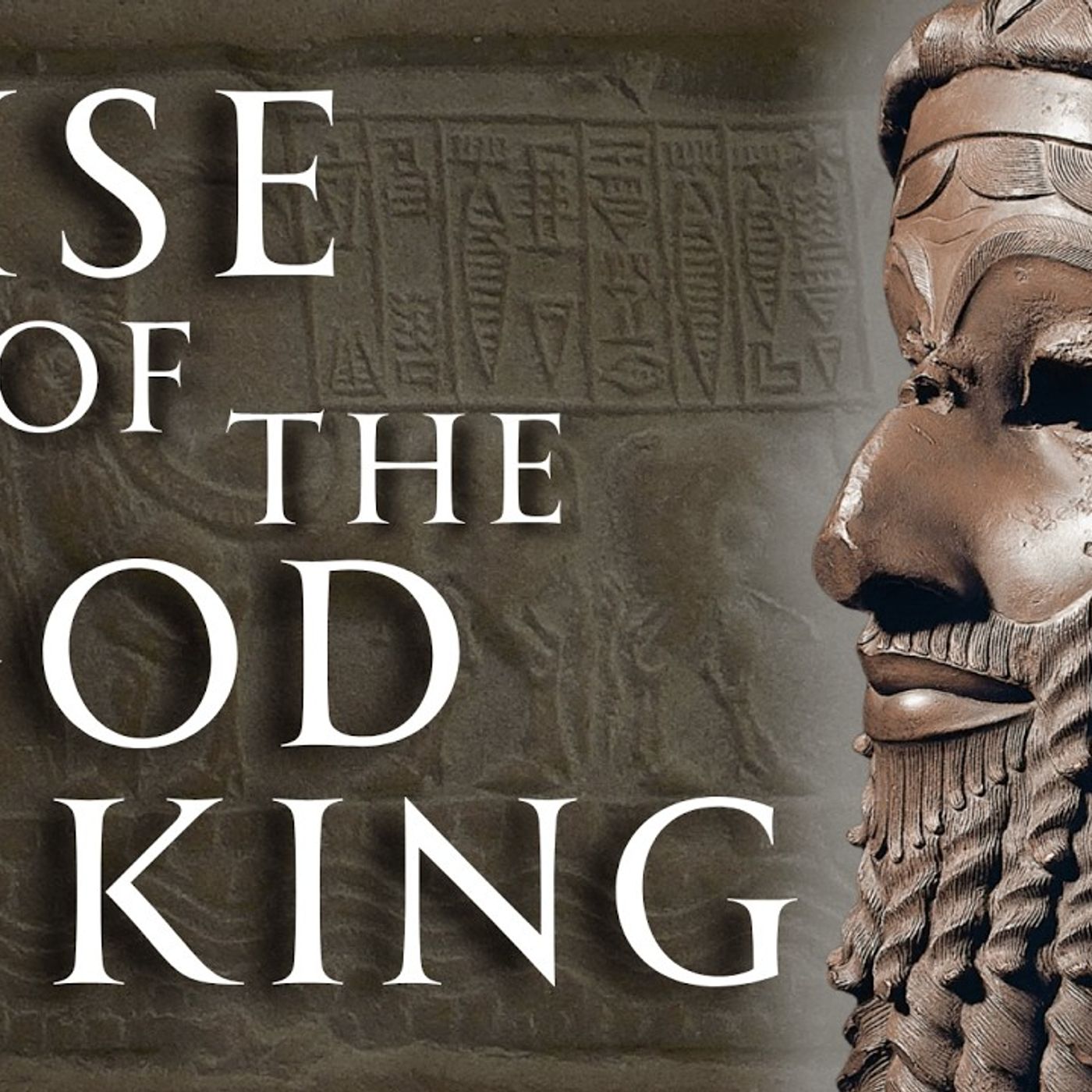 The Real Story of Sargon of Akkad 30.09.2026 1h 9minJourney back to the ancient world of Mesopotamia and discover the real story of Sargon of Akkad, one of the most influential rulers of the ancient Near East. Rising from uncertain origins to become the founder of the Akkadian Empire, Sargon transformed the political landscape of Mesopotamia and became a legendary figure whose reputation survived for thousands of years.Explore what is actually known about Sargon's early life and the famous traditions surrounding his birth. Ancient texts describe a remarkable story in which the future ruler was abandoned as an infant and later rose to power, but how much of this story can historians trust? Examine the famous Sargon legend alongside the archaeological and textual evidence that allows us to distinguish historical possibilities from royal mythology.Discover how Sargon established himself as ruler of Kish before challenging Lugalzagesi of Uruk and expanding his authority across southern Mesopotamia. Explore his military campaigns, political strategies, alliances, administration, and the methods that allowed him to bring numerous cities and territories under Akkadian control.The episode also examines what life was like within Sargon's expanding empire. Discover how conquest affected cities, trade networks, agriculture, taxation, religion, and local rulers. Explore the role of Akkadian officials, soldiers, governors, scribes, and temples in maintaining imperial power across a vast and culturally diverse region.But Sargon's empire was not simply a story of unstoppable conquest. Explore the rebellions, logistical challenges, political tensions, and difficulties of controlling distant territories. Discover how later Akkadian rulers continued—and struggled to maintain—the political system Sargon had created, and how the empire eventually declined after generations of expansion.Drawing on royal inscriptions, cuneiform tablets, archaeological discoveries, Mesopotamian chronicles, later legends, and modern Assyriological scholarship, this episode separates the historical Sargon from the legendary figure who emerged in later tradition. Discover what we truly know about his life, his empire, and the remarkable legacy he left behind.Narrated with a calm, human voice, this immersive journey is perfect for history enthusiasts, ancient history lovers, Mesopotamian history fans, archaeology listeners, relaxation, or listening before sleep. Step into the world of Sargon of Akkad and uncover the story behind one of antiquity's most legendary rulers.
 -
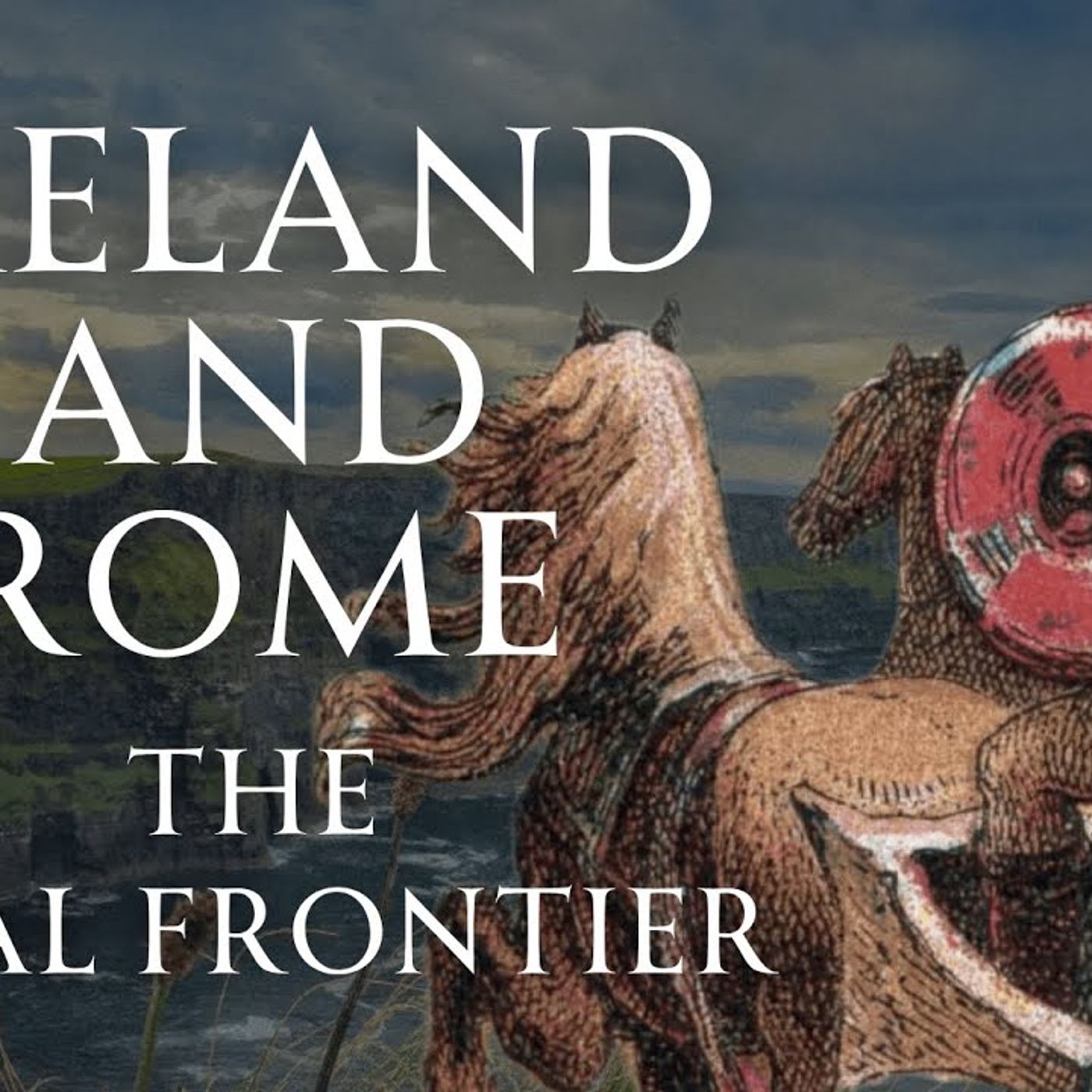 The Real Reason Rome Never Conquered Ireland 30.09.2026 1h 6minJourney to the western edge of the Roman world and discover why Ireland remained beyond the permanent reach of Rome. While Roman armies conquered Britain and established a powerful frontier across the island, Ireland was never formally incorporated into the Roman Empire. This episode explores the geography, politics, military realities, and historical circumstances behind that decision.Discover what Roman writers actually knew about Ireland, or Hibernia, and how the Romans viewed the island and its people. Explore the accounts of ancient authors such as Tacitus and Ptolemy, the evidence for Roman contact with Ireland, and what archaeology can reveal about trade, migration, diplomacy, and cultural connections across the Irish Sea.The episode examines whether Rome ever seriously considered invading Ireland. Explore the Roman presence in Britain, the strategic importance of the Irish Sea, the role of client kingdoms, and the possibility of military expeditions or reconnaissance missions. Discover the evidence surrounding Agricola's famous comments about Ireland and why historians continue to debate what Roman involvement may actually have looked like.Geography was only part of the story. Explore Ireland's rugged landscape, dispersed settlements, lack of major urban centers, and the challenges of supplying an army across the sea. Compare these difficulties with the enormous military and financial commitments required to conquer and hold Britain, and consider whether Ireland offered enough strategic or economic value to justify another major Roman campaign.Politics also mattered. Rome was not simply an empire that conquered every territory within reach. Roman rulers constantly had to balance military ambition with rebellions, rival powers, finances, frontier security, and political priorities elsewhere. This episode explores how these pressures may have influenced Rome's decision to maintain relationships and indirect influence rather than pursue outright conquest.Drawing on Roman literary sources, archaeological discoveries, coins, settlement evidence, inscriptions, ancient maps, and modern historical scholarship, this episode separates established facts from theories about possible Roman expeditions into Ireland. Discover what we know, what remains uncertain, and why Ireland ultimately stayed outside the Roman Empire.Narrated with a calm, human voice, this immersive journey is perfect for history enthusiasts, Roman history lovers, Celtic history fans, archaeology listeners, relaxation, or listening before sleep. Explore the fascinating story of the island Rome never conquered.
 -
 Serial Killers of 19th Century Paris 30.09.2026 1h 4minJourney into the darker side of 19th-century Paris and explore the cases of murderers, poisoners, and suspected serial killers who shocked a rapidly changing city. This episode examines the crimes, investigations, social conditions, and historical records surrounding some of the most notorious cases associated with Paris during the 1800s.Discover a Paris transformed by industrialization, population growth, poverty, political upheaval, and dramatic urban redevelopment. Explore the crowded neighborhoods, working-class districts, boarding houses, markets, hospitals, prisons, and streets where ordinary Parisians lived alongside criminals, police officers, journalists, doctors, and investigators.Meet the individuals accused of committing repeated murders and examine how their cases were uncovered. Learn how detectives, magistrates, police officers, physicians, witnesses, and journalists attempted to identify suspects in an age before modern forensic science. Explore the early use of autopsies, medical evidence, fingerprints' eventual development, witness testimony, surveillance, and investigative techniques.The episode also examines some of the most sensational criminal cases of the period while avoiding graphic descriptions. Discover how newspapers transformed violent crimes into public spectacles, how rumors and accusations spread through the city, and how the French justice system investigated, prosecuted, and punished suspected murderers.Beyond the crimes themselves, explore the social world surrounding them. Poverty, prostitution, homelessness, alcoholism, class divisions, overcrowded housing, and rapid urbanization all shaped the environment in which crime was investigated and reported. At the same time, the growing professionalization of policing, medicine, criminology, and journalism was beginning to change how society understood violent crime.Drawing on police archives, court records, medical reports, contemporary newspapers, memoirs, photographs, criminal biographies, and modern historical scholarship, this episode separates documented evidence from sensational legends and uncertain accusations. It also considers the difficulties historians face when reconstructing crimes from incomplete or biased 19th-century sources.Narrated with a calm, human voice, this immersive journey is perfect for history enthusiasts, true history fans, crime history listeners, documentary audiences, relaxation, or listening before sleep. Explore the investigations, suspects, social tensions, and forgotten stories behind the darker side of 19th-century Paris.
 -
 Serial Killers of Ancient Greece 30.09.2026 1h 3minJourney into the darker side of ancient Greek history and explore the stories of murderers, poisoners, tyrants, and violent criminals whose actions were recorded in the surviving sources of the ancient world. This episode examines what can—and cannot—be known about repeated murder in ancient Greece, separating documented crimes from later legends and dramatic storytelling.Discover how ancient Greek societies understood murder, violence, justice, and punishment. Explore the roles of magistrates, courts, witnesses, physicians, informants, family members, and political authorities in investigating crimes in a world without modern police forces or forensic science.The episode examines historical accounts of individuals accused of repeated or multiple killings, including cases involving poison, political violence, family conflict, revenge, and struggles for power. Rather than applying modern criminal classifications too casually, we investigate whether these figures can genuinely be described as serial killers and what the ancient evidence actually tells us about their motives and actions.Explore the darker side of Greek political life, where assassinations and executions could become instruments of power. Discover how rival factions, tyrants, wars, personal vendettas, and disputes between powerful families created environments in which violence could become systematic or politically motivated.This episode also examines the limitations of the historical record. Many accounts were written decades or centuries after the events, while some were shaped by political propaganda, moral storytelling, or literary conventions. Drawing on Greek histories, biographies, legal traditions, philosophical writings, inscriptions, archaeological evidence, and modern classical scholarship, we separate credible historical evidence from accusations, myths, and uncertain stories.Beyond the crimes themselves, explore what these cases reveal about ancient Greek society: attitudes toward justice, reputation, punishment, family loyalty, political authority, and the value placed on human life. These stories offer a darker perspective on a civilization often remembered primarily for philosophy, democracy, art, and mythology.Narrated with a calm, human voice, this immersive journey is perfect for history enthusiasts, ancient Greece lovers, true history fans, classical history listeners, relaxation, or listening before sleep. Explore the crimes, investigations, and darker human stories hidden within the ancient Greek world.
 -
 How Ordinary Ancient Greeks Worshipped Their Gods 29.09.2026 1h 11minStep into the everyday religious world of ancient Greece and discover how ordinary people worshipped the gods beyond the famous temples, myths, and legendary heroes. This episode explores the practical side of Greek religion and reveals how beliefs about Zeus, Athena, Apollo, Artemis, Demeter, Dionysus, and countless local deities shaped ordinary life.Discover what worship actually looked like for farmers, craftsmen, merchants, sailors, soldiers, women, children, and families. Explore household shrines, offerings, prayers, sacrifices, festivals, processions, sacred meals, and small personal rituals that connected people with the divine. For many Greeks, religion was not simply something practiced in monumental temples—it was woven into everyday routines.Explore the importance of household religion and discover how families honored gods and ancestors within their own homes. Learn why offerings of food, wine, incense, flowers, and other objects were made, and how people sought divine protection for their families, crops, journeys, businesses, marriages, and health.The episode also explores the religious calendar of ancient Greek communities. Discover how festivals brought entire cities together through music, dancing, athletic competitions, theatrical performances, feasting, processions, and sacrifices. Examine the different traditions found across Athens, Sparta, Corinth, and smaller communities, and why Greek religion could vary considerably from one region to another.Beyond formal worship, discover how ordinary Greeks interacted with the supernatural through dreams, omens, divination, sacred springs, healing sanctuaries, and pilgrimage. Explore the relationship between religious belief and important moments in life, including birth, marriage, warfare, illness, and death.Drawing on archaeological discoveries, temple remains, inscriptions, votive offerings, ancient literature, household artifacts, religious calendars, and modern scholarship, this episode separates the lived reality of Greek religion from the simplified versions presented in modern mythology.Narrated with a calm, human voice, this immersive journey is perfect for history enthusiasts, ancient Greece lovers, mythology fans, archaeology listeners, relaxation, or listening before sleep. Step beyond the famous myths and temples and discover how ordinary people actually experienced the gods in everyday ancient Greek life.
 -
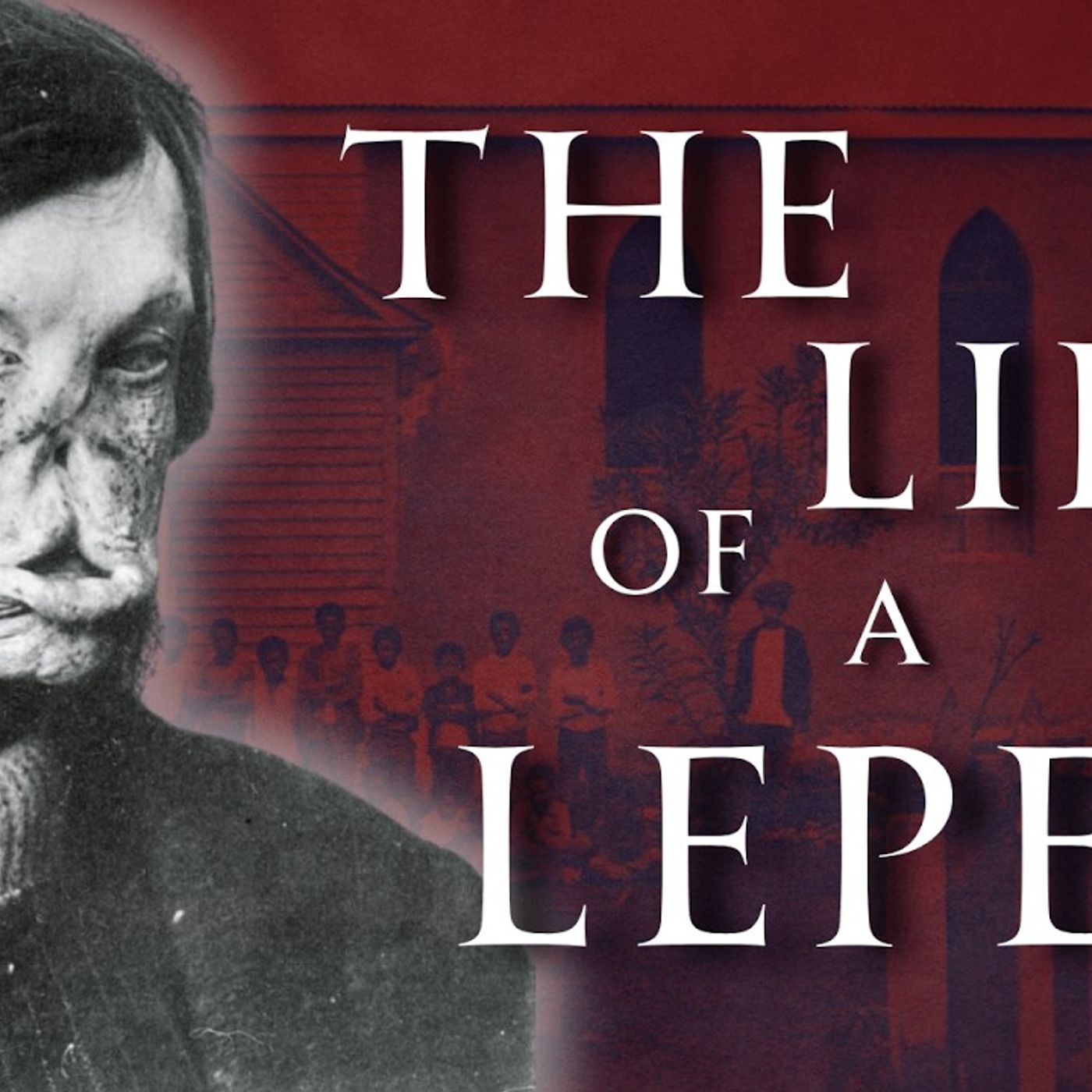 The Horrible History of Leprosy 29.09.2026 1h 9minJourney through the long and often misunderstood history of leprosy and discover how this ancient disease shaped societies, religions, medical practices, and attitudes toward illness across centuries. From the ancient world to the medieval period and beyond, this episode explores the human stories behind one of history's most feared diseases.Discover what leprosy actually is, how it affects the human body, and what ancient and medieval societies understood about its causes and transmission. Explore how people once connected the disease with divine punishment, moral wrongdoing, contagion, or supernatural forces, and how these beliefs influenced the treatment of those who became ill.Travel through the ancient Mediterranean, the Middle East, Europe, and Asia to explore the different ways communities responded to people with leprosy. Learn about hospitals, religious institutions, charitable foundations, physicians, monasteries, and dedicated settlements that developed to care for—or isolate—those affected by the disease.The medieval world offers some of the most fascinating and complicated examples. Explore the famous leper houses of Europe, the rules governing their residents, religious ceremonies surrounding diagnosis, and the difficult balance between compassion, fear, and social exclusion. Discover how people living with leprosy continued to work, worship, form communities, maintain relationships, and participate in society despite widespread prejudice.This episode also examines how modern medicine transformed our understanding of leprosy. Follow the development of scientific research, the identification of the bacterium responsible for the disease, changing treatments, and the gradual decline of many of the fears and misconceptions that had surrounded leprosy for centuries.Drawing on medical writings, archaeological evidence, historical records, religious texts, hospital documents, artwork, and modern scientific scholarship, this immersive journey separates historical reality from the myths and stereotypes that have long surrounded leprosy.Narrated with a calm, human voice, this episode is perfect for history enthusiasts, medical history lovers, documentary listeners, relaxation, or listening before sleep. Discover the forgotten patients, physicians, communities, and changing beliefs behind the long and complex history of leprosy.
 -
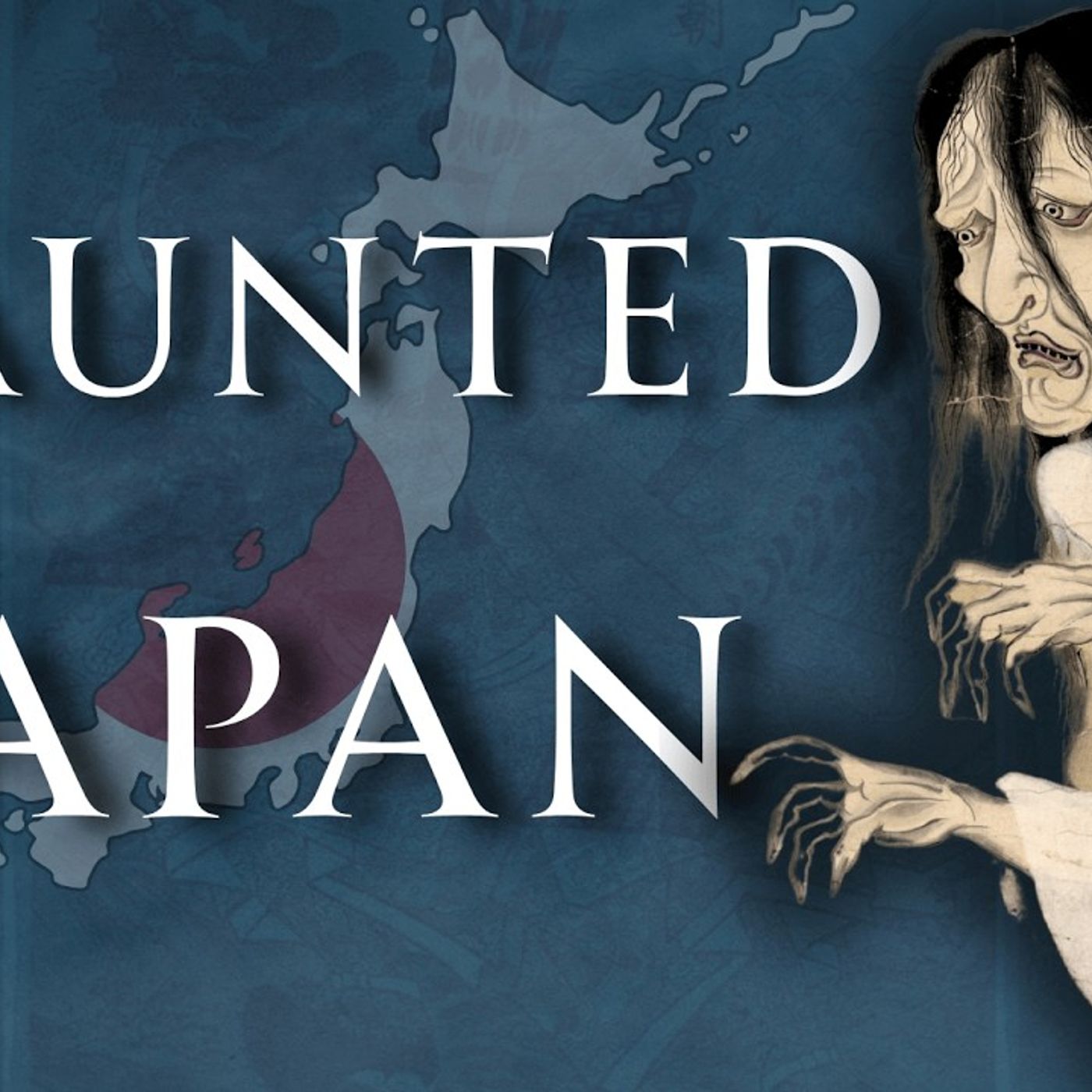 A Guide to Japanese Demonology 29.09.2026 1h 11minJourney into the mysterious world of Japanese demonology and explore the spirits, demons, monsters, and supernatural beings that have shaped Japanese religion, folklore, literature, and popular culture for centuries. From terrifying oni and wandering yūrei to mischievous yōkai and powerful supernatural creatures, this episode explores the beliefs behind Japan's extraordinary spiritual traditions.Discover the many different beings found within Japanese supernatural traditions, including oni, tengu, kitsune, kappa, rokurokubi, yuki-onna, and countless other yōkai. Learn why these creatures cannot always be understood simply as "demons" in the Western sense, and explore the different roles they played as protectors, tricksters, punishers, monsters, and mysterious inhabitants of the natural world.Explore the religious foundations behind Japanese supernatural beliefs and discover the influence of Shinto, Buddhism, folk religion, ancestor veneration, and older regional traditions. Examine concepts of spirits, pollution, death, karma, possession, purification, and the boundary between the human and supernatural worlds.This episode also explores famous stories of ghosts, demons, haunted locations, supernatural encounters, and encounters with yōkai. Discover how monks, storytellers, artists, writers, and ordinary communities preserved these traditions, and how supernatural stories were used to explain misfortune, teach moral lessons, warn against dangerous behavior, or simply entertain.The history of Japanese demonology also changed over time. Explore how medieval Buddhist texts, illustrated scrolls, Edo-period literature, woodblock prints, and later modern media transformed the appearance and personalities of supernatural beings. Drawing on religious texts, folklore collections, historical literature, artwork, archaeological evidence, and modern scholarship, this episode separates traditional beliefs from later interpretations and popular myths.Narrated with a calm, human voice, this immersive journey is perfect for history enthusiasts, Japanese history lovers, mythology and folklore fans, occult history listeners, relaxation, or listening before sleep. Enter the supernatural world of Japan and discover the strange beings, ancient beliefs, and haunting stories that continue to fascinate generations.
 -
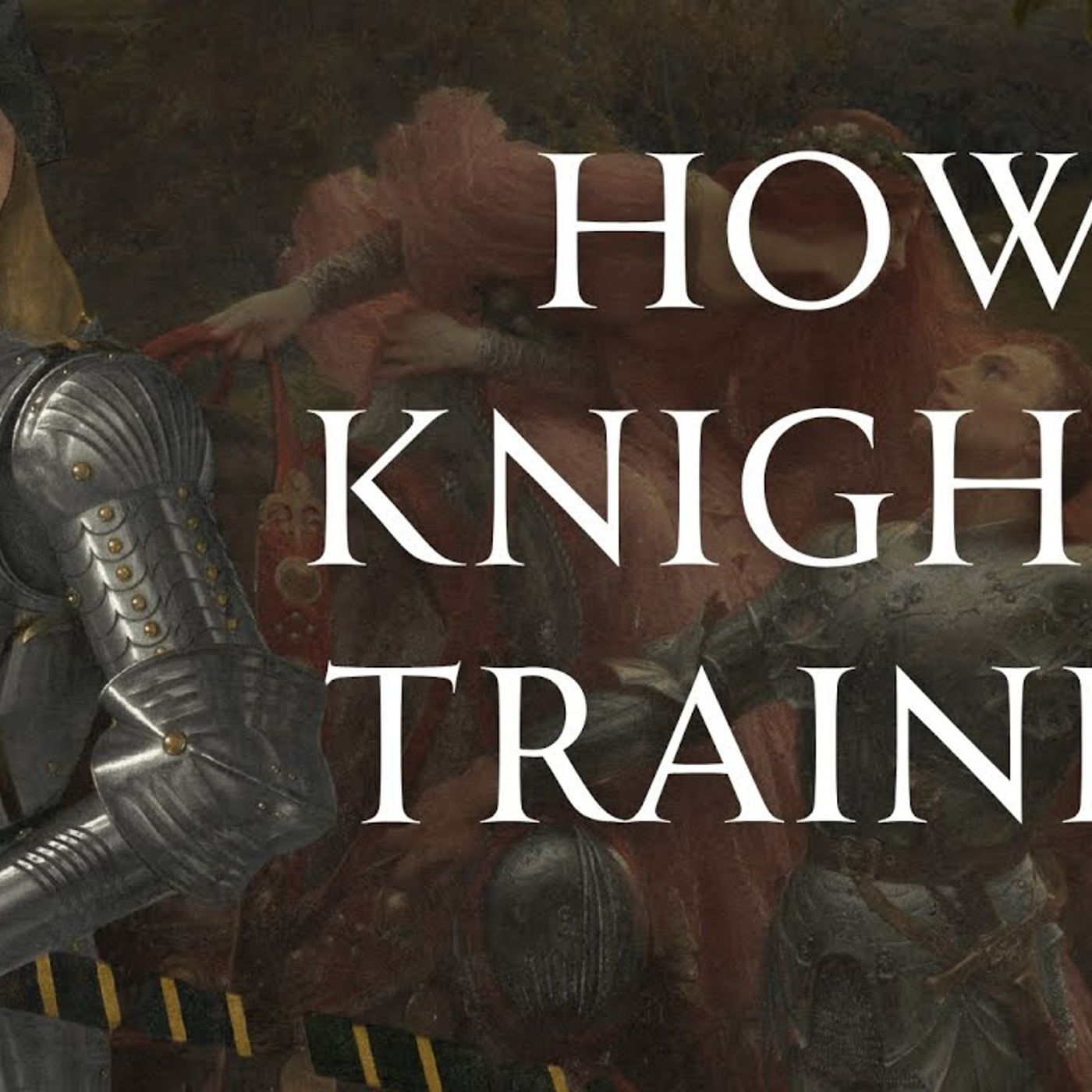 How Medieval Knights Trained 29.09.2026 1h 4minJourney into the demanding world of medieval knightly training and discover how young warriors were prepared for the realities of combat, horsemanship, warfare, and life within the medieval aristocracy. Long before entering battle, a future knight had to develop the physical skills, discipline, confidence, and social knowledge expected of a mounted warrior.Explore how training often began during childhood, when boys from noble families could be sent to serve as pages in another household. Learn how they were taught riding, hunting, manners, household duties, religious expectations, and the basics of handling weapons. As they grew older, many progressed to becoming squires, serving experienced knights while continuing their military education.Discover how medieval warriors practiced with swords, shields, spears, lances, bows, and other weapons, as well as the importance of wrestling and physical conditioning. Explore the role of mounted combat and learn why controlling a powerful warhorse was just as important as mastering a weapon. Training was not simply about strength—it required balance, coordination, timing, endurance, and the ability to fight while wearing heavy equipment.The episode also examines the realities behind the romantic image of the medieval knight. Explore tournaments, hunting, mock combat, military exercises, and the practical experience gained through campaigns and sieges. Discover how training varied according to wealth, region, period, and individual circumstances, and why not every knight received the same level of formal preparation.Beyond combat, learn about the wider education of a medieval knight. Explore the expectations surrounding loyalty, religion, diplomacy, leadership, courtly behavior, and the responsibilities of serving a lord. For many knights, becoming a successful warrior also meant learning how to manage lands, command soldiers, negotiate alliances, and operate within the complex social structure of medieval Europe.Drawing on medieval chronicles, manuscripts, archaeological discoveries, military treatises, tournament records, surviving weapons and armor, and modern historical scholarship, this episode separates what we know about knightly training from the myths created by later literature and popular culture.Narrated with a calm, human voice, this immersive journey is perfect for history enthusiasts, medieval history lovers, military history fans, documentary listeners, relaxation, or listening before sleep. Step into the training grounds of medieval Europe and discover how knights prepared for the dangers of war.
 -
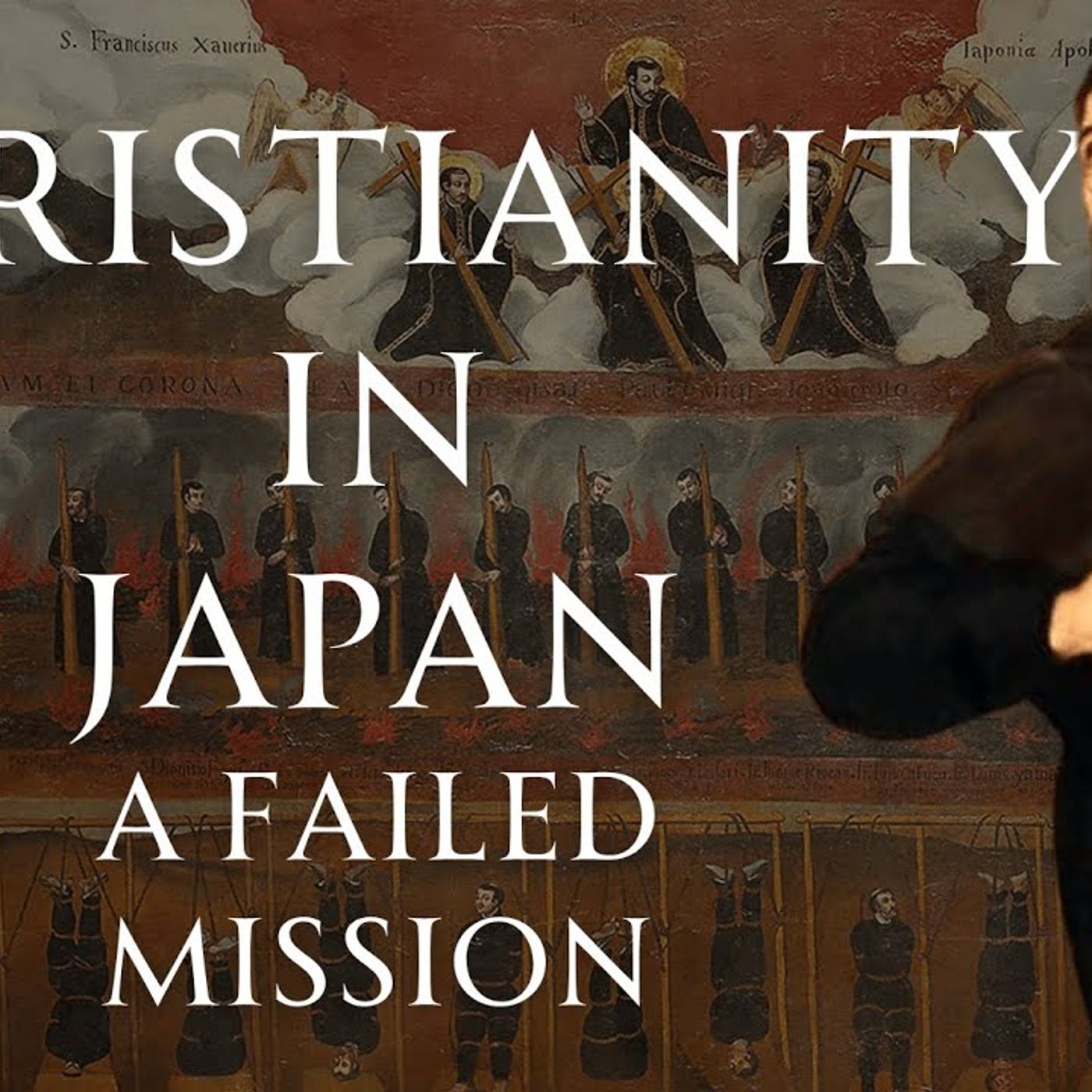 How Japan (Almost) Eradicated Its Christians 28.09.2026 1h 12minJourney into one of the most dramatic religious transformations in Japanese history and discover how Christianity, once a rapidly growing faith in Japan, was eventually driven underground through persecution, political restrictions, and isolation. This episode explores the rise, suppression, and survival of Christianity in early modern Japan.Discover how Portuguese and Spanish missionaries arrived in Japan during the 16th century and established Christian communities with remarkable speed. Explore the work of Jesuit missionaries, the conversion of powerful regional lords, the growth of Christian towns, and the complex relationship between religion, trade, diplomacy, and political power.As Christianity expanded, Japan’s rulers became increasingly concerned about foreign influence and the loyalty of Christian converts. Explore the policies of Toyotomi Hideyoshi and the Tokugawa shogunate, including restrictions on missionaries, bans on Christian practice, arrests, executions, and the systematic measures used to suppress the religion.This episode examines the famous persecution of Japanese Christians, including the martyrdom of believers, the destruction of churches, the use of fumie to identify Christians, and the emergence of hidden Christian communities. Discover how some believers secretly preserved their faith for generations while adapting religious practices to an increasingly hostile environment.The story also reveals why Christianity was never completely erased. Explore the survival of the Kakure Kirishitan, or Hidden Christians, and how isolated communities preserved elements of their traditions long after open Christian worship had been prohibited. Drawing on missionary writings, Japanese government records, letters, archaeological discoveries, Christian documents, and modern historical scholarship, this episode separates established evidence from later myths and romanticized accounts.Narrated with a calm, human voice, this immersive journey is perfect for history enthusiasts, Japanese history lovers, religious history fans, documentary listeners, relaxation, or listening before sleep. Discover the rise, persecution, survival, and remarkable legacy of Christianity in Japan.
 -
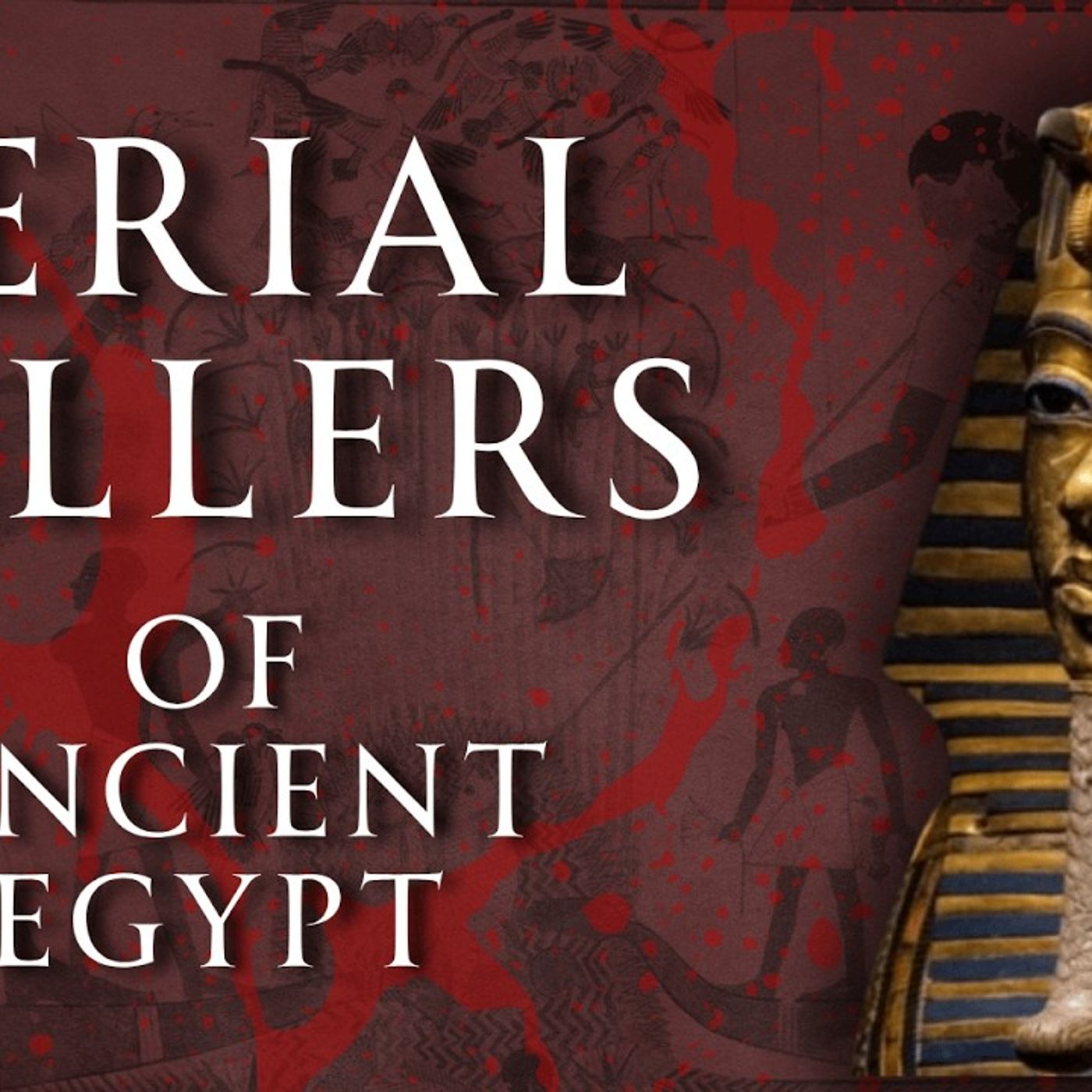 Serial Killers of Ancient Egypt 28.09.2026 1h 17minJourney into the darker side of ancient Egyptian history and explore stories of repeated murder, violent crime, poisoning, conspiracy, and suspicious deaths recorded across thousands of years of Egyptian civilization. This episode examines what we can actually learn about ancient murderers from surviving evidence, while separating documented cases from later legends and speculation.Discover how crime was investigated in a society governed by powerful institutions, religious beliefs, and strict legal traditions. Explore the roles of pharaohs, officials, judges, priests, scribes, physicians, investigators, and local authorities in responding to violent crimes and protecting social order.Rather than applying modern ideas of criminal psychology directly to the ancient world, this episode examines how Egyptians understood violence, motive, justice, and punishment. Explore cases involving poisoning, family conflicts, political conspiracies, personal revenge, and repeated acts of violence, while considering how difficult it can be to identify patterns of serial murder in surviving historical records.The episode also explores the famous criminal investigations preserved in Egyptian sources, including cases involving conspiracies against the royal household and accusations of murder or poisoning. Discover how witnesses were questioned, confessions recorded, suspects punished, and evidence interpreted in a world without modern forensic science.At the same time, we examine the limitations of the evidence. Ancient Egyptian records were not modern police files, and many surviving documents were written for administrative, legal, religious, or political purposes. Drawing on papyri, legal documents, tomb inscriptions, historical accounts, archaeological evidence, and modern Egyptological scholarship, this episode separates documented crimes from uncertain interpretations.Narrated with a calm, human voice, this immersive journey is perfect for history enthusiasts, ancient Egypt lovers, true history fans, archaeology listeners, relaxation, or listening before sleep. Explore the crimes, investigations, and darker human stories hidden within one of the ancient world's greatest civilizations.
 -
 A Guide To Welsh Folklore 28.09.2026 1h 22minJourney into the rich and mysterious world of Welsh folklore and discover the legends, spirits, magical beings, heroes, and ancient traditions that have shaped the cultural history of Wales for centuries. From misty mountains and secluded valleys to ancient castles and windswept coastlines, this episode explores the stories that were passed down through generations.Meet some of the most fascinating figures and creatures of Welsh tradition, including the Tylwyth Teg, the mysterious fair folk of Wales, the terrifying Mari Lwyd, water spirits, witches, ghosts, dragons, giants, and legendary heroes. Explore tales of enchanted lakes, cursed places, supernatural encounters, prophetic visions, and mysterious beings believed to inhabit the Welsh landscape.Beyond the supernatural, this episode examines how Welsh folklore was connected to everyday life. Discover the influence of Celtic traditions, Christianity, seasonal customs, local communities, the Welsh language, and the natural environment on the stories people told. Explore how mountains, rivers, forests, farms, and ancient ruins became settings for legends that reflected both wonder and fear.This journey also explores the legendary history of Wales, including the stories surrounding King Arthur, Merlin, the Red Dragon, Branwen, and other figures preserved in medieval Welsh literature. Discover how oral traditions were eventually written down and how medieval manuscripts helped preserve stories that might otherwise have disappeared.The episode also separates traditional Welsh beliefs from later romanticized versions and modern interpretations. Drawing on medieval manuscripts, folklore collections, oral traditions, historical writings, literature, archaeology, and modern scholarship, we explore how Welsh legends developed, changed, and survived into the modern world.Narrated with a calm, human voice, this episode is perfect for history enthusiasts, folklore lovers, Celtic history fans, mythology listeners, relaxation, or listening before sleep. Settle in and discover the magical, mysterious, and sometimes haunting folklore of Wales.
 -
 A Guide To Scottish Folklore 28.09.2026 1h 37minJourney into the mysterious world of Scottish folklore and discover the legends, spirits, creatures, heroes, and supernatural traditions that have shaped Scotland’s cultural history for centuries. From mist-covered Highlands and ancient lochs to remote islands and village communities, this episode explores the stories that once helped people understand the strange and unexplained.Meet some of Scotland’s most famous legendary beings, including the Loch Ness Monster, kelpies, brownies, selkies, faeries, banshees, and the mysterious Each-Uisge. Explore tales of enchanted landscapes, haunted castles, cursed objects, prophetic visions, witches, ghosts, and supernatural encounters passed down through generations.But Scottish folklore is more than a collection of frightening stories. Discover how these traditions were connected to everyday life, religion, seasonal celebrations, family traditions, the natural world, and the beliefs of rural communities. Explore the influence of Celtic traditions, Christianity, Gaelic culture, Norse heritage, and local customs on the folklore that developed across Scotland’s diverse regions.This episode also examines how famous Scottish legends changed over time. Discover how oral traditions were recorded by writers, antiquarians, folklorists, and historians, and how some stories became transformed through literature, tourism, popular culture, and modern storytelling. Where possible, traditional beliefs are separated from later inventions and romanticized versions of the past.Drawing on folklore collections, Gaelic traditions, historical writings, oral histories, archaeological evidence, literature, and modern scholarship, this immersive journey explores what Scottish people actually believed, how those beliefs evolved, and why these legends continue to fascinate the world today.Narrated with a calm, human voice, this episode is perfect for history enthusiasts, folklore lovers, Celtic history fans, mythology listeners, relaxation, or listening before sleep. Settle in and explore the ancient stories, mysterious creatures, and haunting traditions of Scotland.
 -
 The Horror of Bloomingdale Asylum American Asylums 27.09.2026 1h 1minStep into the history of Bloomingdale Asylum in New York and discover the realities behind one of America's earliest and most influential psychiatric institutions. Founded in the early nineteenth century, Bloomingdale emerged during a period when reformers were beginning to challenge the harsh treatment of people with mental illness and promote more organized, humane approaches to psychiatric care.Explore the origins of Bloomingdale and the changing philosophy behind institutional treatment. Discover how physicians and reformers promoted structured routines, fresh air, exercise, work, recreation, and medical supervision as alternatives to the neglect and confinement that had characterized earlier approaches to mental illness.But institutional life was far more complicated than these ideals suggested. This episode examines the daily experiences of patients, including meals, work, recreation, medical care, social relationships, family visits, and the restrictions imposed by institutional life. Explore how the growing number of patients and changing psychiatric theories placed increasing pressure on the asylum system.The episode also follows Bloomingdale's development as New York City expanded around it. Discover how ideas about mental illness, urban growth, social class, and medical treatment influenced the institution, and how psychiatric care gradually changed during the nineteenth and twentieth centuries.Bloomingdale's history is also connected to the broader story of American asylum reform. Explore the emergence of moral treatment, the development of psychiatric medicine, changing public attitudes toward mental illness, and the eventual shift away from large institutional hospitals toward other forms of care.Drawing on medical writings, institutional records, newspapers, historical accounts, photographs, and modern scholarship, this immersive journey separates documented history from later legends and sensationalized stories. Rather than focusing only on the darker myths surrounding old asylums, the episode examines the real people and historical forces that shaped Bloomingdale.Narrated with a calm, human voice, this episode is perfect for history enthusiasts, American history lovers, medical history listeners, documentary fans, relaxation, or listening before sleep. Enter the history of Bloomingdale Asylum and discover the people, ideas, challenges, and transformations behind one of America's pioneering psychiatric institutions.
Podobné podcasty


Oblíbený v
Tento podcast se objevuje také v podcastových žebříčcích těchto zemí.


