
All Things Urticaria – Learning about urticaria with Prof. Dr. Torsten Zuberbier
UCARE, the Global Allergy and Asthma Excellence Network for Urticaria
0
All Things Urticaria is a podcast for healthcare professionals and anyone interested in learning more about urticaria. In earlier episodes, Prof. Marcus Maurer and colleagues explored the latest research and opinions on the pathogenesis and treatment of urticaria; Prof. Torsten Zuberbier has now taken over that role. The series offers in-depth expert discussions and is produced by UCARE, the Global Allergy and Asthma Excellence Network for Urticaria. The content is informational only and should not be taken as medical advice.
Epizody
-
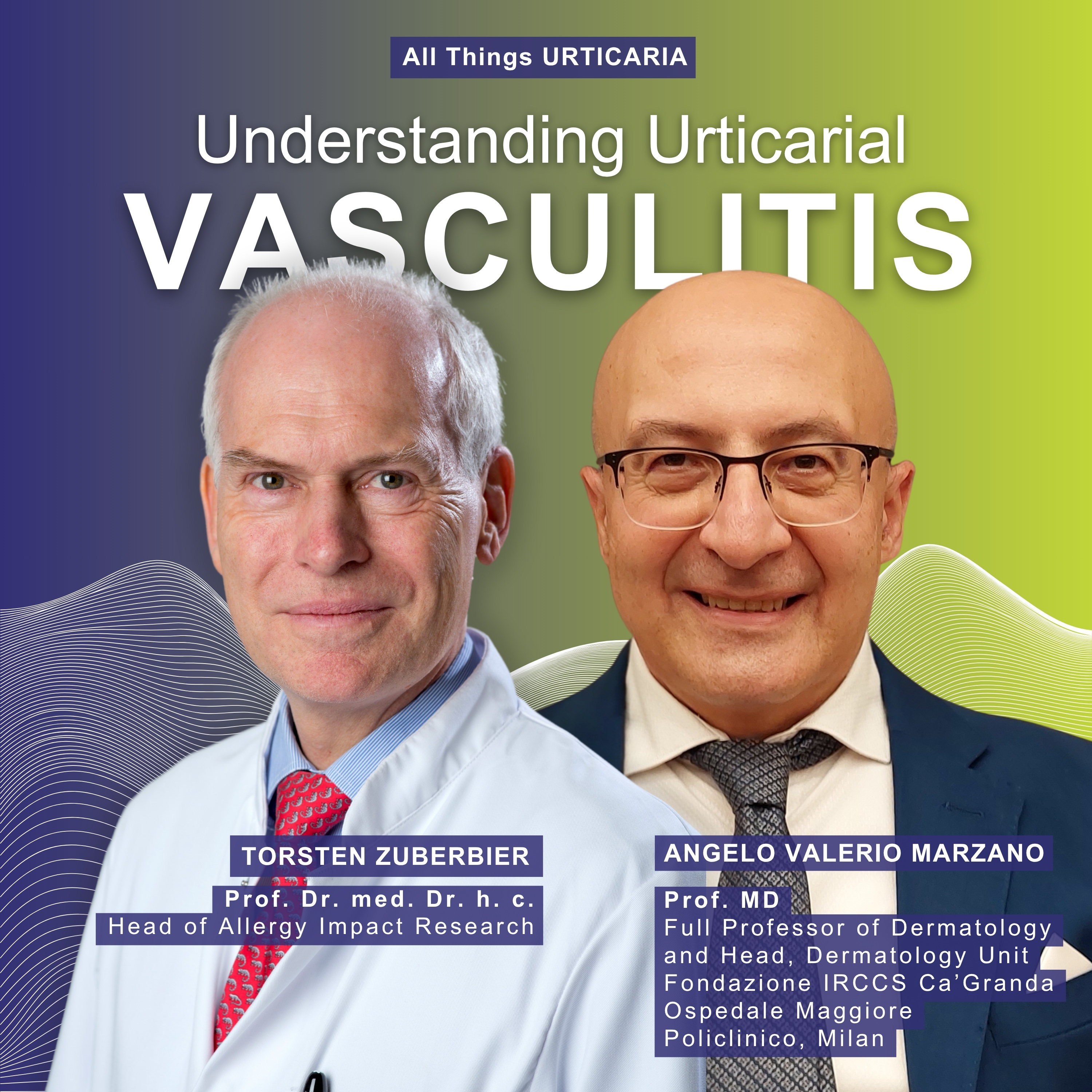 Urticarial Vasculitis: Diagnosis and Treatment 30.09.2026 22minIn this episode of the UCARE Global Allergy and Asthma Excellence Network podcast on Urticaria, Prof. Torsten Zuberbier speaks with Prof. Angelo Valerio Marzano from Milan about urticarial vasculitis and its challenging differential diagnoses. They explore how clinicians can distinguish urticarial vasculitis from chronic urticaria and other dermatological or systemic conditions and discuss practical approaches to diagnosis and treatment.They discuss: 🔹 When should wheals raise suspicion of urticarial vasculitis?🔹 Which conditions can mimic urticarial vasculitis?🔹 When is a skin biopsy necessary?🔹 Which laboratory tests can help identify systemic inflammation or associated disease?🔹 When should patients be referred to a specialized UCARE center?🔹 How can mild or overlapping cases of urticarial vasculitis be treated?🔹 Which therapeutic options are available when antihistamines are insufficient?The episode emphasizes that long-lasting wheals, especially those persisting beyond 24 hours, require careful evaluation. Accurate diagnosis, appropriate testing, and specialist referral when needed are essential for distinguishing true urticaria from vasculitis and other urticarial-like conditions.Key Learnings from the Episode:Urticarial vasculitis can closely resemble conventional urticaria.Wheals lasting more than 24 hours are an important diagnostic warning sign.Mixed and overlapping clinical presentations can make diagnosis challenging.Skin biopsy plays a central role when urticarial vasculitis is suspected.Blood count and inflammatory markers can provide additional diagnostic information.Systemic symptoms and autoimmune conditions should be considered during evaluation.Some complex cases require assessment at a specialized dermatology or UCARE center.Short courses of systemic corticosteroids may be considered in selected cases.Dapsone, colchicine, and conventional immunosuppressants are among the discussed options for appropriate patients.There is no single standard approach, making accurate diagnosis and individualized management essential.Chapters:00:00 Introduction to Urticarial Vasculitis and Its Challenges01:59 Clinical Features and Differential Diagnosis02:51 Role of Skin Biopsy and Histopathology05:03 Autoimmune and Systemic Conditions Associated with Urticarial Vasculitis08:00 Treatment Approaches and Management Strategies13:49 Case Management in Private Practice and Referral Guidelines18:01 Summary and Final RecommendationsDo you have suggestions for future episodes? Please provide feedback and offer your suggestions for future topics and expert selection here. Feedback form: ATU: https://forms.office.com/e/m6a2uEdsUH
 -
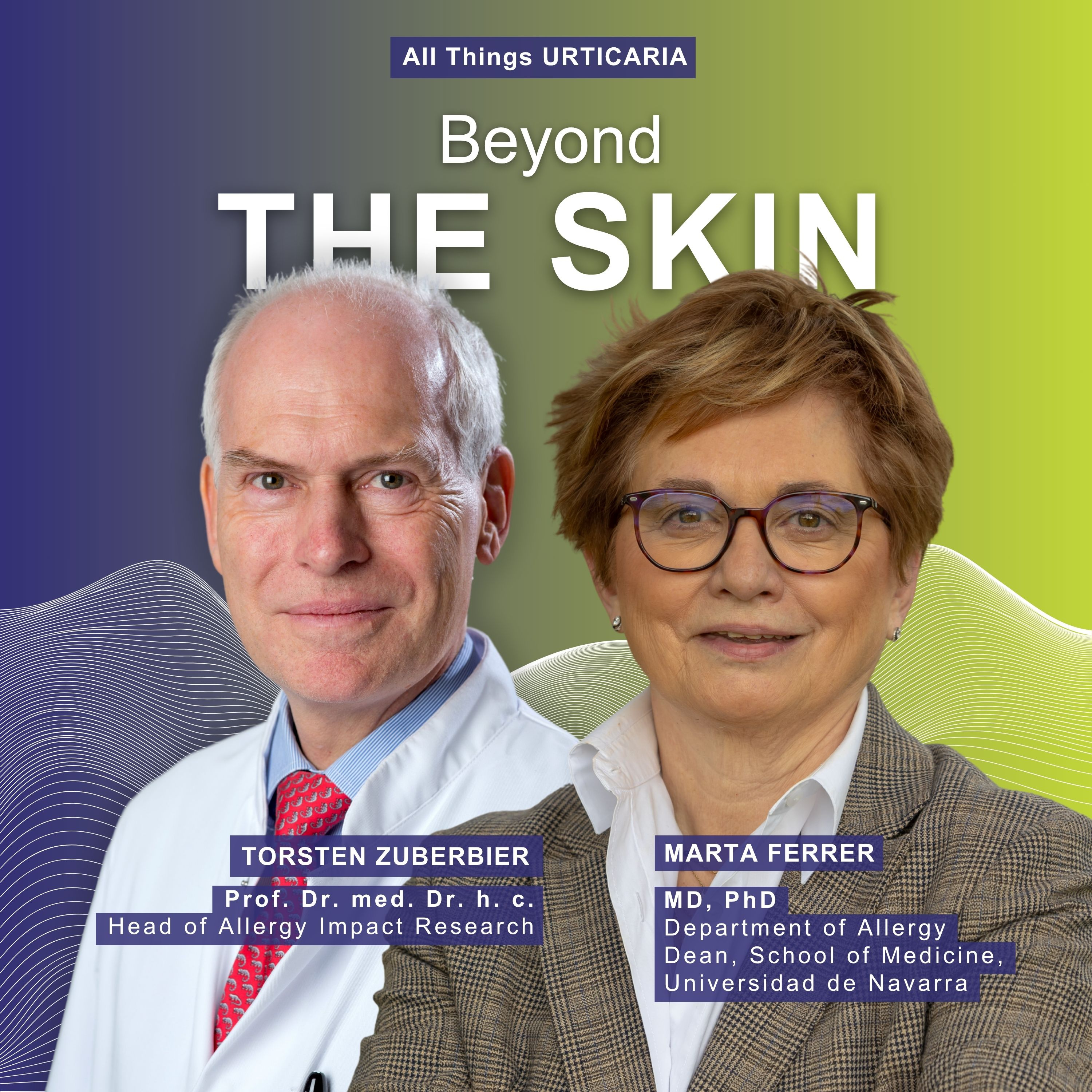 Urticaria as a Systemic Disease 25.08.2026 22minIn this episode of the Global Allergy and Asthma Excellence Network UCARE Podcast on Urticaria, Prof. Torsten Zuberbier speaks with Prof. Marta Ferrer from Spain about an important question: Is chronic spontaneous urticaria (CSU) only a skin disease, or is it a systemic inflammatory condition? Together, they discuss emerging evidence showing that urticaria affects far more than the skin and how this should influence patient management.They discuss: 🔹 Why is CSU increasingly considered a systemic inflammatory disease?🔹 Which inflammatory biomarkers are linked to disease severity?🔹 When should treatment be escalated beyond antihistamines?🔹 How can biomarkers help personalize therapy?🔹 Why are patient-reported outcomes and real-world data so important?🔹 How do comorbidities influence treatment decisions?The discussion highlights the importance of early disease control, individualized treatment strategies, and understanding that chronic urticaria often extends beyond wheals and itch alone.Key Learnings from the Episode:Chronic spontaneous urticaria is more than a skin disease.Patients often experience fatigue, sleep disturbances, and systemic symptoms.Inflammatory biomarkers such as CRP, D-dimer, and serum amyloid A correlate with disease activity.If antihistamines fail within a few weeks, treatment escalation should be considered.Modern therapies should aim for complete disease control as early as possible.Patient comorbidities can help guide individualized treatment choices.Real-world data from registries and digital tools are improving understanding of CSU.Personalized treatment strategies are becoming increasingly important in urticaria care.Chapters:00:00 Introduction01:41 Is Urticaria a Systemic Disease?03:38 Inflammatory Markers and Diagnostics in Chronic Urticaria06:51 When Antihistamines Are Not Enough09:35 Choosing Second-Line Treatment11:19 Shared Decision-Making: Omalizumab, Remibrutinib or Dupilumab?13:37 D-Dimer in Urticaria: Inflammation, Not Thrombosis16:09 Real-World Evidence and New Treatment Options17:22 Neutrophilic Urticaria and Difficult-to-Treat Patients19:59 Comorbidities as a Guide to Treatment ChoiceDo you have suggestions for future episodes? Please provide feedback and offer your suggestions for future topics and expert selection here. Feedback form: ATU: https://forms.office.com/e/m6a2uEdsUH
 -
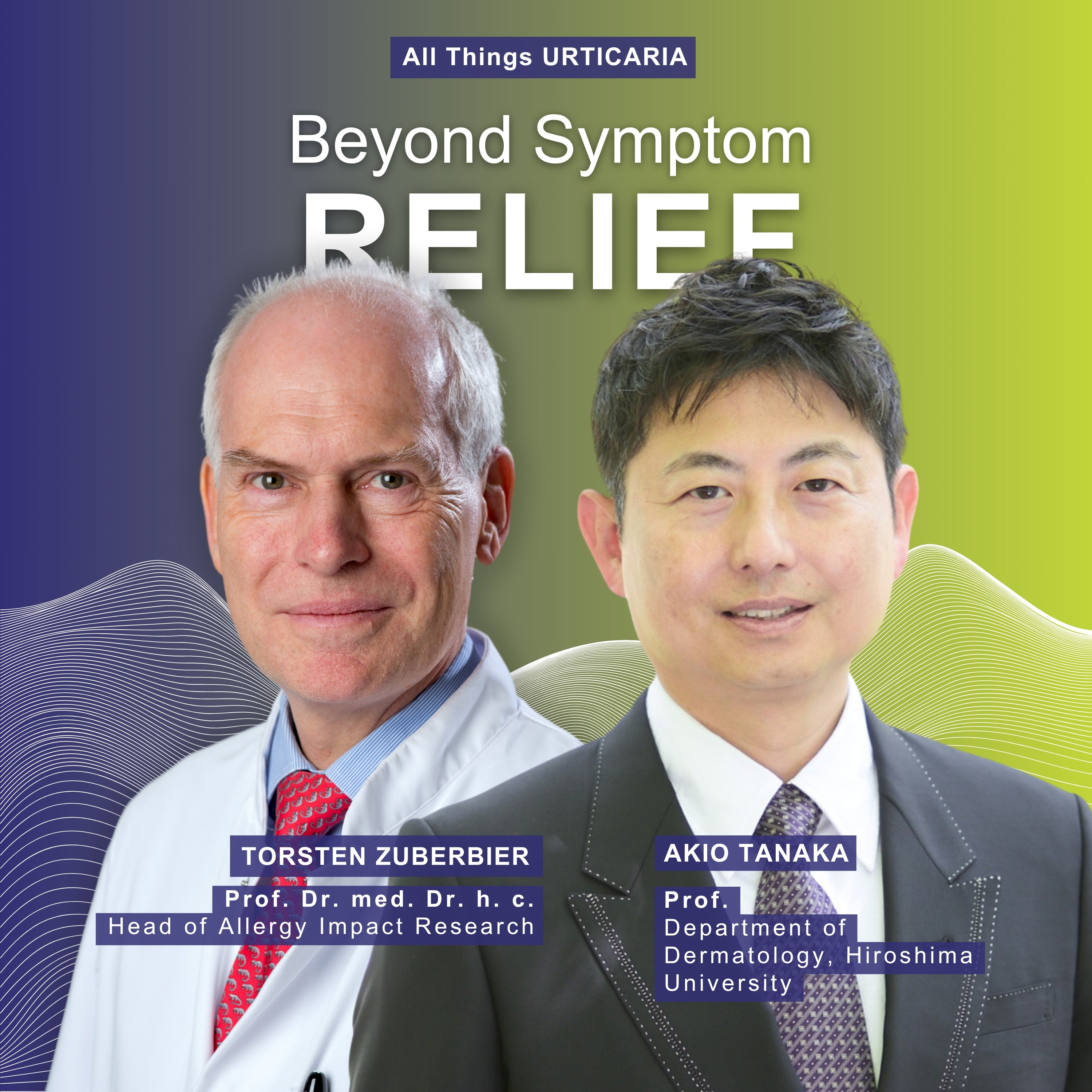 Disease Modification in Urticaria 21.07.2026 16minIn this episode of the UCARE Global Allergy and Asthma Excellence Network (Global Allergy and Asthma Excellence Network) podcast on Urticaria, Prof. Torsten Zuberbier speaks with Prof. Akio Tanaka from Hiroshima University, Japan, about an important question many patients ask: how long will chronic urticaria last, and can treatment influence the course of the disease? They discuss disease modification, symptom control, and future research directions in urticaria management.They discuss: 🔹 How long does chronic spontaneous urticaria typically last?🔹 Can early and effective treatment shorten disease duration?🔹 Why is complete symptom control an important treatment goal?🔹 What role do antihistamines, omalizumab, dupilumab, and remibrutinib play in long-term management?🔹 Could food-related pseudoallergic reactions contribute to persistent symptoms?🔹 What might the gut microbiome teach us about urticaria in the future?🔹 How can international collaboration help answer these unanswered questions?The discussion explores the possibility that optimal disease control may do more than relieve symptoms—it may also influence the overall course of urticaria. The episode highlights emerging ideas around disease modification, dietary influences, and the microbiome, while emphasizing the need for future research.Key Learnings from the Episode:Chronic spontaneous urticaria is usually a temporary disease, not a lifelong condition.Many patients achieve remission, although it may take several years.Complete symptom control should be a key treatment goal.Early and effective treatment may potentially shorten disease duration.Antihistamines remain an important foundation of treatment.Add-on therapies such as omalizumab, dupilumab, and remibrutinib expand treatment options.Food-related pseudoallergic reactions may contribute to symptoms in some patients.The gut microbiome may play a role in urticaria and warrants further research.Patient education and reassurance are important parts of care.International research networks such as UCARE help advance knowledge and improve outcomes.Chapters00:00 Introduction of Experts and Topic Overview01:04 Patient Questions About Disease Duration02:08 Statistics on Long-Term Urticaria and Hopeful Messaging04:23 Disease Modification and Early Treatment Strategies06:24 Impact of Symptom Control on Disease Duration08:29 Guidelines for Treatment Escalation and New Therapies10:01 Combination Therapy and Disease Management Goals12:07 Role of Food, Pseudoallergy, and Microbiome in Urticaria14:18 Research on Microbiome and Traditional Diets16:29 Closing Remarks and Future DirectionsDo you have suggestions for future episodes? Please provide feedback and offer your suggestions for future topics and expert selection here. Feedback form: ATU: https://forms.office.com/e/m6a2uEdsUH
 -
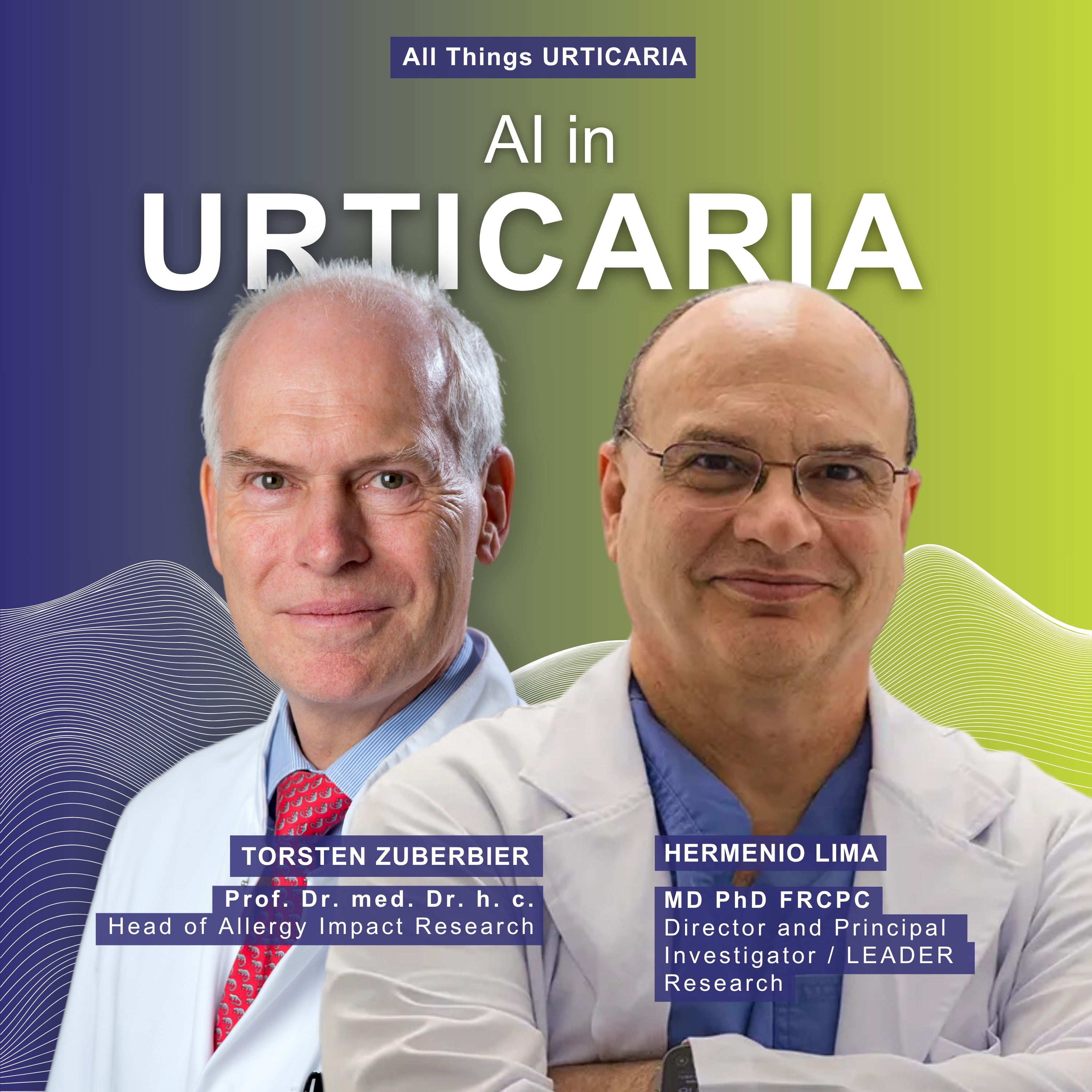 AI and the Future of Urticaria 16.06.2026 16minIn this episode of the UCARE GA²LEN (Global Allergy and Asthma Excellence Network) podcast on Urticaria, Prof. Torsten Zuberbier and Prof. Hermenio Lima discuss the growing role of artificial intelligence (AI) in medicine and how it may influence urticaria care, research, and patient management in the future. They discuss: 🔹 Can tools like ChatGPT help patients understand urticaria symptoms? 🔹 Why can AI support—but not replace—the physician? 🔹 How can AI assist doctors in accessing medical evidence more efficiently? 🔹 What role could machine learning play in urticaria registries and real-world data? 🔹 How may AI improve future research and patient stratification? 🔹 What are the risks and limitations of AI in clinical practice? The episode explores both the opportunities and the challenges of integrating AI into allergy and urticaria care. From improving access to medical knowledge to analyzing large datasets, AI has the potential to support physicians and researchers—but clinical judgment and patient-centered care remain essential. Key Learnings from the Episode:AI tools can provide useful information but cannot replace physicians. Patients should use AI cautiously and always seek medical advice. Physicians can use AI to access and summarize medical evidence more efficiently. Machine learning may improve analysis of real-world urticaria data. AI could help identify disease patterns and treatment responses. Clinical judgment remains essential in interpreting AI-generated information. Real-world registries like CURE may benefit from AI-supported analysis. Ethical and legal responsibilities remain with healthcare professionals. AI may improve future research and patient stratification in urticaria. Technology should support—not replace—patient-centered medical care. Chapters:00:00 Introduction to Urticaria and AI03:28 The Role of AI in Patient Diagnosis06:18 AI as a Tool for Physicians09:20 AI in Urticaria Research and Data Collection12:21 Future of AI in Allergy and Urticaria Treatment15:01 Conclusion and Future PerspectivesDo you have suggestions for future episodes? Please provide feedback and offer your suggestions for future topics and expert selection here. Feedback form: ATU: https://forms.office.com/e/m6a2uEdsUH
 -
 Urticaria Triggers: Infection Insights 19.05.2026 16minIn this episode of the UCARE GA²LEN (Global Allergy and Asthma Excellence Network) podcast on Urticaria, Prof. Torsten Zuberbier and Prof. Maia Gotua discuss the role of infections in acute and chronic urticaria. They explore how infections can trigger, mimic, or worsen symptoms—and why careful clinical evaluation is key. They discuss: 🔹 How often do infections trigger acute urticaria, especially in children? 🔹 Which viral and bacterial infections are most commonly involved? 🔹 Why is “wait and see” often appropriate in acute urticaria? 🔹 How do infections contribute to chronic spontaneous urticaria (CSU)? 🔹 When should physicians investigate infections further? 🔹 Why is targeted diagnostics more important than broad screening? 🔹 How do regional differences influence which infections are relevant? The episode highlights a balanced approach: recognizing infections as important triggers while avoiding unnecessary diagnostics. It emphasizes clinical judgment, patient history, and region-specific factors in managing urticaria effectively. Key Learnings from the Episode:Infections are a common trigger of acute urticaria, especially in children. Viral infections are the most frequent cause, but bacterial and parasitic infections also play a role. Acute urticaria often resolves spontaneously, so extensive diagnostics are not needed. In chronic spontaneous urticaria, infections may trigger or sustain inflammation. Targeted diagnostics based on clinical history are essential. Routine broad screening for infections is not recommended. Regional differences influence relevant infectious triggers. Treating infections may help, but does not always resolve urticaria. Autoimmune mechanisms often maintain chronic urticaria. Physician–patient communication is key to identifying underlying triggers. Chapters:00:00 Introduction to Urticaria and Infections04:43 Acute Urticaria and Infections08:40 Chronic Spontaneous Urticaria and Infections12:10 Cold Urticaria and Infections15:48 Conclusion and Future DirectionsDo you have suggestions for future episodes? Please provide feedback and offer your suggestions for future topics and expert selection here. Feedback form: ATU: https://forms.office.com/e/m6a2uEdsUH
 -
 A New Era in Urticaria Treatment 23.04.2026 19minIn this episode of “All Things Urticaria” — a podcast from UCARE, the Global Allergy and Asthma Excellence Network — Prof. Torsten Zuberbier and Prof. Ana Giménez-Arnau discuss the newly released international urticaria guidelines. Developed with contributions from more than 100 societies and hundreds of experts worldwide, these guidelines represent a major step forward in the management of chronic spontaneous urticaria (CSU). They discuss: 🔹 What makes the new urticaria guidelines more flexible than previous versions? 🔹 How has the treatment algorithm evolved beyond antihistamines and omalizumab? 🔹 What role do new therapies like remibrutinib and dupilumab play? 🔹 How can physicians choose the right treatment based on patient characteristics and comorbidities? 🔹 Why is early treatment escalation important for achieving disease control? 🔹 What does “assess and act” mean in daily clinical practice? The episode highlights a shift toward individualized treatment decisions, shared decision-making with patients, and the integration of new therapeutic options. With a stronger focus on flexibility and real-world applicability, the new guidelines aim to improve outcomes for urticaria patients worldwide. Key Learnings from the Episode:The new urticaria guidelines are more flexible than previous versions. Treatment decisions can now be individualized based on patient needs. New therapies such as remibrutinib and dupilumab expand treatment options. Omalizumab remains an important and well-established therapy. Early escalation of treatment is key when antihistamines fail. Combination therapies are now possible in certain cases. Comorbidities should guide treatment choice. Patient-reported outcomes are essential for disease management. Tools like the CRUSE app support monitoring and decision-making. “Assess and act” is a central principle in modern urticaria care. Chapters:00:00 Introduction to New Guidelines on Urticaria03:35 Flexibility in Treatment Options06:21 Understanding Non-Response and Treatment Decisions09:08 Choosing the Right Treatment for Urticaria12:00 Patient-Centered Care and Communication14:37 Conclusion and Future DirectionsDo you have suggestions for future episodes? Please provide feedback and offer your suggestions for future topics and expert selection here. Feedback form: ATU: https://forms.office.com/e/m6a2uEdsUH
 -
 Managing Urticaria in Resource-Limited Settings 24.03.2026 17minIn this episode of the UCARE Global Allergy and Asthma Excellence Network podcast on Urticaria, Prof. Torsten Zuberbier speaks with Dr. Emma Kruger from Cape Town, South Africa, about managing urticaria in real-world clinical settings with varying access to therapies. Following the UCARE conference in Mumbai, they discuss global collaboration, treatment gaps, and practical approaches in resource-limited environments. They discuss: 🔹 How does urticaria present alongside common allergic comorbidities? 🔹 What challenges exist in accessing modern therapies in South Africa? 🔹 Why are first-generation antihistamines still used in some settings? 🔹 What role does cyclosporine play when newer treatments are not available? 🔹 How can tools like the CRUSE app improve disease monitoring? 🔹 What insights do registries like CURE provide on global disease patterns? 🔹 What role do infections play as potential triggers of urticaria? The episode highlights the importance of adapting guidelines to local realities, maintaining strong diagnostic workups, and leveraging global collaboration through Global Allergy and Asthma Excellence Network and UCARE to improve patient care worldwide. Key Learnings from the Episode:Urticaria often coexists with other allergic diseases. Treatment access varies significantly between regions. First-generation antihistamines are still used where options are limited. Cyclosporine remains an important accessible treatment. Digital tools like CRUSE can improve patient monitoring. UAS and UCT are useful but time-consuming in practice. Registries like CURE help identify regional differences. Infections can act as triggers in some patients. Thorough diagnostic workups remain essential. Global collaboration supports better patient outcomes. Chapters:00:00 Introduction to Urticaria and Allergies02:37 Insights from the UCARE Conference05:08 Treatment Options and Challenges06:26 Patient Communication and Monitoring09:04 Registry Work and Global Patterns12:14 Pathomechanisms and Treatment Innovations15:04 The Importance of Thorough Diagnosis15:50 Conclusion and Future CollaborationsDo you have suggestions for future episodes? Please provide feedback and offer your suggestions for future topics and expert selection here. Feedback form: ATU: https://forms.office.com/e/m6a2uEdsUH
 -
 Drug Survival of Omalizumab 24.02.2026 17minIn this episode of the Urticaria podcast series, Prof. Torsten Zuberbier speaks with Reineke Soegiharto, PhD candidate and dermatology resident from UMC Utrecht, about the international UCARE study DRUSO-CU, which investigated the drug survival of omalizumab in chronic urticaria. They discuss: 🔹 What does “drug survival” mean and why is it a meaningful real-world outcome measure? 🔹 How long do patients with chronic urticaria typically remain on omalizumab therapy? 🔹 Why do patients discontinue treatment — and what does this say about effectiveness and safety? 🔹 How do early treatment response and disease duration influence long-term outcomes? 🔹 What role do chronic inducible urticarias (CIndU) play in treatment duration? 🔹 Are adverse events or reimbursement issues relevant reasons for stopping omalizumab? Based on data from more than 2,000 patients across 14 UCARE centers worldwide, the study shows that omalizumab has excellent long-term safety and effectiveness. Importantly, treatment discontinuation is most often due to well-controlled disease, not side effects or lack of efficacy. Patients with a rapid early response tend to stop treatment sooner, while those with longer disease duration or concomitant CIndU often require longer therapy. The discussion highlights the importance of early and effective disease control and showcases the value of international collaboration within the UCARE network. Key Learnings from the Episode:Drug survival reflects effectiveness, safety, and real-world treatment decisions. About 50% of patients remain on omalizumab after 3.3 years overall. In good responders, 50% are still treated after approximately 7 years. Discontinuation is most commonly due to well-controlled disease. Adverse events do not significantly impact omalizumab drug survival. Early and strong treatment response predicts shorter overall treatment duration. Longer disease duration before treatment is associated with longer therapy needs. Patients with chronic inducible urticaria often remain on treatment longer.Seasonal and subtype differences are relevant in CIndU management. Reimbursement issues were not a major factor in treatment discontinuation. Omalizumab shows an excellent long-term safety profile. International UCARE collaboration enables meaningful real-world research. Chapters:00:00 Introduction to Urticaria and Research Initiatives03:10 Understanding Drug Survival in Chronic Urticaria06:10 Predictors of Treatment Duration with Omalizumab08:54 The Role of Disease Duration and Response11:33 Exploring Chronic Inducible Urticaria14:23 The Experience of Collaborative Research in UCAREDo you have suggestions for future episodes? Please provide feedback and offer your suggestions for future topics and expert selection here. Feedback form: ATU: https://forms.office.com/e/m6a2uEdsUH
 -
 Visualizing Urticaria Worldwide 28.01.2026 19minIn this episode of the GA²LEN Urticaria Podcast, Professor Torsten Zuberbier is joined by Professor Simon Francis Thomsen from Denmark to introduce an exciting new global initiative within the UCARE network: WOW – Wheals and Angioedema of the World. The WOW project aims to create a worldwide, representative online image repository of urticaria and angioedema across all skin types, ethnicities, and continents. The initiative addresses a major challenge in everyday clinical practice: most patients do not present with visible wheals during clinic visits, despite experiencing severe symptoms at other times of the day. They discuss: 🔹 Why are patient-taken images crucial in urticaria care? 🔹 How can photographs improve diagnosis, monitoring, and treatment decisions? 🔹 What can we learn from the shape, size, duration, and evolution of wheals? 🔹 How could images, registries, biobanks, and digital tools be combined in the future? The discussion highlights how smartphones have already changed patient behavior, with most patients documenting their symptoms themselves. Looking ahead, the episode explores how artificial intelligence, digital imaging, patient-reported outcomes, and environmental data could be integrated to better understand disease trajectories and personalize treatment. WOW represents a key step toward a more visual, data-driven, and patient-centered future in urticaria research and care. Key Learnings from the Episode:Urticaria and angioedema are rarely visible during clinic visits despite severe patient burden. Most patients already take high-quality images of their wheals using smartphones. The WOW project will create a global, diverse image atlas of urticaria and angioedema. Existing online images are often non-representative of different skin types and populations. Sequential photos help assess wheal duration, evolution, and treatment response. Wheal morphology may provide clues about underlying mechanisms and therapy response. Digital images could be combined with registries, biobanks, and patient-reported outcomes. Artificial intelligence may help identify patterns and predict disease course in the future. Taking photos in consistent lighting and angles improves clinical usefulness. Visual documentation strengthens communication between patients and physicians. Chapters:00:00 Introduction to Urticaria and Angioedema03:47 The WOW Project: A Global Initiative06:48 Patient Involvement: Capturing Images of Urticaria09:49 Practical Tips for Patients on Taking Pictures12:48 Integrating Data for Better Patient Outcomes15:25 Future of Urticaria Research and Closing ThoughtsDo you have suggestions for future episodes? Please provide feedback and offer your suggestions for future topics and expert selection here. Feedback form: ATU: https://forms.office.com/e/m6a2uEdsUH
 -
 A New Era for Urticaria Treatment 18.12.2025 5minIn this short, conference-based episode, Professor Torsten Zuberbier, President of Global Allergy and Asthma Excellence Network, speaks with Professor Kiran Godse from Mumbai, India, directly from the UCARE Urticaria Conference, sharing the latest breakthroughs in urticaria research and treatment. The discuss: 🔹 What are the most important new developments in urticaria therapy? 🔹 How do BTK inhibitors change the way chronic urticaria is treated? 🔹 Why can these new drugs work in both autoimmune and autoallergic urticaria? 🔹 How can digital tools like the CRUSE App support patients and physicians? Professor Godse highlights the rapid progress made over the past year, including the emergence of novel oral therapies that caneffectively control most forms of chronic urticaria. The discussion focuses on BTK inhibitors, which act inside the mast cell to block histamine release at its source, offering a new, convenient tablet-based treatment option. In addition, the episode emphasizes the growing role of digital patient tools, such as the CRUSE App, which help patients monitor disease activity and support personalized treatment decisions worldwide.Key Learnings from the Episode:Chronic urticaria consists of autoallergic and autoimmune subtypes, both of which can be targeted by new BTK inhibitors. BTK inhibitors block mast-cell signaling inside the cell, preventing histamine release and reducing symptoms effectively. New oral therapies offer once- or twice-daily tablet options, improving convenience and adherence for patients. Several new urticaria treatments have been approved globally, with wider availability expected soon. The CRUSE App enables patients to track disease activity and supports data-driven clinical decisions. Digital tools improve doctor–patient communication and help personalize treatment strategies. Global initiatives like UCARE are transforming urticaria care through research, education, and collaboration. The outlook for urticaria patients is increasingly positive, with more effective and accessible treatments emerging worldwide. Chapters:00:00 Introduction to UCARE Conference01:31 New Developments in Urticaria Treatment03:22 Innovative Apps for Patient ManagementDo you have suggestions for future episodes? Please provide feedback and offer your suggestions for future topics and expert selection here. Feedback form: ATU: https://forms.office.com/e/m6a2uEdsUH
 -
 Measuring What Matters: PROMs in Urticaria Care 02.12.2025 19minIn this episode of the GA²LEN (Global Allergy and Asthma Excellence Network) Podcast on Everything Urticaria, Professor Torsten Zuberbier talks with Dr. Karsten Weller, a leading expert and developer of patient-reported outcome measures (PROMs), about how these tools are transforming the management of urticaria and angioedema in both research and daily care. The discuss: 🔹 What are PROMs and why are they essential in urticaria management? 🔹 How are they developed and validated scientifically? 🔹 Which tools should clinicians use in everyday practice? 🔹 What does the future hold for digital and app-based patient assessment? Dr. Weller explains how PROMs such as the Urticaria Control Test (UCT) help physicians understand disease control directly from the patient’s perspective. He discusses the scientific process of developing and validating PROMs, the benefits of integrating them into digital tools like the CRUSE App, and how simple, standardized communication enhances care. Together, they explore the future of patient-centered assessment, from wearable technologies to the evolving language of quality-of-life measures. Key Learnings from the Episode:PROMs capture the patient’s own perception of disease activity, control, and quality of life—crucial for fluctuating conditions like urticaria. The Urticaria Control Test (UCT) is a quick, validated 4-question tool recommended for every patient visit. PROM development follows a rigorous process including patient input, expert review, and validation studies. Tools like the Chronic Urticaria QoL Questionnaire (CU-Q2oL) and Angioedema QoL Questionnaire (AE-QoL) add depth when time allows. Digital apps such as the CRUSE App integrate PROMs into daily life and facilitate doctor–patient communication. Despite new technologies, the patient’s direct voice remains irreplaceable in capturing holistic well-being. The language of questionnaires must be periodically reviewed to stay clear and relevant across generations. PROMs promote standardized, efficient, and patient-centered care, empowering better decisions and stronger engagement. Chapters00:00 Introduction to Patient-Reported Outcome Measures (PROMs)03:23 The Development Process of PROMs05:57 Practical Application of PROMs in Clinical Practice08:40 The Future of Digital Tools in Patient Care11:28 Language and Communication in Patient-Reported Outcomes14:10 Final Thoughts and ConclusionDo you have suggestions for future episodes? Please provide feedback and offer your suggestions for future topics and expert selection here. Feedback form: ATU: https://forms.office.com/e/m6a2uEdsUH
 -
 Why Do Hives Look the Way They Do? 28.10.2025 21minIn this episode of the GA²LEN (Global Allergy and Asthma Excellence Network) Podcast on Everything Urticaria, Professor Torsten Zuberbier speaks with Professor Michihiro Hide from Hiroshima, Japan — a pioneer in urticaria research — about an unexpected connection between dermatology and mathematics. The discuss: 🔹 Why do urticaria wheals form distinct shapes — round, annular, or geographic? 🔹 What controls how long a wheal lasts before fading? 🔹 Can mathematical formulas help explain the biology of hives? 🔹 What could this mean for diagnosis and treatment in the future? Professor Hide shares how a collaboration with a mathematician led to the creation of a computational model that simulates wheal formation in silico, revealing five recurring urticaria patterns that correspond to clinical types such as cholinergic or chronic spontaneous urticaria. Together, the two professors explore how mast cells, basophils, endothelial cells, and coagulation factors interact through feedback loops to create (and stop) a wheal — and how this model could reshape our understanding of urticaria’s pathophysiology and treatment. Key Learnings from the Episode Urticaria’s shapes and lifespans can be mathematically modeled using Turing-inspired reaction-diffusion formulas. Five recurring patterns of wheals emerged from simulations, mirroring real-world urticaria morphology. Basophil-driven small dots (e.g., cholinergic urticaria) differ mechanistically from mast-cell-driven geographic wheals. Wheals persist longer than histamine-only reactions, implying sustained mast-cell activation. Urticaria develops through three stages — initiation, expansion, and resolution — governed by positive and negative feedback. Understanding the inhibitory phase that stops mast-cell activation is a key future research frontier. Mathematical modeling could help visualize and predict disease activity, opening paths for personalized therapy. Collaboration between clinicians and mathematicians may lead to a new diagnostic and research paradigm in chronic urticaria. Chapters 00:00 Introduction to Urticaria Research 02:03 Exploring the Mechanisms of Urticaria 06:25 Mathematical Approaches to Urticaria 10:30 Patterns and Predictions in Urticaria 15:37 Understanding Treatment Responses 19:07 Future Directions in Urticaria Research Press releasehttps://www.eurekalert.org/news-releases/1009793 References1. Seirin-Lee S, et al. A single reaction-diffusion equation for. the multifarious eruptions of urticaria. PLOS Computational Biology. 2020;16(1):e10075902. Seirin-LeeS, et al. Mathematical-based morphological classification of skin eruptions corresponding to the pathophysiological state of chronic spontaneous urticaria.Communications Medicine. 2023;3(1):171.3. Seirin-Lee S, et al. Pathophysiological Mechanisms of the Onset, Development, and Disappearance Phases of Skin Eruptions in Chronic Spontaneous Urticaria, Bulletin of Mathematical Biology. 2025; 87, 1Michihiro Hide has receivedlecture and/or consultation fees from Japan Tobacco, Kaken, Kyorin, KyowaKirin, Meiji Seiyaku, Mitsubishi Tanabe, Nippon Zoki, Novartis, Sanofi, Taiho,Teikoku and Yuhan.Do you have suggestions for future episodes? Please provide feedback and offer your suggestions for future topics and expert selection here. Feedback form: ATU: https://forms.office.com/e/m6a2uEdsUH
 -
 UDAY & New Guidelines: Empowering Patients Worldwide 30.09.2025 17minIn this episode, Prof. Torsten Zuberbier (Global Allergy and Asthma Excellence Network President) welcomes Prof. Petra Staubach, urticaria expert from Germany, to talk about Urticaria Day (UDAY) — held each year on October 1st — and why awareness is just as important as science. They discuss: 🔹 Why do we need a dedicated awareness day for urticaria? 🔹 What is the true burden of urticaria on patients and families? 🔹 How can physicians and patients improve communication and advocacy? 🔹 What do the new 2025 urticaria guidelines mean for treatment worldwide? Together, they highlight the unmet needs of urticaria patients, the role of patient organizations, and the importance of empowering patients to speak openly about their burden. The discussion also previews the new treatment options in the 2025 guideline, including biosimilars of omalizumab, dupilumab, and remibrutinib. Join us for this inspiring episode on why urticaria is a serious disease that deserves global awareness — and how new therapies and guidelines are changing the future. Key Learnings from the Episode:Urticaria Day (UDAY) has been celebrated since 2014 to raise global awareness about the seriousness of urticaria. Despite perceptions of being “just hives,” urticaria causes major quality-of-life impairment: sleep disruption, depression, social isolation, and stigma. 84% of patients feel embarrassed to be seen with wheals or angioedema. Urticaria affects people of all ages, from children to the elderly, with equal burden. Physicians often underestimate disease control compared to patient perception, creating a communication gap. Patient honesty and empowerment are crucial: patients should describe the real impact of disease to their doctors. Patient organizations help bridge gaps, provide support, and increase awareness globally — but many countries still lack them. The 2025 urticaria guideline will emphasize: Early up-dosing of antihistamines (don’t wait months if ineffective). Omalizumab remains the global standard, now also with biosimilars. Dupilumab (already used in asthma/atopic dermatitis) and Remibrutinib (oral BTK inhibitor) enter the treatment landscape. Flexibility: co-administration with cyclosporine, consideration of costs, and tailoring to patient burden. The key message: Stay flexible, treat early, and adapt care to the patient’s real needs. Awareness & advocacy matter: urticaria’s burden is as high as ischemic heart disease — it must be taken seriously by society and healthcare systems. Chapters00:00 Introduction to Urticaria Awareness02:32 The Importance of Urticaria Day05:16 Understanding the Burden of Urticaria07:58 Communication Between Patients and Physicians10:59 Future Treatment Options for Urticaria14:05 Conclusion and Call to ActionDo you have suggestions for future episodes? Please provide feedback and offer your suggestions for future topics and expert selection here.Feedback form:ATU: https://forms.office.com/e/m6a2uEdsUH
 -
 Living with SD: from Triggers to Future Therapies 09.09.2025 24minIn this episode, Sophia Neisinger welcomes Dr. Melba Muñoz, head of the Chronic Inducible Urticaria Program in Berlin, to discuss symptomatic dermographism (SD), the most common form of inducible urticaria. They discuss: 🔹 What exactly is symptomatic dermographism, and why is it so burdensome for patients? 🔹 How common is SD, and what did the latest international prevalence study reveal? 🔹 How can tools like the FricTest help diagnose and assess SD? 🔹 Which treatments are available today—and which exciting therapies are on the horizon? Dr. Muñoz shares insights on the challenges SD patients face in daily life, the importance of proper diagnosis, and why new therapies in clinical trials may soon change the landscape of treatment. She also highlights the need for awareness among both physicians and patients to reduce diagnostic delays and improve care. Join us for this engaging conversation on how better diagnostics, treatment options, and awareness can transform the lives of SD patients. Key Learnings from the Episode Definition: Symptomatic dermographism is a form of inducible urticaria where scratching or stroking on the skin leads to wheals, redness, and itch. Prevalence: International data suggest approximately 4% of the population may be affected, making it surprisingly common. Impact: Even daily activities like wearing clothes or combing hair can trigger symptoms, causing significant quality-of-life impairment. Diagnosis: The FricTest is a standardized tool to diagnose and measure SD activity, more reliable than ad-hoc methods like using a pen. Overlap: Around 30–40% of SD patients also present with chronic spontaneous urticaria (CSU). Treatment today: Only antihistamines are licensed; omalizumab may be used off-label (or in-label if CSU is present). Future therapies: Anti-KIT antibodies (barzolvolimab, briquilumab), oral KIT inhibitors, and BTK inhibitors (remibrutinib) show great promise. Diagnostic delays: Many SD patients experience long delays, partly due to lack of awareness and the perception that symptoms are "normal." Patient-reported tools: The Urticaria Control Test (UCT) and the new SD-Qual scale are validated instruments for assessing disease control and quality of life. Awareness: Education for general practitioners and patients is key, as many still use antihistamines incorrectly (on demand instead of regularly). Chapters 00:00 Introduction to Symptomatic Demographism 02:53 Understanding Symptomatic Demographism 04:49 Prevalence and Diagnosis of SD 06:54 Diagnostic Tools for SD 09:16 Treatment Options for SD 13:52 Challenges in Diagnosis and Awareness 18:40 Patient-Reported Outcomes and Future Directions Do you have suggestions for future episodes? Please provide feedback and offer your suggestions for future topics and expert selection here.Feedback form:ATU: https://forms.office.com/e/m6a2uEdsUH
 -
 Urticaria in Children: Diagnosis, Triggers & Treatment 12.08.2025 19minIn this episode, Prof. Torsten Zuberbier welcomes Dr. Larissa Brandão, pediatric allergist from the Federal University of São Paulo, Brazil, to talk about chronic urticaria in children — a condition that is often misunderstood and underdiagnosed. They discuss: 🔹 When does chronic urticaria typically begin in kids? 🔹 What role do infections or allergens, play? 🔹 Which treatments are available in public healthcare? 🔹 How do cold urticaria and cholinergic urticaria show up in warm climates?Dr. Brandão shares her clinical experience from Brazil, where many children with chronic urticaria also suffer from comorbidities like asthma and allergic rhinitis. She explains how treatment responses differ from adults and discusses the impact of restricted access to second-generation antihistamines.Join us for a practical and global look at what it takes to recognize, treat, and support children with chronic urticaria — especially in resource-limited settings. Key Learnings from the Episode Chronic urticaria in children typically begins around age 7–8, with chronic spontaneous urticaria (CSU) being the most common subtype. In Brazil is the most common chronic inducible form; cold urticaria and cholinergic urticaria are also present but less frequent. Cold triggers in Brazil include ice cream, cold drinks, pools, and beaches — not ambient winter weather. Pediatric CSU patients often have comorbid atopic conditions, especially asthma and allergic rhinitis. Children tend to respond better than adults to standard or up-dosed second-generation antihistamines, but fatigue can be a common side effect. Loratadine is the only antihistamine widely available through Brazil’s public health system; desloratadine, bilastine, or fexofenadine are often unaffordable. Liver function monitoring is used for kids on high-dose loratadine. Omalizumab is rarely needed, but effective in more severe pediatric cases — especially those with comorbid asthma. Dupilumab is now licensed in Brazil for CSU in children aged 12+, and early reports show benefits for patients with both asthma and urticaria. Pseudoallergen-triggered symptoms (e.g. from candy, dyes, preservatives) are observed, and short-term elimination diets are used diagnostically. Cold urticaria can cause anaphylaxis, especially in pools — and adrenaline auto-injectors are recommended for high-risk children. Counseling on safety, including family education about temperature triggers, is essential for cold urticaria management. Brazilian UCARE centers use social media and in-clinic education to raise awareness and prepare for Urticaria Day (October 1) each year. Chapters00:00 Introduction to Urticaria in Children01:46 Understanding Chronic Urticaria in Children03:33 Infections and Chronic Urticaria05:13 Allergic Comorbidities in Children06:27 Treatment Algorithms for Chronic Urticaria08:32 Dietary Influences on Urticaria12:09 Cold Urticaria and Safety Concerns15:13 Advancements in Urticaria Treatment17:30 Advocacy and Awareness for UrticariaDo you have suggestions for future episodes? Please provide feedback and offer your suggestions for future topics and expert selection here.Feedback form:ATU: https://forms.office.com/e/m6a2uEdsUH
 -
 Itch & Urticaria: Mechanisms, Misconceptions & Hope 15.07.2025 22minIn this episode, Prof. Torsten Zuberbier welcomes Prof. Gil Yosipovitch, world-renowned itch researcher and dermatologist at the University of Miami, for an in-depth discussion on the science of itch in urticaria, and why histamine isn’t the full story. They discuss: 🔹 Why do antihistamines fail in up to 40% of urticaria patients? 🔹 What is MRGPRX2, and why is it such a promising target for future treatments? 🔹 How do pain and itch differ neurologically — and why is itch harder to ignore? 🔹 What role do topical steroids, JAK inhibitors, and GABAergic drugs play? Prof. Yosipovitch shares clinical and research insights on chronic itch mechanisms, highlighting how mast cells, nerves, cytokines, and ion channels interact to drive symptoms. The episode also explores why scratching can feel pleasurable, what makes urticaria itch unique, and how new therapies could revolutionize care. Join us for a cutting-edge conversation on the future of urticaria treatment — and why individualized care is the most powerful approach of all. Key Learnings from the Episode Chronic urticaria itch is not purely histaminergic — up to 40% of patients don’t respond to antihistamines, indicating other mechanisms. MRGPRX2 is a key non-histaminergic itch receptor found on mast cells and possibly nerve fibers — and is overexpressed in many itch disorders. Scratching itch activates pleasure centers in the brain, but urticaria patients scratch less deeply than those with atopic dermatitis. Cold and heat don’t always inhibit itch — responses vary across diseases and individuals, involving channels like TRPM8. Steroids and JAK inhibitors modulate both histaminergic and non-histaminergic itch pathways. Long-term steroid use is still widespread, especially in the US — but leads to serious comorbidities.Gabapentin and SNRIs like mirtazapine are valid add-on options in selected chronic itch patients. New biologics and mast cell-targeting drugs (like CKIT inhibitors) are on the horizon and may transform treatment. Each patient is unique — clinicians must move beyond dogma and adjust treatments to the individual, not just the guideline. Chapters00:00 Understanding Itch: The Science Behind Chronic Pruritus03:02 The Role of MRGPRX2 in Itch Mechanisms05:53 Pain vs. Itch: Exploring the Neural Pathways09:03 Individual Patient Experiences: The Complexity of Itch11:48 Treatment Approaches: Antihistamines and Beyond15:11 Emerging Therapies: The Future of Itch ManagementDo you have suggestions for future episodes? Please provide feedback and offer your suggestions for future topics and expert selection here.Feedback form:ATU: https://forms.office.com/e/m6a2uEdsUH
 -
 Females, Pregnancy & Chronic Urticaria: What Doctors Should Know 17.06.2025 18minIn this episode, Dr. Sophia Neisinger welcomes Prof. Emek Kocatürk, leading urticaria researcher and UCARE expert from Istanbul, to explore the gender-specific aspects of chronic urticaria, with a special focus on pregnancy. They discuss: 🔹 Why do more women than men suffer from chronic urticaria? 🔹 How does pregnancy affect urticaria symptoms and treatment response? 🔹 What medications are safe during pregnancy and breastfeeding? 🔹 How should physicians approach treatment decisions with female patients? Prof. Kocatürk shares key insights from the PREG-CU study, involving over 300 pregnant CSU patients, and explains why half of them improve during pregnancy. She outlines practical treatment guidelines for antihistamines and omalizumab use during pregnancy and breastfeeding, discusses estrogen’s inflammatory role, and gives tips for shared decision-making in clinical care. Join us for an important and empowering episode that sheds light on female-specific urticaria challenges and how to manage them with evidence-based confidence.Key Learnings from the Episode 70% of CSU patients are female, pointing to hormonal and autoimmune factors in disease susceptibility. Female CSU patients suffer more: more angioedema, systemic symptoms, worse disease control, and more comorbidities like asthma, thyroid disease, and depression. The PREG-CU study showed that 50% of CSU patients improve during pregnancy, offering hope to women planning to conceive. Exacerbations during pregnancy are common and linked to worse pregnancy outcomes if untreated. Antihistamines (especially cetirizine, loratadine) are safe in pregnancy; second-generation agents are preferred. Omalizumab is safe in pregnancy and lactation, particularly starting in the second trimester. Antihistamines can be safely continued and even up-dosed during breastfeeding. Keeping CSU under control during and after pregnancy is essential for maternal well-being and newborn bonding. Shared decision-making and good counseling reduce fear and improve patient experience. Digital tools, registries like CURE and CARE, and collaborative research are key to improving care for women with urticaria. Chapters 00:00 Understanding Chronic Urticaria: A Female Predominance 06:20 Pregnancy and Chronic Urticaria: What to Expect 11:36 Managing Urticaria During Pregnancy and Lactation 17:18 Fun Facts and Closing Thoughts Do you have suggestions for future episodes? Please provide feedback and offer your suggestions for future topics and expert selection here.Feedback form:ATU: https://forms.office.com/e/m6a2uEdsUH
 -
 The spectrum of cold urticaria 20.05.2025 21minIn this episode, Prof. Torsten Zuberbier calls up Dr. Hanna Bonnekoh, dermatologist and researcher at Charité Berlin, to dive into the complexities of cold-induced urticaria—particularly rare and familial forms that challenge current diagnostics and treatments. They discuss: 🔹 What makes wind-induced cold urticaria so difficult to diagnose? 🔹 How can physicians distinguish between histamine- and IL-1-mediated disease? 🔹 What role do biologics like omalizumab and dupilumab play in treatment? 🔹 Why are IL-1 blockers crucial in autoinflammatory syndromes like Muckle-Wells-syndrome? Dr. Bonnekoh shares her clinical perspective on diagnostic tools like the TempTest, the pathophysiology behind cold urticaria variants, and how novel therapies like anti-CKIT antibodies are shaping the future of care. She also emphasizes the importance of family history, wheal morphology, and systemic symptoms when evaluating patients with atypical urticaria. Join us for a deep dive into cold urticaria phenotypes, treatment strategies, and the call for more research and global registry data to support patients worldwide. Key Learnings from the Episode Cold urticaria includes rare phenotypes, such as wind-induced and familial forms, often undetectable by standard tests. The TempTest is useful for threshold diagnosis, but not all cold urticaria types respond. Histamine-mediated urticaria may respond to antihistamines or omalizumab, while IL-1-mediated types (e.g., Muckle-Wells) require immunomodulatory therapy. IL-1 plays a key role in autoinflammation; identifying its overproduction is crucial in diagnosis. CRP and ESR are easy, accessible lab markers to differentiate urticaria types. New biologics like anti-CKIT antibodies (e.g., barzolvolimab) are promising in depleting mast cells. Wheal appearance, duration, and sensations (itch vs. burn) help guide subtype classification. Cold-induced cholinergic urticaria is an emerging phenotype needing further research. Global registries like CURE are key to improving care for rare urticaria types. Chapters 00:00 Introduction to Cold-Induced Problems 03:29 Understanding Atypical Cold Urticaria 06:23 Treatment Options for Cold Urticaria 09:12 Exploring Rare Forms of Cold Urticaria 11:53 The Role of Interleukin-1 in Cold Urticaria 14:40 Differential Diagnosis in Cold Urticaria 17:15 Research and Future Directions in Cold Urticaria Do you have suggestions for future episodes? Please provide feedback and offer your suggestions for future topics and expert selection here.Feedback form:ATU: https://forms.office.com/e/m6a2uEdsUH
 -
 Urticaria Tracking with CRUSE: A Game-Changer for Patients & Research 22.04.2025 15minIn this episode, Prof. Dr. Torsten Zuberbier (GA²LEN) welcomes Dr. Sophia Neisinger to discuss CRUSE, a digital health tool for chronic spontaneous urticaria (CSU). CRUSE is a free, globally available self-evaluation app that helps patients track their symptoms and provides valuable research data to improve urticaria care. They discuss: 📊 How CRUSE helps patients track their CSU symptoms daily. 🔬 How anonymized CRUSE data is shaping global urticaria research. 📢 The importance of continuous data input—even on good days. 💊 Treatment disparities worldwide & the fight against long-term corticosteroid use. 📡 Upcoming developments, including smartwatch & wearable integration. Join us as we explore how CRUSE is making a difference for patients, physicians, and researchers worldwide! Key Learnings from the Episode:CRUSE is a free, validated self-evaluation app for CSU patients, helping track their disease and treatment effectiveness. Daily symptom tracking is crucial, even when patients feel well, to improve research insights. CRUSE data reveals treatment disparities worldwide, with some countries lacking access to second-line treatments. Systemic corticosteroids are still overused, despite their severe side effects, highlighting the need for better awareness and alternative treatments. CRUSE allows patients to share their symptom data with their physicians, improving personalized treatment decisions. The app is continuously evolving, with new features like improved reports and future integration with smartwatches and wearables. CRUSE is expanding globally, with North Macedonia being the next country to adopt the platform. Physicians and researchers can use CRUSE for studies, making it a valuable tool for small-scale trials and real-world data collection. Chapters 00:00 Introduction to CRUISE and Its Purpose 03:18 Data Collection and Patient Engagement 05:47 Global Insights from CRUISE Data 08:52 Future Developments and Enhancements 11:35 Awareness and Advocacy for Urticaria Do you have suggestions for future episodes? Please provide feedback and offer your suggestions for future topics and expert selection here.Feedback form:ATU: https://forms.office.com/e/m6a2uEdsUH
 -
 Decoding Urticaria: Mast Cells, Triggers & Immune cell crosstalk 11.03.2025 21minIn this episode, Prof. Torsten Zuberbier (Charité Berlin, GA²LEN) welcomes Dr. Stefan Frischbutter, senior researcher at the Institute of Allergy in Berlin, to explore the fascinating world of mast cells and urticaria. They discuss: 🔬 The critical role of mast cells in immune responses and skin conditions like urticaria. 💡 How temperature, autoantibodies, and nerves can trigger mast cell activation. 🦠 Different types of mast cell activation: IgE, IgG autoantibodies & pseudo-allergens. 🧪 New research techniques to study mast cells and identify better treatments. 💊 How eosinophils, neutrophils & T-cells influence chronic urticaria severity. 📢 The latest advances in urticaria treatment and why biopsies could guide therapy. Join us for an insightful discussion on the immune system’s “orchestrators” and how scientific discoveries are shaping the future of urticaria treatment! Key Learnings from the epsiode:Mast cells act as immune response directors, responding to heat, cold, allergens, stress, and autoantibodies. Urticaria has multiple causes, including IgE and IgG autoantibodies, pseudo-allergen receptors (MRGPRX2), and nerve signals. Not all urticaria cases are histamine-driven—other immune cells like eosinophils and neutrophils play a major role. Chronic spontaneous urticaria patients often have autoantibodies targeting mast cells, making treatment challenging. Taking a skin biopsy at the right time (after a wheal disappears) can reveal immune cell involvement and guide personalized treatments. New research techniques, like mast cell activation tests and ex-vivo skin models, help identify triggers and potential treatments. Different immune cells require different treatments, and eosinophil/neutrophil-driven urticaria may need specialized drugs. Exciting future treatments are emerging, and ongoing research will provide better-targeted therapies for urticaria patients. Chapters 00:00 Introduction to Mast Cells and Their Importance 02:50 Understanding Urticaria and Its Triggers 05:55 Mast Cell Activation Mechanisms 08:30 The Role of Other Immune Cells in Urticaria 11:30 Clinical Implications and Biopsy Timing 14:08 Research Advances and Future Directions Do you have suggestions for future episodes? Please provide feedback and offer your suggestions for future topics and expert selection here.Feedback form:ATU: https://forms.office.com/e/m6a2uEdsUH
Podobné podcasty


Oblíbený v
Tento podcast se objevuje také v podcastových žebříčcích těchto zemí.
