
The Climate Question
BBC World Service
2
Why we find it so hard to save our own planet, and how we might change that. The podcast explores the challenges and potential solutions to the climate crisis.
Episoder
-
 Are we ready for a super El Niño? 11.10.2026 22minWhen a powerful El Niño strikes, it can devastate harvests, flood communities and kill thousands of people. Scientists have been warning for months that this one could become the strongest on record. The question is: are we ready? In this episode of The Climate Question, hosts Graihagh Jackson and Jordan Dunbar find out how communities in Kenya and Peru are preparing for a potentially historic El Niño. They speak to BBC Nairobi Correspondent Thomas Mukhwana and Miguel Aristegui from the international development charity Practical Action about the challenges that lie ahead. Miguel's charity worked with the Peruvian government on an action plan it introduced after a localised El Niño event in 2017.From flood-prone neighbourhoods in Nairobi to Peru's newly installed meteorological radar network, we explore what happens when weather extremes collide with existing vulnerabilities. Can early warning systems, emergency planning and climate adaptation reduce the risks? Or will many communities remain exposed when the worst impacts arrive? If you have a Climate Question you’d like answered, email: [email protected]: Diane Richardson, Jordan Dunbar and Melanie Stewart-Smith Sound engineer: Ben Andrews, Ricardo McCarthy and Tom Brignell Editor: Simon Watts
 -
 The battery revolution 04.10.2026 26minFrom Mongolia to Texas, record numbers of lithium-ion batteries are being added to the world's electricity grids - helping to provide more reliable power and speeding up the transition to renewable energy sources such as wind and solar.China is installing over half of these new batteries, often in giant battery farms, followed by the United States and Europe. And with prices dropping fast, the trend is likely to continue and spread to more developing countries. But is battery development moving fast enough to help us meet our climate goals? And what about alternatives to lithium-ion technology like using air, water or even sand? Could these types of batteries help us with other energy problems such as storing heat over the winter.In this edition of The Climate Question, Hosts Graihagh Jackson talks to Akshat Rathi, senior climate reporter at Bloomberg News and host of Bloomberg Green's Zero podcast.Producers: Diane Richardson and Melanie Stewart-Smith Sound engineer Gareth Jones and Tom Brignell Editor: Simon Watts
 -
 Climate overshoot: The world beyond 1.5°C 27.09.2026 28minThe United Nations says the world will pass its most important climate target within a few years. So can we bring the planet's temperature back down quickly? Or will the damage be irreversible?In 2015, world leaders agreed in Paris to try to keep the global temperature below 1.5 degrees above pre-industrial levels to avoid the worst effects of climate change. But the UN now says what scientists call "overshoot" is guaranteed, and it may have devastating consequences.Experts are worried that the higher temperature may trigger "tipping points" in vital parts of our planet's climate system, including coral reefs, glaciers, rainforests and ocean currents. Once past their tipping points, they could flip from helping to keep the Earth cool to making it even warmer.In this show, The Climate Question hosts Graihagh Jackson and Jordan Dunbar talk to Johan Rockström, Director of the Potsdam Institute for Climate Impact ResearchProducers: Simon Watts, Melanie Stewart-Smith and Diane Richardson Sound Mix: Tom Brignell and Phil Bull Editor: Simon Watts
 -
 The solar power boom in Pakistan and the Philippines 20.09.2026 22minThe Philippines and Pakistan are now the world's top solar panel importers. We find out why, and what other countries can learn from the boom!Cheap solar panels, mainly imported from China, are transforming lives and slashing electricity bills across Asia. In the last year, Filipinos have put up five times as many rooftop solar panels as the previous ten years combined. Installation companies are struggling to keep up with demand.In Pakistan, where the boom started earlier, solar power has reached every sector of the economy from the textile industry to farming. Solar has helped Pakistanis weather the current energy crisis and reduced the country's reliance on imported fossil fuels.The Climate Question Host Jordan Dunbar talks to Filipino climate journalist, Jhesset Enano, and Pakistani energy analyst, Zeeshan Ashfaq, from the Renewables First think tank in Islamabad.Producers: Jordan Dunbar and Melanie Stewart Smith Sound engineer: Tom Brignell and Dafydd Evans Editor: Simon Watts
 -
 Can China build its way out of climate change? 13.09.2026 27minHuge construction projects are transforming China - think enormous dams, giant solar power farms and a vast high-speed rail network. Will Beijing's "engineering mindset" help it deal with climate change? China's senior leadership is dominated by engineers, starting with President Xi, who trained as a chemical engineer in the 1970s. They have overseen megaprojects like the 50-kilometre bridge joining Hong Kong and Macau, and a plan to move water from southern China to the much drier north.The engineering mania extends to energy, where the world's largest polluter has invested trillions of dollars in wind and nuclear power, as well as high voltage transmission lines spanning the country.But China still uses a huge amount of coal power, and its mega projects have often damaged the local environment and led to the displacement of millions. So what does Beijing's approach mean for climate change? And can China build its way out of the problem?In this edition of The Climate Question Host Jordan Dunbar and BBC Presenter Celia Hatton talk to Dan Wang, the author of Breakneck: China's Quest to Engineer the Future. Dan is currently a research fellow at Stanford University's Hoover Institution.Producer: Jordan Dunbar and Melanie Stewart-Smith Sound Mix: Johnny Hall and Tom Brignell Editor: Simon Watts
 -
 How will melting glaciers change Nepal? 06.09.2026 26minAs shown by the recent flash floods, Nepali mountain communities are on the front line of climate change. Can they adapt?Host Jordan Dunbar talks to two Sherpas who have become climate researchers. They are glaciologist Tenzing Chogyal Sherpa, and Pasang Yangjee Sherpa, who researches how global warming affects indigenous groups in Nepal.This programme was recorded in July 2026.Got a question for The Climate Question? Email us: [email protected]: Diane Richardson and Melanie Stewart-Smith Sound engineer: Tom Brignell and Dave O'Neill Editor: Simon Watts
 -
 Can we cope with droughts? 30.08.2026 26minEurope is reeling from a record-breaking drought which has closed nuclear power stations, stopped river traffic and sent food prices soaring. And there may now be more intense droughts in some parts of the world because of climate change. Our host Graihagh Jackson explores solutions from water usage apps in South Africa to solar irrigation systems in Egypt. She also looks at the challenges of adapting our energy infrastructure for a warming planet. Her guests are Dr Iain Staffell, Associate Professor of Sustainable Energy at Imperial College London, and Dr Vidhisha Samarasekara, Strategic Program Director for Water, Climate Change and Resilience at the International Water Management Institute.Got a question for The Climate Question? Email us: [email protected] Credit: International Water Management Institute (IWMI)Producers: Diane Richardson and Melanie Stewart-Smith Sound Mix: Tom Brignell and Philip Bull Editor: Simon Watts
 -
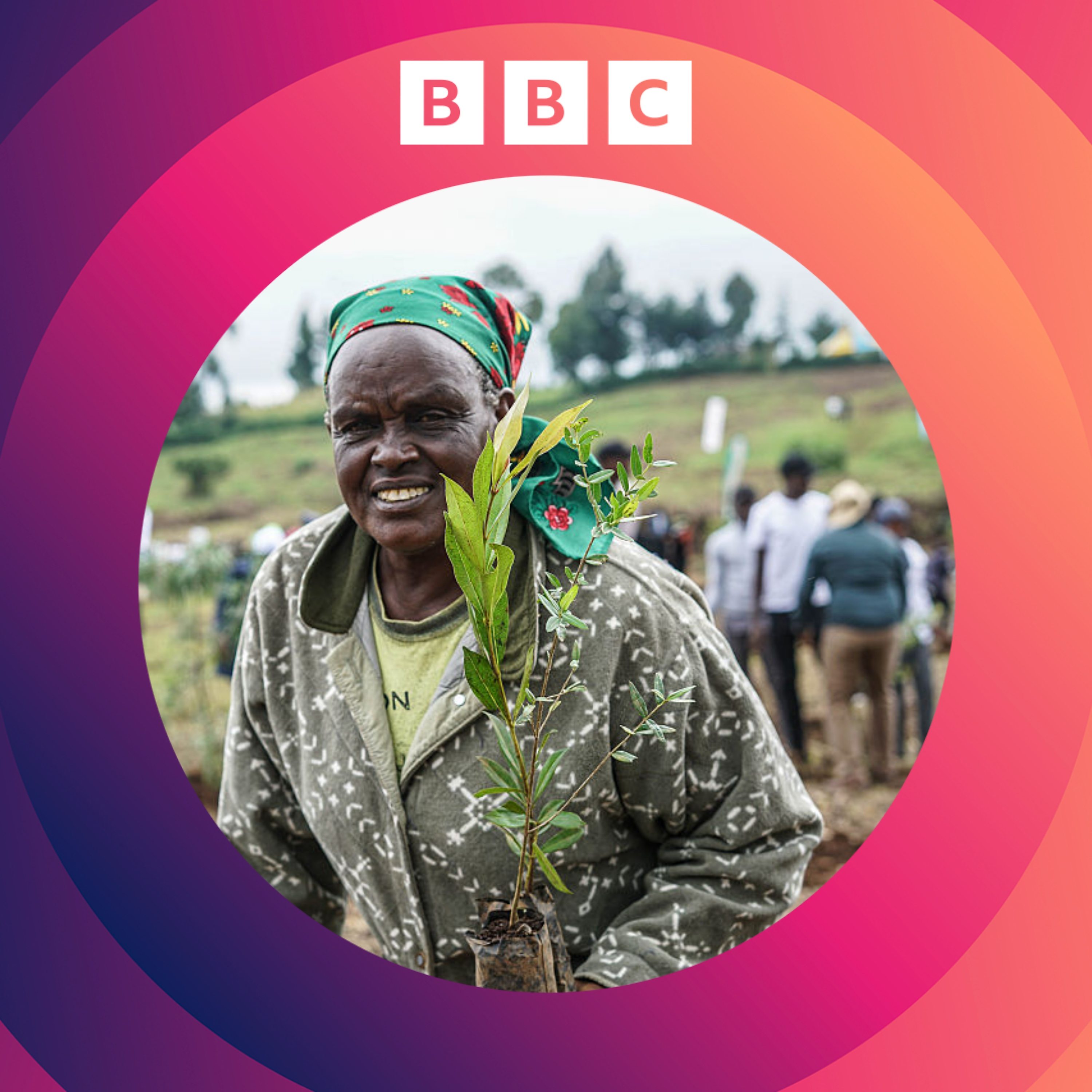 How do we save Africa's forests? 23.08.2026 22minAfrican forests are vital for food and economic development, as well as for supporting millions of species of animals and plants. We find out how to protect them better with one of Africa’s top environmentalists! From the giant Congo rainforest to the Kenyan highlands and the mangroves of Mozambique, Africa’s forests are some of the most spectacular places on Earth. And these sensitive ecosystems are not just important for Africa: they play a vital role in the global climate because they store huge amounts of carbon dioxide and pump out oxygen. Kenyan environmentalist Wanjira Mathai has been campaigning to protect and nurture forests for decades. She tells The Climate Question about the challenges they now face across Africa from rapid urbanisation, mining and logging. The solution, according to Wanjira, is to place a proper economic value on the environmental services provided by forests and the communities who live in them – whether that’s supplying water and food, or helping to prevent floods sweeping through cities such as Nairobi. Wanjira Mathai is Managing Director, Africa and Global Partnerships at the World Resources Institute. She’s been chatting to The Climate Question host Jordan Dunbar and BBC Senior Climate Reporter Esme Stallard. Got a question for The Climate Question? Email us: [email protected]: Diane Richardson and Melanie Stewart-Smith Sound Mix: Mike Regaard and Tom Brignell Editor: Simon Watts
 -
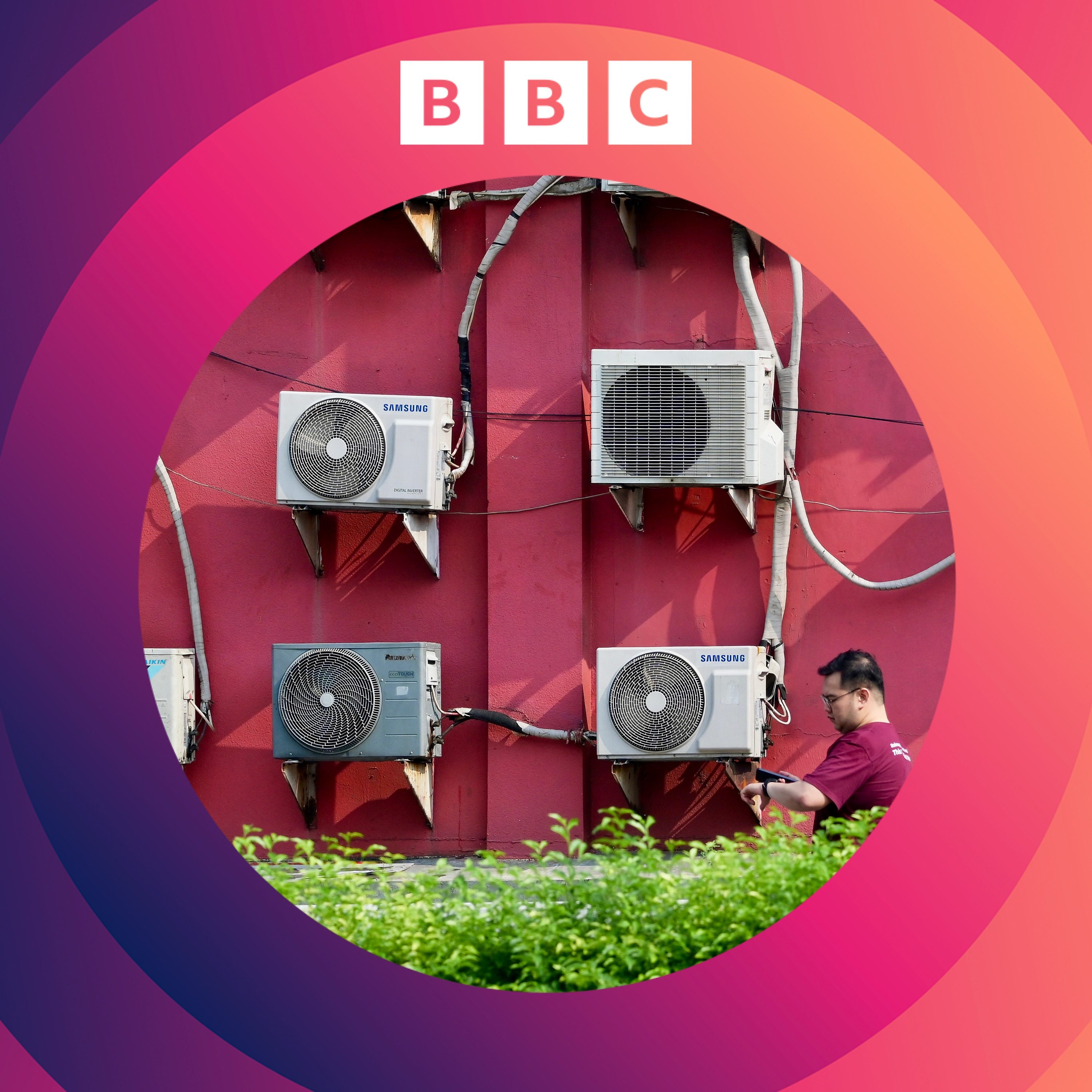 Is air conditioning the answer to extreme heat? 16.08.2026 26minExperts say we may now need to spend more on cooling our homes than heating them because of climate change. In fact, the International Energy Agency thinks the equivalent of 10 new air conditioners every second will be installed for the next 30 years! This surge in air con will put strain on the world’s electricity grids, which are still mostly powered by fossil fuels. The units also pump heat into the streets outside our homes – making cities feel even hotter when we step outside. But there are alternative options – like redesigning houses to include more shading and increase the air flow, or using fans and misting systems. We could also plant more trees or even change the colours of our homes to reflect more sunlight! In this edition of The Climate Question, Host Graihagh Jackson talks to BBC Tokyo Correspondent, Kurumi Mori, and Radhika Khosla, Professor of Environmental Science and Policy at the University of Oxford. Got a question for The Climate Question? Email us: [email protected]: Diane Richardson and Melanie Stewart-Smith Sound Mix: Tom Brignell and Ricardo McCarthy Editor: Simon Watts
 -
 Is this a new era of wildfires? 09.08.2026 22minHuge wildfires have been sweeping across Southern Europe and North America. Is climate change increasing the risk? And what can we do? Weather experts say the world is starting to see new types of wildfire – including enormous Pyrocumulonimbus fire clouds that spit lightning and black hail.These infernos can burn for more than a year. They can also spawn fire tornadoes, which move at more than 200 kilometres an hour, destroying everything in their path. The Climate Question hosts Graihagh Jackson and Jordan Dunbar talk to John Vaillant, the author of “Fire Weather”, about how wildfires are increasing in intensity and frequency, and how they are burning in places they have never burned before. Got a question for The Climate Question? Email us: [email protected]: Simon Watts, Diane Richardson and Melanie Stewart-Smith Sound Mix: Tom Brignell and Dafydd Evans Editor: Simon Watts
 -
 How is climate change affecting motherhood? 02.08.2026 26minGraihagh Jackson talks to mothers from India, Kenya and the UK about how climate change is affecting women's decisions about whether to have children and how to raise them.Her guests are Bhavreen Kandhari, a clean air campaigner from Delhi; Dr Susan Chomba, a Kenyan forest scientist and environmentalist; and Dr Elizabeth Cripps, a political philosopher specializing in climate justice. This programme was first broadcast in 2025.Got a question for The Climate Question? Email us: [email protected] and presented by Graihagh Jackson Sound mix: Tom Brignell and Neil Churchill Editor: Simon Watts
 -
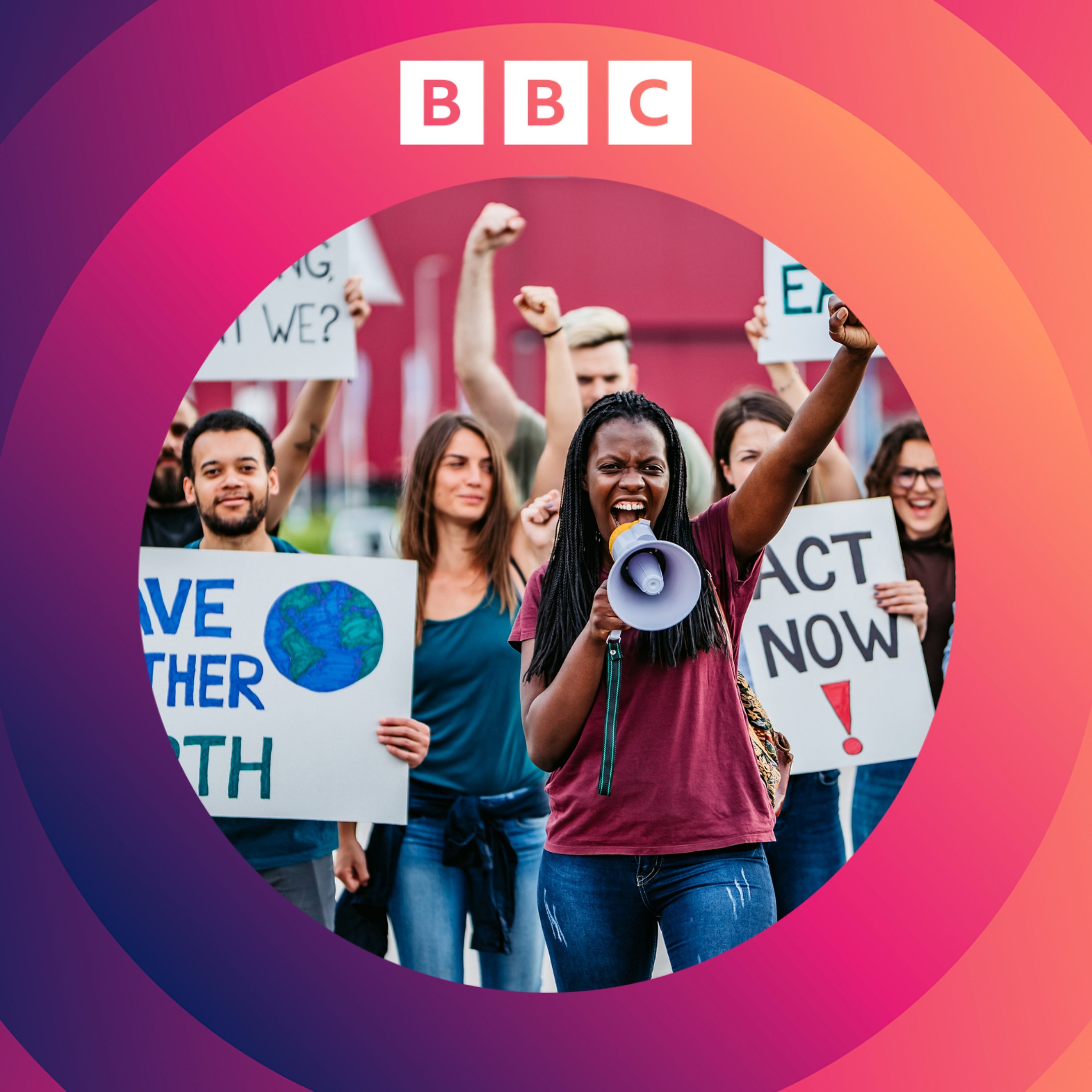 Do climate protests ever work? 26.07.2026 26minClimate activists have blocked highways, scaled oil rigs and even thrown soup at master artworks. But have protests ever made a difference? The modern green movement started in the 1970s when Greenpeace sailed a fishing boat towards a nuclear test site in Alaska. It now encompasses everything from bake-ins and marches to Radiohead concerts. A small minority of activists even favour breaking the law to raise awareness about climate change. Some of them have superglued themselves to railings and blocked bridges. BBC Climate Editor Justin Rowlatt has made a new podcast series about the green movement – and the heated splits among activists about tactics. He talks to Climate Question hosts Graihagh Jackson and Jordan Dunbar about the past - and future - of climate protest. You can hear Ten Fights That Made the Green Movement here: https://www.bbc.co.uk/programmes/m002ybblGot a question for The Climate Question? Email us: [email protected]: Simon Watts, Diane Richardson and Ellie House Sound Mix: Mike Regaard Editor: SImon Watts
 -
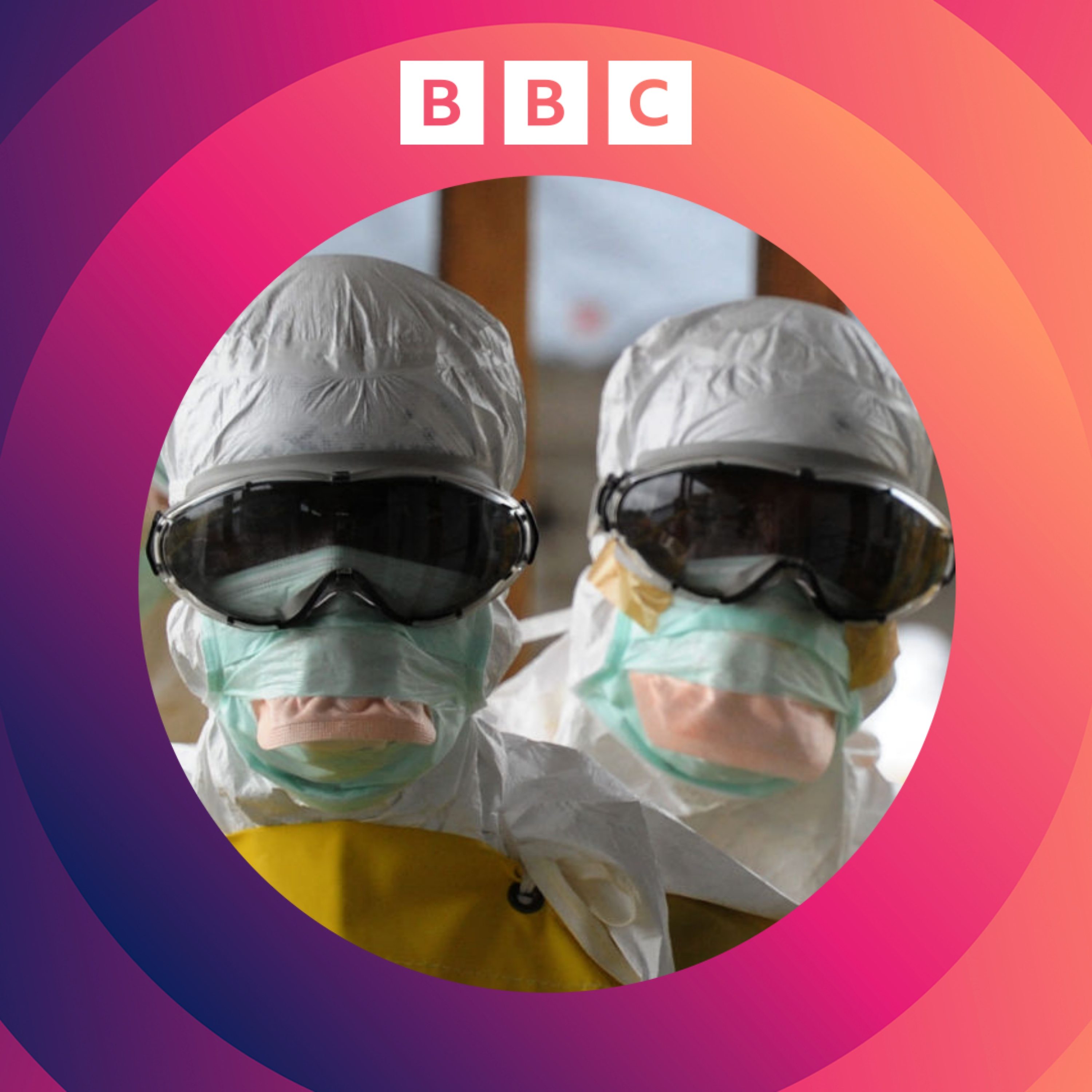 Could climate change fuel an epidemic? 19.07.2026 26minScientists are warning that climate change and deforestation increase the risk of outbreaks of deadly diseases. How big is the danger? And what action can we take? Dr Neil Vora is a so-called “disease doctor” - an epidemiologist who has travelled the world to help trace the sources of outbreaks of Ebola, cow pox and rabies. Dr Vora tells The Climate Question hosts Graihagh Jackson and Jordan Dunbar about his specialism in zoonotic diseases, which are caused by infections passing from animals to humans. He is worried that the combination of climate change and cutting down forests will lead to more human-animal contact, and that the higher stress levels experienced by animals such as bats and monkeys will make them more likely to pass on deadly pathogens. Dr Vora says we need to act now to protect forests and avoid the possibility of epidemics or even a pandemic. Neil Vora started his career at the US Centres For Diseases Control and Prevention. He is now Executive Director at the Preventing Pandemics at the Source Coalition. Got a question for The Climate Question? Email us: [email protected]: Diane Richardson, Jordan Dunbar and Melanie Stewart-Smith Sound Mix: Dafydd Evans and Tom Brignell Editor: Simon Watts
 -
 Can science fiction help us fight climate change? 12.07.2026 26minThe acclaimed US sci-fi author Kim Stanley Robinson is also a star in the world of climate activism because his work often features climate change - on Earth and beyond. Robinson has been a guest speaker at the COP climate summit, and novels such as The Ministry For The Future and The Mars Trilogy are admired by everyone from Barack Obama to former UN climate chief Christiana Figueres. Robinson's books are not just imaginative but scientifically accurate, and some of their ideas have even inspired new thinking about climate-proofing technology. Kim Stanley Robinson spoke to the Climate Question team in 2024.Presenters: Jordan Dunbar and Graihagh Jackson Producer: Ben Cooper Editor: Simon Watts Sound Mix: Tom BrignellGot a question for The Climate Question? Email us: [email protected]
 -
 How to build a climate friendly city 05.07.2026 26minMore than seven billion of us are expected to be living in urban areas by 2050. So what are the world’s great cities doing about climate change? Humans are now city creatures – with more than half the world’s population already living in urban environments, and huge growth expected in cities in Asia and Sub-Saharan Africa during the rest of the 21st century. So mayors are on the front line of dealing with climate change – whether it’s keeping people cool during heatwaves or redesigning cities to cope with floods. In this edition of The Climate Question, Host Jordan Dunbar hears about inspiring solutions from cable cars in Colombia to water parks in the Netherlands and city gardens in the Philippines. His guests are Yvonne Aki-Sawyerr, the mayor of Freetown in Sierra Leone and Co-Chair of the C40 Cities Coalition, and Rogier van den Berg, an architect and urban planner who’s Global Director at the WRI Ross Center for Sustainable Cities. Jordan, Yvonne and Rogier also discuss the crucial role that cities need to play in reducing carbon emissions by making buildings more energy-efficient and rethinking transport. Got a question or comment? You can email the team: [email protected]: Jordan Dunbar, Diane Richardson, Melanie Stewart-Smith Sound Mix: Dave O'Neill and Tom Brignell Editor: Simon Watts
 -
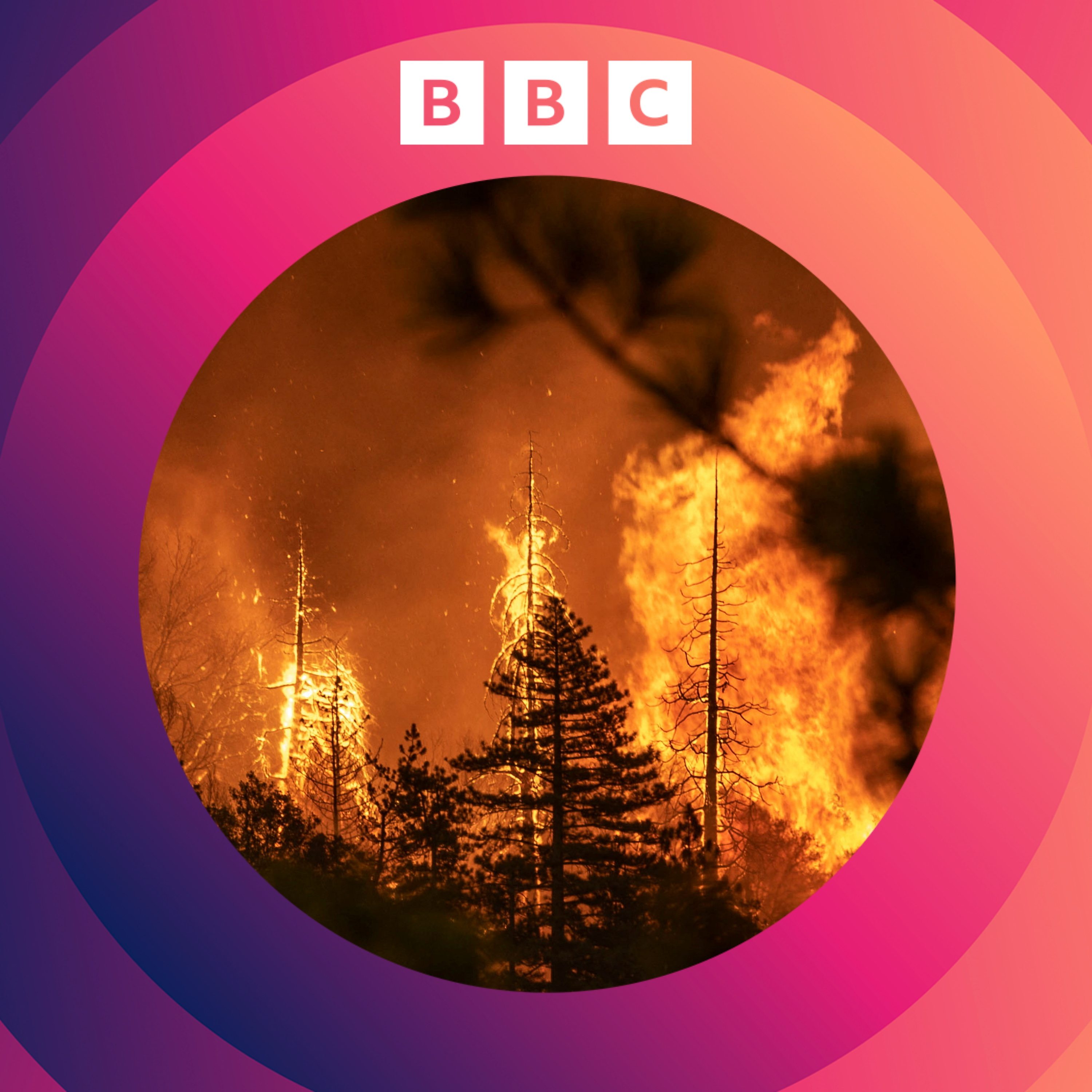 "Super" El Niños and climate change 28.06.2026 22minScientists say the El Niño weather pattern has started and this one is potentially so strong that it could have devastating effects in many parts of the world. So how does El Niño work exactly? And what’s the connection with climate change? El Niño starts when water temperatures rise near the Pacific coast of South America, but the impact on weather is felt around the globe. Some regions are more likely to experience severe droughts or more powerful storms; others could face the threat of severe flooding. This “Super” El Niño is likely to add 0.2 or 0.3 degrees to the global temperature. When added to the impact of climate change, scientists say the world could be headed for a new heat record in 2027. In this edition of The Climate Question, hosts Graihagh Jackson and Jordan Dunbar chat to Mark Maslin, Professor of Earth System Science at University College, London, about what might happen and how the world can prepare.Got a question or comment? You can email the team: [email protected]: Grace Braddock Sound Mix: Mike Regaard and Tom Brignell Editor: Simon WattsPicture Credit: Reuters
 -
 Is climate change ruining our sleep? 21.06.2026 25minParts of India have been facing extreme heat - with temperatures soaring past 46 degrees Celsius. But a less familiar story unfolds after dark. When temperatures stay high after sunset, an essential human need is threatened: sleep.Scientific research suggests that hot nights are leading many of us around the world to lose shut-eye already. Our bodies need to cool down to fall asleep – but hotter nights make that much harder. And the impacts go way beyond just feeling tired; disrupted sleep has links to poor cardiovascular health and depression. Women, children, the elderly and those living in hot countries with less income are most affected. As global temperatures rise due to climate change, experts warn that the impact on our sleep – and our health – will only worsen. Presenter Graihagh Jackson speaks to sleep expert Dr Sophie Bostock and BBC Marathi reporter, Janhavee Moole. They explore how rising temperatures are disrupting sleep in India and beyond – and share practical tips on how to stay cool in a warming world.Producer: Graihagh Jackson, Janhavee Moole and Grace Braddock Sound engineer: Ben Andrews and Tom Brignell Editor: Simon Watts
 -
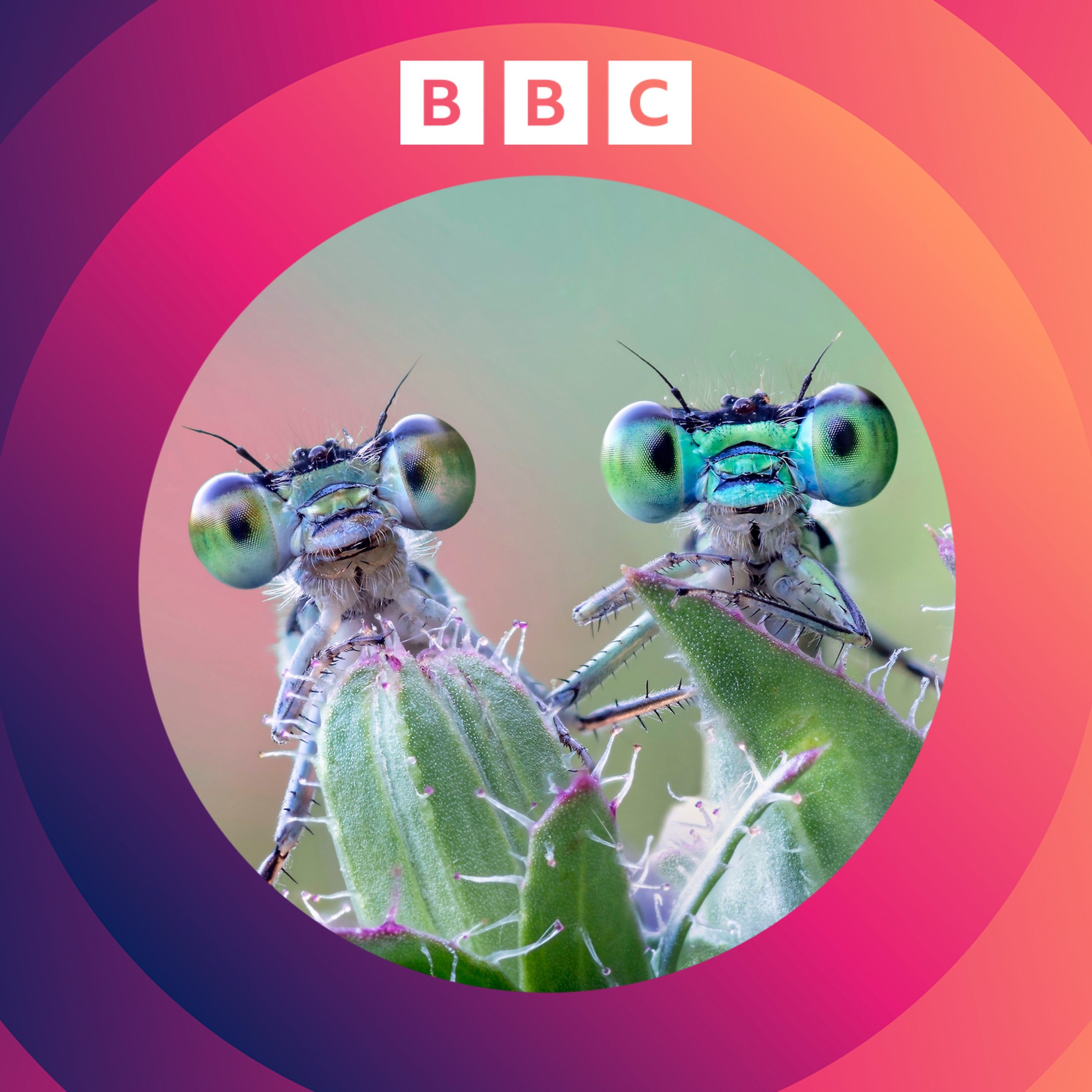 How will climate change affect insects? 14.06.2026 23minInsects play a crucial role in food production and the spread of disease, as well as being keystone species in many ecosystems. What does a warmer world mean for them?Climate Question hosts Graihagh Jackson and Jordan Dunbar talk to zoologist Dr Tim Cockerill, Senior Lecturer at Falmouth University.Got a question or comment? You can email the team: [email protected]: Diane Richardson, Graihagh Jackson and Grace Braddock Sound mix: Mike Regaard and Tom Brignell Editor: Simon Watts
 -
 Can the World Cup cope with extreme heat? 07.06.2026 26minScorching temperatures are expected at this year’s World Cup in the USA, Mexico, and Canada. How will players and fans cope? And how will it affect the action on the pitch? Scientists are concerned about the impact of extreme heat on the biggest sporting event in history. The organisers, FIFA, is introducing mandatory water breaks to keep players cool, but experts say the hot conditions may slow down the game and give an advantage to teams that play more matches in air-conditioned stadiums. There’s also concern about the health effects on fans. FIFA has put in place measures such as cooling areas and misting systems, but some say the plans don’t go far enough. The Climate Question hosts Graihagh Jackson and Jordan Dunbar chat to Dr Madeleine Orr, Associate Professor of Sports Ecology at the University of Toronto, and BBC Sport Correspondent Katie Gornall. Katie also breaks down the carbon footprint of a World Cup that’s been described as one of the most polluting events ever. Got a question or comment? You can email the team: [email protected]: Graihagh Jackson and Jordan Dunbar Producers: Nik Sindle, Jordan Dunbar, Melanie Stewart-Smith Sound Mix: Tom Brignell, Philip Bull Editor: Simon Watts
 -
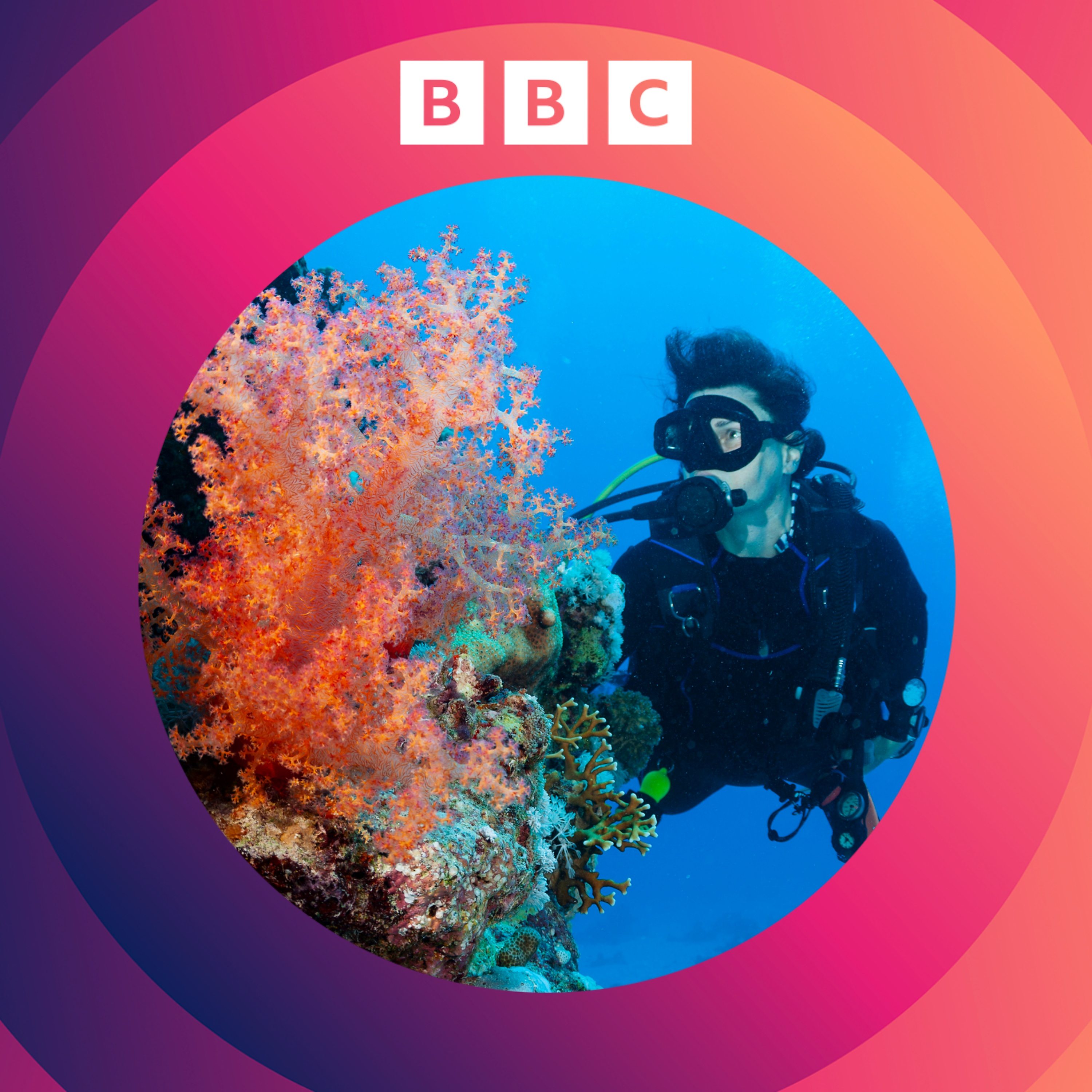 Can we save the world's coral? 31.05.2026 26minCorals protect humans and sustain 25% of all marine life. But reefs are under threat from climate change, and mass bleaching events mean that some scientists estimate they could disappear by 2100.In this episode, Graihagh Jackson is joined by BBC CrowdScience presenter, Caroline Steel. We go to Puerto Rico to see how self-duplicating, carnivorous coral could be the solution. We also speak to the scientist who helped discover what was causing coral bleaching in the first place - back when climate change was commonly denied.This programme was first broadcast in 2024.Guests: Dr Ove Hoegh-Guldberg, Professor of Marine Studies at the University of Queensland in Brisbane Dr Stacey Williams, Executive Director at the Institute for Socio Ecological ResearchPicture: Prickly alcyonarian - Dendronephthya sp. Orange red colored soft coral. Credit: ultramarinfoto via Getty. Presenters: Graihagh Jackson and Caroline Steel Producer: Octavia Woodward Production co-ordinator: Brenda Brown Editor: Simon Watts Sound Engineer: Tom BrignellGot a climate question you’d like answered? E-mail the team: [email protected]
Radiostation

Lignende podcasts


Populær i
Denne podcast optræder også i podcast-hitlister i disse lande.


