
NexusMindSpace: Beyond Perception
Esvict Imhotep
0
Welcome to NexusMindspace, a podcast hosted by Esvict Imhotep that uncovers the hidden patterns of the mind, society, and reality. We explore the forces shaping human behavior and consciousness through psychology, philosophy, theology, and more. Each episode invites you to question your understanding of reality, discover hidden patterns in thought and behavior, gain insights into philosophy and law, and transform your perspective through curiosity. For seekers and truth-diggers ready to go beyond perception, here is your portal to insights, awareness & Awakening.
Episoder
-
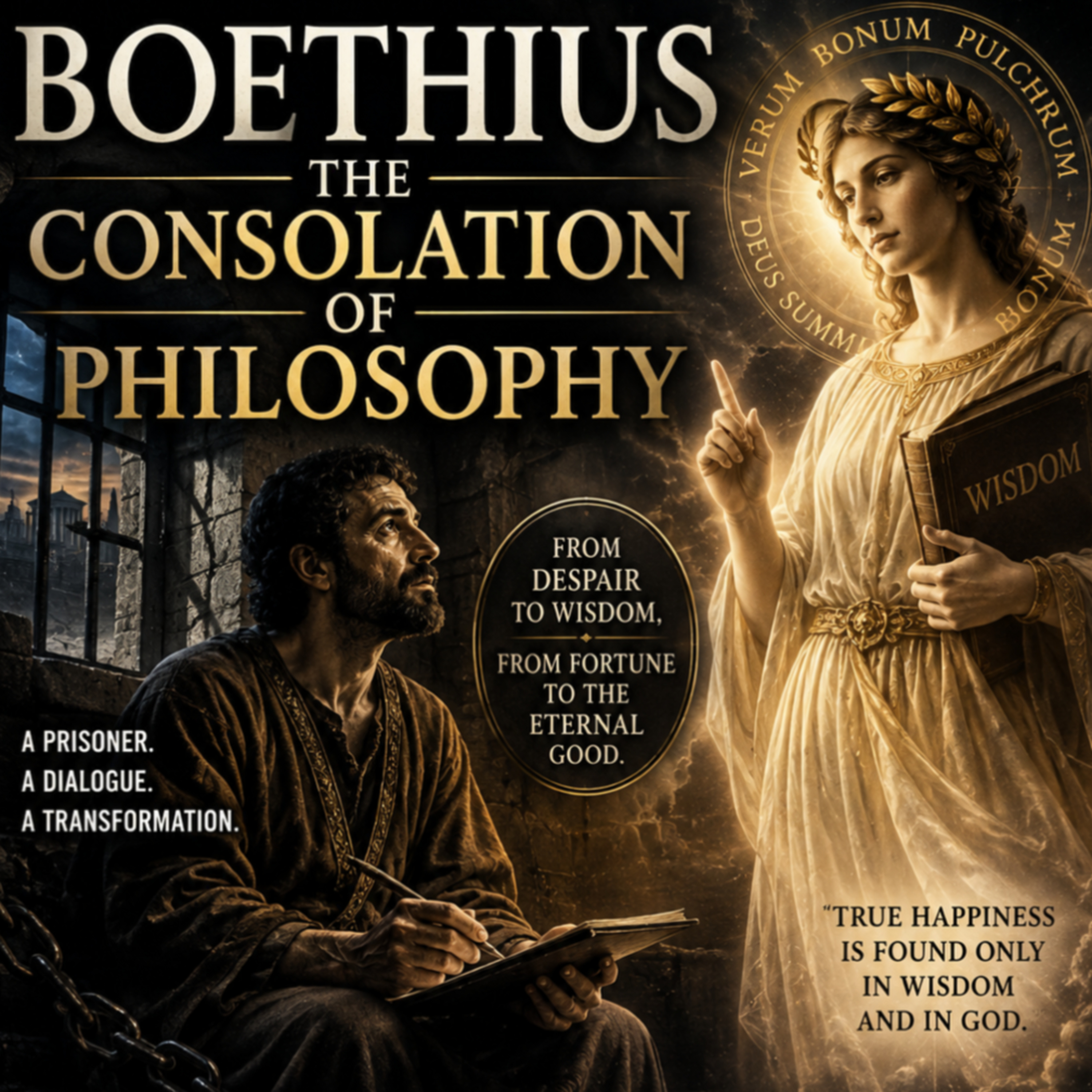 When Everything Falls Apart: Boethius, Fortune, and the Search for True Happiness 03.08.2026 52minWhat remains when power, wealth, reputation, and success are stripped away?In this episode, we explore The Consolation of Philosophy, the timeless masterpiece of Boethius, written while awaiting execution in prison. Through a profound dialogue with the allegorical figure of Lady Philosophy, Boethius confronts despair, injustice, suffering, and the apparent unpredictability of fate.Together, we examine how Philosophy challenges the pursuit of wealth, political power, fame, and worldly success, arguing that these gifts of Fortune are temporary and unstable. Instead, she directs the human soul toward a deeper source of fulfillment: wisdom, virtue, and the contemplation of God as the highest good.This episode explores some of the most enduring questions in philosophy and theology:• Why do good people suffer?• Can happiness survive tragedy and loss?• Is Fortune truly blind?• What is the relationship between reason and faith?• Where can lasting meaning be found in a changing world?From the collapse of political careers to personal crises, Boethius' reflections remain remarkably relevant for modern life. His journey from despair to wisdom offers a powerful lesson on resilience, inner freedom, and the search for authentic happiness.Whether you are interested in philosophy, theology, classical literature, ethics, Stoicism, Christian thought, or the history of ideas, this episode provides an accessible introduction to one of the most influential books ever written.🎧 Join us as we uncover how a condemned prisoner transformed suffering into one of history's greatest meditations on happiness, wisdom, and the human condition.
 -
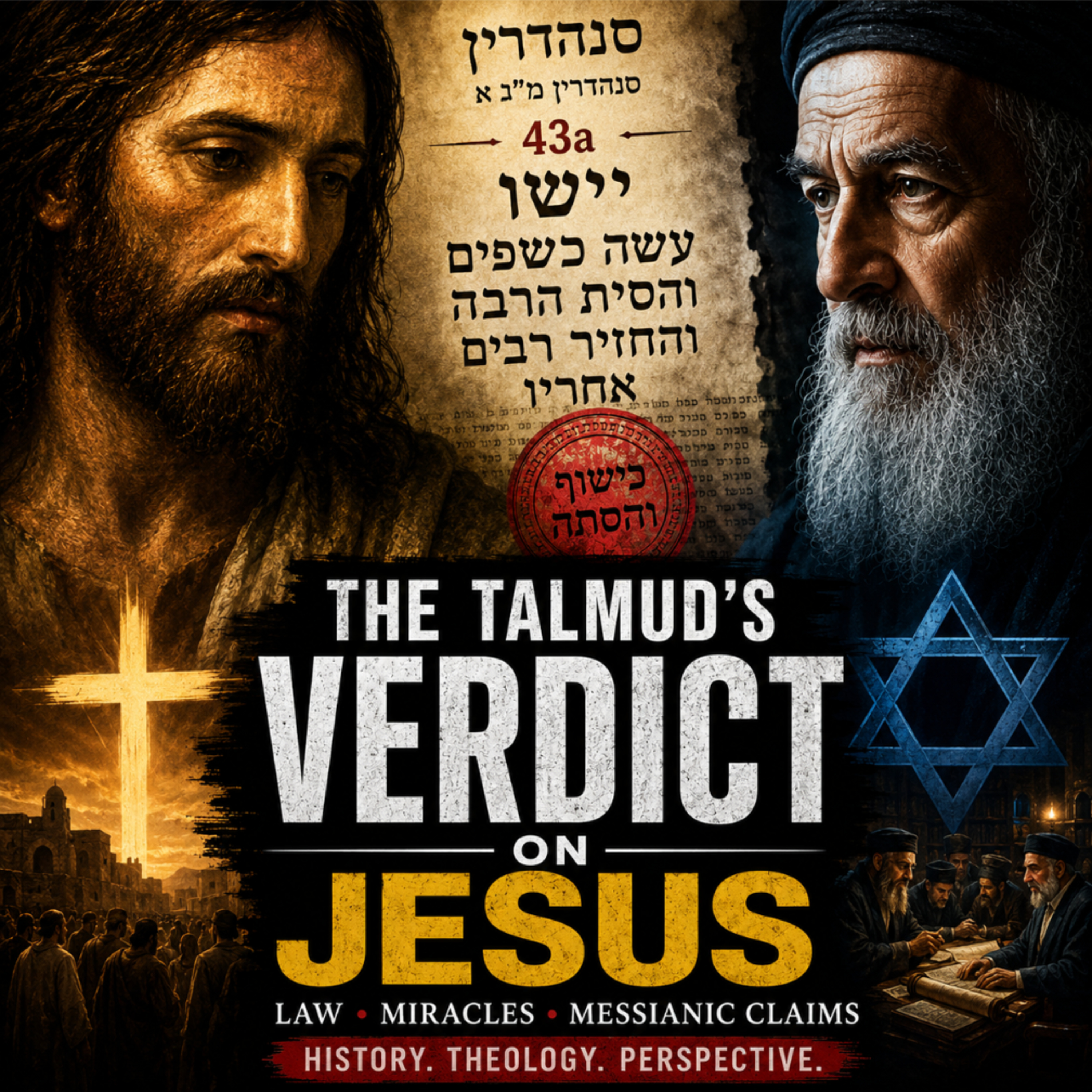 Jesus on Trial in the Talmud: The Shocking Rabbinic Perspective 15.07.2026 32minWhy did Rabbinic Judaism reject Jesus? This video explores the Talmudic portrayal of Jesus, focusing on Sanhedrin 43a, where his miracles are interpreted as sorcery and his teachings as religious seduction. Discover how the Rabbis used legal reasoning to defend the authority of the Torah, preserve Jewish identity, and respond to early Christianity during a time of intense religious conflict. We also examine Maimonides' nuanced view of Jesus as a failed Messiah who nevertheless served a providential role in preparing the world for the knowledge of the one true God. A balanced historical and theological analysis of one of the most debated subjects in Jewish-Christian relations.
 -
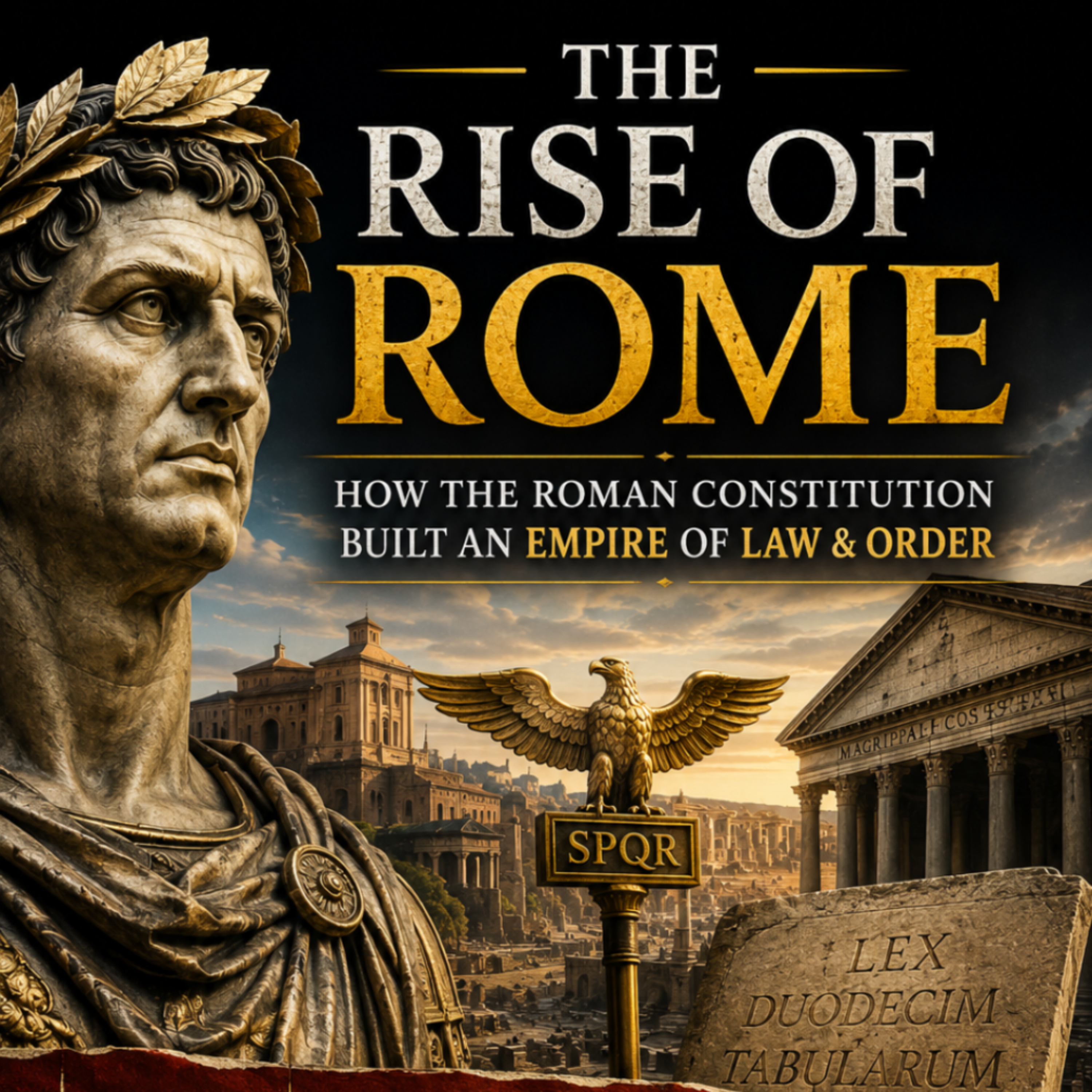 Rome's Hidden Blueprint: The Constitution That Changed Civilization Forever 11.07.2026 1t 5minHow did a small city on the banks of the Tiber become the foundation of Western law and constitutional government? In this episode, we explore the fascinating evolution of the Roman Constitution, tracing its journey from the Monarchy (Regnum) through the Roman Republic, the Principate, and finally the Dominatus.Discover how the Twelve Tables transformed unwritten customs into the first public legal code, why the conflict between Patricians and Plebeians reshaped Roman institutions, and how magistrates such as the Consuls, Tribunes of the Plebs, Dictators, and the Roman Senate influenced one of history's most sophisticated political systems.We also examine the concept of Rome's mixed constitution, admired by ancient historians for balancing monarchy, aristocracy, and democracy, and explore how modern archaeology continues to confirm the historical foundations of Rome's legendary origins.Whether you're a student of Roman law, legal history, constitutional studies, political philosophy, ancient history, or simply fascinated by the civilization that shaped the Western world, this episode offers a comprehensive and engaging journey into the legal institutions that continue to influence modern governments today.🎧 Subscribe for more episodes on Roman Law, Legal Philosophy, Canon Law, Ancient Civilizations, Political Theory, History, and the foundations of Western legal thought.
 -
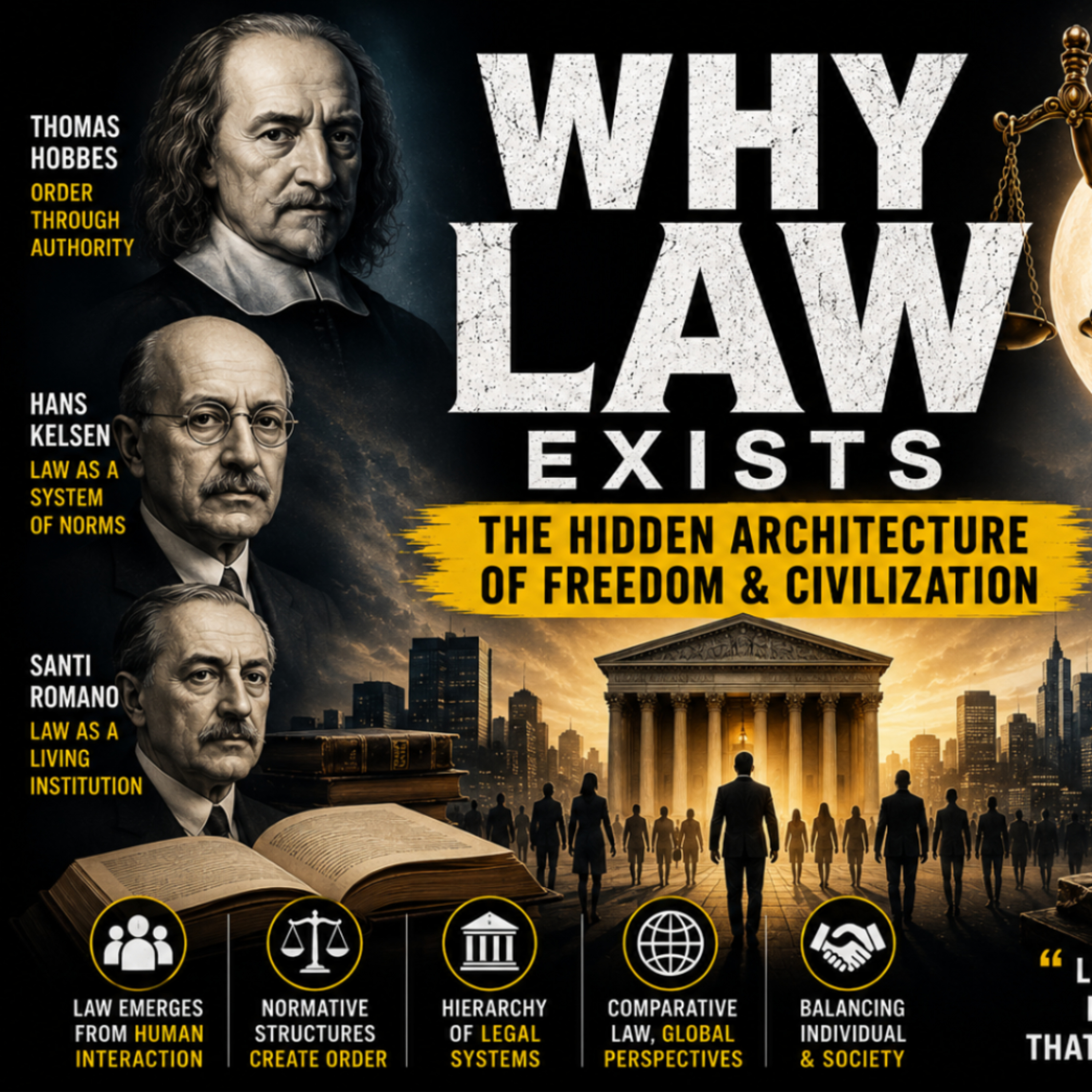 Why Law Exists: The Hidden Architecture of Freedom, Order & Civilization 06.07.2026 43minWhat is law—and why can't civilization exist without it?In this episode, we explore one of the most fundamental questions in legal philosophy: What is the juridical phenomenon? Is law simply a collection of rules imposed by the state, or is it a natural consequence of human coexistence?Drawing on the ideas of Thomas Hobbes, Hans Kelsen, and Santi Romano, this podcast examines the foundations of legal order, the structure of legal systems, and the relationship between law, liberty, justice, and social organization. Discover why legal norms are more than commands—they are the invisible architecture that makes freedom, cooperation, and civilization possible.Topics covered include:What is the juridical phenomenon?Why societies naturally develop legal systemsHobbes and the need for political authorityHans Kelsen's Pure Theory of LawSanti Romano and the institutional theory of lawThe hierarchy of legal normsComparative law and global legal traditionsThe paradox of freedom and legal constraintsLaw as a living and evolving social processJustice, order, and the future of legal philosophyWhether you're a law student, legal scholar, philosopher, or simply curious about how societies function, this episode offers a clear and engaging introduction to the ideas that have shaped legal thought for centuries.🎙️ Subscribe for more episodes on jurisprudence, philosophy of law, Roman law, comparative law, constitutional theory, legal history, political philosophy, ethics, and the intellectual foundations of justice.
 -
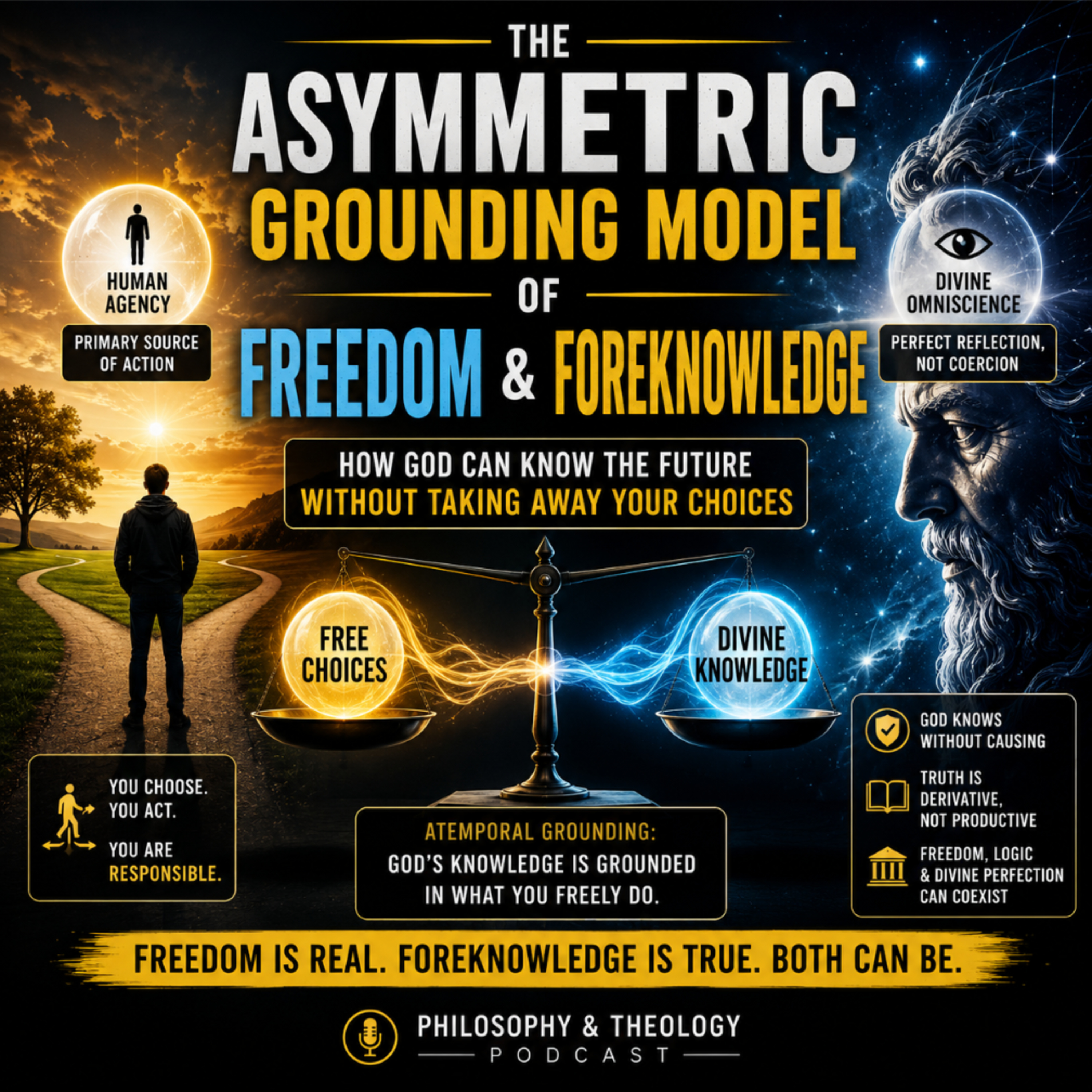 Does God’s Foreknowledge Destroy Free Will? | The Asymmetric Grounding Model Explained 03.07.2026 55minCan God know every future choice without taking away human freedom? This episode explores one of philosophy and theology's oldest and most challenging questions through the Asymmetric Grounding Model (AGM)—a fresh approach to the relationship between divine foreknowledge and libertarian free will.Rather than treating God's knowledge as something that causes future events, the AGM argues that God's eternal knowledge is grounded in human free choices. Divine omniscience perfectly reflects reality without determining it, preserving both God's infallibility and genuine human freedom.In this podcast, we examine:The paradox of divine foreknowledge and free willWhy knowledge is not the same as causationThe concept of metaphysical groundingAtemporal divine knowledgeHuman agency and moral responsibilityClassical theism and omniscienceLibertarian freedom explainedHow the AGM differs from traditional theological modelsThe implications for philosophy, theology, and ethicsWhether you're interested in philosophy of religion, Christian theology, metaphysics, free will, or the problem of divine foreknowledge, this episode offers a rigorous yet accessible exploration of one of the deepest questions in human thought.Subscribe for more discussions on philosophy, theology, metaphysics, ethics, and artificial intelligence.
 -
 The World Cup Paradox: Unity, Power, and the Price of Global Sport 11.06.2026 32minHas the FIFA World Cup Done More Good Than Harm?From the ancient spectacles of the Roman Colosseum to today's FIFA World Cup and global sporting mega-events, this podcast explores the profound impact of sport on civilization. Has the World Cup united humanity, promoted peace, economic growth, and cultural exchange, or has it also fueled nationalism, exclusion, political manipulation, visa restrictions, corruption, and social inequality?We examine the history of mass sporting events, the evolution of international football, and the hidden realities behind modern tournaments. From the celebration of human achievement to concerns about commercialization, migration barriers, fan exclusion, surveillance, and global politics, this episode asks a difficult but essential question: Is the World Cup ultimately a force for good or a source of new challenges?Join us as we analyze the benefits, dangers, lessons, and future of global sports in an increasingly divided world.🎙️ Topics Covered:Ancient Rome and the origins of mass spectaclesThe evolution of international sporting eventsFIFA World Cup history and global influenceNational identity and cultural diplomacyEconomic benefits and infrastructure developmentCorruption, commercialization, and political interestsVisa restrictions and fan accessibilityHuman rights concerns and social justiceThe future of global sporting eventsWhat humanity should learn from the World Cup⚽ Is football truly the world's universal language, or has the modern game become something else entirely?
 -
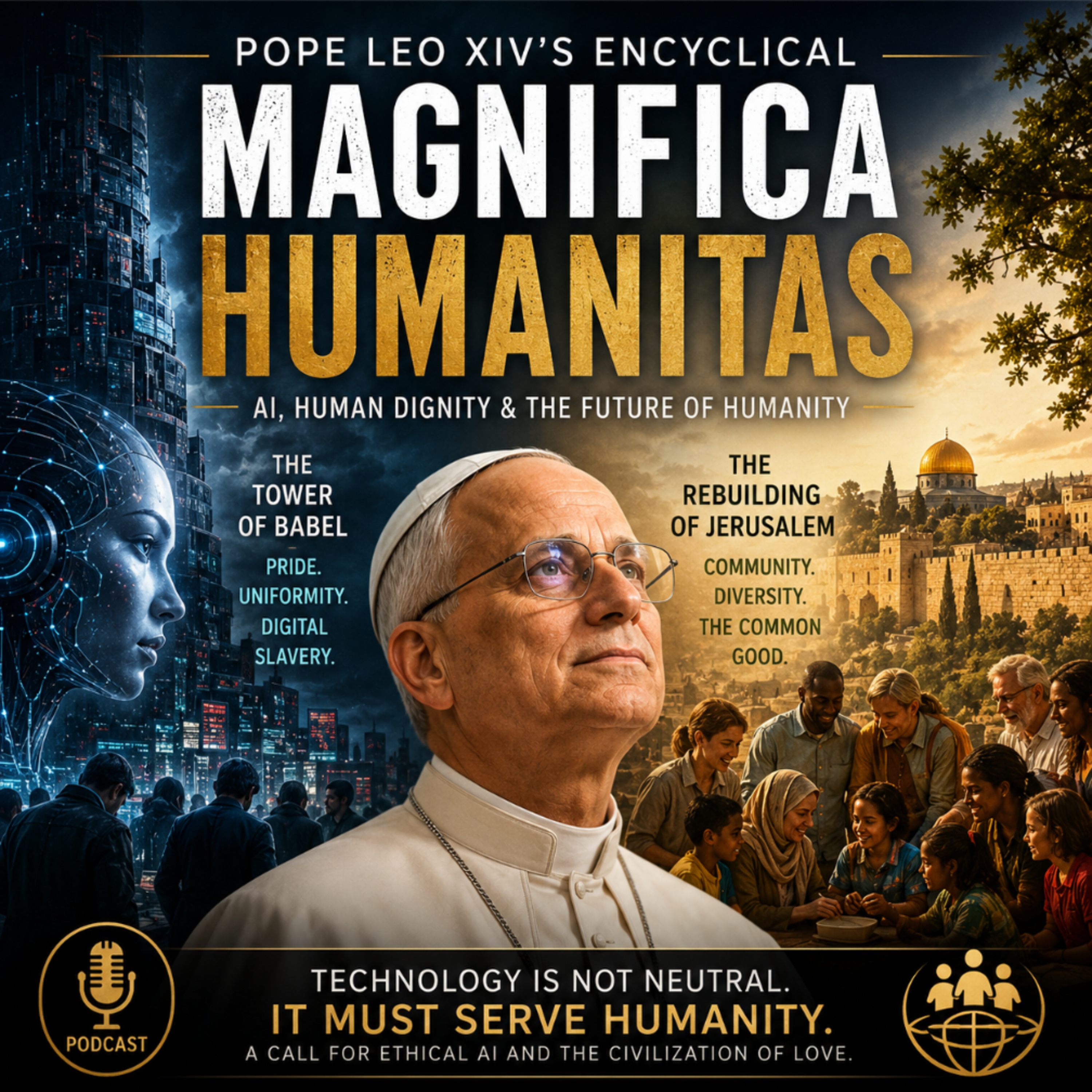 The Catholic Response to AI: Pope Leo XIV’s Warning About Artificial Intelligence 30.05.2026 46minArtificial Intelligence is transforming our world at an unprecedented pace—but what does the Catholic Church have to say about it?In this episode, we explore Magnifica Humanitas (2026), the groundbreaking encyclical of Pope Leo XIV on Artificial Intelligence, human dignity, and the future of civilization. Drawing from Catholic Social Teaching, the Pope contrasts the biblical images of the Tower of Babel and the rebuilding of Jerusalem to reveal two competing visions of technological progress: one driven by pride, control, and uniformity, and the other rooted in solidarity, responsibility, and the common good.We examine the ethical challenges posed by AI, including digital inequality, algorithmic power, transhumanism, technological domination, and the risk of reducing human beings to data and efficiency. The encyclical argues that technology is never neutral and must always serve the human person rather than replace or redefine humanity itself.Join us as we discuss the governance of artificial intelligence, the future of work, social justice in the digital age, Catholic philosophy of technology, and the Church’s vision for integral human development in an AI-driven world.Topics Covered:• Pope Leo XIV and Magnifica Humanitas (2026)• Artificial Intelligence and Catholic Social Teaching• The Tower of Babel and the Rebuilding of Jerusalem• Human Dignity and the Common Good• AI Ethics and Governance• Transhumanism and the Technocratic Paradigm• Digital Justice and Social Responsibility• Technology, Faith, and the Future of Humanity• Integral Human Development• The Civilization of Love#ArtificialIntelligence #AIEthics #PopeLeoXIV #MagnificaHumanitas #CatholicChurch #CatholicSocialTeaching #HumanDignity #Technology #AI #Transhumanism #DigitalEthics #Philosophy #Theology #FaithAndReason #CommonGood #SocialJustice #FutureOfHumanity
 -
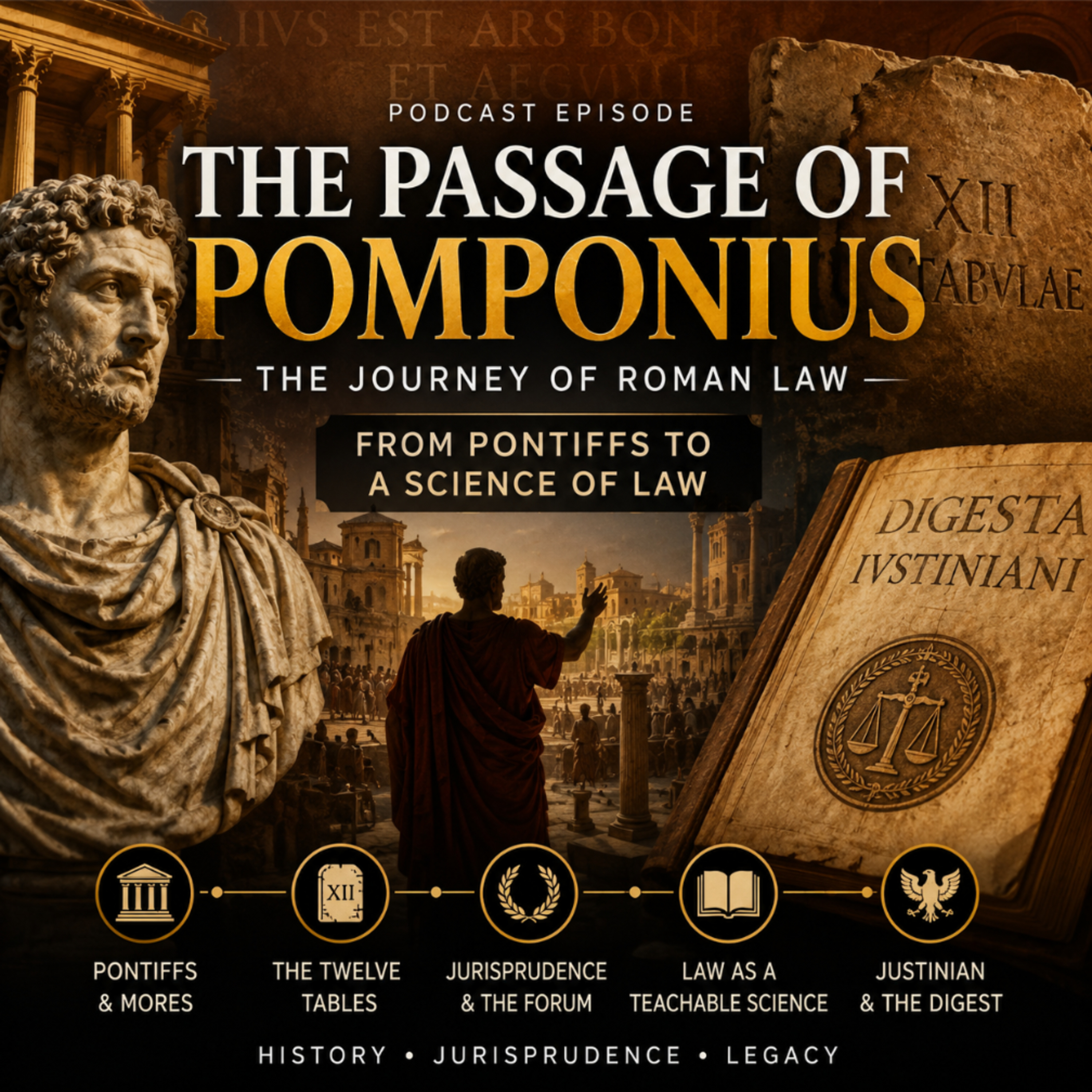 How Rome Invented Legal Science 29.05.2026 33minDiscover the extraordinary journey of Roman law through the famous passage of Pomponius. In this podcast episode, we explore the origins of law in ancient Rome — from the mores maiorum and the authority of the Pontiffs to the Twelve Tables, the rise of jurisprudence, and the creative role of the Praetor. Learn how Roman law evolved into a true legal science through influential figures such as Tiberius Coruncanius, Sextus Aelius Paetus, Gaius, and . A deep historical, philosophical, and legal exploration of the Digest, Justinian’s compilation, and the enduring legacy of Roman law in medieval Europe and the modern Western legal tradition. Perfect for law students, history enthusiasts, and anyone interested in legal philosophy, classical civilization, and the foundations of justice.
 -
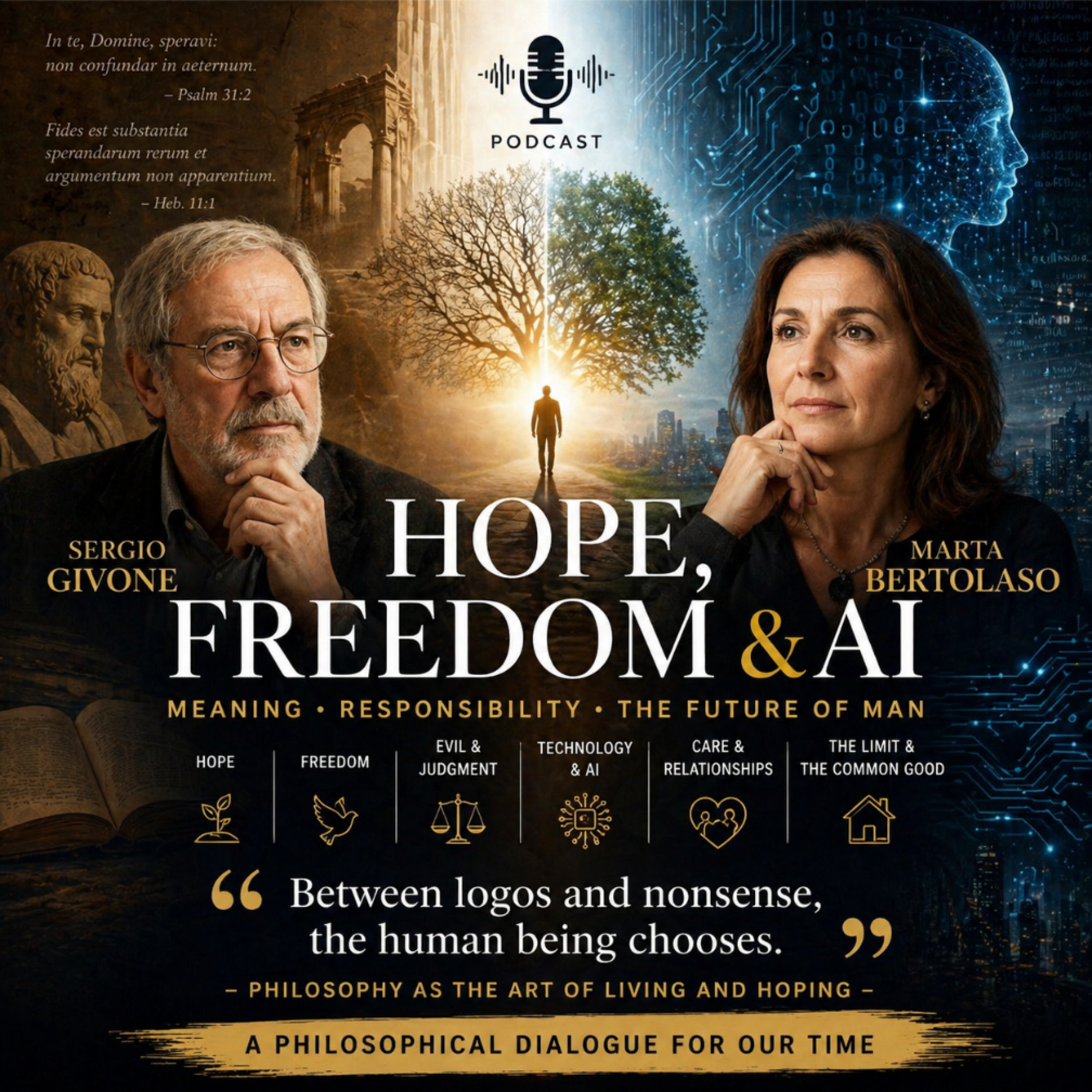 Hope, Freedom, and AI: Philosophical Foundations with Givone & Bertolaso 29.04.2026 46minA rigorous philosophical dialogue featuring Sergio Givone and Marta Bertolaso on hope, freedom, evil, and artificial intelligence. From the “reasonable hope” of Immanuel Kant to the tension between logos and nonsense explored by Friedrich Nietzsche and the Gospel of Giovanni Evangelista, this podcast examines the metaphysical foundations of human action. Insights from Plato and Dante Alighieri illuminate judgment, responsibility, and destiny.In the second part, Bertolaso analyzes technology, datafication, and the anthropological crisis: autonomy, relationships, care, and the meaning of limits in an algorithm-driven world. Drawing on Marshall McLuhan, Hartmut Rosa, and Simone Weil, the discussion reframes AI ethics, epistemology, and the common good.Essential listening for scholars and students of philosophy, theology, ethics, and the human sciences seeking clarity on freedom, responsibility, and the future of the human person in a technological age.
 -
 Ius vs Iustitia: When Law Betrays Justice 30.03.2026 42minWhat happens when law (ius) no longer reflects justice (iustitia)?This video explores the deep philosophical and juridical tension at the heart of Roman law—where legal systems risk becoming instruments of power rather than expressions of moral truth.Drawing on Roman jurisprudence, classical philosophy, and legal theory, this analysis reveals how justice was originally understood not as mere legality, but as a higher ethical order guiding human law.From ancient jurists to modern legal crises, the question remains:Can law still be just, or has it lost its foundation?This is not just history—this is the silent problem shaping every legal system today
 -
 Do Democracies Really Exist? Religion, Power, and the Hidden Causes of War. 13.03.2026 13minThroughout history, millions of people have fought and died in wars claimed to be fought for God, freedom, democracy, or civilization. But were these ideals truly the cause of war—or were they powerful narratives used to mobilize people for deeper political and human ambitions?In this episode, we explore the complex relationship between religion, democracy, and human conflict. Drawing on historical research, philosophy, and political theory, we examine whether modern societies have ever fully realized true democracy, and why religion has sometimes been used to justify violence.We also explore important questions:• Are democracies truly governed by the people, or by powerful elites?• Why do humans sometimes kill in the name of faith?• How many wars were actually caused by religion?• Are belief systems the cause of conflict, or tools used to mobilize it?• What do historians and philosophers say about the deeper roots of war?This episode combines history, philosophy, theology, and political analysis to investigate one of the most difficult questions of human civilization:Why do humans continue to fight in the name of their highest ideals?If you enjoy deep conversations about history, religion, democracy, philosophy, and the human condition, follow the podcast for more thoughtful explorations.
 -
 Ammianus Marcellinus: When Justice Becomes Corruption. Lessons from the Fall of Rome 05.03.2026 20minIn the fourth century, the Roman historian Ammianus Marcellinus wrote one of the most penetrating critiques of justice ever recorded. In his monumental work Res Gestae, he exposes a legal system plagued by torture, political prosecutions, corrupt officials, and an overwhelming maze of laws that obscured truth rather than protecting it.This episode explores Ammianus’ shocking accounts of judicial abuse in the late Roman Empire—where accusations could destroy lives, fear shaped legal decisions, and justice itself became a weapon of power.But this is not merely ancient history.From wrongful convictions to politicized courts and the complexity of modern legal systems, the warnings of Ammianus remain disturbingly relevant today. Through historical analysis and contemporary parallels, this podcast examines why the pathologies of justice he described nearly 1,700 years ago still resonate in modern societies.If you care about history, law, politics, or the fragile foundations of civilization, this episode will change the way you think about justice.
 -
 Human or Useful? The Crisis of Human Dignity. 25.02.2026 17minAre we valued for who we are — or only for what we produce?In this episode, we explore one of the most urgent questions of our time: has human dignity become conditional? From constitutional law to Christian theology, from Kantian philosophy to modern surveillance capitalism, this podcast examines whether human worth is still grounded in being — or quietly reduced to productivity, autonomy, and usefulness.We analyze:The theological foundation of dignity (Imago Dei)Kant’s distinction between price and dignityThe role of human dignity in constitutional lawThe impact of digital culture and data-driven systemsWhy burnout, anxiety, and identity crises may be anthropological symptomsIf dignity is intrinsic, it cannot be earned or revoked.If it is functional, it can disappear the moment performance ends.This episode challenges modern assumptions and offers a profound framework for reclaiming the ontological foundation of human worth.
 -
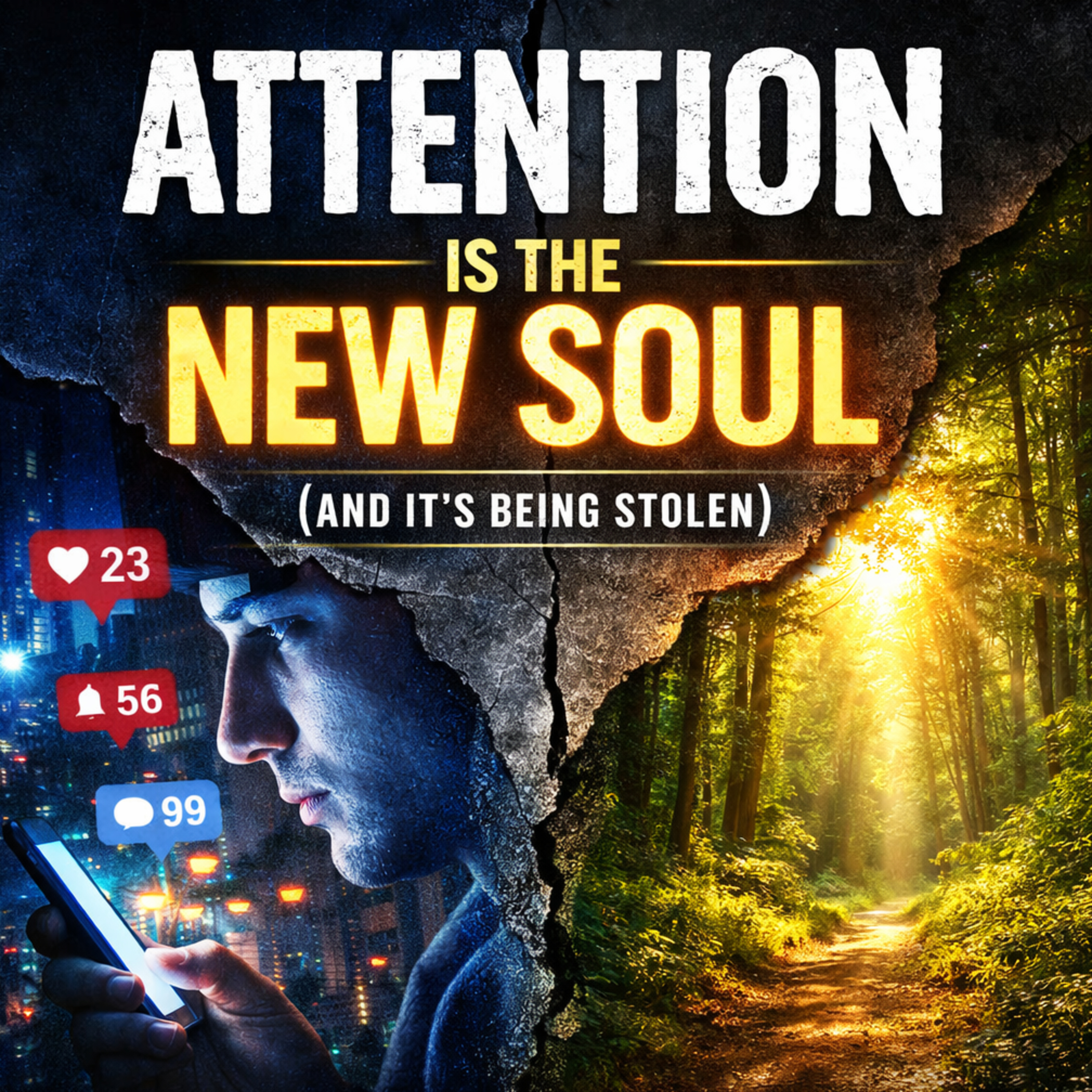 Attention Is the New Soul & Distraction Is the New Addiction. 18.02.2026 37minAttention is the new soul — and it’s being stolen.In a world engineered for distraction, your attention has become the most valuable currency on Earth. This episode explores how modern technology, algorithms, and constant stimulation are reshaping the human mind, weakening memory, fragmenting identity, and silently eroding our ability to think deeply, love sincerely, and live with meaning.Blending philosophy, theology, psychology, and real-life examples, this podcast reveals a powerful truth: whoever controls your attention is shaping your desires — and whoever shapes your desires is shaping your destiny.If you’ve ever felt mentally tired, emotionally empty, unable to focus, or spiritually disconnected, this episode will give you clarity, language, and practical steps to reclaim your inner life.Guard your attention. It’s the doorway to your soul.
 -
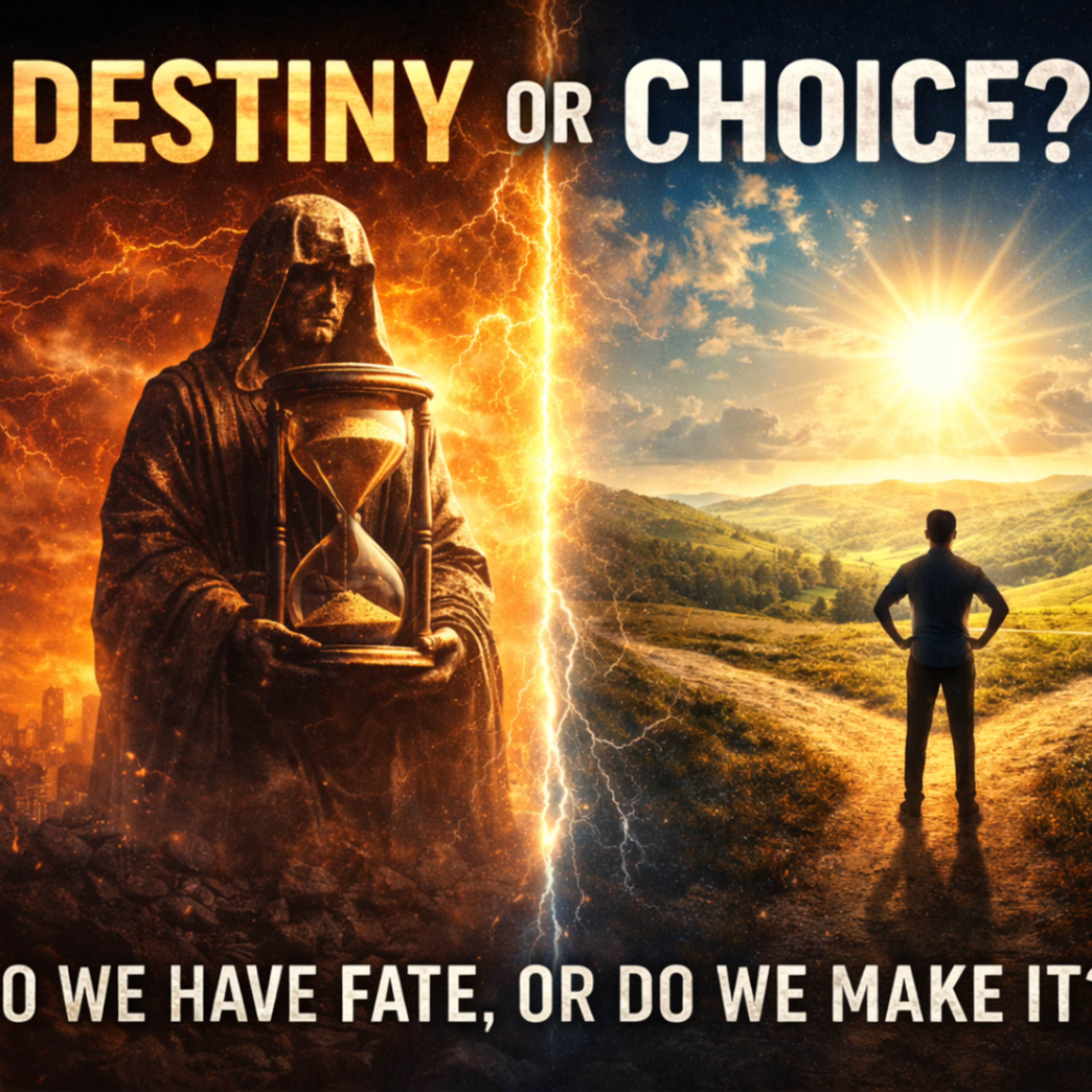 DESTINY or CHOICE? Who Writes Your Life? 10.02.2026 17minDo human beings have a destiny — or do we create our own fate?This episode explores one of the oldest and most intellectually charged questions in philosophy, theology, and psychology: is your life predetermined, or is it shaped by your choices?Drawing from classical thinkers like Aristotle and the Stoics, modern existential philosophy, and practical psychological insights, we examine the real structure of human freedom. Some parts of life are undeniably given: your birth, your body, your family, your nation, your era, and your circumstances. Yet within those constraints, your habits, character, decisions, and interpretation of suffering can radically transform your future.Through practical examples — from education and relationships to trauma, discipline, and purpose — this episode offers a balanced and deeply human answer: destiny is real, but it is not absolute.You may not choose your starting point, but you do choose your direction. And direction, repeated over time, becomes what most people call fate.If you’ve ever wondered whether your life is guided by a higher plan, shaped by your own will, or built through invisible daily choices, this episode will challenge you — and clarify you.
 -
 Your Calendar Is Artificial — How Humans Drifted from Natural Time 24.01.2026 26minWhat if the way we measure time is fundamentally wrong?In this episode, we explore a rarely questioned truth: the modern calendar is not aligned with human biology, lunar cycles, or natural rhythms. Long before clocks and deadlines, humans lived by the moon — a 28-day cycle that still governs tides, fertility, menstruation, pregnancy, and circadian rhythms.So why do we live by a 12-month calendar when human gestation follows 9–10 lunar cycles? Why do months like October, November, and December carry numerical names that no longer match their position in the year? And how did political power reshape time itself?This episode examines how Roman authority, solar calendars, and administrative control replaced natural cycles with artificial structures — and how this shift still affects our psychology, productivity, and sense of meaning today.We also explore the deep irony of modern fear around artificial intelligence, asking whether humanity has already been living inside artificial systems for centuries — long before machines became “intelligent.”This is not an argument against technology, but a philosophical reflection on forgotten rhythms, biological time, and the cost of living outside the original circle of human life.
 -
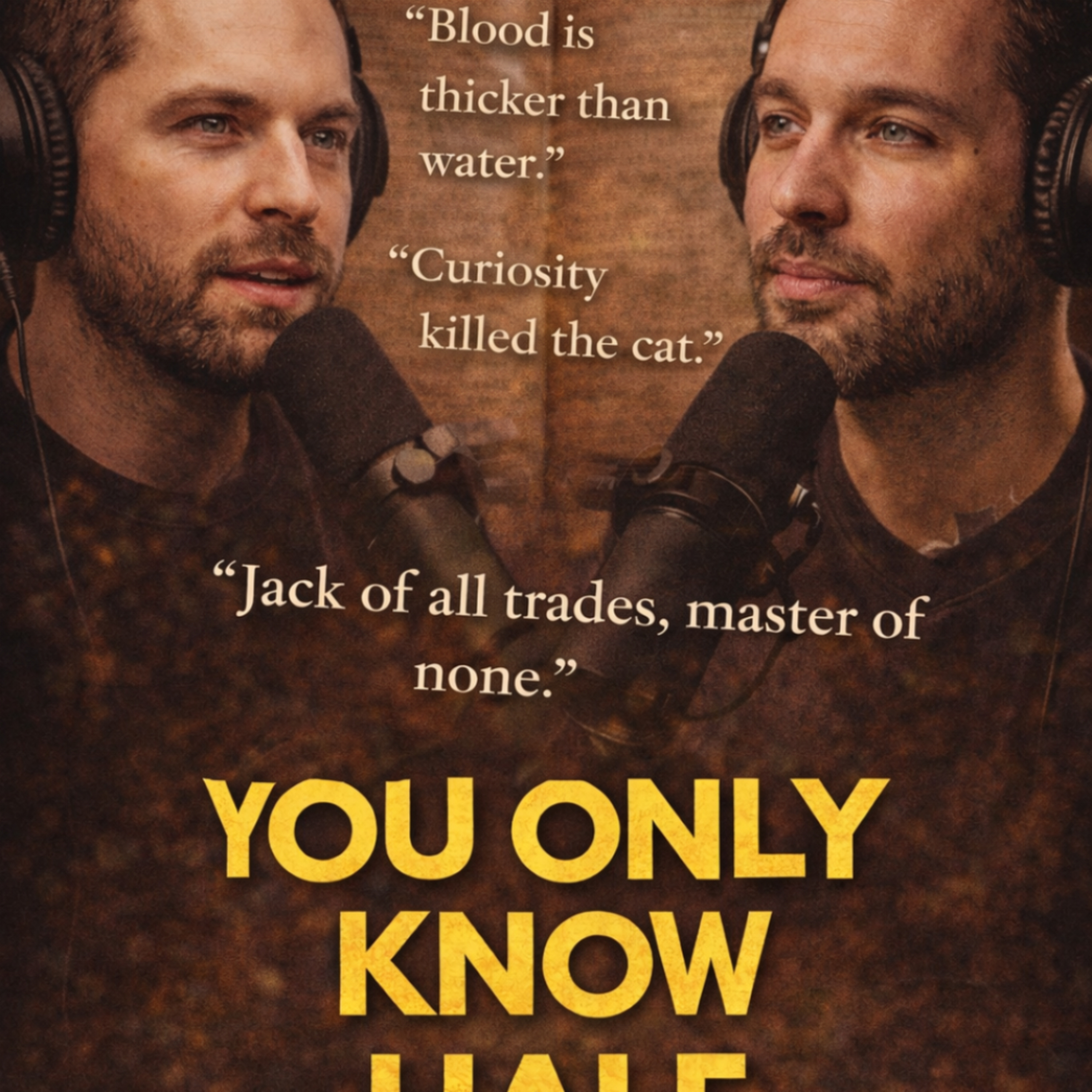 You’ve Been Using These Quotes Wrong Your Whole Life 02.01.2026 32minWe repeat quotes every day without realizing most of them are only half the story.“Blood is thicker than water.”“Curiosity killed the cat.”“Jack of all trades, master of none.”But what if the part we don’t hear is the part that actually changes how we live?In this video, we unpack 13 famous sayings people think they understand — and reveal their full meanings, why they were shortened, and how half-truths quietly shape our relationships, work, faith, curiosity, and decisions.This isn’t motivation.It’s not self-help.It’s about noticing how simplified wisdom drains depth from life, and what happens when you start looking for the complete story instead.If you’ve ever felt:loyal to things that hurt youafraid to ask questionspressured to specialize too earlytired of surface-level “truths”this conversation is for you.Watch to the end — one of these proverbs may explain something you’ve felt for years but couldn’t name.
 -
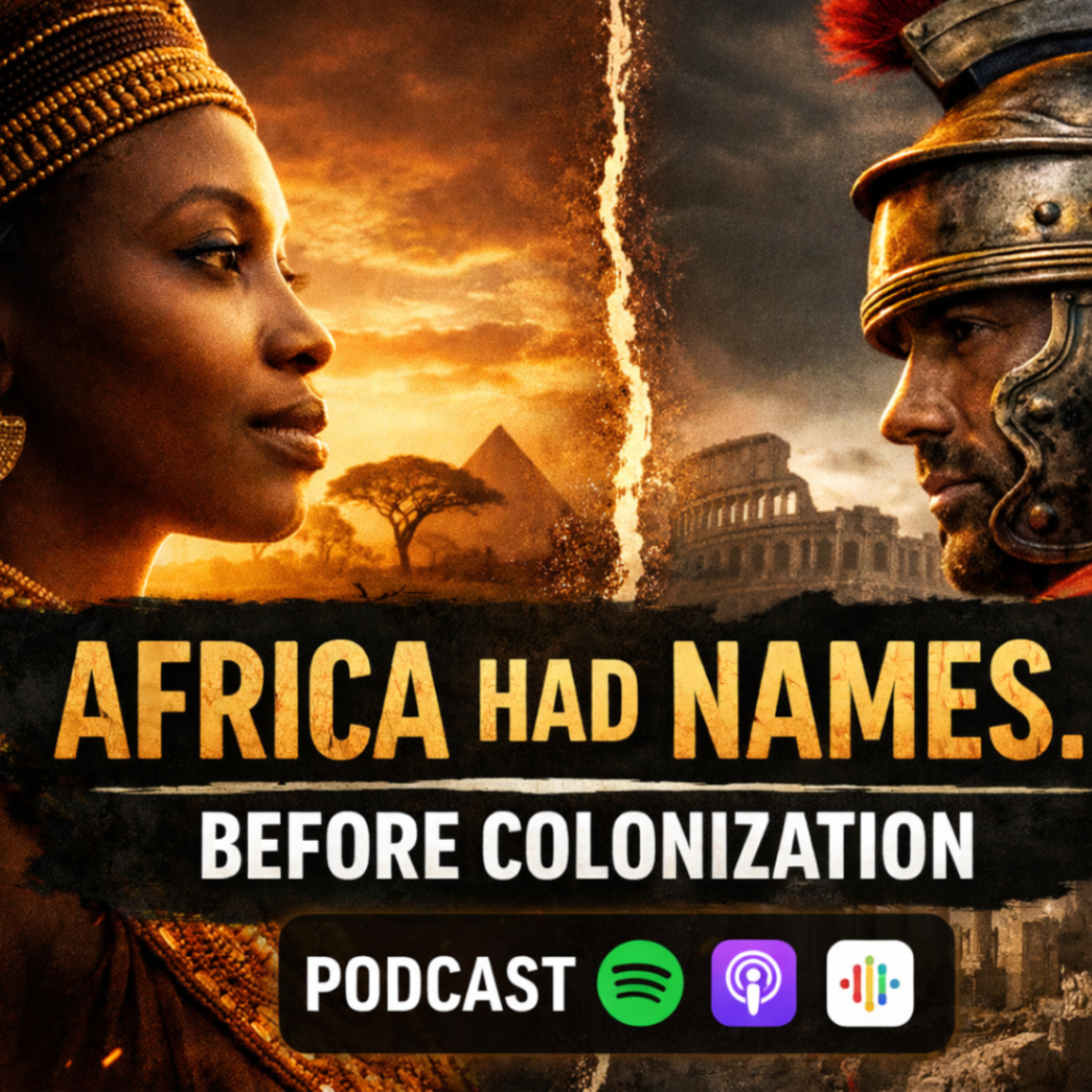 Alkebulan and the Naming of Africa: History, Myth, and Scholarly Evidence 25.12.2025 30minBefore Europe named the continent Africa, how did Africans understand and name their land?Was Alkebulan truly the original name of Africa—or is it a modern cultural reconstruction?In this episode, we examine:Indigenous African naming systems before European colonizationThe Roman origin of the name Africa after the fall of CarthageAncient names such as Kemet, Ta-Seti, Punt, Libya, and AethiopiaOral tradition vs written historyWhat history can prove—and what belongs to symbolic reclamationThis is a scholarly, balanced, and evidence-based exploration that separates myth from history while honoring Africa’s deep intellectual and cultural past.Perfect for students, historians, philosophers, theologians, and anyone interested in African identity, postcolonial studies, and historical truth.AlkebulanOriginal name of AfricaAfrica before EuropeHistory of AfricaRoman naming of AfricaPrecolonial AfricaAfrican identitySecondary KeywordsKemet EgyptCarthage Rome AfricaAfrocentric historyAfrican oral traditionAfrica etymologyAncient African civilizations
 -
 LAW vs RELIGIONE: The Shah Bano Case That Divided India 18.12.2025 11minThe Shah Bano case (1985) is one of the most significant and controversial legal battles in Indian history. After being divorced by her husband, Mohd. Ahmed Khan, Shah Bano—an elderly Muslim woman with no means of support—approached the courts seeking maintenance under Article 125 of the Indian Criminal Procedure Code (CrPC).This episode explores:The full story of Shah Bano and her divorceThe legal meaning and impact of Article 125 CrPCThe conflict between Muslim Personal Law and constitutional lawThe landmark Supreme Court of India judgment (1985)Political backlash and the Muslim Women (Protection of Rights on Divorce) Act, 1986Long-term consequences for women’s rights, secularism, and social justiceThis is not just a legal case—it is a story about dignity, survival, equality, and the limits of religious autonomy in a constitutional democracy.keywords Shah Bano caseShah Bano 1985Article 125 CrPCIndian Supreme Court landmark casesMuslim Personal Law IndiaWomen rights in IndiaDivorce law IndiaIndian constitutional lawUniform Civil Code IndiaSecularism and lawLegal history podcastLaw and religion
 -
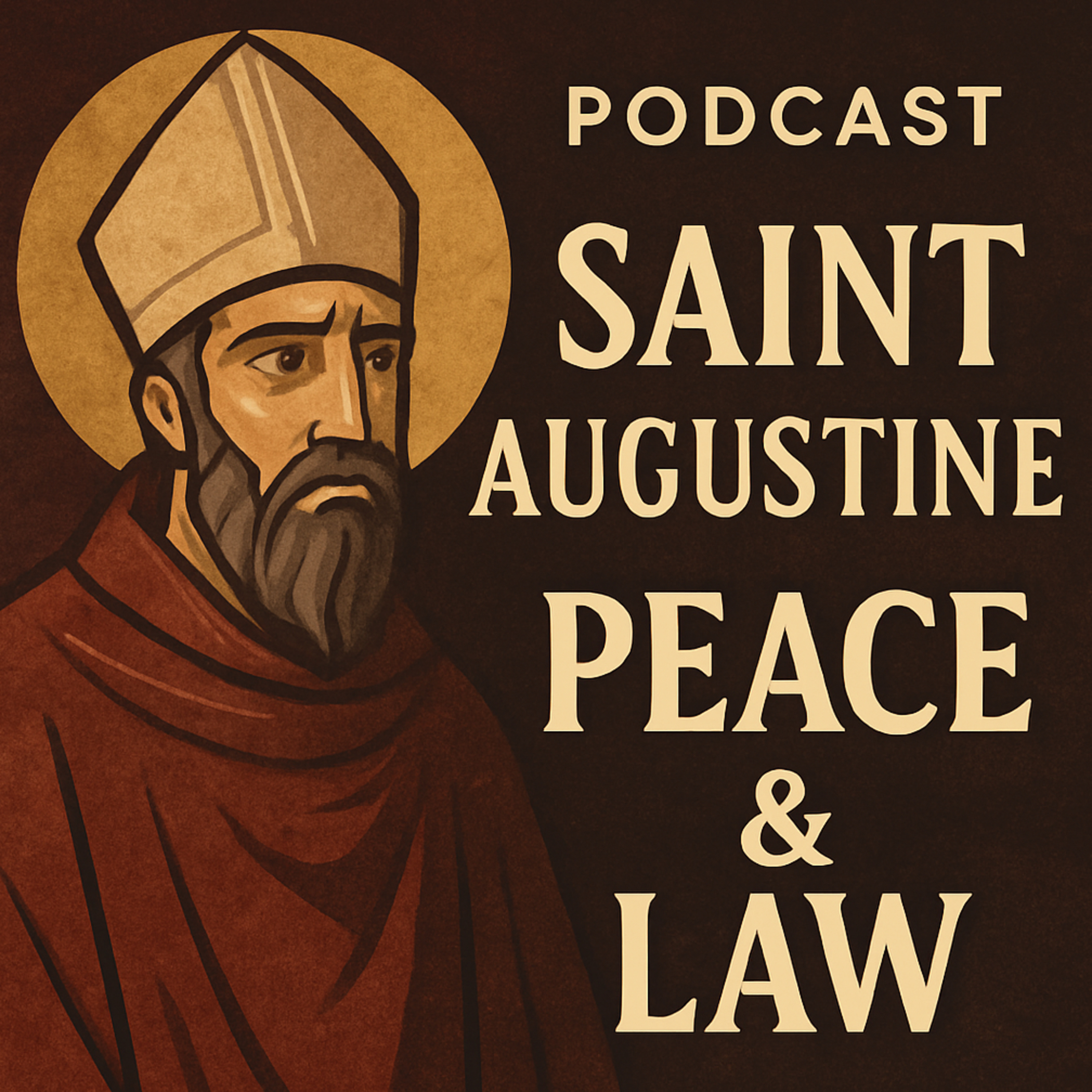 AUGUSTINE ON WAR & PEACE 10.12.2025 36minIn this episode, we dive deep into the thought of Saint Augustine, exploring how peace, order, and law become essential instruments of social harmony in times of crisis. Drawing from Book XIX of the De Civitate Dei, we uncover Augustine’s revolutionary idea of peace as the “tranquillitas ordinis” — not simply the absence of conflict, but the presence of a just and harmonious order.Guided by the insights of Professor Juan Antonio Cabrera Montero, this episode unpacks: The evolution of the concept of peace in Greek, Roman, and biblical culturesAugustine’s nine definitions of peace — from the inner self to the cosmic orderThe distinction between human law and divine law. Why justice is the foundation of any real societyAugustine’s theory of the just war, and why war must aim at restoring peaceThe role of order (ordo amoris, ordo pacis) in shaping ethical and political lifeThe necessity of interior peace for building authentic social peaceA rich, accessible, and thought-provoking conversation for anyone interested in philosophy, theology, political theory, law, or the roots of Western thinking. Perfect for students, scholars, and curious listeners who want to understand how Augustine’s vision still speaks to a world marked by conflict, inequality, and cultural transformation.👉 Follow the podcast for more deep dives into philosophy, history, and the ideas that shaped civilization.
Lignende podcasts


Populær i
Denne podcast optræder også i podcast-hitlister i disse lande.
