
The Autoimmune Wellness Podcast
Mickey Trescott of Autoimmune Wellness
0
The Autoimmune Wellness Podcast, hosted by Mickey Trescott, explores the Autoimmune Protocol (AIP) for managing autoimmune conditions. Mickey, a functional nutritionist and author, shares evidence-based insights from natural and conventional medicine. The podcast aims to empower listeners to take charge of their health through diet and lifestyle changes. Originally co-hosted with Angie Alt, the show provides practical advice and personal stories for those with autoimmune diseases.
Episoder
-
 Food Sensitivity Testing: What Tests Can and Can't Tell You (Ep 098) 28.09.2026 33minEpisode 98: Food Sensitivity Testing: What Tests Can and Can’t Tell YouFood sensitivity tests promise something incredibly appealing: send in a sample, receive a personalized list of reactive foods, and skip the uncertainty of elimination and reintroduction. But can these tests actually tell you which foods are causing your symptoms?In this episode of the Autoimmune Wellness Podcast, Mickey Trescott takes a closer look at the science behind commercial food sensitivity testing, including IgG panels, MRT, ALCAT, and other commonly marketed approaches. She explains the important difference between a test being able to measure something in the body and that measurement actually being clinically useful.Mickey also explores what it means for a diagnostic test to be properly validated, why major allergy organizations recommend against IgG food sensitivity testing, and why feeling better after following test results doesn’t necessarily prove that the test accurately identified your problem foods. Finally, she shares fascinating emerging research into food reactions that conventional testing may not yet capture—and explains why systematic elimination and reintroduction remain the most useful tools for building a personalized diet.In this episode, you'll learn:What IgG food sensitivity tests actually measure—and why a positive result doesn’t necessarily indicate a harmful reactionHow MRT, ALCAT, and other food sensitivity tests work and where the evidence falls shortThe difference between analytical validity, clinical validity, and clinical utilityWhy feeling better after following test results doesn’t necessarily prove the test accurately identified your problem foodsWhy elimination and systematic reintroduction remain the best way to identify individual food toleranceWhat emerging research may tell us about food reactions conventional testing doesn’t captureWhy unnecessary food restriction can have nutritional, financial, and quality-of-life consequencesHow to think about past food sensitivity test results without dismissing your own experienceResources:Episode 54: A Deep Dive Into the AIP Reintroduction ProcessThe Autoimmune Protocol: theautoimmuneprotocol.comResearch on confocal laser endomicroscopy and food-related reactions in IBS (Study 1 and Study 2)Episode Timeline:00:00 – Can food sensitivity tests really identify problem foods?02:59 – IgG food sensitivity testing07:16 – MRT, ALCAT, and other food sensitivity tests12:31 – What does it mean for a test to be validated?16:22 – But what if the test worked for me?19:28 – Why elimination and reintroduction remain the gold standard23:10 – Emerging research into food reactions we can’t yet test for26:52 – Reframing food sensitivity testing31:33 – Wrap-up and closing
 -
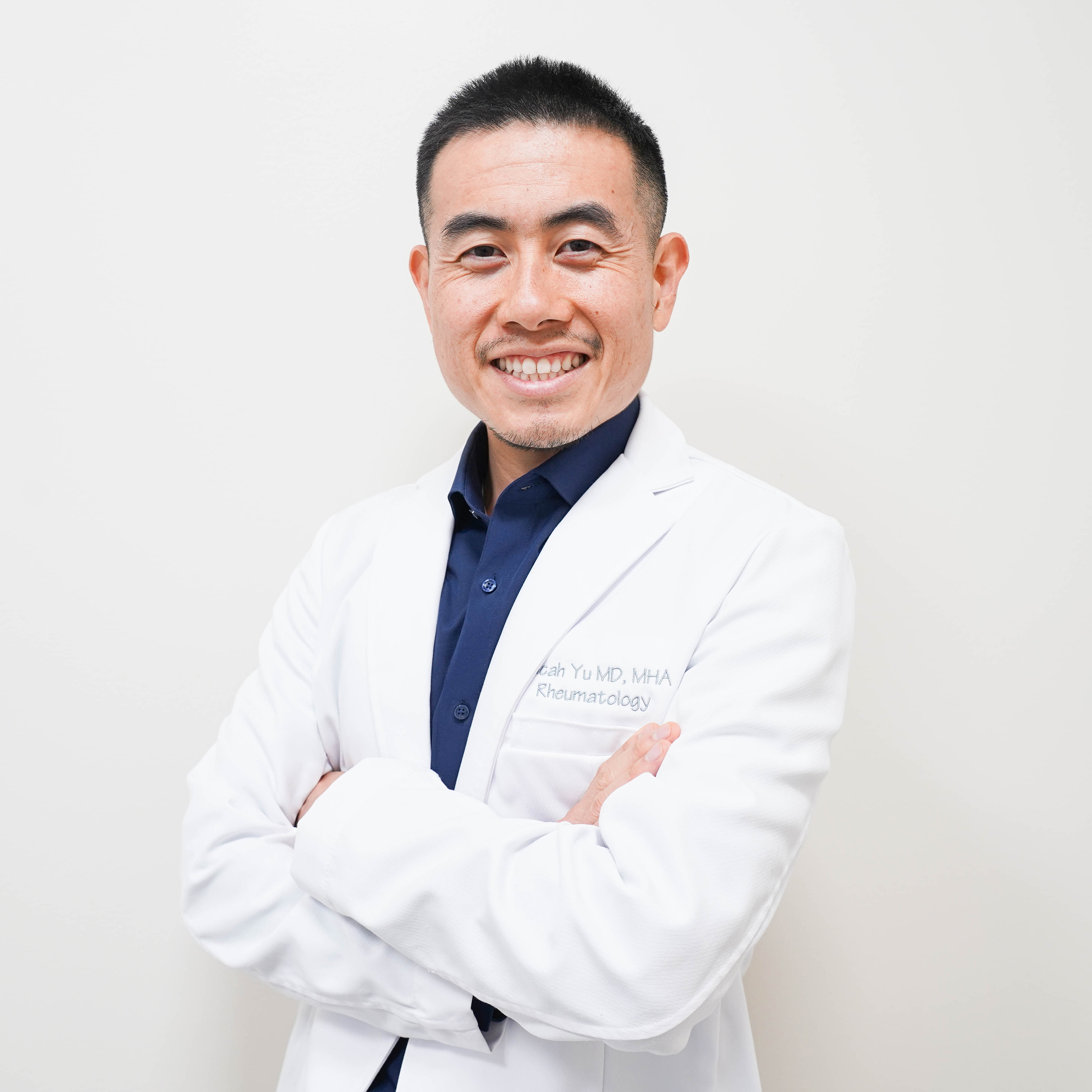 Integrative Rheumatology: Bridging Medicine, Nutrition & Lifestyle with Dr. Micah Yu (Ep 97) 21.09.2026 31minEpisode 97: Integrative Rheumatology: Bridging Medicine, Nutrition & Lifestyle with Dr. Micah YuFor many people living with autoimmune disease, seeing a rheumatologist can bring up a lot of uncertainty—especially if you want to incorporate nutrition and lifestyle alongside conventional medical care.In this episode of the Autoimmune Wellness Podcast, Mickey Trescott is joined by Dr. Micah Yu, a quadruple board-certified physician specializing in rheumatology, internal medicine, integrative medicine, and functional medicine. Dr. Yu also lives with autoimmune arthritis himself, giving him a unique perspective as both physician and patient.Together, they explore what integrative rheumatology actually looks like, why conventional medicine and lifestyle don't have to be an either/or choice, and how patients can build a healthcare team that supports the full picture of autoimmune health. They also discuss how to prepare for a rheumatology appointment, when medications may be necessary, and how nutrition and lifestyle can work alongside medical treatment. In this episode, you'll learn:How Dr. Yu's experience with gout and spondyloarthritis shaped his approach to medicineWhat rheumatologists actually treat and why they often serve as "detectives" for complex casesCommon misconceptions about rheumatologists, nutrition, and lifestyle medicineWhy time constraints within conventional healthcare can make complex autoimmune care challengingWhat integrative and functional rheumatology looks like in practiceWhy medication and lifestyle interventions don't have to be mutually exclusiveHow to prepare for a rheumatology appointment and make the most of limited timeWhy tracking symptoms, medications, supplements, and your health history can help your physicianHow patients and their prescribing providers can approach medication changes when health improvesWhy building a multidisciplinary healthcare team can be valuable for autoimmune diseaseResources:Dr. Lifestyle: https://drlifestyle.orgMy Autoimmune MD: https://myautoimmunemd.comSocial Media: @MyAutoimmuneMDPodcast: Autoimmune AlchemyEpisode Timeline:00:00 – Why rheumatology and lifestyle medicine don't have to be either/or02:15 – Introducing Dr. Micah Yu03:41 – Dr. Yu's personal journey with autoimmune arthritis07:40 – Rheumatology 101: What does a rheumatologist do?10:15 – Common misconceptions about rheumatology16:15 – What integrative and functional rheumatology looks like19:40 – How to get the most out of a rheumatology appointment22:02 – Combining medication with diet and lifestyle25:27 – Hope for people living with autoimmune disease27:34 – Dr. Yu's advice for building a healthcare team28:22 – Wrap-up and where to follow Dr. Yu
 -
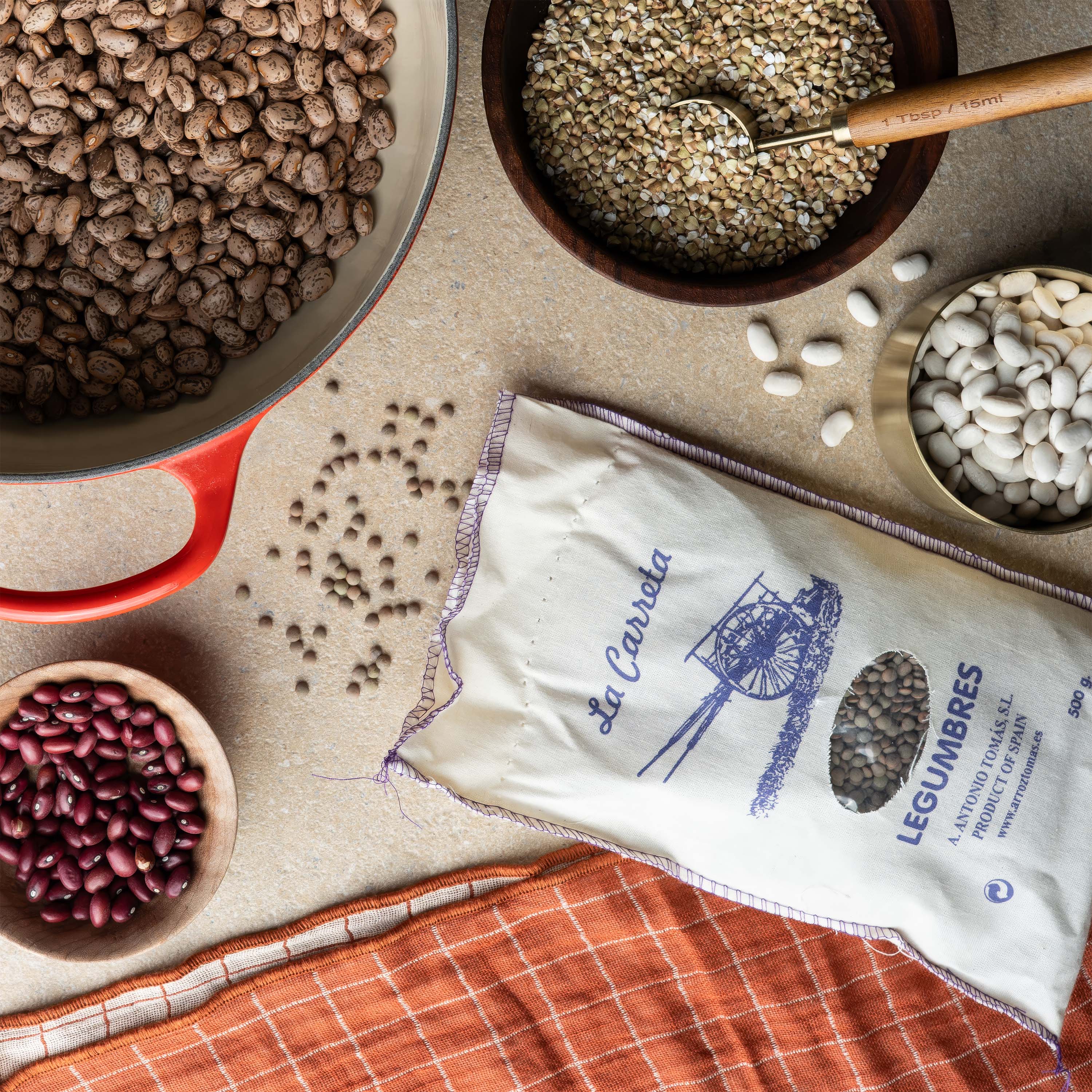 Understanding Food Reactions: Why Foods Affect People Differently (Ep 096) 14.09.2026 42minEpisode 96: Understanding Food Reactions: Why Foods Affect People DifferentlyOne of the central goals of the Autoimmune Protocol is figuring out which foods work for you and which ones don’t. But when a symptom appears after eating a food, what actually counts as a food reaction—and does every reaction mean the same thing?In this episode of the Autoimmune Wellness Podcast, Mickey Trescott explores the science of food reactions and why they can look so different from person to person. She breaks down the major categories of reactions, including food allergies, celiac disease and non-celiac gluten sensitivity, digestive intolerances, and reactions to specific compounds in foods.Mickey also explains why a reaction and its underlying mechanism aren’t necessarily the same thing, and why that distinction matters when personalizing your diet. She explores how dose, timing, preparation, digestive function, and other factors can influence food tolerance, plus why a reproducible reaction can still provide useful information even when science can’t yet explain exactly why it happens.In this episode, you'll learn:The many ways a food reaction can show up, including changes in autoimmune symptomsThe difference between a food reaction and its underlying biological mechanismHow food allergies, celiac disease, food sensitivities, and digestive intolerances differWhy dose, timing, preparation, and digestive function can influence food toleranceHow compounds like histamine and sulfites can trigger symptoms in some peopleWhy meaningful food reactions can occur even when we don’t fully understand the mechanismWhy food reactions can be difficult to identify when symptoms fluctuateHow AIP elimination and reintroduction help identify the foods that work for youResources:The Autoimmune Protocol: theautoimmuneprotocol.comThe New Autoimmune Protocol by Mickey TrescottEpisode Timeline:00:00 – Understanding what constitutes a food reaction03:24 – What can a food reaction actually look like?07:29 – Food allergy: When the immune system reacts to food15:22 – Gluten reactions: Celiac disease and non-celiac gluten sensitivity21:54 – Food intolerances: When digestion and absorption are the problem27:35 – Reactions to compounds in food: When it isn’t the food itself35:37 – Why food reactions can be so hard to figure out40:06 – Bringing it back to AIP: Finding the foods that work for you42:06 – Wrap-up and closing
 -
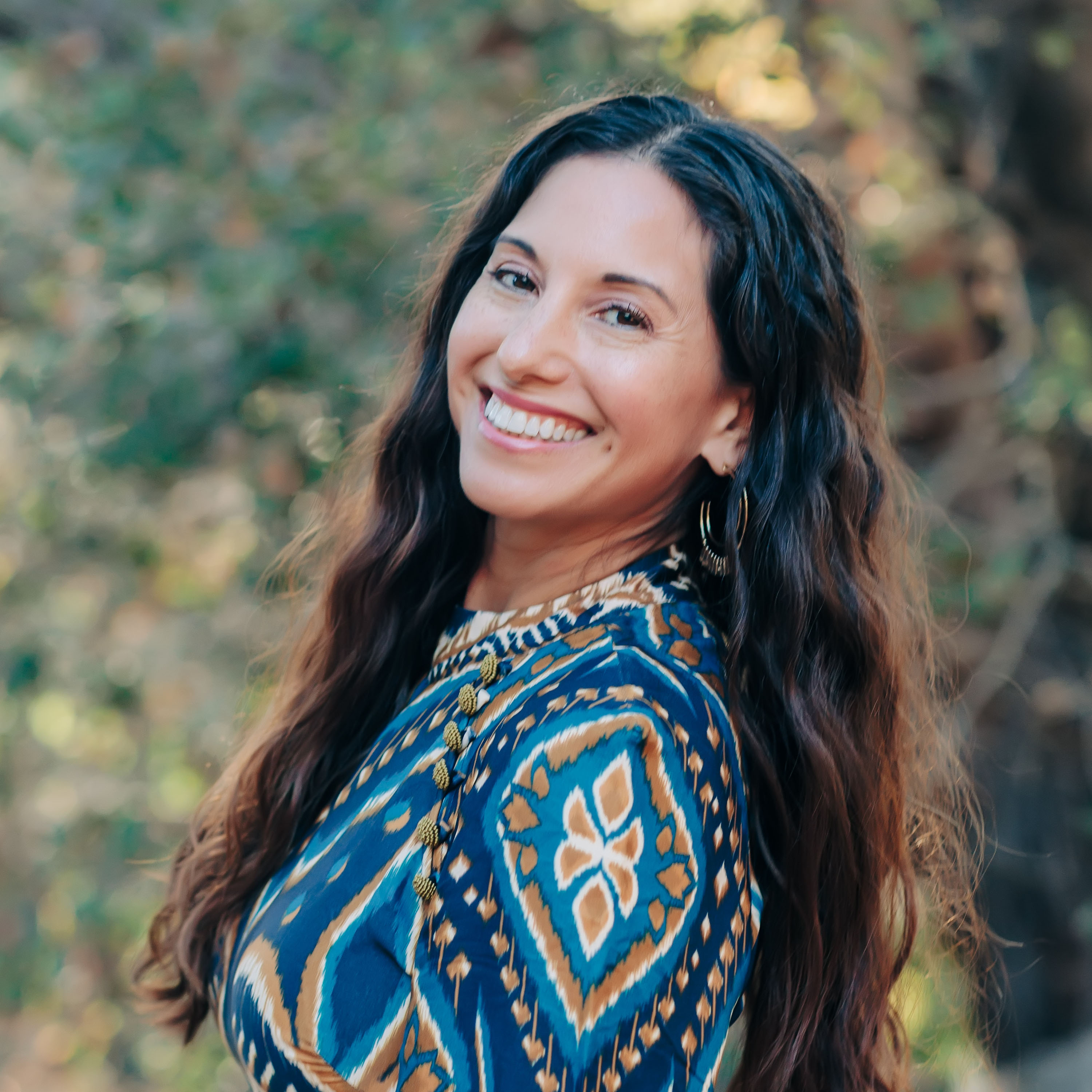 Understanding Perimenopause: A Beginner's Guide with Dr. Mariza Snyder (Ep 95) 07.09.2026 50minEpisode 95: Understanding Perimenopause: A Beginner’s Guide with Dr. Mariza SnyderPerimenopause can feel especially confusing when you’re already living with autoimmune disease. Changes in sleep, mood, energy, inflammation, cognition, and even how your body responds to familiar strategies can leave you wondering: Is this an autoimmune flare, perimenopause, or both?In this episode of the Autoimmune Wellness Podcast, Mickey Trescott is joined by functional medicine practitioner, bestselling author, and women’s hormone health expert Dr. Mariza Snyder for a Perimenopause 101 conversation designed to help women understand what’s actually happening during this transition.Together, they explore when perimenopause can begin, the surprising symptoms that often appear before cycle changes, and why fluctuating estrogen and progesterone may be especially disruptive for women managing autoimmune disease. They also discuss the foundational role of nutrition, sleep, strength training, metabolic health, and stress resilience, plus where hormone replacement therapy may fit into a personalized approach.In this episode, you'll learn:What perimenopause is and why it can begin as early as the late 30sWhy symptoms can appear years before noticeable menstrual cycle changesCommon early symptoms, including anxiety, irritability, brain fog, sleep disruption, and mood changesWhy perimenopause and autoimmune flares can be difficult to distinguishHow estrogen and progesterone interact with immune regulation and inflammationWhy strategies that worked for years may suddenly feel less effectiveHow tracking symptoms alongside your menstrual cycle can reveal important patternsWhy blood sugar regulation, nutrition, sleep, strength, and stress resilience matter in perimenopauseDr. Mariza’s “landing the plane” strategy for improving your nighttime routineHow to advocate for better perimenopause care and know when to seek additional supportWhere hormone replacement therapy may fit alongside foundational lifestyle strategiesWhy your needs may continue to change throughout the perimenopause transitionResources:Book: The Perimenopause RevolutionThe Perimenopause Revolution resources: drmariza.com/bookPodcast: Energized with Dr. MarizaEpisode Timeline:00:00 – Why perimenopause can be confusing with autoimmune disease03:16 – Introducing Dr. Mariza Snyder04:28 – Perimenopause 101: What are we dealing with?10:28 – Common and surprising symptoms of perimenopause17:14 – The perimenopause-autoimmune connection23:22 – Why old strategies can stop working in perimenopause28:27 – A foundational approach to perimenopause35:28 – Knowing when to dig deeper and advocate for care40:57 – Hormone replacement therapy in perimenopause46:09 – Hope for autoimmune women navigating perimenopause
 -
 Food Nomad: Navigating the Emotional Journey of Autoimmune Disease with Imei Hsu (Ep 94) 24.08.2026 51minEpisode 94: Food Nomad — Navigating the Emotional Journey of Autoimmune Disease with Imei HsuFor many people, changing the way they eat because of autoimmune disease can feel like losing more than food. It can affect family traditions, cultural connection, travel, restaurants, and the simple feeling of belonging around a shared table.In this episode of the Autoimmune Wellness Podcast, Mickey Trescott is joined by Bernice Imei Hsu, registered nurse, licensed mental health counselor, National Board-Certified Health and Wellness Coach, and AIP Certified Coach, to explore the emotional and cultural journey of living with dietary restrictions.Five years after writing her Autoimmune Wellness article, "Bringing Culture Back to the Kitchen," Imei reflects on what she has learned about healing, reintroductions, adapting traditional foods, and becoming what she calls a "Food Nomad." Together, Mickey and Imei discuss why healing isn't simply about getting foods back. It's also about finding new ways to reconnect with culture, relationships, travel, and joy.In this episode, you'll learn:What Imei means by becoming a "Food Nomad"Why dietary restrictions can affect identity, culture, and belongingWhy adapting cultural recipes can take years of experimentationHow reintroducing foods like soy helped Imei reconnect with family traditionsWhat Imei learned from experimenting with gluten-free sourdough and other foodsWhy healing and food tolerance can continue evolving long after the elimination phaseWays to navigate family gatherings when you can't eat traditional foodsHow to give yourself permission to adapt traditions instead of perfectly recreating themWhat it means to become the "keeper of the food flame"Why grief around food and cultural traditions is a normal part of the autoimmune journeyHow to hold onto hope when you're still early in elimination or reintroductionsResources:Bringing Culture Back to the Kitchen – Imei's original 2021 article on Autoimmune WellnessImei Hsu on Instagram: @everydaywithimeiEpisode Timeline:00:00 – Food, identity, belonging, and autoimmune disease02:34 – Introducing Bernice Imei Hsu03:39 – What it means to be a "Food Nomad"06:17 – Revisiting "Bringing Culture Back to the Kitchen"13:21 – The long game of healing and food reintroductions18:19 – Gluten-free sourdough baking experiments25:58 – Bringing culture back into the kitchen31:48 – Food, belonging, and navigating relationships37:55 – Giving yourself permission to adapt tradition42:09 – Becoming the "keeper of the food flame"46:12 – Encouragement for anyone grieving foods or traditions48:24 – Wrap-up and where to follow Imei
 -
 Beyond the Studies: Results from the New Autoimmune Protocol Community (Ep 093) 10.08.2026 42minEpisode 93: Beyond the Studies — Results from the New Autoimmune Protocol CommunityWhat happens when people put the Autoimmune Protocol into practice—not in a clinical trial, but in real life?To celebrate the launch of The New Autoimmune Protocol, hundreds of readers joined a guided online community where they worked through the new Transition Phase, completed 30 days of either Core or Modified AIP, tracked their symptoms, and supported one another along the way.In this episode of the Autoimmune Wellness Podcast, Mickey Trescott shares the results from this unique community experience. While this wasn't a formal research study, the symptom improvements closely mirrored many of the findings from published AIP research—and the participant stories reveal the power of preparation, accountability, and community support.Together, these survey results offer a real-world look at what implementing AIP can look like, what people struggled with, what surprised them, and why healing is often about much more than food alone.In this episode, you'll learn:Why Mickey created a guided community alongside The New Autoimmune ProtocolWhat surprised her most about who joined the programWhy the new Transition Phase helped participants feel more prepared for eliminationHow overall autoimmune symptom severity changed after 30 daysWhich symptoms improved the most, including digestion, energy, sleep, pain, and brain fogThree standout participant stories that illustrate the range of real-world experiencesHow these community results compare with published AIP researchWhy symptom tracking is one of the most valuable tools during AIPThe importance of community support when implementing dietary changeHow to join the ongoing Autoimmune Protocol communityResources:The New Autoimmune Protocol – Mickey Trescott's updated guide featuring the Transition Phase, Core and Modified AIP, and personalized reintroductionsThe Autoimmune Protocol Community Episode 59: The First Published AIP Study in Inflammatory Bowel DiseaseEpisode 61: AIP and Hashimoto's Thyroiditis ResearchEpisode 63: AIP IBD Gene Expression StudyEpisode 65: New Hashimoto's Research from PolandEpisode 89: The First AIP Pilot Trial in Rheumatoid Arthritis with Julianne TaylorEpisode Timeline:00:00 – Introduction and overview of the community experience02:39 – Why Mickey created The New Autoimmune Protocol community06:38 – Who joined the community?09:45 – The new Transition Phase in action14:33 – What happened after 30 days?17:16 – Overall autoimmune symptom improvements19:12 – Energy and sleep results20:03 – Digestive health improvements21:53 – Joint pain and inflammation22:42 – Brain fog, skin, and other symptom changes23:59 – Three standout participant stories28:58 – Comparing community results to published research32:06 – Mickey's biggest takeaways36:26 – An invitation to join the ongoing community40:11 – Wrap-up and closing
 -
 Fiber, Gut Health & the Microbiome with Farzanah Nasser (Ep 092) 27.07.2026 43minEpisode 92: Fiber, Gut Health & the Microbiome with Farzanah NasserFiber is having a moment—but for people with autoimmune disease, digestive symptoms, or a history of restrictive diets, it can also feel confusing.In this episode of the Autoimmune Wellness Podcast, Mickey Trescott is joined by UK-based naturopathic nutritionist, certified functional medicine practitioner, and author Farzanah Nasser to explore why fiber is one of the most overlooked nutrients in modern nutrition—and why it's so important for gut, immune, and overall health.Together, they discuss how fiber nourishes the gut microbiome, supports immune function, and helps produce beneficial anti-inflammatory compounds. They also dive into why increasing fiber sometimes causes digestive discomfort, how to introduce it gradually, and practical strategies for reaching the recommended 30 grams per day—even for those with sensitive digestion or autoimmune disease.In this episode, you'll learn:Why 96% of people aren't getting enough fiberHow fiber feeds the gut microbiome and supports immune functionThe difference between probiotics, prebiotics, and postbioticsWhy short-chain fatty acids are so important for gut and immune healthWhy increasing fiber too quickly can cause bloating and digestive symptomsPractical strategies for gradually increasing fiber intakeTips for improving bean tolerance through preparation methodsHow to approach fiber if you have IBS, IBD, SIBO, or sensitive digestionWhy mindful eating and proper digestion matter when increasing fiberFavorite high-fiber foods for the Autoimmune Protocol and Modified AIPWhat 30 grams of fiber actually looks like in a daySimple ways to build more fiber into everyday mealsResources:Website: https://farzanahnutrition.comInstagram: @farzanahnasser_nutritionBook: The Everyday High-Fiber PlanEpisode Timeline:00:00 – Why fiber matters for autoimmune health01:30 – Introducing Farzanah Nasser03:28 – Why fiber deserves a rebrand04:48 – What fiber is and why we need more of it07:11 – How fiber feeds the gut microbiome08:32 – Fiber, inflammation, and immune function10:51 – Why fiber sometimes causes digestive symptoms17:01 – Preparing beans for better digestion19:28 – Fiber for IBS, IBD, SIBO, and sensitive digestion23:16 – Optimizing digestion before increasing fiber25:38 – Favorite high-fiber AIP foods30:39 – What 30 grams of fiber looks like in real life37:04 – Favorite recipes from The Everyday High-Fiber Plan40:48 – Wrap-up and closing
 -
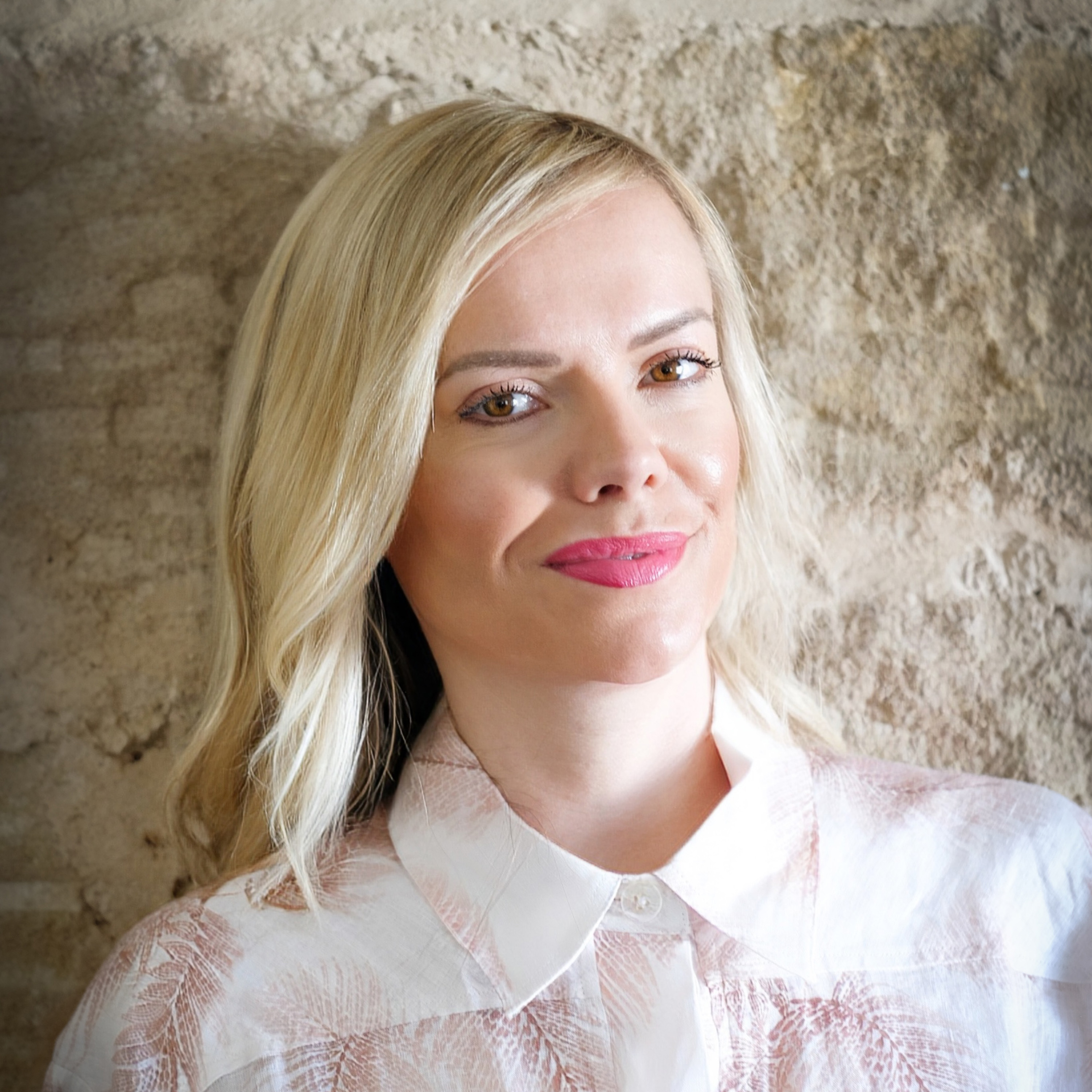 Understanding Hair Loss and Autoimmune Disease with VJ Hamilton (Ep 091) 13.07.2026 50minEpisode 91: Understanding Hair Loss and Autoimmune Disease with VJ HamiltonHair loss is one of the most common symptoms people experience with autoimmune disease—but it's also one of the most misunderstood. While many people assume it's simply part of having an autoimmune condition, hair loss can actually have many different causes, from immune dysfunction and nutrient deficiencies to hormone changes, chronic stress, and scalp inflammation.In this episode of the Autoimmune Wellness Podcast, Mickey Trescott is joined by registered nutritionist, AIP Certified Coach, and founder of the Autoimmunity Nutrition Clinic, VJ Hamilton, to explore the many factors that influence hair health in people with autoimmune disease. VJ brings both professional expertise and personal experience, having lived with alopecia areata, psoriasis, and post-viral chronic fatigue syndrome herself.Together, they discuss the different types of hair loss commonly seen in autoimmune patients, how to distinguish between them, and why identifying the underlying cause is essential for supporting healthy regrowth. They also explore nutrient deficiencies, gut health, hormones, stress, topical therapies, and why patience is such an important part of the healing process.In this episode, you'll learn:The different types of hair loss associated with autoimmune diseaseHow alopecia areata differs from stress-, hormone-, and nutrient-related hair lossWhy iron deficiency and low ferritin are common contributors to hair sheddingThe role of protein, B vitamins, zinc, selenium, vitamin D, and omega-3s in healthy hair growthHow gut health and nutrient absorption influence hair healthWhy stress-related hair shedding often occurs months after a stressful eventThe importance of investigating the root cause rather than treating hair loss as a diagnosisWhich supplements may be helpful—and which are often overhypedTopical strategies that may support scalp and follicle healthWhy hair is often one of the last tissues to recover during healingHow to set realistic expectations for hair regrowth while addressing underlying health concernsResources:VJ HamiltonWebsite: https://autoimmunenutritionclinic.com Instagram: @theautoimmunitynutritionist Podcast: The Autoimmune ResetEpisode Timeline:00:00 – Why hair loss is so common in autoimmune disease 01:52 – Introducing VJ Hamilton 03:13 – VJ's journey with alopecia, psoriasis, and chronic fatigue 06:40 – Different types of hair loss in autoimmune disease 13:30 – Nutrient deficiencies and hair health 23:46 – Common root causes and what to investigate first 27:26 – Why stress-related hair shedding is delayed 30:34 – Helpful supplements (and common misconceptions) 35:15 – Topical treatments and scalp care 41:23 – Setting realistic expectations for hair regrowth 47:14 – Wrap-up and where to learn more
 -
 Gut Healing on AIP: What’s Really Happening | Deep Dive (Ep 090) 29.06.2026 32minEpisode 90: Gut Healing on AIP — What’s Really Happening | Deep DiveWhen most people start the Autoimmune Protocol, they naturally focus on the food: what to remove, what to eat instead, and how to navigate all of the planning that comes with a major dietary change.But one of the most important things happening during AIP is often something you can’t actually see—changes happening inside the gut itself.Because AIP isn’t just designed to remove potential food triggers. It’s also designed to support systems commonly affected in autoimmune disease, including the gut lining, the microbiome, nutrient status, and immune regulation.And those changes don’t always happen quickly or in a straight line.For many people, healing happens gradually over time. Digestion may become more stable. Energy may improve. Foods that caused symptoms early on may become tolerable much later in the process.In this episode of the AIP Deep Dive series, Mickey explains what’s actually happening in the gut during AIP and why healing often continues long after the elimination phase ends.She explores intestinal permeability, the microbiome, nutrient density, lifestyle factors, and why healing is often more about rebuilding resilience than achieving perfection.In this episode, you’ll learn:Why the gut plays such an important role in autoimmune diseaseWhat intestinal permeability (“leaky gut”) actually meansHow stress, sleep, and lifestyle affect gut healingWhat changes may happen in the microbiome during AIPWhy nutrient density is essential for repair and immune regulationHow reintroductions provide information about healing capacityWhy healing and food tolerance can evolve over timeHow to approach setbacks and reactions with more patience and clarityResources:The New Autoimmune Protocol (Book) – A practical guide to implementing AIP with a focus on preparation, sustainability, and personalizationThe Nutrient Dense Kitchen – A cookbook and resource focused on nutrient density for healingAIP Foundation Series – Free 5-day email course with food lists, meal plans, and beginner toolsEpisode 51: The AIP in 2026Episode Timeline:00:00 – Introduction and Mickey’s personal gut healing story04:35 – Why the gut matters in autoimmune disease09:10 – Intestinal permeability (“leaky gut”) explained14:10 – How the microbiome shifts during AIP17:55 – Why nutrient density supports repair21:30 – The role of lifestyle, stress, and sleep25:31 – Why healing isn’t linear31:22 – Wrap-up and key takeaways
 -
 The Future of Autoimmune Research with Victoria Shanmugam, Director of the Office of Autoimmune Disease Research (Ep 089) 15.06.2026 33minEpisode 89: The Future of Autoimmune Research with Victoria Shanmugam, Director of the Office of Autoimmune Disease ResearchAutoimmune disease affects an estimated 50 million Americans, yet for decades these conditions have often received less attention, coordination, and funding than other major chronic diseases.That landscape is beginning to change.In this episode of the Autoimmune Wellness Podcast, Mickey Trescott is joined by Dr. Victoria Shanmugam, rheumatologist, physician-scientist, and Director of the Office of Autoimmune Disease Research (OADR) at the National Institutes of Health. Created by Congress in 2023, the OADR was established to coordinate autoimmune disease research across the NIH and help accelerate progress in understanding, treating, preventing, and ultimately curing autoimmune diseases.Together, Mickey and Dr. Shanmugam discuss why the office was created, how autoimmune research is evolving, and the most promising areas of innovation currently underway. They explore everything from environmental triggers and large-scale data platforms to early disease detection, CAR-T therapies, and the future of personalized autoimmune medicine.This conversation offers a hopeful and practical look at where autoimmune research is headed—and what that progress could mean for patients over the next decade.In this episode, you'll learn:Why the Office of Autoimmune Disease Research was created and what its mission isHow autoimmune diseases intersect with every organ system and NIH research instituteWhat the first NIH-wide Strategic Plan for Autoimmune Disease Research includesWhy studying multiple autoimmune diseases together may accelerate discoveriesHow environmental exposures may influence autoimmune disease risk and progressionThe role of large-scale collaborations and data-sharing platforms in researchWhy early detection and preclinical autoimmune disease are major areas of focusHow Type 1 diabetes research is shaping new approaches to preventionWhat CAR-T therapies and other immune-targeted treatments may offer in the futureWhy patient participation and advocacy remain essential to research progressWhat researchers hope to achieve over the next five to ten years in autoimmune medicineResources:Office of Autoimmune Disease Research (OADR)NIH-Wide Strategic Plan for Autoimmune Disease ResearchOADR Quarterly Community Updates (Must Attend Live)NOURISH Challenge InitiativeEXACT Plan Network (Environmental Exposures & Autoimmune Disease)Episode Timeline:00:00 – Why autoimmune research is entering a new era01:41 – Introducing Dr. Victoria Shanmugam03:29 – What is the Office of Autoimmune Disease Research?04:58 – Why autoimmune diseases have historically been under-researched07:19 – Goals of the OADR and coordination across NIH09:54 – Studying more than 140 autoimmune diseases together12:00 – The NOURISH challenge and nutrition research initiatives14:07 – Promising areas of autoimmune disease research16:09 – Environmental exposures and the EXACT Plan Network17:28 – Autoimmune Centers of Excellence and cross-disease collaboration18:34 – New clinical trials and prevention-focused research20:02 – Early detection and preclinical autoimmune disease21:18 – Data platforms and large-scale collaboration efforts25:18 – How patients should think about research progress26:32 – What the next 5–10 years may bring28:49 – How patients can stay informed and engaged30:16 – Why patient voices matter in research31:00 – Wrap-up and closing reflections
 -
 The First AIP Pilot Trial in Rheumatoid Arthritis with Julianne Taylor (Ep 088) 01.06.2026 56minEpisode 88: The First AIP Pilot Trial in Rheumatoid Arthritis with Julianne TaylorCan dietary change meaningfully improve rheumatoid arthritis symptoms?A recently published pilot study investigating the Autoimmune Protocol diet in adults with rheumatoid arthritis found improvements in patient-reported disease activity, pain, fatigue, sleep, and quality of life measures—with several participants reaching remission-level scores by the end of the intervention.In this episode of the Autoimmune Wellness Podcast, Mickey Trescott is joined by registered nutritionist, AIP Certified Coach, and PhD candidate Julianne Taylor to discuss the first clinical trial investigating the Autoimmune Protocol in rheumatoid arthritis.Julianne shares her personal journey into autoimmune nutrition research, explains how the study was designed, and walks through the results of the pilot trial—including improvements in fatigue, sleep, pain, and disease activity.Together, they also explore the nuances and limitations of dietary research, discuss why individual responses vary, and dive into Julianne’s broader scoping review of elimination and reintroduction diets in rheumatoid arthritis spanning decades of research.In this episode, you’ll learn:How Julianne’s personal health experience led her into autoimmune nutrition researchWhat a pilot feasibility study is and why it mattersHow the AIP rheumatoid arthritis study was designedWhy patient-reported outcomes like fatigue and sleep are important in RA researchWhat improvements participants experienced during the interventionWhy some participants experienced challenges or adverse effectsHow nutrient density and food eliminations may both influence outcomesWhat historical elimination diet research in RA reveals about common trigger foodsWhy nightshades continue to be an important area of interest in autoimmune nutritionWhat future research on AIP and rheumatoid arthritis may explore nextResources:Paleo Zone Nutrition (blog)Julianne Taylor Nutrition (website)Julianne Taylor on InstagramThe First AIP Pilot Trial in Rheumatoid ArthritisElimination, Reintroduction Diets, and Oral Food Challenge in Adults with Rheumatoid Arthritis: A Scoping ReviewEpisode Timeline:00:00 – Introduction to the first AIP rheumatoid arthritis pilot study01:56 – Introducing Julianne Taylor03:54 – Julianne’s personal health journey and early paleo research11:34 – What a pilot feasibility study is13:05 – The questionnaires used in the AIP RA pilot trial17:07 – The AIP intervention and elimination phase19:32 – Results of the rheumatoid arthritis pilot study24:56 – Discussing adverse effects and individual variability30:57 – Diet quality versus food eliminations33:54 – Reviewing decades of elimination diet research in RA38:48 – Common trigger foods identified in the literature42:31 – Nightshades and rheumatoid arthritis44:31 – Upcoming AIP and RA research51:20 – What Julianne hopes clinicians and patients take away from the research53:23 – Where to follow Julianne’s work online
 -
 Celebrating NAIP Launch Week & Creating Through Chronic Illness with Alaina Moore of Tennis (Ep 087) 25.05.2026 52minEpisode 87: Celebrating NAIP Launch Week & Creating Through Chronic Illness with Alaina Moore of TennisWhat does it take to keep creating when your body is struggling? How do you continue making meaningful work while navigating uncertainty, limitations, and chronic illness in real time?In this special episode of the Autoimmune Wellness Podcast, Mickey Trescott celebrates the launch of The New Autoimmune Protocol with a deeply personal conversation featuring her longtime friend Alaina Moore—vocalist and songwriter of the indie band Tennis.Instead of interviewing a guest, Mickey takes the guest seat herself as Alaina turns the tables to explore the creative process behind the new book, the realities of creating while chronically ill, and the surprising overlap between art, music, food, and healing.Together, they discuss what it means to pursue creative work while managing chronic illness, how illness can shape identity and perspective, and why adapting to changing capacity is often part of the process. Alaina also shares her experience navigating dysphonia while recording and touring, while Mickey reflects on photographing The New Autoimmune Protocol during a severe autoimmune eye flare.This conversation is honest, funny, emotional, and deeply relatable for anyone who has tried to keep showing up for meaningful work while living in a body that doesn’t always cooperate.In this episode, you’ll learn:How chronic illness can shape creativity, identity, and artistic workWhy adapting to limitations is often part of the creative processThe similarities between songwriting, recipe development, and visual storytellingHow Mickey approaches recipe development, writing, and cookbook photographyWhy creative work often requires both structure and chaosHow sensory imagination influences both music and cookingAlaina Moore’s experience recovering from dysphonia while touring with TennisMickey’s experience photographing a cookbook during an autoimmune eye flareWhy accepting chronic illness can feel freeing instead of limitingThe emotional impact of medical gaslighting and delayed diagnosisHow creativity, music, and art can help people move through illnessWhy managing chronic illness is different from “overcoming” itResources:Alaina Moore & TennisWebsite: https://tennis-music.comInstagram: @tennisincPlaylist mentioned in the episode: Available here!Mickey TrescottBook: The New Autoimmune ProtocolEpisode Timeline:00:00 – Introduction and NAIP launch week reflections01:31 – Introducing Alaina Moore of Tennis04:37 – Artists, chronic illness, and creative resilience07:08 – Mickey’s writing and recipe development process13:31 – Alaina’s songwriting process and creative structure18:11 – Music, taste, and sensory imagination25:07 – How Mickey perfects recipes30:17 – Why Mickey shares her work publicly32:56 – Creative breakthroughs and photographing the new book39:02 – Alaina’s experience with dysphonia and vocal rehabilitation44:11 – Accepting chronic illness and redefining healing51:14 – Wrap-up and closing reflections
 -
 What Joy Can Survive: Chronic Illness and Healing with K.J. Ramsey (Ep 086) 18.05.2026 54minEpisode 86: What Joy Can Survive? Chronic Illness and Healing with K.J. RamseyWhat if healing isn’t about getting rid of pain—but about learning how to remain fully alive within it?In this episode of the Autoimmune Wellness Podcast, Mickey Trescott is joined by K.J. Ramsey, trauma-informed therapist, author, and chronic illness advocate. Her new memoir, The Place Between Our Pains, explores life with chronic illness, medical trauma, and the complicated relationship many of us have with our bodies when healing doesn’t look the way we expected.Together, Mickey and K.J. explore what it means to live well even when symptoms persist. They discuss medical gaslighting, identity shifts, self-trust, redefining healing, and why joy and grief often coexist in the chronic illness experience.K.J. also shares how journaling and creative practices helped her process pain, reconnect with herself, and remain present through years of illness and uncertainty.In this episode, you’ll learn:How chronic illness can shape identity, especially in early adulthoodWhy medical gaslighting is so damaging—and how self-trust becomes essentialThe emotional impact of being sick without clear answers or validationHow dissociation and disconnection from the body can develop during chronic illnessWhy speaking to your body with compassion changes the healing processWhat it means to redefine healing beyond symptom eliminationHow chronic illness can deepen connection, creativity, and joyWhy grief and joy often coexist in the healing journeyThe role of journaling and creative practices in processing pain and stressHow creativity can help transform suffering into meaning and alivenessWhy “being fully alive” may matter more than becoming symptom-freeResources:K.J. RamseyWebsite: https://www.kjramsey.comInstagram: @kjramseywritesBook: The Place Between Our PainsEpisode Timeline:00:00 – Introduction and trigger warning01:04 – Introducing K.J. Ramsey and The Place Between Our Pains04:33 – Identity and illness in early adulthood09:20 – Medical gaslighting and self-trust16:01 – Dissociation, embodiment, and learning to listen to the body24:14 – Redefining healing and living fully with pain32:19 – How illness changes us40:15 – Journaling, creativity, and processing pain52:08 – Wrap-up and closing reflections
 -
 Developing Your Personal Health Vision with Jaime Hartman (Ep 085) 11.05.2026 30minEpisode 85: Developing Your Personal Health Vision with Jaime HartmanWhen starting the Autoimmune Protocol, it’s easy to focus on the details—what to eat, what to remove, and how to do everything “right.” But there’s a deeper question that often gets overlooked: what are you actually working toward?In this episode of the Autoimmune Wellness Podcast, Mickey Trescott is joined by Jaime Hartman, National Board Certified Health & Wellness Coach, educator, and co-teacher of the AIP Certified Coach Program, to explore the concept of a personal health vision.This conversation introduces a foundational mindset shift—moving beyond short-term goals and into a clear, personalized vision of what health means to you. Jaime explains how this approach helps guide decisions, build resilience, and create a more sustainable path through AIP and beyond.Together, they explore how defining your vision can help you stay grounded, communicate your needs, and navigate the complexities of chronic illness with more clarity and purpose.In this episode, you’ll learn:The difference between a health goal and a personal health visionWhy having a clear vision makes AIP more sustainable and meaningfulHow different models of health (medical, holistic, and wellness) shape your perspectiveWhy a personal health vision acts as a compass during challenging momentsHow to use your vision to make decisions about priorities, support, and careReal-life examples of how health vision influences daily choices and long-term strategyHow your vision can help guide reintroductions and lifestyle flexibilityWhy personal values, relationships, and purpose are essential parts of healingJournaling prompts and visualization techniques to help define your visionHow to approach this process if you feel discouraged, disconnected, or unsure what’s possibleResources:Jaime HartmanInstagram: https://www.instagram.com/jaimehartman22/Website: https://gutsybynature.comAIP Summit: https://aipsummit.comAIP Certified Coach Program & Practitioner Directory: https://aipcertified.comEpisode Timeline:00:00 – Why AIP needs a bigger “why” beyond food rules01:57 – Introducing Jaime Hartman 03:10 – What a personal health vision is (vs. goals)05:57 – Medical, holistic, and wellness models of health09:45 – Why vision matters in autoimmune healing12:09 – How to use your health vision in real life17:11 – Journaling prompts to define your vision22:59 – How to begin if you feel discouraged25:00 – Final reflections and encouragement
 -
 Troubleshooting AIP: How to Identify What’s Going Wrong | Deep Dive (Ep 084) 04.05.2026 31minEpisode 84: Troubleshooting AIP — How to Identify What’s Going Wrong | Deep DiveWhen you start the Autoimmune Protocol, it’s easy to expect a fairly straightforward path: remove certain foods, focus on nutrient density, support your lifestyle—and over time, feel better.And for some people, that’s exactly what happens.But for many others, the process feels more complicated. You might feel worse when you begin, struggle to stay consistent, stop seeing progress after a few months, or feel confused during reintroductions.If you’ve ever wondered, What am I doing wrong? or Why isn’t this working for me?—you’re not alone.In this episode of the AIP Deep Dive series, Mickey introduces troubleshooting as a normal and essential part of the process. Rather than seeing obstacles as failure, this episode reframes them as useful feedback—and gives you a clear way to identify what might be getting in the way and how to move forward.Mickey explains when it actually makes sense to troubleshoot (and when it doesn’t), outlines the three main layers where issues tend to arise, and walks through how to make thoughtful adjustments without creating more confusion. In this episode, you’ll learn:What troubleshooting really means—and why it doesn’t mean you’ve failedWhen to troubleshoot vs. when to give the process more timeThe three layers of troubleshooting: implementation, physiology, and medical factorsCommon challenges in each phase (transition, elimination, and reintroduction)Why lack of progress after 30–90 days may require a different approachHow to avoid overcomplicating the process with too many changes at onceWhy mindset and patience play a key role in long-term successResources:The New Autoimmune Protocol (Book) – A practical guide to implementing AIP with a focus on preparation, sustainability, and personalizationAIP Foundation Series – Free 5-day email course with food lists, meal plans, and beginner toolsEpisode 52: Tracking & Preparing for AIPEpisode Timeline:00:00 – Why AIP doesn’t always go as expected03:05 – What troubleshooting actually means06:32 – When to troubleshoot—and when not to09:51 – The three layers of troubleshooting10:15 – Implementation challenges11:58 – Physiological adjustments13:41 – Underlying medical factors14:57 – Troubleshooting across AIP phases15:07 – Transition phase challenges18:59 – Elimination phase troubleshooting22:41 – Reintroduction phase challenges25:19 – The mindset of troubleshooting27:41 – Key takeaways and closing
 -
 The Menopause Gut with Cynthia Thurlow, NP (Ep 083) 27.04.2026 53minEpisode 83: The Menopause Gut — A Gut-Centered Approach to Perimenopause with Cynthia Thurlow, NPWhat if the return of symptoms in midlife isn’t a setback—but a signal? What if shifting hormones during perimenopause and menopause are actively reshaping your gut, your immune system, and your resilience?In this episode of the Autoimmune Wellness Podcast, I’m joined by Cynthia Thurlow, nurse practitioner, bestselling author, and expert in perimenopause and metabolic health. Her new book, The Menopause Gut, explores how hormonal changes in midlife impact the microbiome, immune regulation, and inflammation—and what women can do to adapt.This conversation is especially relevant for the autoimmune community. Many women experience stable symptoms for years, only to find new flares, food sensitivities, sleep disruption, or anxiety emerging in their 40s. We explore why this happens, how estrogen and progesterone shifts influence gut and immune function, and how to support your body through this transition with clarity and intention.In this episode, you’ll learn:Why perimenopause can trigger new autoimmune symptoms—even after years of stabilityHow declining estrogen reshapes the gut microbiome and increases inflammationThe connection between hormone fluctuations, histamine, and new food sensitivitiesWhy perimenopause is a time of increased autoimmune risk (and what that means)How microbiome diversity influences immune tolerance and gut permeabilityThe role of stress, sleep, and the nervous system in midlife immune healthHow bone density is connected to gut health and inflammationWhy “gray area” foods can become more reactive during hormonal shiftsFoundational strategies for supporting gut and immune health in midlifeHow hormone replacement therapy (HRT) fits into an autoimmune-aware approachResources:Cynthia Thurlow, NPWebsite: https://www.cynthiathurlow.com Instagram: @cynthia_thurlow_ Facebook: The Midlife Pause Podcast: Everyday WellnessBook: The Menopause GutEpisode Timeline:00:00 – Why midlife symptoms aren’t a failure of your protocol02:25 – Introducing Cynthia Thurlow04:20 – What perimenopause and menopause actually are13:02 – How the microbiome changes in midlife17:01 – Microbiome diversity and immune tolerance22:47 – Estrogen, histamine, and new food sensitivities30:57 – Bone density, inflammation, and gut health37:37 – Practical strategies for gut and immune support44:57 – Hormone replacement therapy and autoimmunity50:31 – Wrap-up and closing
 -
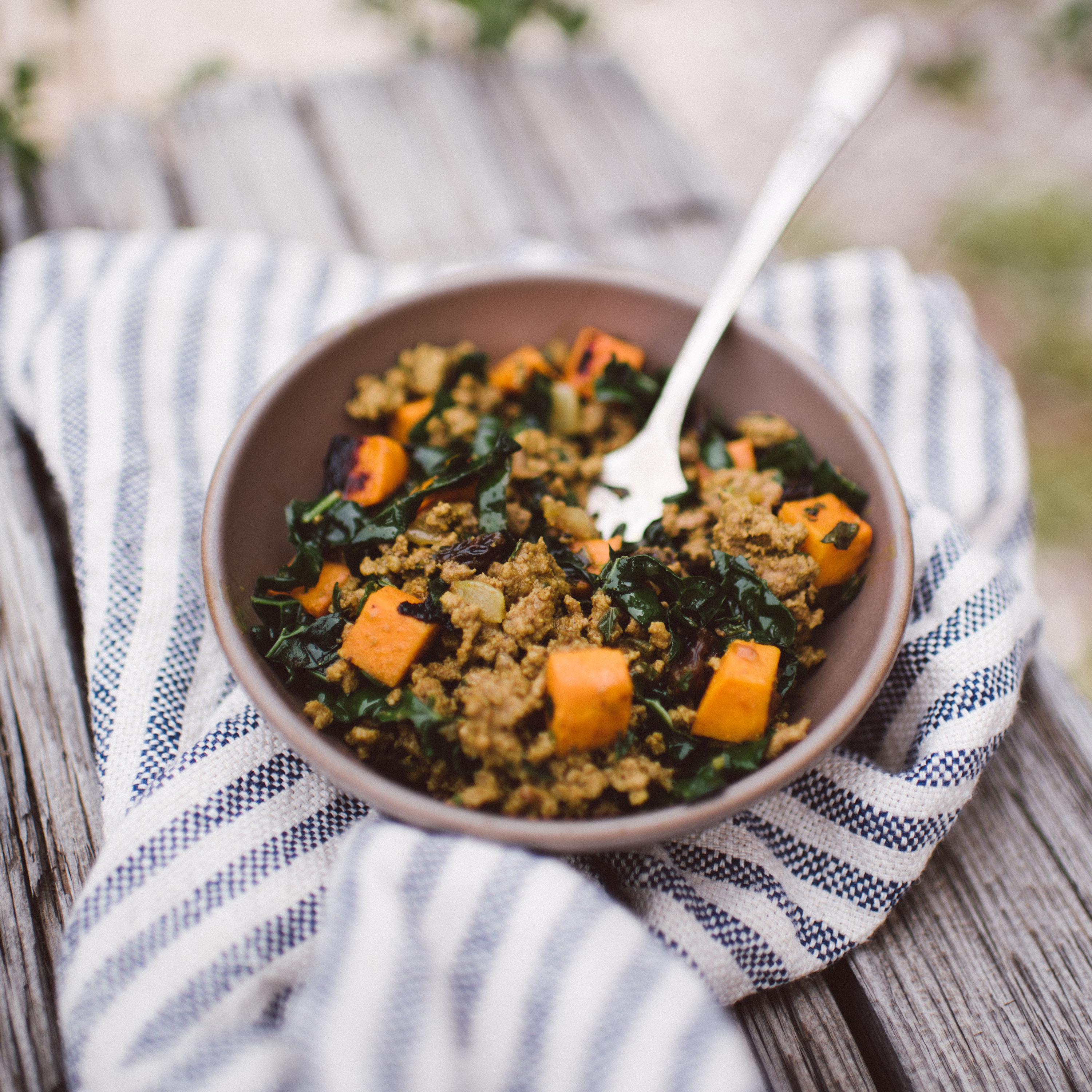 Kitchen Confidence: The Lazy Person’s AIP Meal Template | Small Bite (Ep 082) 23.04.2026 17minKitchen Confidence: The Lazy Person’s AIP Meal Template (Small Bite) | Episode 82If you’ve ever felt like AIP requires too much thinking in the kitchen, you’re not wrong.Between figuring out what to cook, how to combine ingredients, and whether you have what you need, relying on recipes for every meal can quickly become overwhelming.But AIP doesn’t have to feel that complicated.In this Small Bite episode of the Autoimmune Wellness Podcast, Mickey Trescott introduces a simpler approach: flexible meal templates that take the guesswork out of cooking.Instead of starting from scratch every time, these templates give you a repeatable structure you can use with whatever ingredients you have on hand—making meals easier, faster, and more sustainable.You’ll hear about:Why relying on recipes can increase decision fatigueHow meal templates simplify everyday AIP cookingThe foundational formula: protein + vegetables + fatHow to batch cook and mix-and-match meals throughout the weekThe skillet meal method for quick, one-pan cookingHow to layer ingredients for better texture and flavorThe “fridge dump” soup and stew approach for using leftoversHow to build a satisfying, balanced “big salad”Why flexible structure supports long-term consistencyYou don’t need more recipes to succeed on AIP—you need a system that works on your busiest days.ResourcesThe New Autoimmune Protocol – Pre-OrderEpisode Timeline00:00 – Why AIP can feel like too much thinking01:09 – Template 1: Protein + vegetables + fat04:41 – Template 2: Skillet meal08:16 – Template 3: Soup or stew11:40 – Template 4: The big salad14:00 – Recap & next steps
 -
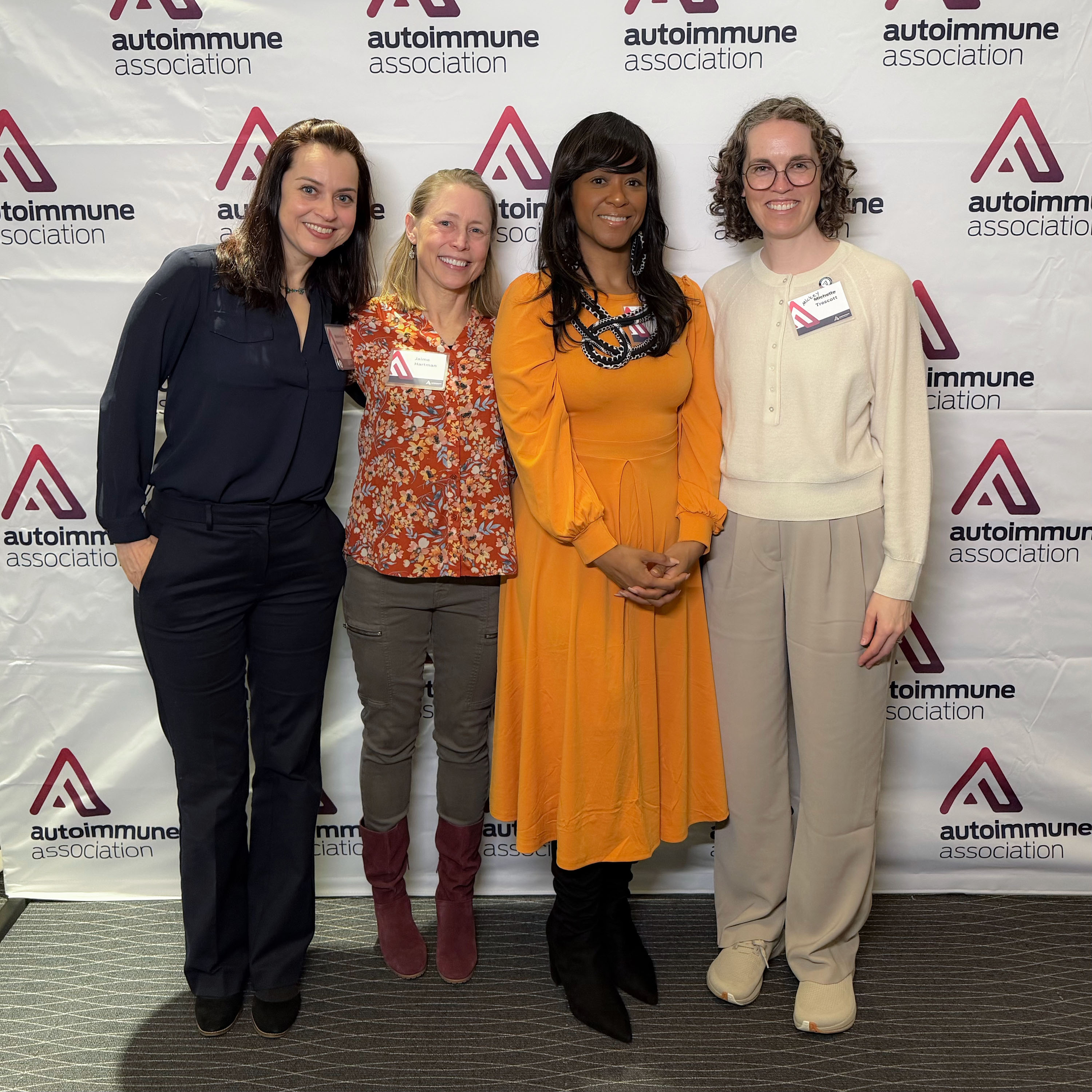 AIP Community Q2 Update: Events, Advocacy & Research (Ep 081) 20.04.2026 33minEpisode 81: AIP Community Update — Events, Advocacy & ResearchLiving with autoimmune disease is deeply personal—but the systems that shape diagnosis, treatment options, and long-term outcomes extend far beyond the individual. Research advancements, policy decisions, and community-led initiatives all play a role in what care looks like today—and what becomes possible in the future.In this second Quarterly Community Update episode of the Autoimmune Wellness Podcast, Mickey Trescott zooms out to explore what’s currently unfolding across the autoimmune landscape. These quarterly conversations are designed to keep you informed and grounded—without overwhelm—so you can better understand the bigger picture while navigating your own healing journey.This episode focuses on three key areas shaping autoimmune care in real time: research, advocacy, and community education. Mickey is joined by three returning contributors who bring both professional expertise and lived experience to these important conversations.First, Sybil Cooper, PhD, immunologist and AIP Certified Coach, breaks down emerging research on CAR-T therapy—an innovative and highly targeted treatment approach that may transform how autoimmune disease is treated in the future.Next, Jamie-Nicole Martin, chronic illness advocate and founder of the AIP BIPOC Network, shares insights from recent advocacy efforts in Washington, DC, along with updates on community-driven initiatives like the ROCK Summit and ROCK the Block, which aim to improve awareness, access, and equity in autoimmune care.Finally, Jaime Hartman, National Board Certified Health & Wellness Coach, AIP Summit organizer, and co-teacher of the AIP Certified Coach Program, discusses trends within the AIP community, including how coaching support is evolving and how more practitioners worldwide are integrating AIP into their work.Together, these conversations highlight how innovation in research, progress in advocacy, and growth in community education are all interconnected—and why they matter for anyone living with autoimmune disease.In this episode, you’ll learn:What CAR-T therapy is and why it represents a promising new direction in autoimmune treatmentHow CAR-T differs from traditional systemic treatments by targeting specific immune cellsWhy this research could shift the conversation from symptom management toward potential remission or cureHow advocacy efforts are pushing for increased autoimmune research funding and policy changeThe role of the Office of Autoimmune Disease Research and why coordinated data mattersCommon barriers patients face with insurance, including step therapy and copay policiesHow community-based events like ROCK the Block and ROCK Summit are improving awareness and accessWhy advocacy happens at both the individual and systems level—and how they connectWhere people commonly get stuck on AIP, especially during reintroductionsHow AIP Certified Coaches provide personalized support to help navigate those challengesHow the AIP community is expanding globally, with more practitioners and diverse specialtiesPractical ways to find AIP-trained support and connect with ongoing educationResources:AIP BIPOC Network – Advocacy initiatives, events, and community programsAIP BIPOC Network Donation Link – Support ongoing advocacy and programmingAutoimmune Association – Advocacy resources and policy initiativesOffice of Autoimmune Disease Research (NIH) – Federal research coordination effortsAIP Summit – Annual event, replays, and community accessAIP Certified Coach Program & Practitioner Directory – Professional training and global directoryEpisode Timeline:00:00 – Introduction to the Quarterly Community Update series01:10 – Meet the recurring contributors02:31 – Research update with Sybil Cooper, PhD03:07 – What is CAR-T therapy?07:08 – Future implications of CAR-T for autoimmune disease10:33 – Advocacy update with Jamie-Nicole Martin11:25 – Autoimmune Association fly-in and policy efforts16:25 – ROCK Summit & ROCK the Block recap20:07 – Upcoming initiatives from AIP BIPOC Network21:49 – Community trends with Jaime Hartman22:47 – How AIP Certified Coaches support clients25:59 – Trends in the current AIP coaching community28:50 – How to find the right AIP Certified Coach32:02 – Closing reflections and wrap-up
 -
 Flare to Flow: Emmitt Henderson III on Lupus, Identity, and Advocacy (Ep 080) 16.04.2026 15minEpisode 80: From Flare to Flow — Emmitt Henderson III on Lupus, Identity, and AdvocacyHealing stories are often told once there’s a clear path—but autoimmune life is often lived in uncertainty, advocacy, and difficult decisions.In this episode, Mickey talks with Emmitt Henderson III, lupus patient and founder of Male Lupus Warriors, about navigating life with a complex and often misunderstood condition. Emmitt shares his decades-long journey to diagnosis, his experience living with lupus as a man, and what it’s like to face stage four kidney failure while continuing to advocate for others. This conversation offers perspective for anyone navigating uncertainty, advocating for themselves in the medical system, or learning how to keep showing up—even when the path forward isn’t clear.In this episode, you’ll learn:What it’s like to live with lupus and face complications like kidney failureWhy lupus is often misunderstood—especially in menHow delays in diagnosis can shape the autoimmune experienceWhat it means to advocate for yourself within the medical systemHow Emmitt stays motivated while navigating serious health challengesThe role of community and representation in chronic illnessWhat to know about kidney donation and donor exchange programsWhy sharing your story can help others feel less aloneHow to stay grounded and keep going during uncertain seasonsResources:Male Lupus Warriors Website Emmitt's Email: [email protected] Association – Advocacy and autoimmune disease supportKidney Donation ScreeningEpisode Timeline:00:00 – Introduction to Flare to Flow and living in uncertainty01:15 – Meet Emmitt Henderson III02:12 – Emmitt’s lupus diagnosis journey05:08 – Navigating kidney failure and transplant uncertainty06:29 – Advocacy and representation in autoimmune disease08:11 – Understanding kidney donation and donor exchange10:06 – Message for those struggling right now11:12 – Male Lupus Warriors and community support12:44 – Wrap-up and closing
 -
 Ask Mickey Anything: Your Biggest AIP Questions, Answered (Ep 079) 13.04.2026 53minEpisode 79: Ask Mickey Anything — Your Biggest AIP Questions, AnsweredIf you’ve ever wondered whether you’re “doing AIP right,” you’re not alone.From navigating the early days of elimination to troubleshooting plateaus, managing low energy, and figuring out how to make this work in real life—there are so many questions that come up along the way.In this special Q&A episode of the Autoimmune Wellness Podcast, Mickey answers listener-submitted questions from across the community, covering both the practical and emotional sides of the Autoimmune Protocol. She walks through common challenges like symptom flare-ups in the first few weeks, what to do if you’re not seeing results, how to handle reintroductions without fear, and how to make AIP sustainable long term. She also dives into bigger-picture topics like personalization, research, and the future of autoimmune care.This episode is a reminder that AIP isn’t about perfection—it’s about learning, adapting, and finding what works for your body over time.In this episode, you’ll learn:Why symptoms can temporarily worsen in the first weeks of AIPHow to troubleshoot when you’re not seeing improvement after 1–2 monthsCommon reasons AIP “isn’t working” (and what to look at first)How to navigate low energy, flares, or limited capacity for cookingPractical strategies for eating out or using meal shortcuts on AIPHow to think about supplements, fillers, and what’s actually necessaryWhy fear around reintroductions is common—and how to move forward safelyHow to approach reintroductions without triggering anxiety or over-restrictionWhat to do after a failed reintroduction (and how to continue progressing)How to make AIP sustainable long term without feeling deprivedThe relationship between structure and bio-individuality in AIPWhat the research says about common trigger foodsWhy AIP is not a replacement for medical care or medicationHow to advocate for more autoimmune research and better careResources:The New Autoimmune Protocol (Book + Preorder Community)Episode 58: The 3 Meal Safety NetUrban AIP Meal DeliveryAutoimmune AssociationAIP BIPOC NetworkEpisode Timeline:00:00 – Introduction to the Q&A episode01:22 – Is it normal for symptoms to worsen early on AIP?05:02 – Two months on AIP with no improvement11:04 – Real-life barriers: energy, cooking, and access 17:36 – Supplements and AIP compatibility22:43 – Fear of reintroductions27:43 – Reintroduction strategy and failed attempts32:53 – Getting back to AIP after life changes38:17 – Personalization vs protocol structure41:33 – Common trigger foods and medication expectations46:20 – Troubleshooting setbacks and research advocacy51:21 – Wrap-up and closing
Lignende podcasts


Populær i
Denne podcast optræder også i podcast-hitlister i disse lande.

