
Feminism, Women’s Stories: The Creative Process: Empowering Stories, Inspiring Women, Gender Equality, Women's Rights & Emp
Empowering Stories, Inspiring Women: Creative Process Original Series
0
This podcast features episodes from The Creative Process series focusing on feminism and women's issues. It presents empowering stories from inspiring women who discuss their lives, work, and creative processes. The show explores the minds of creative people across arts and STEM, including conversations with notable guests such as Oscar, Emmy, Tony, and Pulitzer winners. Participating organizations include the Academy of Motion Picture Arts and Sciences, Smithsonian, and UNESCO.
Episoder
-
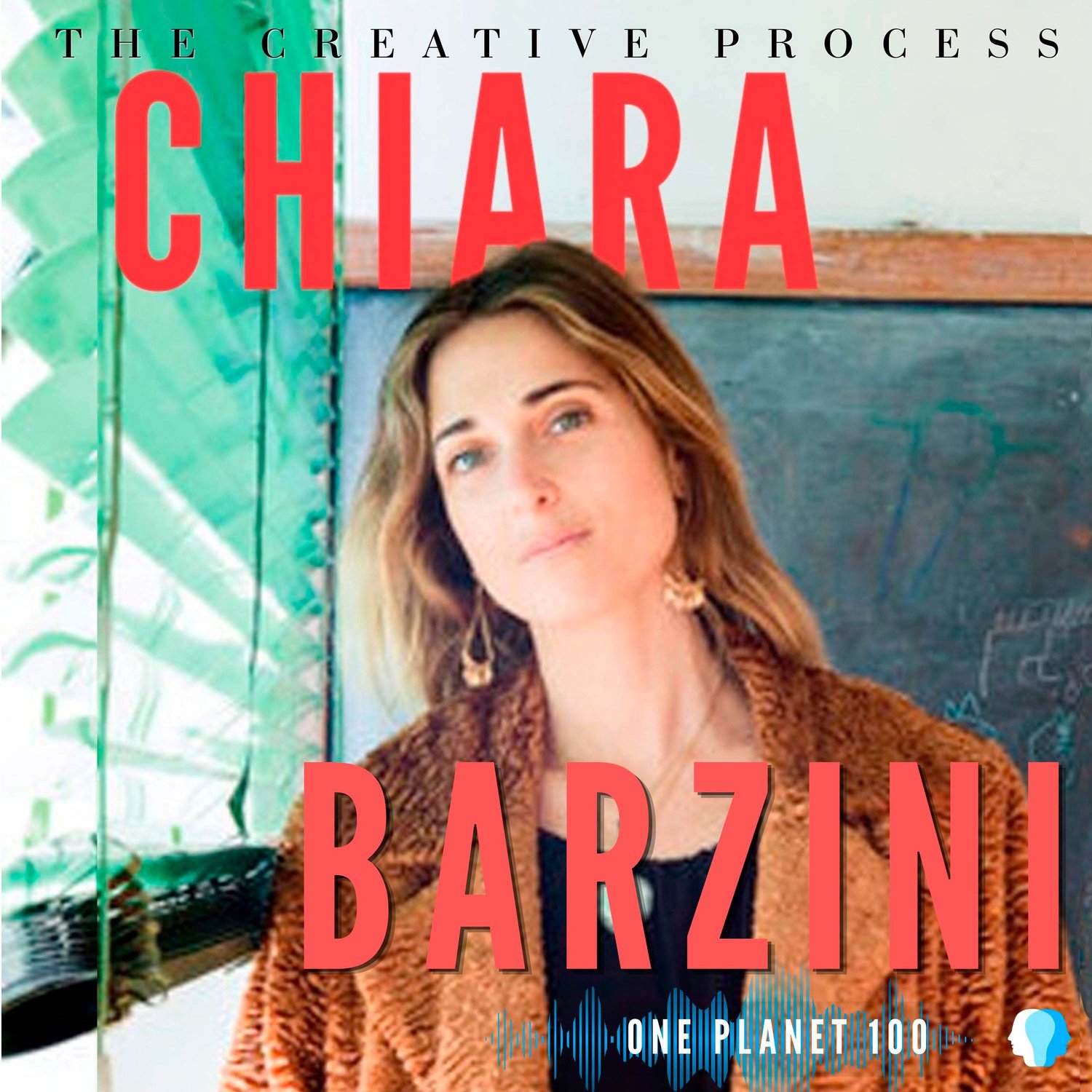 AQUA: A Story of Water & Lost Dreams w/ Author, Screenwriter CHIARA BARZINI 05.10.2026 1t 16minIn this episode of The Creative Process and One Planet Podcast, author and filmmaker Chiara Barzini discusses her latest book, Aqua: A Story of Water and Lost Dreams. Journeying through the dried lakebeds of the Owens Valley and the dying shores of the Salton Sea, Barzini unpacks the historical water thefts that built Los Angeles and the environmental consequences of empire, hypercapitalism, and the AI boom. Alongside hosts Mia Funk and Virginia Moscetti, Barzini delves into the creative necessity of illusions, the stoic wisdom of the Etruscans, and what it means to make art on the edge of the apocalypse. It is a profound conversation about confronting our planetary reality while holding on to the dreams that keep us human.
 -
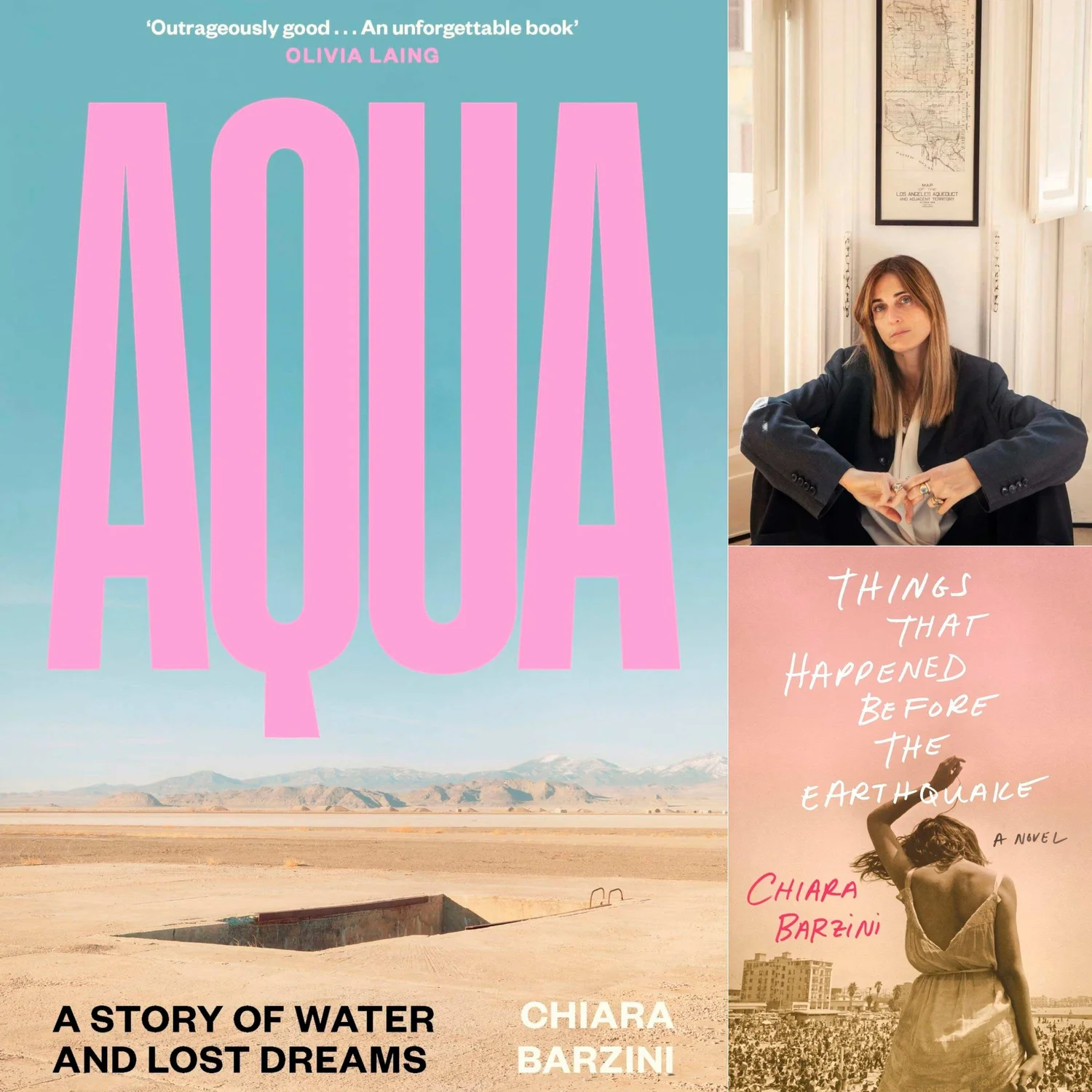 The Art of Motherhood, Illusions & Connecting with the Natural World - A Road Trip w/ CHIARA BARZINI 02.10.2026 28minIn this episode of The Creative Process and One Planet Podcast, author and filmmaker Chiara Barzini discusses her latest book, Aqua: A Story of Water and Lost Dreams. Journeying through the dried lakebeds of the Owens Valley and the dying shores of the Salton Sea, Barzini unpacks the historical water thefts that built Los Angeles and the environmental consequences of empire, hypercapitalism, and the AI boom. Alongside hosts Mia Funk and Virginia Moscetti, Barzini delves into the creative necessity of illusions, the stoic wisdom of the Etruscans, and what it means to make art on the edge of the apocalypse. It is a profound conversation about confronting our planetary reality while holding on to the dreams that keep us human.
 -
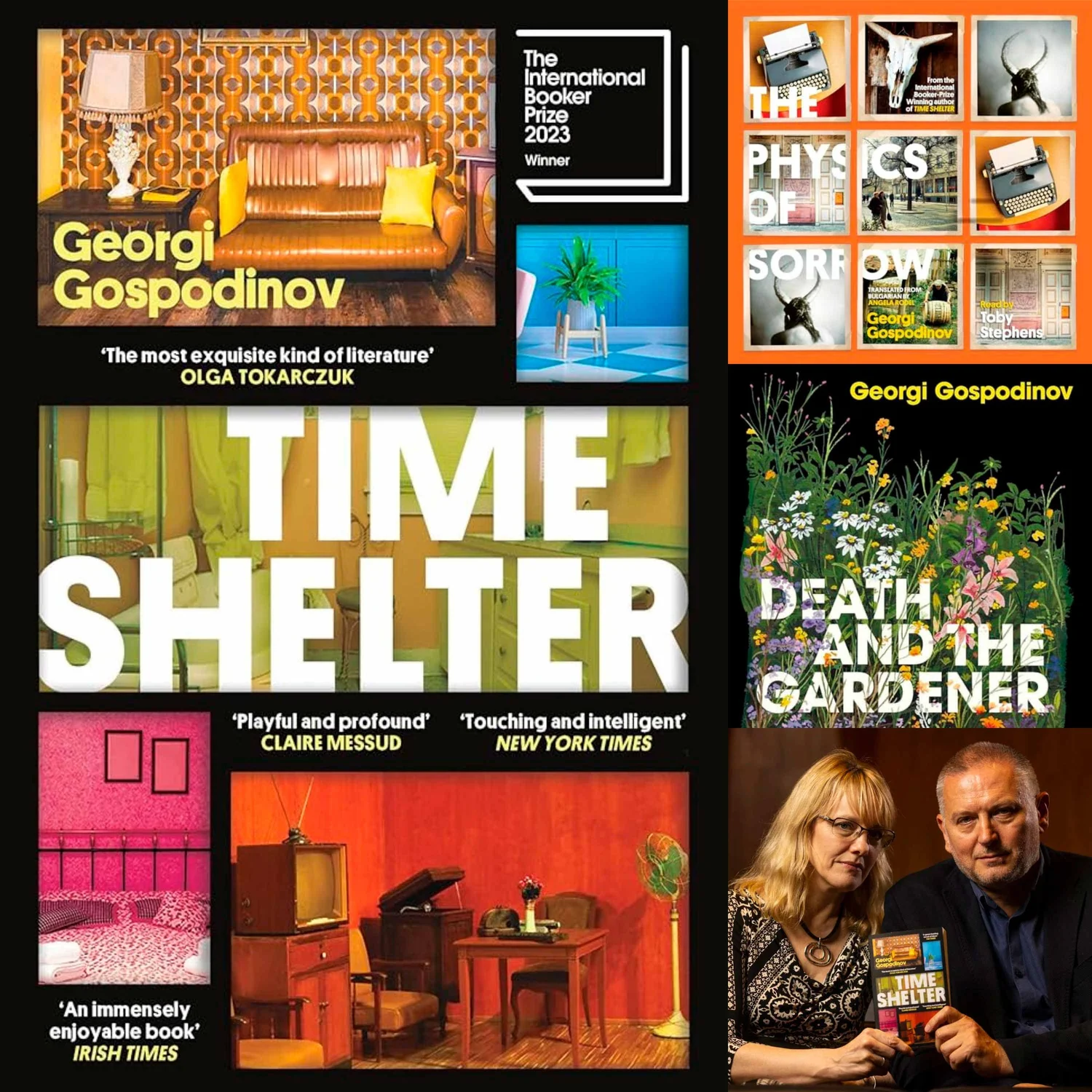 Literature, Women in Translation and the Art of Memory w/ GEORGI GOSPODINOV & ANGELA RODEL - Highlights 31.08.2026 26minIn this profoundly moving episode of The Creative Process, we sit down with celebrated Bulgarian author Georgi Gospodinov and acclaimed translator Angela Rodel to discuss their International Booker Prize-winning novel, Time Shelter. We delve into the prescient themes of their work, examining what happens when a civilization facing a deficit of meaning attempts to retreat into carefully reconstructed decades of the past. They explore the crucial difference between personal nostalgia and collective propaganda, highlighting how the stories we tell ourselves shape our humanity. Beyond the novel, the conversation touches upon the musicality of language, the profound art of translation, and the intimate lessons learned during the final moments of a loved one's life. Georgi Gospodinov shares how literature slows down time and serves as a vital antidote to a polarized world, while Angela Rodel reflects on translating the subtle emotional atmospheres of Eastern Europe.
 -
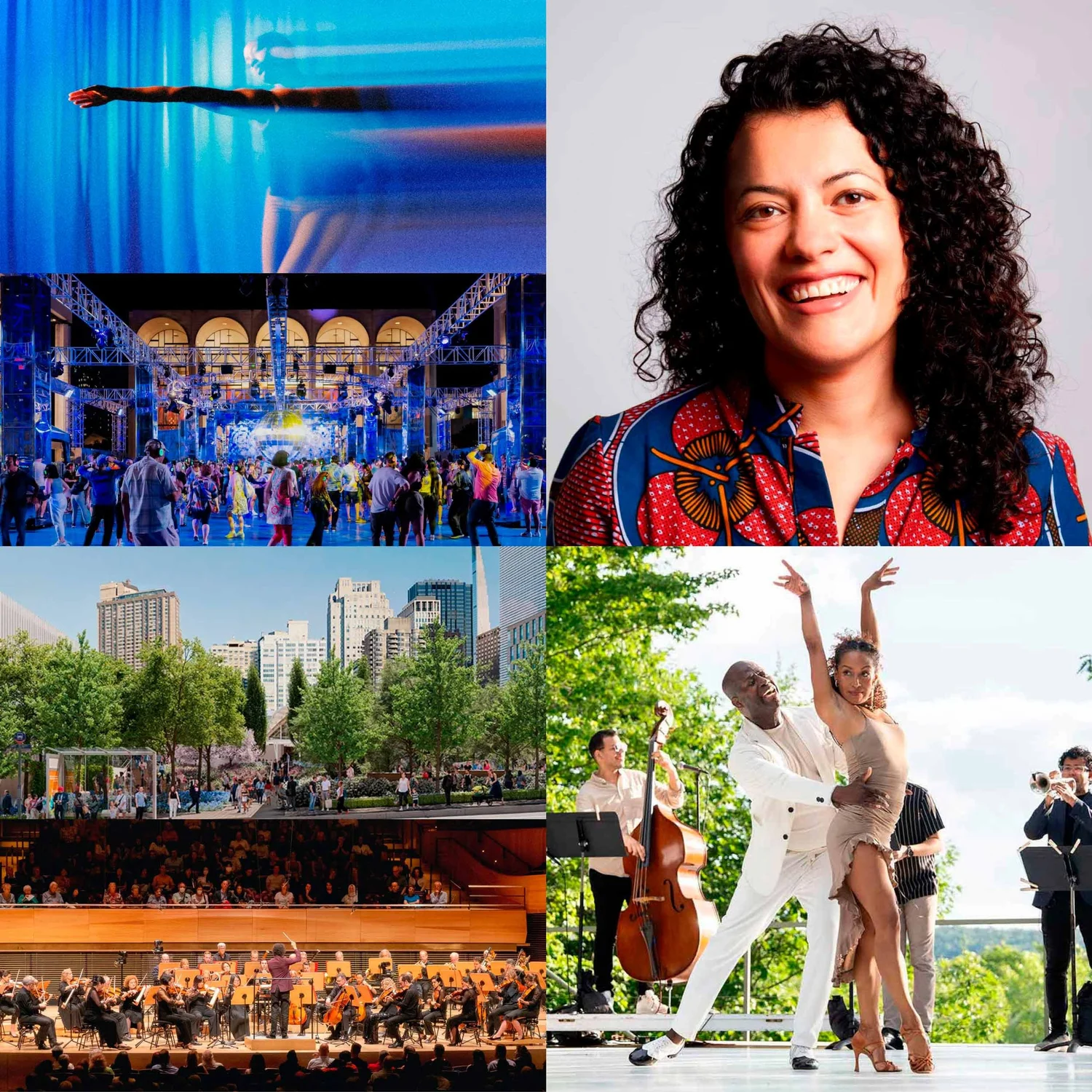 Women Leading Cultural Transformation: Radical Curation and Civic Belonging at LINCOLN CENTER w/ SHANTA THAKE 19.08.2026 57minAs the Chief Artistic Officer at Lincoln Center for the Performing Arts, Shanta Thake is breaking down barriers—both literal and figurative—to create a more inclusive cultural landscape. From transforming New York’s grandest plazas into welcoming dance floors to grappling with the complex history of San Juan Hill, she views the arts as an essential civic infrastructure. In this episode, we explore her journey from a theater intern to leading one of the world's most prestigious arts institutions, the intersection of technology and human creation, and why gathering together remains our most vital technology for the future.
 -
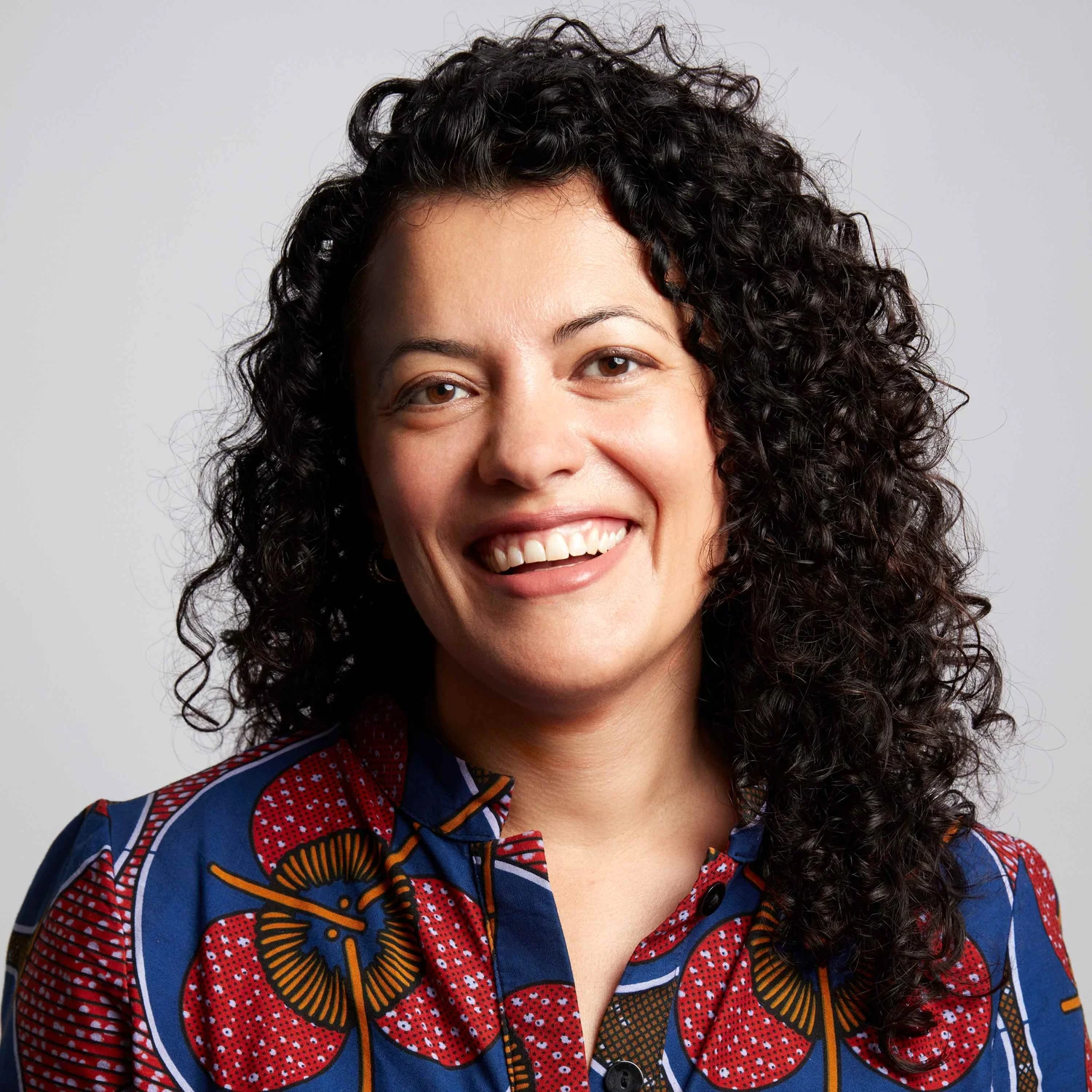 Life and Art at LINCOLN CENTER: Chief Artistic Officer SHANTA THAKE on the Power of the Arts - Highlights 10.08.2026 18minAs the Chief Artistic Officer at Lincoln Center for the Performing Arts, Shanta Thake is breaking down barriers—both literal and figurative—to create a more inclusive cultural landscape. From transforming New York’s grandest plazas into welcoming dance floors to grappling with the complex history of San Juan Hill, she views the arts as an essential civic infrastructure. In this episode, we explore her journey from a theater intern to leading one of the world's most prestigious arts institutions, the intersection of technology and human creation, and why gathering together remains our most vital technology for the future.
 -
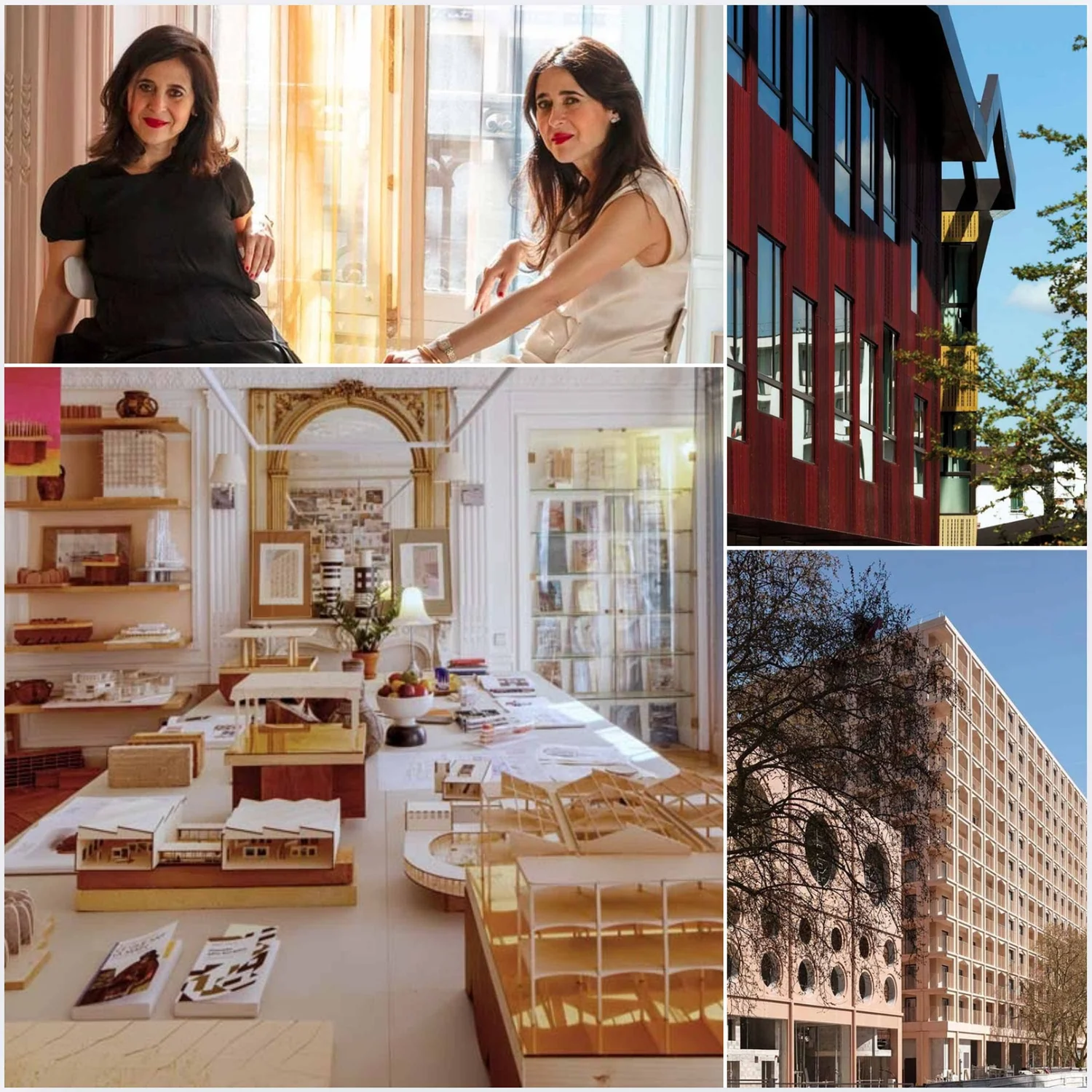 How does architecture shape the way we think, learn & remember? SALWA & SELMA MIKOU - Highlights 08.06.2026 22minFounders of Mikou Architecture, Salwa & Selma Mikou bring a deeply human-centric approach to modern design. Drawing from their childhood in the vibrant, labyrinthine medinas of Fez, Morocco, they view architecture as a powerful social infrastructure that shapes relationships and evokes memory. In this episode of The Creative Process, they discuss how they transform sites into living ecosystems, weaving local narratives and historical traces into their projects. The sisters reflect on their formative years working alongside architectural legends Jean Nouvel and Renzo Piano, and how their complementary visions fuel their collaborative practice. From designing serene mosques in England and holistic "water temples" in France to crafting intricate spaces for Hermès and Yves Saint Laurent, they reveal how buildings can truly sing. Join us to explore how art, intuition, and structural necessity converge to create spaces of profound wellbeing.
 -
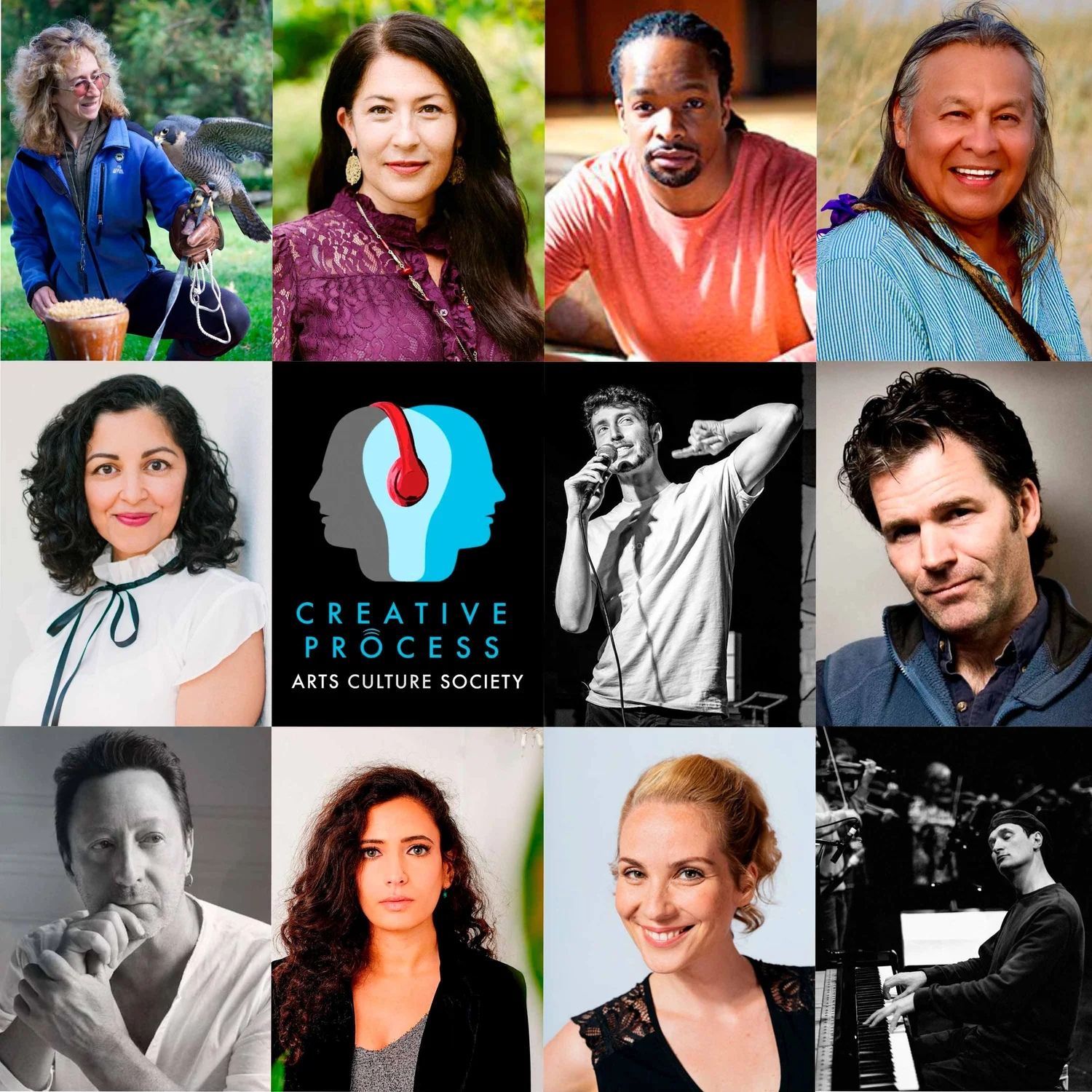 Humans as Storytelling Animals: Poets, Novelists & Musicians on the Power of Writing 02.06.2026 17minWhy do we write? In this episode, we explore writing as an awakening and a bridge between memory and discovery. We hear from poets, novelists, musicians and thinkers who reflect on how narrative helps us make sense of displacement, failure and our connection to the natural world. Join us for a deep dive into the stories that make us human.
 -
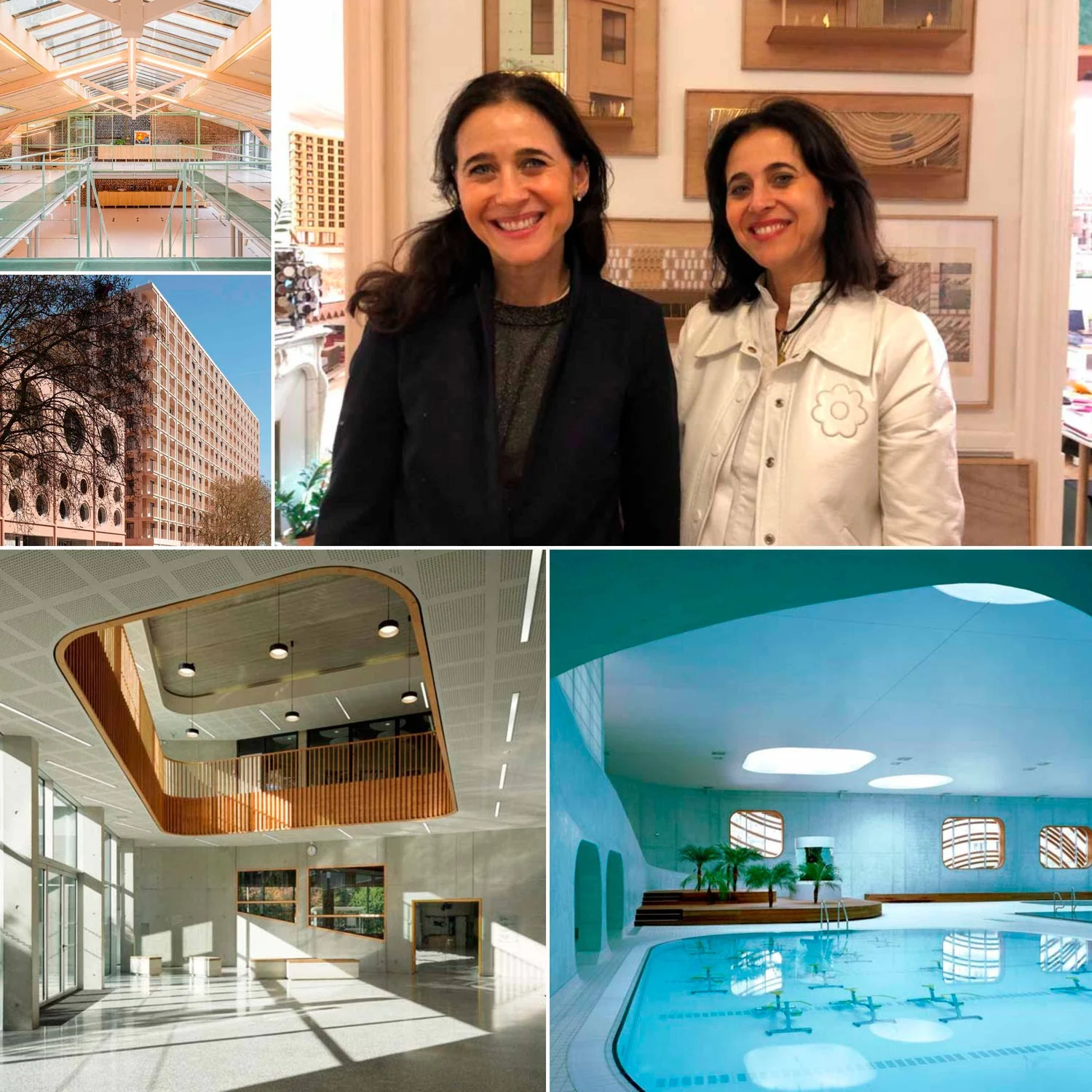 Women in Architecture: Building Bridges Between Memory, Nature & Culture w/ SALWA & SELMA MIKOU 08.05.2026 1t 18minFounders of Mikou Architecture, Salwa & Selma Mikou bring a deeply human-centric approach to modern design. Drawing from their childhood in the vibrant, labyrinthine medinas of Fez, Morocco, they view architecture as a powerful social infrastructure that shapes relationships and evokes memory. In this episode of The Creative Process, they discuss how they transform sites into living ecosystems, weaving local narratives and historical traces into their projects. The sisters reflect on their formative years working alongside architectural legends Jean Nouvel and Renzo Piano, and how their complementary visions fuel their collaborative practice. From designing serene mosques in England and holistic "water temples" in France to crafting intricate spaces for Hermès and Yves Saint Laurent, they reveal how buildings can truly sing. Join us to explore how art, intuition, and structural necessity converge to create spaces of profound wellbeing.
 -
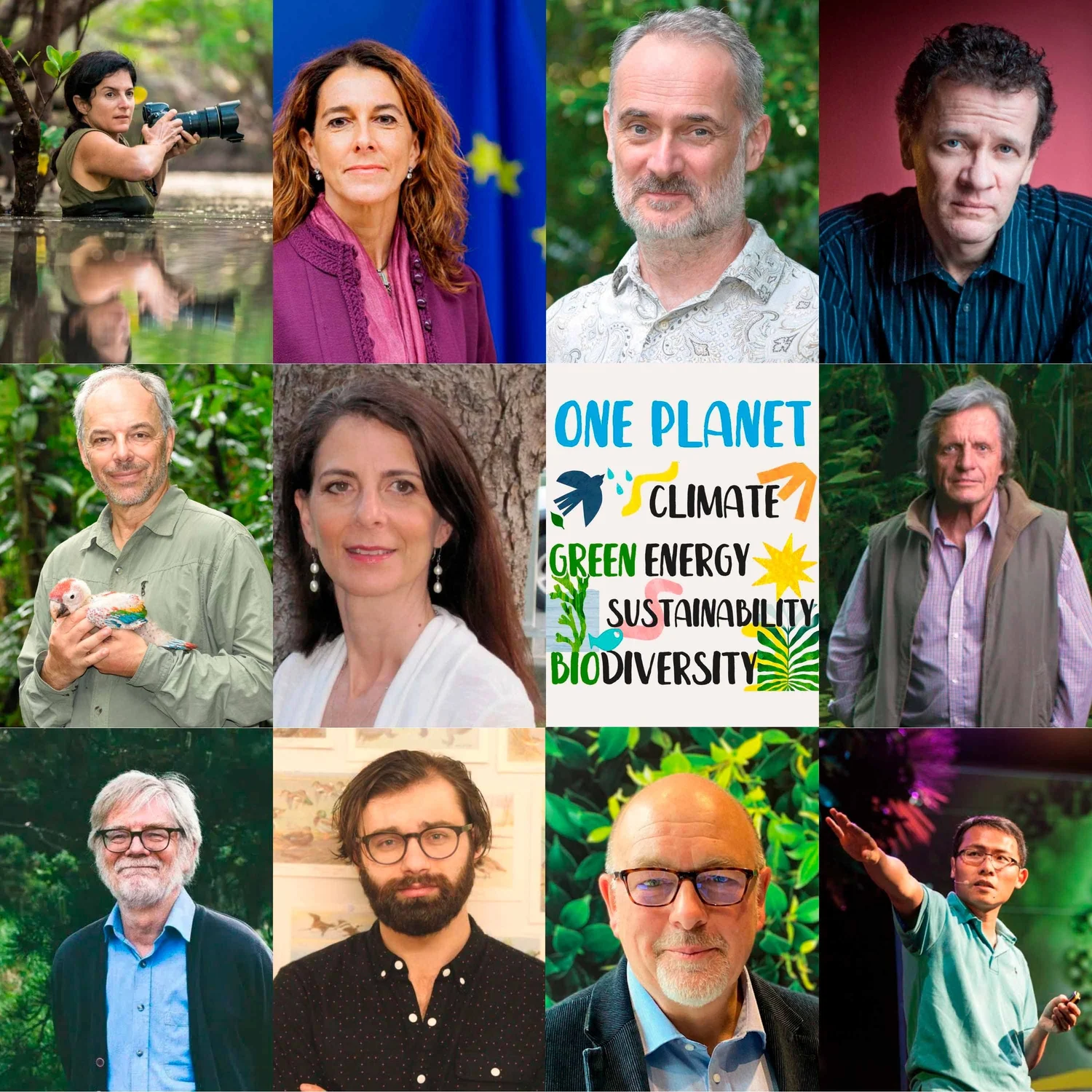 Women in Climate Leadership: Listening to the Living World & The Rights of Nature 22.04.2026 19minHow do we reconnect with a world we have stopped listening to?. In this episode, we explore the kinship we share with nature and the urgent need for a shift in perspective—from seeing the environment as a collection of objects to a community of subjects. We hear from novelists, photographers, scientists and indigenous leaders on the rights of nature, the volatility of a warming planet and the hope found in restoration.
 -
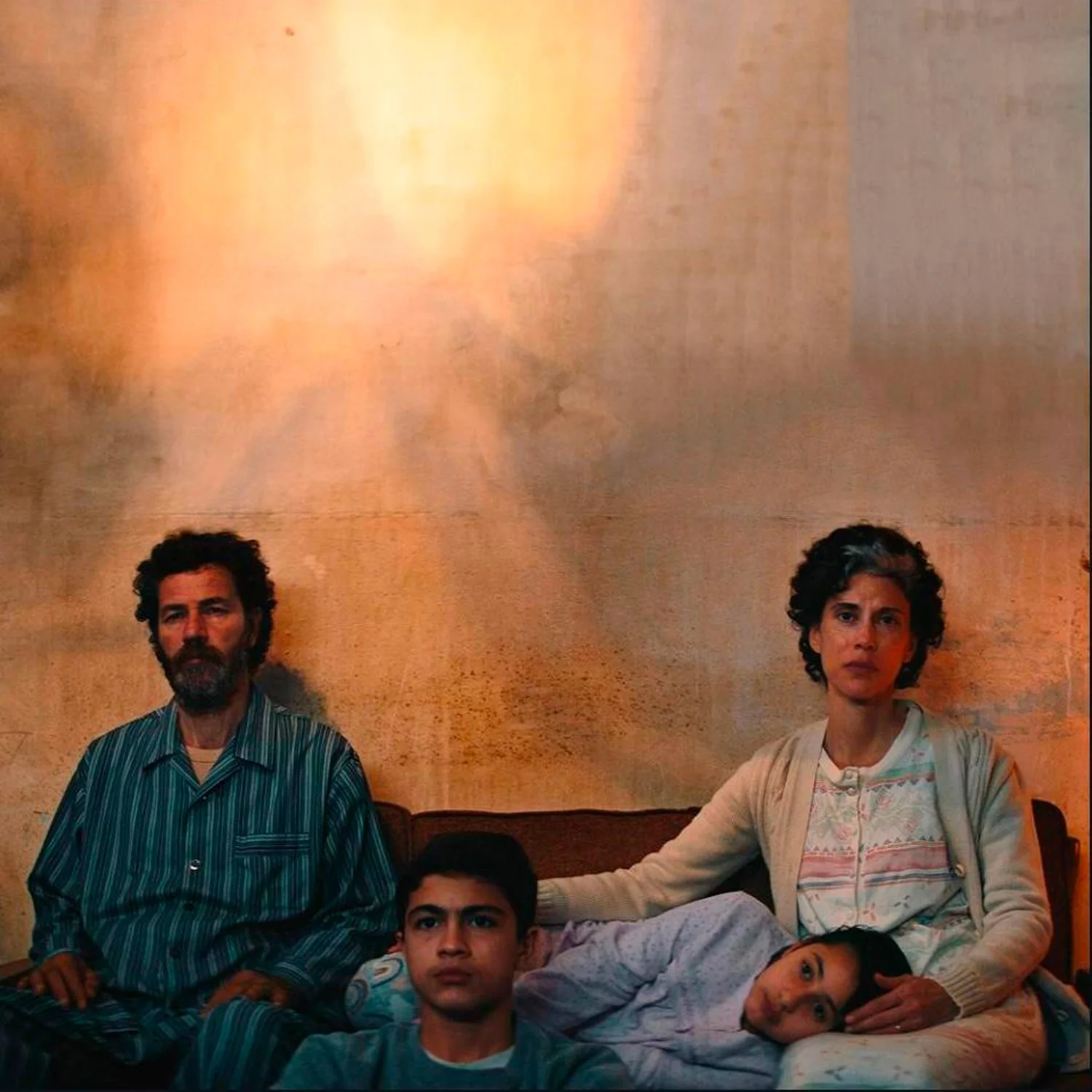 The Psychological & Emotional Impact of Occupation w/ Actress, Director CHERIEN DABIS 19.03.2026 54minMy guest today is filmmaker and actress Cherien Dabis, the first Palestinian to receive an Emmy nomination. She has worked on hit series like The L Word, Mo, and Only Murders in the Building. We discuss her ambitious new film All That's Left of You, Jordan's official submission for the Academy Awards. Cherien Dabis shares the profound challenges of filming after October 7th, her collaboration with the legendary Bakri Family, and why choosing humanity is the ultimate act of resistance.
 -
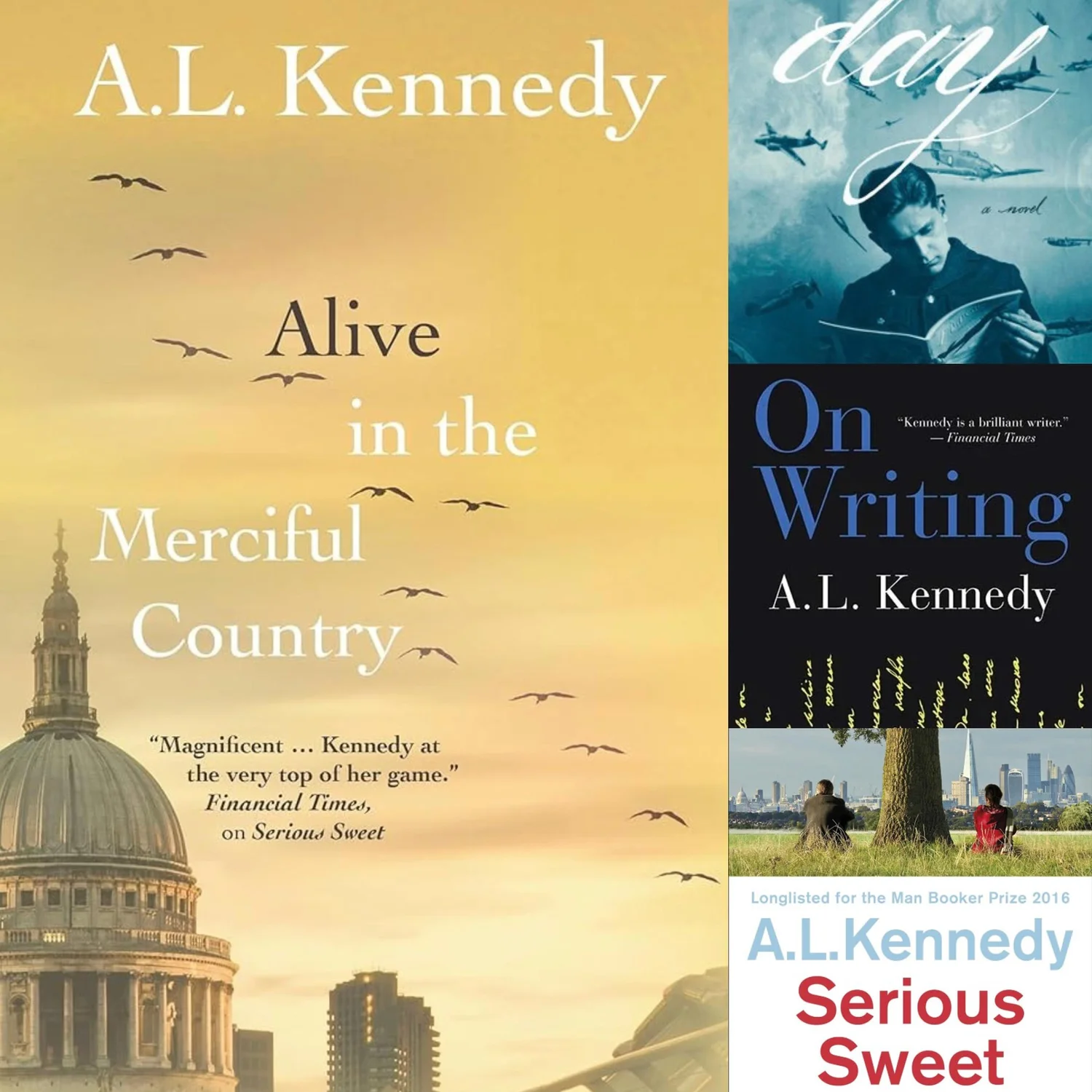 Trust, Education & Writing as Resistance w/ AL KENNEDY - Highlights 03.03.2026 34minIn this insightful episode of The Creative Process, host Mia Funk sits down with Costa Book Award-winning author, activist, and comedian Al Kennedy to explore the intersection of education, democracy, and storytelling. Kennedy unpacks the chilling reality behind the Spy Cop scandal and how undercover state surveillance informed her latest novel, Alive in the Merciful Country. Through a blend of candid humor and sharp political critique, Kennedy reflects on the dangerous rise of AI-generated content, the deliberate dismantling of education systems, and the radical power of "whimsy" in protests. Whether discussing her experiences in environmental activism or detailing the Alfred Wolfson voice method, Kennedy reminds us that fiction remains one of the most essential ways to uncover forbidden truths and reconnect with our shared humanity.
 -
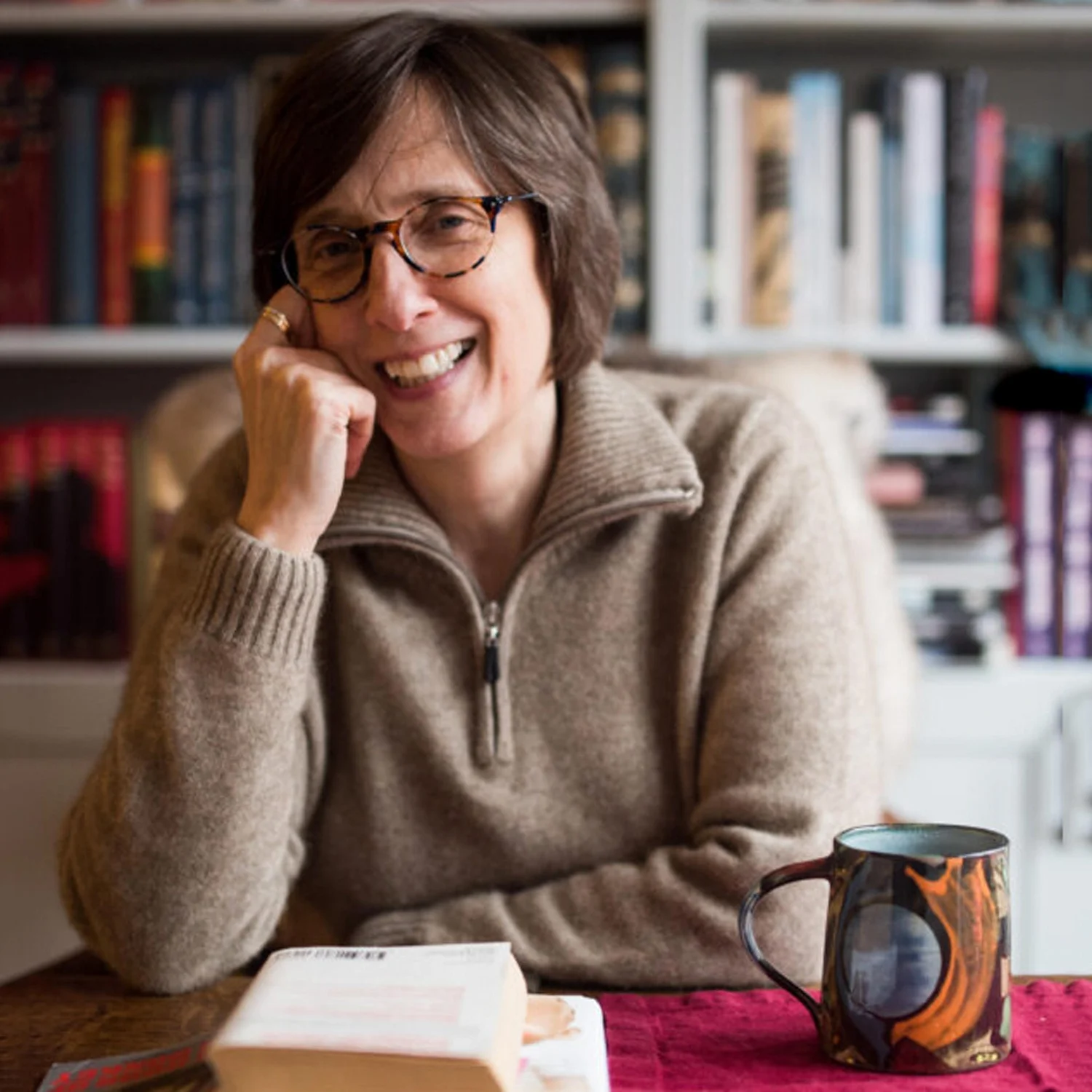 The Art of Fiction, Democracy & Truth with AL KENNEDY 03.03.2026 1t 36minIn this insightful episode of The Creative Process, host Mia Funk sits down with Costa Book Award-winning author, activist, and comedian Al Kennedy to explore the intersection of education, democracy, and storytelling. Kennedy unpacks the chilling reality behind the Spy Cop scandal and how undercover state surveillance informed her latest novel, Alive in the Merciful Country. Through a blend of candid humor and sharp political critique, Kennedy reflects on the dangerous rise of AI-generated content, the deliberate dismantling of education systems, and the radical power of "whimsy" in protests. Whether discussing her experiences in environmental activism or detailing the Alfred Wolfson voice method, Kennedy reminds us that fiction remains one of the most essential ways to uncover forbidden truths and reconnect with our shared humanity.
 -
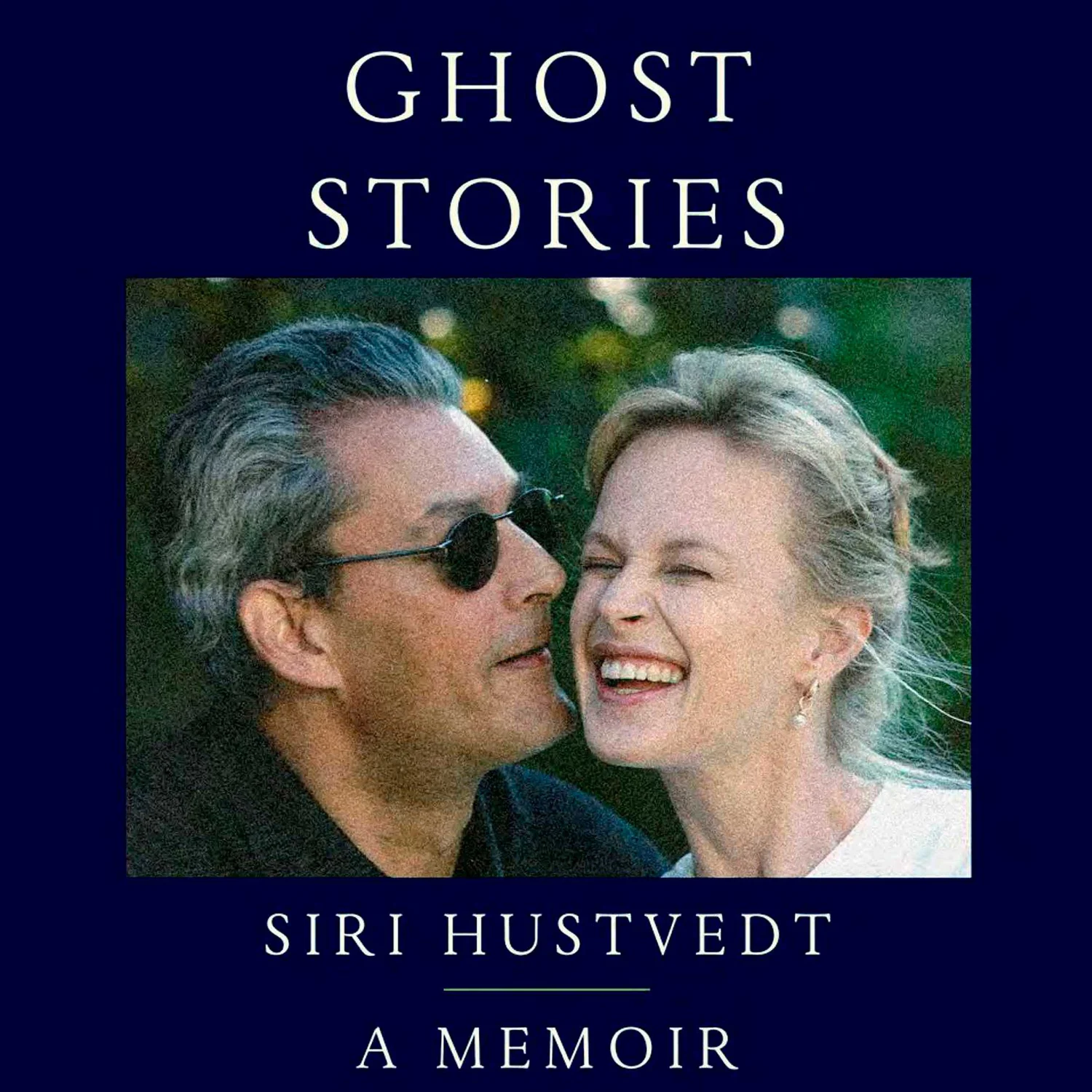 SIRI HUSTVEDT on Love, Grief & Her Late Husband PAUL AUSTER - Highlights 23.02.2026 25minIn this poignant and intellectually sweeping episode of The Creative Process , celebrated writer Siri Hustvedt opens up about the loss of her husband of 43 years, the legendary novelist Paul Auster. Delving into her new memoir, Ghost Stories, she explores the disorientation of grief, framing it as a particular kind of unrequited love. Hustvedt maps the emotional and physiological toll of loss, drawing parallels to the phantom limb phenomenon discussed by the French philosopher Merleau-Ponty.
 -
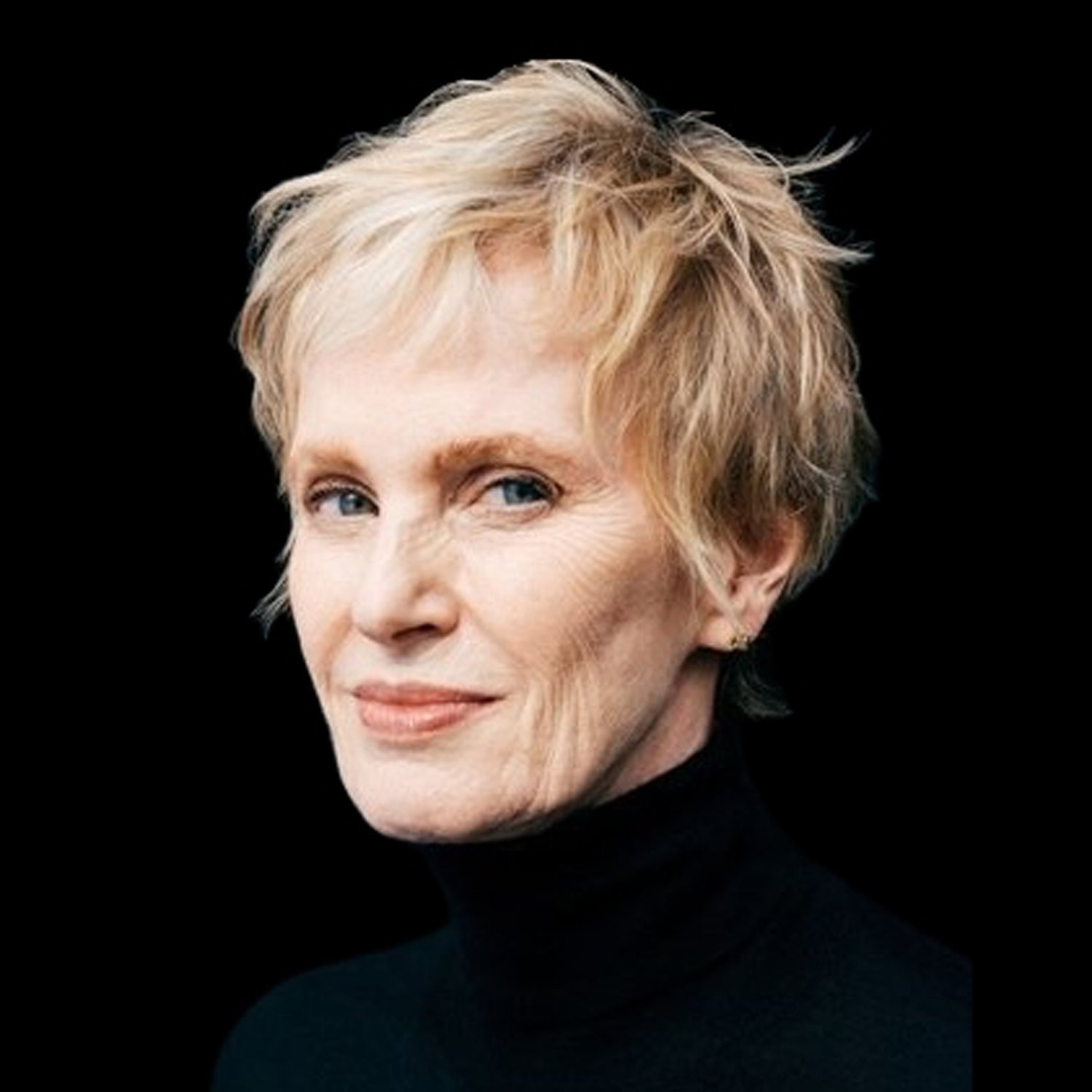 Ghost Stories · A Memoir of Love & Grief 23.02.2026 1t 37minIn this poignant and intellectually sweeping episode of The Creative Process , celebrated writer Siri Hustvedt opens up about the loss of her husband of 43 years, the legendary novelist Paul Auster. Delving into her new memoir, Ghost Stories, she explores the disorientation of grief, framing it as a particular kind of unrequited love. Hustvedt maps the emotional and physiological toll of loss, drawing parallels to the phantom limb phenomenon discussed by the French philosopher Merleau-Ponty.
 -
 Who Are We? What Makes Us Care? Jim Shepard, Neil Patrick Harris, John Patrick Shanley & Artists Share Their Stories 11.02.2026 13minToday we explore the internal dialogues of artists, actors, writers and directors to ask what it means to step into someone else's shoes. We hear from voices like Jim Shepard on historical dilemmas and Neil Patrick Harris on the transformative power of theater. This episode examines how stories build solidarity and expand our emotional education.
 -
 The Healing Power of the Arts: Longevity, Immunity & Wellbeing w/ DAISY FANCOURT - Highlights 11.02.2026 20minWe often view the arts as a luxury—something to enjoy only after the "real work" is done. But DAISY FANCOURT, Associate Professor at University College London and author of Art Cure, argues that creativity is a biological necessity. Drawing on the field of psychoneuroimmunology, she reveals how the arts can physically alter our stress hormones, immune system, and even our genetics. In this episode, DAISY FANCOURT shares the science behind "social prescribing" and her work with the World Health Organization. From the evolutionary origins of singing to the impact of art on premature infants and stroke victims, she dismantles the false dichotomy between science and creativity, proving that the arts are vital for a healthy, resilient life.
 -
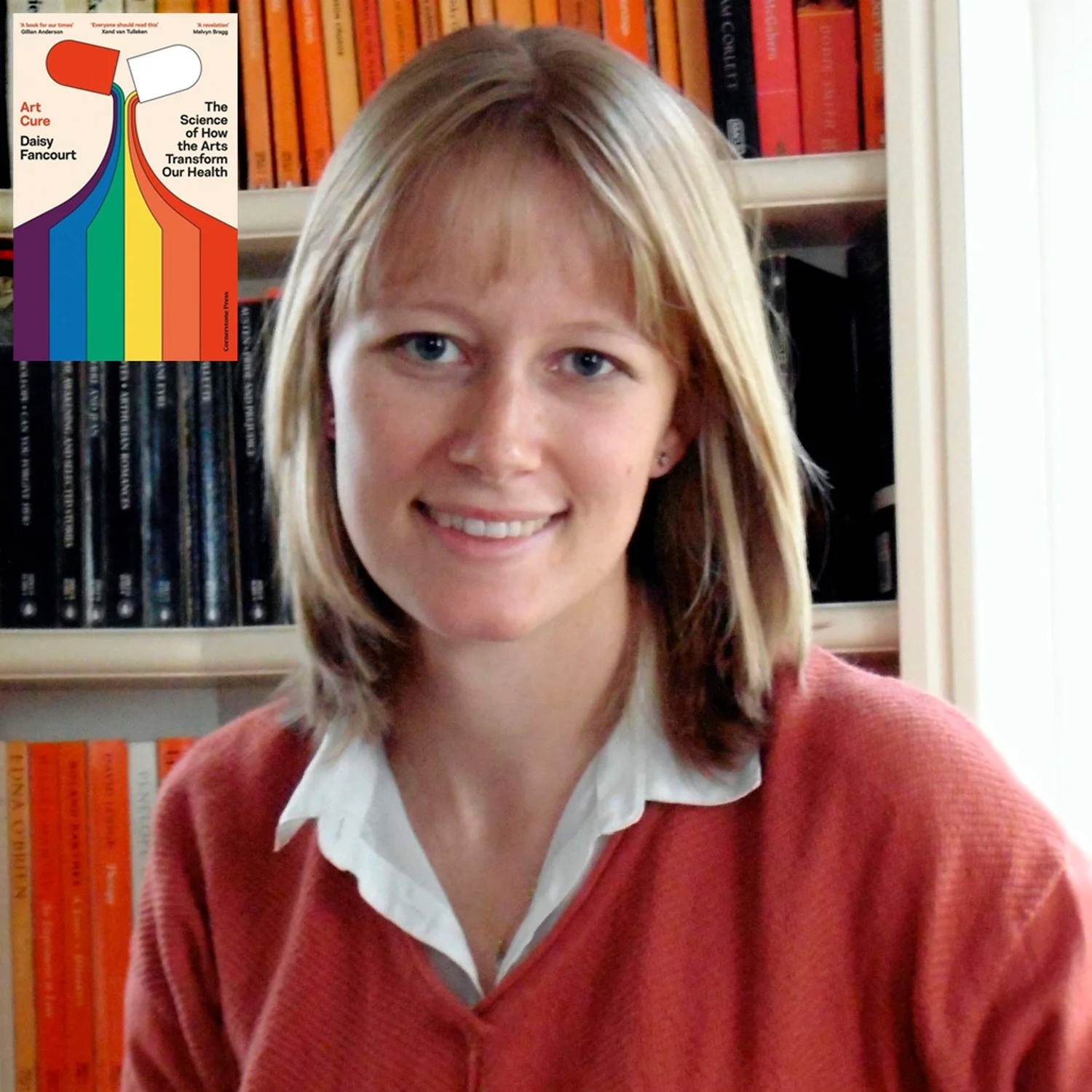 ART CURE: How the Arts Can Transform Our Health with DAISY FANCOURT 11.02.2026 1t 3minWe often view the arts as a luxury—something to enjoy only after the "real work" is done. But DAISY FANCOURT, Associate Professor at University College London and author of Art Cure, argues that creativity is a biological necessity. Drawing on the field of psychoneuroimmunology, she reveals how the arts can physically alter our stress hormones, immune system, and even our genetics. In this episode, DAISY FANCOURT shares the science behind "social prescribing" and her work with the World Health Organization. From the evolutionary origins of singing to the impact of art on premature infants and stroke victims, she dismantles the false dichotomy between science and creativity, proving that the arts are vital for a healthy, resilient life.
 -
 Writers on Memory, Language & the Power of the Unconscious 12.12.2025 11minHow can we use negative spaces in fiction to engage with readers’ imaginations? How are memory and trauma passed onto us through language? How do we become more than the stories we tell ourselves?
 -
 In the Presence of the DALAI LAMA - Doc. Director of WISDOM OF HAPPINESS - Highlights 06.11.2025 14min“I can change my mind. I can reduce anger, hatred. Nothing to do with religion. All religions carry the message of love, loving kindness, and tolerance. With different views, there is a possibility to synthesize new ideas. If majority of the world leaders become female, world become safer. I feel that. Compassion is the key factor. Non-violence, compassion and self-confidence, these are key factors for happy individual, happy community, peaceful world. This century should be century of compassion, century of peace. No more bloodshed. We should develop a big “we,” rather than “we” or “they.” With these wings, you can fly.” -DALAI LAMA For decades, the Dalai Lama has been a global symbol of peace, compassion, and resilience, a spiritual leader living in exile from his home in Tibet. But how do you capture the essence of his wisdom—the kind that can truly change a life—in a way that feels intimate and personal? My guest today, documentary filmmaker Barbara Miller, has managed to do just that in her new film, Wisdom of Happiness. It’s a beautiful film that feels less like a documentary and more like a private, heart-to-heart conversation, where he invites us into his thoughts and shares practical steps for finding inner peace in a chaotic world. She's dealt with anti-globalization, domestic violence, and the fight for female pleasure in her previous works. We’ll talk about how she shifted from exposing systemic pain to focusing on radical hope and her collaboration with Executive Producer Richard Gere and Manuel Bauer, the Dalai Lama’s personal photographer for the last thirty-five years, who made his cinematography debut with this film. She shares what the Dalai Lama taught her about living in harmony with our body, nature, and the world.
 -
 WISDOM OF HAPPINESS - Heart-to-Heart w/ DALAI LAMA - Conversation w/ Director Barbara Miller 06.11.2025 43min“ Everybody wants happiness, joyfulness, peaceful world. Our 21st century will not be easy century. Fear, anger, hatred. In our mind we created distinctions. Different nationality, different color, different religion. Strong concept of “we” and “they”. Brothers and sisters of this small planet, we are same human beings. Meanwhile, global warming is a serious problem. Destruction of this planet is actually destruction of yourself. Our common responsibility should be work together, to save our world. We all have this marvelous human brain. The problem is, when negative emotions develop, our whole mind is taken over. So, we must deal with emotions. I can change my mind. I can reduce anger, hatred. Nothing to do with religion. All religions carry the message of love, loving kindness, and tolerance. With different views, there is a possibility to synthesize new ideas. If majority of the world leaders become female, world become safer. I feel that. Compassion is the key factor. Non-violence, compassion and self-confidence, these are key factors for happy individual, happy community, peaceful world. This century should be century of compassion, century of peace. No more bloodshed. We should develop a big “we,” rather than “we” or “they.” With these wings, you can fly.” -DALAI LAMA
Lignende podcasts


Populær i
Denne podcast optræder også i podcast-hitlister i disse lande.
