
The Dairy Edge
Teagasc
0
The Dairy Edge is Teagasc's dairy podcast for farmers, offering the latest information, insights, and opinions to help improve dairy farm performance. Each episode covers topics relevant to dairy farming, including management, nutrition, and breeding. The podcast aims to support farmers with practical advice and expert knowledge.
Episoder
-
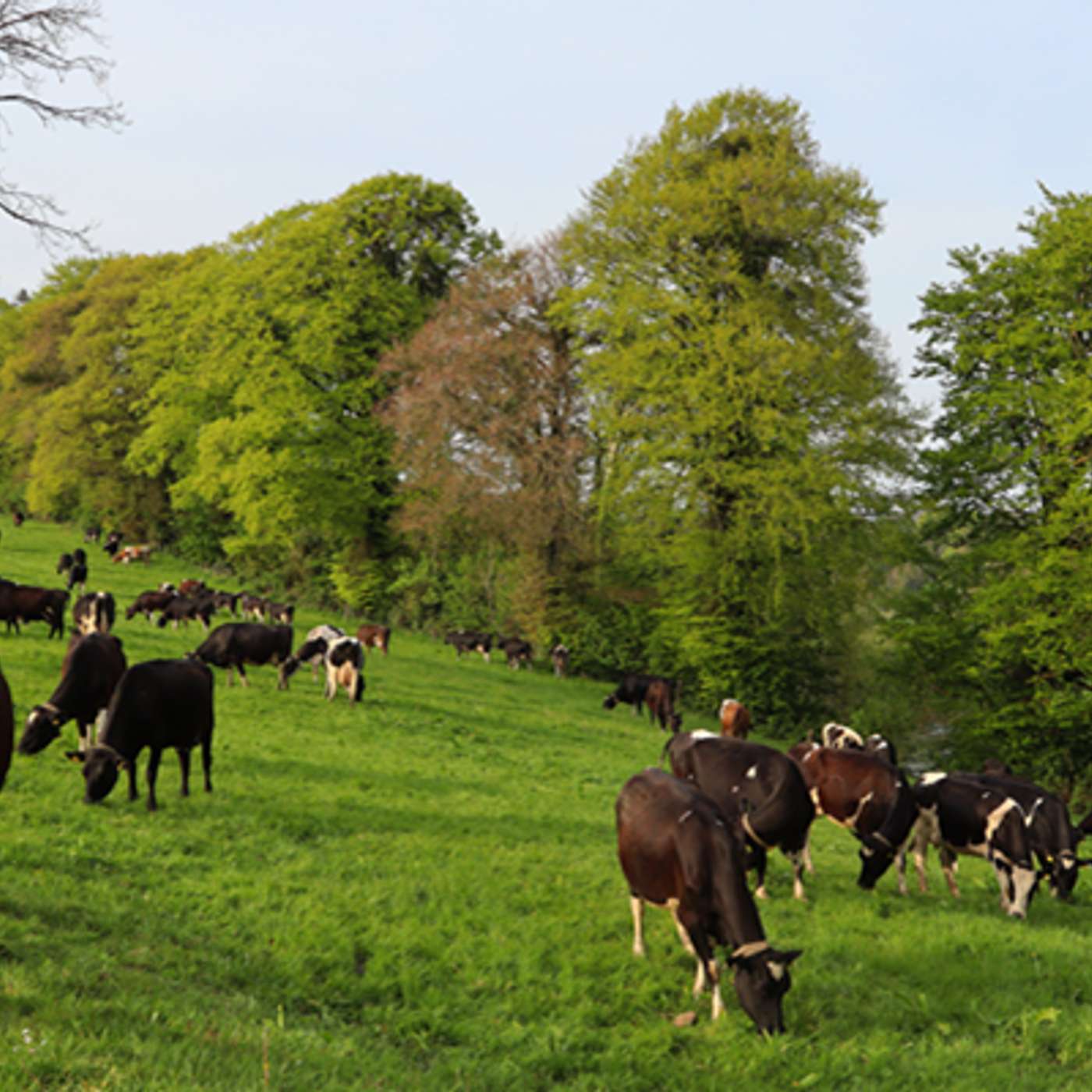 Countrywide update with Joint Programme Advisors, John McCabe, Seamus Kearney & Sean Callan 14.09.2026 31minJohn McCabe, Seamus Kearney and Sean Callan, Advisors on the Teagasc Aurivo, Teagasc Tirlán and Teagasc Lakeland joint programmes, join Stuart Childs to give a more countrywide feel for the situation on farms around Ireland currently following the recovery in grass growth in the last few weeks.The impact of the drought varied significantly by region with the west generally less affected, while parts of the Lakelands, due to the geography of the catchment, and especially the south and east experienced major reductions in grass growth and farm cover which in turn led to substantial supplementary feeding.Seamus explains that the winter fodder shortages are the main concern and that although grass growth and farm covers have recovered, many farms in the Tirlán catchment have used large quantities of silage and meal during the summer. Fodder budgets have identified shortages of approximately two bales per cow on the lighthouse farms, making early feed purchasing and planning essential. Meanwhile, some of farms on the Lakeland programme have significant surplus but with wet starts and ends to the year more common, it may well be needed in the future.The key message is to quantify and act early. Farmers should complete fodder budgets, manage the final grazing rotation carefully, assess grazing infrastructure and improve if possible or plan to improve in the future to maximise opportunities to get cows to grass even in challenging conditions. Where deficits have been identified, consider options such as buying fodder, using meal to stretch existing supplies, and/or removing underperforming/empty cows earlier to protect winter feed stocks.For more episodes from the Dairy Edge podcast go to the show page at:https://www.teagasc.ie/animals/dairy/the-dairy-edge-podcast/ The Dairy Edge is a co-production with LastCastMedia.com
 -
 Your Weekly Grass10 Update 11.09.2026 11minFor this week’s Grass10 grazing management update, John Maher highlights the top actions to be done: Set a 35 day rotation lengthDo a grass budget to reduce supplementationConsider limingRead more from this week’s Grass10 newsletter and subscribe for weekly updates at:https://bit.ly/Grass10-8thSeptember For more episodes from the Dairy Edge podcast go to the show page at:https://www.teagasc.ie/animals/dairy/the-dairy-edge-podcast/ The Dairy Edge is a co-production with LastCastMedia.com
 -
 Back to Grass: Managing Dairy Cow Nutrition After the Drought 10.09.2026 17minTeagasc ruminant nutritionist, Aisling Claffey, joins James Dunne to discuss managing dairy cow nutrition as we move out of the drought conditions. With many cows having been fed increased levels of silage and concentrate, the return to grass needs to be managed carefully. We’ll discuss how farmers can make decisions around reducing silage and concentrate, what to monitor in cow performance, and also what to look out for with young stock grazing outside blocks.For more episodes from the Dairy Edge podcast go to the show page at:https://www.teagasc.ie/animals/dairy/the-dairy-edge-podcast/ The Dairy Edge is a co-production with LastCastMedia.com
 -
 Your Weekly Grass10 Update 04.09.2026 14minFor this week’s Grass10 grazing management update, John Maher highlights the top actions to be done for this week: Set a 30-35 day rotation lengthMake a farm specific fertiliser/slurry planDo a fodder available budget Read more from this week’s Grass10 newsletter and subscribe for weekly updates at:https://bit.ly/Grass10-1stSeptember For more episodes from the Dairy Edge podcast go to the show page at:https://www.teagasc.ie/animals/dairy/the-dairy-edge-podcast/ The Dairy Edge is a co-production with LastCastMedia.com
 -
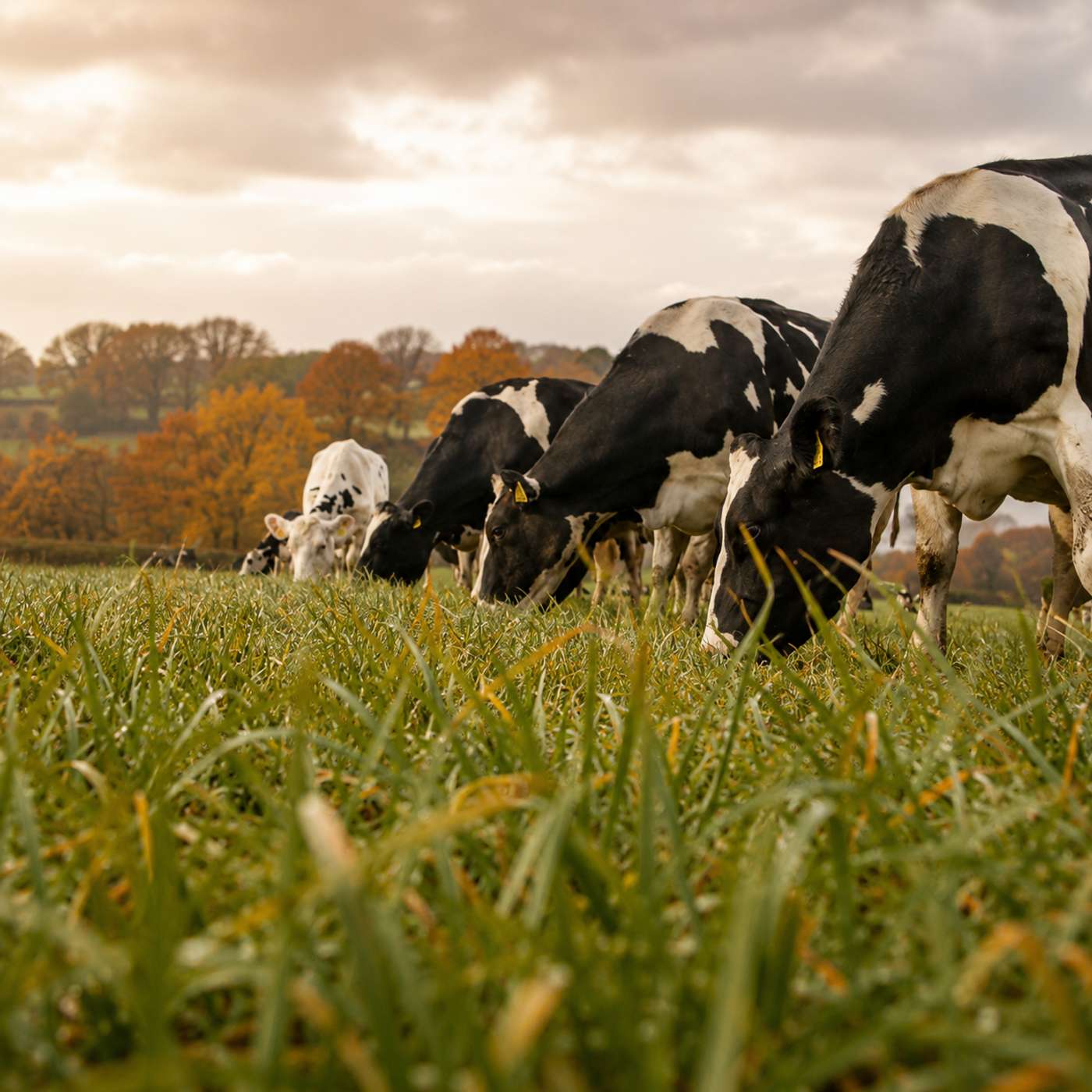 Fertiliser Advice for September 02.09.2026 33minDr. David Wall, Enterprise Leader of the farms and estate at Teagasc’s Environment Research Centre in Johnstown Castle, joins Stuart Childs to discuss the timing of fertiliser applications over the coming weeks to maximise the return from nutrients applied while minimising the risk to water quality.This is particularly important in drought-affected areas, where low grass growth and reduced nutrient uptake have increased the risk of nutrient losses.David first addresses the concept of calendar farming, explaining that fertiliser deadlines are driven by declining nutrient uptake rather than soil trafficability. As daylight levels fall, grass growth and nutrient demand naturally decrease. Applying additional nitrogen above crop requirements will not generate extra growth and, particularly from mid-October onwards, will instead increase the risk of nutrient losses.Following the recent drought, David says farmers should make the most of natural soil mineralisation over the coming weeks. With moisture returning while soils remain warm, mineralisation can supply approximately 1 kg N/ha per day, potentially supporting around 35 kg DM/ha per day of grass growth.Lime also has an important role to play. Correcting soil acidity can improve nutrient availability and help release significant quantities of soil nitrogen over time, which can then support further grass growth.Despite the temptation to apply heavily now that the drought has broken, David advises farmers to use fertiliser and slurry sparingly and avoid over-application. In drought-affected areas where growth has resumed, applications of around 20–25 kg N/ha from fertiliser or slurry can provide additional growth on top of what soil mineralisation is already supplying.Slurry should also be prioritised where appropriate, particularly where tanks need to be emptied before October. David recommends applying slurry regularly over the coming month ahead of the closing period commencing on October 1st.This approach will help maximise the return from the nutrients applied, reduce the risk of losses to water and also help spread contractor workloads over the coming weeks.For more episodes from the Dairy Edge podcast go to the show page at:https://www.teagasc.ie/animals/dairy/the-dairy-edge-podcast/ The Dairy Edge is a co-production with LastCastMedia.com
 -
 Your Weekly Grass10 Update 28.08.2026 15minFor this week’s Grass10 grazing management update, John Maher highlights the top actions to be done for this week: Do a fodder available budget If fodder reserves are below target, take actionAssess paddocks individually for grass growthRead more from this week’s Grass10 newsletter and subscribe for weekly updates at:https://bit.ly/Grass10-25thAugust For more episodes from the Dairy Edge podcast go to the show page at:https://www.teagasc.ie/animals/dairy/the-dairy-edge-podcast/ The Dairy Edge is a co-production with LastCastMedia.com
 -
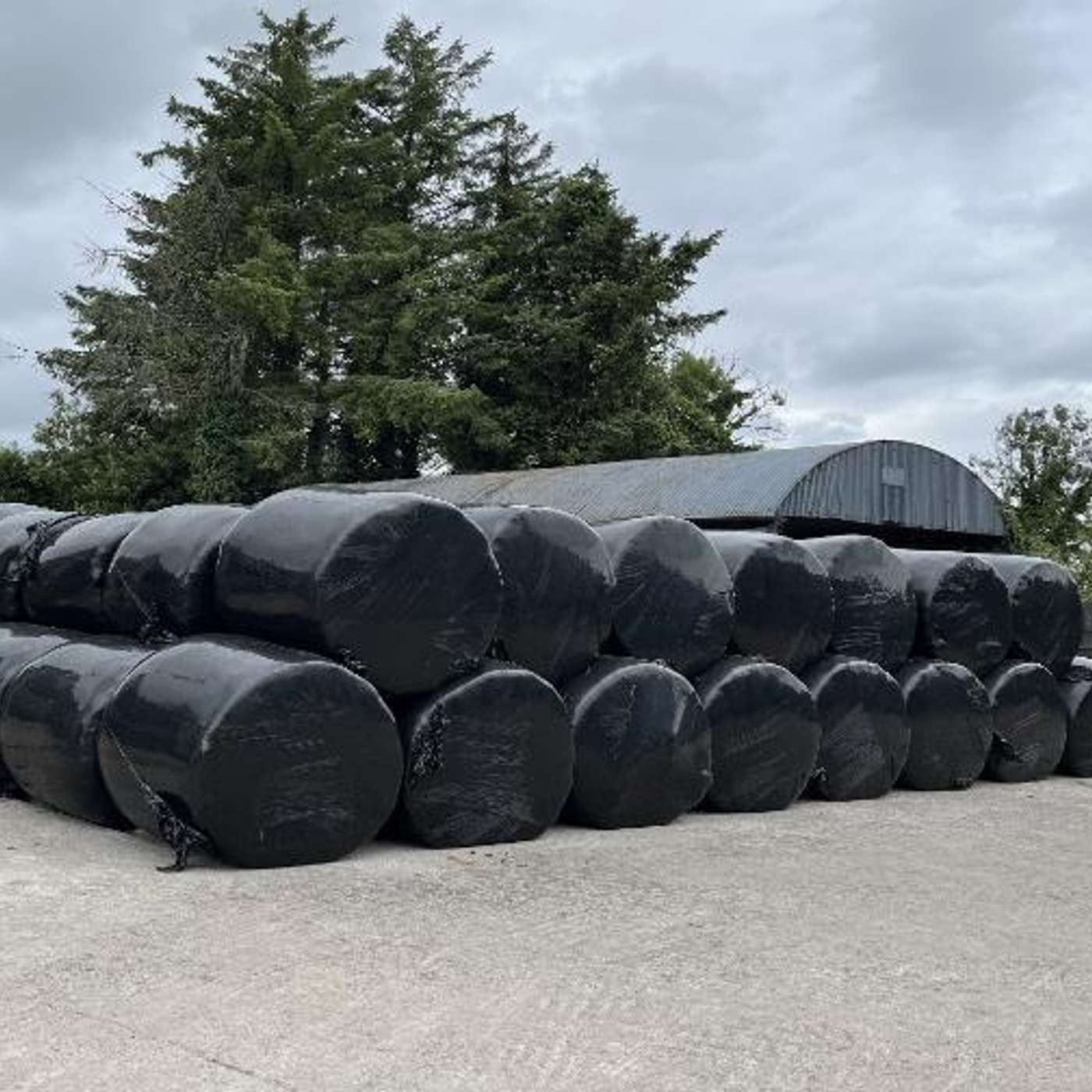 Joe Patton on dealing with the feed & fodder situation 25.08.2026 35minJoe Patton, Head of the Teagasc Dairy Knowledge Transfer programme, joins James Dunne with an update on the current situation on dairy farms across the country following the prolonged period of dry weather.Joe explains the results from the Teagasc National Fodder Survey, which were presented at the National Feed and Fodder committee meeting, and he outlines the priorities for affected farmers regarding winter feed, reducing herd demand, nitrogen fertiliser and seeking advice where needed.For more episodes from the Dairy Edge podcast go to the show page at:https://www.teagasc.ie/animals/dairy/the-dairy-edge-podcast/ The Dairy Edge is a co-production with LastCastMedia.com
 -
 Your Weekly Grass10 Update 21.08.2026 13minFor this week’s Grass10 grazing management update, John Maher explains that:All farms should complete a fodder available budget An action plan needs to be developed where fodder reserves are below targetFarms and paddocks need to be assessed individually for grass growthRead more from this week’s Grass10 newsletter and subscribe for weekly updates at:https://bit.ly/Grass10-18thAugust For more episodes from the Dairy Edge podcast go to the show page at:https://www.teagasc.ie/animals/dairy/the-dairy-edge-podcast/ The Dairy Edge is a co-production with LastCastMedia.com
 -
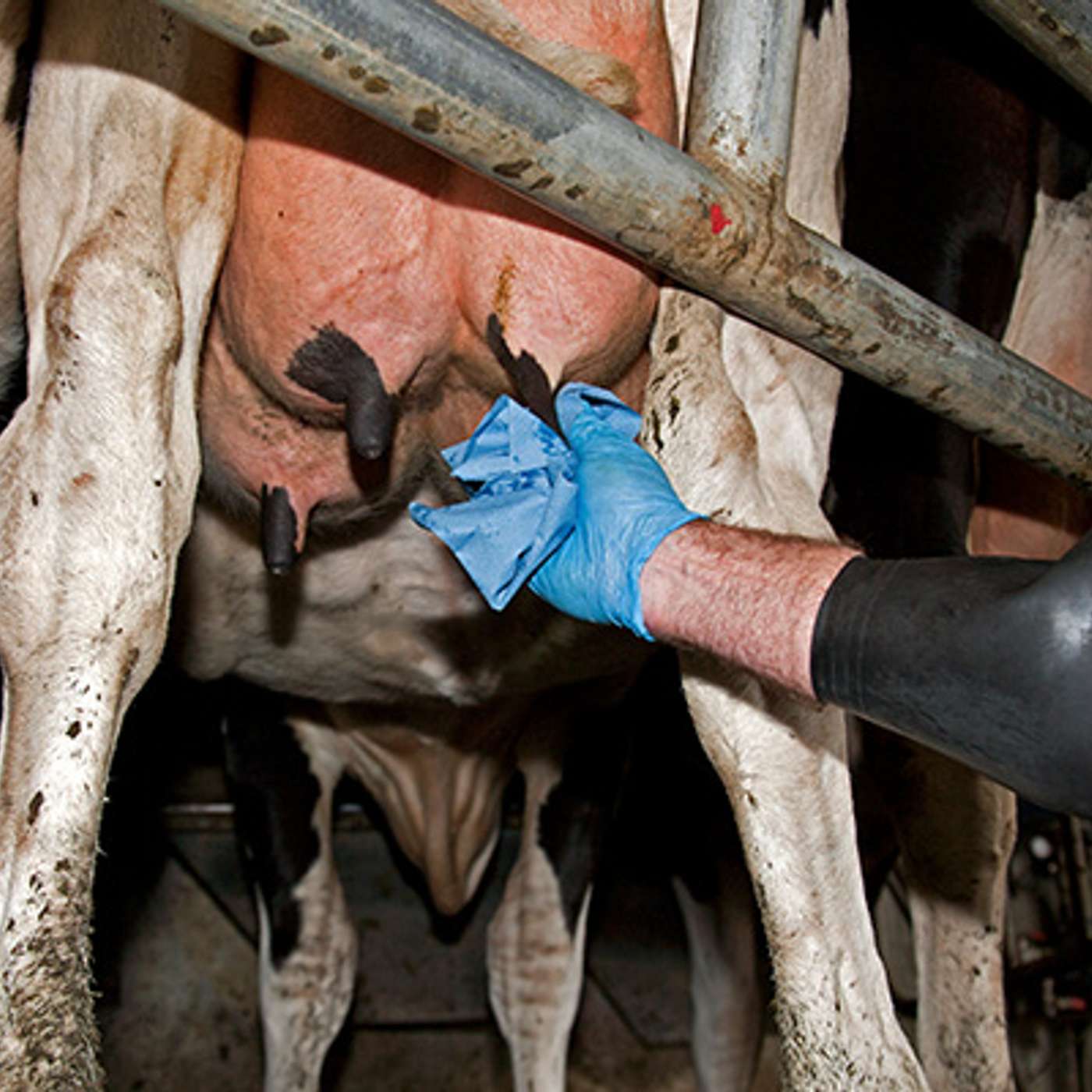 Staying on top of milk quality 19.08.2026 20minRaymond Ryan, Milk Quality Advisor for the Limerick and Clare regions with Dairygold, joins Stuart Childs to discuss staying on top of milk quality.Raymond explains that milk quality in 2026 is generally holding up, with cell count and TBC broadly similar to previous years, but drought and difficult weather have created localised problems.Dirty conditions are the main risk, particularly for thermoduric bacteria and farmers should keep cows and parlours clean, manage sacrifice paddocks or cubicles carefully, ideally dry-wiping cows before milking. Making sure machine maintenance such as liners and rubberware has been done is also an important management step.Raymond says that, where problems arise, early action and implementation of consistent routines are critical: monitor cell counts/TBC and act quickly on rises, ensure adequate water and nutrition, remove persistent high-cell-count cows where appropriate, and maintain proper plant washing with sufficient hot water, chemicals, temperature and turbulence. For more episodes from the Dairy Edge podcast go to the show page at:https://www.teagasc.ie/animals/dairy/the-dairy-edge-podcast/ The Dairy Edge is a co-production with LastCastMedia.com
 -
 Your Weekly Grass10 Update 14.08.2026 10minFor this week’s Grass10 grazing management update, John Maher discusses: Doing a fodder available budget for your farmAssessing weed burden in recent reseedsTemperatures increasing again - water supply priority for animals Read more from this week’s Grass10 newsletter and subscribe for weekly updates at:https://bit.ly/Grass10-11thAugust For more episodes from the Dairy Edge podcast go to the show page at:https://www.teagasc.ie/animals/dairy/the-dairy-edge-podcast/ The Dairy Edge is a co-production with LastCastMedia.com
 -
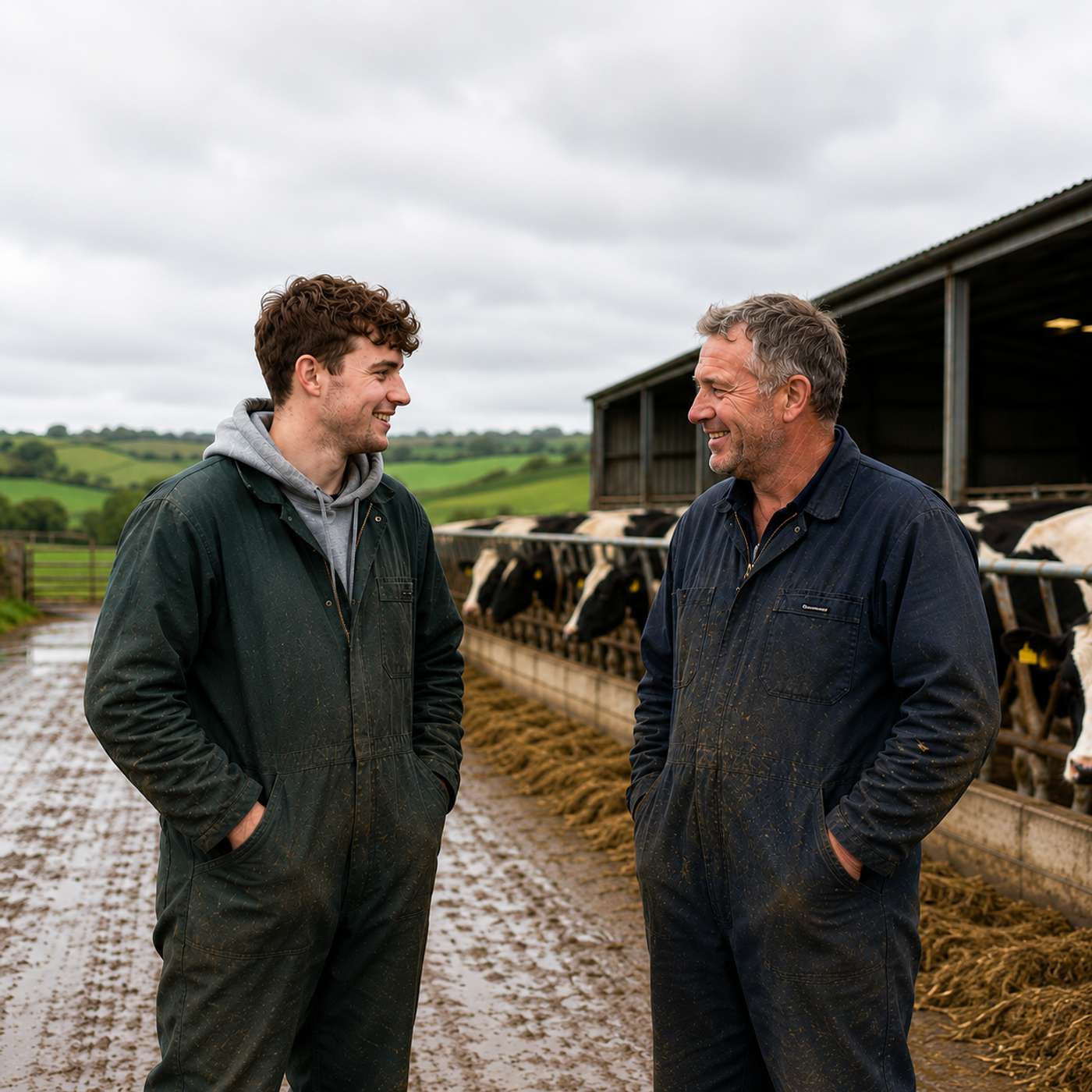 Trying to get time off - help others to help you 12.08.2026 26minEoghan Byrne, project manager in FRS farm services, and MTU Agriculture student, Cormac Harnett, who works as an operator with the FRS in Cork joins Stuart Childs to discuss how farmers can help themselves get a bit of a break from the work by making it easier to work on their farm.Both Eoghan and Cormac say that planning and communication are central by giving operators advance notice and clearly stating what needs to be done, how to do it on your farm and when it needs to be done. Farmers leaving checklists, notes on how to do different tasks where relevant and pre-visits from the operator can help avoid confusion or mistakes being made.Cormac points out that having the farm equipment and materials ready means operators can get straight to the job, making the arrangement more efficient for both farmer and operator, saving time and money and making life a little easier for everyone as stress can be avoided by being prepared.Eoghan finishes up the conversation by highlighting that many young operators want to progress in agriculture. Farm-relief work can provide experience and a potential pathway into farm management or collaborative farming, but both Eoghan and Cormac are clear that creating a positive, respectful workplace is important for attracting and retaining the next generation. For more episodes from the Dairy Edge podcast go to the show page at:https://www.teagasc.ie/animals/dairy/the-dairy-edge-podcast/ The Dairy Edge is a co-production with LastCastMedia.com
 -
 Your Weekly Grass10 Update 10.08.2026 10minFor this week’s Grass10 grazing management update, John Maher discusses: Establishing recovery on paddocksCaution with fertiliser applicationAssessing fodder available on farm Read more from this week’s Grass10 newsletter and subscribe for weekly updates at:https://bit.ly/Grass10-4thAugust For more episodes from the Dairy Edge podcast go to the show page at:https://www.teagasc.ie/animals/dairy/the-dairy-edge-podcast/ The Dairy Edge is a co-production with LastCastMedia.com
 -
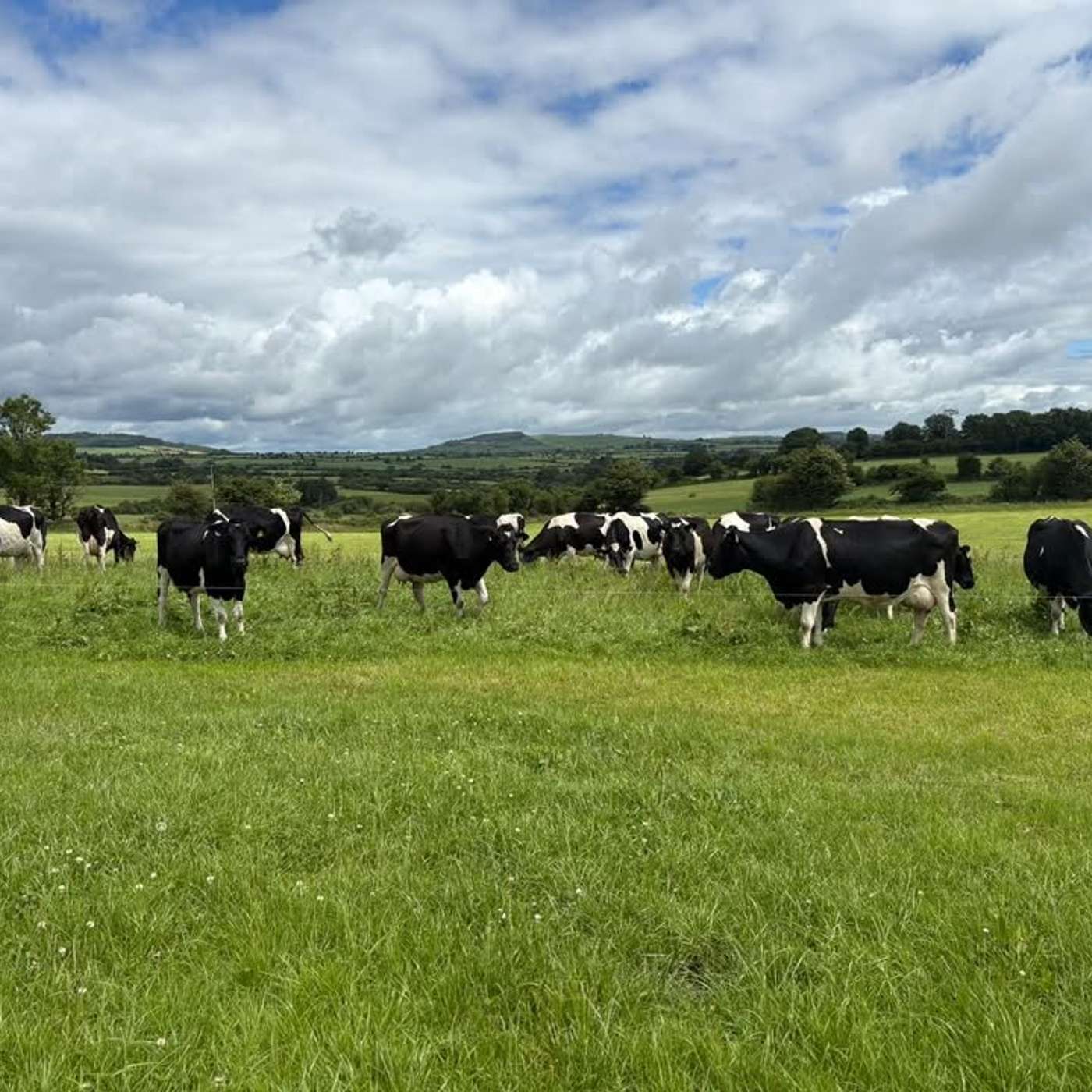 Advisory Update: What's happening on the ground? 04.08.2026 15minEmily Gowing, Teagasc Dairy Advisor based in Dungarvan, Co Waterford, joins James Dunne for an update on the current situation on farms in her catchment and she has some key pieces of advice for farmers over the coming weeks.For more episodes from the Dairy Edge podcast go to the show page at:https://www.teagasc.ie/animals/dairy/the-dairy-edge-podcast/ The Dairy Edge is a co-production with LastCastMedia.com
 -
 Your Weekly Grass10 Update 03.08.2026 13minFor this week’s Grass10 grazing management update, John Maher discusses: The need to walk the farm to assess grass growth and supply on farmReducing demand on farm Caution with fertiliserAnd the featured farm update comes from Sean Carpenter, Co. Kildare. Read more from this week’s Grass10 newsletter and subscribe for weekly updates at:https://bit.ly/Grass10-28thJuly For more episodes from the Dairy Edge podcast go to the show page at:https://www.teagasc.ie/animals/dairy/the-dairy-edge-podcast/ The Dairy Edge is a co-production with LastCastMedia.com
 -
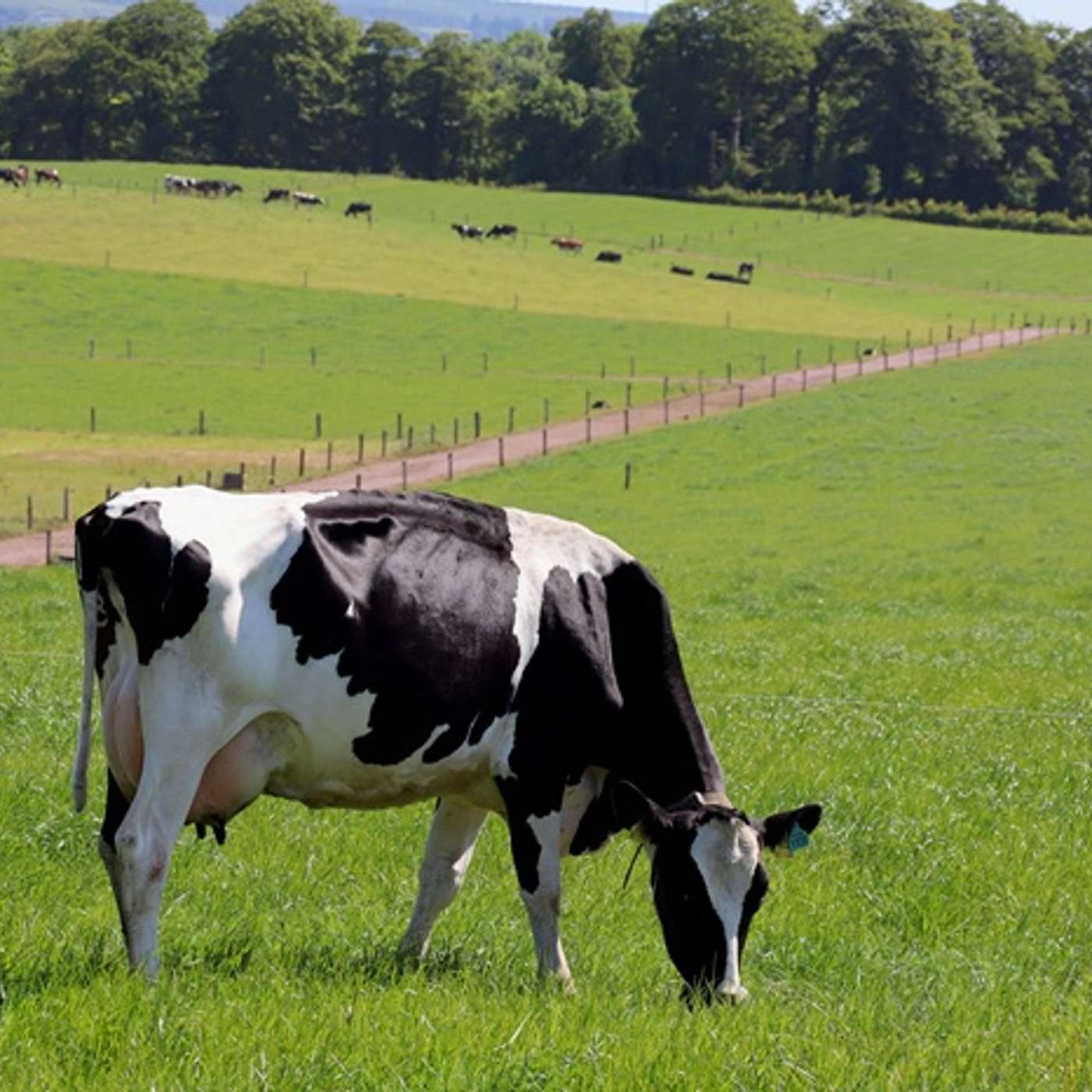 Managing stock in drought or near drought conditions 27.07.2026 23minColman Purcell, Nutritionist with Dairygold Agri Business, joins Stuart Childs to discuss managing stock in drought or near drought conditions.Colman praises the farmers in the Dairygold catchment who have been affected by the dry weather for how they have dealt with it up to now, maintaining milk and protein performance, a response that he credits to their knowledge of how to react in these situations due to their experience of them in the last decade. Colman says that it is important to maintain cow performance by avoiding feed shortages with the priority being to maintain dry matter intake and milk production by supplementing early. Monitor milk yield and milk proteins and react quickly if performance drops as these are good indicators of nutritional status.Filling the gap created by the lack of grass will depend on how severe the grass deficit is and what the help and facilities on the farm are like. In some cases, feeding will be pushed as high as 9kg in the parlour feed due to an inability to feed outside of the parlour. People will need to see what will work best for their farm. Concentrate protein should be ok at 16% but an 18% protein ration may be appropriate, particularly where cows are receiving significant forage. Again, monitoring the performance of the herd will help decisions here.Young stock while appearing content in the current conditions will still need to be fed in order to keep them growing, so supplementation will be necessary where there is grass shortage for these animals. Forward beef cattle that are based on weight are forward enough to start on finishing diet and should be started on this to reduce stocking rates and avoid these animals slipping back which would delay their finishing later in the year.Furthermore with demand increasing, delivery logistics may become more challenging. Farmers should calculate feed requirements and order well in advance to avoid running out.For more episodes from the Dairy Edge podcast go to the show page at:https://www.teagasc.ie/animals/dairy/the-dairy-edge-podcast/ The Dairy Edge is a co-production with LastCastMedia.com
 -
 Your Weekly Grass10 Update 24.07.2026 30minFor this week’s Grass10 grazing management update, John Maher discusses: Assessing grass supply on farmReducing demand on farmNutrient application during reduced growthWater supplyAnd the featured farm update comes from Cathal Nash, Co. Clare.Plus, Pat Tuohy of Teagasc joins John for a land drainage discussion and Q&A. Read more from this week’s Grass10 newsletter and subscribe for weekly updates at:https://bit.ly/Grass10-21stJuly For more episodes from the Dairy Edge podcast go to the show page at:https://www.teagasc.ie/animals/dairy/the-dairy-edge-podcast/ The Dairy Edge is a co-production with LastCastMedia.com
 -
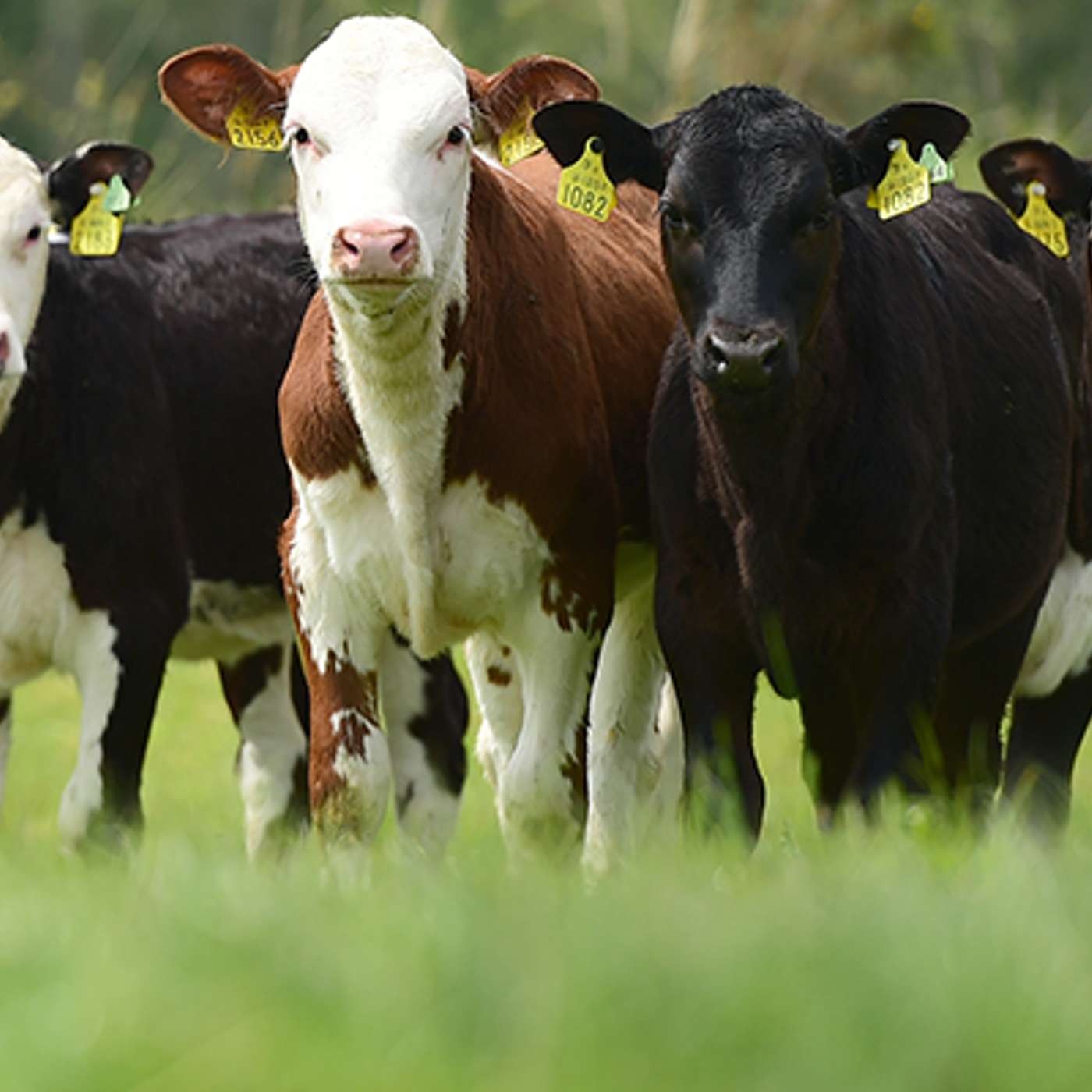 Dairy Calf to Beef – What Does the Future Hold? 20.07.2026 30minPádraig French from Teagasc, who is closely involved in dairy-beef research, including the Ballyvadin Calf-to-Beef Demonstration Farm, joins James Dunne on this week’s Dairy Edge. They discuss the key management practices that drive performance, the role of Commercial Beef Value (CBV), what makes these systems financially successful, and what the latest research is telling us about the future of dairy calf to beef production.For more episodes from the Dairy Edge podcast go to the show page at:https://www.teagasc.ie/animals/dairy/the-dairy-edge-podcast/ The Dairy Edge is a co-production with LastCastMedia.com
 -
 Your Weekly Grass10 Update 17.07.2026 15minFor this week’s Grass10 grazing management update, John Maher discusses: Managing reduced growthMaking a grazing plan for the coming 10 days (no rain forecast)How can farms reduce demand?Plus the featured farm update comes from Paul Bowden, Urlingford, Co. Kilkenny. Read more from this week’s Grass10 newsletter and subscribe for weekly updates at:https://bit.ly/Grass10-14thJuly For more episodes from the Dairy Edge podcast go to the show page at:https://www.teagasc.ie/animals/dairy/the-dairy-edge-podcast/ The Dairy Edge is a co-production with LastCastMedia.com
 -
 Managing Fertiliser Decisions in Dry Conditions 12.07.2026 25minJohn O’Loughlin, Head of Sustainability at Grassland Agro, joins Stuart Childs to discuss the impact of CBAM, fertiliser advice in dry conditions and two upcoming farm walks that will be worth attending this July. John first explains the EU's Carbon Border Adjustment Mechanism (CBAM) which is adding approximately €50/t to urea in 2026, with the potential to rise significantly in future years. While there has been discussion about suspending the charge during periods of high fertiliser prices, he believes this now looks unlikely, meaning farmers should expect CBAM to remain a factor in fertiliser costs. John recommends that farmers measure grass regularly and make decisions based on their own farm’s situation, as drought conditions are varying widely across the country from his perspective and one size won’t fit all in terms of advice. Where soil moisture deficits become severe, nitrogen applications should be reduced or paused, but where growth remains good, protected urea is still a good choice as it will absorb water from the atmosphere. John stresses that potassium (K) and lime are essential for helping grass cope with drought and recover quickly afterwards. John describes K as the "engine oil" of the plant because of the role it plays in the movement of water and nutrients, and he says that correcting K and lime deficiencies are among the biggest, most cost-effective improvements farmers can make to maximise grass growth and resilience. Finally, John says listeners should consider attending two good days later this month in the Clonmel area with the Irish Grassland Dairy Summer Tour taking place on the farms of Michael and Ollie O’Gorman on the 21st and then the Tipperary Dairy Calf to Beef Open Day the following day at the Ballyvadin Farm near Fethard. For more episodes from the Dairy Edge podcast go to the show page at:https://www.teagasc.ie/animals/dairy/the-dairy-edge-podcast/ The Dairy Edge is a co-production with LastCastMedia.com
 -
 Your Weekly Grass10 Update 10.07.2026 15minFor this week’s Grass10 grazing management update, John Maher discusses: - Managing reduced growth- Walk the farm- 2nd cut silage- Infrastructure Month Plus the featured farm update comes from Tommie Devine, Co. Roscommon Read more from this week’s Grass10 newsletter and subscribe for weekly updates at:https://bit.ly/Grass10-7thJune For more episodes from the Dairy Edge podcast go to the show page at:https://www.teagasc.ie/animals/dairy/the-dairy-edge-podcast/ The Dairy Edge is a co-production with LastCastMedia.com
Lignende podcasts


Populær i
Denne podcast optræder også i podcast-hitlister i disse lande.
