
This Very Moment
Shambhala Publications
0
This Very Moment, hosted by Ivan Bercholz, co-owner of Shambhala Publications, features in-depth conversations with influential authors, artists, and spiritual figures. Guests share the origins of their spiritual journeys, touching on formative childhood experiences, influential teachers, and life-changing books. Each episode reveals the personal stories—including times of despair and triumph—that shaped these individuals into the experts and creatives they are today. The podcast offers a intimate look at the experiences that opened their consciousness and defined their paths.
Episoder
-
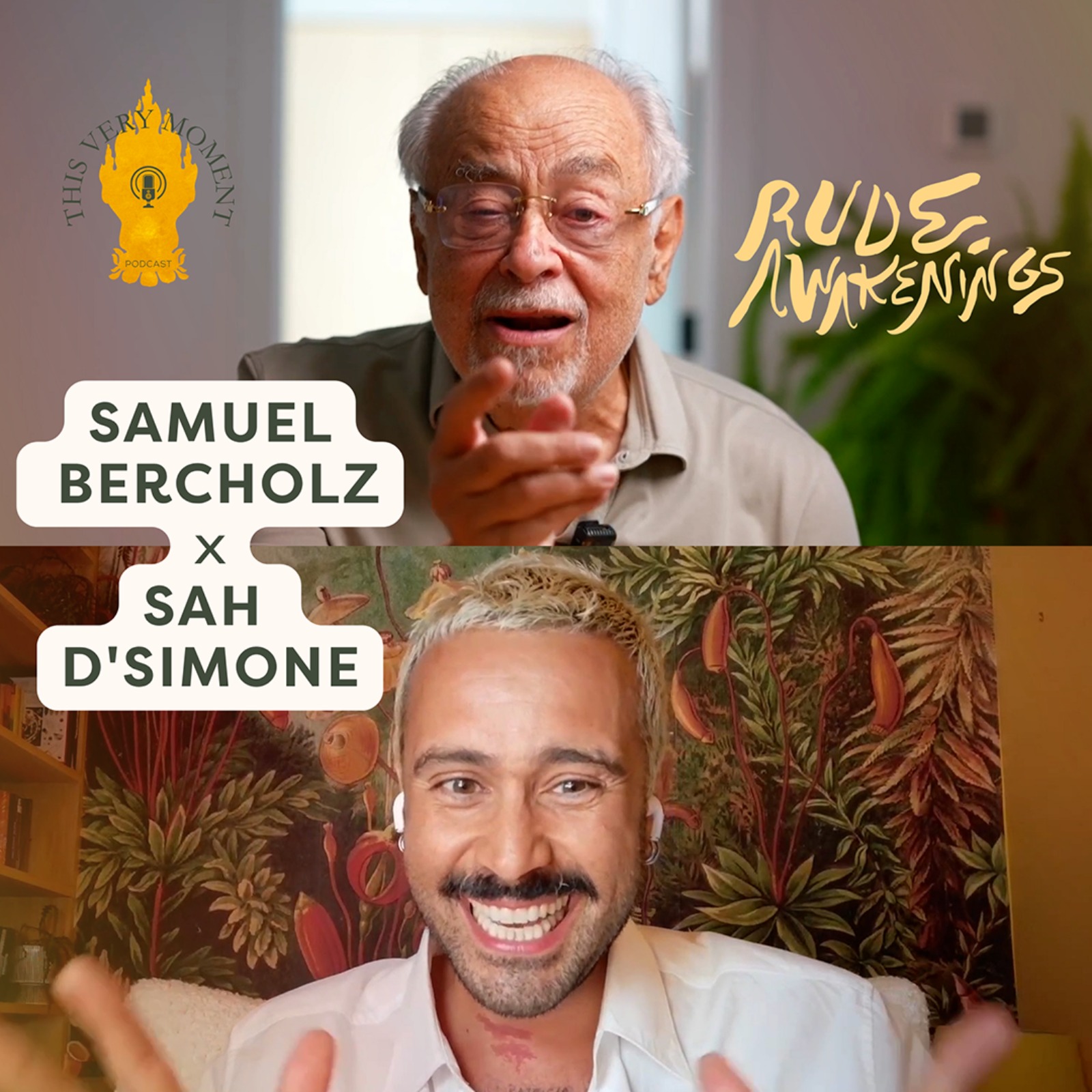 Sam Bercholz x Sah D'Simone on Dharma, Death, and the Freedom of No-Self 01.10.2026 1t 24minGuest host Sah D’Simone sits down with Sam Bercholz for a candid, funny, and deeply moving conversation on awakening amid the messiness of ordinary life.Together, Sah and Sam explore deity practice, ecstatic dance, compassion without performance, basic goodness, and the foundations shared by Hinayana, Mahayana, and Vajrayana Buddhism. Sam also shares stories of his teachers, the natural world, political anxiety, humility, and the importance of not making oneself “somebody special.”The conversation turns tenderly toward aging, death, rebirth, and how Buddhist practice can help us meet impermanence without giving in to hope, fear, or spiritual certainty. Through it all, Sam offers a simple orientation: Dharma is not about becoming holy. It is about being present, kind, and available to others.Theirs is a conversation for fellow travelers seeking spaciousness, honesty, and a more awake way of living.Watch this interview or read the episode show notes at shambhala.com/podcast.Timestamps00:00 Introduction & the Story Behind Rude Awakenings03:57 Letting Go of Self & Awakening Compassion18:32 Trump, Political Anger & Basic Goodness27:05 The Three Paths of Buddhism33:13 How Decades of Dharma Practice Change You46:51 Mystical Encounters with Buddhist Masters55:17 Sharing the Dharma & Staying Humble1:00:40 Facing Death & Near-Death Experiences1:04:48 Rebirth, the Bardo & What Comes After Death1:11:23 Living Without Regrets & Preparing to Let GoBooks by Sam Bercholz A Guided Tour of Hell: A Graphic Memoir Rude Awakenings: An Unconventional Guide to the Buddhist Path
 -
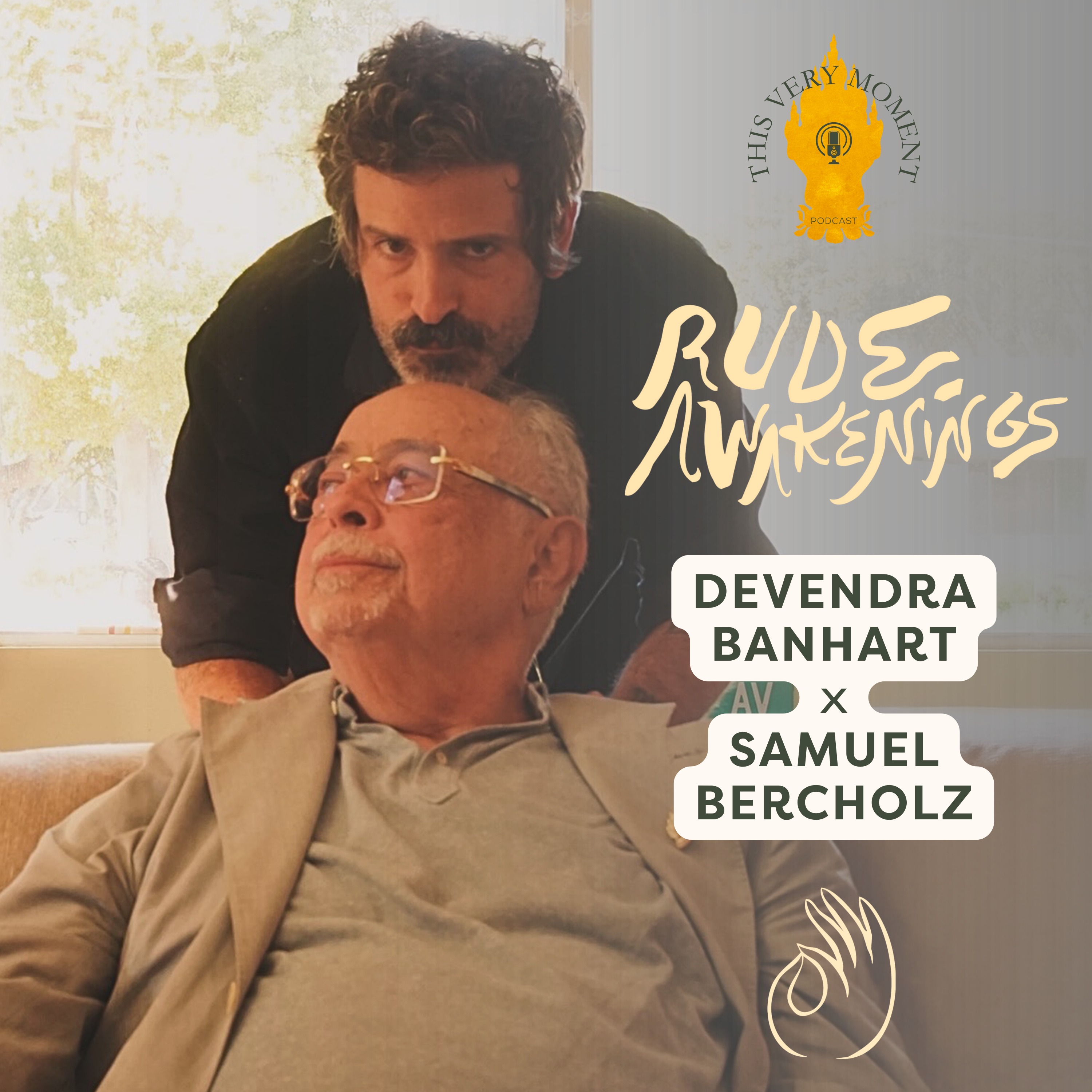 Rude Awakenings: Devendra Banhart and Sam Bercholz in Conversation 15.09.2026 49minSinger-songwriter Devendra Banhart is a guest host on this episode featuring publisher, author, and Buddhist teacher Sam Bercholz for a warm, searching, and frequently hilarious conversation about wakefulness, suffering, friendship, and the unruly business of being human. At the center of the episode is Sam’s new book, Rude Awakenings: An Unconventional Guide to the Buddhist Path, a book that resists polished self-improvement in favor of meeting life’s confusion, failure, and “muck” directly. Devendra reflects on the relief of finding a spiritual book that makes room for messiness rather than just asking you to become a better version of yourself.Together they explore Buddhist ideas of deity, compassion, habitual patterns, death, and no-self without losing sight of the everyday comedy of distraction. The two consider how easily we miss the suffering of others, how social and personal habits become convincing stories, and how compassion may arise naturally when perception begins to clear.Devendra also revisits Sam’s graphic memoir A Guided Tour of Hell, where their exchange turns to an intimate conversation about mortality, spiritual teachers, and the rare warmth of encountering genuine wisdom.Watch this interview or read the episode show notes at shambhala.com/podcast.Timestamps 00:00—Introduction 01:18—Deities, Wakefulness & the Mess of Life 13:20—A Guided Tour of Hell & Seeing Others’ Suffering 19:51—Tantra, Wise Teachers & Guru Devotion 23:40—Death, Intimacy & Rude Awakenings 28:45—Advanced Buddhist Teachings 31:24—What Is Frivolous—and What Actually Matters? 34:17—“Don’t Buy It and Don’t Blow It” 39:36—Sam’s Next Book & His Wild San Francisco Years 44:12—How Devendra Became a Dharma Person
 -
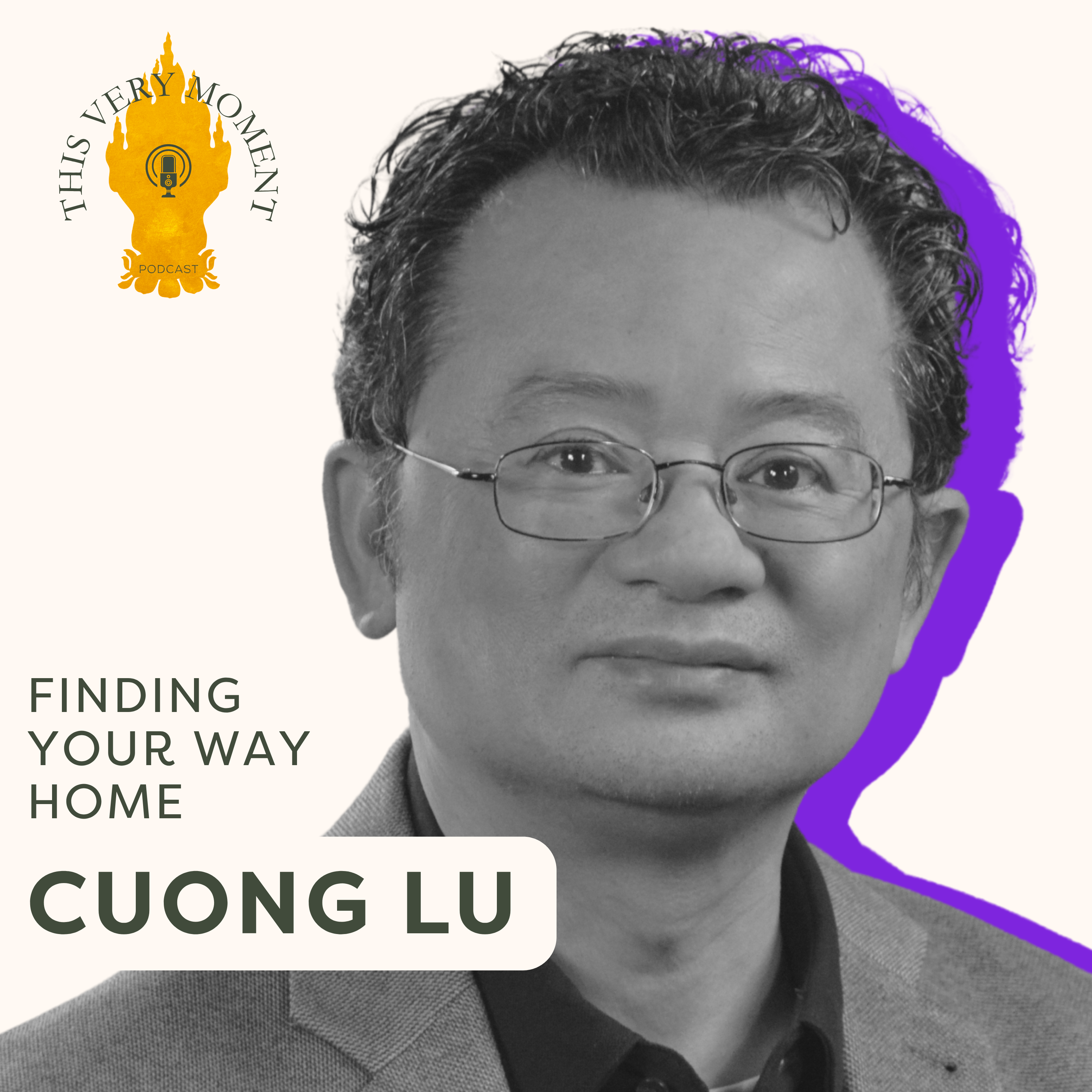 Finding Your Way Home | Cuong Lu 14.08.2026 59minIn this episode of This Very Moment, we are joined by author and Zen teacher Cuong Lu for a deeply personal conversation about freedom, grief, spiritual practice, and finding one’s way home through it all.Born in Vietnam, Cuong moved to the Netherlands at age twelve. After his father died just two years later, he found himself grieving, disoriented, and searching for a way to live peacefully in an unfamiliar country. At eighteen, he met Thich Nhat Hanh. What struck him first was not a particular teaching but Thich Nhat Hanh’s presence. Cuong saw a Vietnamese person who seemed truly at home, peaceful, and free.That recognition set the direction of his life. Cuong was drawn to Plum Village, where he entered monastic life and spent 16 years studying and practicing under Thich Nhat Hanh. His teacher’s guidance was both tender and compassionate, like a father and, uncompromising like a true spiritual teacher.The conversation follows Cuong through the painful decision to leave monastic life and the identity he had built around it. Though it felt like losing his teacher, his community, and his place in the world, he eventually discovered a freedom beyond the pursuit of happiness itself. In releasing the need to be happy, spiritually accomplished, or seen as a teacher, Cuong found a much deeper peace.Today, Cuong’s work includes service as a Buddhist chaplain in Dutch prisons and his teaching through the Mind Only Institute. He continues to share the message that “suffering is not a problem at all. You don’t need to transform suffering; you just need to come home.”Watch this interview or read the episode show notes at shambhala.com/podcast.Timestamps00:00 – Introduction to Cuong Lu00:44 – At Peace, Filled with Joy & Rethinking the Dhammapada06:10 – Tradition, Truth & “Non-Buddhism”13:15 – Growing Up in Vietnam & the Impact of War18:24 – Discovering Meditation & Meeting Thich Nhat Hanh24:37 – The Path to Plum Village29:44 – Becoming a Monk & 16 Years of Practice34:07 – Leaving Plum Village & Becoming “Nobody”40:51 – Working as a Buddhist Chaplain in Dutch Prisons50:32 – Life After Prison Work & the “Invisible Monk”Select Books by the AuthorAt Peace, Filled with JoyWaitHappiness Is Overrated
 -
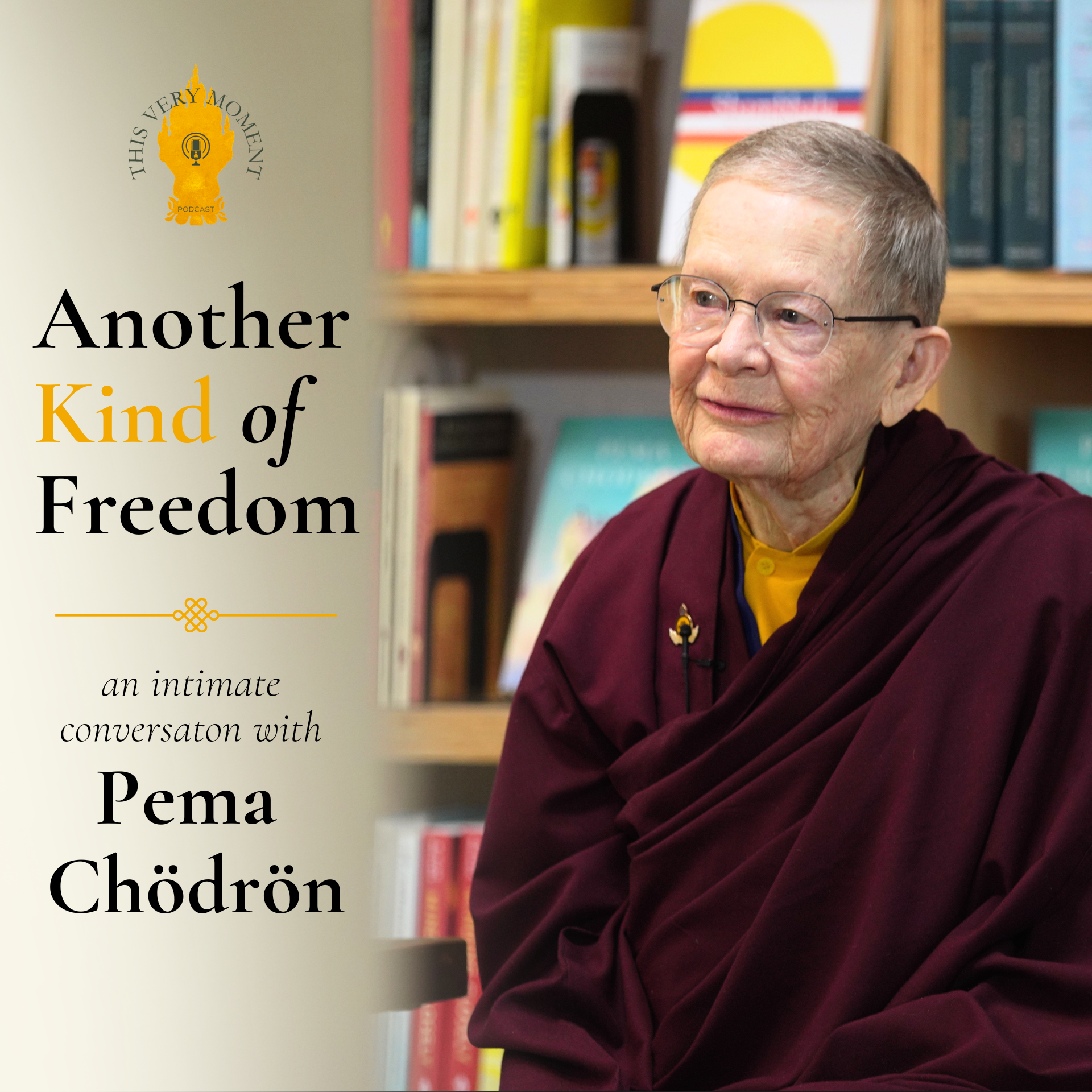 Another Kind of Freedom: An Intimate Conversation with Pema Chödrön 14.07.2026 36minIn this warm and wide-ranging conversation, Pema Chödrön reflects on her life, practice, teaching, and making Buddhist wisdom accessible in everyday experience as the milestone of her 90th birthday approaches.Pema shares what “winding down” looks like for her, and why, at the urging of Anam Thubten Rinpoche, she continues to teach. At the heart of the conversation, Pema unpacks her new book’s (Another Kind of Freedom) central question: what does freedom actually mean? It’s not the conventional idea of escaping one situation for a better one, but a deeper, unconditional freedom found by moving toward experience rather than away from it.The conversation touches on counterintuitive teachings on disappointment and boredom as spiritual signposts, the art of working with people without getting overwhelmed, and why praise and blame are equally superficial, illustrated by a perfectly timed airport story.Pema also offers a memorable image for “inviting all sentient beings as guests” without overwhelming our nervous system and shares how, in this later chapter of her life, formless practice and the aspiration to live free from fixed mind guide her day to day.This heartfelt conversation is a profound look at what lifelong practice can become.Watch this interview or read the episode show notes at shambhala.com/podcast.Another Kind of Freedom: https://www.shambhala.com/another-kind-of-freedom.htmlTimestamps00:00 Introduction00:37 What Pema is up to at This Very Moment04:32 What is true freedom?08:44 Teaching from experience instead of theory12:28 Why Pema wrote her new book, Another Kind of Freedom.15:46 Encountering the Myth of Freedom for the first time17:02 Working with praise and blame21:22 What Pema’s focusing on in her teachings23:00 Working with disappointment and boredom as a tools27:30 Working with people, the good and the bad34:05 Pema's personal practice
 -
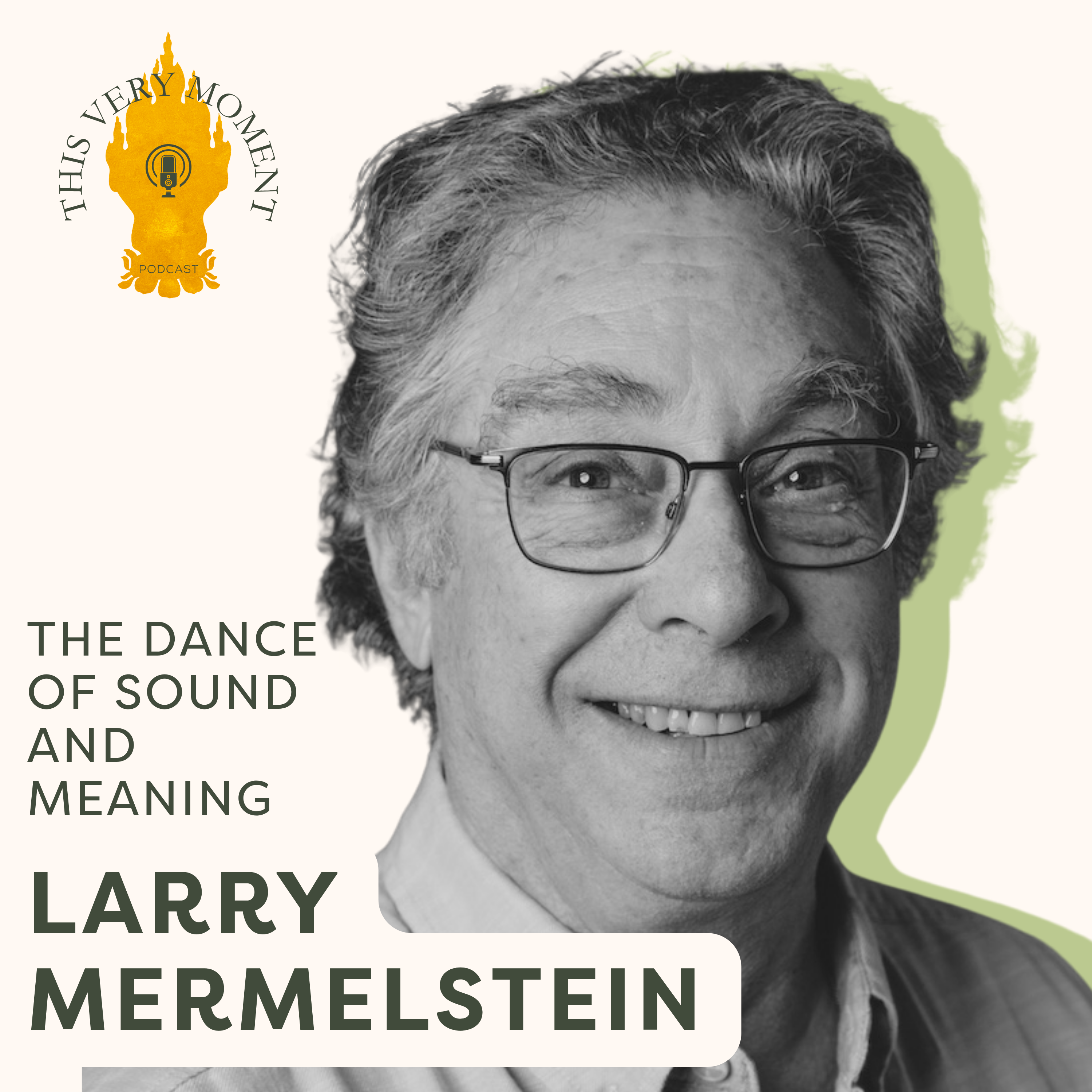 The Dance of Sound and Meaning | Larry Mermelstein 15.06.2026 1t 24minIn this episode of This Very Moment we are joined with Larry Mermelstein, a longtime student of Chögyam Trungpa Rinpoche and a founding member of the Nalanda Translation Committee.Born in Pennsylvania and raised in Rochester, New York, Larry recalls growing up in a Jewish household with mixed religious observance. His father, raised Orthodox with a Hasidic grandfather, described himself as a “non-observant Orthodox Jew,” while his mother came from a Reform background. Larry attended Hebrew school reluctantly but found genuine engagement in the musicality of Jewish prayer during his study for bar mitzvah. However, as he grew older and began reading the English translations of Hebrew prayers, he found the meaning uninspiring, and his interest in Judaism faded.As a teenager Larry found refuge in a spiritualist minister in New Jersey, who opened him up to the idea that this reality is not the only reality. He continued studying with him through his last two years in high school.Watch this interview or read the rest of the episode show notes at shambhala.com/podcast.Timestamps 00:00:00 — Introduction Larry Mermelstein on Buddhism, translation, and the early days of the Trungpa community 00:01:47 — Little Larry: Growing Up Jewish Childhood, family, faith, and early influences 00:05:59 — The First Spiritual Disillusionment Why Judaism stopped feeling alive—and what came next 00:18:57 — From Mysticism to Buddhism The path from spiritual seeking into the Dharma 00:30:12 — Meeting Trungpa Rinpoche The first encounter that changed everything 00:40:58 — Becoming a Translator How language and Dharma became a life's work 00:49:04 — Who Was Ugyen Shenpen? Remembering a pivotal figure behind the scenes of Tibetan Buddhism 00:58:39 — Building Naropa and the Early Community The pioneering years of Buddhist education in the West 01:04:53 — Why So Many Jews Found Buddhism Exploring one of the great demographic mysteries of Western Dharma 01:09:47 — Does Buddhism Have a Future Here? Translation, culture, music, and reaching new generations 01:17:48 — What Inspires You Now? Larry on legacy, younger practitioners, and what's alive today 01:19:38 — The Future of the Trungpa Lineage Tulku questions, succession, and Rinpoche's predictions
 -
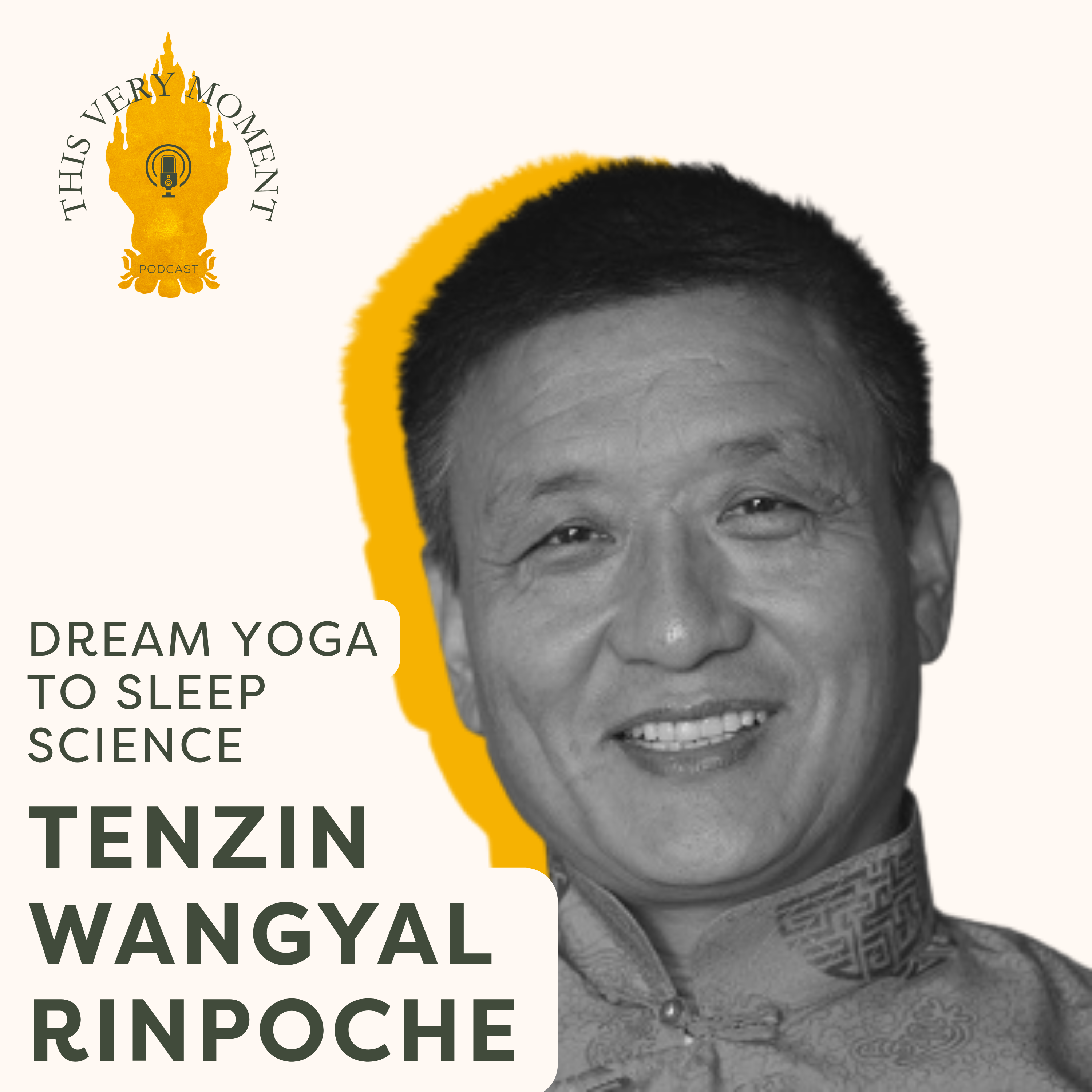 Dream Yoga to Sleep Science | Tenzin Wangyal Rinpoche 15.05.2026 56minIn this episode of This Very Moment, we sit down with Tenzin Wangyal Rinpoche, a revered master of the Bön tradition of Tibet. Rinpoche traces the distinctive qualities of Bön, from Dzogchen to astrology, cosmology, and elemental practices. Though often misunderstood and overshadowed, Bön’s core teachings share a common ground with Buddhist traditions, particularly the Nyingma tradition with Dzogchen as its core component. Rinpoche describes his unique upbringing, as he was raised by a Gelug father and a Bön mother, and how he was educated in a Christian boarding school. Later, he trained in a Bön monastery under his primary teacher, Yongdzin Lopon Tenzin Namdak. The highlight of the conversation is his exploration of the Tibetan Yogas of Dream and Sleep. He introduces his newest concept of “Free Identity Zones,” explaining how sleep gives us the opportunity for true freedom and healing. During deep sleep, the body is temporarily free of the mind, allowing for deep restorative rest. Likewise, during REM cycles, the mind has a chance to be temporarily free of the body, allowing for cognitive growth and emotional healing. Both of these moments of Free Identity are essential for healing physically, emotionally, and mentally. Beyond the meditation cushion, Rinpoche shares his unexpected passions for longevity science, tracking health biomarkers, and breaking out of traditional boxes to embrace modern knowledge. Finally, Rinpoche reflects on his teachers, Yongdzin Lopon Tenzin Namdak and Lopon Sangye Tenzin, and the profound influence they had on him. After nearly 40 years of teaching in the West, Rinpoche remains an inspirational voice in the Bön Buddhist community, specifically Ligmincha International, where he serves as the founder and director. In addition to his ongoing teaching and non-profit work, Tenzin Wangyal Rinpoche will be teaching a special course on Tibetan Dream Yoga this summer. Click here to learn more.Timestamps02:38 – What “Yoga” Actually Means Breaking down the deeper meaning beyond physical practice 09:02 – What Is Dream Yoga? Foundations of dream practice and why it matters 10:37 – Using Dreams to Understand Yourself Lucidity, awareness, and interpreting dream experiences 14:07 – Sleep, Biometrics & Daily Awareness Tracking HRV, REM, and how habits affect consciousness 19:52 – Living Beyond Identity The idea of an “identity-free zone” and conditioning 31:12 – Letting Go of a Fixed Life Path Living without rigid goals and trusting what unfolds 34:47 – Fear, Upbringing & Human Potential How fear shapes (or limits) development 45:02 – Mortality & Living Fully Why awareness of death sharpens how we live
 -
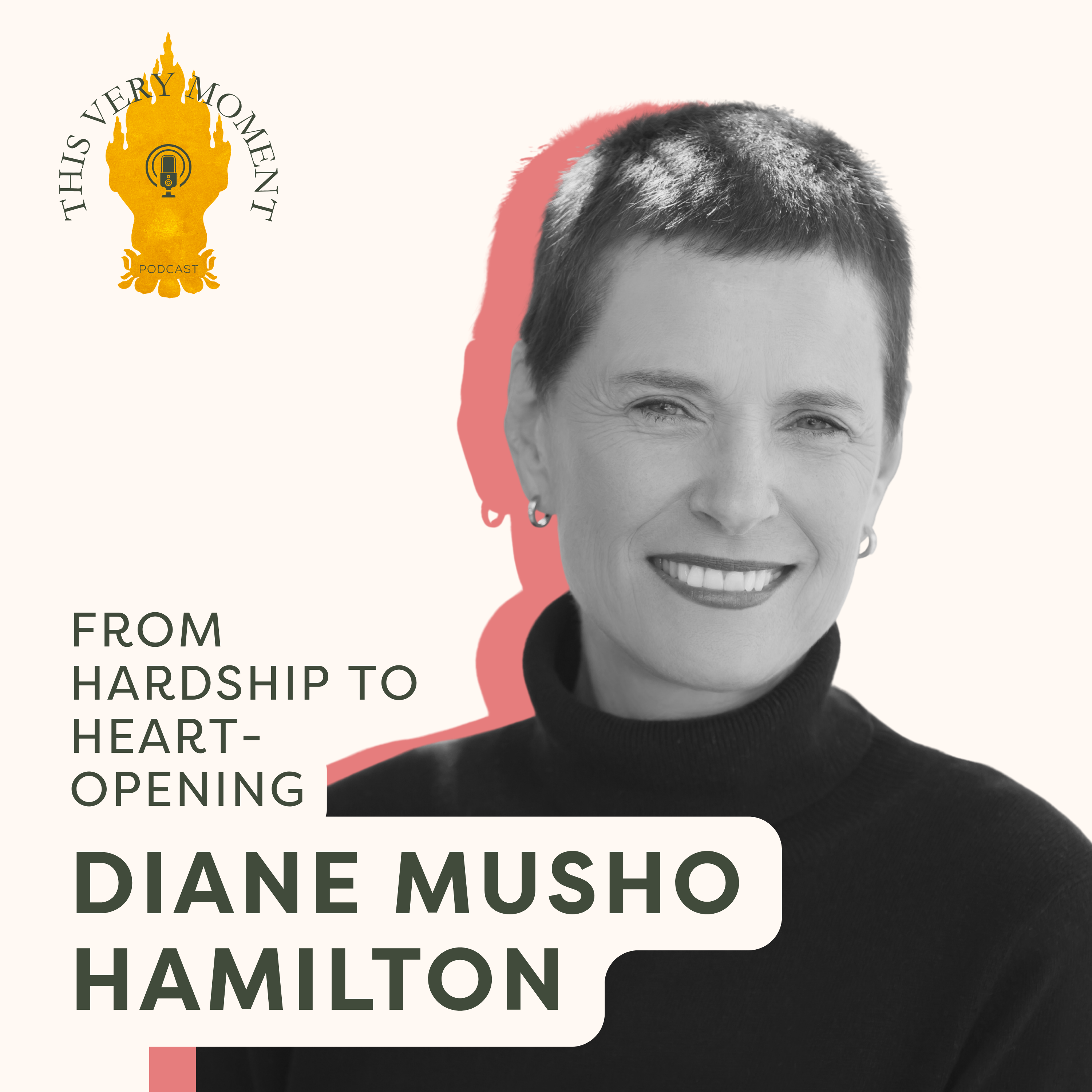 From Hardship to Heart-Opening | Diane Musho Hamilton 15.04.2026 57minEpisode 7 of This Very Moment features Zen teacher, meditator, and author Diane Musho Hamilton in a rich conversation about learning to be with life as it is. Diane shares how early encounters with loss and grief left her existentially overwrought. Despite being raised in a family with strong spiritual roots in the Mormon tradition and surrounded by a nurturing natural landscape, she felt that life’s deeper questions were left unanswered. Literature and philosophy were helpful guides, but she needed something more. That something was first discovered at the Naropa Institute (now Naropa University), later deepened with her teacher Genpo Roshi, and further expanded by her training and practice with Ken Wilber and the Integral Institute. According to Diane, “If Trungpa Rinpoche revealed the Dharma world and Genpo Roshi introduced me to emptiness and to the depths of zazen, then I would say that Ken Wilber gave me permission to evolve and to consider questions and perspectives about spiritual practice that are really pertinent to our time.” Modeling the profound impact of her Buddhist training, Diane vividly describes how she uses life’s suffering and hardship as a path to awakening, relying on “the confidence that there is something profound, enduring, and inherent that knows how to be with what is.” In a final comment, Diane summarizes key themes of her newest book, Waking Up and Growing Up, coauthored with her student Gabe Kaigen Wilson, explaining the importance of training in contemplative depth and relationship skills for contemporary practitioners. The conversation closes with her current focus on succession, community, and the simple, enduring happiness of tending a garden. Timestamps00:00 – Introduction Host framing the conversation and Diane’s work. 00:00:56 – Childhood & Early Life in Rural Utah First question begins about her upbringing and earliest memories.00:02:10 – Mormon Culture & Family Religious Influence Deeper shift into Mormon identity, family structure, and worldview. 00:08:36 – Discovering Buddhism & Naropa Institute Clear transition into her exposure to Buddhism and formal study. 00:12:59 – Zen Practice & Spiritual Teachers Shift into deeper training, including Zen lineage and mentorship. 00:16:03 – Mediation Work & Conflict Resolution Path First explicit pivot into her professional work in mediation. 00:28:07 – Communication, Shadow Work & Facilitation Expansion into applied work: communication, conflict, and integration.00:50:52 – Presence, Awareness & “This Very Moment” Conversation lands in core philosophy of awareness and lived practice.
 -
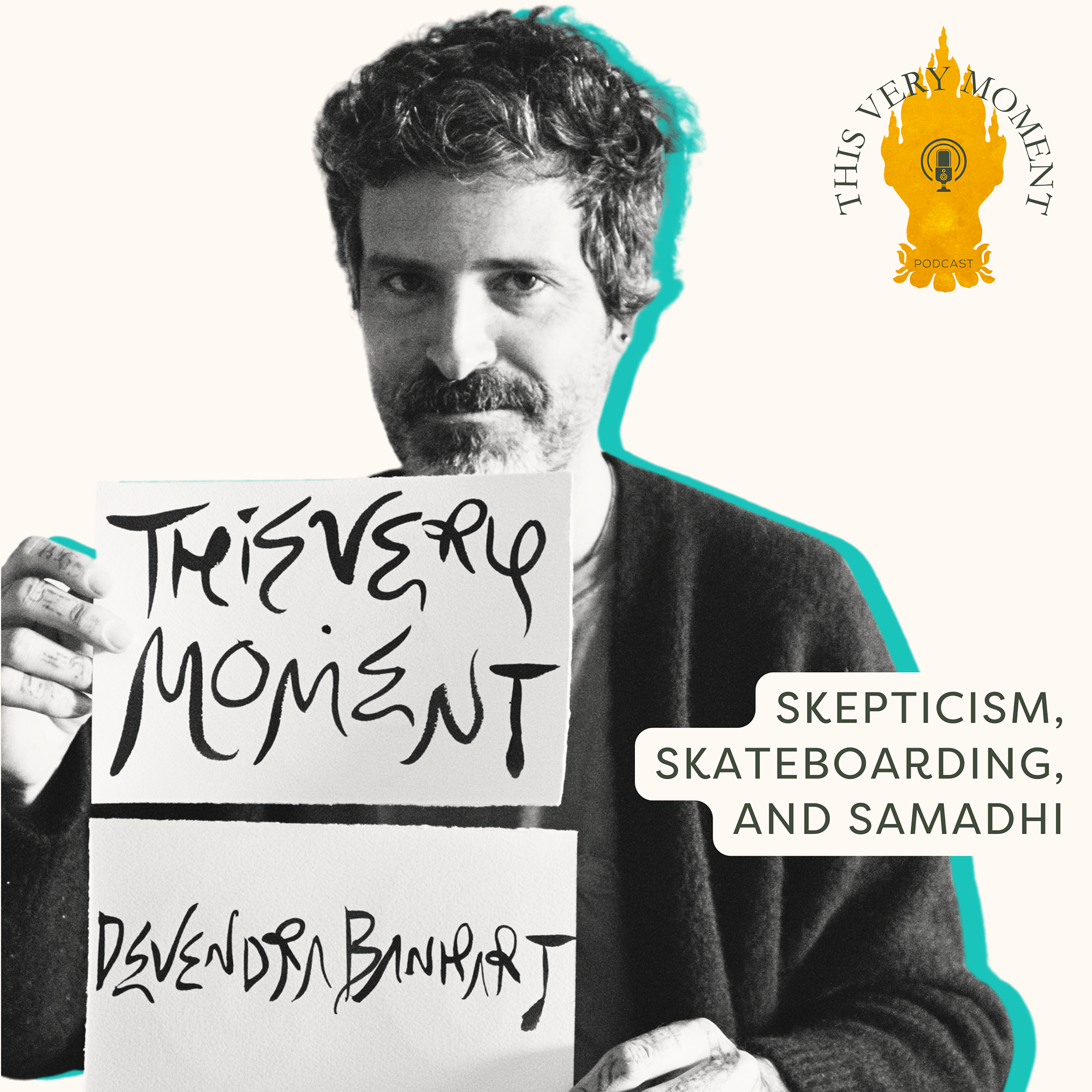 Skepticism, Skateboarding, and Samadhi | Devendra Banhart 13.03.2026 1t 5minIn this episode, musician and visual artist Devendra Banhart sits down with Ivan Bercholz for an intimate conversation about how Buddhist practice, books, and subculture have shaped his life and work, leading him to This Very Moment.From his early years of skateboarding (before it was cool) to his segue into indie-folk music, Devendra has always leaned into counterculture, providing the perfect foundation to esotericism and the Buddhadharma. Raised in a spiritual home, Devendra’s parents practiced and studied with a Hindu teacher; however, through his own exploration and experience, he discovered that the Buddhist teachings are the one true support for his life, art, and music. With honesty, depth, and humor, Devendra describes his interactions with his root teacher, Neten Chokling Rinpoche, as well as Dzongsar Khyentse Rinpoche, which pushed him to go beyond doubt, hardship, and insecurity both as an artist and a practitioner. Through winding storytelling, Devendra shares his deep appreciation of the universal spiritual principles that he’s encountered through books, teachers, and music, while returning again and again to his personal devotion to the Buddhist teachings.Watch this interview or read the episode show notes at shambhala.com/podcast.Timestamps00:00 Devendra Banhart on Spirituality, Music & Creative Life09:04 Religion, Culture & Finding Community15:38 Skateboarding, Freedom & Everyday Joy21:14 Stage Fright, Performing & Substances in Music27:51 The Sacrifices of a Creative Life34:00 Why Spiritual Certainty Can Be Dangerous39:36 Laurie Anderson and Other Influences54:00 Performing Against My Will & Working with Fear01:03:46 Lamas Are Superheroes
 -
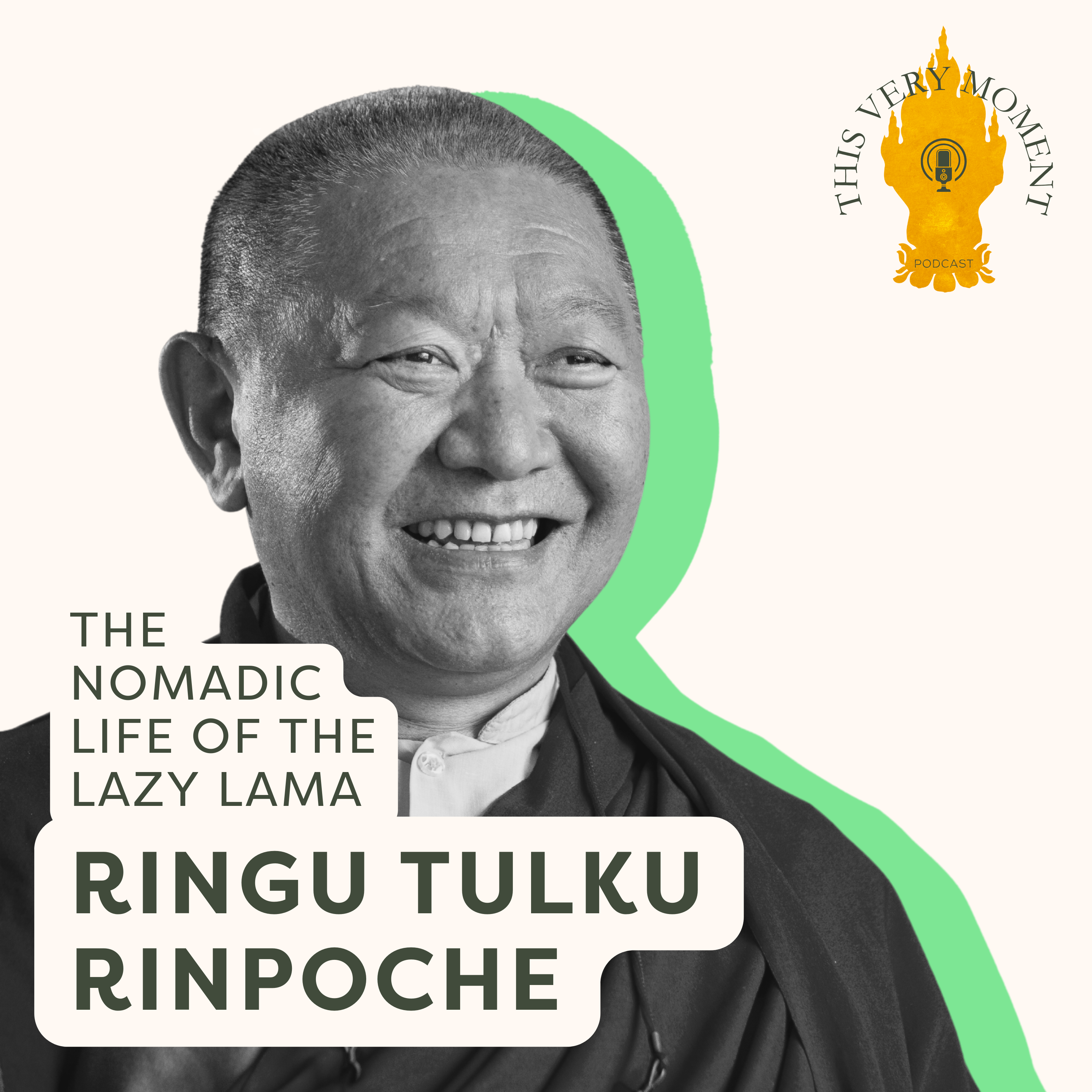 The Nomadic Life of the Lazy Lama | Ringu Tulku Rinpoche 13.02.2026 1t 9minIn this intimate conversation, eminent Tibetan Buddhist master and scholar Ringu Tulku Rinpoche traces his extraordinary life shaped by exile, rigorous study, a lifetime of practice and teaching across cultures, leading him to this very moment.He describes his early years studying and practicing under Khenpo Tsöndrü, the Sixteenth Karmapa, and his main teacher Dilgo Khyentse Rinpoche, as well as a variety of teachers from the Kagyu Nyingma, Geluk, and Sakya traditions lending to his rimé (nonsectarian) training. Rinpoche also highlights two major lay influences: Professor N. C. Sinha, who shaped his understanding of history and ethics, and Freda Bedi, who nurtured his English, cross-cultural awareness, and early teaching activity.Reminiscing on his early education, Rinpoche describes his experiences studying at the Central Institute of Higher Tibetan Studies in Sarnath and later his unanticipated 8-year appointment translating textbooks into Tibetan for the education department in Sikkim, followed by 17 years of teaching Tibetan Language and Literature at the college level before “retiring” and continuing his teaching internationally.Since 1990, Rinpoche has been traveling and teaching Buddhism at over 50 universities, institutes, and Buddhist centers in Europe, Australia, Asia, and North America, as well as participating in interfaith dialogues and academic conferences, making him a true nomad and advocate of the nonsectarian impulse.Watch this interview or read the episode show notes at shambhala.com/podcast.*Photo of Rinpoche courtesy of Gerry McCulloch.Timestamps00:00:38 – Growing up in Kham00:05:19 – Early memories and inspiration00:12:27 – Meeting his root guru, Digo Khyentse Rinpoche00:25:32 – The friendship between Khyentse Rinpoche and the 16th Karmapa00:27:41 – Non-Buddhist influences (Professor N. C. Sinha and Freda Bedi)00:32:32 – The transition from student to teacher00:41:06 – Teaching internationally00:54:09 – The production of the Lazy Lama Looks at Buddhist Meditation book series00:57:15 – Current projects and activities01:03:50 – The most important teachingBooks by the AuthorPath to Buddhahood: Teachings on Gampopa’s Jewel Ornament of LiberationThe Ri-me Philosophy of Jamgön Kongtrul the Great: A Study of the Buddhist Lineages of TibetConfusion Arises as Wisdom: Gampopa’s Heart Advice on the Path ofDaring Steps: Traversing the Path of the BuddhaMind Training
 -
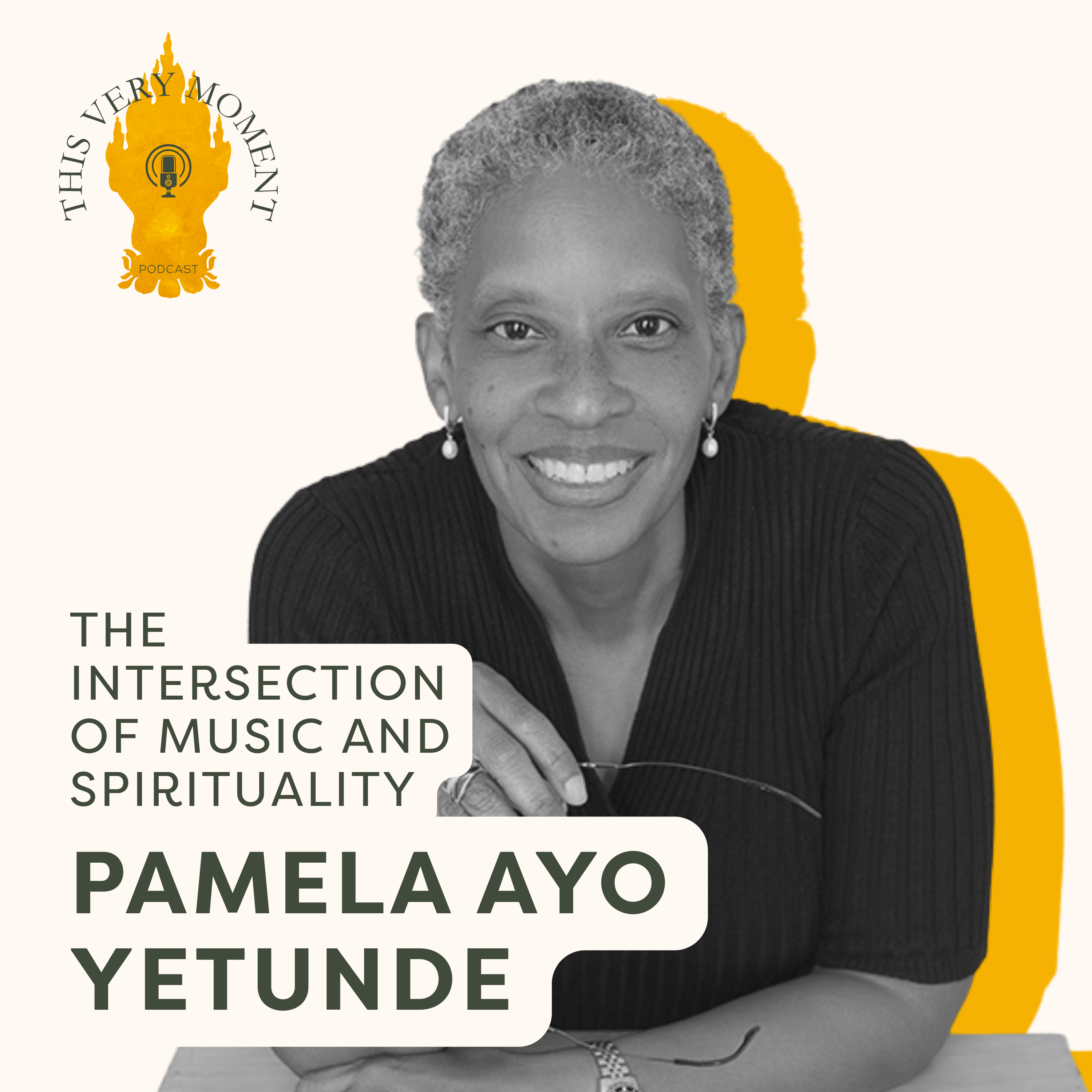 The Intersection of Music and Spirituality | Pamela Ayo Yetunde 15.01.2026 1t 9minThis episode features author, theologist, and Community Dharma Leader, Pamela Ayo Yetunde. Hear about Ayo’s upbringing and early roots in the church and Black Christian community, and how her love of music and poetry spawned a deep appreciation of the spiritual and symbolic elements hidden within artistic compositions. Ayo discusses influential figures, authors, and musicians from Gandhi, bell hooks, and Audre Lorde to American singer and songwriter, India Arie. In particular, she cites the pop icon Prince as having a significant influence on her life and work, underscored in her recent book Dearly Beloved: Prince, Spirituality and This Thing Called Life. All these early experiences and more ripened Ayo to explore the heartfelt dimensions of healing and spirituality, starting with the teachings of Thich Nhat Hanh followed by Insight Meditation teacher Gil Fronsdal and her work early on with the Zen Hospice Project alongside beloved volunteer coordinator Eric Poché. The cumulation of these experiences and more are what brought her to This Very Moment.In addition to discussing her life and work, this interview focuses on the intersection of music and spirituality, aligned with Ayo’s current exploration of theolyricology, a term coined by Ayo meaning “the study of song lyrics about God, gods, spirituality, and/or the divine.”Watch this interview or read the episode show notes at shambhala.com/podcast.Timestamps00:00 – Introduction to Ayo Yetunde and her work00:52 – Early life, church roots, and spiritual beginnings06:10 – Music, poetry, and creative expression as formation13:45 – Hospice work and being with death and grief22:30 – Black Buddhist organizing and community building32:05 – Editing Black and Buddhist and shaping collective voice41:20 – Theolyricology: studying song lyrics about the divine52:10 – Wisdom, practice, and sustaining spiritual life01:06:40 – Closing reflections and where to find Ayo’s workBooks by the Author:Casting Indra’s NetBlack and Buddhist
 -
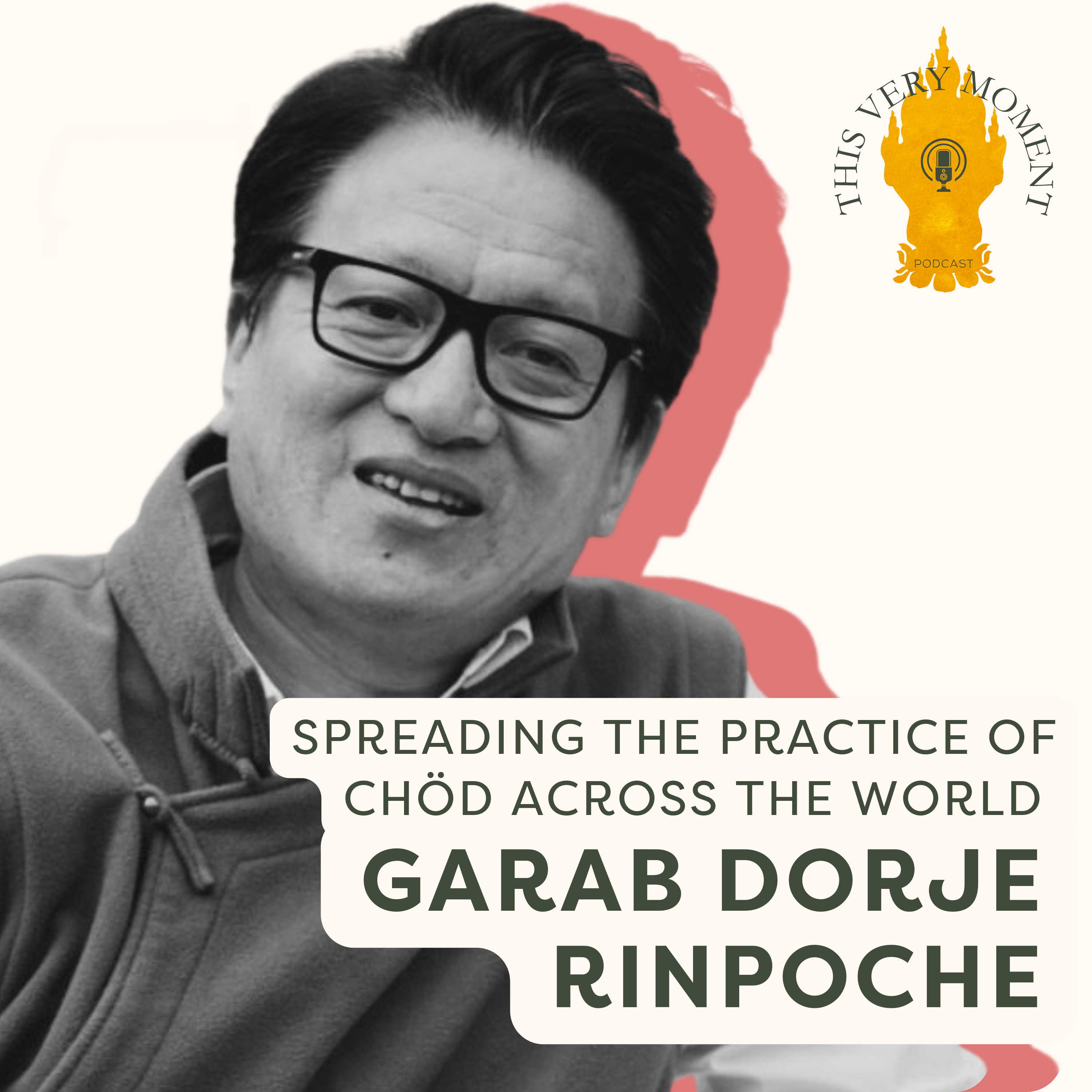 Spreading the Practice of Chöd Across the World | Garab Dorje Rinpoche 15.12.2025 1t 28minThis episode features Dungzin Garab Dorje Rinpoche, the son and dharma heir of his father, Thinley Norbu Rinpoche. Learn about his upbringing and early introductions to the deepest layers of the Tibetan Buddhist tradition. From his early studies to empowerments and teachings from some of the most revered Buddhist masters, Rinpoche shares stories about how the Buddhadharma took root in his heart, leading him to become a renowned throne holder in the Dudjom lineage in This Very Moment.In this interview, Rinpoche recalls early memories of living and studying Buddhism in Darjeeling at Kangyur Rinpoche’s gompa as a young boy, followed by intensive study at Mindrolling and Palyul. He describes how his connection with his father developed as he matured. Slowly he began to witness his father’s teachings and the vision he had for him with more clarity, transforming their relationship from father and son to teacher and disciple. Likewise, he reminisces his remarkable familial connection with Kyabje Dudjom Rinpoche (paternal grandfather) and Sonam Zangpo Rinpoche (maternal grandfather), as well as the challenges and auspicious connections required to build the Rangjung Woesel Choeling Monastery and his extensive dharma activities seen today.Watch this interview or read the episode show notes at shambhala.com/podcast.Timestamps00:00 — Intro & guest overview: Garab Dorje Rinpoche, Throma Nagmo/Chöd, and his remarkable family lineage.05:00 — Early life in Bhutan: strict upbringing, morning prayers, and how his father shaped his discipline.20:00 — Entering monastic life: being sent to monastery/retreat settings, adapting to training, and first major influences.30:00 — Formal studies & turning points: philosophy training, teachers, and the weight of responsibilities amid personal loss.40:14 — Building for the sangha: renting land, plans for temples/hostels, and the Singapore fundraising story tied to his mother’s passing.54:24 — Founding Throma lay groups: how and why he began organizing Throma/Krodhikali practice communities in Bhutan.60:17 — Propagating Dudjom lineage today: vision for temples, nunneries, monastic education, and challenges like fewer young monks.70:02 — Initiations explained: Root vs. Supreme Initiation, samaya commitments, and why practitioner cards are required.80:00 — Teaching on the road + stories: traveling to students, benefits/miracles of practice, and reflections on lay vs. Dharma perspectives.
 -
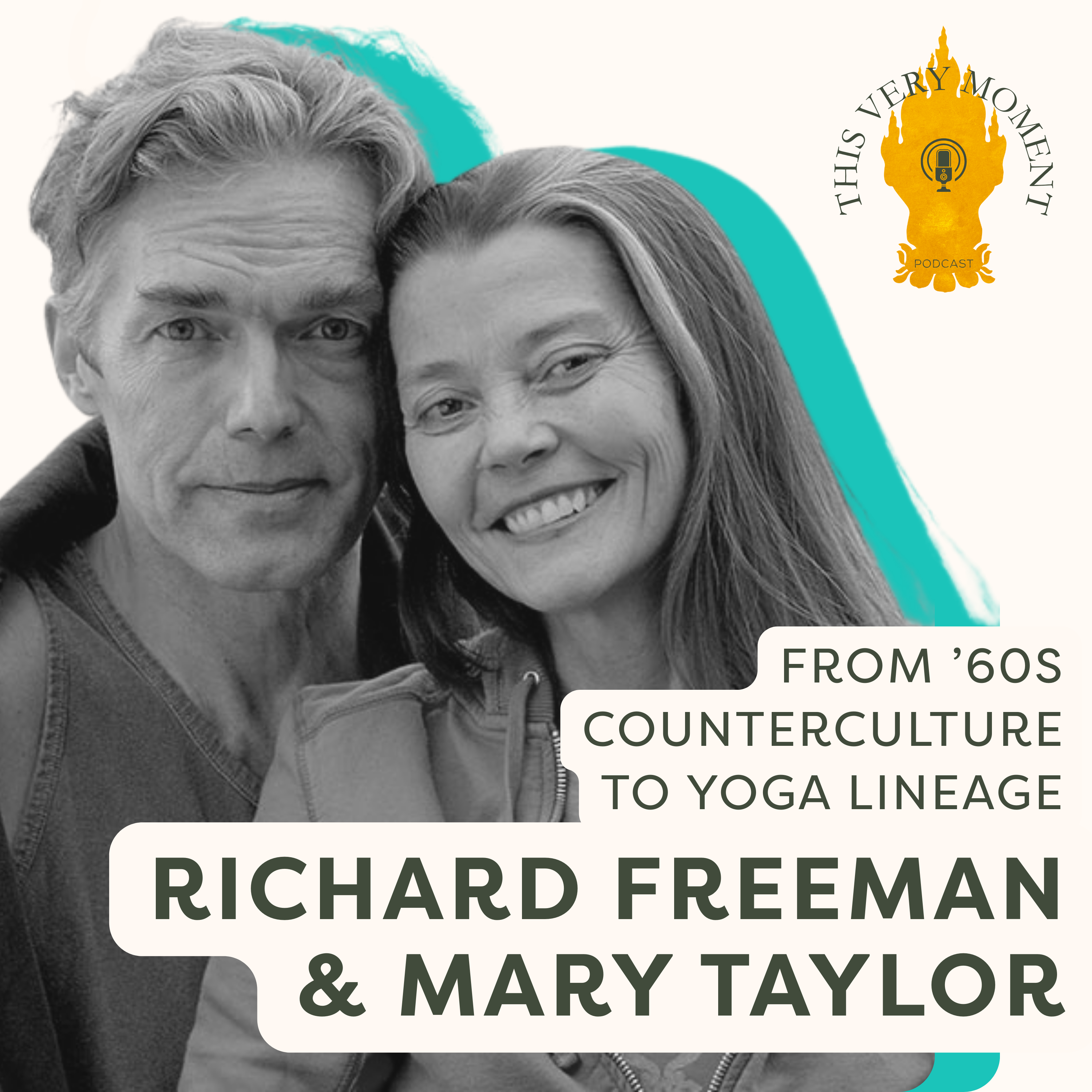 From ’60s Counterculture to Yoga Lineage | Richard Freeman and Mary Taylor 14.11.2025 1t 24minJoin Ivan and Sara Bercholz (co-owners of Shambhala Publications) in conversation with the renowned yoga teaching couple Richard Freeman and Mary Taylor. From the ‘60s music scene to transcendental philosophy, Eastern thought, holistic psychology, and integrated health, through their first discoveries of yoga and meditation and travels to India and Iran, we get a glimpse into the early experiences that carried them forward to becoming the revered yoga practitioners and teachers that they are in This Very Moment.In this interview we learn about Richard and Mary’s early upbringing and the environment that inspired them to embark on the spiritual path. With their signature warmth, hear how Richard and Mary found their way to the Buddhist and yogic tradition through the waves of hippy counterculture, revolt against the Vietnam War, and the growing tension in the Middle East. Learn about their early interactions with their teachers K. Pattabhi Jois and B.K.S. Iyengar, and the origin story of their relationship and how they became co-teachers.Watch this interview or read the episode show notes at shambhala.com/podcast.Timestamps00:00 – Getting Started & Meet Richard and Mary09:45 – How Breath Shapes Awareness20:30 – Finding Balance Between Effort and Surrender33:00 – The Mind-Body Connection in Practice47:15 – Teachers, Mentors, and Keeping Yoga Real59:20 – Relationships, Compassion, and Daily Life1:12:10 – Emptiness, Wholeness, and Letting Go1:22:00 – Wrapping Up and Final Thoughts
 -
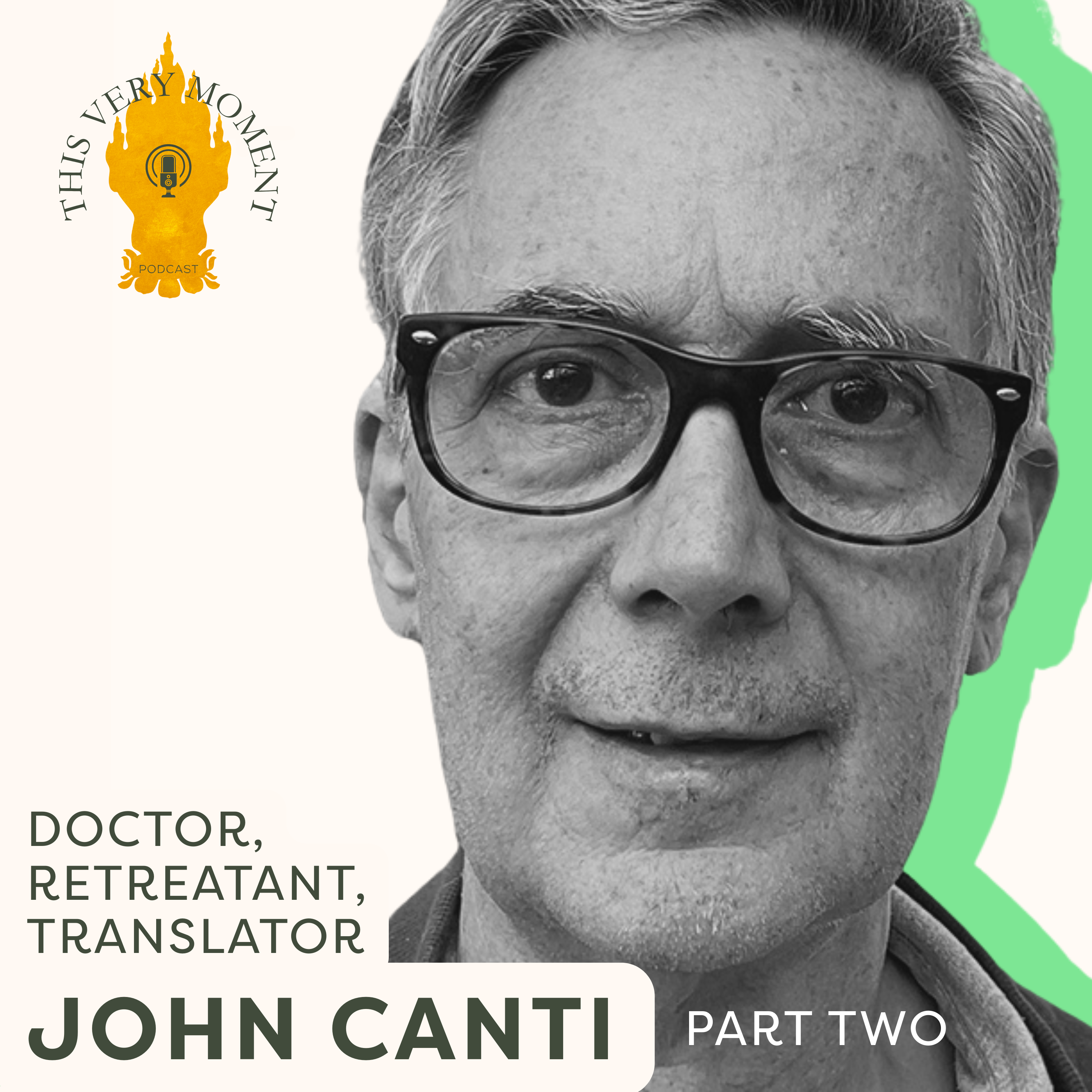 Doctor, Retreatant, Translator | John Canti (part 2) 14.10.2025 1t 9minIn this inaugural episode, Ivan Bercholz (co-owner of Shambhala Publications) queries John Canti, a founding member of the Padmakara Translation Group, about the path that has led him to This Very Moment.We learn about John’s family lineage and childhood, his spiritual roots and early skepticism toward religion, as well as the pivotal moments that led him to embrace Buddhist teachings. He reflects on the impact of early teachers, pop culture, and significant encounters with key lamas, ultimately emphasizing the importance in his life of having multiple teachers. The discussion highlights the ongoing quest for understanding the nature of mind and the winding path of the journey toward that end.Watch this interview or read the episode show notes at shambhala.com/podcast.Chapters:00:00 Tulku Pema Wangyal Rinpoche influence 06:27 Wrapping up work in Nepal and Three-Year Retreat in France 13:48 Lessons from the Retreat: Expectations vs. Reality 25:19 Spending time with Dudjom Rinpoche at the end of his life 30:01 Stories of the Kudung and bringing to Nepal45:08 Personal Stories with Dilgo Khyentse Rinpoche01:01:35 Core Teachings: Understanding Mind and Awareness
 -
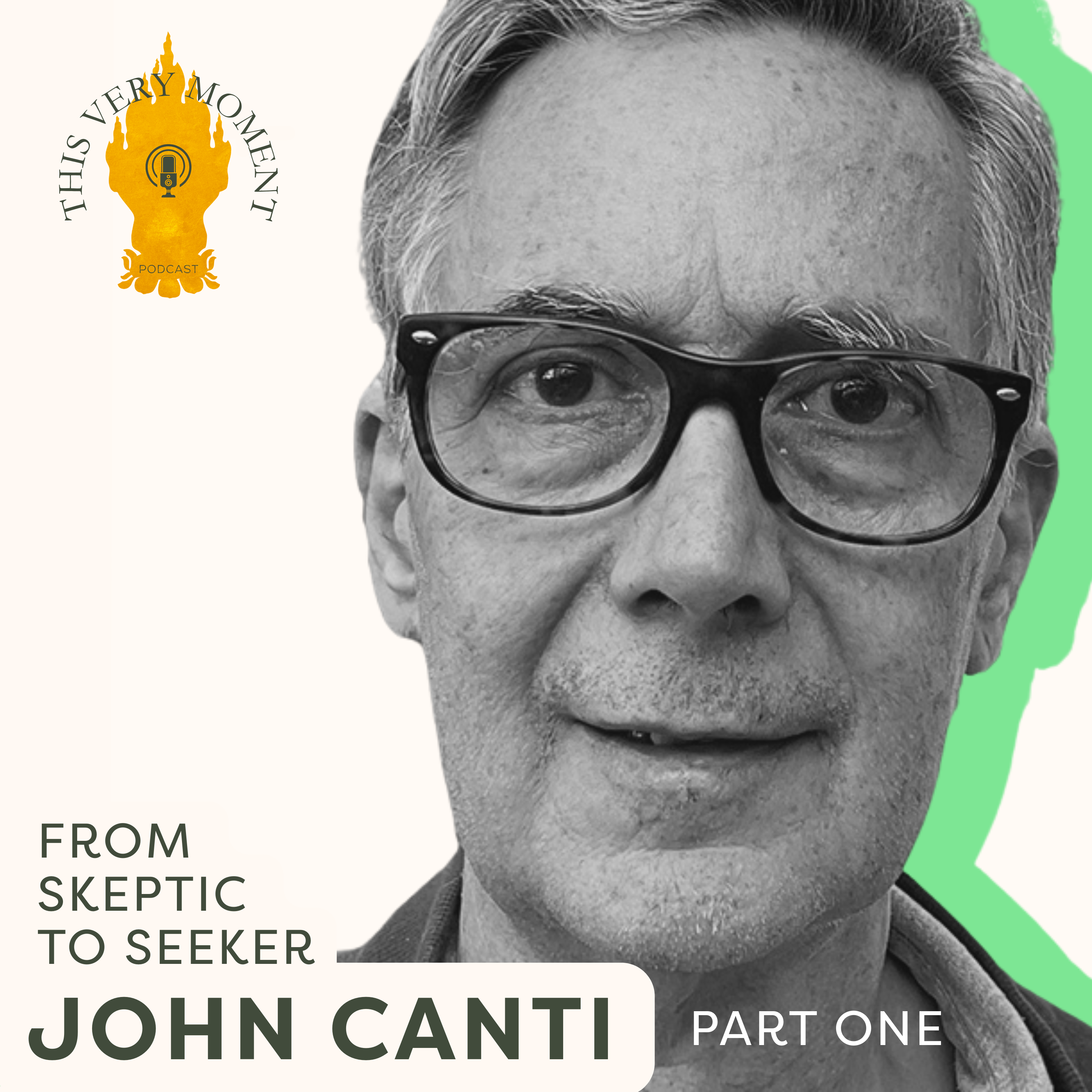 From Skeptic to Seeker | John Canti (part 1) 14.10.2025 1t 15minIn this inaugural episode, Ivan Bercholz (co-owner of Shambhala Publications) queries John Canti, a founding member of the Padmakara Translation Group, about the path that has led him to This Very Moment.We learn about John’s family lineage and childhood, his spiritual roots and early skepticism toward religion, as well as the pivotal moments that led him to embrace Buddhist teachings. He reflects on the impact of early teachers, pop culture, and significant encounters with key lamas, ultimately emphasizing the importance in his life of having multiple teachers. The discussion highlights the ongoing quest for understanding the nature of mind and the winding path of the journey toward that end.Watch this interview or read the episode show notes at shambhala.com/podcast.Timestamps 00:00 Introduction to Spiritual Upbringing 06:29 Family Background and Early Influences 10:03 Religious Perspectives and Family Dynamics 16:30 Early Teachers and Inspirations 21:00 Cultural Influences and Personal Growth 29:03 Ignition of Spiritual Interest 36:42 Exploring Buddhist Texts and Teachings 40:24 First interactions with Lamas 47:43 Meeting the Great Lamas: A Transformative Encounter 51:27 The Path of Study: Balancing Medicine and Buddhism 01:01:18 The Impact of Kangyur Rinpoche: A Lasting Impression
Lignende podcasts


Populær i
Denne podcast optræder også i podcast-hitlister i disse lande.
