
Wonder Cabinet
Wonder Cabinet Productions
0
Wonder Cabinet is an independent podcast created by Anne Strainchamps and Steve Paulson, the Peabody Award-winning producers behind public radio's To The Best Of Our Knowledge. The show features intimate, long-form conversations with scientists, philosophers, writers, and artists who are reimagining our relationship with the planet. Topics range from black holes and quantum entanglement to mycelial networks and ancient tree rings, as well as dream worlds, myths, and fairy tales. Inspired by Enlightenment-era cabinets of curiosities, the podcast explores how mechanistic models are giving way to more holistic, relational understandings of life on a sentient Earth.
Episoder
-
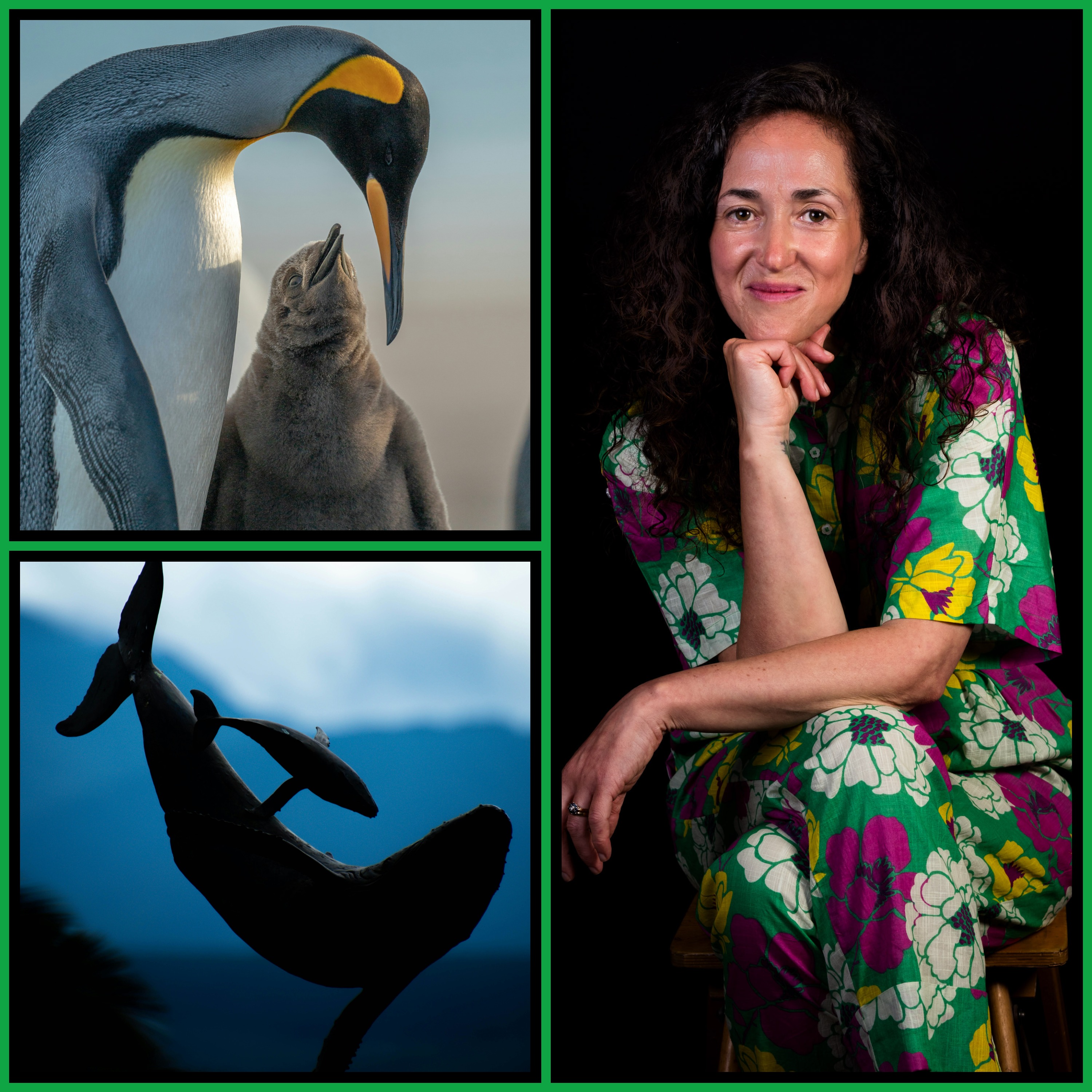 Being Alive with Melanie Challenger 03.10.2026 35minOur obsession with the dream of artificial, disembodied intelligence is deadening our experience of life itself. Melanie Challenger — a philosopher, naturalist and National Geographic Explorer — says it’s time to let go of the centuries-old human history of pretending we’re not animals, of separating ourselves from the rest of the natural world. The essence of life, she says, is being a body — the source of the agency, purpose and intelligence that defines every living being, from the plant turning toward the sun to the hawk diving for its prey, to the child reaching for her mother. In two poetic and rigorously argued books, “How To Be Animal," and “Alive: The Hidden Intelligence of the Natural World," Challenger makes the case for restoring meaning to organisms — a project that is both scientific, philosophical, and profoundly moral. It also offers a path toward re-enchantment: a way to think about how to revive a sense of the pulsating aliveness that surrounds us, and about what might follow if we did. In this conversation, Challenger talks about her early work with survivors of genocide and war crimes, which led her to think deeply about the psychology of dehumanization. She recounts her first, lyrical trips as a naturalist and writer-in-residence in the Sub Antarctic and following blue whales off the coast of Costa Rica. And she talks about her re-discovery of Aristotle, the ancient philosopher whose concept of life as “en-soulment” showed her how to redefine what it means to be alive. This interview was recorded at the Island of Knowledge think tank in Tuscany, a project supported by Dartmouth College and the John Templeton Foundation. — 00:00:00 Intro 00:05:00 War Witness to Naturalist 00:18:00 Beyond the Machine Body 00:27:00 Sequoia Seed and Aristotle — Website Book: “How To Be Animal” Book: “Alive: The Hidden Intelligence of the Natural World” Essay: "On Death and Love"
 -
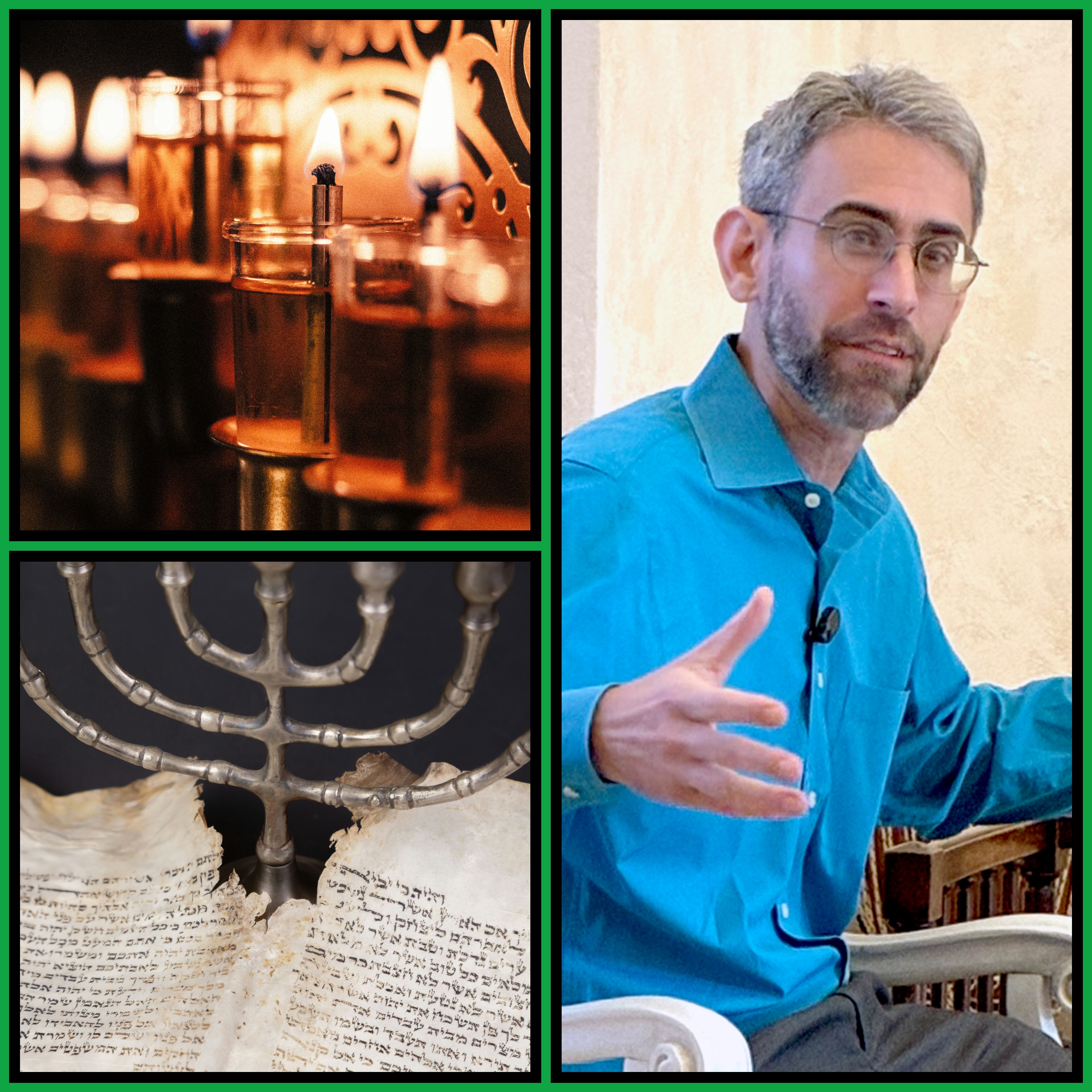 The Power of Ritual with Rabbi Geoff Mitelman 26.09.2026 37minWhat kind of truth can a sacred text offer about the world? Rabbi Geoff Mitelman reads the Torah as poetry — open to multiple interpretations and evoking a sense of transcendence, even magic. Mitelman is a Reform rabbi and the founding director of Sinai and Synapses, an organization building bridges between science and religion, particularly Judaism. He reads the creation story in Genesis as a profoundly mysterious text — complementary to the scientific account of the Big Bang. Mitelman doesn’t dwell on big metaphysical questions such as the nature of God or ultimate reality. Instead, he turns toward age-old rituals — the songs, stories and ceremonies that have been practiced within Jewish communities for centuries. Why do we return to these rituals year after year? At a time when many people have abandoned organized religion, often describing themselves as “spiritual but not religious,” Mitelman says Judaism is more akin to being “religious but not spiritual.” In this conversation, we explore the power of ritual — and how shared practices can create meaning and build community. This interview was recorded at the Island of Knowledge think tank in Tuscany, a project supported by Dartmouth College and the John Templeton Foundation. —— Website Podcast: "Sinai and Synapses" Writing Orbiter contributions —— 00:00:00 A Shabbat Ritual in Tuscany 00:04:10 Torah as Poetry, Not Science 00:09:15 Genesis and the Big Bang 00:19:57 God, Ritual, and Community
 -
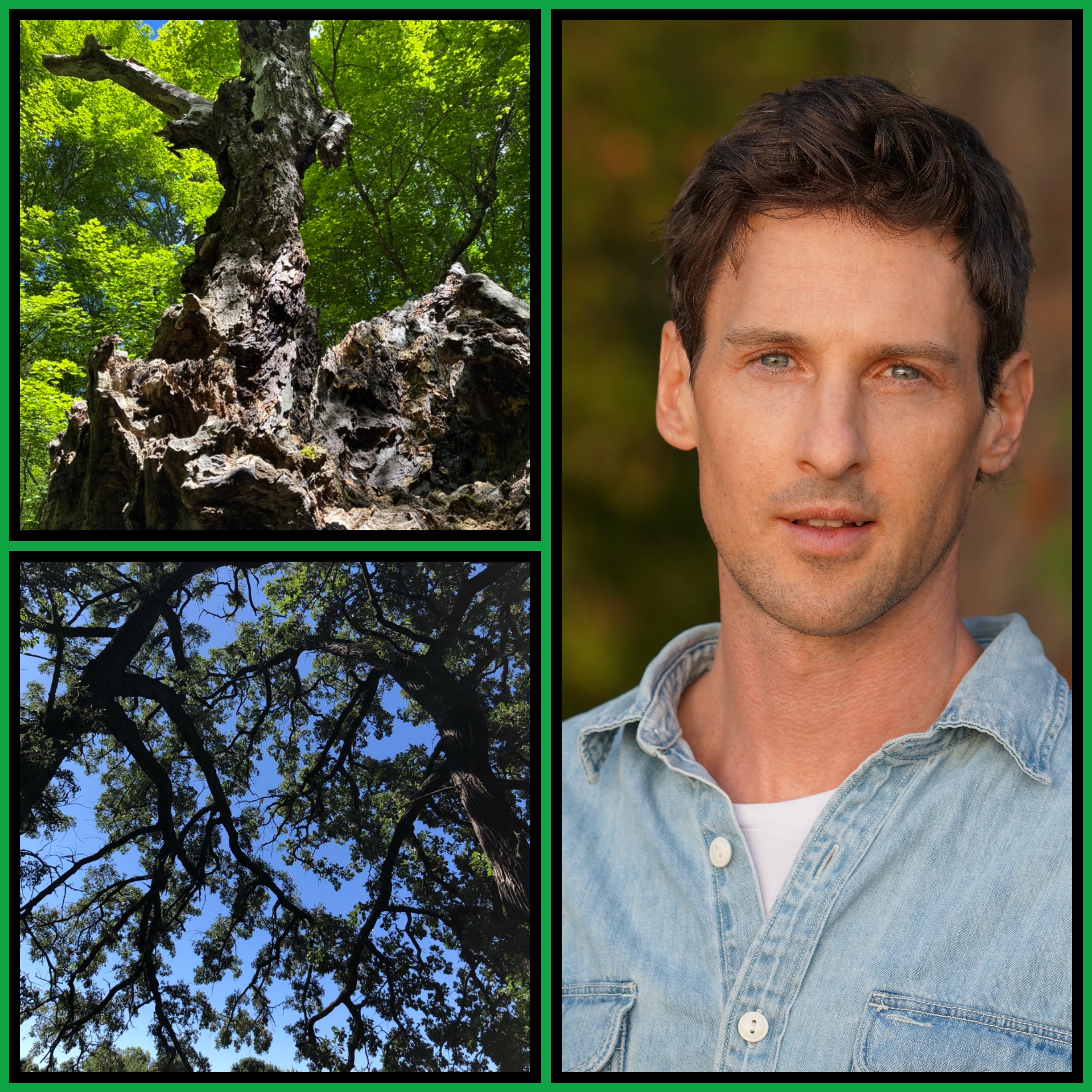 Tree Thinking with Robert Moor 29.08.2026 50minCan you imagine being a tree? Robert Moor has spent years trying—climbing into their canopies, studying their biology and learning to see trees in ways most of us don’t. He considers himself a “tree person.” Moor believes that when you spend a lot of time in trees, time slows down—and branching and pruning can become life lessons. He’s interested not just in how trees grow, but in what they might teach us about ourselves. In his book In Trees, he says his goal isn’t to anthropomorphize trees but to “arborize” humanity. Moor has taken his obsession with trees to unusual places: climbing to the tops of giant sequoias; traveling to Tokyo to meet master bonsai artists; becoming a “tree sitter” to protest an oil pipeline. He’s fascinated by “family trees” and Darwin’s Tree of Life, and by our own evolutionary history in the trees of Africa. He traveled to Ethiopia to see Lucy, the famous 3-million-year-old fossil skeleton, and to Tanzania to sleep in a chimpanzee nest. (It was a miserable experience.) He knows something about living among trees: 13 years ago, he and his husband moved from New York City to a cabin in the woods of British Columbia—and never left. — 00:00:00 Introduction 00:07:20 Climbers and Bonsai Masters 00:22:15 Environmentalism's Shadow History 00:28:45 Sleeping in a Chimpanzee Nest 00:37:20 Tree Sitters and Hope — Website Book: In Trees Italo Calvino’s The Baron in the Trees Bonsai artist Masahiko Kimura Julia Butterfly Hill Tree climber Tim Kovar
 -
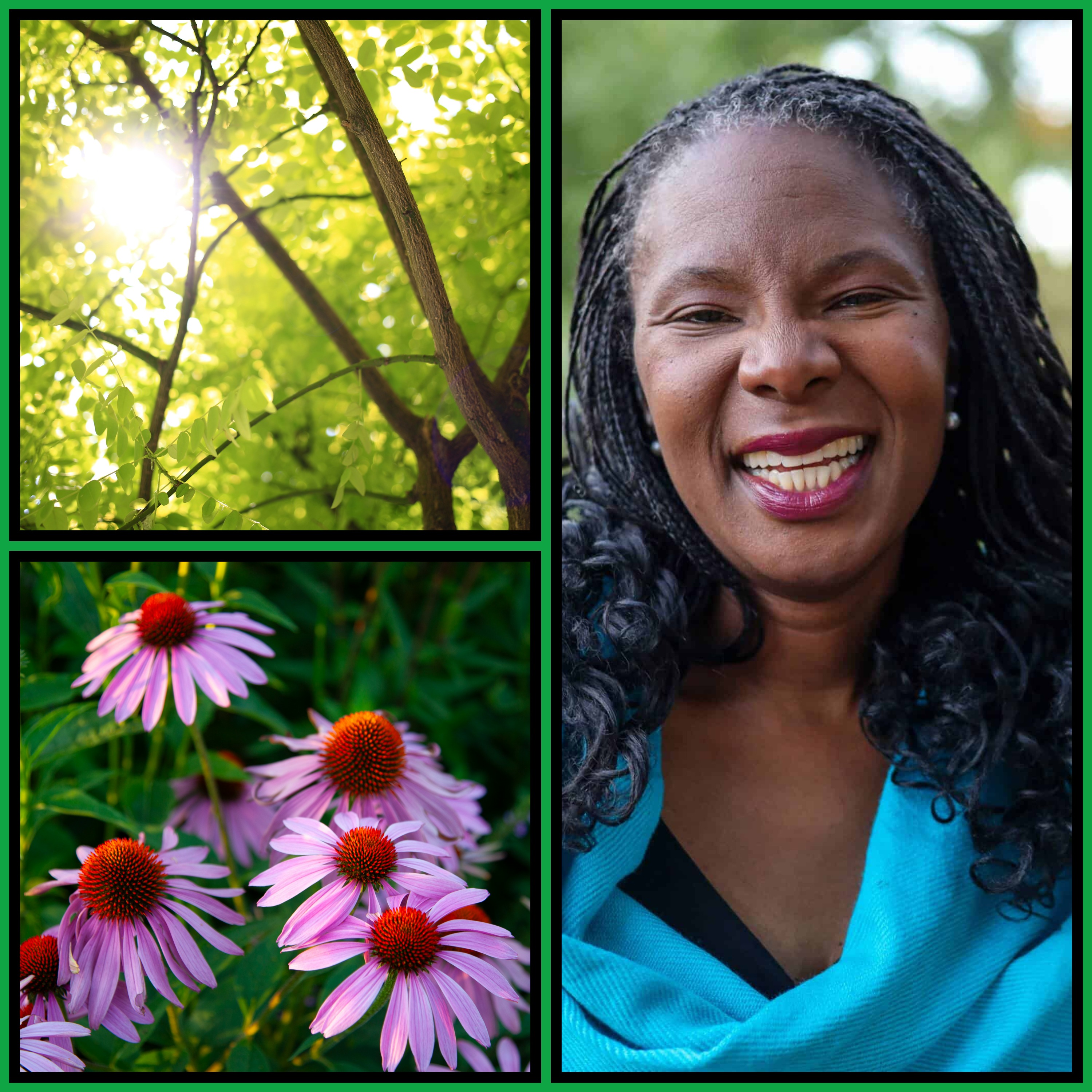 The Ecowomanist Theology of Rev. Dr. Melanie L. Harris 22.08.2026 35minRev. Dr. Melanie Harris is a professor of Black Feminist and Womanist Theologies at Wake Forest University, an ordained minister in the African Methodist Episcopal Church and one of the founders of ecowomanism — a theology and environmental philosophy centering the voices, wisdom, and spiritual practices of Black women and women of color. In this conversation, Harris traces her own eco-memories back to Dearfield, Colorado, one of the historic Black-owned farming settlements founded by families who migrated west during the Great Migration — including her own grandparents. She reflects on growing up with a rare and precious connection to land and growing things, even as her family navigated the very real dangers racism posed to simply being outdoors in rural America. Harris speaks candidly about how, in many African American communities, painful histories tied to slavery and cotton have led families to intentionally distance children from the land — a protective severing that ecowomanism seeks to gently repair. Drawing on her mother's practice of singing and humming to plants, she describes music, spirituality and land stewardship as deeply entwined threads of Black religious life. She also talks about the hidden ecological history of Black women and why it matters to see women like Harriet Tubman and Fannie Lou Hamer not just as liberators and Civil Rights leaders, but as environmentalists who understood the connection between racial justice and earth justice. The episode closes with a meditation on the high desert of New Mexico, where the conversation was recorded – a portrait of land, memory, grief and grace held together. This episode was produced in partnership with the Center for Humans and Nature and with support from the Kalliopeia Foundation. — 00:00:00 Introduction 00:03:00 Roots, Roses and Ecowomanism 00:10:55 Harriet Tubman, Environmentalist 00:17:30 The Lynching Tree and What Needs Repair 00:27:10 The Divine Feminine and the Desert — Melanie Harris academic bio Book: “Ecowomanism: African American Women and Earth-Honoring Faiths” Book: “Preaching Black Earth”
 -
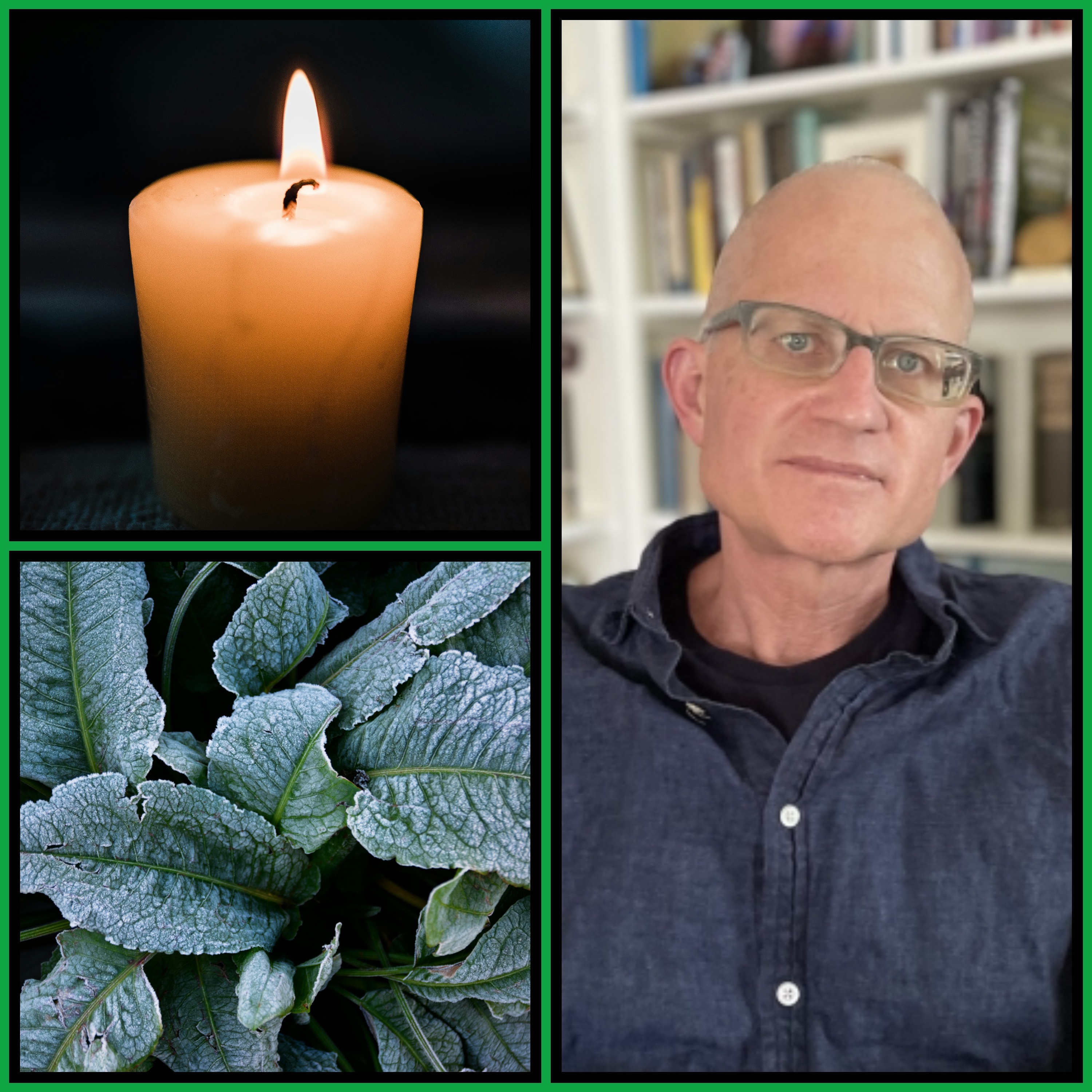 Poetry Against Despair with Christian Wiman 15.08.2026 45minHow do you find joy in suffering? That’s one of the questions Christian Wiman explores in his poetry and his life. The former editor of Poetry magazine, Wiman is the author of seven books of poetry, including his latest, The Dance. He also teaches at Yale Divinity School. He’s been called “the most important Christian writer in America,” though his relationship with God is marked by uncertainty as much as faith. That tension runs through his poetry, where mystical experience, doubt, suffering, and joy continually collide. His understanding of mortality is also shaped by a 20-year battle with cancer. Diagnosed with a rare form of lymphoma and initially given only a few years to live, Wiman has come close to death several times. Yet he speaks about suffering not simply as something to endure, but as a strange territory in which beauty and wonder can sometimes be found. Wiman craves direct experiences of the world, but he finds that writing poetry helps him fully appreciate these fleeting moments of awe and wonder. A frosted hosta, an old candlestick, the trills of a red-winged blackbird—small encounters like these can open onto deeper questions about meaning, eternity, and what Wordsworth called “seeing into the life of things.” — 00:00:00 Intro 00:02:40 Poetry, Awe and Wonder 00:15:10 Twenty Years Battling Cancer 00:21:55 Joy in Suffering 00:30:45 Seeing Into the Life of Things 00:39:40 A Last Poem and Farewell — Links: Book: The Dance Book: Glimmerings: Letters on Faith Between a Poet and a Theologian Book: Zero at the Bone: Fifty Entries Against Despair Yale Divinity School website Profile of sculptor Lee Bontecou
 -
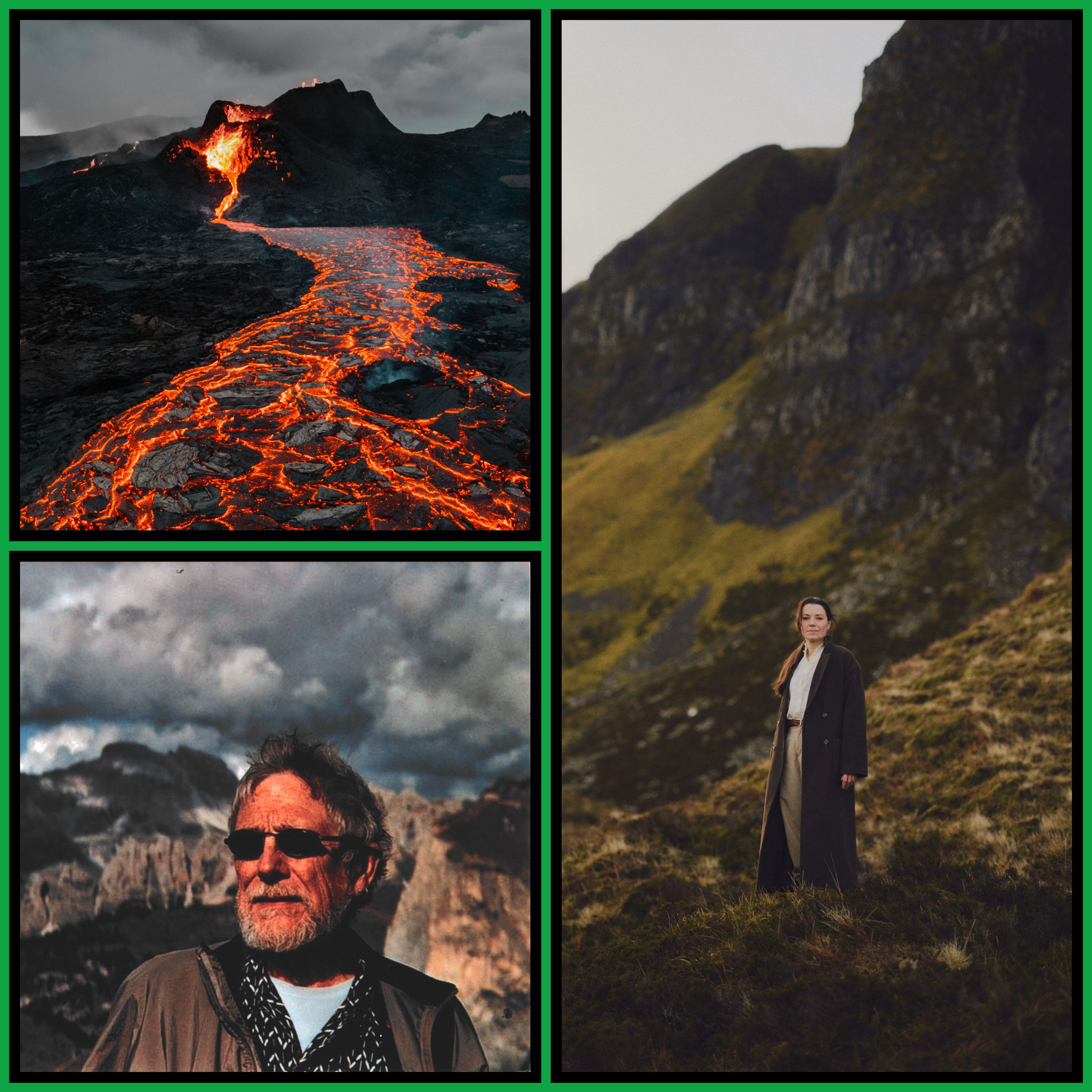 Chasing Wilderness with Cal Flyn (and Gary Snyder) 08.08.2026 1tFor thousands of years, people have dreamed of walking off the map — lighting out for the remote unknown, into landscapes untouched and untamed. The classic wilderness quest is as old as literature itself: you go into the wild, and you come out changed. It's woven into ancient spiritual texts, medieval myths, and European accounts of the so-called "New World." But wilderness is an idea as slippery as it is powerful — and wilderness preservation is a complicated and often costly ideal. That's the territory Cal Flyn explores in her new book, The Savage Landscape: How We Made the Wilderness. An award-winning writer, Flyn has traveled — often alone — into some of the most remote and forbidding places on Earth: a desert monastery on Mount Sinai, deep into the Amazon rainforest, up a Tibetan mountain pass, and inside an erupting Icelandic volcano. She gets there by river skiff, deep-sea submersible, helicopter, and horseback, and along the way she finds moments of sheer wonder — and real danger. We talk with Flyn about the history of this ancient idea and why humans keep chasing it. With nearly 8 billion people on the planet, almost no place is truly untouched. So what IS wilderness? Why do we keep seeking it? And who pays the price? Plus: Steve talks with legendary poet and environmental writer Gary Snyder — now 96, once a friend of the Beats and a Zen apprentice in 1950s Japan — about his classic book The Practice of the Wild. Snyder also reads two poems. This is an excerpt from an archival conversation. The original aired on Wisconsin Public Radio’s To The Best Of Our Knowledge. This Wonder Cabinet episode was not funded, endorsed or affiliated with Wisconsin Public Media or the University of Wisconsin-Madison. — 00:00:00 In Search of Wilderness 00:03:00 Cal Flyn on The Savage Landscape 00:32:40 The Sublime, Taboos and Sacred Groves 00:49:55 From the TTBOOK Archive: Gary Snyder 01:00:15 Credits and Farewell — Cal Flyn’s website Cal Flyn on Insta Book: “The Savage Landscape: How We Made the Wilderness” Book: “Islands of Abandonment” Read more about Gary Snyder at The Poetry Foundation Read “Piute Creek” by Gary Snyder Read “Ripples on the Surface” by Gary Snyder Uncut Gary Snyder interview from TTBOOK
 -
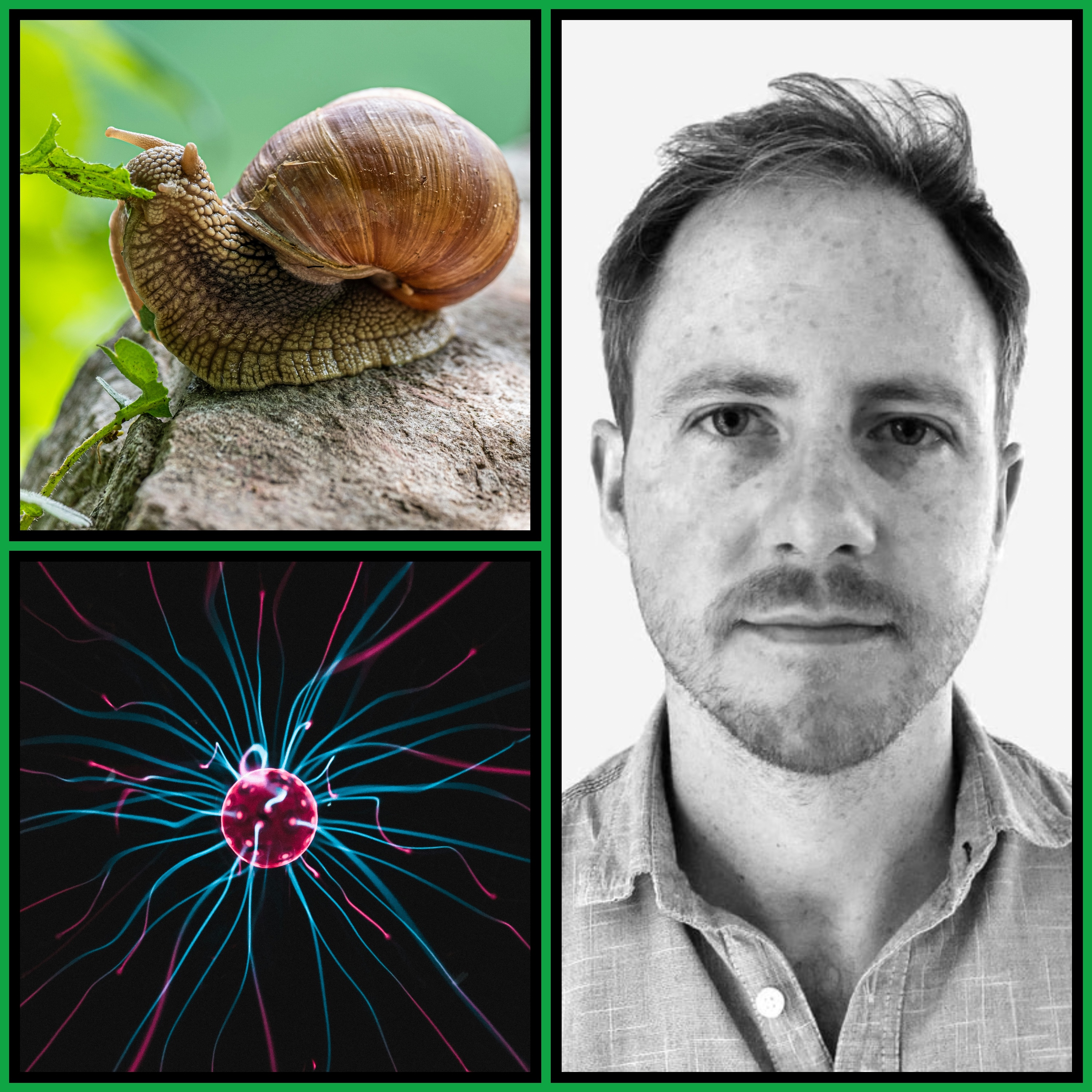 The Conscious Universe: Panpsychism with Philip Goff 01.08.2026 42minWhat if consciousness isn't something that emerges from the brain—but is embedded in the fabric of reality itself? That's the provocative idea behind panpsychism— that consciousness goes all the way down to the fundamental building blocks of the cosmos. Philosopher Philip Goff, one of panpsychism’s leading advocates, argues that it offers the best solution to one of science's deepest mysteries: how consciousness arises at all. We also hear from novelist Philip Pullman, whose fantasy series His Dark Materials was partly inspired by panpsychism. Goff reflects on another surprising development in his own thinking: his recent turn toward the Eastern Orthodox Church and what he calls "heretical Christianity.” He also describes how a profound psychedelic experience shook him to the core—and may have revealed a deeper reality. The first interview with Goff was recorded at the Island of Knowledge think tank in Tuscany, a project supported by Dartmouth College and the John Templeton Foundation. The interview with Philip Pullman originally aired on Wisconsin Public Radio’s To The Best Of Our Knowledge. This Wonder Cabinet episode was not funded, endorsed or affiliated with Wisconsin Public Media or the University of Wisconsin-Madison. — 00:00:00 Introduction 00:04:00 What Is Panpsychism? 00:17:30 Heretical Christianity 00:29:40 A Psychedelic Awakening 00:38:25 The Conscious Universe, Confirmed — Philip Goff’s website. Books Podcast: "Phillip Goff Philosophy" TTBOOK: "His Dark Materials' Author Philip Pullman On The Consciousness Of All Things"
 -
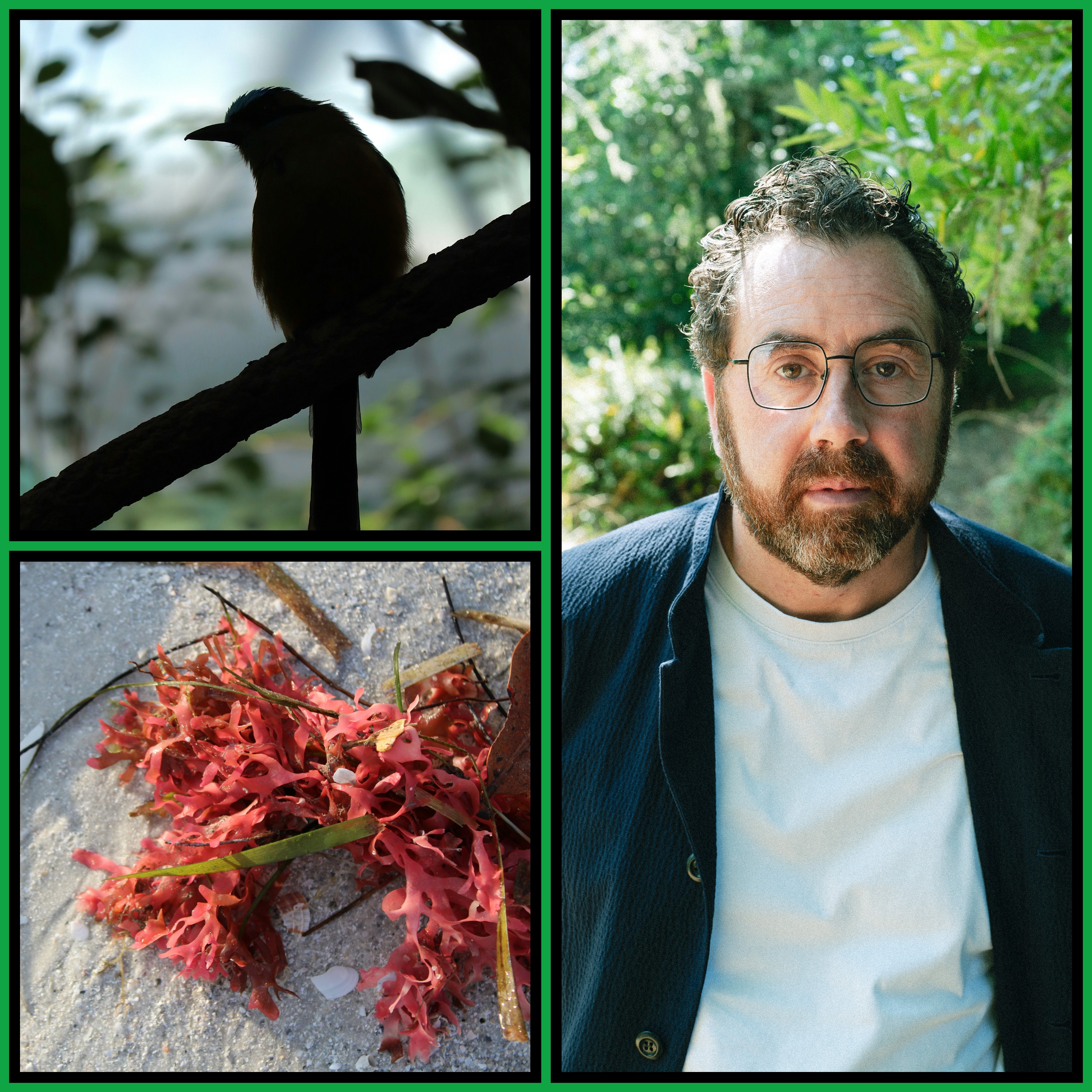 The Spiritual Ecology of Emmanuel Vaughan-Lee 20.06.2026 51minEmmanuel Vaughan-Lee grew up in London with a Russian Sufi mystic living downstairs, seekers showing up at all hours and meditation happening constantly. Then his family moved to a coastal redwood forest in Northern California, where he learned to surf and fell in love with wilderness. Today, Emmanuel is the founder, executive editor and podcast host of Emergence Magazine – for nearly a decade, one of the most important venues for spiritually-infused ecological writing. His new book, Remembering Earth, is both a meditation on the sacred nature of the living world and a practical guide to re-entering it. In this conversation, we explore Sufism's radical vision of the divine as intimate and immanent, rather than distant and transcendent. We also talk about jazz — Emmanuel dropped out of school at age 16 to play acoustic bass — and the liminal space of creative improvisation. Other stops along the way: the epigenetic memory of birdsong, how breath and walking can become a form of prayer; what dreams are and where they come from; and the boundlessness of Earth’s love. Note: Wonder Cabinet is taking a summer break. We’ll be back in August with new episodes. — Emergence Magazine Emmanuel’s new book, “Remembering Earth” "The Nightingale’s Song," a film by Emmanuel Vaughan-Lee and Adam Loften Anne’s conversation with Sam Lee — 00:00:00 The Magic We've Forgotten 00:02:15 Growing Up With a Guru 00:06:55 One River, Many Names 00:15:55 Spiritual Ecology and Practice 00:29:05 Nightingales, Jazz, and Dreams
 -
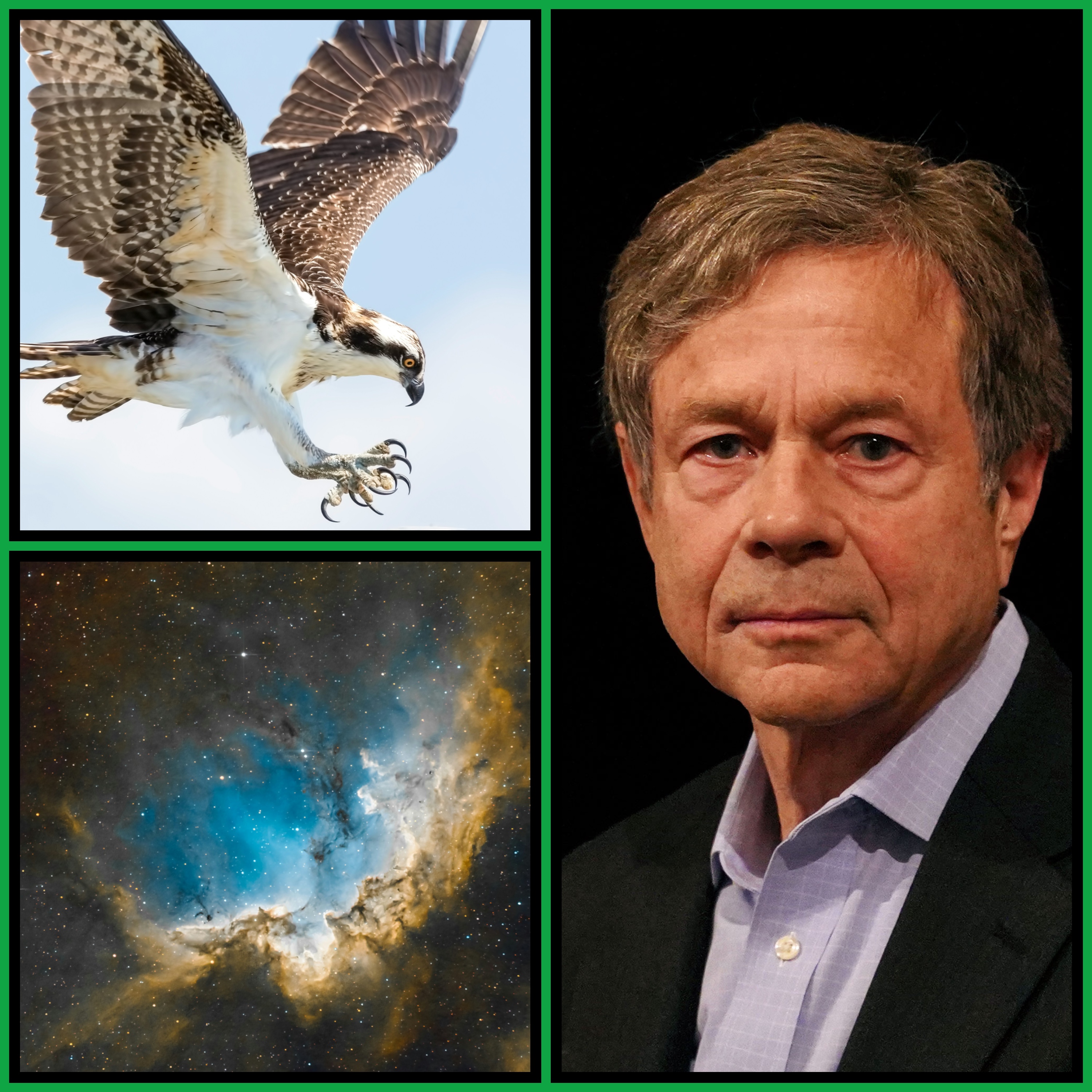 An Evening of Wonder with Alan Lightman 13.06.2026 47minWhat happens when a physicist experiences a moment of transcendence that science cannot explain? Alan Lightman has spent much of his life exploring the mysteries of the universe—from black holes and the nature of time to the fundamental laws that govern reality. A physicist, novelist and longtime professor at MIT, he's fascinated by the transformative power of awe and wonder. In this live conversation recorded at New York's Morgan Library, Lightman reflects on extraordinary encounters in nature—from a startling moment with two ospreys to a solitary night beneath the stars—that shook him to the core and left him feeling as though he had somehow "fallen into infinity." Calling himself a "spiritual materialist," he seeks to bridge the divide between science and religion, between mathematics and art. Can a scientific worldview make room for awe, transcendence, and mystical experience? Lightman says these fleeting moments reveal something essential about being human: our longing to connect with something larger than ourselves. This event at the Morgan Library was co-sponsored by the Nour Foundation as part of our series “Spirituality in the Age of Science: Conversations on God, Transcendence and Mortality.” — Video of Steve’s complete conversation with Alan Lightman at Morgan Library: MIT website Books PBS series: "Searching: Our Quest For Meaning in the Age of Science" — 0:00 Introduction 2:40 The Osprey Encounter 9:40 Science And Religion 13:30 Scientist And Novelist 28:50 The Religious Impulse 36:50 Evolution And Consciousness
 -
 Rewilding Attention with D. Graham Burnett 23.05.2026 39minWe all know our attention is being competed for — but historian of science D. Graham Burnett calls it something more alarming: a "civilizational biohack." In this episode, we talk with Burnett, a Princeton historian of science and co-founder of "The Friends of Attention," about the movement to liberate our minds from the 17-trillion-dollar attention economy. He draws on surprising sources — the German Romantics, St. Augustine, Simone Weil, Henry James — to argue that we've lost touch with older, richer forms of attention. And he makes the case that reclaiming it will require more than screentime apps or digital detox – it’ll take collective resistance. Plus: why your Pilates class, your evening needlework, or your walk with the dog might already be forms of radical attention — and how reframing everyday activities can make ordinary life feel richer, more mysterious and more full of wonder. – “Attensity: A Manifesto of the Attention Liberation Movement” The Friends of Attention The Strother School of Radical Attention D. Graham Burnett website – 0:00 Introduction 3:00 Human Fracking 27:30 Attention as Generosity 30:55 Wonder and Disenchantment
 -
 Christof Koch on the Cosmic Toad 16.05.2026 31minWhat happens when one of the world’s leading neuroscientists has a mystical experience that upends his understanding of reality? In the 1990s, Christof Koch helped launch the modern science of consciousness, searching for the neural basis of subjective experience. A committed materialist, Koch believed brain science would explain how conscious experience is generated. Then several profound psychedelic experiences changed his metaphysical beliefs. “It was like an earthquake,” he says. In this conversation, Koch reflects on how those mind-bending experiences transformed his deepest assumptions about mind and matter, and whether the cosmos itself might have purpose. He talks about the power and the limits of science, and why he’s come to see consciousness not as a byproduct of matter, but as something far more fundamental, perhaps the fabric of reality itself. — Personal website Allen Institute TTBOOK: "Your Brain on Shrooms" — 0:00 Introduction 4:05 Pursuing Ultimate Truth 9:40 Into the Psychedelic Void 16:00 The Loss of Self 20:55 What Science Cannot Explain
 -
 Why We Need Fairy Tales Now — with Sharon Blackie 09.05.2026 45minSharon Blackie is one of our foremost fairy tale interpreters. In her new book, “Ripening: Why Women Need Fairy Tales Now,” she reclaims the subversive fairy tale heroines of the past. Not passive, well-behaved princesses — think Tatterhood instead of Cinderella, the Fox Wife instead of Sleeping Beauty — figures from centuries-old European folk tales that were whispered over hearths and spinning wheels, and handed down from one generation of women to the next, not as children’s entertainment but a blueprint for survival, maps for soul retrieval and cultural regeneration. The brave, smart heroines and wise old women in these tales offer us an alternative, “post-heroic” model of psychological development, Blackie says. A code of ethics based on kinship with the more-than-human world of animals and plants, and a celebration of old-fashioned virtues like compassion, kindness and reciprocity. Fairy tale heroines, Blackie says, don’t slay dragons — they make them part of the team. Fairy tales are part of our collective unconscious, a storehouse of archetypes and images that predate the modern world. There's a bridge back to the enchanted landscapes and animist sensibilities of our ancestors — a gateway to wonder. In this conversation, Blackie shows us how to unlock their power and find our way back the imaginal world. – Website "The Art of Enchantment" Substack "Ripening: Why Women Need Fairy Tales Now" The Nostos Institute Sharon’s other books – 0:00 Introduction 2:25 Why Fairy Tales Are Survival Stories 12:25 Beyond the Hero's Journey 27:05 Jung, Hillman, and the Imaginal World 41:45 Active Imagination and Closing Thanks
 -
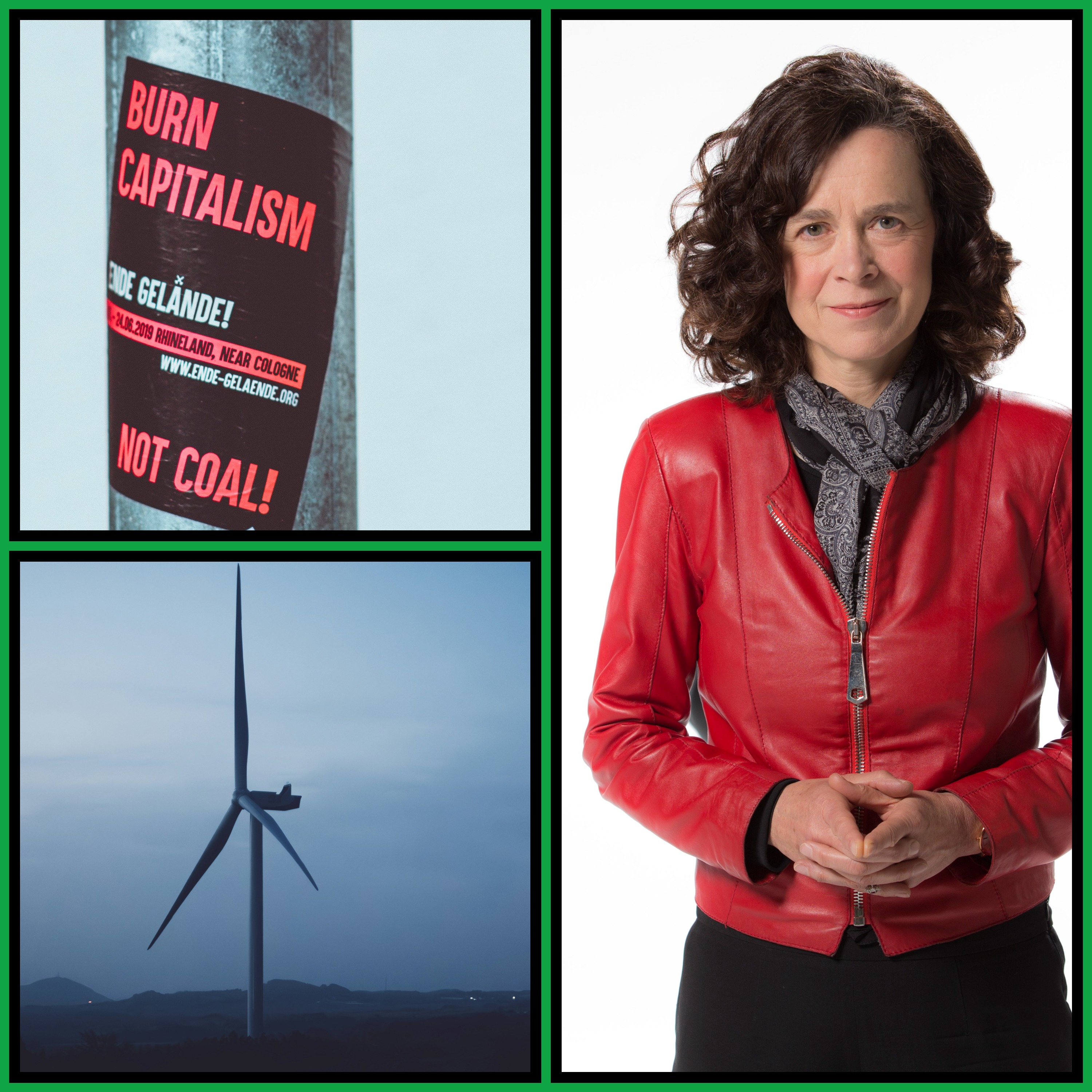 Rebecca Henderson: Can Capitalism Save the World It’s Destroying? 02.05.2026 49minCan capitalism save the world it's destroying? Rebecca Henderson thinks so. An economist at Harvard Business School and author of Reimagining Capitalism in a World on Fire, she has advised some of the world's biggest corporations and argues that capitalism itself — and what drives corporations — urgently needs to change. She's clear-eyed about capitalism's failures — the inequality, the exploitation, the environmental destruction — which is precisely what drives her passion for reforming it from within. And as a climate activist, she's haunted by the consequences if we fail to act. But this conversation goes deeper than economics. Henderson opens up about hitting a personal wall in her climate work — and the unexpected turn that brought wonder back into her life. – Website Book: "Reimagining Capitalism in a World on Fire" More writing by Rebecca Henderson – 0:00 Introduction 3:00 Capitalism Reimagined 8:30 The Norway Turnaround 16:50 Hitting the Wall 28:40 Reweaving Ourselves 43:00 Finding the Way Through
 -
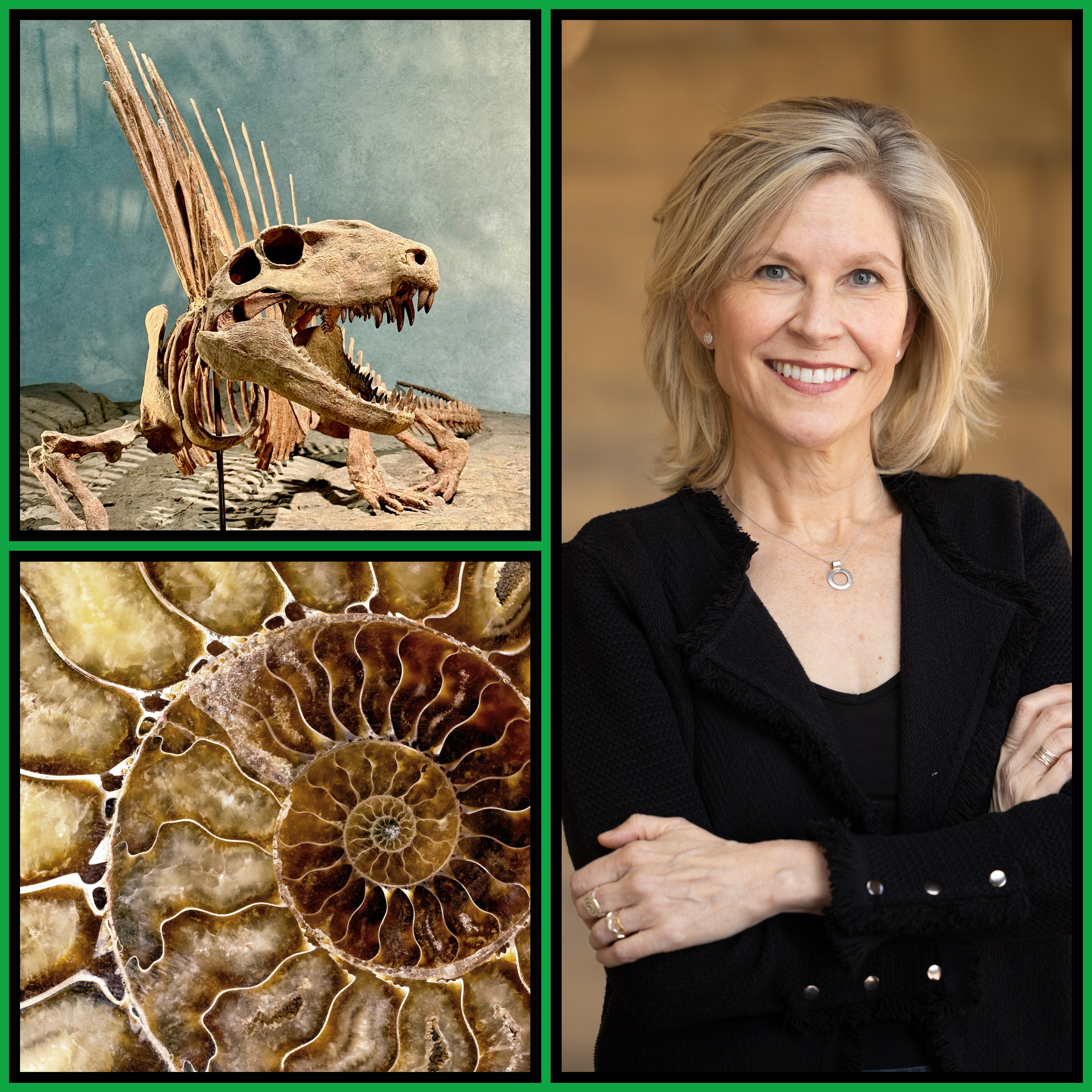 Caroline Winterer: Dinosaurs, Deep Time and the American Soul 25.04.2026 36minT-Rex. Brontosaurus. Diplodocus. Just the names conjure something enormous — a sense of scale that dwarfs human history. Standing before dinosaur tracks in the Utah desert, or gazing up at a towering skeleton in a natural history museum, you feel it: the vertigo of deep time. Millions of years of life and death, compressed into bone and stone. Two hundred years ago, Americans began unearthing mysterious fossils and giant bones they didn't even have names for yet. Almost overnight, something remarkable happened: the New World became old. The United States went from infant start-up nation to the blueprint for all of creation. Stanford historian Caroline Winterer traces this deep time revolution in her book How the New World Became Old — and she shows us how profoundly it shaped American identity. We still think of dinosaurs as fun, as children's toys and museum spectacles. Few of us realize how deeply they underwrote a national mythology — one that fueled American exceptionalism, manifest destiny, Christian nationalism and genocide. This is a story about wonder and awe. And it teaches us that those emotions are neither simple nor neutral. — Caroline’s website Caroline’s book "How the New World Became Old: The Deep Time Revolution in America" — 00:00:00 Introduction 00:03:20 Dinosaurs and the Deep Time Revolution 00:10:10 Darwin and Fundamentalism 00:16:10 The Shadow Side of Wonder 00:29:00 Deep Time Today
 -
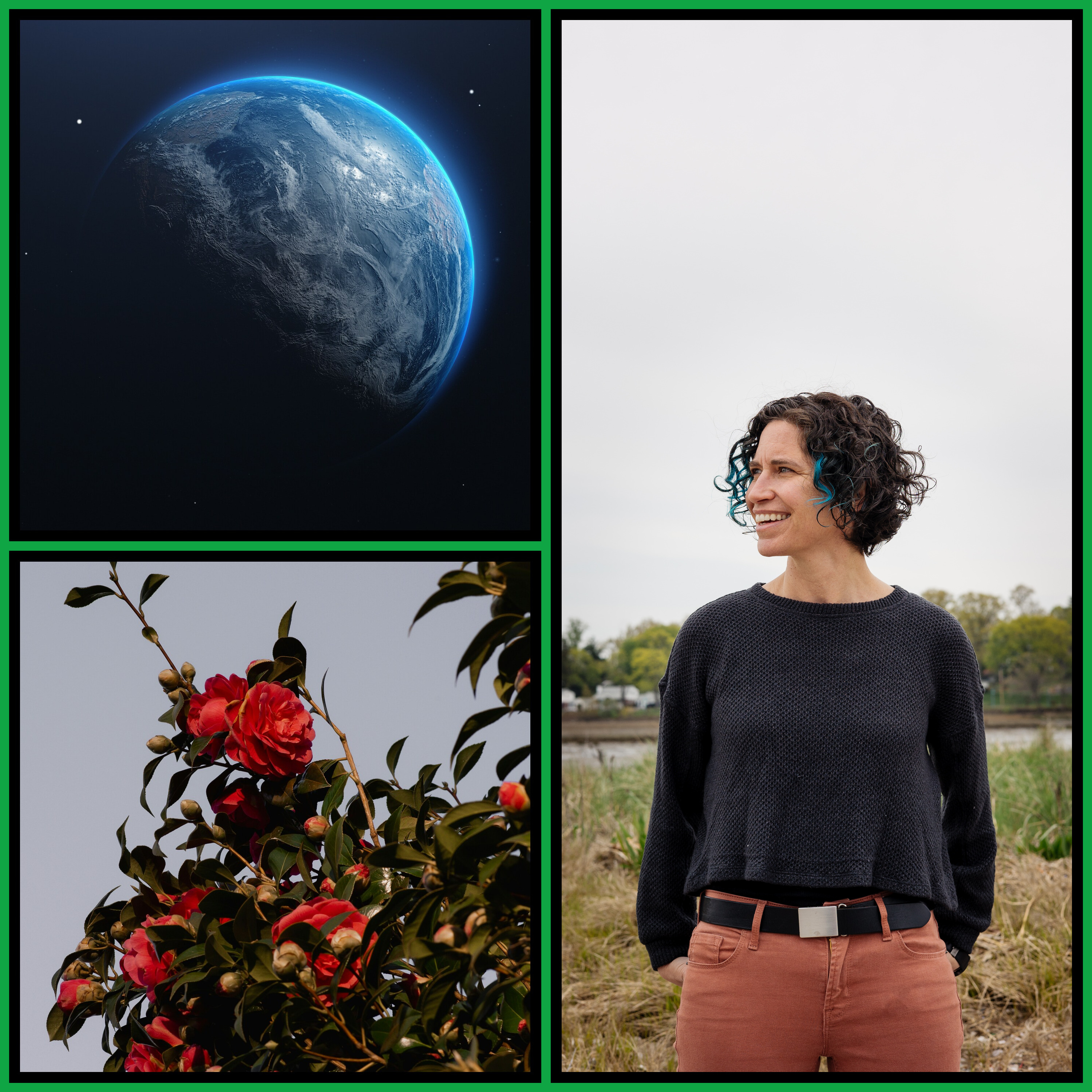 Mary-Jane Rubenstein: Pantheism and the Godness of Nature 18.04.2026 42minWhat if nature isn’t just alive—but divine? Pantheism, once branded heresy, is finding new adherents among those who don’t consider themselves religious but still sense something sacred and wondrous in the living world. Mary-Jane Rubenstein, a scholar of philosophy and religion, traces the long, contested history of wonder—from medieval mystics to modern seekers. She reflects on the Overview Effect, that disorienting moment when astronauts gaze back at Earth and feel both its fragility and its radiance. And she talks about the obsession that tech titans like Jeff Bezos and Elon Musk have for space exploration, which may be the new frontier of awe—even a new religion. But awe is never simple. It can be as unsettling as it is beautiful, as terrifying as it is astonishing. It breaks us open even as it draws us in—leaving us to reckon with a world that is stranger than we thought. – Faculty profile "Astrotopia: The Dangerous Religion of the Corporate Space Race" "Pantheologies" "Strange Blood" – 0:00 Introduction 3:50 Pantheism: History and Ethics 11:15 Personal Spirituality 19:55 Awe, Wonder, and the Overview Effect 28:35 Space as Religion 35:50 The Wonder Cabinet
 -
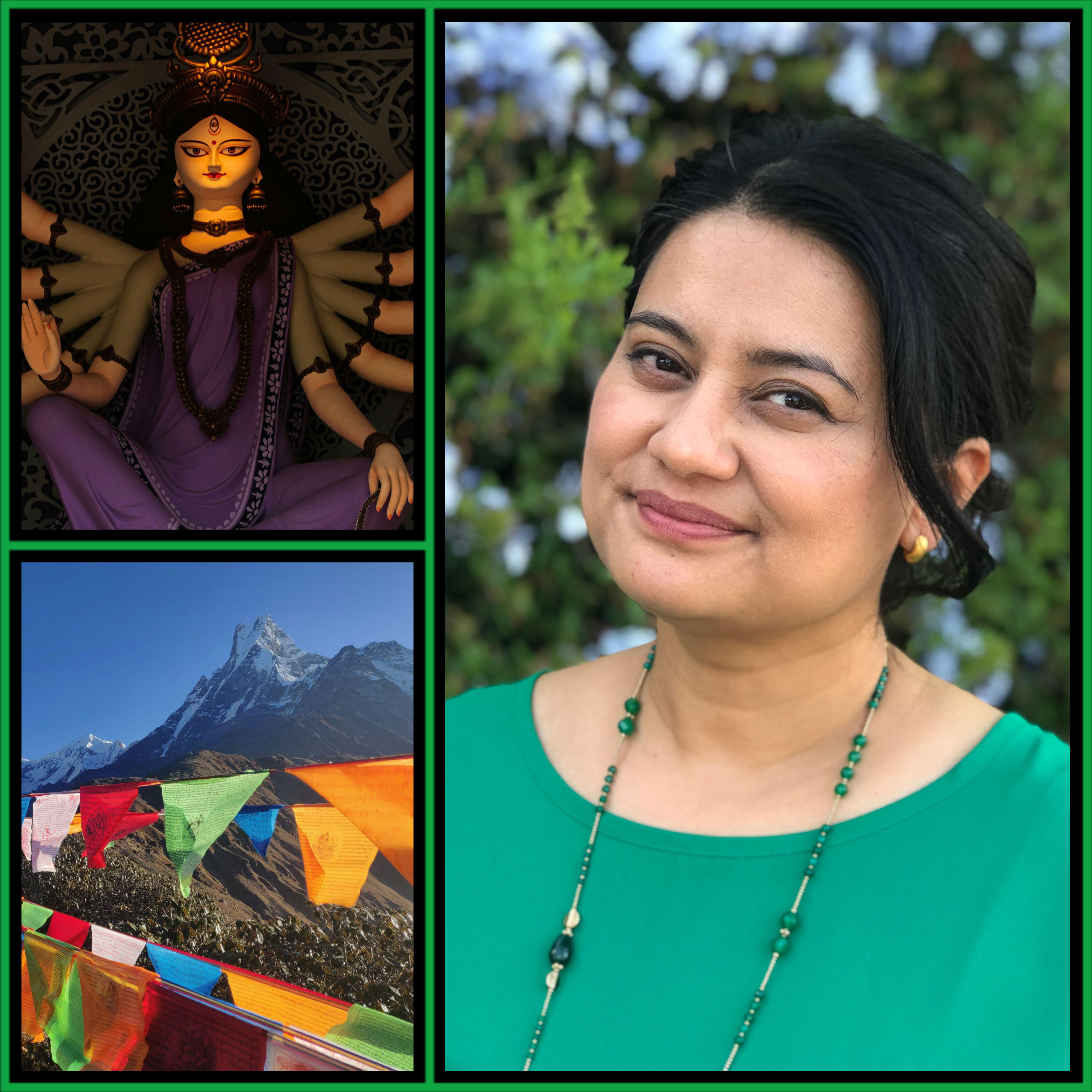 Dekila Chungyalpa on the Sacred Feminine and the Living Earth 11.04.2026 39minImagine growing up believing that at the heart of existence is a Primordial Mother—and that She is the Earth. For Dekila Chungyalpa, that idea is not metaphor. It’s inheritance. In Tibetan Buddhism, the feminine divine appears as Prajnaparamita, or Yum Chenmo—the “Mother of All Buddhas.” As the daughter and granddaughter of nuns, Dekila was raised in a world where spiritual teaching and healing was often female, and where land itself—especially the sacred Himalayan landscape of Sikkim—was alive with presence, meaning, and obligation. Today, she is a global conservationist and founding director of the Loka Initiative, building unlikely partnerships between climate scientists and religious leaders across traditions—from Buddhist monastics to Catholic clergy, Indigenous elders to Muslim clerics and Evangelical pastors. Her work suggests that the climate crisis is not only scientific or political—but spiritual. — UW: About the Loka Initiative Loka Initiative website Center for Humans and Nature: Dekila on ecology and the Buddhist concept of interdependence — 0:00 Introduction 4:05 Sacred Mountains of Sikkim 10:20 The Sacred Feminine 16:30 Rituals and the Land 21:25 Scientist by Day, Buddhist by Night 28:25 Bridging Faith and Science
 -
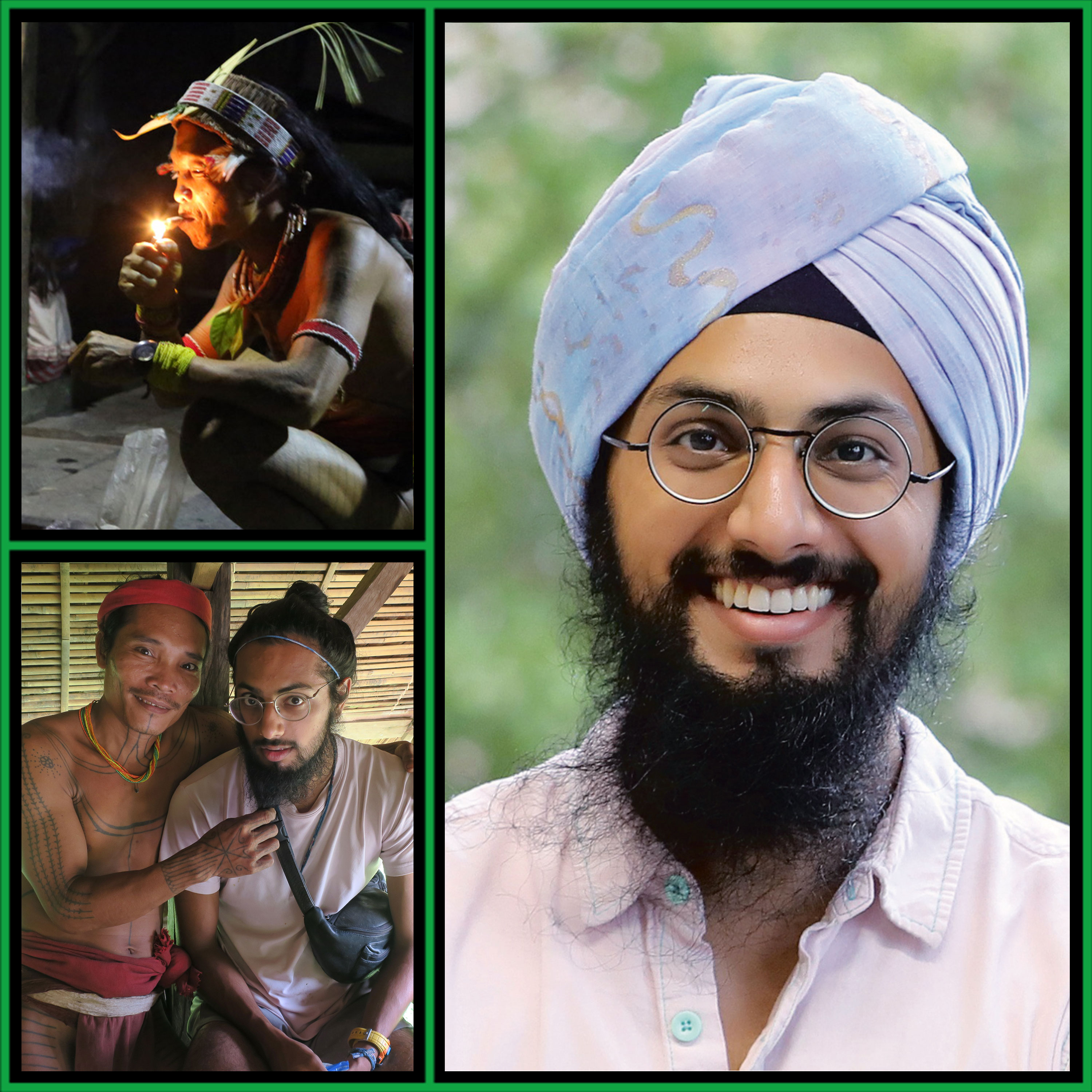 Manvir Singh: Was Shamanism the First Religion? 04.04.2026 34minShamanism may be humanity’s oldest religion – a tradition found across cultures, where healers slip into unseen realms, speak with spirits, and bring back knowledge from beyond the visible world. But in a modern, scientific age, these practices can seem like little more than superstition. But what if they reveal something deeper in human experience? Anthropologist Manvir Singh set out in search of answers. On a remote island in Indonesia, he lived with the Mentawai people, watching as their shamans — the sikerie — drummed, danced and entered trance, their tattooed bodies painted in turmeric. In these altered states, they appeared to move between worlds. How does an empirically-minded scientist make sense of such experiences? Singh combines immersive fieldwork with cross-cultural research into shamanic traditions, past and present. He calls shamanism a “timeless religion,” one that may go back to our earliest ancestors — and still lives on in the world’s major religions. Along the way, he asks a provocative question: Was Jesus a shaman? — Manvir’s book, Shamanism Manvir’s article in The Guardian on the debate over the history of psychedelics in indigenous cultures — 0:00 The Macumba Exorcism in Brazil 4:35 Meeting the Sikerei of Siberut 8:30 Inside a Shamanic Healing Ceremony 17:05 Psychedelics and Altered States 22:10 Shamanism as the First Religion 29:25 Was Jesus a Shaman?
 -
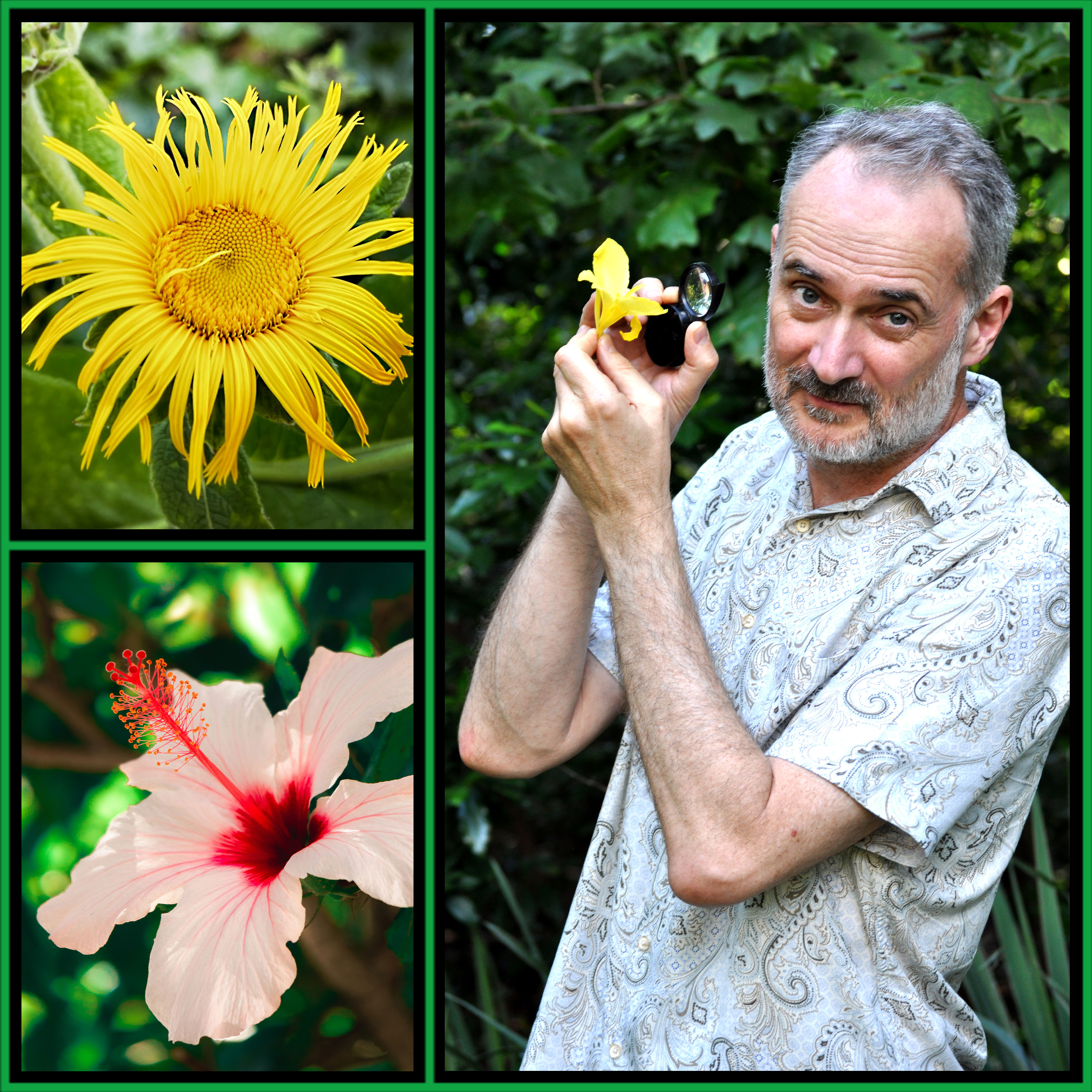 David George Haskell: Flowers and the Revolutionary Power of Beauty 28.03.2026 42minFor thousands of years, flowers have threaded themselves through human life—into our rituals, our art, our language, even our names. We decorate our homes and altars with them, distill their scents, celebrate them in poetry and song. But what if we’ve misunderstood them entirely? In How Flowers Made the World, biologist and writer David George Haskell invites us to see flowers not as delicate embellishments, but as one of the most powerful forces in Earth’s history. When flowering plants emerged more than 200 million years ago, they didn’t just adapt to the world—they transformed it. Through strategies of beauty, attraction, and reciprocity, they turned rivals into partners, reshaping ecosystems and making possible the rich diversity of life we know today. In a lyrical, science-rich conversation, we explore: — Why Haskell calls flowers “nature’s revolutionaries” — How beauty, pleasure, and desire function as evolutionary strategies — The deep interdependence between flowers, animals, and humans — What flowers can teach us about resilience in a time of ecological crisis — How re-centering flowers might change the story we tell about life on Earth We live on a floral planet, Haskell says—and more than that, we are a floral species, utterly dependent on flowering plants for food, habitat, and survival. The lessons flowers offer—about creativity, cooperation, and transformation—may be exactly what we need to navigate a rapidly changing world. What would it mean to tell the story of life not through predators and conquest, but through seduction, partnership and bloom? David's book: How Flowers Made Our World: The Story of Nature’s Revolutionaries To the Best of Our Knowledge (2020): David George Haskell on the forest unseen To the Best of Our Knowledge feature (2021): Listening to trees as fellow citizens 00:00:00 Introduction 00:03:50 Flowers Remade the World 00:12:40 The Scent of Ancient Flowers 00:22:00 The Language of Perfume 00:30:30 Belonging to the Living World
 -
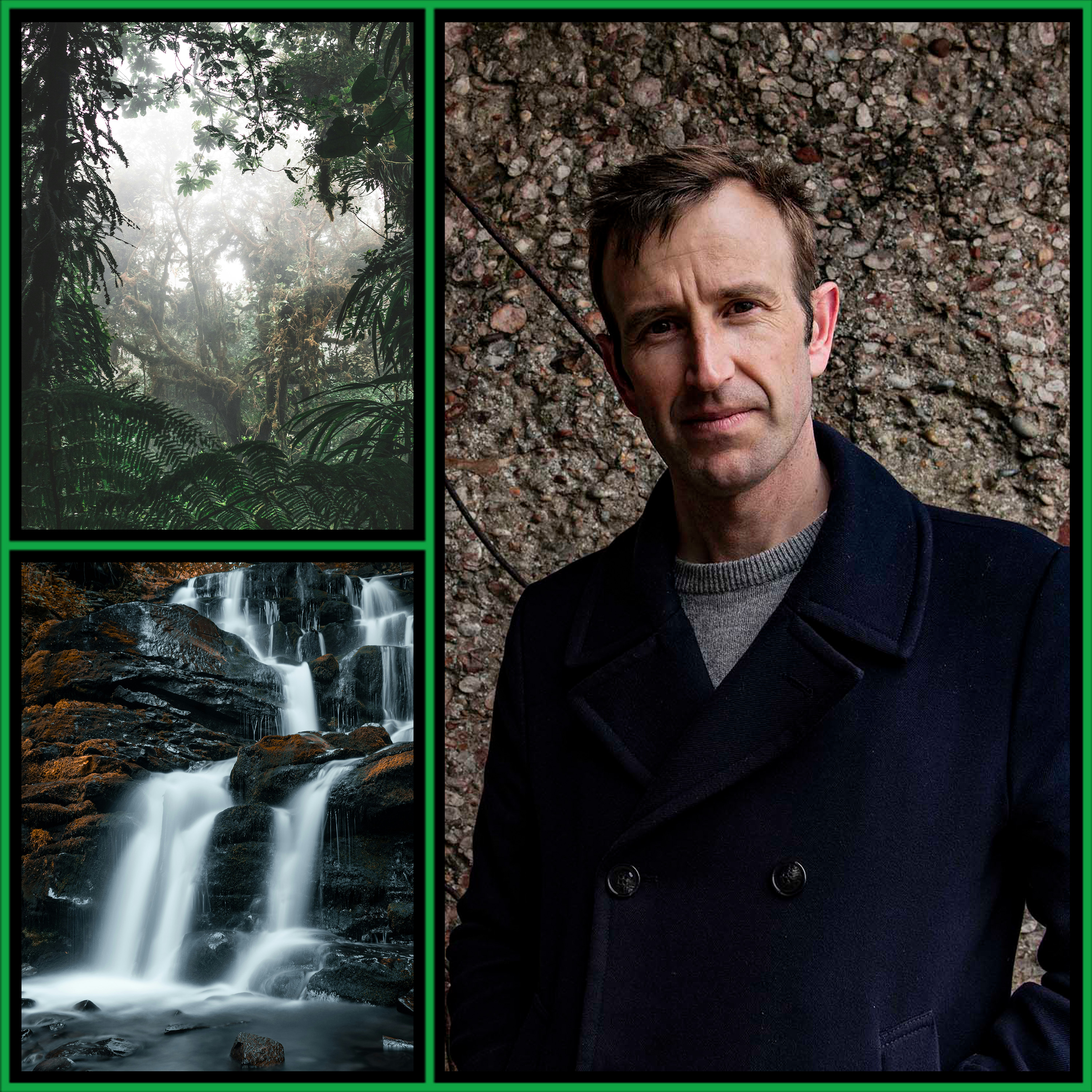 Robert Macfarlane: The Soul of Rivers and the Rights of Nature 07.03.2026 37minWhat if a river is alive–but we’ve forgotten how to recognize it? This is the radical idea at the heart of the global “rights of nature” movement, which seeks to grant rivers, forests and ecosystems legal standing. Rooted in ancient traditions and emerging in modern law, it challenges the notion of nature as property and a resource to be exploited. In “Is a River Alive?”, acclaimed writer and explorer Robert Macfarlane travels to remote waterways in Ecuador, India and Canada, meeting mycologists, Indigenous river-keepers, and activists who see the natural world as animate and ensouled. Known for celebrated books like “Underland,” “The Old Ways,” and “Mountains of the Mind,” Macfarlane blends storytelling, natural history and philosophy in an invitation to reimagine our relationship with the living Earth. If rivers have rights—and perhaps even a kind of consciousness—how would that change the way we see the world? — To the Best of Our Knowledge – Macfarlane describes the allure and our fascination with the underground world of caves, mines, catacombs and glacial shafts beneath the earth's surface. To the Best of Our Knowledge - Macfarlane offers a book recommendation: “The Living Mountain” by the Scottish poet and writer Nan Shepherd. University of Cambridge – Robert Macfarlane’s faculty page — 00:00:00 Introduction 00:03:00 Is a River Alive? 00:10:50 Ecuador's Cloud Forest 00:19:40 Chennai's Dying Rivers 00:24:15 Wild River in Quebec
 -
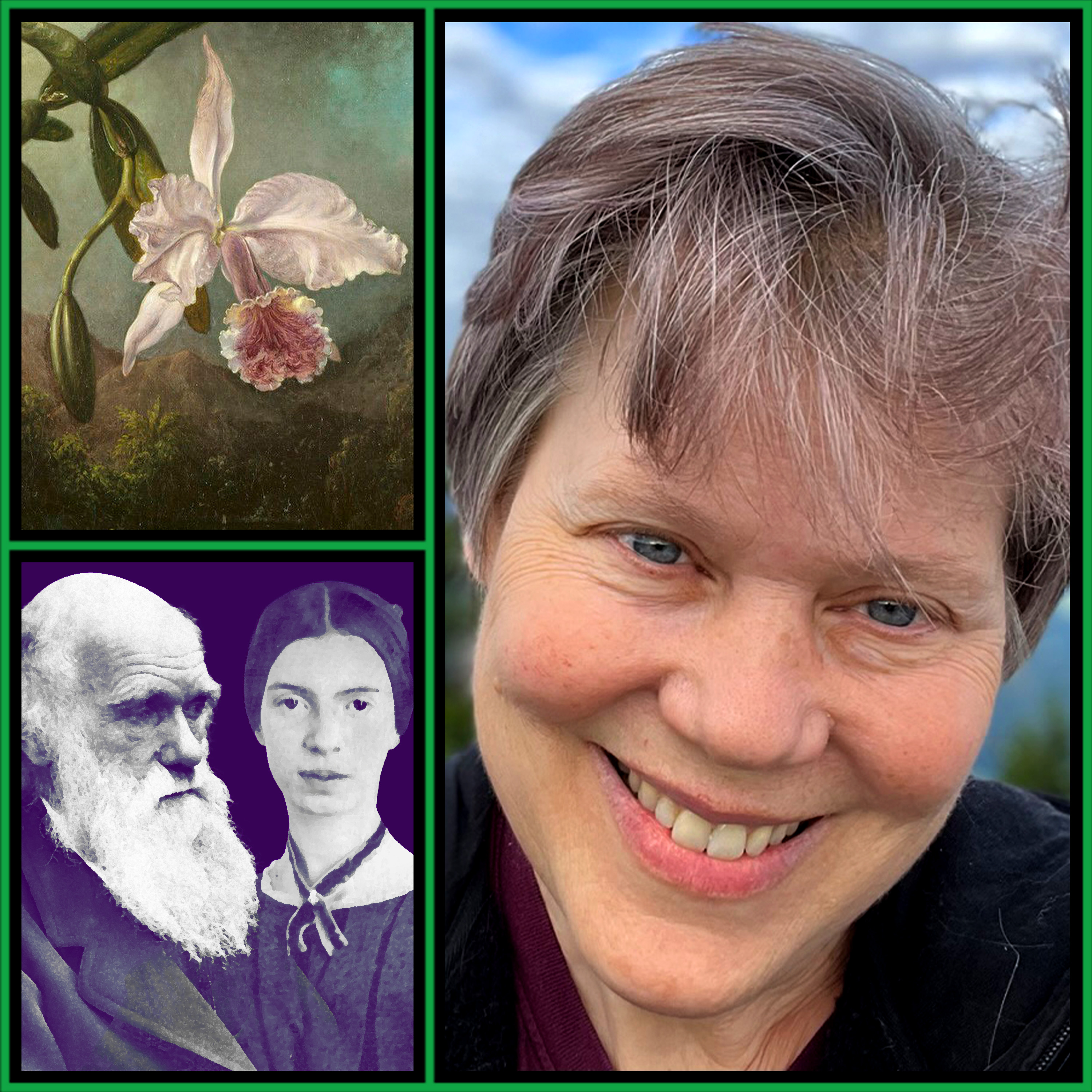 Renee Bergland: The Enchanted Science of Emily Dickinson and Charles Darwin 28.02.2026 39minEmily Dickinson and Charles Darwin both saw nature as alive with mystery – and treated wonder as a way of knowing. Literary scholar and science historian Renee Bergland, author of "Natural Magic," is our guide to the forgotten kinship between the reclusive poet and the celebrated naturalist. Dickinson and Darwin never met, but they had at least one close friend in common. Both were both fascinated by fossils. Both wandered the woods and swamps near their homes, studying insects and documenting rare plants. They shared a vision of the interconnectedness of all life. We know that Dickinson, with her background in botany, geology, astronomy and chemistry, was enthralled by Darwin’s evolutionary theory. And it certainly seems possible that Darwin, with his degree in theology and his lifelong love of poetry and literature, might have admired the American poet whose close observations and delicate perceptions echoed his own. Bergland’s dual biography, just out in paper, is vivid, sparkling intellectual history – a window onto a time when scientific thinking still embraced emotion and wonder as modes of perception. Could the belief in “natural magic” that infused Dickinson’s and Darwin’s ideas restore our own faith in a universe alive with meaning? Our conversation about the poet who studied natural history and the naturalist who loved poetry suggests a way forward – by reclaiming their shared ecological wonder. — Now out in paperback: "Natural Magic: Emily Dickinson, Charles Darwin, and the Dawn of Modern Science" Previous books from Renee Bergland: "Maria Mitchell and the Sexing of Science: An Astronomer Among the American Romantics" and "The National Uncanny: Indian Ghosts and American Subjects" — 0:00 — Meeting Renee Bergland 9:00 — What Is Natural Magic? 20:00 — Beauty, Truth, and Evolution 34:00 — Hope and the Garden of Change
Lignende podcasts


Populær i
Denne podcast optræder også i podcast-hitlister i disse lande.

