
Conversations: Our Evolving World
ABC Australia
0
In this collection of episodes from ABC's Conversations podcast, Richard Fidler and Sarah Kanowski interview great minds about our fast-changing world. Guests include Cheng Lei, Jonathan Haidt and Brolga Barns, who discuss lived experiences and concepts like society, technology, democracy, war, survival, adaptive skills, generational differences, science, and justice. The episodes are curated from the rich archive of the long-running Australian interview program.
Episoder
-
 The three shocks that changed Australia 19.08.2026 53minPolitical journalist, George Megalogenis has mapped key areas in our population, workforce and geopolitical standing in recent decades, and looks at how these shifts are impacting our collective political future. For the first time since Federation, Australia’s population is mostly made up of migrants and their children. Professional women have now replaced men doing blue collar jobs as the largest segment of the workforce. And on the world scale, Australia can no longer rely on our traditional allies or trading partners. These three elements have already changed the political landscape in our country, and this will only continue as time goes on. Further information Three Shocks: Who we are becoming in the 21st Century is published by Penguin Random House. This episode was produced by Alice Moldovan and the Executive Producer is Nicola Harrison. It covers auspol, populism, John Howard, Paul Keating, Harold Holt, Pauline Hanson, One Nation, Melbourne, Sydney, Canberra, Brisbane, Western Australia, parliament, teals, Higgins, Bennelong, Chinese-Australians, Peter Costello, First Nations, Federation, convicts, migration, White Australia policy, one parent born overseas, census, data, graphs, data journalism and Prime Ministers. To binge even more great episodes of the Conversations podcast with Richard Fidler and Sarah Kanowski go the ABC listen app (Australia) or wherever you get your podcasts. There you’ll find hundreds of the best thought-provoking interviews with authors, writers, artists, politicians, psychologists, musicians, and celebrities.
-
The radical history of personal computing—looms, coding, beige boxes and AI 18.09.2026 53minMel Huang Buntine on how computers started entering our homes, and the beige box of a machine that changed her own life. Personal computers are so ubiquitous now, it's hard to imagine a time when computers were inaccessible to everyday people. For decades, computers were the size of rooms, and they were used for specialist tasks like processing large data sets for researchers, or sending men to the moon. But by the 1980s computers had become smaller and more affordable, and people started bringing them into their homes. From this point on, how everyday people interacted with technology changed forever. Mel Huang Buntine is a designer and technologist who was gifted her first computer as a tween in 1990s Melbourne. Mel lived in a multigenerational home with her mother, her grandparents and her great-grandmother, all of whom had escaped the Cambodian genocide as refugees. They couldn't understand why Mel was obsessed with this machine, but it completely opened up Mel's world and changed her life. Now with anxiety growing around AI, surveillance and mega tech companies, Mel is trying to get people to understand the history of computers and how they work. She hopes this will give back to people a sense of agency over machines, rather than feeling powerless to the opacity of algorithms and large language models. Radical Computing is exhibiting at the National Communication Museum in Melbourne from 19 September 2026, until 21February 2027. This episode of Conversations was produced by Meggie Morris. Executive Producer is Nicola Harrison. It explores technology, artificial intelligence, Facebook, Instagram, social media, coding, making a website, HTML, CSS, PS5, playstation, games console, computer games, desktop games, Apple iOs 27, Mac, Macbook, Mac versus PC, IBM, Commodore 64, Steam Frame, iPhone, smartphone, dumb phone, Steve Jobs, Jack Tramiel, computer race, home appliances, toy market, super computers, science and technology, future of computers, techno optimist, tech subculture, Demoscene, hackers, jailbreak phone, crack software, pirated software, Dario Amodei, Sam Altman, ChatGPT, Claude, Anthropic, Zuckerberg. To binge even more great episodes of the Conversations podcast with Richard Fidler and Sarah Kanowski go the ABC listen app (Australia) or wherever you get your podcasts. There you’ll find hundreds of the best thought-provoking interviews with authors, writers, artists, politicians, psychologists, musicians, and celebrities.
-
Nuking the moon and mirrors in space—man's wildest attempts to control the weather 01.07.2026 47minNuking the moon, putting mirrors in space and blowing up the Polar ice caps are just some of history's hairbrained schemes to control the weather, an obsession man has had since the dawn of time. As a major heatwave tears through Europe, millions of people are frantically trying to stay cool, or praying for some relief. Their desperation is not new. For thousands of years, human civilisations have been obsessed with trying to control the weather, to stave off drought and famine, in order to survive. There are ancient tales of great kings who could part the oceans, and deities who would bring down the rain if they were presented with the right kind of sacrifice. But it wasn’t until the last century that we suddenly had the technology to actually do these kinds of things, or at least attempt to do them. Some of these wild ideas - to bring water to the desert, drain the Mediterranean Sea to make farmlands, simply make Russia a warmer place to live - have involved blowing up the Polar ice caps, putting mirrors in space, and nuking the moon. They sound dangerous and unlikely, but some of them have come true. And now, many people are at work on brand new gigantic geo-engineering solutions to counteract the effects of the warming planet. Palaeontologist and explorer, Tim Flannery, has been tracking the progress of some of these schemes. A Brief History of Climate Folly, written with Emma Flannery, is published by Text Publishing. This episode of Conversations was produced by Meggie Morris. Executive Producer is Nicola Harrison. It explores weird science, crazy science, Elon Musk, China, Trump, feats of engineering, space exploration, the human ego, wild weather events, magic, supernatural, religion, God, divinity, human sacrifice, famine, starvation, migration, global warming, climate change, European heatwave, Paris heatwave, fossil fuel, deforestation, COP, climate change policy, sea levels, floods, Summer, water, gas, electricity, solar power, politics, renewables. To binge even more great episodes of the Conversations podcast with Richard Fidler and Sarah Kanowski go the ABC listen app (Australia) or wherever you get your podcasts. There you’ll find hundreds of the best thought-provoking interviews with authors, writers, artists, politicians, psychologists, musicians, and celebrities.
-
Jimmy Wales says it is possible to have a collaborative, trusting world online 27.05.2026 52minThe Wikipedia co-founder has developed seven rules for building trust to create a better world, both on the internet and IRL. Growing up in Huntsville, Alabama, Jimmy was enamoured with his family's Encyclopaedia Britannica. The city was home to NASA's Marshall Space Flight Centre, and the energy of the place gave a young Jimmy a robust enthusiasm for technology and the future. As a young man, Jimmy developed the idea to start a free, online encyclopaedia, built by strangers and shared across languages. In 2001, Wikipedia was born, and for a time it was derided. Now, the website is a mainstay of the internet and a resource trusted by many. Jimmy says Wikipedia is all about strangers working together on the internet, in pursuit of a common goal, powered by their shared enthusiasm, and that is something to celebrate. Further information The Seven Rules of Trust: Why It Is Today's Most Essential Superpower is published by Bloomsbury. This episode was produced by Alice Moldovan. The Executive Producer is Eliza Kirsch. It covers Twitter, X, trolls, vandalism, respect, civility, not-for-profit, tech bros, volunteers, social media ban, nupedia, servers, bots, AI, meconium aspiration syndrome, authenticity, empathy, logic, abortion, internet traffic, shouting online and civil discussion. To binge even more great episodes of the Conversations podcast with Richard Fidler and Sarah Kanowski go the ABC listen app (Australia) or wherever you get your podcasts. There you’ll find hundreds of the best thought-provoking interviews with authors, writers, artists, politicians, psychologists, musicians, and celebrities.
-
How a teen father used the local skate park to change the world 28.05.2026 51minJayden Sheridan was just 17 years old when he found out he was going to be a father, and immediately Jayden knew he needed to give his son better opportunities than he ever had growing up in regional Victoria. (R) In Seymour, which is one of the most disadvantaged postcodes in Australia, Jayden experienced homelessness, substance abuse, violence and a general lack of direction. He had no male role models in his life, but he did have the local skate park. It's where he went to feel safe and to feel himself, and Jayden wanted to create that same feeling for his son, and all the other kids in his town of Seymour. What started as adhoc skate lessons quickly turned into Gnarly Neighbours, something far bigger and more impactful than 17-year-old Jayden could have imagined. Jayden has recently been selected as a 2026 Westpac Social Change Fellow. His fellowship involves travelling across the US, Europe and the UK to learn from organisations doing similar work in creative and trauma-informed mentoring for young people. You can learn more about Gnarly Neighbours here. This episode of Conversations was produced by Meggie Morris. Executive Producer was Carmel Rooney. This episode of Conversations explores substance abuse, drug use, drug dealing, expulsion, troubled children, mental health, bipolar disorder, teen parenting, teen fatherhood, teen motherhood, skateboarding, skating, streetwear, origin stories, family dynamics, male role models, father figures, dysfunctional families, single parenting, rural and regional Australia, masculinity, manhood, rites of passage, mentoring. To binge even more great episodes of the Conversations podcast with Richard Fidler and Sarah Kanowski go the ABC listen app (Australia) or wherever you get your podcasts. There you’ll find hundreds of the best thought-provoking interviews with authors, writers, artists, politicians, psychologists, musicians, and celebrities.
-
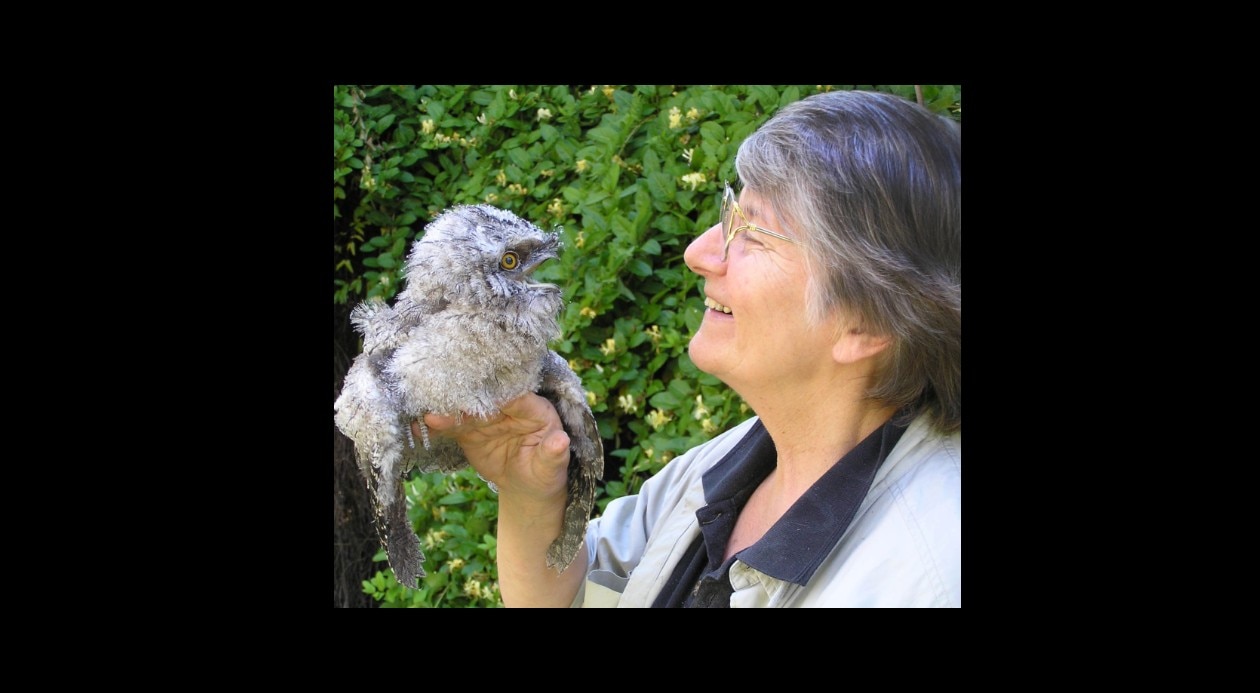 Animal Behaviouralist: Talking magpies, grieving tawny frogmouths and canny galahs 08.11.2019 52minGisela Kaplan fell under the spell of birds when hand-rearing a magpie nestling. After it learned to speak, she was so intrigued she switched careers and began her research into avian behaviour. Her many books on Australian native birds have been ground-breaking. Many assumptions about the nature of birds and their behaviour are completely wrong when applied to Australian birds. Gisela Kaplan was a professor of sociology when a magpie nestling she was hand raising bonded closely with her, followed her about, and learned to speak. Her curiosity about birds became so strong she switched careers to become a field biologist and animal behaviourist. Based in Armidale NSW, Gisela has conducted extensive research into avian behaviour. Her second PhD was a study of the songs of Australian magpies. Gisela's many books on Australian native birds have changed the way these creatures are understood. Along with her teaching, writing and research in ornithology, Gisela has been a wildlife carer for 25 years, raising countless birds of all ages. Further information Bird Bonds: sex, mate-choice and cognition in Australian native birds is published by Macmillan Gisela's earlier books include Bird Minds, Tawny Frogmouth, and Australian Magpie Gisela is Emeritus Professor of animal behaviour at the University of New England To binge even more great episodes of the ‘Conversations podcast’ with Richard Fidler and Sarah Kanowski go the ABC listen app (Australia) or wherever you get your podcasts. There you’ll find hundreds of the best thought-provoking interviews with authors, writers, artists, politicians, singers, psychologists, musicians, and celebrities.
-
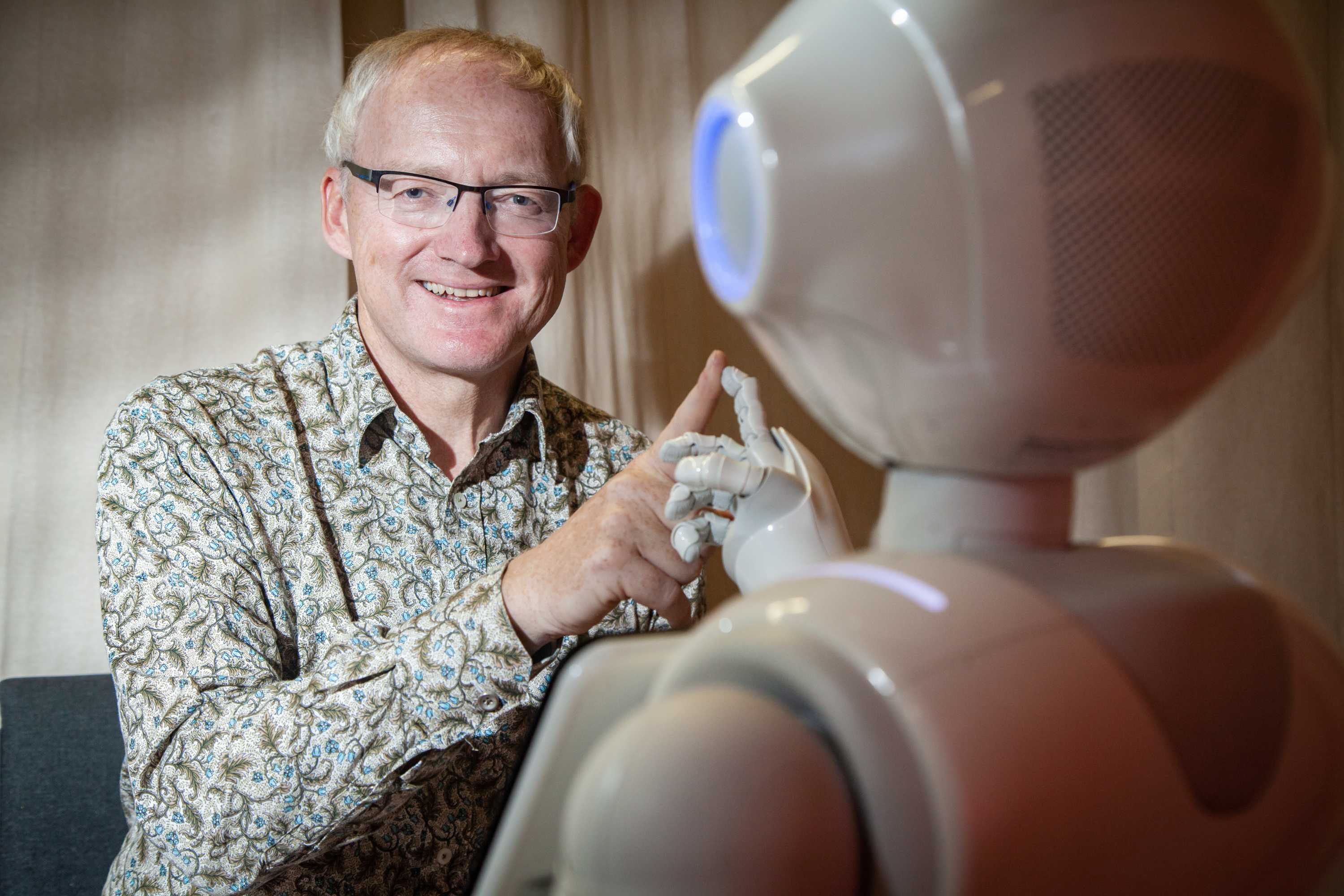 Artificial Intelligence — a moral future 06.06.2022 47minProfessor Toby Walsh is a world leader in AI research. He asks questions like, 'can we train machines to be fair?' and 'how do we resist the spread of lethal autonomous weapons?' His job is making sure the future of AI is for better, not worse. Artificial intelligence has become an essential part of our lives — it helps us to navigate and communicate, and is responsible for incredibly accurate medical technology. AI is also responsible for lethal autonomous weapons. It can be used to influence what we buy and how we vote. Professor Toby Walsh is one of the world's leading researchers in AI. His research is concerned with how to ensure our future use of AI is for the good of humanity. Further information Machines Behaving Badly: The Morality of AI is published by Black Inc To binge even more great episodes of the ‘Conversations podcast’ with Richard Fidler and Sarah Kanowski go the ABC listen app (Australia) or wherever you get your podcasts. There you’ll find hundreds of the best thought-provoking interviews with authors, writers, artists, politicians, singers, psychologists, musicians, and celebrities.
-
Part ONE: Locked up in China — Cheng Lei on state paranoia and staying sane in isolation 04.06.2025 49minWhen journalist Cheng Lei was detained by Chinese state security agents, she thought would be freed within the week. Instead, she was held on absurd espionage charges for more than three years, much of that time spent in isolation. When Cheng Lei moved back to the country of her birth after the dramatic opening up of China to the world, she was a part of something exciting and historic. That all changed after Xi Jinping came to power, and Australia's relations with China deteriorated. In this first episode of a two-part series, Lei explains how eventually, she found herself detained on bogus espionage charges, and held for more than three years in a Chinese detention centre. For the first six months of her detention, Lei was isolated and alone except for the rotating female guards who stood over her 24 hours a day. Lei was not allowed to speak to these guards, she was forced to sit on the edge of her bed for 14 hours a day, she had to ask permission to do anything, she was not allowed to close her eyes and intermittently she was taken to a room, tied down in a chair and interrogated about allegedly sharing state secrets with foreigners. Lei learned how to ration books, she practised German vocabulary, wrote scripts in her head and thought of her two children to stay sane under torturous conditions. Further information Listen to the second part of Richard's extraordinary conversation with Cheng Lei here. Cheng Lei: A Memoir of Freedom is published by HarperCollins. Cheng Lei: My Story is a documentary made by Sky News Australia. It is available to stream at SkyNews.com.au. Conversations' Executive Producer is Nicola Harrison. This episode was produced by Meggie Morris. Find out more about the Conversations Live National Tour on the ABC website. This episode of Conversations explores CCP, Covid, propaganda, communism, paranoia, Marise Payne, Scott Morrison, family separation, career changes, jail, justice system, Chinese Communist Party, embassy, diplomatic relations, CCTV, state broadcaster, media, television, news anchor, single mothers, trade, tariffs, books, writing, motherhood, parenting, Tiananmen Square, personal stories, origin. To binge even more great episodes of the ‘Conversations podcast’ with Richard Fidler and Sarah Kanowski go the ABC listen app (Australia) or wherever you get your podcasts. There you’ll find hundreds of the best thought-provoking interviews with authors, writers, artists, politicians, singers, psychologists, musicians, and celebrities.
-
Part TWO: Locked up in China — Cheng Lei on cell mates, singing and survival 05.06.2025 48minCheng Lei's years in detention in China, on trumped-up espionage charges, go from cruel and isolating, to absurd and romantic when she gets moved into a cell with three other women. The Chinese-Australian journalist was held in detention in China for more than three years, accused of selling state secrets to foreign people and powers. In episode one of this two-part series, Lei explained how the charges hinged on a document that was read out publicly on television, and how she survived the cruelty of interrogations and being kept in isolation. In this episode, Lei's details how her experience of detention changed as she moved out of solitary confinement, but still under lock and key with three other women. In cell 112, Lei and the other women sang songs when the guards weren't watching, they fought, they bonded and they communicated secretly with the prisoners in a cell next door. The knocking, for which Lei was punished, climaxed in a covert proposal. Eventually, Lei saw sunlight again. With the help of the Australian Government, she was released and flown back home to Melbourne, where she was reunited with her children (now teenagers), rebuilt her life and can be publicly critical of the paranoid and image-conscious state security system that locked her behind bars for years. Further information Listen to the first part of Richard's extraordinary conversation with Cheng Lei here. Cheng Lei: A Memoir of Freedom is published by HarperCollins. Cheng Lei: My Story is a documentary made by Sky News Australia. It is available to stream at SkyNews.com.au. Conversations' Executive Producer is Nicola Harrison. This episode was produced by Meggie Morris. Find out more about the Conversations Live National Tour on the ABC website. This episode of Conversations explores CCP, Covid, propaganda, communism, paranoia, Marise Payne, Scott Morrison, family separation, career changes, jail, justice system, Chinese Communist Party, embassy, diplomatic relations, CCTV, state broadcaster, media, television, news anchor, single mothers, trade, tariffs, books, writing, motherhood, parenting, Tiananmen Square, personal stories, origin. To binge even more great episodes of the ‘Conversations podcast’ with Richard Fidler and Sarah Kanowski go the ABC listen app (Australia) or wherever you get your podcasts. There you’ll find hundreds of the best thought-provoking interviews with authors, writers, artists, politicians, singers, psychologists, musicians, and celebrities.
-
Epic sharks — the ancient origins of the monsters of the sea 10.09.2024 50minFrom sharks with wheels of teeth, to gargantuan sharks like the megalodon, palaeontologist John Long has traced the long and storied history of these oceanic hunters. Sharks and humans have a complicated relationship. We have long considered them monsters and super predators that should be eliminated for our own safety. But sharks are much more than scary and fearsome. The history of this incredible animal stretches back hundreds of millions of years. From sharks with wheels of teeth, to the ascent of the super predators like the megalodon, palaeontologist John Long has traced the long and storied history of these hunters, asking how they've managed to survive extinction despite everything that's been thrown at them. This episode of Conversations explores science, origin stories, ancient history, sharks, palaeontology, the ocean, climate change, megalodon, hunting and predators. Further information The Secret History of Sharks: The Rise of the Ocean's Most Fearsome Predators is published by Hachette To binge even more great episodes of the ‘Conversations podcast’ with Richard Fidler and Sarah Kanowski go the ABC listen app (Australia) or wherever you get your podcasts. There you’ll find hundreds of the best thought-provoking interviews with authors, writers, artists, politicians, singers, psychologists, musicians, and celebrities.
-
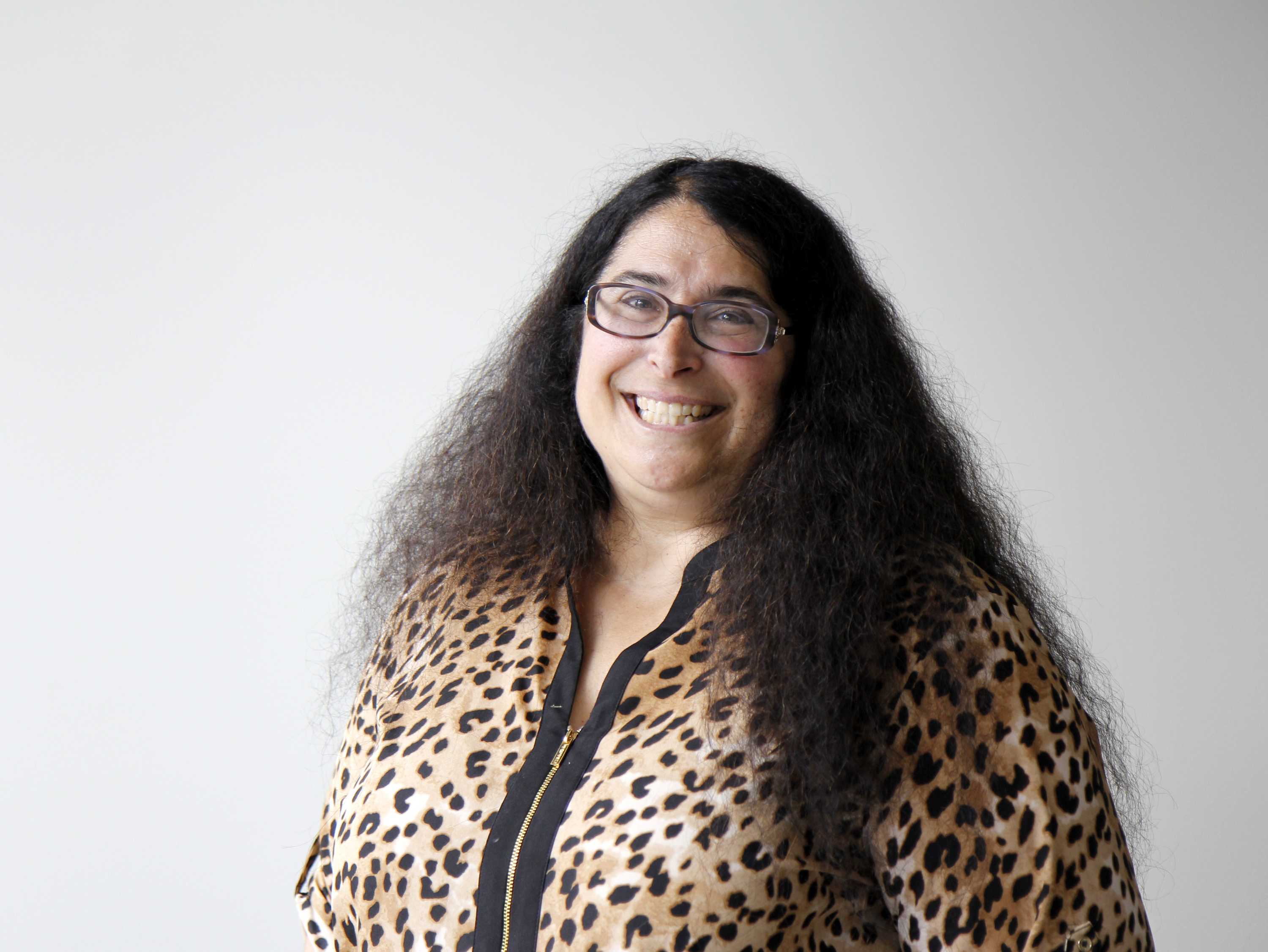 The delicate and deadly world of jellyfish: from Bazinga to Shiraz 02.05.2017 55minLisa-Ann Gershwin discovered a new species of deadly Irukandji jellyfish. Lisa-Ann Gershwin was in her late 20s when she visited a small aquarium in Los Angeles. There she found white moon jellyfish in a tank, hanging 'like clouds in the sky'. They were the most beautiful, mesmerising creatures Lisa had ever seen, and that day set her life's work in motion. She's now one of the world's foremost jellyfish biologists who has discovered more than 200 species, including one she named Bazinga. She says jellyfish blooms pose an increasing risk to the world's oceans, and there's only one way to stop them. To binge even more great episodes of the ‘Conversations podcast’ with Richard Fidler and Sarah Kanowski go the ABC listen app (Australia) or wherever you get your podcasts. There you’ll find hundreds of the best thought-provoking interviews with authors, writers, artists, politicians, singers, psychologists, musicians, and celebrities.
-
Aunty Ruth Hegarty’s life of defiance 25.01.2024 52minThe hardship, cruelty and loneliness of the mission system during the Great Depression didn't crush Aunty Ruth Hegarty's spirit. She found her voice, God and her family. In 1929 during the Great Depression, Ruth Hegarty travelled with her mother and grandparents to Barambah, later known as Cherbourg Aboriginal Mission. After being told someone there would help them find a new home, they soon discovered they weren't allowed to leave. At 4 years of age, Ruth was separated from her family. She grew up as a dormitory girl, and was sent out to work as a domestic servant when she turned 14. But the cruelty and loneliness of the mission system didn't crush Ruth's spirit. Ruth found her voice, she found God, and she became a matriarch to five generations of descendants. Content warning: this episode contains discussions about abuse, family violence, and Stolen Generations Further Information Ruth's books Is that you, Ruthie? and Bittersweet Journey are published by University of Queensland Press. Ruth's life story has been adapted into a play written and directed by Leah Purcell. To binge even more great episodes of the ‘Conversations podcast’ with Richard Fidler and Sarah Kanowski go the ABC listen app (Australia) or wherever you get your podcasts. There you’ll find hundreds of the best thought-provoking interviews with authors, writers, artists, politicians, singers, psychologists, musicians, and celebrities.
-
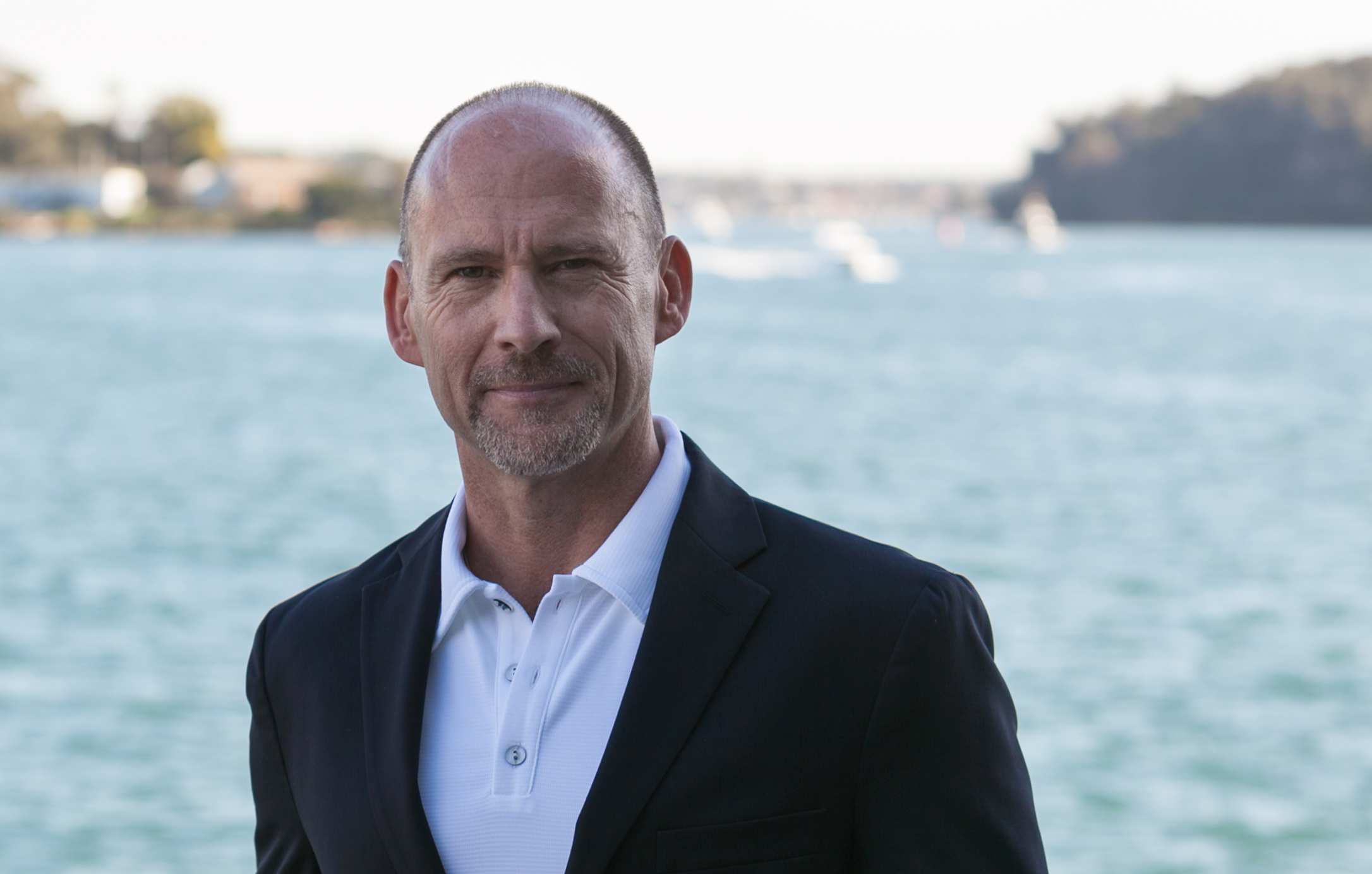 Bill Hayes' unexpected later-in-life love story, set in New York City 26.05.2017 41minBill Hayes moved to New York at 48. He took up photography, and fell in love with his neighbour, Dr Oliver Sacks Doctor Oliver Sacks was a neurologist, a naturalist and a university professor. He became famous for writing case histories of his patients in books including, The Man Who Mistook his Wife for a Hat, and An Anthropologist on Mars. But Oliver had never been in a relationship. Then, at the age of 75, he fell deeply in love with a man decades younger than him. He and Bill Hayes lived in the same building, in New York, three flights apart. Their time together ended when Dr Sacks was in his early eighties. Further information Insomniac City published by Bloomsbury This conversation was broadcast from the Sydney Writers’ Festival To binge even more great episodes of the ‘Conversations podcast’ with Richard Fidler and Sarah Kanowski go the ABC listen app (Australia) or wherever you get your podcasts. There you’ll find hundreds of the best thought-provoking interviews with authors, writers, artists, politicians, singers, psychologists, musicians, and celebrities.
-
The Natural Horseman 16.08.2024 53minPeople travel from all over the world to learn about horses from Ken Faulkner. But after a life-threatening riding accident on his favourite horse, Smoke, Ken had to learn to walk and ride again, rediscovering himself in the process
-
 Fascinating fungi — the intelligent kingdom 23.07.2020 50minBiologist Merlin Sheldrake's extreme experiments, many of which involve his physical body and varying forms of fungi, have led to equally remarkable discoveries English biologist Merlin Sheldrake, son of Rupert Sheldrake, became fascinated by fungi when he was a boy. He grew mushrooms in his cupboard and brewed bog myrtle beer under his bed. He went on to study fungi at Cambridge University, and his research explores the interconnection between fungi and plants in what’s known as ‘the Wood Wide Web’. Merlin's extreme experiments, many of which involve his physical body and varying forms of fungi, have led to equally remarkable discoveries. Further information Entangled Life: How Fungi Make Our Worlds, Change Our Minds and Shape Our Futures is published by Random House More about Merlin and his work To binge even more great episodes of the ‘Conversations podcast’ with Richard Fidler and Sarah Kanowski go the ABC listen app (Australia) or wherever you get your podcasts. There you’ll find hundreds of the best thought-provoking interviews with authors, writers, artists, politicians, singers, psychologists, musicians, and celebrities.
-
From the Nazis to the Stasi, how ordinary citizens live through extraordinary times 04.09.2026 55minHistorian Katja Hoyer was born in 1985, under the old regime of the GDR and grew up in the 1990s, watching many former East Germans struggle in the years after reunification. Learning about the Nazi era was a big part of her education but Katja left school feeling unsatisfied about what she’d been taught about the period when the Nazis rose to power. She knew about all the big political moments, but not much about the lives of ordinary Germans and how they responded to the dramatic changes that unfolded around all around them. So Katja the historian traced the lives of residents in the town of Weimar from 1919 to 1939 to examine how a cultural hub of democracy transformed into a Nazi stronghold. Further information Weimar: Life of the Edge of Catastrophe is published by Penguin. Katja's earlier book is Beyond the Wall: East Germany 1949-1990 Learn more about Katja Hoyer on her website This episode of Conversations was produced by Jen Leake and the Executive Producer was Nicola Harrison. It explores German history, the rise of the Nazis, Weimar, the Weimar Republic, Adolf Hitler, the Stasi, secret police, the Berlin Wall, Communism, Fascism, World War II, East Germany, the GDR, democracy, Jewish persecution, Buchenwald, concentration camps, Carl Weirich, Nazi era history, the rise of the Nazis. To binge even more great episodes of the Conversations podcast with Richard Fidler and Sarah Kanowski go the ABC listen app (Australia) or wherever you get your podcasts. There you’ll find hundreds of the best thought-provoking interviews with authors, writers, artists, politicians, psychologists, musicians, and celebrities.
-
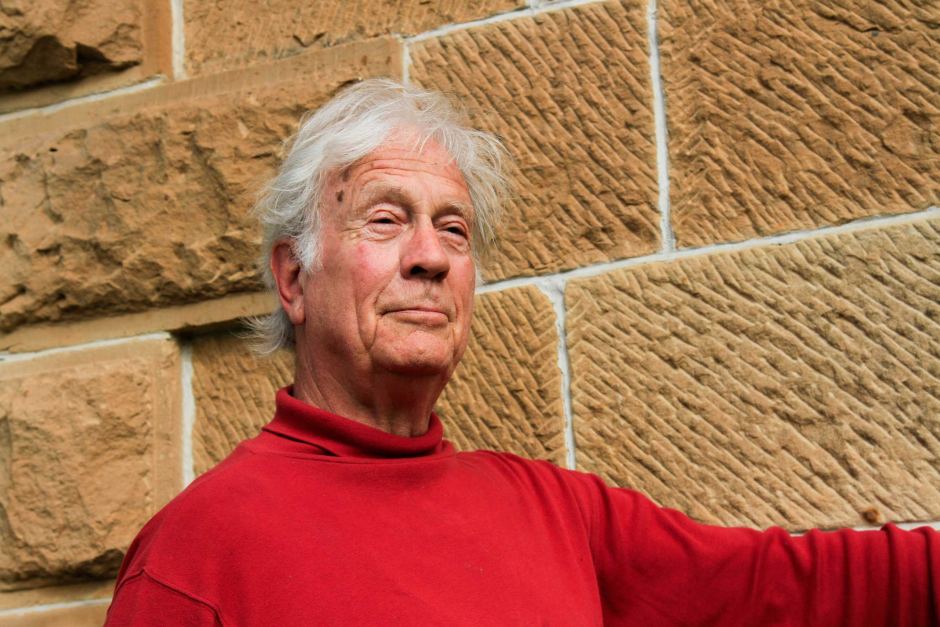 Henry Reynolds and the truth 17.05.2021 52minOne of the foremost historians of black and white Australia, Henry says now is the time to acknowledge how the country was founded. Frontier violence, the myth of peaceful settlement, and the failure of the British to make treaties with the First Nations have led to consequences we still live with today (CW: material might be distressing to ATSI listeners) When Henry moved to Townsville to teach history in 1965, there were almost no mentions of Aboriginal people in the core Australian history textbook. He soon began his life's work of studying the intersection between settlers and Australia's First Nations and was shocked to discover the gaping holes in the country's story. He found that even at the time Australia was claimed by the British, it was seen as legally shoddy and morally dubious. He says the British messed up the colonisation of Australia by not making treaties with the First Nations, and that we're still living with the consequences of frontier violence today. (CW: material might be distressing to ATSI listeners. Please use discretion.) Further information Truth-Telling: History, Sovereignty and the Uluru Statement is published by NewSouth To binge even more great episodes of the ‘Conversations podcast’ with Richard Fidler and Sarah Kanowski go the ABC listen app (Australia) or wherever you get your podcasts. There you’ll find hundreds of the best thought-provoking interviews with authors, writers, artists, politicians, singers, psychologists, musicians, and celebrities.
-
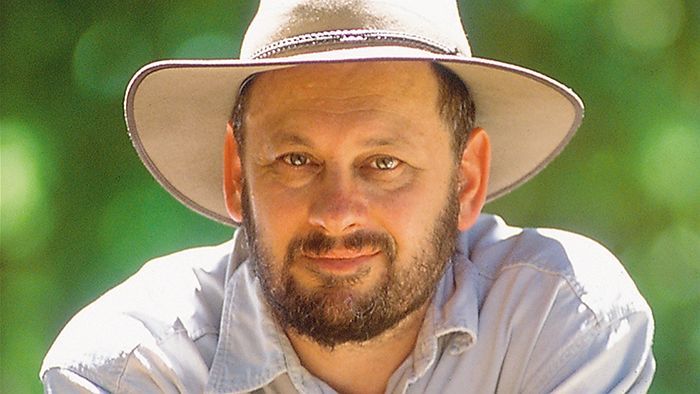 Tim Flannery reflects on his youthful adventures in the South Pacific 17.01.2012 52minBroadcast date: Tuesday 17 January 2012
-
Scientist Tany Letty's lessons from slime mould - a brainless blob 29.05.2023 49minTanya Latty is an insect scientist with a quirky taste in pets, and a keen eye for detail. But it's the lessons from her brainless pet slime mould that she's most fascinated about. Scientist, Tanya Latty, studies the behaviour of ants and bees. She's particularly interested in their ability to work effectively as a team to achieve a common goal. But her pet project is focused on a creature that defies classification. Slime moulds are neither plants nor animals. They can move, but they don't have legs or wings. They appear to make complex decisions, often motivated by the promise of food. Yet they don't have a stomach or a brain. Despite slime moulds' unique biology, Tanya was struck by their apparent intelligence and by similarities in their patterns of behaviour to ants and bees. Tanya believes the knowledge gained from studying the behaviour of slime moulds and insects could help to solve complex organisational problems in the human world. Further information For more information on Dr Latty’s research head to the Invertebrate behaviour and ecology lab website. To binge even more great episodes of the ‘Conversations podcast’ with Richard Fidler and Sarah Kanowski go the ABC listen app (Australia) or wherever you get your podcasts. There you’ll find hundreds of the best thought-provoking interviews with authors, writers, artists, politicians, singers, psychologists, musicians, and celebrities.
-
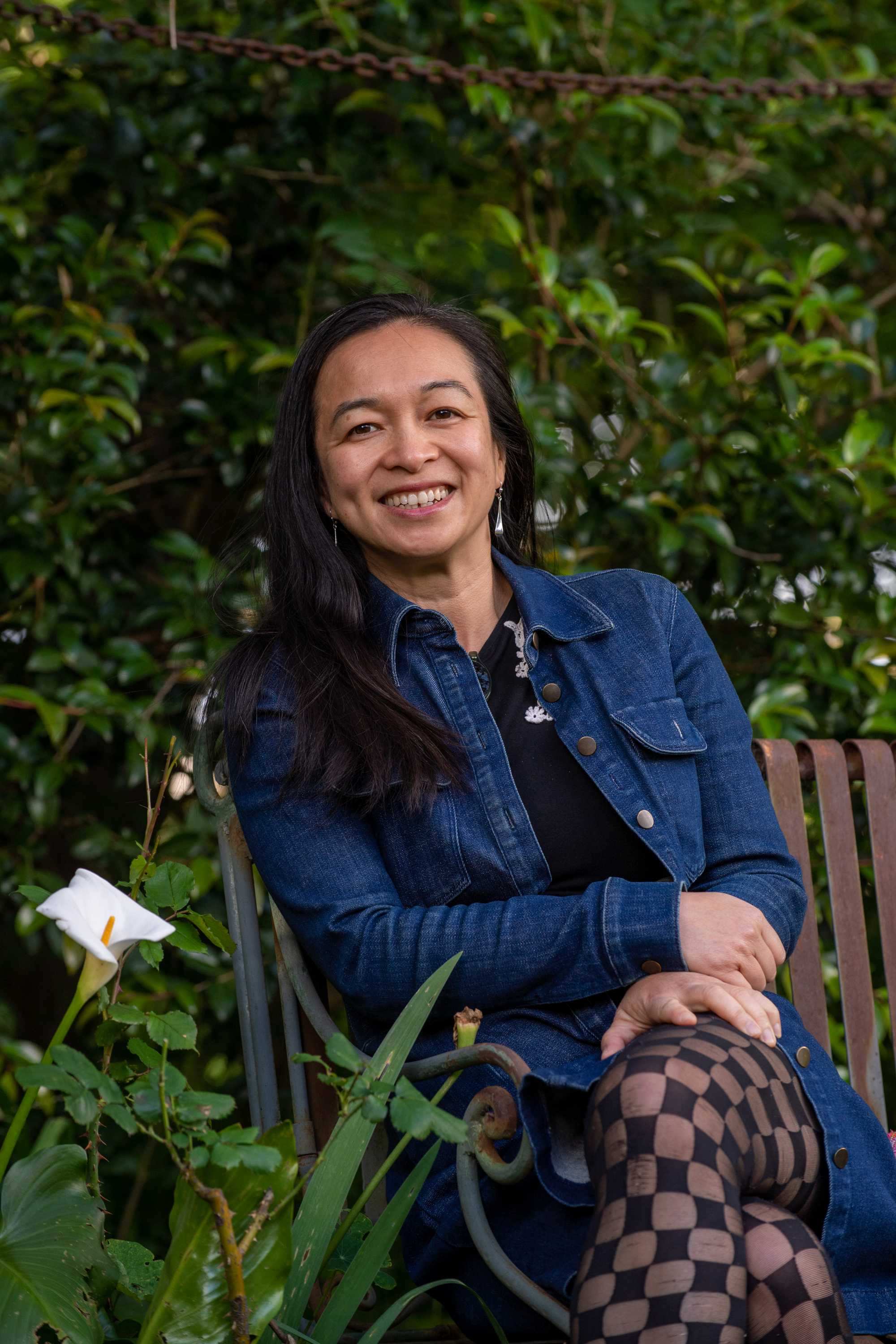 A daring escape from Vietnam, and a brilliant career 20.06.2022 51minAnh Nguyen Austen's family fled Vietnam by sea in 1982, on a wooden boat bound for the Philippines. When a once-in-a-century storm struck in South China Sea, they thought all hope was lost. Anh is an academic and community volunteer. She grew up in Vietnam in a Catholic family. Anh's childhood was idyllic, with a big extended family and a close friendship with her cousin named Joe. But life for the adults was complicated after the end of the war. In the early 1980s, her parents planned a daring escape. Under the noses of the regime, they secretly constructed a boat which they hoped would take them to the Philippines. They intended to bring 40 people with them, but on the day of departure 101 people crowded on board, before the boat sailed into a once-in-a-century storm on the South China Sea. Years later, Anh found film footage of their rescue, at a moment when almost all hope was lost. After their rescue, her family made it to a refugee camp in the Philippines, then to America, where Anh grew up to attend some of the world's most prestigious universities before she became an academic herself. Further information The rescue of 101 Boat was filmed for Medecins du Monde To binge even more great episodes of the ‘Conversations podcast’ with Richard Fidler and Sarah Kanowski go the ABC listen app (Australia) or wherever you get your podcasts. There you’ll find hundreds of the best thought-provoking interviews with authors, writers, artists, politicians, singers, psychologists, musicians, and celebrities.
Lignende podcasts


Populær i
Denne podcast optræder også i podcast-hitlister i disse lande.
