
OpenAI Podcast
OpenAI
0
Hosted by Andrew Mayne, The OpenAI Podcast features conversations with the people building with and working at OpenAI. Topics range from how new features are developed to what users are doing with the technology. It’s a practical look at how AI is made and where it’s going, told by the people closest to the work.
Folgen
-
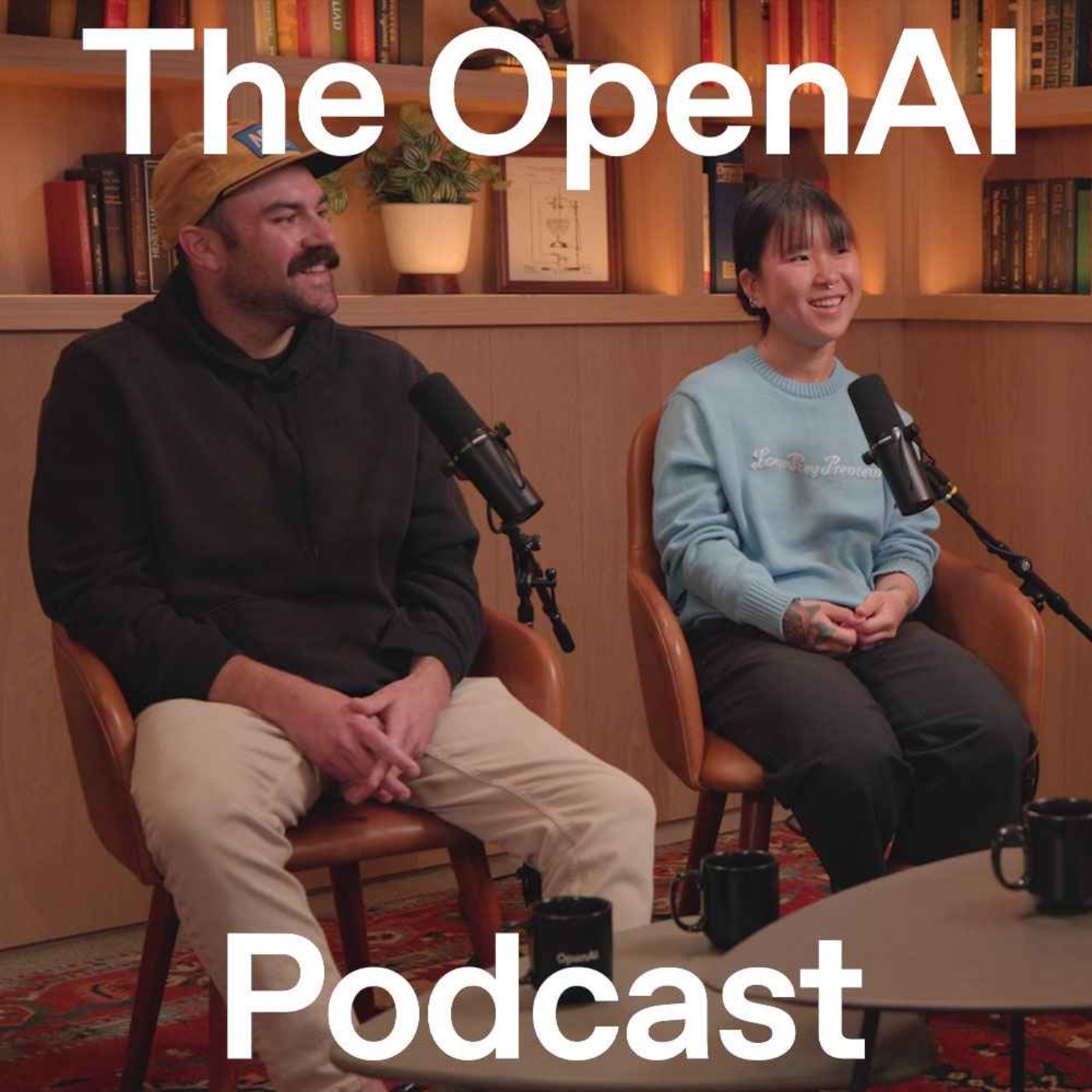 What racing reveals about working with AI - Episode 22 16.07.2026 41Min.Racing is a sport of tiny margins and mountains of data. OpenAI researcher Joyce Ruffell and RaceTek Systems co-founder Chase Holden are each using AI to help teams make better use of information from the track, the garage, and the people behind the wheel. They discuss OpenAI’s research collaboration with Chip Ganassi Racing and how Chase used ChatGPT and Codex to go from hosting a NASCAR podcast to building a racing intelligence company. They also examine how AI could give smaller teams an edge without replacing the human expertise at the heart of racing, and why car culture runs so deep at OpenAI.Chapters00:43 Intro to OpenAI researcher Joyce Ruffell and Chip Ganassi Racing02:43 Intro to Chase Holden and RaceTek Systems07:45 Joyce’s path into racing10:00 Helping racing teams work with AI15:31 Combining human feedback with racing data18:26 How AI helps smaller teams compete21:43 Spreadsheets and the “data wars” in racing27:03 Getting started with AI and Codex30:08 How RaceTek won its first customer33:01 Humans, robot racing, and the future of competition39:26 Using AI beyond the racetrack Hosted on Acast. See acast.com/privacy for more information.
 -
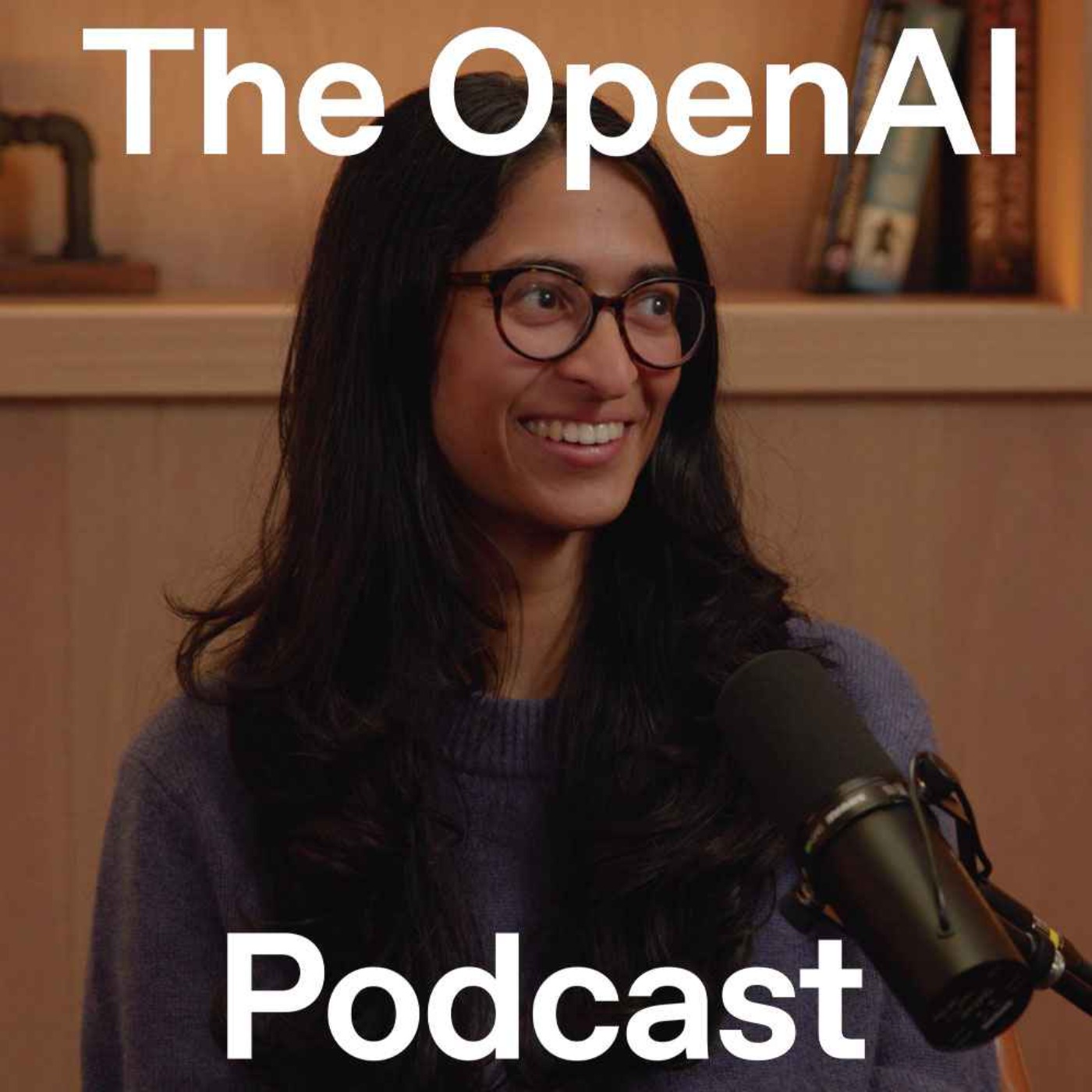 Why Tejal Patwardhan stopped underestimating the models - Episode 21 16.06.2026 44Min.The old tests are getting too easy. Tejal Patwardhan leads OpenAI’s frontier evals team, which is finding new ways to measure and forecast progress as models become more capable. She and host Andrew Mayne discuss why evals matter for research, how benchmarks can break or get gamed, and what models need to be judged on next.Chapters00:00:24 Growing up at OpenAI00:03:10 Why reasoning changed everything00:06:28 What made o1 surprising00:11:20 Why old benchmarks stopped working00:14:45 What makes a good benchmark00:17:35 Why evals are getting harder00:22:09 Measuring voice and vision models00:24:48 Testing models on real science00:33:23 How OpenAI tracks frontier progress00:40:47 What AI means for work Hosted on Acast. See acast.com/privacy for more information.
 -
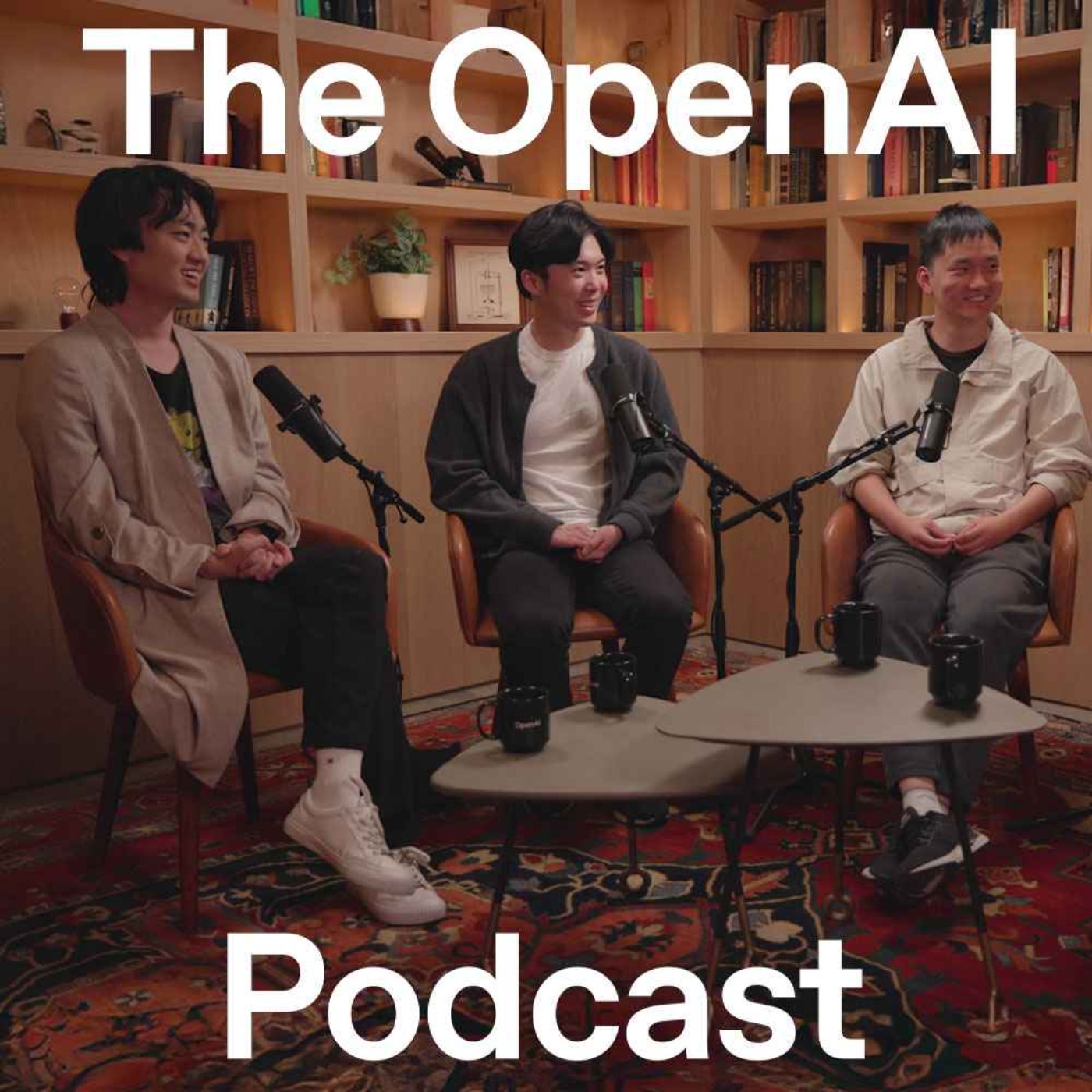 How a reasoning model cracked an 80-year-old math problem - Episode 20 04.06.2026 41Min.Last month AI found something mathematicians had missed for decades. Reasoning researchers Alexander Wei, Hongxun Wu, and Lijie Chen join the podcast to discuss how a general-purpose model helped disprove an 80-year-old conjecture from famed mathematician Paul Erdős. They walk through the moment the result started looking real, what it took to verify the proof, and what’s happened since sharing the discovery with the world. They also explore what this means for the future of math and for researchers learning to work with AI.Chapters0:44 AI and the International Math Olympiad and International Olympiad of Informatics6:35 An OpenAI model disproves the Erdős unit distance conjecture8:33 Running the model and checking the proof11:04 Why general models matter for discovery15:55 Creativity, tools, and how the proof worked18:25 Why AI should feel empowering for mathematicians22:31 Advice for researchers using AI27:24 What comes next for math and AI research37:30 Cryptography, quantum computing, and the future Hosted on Acast. See acast.com/privacy for more information.
 -
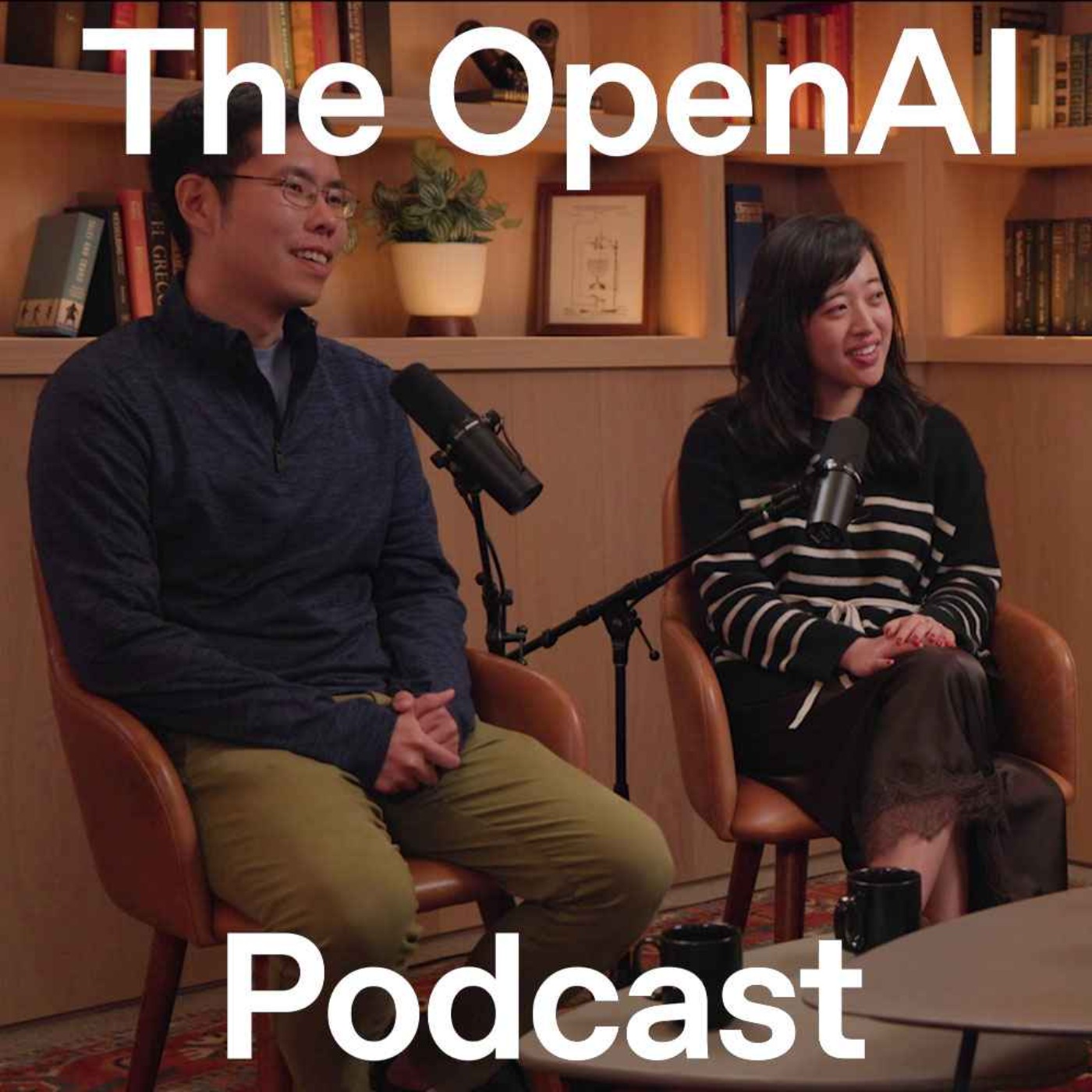 Inside image generation’s Renaissance moment - Episode 19 14.05.2026 29Min.People are generating over 1.5 billion images a week in ChatGPT. In this episode, Product lead Adele Li and researcher Kenji Hata share some of the new use cases and trends since the launch of Images 2.0. Together with host Andrew Mayne, they trace the progress from the early DALL-E days and dive into the latest capabilities, including better text rendering, photorealism, multilingual support, world knowledge, aspect ratios, and character consistency. They also explore what comes next as image generation models evolve into more capable creative assistants.Chapters00:36 How Adele and Kenji came to work on Images02:27 Images 2.0 launch reception05:25 Productivity use cases and and 360 images09:34: Viral trends, authenticity, and imperfection10:51 Training breakthroughs and photorealism14:06 Evals, prompting, and creative control22:16 Creative agents and what comes next22:27 Images + Codex28:08 Prompt tips Hosted on Acast. See acast.com/privacy for more information.
 -
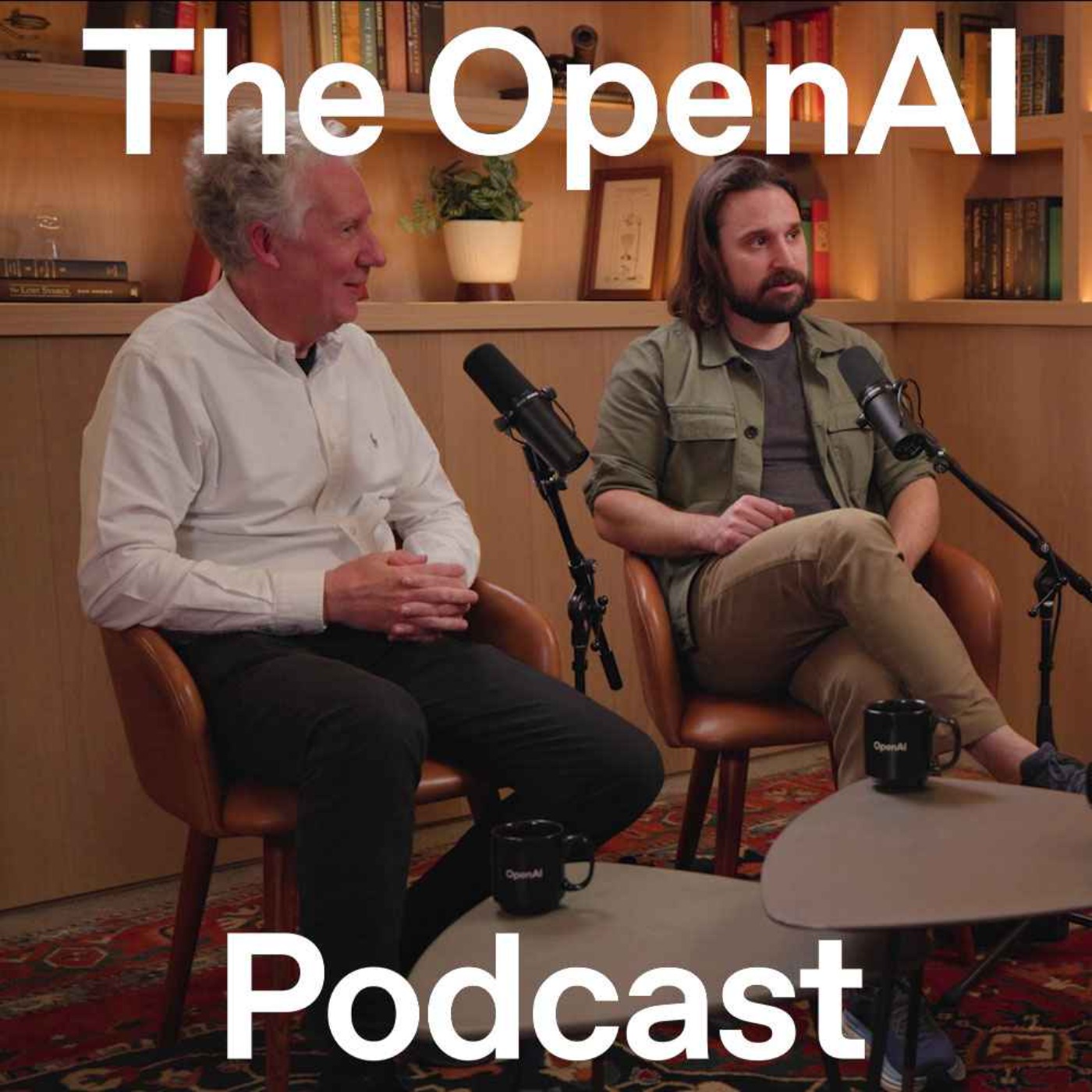 Why AI needs a new kind of supercomputer network - Episode 18 06.05.2026 37Min.Training frontier models isn’t as simple as adding more GPUs—one small problem and the whole coordinated dance falls apart. OpenAI’s Mark Handley and Greg Steinbrecher discuss how a new supercomputer network design, used to train some of the company’s latest models, keeps the whole system moving in lockstep, even with record numbers of GPUs. They break down Multipath Reliable Connection, a new protocol OpenAI developed with AMD, Broadcom, Intel, Microsoft, and Nvidia, and why they’re making it available for the whole industry to use.Chapters00:00 Intro00:39 Greg and Mark's paths to OpenAI04:34 Why training AI stresses networks differently10:05 Bottlenecks, failures, and the cost of waiting15:19 How Multipath Reliable Connection works18:59 A protocol to route around failures25:05 Why OpenAI is making MRC an open standard35:09 Could AI compute move to space? Hosted on Acast. See acast.com/privacy for more information.
 -
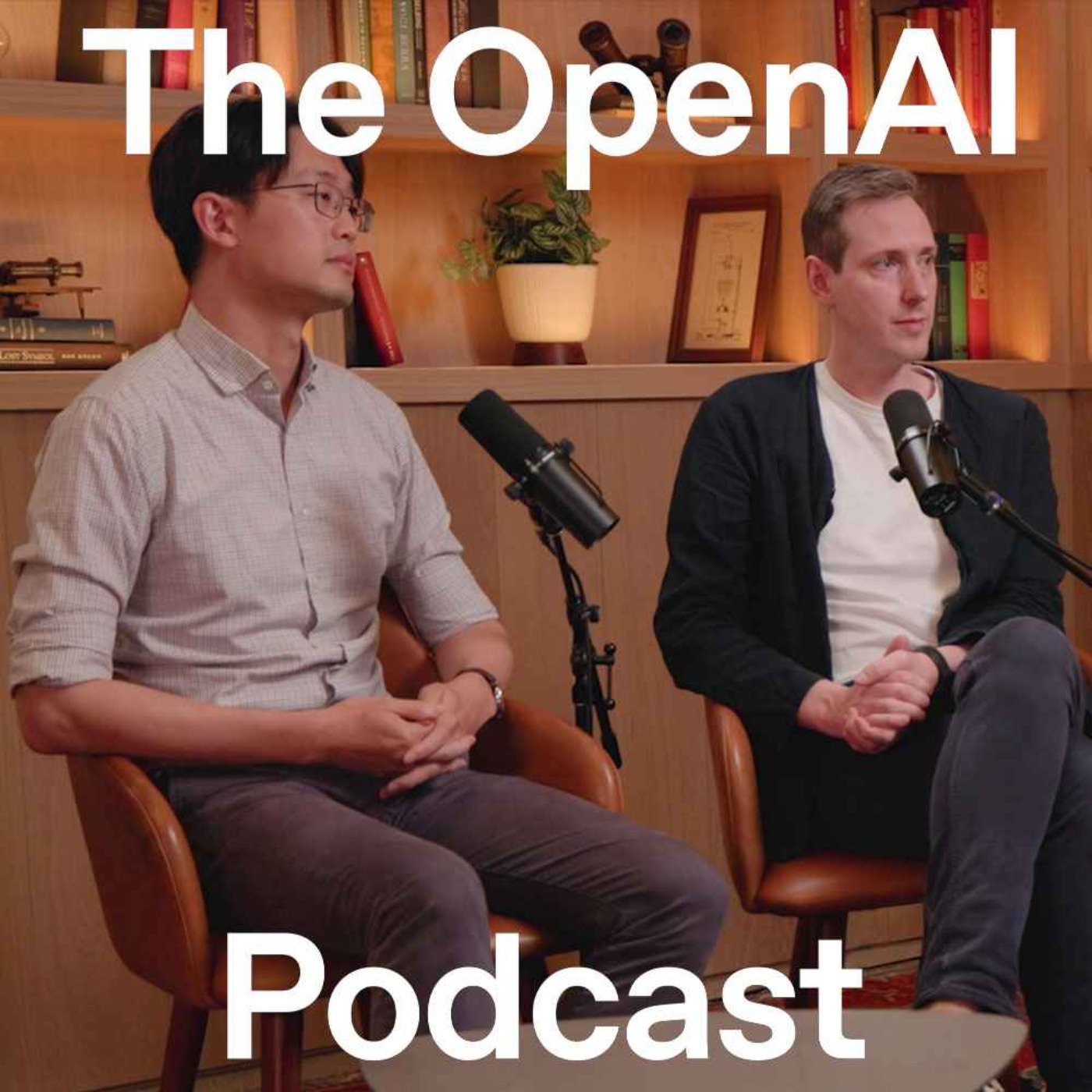 What happens now that AI is good at math? - Episode 17 28.04.2026 43Min.Math is one of the clearest ways to see how far AI has come in a short span. OpenAI researchers Sébastien Bubeck and Ernest Ryu join host Andrew Mayne to explain what changed and what it could mean for the future of research. They reflect on how Ernest used ChatGPT to help solve a 42-year-old open problem, the difference between deep literature search and original mathematical discovery, and what changes when AI can work over longer timelines. Chapters01:27 The surprising progress of AI’s math capabilities 03:01 Solving an open problem with ChatGPT06:57 How models went from basic math to research level11:32 Why math matters for AGI14:26 AI and the Erdős problems21:26 Building an automated researcher28:19 The role of humans as models improve33:52 Verifying proofs with AI36:00 The risk of shallow understanding41:19 Advice for learning math with ChatGPT Hosted on Acast. See acast.com/privacy for more information.
 -
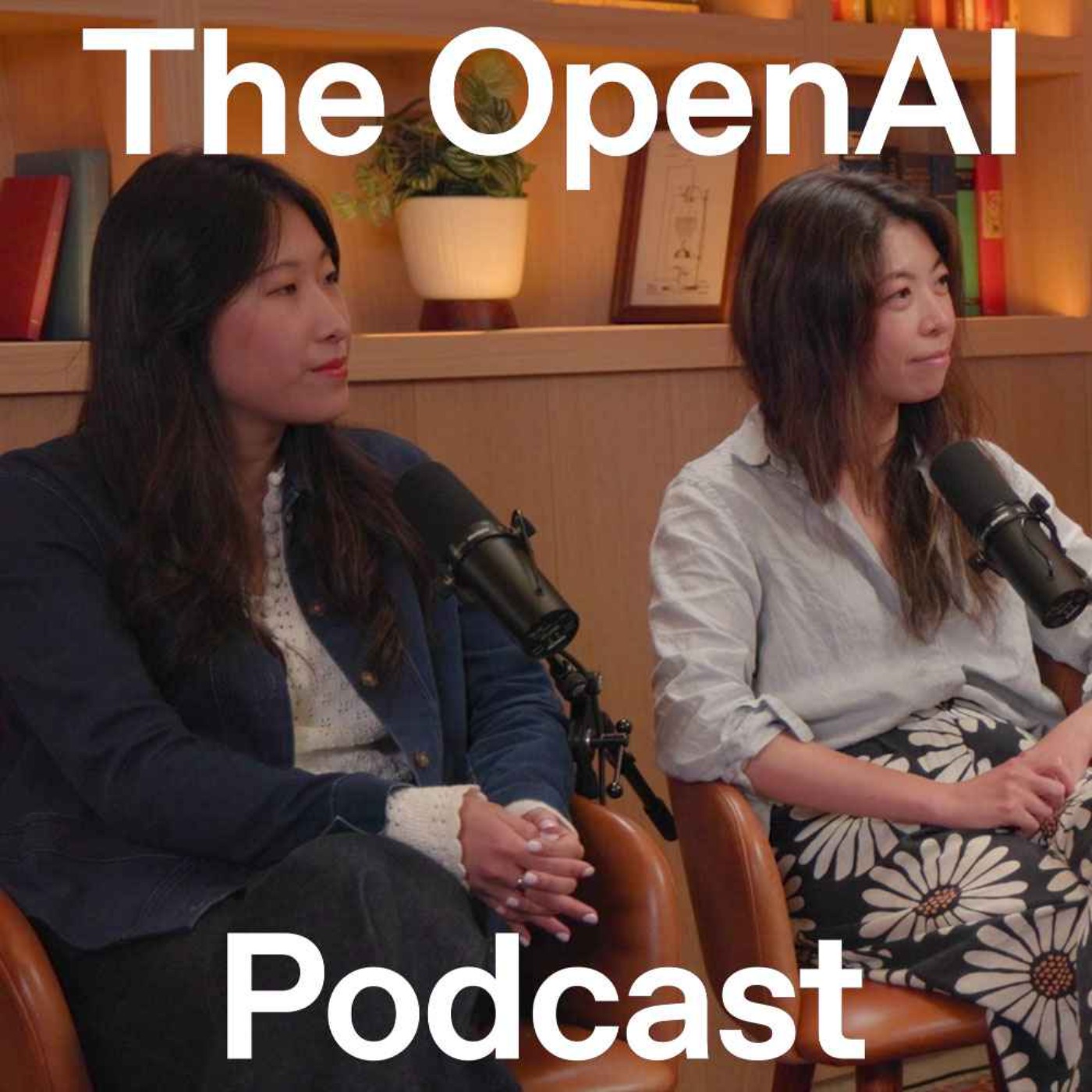 Building AI for Life Sciences - Episode 16 16.04.2026 44Min.What does it take to build AI systems that can actually help scientists? Research lead Joy Jiao and product lead Yunyun Wang discuss how OpenAI is developing models for life sciences and what responsible deployment means in a field with real biosecurity stakes. They explore how AI is already improving research workflows and where it could lead in drug discovery and more autonomous labs — including why a future with less pipetting sounds pretty good to most scientists.Chapters0:39 Introducing the Life Sciences model series3:47 Joy’s path into life sciences5:00 Autonomous lab with Ginkgo Bioworks7:27 Yunyun’s path into life sciences8:12 OpenAI’s life sciences work9:48 Biorisk, access, and safeguards15:43 What models can do in the lab17:51 Building scientific infrastructure20:14 Why compute matters for science24:54 Where are we in 6-12 months?29:51 Scientific adoption and skepticism33:17 Advice for students and researchers40:27 Where are we in 10 years? Hosted on Acast. See acast.com/privacy for more information.
 -
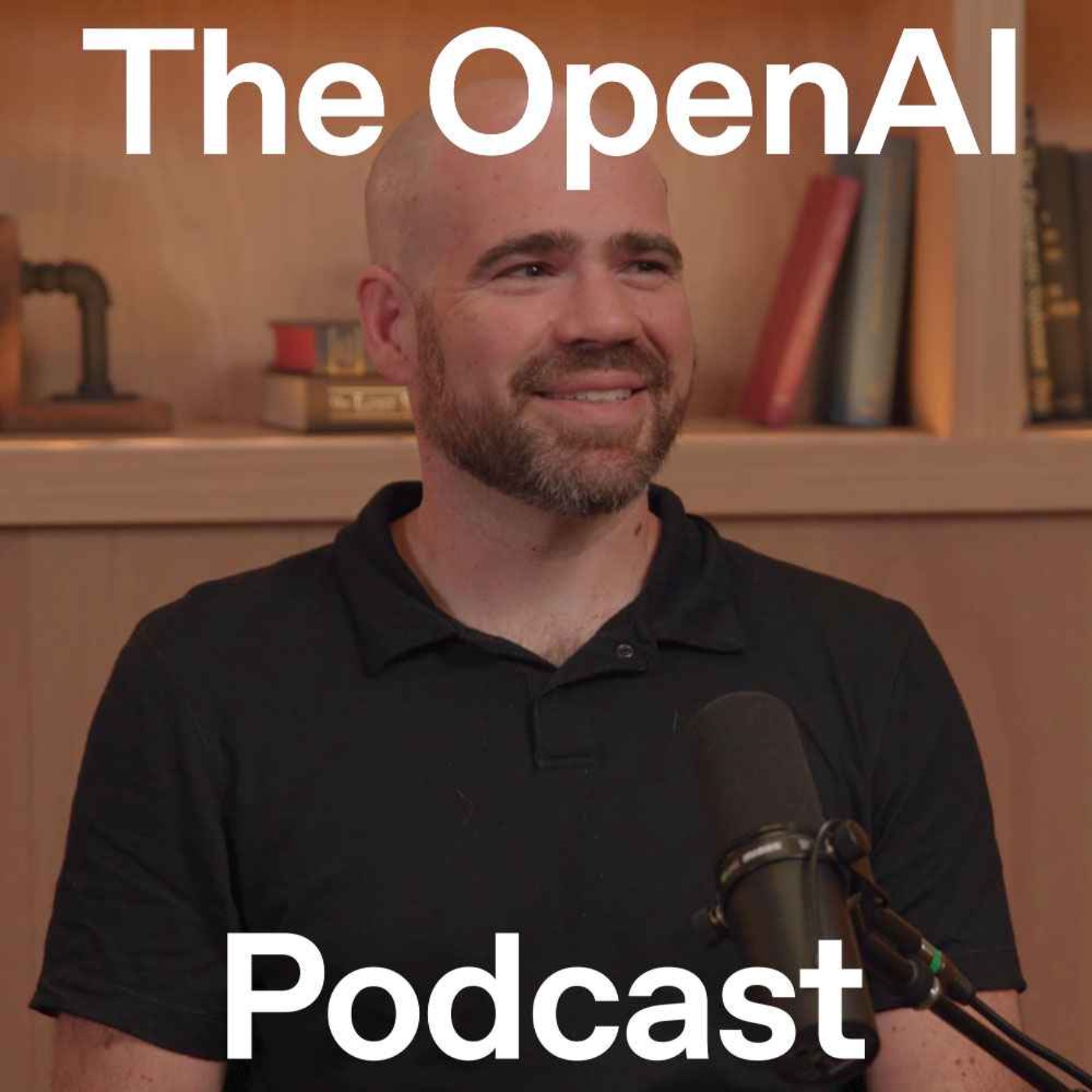 Inside the Model Spec - Episode 15 25.03.2026 37Min.The more AI can do, the more we need to ask what it should and shouldn’t do. In this episode, OpenAI researcher Jason Wolfe joins host Andrew Mayne to talk about the Model Spec, the public framework that defines intended model behavior. They discuss how the Model Spec works in practice, including how the chain of command handles conflicts between instructions, and how OpenAI evolves it based on feedback, real-world use, and new model capabilities.Chapters00:00 Introduction01:10 What is the Model Spec?03:55 How does the Model Spec work in practice?06:26 Transparency: Where to read the Model Spec & give feedback07:51 How did the Model Spec originate?10:02 How does the spec translate into model behavior?11:26 What is the hierarchy / chain of command?13:35 Handling edge cases like Santa Claus17:41 How does the Model Spec evolve over time?19:59 What happens when models disagree with the spec?22:05 How do smaller models follow the spec?23:16 Is chain-of-thought useful for alignment?24:16 Model Spec vs Anthropic’s Constitution26:28 What surprised you most?26:56 How do you define the scope of the spec?27:44 What is the future of the Model Spec?31:16 How should developers think about the spec?34:44 Asimov’s laws vs Model Spec37:16 Could AI write a Human Spec? Hosted on Acast. See acast.com/privacy for more information.
 -
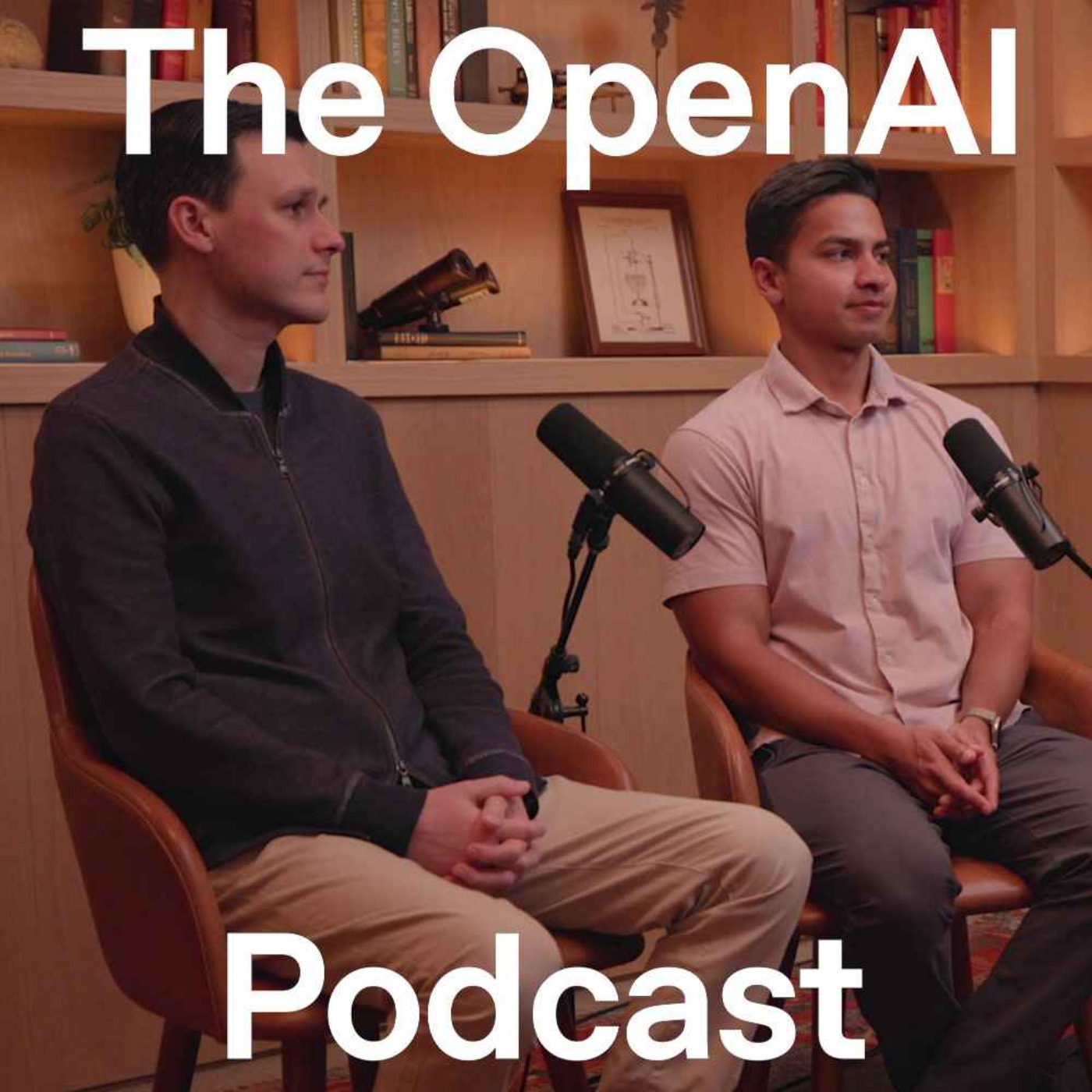 Building AI for better healthcare - Episode 14 16.03.2026 30Min.Healthcare systems around the world are under strain, and both patients and clinicians are feeling the impact. OpenAI's Head of Health Dr. Nate Gross and Karan Singhal, who leads Health AI Research, discuss how AI can help address the biggest challenges. They cover how OpenAI is training models to handle sensitive health questions in collaboration with physicians, and how that foundation is unlocking a new generation of tools for patients, clinicians, and healthcare systems.Chapters00:00:38 – Origins of Nate and Karan’s interest in AI and healthcare00:05:01 – Strategy for building AI tools for clinicians00:06:57 – How AI models are trained for health use cases00:10:15 – How OpenAI is able to score well on health evals00:14:21 – Key challenges deploying AI in healthcare00:21:05 – Collaboration with hospitals and healthcare systems00:23:05 – Practical everyday uses of AI health assistants00:26:43 – Biggest “wow” moment during development00:28:46 – Feedback from clinicians and early users Hosted on Acast. See acast.com/privacy for more information.
 -
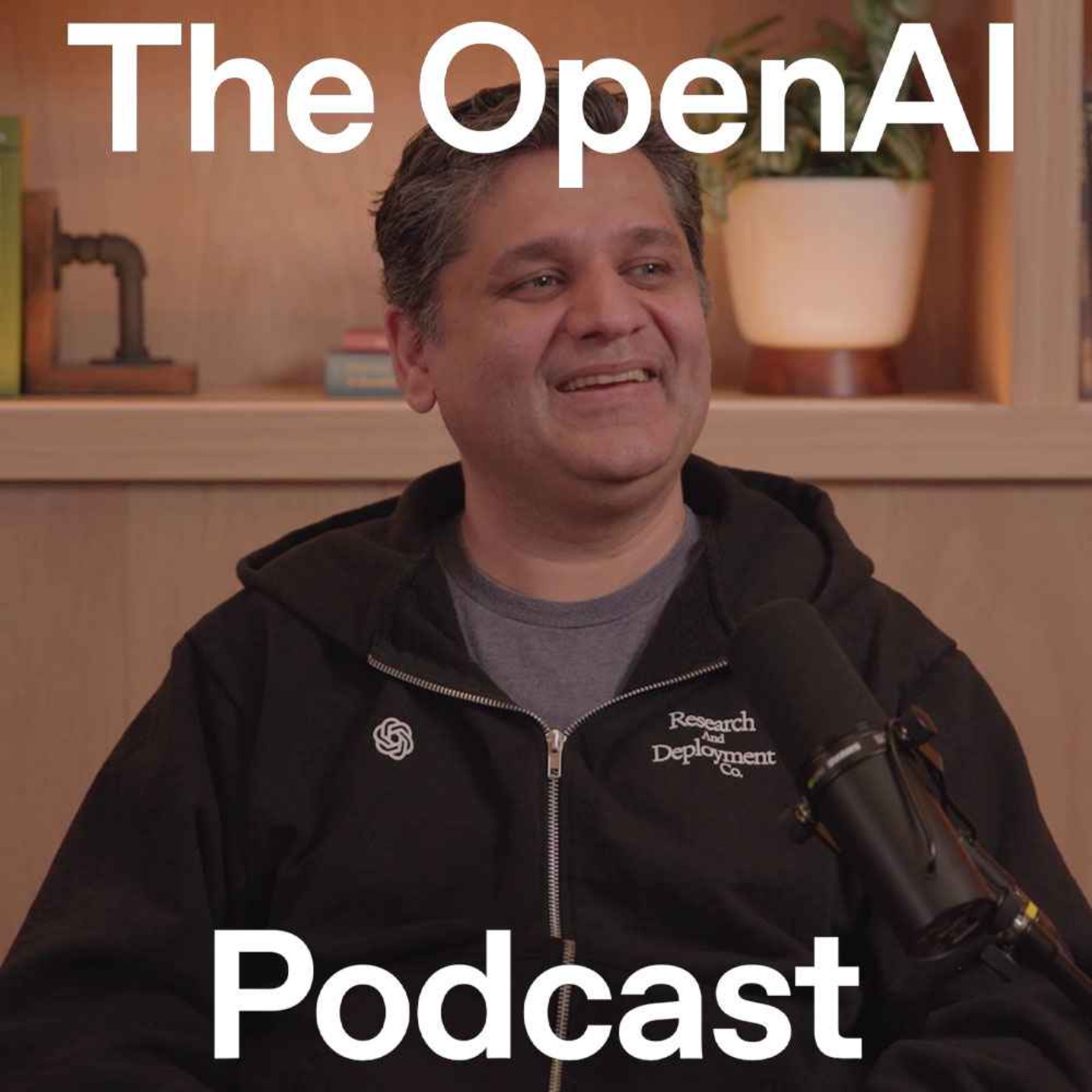 The Thinking Behind Ads in ChatGPT - Episode 13 09.02.2026 25Min.How should advertising work in an AI product? Asad Awan, one of the ad leads at OpenAI, walks through how the company is approaching this decision and why it’s testing ads in ChatGPT at all. He explains how ads are built to stay separate from the model response, keep conversations with ChatGPT private from advertisers, and give people control over their experience.Chapters00:00:29 — Mission and principles00:04:01 — Separation between ads and answers00:07:31 — Who will see ads00:08:52 — Internal input and decision-making process00:11:06 — Controls and how ads will work00:15:53 — Guardrails for sensitive conversations00:17:33 — Skepticism about ads00:20:26 — Helping small businesses00:24:13 — Future of ads Hosted on Acast. See acast.com/privacy for more information.
 -
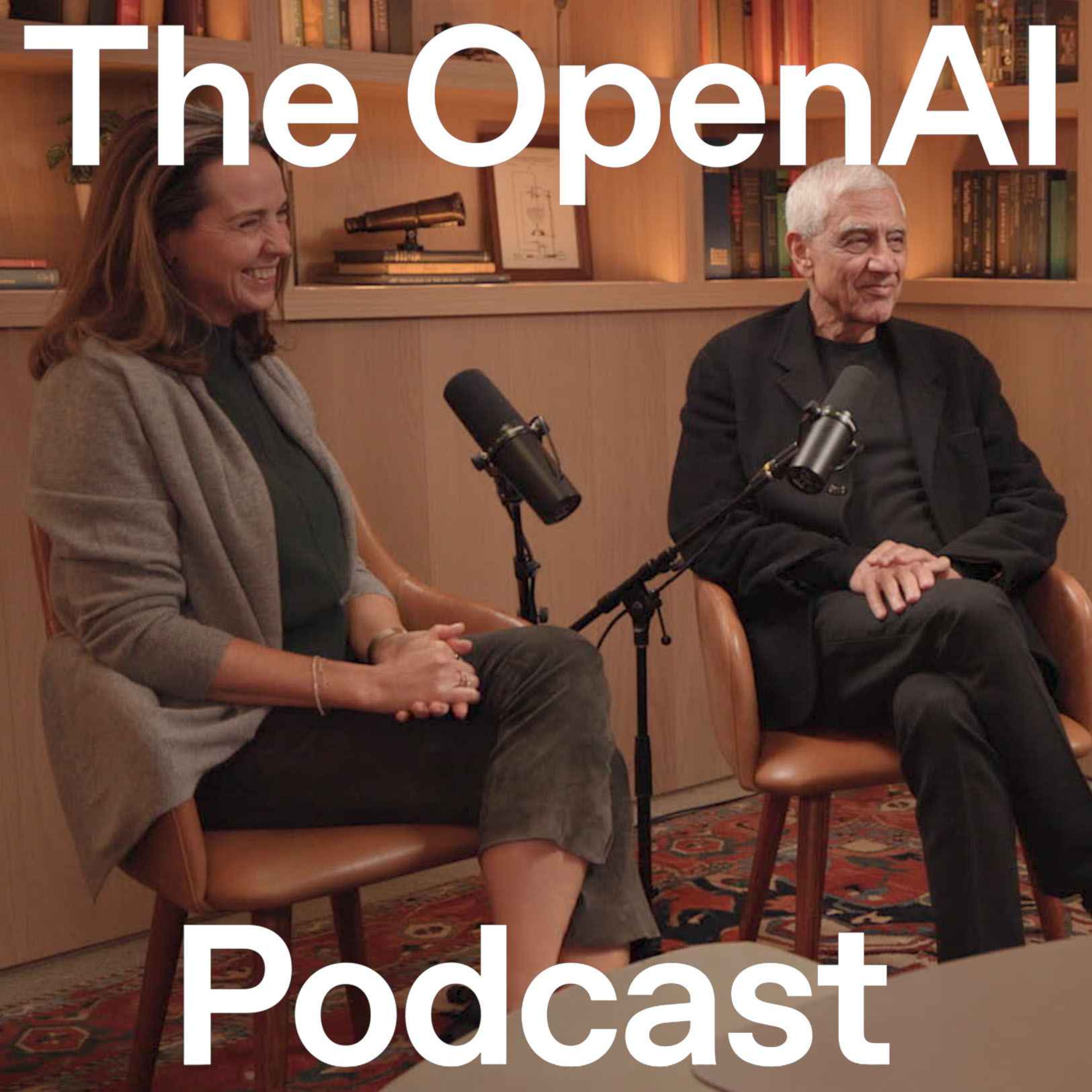 State of the AI Industry - Episode 12 19.01.2026 49Min.OpenAI CFO Sarah Friar and Khosla Ventures founder Vinod Khosla argue the greatest challenges in AI right now are keeping up with demand and making sure more people get the benefit. They unpack what's driving big investments in compute and why this moment is different from other technology cycles — with meaningful advances in health, agents, and robotics still ahead. Chapters00:00:00 — What’s the AI story of 2026?00:07:28 — AI in healthcare00:12:01 — Scaling compute to match revenue00:18:05 — Difference between now and dot-com bubble00:27:41 — Ads in ChatGPT00:30:05 — Will consumers have more than one AI subscription?00:36:41 — Winning in enterprise00:39:44 — How can startups succeed?00:44:05 — Robotics and beyond Hosted on Acast. See acast.com/privacy for more information.
 -
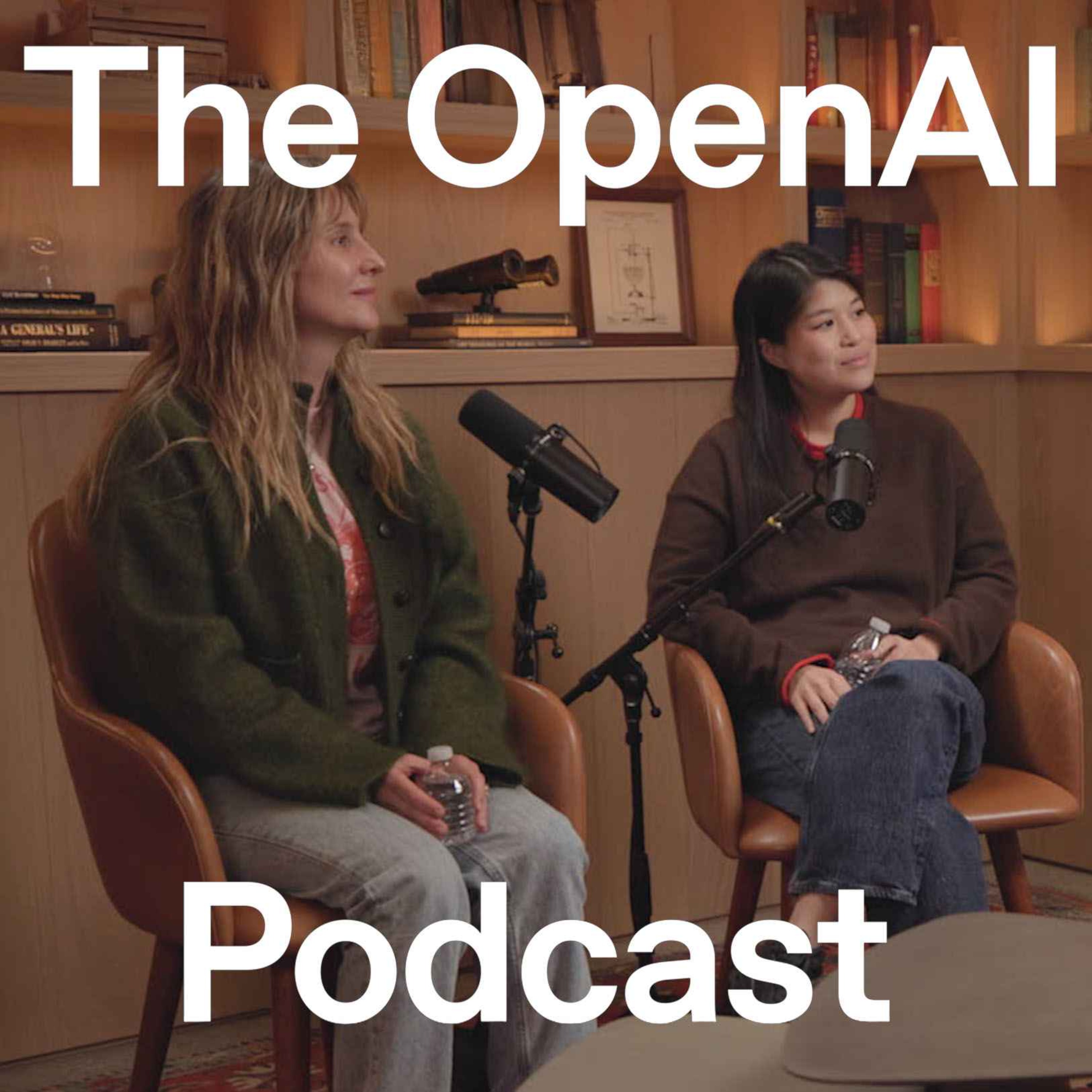 Shaping Model Behavior in GPT-5.1 - Episode 11 02.12.2025 28Min.What does it mean for an AI model to have "personality"? Researcher Christina Kim and product manager Laurentia Romaniuk talk about how OpenAI set out to build a model that delivers on both IQ and EQ, while giving people more flexibility in how ChatGPT responds. They break down what goes into model behavior and why it's an important, but still imperfect blend of art and science.Chapters:- 00:00:43 — GPT-5.1 goals and the shift to reasoning models- 00:02:18 — Differences between GPT-5 and GPT-5.1- 00:04:55 — Unpacking the model switcher- 00:07:24 — Understanding user feedback- 00:08:27 — Measuring progress on emotional intelligence- 00:10:02 — What is model personality?- 00:14:25 — Model steerability, bias, and uncertainty- 00:21:59 — Advantages of memory in ChatGPT- 00:25:27 — Looking ahead and advice for getting the most out of models Hosted on Acast. See acast.com/privacy for more information.
 -
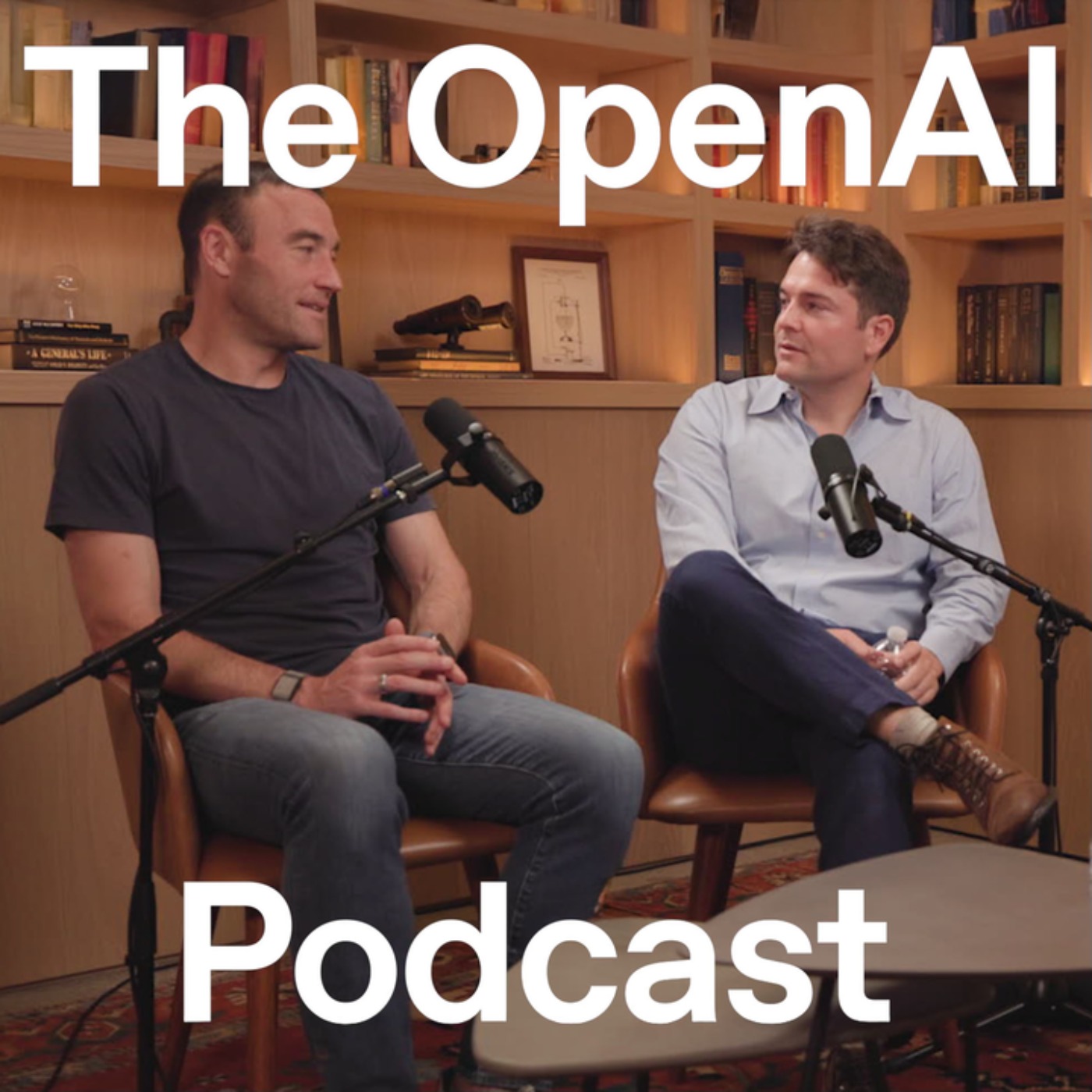 How AI Is Accelerating Scientific Discovery Today and What's Ahead - Episode 10 20.11.2025 48Min.AI is beginning to change how science gets done. Head of OpenAI for Science Kevin Weil and OpenAI research scientist Alex Lupsasca talk about the early signs of acceleration researchers are seeing with GPT-5—from surfacing literature across fields and languages, to speeding up complex calculations, to designing follow-up experiments. They unpack what’s possible today, what doesn’t work yet, and why the next few years could reshape the trajectory of scientific progress across physics, math, biology and beyond.Chapters- 00:00:40 — OpenAI for Science mission- 00:06:00 — Literature search and intersections across fields- 00:11:19 — A fusion physicist shows what GPT-5 can do- 00:15:08 — GPT-5 Pro and black hole symmetries- 00:19:02 — Getting the most out of the models- 00:24:33 — OpenAI’s new research paper (https://openai.com/index/accelerating-science-gpt-5/)- 00:29:59 — Looking ahead to the next 5 years- 00:32:05 — Will predictions outpace experiments?- 00:36:43 — The pace of model improvement- 00:40:31 — What do scientific benchmarks look like?- 00:44:16 — Fusion and the promise of abundant energy- 00:48:07 — Closing: Science 2.0 moment Hosted on Acast. See acast.com/privacy for more information.
 -
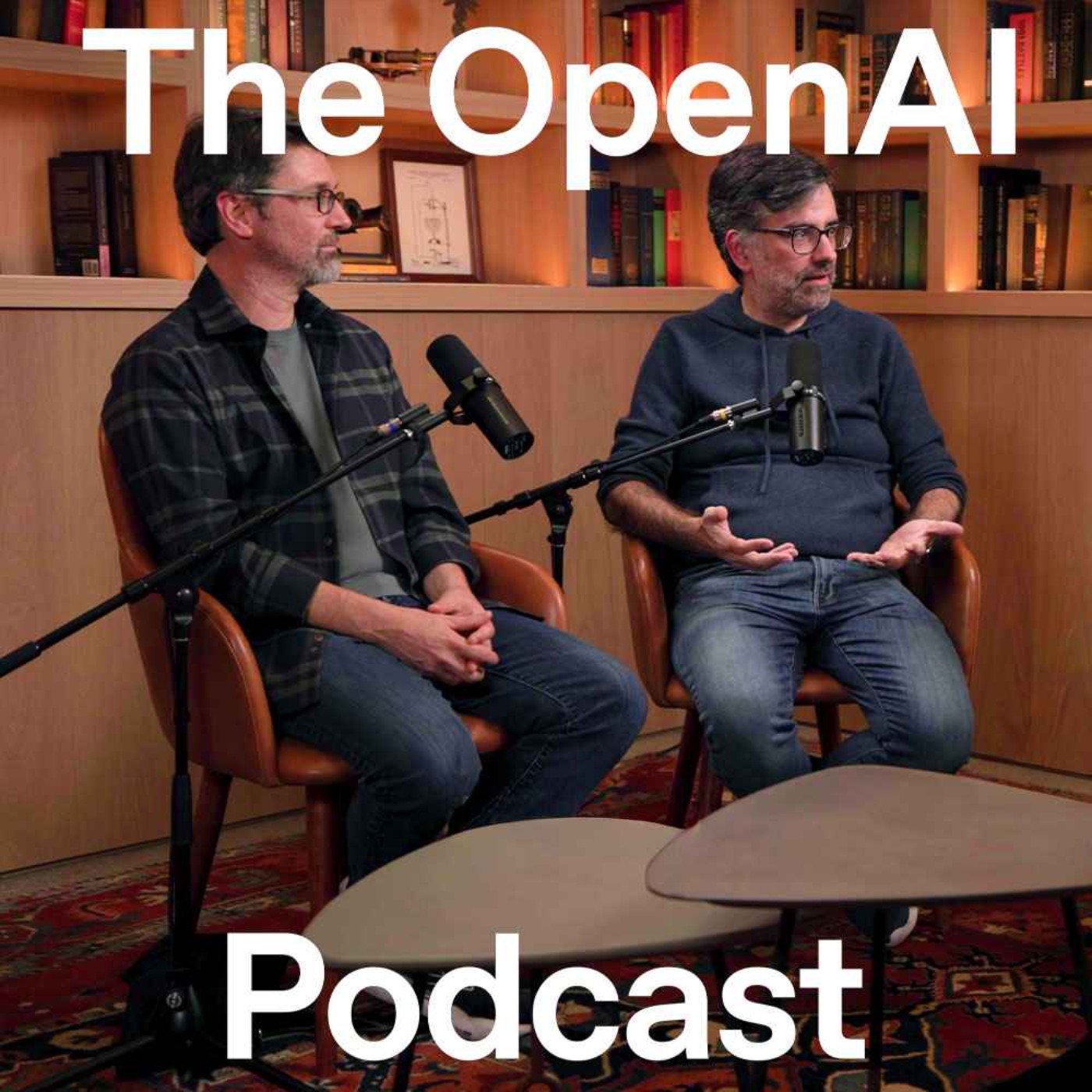 ChatGPT Atlas and the next era of web browsing - Episode 9 13.11.2025 1Std. 14Min.How will the internet feel when your browser can actually help do things for you? OpenAI’s Ben Goodger and Darin Fisher, whose past work shaped some of the most popular modern browsers, dive into the making of ChatGPT Atlas. They explore how AI changes what a browser can be, from tabs you can talk to, to agents that take over tedious tasks. Learn more about the decisions they made along the way and what’s coming next.- 00:00:45 What is Atlas?- 00:03:34 The state of browsers and AI on the web- 00:13:55 Under the hood: why browsers are hard (OWL, rendering)- 00:22:00 Building with AI: Codex, cross-language, Swift on Windows- 00:33:39 Search in Atlas: one box plus model response- 00:41:28 Favorite features: scrolling tabs and tab search- 00:45:23 Side Chat in action: summarize, shop, build forms- 00:46:59 Real-world wins with Agent (cloud bill, medical results)- 00:52:45 Why Chromium? Compatibility and extensions- 01:07:57 Five-year vision: an agentic web and reduced toil- 01:13:11 Power tips and closing remarksLearn more about OWLhttps://openai.com/index/building-chatgpt-atlas/ Hosted on Acast. See acast.com/privacy for more information.
 -
 OpenAI x Broadcom and the future of compute - Episode 8 13.10.2025 28Min.Sam Altman and Greg Brockman from OpenAI sit down with Broadcom’s Hock Tan and Charlie Kawwas to discuss their new partnership—and what it means for the future of AI. From custom silicon to global-scale infrastructure, they share how compute innovation is shaping the road to AGI. 00:00 Announcing the partnership03:06 The scale of AI infrastructure06:03 Collaboration and innovation in chip design08:49 Historical context and future vision12:10 Role of compute in AI development15:01 Optimizing for specific workloads18:02 Journey towards AGI21:00 Future of AI and compute capacity23:50 Wrap-up and future projects Hosted on Acast. See acast.com/privacy for more information.
 -
Live from DevDay - Episode 7 08.10.2025 1Std.The OpenAI Podcast is live for the first time. Host Andrew Mayne sits down with startups Cursor, Abridge, SchoolAI, and Jam.dev—each reimagining how AI can transform their industries. From healthcare and education to coding and collaboration, we explore how these builders are putting AI to work in the real world.00:23 Caleb Hicks (SchoolAI)14:14 Dani Grant (Jam.dev)26:20 Zach Lipton (Abridge)44:38 Lee Robinson (Cursor) Hosted on Acast. See acast.com/privacy for more information.
-
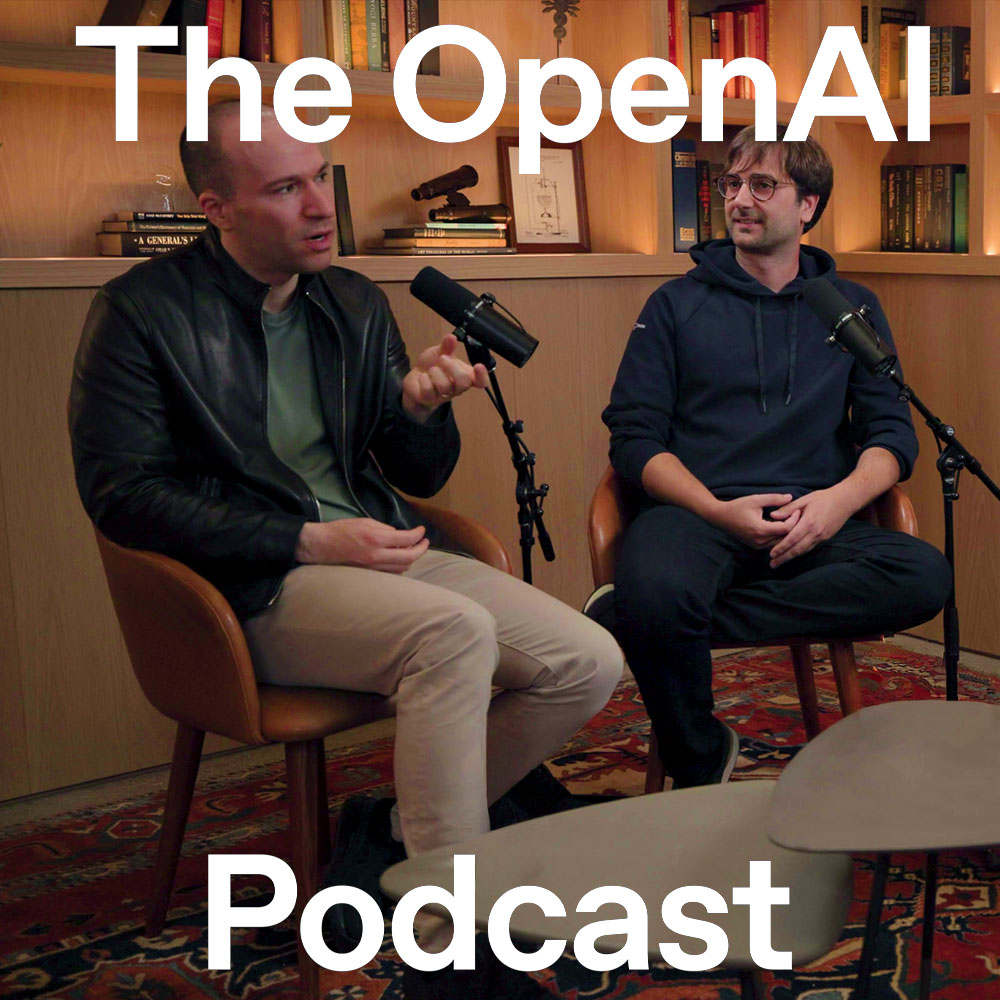 The future of coding with AI - Episode 6 15.09.2025 50Min.What happens when AI becomes a true coding collaborator? OpenAI co-founder Greg Brockman and Codex engineering lead Thibault Sottiaux talk about the evolution of Codex—from the first glimpses of AI writing code, to today’s GPT-5 Codex agents that can work for hours on complex refactorings. They discuss building “harnesses,” the rise of agentic coding, code review breakthroughs, and how AI may transform software development in the years ahead.1:15 – The first sparks of AI coding with GPT-32:20 – Why coding became OpenAI’s deepest focus area4:00 – What a “harness” is and why it matters for agents5:30 – Lessons from GitHub Copilot and latency tradeoffs8:20 – From terminal prototypes to agentic software engineers19:30 – agents.md and the future of collaborative coding22:55 – Refactoring, code review, and breakthrough use cases29:45 – Launching GPT-5 Codex and the road to multi-agent systems35:00 – Security and the 2030 outlook43:00 – Compute scarcity46:30 – Should you still learn to code in the AI era? Hosted on Acast. See acast.com/privacy for more information.
 -
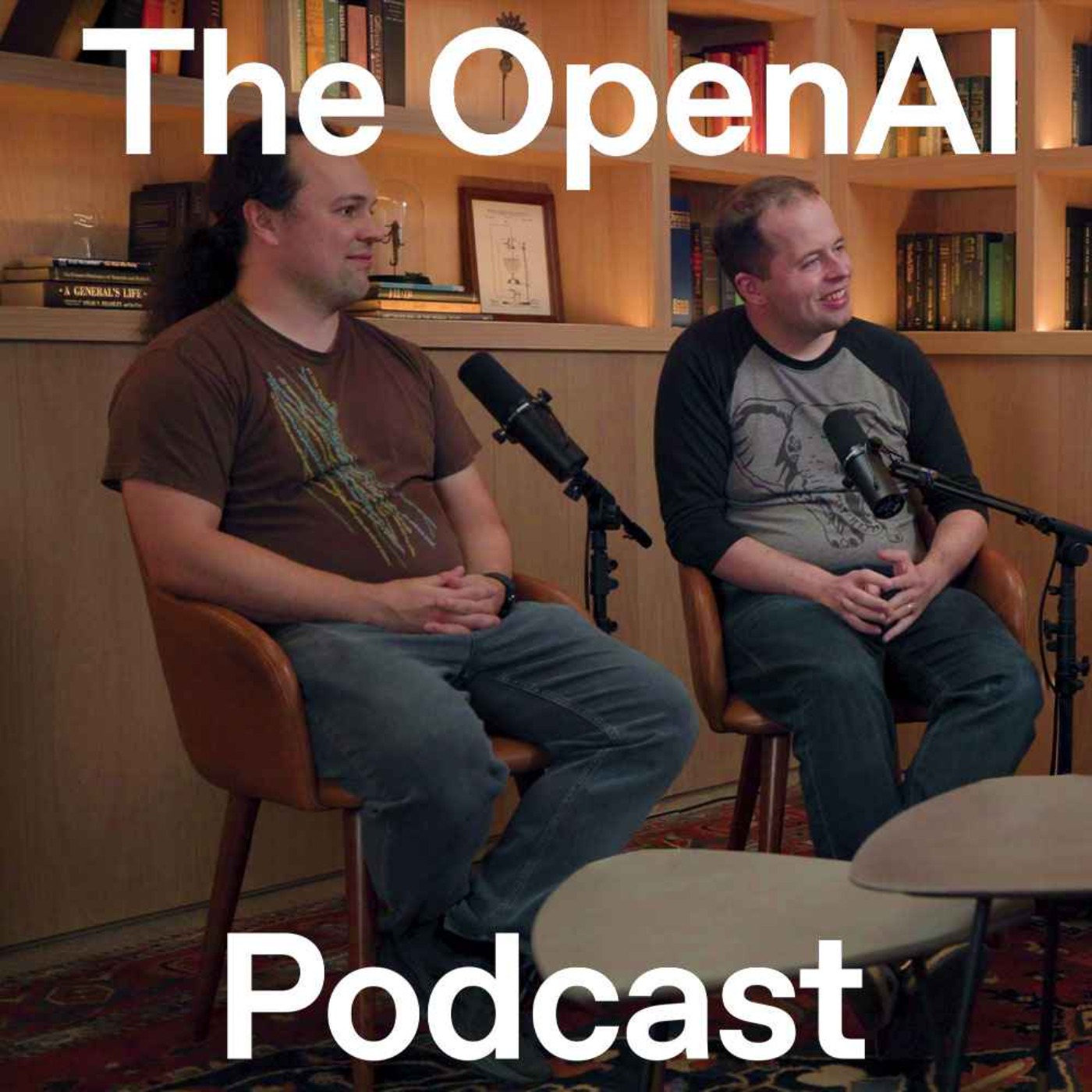 Defining AGI and the road ahead - Episode 5 15.08.2025 40Min.How close are we to automating scientific discovery? What do AI competition wins really tell us about progress toward AGI? OpenAI Chief Scientist Jakub Pachocki and researcher Szymon Sidor share inside stories—from gold medals at the International Math Olympiad to surprising leaps in reasoning—that reveal where AI is headed next.1:20 – From high school in Poland to AI research leaders4:50 – Explaining AGI: technical and everyday perspectives6:30 – Automating scientific discovery with AI7:50 – Breakthroughs in medicine, AI safety, and alignment10:30 – Today is a decade in the making14:30 – Benchmark saturation and its limits16:50 – Why math competitions matter for AI18:15 – How models reason without tools21:45 – Recognizing when a model can’t solve a problem23:30 – Storytime: AtCoder competition in Japan26:50 – How reasoning breakthroughs really happen28:55 – What’s next for scaling and long-horizon reasoning30:30 – What AGI will look and feel like36:25 – Balancing trust and personal value34:00 – Advice to high school students in 2025 Hosted on Acast. See acast.com/privacy for more information.
 -
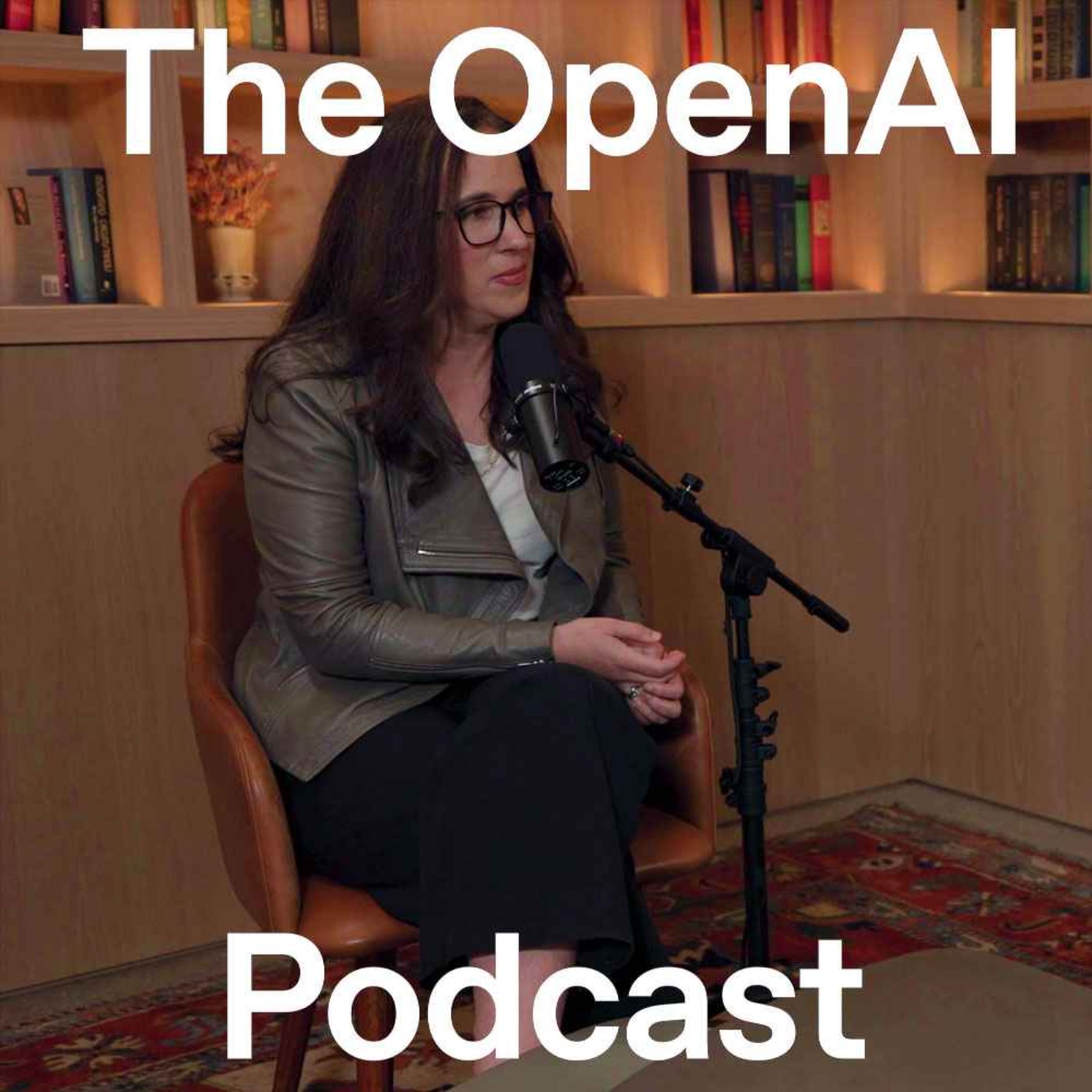 How AI is transforming education - Episode 4 30.07.2025 59Min.AI is redefining how we learn — from personalized tutoring to entirely new teaching models. OpenAI’s Head of Education, Leah Belsky, joins host Andrew Mayne to discuss what this shift means for students, educators, and society. Special guests include college students Yabsera and Alaap, who share their perspectives on learning in the AI era.00:22 – Leah’s path to OpenAI & the moonshot01:40 – ChatGPT as a global learning platform—countries lean in03:50 – Universities: equal access, trust, and adoption05:12 – From AI detectors to better policy and practice06:50 – Study Mode explained09:51 – AI as a tutor that builds confidence11:35 – Workforce skills graduates need14:15 – The great brain rot debate18:00 – A personal learning anecdote19:30 – Meet the students21:30 – First experiences with AI25:25 – How professors are adapting29:28 – Trying Study Mode33:20 – ChatGPT vs. social media41:43 – Cheating, challenges, and advice for students49:24 – The future of learning with AI Hosted on Acast. See acast.com/privacy for more information.
 -
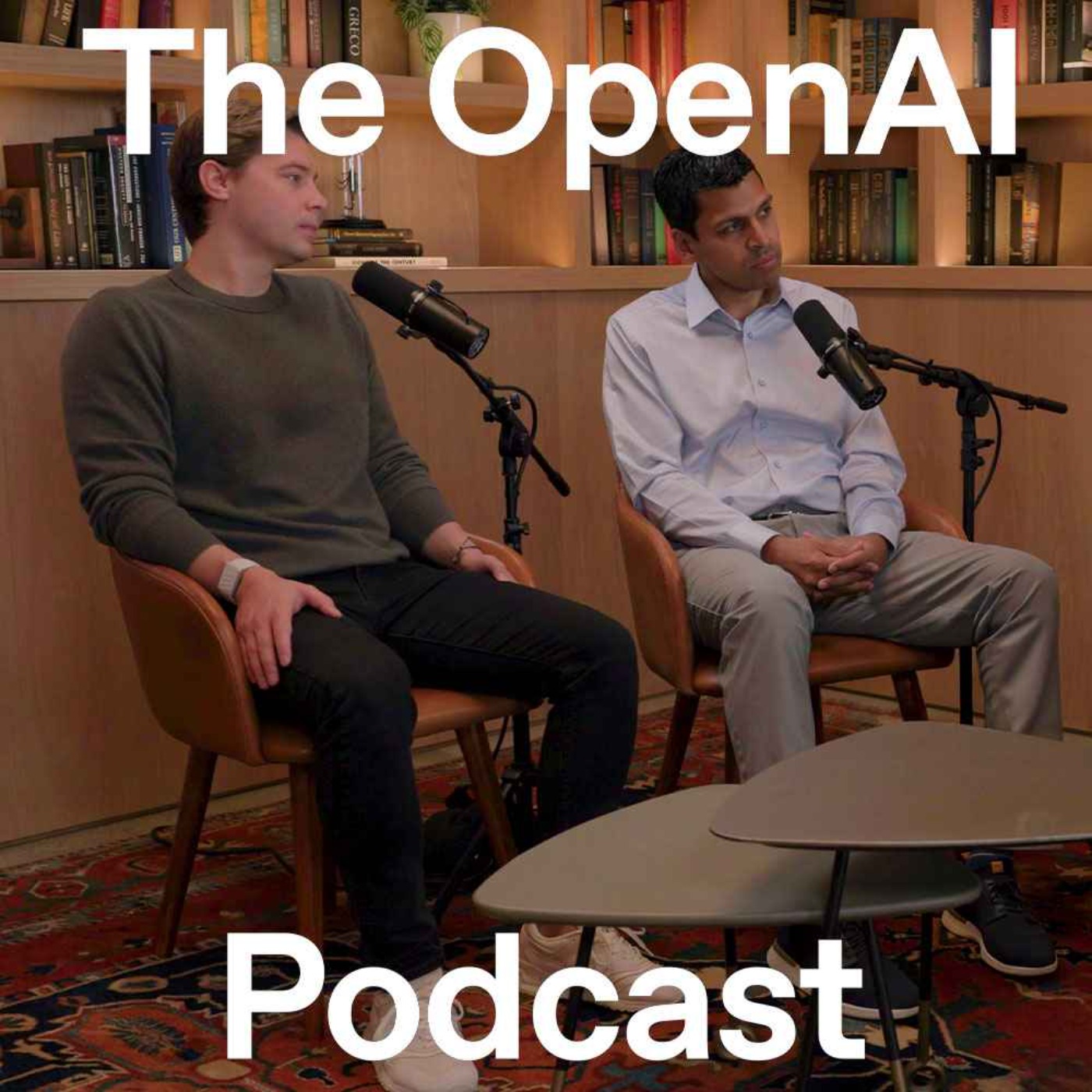 Jobs, growth, and the AI economy - Episode 3 15.07.2025 1Std. 5Min.The future of work is arriving faster than expected. In this episode, OpenAI COO Brad Lightcap and Chief Economist Ronnie Chatterji join Andrew Mayne to discuss the impacts of AI on software, science, small business, education, and jobs.00:00 Intro01:00 Brad Lightcap on OpenAI’s deployment mission02:00 Birth of ChatGPT: from playground to product06:15 AI’s impact on work & productivity08:55 Supercharging science with AI09:55 Small teams with big leverage13:10 What sectors are next?17:05 Defining AI agents20:30 Small business growth with AI agents22:08 AI in emerging markets & agriculture25:53 Return of the “Idea Guy”28:20 Why EQ and soft skills matter31:35 Education for the AI era36:11 Partnering with Cal State & educators39:14 From bans to buy-in in schools42:00 Ronnie’s research: sectors, geography, communication45:46 What should we tell our kids?48:14 What history teaches us about disruption52:04 Expanding participation in the economy55:35 AI increases demand59:19 Why OpenAI will grow after AGI1:02:05 Favorite ChatGPT use cases Hosted on Acast. See acast.com/privacy for more information.
Ähnliche Podcasts


Beliebt in
Dieser Podcast erscheint auch in den Podcast-Charts dieser Länder.


