
The Non-Billable Podcast
Non-Billable
0
The Non-Billable Podcast takes UK legal professionals beyond the billable hour, bringing you interviews with top lawyers, law firm leaders, industry experts and legal tech innovators to uncover actionable insights on the business of law, career growth and the future of the industry. Hosted by Oliver Attinger, a former finance lawyer at a leading City law firm, and brought to you by Non-Billable, the legal media platform for City lawyers, in-house counsel, and legal professionals.
Folgen
-
 Inside King & Spalding’s London growth push with managing partner Tom Sprange 07.10.2026 38Min.King & Spalding is in growth mode in London. The office increased revenue by 48% last year, has expanded its footprint at 8 Bishopsgate and recently hired a major international arbitration and litigation team from WilmerHale.London managing partner Tom Sprange explains why the office has become central to the US firm’s international strategy. It is now King & Spalding’s fourth-largest office, its biggest outside the US and a hub connecting the firm’s practices across Europe, the Middle East and Asia.The ambition is not to become a conventional full-service firm. Sprange describes a more selective model built around elite disputes, finance, private capital, investigations and regulatory work. He also explains why collaboration matters more than individual books of business, and why King & Spalding looks for practice builders rather than lawyers who simply claim to bring clients with them.The conversation also explores the changing economics of international arbitration, the rise of the highly paid superstar partner and how firms can stop their best lawyers being poached. Sprange closes by setting out where King & Spalding could expand next and why the firm’s trainee pipeline remains important to its London plans.The Non-Billable Podcast is sponsored by Thomson Reuters. Request a demo of CoCounsel Legal, visit: https://legalsolutions.thomsonreuters.co.uk/en/products-services/cocounsel-legal-uk.html Chapters00:01 Introduction01:40 Why London matters to King & Spalding03:33 Revenue growth and the London practice mix09:48 Not going full-service13:12 Fund finance and making major team hires work19:53 The WilmerHale raid and the changing arbitration market23:36 How international disputes lawyers win clients27:44 Superstar partners, pay and retention32:51 The modern partner, AI and what comes nextAbout Non-BillableNon-Billable is the media company for modern legal professionals across private practice, in-house and legal tech.Visit our website: https://www.nonbillable.co.uk
 -
 Jeanette Burgess on taking Walker Morris beyond £100m and saying no to private equity 29.09.2026 34Min.Walker Morris has nearly doubled in size over the past seven years while holding on to a model that looks increasingly distinctive: one office in Leeds and no international network of its own. Revenue reached a record £90.2m last year, leaving the firm within reach of its £100m Ambition 27 target.Managing partner Jeanette Burgess explains why she believes the single-site model still works. The bigger question is what happens beyond £100m. Burgess says Walker Morris can continue scaling from Leeds for now, although the firm is reviewing its options as it develops its post-2027 strategy. She also discusses why the firm is attracting lawyers looking for greater autonomy than they may find at larger City and national firms.In relation to AI, Burgess expects firms may need “fewer, better people” in some areas and anticipates a gradual move away from hourly rates for routine work. But she rejects private equity as an answer to the investment challenge, arguing that surrendering control would cut against Walker Morris’ partnership model.The Non-Billable Podcast is sponsored by Thomson Reuters. Request a demo of CoCounsel Legal, visit: https://legalsolutions.thomsonreuters.co.uk/en/products-services/cocounsel-legal-uk.html Chapters00:01 Introduction01:35 Record growth and Jeanette’s path to leadership05:13 Evolution, innovation and leading the firm07:33 Walker Morris’ position in the market09:13 The advantages of a single office in Leeds16:01 How far can the model scale?18:51 AI, talent and the future law firm pyramid28:13 Why private equity is not right for Walker Morris33:02 What comes after Ambition 27?About Non-BillableNon-Billable is the media company for modern legal professionals across private practice, in-house and legal tech.Visit our website: https://www.nonbillable.co.uk
 -
 Charles Russell Speechlys boss Simon Ridpath on building a law firm around private capital 09.09.2026 36Min.Charles Russell Speechlys has expanded rapidly under managing partner Simon Ridpath, opening in Milan and Singapore before making a defining move into the US this year. The strategy is built around the firm’s ambition to become the world’s leading adviser to private capital – following wealthy individuals, families and entrepreneurs as their lives and investments become increasingly mobile globally.In this episode, Simon explains why the US had become an unavoidable gap in the firm’s network, what he learnt during two-and-a-half years studying the market and why CRS resisted the temptation to accelerate its launch simply by “opening a chequebook”.We also go inside the 2014 merger that created Charles Russell Speechlys. Simon reflects on the unusual challenge of combining two genuinely equal firms, why he prefers to talk about behaviours rather than culture and why mergers pursued principally for scale should make law firm leaders nervous.Finally, we explore one of the biggest questions facing the profession: how partnerships will fund international expansion, AI and the increasingly complicated business of running a law firm. Simon explains why private equity ownership remains difficult for Big Law, where external investment could work on a project basis and how technology may force firms to overhaul traditional pay and reward structures.Chapters00:01 Introduction00:55 Leading through constant disruption03:08 From legal aid work to City law04:59 Inside the Charles Russell Speechlys merger09:18 Why Simon became managing partner11:18 Building the firm around private capital17:09 Why CRS finally entered the US23:15 Following private capital into Milan and Singapore26:23 Funding growth, private equity and the impact of AIAbout Non-BillableNon-Billable is the media company for modern legal professionals across private practice, in-house and legal tech.Visit our website: https://www.nonbillable.co.uk
 -
 Christian Bartsch on Bird & Bird’s path to €1bn 02.09.2026 34Min.Christian Bartsch is the CEO of Bird & Bird, the international law firm built around technology, IP and regulation. He joined the firm in 2007, became CEO in 2022 and was recently re-elected for a second term.In this episode, Bartsch explains how he followed a leader who had run the firm for 26 years and why he involved the wider partnership in shaping Bird & Bird’s first five-year strategy.He discusses the firm’s target of reaching €1bn in revenue by 2029, its recent expansion into Tokyo, Riyadh and Lisbon, and why India remains a market he watches closely. He also addresses law firm consolidation, external capital and the circumstances in which Bird & Bird might consider a merger.The conversation then turns to AI, why Bartsch believes generic firms are vulnerable, how the traditional law firm pyramid may change and why training partners matters just as much as giving associates new tools.Chapters00:01 Introduction01:02 Christian’s journey from tech partner to CEO02:51 Taking over after David Kerr’s 26-year tenure04:59 Building a five-year strategy with the partnership07:29 Bird & Bird’s sector focus and competitive edge12:15 The €1bn revenue target and why growth isn’t the strategy17:43 International expansion, Saudi Arabia and India20:34 Big Law consolidation, US mergers and external capital27:11 AI, the law firm pyramid and why generic firms could struggleAbout Non-BillableNon-Billable is the media company for modern legal professionals across private practice, in-house and legal tech.Visit our website: https://www.nonbillable.co.uk
 -
 Lewis Silkin’s Jo Farmer on why two managing partners are better than one 19.08.2026 41Min.Jo Farmer, joint managing partner of Lewis Silkin, joins the podcast to discuss the firm’s rapid growth and the strategy behind it. She explains why Lewis Silkin has resisted chasing revenue for its own sake, instead focusing on organic growth, its core strengths and expanding into locations where it sees opportunities for both clients and talent.Jo also talks about her own route into law, from growing up without any lawyers in the family to building a career in IP and advertising and eventually becoming joint managing partner.She discusses why social mobility matters so much to her, and why she believes Lewis Silkin’s distinctive history continues to shape the culture of the firm today.We get into leadership too, including why Jo never originally planned to become managing partner, what she learned from studying leadership at Cambridge and Harvard, and why she is a big believer in sharing the top job with fellow joint managing partner Richard Miskella.Finally, Jo shares how Lewis Silkin is approaching AI, from its early adoption of Harvey to building its own employment product, Delphius. Chapters00:01 Introduction00:50 Jo’s journey to Lewis Silkin and managing partner03:46 What makes Lewis Silkin different08:06 Social mobility and opening up routes into law10:02 Why Jo never planned to become managing partner12:25 The case for joint managing partners16:37 What Harvard taught Jo about leadership22:47 The strategy behind Lewis Silkin’s rapid growth30:34 AI, Harvey and the future of the law firm modelAbout Non-BillableNon-Billable is the media company for modern legal professionals across private practice, in-house and legal tech.Visit our website: https://www.nonbillable.co.uk
 -
 How David Beech built Knights into a £200m law firm 05.08.2026 47Min.David Beech, CEO of listed law firm Knights, joins the podcast to discuss how he has built one of the UK's largest regional legal businesses since buying the firm in 2012. He explains why Knights has prioritised people and cash over traditional law firm metrics, how the business has grown through almost 30 acquisitions, and why he believes law firms should separate ownership from management.David also shares the thinking behind Knights' distinctive strategy. He discusses why the firm has no fee targets, why it manages through regional leadership rather than practice groups, and why culture is the first consideration when assessing acquisitions. The conversation explores external investment in law firms, drawing on David's experience of private equity backing and taking Knights public in 2018. He reflects on what it is like running a listed law firm, why he believes corporatisation is the long-term direction of the legal industry, and why minority investment may prove a more natural model for traditional partnerships than outright buyouts.Chapters00:01 Introduction00:50 Building Knights into the UK's largest regional legal business05:47 Why people and cash matter more than fee targets15:44 Rainmakers, culture and leading a collaborative law firm21:34 Why Knights has no ambition to open in London24:03 The acquisition playbook behind nearly 30 deals33:58 Lessons from private equity and taking Knights public38:42 Why more law firms won't follow Knights onto the stock market42:44 The future of external capital in the legal industryAbout Non-BillableNon-Billable is the media company for modern legal professionals across private practice, in-house and legal tech.Visit our website: https://www.nonbillable.co.uk
 -
 Inside Mayer Brown’s London private capital push 28.07.2026 35Min.Dom Griffiths, London managing partner of Mayer Brown, joins the podcast to discuss the strategy behind one of the firm's strongest years in London. He explains why Mayer Brown has invested so heavily in private capital, how targeted lateral hiring is reshaping the practice and where he believes the firm can differentiate in an increasingly competitive transatlantic market.Dom also reflects on more than two decades at Mayer Brown, his journey from structured finance partner to London managing partner, and what he's learned about leading a large international partnership. He shares why consensus-building matters, how he approaches recruitment and why culture and client relationships remain at the heart of sustainable growth.The conversation also explores the changing shape of the legal market, from AI and private capital to transatlantic competition and law firm mergers. Dom explains why he believes technology will enhance, rather than replace, trusted advisers, and shares his views on what will separate the most successful firms over the next decadeChapters00:01 Introduction00:59 From structured finance partner to London managing partner05:18 Mayer Brown's place in the global legal market11:53 Building a private capital powerhouse in London18:46 The firm's approach to lateral hiring and growth22:11 Leading a global law firm partnership30:21 Transatlantic mergers and Mayer Brown's strategy33:21 AI, private capital and the future of Big LawAbout Non-BillableNon-Billable is the media company for modern legal professionals across private practice, in-house and legal tech.Visit our website: https://www.nonbillable.co.uk
 -
 Richard Medd on Browne Jacobson’s growth strategy 22.07.2026 28Min.Richard Medd, managing partner of Browne Jacobson, joins the podcast to discuss how the firm has doubled revenue over the past six years - revenue for the most recent financial year came in at a record £149m - and the strategy behind its recent growth. He explains why Browne Jacobson has invested heavily across its UK and Ireland network, the thinking behind its expanding London presence, and why he believes firms can be both ambitious and culture-driven.The conversation explores the firm's approach to lateral hiring, its growing private equity, technology and real estate practices, and why Medd sees London as an increasingly important part of the firm's long-term strategy rather than simply a shop window for clients. He also discusses Browne Jacobson's expansion into Ireland and how the firm thinks about international growth.We also discuss AI and legal technology, including the firm's rollout of Legora, how AI is changing the delivery of legal services, and why judgment and commercial context will remain critical skills for lawyers. Finally, Medd shares his views on external investment in law firms, why private capital is unlikely to transform the upper end of the UK legal market overnight, and what the next phase of growth looks like for Browne Jacobson.Chapters00:01 Introduction00:40 Richard Medd's journey to managing Browne Jacobson01:26 The strategy behind Browne Jacobson's rapid growth06:33 Why London has become central to the firm's ambitions15:01 Expanding into Ireland and what's next for the firm18:55 Rolling out AI across Browne Jacobson21:43 How AI will change legal services and lawyer training24:59 External investment and private capital in law firms28:13 Will a top UK law firm take external capital?About Non-BillableNon-Billable is the media company for modern legal professionals across private practice, in-house and legal tech.Visit our website: https://www.nonbillable.co.uk
 -
 What Microsoft expects from its law firms in the AI era 14.07.2026 38Min.Rebecca Anderson, Microsoft's head of legal for EMEA, joins the podcast to discuss how the in-house function at one of the world's biggest tech companies is adapting to the AI era.She explains why Microsoft has overhauled its legal operating model, how AI is changing the role of lawyers, and why the function is increasingly becoming a strategic partner to the business rather than simply a legal adviser.The conversation explores how Microsoft is deploying AI across its own legal department, from AI-powered legal triage to contract drafting and decision-making tools. Anderson also shares how the company thinks about legal tech, why the operating model matters as much as the tools themselves, and how Microsoft's lawyers are using AI to move away from repetitive work towards higher-value strategic advice.We also discuss what Microsoft now expects from its external law firms in the age of AI, why AI fluency has become a baseline requirement, and how firms can differentiate themselves beyond simply adopting new technology. Finally, Anderson shares her thoughts on the future of the profession, the new legal roles emerging alongside AI, and the skills lawyers will need to thrive over the next decade.Chapters00:01 Introduction00:45 From private practice to leading Microsoft's EMEA legal team03:55 Rebuilding Microsoft's legal operating model for the AI era09:40 How Microsoft is using AI inside its own legal department18:00 Microsoft's legal tech strategy and the future of contract review19:40 What Microsoft now expects from its external law firms29:30 The changing role of the in-house lawyer35:25 What Microsoft looks for when hiring lawyers36:30 The future of legal work in the age of AIAbout Non-BillableNon-Billable is the media company for modern legal professionals across private practice, in-house and legal tech.Visit our website: https://www.nonbillable.co.uk
 -
 Sidley executive committee chair Brian Fahrney on London, talent and the global elite 30.06.2026 36Min.Brian Fahrney, chair of Sidley Austin's executive committee, joins the podcast to discuss the firm's transformation into one of the fastest-growing US law firms in London. He explains why Sidley spent years investing in private equity, how the strategy reshaped its London office, and why the firm remains bullish on the London market.The conversation explores the growing importance of the "NYLON corridor", why US clients increasingly expect seamless transatlantic legal advice, and how Sidley thinks about growth, lateral hiring and building market-leading practices on both sides of the Atlantic.We also discuss AI, law firm culture and leadership, as well as why Fahrney believes the legal industry is consolidating into a smaller group of global firms with the scale to invest in talent, technology and client service. Finally, Fahrney shares his outlook for the next decade of Big Law and explains what he believes will separate the industry's winners from the rest.The Non-Billable Podcast is sponsored by Legora. To find out more about Legora, visit: https://legora.com/ Chapters00:01 Introduction01:20 Sidley's growth story and Brian's path to executive committee chair04:46 Running a global law firm07:00 Why talent is critical to Sidley’s strategy11:56 How Sidley’s London office became a private capital platform15:46 The deliberate push into private equity17:49 Why the NYLON corridor matters24:16 Big Law consolidation and the firms pulling away29:08 Partnership structures, talent development and future leadersAbout Non-BillableNon-Billable is the media company for modern legal professionals across private practice, in-house and legal tech.Visit our website: https://www.nonbillable.co.uk
 -
 BCLP senior partner Segun Osuntokun on growth, mergers and weekend emails 24.06.2026 28Min.Segun Osuntokun, senior partner at BCLP, joins the podcast to discuss leadership, firm strategy and what it takes to run a global law firm while continuing to practise as a partner. Having held senior leadership roles at the firm for more than seven years, he reflects on BCLP's recent return to growth and the long-term strategy behind it.The conversation explores the lessons learned from the merger between Berwin Leighton Paisner and Bryan Cave, why Osuntokun believes successful integrations must start with clients rather than firm economics, and his views on the current wave of transatlantic law firm combinations reshaping the market.We also discuss mental health, sustainable leadership and the demands of modern legal practice. Osuntokun shares his perspective on resilience, the importance of wellbeing in a people business, and the comments that sparked debate across the profession about sending non-urgent emails at weekends.The Non-Billable Podcast is sponsored by Legora. To find out more about Legora, visit: https://legora.com/ Chapters00:01 Introduction01:36 From Nigeria to City law and becoming BCLP senior partner04:26 BCLP's return to growth and the strategy behind it07:35 How BCLP positions itself in the transatlantic legal market09:12 Lessons from the Bryan Cave and BLP merger13:34 US versus UK law firm culture: more similar than different?15:47 Life as senior partner and balancing leadership with client work18:19 Weekend emails, mental health and sustainable leadership24:01 The future of Big Law, scale and BCLP's growth plansAbout Non-BillableNon-Billable is the media company for modern legal professionals across private practice, in-house and legal tech.Visit our website: https://www.nonbillable.co.uk
 -
 Private equity and the future of law firms | Podcast special 16.06.2026 1Std. 8Min.Private equity investment in law firms has become one of the most talked-about trends in the legal industry. But how much is actually happening? Why are investors interested in legal services, and what does outside capital mean for the traditional partnership model?In this special edition of the podcast, Oliver is joined by Patrick Savage (Burford Capital), Peter Jackson (former managing partner of Hill Dickinson), Adil Taha (legal industry consultant), and Oscar Dean (Grant Thornton) for a candid discussion about the future of law firm ownership.The panel explores why legal has become attractive to investors, whether private equity activity has slowed in recent months, what makes a law firm investable, and how external capital can be used to fund growth, technology and talent. They also discuss consolidation, succession planning, the differences between legal and other professional services sectors, and why some investors are becoming more selective about the firms they back.Finally, the conversation turns to the biggest unanswered question in the market: exits. The panel debates whether private equity-backed law firms can deliver the returns investors need, who the eventual buyers might be, and whether outside capital will become a normal feature of the UK legal market over the next decade.The Non-Billable Podcast is sponsored by Legora. To find out more about Legora, visit: https://legora.com/ Today’s episode is also supported by Definely. To find out more about Definely, visit: https://www.definely.com/nonbillable Chapters00:01 Introduction01:30 Introductions & setting the scene04:40 Why investors are bullish on legal services12:55 Why legal is different from accounting and other professional services22:30 Has the private equity boom in law firms stalled?27:30 Why law firms seek outside capital, and what changes afterwards42:40 Talent, AI and the future law firm business model53:50 The exit problem: IPOs, secondary sales and investor returns1:03:50 Advice for law firm leaders and predictions for the futureAbout Non-BillableNon-Billable is the media company for modern legal professionals across private practice, in-house and legal tech.Visit our website: https://www.nonbillable.co.uk
 -
 The business of international arbitration with Boies Schiller’s Tim Foden 10.06.2026 36Min.Tim Foden is co-head of the international arbitration group at Boies Schiller Flexner in London. In this episode, he joins the podcast to discuss his path into arbitration, his time at Allen & Overy and Quinn Emanuel, and why he believes specialist disputes firms offer something fundamentally different to full-service law firms.The conversation explores the business of international arbitration, from commercial disputes between companies to high-stakes claims brought by investors against states. Tim explains how investment treaty arbitration works in practice, why resource nationalism continues to drive disputes around the world, and what it is like handling cases involving governments, mining projects and politically sensitive assets.Tim also shares his perspective on litigation funding, pushing back on the idea that funders encourage weak claims. He explains how funding has become a critical tool for many claimants, how funded cases are assessed, and why the UK Supreme Court’s PACCAR decision has had less impact on his practice than many predicted.Finally, we discuss London's position as a global disputes hub, the outlook for arbitration and collective actions, and Boies Schiller Flexner's growth plans in the UK as the firm continues to expand its London disputes practice.The Non-Billable Podcast is sponsored by Legora. To find out more about Legora, visit: https://legora.com/ Today’s episode is also supported by Definely. To find out more about Definely, visit: https://www.definely.com/nonbillable Chapters00:01 Introduction01:34 From courtroom dramas to international arbitration03:10 Allen & Overy, Quinn Emanuel and life at a disputes boutique05:06 Why specialist disputes firms think differently10:48 Joining Boies Schiller and rebuilding the London office16:16 The business of international arbitration and investor-state disputes22:30 Litigation funding, PACCAR and access to justice30:59 Why London remains the world's leading disputes hub33:55 The future of disputes and Boies Schiller's growth plans in LondonAbout Non-BillableNon-Billable is the media company for modern legal professionals across private practice, in-house and legal tech.Visit our website: https://www.nonbillable.co.uk
 -
 Why US firms are still winning the talent battle in London 27.05.2026 51Min.Headhunter Scott Gibson returns to the podcast for a wide-ranging conversation on what’s going on in the London partner market. As co-founder of Edwards Gibson, Scott tracks every major partner move in the City and has one of the clearest views of how the market is moving beneath the surface.We discuss why partner movement remains near record levels despite a tougher economic backdrop, the continued influence of US firms in London, and how areas like private capital, infrastructure and real estate are driving demand. Scott also explains why mergers create far more disruption than firms like to admit, and why that often leads to opportunities elsewhere in the market.The conversation also dives into the changing economics of partnership itself. Scott breaks down the rise of non-equity partnership structures, why UK firms face a “home turf disadvantage” against US rivals, and how compensation systems are evolving as firms compete for rainmakers.We also talk about whether partnership is still as attractive as it once was, what top firms are really looking for when they hire laterals, and why law firms today may be more fragile than many lawyers realise.The Non-Billable Podcast is sponsored by Legora. To find out more about Legora, visit: https://legora.com/ Today’s episode is also supported by Definely. To find out more about Definely, visit: https://www.definely.com/nonbillable Chapters00:01 Introduction02:26 The London partner recruitment market explained04:21 Why partner moves hit record highs in 202508:17 The hottest practice areas in Big Law right now11:37 Will restructuring finally boom in London?14:41 Are Magic Circle firms fighting back against US rivals?21:30 What law firms really want from lateral partner hires27:06 The rise of non-equity partnership in Big Law45:44 Which recent law firm mergers will actually workAbout Non-BillableNon-Billable is the media company for modern legal professionals across private practice, in-house and legal tech.Visit our website: https://www.nonbillable.co.uk
 -
 Inside Lawfront: The PE-backed law firm group betting big on consolidation 20.05.2026 35Min.Axel Koelsch, COO of private equity-backed legal group Lawfront, joins the podcast to discuss how outside investment is reshaping the UK legal market and why he believes consolidation is still in its early stages.Koelsch explains how Lawfront’s model works in practice, why the group allows firms to retain their brands and leadership teams, and how central investment in areas like technology, operations and business services is becoming increasingly important as law firms face growing competitive pressure.The conversation also explores what lawyers often misunderstand about private equity, the operational lessons Koelsch brought from senior roles at firms including Freshfields and Addleshaw Goddard, and why the traditional partnership model can struggle to move quickly enough in a rapidly changing market.Finally, Koelsch discusses the future of the sector, including AI, scale, talent and why he expects further consolidation across both the regional and commercial law firm markets in the years ahead.The Non-Billable Podcast is sponsored by Legora. To find out more about Legora, visit: https://legora.com/ Today’s episode is also supported by Definely. To find out more about Definely, visit: https://www.definely.com/nonbillable Chapters00:01 Introduction01:30 Axel’s journey from lawyer to law firm COO03:25 Applying consultant-style strategy inside major law firms07:18 Why Axel joined Lawfront10:38 Inside Lawfront’s “national scale for regional leaders” model14:31 How Lawfront integrates firms without losing culture20:08 The Lawfront growth playbook: recruitment, pricing and EBITDA22:25 Why equity partnership is becoming less attractive to lawyers27:46 Why Axel believes consolidation in UK law is inevitableAbout Non-BillableNon-Billable is the media company for modern legal professionals across private practice, in-house and legal tech.Visit our website: https://www.nonbillable.co.uk
 -
 How private equity is changing the legal market in Sweden 12.05.2026 29Min.In this episode, Maria-Pia Hope - former managing partner of top Swedish law firm Vinge and now CEO of private equity-backed legal group AGRD - explains why she believes the legal market is entering a “paradigm shift” driven by AI, technology and changing client expectations. Backed by Nordic PE firm Axcel, AGRD has already brought together eight Swedish commercial firms and is now one of the country’s largest legal groups.Maria-Pia discusses how the model works in practice, with firms retaining their own brands, clients and day-to-day independence while pooling resources around AI, technology and central functions. The aim, she says, is to help entrepreneurial firms embrace industry change without losing their culture or identity, while also benefiting from faster decision-making and longer-term investment horizons.The conversation also explores how private equity’s role in legal is evolving, with Maria-Pia arguing that modern investors bring expertise, operational support and strategic thinking rather than simply focusing on cost-cutting. She also discusses AGRD’s plans to expand further across the Nordics and eventually into the UK market, where the group sees significant opportunity.The Non-Billable Podcast is sponsored by Legora. To find out more about Legora, visit: https://legora.com/ Today’s episode is also supported by Definely. To find out more about Definely, visit: https://www.definely.com/nonbillable Chapters00:01 Introduction01:30 Leading Sweden’s top law firm Vinge03:50 Why Maria-Pia joined private equity-backed AGRD06:07 Building a group of entrepreneurial commercial law firms08:38 The “Nordic governance model” and preserving firm independence11:15 AGRD’s AI and technology strategy13:00 How private equity-backed law firms operate day-to-day18:00 Leaving the Swedish Bar Association to take PE investment19:50 AGRD’s UK expansion plans and the future of legal consolidationAbout Non-BillableNon-Billable is the media company for modern legal professionals across private practice, in-house and legal tech.Visit our website: https://www.nonbillable.co.uk
 -
 The private wealth opportunity behind Taylor Wessing’s US merger 06.05.2026 30Min.Today, we unpack the private wealth angle of Taylor Wessing’s merger with Winston & Strawn. Partners Gabriel Estevez and Nick Warr explain how the firm defines private wealth as a holistic, multi-service offering built around high net worth individuals and families, rather than a narrow private client practice.They discuss how the market has evolved, with clients becoming more international and more sophisticated in how they structure and invest their wealth. Today, the vast majority of clients operate across multiple jurisdictions, and the rise of second and third-generation wealth is driving a more institutional approach to decision-making.The conversation also touches on the migration of wealth out of the UK, with hubs like Milan and Dubai gaining traction. While recent tax changes have accelerated the trend, the shift has been underway for years - and for globally positioned firms, it often creates more complex, cross-border work.Finally, they look ahead to the Winston Taylor combination, with private wealth set to be a core pillar of the new firm. The ambition is to build a genuinely integrated US-UK offering - something the market has so far struggled to deliver at scale.The Non-Billable Podcast is sponsored by Legora. To find out more about Legora, visit: https://legora.com/ Today’s episode is also supported by Definely. To find out more about Definely, visit: https://www.definely.com/nonbillable Chapters00:01 Introduction01:30 Private wealth vs private client: what’s the difference?02:54 How the private wealth market has evolved04:37 The rise of international, mobile wealth06:27 Are high net worth individuals really leaving the UK?09:32 What private wealth lawyers actually do day-to-day14:10 How Taylor Wessing positions its private wealth practice20:10 Winning clients in a relationship-driven market23:48 What the Winston Taylor merger means for private wealthAbout Non-BillableNon-Billable is the media company for modern legal professionals across private practice, in-house and legal tech.Visit our website: https://www.nonbillable.co.uk
 -
 A psychologist on why lawyers burn out 28.04.2026 27Min.In this episode, Dr Catherine Sykes, a psychologist and coach who works with City lawyers, explains why burnout is so common among high-performing professionals, and why it’s often misunderstood. Drawing on decades of experience, she argues burnout is not simply about long hours, but “constant effort without psychological returns with no end in sight,” where meaning, satisfaction and growth are missing from the work.The conversation explores the psychology of lawyers, particularly the role of perfectionism. Sykes also breaks down the early warning signs of burnout and why the instinctive response to “work harder” can make things worse. Instead, she argues that recovery often requires stepping back and in some cases seeking out new challenges to break out of unfulfilling work patterns.The episode also dives into imposter syndrome. Her core message is that sustainable performance comes from shifting away from perfectionism towards high standards, building self-trust and ensuring work delivers meaningful psychological returns.The Non-Billable Podcast is sponsored by Legora. To find out more about Legora, visit: https://legora.com/ Today’s episode is also supported by Definely. To find out more about Definely, visit: https://www.definely.com/nonbillable Chapters00:01 Introduction02:35 From academia to coaching: specialising in burnout04:37 The psychology of high-performing lawyers07:12 What burnout actually is (and isn’t)10:44 Early warning signs and what to do first13:48 Breaking the burnout cycle and finding balance16:28 Imposter syndrome explained21:19 Perfectionism vs high performance24:30 What peak performance really looks likeAbout Non-BillableNon-Billable is the media company for modern legal professionals across private practice, in-house and legal tech.Visit our website: https://www.nonbillable.co.uk
 -
 The rise of the $30m law firm partner: Inside the US Big Law market 14.04.2026 37Min.In this episode, David Nicol, headhunter and co-head of Marsden’s US practice, breaks down the structure of the US legal market and how it has evolved over the past decade.From the dominance of New York as the global dealmaking hub to the distinct identities of markets like California, Texas and Chicago, he explains why the US is far more complex and fragmented than many outside it assume.The conversation explores the rise of firms like Kirkland & Ellis and Latham & Watkins, and how they have reshaped the traditional hierarchy once dominated by Wall Street white shoe firms. We also get into the economics of the top end of the market, including partner pay, the realities of the lateral market and what it takes to attract and retain elite rainmakers. Nicol explains why compensation structures, client demands and platform capabilities all play a role in driving partner moves.Finally, the discussion looks ahead to what could shape the next phase of the US legal market, from the continued growth of private capital and restructuring work to the potential impact of AI on law firm economics and structure.The Non-Billable Podcast is sponsored by Legora. To find out more about Legora, visit: https://legora.com/ Today’s episode is also supported by Definely. To find out more about Definely, visit: https://www.definely.com/nonbillable Chapters00:01 Introduction02:40 Understanding the US legal market structure04:39 Why New York still dominates global Big Law07:07 California, Texas and the rise of regional powerhouses12:30 Boston, Chicago and DC: key secondary markets16:33 Magic Circle firms in the US: what’s working and what’s not23:07 Partner pay and the $30M rainmaker reality28:19 Lateral moves, Wachtell and shifting firm models32:02 Kirkland, AI and what comes next for Big LawAbout Non-BillableNon-Billable is the media company for modern legal professionals across private practice, in-house and legal tech.Visit our website: https://www.nonbillable.co.uk
 -
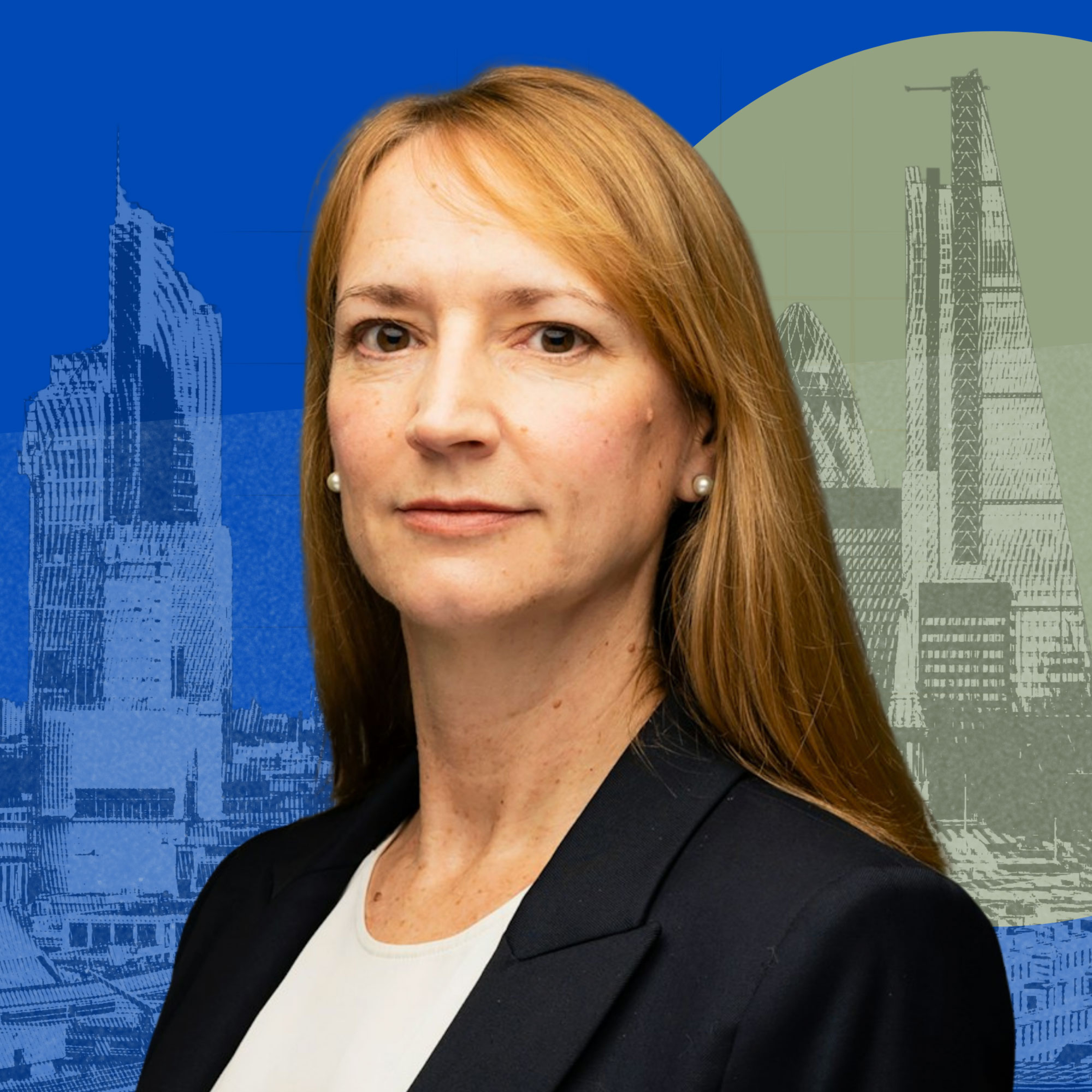 How to drive change inside a global law firm: White & Case innovation chief Isabel Parker 07.04.2026 28Min.Isabel Parker, chief innovation officer at White & Case, joins the podcast to talk about what it takes to drive innovation inside a global law firm. A former Freshfields lawyer and Deloitte partner, she shares how her career evolved from practice into leading transformation at one of the world’s largest firms.She explains why innovation isn’t just about technology, even in the age of AI. The real challenge, she says, is time and mindset - getting lawyers to see tools like AI as part of their core role, not something delivered by a separate team. Her goal is to shift ownership of innovation to lawyers themselves.We also get into White & Case’s AI strategy, including the build of its in-house platform Atlas and its broader approach. Parker makes the case for developing internal capability alongside adopting best-in-class tools, particularly in such a fast-moving market.Finally, she shares her views on what will actually differentiate firms going forward - not the tools themselves, but how quickly firms can upskill their people and make better use of their data. And for individual lawyers, the key skill is simple: disciplined curiosity.The Non-Billable Podcast is sponsored by Legora. To find out more about Legora, visit: https://legora.com/ Today’s episode is also supported by Definely. To find out more about Definely, visit: https://www.definely.com/nonbillable Chapters00:01 Introduction02:30 From Freshfields lawyer to innovation leader04:37 Lessons from Deloitte and working closer to clients06:39 What a Chief Innovation Officer actually does08:59 Why time and mindset are the biggest barriers to innovation11:56 Culture, experimentation and the lawyer mindset14:59 White & Case’s AI strategy and building Atlas17:56 Build vs buy vs partner: making the right AI bets23:51 What will differentiate law firms in the AI eraAbout Non-BillableNon-Billable is the media company for modern legal professionals across private practice, in-house and legal tech.Visit our website: https://www.nonbillable.co.uk
Ähnliche Podcasts


Beliebt in
Dieser Podcast erscheint auch in den Podcast-Charts dieser Länder.


