
The Book Brief Project
The Book Brief Project
0
The Book Brief Project explores what books are truly about, moving beyond summaries and surface interpretations. Each episode reconstructs a book with care and precision, following its ideas as they unfold to reveal what is often missed at first reading. The channel features AI-assisted narration for consistency and clarity, while all research, interpretation, and analysis are developed independently.
Folgen
-
 Dan Brown’s The Secret of Secrets — and the Plot That Undermines It 03.10.2026 13Min.What happens when a thriller tries to argue that some mysteries have no mechanism at all?In The Secret of Secrets, Dan Brown sends Robert Langdon through Prague in pursuit of a conspiracy built around consciousness, near-death experiences, secret intelligence programs and the possibility that the mind may exist beyond the brain. Katherine Solomon believes the brain may be less a generator of consciousness than a filter — one that narrows something much larger.But Brown has spent his career writing stories in which every mystery eventually has an explanation.This episode looks at the strange tension inside The Secret of Secrets: the novel wants to make room for the miraculous, while its own machinery keeps explaining the miracles away. Dreams become surveillance. Mysticism becomes technology. The afterlife acquires patents, implants and intelligence agencies.The result may be more interesting than the argument Brown intended to make. Because the novel works surprisingly well as a story about how badly people want consciousness to escape its machinery — and how quickly someone finds a way to wire it back in.Can a form built entirely around hidden mechanisms really make the case for a world beyond them?Subscribe to The Book Brief Project for thoughtful literary analysis, one book at a time.─── ◈ ───The Secret of Secrets by Dan Brown · 2025Books, taken seriously. No quick summaries.New episodes when they're ready.──────────Narration in this episode is AI-assisted. The writing and the analysis are human.#TheSecretOfSecrets #DanBrown #RobertLangdon #Consciousness #NoeticScience #MysteryThriller #Prague #BookAnalysis #LiteraryAnalysis #BookPodcast #ThrillerBooks #PhilosophyOfMind #TheBookBriefProject
 -
 The Unknown: What Happens When a Mystery Explains Too Much 01.10.2026 13Min.What happens when a mystery is more powerful before you know the answer?Riley Sager’s The Unknown begins with an irresistible premise: in 1926, five women living in a spiritualist commune disappear from an isolated Vermont island, leaving behind only their dresses hanging from the branches of a tree. A century later, a group of actresses arrives on the same island to recreate what happened.But the most interesting thing about the novel may not be its twists.This episode of The Book Brief Project looks at the strange connection between actresses, spiritualist mediums and thriller writers — people whose work depends on making an audience believe in something while knowing that a performance is taking place.We explore Sager’s use of séance, isolation and historical spiritualism, the uneasy week his actresses spend living as the vanished women, and the tension between a novel fascinated by uncertainty and a genre that ultimately demands answers.Along the way, we compare The Unknown with Joan Lindsay’s Picnic at Hanging Rock, another story about disappearing women that made a very different decision about whether every mystery needs to be solved.If the unexplained is what makes a mystery linger, what happens when explaining everything takes the mystery away?Follow The Book Brief Project for thoughtful literary analysis, one book at a time.─── ◈ ───The Unknown by Riley Sager · 2026Books, taken seriously. No quick summaries.New episodes when they're ready.──────────Narration in this episode is AI-assisted. The writing and the analysis are human.#TheUnknown #RileySager #ThrillerBooks #MysteryBooks #PsychologicalThriller #BookAnalysis #LiteraryAnalysis #PicnicAtHangingRock #Spiritualism #GothicMystery #BookPodcast #BookReview #ThrillerReaders #TheBookBriefProject
 -
 The Things We Leave Unfinished: Who Deserves a Happy Ending? 29.09.2026 14Min.What do you owe the people inside a story when the truth of what happened to them is cruel — the ending they got, or the ending they deserved?Rebecca Yarros’s The Things We Leave Unfinished tells two love stories separated by nearly eighty years: one unfolding during the Second World War, the other around an unfinished manuscript whose final pages could change how a family understands its own history.This episode follows Georgia Stanton, Noah Harrison, Scarlett and Constance through wartime England, lost pilots, hidden identities and a manuscript that stops at exactly the moment its author could no longer continue. But the novel’s most interesting question is larger than its central romance: whether fiction owes its characters the truth, or whether sometimes a happier ending can be its own kind of justice. Texto coladoWe also look at the novel alongside Ian McEwan’s Atonement, and at the place where Yarros’s argument becomes less convincing: the wartime story makes happiness costly, while the modern romance is allowed to escape much of that same cost. Texto coladoBy the end, the book leaves two versions of the same family story standing side by side: the novel carries the reunion, while the grave keeps the truth. Texto coladoMajor spoilers throughout.─── ◈ ───The Things We Leave Unfinished by Rebecca Yarros · 2021Books, taken seriously. No quick summaries.New episodes when they're ready.──────────Narration in this episode is AI-assisted. The writing and the analysis are human.#TheThingsWeLeaveUnfinished #RebeccaYarros #BookAnalysis #HistoricalRomance #RomanceBooks #Atonement #BookPodcast #LiteraryAnalysis #HistoricalFiction #TheBookBriefProject
 -
 Everything Was Beautiful and Nothing Hurt — Until It Wasn’t 26.09.2026 13Min.Can a novel comfort you about a death it makes you watch?Ben Reeves’s Everything Was Beautiful and Nothing Hurt imagines Death as Travis Smith, a quiet man in jeans and a T-shirt who spends eternity sitting beside people in their final moments. He does not judge, interfere or change what is coming. Until a stray cat leads him across the hall to a midwife, her two daughters, and an ordinary human life he was never supposed to become part of.What begins as a gentle meditation on mortality gradually becomes something heavier. Travis, who knows exactly when everyone will die, discovers what it means to love someone whose ending he cannot change.This episode explores Reeves’s treatment of death, grief, attention and consolation, while tracing the novel’s connection to Kurt Vonnegut’s Slaughterhouse-Five and the phrase that gives Reeves’s book its title. We look at where the novel is most powerful — when it simply stays with grief — and where its final message may undermine some of what came before.If remembering the beautiful moments helps us survive loss, is that consolation — or another way of looking away?Subscribe to The Book Brief Project for thoughtful literary analysis of books worth arguing with.─── ◈ ───Everything Was Beautiful and Nothing Hurt by Ben Reeves · 2026Books, taken seriously. No quick summaries.New episodes when they're ready.──────────Narration in this episode is AI-assisted. The writing and the analysis are human.#EverythingWasBeautifulAndNothingHurt #BenReeves #DeathAndGrief #Grief #Mortality #LiteraryFiction #ContemporaryFiction #SlaughterhouseFive #KurtVonnegut #BookAnalysis #LiteraryAnalysis #BookPodcast #TheBookBriefProject #BooksTakenSeriously
 -
 The Astral Library: The Fantasy That Refuses to Let You Escape 24.09.2026 15Min.What if the fantasy of escaping into your favorite book only matters because, eventually, you have to come back?Kate Quinn’s The Astral Library begins with an irresistible premise: a secret library that can open a door from any library on Earth and allow desperate readers to live inside the books they love. But the novel keeps interrupting its own fantasy. The visits are brief, the doors keep closing, and the final battle is not fought against a monster or a dark lord. It happens in a board meeting.In this episode of The Book Brief Project, we explore why that seemingly anticlimactic choice may be the most revealing thing in the novel. We look at Alix’s journey from refugee to caretaker, the rules governing the Astral Library, the book’s use of Jane Eyre, its fascinating contrast with Jasper Fforde’s The Eyre Affair, and the tension between literary escape and the responsibility of returning to ordinary life.The novel also raises a more uncomfortable question. Is growing beyond the fantasy of disappearing into a book really growth — or have we simply replaced it with another fantasy, the dream of finally saying the perfect thing in the room where nobody wanted to listen?Subscribe to The Book Brief Project for thoughtful literary analysis that stays with a book after the final page.─── ◈ ───The Astral Library by Kate Quinn · 2026Books, taken seriously. No quick summaries.New episodes when they're ready.──────────Narration in this episode is AI-assisted. The writing and the analysis are human.#TheAstralLibrary #KateQuinn #BookAnalysis #LiteraryAnalysis #FantasyBooks #BooksAboutBooks #Libraries #Escapism #JaneEyre #TheEyreAffair #Reading #BookPodcast #BookReview #TheBookBriefProject
 -
 People Buy You — But What Does That Cost? 22.09.2026 12Min.What if the most important thing you sell is not the product at all?In People Buy You, sales author Jeb Blount argues that when products, prices and services look increasingly alike, buyers make their decisions based on something harder to copy: the person sitting across from them. Likability, attention, trust and the feeling of being understood become part of the offer.Blount builds the book around five questions every buyer is silently asking: Do I like you? Do you listen to me? Do you make me feel important? Do you understand my problem? Do I trust you?This episode explores why those questions remain surprisingly useful more than fifteen years after the book was published — and why the argument becomes more complicated the further you follow it. We look at Blount’s ideas about trust, listening and emotional connection alongside sociologist Arlie Hochschild’s concept of emotional labor, raising a harder question the book never fully confronts: what happens when warmth, attention and authenticity become part of the job?If people really do buy you, where does genuine connection end and performance begin?Subscribe to The Book Brief Project for deeper conversations about business, psychology and the books that shape how we understand work and human behavior.─── ◈ ───People Buy You by Jeb Blount · 2010Books, taken seriously. No quick summaries.New episodes when they're ready.──────────Narration in this episode is AI-assisted. The writing and the analysis are human.#PeopleBuyYou #JebBlount #SalesPsychology #EmotionalLabor #ArlieHochschild #Trust #Sales #BusinessBooks #HumanBehavior #Psychology #Authenticity #PersonalBranding #TheBookBriefProject #BookAnalysis #BookPodcast
 -
 How Big Things Get Done | The Numbers Were Never Real 20.09.2026 15Min.Why do the world’s biggest projects so often cost more, take longer, and deliver less than promised? In How Big Things Get Done, Bent Flyvbjerg and Dan Gardner argue that the answer begins long before construction starts: poor planning, optimism bias, premature commitment, and a failure to learn from what happened before.Drawing on a database of more than sixteen thousand projects, Flyvbjerg shows how megaprojects repeatedly fall into the same pattern — over budget, over time, under benefits. His solution is deceptively simple: think slow, act fast. Plan carefully, build quickly, and whenever possible turn enormous ambitions into small, repeatable units.But the book contains a more uncomfortable possibility.Some budgets may not be mistaken at all. They may be deliberately low because the true number would never survive the political process required to get the project started. From Willie Brown’s blunt explanation of San Francisco infrastructure to the Sydney Opera House, this episode asks whether some cost overruns are failures of forecasting — or whether the forecast already did exactly what it was supposed to do.And that leaves a harder question: if everyone saw the true price before the first shovel entered the ground, how many extraordinary things would never be built?Subscribe to The Book Brief Project for deeper conversations about ideas, arguments, contradictions, and the books that deserve more than a summary.─── ◈ ───How Big Things Get Done by Bent Flyvbjerg and Dan Gardner · 2023Books, taken seriously. No quick summaries.New episodes when they're ready.──────────Narration in this episode is AI-assisted. The writing and analysis are human.#HowBigThingsGetDone #BentFlyvbjerg #DanGardner #Megaprojects #ProjectManagement #CostOverruns #Infrastructure #DecisionMaking #OptimismBias #SydneyOperaHouse #BigProjects #TheBookBriefProject #BookAnalysis #BookPodcast
 -
 The Deal: The Romance Novel That Was Smarter Than I Expected 18.09.2026 14Min.What if the book you expected to dismiss turned out to understand something important before most people had the language for it?Elle Kennedy’s The Deal looks, from the outside, like pure college romance: a hockey captain, a reluctant tutor, a fake relationship and the familiar machinery of attraction. But underneath that formula is a much more serious story about trauma, consent, safety and what it means to trust another person after someone has taken that choice away.Kennedy follows Hannah Wells, a college student carrying the aftermath of sexual assault, and Garrett Graham, a hockey player whose own childhood was shaped by violence. Their relationship develops through negotiation, boundaries and mutual vulnerability — including scenes that resist some of the genre’s most obvious fantasies about sex and emotional repair.This episode looks at what The Deal gets unexpectedly right, why romance fiction can communicate ideas that more prestigious forms often fail to reach people with, and where the novel begins to contradict its own argument. Because the same story that gives Hannah control over her recovery also turns Garrett’s protectiveness into something dangerously close to control.Can a romantic fantasy teach readers something real about autonomy while still depending on the fantasy that the right man can make you safe?Subscribe to The Book Brief Project for deeper conversations about books, culture and the ideas hiding inside the stories we think we already understand.─── ◈ ───The Deal by Elle Kennedy · 2015**Books, taken seriously. No quick summaries.**New episodes when they're ready.──────────Narration in this episode is AI-assisted. The writing and the analysis are human.#TheDeal #ElleKennedy #OffCampus #BookTok #RomanceBooks #CollegeRomance #HockeyRomance #Consent #Trauma #RomanceFiction #BookAnalysis #LiteraryAnalysis #ReadingTheRomance #JaniceRadway #TheBookBriefProject #BookPodcast
 -
 The Let Them Theory Is Missing One Word 16.09.2026 15Min.What if letting people be who they are can become another way of giving up on them?Mel Robbins’ The Let Them Theory reduces an ancient idea about control and acceptance to two memorable words: let them. Stop managing other people’s opinions, choices, moods and expectations. Then turn inward and ask what remains within your control: let me.It is simple, useful and remarkably portable. But the simplicity also raises a harder question.This episode traces the idea behind The Let Them Theory from Epictetus and the Serenity Prayer to codependency, detachment and modern self-help. We look at Robbins’ distinction between “Let Them” and “Let Me,” her writing on comparison, friendship and responsibility, and the controversy surrounding Cassie Phillips’ earlier viral poem Let Them.The book gives us a language for them and a language for me. What it never quite finds is a language for us — the obligations, expectations and mutual claims that make relationships more than two independent people learning not to interfere with each other.At what point does accepting someone as they are stop being wisdom and become resignation?Subscribe to The Book Brief Project for deeper conversations about psychology, philosophy and the books that shape how we understand ourselves and each other.─── ◈ ───The Let Them Theory by Mel Robbins · 2024Books, taken seriously. No quick summaries.New episodes when they're ready.──────────Narration in this episode is AI-assisted. The writing and the analysis are human.#TheLetThemTheory #MelRobbins #LetThem #LetMe #SelfHelp #Relationships #Stoicism #Epictetus #Psychology #PersonalGrowth #Friendship #Codependency #MelodyBeattie #BookAnalysis #BookPodcast #TheBookBriefProject
 -
 What to Make of a Life — And the Evidence It Can’t See 14.09.2026 14Min.What if the problem with studying a successful life is that failure rarely leaves the same kind of record?In What to Make of a Life, Jim Collins applies the comparative method behind Good to Great to thirty-four individual lives. He studies people who faced similar turning points but responded differently, looking for patterns in what he calls cliffs, fog, encodings and simplex stepping — a framework for understanding what happens when the life you were living suddenly stops making sense.This episode explores Collins’s ideas about self-knowledge, uncertainty, meaningful work and the choices people make after major transitions. But it also examines a deeper problem with the method itself: Collins can only study lives that became documented, legible stories. The people who moved carefully through the fog and never emerged into a recognizable success are largely missing from the evidence.And then there is the most important life in the book: Collins’s father. The man whose unfinished story helped generate the entire project is also the one person Collins cannot properly place inside his own framework.If a theory of how to live is built mostly from the people whose lives worked out, how much can it really prove?Subscribe to The Book Brief Project for deeper conversations about ideas, evidence and the books that try to explain how we should live.─── ◈ ───What to Make of a Life by Jim Collins · 2026Books, taken seriously. No quick summaries. New episodes when they're ready.──────────Narration in this episode is AI-assisted. The writing and the analysis are human.#WhatToMakeOfALife #JimCollins #GoodToGreat #LifeAdvice #SelfKnowledge #SurvivorshipBias #PersonalGrowth #MeaningfulWork #DecisionMaking #LifeTransitions #BookAnalysis #BookPodcast #TheBookBriefProject
 -
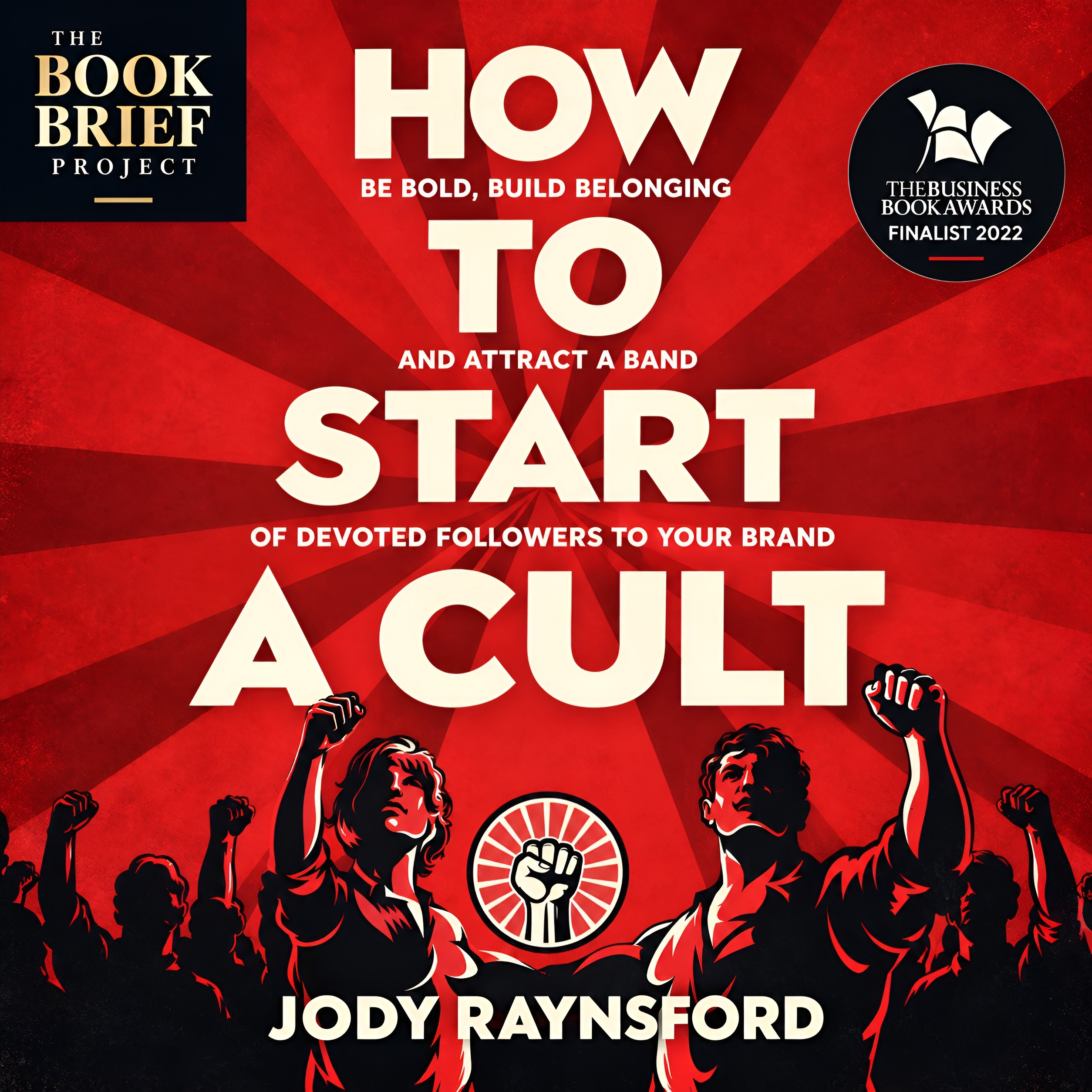 How to Start a Cult — And Why It Works 12.09.2026 14Min.What is the difference between finding a community and being recruited into one? In How To Start A Cult, Jody Raynsford argues that the strongest brands do not simply create loyal customers. They create belonging.Drawing on his experience building the running community around Bad Boy Running, Raynsford breaks that process into a set of deliberately provocative “commandments”: create a message people can rally around, identify an enemy, develop a shared language, reward participation, elevate true believers and give members visible ways to demonstrate that they belong.This episode explores why those techniques are so effective — and where the book becomes more complicated. Because the same mechanisms that can turn an overlooked audience into a genuine community can also make identity harder to separate from membership. The book acknowledges that danger, but its safeguards ultimately depend on the intentions of the person holding the levers.We also look at the stranger possibility that How To Start A Cult is not only describing the method. It is using the method on the reader.If the machinery of belonging and the machinery of capture can look identical from the inside, how do you know which kind of group you have joined?Subscribe to The Book Brief Project for deeper conversations about business, psychology and the books that change how we understand the systems around us.─── ◈ ───How To Start A Cult by Jody Raynsford · 2021Books, taken seriously. No quick summaries.New episodes when they're ready.──────────Narration in this episode is AI-assisted. The writing and the analysis are human.#HowToStartACult #JodyRaynsford #BrandCommunity #BrandLoyalty #CommunityBuilding #MarketingPsychology #CultBranding #Belonging #BusinessBooks #MarketingStrategy #ConsumerPsychology #BrandIdentity #TheBookBriefProject #BookAnalysis #BookPodcast
 -
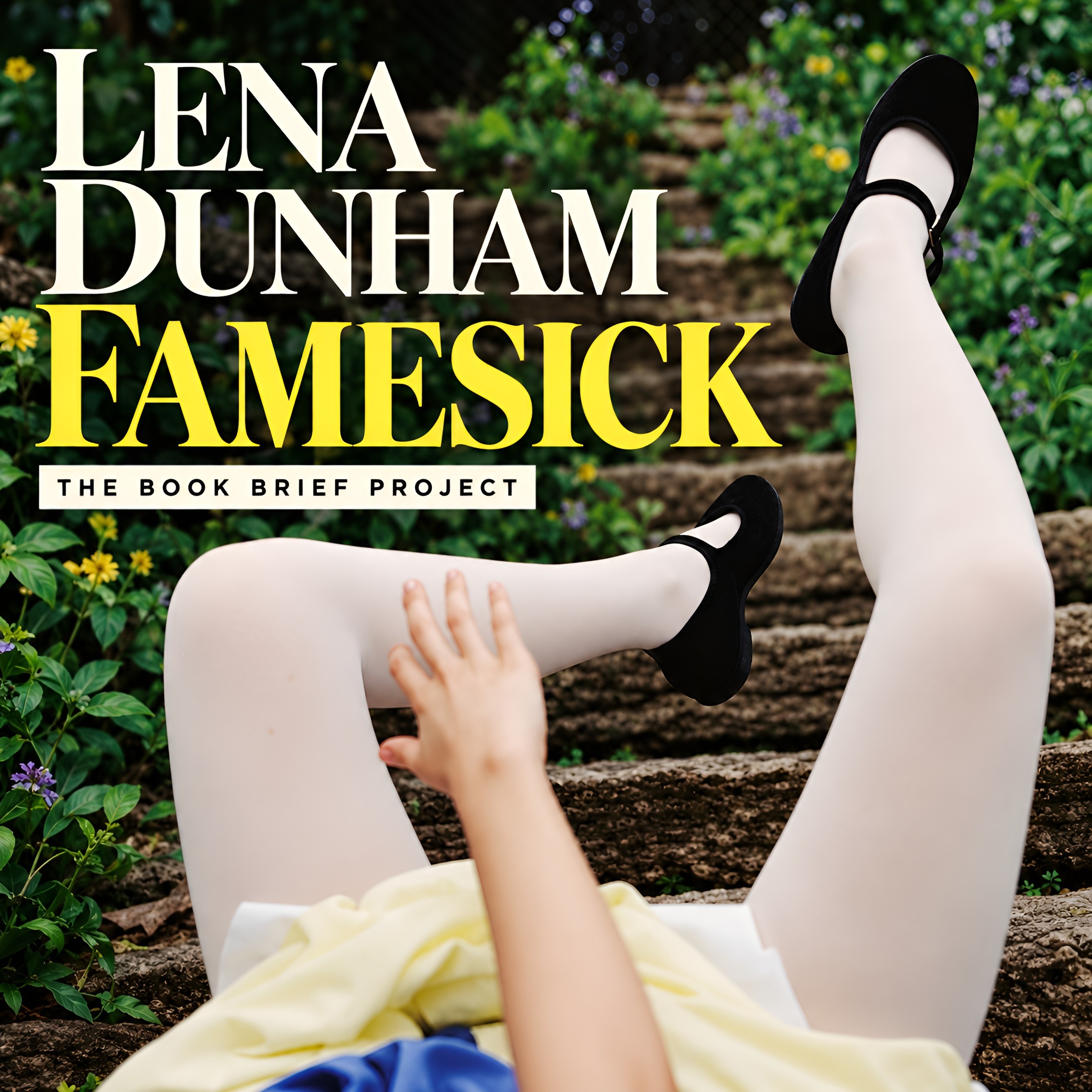 Famesick: Lena Dunham Never Got Off the Set 11.09.2026 11Min.What if fame did not create Lena Dunham’s compulsion to turn private life into material, but simply gave that instinct an audience?In Famesick, Dunham writes about the years after Girls, her collapsing health, chronic pain, endometriosis, a hysterectomy at thirty-one, prescription dependence and the relationships that did not survive. Her body was failing while millions of people were watching, judging and interpreting that body in public.But the story begins before HBO, celebrity or the machinery of online attention. From reading her mother’s private journals to casting her family in Tiny Furniture, the instinct to convert intimacy into material was already fully formed. Fame did not install the reflex. It gave it distribution.This episode examines the contradiction at the center of Famesick: Dunham argues that being watched made her sick, yet writing for an audience remains her most reliable way of surviving what happened. We look at her accounts of illness, addiction, Girls, Jenni Konner and Adam Driver, while contrasting her instinct for accumulation with Joan Didion’s power of withholding.The book is evasive about Dunham’s effect on other people. It is also an unsparing account of women’s pain being dismissed by the medical system. Both things can be true.If turning experience into writing has cost Dunham some of her closest relationships, is the compulsion the illness—or the only treatment that has ever worked?Subscribe to The Book Brief Project for deeper conversations about memoir, culture and the books that resist simple verdicts.─── ◈ ───Famesick: A Memoir by Lena Dunham · 2026Books, taken seriously. No quick summaries.New episodes when they're ready.──────────Narration in this episode is AI-assisted. The writing and the analysis are human.#Famesick #LenaDunham #GirlsHBO #Memoir #CelebrityCulture #ChronicIllness #Endometriosis #WomensHealth #JoanDidion #WritingLife #LiteraryCriticism #BookReview #TheBookBriefProject #BookAnalysis #BookPodcast
 -
 The Help: Who Gets to Tell the Story? 09.09.2026 15Min.What happens when a novel about unheard voices becomes a story about who gets to publish them? Kathryn Stockett’s The Help became one of the most successful American novels of its generation, beloved for characters like Aibileen and Minny and for a message of dignity that millions of readers carried beyond the book. But inside its story is a contradiction that becomes harder to ignore the closer you look.Set in Jackson, Mississippi during the civil rights era, The Help follows Black domestic workers who agree to tell their experiences to Skeeter Phelan, a young white woman hoping to become a writer. Their testimony exposes the intimacy, humiliation and racial hierarchy inside the homes where they work — but the risks of telling those stories and the rewards that follow are distributed very differently.This episode looks at what Stockett gets remarkably right about domestic labor, segregation and the strange coexistence of affection and racism, while examining the question the novel never fully confronts: who owns a story once someone else has been given permission to tell it? We also look at the controversy surrounding Ablene Cooper, criticism from Black historians, Anne Moody’s Coming of Age in Mississippi, and why a novel can transmit something true while still leaving us uneasy about the way that truth was packaged. If a book helps millions of people see lives they had previously ignored, but gives the greatest reward to the person who collected those lives, who gets to decide whether the exchange was worth it?Subscribe to The Book Brief Project for deeper conversations about literature, history and the books that become more complicated the longer you think about them.─── ◈ ───The Help by Kathryn Stockett · 2009Books, taken seriously. No quick summaries. New episodes when they're ready.──────────Narration in this episode is AI-assisted. The writing and the analysis are human.#TheHelp #KathrynStockett #AibileenClark #MinnyJackson #SkeeterPhelan #CivilRights #AmericanLiterature #HistoricalFiction #BookAnalysis #LiteraryCriticism #BookReview #TheBookBriefProject #BookPodcast #BooksTakenSeriously
 -
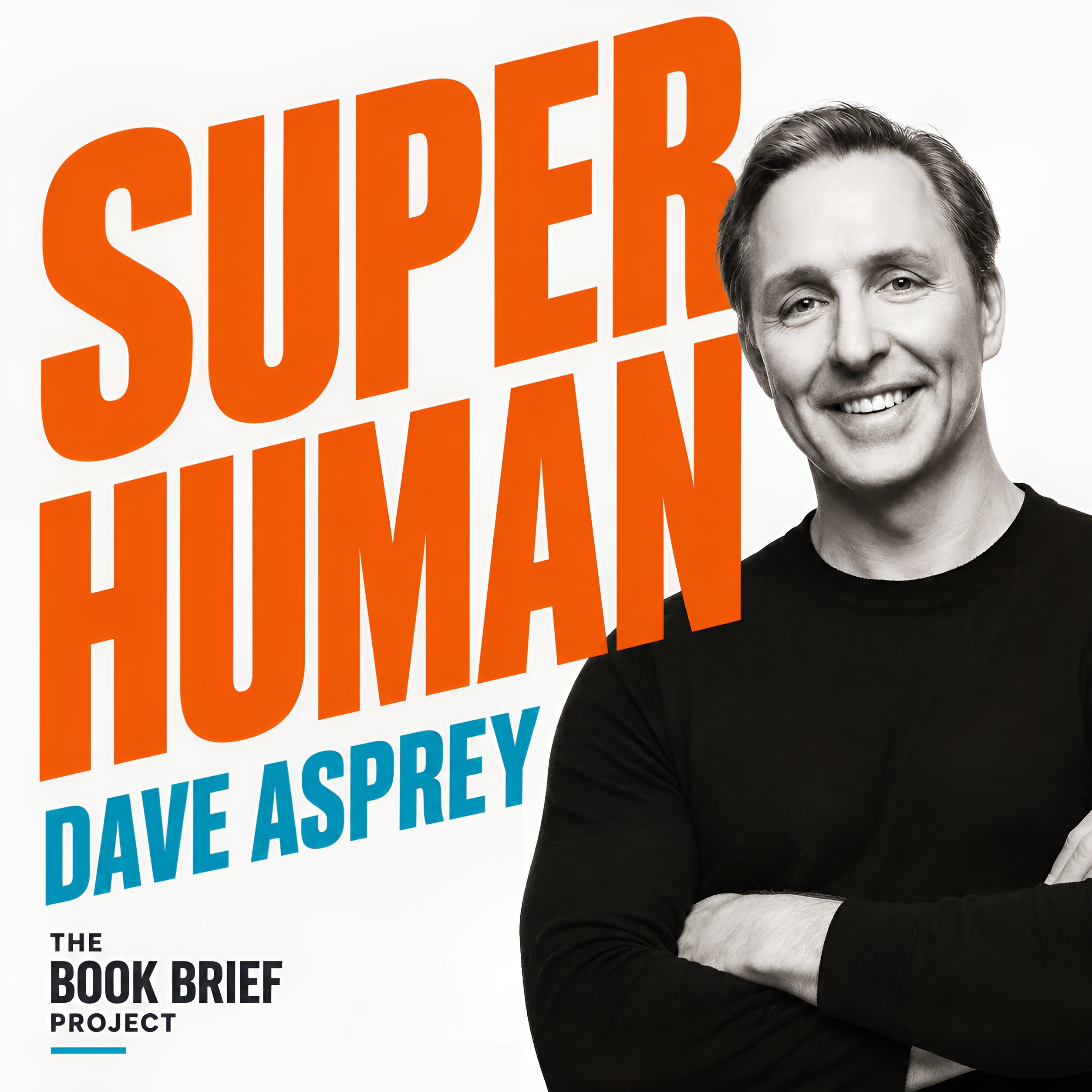 Super Human — Who Actually Gets to Live Longer? 08.09.2026 14Min.What if living longer is not primarily a question of finding the next breakthrough treatment? Dave Asprey’s Super Human makes a more ambitious claim: aging is a process with identifiable mechanisms, and if those mechanisms can be understood and influenced, the body may be able to remain functional far longer than we assume.Asprey approaches longevity like an engineering problem. He moves from relatively conventional interventions — sleep, light exposure, movement, metabolic health and oral health — toward more experimental territory involving stem cells, peptides, hormones, ozone therapy and other emerging treatments. The book’s central promise is that aging is not simply something to endure, but something that can be measured, managed and potentially slowed.This episode explores both the strength and the tension in Asprey’s argument. We look at where Super Human aligns with established geroscience, where personal experimentation begins to replace stronger evidence, and why the book becomes less certain precisely as its interventions become more expensive and exciting. We also connect Asprey’s vision of self-optimization with Ivan Illich’s warning that medicine can turn ordinary life into a permanent project of monitoring and correction.If longevity can give us more years, who gets access to those years first?Subscribe to The Book Brief Project for deeper conversations about health, psychology, behavior and the books that challenge how we think about our own lives.─── ◈ ───Super Human by Dave Asprey · 2019Books, taken seriously. No quick summaries.New episodes when they're ready.──────────Narration in this episode is AI-assisted. The writing and the analysis are human.#SuperHuman #DaveAsprey #Longevity #HealthyAging #Biohacking #Geroscience #LifeExtension #AgingResearch #HealthOptimization #BehaviorChange #SelfImprovement #PersonalGrowth #Psychology #TheBookBriefProject #BookAnalysis #BookPodcast
 -
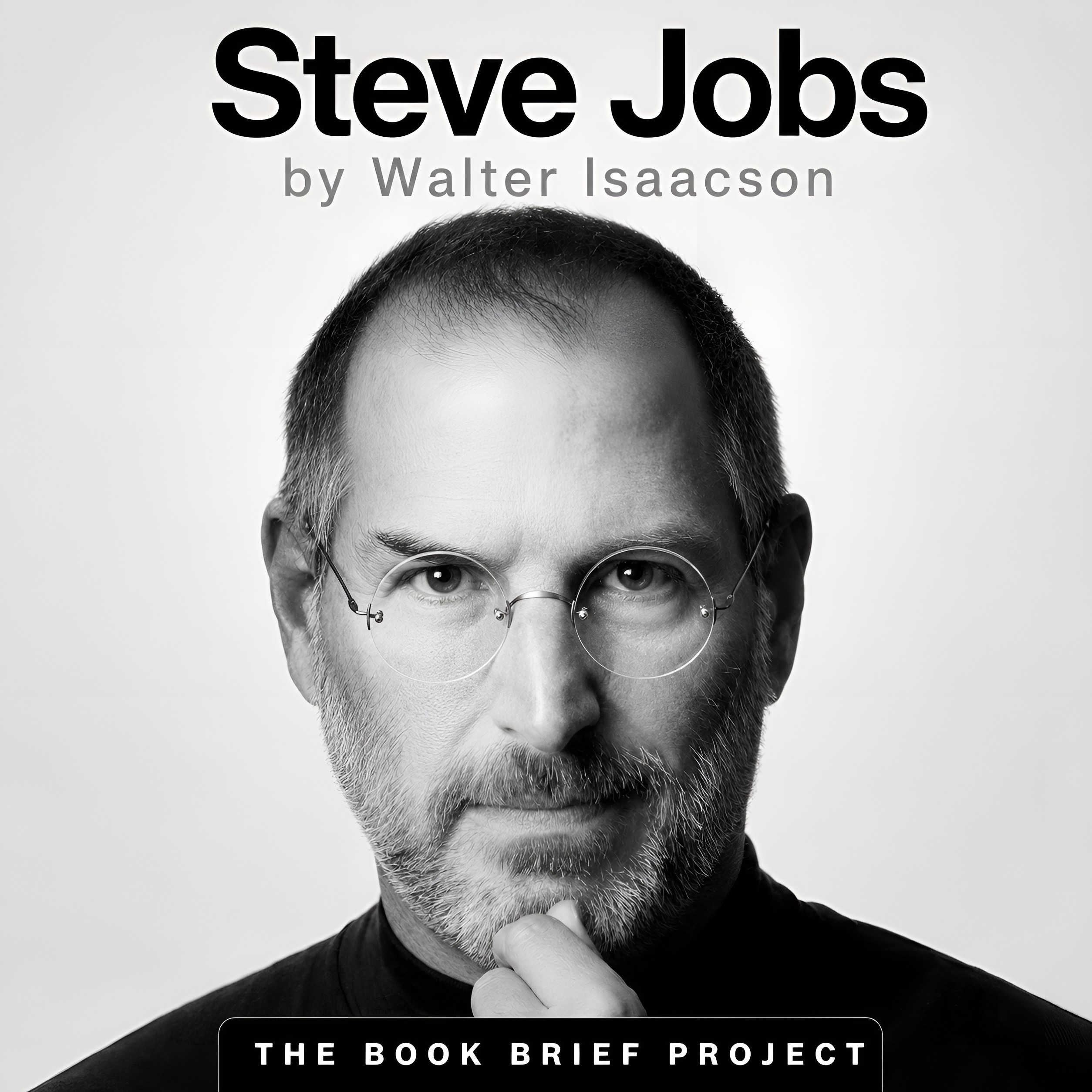 Steve Jobs: Was the Cruelty Really Necessary? 06.09.2026 14Min.Steve Jobs is usually read as the story of how an extraordinary personality produced extraordinary products. Walter Isaacson gives us the adoption, the Macintosh, Jobs’s exile from Apple, NeXT, Pixar, his return, the iPhone and the final years of illness — while repeatedly linking his perfectionism, intensity and famous refusal to accept ordinary constraints to the things he was able to build.That connection is what makes the biography so compelling. It is also what makes its central implication difficult to accept. Jobs could inspire people to accomplish things they thought impossible, but the same traits could make him cruel, controlling and resistant to information he did not want to hear. The biography itself becomes unusually revealing because Jobs gave Isaacson remarkable freedom: he cooperated with the project while refusing editorial control and encouraging friends, colleagues and adversaries to speak openly.This episode explores the tension inside Isaacson’s portrait. We look at Jobs’s adoption, the Macintosh years, his removal from Apple, NeXT, Pixar, his return and the extraordinary creative period that followed. But we also examine whether the personality traits credited with producing Apple’s greatest successes were truly necessary for those successes. Jobs’s delayed decision to undergo recommended cancer surgery makes that question especially difficult: the same capacity for what Isaacson called “magical thinking” appears in the biography as both a force behind impossible ambitions and a serious limitation when reality could not be negotiated with.If the same traits contribute to both extraordinary success and profound failure, how confidently can we say that the success required them?Subscribe to The Book Brief Project for deeper conversations about biography, technology and the books that complicate the stories we tell about genius.─── ◈ ───Steve Jobs by Walter Isaacson · 2011Books, taken seriously. No quick summaries.New episodes when they're ready.──────────Narration in this episode is AI-assisted. The writing and the analysis are human.#SteveJobs #WalterIsaacson #Apple #Macintosh #iPhone #Pixar #NeXT #TechnologyHistory #Biography #Innovation #Leadership #Entrepreneurship #SiliconValley #CreativeLeadership #TheBookBriefProject #BookAnalysis #BookPodcast
 -
 The Technological Republic: What Does Silicon Valley Owe America? 05.09.2026 14Min.The Technological Republic begins with a question about obligation: what does an engineer owe the society that made the engineer possible? Alexander C. Karp and Nicholas W. Zamiska argue that Silicon Valley has drifted away from ambitious public problems and toward advertising, entertainment and consumer convenience — abandoning an older partnership between technological talent, industry and the American state.The book traces technology’s historical relationship with government and national power, arguing that many defining achievements of the twentieth century emerged when engineers, institutions and public purpose were aligned around difficult collective goals. Karp and Zamiska want technologists to recover that sense of mission, particularly as artificial intelligence, defense and geopolitical competition make technological capacity increasingly consequential. Their argument also comes from inside that relationship: Karp is Palantir’s co-founder and CEO, while Zamiska works in senior corporate and legal roles at the company, whose software is used by U.S. and allied defense and intelligence agencies.This episode explores both the force and the tension of that argument. We look at Silicon Valley’s relationship with the American state, Palantir’s position within the story the authors tell, and the difference between asking technologists to serve something larger than themselves and deciding what that larger purpose should be. Along the way, we place the book beside Alasdair MacIntyre’s After Virtue and his concern with what happens when societies lose a shared language for arguing about the good.If technological power needs a purpose larger than profit, who gets to define that purpose — and what happens when the people building the tools are also helping decide what they should be used for?Subscribe to The Book Brief Project for deeper conversations about technology, political thought and the books asking what power is ultimately for.─── ◈ ───The Technological Republic: Hard Power, Soft Belief, and the Future of the West by Alexander C. Karp and Nicholas W. Zamiska · 2025Books, taken seriously. No quick summaries.New episodes when they're ready.──────────Narration in this episode is AI-assisted. The writing and the analysis are human.#TheTechnologicalRepublic #AlexanderKarp #NicholasZamiska #Palantir #SiliconValley #ArtificialIntelligence #TechnologyPolicy #NationalSecurity #DefenseTechnology #TechnologyAndSociety #AlasdairMacIntyre #AfterVirtue #PoliticalPhilosophy #TheBookBriefProject #BookAnalysis #BookPodcast
 -
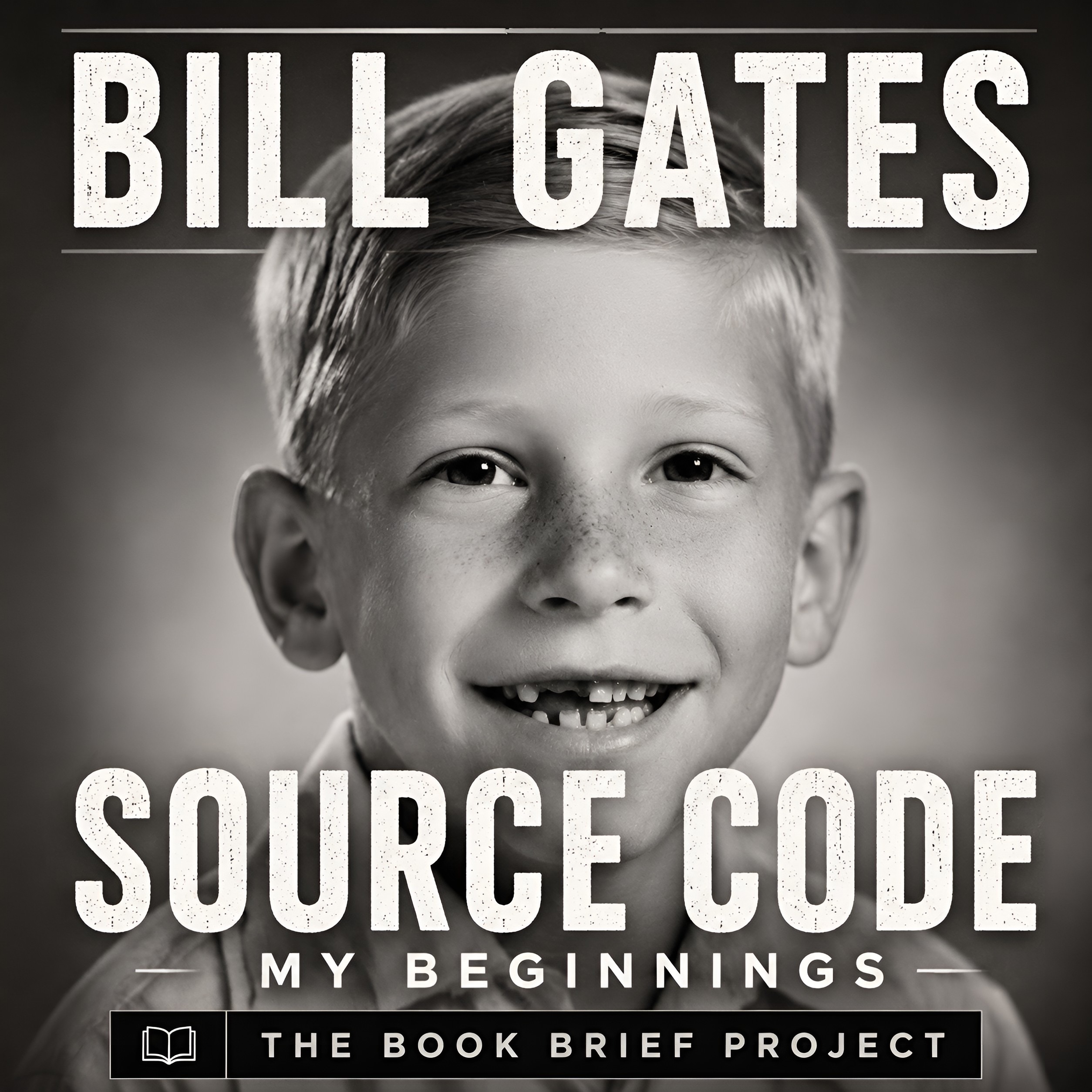 Source Code by Bill Gates: Can a Life Really Be Explained? 04.09.2026 14Min.Source Code begins with a seductive metaphor: if Bill Gates became Bill Gates, perhaps somewhere in his childhood we can find the instructions that produced him. Before Microsoft, the billions and the public figure, there was a difficult boy in Seattle, an unusually competitive family, access to a school computer at exactly the right historical moment, and friendships that changed the direction of his life.Gates returns to Lakeside School, his early obsession with programming, his friendships with Kent Evans and Paul Allen, and the combination of temperament, opportunity and loss that preceded Microsoft. The memoir is an attempt to understand where his intensity came from — the appetite for systems, competition and problem-solving that would later become inseparable from his public identity.This episode explores what happens when autobiography borrows the language of programming. We look at the experiences Gates identifies as formative, but also at everything the metaphor struggles to contain: luck, timing, privilege, historical circumstance and events that could never have been predicted from childhood alone. A memoir can arrange those accidents into a pattern after the fact, which raises a deeper problem about self-explanation. The better the story becomes, the easier it is to forget how little of life felt inevitable while it was actually happening.If a life only reveals its “source code” after we already know how the program turned out, are we discovering what made a person — or writing coherence backward into a life that was never that orderly?Subscribe to The Book Brief Project for deeper conversations about biography, technology and the books that reveal how people construct stories about who they became.─── ◈ ───Source Code: My Beginnings by Bill Gates · 2025Books, taken seriously. No quick summaries.New episodes when they're ready.──────────Narration in this episode is AI-assisted. The writing and the analysis are human.#SourceCode #BillGates #Microsoft #PaulAllen #KentEvans #LakesideSchool #TechnologyHistory #TechHistory #Memoir #Autobiography #PersonalComputing #Entrepreneurship #Memory #SiliconValley #TheBookBriefProject #BookAnalysis #BookPodcast
 -
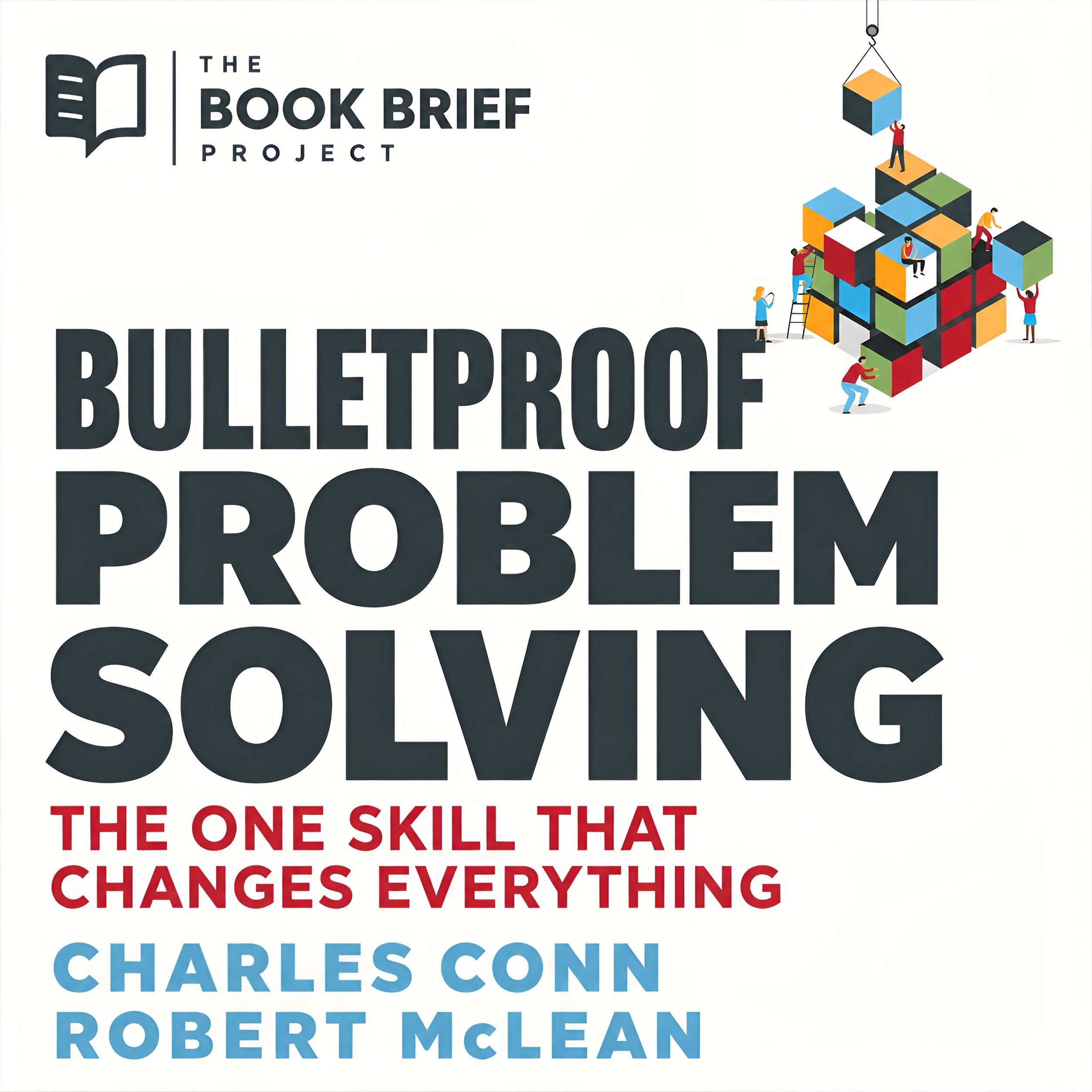 Bulletproof Problem Solving: The Method That Works Until Problems Get Complicated 03.09.2026 15Min.Bulletproof Problem Solving makes an unusually ambitious promise: Charles Conn and Robert McLean believe that almost any difficult problem can become more manageable if it is defined precisely, broken into its component parts, prioritized, tested against evidence and attacked where effort is most likely to change the answer.Built from decades of consulting experience, the method relies heavily on logic trees and disciplined problem definition. Instead of beginning with solutions, Conn and McLean ask readers to construct a clear picture of the problem, identify the branches that matter most, form hypotheses and gather only the evidence necessary to test them. For problems involving pricing, infrastructure, investment, capacity or other relatively structured decisions, the approach can be remarkably powerful.This episode explores why the method works — and where its confidence begins to strain. We look at applications ranging from solar panels and airport capacity to problems such as obesity and overfishing, where causes interact, incentives change and attempted solutions can alter the system itself. These are closer to what researchers call “wicked problems”: situations in which the problem cannot be cleanly separated from the people, institutions and feedback loops involved in solving it.If the act of solving a problem changes the problem itself, how far can structured analysis take us before the logic tree becomes a map of a world that has already moved?Subscribe to The Book Brief Project for deeper conversations about decision-making, systems and the books that teach us how to think when problems refuse to stay simple.─── ◈ ───Bulletproof Problem Solving: The One Skill That Changes Everything by Charles Conn and Robert McLean · 2019Books, taken seriously. No quick summaries.New episodes when they're ready.──────────Narration in this episode is AI-assisted. The writing and the analysis are human.#BulletproofProblemSolving #CharlesConn #RobertMcLean #ProblemSolving #StructuredThinking #LogicTrees #DecisionMaking #CriticalThinking #SystemsThinking #WickedProblems #Strategy #ManagementConsulting #BusinessBooks #TheBookBriefProject #BookAnalysis #BookPodcast
 -
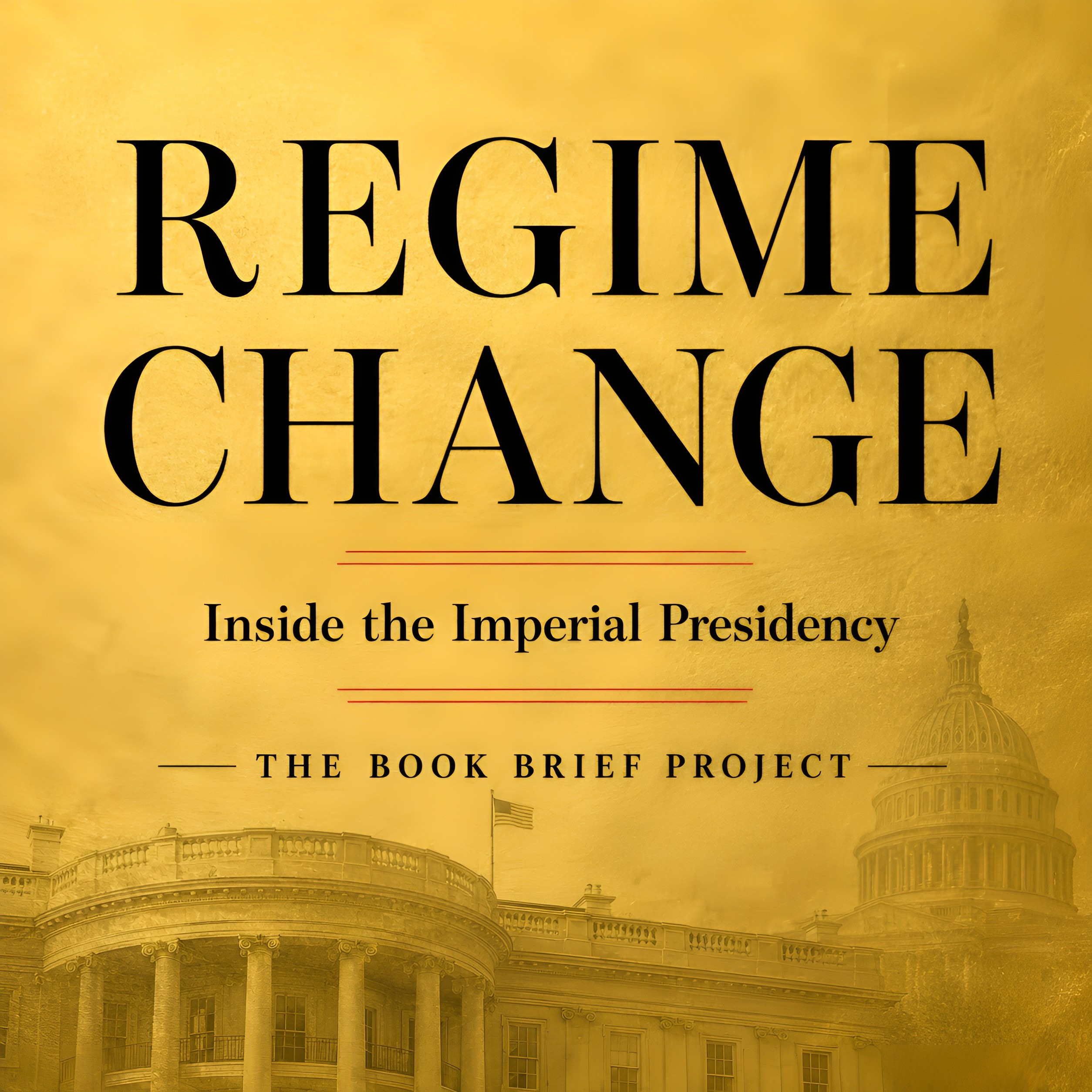 Regime Change: How Powerful Is Trump’s Imperial Presidency? 01.09.2026 15Min.Regime Change begins with a question about what changes when a president returns to office already knowing how the machinery of government works. Maggie Haberman and Jonathan Swan argue that Donald Trump’s second presidency differs fundamentally from his first: fewer internal restraints, more carefully selected loyalists, and a president substantially more willing to test the reach of executive power.Drawing on extensive reporting from inside the administration, Haberman and Swan describe a White House in which many of the officials who once resisted Trump are gone and the people surrounding him are more prepared to carry out his agenda. Their subtitle — Inside the Imperial Presidency of Donald Trump — captures the book’s central frame: that the second term represents not simply a continuation of the first but a more concentrated and personalized exercise of presidential authority.This episode examines that argument while pushing on a tension inside it. Even expansive presidential power operates within an environment containing courts, Congress, markets, political opposition, bureaucratic institutions and external constraints that no president controls completely. The question is therefore not only how much power Trump has accumulated, but how much of that power can actually be converted into durable outcomes when other institutions and consequences push back.If a presidency becomes more willing to test the limits of executive authority, do moments of resistance reveal that those limits still function — or only where the next struggle over power will take place?Subscribe to The Book Brief Project for deeper conversations about political history, institutions and the books examining how power is exercised from inside government.─── ◈ ───Regime Change: Inside the Imperial Presidency of Donald Trump by Maggie Haberman and Jonathan Swan · 2026Books, taken seriously. No quick summaries.New episodes when they're ready.──────────Narration in this episode is AI-assisted. The writing and the analysis are human.#RegimeChange #MaggieHaberman #JonathanSwan #DonaldTrump #TrumpPresidency #ExecutivePower #USPresidency #AmericanPolitics #PoliticalPower #WhiteHouse #PresidentialPower #PoliticalJournalism #USPolitics #TheBookBriefProject #BookAnalysis #BookPodcast
 -
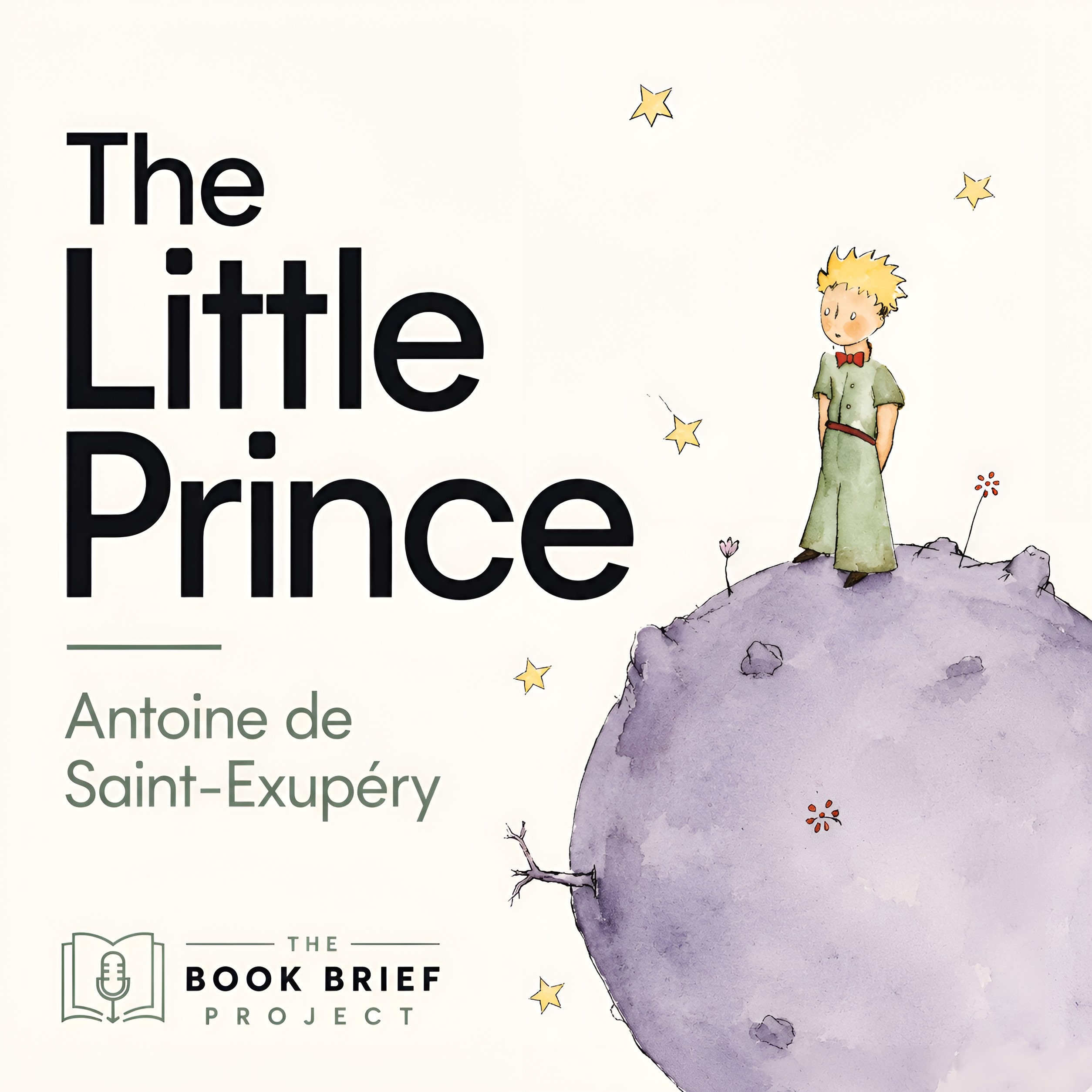 The Little Prince: The Line Everyone Remembers Is Not the Best One 30.08.2026 12Min.The Little Prince is one of the most loved books ever written, and one sentence from it has escaped the book entirely: “One sees clearly only with the heart.”But what if that is not the book’s deepest idea?In this episode of The Book Brief Project, we look closely at Antoine de Saint-Exupéry’s famous story — its suspicion of adulthood, its faith in innocence, the rose, the fox, and the uncomfortable idea hidden beneath all its tenderness.Because the fox offers something much harder than the famous lesson about seeing: once we allow something to matter to us, we become responsible for it.This is not a quick summary of The Little Prince. It is an argument with the book, and with the lesson the world chose to remember.Books, taken seriously.
Ähnliche Podcasts


Beliebt in
Dieser Podcast erscheint auch in den Podcast-Charts dieser Länder.

