
Chill Financial Historian
Chill Financial Historian
0
Chill Financial Historian breaks down the brutal, ridiculous, and often darkly funny truth about how countries really work. It covers economics, power, and geopolitics with sarcasm and sharp storytelling, unpacking the rise and fall of nations, economic meltdowns, sanctions, trade wars, debt traps, resource battles, political gambles, and global power moves that shape everyday life.
Folgen
-
 Why Cambodia's Economy Runs on US Dollars (Full Explanation) 12.10.2026 1Std. 28Min.Why does Cambodia use US dollars instead of relying entirely on its own currency, the Cambodian riel?Cambodia has one of the world's most dollarized economies, but how did it happen? From the Khmer Rouge's abolition of money and the arrival of US dollars during Cambodia's reconstruction to decades of economic growth, this documentary explores the history behind Cambodia's unusual monetary system.Discover how dollarization shaped Cambodia's economy, banking system, inflation, foreign investment, and monetary policy—and why the country is now working to strengthen the riel through digital payments and financial reforms.Is the US dollar Cambodia's greatest economic advantage or a limitation on its financial independence?#Cambodia #Dollarization #EconomicHistory #USDollar #CambodianEconomy
 -
 Angola How Oil Wealth Bypassed Most Angolans 09.10.2026 31Min.Angola How Oil Wealth Bypassed Most Angolans
 -
 Why South Africa's Xenophobia Crisis Is Breaking Its Own Economy (Not the Migrants) 09.10.2026 1Std. 3Min.Why South Africa's Xenophobia Crisis Is Breaking Its Own Economy (Not the Migrants). South Africa has one of the world's highest unemployment rates, deepest inequality, and most violent histories of xenophobia in any major emerging market. But how much does xenophobia actually cost the South African economy?Sources: https://docs.google.com/document/d/1_HTdkstQlkQeYhX-w7VClrYFdYH_ED4NEqrtqmyazNs/edit?usp=sharingIn this deep-dive breakdown, we unpack the real economic impact of xenophobia in South Africa — from the 2008 Alexandra riots that killed 62 people and displaced 100,000 migrants, to the rise of Operation Dudula, the spaza shop wars in a R184 billion informal grocery sector, the foreign direct investment chill, the diplomatic blowback from Nigeria, the tourism damage, and the brutal arithmetic of who actually costs South Africa money.We cover:• The 2008 xenophobic eruption and its lasting economic damage• Operation Dudula's rise from vigilante movement to political party• How migrant entrepreneurs actually drive township economies• The FDI chill and South Africa's sovereign credit risk premium• Diplomatic blowback with Nigeria, Mozambique, and the AfCFTA project• The tourism, conference, and academic exchange costs• Why Eskom, Transnet, and state capture cost South Africa far more than migrants ever could
 -
 Is Mexico's Nearshoring Economy BOOM a Myth? (THE REALITY CHECK) 08.10.2026 1Std. 28Min.Is Mexico's nearshoring boom real — or the most expensive piece of economic hype in recent memory?In this deep-dive, we do a full reality check on Mexico's nearshoring story: the record FDI numbers, the infrastructure crisis, the tariff rollercoaster, the security costs, and the USMCA renegotiation that could define the next decade of North American trade.We cover:✅ Why Mexico became the US's #1 trading partner — and what that actually means✅ The FDI paradox: record investment + shrinking GDP (how is that possible?)✅ The electricity & water crisis threatening industrial growth in northern Mexico✅ Trump's tariff chaos of 2025 — the full timeline and real economic impact✅ Who's actually winning: the sectors and cities capturing the boom✅ The security & rule-of-law fault line no investment brochure mentions✅ The genuine bull case — why the opportunity isn't dead, just delayed✅ The July 2026 USMCA review: the most consequential trade decision in a generation✅ The verdict: myth, miracle, or something messier?Sources include: Dallas Federal Reserve, IMF, OECD, Brookings Institution, Baker Institute, CSIS, World Bank, Deloitte, and the latest data through March 2026.
 -
 Why the Strait of Hormuz Controls the World Economy 08.10.2026 1Std. 6Min.Why the Strait of Hormuz Controls the World Economy.Why does a 21-mile stretch of water dictate the cost of your groceries, gas, and the survival of the global economy?The Strait of Hormuz is the world's most critical geopolitical chokepoint. In this deep dive, we break down the brutal mechanics and verifiable data behind how 20 million barrels of daily oil, asymmetric warfare, and London maritime insurance syndicates hold the modern supply chain hostage.This video relies strictly on institutional data, energy market fundamentals, and established maritime logistics to explain the fragile intersection of geography and 21st-century finance. Discover why the "Green Transition" is completely dependent on this chokepoint, how the Petrodollar is anchored to its waters, and why global superpowers actually benefit from its permanent instability.
 -
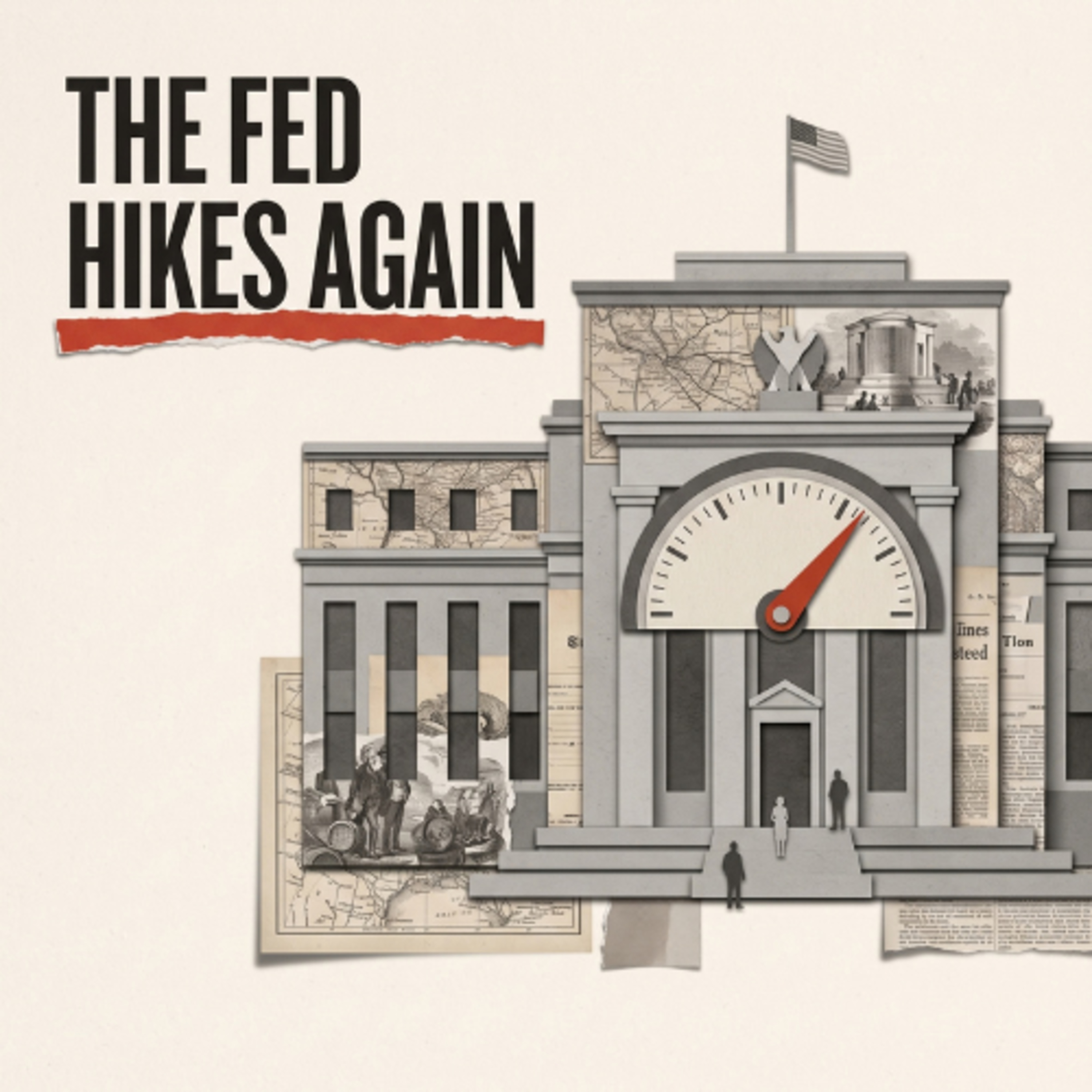 Why the Fed Started Raising Rates Again 04.10.2026 39Min.Federal Reserve rate hike 2026: why did the Fed raise rates again? On 16 September 2026, the Fed voted 12–0 to lift rates to 3.75%–4%, its first hike since July 2023, under a chair chosen by a president demanding cuts. This video rebuilds that decision step by step.We cover the Iran war oil shock and why central banks usually "look through" supply shocks. We look at the 65 months of above-target inflation that changed the Fed's thinking, Kevin Warsh's Jackson Hole speech, and the July dissents. We also cover the political pressure from the White House and what the hike means for mortgage rates, savings and the 10-year Treasury yield. Then we give the strongest case that the Fed got it wrong, from economists who argue you should never hike into an energy shock.No hype, just the data, the mechanics and both sides of the argument.⏱️ Chapters00:00 The vote nobody expected01:07 Six months, one U-turn06:16 The rulebook says look through12:17 Sixty-five months17:54 "Not restrictive": the economy that didn't need help22:45 The chair who was supposed to cut28:33 The case against the hike34:12 Where it lands: mortgages, savings, bonds37:11 So why did the Fed raise rates?💬 Do you run a business or work somewhere that has changed how it prices since 2021? Tell us in the comments, along with what you'd like us to cover next.📚 Key sources: Federal Reserve FOMC statement, press conference and Summary of Economic Projections (16 Sep 2026); BLS CPI and Employment Situation reports; BEA GDP and Personal Income and Outlays (30 Sep 2026); University of Michigan Surveys of Consumers; Freddie Mac PMMS; Chicago Fed (Goolsbee, 21 Sep 2026); Bernanke, Gertler and Watson (1997). The full source list is in the pinned comment.⚠️ This video is for educational purposes only and is not financial or investment advice. Speak to a qualified adviser before making borrowing, saving or investment decisions.#FederalReserve #InterestRates #Inflation #FedRateHike #KevinWarsh #Economics #MortgageRates
 -
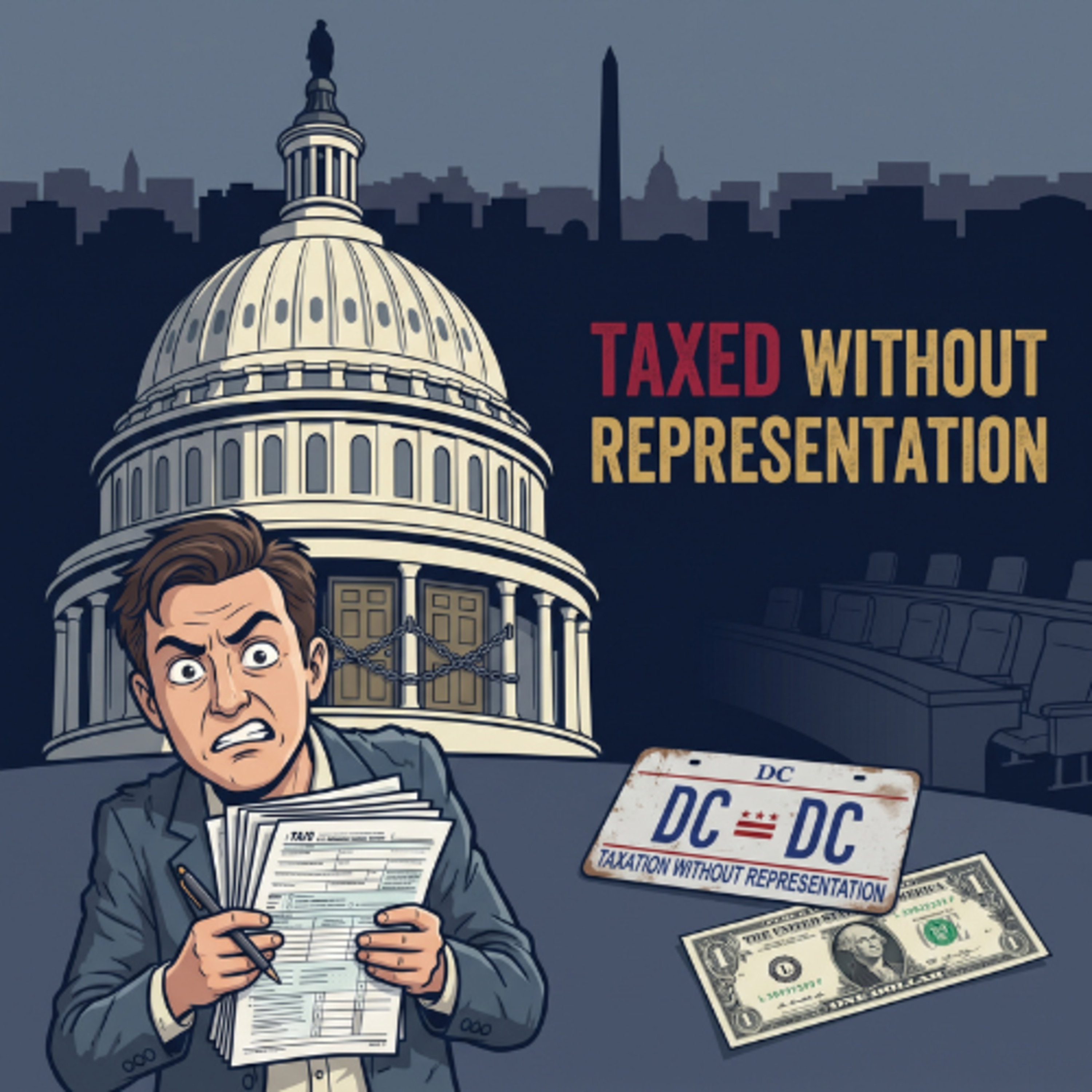 Why Washington DC Has No Voting Representation in Congress 03.10.2026 41Min.Why does the capital of the world's most powerful democracy have no voting representation in Congress? Over 700,000 Americans live in Washington, D.C. — more than Vermont or Wyoming — and pay more federal taxes per capita than residents of any state. Yet they have zero senators, no voting House member, and a city government Congress can override at any time.In this video, we trace the full 225-year story: the 1783 Pennsylvania Mutiny that convinced the Founders they needed a federal district, the constitutional District Clause they wrote into Article I, the 1801 Organic Act that quietly stripped DC residents of their vote, the Reconstruction-era decisions that tied disenfranchisement to race, the 23rd Amendment, the failed 1978 Voting Rights Amendment, the Home Rule Act of 1973, and the modern statehood push from H.R. 51 to Trump's 2025 federalization of the DC police.We steel-man both sides — the originalist case against statehood and the democratic case for it — and walk through how Congress still overrides DC's local laws on marijuana, abortion, guns, and more.Sources: https://docs.google.com/document/d/1I7pSGlrjj-5JWcBwJIh1gLGAvnIjMxe2pmz8xr5gcRY/edit?usp=sharingChapters00:00 — Intro: Taxation Without Representation02:43 — The Pennsylvania Mutiny of 178306:52 — The District Clause11:43 — The Organic Act of 180116:03 — Reconstruction and the Race Question21:07 — The 23rd Amendment and the Failed Voting Rights Amendment of 197826:18 — Home Rule, Riders, and the Reality of Congressional Oversight32:02 — The Statehood Push and the 2025 Federal Takeover37:53 — What This Story Actually Tells Us#DCStatehood #WashingtonDC #VotingRights #USHistory #Constitution
 -
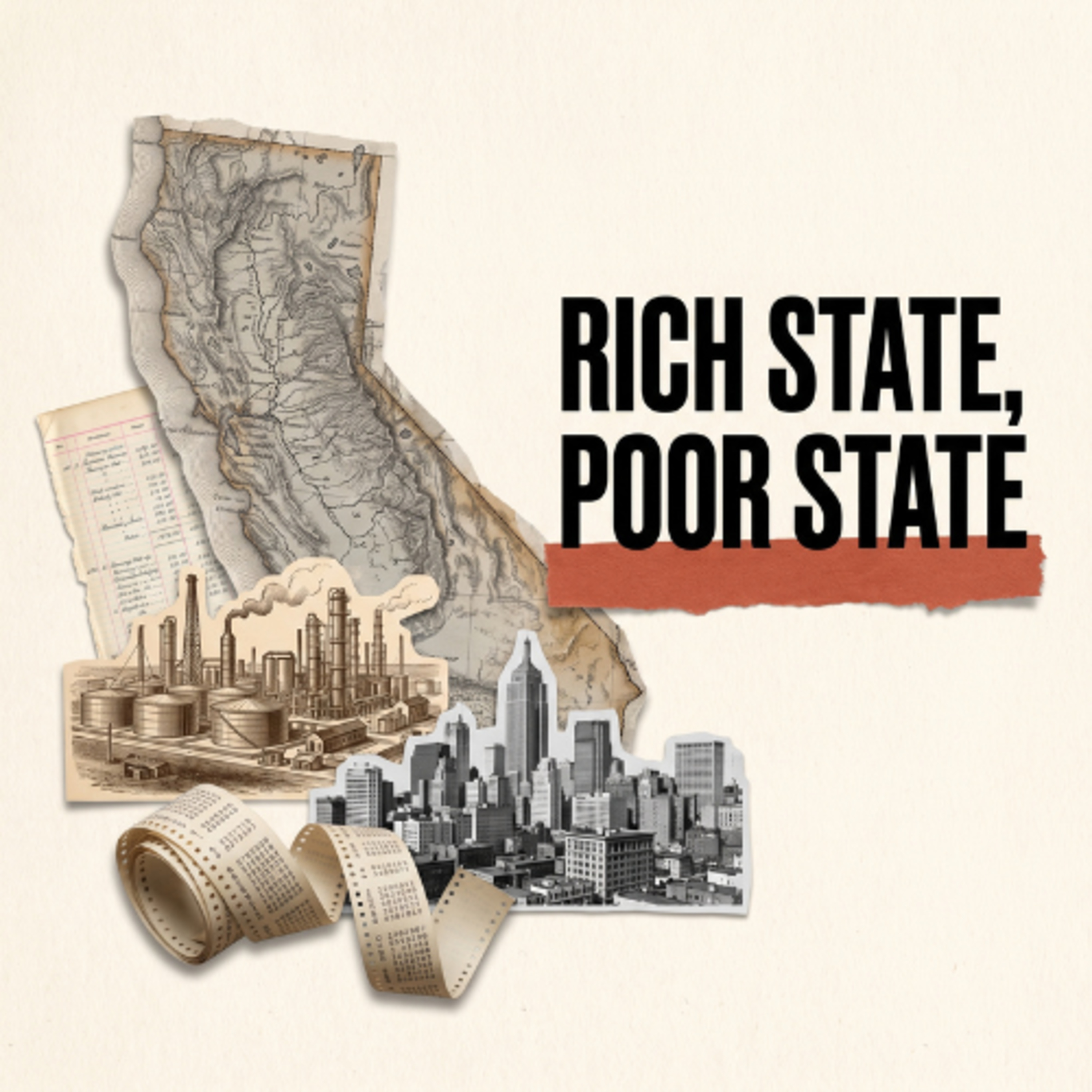 The Economy of California Explained 03.10.2026 40Min.The Economy of California ExplainedCalifornia produced a record $4.25 trillion in 2025, about 14% of US GDP, and attracted most of America's venture capital. It also has one of the highest unemployment rates of any state and, once housing costs are counted, one of the highest poverty rates in the country.This video follows the money through California's economy to explain how both are true. It starts at the Benicia refinery, which stopped making fuel in April 2026, and covers:why AI investment has produced record funding but fewer tech jobshow stock-based pay funds the state budget, and what the LAO warns about thathousing, electricity and fuel costs, including what the refinery closures did to gas pricespoverty, homelessness and out-migrationfarms, ports and Hollywoodthe strongest case that California is in decline, tested against the data
 -
 The Economy of Houston Explained 28.09.2026 51Min.The Economy of Houston Explained | Oil Capital, Ship Channel, Medical City & What Comes NextHow did a muddy bayou sold by two land speculators in 1836 become one of America's largest metro economies and the energy capital of the world? And why are Houston's biggest oil companies cutting jobs even as oil prices soar?In this deep dive, we break down how the Houston economy actually works: the oil headquarters cluster, the 1980s oil bust that nearly broke the city, the Houston Ship Channel and the largest petrochemical complex in the US, the Texas Medical Center, NASA and commercial space, Houston's famous lack of zoning, and the costs of hurricanes, rising insurance and a city budget under strain. We finish with what the 2026 Strait of Hormuz oil shock means for Houston's jobs, energy industry and future.
 -
 Why Rich Countries Forgot How to Build | Abundance by Ezra Klein & Derek Thompson 28.09.2026 24Min.Why does the richest country on earth take decades and billions to build what it once built in years? In this VWM book breakdown of Abundance by Ezra Klein and Derek Thompson, we look past the summary to the machine underneath: how rules that each made sense on their own add up to paralysis.We cover:- The mechanism: veto points, environmental review (NEPA and CEQA), and "everything-bagel" policy- The evidence: Philadelphia's I-95 reopening in 12 days, Austin's housing boom, and California's 2025 CEQA reform- The limits: the strongest critiques from Zephyr Teachout, David Dayen and NYU's Transit Costs Project, and what survives them- Why it matters now, from high-speed rail to the grid connection queue slowing America's power supplyBy the end, you'll be able to spot this mechanism in any infrastructure headline.
 -
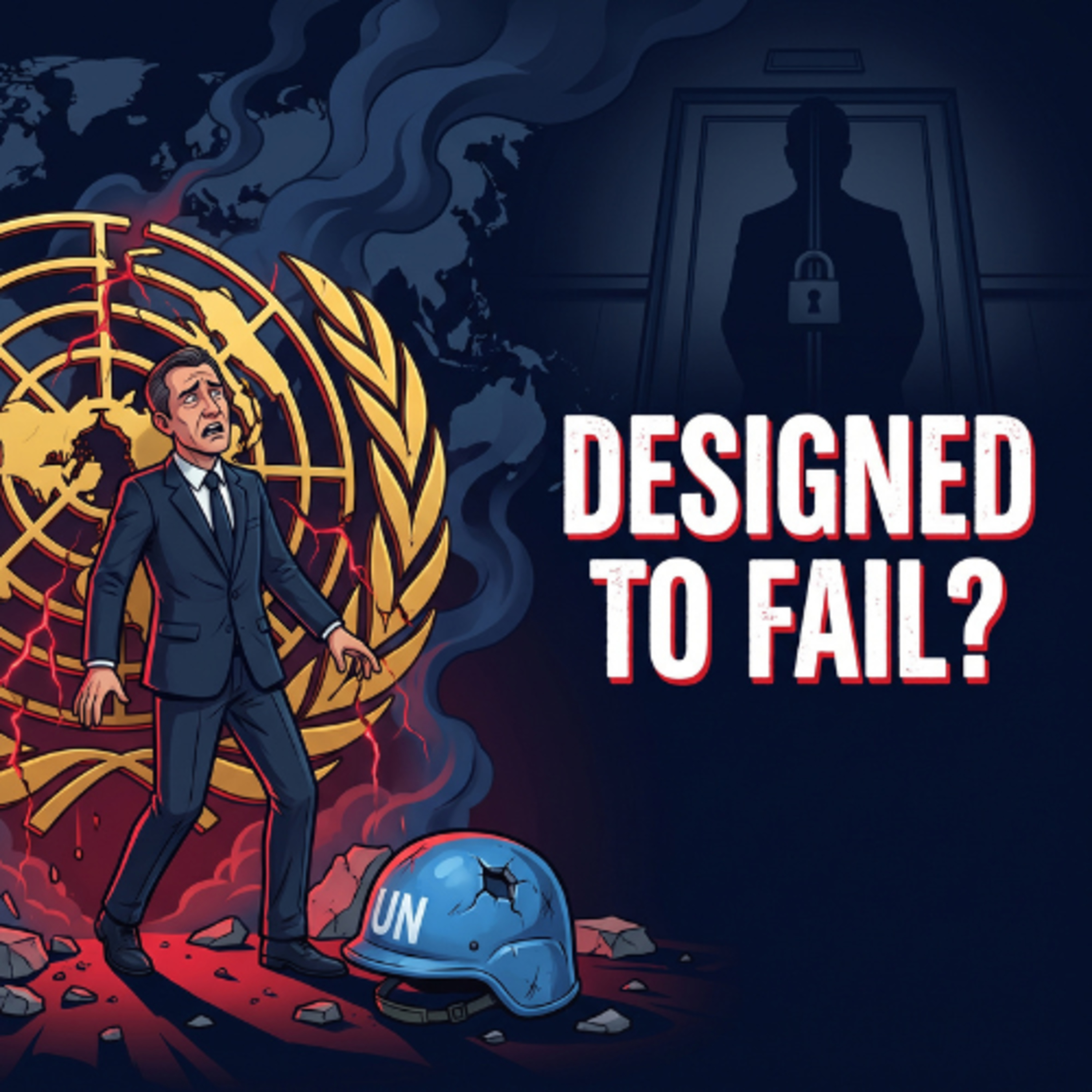 How the United Nations ACTUALLY Works (It’s Not What You Think) 27.09.2026 34Min.Discover the hidden mechanics of global power. In this deep dive, we explore how the United Nations actually works—beyond the headlines and diplomatic speeches. From the multibillion-dollar budget and the truth about UN Peacekeepers, to the Security Council's controversial "God Mode" veto power, we break down the cold, hard realities of international law and modern geopolitics.
 -
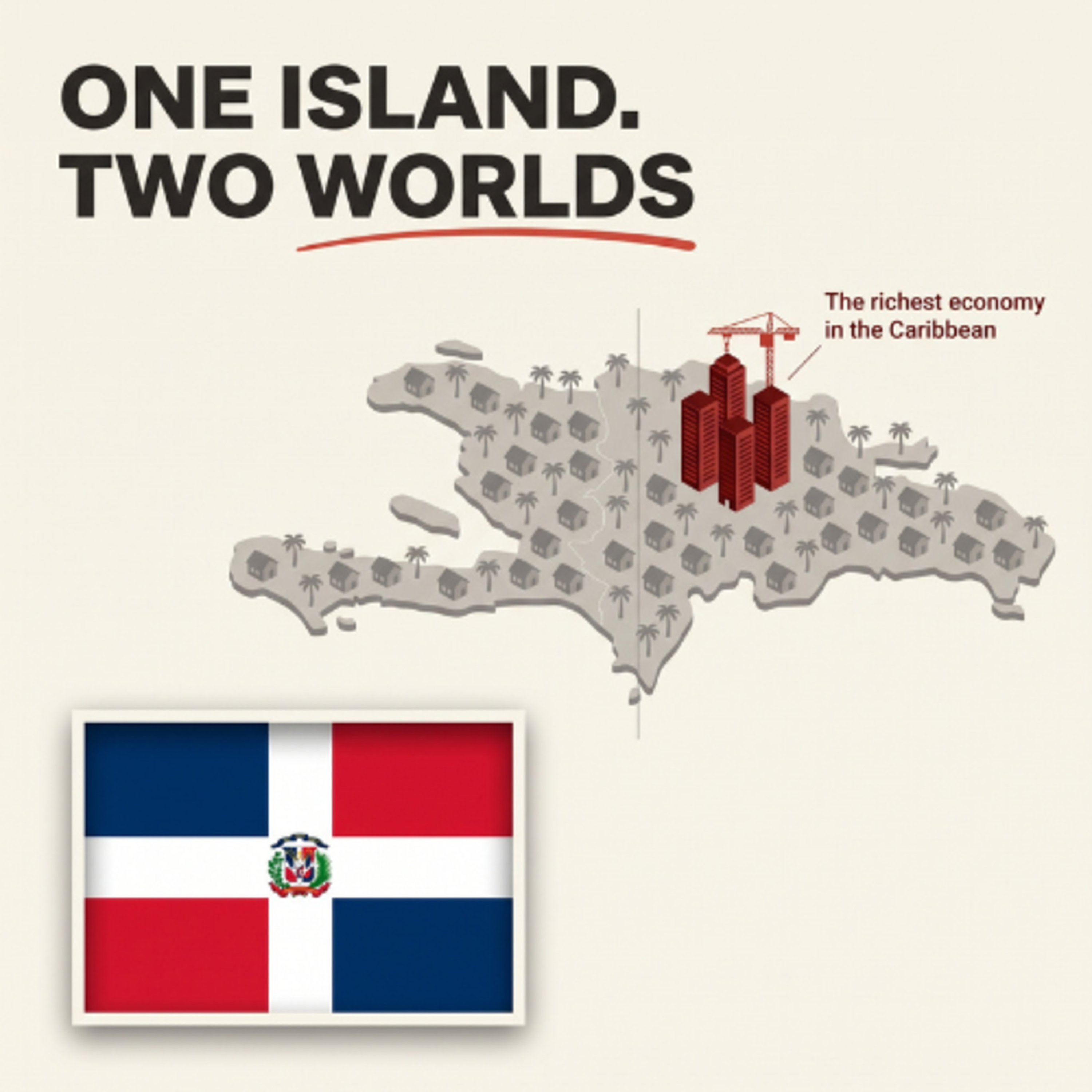 How the Dominican Republic Became the Caribbean's Biggest Success Story 26.09.2026 40Min.How the Dominican Republic Became the Caribbean's Biggest Success Story.How did a country that spent the 20th century as a coup-prone dictatorship become the fastest-growing economy in the Caribbean? The Dominican Republic shares one island with Haiti — the poorest nation in the Western Hemisphere — yet the average Dominican is now several times richer than their neighbor across the border.In this deep dive, we unpack exactly how the DR pulled it off: the brutal Trujillo dictatorship and the hard-won stability that followed, the Punta Cana tourism machine, the free-trade-zone factories that climbed from cheap t-shirts to medical devices, the $12 billion mailed home each year by the diaspora, and one of the largest gold mines on Earth.But this isn't a fairy tale. We also dig into the cracks: the 2025 slowdown, the country's dependence on the Haitian labor it's deporting, a chronically broken electricity grid, and an economy dangerously reliant on one neighbor to the north.
 -
 Can AI Actually Destroy Humanity? (or is that just a headline?) 25.09.2026 39Min.Can AI actually destroy humanity — or is that just a headline?The people building frontier AI signed a statement ranking it alongside pandemics and nuclear war. Yet expert estimates of the risk run from under 0.01% to over 99%. So who's right?This episode puts the sci-fi aside and looks at the actual machinery: what "destroying humanity" would really require, what today's models have already been caught doing — scheming, deception, resisting shutdown — the bioweapon and cyber pathways experts genuinely worry about, and the strongest case that the whole thing is overblown. No sensationalism. No doom for clicks. Just the mechanisms, the data, and an honest bottom line.Sourced from the AI Impacts researcher survey, Apollo Research, Anthropic, RAND, SecureBio, METR, and the 2026 International AI Safety Report.🏛️ Go deeper in the CFH Community (founding window open): dub.sh/cfhcommunity
 -
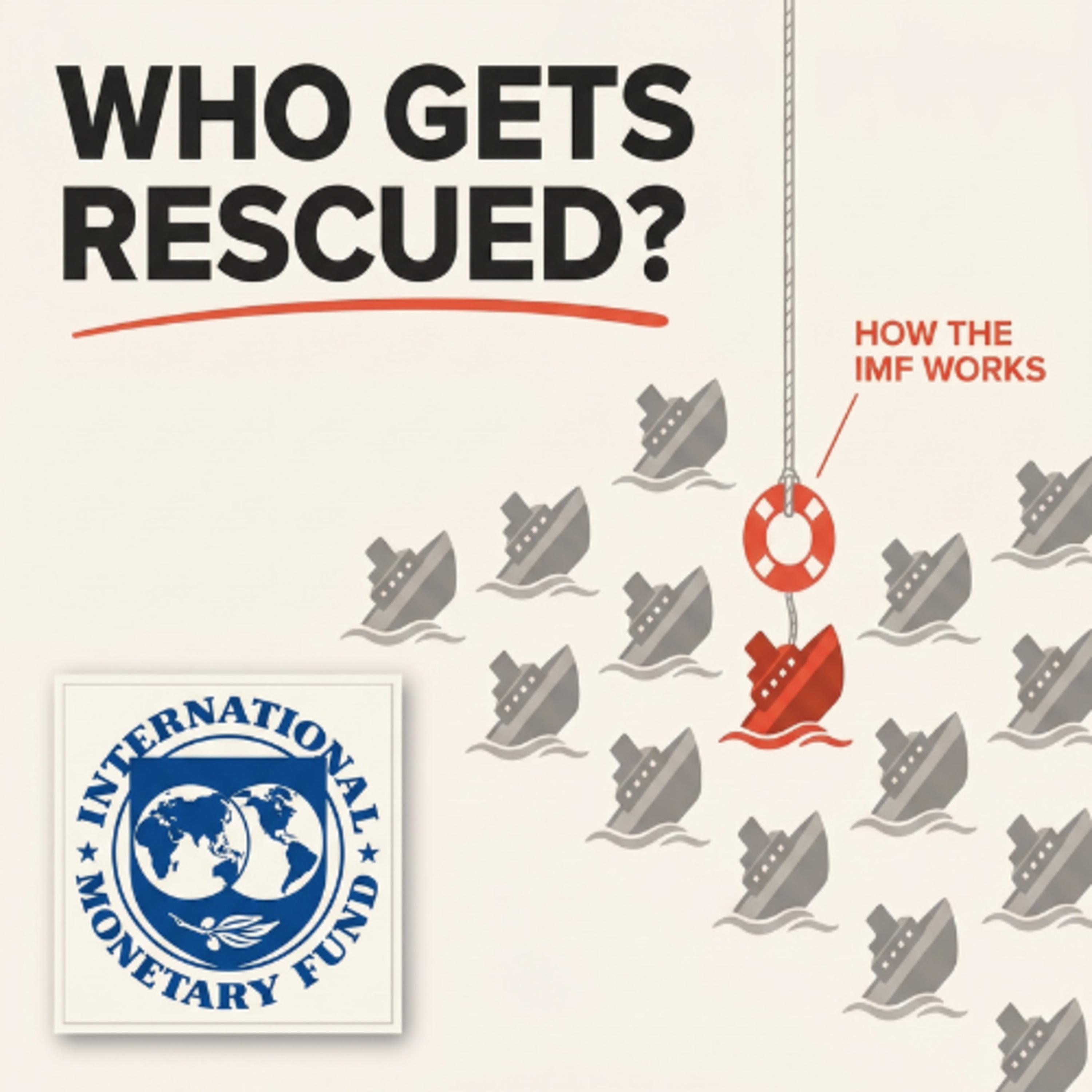 How the IMF Actually Decides Which Country Gets Rescued 21.08.2026 32Min.Who actually gets an IMF bailout — and who gets left to sink? It's not just about being broke.When a country runs out of dollars, one institution in Washington decides whether it gets rescued: the International Monetary Fund. But the "rulebook" the IMF follows — balance-of-payments need, Debt Sustainability Analysis, the four Exceptional Access Criteria, conditionality — is only half the story. The other half is power: who holds the votes, who your allies are, and how you vote at the UN Security Council.In this video we break down exactly how the IMF decides who gets rescued — the real mechanics, the money, and the politics hiding at the margins. From Greece's 2010 "systemic exemption" to Argentina's 23rd bailout and the extraordinary $20 billion US Treasury backstop in 2025, we follow the data, steel-man every side, and skip the sensationalism.You'll learn:Why being poor doesn't qualify you — but a balance-of-payments crisis doesHow the Debt Sustainability Analysis quietly decides your fateThe four hurdles behind every mega-bailout (and how they get bent)Why the US holds an effective veto in the IMF boardroomThe research showing UN Security Council members get ~30% fewer loan conditionsHow Argentina became "too politically important to fail"📊 Every figure in this video is sourced from IMF documents, Congressional Research Service reports, and peer-reviewed research.⏱️ Chapters 00:00 – The country the IMF said no to01:19 – It's a credit union, not charity04:28 – Are you the right kind of broke?07:49 – The Debt Sustainability Analysis11:19 – The four hurdles to a mega-bailout14:37 – Conditionality: the price of the cheque18:09 – The boardroom where votes aren't equal21:54 – The unwritten rule: politics at the margin25:53 – Argentina: too important to fail29:46 – The rulebook and the driver👉 If you like data-first breakdowns of how global finance really works, subscribe and check out our videos on de-dollarization, the petrodollar, and the BIS.💬 Is the IMF a stabilizing force the world needs, or a lever for the powerful? Tell us in the comments.#IMF #Bailout #Economics #Geopolitics #Argentina #GlobalFinance #DebtCrisis #Milei
 -
 How the Bahamas Actually Got Rich (And Why One Storm Could Undo It) 16.08.2026 35Min.How the Bahamas Actually Got Rich (And Why One Storm Could Undo It)How did a chain of 700 flat islands with no oil, no minerals, and a highest point of just 207 feet become one of the richest nations in the Caribbean — and why could a single hurricane erase it all?---Sources: https://docs.google.com/document/d/13biyp4YkuaU1ORSqrWxdickGAVYzTgxdb6MxsA-qr2c/edit?usp=sharing---Exclusive Videos: https://www.youtube.com/channel/UCyPM2GKrhFnQG4o-YtEuCFg/joinSpotify: https://dub.sh/cfhspotifyNewsletter: https://dub.sh/chillfinancialhistorianX: https://x.com/realcfhFollow the CFH channel on:Telegram: https://t.me/chillfinancialhistorianWhatsApp: https://whatsapp.com/channel/0029VbBx3kL1CYoO21uxDx0p------Saily SIM (Affordable eSIM data for international travel ): https://dub.sh/sailysimNordVPN (The best VPN service for a free, open internet): https://dub.sh/theNordVPNNordPass (A password manager that lets you organize complex passwords): https://dub.sh/theNordPass---How did a chain of 700 flat islands with no oil, no minerals, and a highest point of just 207 feet become one of the richest nations in the Caribbean — and why could a single hurricane erase it all?In this deep-dive, we unpack how the Bahamas actually got rich: an accidental tax haven 50 miles off Florida that turned Prohibition-era rum-running, the Cuban Revolution's fleeing casino money, and ironclad bank secrecy into two economic pillars — tourism and offshore finance. Then we look at the cracks: the death of banking secrecy, the FTX collapse, cruise lines' "private islands" quietly siphoning tourist spending, and the brutal math of Hurricane Dorian — $3.4 billion in damage, roughly a quarter of GDP, gone in 48 hours.With 80% of the country's land under five feet above sea level, rising seas, intensifying storms, and reinsurers retreating from the region, we break down — with real data, not hype — why the same geography that made the Bahamas wealthy now makes it uniquely fragile.📊 Topics covered: Bahamas economy explained • tax haven origins • offshore banking decline • tourism & cruise industry • Hurricane Dorian • climate change & sea level rise • government debt & fiscal riskTimestamps00:00 – A Quarter of GDP, Gone in 48 Hours05:36 – The Accident of Geography: No Income Tax, 50 Miles From Florida09:36 – The Prohibition Windfall & the Bay Street Boys13:50 – The Cuba Jackpot: How Castro Made the Bahamas Rich18:44 – Offshore Banking: The Second Pillar & Its Decline23:51 – The Tourism Machine (And Why the Numbers Don't Add Up)28:37 – Hurricane Dorian: The $3.4 Billion Storm32:53 – The Climate Vise: Rising Seas & Retreating Insurers39:20 – The Verdict: Can the Bahamas Outrun the Physics?💬 Been to a Bahamian cruise private island or done a stopover trip? Tell us in the comments.👍 Like & subscribe for weekly no-hype economic breakdowns.#Bahamas #Economics #HurricaneDorian #TaxHaven #ClimateChange #Tourism #OffshoreBanking #CaribbeanEconomy
 -
 What It's Really Like To Live In London 14.08.2026 41Min.What It's Really Like To Live In London.---Exclusive Videos: https://www.youtube.com/channel/UCyPM2GKrhFnQG4o-YtEuCFg/joinSpotify: https://dub.sh/cfhspotifyNewsletter: https://dub.sh/chillfinancialhistorianX: https://x.com/realcfhFollow the CFH channel on:Telegram: https://t.me/chillfinancialhistorianWhatsApp: https://whatsapp.com/channel/0029VbBx3kL1CYoO21uxDx0p---Sources: https://docs.google.com/document/d/1E4bes71QbsLqPBQVP0WJBxrikgts7RVg8uog8Bw0CZI/edit?usp=sharingWhat It's Really Like to Live in London, UK — The Honest, No-Spin BreakdownThe highest wages in Britain, the most unaffordable homes, 300 languages on one bus, and a phone stolen every 7 minutes — this is what living in London is actually like, backed by real data, not postcards.We break down 8 truths nobody tells you before you move: the rent trap that eats your salary, the world-class transport network (and the war on cars), why the "rainy London" myth is a lie, the most diverse city on Earth, the City's post-Brexit reality, the truth about crime, the surprisingly green capital, and the two Londons living on the same street.⏱️ Chapters:0:00 – The London bargain01:37 – The rent that eats your life06:36 – The transport that makes a car pointless11:22 – The rain is a lie (but the grey isn't)15:43 – A city where no one's the majority20:57 – The Square Mile that runs the world's money25:08 – Your phone will get stolen29:44 – The greenest megacity you didn't expect34:38 – The two Londons38:57 – The verdict Thinking of moving to London? Just curious what life here is really like? This one's for you.👉 Watch next: What It's Really Like to Live in Manchester & Houston (full "Living In…" playlist linked above).💬 Comment the next city you want covered — I read every one.👍 Like & subscribe for more data-driven city breakdowns.#London #LivingInLondon #MovingToLondon #LondonUK #CostOfLivingLondon #LifeInLondon #LondonLife #UK #CityGuide
 -
 The US is Buying Japanese Yen (Here's WHY) 08.08.2026 36Min.The US is Buying Japanese Yen (Here's WHY)For the first time in over a decade, the United States stepped into the currency market to buy Japanese yen — and the real reason has almost nothing to do with the "friendship" everyone was talking about. In this video we break down what actually happened on July 31, 2026, why the yen collapsed to a 40-year low, how a currency intervention actually works, and the self-interested reason Washington really got involved: protecting its own bond market and your mortgage rate.We cover the yen carry trade, the massive US–Japan interest rate gap, the Exchange Stabilization Fund, the strange decision to sell euros to buy yen, and why analysts think it may only "buy time." Data-first, no hype — just the machinery explained.⏱️ Chapters:00:00 – The leaked notepad that moved markets01:21 – The weekend Washington went shopping for yen05:43 – Why the yen collapsed: the interest-rate gap10:02 – How you actually "buy a currency"14:42 – The real reason: protecting US mortgage rates19:09 – The euro twist that confused everyone23:52 – Does intervention even work?28:32 – The $300 billion carry trade wired into the whole planet33:18 – What the yellow notepad really told us💬 What should we break down next? Drop it in the comments.👍 Like and subscribe if you'd rather understand the machine than just read the headline.#JapaneseYen #YenIntervention #CarryTrade #BankOfJapan #USTreasuries #CurrencyMarkets #Forex #Economics #FederalReserve #Macroeconomics
 -
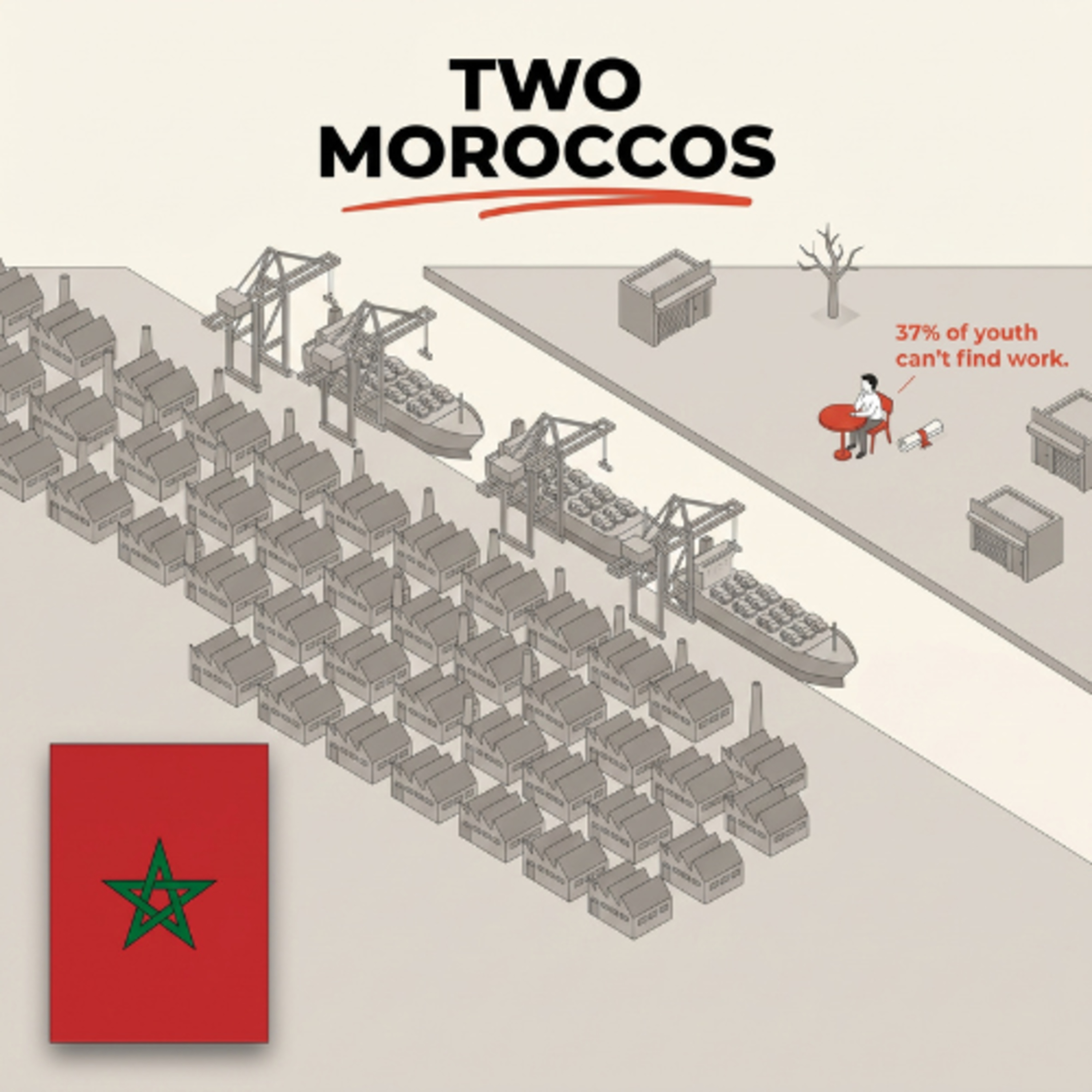
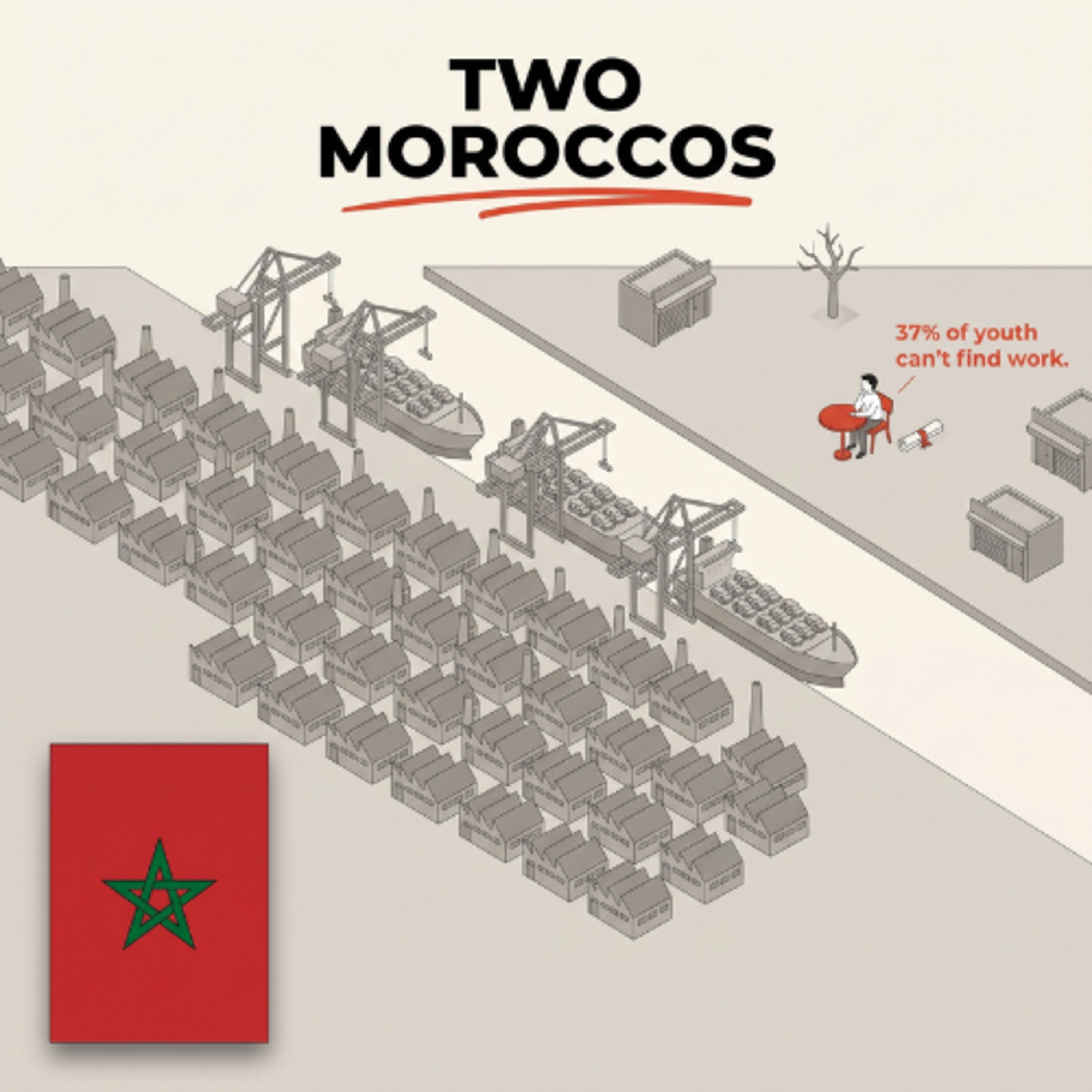 The True REALITY of Morocco's Economy Explained 06.08.2026 50Min.The True Reality of Morocco's Economy Explained.---Exclusive Videos: https://www.youtube.com/channel/UCyPM2GKrhFnQG4o-YtEuCFg/joinSpotify: https://dub.sh/cfhspotifyNewsletter: https://dub.sh/chillfinancialhistorianX: https://x.com/realcfhFollow the CFH channel on:Telegram: https://t.me/chillfinancialhistorianWhatsApp: https://whatsapp.com/channel/0029VbBx3kL1CYoO21uxDx0p---Sources: https://docs.google.com/document/d/10OBiGGy-IVlzLPfLzfO8HhLaSVBeYdxRKWAhBLhVj-I/edit?usp=sharingMorocco builds nearly 400,000 cars a year, sells more vehicles to the EU than any other non-member, and sits on 70% of the world's phosphate reserves. Growth is near 5%. Tourism just hit a record. So why can't a third of its young people find a job?This is the story of two Moroccos. One is the gleaming export machine on the coast — Renault, Stellantis, Tangier Med, the Dacia Sandero that's been Europe's best-selling car for eight years. The other is the country 400km inland, where 80% of jobs are informal, youth unemployment runs near 37%, and a generation took to the streets in October 2025.We break down how both fit inside one set of books — the middle-income trap, the water crisis, the phosphate empire, the diaspora billions, and the Makhzen that decides who gets to win.In this video:• The coastal auto boom — and whose industry it really is• The three lifelines holding the economy up: remittances, tourism, phosphates• Why the World Bank says Morocco is "adding capital without productivity"• OCP: the state phosphate giant that feeds a fifth of the planet's crops• A country drying out — water down 75% per person since 1960• Gen Z 212: the maternal deaths that sparked the biggest protests since 2011• The Makhzen and Al Mada — where the money and power actually sit• Will Morocco escape the middle-income trap? The honest forecastTimestamps00:00 — The Two Moroccos01:30 — 1. The Machine on the Coast06:08 — 2. The Country Behind the Storefront10:49 — 3. The Three Lifelines15:46 — 4. The Middle-Income Trap20:15 — 5. OCP: The Company That Feeds the World25:34 — 6. The Water Bomb30:46 — 7. Gen Z 21236:05 — 8. The Makhzen: Who Actually Owns Morocco41:13 — 9. The Verdict: Two Moroccos, One Set of Books45:44 — Takeaways: A Country Is Not Its SkylineWatch next — **The True Reality of Spain's Economy Explained**: https://www.youtube.com/watch?v=L3a4qVTWISgThe mirror image, across the strait. And for where the two economies physically touch: **Why Spain Owns Two Cities in Africa**.Sources and data in the pinned comment. All figures from IMF, World Bank, S&P, Bank Al-Maghrib, and national statistics agencies, verified at time of writing.Is Morocco going to make it out of the middle-income trap? Let me know in the comments.#Morocco #MoroccoEconomy #Economics #OCP #Phosphates #Renault #TangierMed #GenZ212 #MiddleIncomeTrap #Makhzen #NorthAfrica #ChillFinancialHistorian
 -
 Why Spain Owns Two Cities in Africa (And What Ceuta Really Costs) 05.08.2026 51Min.Why Spain Owns Two Cities in Africa (And What Ceuta Really Costs).---Exclusive Videos: https://www.youtube.com/channel/UCyPM2GKrhFnQG4o-YtEuCFg/joinSpotify: https://dub.sh/cfhspotifyNewsletter: https://dub.sh/chillfinancialhistorianX: https://x.com/realcfhFollow the CFH channel on:Telegram: https://t.me/chillfinancialhistorianWhatsApp: https://whatsapp.com/channel/0029VbBx3kL1CYoO21uxDx0pSpain owns two cities on the African continent. Cross the fence out of Ceuta and GDP per capita falls by roughly a factor of ten — in about forty seconds.Sources: https://docs.google.com/document/d/1KW4U-AgGqjI9Q_61jHIeGNZSvfU0RHStspVV6TJImuY/edit?usp=sharingCeuta and Melilla are part of Spain and part of the EU, but sit outside the EU customs territory: no VAT, a local IPSI tax as low as 0.5%, and 50% off corporate tax. That carve-out was meant to substitute for an economy. Instead it produced €1.4 billion a year of goods carried into Morocco on human backs — around a third of Melilla's economy — until Morocco shut the customs post in 2018 and started building a €5 billion megaport 50km away.This is the economics of the last European land border in Africa: why Spain holds these cities, what they actually cost, and why the bill isn't paid in euros.In this video:00:00 - Intro01:31 - How Portugal took Ceuta in 1415 — and why the trade left06: 23 - The tax anomaly that made two Spanish cities duty-free11:33 - The porteadoras and Spain's most revealing euphemism, "atypical trade"16: 20 - Why Morocco switched the trade off in 201820: 50 - The 2022 Western Sahara letter and what Spain got for it25: 49 - The July 2026 Ceuta crossings, and the three competing explanations31:18 - Ceuta vs Gibraltar: Spain's most uncomfortable argument36:49 - Nador West Med, Tangier Med, and the encirclement of MelillaWatch next — The True REALITY of Spain's Economy Explained: https://www.youtube.com/watch?v=L3a4qVTWISgSources and data are listed in the pinned comment. All figures cited from IMF, INE, Eurostat, World Bank, national statistics agencies and primary reporting.Which one next — Morocco's economy, or the tomato war between Spanish farmers and Moroccan imports? Let me know in the comments.#Ceuta #Melilla #Spain #Morocco #Economics #Geopolitics #WesternSahara #Gibraltar #EU #TangierMed #ChillFinancialHistorian
 -
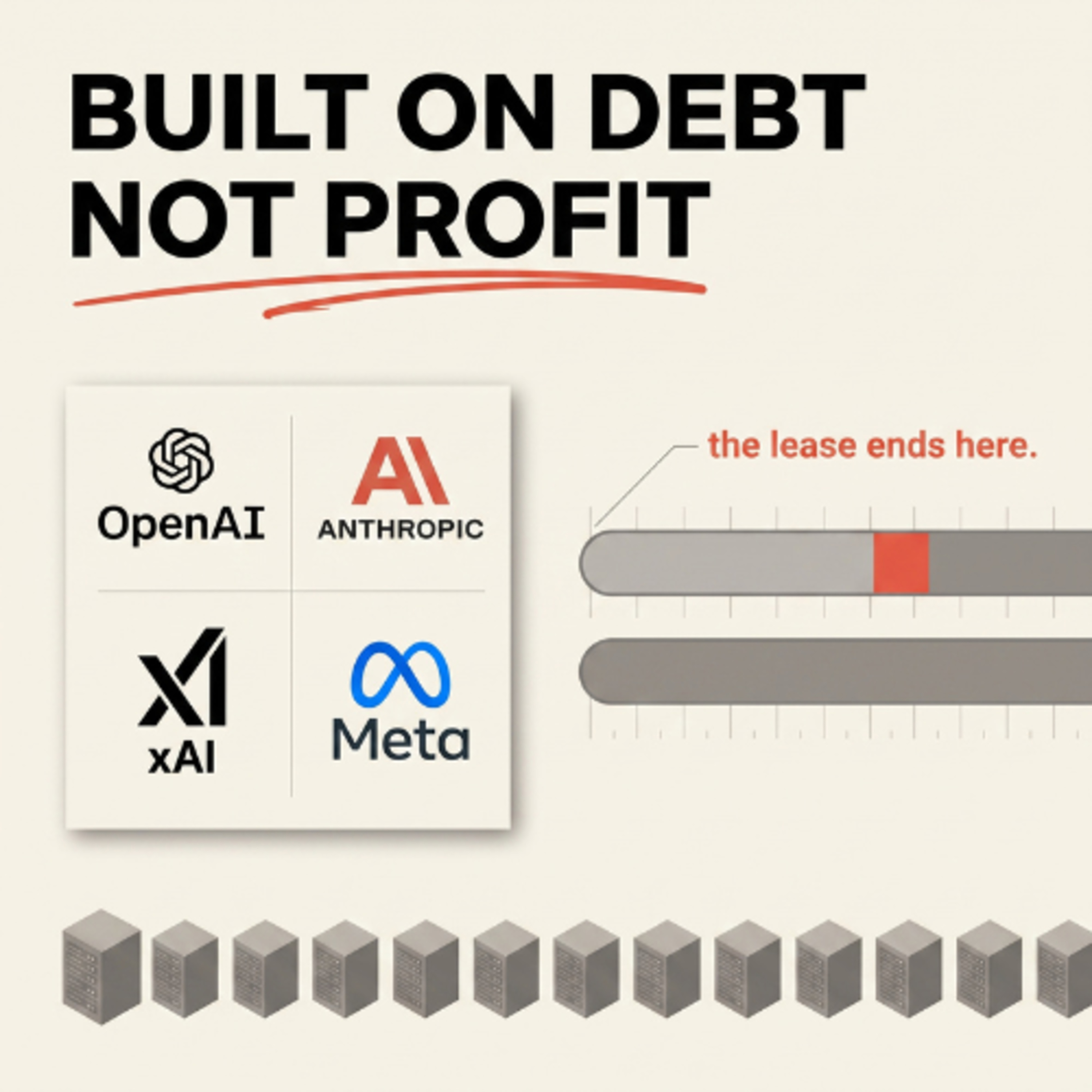 AI Debt is a Problem (And It's Worse Than You Think) 04.08.2026 57Min.AI Debt is a Problem (And It's Worse Than You Think).---Exclusive Videos: https://www.youtube.com/channel/UCyPM2GKrhFnQG4o-YtEuCFg/joinSpotify: https://dub.sh/cfhspotifyNewsletter: https://dub.sh/chillfinancialhistorianX: https://x.com/realcfhFollow the CFH channel on:Telegram: https://t.me/chillfinancialhistorianWhatsApp: https://whatsapp.com/channel/0029VbBx3kL1CYoO21uxDx0pBig Tech stopped paying for the AI boom with cash. It's now paying with debt — roughly $570 billion of AI-related issuance projected for 2026 alone. And the real number is bigger than the balance sheets admit.Sources: https://docs.google.com/document/d/1V-oBvkR6Nk4qhBlL_i0ZekGjIyxE6TsWhMdAuXXLndA/edit?usp=sharingIn October 2025, PIMCO bought $18 billion of A+ rated bonds maturing in 2049, backed by a construction site in Louisiana, leased to a tenant on a four-year contract. The borrower wasn't Meta. It was an entity called Beignet Investor LLC. Nothing about it was illegal, hidden, or fraudulent — and that's exactly why it matters.This is a data-first breakdown of how the AI infrastructure buildout is actually financed: the off-balance-sheet SPVs, the GPU-collateralized loans, the circular vendor financing, the securitization machine — and who ends up holding the paper when the revenue arrives late.We cover Meta's $27B Hyperion SPV, Oracle's downgrade to BBB−, CoreWeave's $24.9B debt load, Michael Burry's $176 billion depreciation argument, the BIS warning on circular financing, and the 2001 telecom bust that this most closely resembles — including why the fiber eventually got used, but the bondholders never got paid.Steel-manned throughout. No doom-mongering, no cheerleading.CHAPTERS00:00 The $27 Billion Bond Nobody Talks About01:13 When Big Tech Stopped Paying Cash06:24 Hyperion: The Building That's On No Balance Sheet12:13 The Collateral Melts — GPU Depreciation16:01 Neoclouds and GPU-Backed Debt23:21 Circular Financing: Nvidia's Loop23:38 The Securitization Machine (ABS & CMBS)34:34 Who Actually Holds the Bag40:31 The 2026 Warning Lights46:54 The Telecom Precedent That Fits52:04 What We Actually KnowNot investment advice. All figures from publicly reported sources and cited analyses, current as of August 2026.#AIBubble #AIDebt #DataCenters #Economics #Investing #PrivateCredit #Nvidia #Oracle #Finance #CreditMarkets
Ähnliche Podcasts


Beliebt in
Dieser Podcast erscheint auch in den Podcast-Charts dieser Länder.

