
Ancient Civilizations and Forgotten History
Ancient Civilization
0
This podcast delves into the mysteries that still surround ancient civilizations, with a particular focus on ancient Egypt. It examines the engineering marvels of the pyramids, the mathematics behind them, and the symbolic life of the Egyptians. The show also considers esoteric and otherworldly theories about what we have yet to understand from these ancient cultures.
Folgen
-
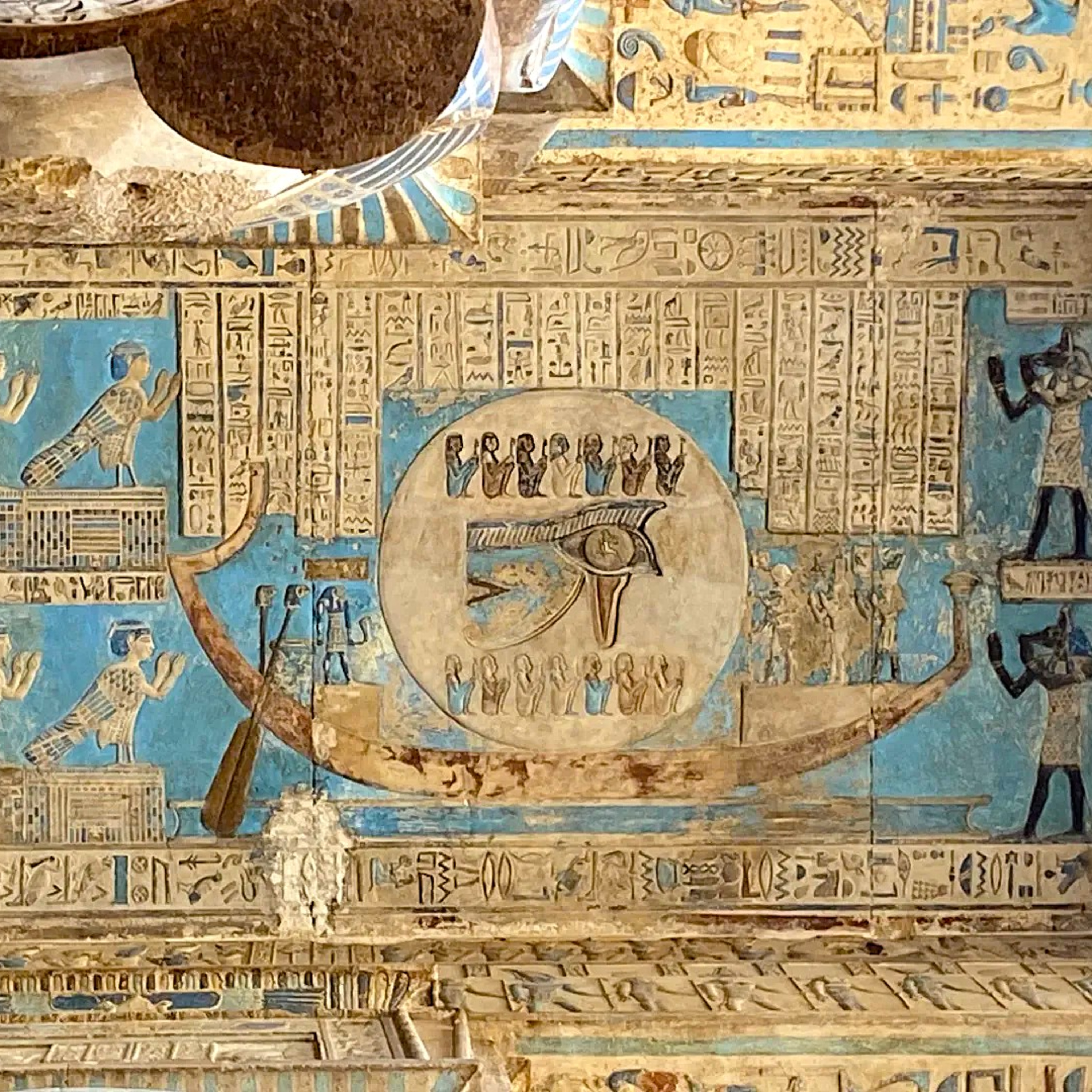 Dendera, Ancient Egypt Lost Knowledge | 4K Documentary 04.10.2026 2Std. 15Min.Now on Spotify with Video! https://open.spotify.com/show/57DWFx0n8eUmRyAMGTnWIOHigh above the columns of Egypt’s Temple of Hathor lies one of the most extraordinary surviving visions of the ancient sky. Gods move among stars. Planets wander through constellations. Thirty-six decans divide the heavens. The body of the goddess Nut stretches across the celestial vault, while the famous Dendera Zodiac preserves a meeting between Egyptian star lore and the astronomical traditions of the wider ancient world.But Dendera was never simply a collection of mysterious pictures. Its priests inherited centuries of observation, calendar keeping and celestial knowledge. They watched Sirius return before dawn, divided the night by the rising of stars, followed the movements of the planets and organised festivals according to repeating cycles of Sun, Moon and year. Astronomy was carved directly into the architecture of the temple, surrounding rituals concerned with Hathor, Osiris, death, renewal and the return of divine order.Dendera: Secrets Written in the Stars enters this strange celestial world to ask how much the Egyptians really knew about the heavens. From ancient star clocks and water clocks to eclipses, planetary movements, the zodiac and the extraordinary astronomical ceilings of Dendera, the documentary follows the physical evidence left behind by the priests themselves.This is not astrology as we know it, nor is Dendera simply an ancient observatory. It is something far stranger: a temple in which religion, astronomy and the measurement of time were never separated in the first place.
 -
 The World Ended Four Times Before Us | Ancient Mexico’s Terrifying Creation Myths 03.10.2026 1Std. 8Min.Now on Spotify with Video! https://open.spotify.com/show/57DWFx0n8eUmRyAMGTnWIOAccording to the ancient traditions of central Mexico, humanity lives beneath the Fifth Sun, another age that was never promised permanence.In this episode, we enter the mythology of ancient Mexico through the surviving codices, archaeological sites and celestial traditions that preserved memories of repeated creation and destruction. At Teotihuacan, the gods gather around a fire and Nanahuatzin sacrifices himself to become the sun. Quetzalcoatl and Tezcatlipoca struggle for control of earlier worlds. The enormous Sun Stone preserves the signs of vanished ages, while the New Fire ceremony plunges communities into darkness as priests watch the Pleiades and wait to see whether the heavens will continue moving.Behind these stories lie real places: Teotihuacan, Xochicalco, Cerro de la Estrella and the ruins of civilizations that possessed formidable knowledge of calendars, astronomical observation and the movement of the sky. Were the destroyed suns simply religious mythology, or could fragments of ancient disasters, environmental upheaval and forgotten astronomical knowledge have survived inside stories repeated across generations?This is the mythology of a civilization that did not imagine creation as a single event. The world had ended before. The gods knew it. Humanity knew it. And under the Fifth Sun, everyone was living inside the next cycle.
 -
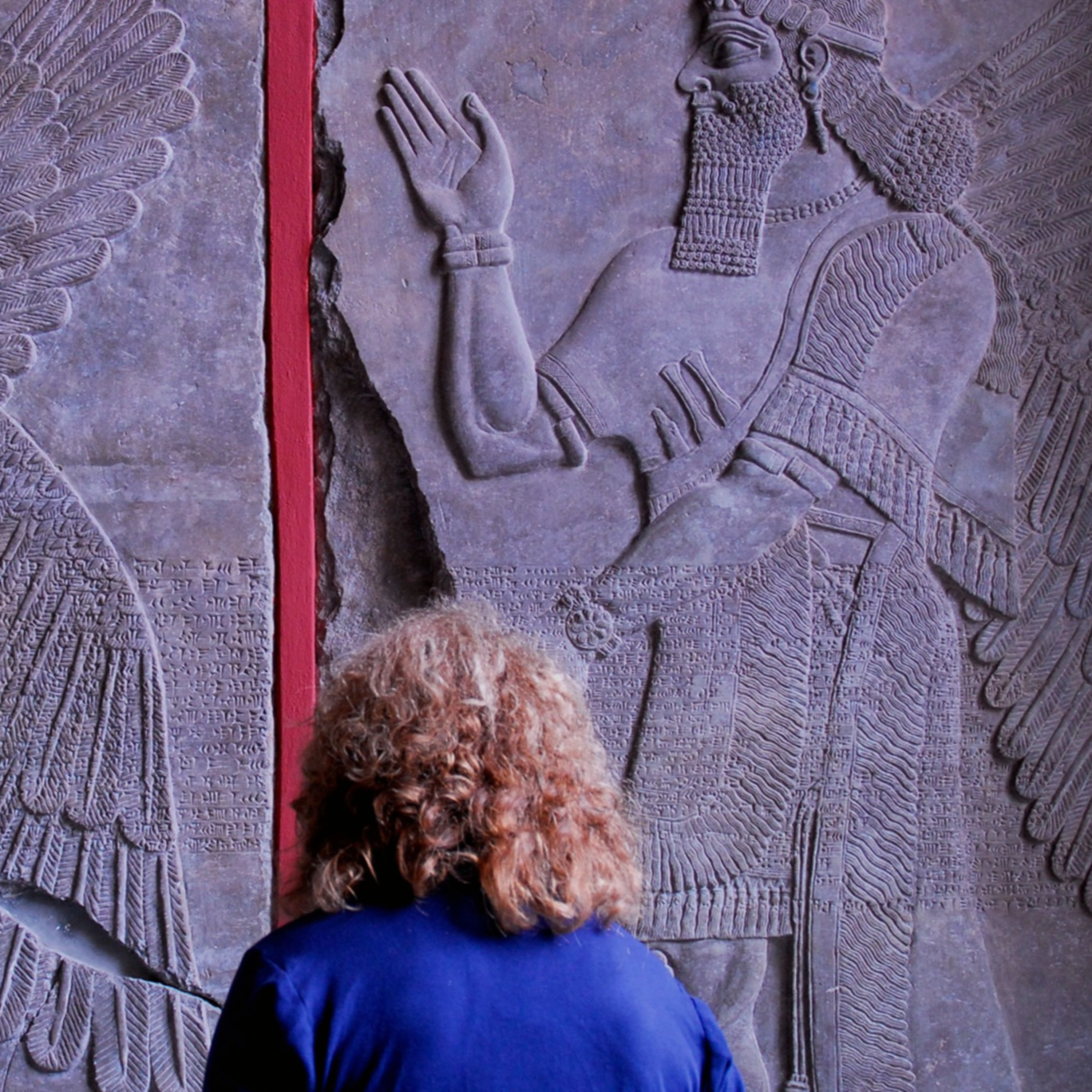 Sumerian Origins, The Story of Creation and the Babylonian Genesis: When the Gods Emerged 02.10.2026 55Min.Now on Spotify with Video! https://open.spotify.com/show/57DWFx0n8eUmRyAMGTnWIOFor more than two thousand years, one of the ancient world’s greatest creation stories lay shattered beneath the ruins of Nineveh. Then, during the nineteenth century, excavators began pulling tens of thousands of clay tablets from the buried palaces of the Assyrian kings. Among the broken fragments were pieces of a story older than the surviving biblical manuscripts: a world beginning in primeval waters, generations of gods struggling for power, the terrifying rise of Tiamat, and the ascent of Marduk to supremacy.This episode follows the recovery of the Babylonian creation story from the excavations of Austen Henry Layard and Hormuzd Rassam to the obsessive work of George Smith at the British Museum. We trace how cuneiform was deciphered, how scattered tablet fragments were painstakingly joined together, and how scholars gradually realised that they were reconstructing a seven-tablet composition now known as Enuma Elish.But this is more than the story of an ancient creation myth. It is the story of how a civilisation began speaking again through broken clay—and how those recovered words forced nineteenth-century scholars to confront striking parallels between Mesopotamian tradition and the Book of Genesis.
 -
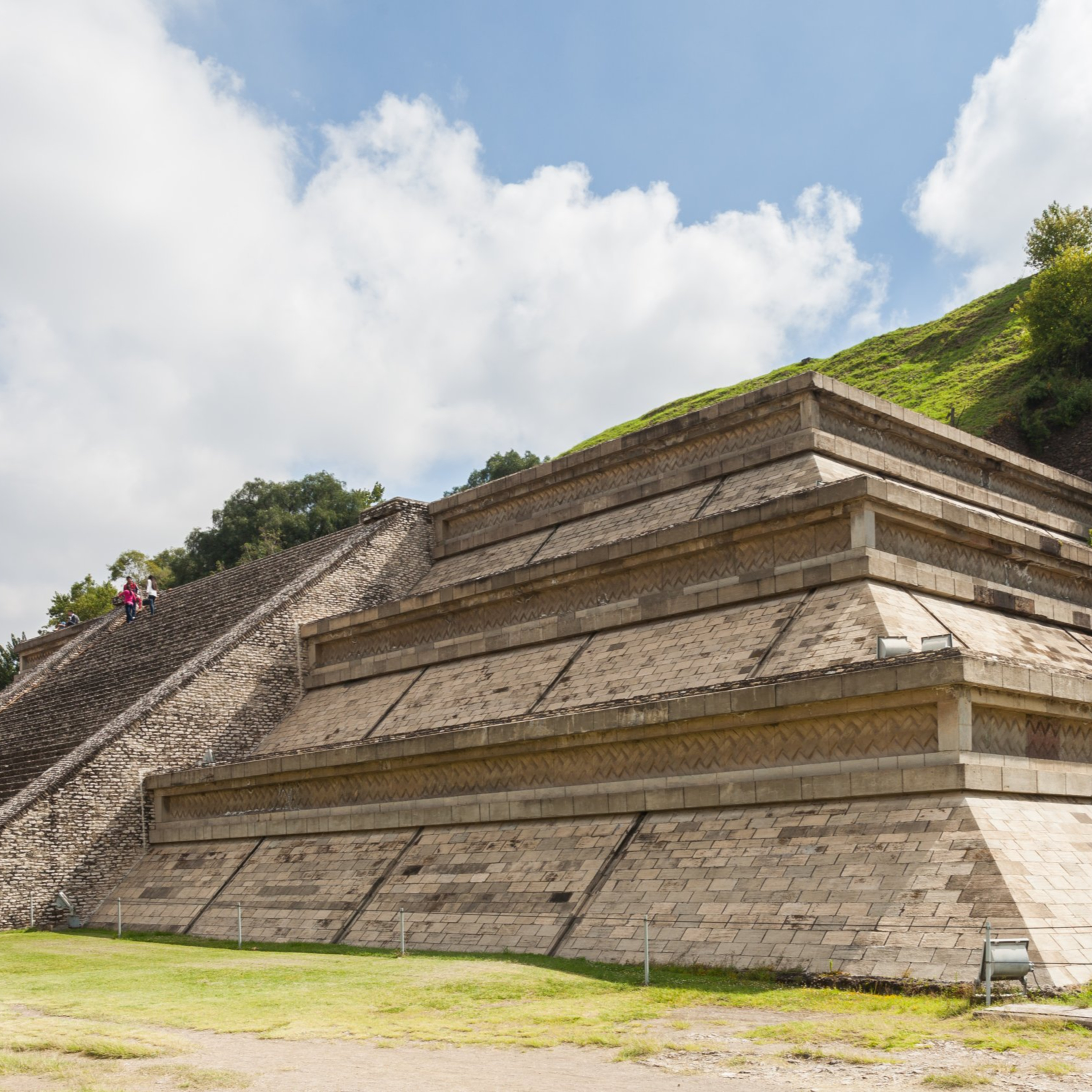 They Want Graham Hancock Gone | He Just Dismantled Archaeoloogy 01.10.2026 22Min.Now on Spotify with Video! https://open.spotify.com/show/57DWFx0n8eUmRyAMGTnWIOWhat if civilization did not begin once, but began again?Across the world, ancient traditions speak of catastrophe, flood, destruction and mysterious survivors who carried knowledge into a changed world. Graham Hancock argues that these stories may preserve memories of events at the end of the last Ice Age, when enormous climatic upheavals transformed the planet and sea levels rose dramatically.In this episode, we enter the controversial territory of lost ancient knowledge, the Younger Dryas, comet impacts, Göbekli Tepe, Atlantis, the Great Sphinx, the Great Pyramid and the possibility that humanity's accepted chronology may contain an enormous missing chapter.Could an advanced human culture have existed alongside hunter-gatherer societies more than 12,000 years ago? Could knowledge of astronomy, mapping, mathematics and monumental construction have survived a catastrophe and later appeared among emerging civilizations? Were the mysterious teachers, shining ones and civilizers remembered in ancient traditions simply mythical figures, or distorted memories of real survivors?We also look at Hancock's rejection of the ancient-alien explanation. His proposal is arguably stranger in another way: the architects behind some of the ancient world's greatest achievements were human, but may have inherited knowledge from another human culture whose history has disappeared.From hidden chambers beneath ancient monuments to the astronomical symbolism proposed for Göbekli Tepe, this episode follows an idea that refuses to disappear: that traces of a forgotten chapter of human civilization may still be scattered everywhere around us.
 -
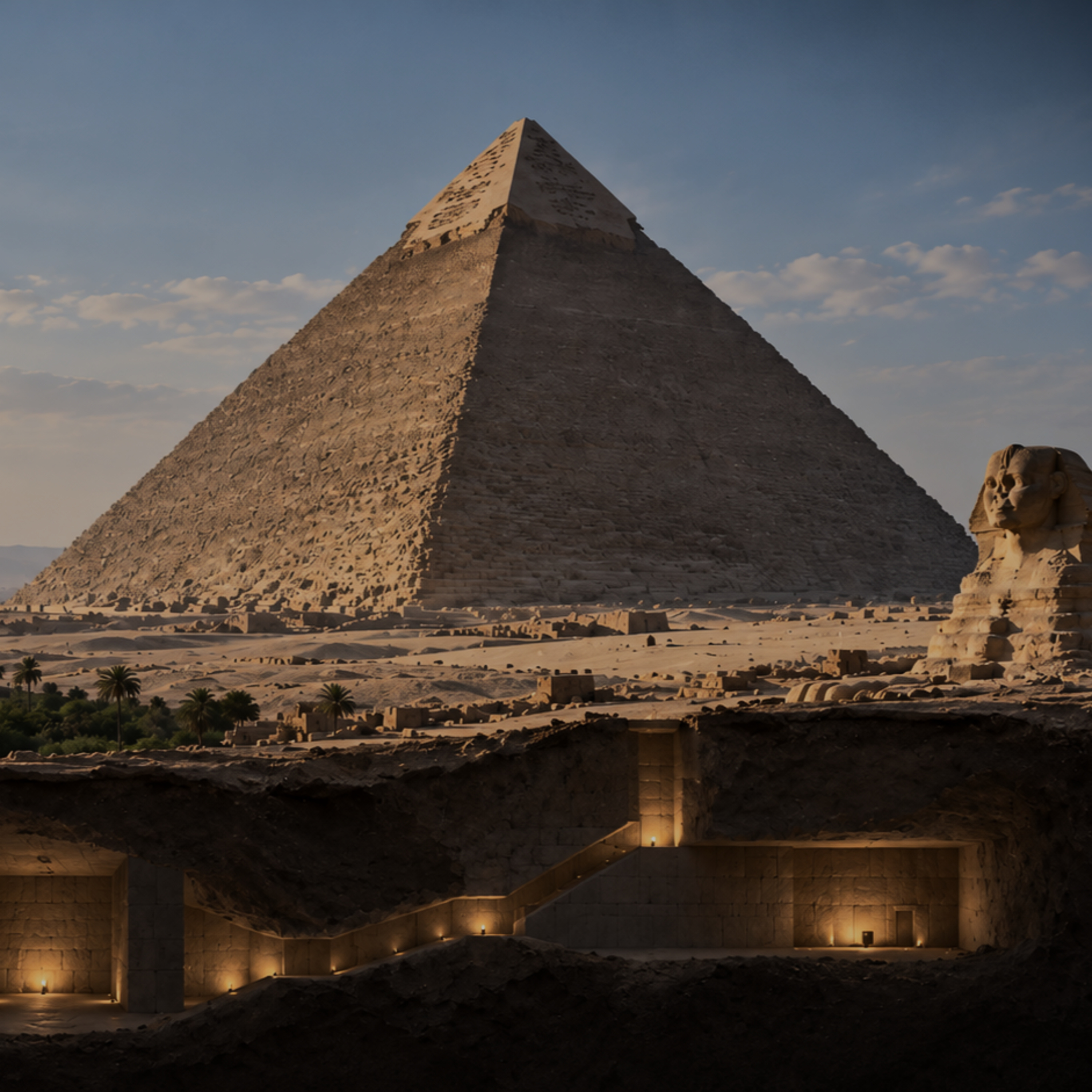 Beneath the Giza Pyramids Lies a Secret World! 27,600BC 28.09.2026 41Min.Now on Spotify with Video! https://open.spotify.com/show/57DWFx0n8eUmRyAMGTnWIOIn this episode, Carmen Boulter discusses new satellite-based scanning said to reveal an enormous underground system beneath the ancient Labyrinth of Egypt: two distinct subterranean levels, dozens of chambers, vast passageways, and spaces described as larger than houses and, in some cases, comparable to Olympic swimming pools. According to the scans, some chambers may even contain concentrations consistent with precious metals.But the discovery raises more questions than answers. Why would such enormous structures be built so far underground? Why do the two levels appear completely separate? Could they belong to different periods of construction? And could this site preserve evidence of a forgotten civilisation, perhaps even knowledge deliberately protected against an ancient catastrophe?The discussion moves through Herodotus, the lost Egyptian labyrinth, the Sphinx, Dendera, ancient flood traditions, Atlantis, underground cities, archaeoastronomy, disputed dating methods, suppressed archaeology, and the possibility that human civilisation extends much further into the past than the standard historical timeline allows.For now, the scans remain a hypothesis awaiting physical verification. But if even part of what they appear to show is confirmed, the Labyrinth of Egypt may prove to be one of the most extraordinary archaeological sites ever investigated.
 -
 THE STAR CIVILIZATIONS OF THE AMERICAS: Ancient Stories of Visitors from the Sky 27.09.2026 49Min.Now on Spotify with Video! https://open.spotify.com/show/57DWFx0n8eUmRyAMGTnWIOAcross North and Central America, old stories speak of people who came from the stars.For decades, researcher and professor Ardy Sixkiller Clarke collected accounts from Native American elders, families and communities—stories of strange lights, flying craft, beings descending from the sky, giants hidden in remote country, ancestors travelling the Milky Way and civilizations said to have arrived from somewhere beyond Earth.In this episode, we follow those accounts from the reservations of the American West to Mexico, Guatemala and the ancient Maya world. We investigate the mysterious Star People, the Sky People of Mesoamerica, the red-haired giants associated with Lovelock Cave, traditions of people climbing into the heavens, strange encounters in the jungles of Central America and claims that some ancient peoples did not receive their knowledge from outsiders—they brought it with them.Were these stories mythology, cultural memory, spiritual teaching, encounters with unexplained phenomena—or fragments of something much older?And what happens when similar stories appear in communities separated by thousands of kilometres, long before the modern UFO age supposedly taught people what an extraterrestrial encounter should look like?This is the story of the Star Civilizations of the Americas.
 -
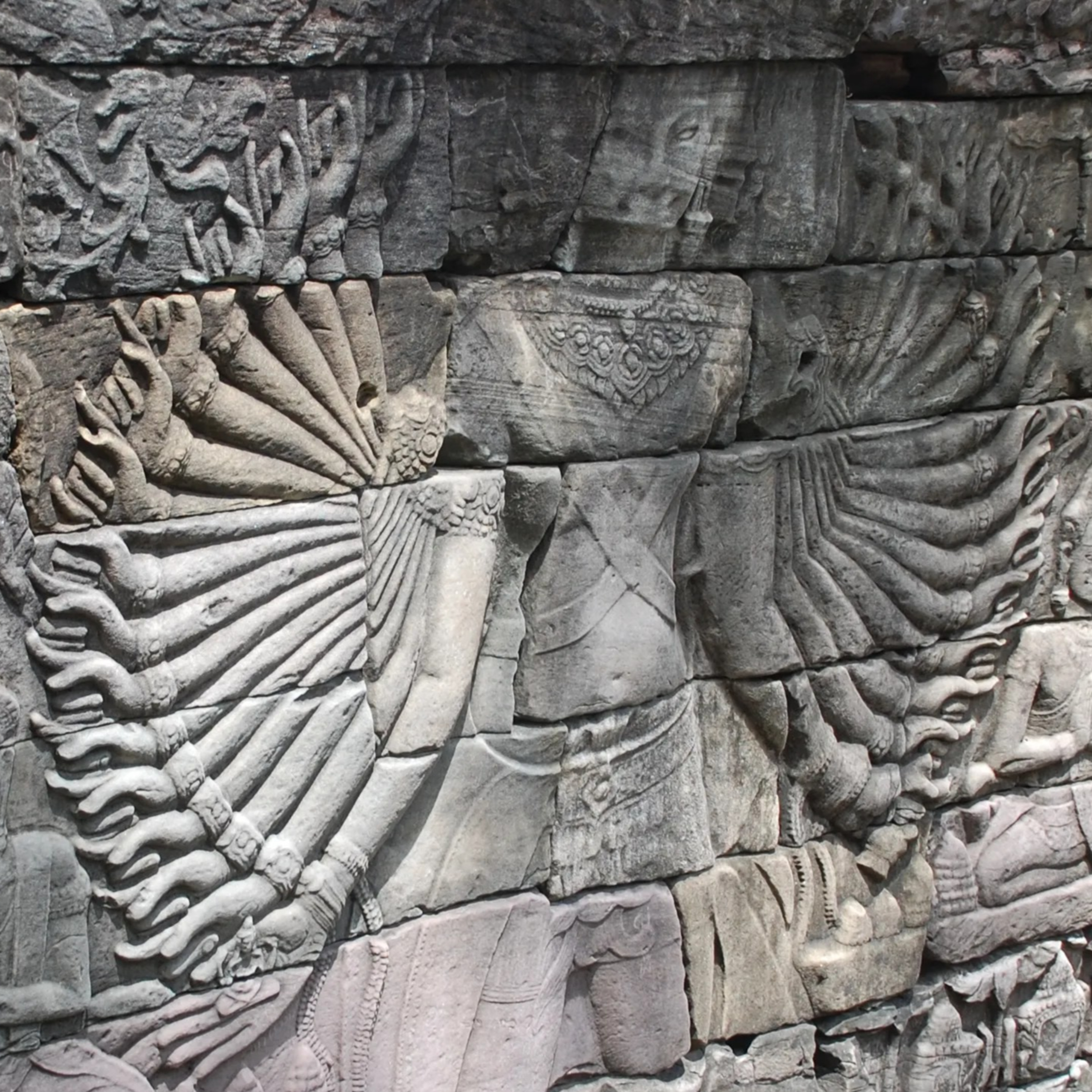 Forgotten Civilization of Banteay Chmar & Phimeanakas | Lost in Asia (Video Series 002) 26.09.2026 37Min.Now on Spotify with Video! https://open.spotify.com/show/57DWFx0n8eUmRyAMGTnWIOStep beyond the well-known temples of Cambodia and into the stories of places that time has nearly forgotten.In Episode 002 of Lost in Asia Video Series, we journey through the ancient Khmer world, exploring the remote temple complex of Banteay Chmar and the mysterious Phimeanakas temple within the historic Angkor region.From weathered stone carvings and enormous temple walls to quiet corridors reclaimed by nature, these places reveal another side of Cambodia’s extraordinary history—one shaped by powerful kings, sacred traditions, war, devotion, and the passage of centuries.🏛️ Banteay Chmar – A remarkable 12th-century temple complex known for its massive galleries, intricate bas-reliefs, and distinctive depictions of the Khmer Empire.🌿 Phimeanakas – An ancient temple at the heart of Angkor Thom, surrounded by legends and the remains of the royal palace complex.This is more than a journey to ancient ruins. It is an exploration of forgotten landscapes, hidden stories, and the traces of civilizations that once flourished across Southeast Asia.🎥 Lost in Asia takes you beyond the usual tourist routes to discover history, culture, landscapes, and places that still hold stories waiting to be uncovered.Watch. Explore. Get Lost in Asia.#LostInAsia #BanteayChmar #Phimeanakas #Cambodia #KhmerEmpire #Angkor #AncientCambodia #CambodianHistory #TemplesOfCambodia #TravelDocumentary #HiddenCambodia #LostCities
 -
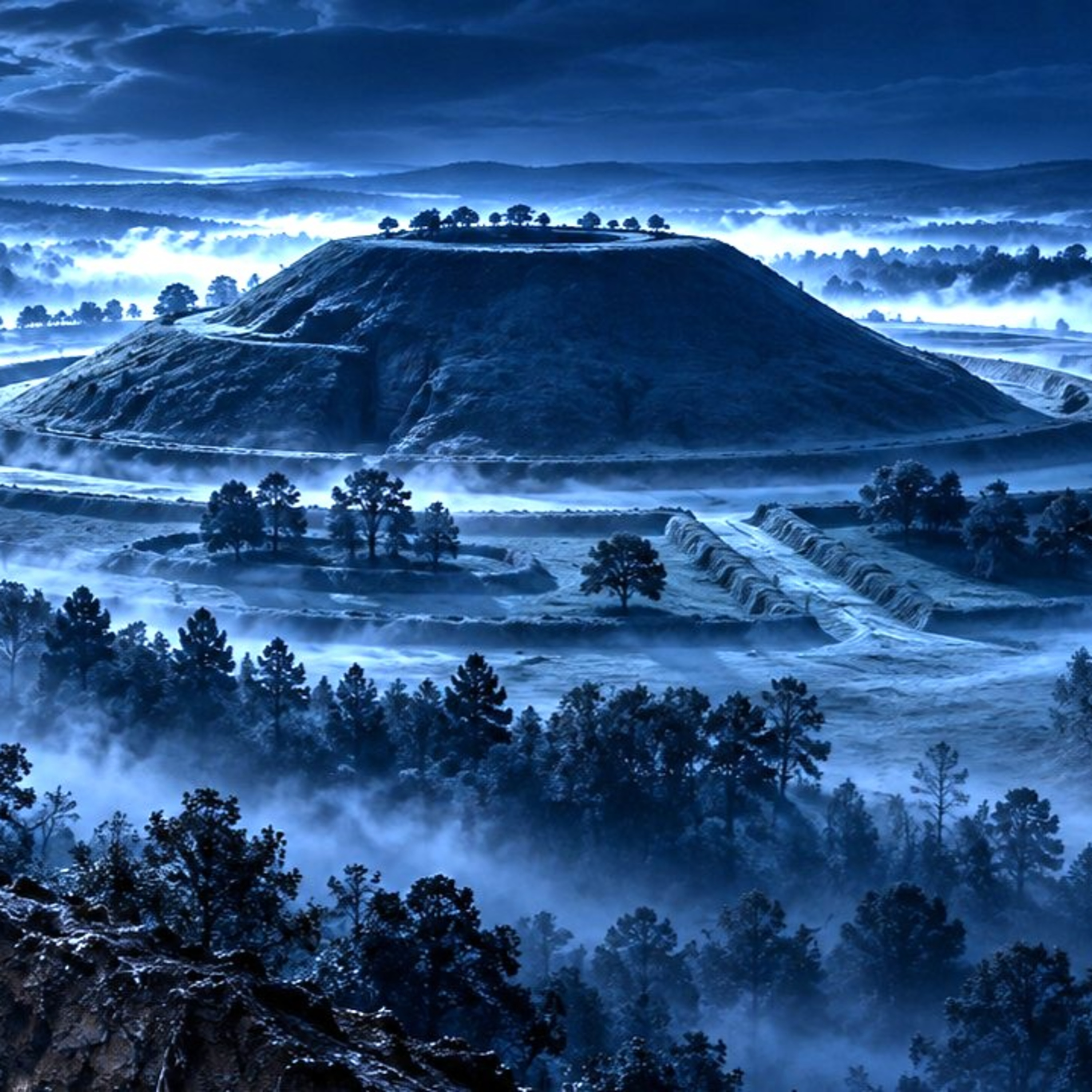 Fritz Zimmerman, The Nephilim Chronicles and the Giants of the Ohio Valley 26.09.2026 31Min.Were the Ohio Valley’s ancient burial mounds connected to the Nephilim? Fritz Zimmermann, author of The Nephilim Chronicles, makes that case through mound sites, historical reports of giant skeletons, and the biblical account of the Nephilim. This episode follows his argument and the questions it raises about ancient North America.
 -
 Was the Great Pyramid a Giant Crystal Oscillator? 24.09.2026 48Min.David Sereda believes the Great Pyramid’s dimensions conceal a lost musical scale—and that its stone layers worked like a vast crystal oscillator. In this conversation, he follows that idea from the pyramid’s slope angle and the speed of light to harmonic frequencies, vortex coils, zero-point energy and his accounts of contact with distant stars. It is a wide-ranging conversation about the patterns Sereda says he found, the devices he built to test them, and where he thinks the search could lead.
 -
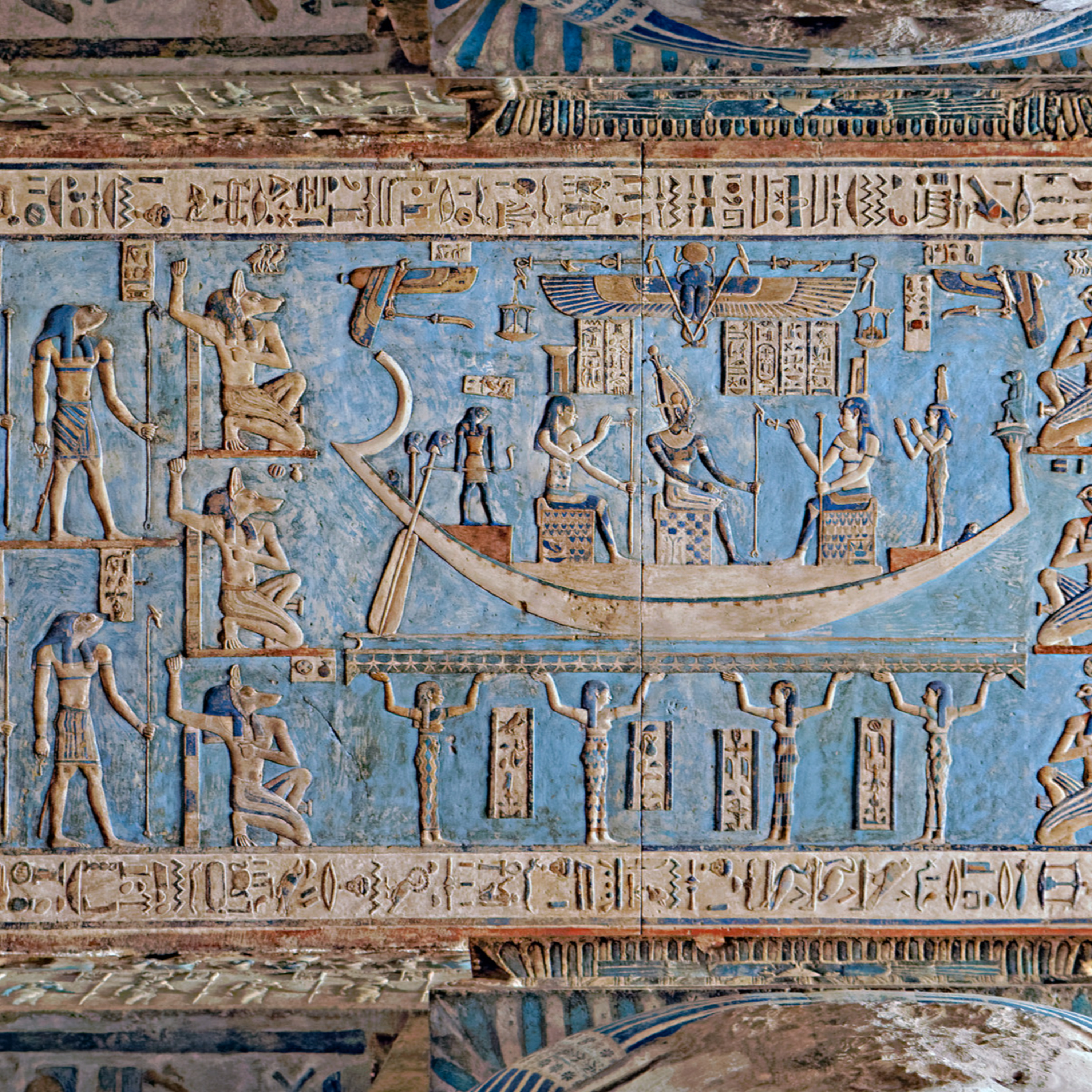 The Lost Advanced Technology of Ancient Egypt 23.09.2026 29Min.Dr Carmen Boulter argues that the pyramids were never simply tombs, but remnants of a far older technological system based on sacred geometry, crystalline stone, water and energy. From hidden structures in Egypt’s restricted deserts to experiments inside the Great Pyramid and modern attempts to recreate pyramid technology, this episode asks whether the pharaohs inherited the remains of an advanced civilization whose knowledge has since been lost.
 -
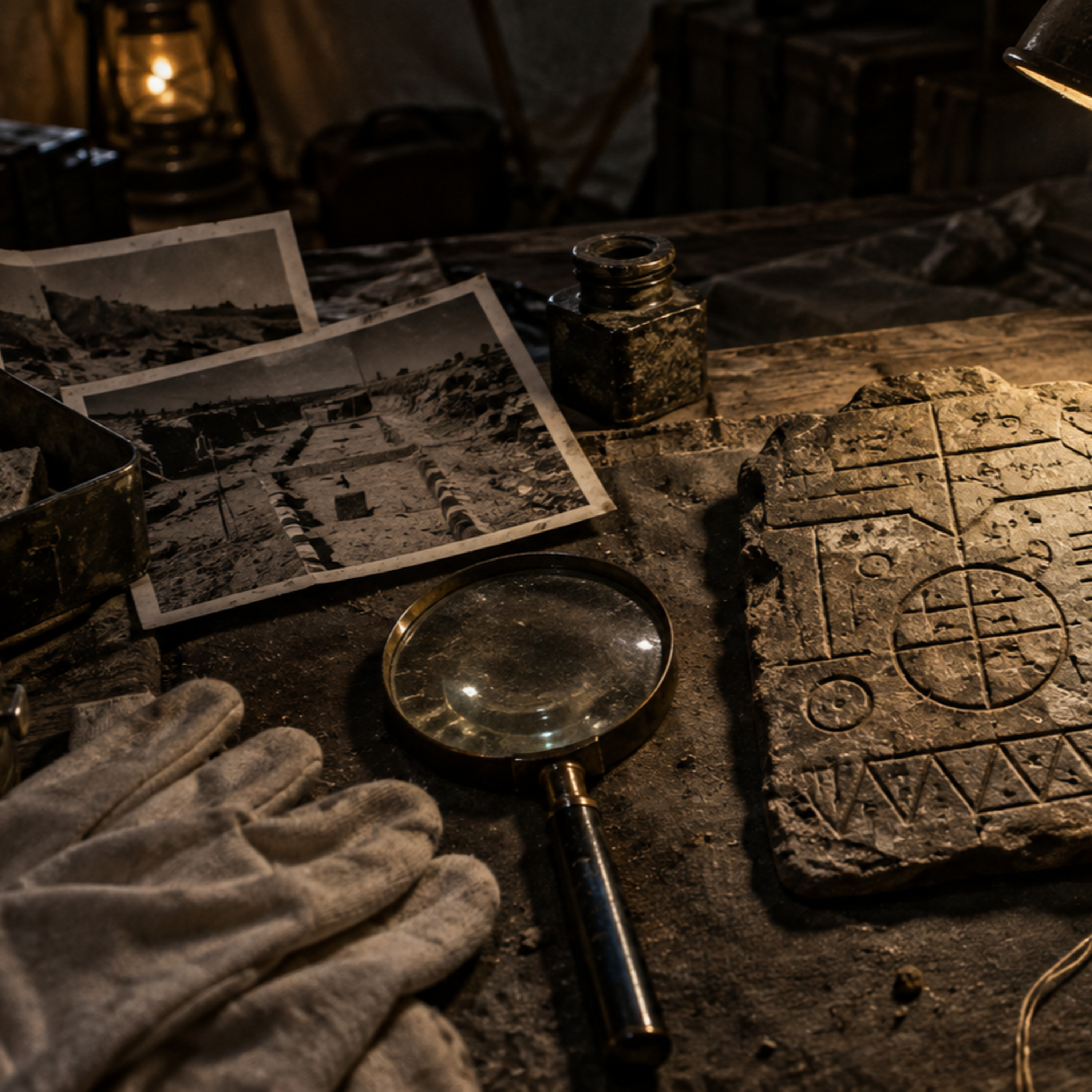 The Stone Tablets of Mu: Evidence of a Lost Civilization? 22.09.2026 24Min.Now on Spotify with Video! https://open.spotify.com/show/57DWFx0n8eUmRyAMGTnWIOJack Churchward discusses the disputed research of his great-grandfather, James Churchward, and the thousands of engraved stone tablets discovered by William Niven near Mexico City. The conversation follows their strange symbols, connections claimed with tablets from India, the disappearance of much of Niven’s collection and the theory that both discoveries preserved records from the lost continent of Mu. Were the tablets misidentified archaeological objects, an elaborate historical mistake, or evidence that deserves to be investigated again?
 -
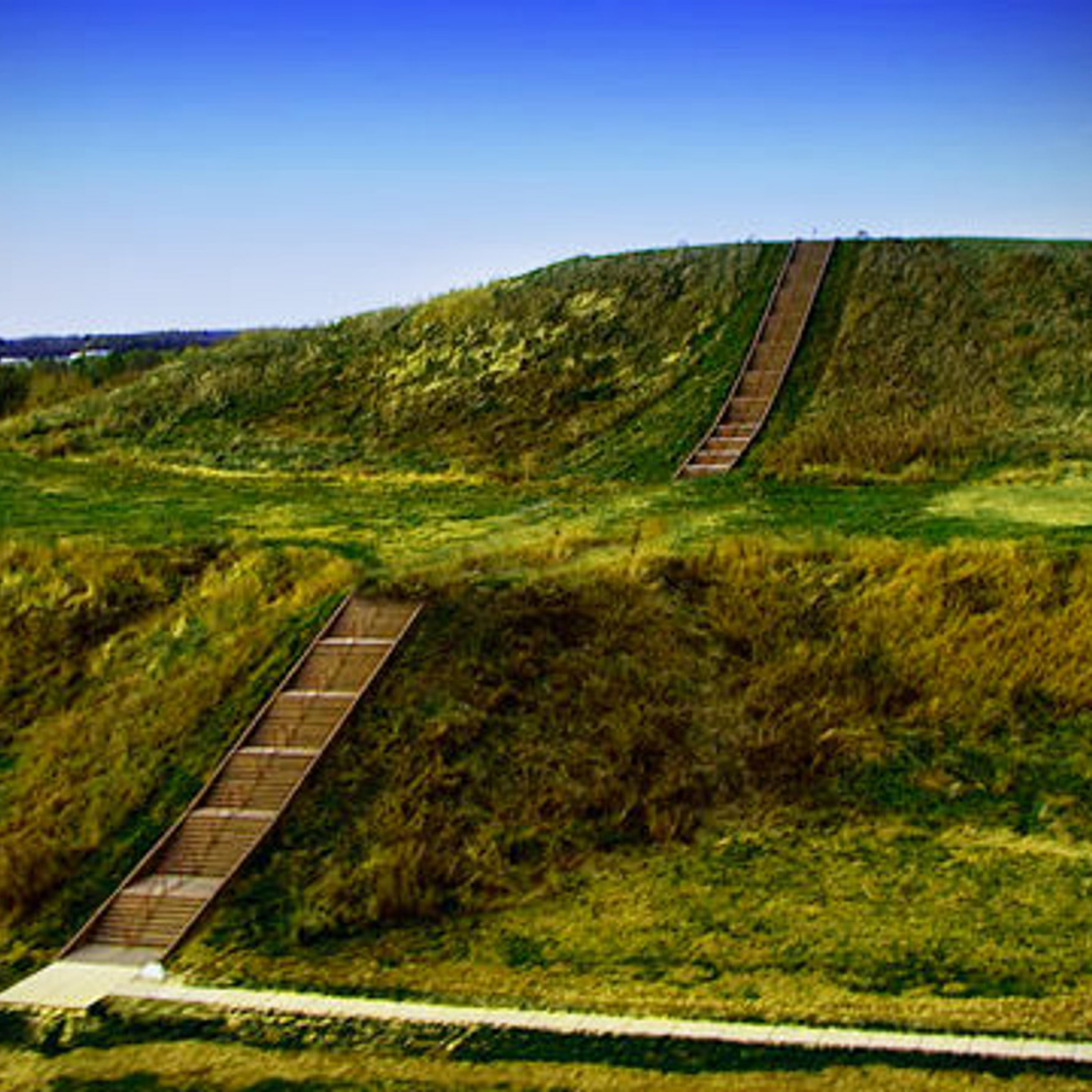 Ancient North America: The Forbidden History Beneath the Mounds 21.09.2026 30Min.Now on Spotify with Video! https://open.spotify.com/show/57DWFx0n8eUmRyAMGTnWIOLong before European settlement, North America was covered by vast earthworks, ceremonial cities, shell monuments and engineered mound systems. At Cahokia, Monks Mound rose above a city whose population may have rivalled medieval London, while geometric structures recorded movements of the sun and sky.This episode investigates the forgotten scale of the mound-building cultures, reports of giant skeletons and strange artefacts, alleged Smithsonian removals, disputed tablets, possible transoceanic contact and the suppressed discoveries said to challenge accepted American history. From Cahokia and the Grand Canyon to the shell mounds of the Atlantic coast, how much of ancient North America has been lost—and how much was deliberately buried?
 -
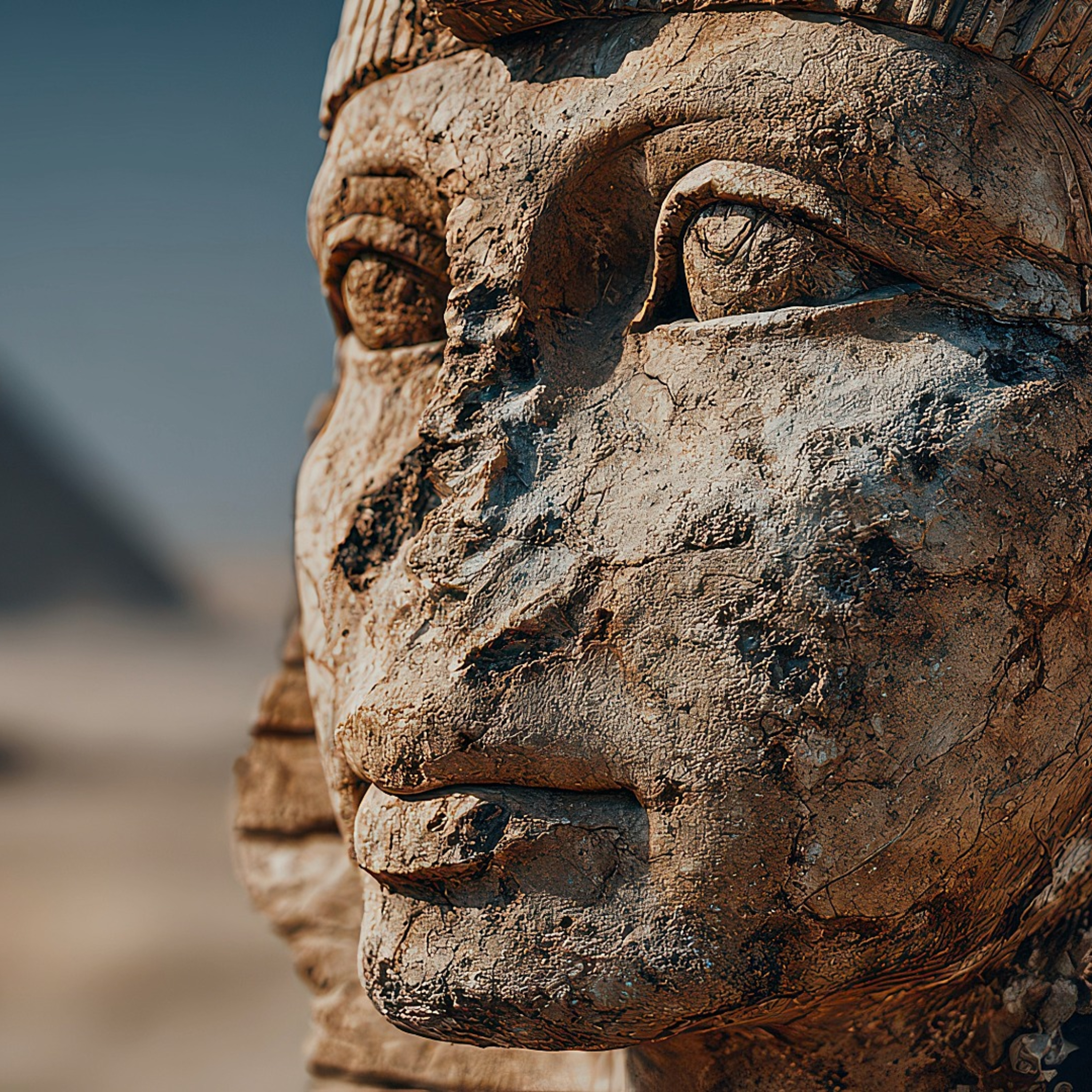 Egypt’s Missing Centuries: Is the Ancient Timeline Wrong? 20.09.2026 41Min.Now on Spotify with Video! https://open.spotify.com/show/57DWFx0n8eUmRyAMGTnWIOWhat if hundreds of years have been placed incorrectly within the accepted chronology of ancient Egypt? This episode challenges the conventional dating of the pharaohs, beginning with missing Apis bull burials at Saqqara and conflicting royal tomb sequences at Tanis. We follow the disputed links between Shoshenq and the biblical Shishak, astronomical records from Mesopotamia, the reigns of Ramesses II and Akhenaten, the Amarna letters, Avaris, Jericho and the proposed Exodus period. If Egypt’s dates are wrong, the consequences reach far beyond the Nile—into the histories of Israel, Mycenae, Troy and early Rome.
 -
 Scott Wolter: Templars in America, Masonic Secrets and the History We Were Never Taught 19.09.2026 33Min.Now on Spotify with Video! https://open.spotify.com/show/57DWFx0n8eUmRyAMGTnWIOGeologist and television investigator Scott Wolter discusses his controversial search for evidence that the Knights Templar reached North America centuries before Columbus. From the Kensington Runestone and alleged Templar sites to Masonic ritual, Indigenous oral traditions and disputed DNA evidence, Wolter sets out the theory that fugitive Templars crossed the Atlantic, formed alliances with Native peoples and left traces across the continent. He also addresses giants, lost artefacts, the Smithsonian, Viking exploration, academic resistance and the difficult boundary between open-minded investigation and unsupported speculation. This is a wide-ranging conversation about forbidden history, archaeological disputes and what may still lie hidden beneath the accepted story of America.
 -
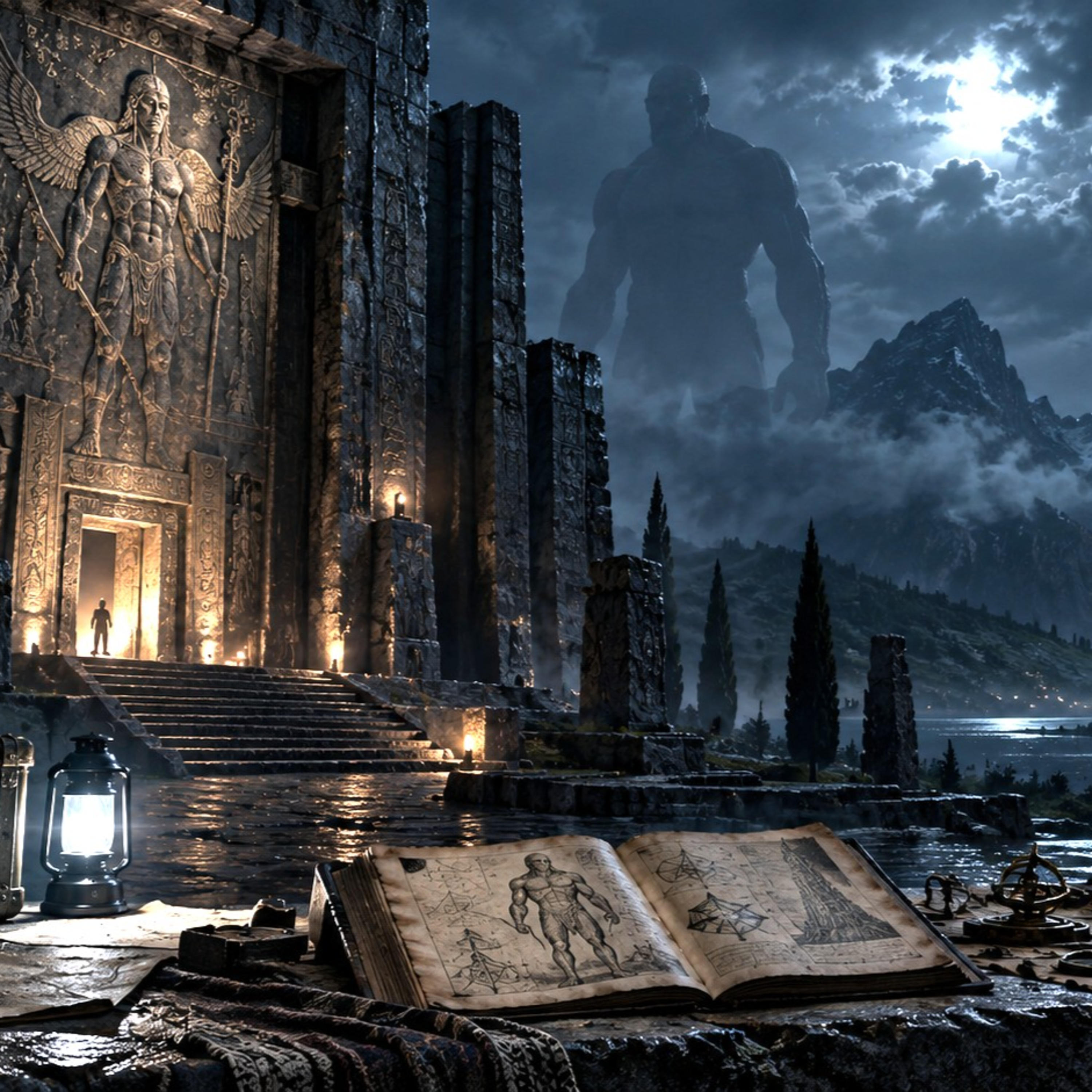 Nephilim: Suppressed Knowledge, Ancient Giants and the Hidden Hand Behind History 18.09.2026 35Min.Now on Spotify with Video! https://open.spotify.com/show/57DWFx0n8eUmRyAMGTnWIOWhat if the ancient stories of giants, fallen angels and forbidden knowledge were never intended to be understood as mythology?In this episode, L.A. Marzulli explores the controversial idea that the Nephilim described in the biblical world may represent part of a much larger mystery stretching from the ancient past into the modern age. Beginning with Genesis, the Watchers and the strange language surrounding the “sons of God,” the discussion moves through claims of giant beings, ancient bloodlines, unusual archaeological discoveries and the possibility that humanity has misunderstood some of its oldest traditions.The conversation then moves into far more controversial territory. Marzulli connects the ancient Nephilim narrative with modern UFO encounters, alleged abduction cases, unexplained implants, genetic manipulation and reports of hybrid beings. He argues that the modern extraterrestrial phenomenon may not represent visitors arriving from distant planets at all, but something far older—an intelligence that has interacted with humanity for thousands of years.The episode also examines claims of suppressed evidence, scientific resistance, the Paracas skulls, unusual hair testing, the Shroud of Turin and the wider argument that discoveries challenging accepted historical or scientific models are sometimes dismissed before they are properly investigated.At the centre of Marzulli's interpretation is a disturbing possibility: that the ancient stories of the Watchers, the Nephilim and forbidden knowledge describe the opening stages of a conflict that never truly ended.Were the giants of the ancient world simply legend? Are modern UFO and abduction reports completely separate phenomena? Or are we looking at different chapters of the same story—separated by thousands of years, but connected by something we still do not fully understand?This episode explores the evidence, the claims and the questions surrounding one of the most controversial interpretations of the Nephilim mystery.
 -
 Graham Hancock Lashes Out At Archaeology, Human Origins Story of Civilization is Plain Wrong 18.09.2026 22Min.Now on Spotify with Video! https://open.spotify.com/show/57DWFx0n8eUmRyAMGTnWIOGraham Hancock takes one of the most controversial questions in ancient history and pushes it to its limits: could a sophisticated human civilization have existed before the end of the last Ice Age, only to be destroyed by a catastrophe around 12,800 years ago?Hancock’s investigation leads from the monumental remains of Göbekli Tepe in Turkey to the temples of ancient Egypt, from the mysterious geometry of ancient monuments to the strange astronomical traditions preserved in myths and sacred texts. At the centre of his argument is a catastrophe associated with the abrupt climatic upheaval known as the Younger Dryas, a period when temperatures changed dramatically across parts of the Northern Hemisphere and the environmental conditions of the late Ice Age were transformed.But Hancock goes further. He proposes that the catastrophe was not simply a natural episode in Earth's climatic history. He examines the possibility that fragments of an older civilization survived the destruction and were carried into the emerging cultures of the post-Ice Age world. The survivors, in his interpretation, may have appeared in later traditions as mysterious teachers, culture-bringers and civilizing figures — the beings remembered in different cultures as the ones who brought knowledge to humanity.That raises a much larger question.Why do civilizations separated by enormous distances preserve stories about beings who arrive from somewhere else and teach agriculture, astronomy, architecture, law or sacred knowledge? Why do some ancient traditions appear to place extraordinary importance on the heavens? And why do certain monumental sites seem to possess astronomical relationships that become difficult to explain if their builders are viewed only through the assumptions traditionally applied to prehistoric societies?Göbekli Tepe provides one of the most important archaeological challenges in the discussion. Its monumental enclosures were constructed thousands of years before the pyramids of Egypt and before the cities traditionally associated with civilization. The site forced archaeologists to reconsider the relationship between monumental architecture, organized society, ritual and the origins of agriculture. Yet the existence of an early monumental complex does not, by itself, demonstrate that an unknown advanced civilization existed before it.That distinction is central to this podcast.We will follow Hancock's evidence, but we will also follow the archaeological evidence that challenges him.The podcast examines the chronology of the Younger Dryas, the evidence for rapid climate change, the impact of ice sheets and meltwater, the archaeological record of the late Pleistocene, the development of agriculture, and the emergence of monumental architecture. We will investigate the astronomical arguments surrounding ancient monuments and ask how much can genuinely be demonstrated through archaeology, geology, climatology and archaeoastronomy — and where interpretation begins to move beyond the surviving evidence.We will also examine the controversial hypothesis that cometary impacts or airbursts triggered the Younger Dryas cooling. This theory has generated substantial debate among researchers, with competing interpretations of the geological and archaeological evidence. Rather than simply accepting or dismissing the idea, we will examine what the evidence actually consists of, how it has been interpreted, and why the subject remains contentious.From there, the investigation moves into one of Hancock's most provocative ideas: that ancient myths may preserve distorted memories of events far older than the civilizations that recorded them.Flood traditions. Destroyed worlds. Teachers arriving from the sea. Gods descending from the heavens. Survivors carrying knowledge through a devastated landscape.
 -
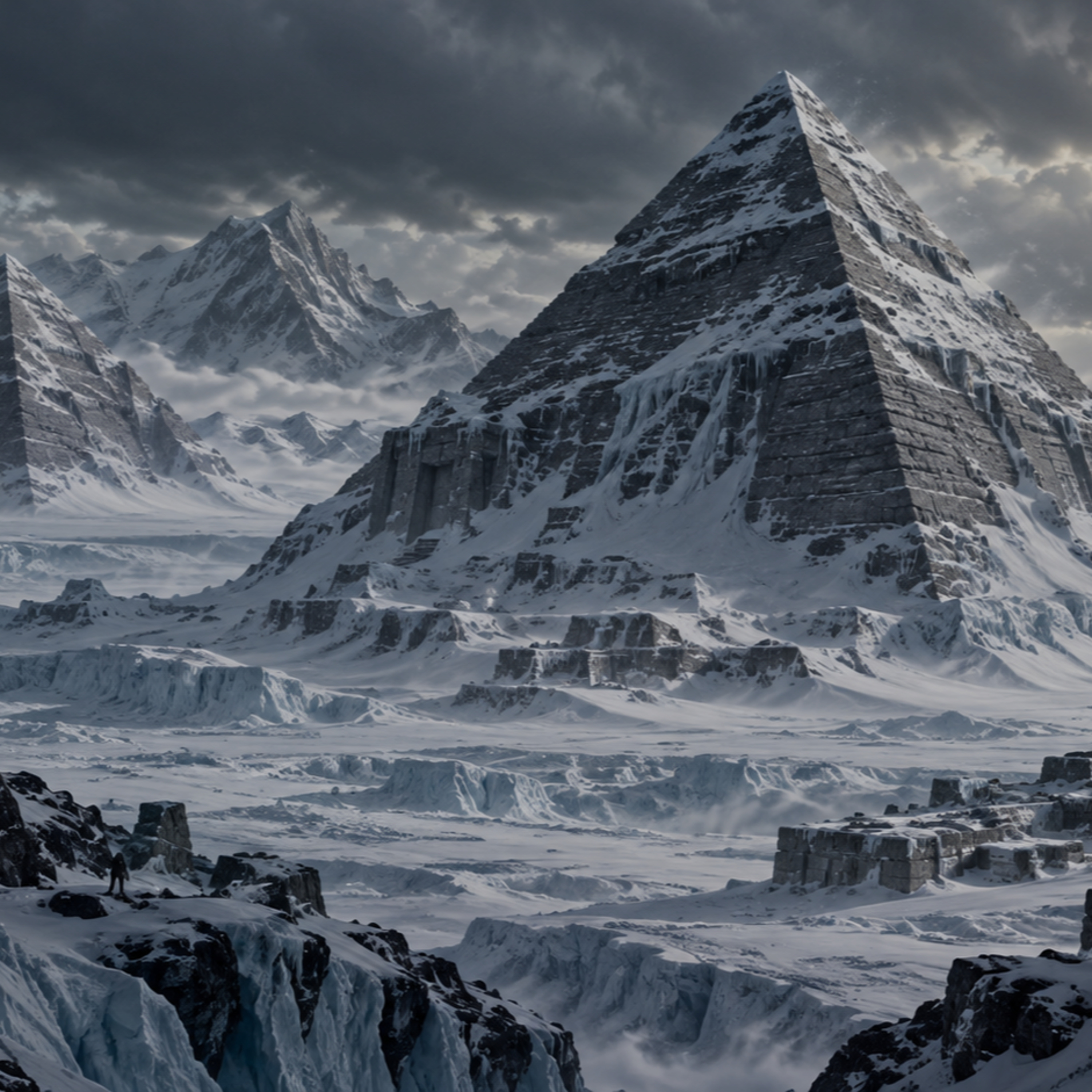 Antarctica Civilization Origins 15.09.2026 21Min.Now on Spotify with Video! https://open.spotify.com/show/57DWFx0n8eUmRyAMGTnWIOWhat if the most extraordinary ruins on Earth are hidden beneath the Antarctic ice? In this episode I’m joined by Rand Flem-Ath, co-author of When the Sky Fell and Atlantis Beneath the Ice, whose work has argued for decades that Antarctica may preserve the remains of a lost prehistoric civilization. Drawing on ancient maps, Plato’s account of Atlantis, global catastrophe traditions and Charles Hapgood’s theory of Earth-crust displacement, Flem-Ath has pursued one of the most controversial possibilities in alternative history: that Antarctica was once far more hospitable and that traces of an early civilization may still lie beneath the ice.We look at the strange pyramid-shaped formations that have fuelled speculation about Antarctica, the old maps said to preserve knowledge of a different southern continent, and the possibility that stories of catastrophic change preserved across ancient cultures contain memories of real events. We also get into what Antarctica may have looked like in the distant past, why Flem-Ath connects the continent with Atlantis, and how his ideas developed from the earlier work of Charles Hapgood. The claims remain heavily disputed, but the questions lead into a much larger mystery: how much of the human past could still be hidden beneath one of the least explored landscapes on the planet?
 -
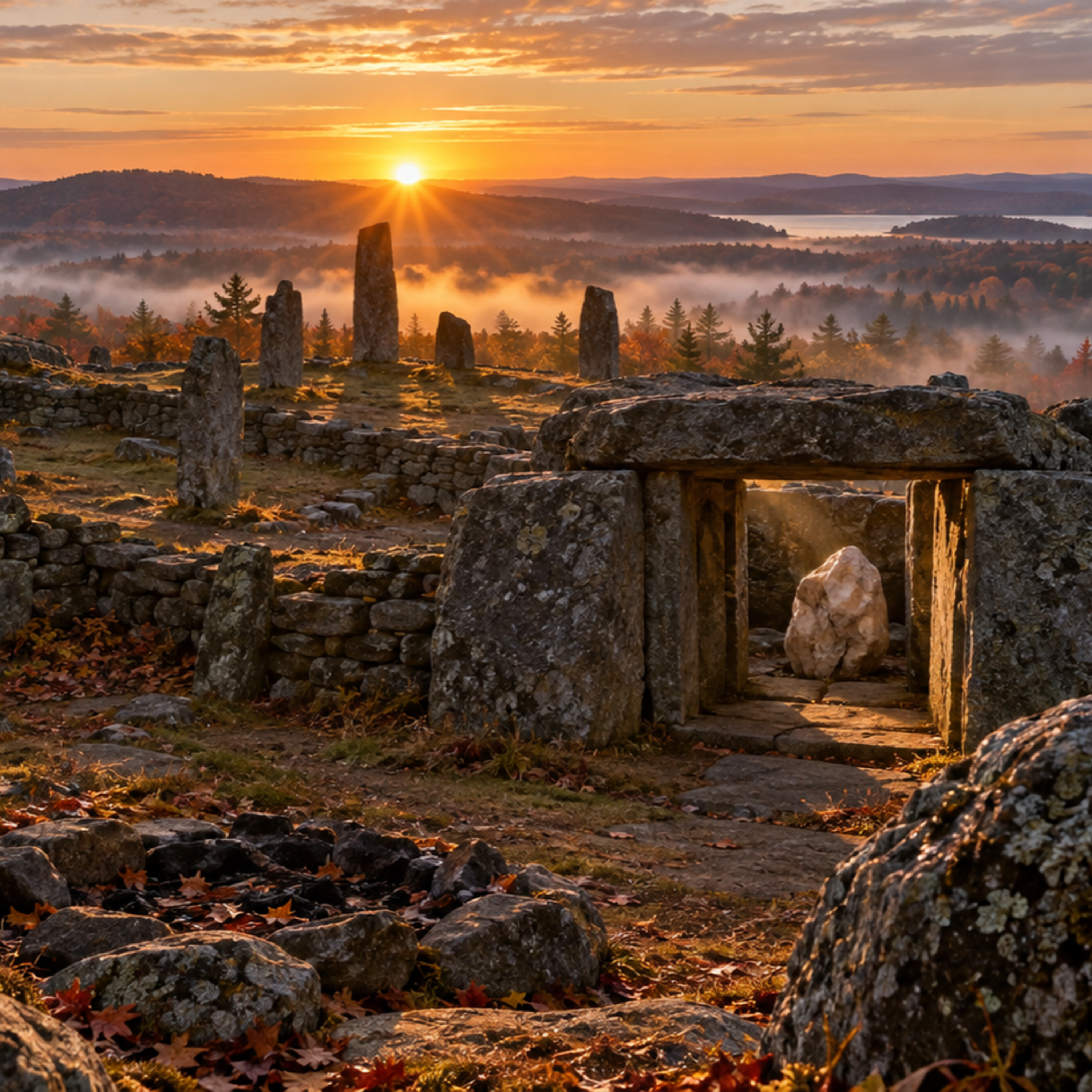 America’s Stonehenge: The Ancient Mystery Hidden in New England 14.09.2026 46Min.Now on Spotify with Video! https://open.spotify.com/show/57DWFx0n8eUmRyAMGTnWIODeep in southern New Hampshire lies one of the strangest archaeological sites in North America.Known today as America’s Stonehenge, the hilltop complex contains stone chambers, standing stones, astronomical alignments, ancient fire pits and structures that have resisted any simple explanation. Some researchers have dismissed the site as colonial. Others have argued for a much earlier Native American origin. More controversial theories have proposed contact with peoples from Europe, the Mediterranean and even the ancient Phoenician world.This episode goes directly into that argument.We examine evidence for thousands of years of activity on the hill, including radiocarbon dates, Native American occupation, possible solar and lunar alignments, the site’s so-called Oracle Chamber, deliberately positioned quartz, strange stone structures scattered across New England and inscriptions that have been interpreted as Punic, Libyan and Celtic.The discussion also raises a much larger question. If America’s Stonehenge really is an ancient ceremonial and astronomical site, where does it fit within the wider history of megalithic building? Comparisons are drawn with Stonehenge, Göbekli Tepe, Nabta Playa and other prehistoric monuments around the world, while the possibility of long-distance migration and pre-Columbian contact is openly debated.There are claims here that remain disputed, and some may ultimately prove wrong. But beneath the speculation is a real archaeological problem: this site has a long history, unusual architecture and evidence that cannot simply be explained away by calling it a nineteenth-century curiosity.So who built America’s Stonehenge?And why was this hilltop important for so long?
 -
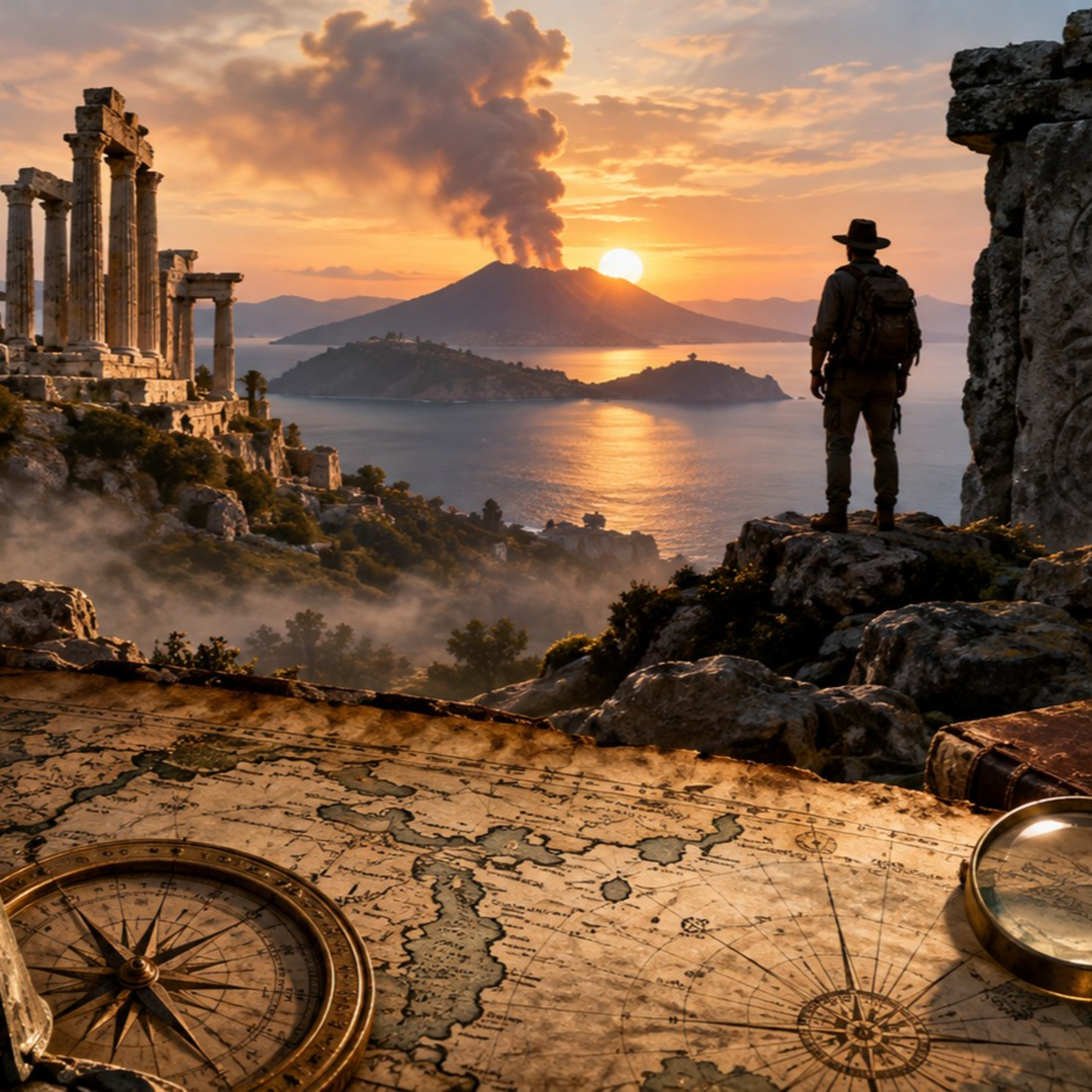 Forbidden History of Atlantis, Lost Civilizations and the Mysteries Archaeology Can’t Ignore 12.09.2026 41Min.Now on Spotify with Video! https://open.spotify.com/show/57DWFx0n8eUmRyAMGTnWIOHow much of ancient history have we actually understood—and how much have we simply inherited?In this episode, we move through some of archaeology’s most disputed territory: Atlantis, Minoan Crete, catastrophic destruction, ancient migrations, the origins of famous myths, forgotten ritual sites and the possibility that stories dismissed as legend may preserve distorted memories of real places and events.The conversation ranges from Plato’s account of Atlantis and the eruption of Thera to Çatalhöyük, Egypt, Delphi, underground ritual sites associated with Hades, Arthurian tradition, Mithraism and the astronomical patterns that may lie behind some of the ancient world’s most persistent stories. It also asks whether figures such as King Arthur should be approached as historical individuals at all, or whether parts of their stories grew from celestial cycles, ritual drama and archetypes repeatedly reworked by later writers.There is also a harder question running through the discussion: what separates legitimate investigation from bad alternative history? Extraordinary claims are easy to make. Evidence is harder. Archaeology is now being changed by tools such as ancient DNA, satellite imaging and new methods of examining population movement, settlement and chronology, allowing old assumptions to be tested in ways that were impossible only a generation ago.Some claims in this conversation remain speculative. Others challenge conventional interpretations. And some are deliberately attacked as nonsense.The aim is not to believe every mystery.It is to work out which mysteries are actually worth investigating.
 -
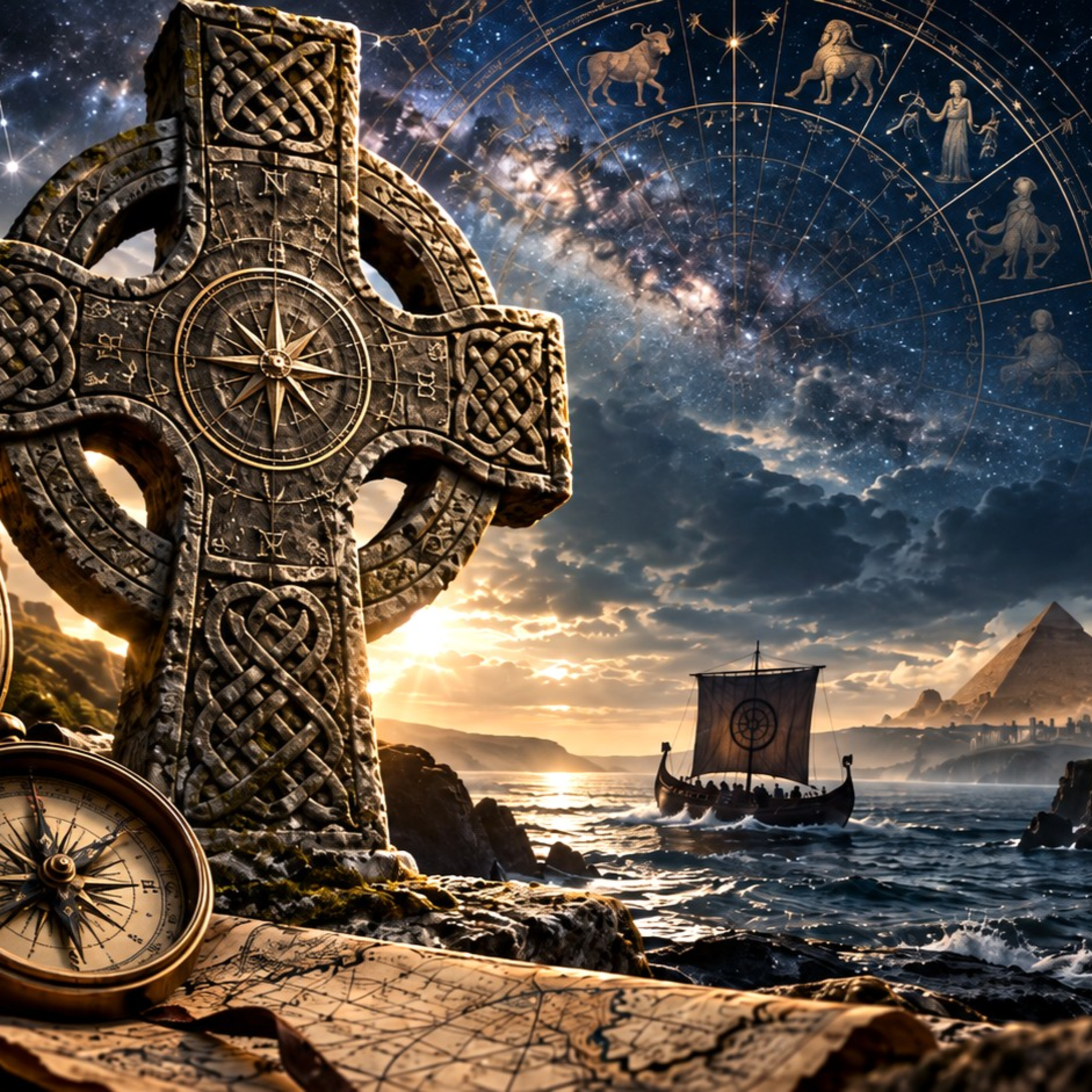 Egyptian Origins of the Celts (Video Archive), Navigation, Ancient Lost Science 11.09.2026 37Min.Now on Spotify with Video! https://open.spotify.com/show/57DWFx0n8eUmRyAMGTnWIOWere ancient people far better at navigation, astronomy and measuring time than modern history gives them credit for?In this episode, we speak with an experienced navigator and researcher who argues that some of the most familiar symbols of the ancient world may once have been practical instruments. At the centre of the discussion is the Celtic Cross, which he believes preserves the geometry of an early navigational device capable of measuring angles, tracking celestial bodies and potentially assisting with calculations of latitude and longitude.The conversation moves from Stonehenge and the stone circles of Britain to Egyptian measuring instruments, the Great Pyramid, Viking navigation, ancient Mediterranean seafaring, the Antikythera mechanism, early maps and the astronomical knowledge embedded in religious traditions. It also considers the possibility that techniques connected with navigation, calendars and celestial observation were guarded as professional knowledge and gradually disappeared when newer technologies made them unnecessary.Along the way, the discussion challenges conventional assumptions about how ancient sailors crossed open water, how early societies understood the movements of the Sun, Moon and stars, and why astronomical symbolism appears repeatedly in monuments, churches, temples and sacred traditions across widely separated cultures.Some of the claims made in this conversation are controversial and remain outside mainstream archaeological interpretation, but they raise a provocative question: how much practical knowledge can disappear when a technology is replaced and the people who understood it are gone?
Ähnliche Podcasts


Beliebt in
Dieser Podcast erscheint auch in den Podcast-Charts dieser Länder.


