
Monumental Movement Podcast
monumentalmovement
0
This podcast explores music as a cultural force and historical thread, moving beyond simple entertainment. Each episode delves into avant-garde composition, underground movements, and experimental genres such as electronica, post-industrial textures, ambient minimalism, folk mutations, and noise-based practices. The show traces the historical context, aesthetic frameworks, and technological shifts behind these works, making them accessible to producers, sound artists, researchers, and curious listeners. It offers a globally-minded journey through the edges of contemporary sound.
Folgen
-
 Why Angine de Poitrine Sounds Better When You Know How It Was Made 04.10.2026 40Min.This episode explores how technical knowledge and physical context transform a listener's perception of music, specifically regarding the work Angine de Poitrine. While music is enjoyable on a surface level, understanding the limitations of instruments and the complexity of live performance adds a layer of depth to the experience. For instance, knowing how a double-neck guitar functions allows a listener to appreciate transitions as intentional choices rather than random occurrences. Beyond the mechanics, the sources emphasize the importance of authentic Québécois pronunciation for the title to maintain its cultural integrity. Ultimately, the goal of such insight is not to over-explain the art, but to provide higher resolution for the listening process. This combined approach ensures that the physical reality of the music informs and enriches the final auditory interpretation.
 -
 Microtonal Music: Philosophy, Theory, and Production Practice 03.10.2026 22Min.This episode explores the evolution and philosophy of microtonal music, which challenges the standard 12-tone equal temperament used in modern Western compositions. It frames microtonality not just as an increase in available notes, but as a fundamental shift in musical thought that prioritizes acoustic purity and physical resonance over industrial standardization. The article highlights historical figures like Harry Partch, who built custom instruments to bypass traditional tuning, and modern artists like Jacob Collier, who integrates these complex theories into popular music. Additionally, it discusses how electronic music technology has simplified the implementation of non-standard scales, allowing for precise control over frequency and harmonic interference. Ultimately, the source defines the movement as a reclamation of sound that transcends genre to redefine how we perceive harmony and dissonance.【Related Column】Microtonal Musichttps://monumental-movement.jp/en/column-microtonal-music/
 -
 ReBirth RB-338: The Software Revolution of Electronic Music 03.10.2026 21Min.This episode examines the ReBirth RB-338 software as a pivotal milestone that transformed electronic music production from a hardware-centric hobby into an accessible digital craft. By emulating legendary Roland devices like the TB-303, TR-808, and TR-909, the program democratized music creation, allowing artists to produce professional sounds without expensive or rare equipment. The text details how this shift fueled the rise of "bedroom production" and established foundational technologies like ReWire that still influence modern music software. While acknowledging the technical limitations of early emulation, the source highlights the vibrant community of users who customized the interface and shared patterns. Ultimately, the retrospective traces the software's journey from its 1990s debut to its eventual retirement, framing it as the catalyst for the software-driven ecosystem dominant in the industry today.【Related Column】Make your equipment softer—The impact of ReBirthRB‑338https://monumental-movement.jp/en/column-rebirth-rb-338/
 -
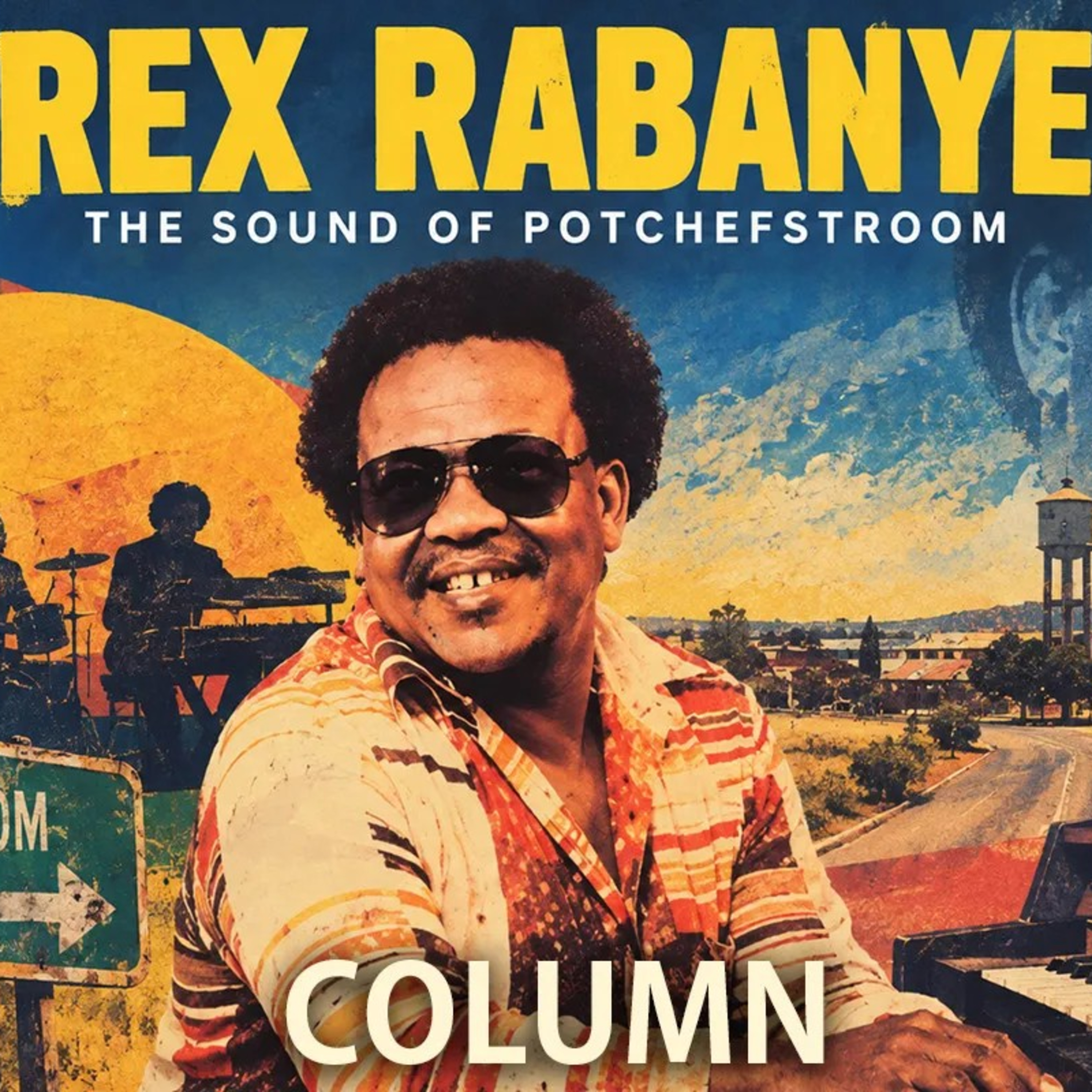 Why Rex Rabanye Made the Keyboard Sound Different: The South African Keyboard Player You Need to Hear 03.10.2026 39Min.This episode provides a comprehensive biographical profile of Rex Rabanye, a legendary South African keyboardist and composer who significantly influenced the nation’s dance music scene. It traces his journey from his roots in Potchefstroom, where he learned music from his father, to his rise as a "keyboard wizard" with the influential band Teenage Lovers. The text highlights his successful solo career in the 1980s, specifically noting his platinum-selling hits like "O Nketsang" which became staples at South African celebrations. Beyond music, the article examines Rabanye’s multifaceted life, including his legal studies at university and his later service in public office. Ultimately, the source portrays Rabanye as a resilient artist whose creative legacy continues to resonate through modern digital reissues and global discovery.【Related Column】Rex Rabanye: Potchefstroomから生まれた南アフリカ音楽の記憶https://monumental-movement.jp/column-rex-rabanye/
 -
 Why Angine De Poitrine Makes Rock Music Feel Physical: The Physical Architecture of Angine de Poitrine 03.10.2026 27Min.This episode examines the experimental rock group Angine de Poitrine, focusing on the visceral connection between their music and the human body. The text argues that while traditional rock offers a predictable framework, this band uses complex rhythms to force listeners into a state of physical problem-solving and active participation. Because the music avoids straightforward patterns, the listener must consciously synchronize with the sound, making the experience of rhythm feel more intense. Additionally, the documentation provides specific linguistic guidance on the proper Québécois French pronunciation of the band's name to ensure cultural accuracy. Ultimately, the material highlights how unconventional music can make us more aware of our own biological and emotional reactions to sound.
 -
 Beyond Meaning: Lyric Translation and Cultural Importation 02.10.2026 24Min.This episode explores the complex relationship between lyric translation and the importation of culture, arguing that translating music involves more than just swapping languages. It highlights how cultural prerequisites, such as social slang and religious metaphors, often become lost or distorted when songs move across borders. The text traces the historical evolution of music reception in Japan, noting a shift from focusing on melodic sound to a deeper engagement with political and social meanings. Specialized genres like hip-hop are identified as particularly difficult to translate due to their heavy reliance on specific linguistic codes and rhythmic structures. Ultimately, the author suggests that misinterpretations and creative adaptations are not failures but necessary steps in creating new cultural identities. The overview concludes that translation serves as both a bridge and a boundary that reshapes how global audiences connect with music.【Related Column】Lyrics translation and cultural transfer issues: When words cross the border of musichttps://monumental-movement.jp/en/column-lyric-translation/
 -
 Why LFO Made Techno Sound So Powerful 02.10.2026 32Min.This episode chronicles the influential career of the British electronic group LFO, tracing their evolution from a duo in Leeds to a solo project led by the late Mark Bell. Known for pioneering the "bleep techno" sound, the group prioritized the physicality of sub-bass and mechanical repetition over traditional melodies to redefine dance music as an acoustic space. The article examines their limited but impactful discography on Warp Records, specifically the three studio albums that spanned over a decade of shifting musical styles. By treating frequencies as physical objects, LFO bridged the gap between underground club culture and pop charts, eventually influencing film scores and mainstream production. Ultimately, the source highlights how their focus on sound design and rhythmic structure solidified their legacy as innovators who transformed electronic music into a visceral, bodily experience.【Related Column】LFO:低音と機械が生んだ、イギリス・テクノの音https://monumental-movement.jp/column-lfo/
 -
 How Balearic and Cosmic DJs Found Freedom in Music 02.10.2026 45Min.This episode explores the origins and philosophies of Balearic and Cosmic music, two distinct DJ cultures that emerged from Ibiza and Northern Italy to redefine how records are played. Rather than beginning as defined genres, both styles were born from creative defiance against traditional categorization, prioritizing a DJ’s personal intuition over industry labels. Balearic is characterized by its ability to naturally bridge disparate sounds like pop, rock, and house within a specific sun-drenched atmosphere to create a cohesive emotional journey. In contrast, the Cosmic movement focused on the physical manipulation of music, with DJs like Daniele Baldelli famously adjusting turntable speeds and using samplers to transform records into entirely new sonic textures. While Balearic gained international fame through the UK club scene, Cosmic remained a localized Italian phenomenon for decades before its global rediscovery. Ultimately, the sources illustrate how both cultures empowered the DJ to act as a curator and transformer, proving that the relationship between tracks is just as vital as the music itself.【Related Column】BalearicとCosmic。イビサと北イタリアで生まれた二つのDJ文化https://monumental-movement.jp/column-balearic-vs-cosmic/
 -
 Why Angine De Poitrine Sounds Different Every Time You Remember It: The Architecture of Musical Memory 02.10.2026 23Min.This episode explores the psychological and linguistic aspects of the musical group Angine de Poitrine. One source explains that human memory does not function like a digital recording; instead, our brains reconstruct complex music by focusing on specific patterns and emotional fragments. This mental compression causes listeners to perceive changes in the songs each time they are recalled or heard again. Additionally, the text provides technical guidance on the proper Québécois French pronunciation of the band's name to ensure phonetic accuracy. By emphasizing narration over dialogue, the materials aim to describe how repeated listening corrects our internal versions of intricate sounds. Ultimately, the sources highlight the unreliable nature of memory when processing unpredictable and detail-heavy compositions.
 -
 The Evolution and Aesthetics of Lo-Fi Hip Hop Culture 01.10.2026 24Min.This episode provides a comprehensive analysis of Lo-Fi Hip Hop and Chillhop, tracing their evolution from 1980s sampling techniques to modern digital trends. It examines how these genres utilize low-fidelity aesthetics and repetitive structures to function as functional background music for daily tasks. The text highlights the shift from hardware-based production to home-recording cultures and the role of streaming platforms in standardizing the sound. Visual elements, such as looped animations, are identified as essential components that reinforce the music's calming atmosphere. Ultimately, the article portrays this movement as a reflection of how algorithmic distribution and listener habits have redefined music as an environmental tool rather than just an object of focused attention.【Related Column】Lo-Fi Hip Hop / Chillhop (home-recorded beat culture)https://monumental-movement.jp/en/column-lo-fi-hip-hop-chillhop/
 -
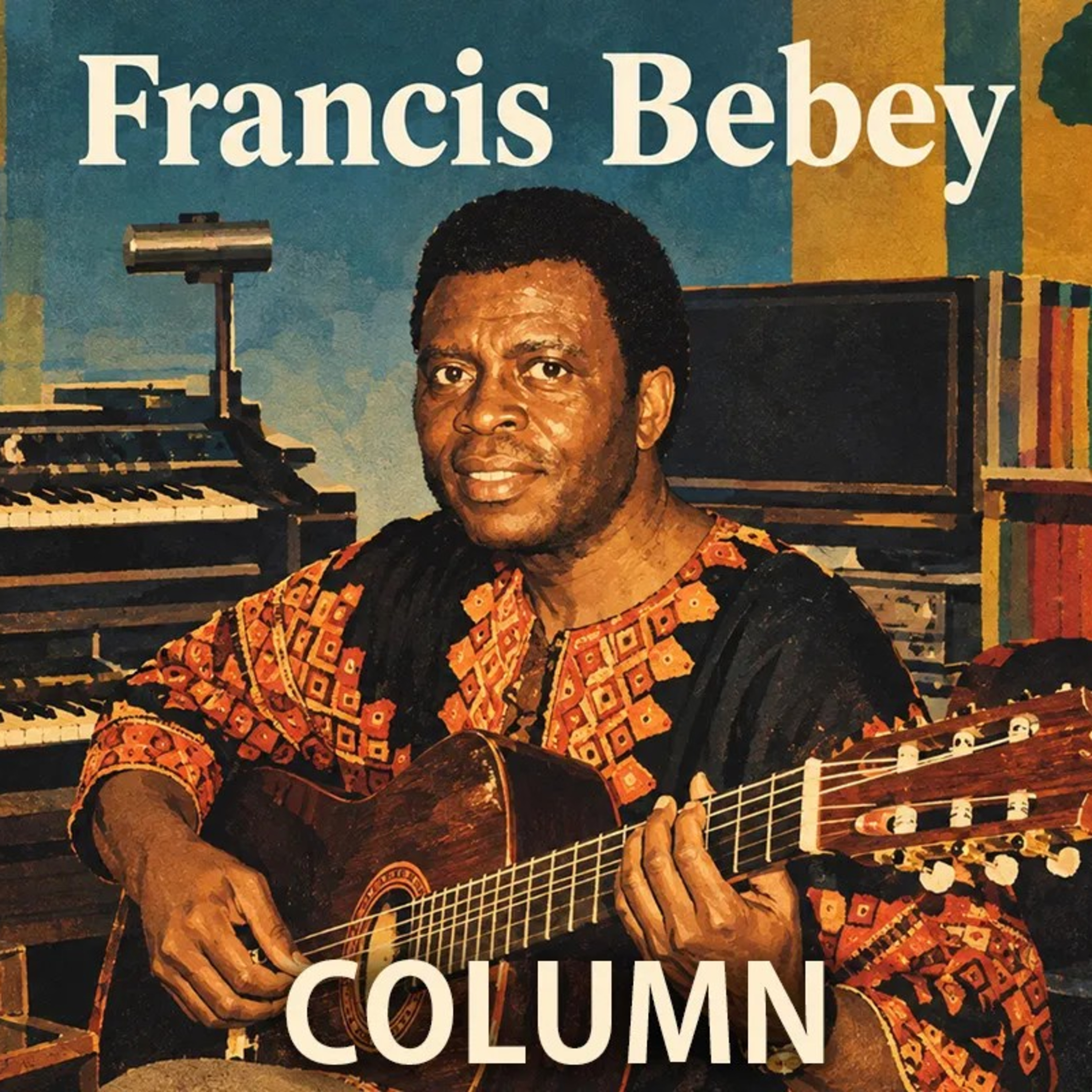 Why Francis Bebey Sounds Like No One Else: The Man Who Defied Definition 01.10.2026 42Min.This episode explores the multifaceted career of Francis Bebey, a Cameroonian artist whose influence spans music, literature, and broadcasting. Rather than being a mere musician, Bebey was a pioneer of African modernism who blended traditional instruments like the sanza with contemporary electronic sounds. The source highlights his work as a UNESCO researcher and novelist, emphasizing his commitment to documenting and evolving African cultural identity. By establishing his own record label, Ozileka, he took control of his creative output and paved the way for independent production. Today, his work is celebrated by new generations for its innovative fusion and visionary use of media to bridge global cultures. This overview presents Bebey as a singular figure who refused to be confined by genre or professional boundaries.【Related Column】Francis Bebey――一人の音楽家では説明できない人https://monumental-movement.jp/column-francis-bebey/
 -
 Why Angine de Poitrine Doesn't Sound Lo-fi: DIY vs. Lo-Fi Aesthetics 01.10.2026 38Min.This episode clarifies the distinction between DIY production methods and the lo-fi musical aesthetic, using the project Angine de Poitrine as a primary case study. While DIY refers to the independence and self-determination of the artist's process, lo-fi describes a specific stylistic choice involving intentional audio imperfections. The author argues that modern independence is defined by creating unique systems and maintaining creative control rather than relying on low-fidelity sound. Additionally, the sources provide technical guidance on the proper Québécois French pronunciation of the group's name to ensure cultural accuracy. Ultimately, the material emphasizes that artistic autonomy is a matter of making one’s own rules rather than adhering to a specific sonic quality.
 -
 From Philadelphia to Disco: Salsoul Orchestra and MFSB 30.09.2026 20Min.This episdoe explores the historical transformation of Philadelphia soul into the global disco movement through the influence of two pivotal ensembles. It highlights MFSB as the foundational studio group that established the sophisticated "The Sound of Philadelphia," characterized by lush strings and the innovative four-on-the-floor rhythm. The narrative then follows Vincent Montana Jr., who branched off to form the Salsoul Orchestra, blending orchestral precision with vibrant Latin percussion. These groups are credited with creating a refined musical blueprint that directly influenced the birth of house music and provided a rich library for hip-hop sampling. Ultimately, the text illustrates how these 1970s pioneers transformed dance floors by elevating rhythmic street culture into a structured, elegant celebration.【Related Column】Salsoul Orchestra and MFSB - Evolution from Philadelphia to Discohttps://monumental-movement.jp/en/column-salsoul/
 -
 How Jeff Phelps Built Magnetic Eyes From a Bedroom Studio 30.09.2026 29Min.This episode explores the DIY musical legacy of Jeff Phelps, specifically focusing on his 1985 self-released album, Magnetic Eyes. Produced in a modest home studio using accessible technology like the Tascam Portastudio and various Roland synthesizers, the work represents an early intersection of electronic soul, funk, and jazz. Despite minimal commercial impact during its initial release, the source details how the album was rediscovered and reissued decades later by labels such as Numero Group. This narrative highlights a pivotal shift in music history, where personal recording environments allowed independent artists to bypass traditional industry gatekeepers. Ultimately, the text illustrates how limited equipment can produce a timeless, innovative sound that continues to resonate with modern listeners and historians.【Related Column】Jeff Phelps:『Magnetic Eyes』を生んだ小さなスタジオhttps://monumental-movement.jp/column-jeff-phelps/
 -
 Why Angine De Poitrine Feels Bigger Than Its Recordings: The Sonic Scale of Angine de Poitrine 30.09.2026 29Min.This episode examines the perceptual differences between experiencing the musical duo Angine de Poitrine through recordings versus live performances. While digital media captures audio, it lacks the physical context and visual effort required for two people to generate such an expansive, complex sound. This creates a perceptual mismatch where the listener struggles to reconcile the small number of performers with the massive scale of the music. The text emphasizes that a recording acts as a limited translation, omitting the relationship between the body and the instruments that only a physical space provides. Additionally, the documents offer guidance on the correct Québécois pronunciation of the band's name to ensure cultural authenticity. Ultimately, the materials suggest that the true essence of the group lies in the tangible connection between the mechanism of the performance and its sonic output.
 -
 Free Samples and the Democratization of Modern Music Production 29.09.2026 21Min.This episode explores the historical evolution of music production, specifically highlighting how the transition from expensive studio hardware to accessible digital tools has revolutionized the industry. The author details how the rise of free sampling culture and internet-based communities empowered "bedroom producers" to create professional-quality tracks across diverse genres like Hip Hop, EDM, and Lo-fi. By examining the impact of DAWs, VSTs, and tutorial platforms, the source argues that technical knowledge is no longer a guarded secret. Furthermore, it addresses how social media and AI technology continue to reshape the structure and consumption of modern songs. Ultimately, the article defines this movement as the democratization of music, where creative expression is no longer limited by capital but driven by individual identity and global connectivity.【Related Column】Free sample culture and the democratization of contemporary music productionhttps://monumental-movement.jp/en/column-free-sample-music/
 -
 Why Iannis Xenakis Turned Mathematics Into Sound: The Architect of Sound 29.09.2026 42Min.This episode explores the revolutionary career of Iannis Xenakis, a visionary composer who redefined music by integrating mathematics, architecture, and engineering. After fleeing political turmoil in Greece, he collaborated with Le Corbusier, using structural concepts like density and geometry to organize sound into vast, physical phenomena. Xenakis moved beyond traditional melody to pioneer stochastic music, employing probability and early computer programming to manage massive clusters of sound. The source highlights his creation of the UPIC system, which allowed users to compose by drawing lines, and his multisensory installations that merged light and space. Ultimately, the text presents Xenakis as a figure who expanded the definition of music, transforming it into a structural science that mirrors the complexity of natural and architectural forms.【Related Column】Iannis Xenakis: クセナキス――音を建築した男https://monumental-movement.jp/column-iannis-xenakis/
 -
 Why Angine de Poitrine Doesn't Have a Main Character: Music Without a Protagonist 29.09.2026 24Min.This episode analyzes the experimental musical approach of the band Angine de Poitrine, specifically focusing on their rejection of traditional musical hierarchy. Unlike popular songs that feature a central vocalist or lead instrument, this group distributes importance across interacting systems, creating a "musical democracy." This lack of a permanent protagonist forces the listener to take an active role in deciding which element to follow. Furthermore, the texts provide technical guidance on the proper Québécois pronunciation of the band's name to ensure linguistic authenticity. Ultimately, the material highlights how the absence of a fixed main character transforms the listening experience into a fluid, subjective process.
 -
 The Evolution and Logic of Progressive Jazz Fusion 28.09.2026 20Min.This episode explores the development of Progressive Jazz and Fusion during the late 1960s and 1970s, framing the movement as a sophisticated integration of diverse musical genres and evolving technology. The text highlights how advancements in electric instrumentation and studio production shifted the focus from traditional acoustic performance toward complex, textured soundscapes. By comparing the fluid, collective improvisations of Weather Report with the disciplined, high-speed structures of the Mahavishnu Orchestra, the author illustrates the genre's broad stylistic range. Additionally, the article situates these innovations within a wider historical context, noting their lasting impact on modern jazz and electronic music. The column ultimately serves as an analytical guide to the methodologies and philosophical shifts that redefined jazz as a genre of constant structural experimentation.【Related Column】Progressive Jazz / Fusionhttps://monumental-movement.jp/en/column-progressive-jazz-fusion/
 -
 Why Buckminster Fuller Thought in Systems — and Heard Them in Sound 28.09.2026 18Min.This episode explores the intellectual connection between the visionary thinker Buckminster Fuller and the fundamental nature of sound. Although Fuller was not a musician, the text illustrates how he viewed music and architecture as twin expressions of the same underlying mathematical relationships and spatial proportions. He famously conceptualized buildings like the Dymaxion House as instruments that remain neutral until "played" by human interaction and the passage of time. By examining concepts such as octaves, harmonics, and synergy, the article argues that Fuller’s work was less about static forms and more about the invisible networks of frequency and vibration. Ultimately, the source suggests that understanding Fuller’s perspective on sound provides a vital key to grasping his broader systems theory and his approach to designing the human environment.【Related Column】Buckminster Fuller と音――建築は巨大な楽器になり得るのかhttps://monumental-movement.jp/column-buckminster-fuller-and-sound/
Ähnliche Podcasts


Beliebt in
Dieser Podcast erscheint auch in den Podcast-Charts dieser Länder.
