
The Biblical Mind
Center For Hebraic Thought
0
The Biblical Mind is a podcast dedicated to helping its audience understand the deep structures of Scripture. It is published by the Center for Hebraic Thought, a hub for research and resources promoting biblical literacy and the intellectual world of the Bible.
Επεισόδια
-
 Can You Be Responsible for Someone Else’s Sin? Systemic Sin & the Bible (Andy Everhart) Ep. #270 17.09.2026 51λWhat does the Bible say about individual responsibility, corporate responsibility, and systemic sin? Can someone be responsible for wrongdoing they did not personally commit? And how should Christians think about systemic racial injustice, repentance, and reparations?In this episode of the Biblical Mind Podcast, Mike Tolliver speaks with Dr. Andy Everhart about the biblical relationship between individual and communal responsibility. Drawing from examples including Achan, King Josiah, John the Baptist, and Paul’s instructions to the Corinthian church, they explore how Scripture presents sin as something that can affect entire communities—not simply the individual who commits an act.Everhart distinguishes between guilt and responsibility, arguing that people may inherit responsibilities through their relationships and membership in communities without necessarily inheriting guilt for another person’s actions. The conversation applies this framework to contemporary questions surrounding systemic racism and racial injustice, including the responsibilities of people who become members of communities shaped by historical wrongdoing.The discussion also considers the relationship between repentance and reparative action, asking whether genuine repentance requires more than acknowledging wrongdoing and whether repairing damage can be a necessary response to injustice.Ultimately, this episode offers a biblical framework for thinking about sin, community, responsibility, justice, reconciliation, and the ways individual actions can shape—and be shaped by—the communities around us.Link to article mentioned in podcast: "Communal Reconciliation: Corporate Responsibility and Opposition to Systemic Sin" https://onlinelibrary.wiley.com/doi/10.1111/ijst.12570We are listener supported. Give to the cause here: https://hebraicthought.org/giveFor more articles: https://thebiblicalmind.org/Social Links:Facebook: https://www.facebook.com/HebraicThoughtInstagram: https://www.instagram.com/hebraicthoughtThreads: https://www.threads.net/hebraicthoughtX: https://www.twitter.com/HebraicThoughtBluesky: https://bsky.app/profile/hebraicthought.orgChapters:00:00 Introduction to systemic and individual sin03:52 Western individualism versus global perspectives on sin07:59 Biblical examples of corporate and individual responsibility12:05 Responsibility in the Old Testament: Achan and Josiah16:54 Responsibility and guilt: Paul and the Corinthian church21:59 Systemic sin and personal responsibility in modern context29:51 The role of community in shaping responsibility40:00 Responsibility and reparative action in racial injustice See Privacy Policy at https://art19.com/privacy and California Privacy Notice at https://art19.com/privacy#do-not-sell-my-info.
 -
 Christians and Global Conflict: Navigating Faith and War (Austin Knuppe) Ep. #269 10.09.2026 1ώHow should Christians think about war, conflict, justice, and peace in a world filled with competing narratives and seemingly endless complexity? In this episode, Dru Johnson talks with peacebuilding practitioner and political scientist Austin Knuppe about how Scripture, intellectual humility, lament, and Christian realism can shape the way Christians respond to global conflict.Knuppe explains why biblical lament can provide an important framework for responding to injustice without demanding simplistic answers to suffering. He also discusses motivated reasoning, confirmation bias, and the danger of reducing complicated conflicts to narratives of obvious heroes and villains. Drawing from his experience in Rwanda, northern Iraq, and the broader field of peacebuilding, Knuppe explores the difficult work of rebuilding social cohesion after violence, including restoring trust, addressing trauma, and pursuing reconciliation.The conversation also examines Israel and Palestine, Gaza, Russia and Ukraine, U.S. foreign policy, restorative justice, international aid, and the limits of applying one peacebuilding model to every conflict. Knuppe argues for intellectual hospitality, careful attention to local voices, and a willingness to say “I don’t know” while still pursuing wise and practical action.For Christians seeking a thoughtful biblical and political perspective on war, peace, justice, reconciliation, and international conflict, this conversation offers a challenging alternative to simplistic answers.Learn more about Dr. Knuppe at his website: https://www.austinknuppe.com/We are listener supported. Give to the cause here: https://hebraicthought.org/giveFor more articles: https://thebiblicalmind.org/Social Links:Facebook: https://www.facebook.com/HebraicThoughtInstagram: https://www.instagram.com/hebraicthoughtThreads: https://www.threads.net/hebraicthoughtX: https://www.twitter.com/HebraicThoughtBluesky: https://bsky.app/profile/hebraicthought.orgChapters:00:00 Introduction to Dr. Austin Nuppy and the episode's focus02:16 The practice of lament and its significance in faith and conflict03:22 The challenge of seeking certainty in understanding conflicts04:08 Narratives, motivated reasoning, and their impact on conflict perception06:25 Approaching conflict with humility and good faith engagement10:07 Memory, history, and bearing witness in conflict zones15:03 The importance of wisdom and discernment in justice and peace21:15 Strategies for peacebuilding and social cohesion in Iraq24:17 The role of local trust and grassroots initiatives in reconciliation27:09 Challenges of justice, accountability, and structural constraints34:30 The complexity of ongoing conflicts and the limits of models41:34 US foreign policy levers and the Christian approach to peace52:53 Balancing ground-up and top-down peace strategies54:54 The limits of idealism and the importance of realism in conflict55:58 The human cost of aid and the peace industry See Privacy Policy at https://art19.com/privacy and California Privacy Notice at https://art19.com/privacy#do-not-sell-my-info.
 -
 Israel, Palestine, & Christian Responsibility: Part 2 (Bannoura & Fisk) Ep. #268 03.09.2026 1ώ 3λIn this episode, Dru Johnson continues a challenging conversation about Israel, Palestine, Gaza, Hamas, Zionism, and Christian Zionism with Bruce N. Fisk and Daniel Bannoura. The discussion examines competing narratives about the history of Israel and Palestine and asks how Christians should think about the ongoing conflict.Fisk and Bannoura critique what they describe as the dominant Israeli and Christian Zionist narratives, particularly their treatment of Palestinian history, the Nakba, the occupation, and Palestinian claims to national identity and self-determination. They also explore how Zionism has developed historically and discuss different forms of Jewish nationalism, including political, cultural, and binational approaches.The conversation then turns to Gaza and Hamas, including questions surrounding violence, collective punishment, international law, and the use of terms such as genocide and apartheid. Bannoura offers a theological and historical analysis of Hamas, acknowledging the problems with its early rhetoric while emphasizing the importance of understanding the political conditions and experiences that contributed to its rise.Finally, Fisk discusses the book Being Christian After the Desolation of Gaza and its call for Christians to move beyond simplistic binaries and engage more seriously with questions of peace, justice, Palestinian rights, Israel, and Christian theology.Dr Bannoura and Dr. Fisk are responding to this episode: https://thebiblicalmind.org/podcast/israel-palestine-conflict-more-complicated-than-you-think/Buy the book here:https://wipfandstock.com/9798385254859/being-christian-after-the-desolation-of-gaza/ We are listener supported. Give to the cause here: https://hebraicthought.org/giveFor more articles: https://thebiblicalmind.org/Social Links:Facebook: https://www.facebook.com/HebraicThoughtInstagram: https://www.instagram.com/hebraicthoughtThreads: https://www.threads.net/hebraicthoughtX: https://www.twitter.com/HebraicThoughtBluesky: https://bsky.app/profile/hebraicthought.orgChapters:00:00 Introduction and episode overview01:12 Bruce Fisk summarizes the Israeli narrative03:36 Discussion of Gaza and international law05:01 Reflections on narratives and historical perspectives07:16 Orientalist discourse and Palestinian history09:38 The Nakba and Palestinian identity11:00 Zionism, land, and international law12:28 Critique of Zionist narratives and bias15:10 Zionism, transfer, and ethnic cleansing17:45 International law, UN resolutions, and legal issues19:02 Netanyahu's Zionism and security focus20:53 Israeli security fears and victimhood22:21 The book project and its goals37:26 Hamas, resistance, and evolution50:36 The development of Hamas and its political stance55:42 Militancy, resistance, and historical parallels01:00:23 The Christian critique of Israel and Palestine01:02:10 The future of a Jewish state and democratic solutions See Privacy Policy at https://art19.com/privacy and California Privacy Notice at https://art19.com/privacy#do-not-sell-my-info.
 -
 Masculine Men as Homemakers: From Andrew Tate to Biblical Manhood (Nancy Pearcey) Ep. #267 27.08.2026 56λWhat does it mean to be a good man? In this episode, Dru Johnson talks with Professor Nancy Pearcey about masculinity, toxic masculinity, feminism, fatherhood, Christianity, and the cultural forces that have shaped modern ideas about men.Pearcey explains why she wrote her book on masculinity after seeing increasingly hostile portrayals of men in popular culture and explores the deeper history behind these attitudes. Rather than tracing hostility toward men only to second-wave feminism, she argues that its roots extend back to the Industrial Revolution and changing ideas about work, family, masculinity, and human nature.The conversation examines how Darwinism and evolutionary psychology have contributed to negative cultural scripts about male aggression, sexuality, and dominance—and how those ideas can help explain the appeal of figures such as Andrew Tate. Pearcey also discusses research suggesting that Christian men can be loving husbands, engaged fathers, and committed family members.The episode explores the importance of recovering a healthier vision of biblical masculinity centered on responsibility, virtue, service, protection, provision, fatherhood, and family. It also considers how working from home, integrating family and work, and reconnecting fathers with their children could help reshape modern family life.Order Professor Nancy Pearcey's book here: https://bakerpublishinggroup.com/products/9780801075735_the-toxic-war-on-masculinityProfessor Nancy Pearcey's website: https://www.nancypearcey.com/Contact us at The Biblical Mind: Click HereWe are listener supported. Give to the cause here: https://thebiblicalmind.org/give/For more articles: https://thebiblicalmind.org/Social Links:Facebook: https://www.facebook.com/HebraicThoughtInstagram: https://www.instagram.com/hebraicthoughtThreads: https://www.threads.net/hebraicthoughtX: https://www.twitter.com/HebraicThoughtBluesky: https://bsky.app/profile/hebraicthought.orgChapters00:00 — Covenant, new Christians, and the intellectual questions nobody knew how to answer02:19 — How the conversation will work and why the book matters04:04 — Why Pearcey wrote the book after seeing anti-male rhetoric everywhere06:38 — Abuse, feminism, and moving from blame to healing09:06 — Anti-male language before the 20th century11:50 — Darwinism, social Darwinism, and the “beast within” script13:44 — Andrew Tate as a popularizer of older intellectual ideas16:16 — The universal “three Ps” of masculinity: provide, protect, procreate18:11 — The difference between the “good man” and the “real man”21:23 — Why empirical research matters for claims about Christian men22:21 — What the studies say about evangelical husbands and fathers25:26 — Why churches often discourage men instead of encouraging them27:24 — How the Industrial Revolution changed fathers and family life34:39 — Pandemic remote work and fathers getting closer to their children36:24 — Work, family, and the real-life benefits of flexibility40:36 — Men on the daddy track and the cost of choosing family43:08 — Bringing work home for women and the recovery of integrated family life47:16 — Millennials and Gen Z want a more integrated life48:45 — What Pearcey means by secular and how the split developed50:55 — The historical reversal that made women seem morally superior53:13 — The double standard in dating and the pressure on women to police men55:25 — Why the title is controversial and how people misread the book See Privacy Policy at https://art19.com/privacy and California Privacy Notice at https://art19.com/privacy#do-not-sell-my-info.
 -
 Can You Believe & Doubt at the Same Time? Cognitive Science's Take on Faith (Joshua Mugg) Ep. #266 20.08.2026 47λWhat does it mean to believe something—and can we genuinely believe while also experiencing doubt? In this episode of the Center for Hebraic Thought and the Biblical Mind Podcast, Mike Tolliver talks with philosopher Dr. Joshua Mugg about his book From Human Reasoning to Belief and his alternative to the influential “dual process” theory of human reasoning.Mugg explains why he rejects the idea that the mind is simply divided between fast, intuitive thinking and slow, rational thinking. Instead, he proposes that human reasoning operates across multiple dimensions, allowing us to adjust how we think, gather evidence, recruit other beliefs, and repeatedly reconsider our conclusions.The conversation then explores how this account of human cognition helps illuminate one of the Bible’s most intriguing statements: “I believe; help my unbelief” in the Gospel of Mark. Mugg’s theory of fragmented belief suggests that people can hold different beliefs within distinct cognitive contexts, helping explain how faith and doubt can coexist.Mike and Josh also discuss anxiety, emotion and reasoning, conspiracy theories, religious belief, deconstruction, Michael Polanyi, Esther Meek, the relationship between faith and certainty, and whether faith will remain in the eschaton. This wide-ranging conversation offers a fresh perspective on belief, doubt, faith, and what it means to know.Buy Dr. Mugg's book here: https://www.routledge.com/From-Human-Reasoning-to-Belief-An-Empirical-Account/Mugg/p/book/9781032736952Contact us at The Biblical Mind: Click HereWe are listener supported. Give to the cause here: https://thebiblicalmind.org/give/For more articles: https://thebiblicalmind.org/Social Links:Facebook: https://www.facebook.com/HebraicThoughtInstagram: https://www.instagram.com/hebraicthoughtThreads: https://www.threads.net/hebraicthoughtX: https://www.twitter.com/HebraicThoughtBluesky: https://bsky.app/profile/hebraicthought.orgChapters:00:00 Introduction to Dr. Mugg and the focus on belief01:02 Dr. Mugg's background and academic journey02:37 From theology to philosophy: questions of knowledge04:24 Overview of dual process theory in reasoning05:55 Critique of dual process theory and its messiness07:41 An alternative to dual process theory: a soundboard model11:16 Rerunning reasoning in everyday life and decision making15:50 The biblical story of the father and Jesus' response19:59 Fragmentation of belief and domain-specific reasoning24:02 Belief in the context of ancient Israel and religious practices27:14 Conspiracy theories and reasoning patterns31:01 The role of emotion in reasoning and belief33:23 Faith, hope, and love in the eschaton36:10 Personal journey and influence of Polanyi and Meek39:33 Christian philosophy and naturalistic methodology42:58 The relationship between faith and belief in biblical and philosophical context44:46 Conclusion and future discussions See Privacy Policy at https://art19.com/privacy and California Privacy Notice at https://art19.com/privacy#do-not-sell-my-info.
 -
 Healthy Tools: How Our Tech Can Work for Us (Felicia Wu Song) Ep. #265 13.08.2026 48λHow is technology shaping the way we live, relate to one another, and understand what it means to be human? In this episode, Dru Johnson talks with sociologist Dr. Felicia Song about digital technology, AI, social media, Christian discipleship, and the spiritual consequences of living in a world of constant connection.Song argues that Christians should resist both technological hype and fearmongering and instead develop a more thoughtful, historically informed approach to digital culture. Rather than simply asking whether technology is “good” or “bad,” she encourages us to consider what our devices are actually doing to our relationships, habits, attention, and embodied experience.The conversation explores social media and mental health, AI companionship, the potential displacement of human relationships, and the ways technology is reshaping churches and Christian communities. Song also challenges Christians to reconsider whether Sunday worship should be one of the few places where people can put their devices away and genuinely rest.Drawing on the Christian contemplative tradition of silence and stillness, Song suggests that spiritual maturity in the digital age may require learning how to disconnect, be present, and recover forms of human connection that technology cannot replace.See more of Dr. Song's work here: https://feliciawusong.com/Contact us at The Biblical Mind: Click HereWe are listener supported. Give to the cause here: https://thebiblicalmind.org/give/For more articles: https://thebiblicalmind.org/Social Links:Facebook: https://www.facebook.com/HebraicThoughtInstagram: https://www.instagram.com/hebraicthoughtThreads: https://www.threads.net/hebraicthoughtX: https://www.twitter.com/HebraicThoughtBluesky: https://bsky.app/profile/hebraicthought.orgChapters:00:00 Introduction to the discussion on technology and human experience04:00 The importance of historical perspective in understanding tech06:16 The investment in human evolution and technological possibilities07:52 Technology as a variable in human relationships and self-understanding10:08 The neurological and phenomenological effects of digital interaction12:22 The impact of mediated interactions on human experience14:22 The social and cultural variability in felt experiences16:40 Imagination and the inability to conceive of a tech-free life18:24 Using movies and stories to understand different digital experiences20:44 Young people's resignation and the influence of tech industry narratives22:18 Historical changes in societal attitudes towards technology24:20 The analogy of safety belts and cultural change27:29 Advocacy and community action in digital ethics28:56 Analog experiences and community building through low-tech practices30:27 The value of silence and stillness in spiritual maturity36:32 The societal effects of AI companionship and therapeutic uses38:02 The role of churches and spiritual spaces in digital life40:12 Church as a space for digital detox and spiritual rest43:20 The importance of stillness and silence in Christian practice45:59 The transformative power of contemplative practices in a digital age See Privacy Policy at https://art19.com/privacy and California Privacy Notice at https://art19.com/privacy#do-not-sell-my-info.
 -
 The Puritans, Mosaic Law, and the Roots of Christian Nationalism (Yisroel Benporat) Ep. #264 06.08.2026 53λWhat did the Puritans really believe about the Old Testament, Mosaic law, Jews, and Israel? In this episode of the Biblical Mind Podcast, historian Dr. Yisroel Benporat explores the fascinating and often misunderstood relationship between Puritan theology and the Hebrew Bible.Benporat explains why Puritans attempted to apply biblical judicial laws to early American society, including laws concerning adultery, the Sabbath, and criminal punishment. He unpacks the distinction between moral, ceremonial, and judicial law and shows how Puritan thinkers wrestled with the relationship between the Old and New Testaments.The conversation also challenges the popular myth that Puritans were essentially “quasi-Jews.” Although Puritans were deeply fascinated by Hebrew Scripture and Jewish texts, their views of contemporary Jews were shaped by Christian supersessionism and a strong desire for Jewish conversion.Finally, Benporat examines Puritan eschatology and the restoration of Israel, exploring why some scholars see connections between Puritan thought and later Christian Zionism. The episode concludes by considering what Puritanism can teach us about biblical interpretation, Christian nationalism, theocracy, Jewish-Christian relations, and the enduring Hebraic roots of Christianity.For Dr. Yisroel Benporat's website Click HereHelpful Resources: "How Far Moses Judicialls Bind Mass[achusetts]" (ca. 1643), "John Cotton’s Treatise on the Duration of the Lord’s Day" (1611) , "Legislating the Lord's Day"Contact us at The Biblical Mind: Click HereWe are listener supported. Give to the cause here: https://thebiblicalmind.org/give/For more articles: https://thebiblicalmind.org/Social Links:Facebook: https://www.facebook.com/HebraicThoughtInstagram: https://www.instagram.com/hebraicthoughtThreads: https://www.threads.net/hebraicthoughtX: https://www.twitter.com/HebraicThoughtBluesky: https://bsky.app/profile/hebraicthought.orgChapters:00:00 Introduction to Puritans' biblical interpretation02:26 Yisrael Ben Parat's interest in Puritan New England03:26 Puritan laws: adultery and capital punishment06:46 Sabbath laws and biblical prohibitions08:17 Puritan use of scripture as political model11:36 Puritan views on Sabbath and Old Testament laws14:29 Categories of Mosaic law: moral, ceremonial, judicial16:21 Puritans' application of judicial laws21:13 Hermeneutic of continuity and abrogation in Puritan law24:10 Puritans' view of Jews and anti-Semitism27:29 Replacement theology and Puritan eschatology36:55 Puritan eschatological visions and Christian Zionism44:40 Puritans' objectification of Jews and cultural views49:36 Modern resurgence of Puritanism and its implications See Privacy Policy at https://art19.com/privacy and California Privacy Notice at https://art19.com/privacy#do-not-sell-my-info.
 -
 How the Bible Reads the Bible (Gary Edward Schnittjer) Ep. #263 30.07.2026 55λHow should Christians study the Bible? Does Scripture itself teach us how it should be read? In this episode of The Biblical Mind, Dru Johnson is joined by Dr. Gary Edward Schnittjer, distinguished professor of Old Testament for Cairn Theological Seminary at Cairn University, to discuss his new book, Connected: How Scripture Guides the Study of Scripture. Together they explore why the Bible should be interpreted on its own terms rather than through modern assumptions, and how the biblical authors model faithful reading of Scripture itself.The conversation begins with the challenges of teaching today's college students, biblical literacy, and how classroom practices have changed over the past three decades. From there, Schnittjer explains why the Bible's literary artistry, historical context, and overarching narrative are essential for understanding God's revelation. Rather than treating Scripture as isolated verses, he argues that the Bible presents one unified story centered on God's covenant relationship with humanity through Jesus Christ.Along the way, Dru and Gary discuss intertextuality, the importance of reading biblical books within their historical setting, why ancient treaties help illuminate covenant language, and even why Nehemiah might be "the first American" in the Bible. This episode offers practical wisdom for pastors, students, and everyday readers who want to read the Bible more faithfully and discover how Scripture itself teaches us to study Scripture.Order Dr. Schnittjer's new book, Connected: How Scripture Guides the Study of Scripture: https://bhacademic.bhpublishinggroup.com/product/connectedSee more from Dr. Schnittjer at his Substack: https://CarpentersStudent.comContact us at The Biblical Mind: Click HereWe are listener supported. Give to the cause here: https://thebiblicalmind.org/give/For more articles: https://thebiblicalmind.org/Social Links:Facebook: https://www.facebook.com/HebraicThoughtInstagram: https://www.instagram.com/hebraicthoughtThreads: https://www.threads.net/hebraicthoughtX: https://www.twitter.com/HebraicThoughtBluesky: https://bsky.app/profile/hebraicthought.orgChapters:00:00 Introduction and podcast format01:32 Primary hurdles in biblical teaching02:35 Changes in seminary and college classrooms04:03 Teaching biblical discovery to college students07:02 Adapting teaching methods for modern students10:36 Classroom dynamics and student engagement13:33 The impact of technology and culture on biblical understanding17:50 Using treaties to understand biblical covenants21:07 The significance of Jesus as a connection maker26:36 The metaphor of connectedness in Scripture30:28 Visualizing the biblical story as a scroll34:31 The importance of genre and context in Scripture40:07 The role of historical background in biblical interpretation45:36 Developing biblical wisdom through diverse genres50:52 Nehemiah as an American archetype54:18 Closing remarks and book recommendations See Privacy Policy at https://art19.com/privacy and California Privacy Notice at https://art19.com/privacy#do-not-sell-my-info.
 -
 Can International Politics Be ‘Biblical’? Laws, Nations, & Ordered Loves (Robert Joustra) Ep. #262 23.07.2026 54λIn this episode, Dr. Robert Joustra explores how Scripture and the Christian tradition provide a framework for thinking about war, nationalism, justice, and international politics in a complex and divided world.
 -
 Reconstructing Deconstruction: It Doesn't Have to Be This Way (Joel Wentz) Ep. #261 16.07.2026 53λFaith deconstruction has become one of the defining conversations in modern Christianity—but what does it actually mean to deconstruct your faith? In this episode of The Biblical Mind Podcast, Dru Johnson sits down with pastor, YouTuber, and book reviewer Joel Wentz to explore why so many Christians are questioning their beliefs and how those questions can lead to deeper spiritual maturity rather than cynicism.Drawing from his own experience growing up in evangelical Christianity, Joel shares how wrestling with doctrines like hell, eschatology, and biblical interpretation led him through a season of deconstruction before discovering a richer understanding of historic Christian faith. Together, Dru and Joel discuss the difference between sincere faith exploration and tearing down beliefs for their own sake, the role of church culture and church hurt, why asking difficult questions is deeply biblical, and how the Nicene Creed and church history provide stability amid uncertainty.The conversation also explores theological humility, the importance of Christian tradition, the dangers of intellectual arrogance, and how pastors, churches, and Christian communities can create safe spaces for honest questions without abandoning biblical orthodoxy.Whether you're personally deconstructing your faith, walking alongside someone who is, or simply want to understand one of today's most important conversations in Christianity, this episode offers thoughtful, compassionate, and biblically grounded wisdom.Visit Joel's youtube channel (Click Here), or his Patreon (Click Here)Contact us at The Biblical Mind: Click HereWe are listener supported. Give to the cause here:https://thebiblicalmind.org/give/For more articles:https://thebiblicalmind.org/Social Links:Facebook: https://www.facebook.com/HebraicThoughtInstagram: https://www.instagram.com/hebraicthoughtThreads: https://www.threads.net/hebraicthoughtX: https://www.twitter.com/HebraicThoughtBluesky: https://bsky.app/profile/hebraicthought.orgChapters:00:00 Introduction to Deconstruction and Faith04:56 Different Understandings of Deconstruction06:03 Interrogating Inherited Beliefs Without Negativity08:16 Biblical Questions and Cultural Fears09:39 The Skeptical Mood of Scripture10:53 Questioning in the Bible: Examples from Scripture12:26 Personal Stories of Faith and Questioning16:30 Deconstruction of Eschatology and Hope19:11 The Compelling Vision of the Renewed Earth21:24 The Impact of Eschatology on Personal Hope23:42 Starting the YouTube Journey During COVID25:03 Sharing Faith and Books Online27:24 Encouraging Questions and Faith in Community28:51 Balancing Questions and Faithful Answers30:38 The Dangers of Going to Foundations Without Humility31:48 The Role of Sincerity and Humility in Deconstruction33:10 The Pool Analogy: Standing in the Water34:41 Rich Christian Thought on Deconstruction Questions36:24 Historical Answers to Faith Questions38:31 Healing Through Confession and Love40:30 Trust and Gentle Care in Discipleship42:00 The Continuum of Beliefs and Non-negotiables44:32 The Nicene Creed and Core Doctrines45:58 Evolving Views on Doctrine of Hell49:00 The Journey from Open Theism to Classical Theism52:31 The Impact of Doctrine on Prayer and Spiritual Life55:09 The Richness of Christian Thought and Tradition See Privacy Policy at https://art19.com/privacy and California Privacy Notice at https://art19.com/privacy#do-not-sell-my-info.
 -
 Israel-Palestine Conflict: More Complicated Than You Think (Robert Nicholson) Ep. #260 09.07.2026 1ώ 24λThe Israel-Palestine conflict is one of the world's most complex and emotionally charged issues—but how should Christians think about it with both historical honesty and theological humility?In this episode of The Biblical Mind Podcast, Dru Johnson welcomes Robert Nicholson for a thoughtful response to a previous conversation about Being Christian After the Desolation of Gaza. Together, they explore competing historical narratives surrounding Israel, Palestine, Zionism, Hamas, the Oslo peace process, and the lasting impact of October 7. Rather than reducing the conflict to political slogans, they examine the fears, aspirations, and failures on both sides while asking what responsible Christian engagement should look like.The conversation addresses difficult questions about Palestinian leadership, Israeli security concerns, Christian perspectives on nationalism, colonialism, and violence, as well as the role of Palestinian Christians within a predominantly Jewish-Muslim conflict. Throughout, Robert argues that genuine understanding requires careful attention to history, humility in theological judgment, and a commitment to seeking peace without ignoring reality.Whether you're wrestling with Christian ethics, biblical theology, Middle East history, or contemporary geopolitics, this episode offers a nuanced framework for thinking beyond headlines and ideological caricatures toward wisdom, empathy, and faithful discipleship.Listen to the episode Robert is responding to: Click HereContact us at The Biblical Mind: Click HereWe are listener supported. Give to the cause here:https://thebiblicalmind.org/give/For more articles:https://thebiblicalmind.org/Social Links:Facebook: https://www.facebook.com/HebraicThoughtInstagram: https://www.instagram.com/hebraicthoughtThreads: https://www.threads.net/hebraicthoughtX: https://www.twitter.com/HebraicThoughtBluesky: https://bsky.app/profile/hebraicthought.orgChapters:00:00 Understanding the Israeli-Palestinian Conflict03:45 The Role of Christians in the Holy Land06:14 Perceptions and Misconceptions of American Christians10:03 The Complexity of Palestinian Sentiments14:04 The Impact of Leadership on Peace Efforts15:21 Historical Context of the Conflict18:57 The Need for Strong Leadership21:51 Fear and Victimhood in the Conflict25:11 Breaking the Cycle of Violence28:05 The Path Forward for Peace40:48 Crafting a New Narrative for Peace43:48 The Israeli Perspective Post-October 7th52:08 Understanding the Conflict: Historical Context and Narratives01:01:59 The Experience of Arab Israelis and Palestinians01:11:54 Christian Perspectives on the Israeli-Palestinian Conflict See Privacy Policy at https://art19.com/privacy and California Privacy Notice at https://art19.com/privacy#do-not-sell-my-info.
 -
 Should Christians Watch Horror Movies? Fear as a Spiritual Teacher (Kutter Callaway) Ep. #259 02.07.2026 46λCan Christians watch horror movies? Is horror merely entertainment, or can it reveal profound theological truths? In this episode of The Biblical Mind Podcast, Dru Johnson sits down with theologian and film scholar Dr. Kutter Callaway to explore why horror has become one of today's most influential storytelling genres—and why Christians should take it seriously.Drawing from his new book, Be Afraid: What Horror Reveals About Facing the Darkness, Callaway argues that great horror doesn't simply frighten audiences; it exposes deep truths about evil, suffering, trauma, sin, and the human condition. Together, Dru and Kutter examine the horrifying stories already found in Scripture—from the Levite's concubine in Judges to the crucifixion—and ask what these passages have in common with modern horror films.The conversation also explores why supernatural horror resonates with younger generations, how films like Get Out, The Babadook, Hereditary, and Midsommar wrestle with inherited trauma and cultural fears, and why interpreting films in community resembles reading the Bible in community. Whether you're skeptical of horror or an avid fan, this episode offers a thoughtful biblical framework for understanding fear, art, and the stories that shape our imaginations.Learn more about Kutter Callaway at his website! (Click Here)Order his latest book (click here)We are listener supported. Give to the cause here:https://hebraicthought.org/giveFor more articles:https://thebiblicalmind.org/Social Links:Facebook: https://www.facebook.com/HebraicThoughtInstagram: https://www.instagram.com/hebraicthoughtThreads: https://www.threads.net/hebraicthoughtX: https://www.twitter.com/HebraicThoughtBluesky: https://bsky.app/profile/hebraicthought.orgChapters:00:00 Defining Horror: A Genre Exploration02:46 Horror in Biblical Texts: A New Perspective06:14 The Role of Horror in Understanding Humanity09:00 Personal Experiences with Horror and Its Impact16:09 The Supernatural vs. Slasher Horror: A Comparative Analysis21:12 Cultural Reflections in Horror Films22:16 Exploring Horror and Societal Trauma25:12 Artistic Truths in Horror Films28:01 Parent-Child Dynamics in Horror30:26 Emerging Voices in Horror Cinema32:42 Reflections on Personal and Societal Sin35:31 Horror as a Reflection of Societal Fears37:02 Engaging with Horror: Questions to Consider41:11 Community Interpretation of Art and Scripture See Privacy Policy at https://art19.com/privacy and California Privacy Notice at https://art19.com/privacy#do-not-sell-my-info.
 -
 Were Ancient Synagogues Town Halls with a Torah? (Jordan Ryan) Ep. #258 25.06.2026 54λWhat were synagogues actually like in the time of Jesus? Were they places of worship, centers of local government, or something entirely different?In this episode, archaeologist and New Testament scholar Dr. Jordan Ryan joins Dru Johnson to challenge common assumptions about ancient synagogues. Drawing on archaeological discoveries, ancient texts, and the writings of Josephus, Philo, and the New Testament, Ryan explains why synagogues in the first century looked and functioned very differently from both modern churches and modern synagogues.The conversation explores the origins of synagogues, their possible connection to city gates in the Hebrew Bible, and their role as “town halls with Torah” in Judea and Galilee. Ryan discusses ritual purity, mikva’ot (ritual baths), Torah and prophetic readings, public debate, and the surprising evidence that synagogue gatherings were highly interactive communal events rather than passive worship services.Listeners will also hear fresh insights into the ministry of Jesus, including what happened when he taught in synagogues, whether men and women sat separately, why rabbis were not yet a formal office, and why Jesus seems to have avoided major cities like Tiberias and Sepphoris.This episode offers a fascinating glimpse into Jewish life, worship, and community in the world of Jesus and the early church.We are listener supported. Give to the cause here:https://hebraicthought.org/giveFor more articles:https://thebiblicalmind.org/Social Links:Facebook: https://www.facebook.com/HebraicThoughtInstagram: https://www.instagram.com/hebraicthoughtThreads: https://www.threads.net/hebraicthoughtX: https://www.twitter.com/HebraicThoughtBluesky: https://bsky.app/profile/hebraicthought.orgChapters:00:00 Understanding Synagogues: Misconceptions and Functions05:00 Origins of Synagogues: Historical Perspectives07:48 The Role of Synagogues in Ancient Jewish Society11:39 Worship Practices in Ancient Synagogues14:21 Ritual Purity and Preparation for Synagogue20:37 The Experience of Attending Synagogue on Shabbat25:21 Scriptural Readings and Teachings in Synagogues28:12 The Role of Discussion in Torah Readings33:44 Understanding the Origins of Rabbis39:08 The Structure and Function of Ancient Synagogues44:15 Jesus in the Synagogue: A Cultural Perspective See Privacy Policy at https://art19.com/privacy and California Privacy Notice at https://art19.com/privacy#do-not-sell-my-info.
 -
 Israel, Palestine, & Christian Responsibility: A Challenging Conversation (Fisk & Bannoura) Ep #257 18.06.2026 1ώ 32λIn this wide-ranging conversation, Dru Johnson sits down with theologians Daniel Bannoura and Bruce Fisk, contributors to Being Christian After the Desolation of Gaza, to explore the Israel-Palestine conflict through the lens of Palestinian Christian experience. Drawing on history, theology, and personal experience, Bannoura and Fisk argue that the crisis in Gaza cannot be understood apart from the broader history of Zionism, Palestinian displacement, and the ongoing struggle for justice and human dignity in the region.The discussion examines the relationship between Christianity, Christian Zionism, and modern Israeli politics, while also addressing questions of antisemitism, Palestinian identity, settler violence, military occupation, and competing historical narratives. Dru pushes back on several claims, creating a thoughtful exchange that highlights both areas of agreement and disagreement.The episode also explores how biblical interpretation shapes political views, why many Western Christians know little about Palestinian Christians, and how younger generations are rethinking the Israel-Palestine debate. Throughout the conversation, the guests challenge listeners to consider what Christian faithfulness, neighbor love, and justice look like in the aftermath of Gaza’s devastation.This is the first installment of a deeper discussion on theology, politics, Israel, Palestine, Gaza, and the future of Christian engagement with one of the world’s most contested conflicts. Buy the book here:https://wipfandstock.com/9798385254859/being-christian-after-the-desolation-of-gaza/ We are listener supported. Give to the cause here:https://hebraicthought.org/giveFor more articles:https://thebiblicalmind.org/Social Links:Facebook: https://www.facebook.com/HebraicThoughtInstagram: https://www.instagram.com/hebraicthoughtThreads: https://www.threads.net/hebraicthoughtX: https://www.twitter.com/HebraicThoughtBluesky: https://bsky.app/profile/hebraicthought.orgChapters:00:00 Understanding the Israeli-Palestinian Conflict09:25 The Impact of Historical Narratives12:21 The Legacy of Imperialism and Its Effects16:56 The Complexity of Regional Conflicts20:02 The Current Reality in Israel and Palestine22:13 The Call for Justice and Equality26:14 The Future of Christian Engagement in the Conflict30:26 The Security Dilemma: Perspectives on Israeli Actions31:27 Shifting Narratives: The Impact of October 7th33:04 Defining Zionism: Perspectives and Misconceptions37:15 Zionism and Its Evolution: A Critical Examination42:56 Settler Violence: A Growing Concern49:18 The Realist Perspective: Understanding the Conflict54:06 Christian Zionism: A Complicated Legacy57:55 The Complexity of Middle Eastern Politics01:00:43 The Role of Arab Nations in the Israel-Palestine Conflict01:04:11 Understanding Gen Z's Perspective on Israel and Palestine01:09:02 The Nuances of Violence and Power Dynamics01:13:27 Guiding the Next Generation of Christians01:17:28 The Call for Radical Love and Justice See Privacy Policy at https://art19.com/privacy and California Privacy Notice at https://art19.com/privacy#do-not-sell-my-info.
 -
 Reimagining Biblical Politics: A New Podcast (Michael Rhodes, Marshall Teague) Ep. #256 11.06.2026 32λWhat does the Bible actually say about politics, and how should Christians engage public life in an age of division and polarization? In this inaugural episode of Reimagining Biblical Politics, biblical scholar Michael Rhodes joins co-host Marshall Teague to explore the foundational claim at the heart of Scripture: God reigns. Rather than offering partisan talking points or commentary on current political controversies, Rhodes argues that the Bible presents a rich and often-overlooked vision of political discipleship rooted in the kingdom of God. Drawing from his experiences living and serving in economically marginalized communities in Memphis, Nairobi, and Auckland, Rhodes explains how questions of justice, poverty, public life, and community inevitably led him to reconsider the relationship between faith and politics. The conversation introduces key themes from his book, Reimagining Biblical Politics, including the distinction between "outpost politics"—how God's people live together as citizens of God's kingdom—and "pilgrim politics"—how Christians engage the broader society around them. Listeners will discover why the language of kingdom, gospel, peace, and savior was deeply political in the biblical world, why Scripture offers far more than a few isolated verses on government, and how a renewed understanding of biblical politics can help Christians faithfully navigate public life today. Listen to more of Reimagining Biblical Politics (Click Here) We are listener supported. Give to the cause here: https://hebraicthought.org/give For more articles: https://thebiblicalmind.org/ Social Links: Facebook: https://www.facebook.com/HebraicThought Instagram: https://www.instagram.com/hebraicthought Threads: https://www.threads.net/hebraicthought X: https://www.twitter.com/HebraicThought Bluesky: https://bsky.app/profile/hebraicthought.org See Privacy Policy at https://art19.com/privacy and California Privacy Notice at https://art19.com/privacy#do-not-sell-my-info.
 -
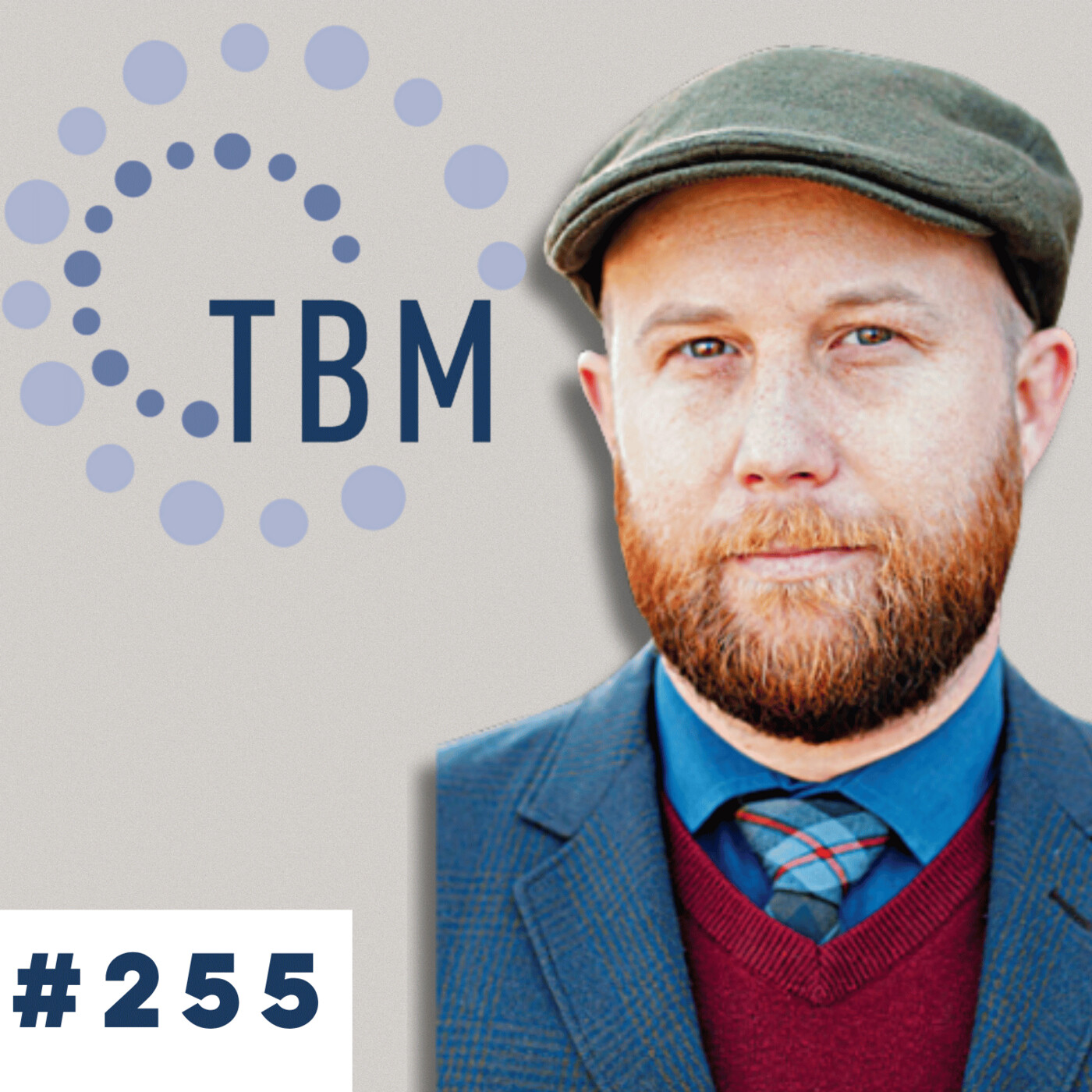 Are we Doomed to Lonely and Isolated Lives? No. (Alan Noble) Ep. #255 04.06.2026 43λWhat does it mean to truly live well in an age of loneliness, distraction, and endless self-improvement advice? In this episode, Dru Johnson sits down with Alan Noble to discuss his new book on the seven Christian virtues and why recovering ancient wisdom may be the key to human flourishing today. Together they explore how virtues such as courage, temperance, prudence, justice, faith, hope, and love shape a life rooted in Christ rather than in modern self-help culture. The conversation examines the growing loneliness epidemic, the difference between "thin" online communities and meaningful relationships, and why many young adults struggle with agency, friendship, dating, and purpose. Noble argues that virtue is not a life hack or productivity technique but a lifelong process of spiritual formation empowered by the Holy Spirit and cultivated within Christian community. Dru and Alan also tackle the relationship between faith and works, discuss mentorship and the loss of intergenerational wisdom, and explore why courage may be one of the most important virtues for our cultural moment. From social media and smartphone habits to friendship and discipleship, this episode offers practical and theological insights for Christians seeking to live faithfully in a fragmented world. Order Alan Noble's latest book, To Live Well, here: https://www.ivpress.com/to-live-well? We are listener supported. Give to the cause here: https://hebraicthought.org/give For more articles: https://thebiblicalmind.org/ Social Links: Facebook: https://www.facebook.com/HebraicThought Instagram: https://www.instagram.com/hebraicthought Threads: https://www.threads.net/hebraicthought X: https://www.twitter.com/HebraicThought Bluesky: https://bsky.app/profile/hebraicthought.org Chapters: 00:00 Points of Resistance and Challenges in Teaching Virtues 02:40 Virtues as Pathways to Live Well in Christian Life 04:02 Grace, Works, and Righteousness in Christian Practice 05:25 Community and the Need for Thick, Committed Groups 08:33 The Problem of Thin Communities and Society's Disconnection 10:30 The Role of Wisdom and Mentorship Across Generations 13:25 The Importance of Affirmation and Love in Community 15:17 Healthy Groups and the Balance of Affirmation and Correction 16:59 Scriptural Foundations for Virtues and Character Traits 18:19 The Significance of Courage and Temperance for Young Adults 26:32 Understanding Courage in the Context of Inhibition and Risk 32:53 Practical Steps to Cultivate Virtues and Live Well 39:24 Starting the Journey Toward Virtue and Reflection 40:32 The Role of Prayer and the Holy Spirit in Virtue Formation 43:05 Closing Remarks and Final Thoughts See Privacy Policy at https://art19.com/privacy and California Privacy Notice at https://art19.com/privacy#do-not-sell-my-info.
 -
 When Helping Still Hurts (Brian Fikkert) Ep. #254 28.05.2026 45λIn this episode, Dru Johnson interviews Dr. Brian Fikkert about poverty, charity, economic development, and the role of the church in helping vulnerable communities flourish. Drawing from decades of experience in poverty alleviation and Christian mission, Fikkert explains why many well-intentioned efforts to help the poor can unintentionally create dependency, undermine dignity, and fail to address the deeper relational causes of poverty. The conversation explores key themes from When Helping Hurts, including the difference between relief, rehabilitation, and development, as well as how churches and nonprofits can better serve communities both locally and globally. Fikkert also discusses the spiritual dimensions of poverty, the importance of restoring human dignity, and why effective compassion requires long-term relationships rather than quick fixes. This episode is essential listening for Christians, pastors, missionaries, nonprofit leaders, and anyone interested in biblical justice, economic development, and sustainable poverty alleviation. If you care about faith, generosity, missions, and helping people in ways that truly empower them, this conversation with Brian Fikkert offers practical wisdom and a deeply biblical framework for serving others well. To learn more about Dr. Fikkert's work at the Chalmers Center Click Here. We are listener supported. Give to the cause here: https://hebraicthought.org/give For more articles: https://thebiblicalmind.org/ Social Links: Facebook: https://www.facebook.com/HebraicThought Instagram: https://www.instagram.com/hebraicthought Threads: https://www.threads.net/hebraicthought X: https://www.twitter.com/HebraicThought Bluesky: https://bsky.app/profile/hebraicthought.org Chapters: 00:00 Understanding Poverty: A New Perspective 03:01 The Role of Relationships in Alleviating Poverty 06:08 The Complexity of Helping: Individual vs. Systemic Issues 08:46 Practical Approaches to Helping the Poor 11:49 The Gospel's Role in Poverty Alleviation 14:53 Building Trust and Relationships with the Poor 23:17 The Long Arc of Love 24:06 Different Callings to Serve the Poor 25:41 The Importance of Messy Relationships 26:51 Supporting Effective Ministries 28:37 Understanding Structural Injustice 30:10 The Individualistic Nature of American Christianity 31:58 Advancing the Conversation on Helping 34:22 The Right Story of Human Flourishing 35:27 The Flaws of the American Dream 38:40 Returning to Our True Habitat 41:06 The Work of the Chalmers Center See Privacy Policy at https://art19.com/privacy and California Privacy Notice at https://art19.com/privacy#do-not-sell-my-info.
 -
 Are There Other Gods in the Bible?: James Duguid on Divine Council (James Duguid) Ep. #253 21.05.2026 1ώ 1λDid the biblical authors believe in a divine council of heavenly beings surrounding God? In this episode, Dru Johnson sits down with Hebrew Bible scholar Jamie Duguid to unpack one of the most controversial debates in modern biblical scholarship: the meaning of “sons of God” in Deuteronomy 32 and the growing influence of Michael Heiser’s Divine Council worldview. The conversation explores the Hebrew phrase bene elohim, the Divine Council interpretation of Deuteronomy 32:8, and whether the Bible presents Yahweh as ruling among other divine beings. Duguid and Johnson examine the textual evidence behind the debate, including the Masoretic Text, the Septuagint, the Dead Sea Scrolls, the Samaritan Pentateuch, Syriac translations, and Isaiah 40–55. They also discuss Genesis 6, Psalm 82, angels, demons, ancient Near Eastern religion, monotheism vs. henotheism, and why the Divine Council framework has become so influential through scholars like Heiser. If you’ve wondered whether the Bible teaches the existence of other gods, spiritual powers, or a heavenly council, this episode offers a careful, scholarly, and deeply accessible exploration of one of the Bible’s most fascinating theological questions. Read more of Dr. Duguid's work here: https://www.quaerendum.com/ We are listener supported. Give to the cause here: https://hebraicthought.org/give For more articles: https://thebiblicalmind.org/ Social Links: Facebook: https://www.facebook.com/HebraicThought Instagram: https://www.instagram.com/hebraicthought Threads: https://www.threads.net/hebraicthought X: https://www.twitter.com/HebraicThought Bluesky: https://bsky.app/profile/hebraicthought.org Chapters: 00:00 Introduction to the Divine Council Debate 07:14 Understanding Elohim and Divine Beings 13:22 The Role of the Divine Council in Scripture 18:52 The Importance of the Masoretic Text 24:55 Exploring Alternative Texts: Septuagint and Samaritan Pentateuch 31:04 The Impact of the Dead Sea Scrolls on Biblical Texts 33:21 Exploring the Dead Sea Scrolls 35:39 Textual Variations in Biblical Manuscripts 40:11 Theological Implications of Textual Differences 45:18 Assessing the Nature of Divine Beings 51:57 Reconceptualizing Godhood in Scripture 56:57 Critiques and Responses to Heiser's Work See Privacy Policy at https://art19.com/privacy and California Privacy Notice at https://art19.com/privacy#do-not-sell-my-info.
 -
 Is Job a Trauma Survivor?: Suffering, PTSD, and Healing in the Bible (Michelle Keener) Ep. #252 14.05.2026 42λWhat if the Book of Job is not primarily about explaining suffering—but about surviving trauma? In this episode of The Biblical Mind Podcast, Dru Johnson sits down with Old Testament scholar and licensed therapist Michelle Keener to explore the Book of Job through the lens of trauma, PTSD, lament, and healing. Drawing from her book Comfort from the Ashes, Keener argues that the long poetic sections of Job—often skipped by modern readers—may actually portray the slow process of trauma recovery rather than abstract theological debate. Together, Dru and Michelle discuss why Job’s friends sound so much like modern Christian clichés, how churches often rush people past suffering toward “victory,” and why lament is essential to spiritual health. The conversation also explores the neuroscience of trauma, the body’s involuntary survival responses, repetition in trauma processing, and how God’s presence—not simplistic answers—brings healing in Job. They also examine the church’s discomfort with anger, grief, and unresolved pain, asking whether modern Christians have lost the biblical language of lament found in Job and the Psalms. This episode is a thoughtful and deeply pastoral conversation for anyone wrestling with suffering, trauma, faith, or the meaning of the Book of Job. For Michelle Keener's latest book, buy it here: https://www.ivpress.com/comfort-in-the-ashes We are listener supported. Give to the cause here: https://hebraicthought.org/give For more articles: https://thebiblicalmind.org/ Social Links: Facebook: https://www.facebook.com/HebraicThought Instagram: https://www.instagram.com/hebraicthought Threads: https://www.threads.net/hebraicthought X: https://www.twitter.com/HebraicThought Bluesky: https://bsky.app/profile/hebraicthought.org Chapters: 00:00 Introduction to Job and Common Misunderstandings 02:08 The Movie Tree of Life as an Exposition of Job 04:07 Is Job the Oldest Book in the Bible? 05:23 The Significance of the Middle Poetry in Job 06:22 Trauma and the Messy Middle of Job 08:17 Sitting with Suffering: The Role of Lament and Honesty 09:42 Job as a Trauma Survivor and Its Modern Relevance 11:55 The Process of Healing and God's Presence 14:07 Physiological Responses to Trauma and Divine Design 16:50 Reintegration of Trauma and the Role of Narrative 19:44 The Encounter with God as Resolution 22:40 Creating Trauma-Informed Church Spaces 24:37 The Power of Honest Testimony and Lament 26:42 The Ubiquity of Trauma Talk and Its Nuances 29:48 Language of Trauma: Distress, Wounded, and Healing 33:40 Ripple Effects of Trauma on Families and Communities 36:11 How to Approach Reading Job for Deep Understanding 38:18 Interpreting Job's Final Resolution and God's Response 40:20 Theological Insights: God's Goodness and Human Suffering 41:18 Conclusion: Healing and Hope in the Biblical Narrative See Privacy Policy at https://art19.com/privacy and California Privacy Notice at https://art19.com/privacy#do-not-sell-my-info.
 -
 What Hegseth Gets Wrong About Pharisees (Jeffrey Garcia) Bonus Episode 11.05.2026 22λIn this episode, biblical scholar Jeffrey Garcia joins Dru Johnson to unpack one of the most misunderstood groups in the New Testament: the Pharisees. Prompted by recent public comments from U.S. Secretary of War Pete Hegseth, the conversation explores how the term “Pharisee” has often been used as a caricature for hypocrisy—and why that misunderstanding can contribute to anti-Jewish and anti-Semitic attitudes. Drawing from the Gospels, Acts, ancient Judaism, and the Dead Sea Scrolls, Dr. Garcia explains that the Pharisees were not simply legalistic villains opposed to Jesus. Instead, many Pharisees shared substantial theological ground with Jesus and were actively engaged in serious debates about how to faithfully live out God’s commandments. The episode also examines how Christian preaching has historically oversimplified the Pharisees, why phrases like “Christ killer” emerged from these distortions, and how pastors and churches can teach the New Testament more responsibly today. We are listener supported. Give to the cause here: https://hebraicthought.org/give For more articles: https://thebiblicalmind.org/ Social Links: Facebook: https://www.facebook.com/HebraicThought Instagram: https://www.instagram.com/hebraicthought Threads: https://www.threads.net/hebraicthought X: https://www.twitter.com/HebraicThought Bluesky: https://bsky.app/profile/hebraicthought.org Chapters: 00:00 Understanding the Pharisees: Context and Misconceptions 08:47 The Pharisees and Their Relationship with Jesus 17:45 Navigating Modern Discourse on Pharisees and Anti-Semitism See Privacy Policy at https://art19.com/privacy and California Privacy Notice at https://art19.com/privacy#do-not-sell-my-info.
Παρόμοια podcasts


Δημοφιλές σε
Αυτό το podcast εμφανίζεται και στις λίστες podcasts αυτών των χωρών.


