
Newt's World
Gingrich 360
0
Join Newt Gingrich, former U.S. Speaker of the House and Ph.D. historian, for the most diverse, informative, and entertaining podcast available. Every episode is an education.
Επεισόδια
-
 Episode 1049: The Exhausted Majority — Who Independents Really Are and Why They'll Decide 2026 04.10.2026 35λNearly half of American voters now call themselves independents, but Adam Brandon argues they are far more than a mushy middle ground between the two parties. In his new book, The Exhausted Majority: Building a Home for the Politically Homeless, Brandon profiles a coherent, center-right bloc of Americans tired of hyper-partisanship who simply want to see Washington get things done. Brandon served as president of FreedomWorks for over a decade and helped lead the Tea Party movement. Now he has co-founded the Independent Leadership Council with former Senator Joe Manchin, backing independent candidates in the 2026 midterms. Newt talks with Brandon to discuss why both parties keep losing ground, who the exhausted majority really is, and whether independents can become the force that finally changes how Washington works.See omnystudio.com/listener for privacy information.
 -
 Episode 1048: Drones, AI, and the Future of War — How Artificial Intelligence Is Remaking the Battlefield 01.10.2026 35λUkraine has become the most innovative military power in the world, building drones by the millions, fielding ground robots, and wiring the battlefield together with software. Russia is racing to match it. Iran has used $35,000 drones to force the United States to fire interceptors costing millions. And yet, only 8% of Americans are aware that AI is being used in modern warfare. Newt sits down with Jonathan Guyer, program director at the Institute for Global Affairs at the Eurasia Group, to discuss how drones and artificial intelligence are remaking warfare in real time. Drawing on his new report, War President: The Iran Trap, Guyer breaks down what the technology revolution on today's battlefields means for American strategy, public oversight, and whether Washington is paying close enough attention.See omnystudio.com/listener for privacy information.
 -
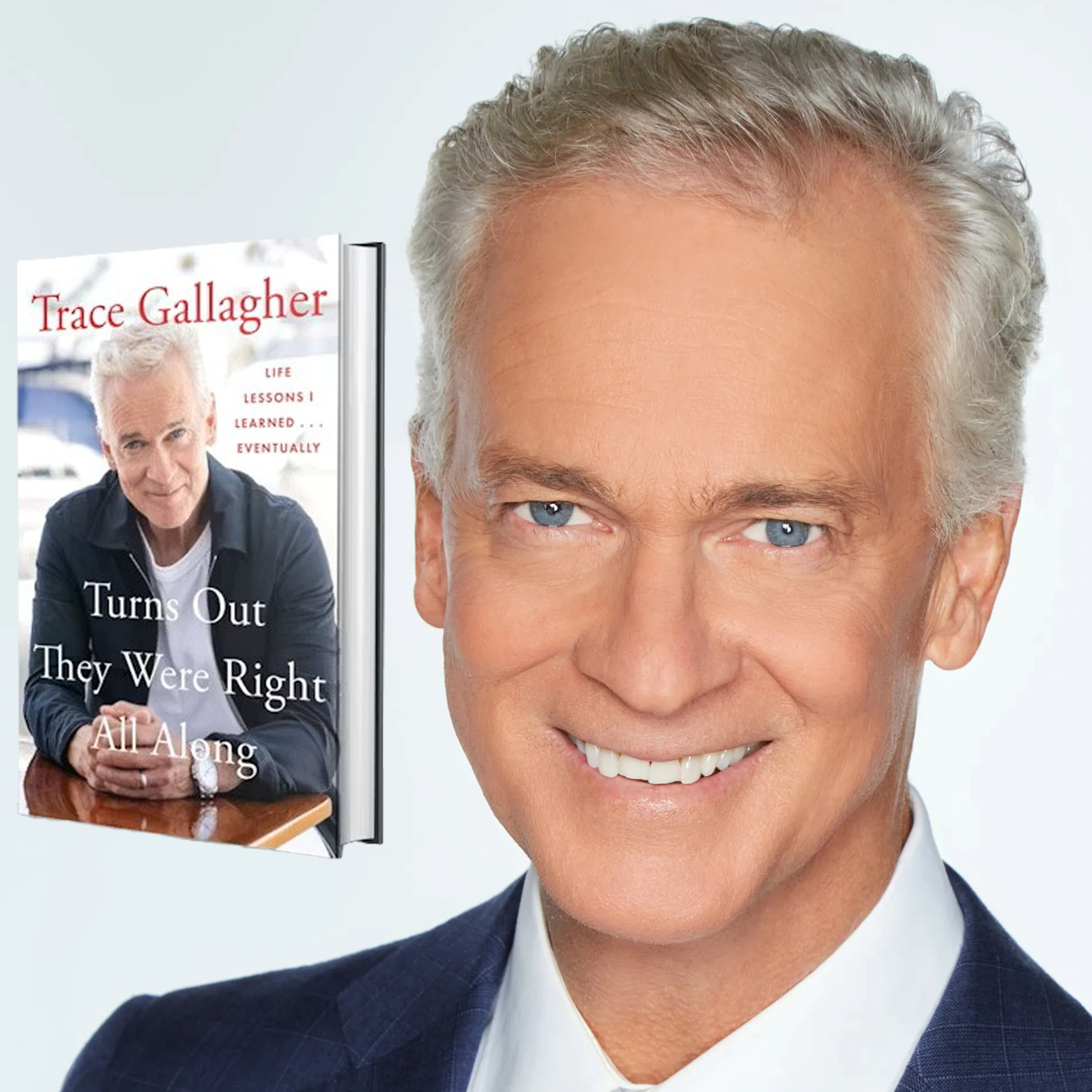 Episode 1047: Trace Gallagher — Life Lessons, Lucky Breaks, and Three Decades at Fox News 27.09.2026 42λBefore Trace Gallagher became one of Fox News's most recognizable faces, he was a professional water skier at Six Flags Marine World, where he once taught Jimmy Buffett to ski. A knee injury ended that career and sent him on an unexpected path through announcing, local television, and eventually Fox News, where he has been a fixture since the network's launch in 1996. In his new memoir, Turns Out They Were Right All Along: Life Lessons I Learned Eventually, Gallagher reflects on the detours, setbacks, and unlikely breaks that shaped his life and career. Newt sits down with Gallagher to explore the wisdom that only comes from living it, the moments that tested him, and what three decades in breaking news have taught him about perseverance, purpose, and getting it right.See omnystudio.com/listener for privacy information.
 -
 Episode 1046: Inside DOGE — The Waste Was Real and the Resistance Was Fierce 24.09.2026 41λIn January 2025, Tyler Hassen was running a diversified energy business in Houston. Weeks later, he was inside the West Wing as a DOGE senior insider, named Acting Assistant Secretary of Policy, Management, and Budget at the Department of the Interior with authority over $35 billion in spending and 8,000 federal employees. Now he's written the first book-length account of DOGE from someone who actually executed the work. Hassen joins Newt to discuss Inside DOGE: The Real Story from a Senior Insider — part memoir, part management autopsy. He describes late-night West Wing meetings, an $830 million contract request he says he could have designed in high school, a California water crisis that became an international media firestorm, and the personal cost his family paid. His verdict: the waste was real, the resistance was fierce, and the work is far from finished.See omnystudio.com/listener for privacy information.
 -
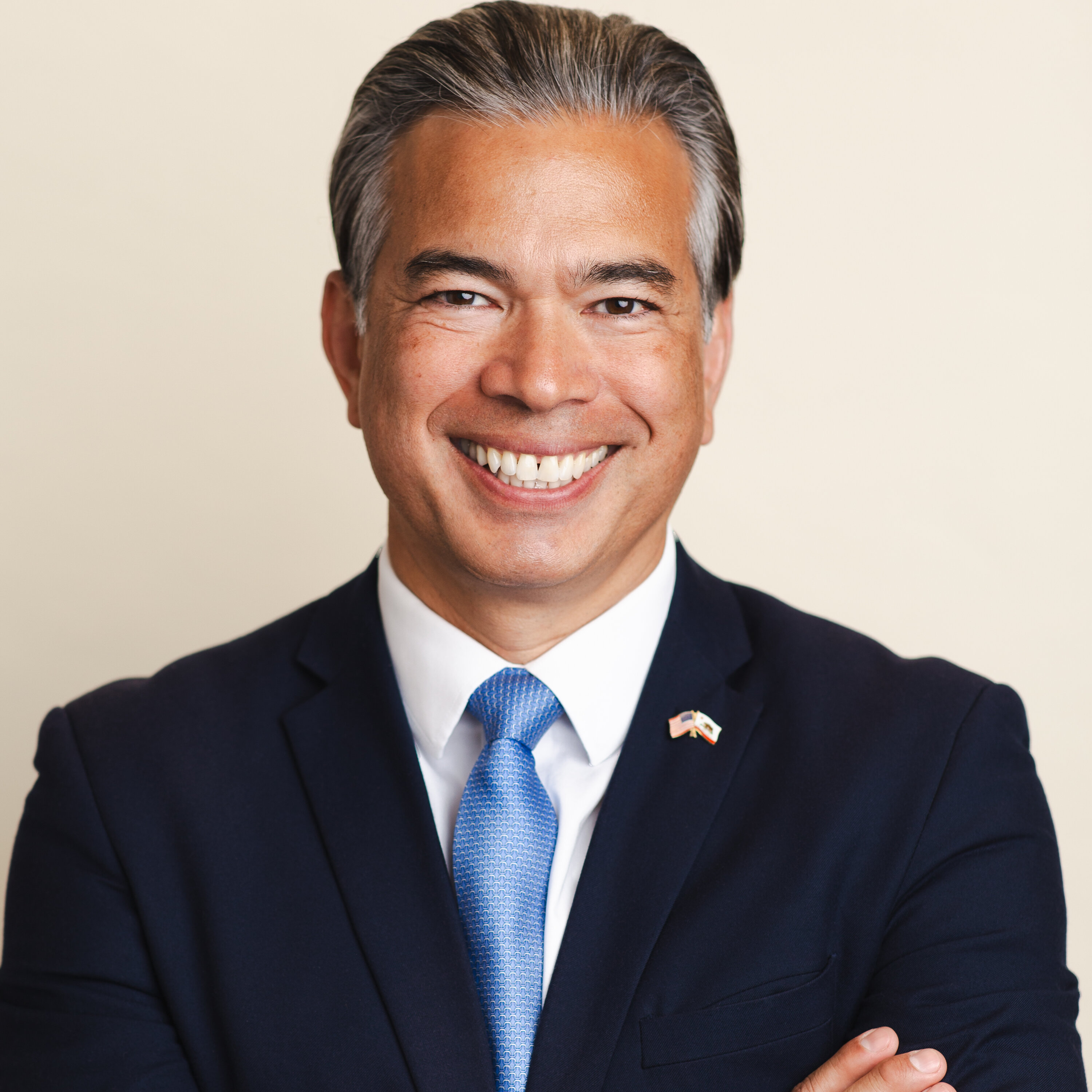 Episode 1045 The $17 Billion Meta Settlement — and What It Means for Your Kids 20.09.2026 29λLast month, a bipartisan coalition of 51 attorneys general announced what may be the largest consumer protection settlement in American history: a $17 billion dollar agreement with Meta, the parent company of Facebook and Instagram. California Attorney General Rob Bonta led the fight, accusing Meta of deliberately designing features to drive compulsive use among children and teens while lying to the public about the harm. AG Bonta joins Newt to explain how the coalition built its case, why Meta settled less than two weeks into trial, and what the agreement actually changes: two-hour default time limits for minors, overnight and school-hour blocks, a ban on cosmetic surgery filters, removal of “like” counts on children's posts, and an independent auditor to enforce it all. He also explains why this settlement is just the beginning, with TikTok, YouTube, and Snap still in his sights.See omnystudio.com/listener for privacy information.
 -
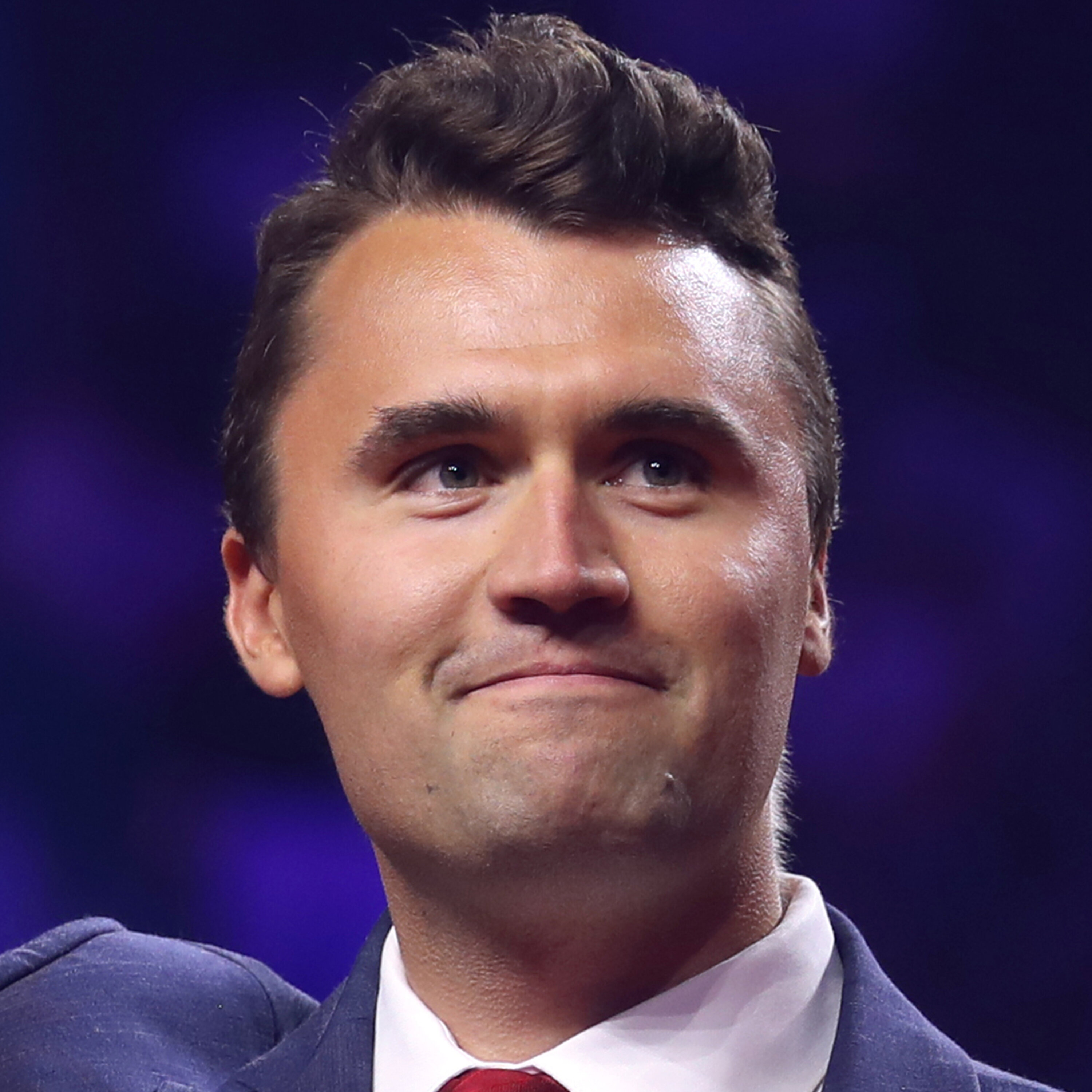 Episode 1044 Charlie Kirk — Faith, Free Speech, and a Legacy That Lives On 19.09.2026 40λOne year after Charlie Kirk was assassinated at Utah Valley University, his friend and longtime confidant Christy Edwards Lawton joins Newt to discuss her new memorial photo book, Charlie Kirk: In His Own Words. Built entirely from Charlie's own posts on X, never-before-seen photographs, and tributes written the day he died by Melania Trump, Elon Musk, Ivanka Trump, and others, the book is organized around the causes Charlie cared about most: faith, free speech, family, immigration, and Gen Z. Christy shares intimate memories from eleven years of friendship — from the lanky 22-year-old she met at a Trump fundraiser to the husband, father, and movement leader he became. She reflects on what it means to "live like Charlie," and why every net dollar from the book goes to Carry the Torch, a nonprofit dedicated to finding and funding the next generation of young conservative leaders.See omnystudio.com/listener for privacy information.
 -
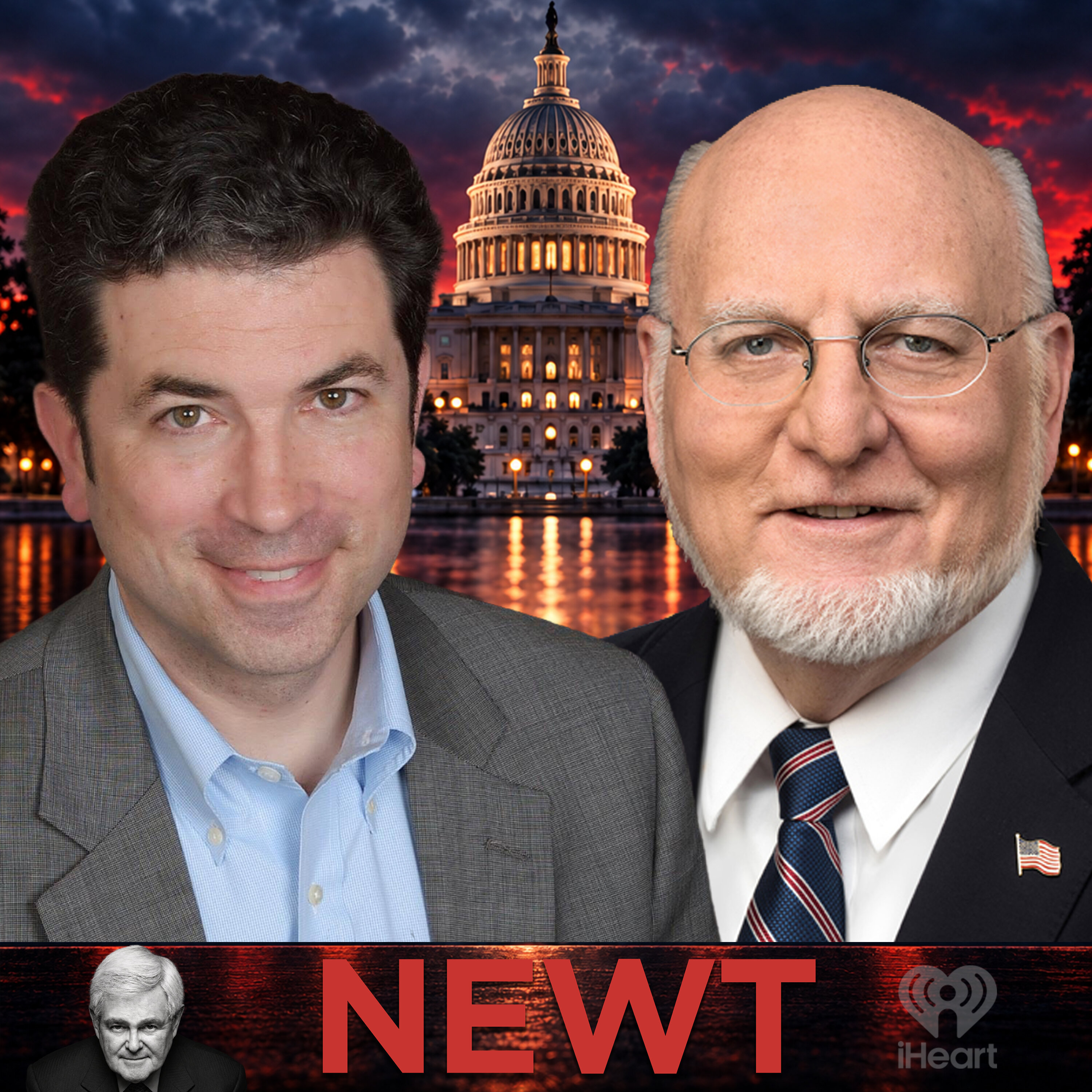 Episode 1043: Alzheimer's Disease Breakthrough New Blood Tests, New Treatments, and What Congress Must Do Now 16.09.2026 36λMore than seven million Americans live with Alzheimer's disease today, a number projected to nearly double by 2060. It already consumes 20% of all Medicare spending and costs the economy close to half a trillion dollars annually. But the science is finally catching up. Newt is joined by former CDC Director Dr. Robert Redfield and Dr. Brent Beasley, a retired internist who was diagnosed with Alzheimer's at age 57, for a conversation about new blood tests that detect the disease early and what treatments are being developed. Dr. Redfield draws on his decades leading America's response to the HIV/AIDS epidemic to argue that Alzheimer's disease demands the same sense of urgency. Dr. Beasley shares his remarkable personal journey: how an early blood test and a new monoclonal antibody treatment reversed his decline. Together, they lay out the five policy changes needed now, from routine blood testing for everyone over 50 to removing CMS barriers blocking access to approved treatments, including passage of the bipartisan ASAP Act, which would create a Medicare pathway for FDA-cleared blood-based Alzheimer's biomarker tests.See omnystudio.com/listener for privacy information.
 -
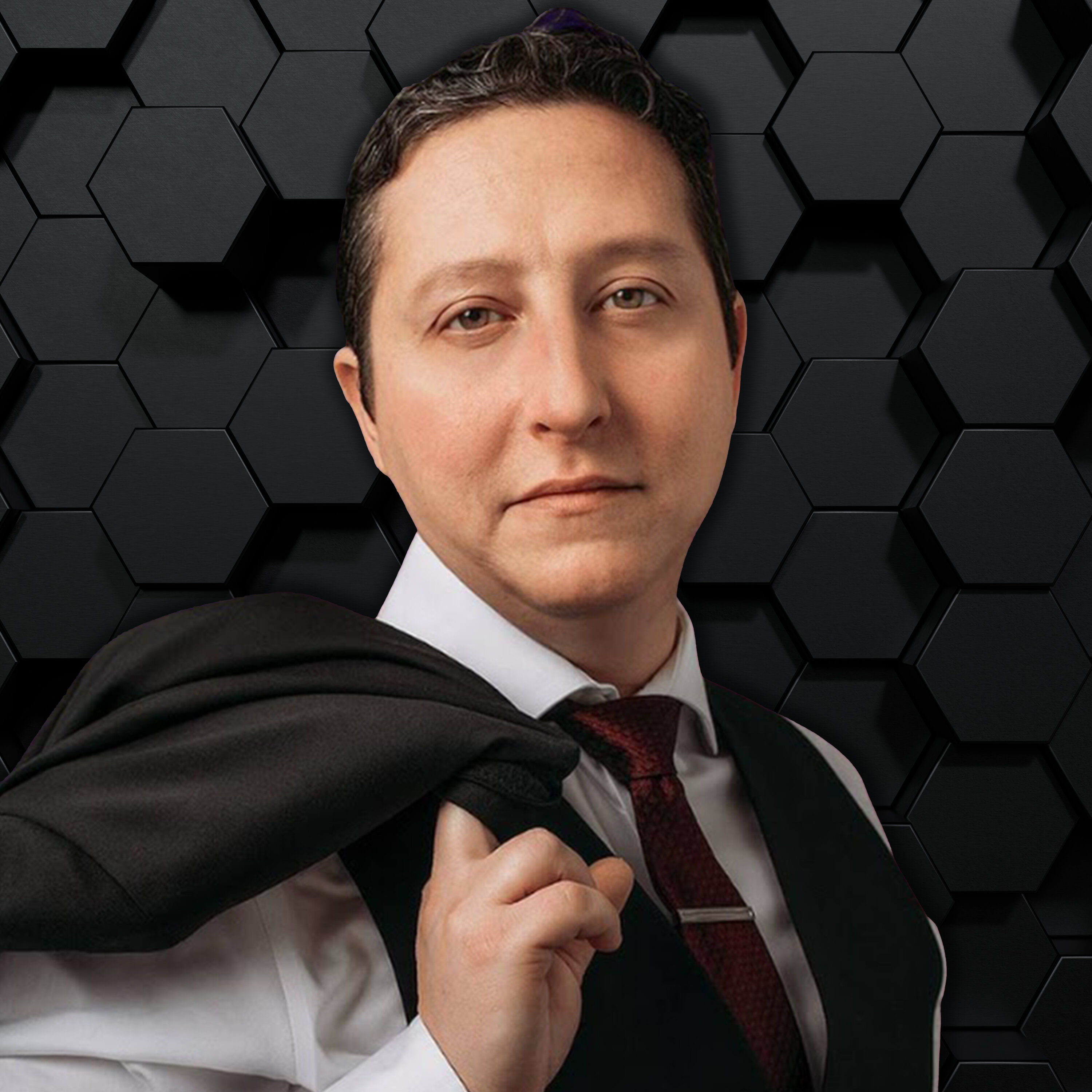 Episode 1042: Burn It Down — What the Polls Say Young Americans Really Want 13.09.2026 41λMost political analysts say Generation Z is quietly turning conservative. Rich Baris says the data tells a completely different story. The director of Big Data Poll and the most accurate national pollster of both 2016 and 2024 joins Newt to discuss his new book, Burn It Down: What the Polls Say Young Americans Really Want. Baris argues that young Americans aren't becoming more conservative; they're becoming more radical and revolutionary, convinced the system can't be reformed, only replaced. He and Newt dig into the staggering affordability numbers driving that anger (home prices up 230% since 2000, real wages up just 13%), the rise of "ledger politics" and left-wing populism, why two-thirds of Democratic primary voters now identify as socialists, and the urgent warning Baris has for Republicans heading into 2026: you can't out-resent the left. You have to out-deliver them.See omnystudio.com/listener for privacy information.
 -
 Episode 1041: How America Borrowed Its Way to $40 Trillion — and What Comes Next 11.09.2026 31λThe federal debt just crossed $40 trillion, months ahead of schedule and less than a decade after hitting $20 trillion. Net interest payments now exceed what America spends on defense or Medicare. Thomas Hoenig spent 38 years at the Federal Reserve, including two decades as president of the Kansas City Fed, and was one of the earliest voices warning that the Fed's own quantitative easing policies were enabling Congress to borrow without consequence. He joins Newt for a frank diagnosis: how cheap money created a decade of fiscal irresponsibility, why abandoning the gold standard in 1971 removed the last external discipline on spending, what the slow decline of the British pound tells us about the dollar's future, and whether Washington can bend the curve before the debt hits $50 trillion. Hoenig's conclusion: it's possible, but only if Congress chooses to act.See omnystudio.com/listener for privacy information.
 -
 Episode 1040: Profit from the Profit — Why Most Investors Are Actually Speculating 06.09.2026 37λMost people think they're investing. David Bahnsen thinks they're speculating — and there's a profound difference. The founder and chief investment officer of the Bahnsen Group, which manages over $10 billion in client assets, joins Newt to discuss his new book, Profit from the Profit: The Past, Present, and Future of Dividend Growth Investing. Bahnsen argues that dividend growth investing isn't merely a smart income strategy — it's the only coherent investment philosophy for people who want to own something real rather than gamble on price. He and Newt explore why the "grow now, dividends later" advice most young investors receive is historically flawed, what the dot-com bubble and the Cisco paradox reveal about today's AI boom, how the Hollywood consolidation mess perfectly illustrates CEO ego destroying shareholder value, and why Charlie Munger was right: the big money is in the waiting.See omnystudio.com/listener for privacy information.
 -
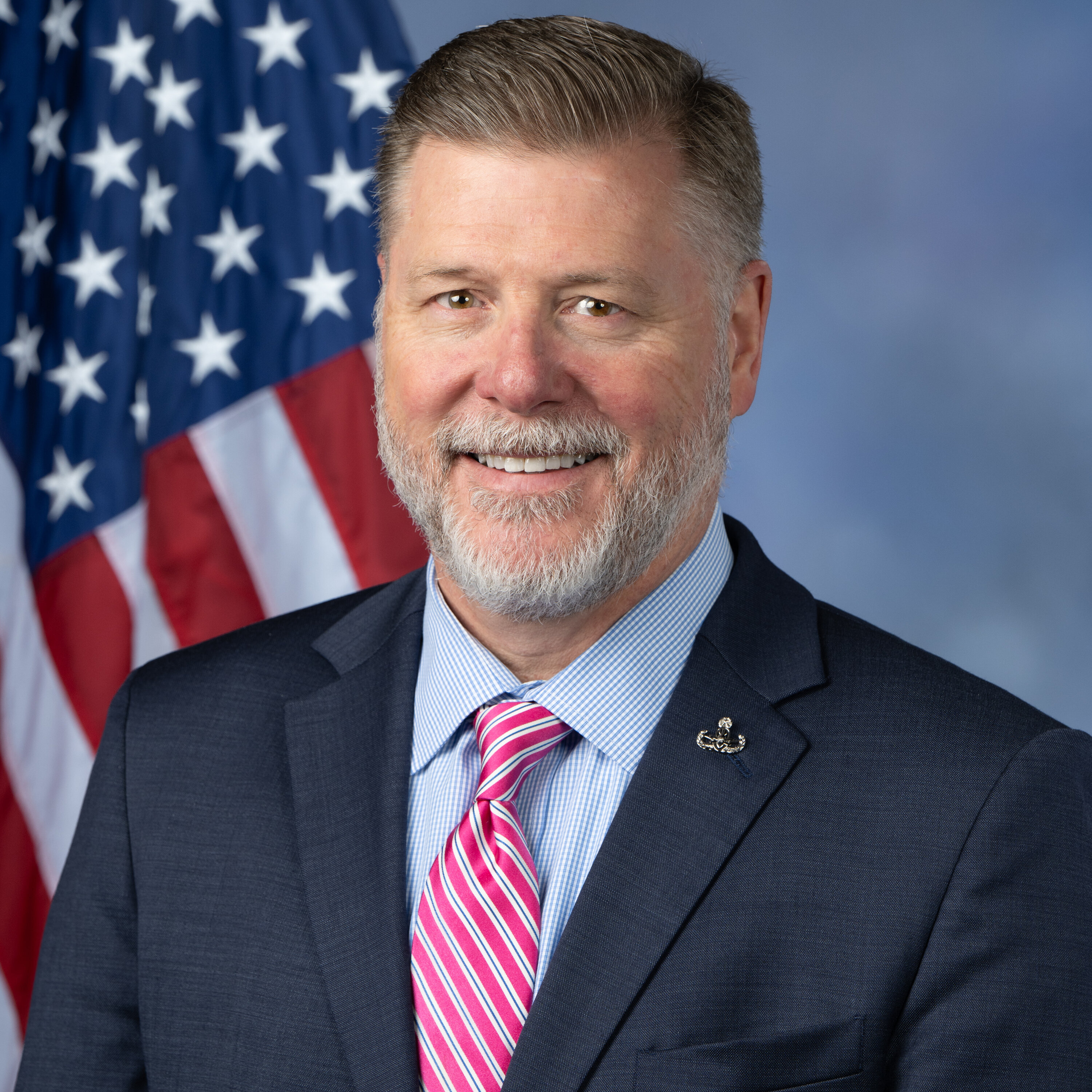 Episode 1039: 25 Years After 911 — Confronting the Next Generation of Threats 31.08.2026 33λTwenty-five years after September 11th, is America ready for the next generation of threats? House Intelligence Committee Chairman Rick Crawford joins Newt to discuss the bipartisan task force review of the original 9/11 commission report — what worked, what didn't, and what must be built for the dangers ahead. Crawford warns that the post-9/11 intelligence architecture, designed for counterterrorism, is now facing a threat environment that has expanded far beyond it: AI-guided drone swarms, gray zone warfare, cyberattacks on water treatment facilities, Chinese infiltration of agricultural research institutions, and adversaries who organize not around our bureaucracy but around our vulnerabilities. A former Army bomb disposal technician, Crawford brings a "left of boom" mindset to the conversation — and a stark warning: America cannot afford another failure of imagination.See omnystudio.com/listener for privacy information.
 -
 Episode 1038: The Global War on God — Dr. Hak Ja Han and the Fight for Religious Liberty 30.08.2026 56λAn 83-year-old great-grandmother, legally blind and in failing health, has spent nearly a year in a South Korean detention cell — and Newt believes her case is part of something far larger. Dr. Hak Ja Han, co-founder of the Family Federation for World Peace and Unification and known to millions worldwide as the Mother of Peace, faces charges that could send her to prison for 13 years. With a verdict days away, Dr. Demian Dunkley, president of Family Federation USA, joins Newt to speak on her behalf — tracing her remarkable journey from a six-year-old girl fleeing North Korea on foot to building a global peace movement spanning 170 countries. Newt and Dr. Dunkley also address what Newt calls a global war on God: the worldwide pattern of governments targeting religious liberty, from South Korea's courtroom to Nigeria's killing fields.See omnystudio.com/listener for privacy information.
 -
 Episode 1037: How to Win 2026 — Part 5 A Healthier America — Lower Costs, More Choice, Longer Lives 27.08.2026 44λIn Part Five of his "How to Win 2026" series, Newt Gingrich lays out the Republican case on healthcare: what President Trump and congressional Republicans have already done to lower costs and expand choices, and what still needs to be built. American families are paying roughly the price of a new car every year just for job-based health insurance — and still facing narrow networks, sky-high deductibles, and bills nobody can explain. From TrumpRx's historic prescription drug price cuts to price transparency legislation, direct primary care, rural investment, and the Make America Healthy Again initiative, Newt makes the case for moving America from a sick-care system to a true healthcare system — one centered on the person, not the bureaucracy. The closing argument of the series: Republicans are helping Americans pay less today while building a healthier future for tomorrow.See omnystudio.com/listener for privacy information.
 -
 Episode 1036: How to Win 2026 — Part 4 The American Party — Issues That Poll 70 Percent or Higher 26.08.2026 37λIn Part Four of his "How to Win 2026" series, Newt Gingrich makes the case for what he calls "the American Party" — not a new political organization, but a governing platform built on issues where seventy percent or more of Americans already agree, across party lines. Drawing on eight years of polling by his own America's New Majority Project alongside independent pollsters, Newt walks through dozens of issues — voter ID, congressional term limits, middle-class tax cuts, drug pricing transparency, border enforcement, parental rights in education, and more — where supermajorities of Americans agree with each other, even when their elected representatives in Washington don't. Newt is also candid about where his own organization's numbers don't match what other pollsters are finding — and why that transparency matters more than a perfect scorecard.See omnystudio.com/listener for privacy information.
 -
 Episode 1035: How to Win 2026 — Part 3 The Republican Answer on Affordability and Iran 25.08.2026 37λIn Part Three of his "How to Win 2026" series, Newt Gingrich tackles the two hardest arguments in the entire 2026 campaign: the economy and Iran. On affordability, Newt makes the Republican case with specific facts and dollar figures: the steepest drop in prescription drug prices in sixty years, GLP-1 medications now available for $149 a month through TrumpRx, $82 billion in individual tax relief claimed in a single filing season, and concrete steps already underway on housing, energy, and regulation. On Iran, Newt is equally direct — the war has not gone as planned, the Iranian regime has proven more determined than expected, and there is no easy exit. But backing down, he argues, means gambling that a regime chanting "death to America" won't eventually make good on it.See omnystudio.com/listener for privacy information.
 -
 Episode 1034: How to Win 2026 — Part 2 In Their Own Words — The Case Against Big Government Socialism 24.08.2026 46λIn Part Two of his "How to Win 2026" series, Newt makes the case against today's Democratic Party — in their own words. This is the most substantive episode in the series — a methodical, documented case that today's Democratic Party has drifted far from the tradition of Roosevelt and Kennedy into something most Americans simply don't recognize. Using real names, real quotes, real dates, and actual congressional roll calls, Newt builds the argument across eight acts: Democrats calling to abolish ICE and defund the police; open hostility to Israel; a DSA national co-chair calling for abolishing the U.S. Senate on Fox News; candidates who denigrate America on tape; a coalition that rejects free enterprise while a government-run grocery store in Kansas City already proved the model fails; and a brand-new congressional report naming sitting Democrats in what prosecutors call the largest pandemic fraud scheme in American history.See omnystudio.com/listener for privacy information.
 -
 Episode 1033: How to Win 2026 — Part 1 The Strategy for a Historic Republican Midterm Victory 23.08.2026 30λSpeaker Newt Gingrich launches a bold five-part series on how Republicans can win a historic victory in November 2026. In this opening solo episode, Newt argues that the coming election is not a referendum on the present — it's an argument about the future. Drawing on his famous 2016 "two parallel universes" exchange with Megyn Kelly, he explains how winning campaigns identify what's moving beneath the surface of public polling and stick to it with discipline. He walks through four historic examples — his own 1978 comeback, the 1988 Bush campaign, the 1994 Contract with America, and the rise of MAGA — to extract the single lesson each shares: find the true, provable contrast and never let up. Then he lays out four building blocks he believes can define the Democratic Party as unacceptable to most Americans for a generation.See omnystudio.com/listener for privacy information.
 -
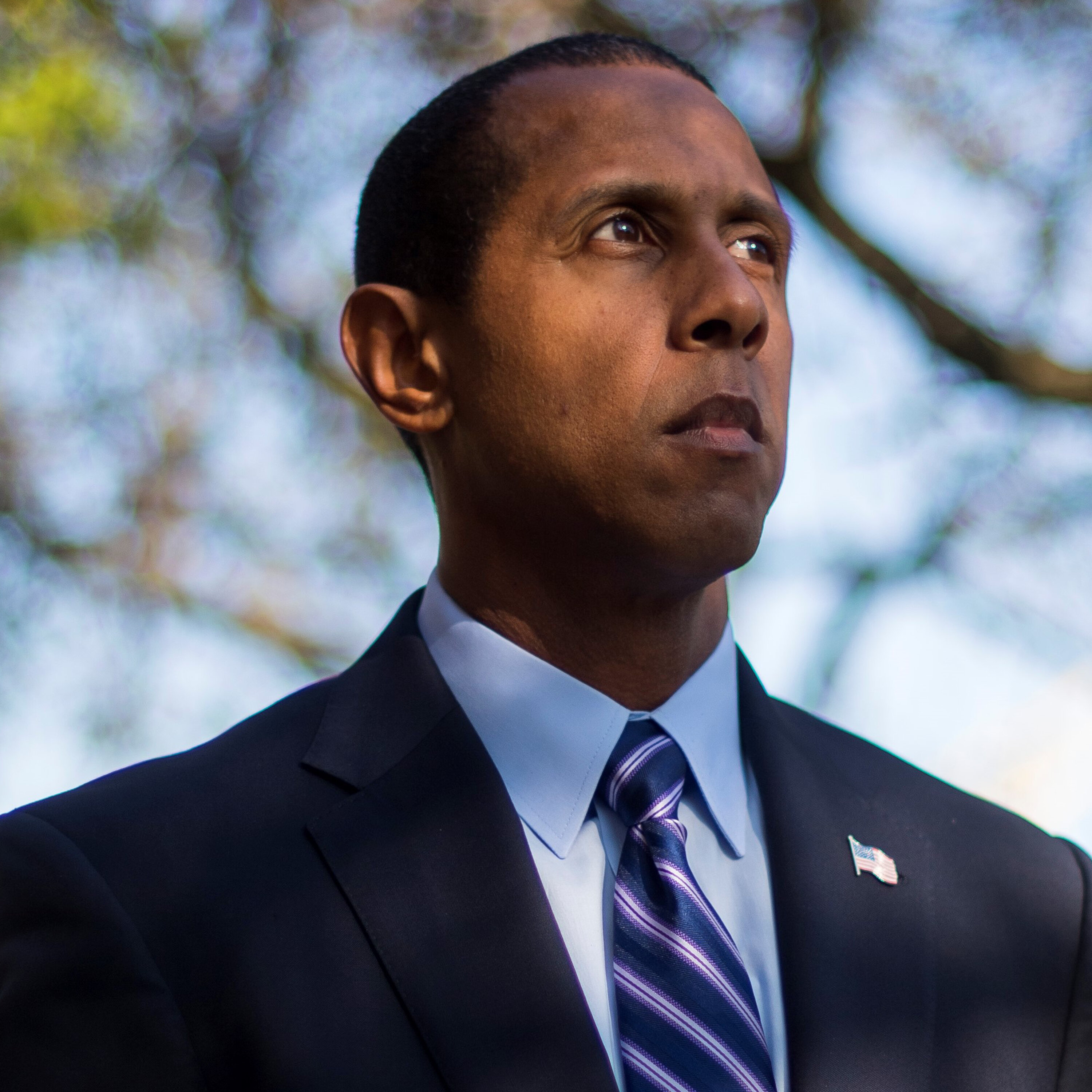 Episode 1032: A Venn Diagram of One — Lenny McAllister's Case for a United America 21.08.2026 37λLenny McAllister has been in rooms most people never occupy at the same time — CPAC and the NAACP, Americans for Prosperity and the ACLU, Tea Party events and the Essence Music Festival. That's exactly the point. The Pittsburgh commentator, CNN and Fox analyst, and one of the earliest prominent Black Republicans to emerge after 2008 joins Newt to discuss his new memoir and policy manifesto, A Venn Diagram of One: An American Story. McAllister traces his journey from college dropout and 24-year-old father to national media figure — a transformation sparked by the night he learned his father had been shot. He argues that the path back to a united America runs through three pillars every citizen deserves: security, empowerment, and opportunity. On America's 250th birthday, he believes the country's best second act is still ahead.See omnystudio.com/listener for privacy information.
 -
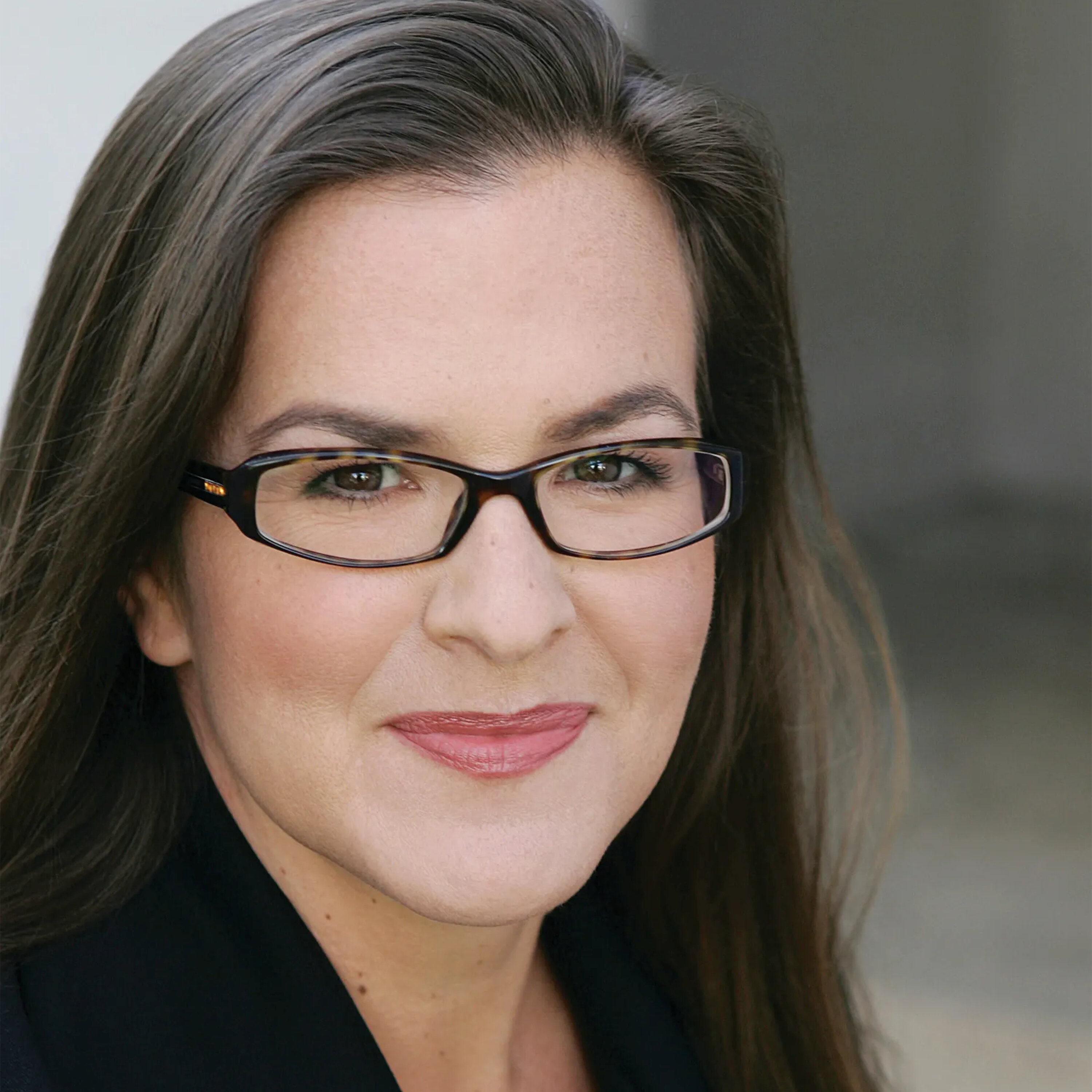 Episode 1031: Biological War — Annie Jacobsen on the Threat That Scares the Pentagon More Than Nuclear War 16.08.2026 40λThe Pentagon ranks biological warfare as a greater threat than nuclear war — and investigative journalist Annie Jacobsen spent years finding out why. The Pulitzer Prize finalist and New York Times bestselling author of Nuclear War joins Newt Gingrich to discuss her new book, Biological War: A Scenario, which charts the terrifying hours and days following a lab leak at Russia's Vector Institute. Jacobsen reveals how a Soviet-era "super plague" engineered with a euphoria gene could spread across six continents in days, why 3,500 BSL-3 labs worldwide represent a ticking clock, and what COVID failed to teach us about preparedness. Most chillingly, she exposes the classified U.S. government "Devolution Plan" — a secret continuity program designed to preserve the government underground while society collapses above. Her reporting is a warning — and a call to action before the next lab leak makes the scenario real.See omnystudio.com/listener for privacy information.
 -
 Episode 1030: Cat 5: The 2033 War — America's Debt, Military, and China on a Collision Course 14.08.2026 37λMarine combat veteran, former Assistant Secretary of Defense, and military historian Bing West has spent six decades on battlefields from Vietnam to Afghanistan — and he's angry. In his new book, Cat 5: The 2033 War, West argues that America's leaders won every battle in three wars but lost every war, driven by what he calls the "Jupiter Complex" — the dangerous belief that America is so powerful it doesn't need to fight with full resolve. Now, he warns, that same hubris is converging with a crushing national debt and Xi Jinping's determination to seize Taiwan to create a Category 5 catastrophe by 2033. West joins Newt for a blunt, unsparing conversation about an emaciated military still buying legacy weapons, a debt spiral that leaves no room for defense spending, and what the next president must do to hold the line.See omnystudio.com/listener for privacy information.
Παρόμοια podcasts


Δημοφιλές σε
Αυτό το podcast εμφανίζεται και στις λίστες podcasts αυτών των χωρών.


