
Nepal Speaks 🇳🇵
animesh shrestha
0
नेपाली भाषामा विभिन्न विषयमा छलफल र अन्तर्वार्ता सहितको पोडकास्ट। यसले नेपाली समाज, संस्कृति, राजनीति र अन्य मुद्दाहरूमा केन्द्रित छ।
Επεισόδια
-
 Nepal Speaks | Tunnel 3A Rescue - Audio version 05.09.2026 2λWhen the ground disappears beneath your feet, opinions from the sidelines are easy. Rescue work is not.On 26 August 2026, devastating flooding in the Bhotekoshi–Trishuli corridor severely damaged infrastructure around the Upper Trishuli-3A Hydropower Project in Rasuwa. Workers were trapped deep inside a tunnel, surrounded by massive amounts of mud, rock and debris.For days, rescue teams worked through darkness, unstable ground and extremely difficult conditions. On September 4, voices were heard from inside the tunnel. What followed was a breakthrough that everyone had been hoping for: two workers, Sanjay Sah and Kabir Maharjan, were brought out alive after roughly nine days underground.That moment matters.It does not mean every decision made during the rescue was perfect. Disaster response should always be open to review, learning and accountability.But accountability and armchair expertise are not the same thing.From the safety of our homes, it is easy to say, “They should have done it this way.” It is very different to enter a damaged tunnel, work around unstable debris and make decisions where one mistake can cost a life.The people trapped inside needed rescue, not commentary.And the people on the ground went in.To the Nepali Army, Nepal Police, Armed Police Force, Nepal Electricity Authority technical teams, and everyone who worked on the ground and supported the operation — thank you.Your work may never be fully understood by those who only watched from outside, but the lives brought out of that tunnel are a reminder of what determined rescue work can achieve.And for those who believe it could have been done better:Bring the solution, not just the criticism.Hindsight is inexpensive. Rescue is not.But perhaps there is another lesson we should take from Tunnel 3A.We cannot prevent every flood, landslide or natural disaster. But we should be investing far more seriously in technologies that can detect risks earlier, monitor dangerous conditions in real time, improve warnings and give communities and rescue teams more time to prepare.The goal should not only be to become better at responding after disaster strikes.We should become better at anticipating what may happen before it does.Better data. Better monitoring. Better early-warning systems. Better technology.Because sometimes, minutes of advance information can make the difference between a difficult rescue and a life that never needs to be rescued.This is the story of Tunnel 3A — not only a story of people trapped underground, but a reminder of the courage of those who went in, the lives that were brought out, and the responsibility we have to build a safer future.Respect the rescue. Learn from the disaster. Prepare for the next one.
 -
 Nepal Speaks Video | Tunnel 3A Rescue 05.09.2026 2λWhen the ground disappears beneath your feet, opinions from the sidelines are easy. Rescue work is not.On 26 August 2026, devastating flooding in the Bhotekoshi/Trishuli corridor severely damaged the area around the Upper Trishuli-3A Hydropower Project in Rasuwa, trapping workers deep inside a tunnel beneath massive amounts of mud, rock and debris.For days, Nepali Army, Nepal Police, APF and NEA technical teams worked through dangerous and unstable conditions. On September 4, rescuers heard voices inside, and the operation ultimately led to the live rescue of two workers, Sanjay Sah and Kabir Maharjan, after roughly nine days underground.That moment matters.This is not to say every decision was perfect, or that disaster response should be beyond accountability. But accountability and armchair expertise are not the same thing.From the safety of home, it is easy to say “they should have done it this way.” It is harder to enter a damaged tunnel, move through unstable debris and make decisions where one mistake can cost a life.The people inside needed rescue, not commentary. And the people on the ground went in.So, to the Nepali Army, Nepal Police, APF, NEA teams and the government officials who genuinely gave their best on the ground—thank you.And to those who believe it could have been done better:Bring the solution, not just the criticism.Hindsight is inexpensive. Rescue is not.This video tells the story of how the Tunnel 3A rescue unfolded and the extraordinary effort behind bringing people out alive.Video research & courtesy: Duck LabA newly opened account whose research formed the foundation of this video. I was grateful to contribute my voice to the story.There is also a bigger lesson. AI should not only help us tell disaster stories after they happen. It should help us predict risks, provide earlier warnings and prevent avoidable loss of life.Technology should move us from reacting to disasters to anticipating them.This is the story of Tunnel 3A.
 -
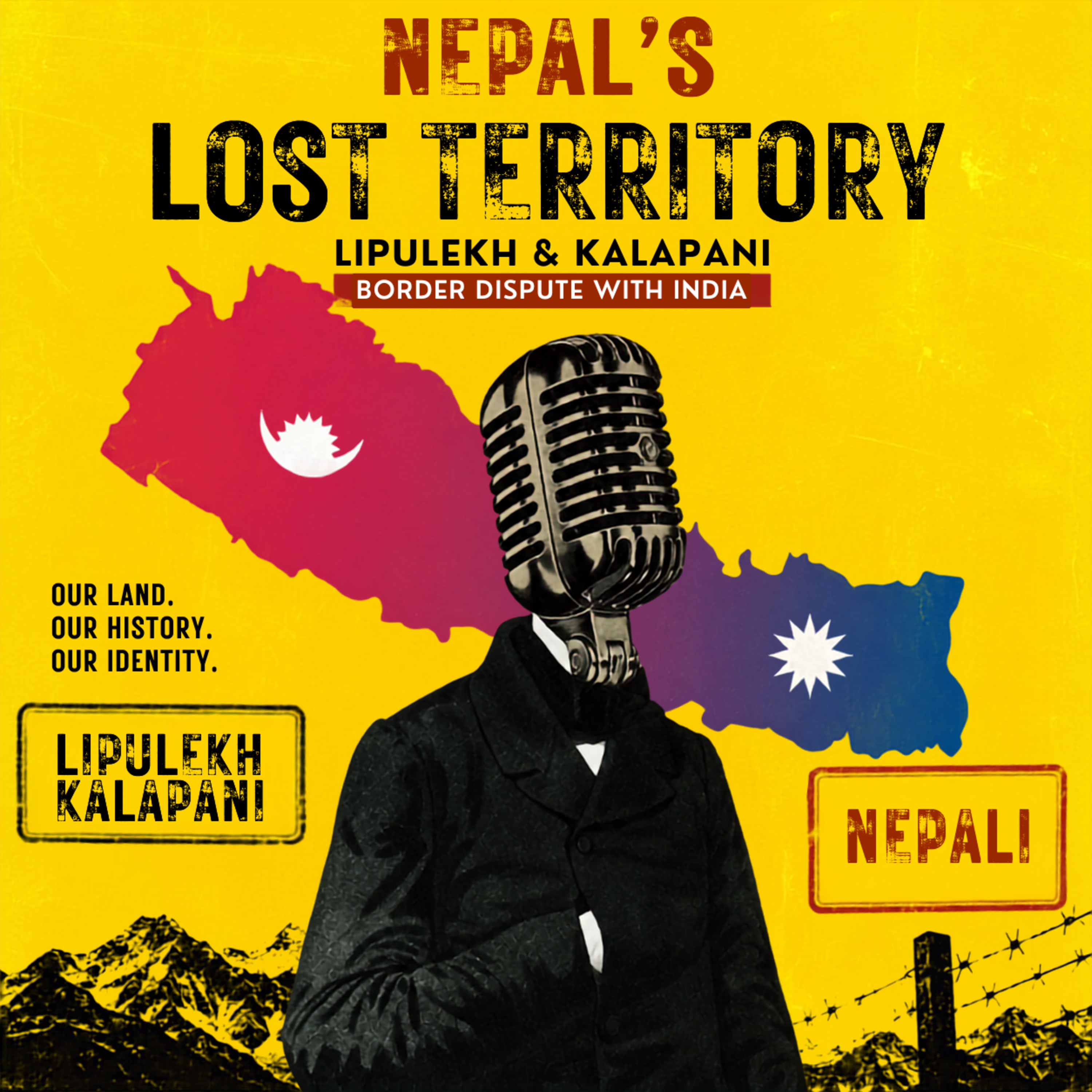 लिपुलेक: नक्सा, सन्धि र ऐतिहासिक खुलासा / Did Nepal Lose Lipulekh? What the Maps, Treaties, and History Reveal - Nepali Version 22.06.2026 4λके मसीले कोरिएको border geography परिवर्तन हुँदैमा मेटिन सक्छ? The Maps Changed. Did the Border?In this episode of Nepal Speaks, हामी लिपुलेक र कालापानी विवादको गहिराइमा पुग्ने प्रयास गर्छौं, which has remained one of the most debated territorial questions between Nepal and India for decades.हामी political rhetoric भन्दा पर गएर 1816 को Sugauli Treaty लाई केलाउँछौं, the foundational document that defined Nepal’s western boundary along the Kali River। तर, उक्त treaty मा एउटा 'critical flaw' थियो—the undefined origin of the river—जसले गर्दा समयक्रममा historical maps र archival documents मा फरक-फरक interpretations देखिएका छन् ।In this episode, हामी निम्न विषयहरू चर्चा गर्नेछौं:1816 Sugauli Treaty: कसरी एउटा technical ambiguity ले शताब्दीयौंसम्म विवाद कायम राख्यो? Naya Muluk (१८६०): Jung Bahadur Rana को पालामा बाँके, बर्दिया, कैलाली र कञ्चनपुर फिर्ता हुनुको historical context।Limpiyadhura र Kalapani: नेपालको historical evidence र भारतको administrative presence को द्वन्द्व ।Law, History र Geography को मिलन विन्दु: के natural river shifts ले अन्तर्राष्ट्रिय border स्वतः परिवर्तन गर्न सक्छ?यो conversation कुनै आक्रोश फैलाउन नभई available evidence र historical context बुझ्नका लागि हो । Join us as we separate fact from rhetoric, investigate the documents, र नेपाल–भारत सम्बन्धको भविष्यबारे छलफल गरौँ ।Shortcuts (Timestamps): 0:00 – Introduction: A border written in ink 0:40 – 1816 Sugauli Treaty र Kali River को मुहानको विवाद 1:25 – 1857 Uprising र 'Naya Muluk' को पुनरागमन (१८६०) 2:10 – Limpiyadhura र Kalapani माथि नेपालको historical claim 3:20 – The Diplomatic Knot: Law vs. Geography को टक्कर 4:00 – Conclusion: Scientific verification र भविष्यका सम्बन्धहरू
 -
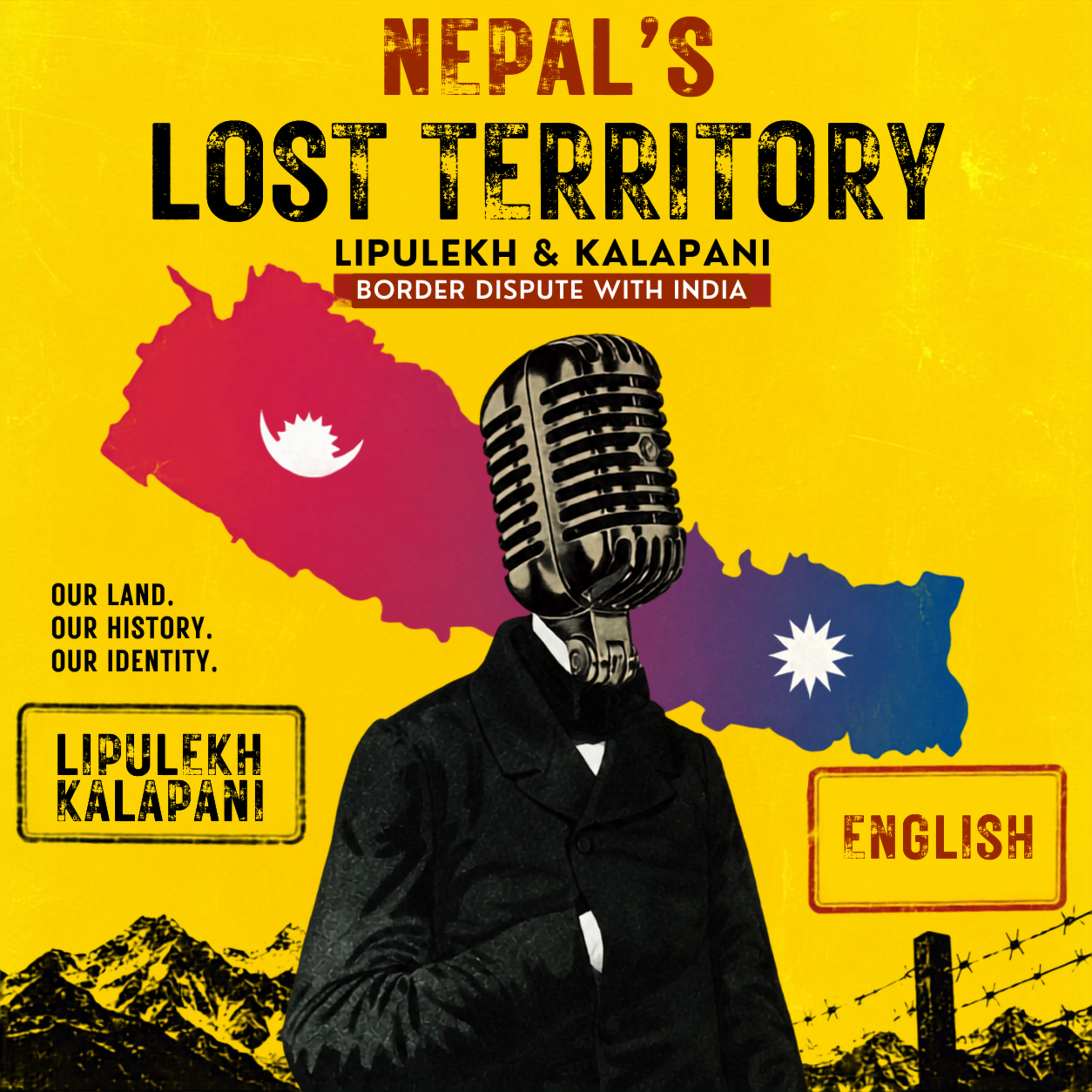 Did Nepal Lose Lipulekh? What the Maps, Treaties, and History Reveal - English Version 22.06.2026 4λThe Maps Changed. Did the Border?Can a border written in ink be erased by a change in geography?In this episode of Nepal Speaks, we explore the depth of the Lipulekh and Kalapani dispute, one of the most debated territorial questions between Nepal and India for decades.We go beyond political rhetoric and examine the 1816 Sugauli Treaty, the foundational document that defined Nepal’s western boundary along the Kali River. However, a critical ambiguity within the treaty—the undefined origin of the river—has led to differing interpretations in historical maps and archival records over time.In this episode, we discuss the following key themes:1816 Sugauli Treaty: How a technical ambiguity has sustained a centuries-long territorial dispute.Naya Muluk (1860): The historical context behind the return of Banke, Bardiya, Kailali, and Kanchanpur during the era of Jung Bahadur Rana.Limpiyadhura and Kalapani: The contrast between Nepal’s historical evidence and India’s administrative presence in the region.Intersection of Law, History, and Geography: Can natural shifts in a river’s course automatically alter an international border?This conversation is not intended to promote hostility or political rhetoric, but to understand available evidence and historical context. Join us as we separate fact from rhetoric, examine the documents, and discuss the future of Nepal–India relations.Shortcuts (Timestamps):0:00 – Introduction: A border written in ink0:40 – The 1816 Sugauli Treaty and the dispute over the source of the Kali River1:25 – The 1857 uprising and the return of “Naya Muluk” (1860)2:10 – Nepal’s historical claim over Limpiyadhura and Kalapani3:20 – The diplomatic knot: Law vs Geography4:00 – Conclusion: Scientific verification and future relations
 -
 The Credit Trap - उधारको अर्थतन्त्र 🎙️ NEPAL SPEAKS 07.06.2026 6λThe Credit Trap - उधारको अर्थतन्त्रनेपालको बजारमा धेरै व्यवसायहरू नाफाको अभावले होइन, आफ्नै कमाइ समयमा नफर्किने समस्याले संघर्ष गरिरहेका छन्।व्यापार उधार केवल पैसा नउठ्नुको कथा होइन।जब एउटा पसलले आफ्नो पैसा समयमा पाउँदैन, त्यसको असर अर्को व्यापारीमा पर्छ। त्यसपछि Distributor, Manufacturer, कर्मचारी, परिवार, र अन्ततः सम्पूर्ण अर्थतन्त्र प्रभावित हुन्छ।यो केवल Financial Issue होइन, यो Trust, Ethics, र Responsibility को विषय पनि हो।किन बजारमा उधार बढिरहेको छ?किन व्यवसायहरू दबाबमा छन्?यसले मानिसको सोच र देशको अर्थतन्त्रलाई कसरी असर गरिरहेको छ?यिनै प्रश्नहरूको गहिरो विश्लेषणसहित...NEPAL SPEAKS 🎙️ - The credit trap ( व्यापार उधार )जहाँ हामी व्यवसाय, अर्थतन्त्र, जिम्मेवारी, र समाधानका बारेमा खुला रूपमा कुरा गर्छौं।यो Episode मा हामी छलफल गर्छौं:• उधारको बढ्दो संस्कृतिले बजारलाई कसरी असर गरिरहेको छ• किन साना तथा मध्यम व्यवसायहरू सबैभन्दा बढी प्रभावित भइरहेका छन्• पैसाको प्रवाह रोकिँदा अर्थतन्त्रमा कस्तो श्रृंखलाबद्ध असर पर्छ• नैतिक व्यवसायिक व्यवहार र बलियो सरकारी नीतिले कसरी समाधान दिन सक्छ"The bitterness of poor quality remains long after the sweetness of low price is forgotten."— Benjamin Franklinकिनभने स्वस्थ अर्थतन्त्र केवल पैसाले होइन, विश्वास, अनुशासन र उत्तरदायित्वले निर्माण हुन्छ। 🎙️ NEPAL SPEAKS - Animesh Shrestha
 -
 This Is Bigger Than You Think - Kathmandu mystery 16.05.2026 4λIn this episode, we explore Kathmandu from a different perspective — not just through history, mythology, or well-known narratives, but through the lesser-discussed layers that surround the city. The conversation moves beyond traditional explanations and looks at the idea of Kathmandu’s “mystery” as something shaped by perception, stories, culture, and the way people interpret the city over time.We reflect on how Kathmandu is often placed between mythological belief and historical context, yet still carries unanswered questions, symbolic meaning, and interpretations that go beyond documented facts. The discussion also touches on how modern life, urban change, and collective memory continue to shape how this city is understood today.This episode is for listeners interested in deeper perspectives on Kathmandu, cultural interpretation, and the intersection between belief, history, and modern reality.
 -
Road Chaos in Kathmandu: A Rider’s Reality 28.04.2026 2λKathmandu को road issues today is not just a topic… it’s a daily experience.I myself commute every day, and honestly, every ride feels like a close call. Not because of one single incident, but because of a pattern. Chaos on the road has slowly become normal, and that’s the most dangerous part.No proper lane discipline, unclear traffic behavior, and random decisions on the road… सबै जना rush मा छन्, but nobody is really in control. And in the middle of all this, two-wheelers are the most exposed. Every day feels like “almost accident”, not once, but multiple times.अब यहाँ question उठ्छ—who is responsible?Rules exist, but obedience is missing. And especially those who are in public service, driving public vehicles like buses and tempos, they carry even bigger responsibility. They should not only follow discipline but also set an example. If they drive properly, others naturally follow. If they don’t, chaos becomes culture.This is not something impossible to fix. It will not be easy, yes. But it is definitely not impossible either. With accountability, awareness, and consistent enforcement, change is possible.We don’t need perfect roads first. We need responsible behavior on the roads first.
Παρόμοια podcasts


Δημοφιλές σε
Αυτό το podcast εμφανίζεται και στις λίστες podcasts αυτών των χωρών.
