
Personal Landscapes
Ryan Murdock
0
Ryan Murdock interviews original writers, publishers, and travelers to uncover the stories behind great books about place. The podcast explores the intersection of travel, literature, and personal landscapes.
Επεισόδια
-
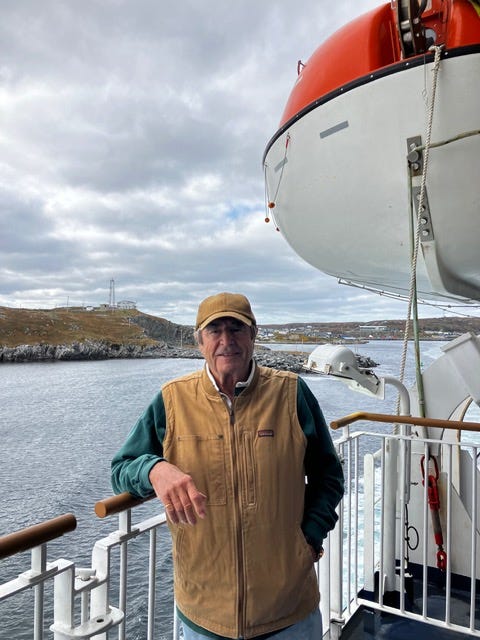 Paul Theroux on the road in Canada 22.09.2026 2ώ 1λWe’re talking about Canada today, a place I know a little something about. My homeland is the subject of Paul Theroux’s newest travel book.Like Canada, True North is vast and it covers too much ground to summarize in a podcast. This is a glimpse into the creation of the book, with many digressions along the way.Paul Theroux is the author of some 20 travel books including True North: On The Road in Canada, The Great Railway Bazaar and Dark Star Safari, and 33 works of fiction including The Vanishing Point and The Mosquito Coast. He’s also been my favourite writer for as long as I can remember.We spoke about his Quebecois ancestors, the existence of Can-Lit, and the potential threat of isolated ethno-bubbles to the future of the country.Personal Landscapes relies on the support of listeners like you to keep going. Please consider joining my Member's Club on Substack, where you'll find show notes for each episode, book reviews, reading-related videos, and more. You’ll be supporting an independent ad-free podcast that publishes carefully curated conversations like this one, backed by decades of reading. Go to https://www.personallandscapespodcast.com/p/start-hereFollow my travels — and buy my books — on https://ryanmurdock.com/ This is a public episode. If you'd like to discuss this with other subscribers or get access to bonus episodes, visit www.personallandscapespodcast.com/subscribe
 -
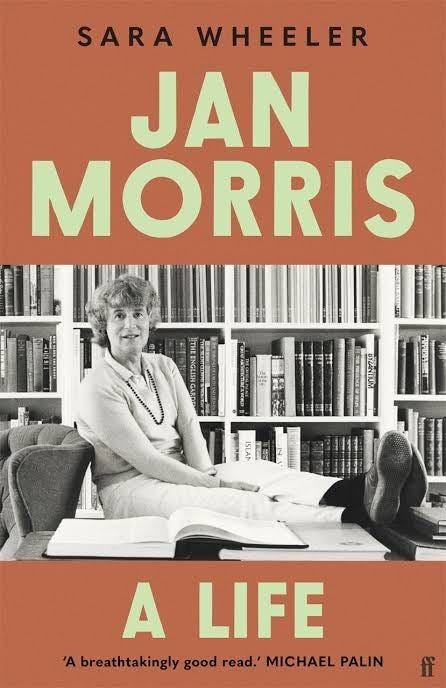 Jan Morris with biographer Sara Wheeler 08.09.2026 1ώ 26λJan Morris seemed to live multiple lives.She was a soldier at the end of the Second World War, and a globetrotting journalist with a knack for turning up in the middle of what would become historic events.She was a man — James Morris — and then a woman, undergoing gender-reassignment surgery in Casablanca at the age of forty-six.She hated being called a travel writer but she wrote remarkable books about place, and was one of the finest descriptive writers of her time.She also wrote celebrated histories, including the Pax Brittanica Trilogy, an elegy to the British Empire that captured the period in a kaleidoscope of incidents and characters, steeped in melancholy and a sense of decline.The quality of her work is uneven. Money troubles led her to recycle newspaper articles into books that were often formulaic and disjointed. But the best of her work will stand among our greatest writing on place.The life behind that work was rife with contradictions. Morris preached the virtues of kindness, but according to her children she was a terrible parent, cold and cruel.Others have described her as a narcissist, a fabulist, and a class snob who told stories that inflated her family origins.Who better to uncover the complexities of this twentieth-century icon than a writer who excels at both biography and travel writing?Sara Wheeler is the author of Jan Morris: A Life.We spoke about Jan Morris’s iconic writing style, her late-life obsession with Welsh nationalism, and the unreconcilable sense of longing at the heart of her work.Personal Landscapes relies on the support of listeners like you to keep going. Please consider joining my Member's Club on Substack, where you'll find show notes for each episode, book reviews, reading-related videos, and more. You’ll be supporting an independent ad-free podcast that publishes carefully curated conversations like this one, backed by decades of reading. Go to https://www.personallandscapespodcast.com/p/start-hereFollow my travels — and buy my books — on https://ryanmurdock.com/You can listen to Personal Landscapes: Conversations on Books About Place on iTunes, Spotify, Stitcher, Podbean, Google Podcasts, Audible, PlayerFM, and TuneIn + Alexa.Please subscribe, and rate the podcast or leave a review.Your support is greatly appreciated. This is a public episode. If you'd like to discuss this with other subscribers or get access to bonus episodes, visit www.personallandscapespodcast.com/subscribe
 -
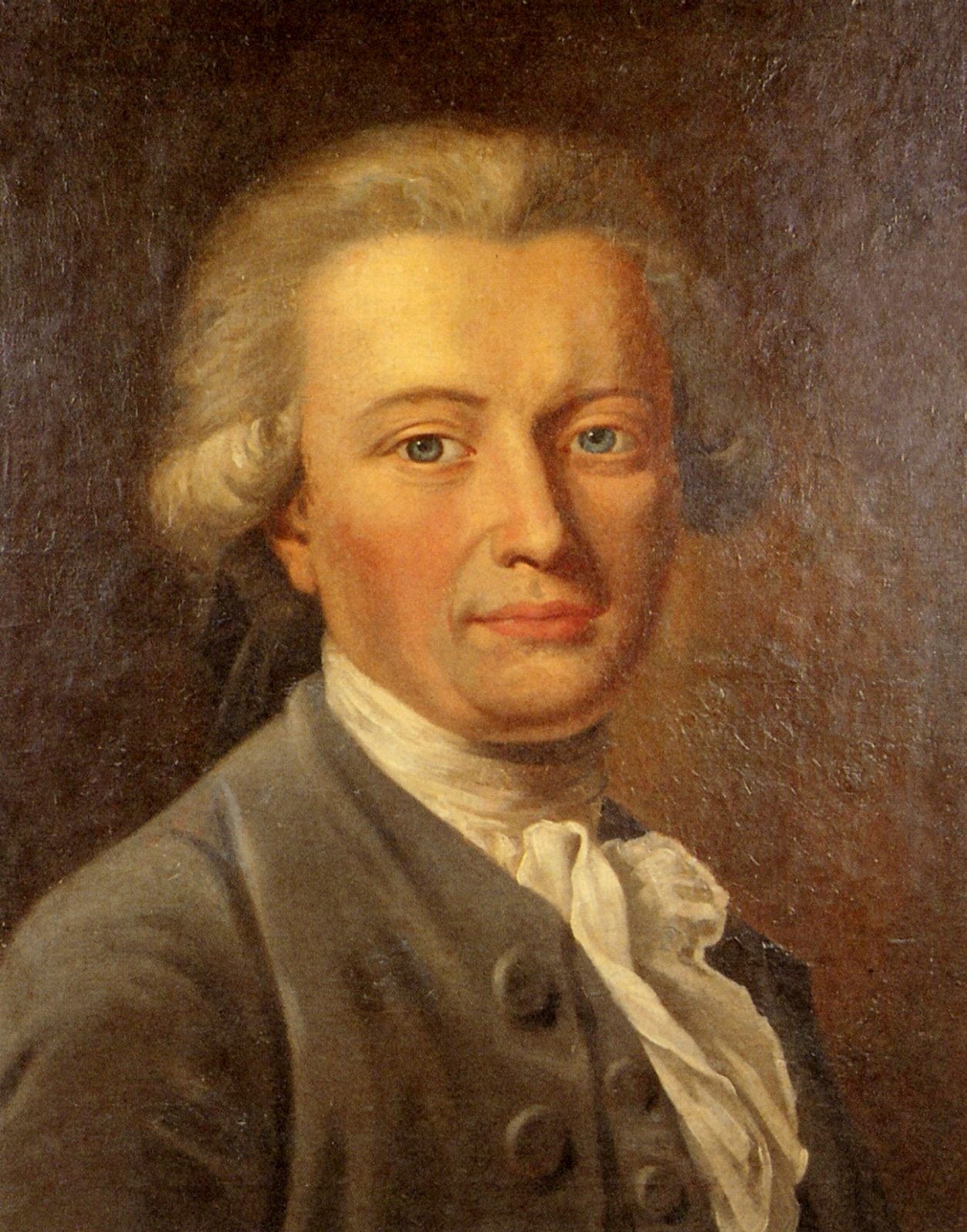 George Forster with biographer Andrea Wulf 18.08.2026 1ώ 26λGeorge Forster is the most interesting 18th century explorer that I had never heard of.He traveled the South Pacific on Captain James Cook’s second voyage at age seventeen, sailing through icy waters tantalizingly close to undiscovered Antarctica.The common roots of those languages and cultures led him to develop a theory of Polynesian migration two centuries before it became the scientific consensus.The prevailing European notion at the time was also one of racial superiority, but Forster saw the peoples he met as equals and believed they had something of value to teach him.The book he wrote about the journey made him a coveted dinner guest all over Europe. He was friends with Goethe, Benjamin Franklin and Mary Wollstonecraft, and he became a mentor to Alexander von Humboldt.But Forster’s later life was not a happy one, and his work was largely forgotten until today’s guest rescued him from obscurity.Andrea Wulf is the author of The Traveller: The Revolutionary Life of George Forster.We spoke about Forster’s remarkable Pacific journey, why his ideas were so far ahead of their time, and his unfortunate end.Personal Landscapes relies on the support of listeners like you to keep going. Please consider joining my Member's Club on Substack, where you'll find show notes for each episode, book reviews, reading-related videos, and more. You’ll be supporting an independent ad-free podcast that publishes carefully curated conversations like this one, backed by decades of reading. Go to https://www.personallandscapespodcast.com/p/start-hereFollow my travels — and buy my books — on https://ryanmurdock.com/ This is a public episode. If you'd like to discuss this with other subscribers or get access to bonus episodes, visit www.personallandscapespodcast.com/subscribe
 -
 Rory Maclean on the cross-cultural geography of heaven 04.08.2026 1ώ 17λWhen Rory Maclean’s wife died of cancer at age 55, he set out on a series of journeys that changed his life.His newest book is an examination of grief, a celebration of love, and a cross-cultural exploration of the afterlife.He approached each religion like an an anthropologist, participating in the rituals of living traditions in the hope of reconnecting with the wife he had lost.From the heights of Bhutan to the plains of South Dakota, each journey and meeting opened the door to the next, as his path led him out of darkness and into a new understanding of the mystery that bookends our lives.Rory Maclean is the author of Geography of Heaven, Berlin: Portrait of a City, Pravda Ha Ha and other books. He’s a Fellow of the Royal Society of Literature, and the founder and curator of the annual Sherborne Travel Writing Festival.We spoke about the nature of grief, cross-cultural accounts of an afterlife, and what ancient rituals can teach us about modernity.Personal Landscapes relies on the support of listeners like you to keep going. Please consider joining my Member's Club on Substack, where you'll find show notes for each episode, book reviews, reading-related videos, and more. You’ll be supporting an independent ad-free podcast that publishes carefully curated conversations like this one, backed by decades of reading. Go to https://www.personallandscapespodcast.com/p/start-hereFollow my travels — and buy my books — on https://ryanmurdock.com/ This is a public episode. If you'd like to discuss this with other subscribers or get access to bonus episodes, visit www.personallandscapespodcast.com/subscribe
 -
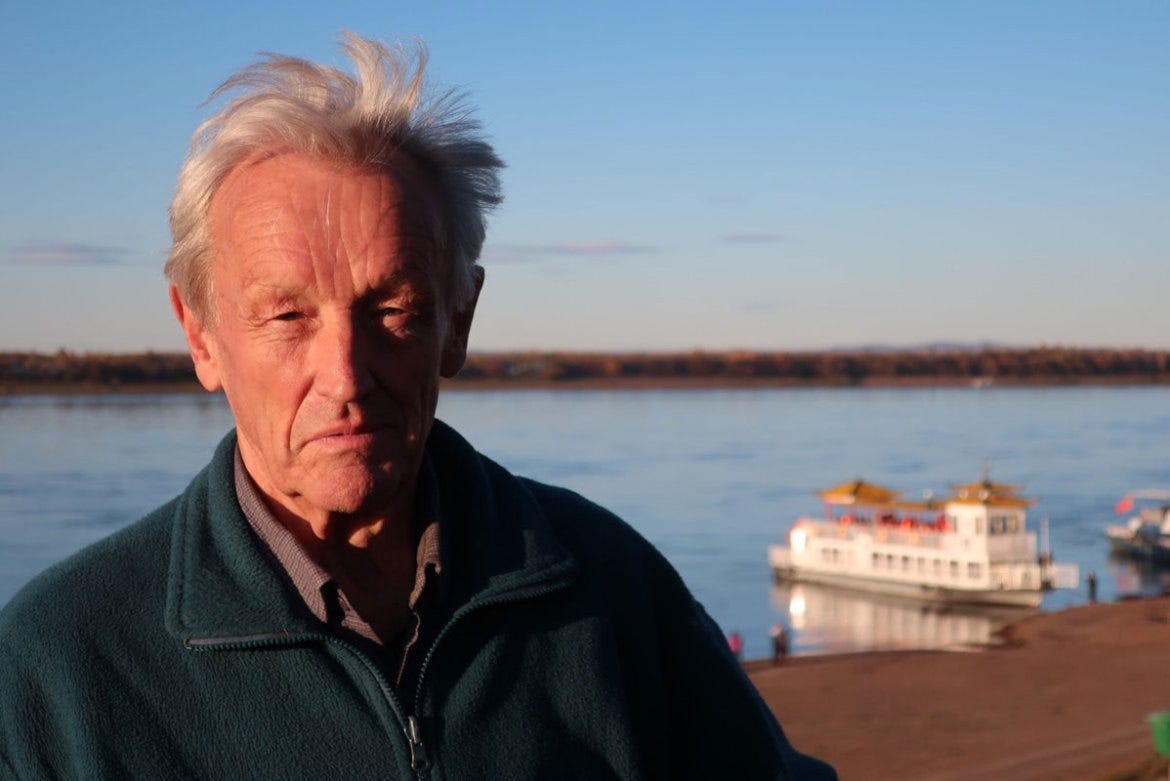 Colin Thubron on Russia and Asia's borderlands 16.06.2026 1ώ 15λColin Thubron’s keenly observed travel writing has made him one of our greatest writers on place.The scale of his journeys is immense, but his lyrical books focus on the small and immediate. He writes about ordinary people whose lives were shaped by forces beyond their control.He also shares stories of individuals on the fringes: radical Christian sects and animist shaman, Siberian poachers, gulag survivors, and cross-border traders.I have an abiding fascination with empty landscapes and cultural borders, and I’ve long wanted to talk to Colin about his remote Asian travels.We spoke about how Russia’s vast landscape shaped its psyche, Asia’s suspicious borderlands, and getting grilled by the KGB.You can listen on iTunes, Spotify, Stitcher, Podbean, Google Podcasts, Audible, PlayerFM, and TuneIn + Alexa. Please subscribe, and rate the podcast or leave a review.Personal Landscapes relies on the support of listeners like you to keep going. Please consider joining my Member's Club on Substack, where you'll find show notes for each episode, book reviews, reading-related videos, and more. You’ll be supporting an independent ad-free podcast that publishes carefully curated conversations like this one, backed by decades of reading. Go to https://www.personallandscapespodcast.com/p/start-hereFollow my travels — and buy my books — on https://ryanmurdock.com/ This is a public episode. If you'd like to discuss this with other subscribers or get access to bonus episodes, visit www.personallandscapespodcast.com/subscribe
 -
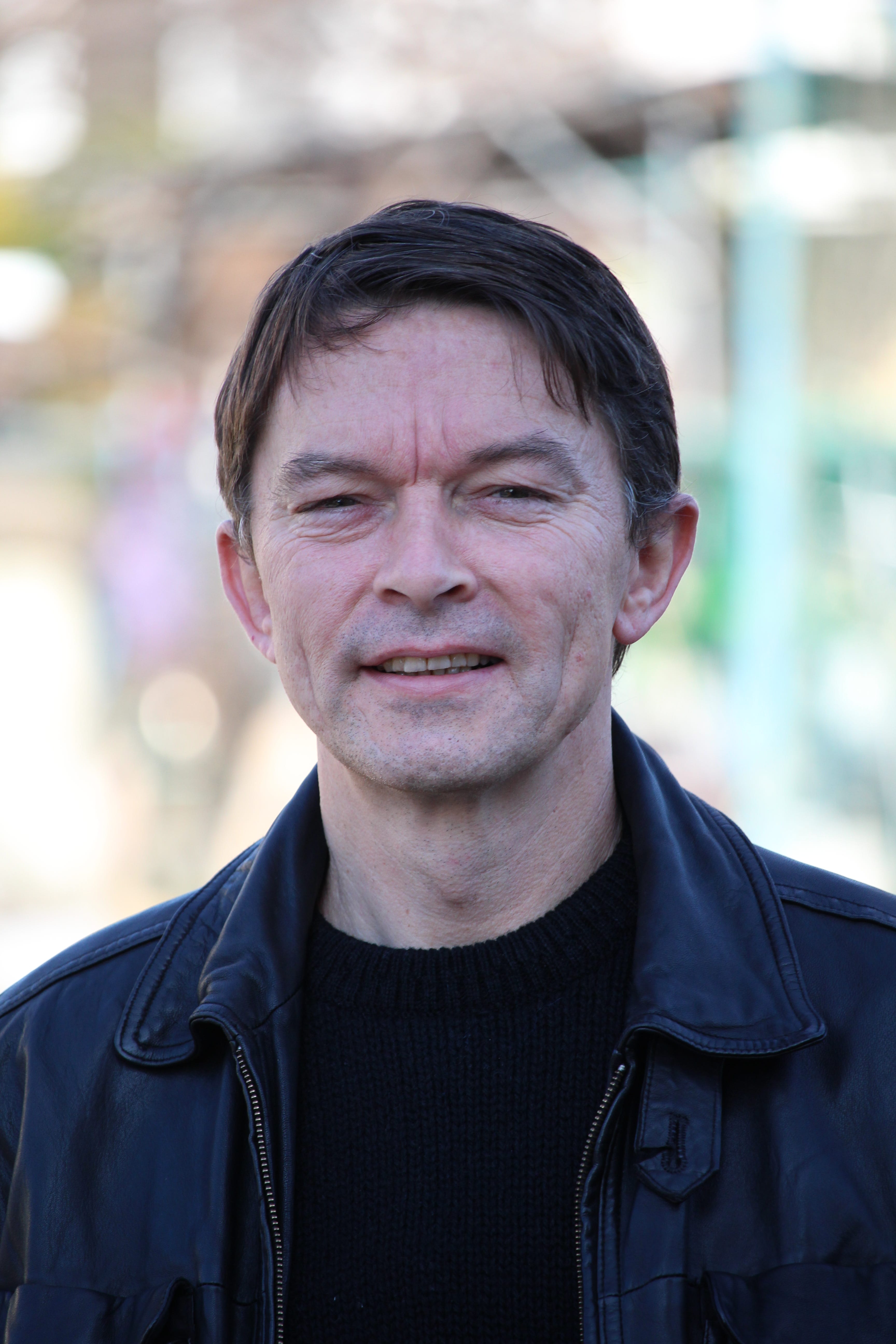 Tom Feiling on Japan’s warning for the future 19.05.2026 1ώ 10λWhen Tom Feiling lived in Tokyo in the early 1990s, Japan was a vision of the future. A place where science fiction existed next to centuries old Shinto shrines.He returned to the country nearly twenty-five years later to find some of the shine had worn off.Its population is aging and shrinking. Inflation is finally setting in after decades of economic stagnation. People are choosing solitude over companionship. And countryside villages are being abandoned as their last residents die off.Japan still looks like the future, but it is a troubling future, and a warning for us all.Tom is the author of Alone in Japan: A Journey to the Future.We spoke about Japan’s culture of overwork, extreme forms of solitude, sex doll showrooms, and attempts to save village life and big city prosperity.Personal Landscapes relies on the support of listeners like you to keep going. Please consider joining my Member's Club on Substack, where you'll find show notes for each episode, book reviews, reading-related videos, and more. You’ll be supporting an independent ad-free podcast that publishes carefully curated conversations like this one, backed by decades of reading. Go to https://www.personallandscapespodcast.com/p/start-hereFollow my travels — and buy my books — on https://ryanmurdock.com/ This is a public episode. If you'd like to discuss this with other subscribers or get access to bonus episodes, visit www.personallandscapespodcast.com/subscribe
 -
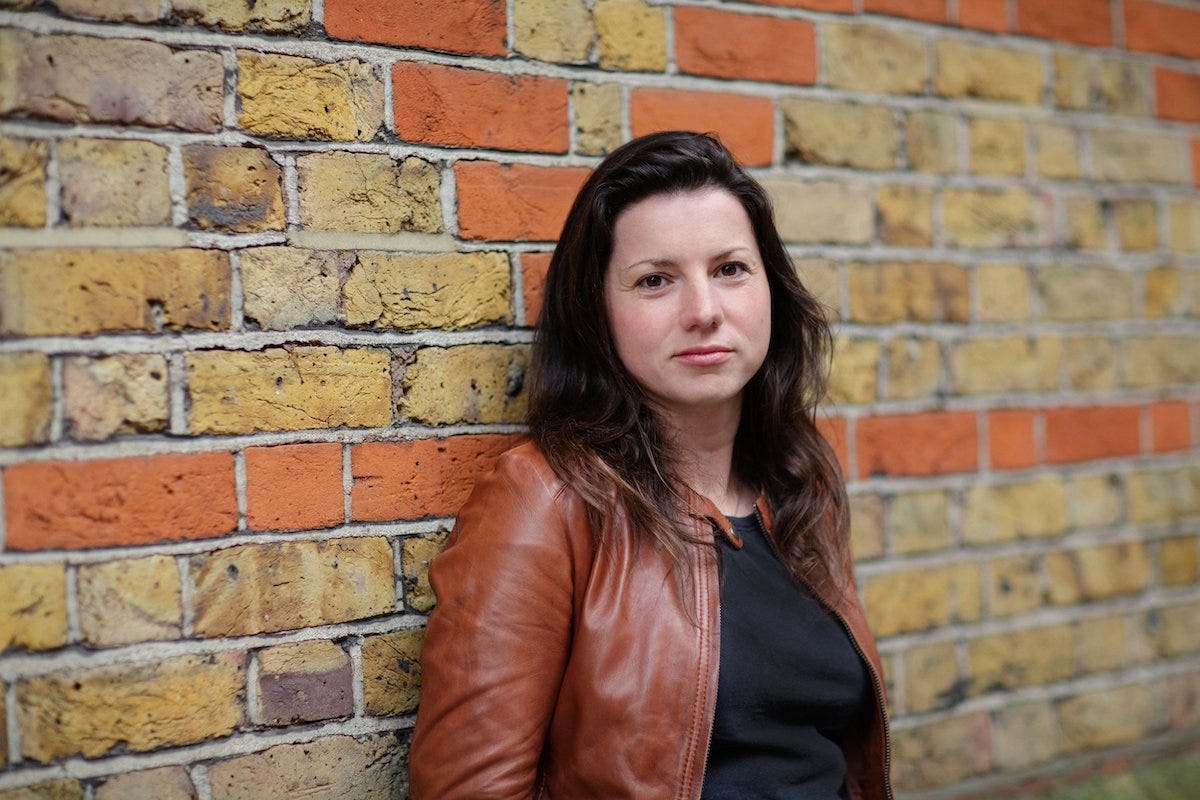 Katja Hoyer on life at the edge of catastrophe 05.05.2026 1ώ 21λThe little town of Weimar was the crucible of German high culture, democracy, and dictatorship.It was home to Goethe and Schiller, Nietzsche and Liszt. It gave its name to the Weimar Republic. And it was an early stronghold of Adolf Hitler’s Nazi Party.It’s easy to look back this period and diagnose how it all went wrong. Why did so many people sleepwalk into disaster?Hindsight is always deceptively clear. But life looks very different when you’re living it.Historian Katja Hoyer tells the story of Weimar — and by extension, Germany’s descent into chaos — through the lives of ordinary people, giving us a vivid sense of what it must have been like, year by year, as they tried to put food on the table, build businesses, and feed their families.Katja is the author of Weimar: Life on the Edge of Catastrophe.We spoke about Weimar as the centre of German culture, how Elizabeth Nietzsche tarnished her brother’s legacy, and how democratic hope turned to Nazi terror.Personal Landscapes relies on the support of listeners like you to keep going. Please consider joining my Member's Club on Substack, where you'll find show notes for each episode, book reviews, reading-related videos, and more. You’ll be supporting an independent ad-free podcast that publishes carefully curated conversations like this one, backed by decades of reading. Go to https://www.personallandscapespodcast.com/p/start-hereFollow my travels — and buy my books — on https://ryanmurdock.com/ This is a public episode. If you'd like to discuss this with other subscribers or get access to bonus episodes, visit www.personallandscapespodcast.com/subscribe
 -
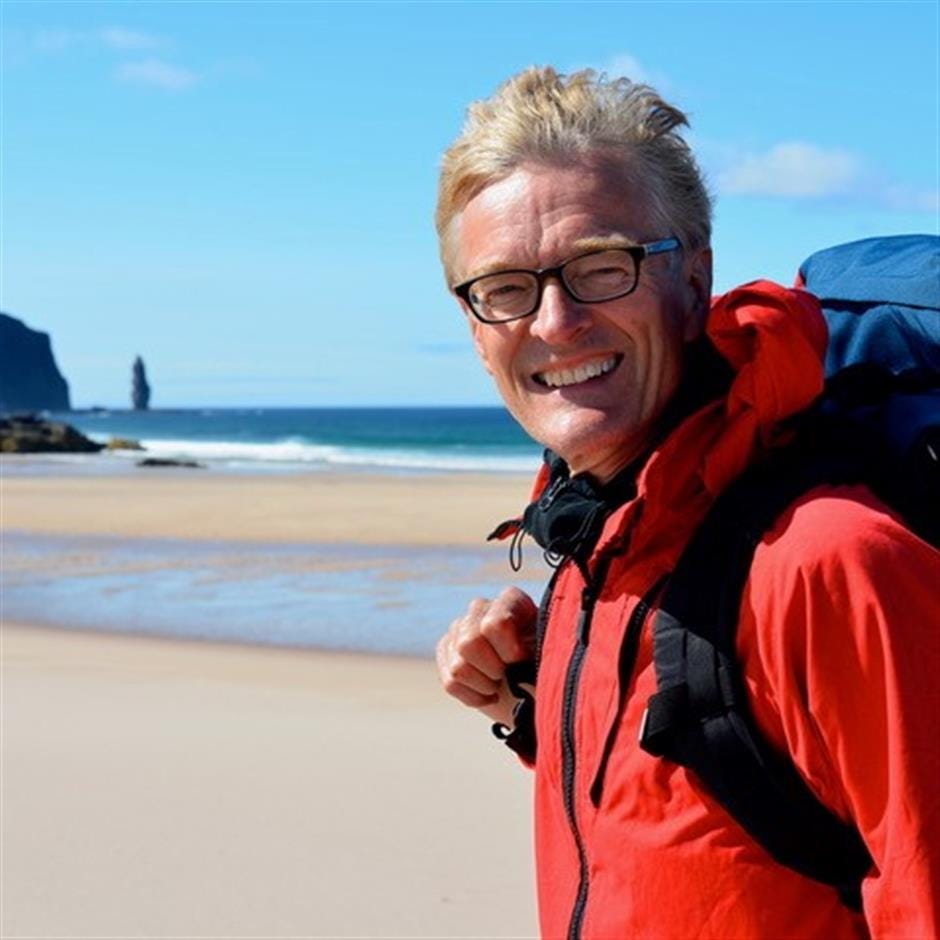 Nicholas Crane on the hidden history of Britain's paths 20.04.2026 1ώ 27λLandscapes contain hidden histories that shaped the development of the world we live in. How we moved through those landscapes also tells us something about ourselves.The Paths More Traveled explores the web that has stretched across Britain for over 11,000 years, as prehistoric routeways evolved to Roman roads and pilgrim paths.Nicholas Crane is the author of ten books, including The Path More Travelled, The Making of the British Landscape, Latitude, and one of my favourite travel classics, Clear Waters Rising. He’s also known for his television work as lead presenter on the series Coast. And he was was president of the Royal Geographical Society between 2015 and 2018.We spoke about navigating Mesolithic routeways, the legacy of Britain’s Roman roads, and how 7th century pilgrimage reshaped the urban landscape.Personal Landscapes relies on the support of listeners like you to keep going. Please consider joining my Member's Club on Substack, where you'll find show notes for each episode, book reviews, reading-related videos, and more. You’ll be supporting an independent ad-free podcast that publishes carefully curated conversations like this one, backed by decades of reading. Go to https://www.personallandscapespodcast.com/p/start-hereFollow my travels — and buy my books — on https://ryanmurdock.com/ This is a public episode. If you'd like to discuss this with other subscribers or get access to bonus episodes, visit www.personallandscapespodcast.com/subscribe
 -
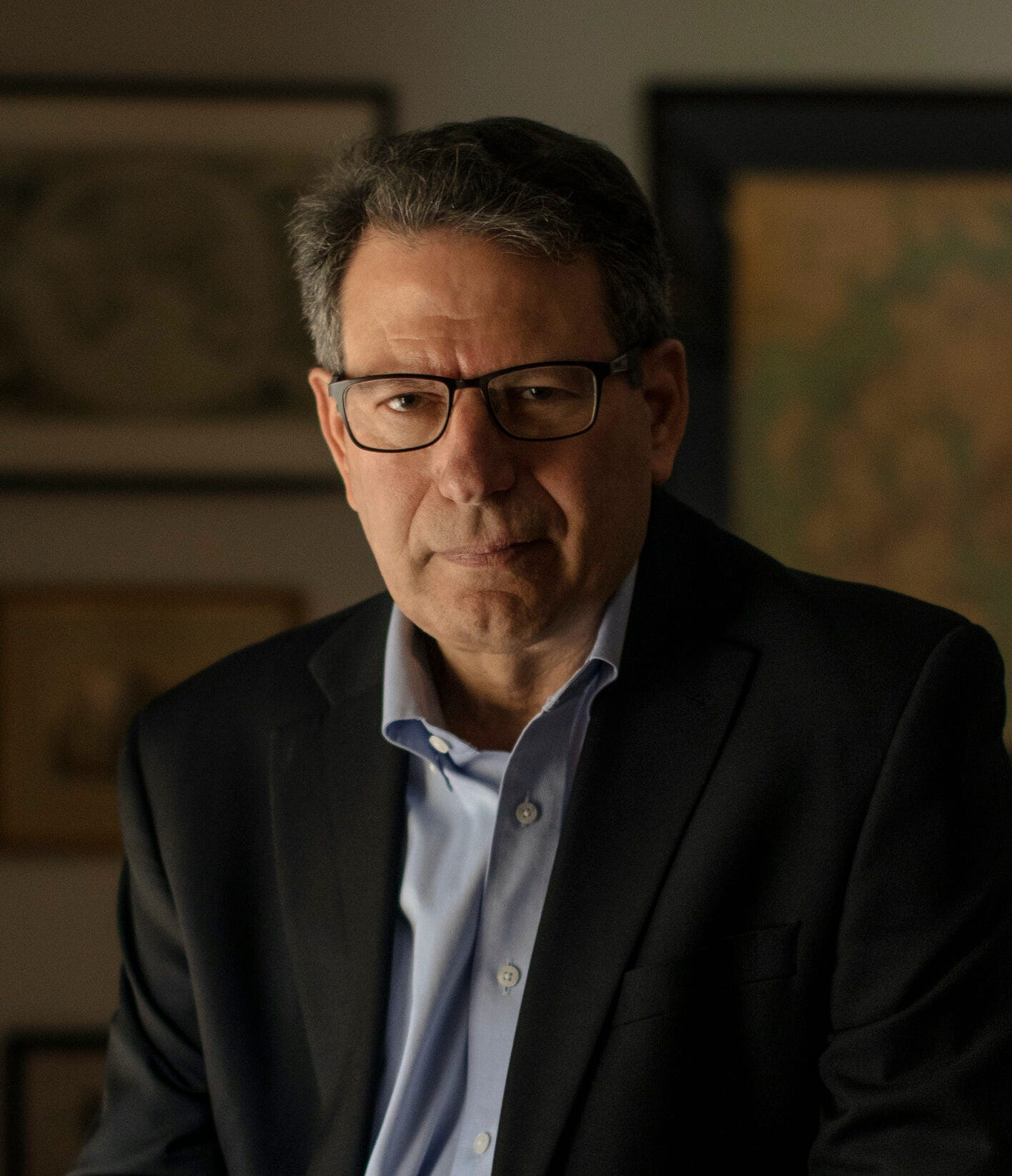 Robert Kaplan on a world in permanent crisis 20.02.2026 43λThe foreign affairs and travel writer Robert Kaplan sees today’s world as a larger version of Germany’s Weimar Republic, “connected enough for one part to mortally influence the other parts, yet not connected enough to be politically coherent.”In his latest book, Waste Land, he uses history, literature, politics and philosophy to draw parallels between today’s challenges and those of Germany’s interwar period to give us a bracing glimpse of a dangerous world that we’ve already entered into.We spoke about the immediacy of every crisis, how faltering institutions enable fanatics and ideologues, and why the roots of our permanent twenty-first century crisis continues to lie in what went wrong in the twentieth.Personal Landscapes relies on the support of listeners like you to keep going. Please consider joining my Member's Club on Substack, where you'll find show notes for each episode, book reviews, reading-related videos, and more. You’ll be supporting an independent ad-free podcast that publishes carefully curated conversations like this one, backed by decades of reading. Go to https://www.personallandscapespodcast.com/p/start-hereFollow my travels — and buy my books — on https://ryanmurdock.com/Your support is greatly appreciated. This is a public episode. If you'd like to discuss this with other subscribers or get access to bonus episodes, visit www.personallandscapespodcast.com/subscribe
 -
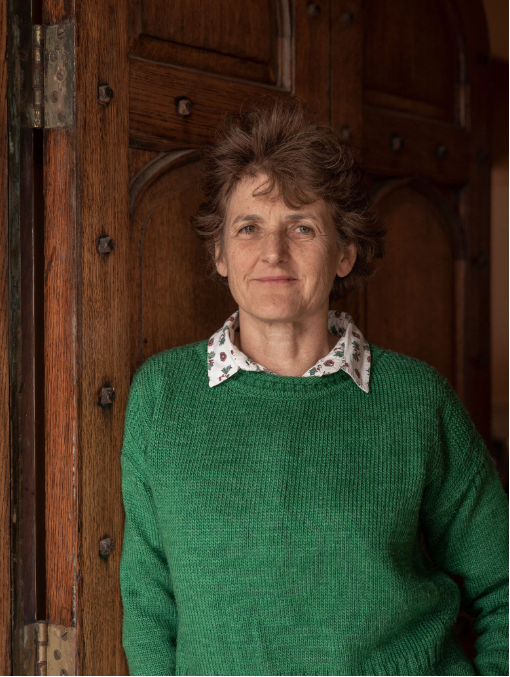 Isabella Tree on Nepal’s living goddess 06.01.2026 1ώ 9λIn a small medieval palace on Kathmandu’s Durbar Square, a young girl chosen from a caste of Buddhist goldsmiths watches over this broad valley and protects the country and its people.She’s the embodiment of Devi, the universal goddess, and Hindu kings have sought her blessings for centuries to legitimate their rule.Isabella Tree uncovered the secrets of this strange tradition over many years and many visits to Nepal. She peeled away the layers of myth, religious belief and modern history, and she slowly overcame the reluctance of priests and caretakers to meet Kathmandu’s living goddess herself.Isabella is the author of The Living Goddess, Islands in the Clouds, The Book of Wilding, and other books. Her work has appeared in Granta, National Geographic, The Sunday Times and other publications. She’s an award winning conservationist, and lives West Sussex, in the middle of the Knepp Wildland, the first large-scale rewilding project in lowland England.We spoke about the powers of the living goddess, how she is chosen, the connection to tantric ritual, and how the goddess foreshadowed the massacre of Nepal’s royal family.Personal Landscapes relies on the support of listeners like you to keep going. Please consider joining my Member's Club on Substack, where you'll find show notes for each episode, book reviews, reading-related videos, and more. You’ll be supporting an independent ad-free podcast that publishes carefully curated conversations like this one, backed by decades of reading. Go to https://www.personallandscapespodcast.com/p/start-hereFollow my travels — and buy my books — on https://ryanmurdock.com/ This is a public episode. If you'd like to discuss this with other subscribers or get access to bonus episodes, visit www.personallandscapespodcast.com/subscribe
 -
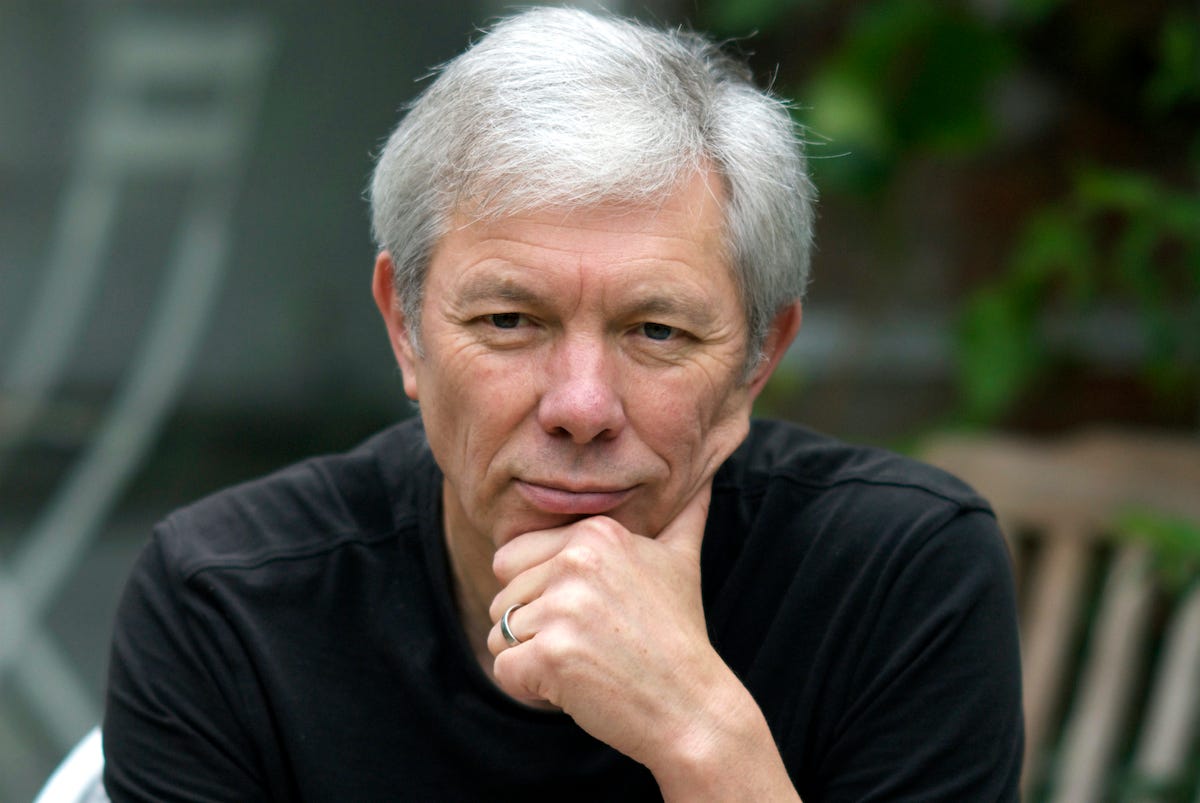 Easter Island with archaeologist Mike Pitts 09.12.2025 1ώ 27λEvery book I read about Easter Island said roughly the same thing: a small, isolated group of people living on the world’s most remote inhabited island couldn’t have sculpted, moved and erected the enormous statues that are Easter Island’s most famous feature.Or if they had, they must have been consumed by a monument building obsession that led them to cut down all the trees, causing mass starvation and warfare, and destroying their own civilization in the process.Archaeologist Mike Pitts tells a very different and far more compelling story.He draws on the latest research to build a picture of a remarkable cultural flourishing in a remote and unforgiving environment, by people with a highly sophisticated system of agriculture and a rich tapestry of myths, religion, political stratification and artistry.His new book is one of my top reads of the year, and I couldn’t wait to talk to him about it.We spoke about the small group of settlers who discovered the island, the genesis of the famous ecocide myth, and what those massive stone statues really mean.Personal Landscapes relies on the support of listeners like you to keep going. Please consider joining my Member's Club on Substack https://www.personallandscapespodcast.com/p/start-hereYou’ll be supporting an independent ad-free podcast that publishes carefully curated conversations like this one, backed by decades of reading. This is a public episode. If you'd like to discuss this with other subscribers or get access to bonus episodes, visit www.personallandscapespodcast.com/subscribe
 -
 Moonlighting: reliving the 80’s with Scott Ryan 25.11.2025 1ώ 13λMoonlighting posed as a detective show, but it was actually an old-fashioned 1940s screwball-comedy. Mysteries were just a framework for the romantic tension between the two main characters, played by Bruce Willis and Cybill Shepherd.In an era when television was serious and even the comedies were overly-earnest, Moonlighting threw out all the rules.Chase scenes ended in food fights and soap suds. They did song and dance routines, made film noir and Shakespeare episodes, broke the fourth wall, and did cold opens where the lead actors spoke to the audience in character.It really is a time-capsule of what was great about the 1980’s, when we could still laugh at ourselves without being ‘triggered’.Today I’m bringing you the inside story on the creative chaos and private feuds at the heart of that decade’s most original TV show.I'm joined by Scott Ryan, author of Moonlighting: An Oral History.We spoke about Moonlighting’s most creative episodes, the chaos and fighting on-set, and the myth the so-called Moonlighting Curse. This is a public episode. If you'd like to discuss this with other subscribers or get access to bonus episodes, visit www.personallandscapespodcast.com/subscribe
 -
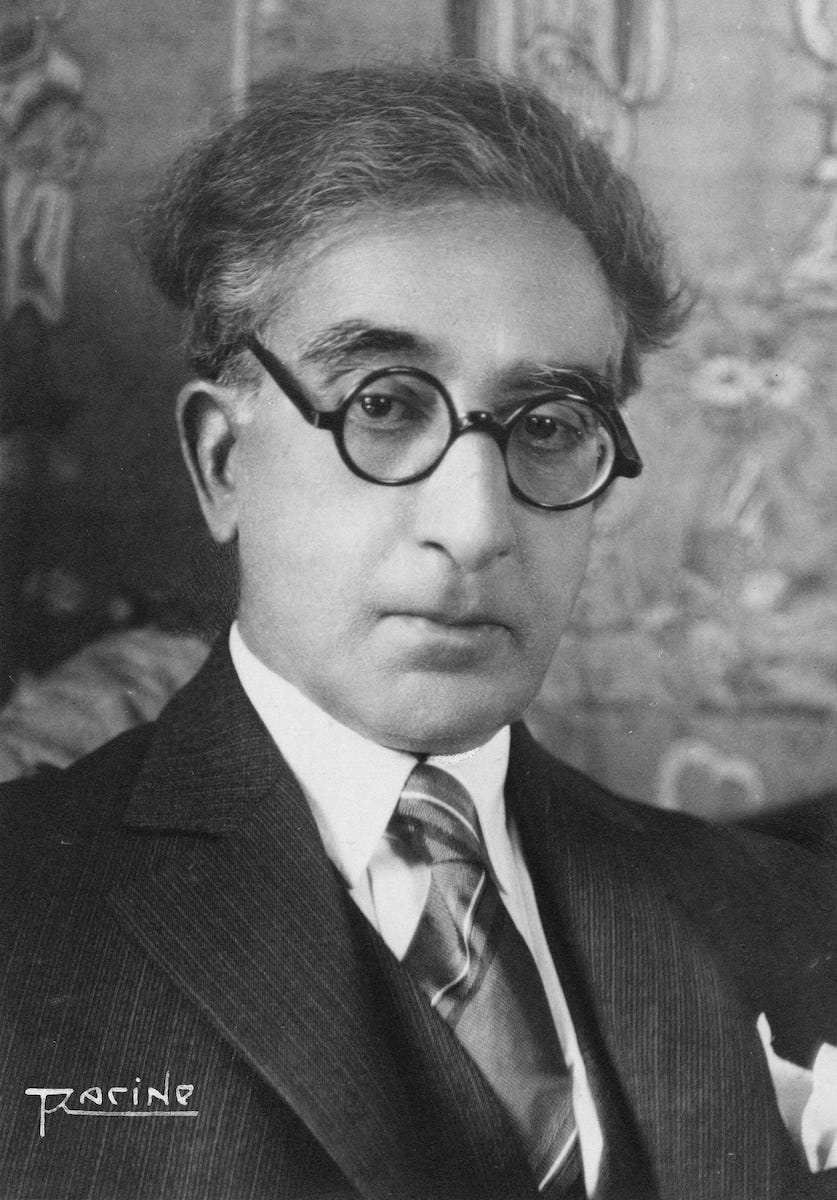 Constantine Cavafy with biographer Gregory Jusdanis 11.11.2025 1ώ 13λI first encountered Constantine Cavafy in Lawrence Durrell’s Alexandria Quartet, where ‘the old poet’ represented the ghostly voice of the city.I was immediately attracted to the dreamlike quality of his poems, and the way he captured a sense of melancholy that I’ve always felt.Cavafy wrote about human desire, inglorious epochs of Greek history, and civilizations in decline, using plain factual descriptions undressed by metaphor.But how did a writer who showed little promise in his youth find a place in the literary canon and become ‘the poet of Alexandria’?I’m joined by Gregory Jusdanis, co-author of Constantine Cavafy: A New Biography.We spoke about Cavafy’s childhood of faded aristocratic grandeur, the Mediterranean Greek world he grew up in, and his lifelong poetic preoccupations.Personal Landscapes relies on the support of listeners like you to keep going. Please consider joining my Member's Club on Substack https://www.personallandscapespodcast.com/p/start-hereYou’ll be supporting an independent ad-free podcast that publishes carefully curated conversations like this one, backed by decades of reading.Find me on: InstagramYouTubeXFollow my travels — and buy my books — on ryanmurdock.com This is a public episode. If you'd like to discuss this with other subscribers or get access to bonus episodes, visit www.personallandscapespodcast.com/subscribe
 -
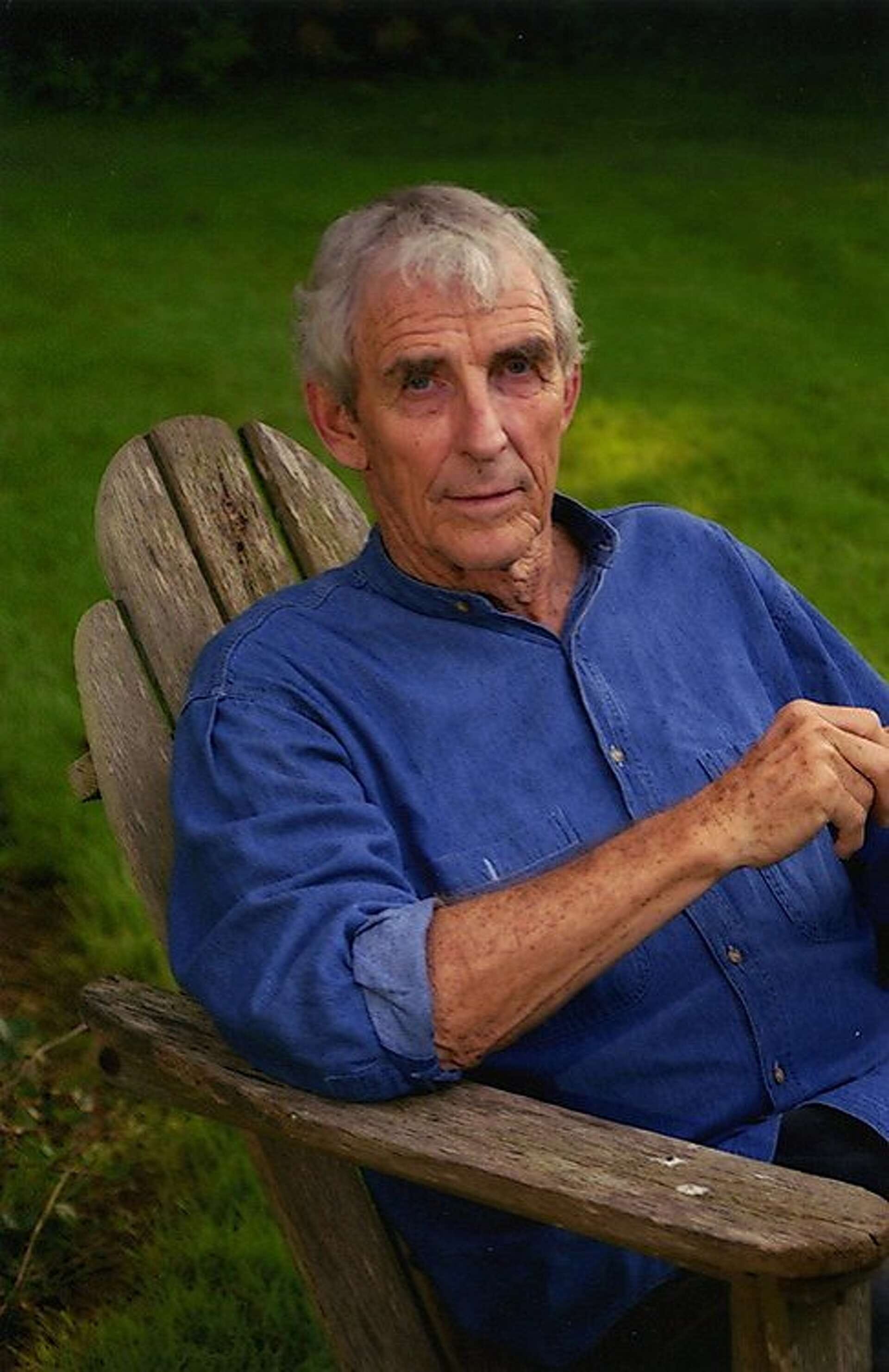 Peter Matthiessen with biographer Lance Richardson 28.10.2025 1ώ 6λPeter Matthiessen is a towering figure of twentieth-century American letters, and the only writer to win the National Book Award in both fiction and nonfiction.He’s also a difficult man to pin down because he accomplished so much in so many different areas.He co-founded The Paris Review and spied for the CIA. He was best known for 'nature' books like The Snow Leopard, but thought of himself as a novelist. He was also a spiritual seeker who reached the highest ranks of Zen Buddhism. How do you come to grips with a life as varied as this?I'm joined by biographer Lance Richardson, the author of True Nature: The Pilgrimage of Peter Matthiessen.We spoke about Matthiessen’s privileged background, his life-changing journey to Nepal, his serial womanizing, and his greatest books.Personal Landscapes relies on the support of listeners like you to keep going. Please consider joining my Member's Club on Substack https://www.personallandscapespodcast.com/p/start-hereYou’ll be supporting an independent ad-free podcast that publishes carefully curated conversations like this one, backed by decades of reading.Find me on: InstagramYouTubeXFollow my travels — and buy my books — on ryanmurdock.com This is a public episode. If you'd like to discuss this with other subscribers or get access to bonus episodes, visit www.personallandscapespodcast.com/subscribe
 -
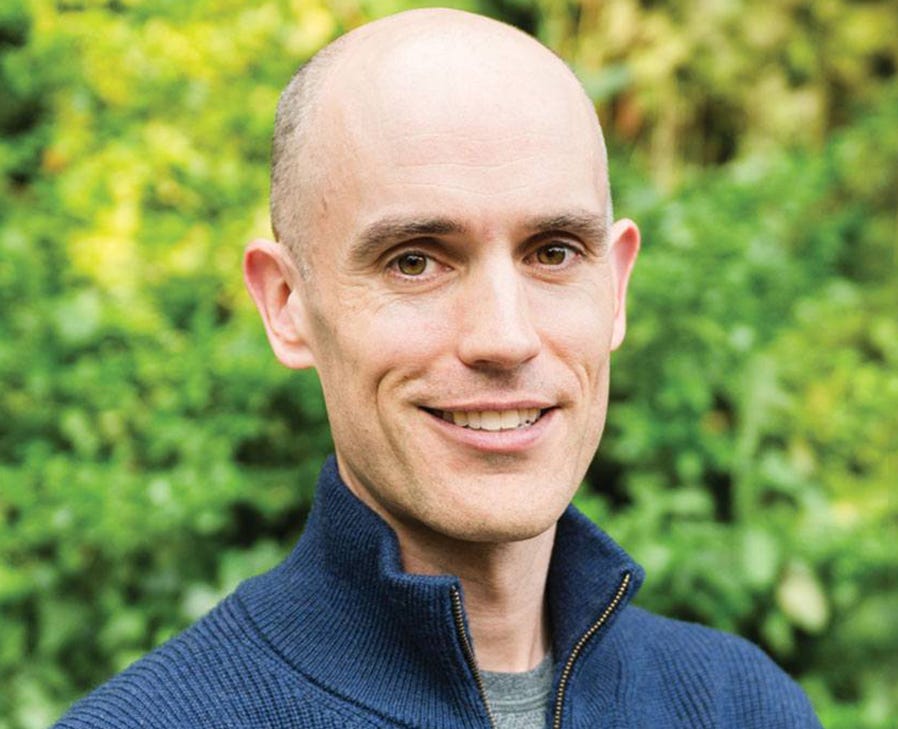 Alex Hutchinson on what drives us to explore 14.10.2025 1ώ 23λThis drive to discover is deeply human, and as today’s guest will tell you, it might even be encoded in our genes.Alex Hutchinson is the author of The Explorer's Gene. He draws on the latest insights from neuroscience and behavioural psychology to show how the urge to explore shaped our species, and how it continues to direct our actions, even when we’re sitting on the sofa.We spoke about the explore-exploit dilemma, memorizing a route versus mapping a landscape, and how to find the sweet spot between predictability and chaos in your own exploring life.Personal Landscapes relies on the support of listeners like you to keep going. Please consider joining my Member's Club on Substack https://www.personallandscapespodcast.com/p/start-hereYou’ll be supporting an independent ad-free podcast that publishes carefully curated conversations like this one, backed by decades of reading.Find me on: InstagramYouTubeXFollow my travels — and buy my books — on ryanmurdock.com This is a public episode. If you'd like to discuss this with other subscribers or get access to bonus episodes, visit www.personallandscapespodcast.com/subscribe
 -
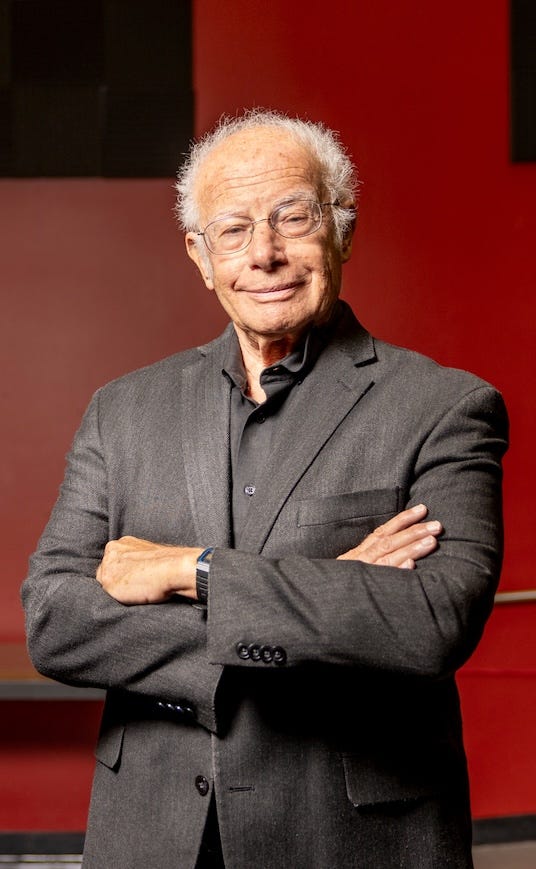 Foster Hirsch on film noir and 1950s Hollywood 30.09.2025 1ώ 18λFilm noir is is my favourite silver screen genre. I’ve seen every A-list film noir multiple times, and most of the B-movies, too. I’ve wanted to do a podcast conversation about it since I started Personal Landscapes.These downbeat stories of ordinary lives gone hopelessly astray crackle with hard-boiled dialogue. They're set in modern urban wastelands, usually at night, in claustrophobic rooms where the actors are framed in tight shots that create a mood of entrapment.The classic period only lasted from 1941 until the mid-1950s, but their visual style continues to influence movies today.Who better to guide us through it than Foster Hirsch, film historian and author the definitive study, Film Noir: The Dark Side of the Screen. We spoke about film noir’s roots in hard-boiled fiction, how German Expressionism shaped its aesthetic, and what was happening in 1950s Hollywood as noir — and the studio system — came to an end.Personal Landscapes relies on the support of listeners like you to keep going. Please consider joining my Member's Club on Substack https://www.personallandscapespodcast.com/p/start-hereYou’ll be supporting an independent ad-free podcast that publishes carefully curated conversations like this one, backed by decades of reading.Find me on: InstagramYouTubeXFollow my travels — and buy my books — on ryanmurdock.com This is a public episode. If you'd like to discuss this with other subscribers or get access to bonus episodes, visit www.personallandscapespodcast.com/subscribe
 -
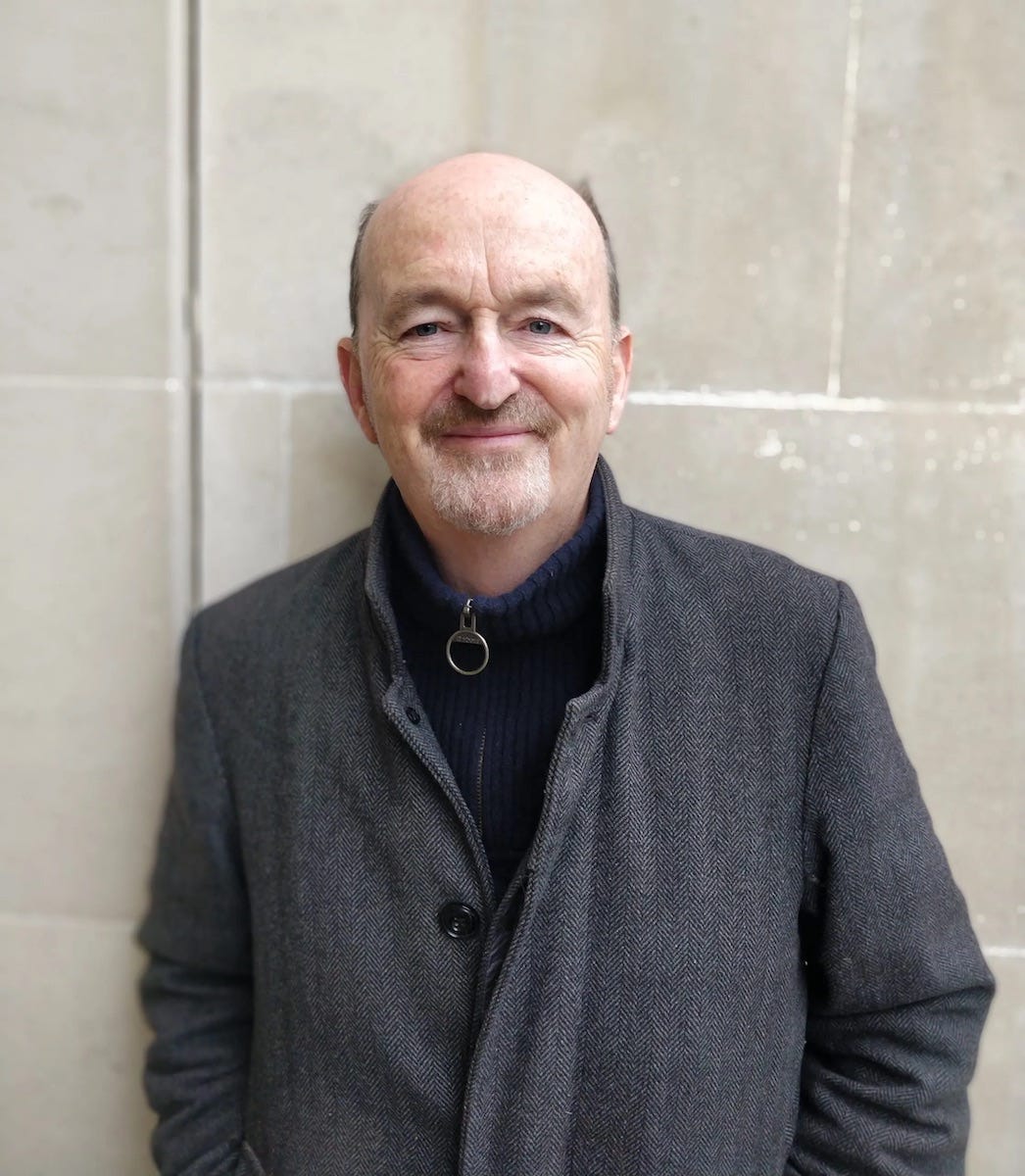 Peter Carpenter: Walking in the Footsteps of David Bowie 16.09.2025 1ώ 24λWhen his doctor told him to walk or die, Peter Carpenter transformed a health crisis into a feat of urban archaeology.In wandering the streets where David Bowie honed his craft, Carpenter uncovered hidden dimensions and new connections to pivotal Bowie narratives, shining a light on the legendary artist’s conscious and subconscious influences.Peter Carpenter is the author of Bowieland: Walking in the Footsteps of David Bowie, and of several volumes of poetry, including Just Like That and After the Goldrush.We spoke about Bowie’s Berlin years, how the suburbs shaped his sound, and the Growth Arts Lab in Beckenham.Personal Landscapes relies on the support of listeners like you to keep going. Please consider joining my Member's Club on Substack https://www.personallandscapespodcast.com/p/start-hereYou’ll be supporting an independent ad-free podcast that publishes carefully curated conversations like this one, backed by decades of reading.Find me on: InstagramYouTubeXFollow my travels — and buy my books — on ryanmurdock.com This is a public episode. If you'd like to discuss this with other subscribers or get access to bonus episodes, visit www.personallandscapespodcast.com/subscribe
 -
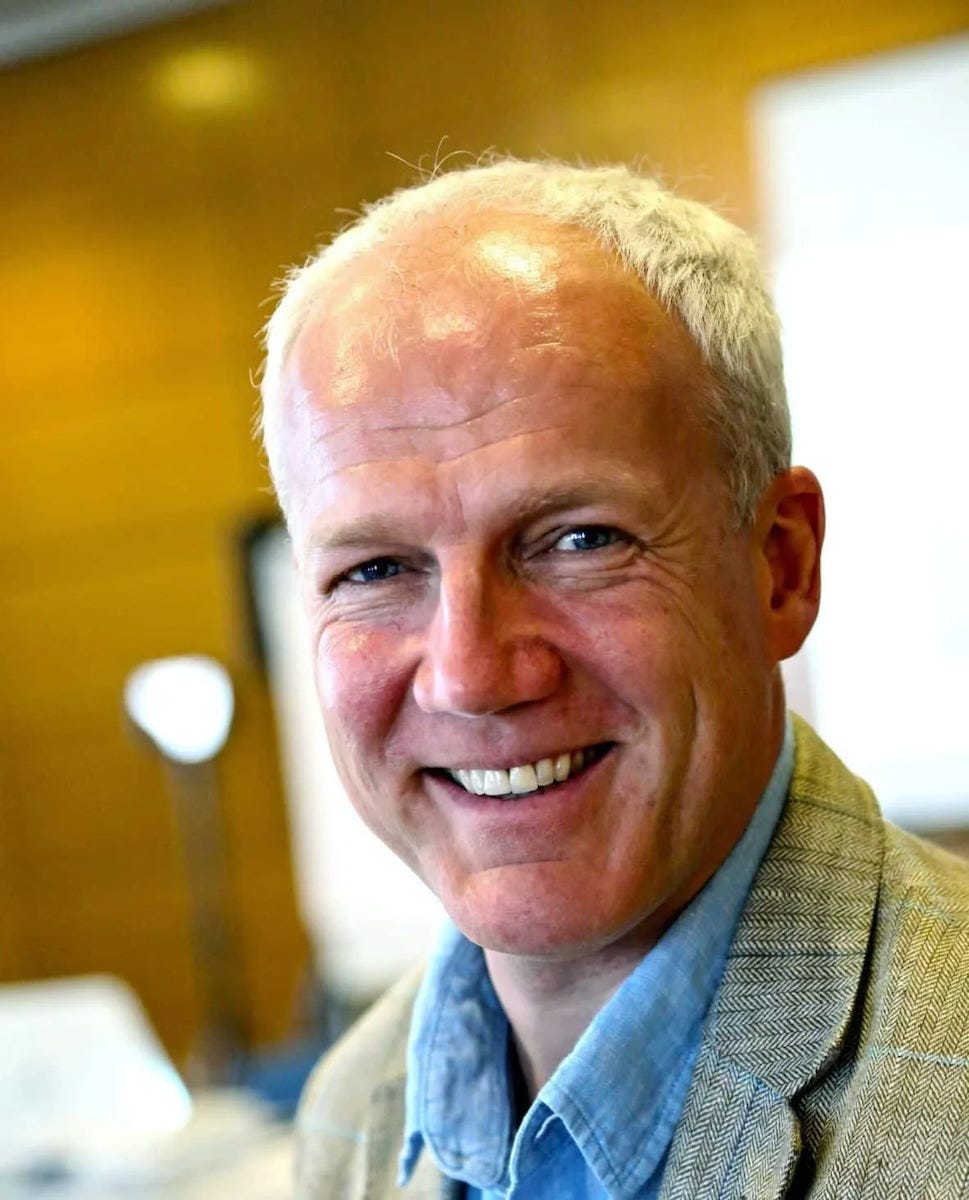 Justin Marozzi: Slavery in the Islamic World 02.09.2025 1ώ 3λThe Atlantic slave trade began in the 15th century and was abolished in the United States in 1865, but slavery was practiced in the Muslim world for much longer. It dates back to the 7th century, and endured openly until late in the 20th century.Why do we know so little about this? And what forms did it take?Today’s guest set out to answer these questions — and more — in a compelling new book that traces the extraordinary variety of slavery in the Islamic world and brings life to voices of enslaved people, from 8th century concubines to 20th century pearl divers.Justin Marozzi is the author of Captives and Companions: A History of Slavery and the Slave Trade in the Islamic World.We spoke about courtesans and slave soldiers, the trans-Saharan slave trade, and how the Quran addressed slavery.Personal Landscapes relies on the support of listeners like you to keep going. Please consider joining my Member's Club on Substack https://www.personallandscapespodcast.com/p/start-hereYou’ll be supporting an independent ad-free podcast that publishes carefully curated conversations like this one, backed by decades of reading.Find me on: InstagramYouTubeXFollow my travels — and buy my books — on ryanmurdock.com This is a public episode. If you'd like to discuss this with other subscribers or get access to bonus episodes, visit www.personallandscapespodcast.com/subscribe
 -
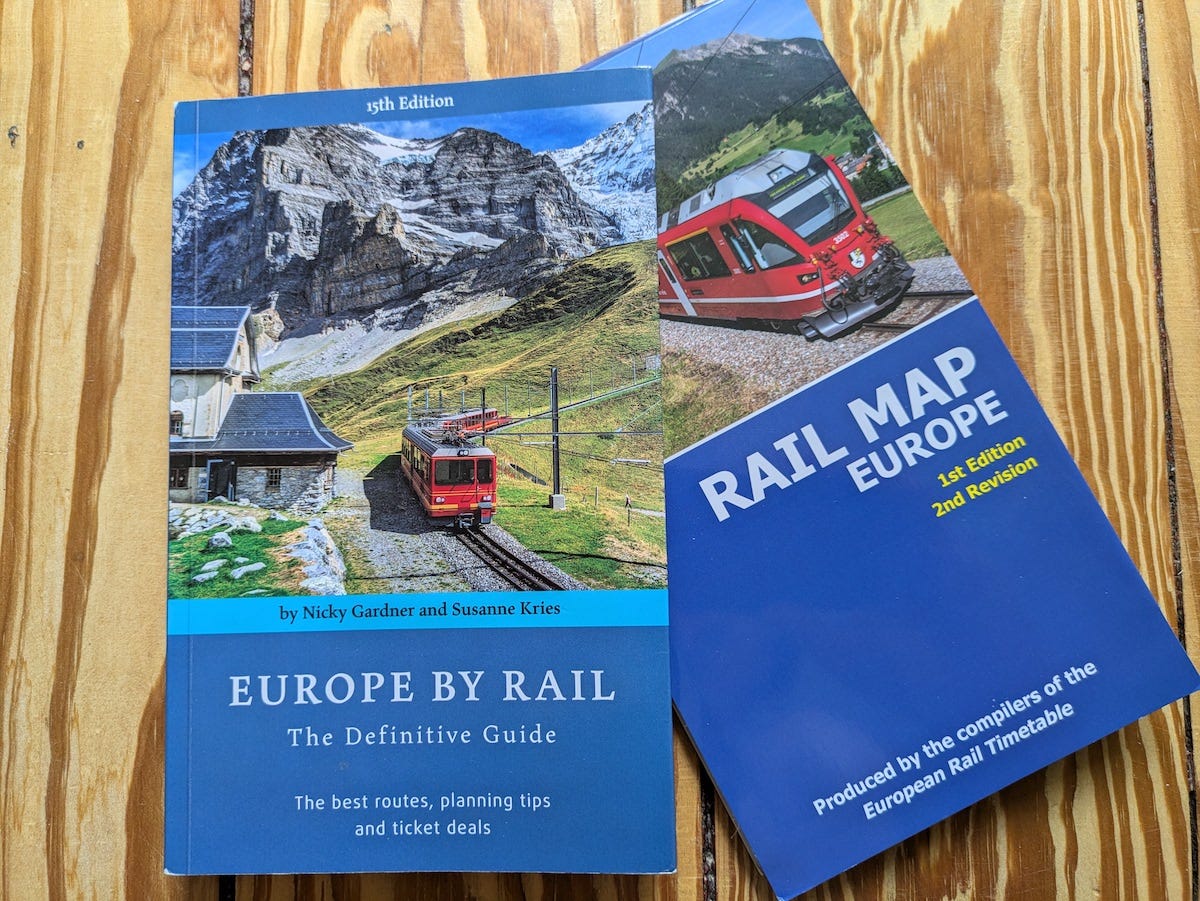 Europe By Rail with Nicky Gardner 15.07.2025 1ώ 11λEurope By Rail is a beautifully-published guidebook that covers 50 key rail routes across Europe, blending practical advice with narrative storytelling, and a focus on slow travel by local trains.This wonderful resource has been inspiring travel dreams for over 30 years. The 18th edition was published in October 2024. It’s one of my favourite guidebooks, and I’m happy to be able to share it with you today.Co-author Nicky Gardner joined me to talk about spontaneity versus pre-planning, the pros and cons of rail passes, and the return of night trains.Personal Landscapes relies on the support of listeners like you to keep going. Please consider joining my Member's Club on Substack https://www.personallandscapespodcast.com/p/start-hereYou’ll be supporting an independent ad-free podcast that publishes carefully curated conversations like this one, backed by decades of reading.Find me on: InstagramYouTubeXFollow my travels — and buy my books — on ryanmurdock.com This is a public episode. If you'd like to discuss this with other subscribers or get access to bonus episodes, visit www.personallandscapespodcast.com/subscribe
 -
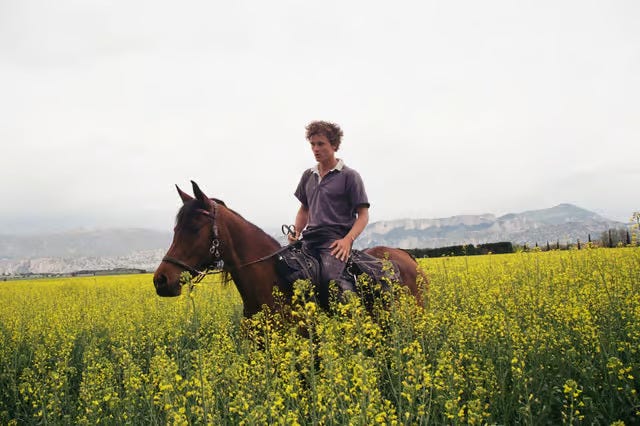 Louis D. Hall on riding to the end of the land 24.06.2025 1ώ 2λIn his mid-twenties, city-bound and restless, Louis D. Hall decided to make an uncharted journey on horseback.He found his horse, Sasha, in Italy’s Apennine Mountains and headed west for ‘the end of the land’.In Green is a classic adventure story and a wonderful travel writing debut. I think you’ll enjoy it.We spoke about crossing the Ligurian Alps, the mysteries of the horse, and the kindness of strangers.Personal Landscapes relies on the support of listeners like you to keep going. Please consider joining my Member's Club on Substack https://www.personallandscapespodcast.com/p/start-hereYou’ll be supporting an independent ad-free podcast that publishes carefully curated conversations like this one, backed by decades of reading.Find me on: InstagramYouTubeXFollow my travels — and buy my books — on ryanmurdock.com This is a public episode. If you'd like to discuss this with other subscribers or get access to bonus episodes, visit www.personallandscapespodcast.com/subscribe
Παρόμοια podcasts


Δημοφιλές σε
Αυτό το podcast εμφανίζεται και στις λίστες podcasts αυτών των χωρών.

