
INTERPRETING GOSPEL MUSIC
Your Podcast Minister
0
This podcast explores gospel music as a structured form of theology, cultural memory, and historical testimony. The host analyzes how each song is built on specific Bible verses and how those scriptures shape the song's meaning, purpose, and emotional force. The show treats gospel music not as loose inspiration but as a disciplined, scripture-anchored expression of faith, endurance, and communal identity. Listeners can also request songs via a music request line.
Επεισόδια
-
 The Metropolitan Male Chorus 27.08.2026 27λOrder My Book: www.weusoursluckybooks.com
 -
 Black Suffering Christians-Slave Theology 15.07.2026 54λSend Your Comments to: [email protected]
 -
 In Treatment: The Spirit or the Spirits 01.07.2026 34λ11 Ways to Choose God Instead of Relapse When You’re Alone1. Remember God’s Love in the Moment of Temptation (John 3:16)When the urge hits, pause and remind yourself: God still loves me right now. Temptation grows strongest when a person forgets they are loved. Recalling God’s love interrupts the separation that leads to relapse.2. Tell the Truth About the Struggle Instead of Hiding It (Romans 3:23)“All have sinned…” means you don’t have to pretend. Admitting the struggle out loud — even if only to God — breaks the secrecy that fuels relapse. Honesty is the doorway back to connection.3. Use the Authority God Already Gave You (John 1:12)You have the right to choose differently. Speak it: I have authority to walk away from this. Authority unused becomes relapse; authority exercised becomes recovery.4. Replace the Escape With a Scripture You Can Say Out LoudWhen the group show is gone, your voice becomes your weapon. Speak one line:“God so loved the world…”“All have sinned…”“By His wounds I am healed…”“He gave the right…” Speaking Scripture disrupts the mental pattern that leads to relapse.5. Change Your Physical Position ImmediatelyRelapse often begins with stillness. Stand up. Walk. Step outside. Move your body. Movement breaks the chain between thought and action.6. Call One Person Who Knows the Real YouNot the group version. Not the testimony version. The real you. Connection kills isolation, and isolation is where relapse grows.7. Pray a Short, Honest Prayer Instead of a Long Religious OneGod doesn’t need performance. Say: God, I’m struggling. I need You right now. Honesty reconnects you faster than religious language.8. Identify the Lie Behind the TemptationEvery relapse begins with a lie: “I need this.” “I can handle this.” “No one will know.” Name the lie. Naming it breaks its power.9. Choose a Healing Action That Matches 1 Peter 2:24“By His wounds you were healed.” Healing requires action:Drink waterTake a showerRead one verseStep outsideWrite one sentence Small healing actions reinforce the larger spiritual healing Christ already provided.10. Remove the Object of Temptation From Your Immediate ReachRelapse is often proximity-based. If it’s near you, it owns you. Distance creates clarity. Clarity creates strength. Strength creates obedience.11. Ask Yourself the Question That Defines Your Essay“The group show is gone. What are you going to do?” This question forces the person to confront the truth: Recovery is not what they say in the group. Recovery is what they choose when they are alone.John 3:16 — Remember God’s loveRomans 3:23 — Tell the truth about the struggle1 Peter 2:24 — Walk in healingJohn 1:12 — Use your authorityComments to: [email protected]
 -
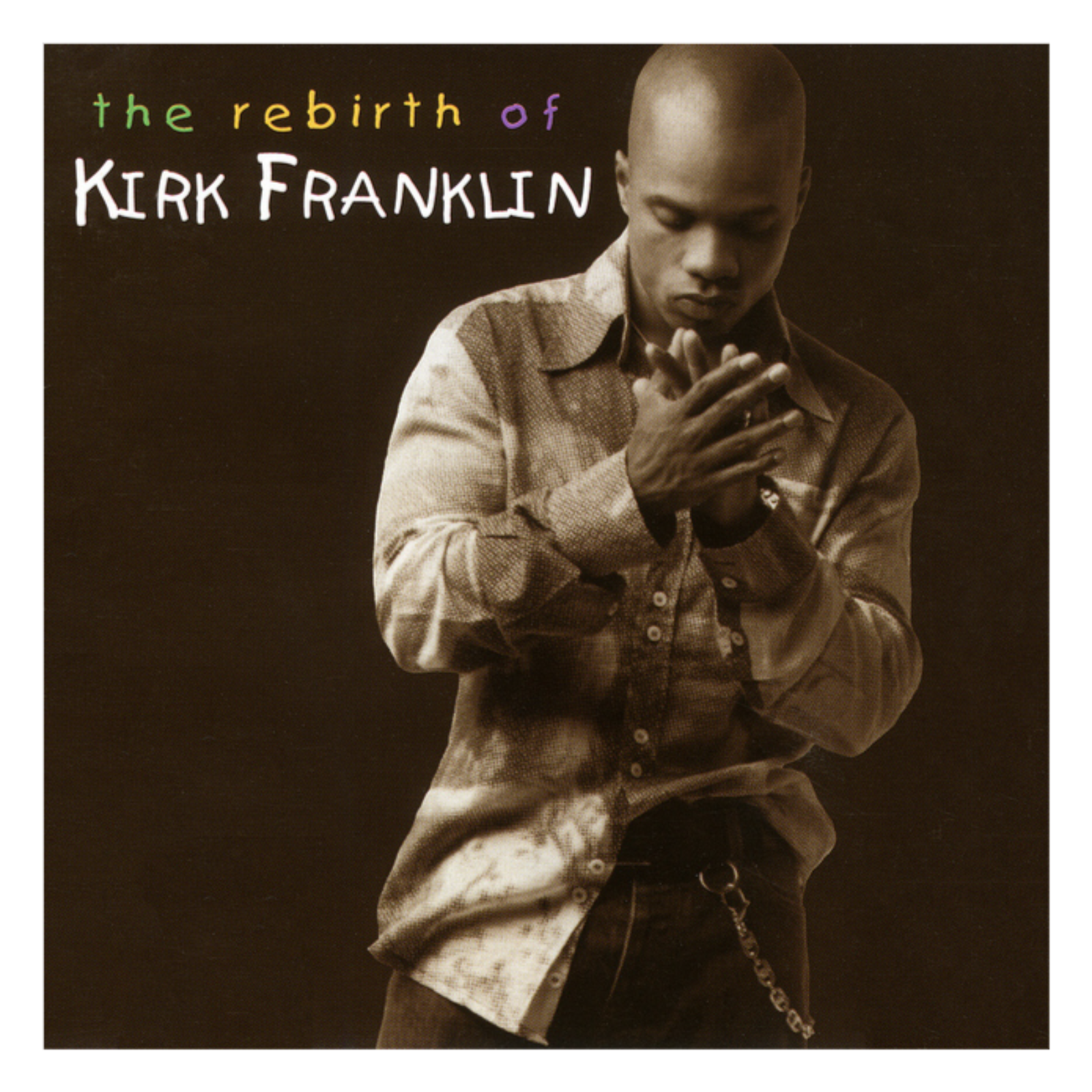 Hosanna-From the Request Line 27.06.2026 10λ📅 Publication DateKirk Franklin released “Hosanna” on February 19, 2002.My Interpretation of The Lyrics1. Jesus Is the Savior We Cry Out ToThe word Hosanna literally means “save us” — a plea for deliverance. Kirk Franklin’s song echoes the same cry the crowds shouted as Jesus entered Jerusalem.Bible Verse: “Hosanna to the Son of David!” — Matthew 21:9The song reminds believers that salvation is not found in human strength but in calling on Jesus with urgency and trust.2. Christ’s Sacrifice Gives Us New LifeThe song declares: “The price that You paid gives us life brand new.” This reflects the core Christian belief that Jesus’ death brings spiritual renewal.Bible Verse: “The Lamb that was slain for my sins…” (reflected in the song’s meaning) “Behold, the Lamb of God, who takes away the sin of the world!” — John 1:29Hosanna celebrates redemption — the new life believers receive through Christ’s sacrifice.3. Worship Is Both Personal and EternalThe repeated line “Hosanna forever we worship You” expresses unending praise. The song blends awe, devotion, and dependence on God.Bible Verse: “From the rising of the sun to its setting, the name of the Lord is to be praised.” — Psalm 113:3Worship is not momentary; it is a lifelong and eternal response to God’s greatness.
 -
 Bump The Past- God Is Your Future 15.06.2026 38λPERSONAL CHANGE WORKSHEET1. What Part of My Past Keeps Pulling Me Back?Describe the habit, mindset, or behavior you keep returning to.2. What Does “My Mud” Look Like?Identify the specific behavior that keeps you stuck. Example: snapping in anger, shutting down, avoiding responsibility.3. What Is “My Vomit”?What harmful action or pattern do you keep returning to even though it hurts you?4. What Trigger Pulls Me Back Into It?List the situations, people, or emotions that send you into the old cycle.5. What New Behavior Will Replace the Old One?Be specific and realistic.Reality Therapy (WDEP) Self‑AssessmentW – WANT: What do I truly want to change in my life?D – DOING: What am I doing right now that keeps me stuck?E – EVALUATE: Is what I’m doing helping me get what I want? □ Yes □ No Explain:P – PLAN: What is my next clean step forward TODAY? Comments: [email protected]
 -
 250 Years of Black Christian Patriots 29.05.2026 28λLesson Plan: 250 Years of Black Military Service(≈ 2,950 characters including spaces)Objective 1: Students will explain how Black Americans have served in every U.S. war from the Revolution to today. Example: A student identifies the 54th Massachusetts, the Harlem Hellfighters, and the 6888th Battalion and states how each advanced American democracy.Objective 2: Students will evaluate how racism shaped Black veterans’ experiences during and after service. Example: A student explains how Vietnam veterans returned to racial covenants, GI Bill discrimination, and unequal access to housing and education.Learning OutcomesOutcome 1: Students will produce a short written or verbal explanation of how Black service members showed patriotism despite barriers. Example: A student describes how the 54th fought for a nation that denied them equal pay.Outcome 2: Students will connect past discrimination to modern debates about equity and national memory. Example: A student explains how GI Bill exclusion contributed to the racial wealth gap still visible today.Student Challenge (Instructor Must Complete)Students challenge the instructor to identify one overlooked Black military figure or unit not covered in class and explain their contribution in under 60 seconds. If the instructor cannot answer, students choose the next figure or topic for class exploration.5E Learning ModelEngage: Students examine images of Black soldiers from the Revolution, Civil War, WWI, WWII, Vietnam, and modern conflicts. Prompt: “What patterns do you see across time?”Explore: Students rotate through stations on the 54th Massachusetts, Harlem Hellfighters, Tuskegee Airmen, the 6888th, and Vietnam veterans facing discrimination.Explain: Students share findings. Instructor clarifies themes: service in every war, racism in the ranks, denied benefits, and the contradiction between service and citizenship.Elaborate: Students respond to: “How does recognizing 250 years of Black service change our understanding of American democracy?” They must use two historical examples.Evaluate (Formative Assessment): Exit Ticket:Name one Black military unit or figure and explain their contribution.Describe one form of discrimination Black veterans faced and its impact.
 -
 Smokie Norful: I Need You Now-With Bible Study 02.06.2026 7λBible Study: “I Need You Now” — Faith in Urgent TimesTheme:When life presses hard and strength runs low, our cry becomes our worship. “I Need You Now” reminds believers that calling on God is not a sign of weakness — it’s the essence of faith.Scripture Focus:Psalm 46:1 — “God is our refuge and strength, a very present help in trouble.” Psalm 34:18 — “The Lord is close to the brokenhearted and saves those who are crushed in spirit.”Lesson Points:Faith Begins Where Control Ends Smokie Norful’s plea mirrors the believer’s moment of surrender. When we admit “I can’t fix this,” we open the door for God to move. → Application: Stop trying to manage what only God can mend.Prayer Is Power, Not Panic The song’s urgency teaches that prayer is not last resort—it’s first response. → Application: Replace fear with faith‑filled conversation with God.God Responds to Real Emotion Tears, frustration, and exhaustion are not barriers to God’s presence; they are invitations. → Application: Bring your whole heart to Him—He listens.Reflection Question:When was the last time you told God, “I need You now,” and meant it with full surrender?Closing Thought:Faith is not proven in calm seasons but in storms. The believer’s cry—“I need You now”—is heaven’s favorite sound.
 -
 Proverbs 20:17: White Fragility + Fraud = 41 Years 25.05.2026 19λProverbs 20:17Comments: [email protected] Send this episode to another man/woman of God.
 -
 Aimee Bock, Mr. T, Batman, and the Tap‑Dancing Brothers 22.05.2026 17λPeople of God Having FunAimee Bock (aka Shirley Temple) didn’t just walk into Minnesota’s nonprofit world — she twirled in like a tap‑dancing prodigy from a 1930s movie reel. With a smile sweet enough to charm a courtroom and an innocence polished to a Hollywood shine, she projected the kind of “golly‑gee” wholesomeness that made people believe every grant, every meal count, every signature was pure as sugar.But behind the curls‑and‑dimples routine was a performance far more elaborate than any Shirley Temple musical. While the public saw a benevolent leader feeding children, the backstage reality was a choreography of paperwork, partnerships, and meal claims that didn’t always match the script. The spotlight she sought for her organization slowly shifted, revealing shadows where the applause used to be.As the allegations grew louder, the contrast sharpened: the child‑star innocence she projected versus the federal‑investigation gravity surrounding her. It wasn’t just a fall from grace — it was a tap‑dance routine gone off‑beat, a show where the props didn’t match the story, and the audience suddenly realized the orchestra had stopped playing.In the world of MinneFrauda, where trust is currency and oversight is the stage manager, her act became a cautionary tale: a reminder that even the brightest smile can hide the most complicated script, and even the sweetest persona can lead an entire cast into chaos when the performance collapses.
 -
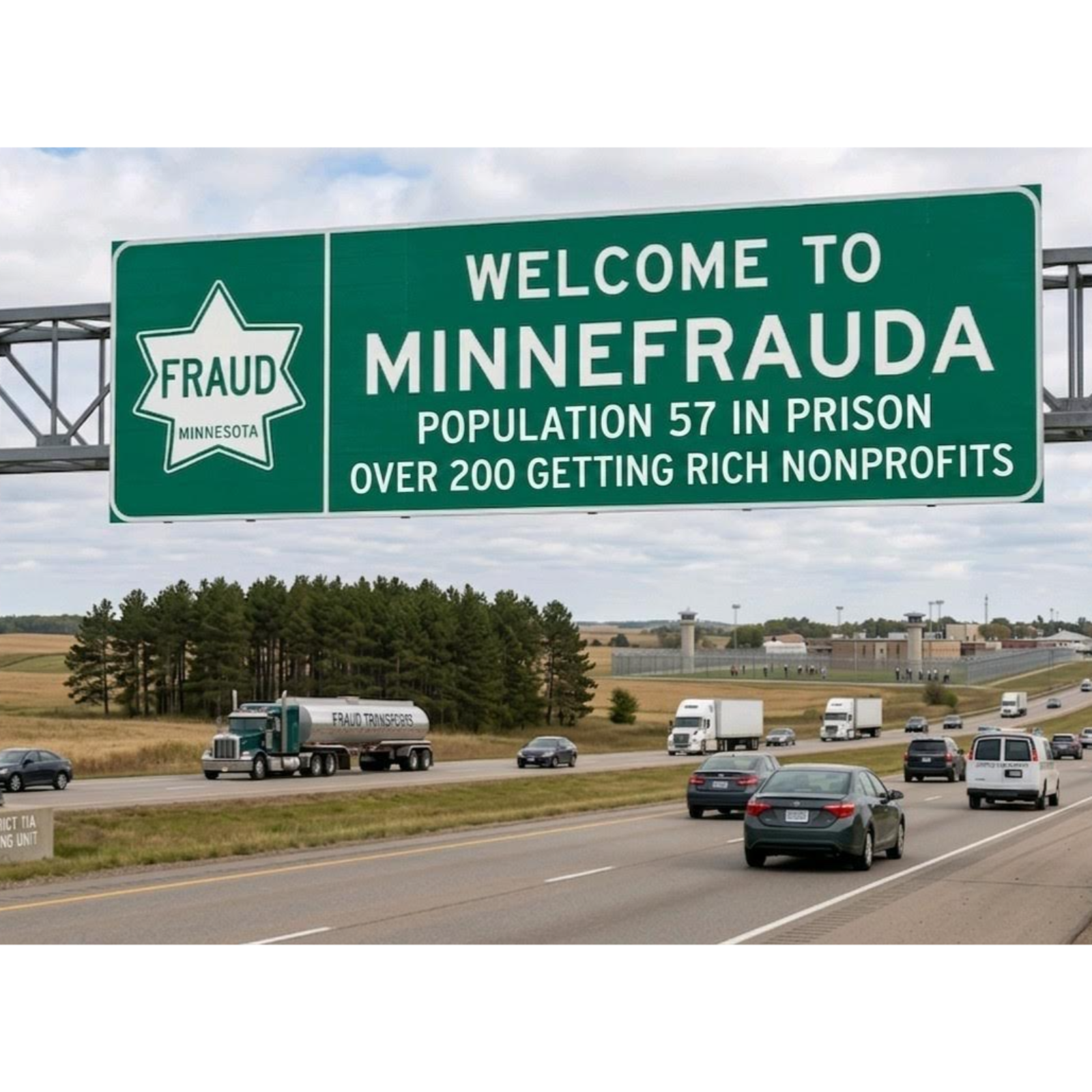 $$ MinneFrauda $$ 21.05.2026 40λMy Pappy Used to Say: God Don't Like Ugly
 -
 Romans 8:31 Against the Opposers 19.05.2026 23λOrder My Book: weusoursluckybooks.com LOGIC MODEL: Using Opposition as MotivationProgram Goal: Equip students, graduates, and emerging leaders to convert opposition—negative people, “isms,” doubt, and resistance—into motivation, strategy, and personal advancement.InputsPersonal experiences with oppositionSupportive peers and mentorsLeadership frameworks (task, transformational, servant, adaptive)Historical examples (Tubman, Hamer, Malcolm X, Dr. King)Self‑reflection and disciplineAwareness of haters, prejudices, and systemic barriersActivitiesIdentify sources of opposition and categorize them (ignore vs. use)Reframe negative messages into action questions (“What CAN I do?”)Practice leadership strategies that anticipate resistanceStudy historical leaders who turned pressure into purposeConvert critics’ words, jealousy, and actions into strategic fuelTeach students to transform discouragement into momentumOutputsExamples showing how opposition becomes usableStudent‑created strategies for responding to haters and “isms”Leadership plans built around resistanceReflection statements on how opposition reveals potentialTools for turning negativity into progressShort‑Term OutcomesStudents recognize opposition as material, not a barrierIncreased confidence when facing discouragementAbility to ignore unproductive criticsAbility to convert negative messages into strategic actionLong‑Term OutcomesStronger leadership identityGreater resilience in college, career, and entrepreneurshipAbility to build more from opposition than from agreementStrategic use of resistance to amplify goals and messageTransformation of opposers into unintentional contributors to successImpactLearners adopt the mindset that opposition is not the enemy—it is the material. Motivation is the builder. Strategy is the result. They grow from supporters but rise by converting resistance into power.AssumptionThis model assumes that students and leaders are willing to reflect honestly, confront discomfort, and apply disciplined action. It also assumes that opposition—whether rooted in jealousy, prejudice, or fear—can be reframed and repurposed into constructive energy when guided by intentional leadership.Contact: [email protected]
 -
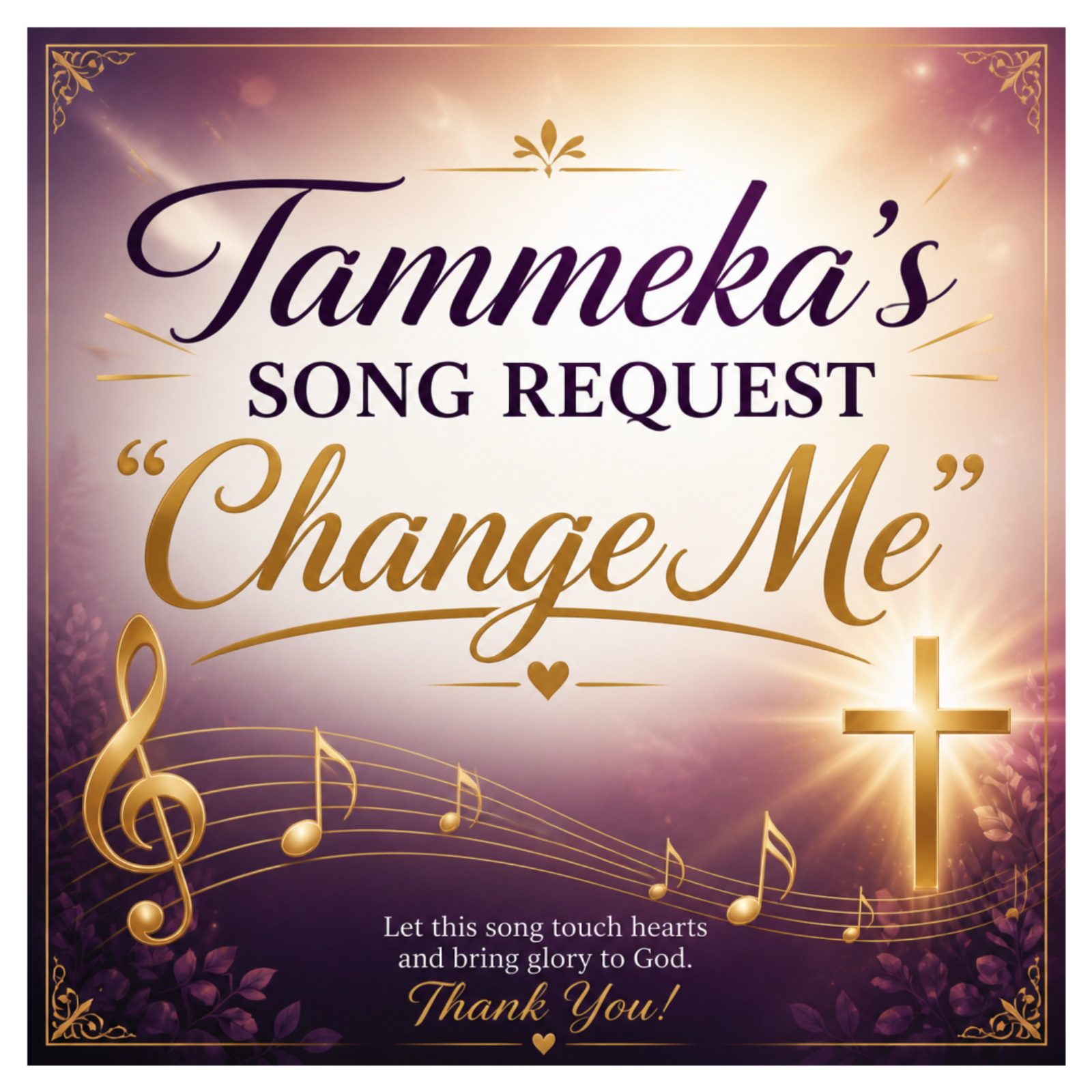 Tammeka's Song: Change Me - Tamela Mann 19.05.2026 16λOrder My Book: www.weusoursluckybooks.com Family & Friends Lesson Plan: Transformation Through Faith — “Change Me” by Tamela MannOverviewTamela Mann’s “Change Me” is a heartfelt prayer asking God to renew the heart and cleanse the spirit. This lesson helps family and friends reflect together on how God transforms us when we surrender, trust, and allow Him to work in our lives.Learning ObjectivesOur family and friends will explore how surrender leads to spiritual transformation. Example: We talk about what it means to say, “Wash me through and through,” and how giving God control brings peace.Our group will reflect on how faith and forgiveness create lasting change. Example: We connect the song’s message to moments in our own lives when God helped us grow or heal.Learning OutcomesOur family and friends will express understanding of spiritual renewal through shared reflection. Example: Each person shares how Psalm 51:10 speaks to their own desire for change.Our group will apply biblical principles of transformation to real‑life situations. Example: We discuss how surrendering to God can help us handle stress, relationships, or personal struggles.5E Learning Model (Family‑Friendly Version)Engage — Start the ConversationWe listen to “Change Me” together and talk about what stands out. Prompt: “What does it mean for God to change us from the inside out?”Explore — Look at God’s WordWe read Psalm 51:10, 1 John 1:9, and 2 Corinthians 5:17. We discuss how each verse connects to the song’s message of cleansing, forgiveness, and renewal.Explain — Make It RealAs a group, we talk about how Tamela Mann’s lyrics show surrender and trust. We share examples of times when God helped us change or grow.Elaborate — Apply It to LifeEach person creates a short reflection, prayer, or statement about an area where they want God to bring change. Optional: Create a family “Change Wall” where everyone posts a word or phrase representing what God is working on in them.Evaluate — Reflect TogetherWe close by sharing what “a wonderful change” means in our own lives. We encourage one another and pray for continued growth.Formative Assessment (Family Reflection)Reflection Questions:How does surrendering to God open the door for real change?Which Bible verse speaks to your heart the most right now?What is one area where you want God to bring renewal?What we look for:Honest reflectionConnection between Scripture and personal experienceWillingness to grow spirituallyMusic Request Line: 773-809-8594
 -
 Pastor Shirley Caesar: Leave Them in the Hands of the Lord 18.05.2026 9λOrder My Book: www.weusoursluckybooks.comPastor Shirley Caesar’s Leave Them in the Hands of the Lord delivers a powerful reminder that some people and situations are beyond our ability to fix. The song teaches that while we may try to help, guide, or carry others, true change comes only when we release them to God. This aligns with Psalm 55:22, which assures us that when we cast our burdens on the Lord, He sustains us. The message is not about giving up on people — it’s about trusting God to do what we cannot.The song also emphasizes the peace that comes when we stop fighting battles that belong to God. When we step back, God steps in. This truth is echoed in Exodus 14:14, where God promises to fight for us if we remain still. By placing people, problems, and pressures in God’s hands, we experience divine protection, clarity, and rest. The song becomes a spiritual release — a reminder that God handles what overwhelms us.Music Request Line: 773-809-8594
 -
 Lisa's Request: Better Days-Le' Andria Johnson 17.05.2026 10λRequest A Song at 773-809-8594Lisa's RequestLesson Plan: “Better Days — Hope Beyond Present Pain”Learning ObjectiveYou and your family will understand how faith provides hope during adversity, using Romans 8:18 and the song Better Days as real‑life examples.Example: After listening to the song, you and your family point out lyrics that show perseverance, hope, or trust in God’s future promises.Learning OutcomeYou and your family will be able to explain how spiritual endurance transforms suffering into strength, connecting Romans 8:18 to your own life experiences.Example: A family member might say, “Romans 8:18 reminds me that what we’re going through now is temporary — God has something better ahead.”Mini‑Lesson Flow (5E Model)EngagePlay Better Days by Le’Andria Johnson. Ask: “What part of this song speaks to you the most?”ExploreRead Romans 8:18 together. Discuss: “What does this verse say about our struggles?”ExplainConnect the verse to the song: Both teach that present pain cannot cancel future glory.ElaborateYou and your family share examples of times you pushed through hardship and later saw God’s purpose or blessing.Evaluate (Formative Assessment)Each person writes or says a short reflection answering:“How does Romans 8:18 help you understand the message of Better Days?”You check for:Clear explanationConnection to scripturePersonal insightOrder My Book: www.weusoursluckybooks.com
 -
 God Says: Having Joy at Their Ignorance 12.05.2026 14λ[email protected] Easy Way to Challenge Job‑Related Bias and Low ExpectationsPurposeTo help participants recognize and challenge workplace bias, microaggressions, and low expectations through humor, transparency, and confidence—without confrontation or loss of professionalism.Learning ObjectivesBy the end of this session, participants will be able to:Identify subtle forms of workplace bias and low expectations that appear as “compliments,” jokes, or DEI‑related comments. Example: Recognizing phrases like “You’re lucky to be here” or “We needed diversity” as coded bias.Apply humor and transparency as tools to disarm bias and expose projection. Example: Suggesting the “Transcript Transparency Challenge” as a playful way to level the field.Demonstrate professional confidence rooted in earned experience and qualifications. Example: Responding to bias with calm facts—“I’ve been doing this work for 15 years across schools and juvenile justice systems.”Lesson Flow1. Opening (5 minutes)Display the sign: “Easy Way to Challenge Job‑Related Bias and Low Expectations.” Ask participants: “What does this phrase mean to you? Where have you seen low expectations show up at work?”Encourage quick responses—keep tone light but real.2. Mini‑Lesson (10 minutes)Explain that bias often hides behind humor or “casual” comments. Discuss how transparency and humor can flip the power dynamic.Example Discussion Points:“You’re only here because of DEI” → reveals insecurity, not truth.“We lowered the bar for you” → projection of someone else’s fear of comparison.“You’re so articulate” → coded surprise at competence.Show how humor can expose bias without hostility:“Let’s all post our transcripts in the break room—celebrate everyone’s academic journey!”The laughter opens space for reflection.3. Activity (10 minutes)Role‑Play: Participants act out short workplace scenarios involving bias or low expectations. Each group practices responding with humor and professionalism.Example: A colleague says, “You’re lucky DEI opened doors.” Response:“Maybe! But I’ve been opening doors for myself since before DEI had a budget.”Encourage creativity and laughter while reinforcing dignity.4. Reflection (5 minutes)Ask: “What happens when we respond with humor instead of anger?” “How does transparency shift power?” “How can we protect our peace while still challenging bias?”Participants share insights.Expected OutcomesParticipants recognize bias and projection in workplace interactions.Participants gain confidence using humor and transparency to respond.Participants leave with a clear sense of earned worth and professional legitimacy.Cool Closing Strategy: “You Earned Your Way”End with a group affirmation:“I earned my way here. My work speaks louder than anyone’s assumptions.”Invite participants to say it aloud together. Then challenge them to post their own credentials proudly—not to prove worth, but to remind others that excellence is not accidental.Participants write one short reflection:Describe a time they faced bias or low expectations.Explain how they could use humor or transparency to respond next time.
 -
 Democrats Teach Doom: I Teach Isaiah 41:10 11.05.2026 24λVoting RightsDemocrats Need Fear to Keep Your Plantation Votes**SUNDAY SCHOOL LESSON"God’s Power Beyond Rulings**ThemeGod’s people do not fear earthly rulings. We walk in God‑given power, agency, and responsibility.Scripture Focus2 Timothy 1:7 — God gives power, not fear.Isaiah 54:17 — No weapon formed will prosper.Philippians 4:13 — Christ strengthens us.Amos 5:24 — Justice must flow.Romans 8:31 — If God is for us, who can be against us.Lesson SummaryThe Supreme Court may issue rulings, but God’s authority is higher. The lesson teaches that Black voters — and all believers — are not powerless, not dependent, and not defined by political systems. God calls His people to courage, clarity, and participation. Earthly rulings may shift, but God’s purpose does not.Key PointsHuman rulings can restrict, but God empowers.Black agency is real, historic, and God‑ordained.We are free to shape both major parties — not confined to one.Leadership is not limited by geography or systems.Justice work is holy work.Unity multiplies influence.Representation grows when God’s people show up.Discussion QuestionsWhere do you see God calling you to lead despite obstaclesHow can believers practice courage instead of fearWhat does political independence look like for God’s peopleLife ApplicationThis week, students commit to:Pray for courage to act with God‑given power.Engage civically with wisdom, not fear.Let their light shine in every arena — church, community, and public life.Comments: [email protected]
 -
 2026 RN: Safe in His Arms -The Thompson Community Singers 26.04.2026 9λTo the future nurses of 2026 — your journey is a living testimony of strength, compassion, and divine purpose. Every late‑night study session, every clinical challenge, and every patient encounter is shaping you into a healer whose hands will carry both skill and grace. You are stepping into a calling that demands courage and heart, but remember, God has already equipped you for every moment ahead. Walk boldly, serve faithfully, and let your care remind the world that healing is holy work.Call in your gospel request: 773-809-8594The Podcast Minister
 -
 Breaking News for Gospel Music 21.04.2026 3λClick into the webpage and use one of the codes to redeem my book Relationships: The Power of Illusion. Hurry and claim a code before someone else does. Please do not use more than one code.www.iuniverse.com/en/redeem1060000044144610600000441447106000004414481060000044144910600000441450106000004414511060000044145210600000441453
 -
 Every Praise — Hezekiah Walker-Interpreting the Lyrics 13.04.2026 11λHelp With My Audience Research. Call and let me know the area that you are listening from. 773-809-8594See my book at www.weusoursluckybooks.com Your podcast minister
 -
 Listen Now: GET A COPY OF MY BOOK FREE 12.04.2026 13λClick into the webpage and use one of the codes to redeem my book Relationships: The Power of Illusion. Hurry and claim a code before someone else does. Please do not use more than one code.www.iuniverse.com/en/redeem 1060000044144610600000441447106000004414481060000044144910600000441450106000004414511060000044145210600000441453
Παρόμοια podcasts


Δημοφιλές σε
Αυτό το podcast εμφανίζεται και στις λίστες podcasts αυτών των χωρών.

