
More or Less
BBC Radio 4
1
Tim Harford explains and sometimes debunks the numbers and statistics used in political debate, the news, and everyday life.
Επεισόδια
-
 Fact-check: Will Scottish pensioners really be funding English social care? 14.10.2026 29λTim Harford investigates some of the numbers in the news. This week:(00:40) First Minister John Swinney has claimed that Scottish pensioners are set to lose £2000, with the money going to fund English social care. We gently suggest he might like to consider the existence of the Barnett formula, and explain that, when you do, the picture looks very different.(06:08 ) The Liberal Democrats have dug out data on maternity injuries that they claim is ‘a shocking indictment of our NHS maternity services’. We explore flaws in their analysis and ask an expert what a better source of data tells us about maternal healthcare.(13:20) Professor Terence Tao is good at maths. Extremely good at maths. We ask him how he feels about AI being better at maths than him.(15:49) Great news! The UK is reducing its deficit at the fastest rate of any G7 nation. Except we’re not. Ah, shame. But we are planning to! Fantastic! But we’ve got reason to be sceptical of these plans. That’s a pity. Join the FT’s Chris Giles on the economic and emotional rollercoaster that is the UK’s fiscal trajectory.(21:14) The series reaches its intellectual zenith as we ask what would happen if you ‘put the whole of the country into baked beans’. Expect back of the tin workings, cutting edge agri-science research and true public service journalism. Just don’t ask what the nadir was.Guests: Dr Spencer Thompson - Senior Knowledge Exchange Fellow at the Fraser of Allander Institute Professor Marian Knight - Director of the National Perinatal Epidemiology Unit at the University of Oxford Chris Giles - Economics Commentator at the Financial Times Professor Terence Tao - Professor of Mathematics at UCLAPresenter: Tim Harford Series Producer: Tom Colls Reporters: Nathan Gower and Lizzy McNeill Editor: Richard Vadon Programme Coordinator: Maria Ogundele Sound Engineer: James Beard
 -
Fact-check: Is China missing a billion people? 10.10.2026 8λA viral video circulating online claims the population of China is actually a billion people lower than the UN and China say. A billion is big number, you'd think the Chinese would notice if that many were missing - and the claim is certainly false.However, as the team dug into the stats, a strange story emerged - which suggests the official data on births and fertility may not be quite as reliable as you might think. We spoke to demographer Professor Sabu Padmadas from the University of Southampton to find out more. If you spot a story you'd like us to dig into contact us at [email protected]: Tim Harford Reporter: Lizzy McNeill Series Producer: Tom Colls Editor: Richard Vadon Sound Mix: James Beard
-
Is the UK state pension really the lowest in Europe? 07.10.2026 28λTim Harford investigates some of the numbers in the news. This week: (00:42) Is the UK uniquely miserly when it comes to the state pension? That’s the story a viral social media post is telling - but have they adjusted to account for complicated structural differences between national systems? Reader, they have not. (07:23) In a podcast feud nobody saw coming, Sir Jacob Rees-Mogg and Tucker Carlson recently locked horns over whether Russia or UK has a larger economy. Who's right? Only one person can possibly adjudicate this one: Duncan Weldon.(15:06) What effect did this year’s heatwaves have on excess deaths? We analyse the mortality data and explore how, despite thousands of deaths associated with the heat, 2026 is so far setting a record low mortality rate.(22:35) And finally, in an ‘and finally’ story to end all ‘and finally’ stories, we finally ask how many times the world population can fit into Loch Ness. And Lake Baikal. And, finally, the Caspian Sea. Guests: Heidi Karjalainen – Senior Research Economist at the Institute for Fiscal Studies Stuart McDonald – Partner and Head of Longevity and Demographic Insights at consultancy firm Lane Clark & Peacock Duncan Weldon – Economist and author of ‘Blood and Treasure: The Economics of Conflict from the Vikings to Ukraine’ Dr Keith Still – Director of Crowd Risk Analysis Presenter: Tim Harford Series Producer: Tom Colls Producers: Nathan Gower, Lizzy McNeill, Kateryna Pavlyuk Editor: Richard Vadon Programme Coordinator: Maria Ogundele Sound Engineer: James Beard ARCHIVE: The Tucker Carlson Show, YouTube
-
The Uzbekistan-shaped hole in an influential climate cost paper 03.10.2026 8λHow much could climate change cost the global economy? That would be a very useful thing to know, and scientists have developed statistical models that they think can help give a reasonable answer. These involve finding the patterns in economic data associated with temperature changes - and then applying them to the future changes that are predicted as the globe warms. In 2024, a scientific paper was published that apparently offered the most accurate projection yet of that potential cost - analysing the impact of temperature on economic activity at a far more granular level than had been attempted before. The paper quickly became highly influential. And then at the end of 2025, it was retracted. Why? It’s all got something to do with Uzbekistan. Solomon Hsiang, Professor of Global Environmental Policy at the Stanford Doerr School of Sustainability, explains how he and his team identified the problem.Presenter: Tim Harford Series Producer: Tom Colls Production Co-ordinator: Maria Ogundele Sound Mix: Dave O’Neill Editor: Richard Vadon
-
Does the UK really have nine out of the ten poorest regions in Northern Europe? 30.09.2026 30λTim Harford investigates some of the numbers in the news. This week:(00:40) Does the UK account for nine out of ten of the poorest regions in Northern Europe? It’s a classic story of devil meets detail where the true meaning is the geographical inequality we met along the way.(07:54) An article in The Economist has claimed that a single donkey charity in Devon received more in annual donations than all the major political parties combined. Is this true? And if so, should we be Led by Donkeys?(11:29) Last week 781 migrants crossed the channel in small boats in one day. Social media is keen to work out how much this might cost the UK economy. We put the numbers in context and ask Madeleine Sumption from the Migration Observatory about the fiscal impact of asylum seekers.(21:38) A claim has been buzzing round the internet that bees could hold the secret to long life, but our team is sceptical. We deliver the statistical exposé of Big Honey that the mainstream media’s been too afraid to cover.Guests: Liam Sides, Associate Director at Oxford Economics’ Cities and Regions team Dr Madeleine Sumption, Director of the Migration Observatory at the University of Oxford Professor Dot Bennett, Professor of Cell Biology at City St. George's, University of London Dr Ramsay Bowden, Consultant in Clinical Genetics at Cambridge University HospitalsPresenter: Tim Harford Series Producer: Tom Colls Reporters: Lizzy McNeill and Kateryna Pavlyuk Producer: Nathan Gower Editor: Richard Vadon Programme Coordinator: Maria Ogundele Sound Engineer: James Beard
-
Trump fact-check: Do the US and Venezuela have 60% of the world’s oil? 26.09.2026 9λUS president Donald Trump has claimed in a speech to the UN that the US and Venezuela combined now have 60% of the world’s oil. 100% of the team on More or Less were confused.What measurement was the president using to get to this figure? Barrels of oil produced a day? Reserves of oil in the ground? It’s hard to make any of these stats add up.To find out whether there was any truth in the claim, we spoke to energy expert Bill Farren-Price of the Oxford Institute for Energy Studies.If you spot any numbers you think we should take a look at, email us at [email protected]: Tim Harford Producer: Lizzy McNeill Researcher: Kateryna Pavlyuk Series Producer: Tom Colls Editor: Richard Vadon Sound Mix: Neil Churchill
-
Has the UK’s productivity puzzle been solved? 23.09.2026 29λTim Harford investigates some of the numbers in the news. This week:(00:42) Frustrated economists have been left rending their garments and howling in the streets after the UK’s ‘productivity puzzle’ - a decade-long head-scratching, soul-searching conundrum - disappeared with a click of the fingers and a tweak of the methodology. Should the Office for National Statistics have acted sooner? We ask Financial Times economic guru Chris Giles.(07:26) Can it really be true that by the 1960s, one in ten Irish children entered religious orders? Reporter Lizzy McNeill has the answer, and the history.(13:51) Is the AI datacentre goldrush threatening to swamp our electricity grid? And what are the consequences for its carbon footprint? We delicately untangle the live wires of this hot potato and give the people what they want: nuanced #GridChat.(20:38) This is the way the album ends - not with a banger, but with a whimper. Music Substacker Mitchell Stirling has used data to test the decades theory that albums tend to end with a quiet track. Come for the explanation of the physics of vinyl, stay for whatever music we end up being able to use.Guests: Chris Giles - Economics Commentator at the Financial Times Johnny Gowdy - Director at Regen Mitchell Stirling - Substacker, data nerd, music nerd (Renaissance man)Presenter: Tim Harford Series Producer: Tom Colls Reporters: Nathan Gower and Lizzy McNeill Editor: Richard Vadon Programme Coordinator: Maria Ogundele Sound Engineer: James Beard
-
Are carrots becoming less nutritious? 19.09.2026 8λAre fruit and vegetables less nutritious than they used to be? And is declining soil quality to blame? Loyal listener Sarah got in touch to ask us to investigate an interesting quote from Dr Karan Rajan in a BBC news story. “We know our soil is not as nutrient dense as it was decades ago,” he said. “So a carrot in the 1950s will be far more nutrient-rich than a 2026 carrot.” Is this really true? wondered Sarah. We wondered the same, so we spoke to some experts on fruit and veg nutrition to find out. CONTRIBUTORS Robin Marles, a former senior scientist in Canada’s Food and Nutrition Directorate Professor Steve McGrath, a research scientist at Rothamsted ResearchCREDITS Presenter: Tim Harford Series Producer: Tom Colls Production Co-ordinator: Maria Ogundele Sound Mix: Sue Maillot Editor: Richard Vadon
-
Are bad teeth the number one reason kids go to A&E? 16.09.2026 28λTim Harford investigates some of the numbers in the news. This week:(00:33) Are crumbling teeth the number one reason children attend A&E? We drill down into the dental health of the nation’s kids.(08:20) The US Ambassador to Israel Mike Huckabee has claimed that a quarter of pharmaceuticals used in the UK come from Israel. We check the facts.(13:20) Is former Education Secretary Michael Gove responsible for increasing number of young people not in education, employment or training?(20:11) An AI researcher has caused a global firestorm by suggesting there’s more than a 10% chance AI kills all humans within the next decade. We explore the rigorous maths (or lack thereof) behind these kinds of predictions.Guests: Dr Chris Vernazza - head of the School of Dental Sciences at Newcastle University Daisy Christodoulou - Director of Education at No More Marketing Dr Alexandru Marcoci - Assistant Professor of Global Risk and Resilience at the University of CambridgePresenter: Tim Harford Series Producer: Tom Colls Reporter: Lizzy McNeill Producers: Nathan Gower, Phoebe Keane Editor: Richard Vadon Programme Coordinator: Maria Ogundele Sound Engineer: Neil Churchill
-
Could this be the strongest El Niño in 1,000 Years? 12.09.2026 8λEvery year, climate scientists keep a close eye on data coming out of a particular area of the Pacific Ocean. They’re trying to measure the scale of a climate phenomenon - the El Niño event or effect. This is a naturally occurring phenomenon where ocean surface temperatures rise, transferring warmth from the ocean to the atmosphere. This can drive up global temperatures but also play havoc with weather systems, with profound consequences. And this year, scientists have watched with ever-widening eyes, as their projections for the peak of this year’ El Niño event have come in unprecedently high. Indeed, one climate scientist has argued that it's not beyond the realm of possibility to say this might be the strongest El Niño event in 500 or even 1,000 years. We wanted to find out more, so we went straight to the scientist himself. Contributor: Dr. Zeke Hausfather - research scientist with Berkeley Earth and climate research lead at StripeCredits: Presenter: Tim Harford Producer: Nathan Gower Series Producer: Tom Colls Production Co-ordinator: Maria Ogundele Sound Mix: Dave O’Neill Editor: Richard Vadon
-
Why are so many ex-prisoners being sent back to prison? 09.09.2026 28λTim Harford investigates some of the numbers in the news. This week:(00:38) The number of people being recalled to prison after early release in England and Wales is rising sharply. Why?(07:37) Is the UK millionaire an endangered species? We ask Duncan Weldon - he’s like David Attenborough, but for economics.(14:21) A viral graph seems to show that Europe is having a record low year for wildfires. How can we reconcile this with this summer’s shocking coverage of fires in France and Spain?(21:36) We all know seagulls are low-life thieves - but can they really be responsible for £171m worth of robbery? Prepare for five minutes of public service journalism at its finest.Guests: Cassia Rowland, Senior Researcher at the Institute for Government Hannah Ritchie, Deputy Editor at Our World in Data Duncan Weldon, economist and author of Blood and Treasure Presenter: Tim Harford Series Producer: Tom Colls Reporter: Lizzy McNeill Producers: Nathan Gower, Phoebe Keane, Josh McMinn Editor: Richard Vadon Programme Coordinator: Brenda Brown Sound Engineer: James Beard
-
Is every card shuffle unique? 05.09.2026 8λCan it really be true that every shuffle of a deck of cards is unique? Mathematician and stand-up comedian Matt Parker claims that every time you do a shuffle, the cards have never been in that order before. But how can he be so confident? Matt came into the studio armed with a deck of cards and some very big calculations to back up his big assertion, and introduced us to the mind-splitting mathematical world of factorials and combinatorics. Presenter: Tim Harford Producer: Nathan Gower Series producer: Tom Colls Sound engineer: James Beard Programme co-ordinator: Brenda Brown Editor: Richard Vadon
-
Bonus podcast: Norman Numbers 04.09.2026 6λWhat's this, an extra podcast? Has Christmas come early? No, the Bayeux Tapestry has instead returned to England for the first time in almost 1000 years.To mark the occasion, we've compiled six snack-sized stats all about the Norman invasion of England to help you have something to talk about in various social situations such a pub quizzes, movie nights and awkwardly quiet lifts. From horses to the Harrying of the North, it's all here. Presenter: Tim Harford Producers: Tom Colls, Lizzy McNeill Series Producer: Tom Colls Editor: Richard Vadon Production Coordinator: Brenda Brown Sound Mix: Sue Maillot
-
 Do Germans really take 19.5 days of sick leave per year? 29.08.2026 8λHow do different countries compare, in terms of the amount of time that workers take as sick leave?Loyal listener Dave got in touch to ask us to look at a surprising statistic he saw in the news – that the average German takes 19.5 days of sick leave per year.“This is extremely hard to believe,” he wrote.We track down the – highly reliable – source of the claim, and look at the differences between countries when it comes to taking time of work with illness.To guide us through it all is Lukas Lehner - assistant professor at the University of Edinburgh.If you’ve seen a number in the news that you think we should take a look at, get in touch: [email protected]: Lizzy McNeill Producer: Krista Beighton Series producer: Tom Colls Production co-ordinator: Brenda Brown Sound mix: James Beard Editor: Richard Vadon
 -
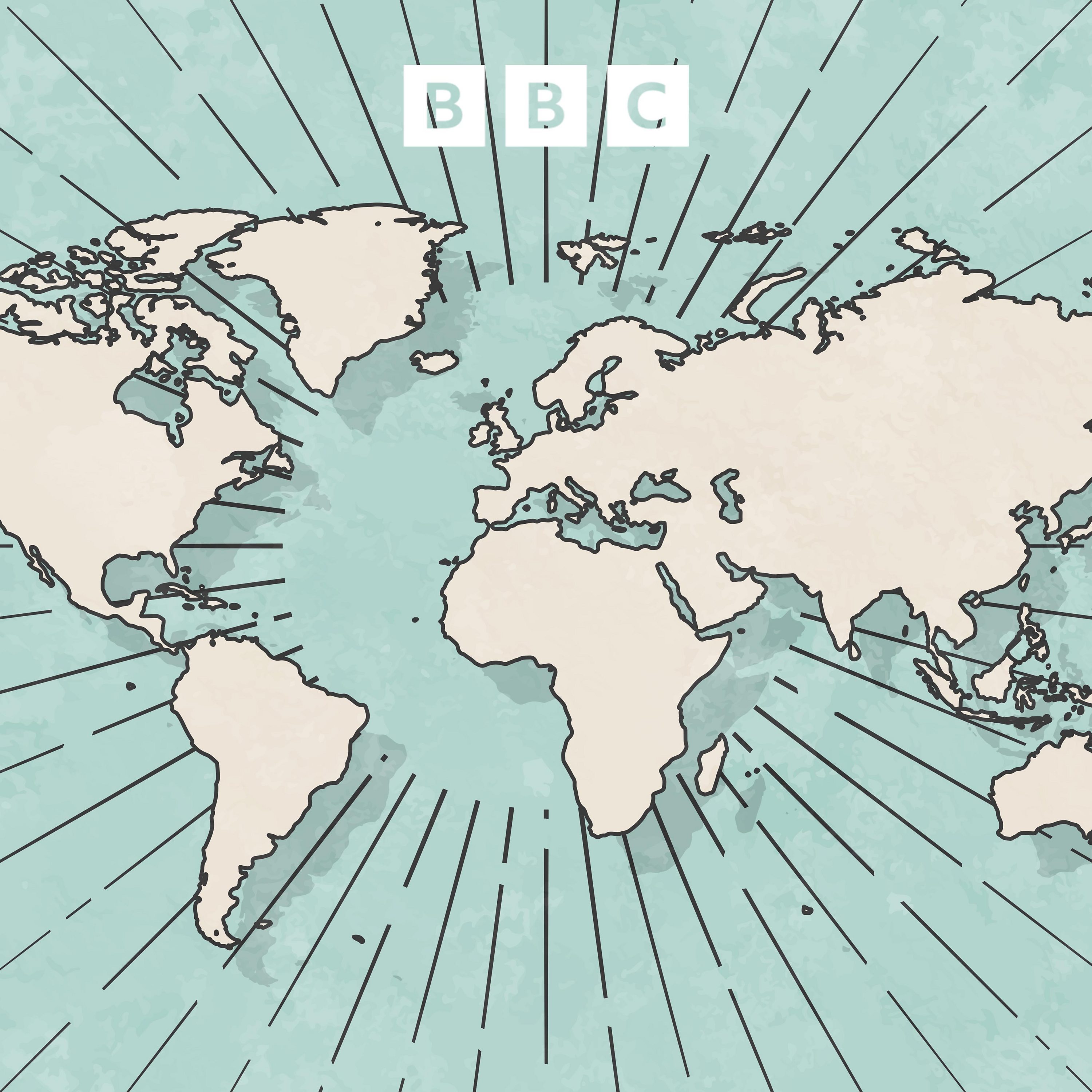 How much of the world isn’t owned by anyone? 22.08.2026 8λSometimes world events of massive practical significance lead our minds towards some lovely impractical thoughts. So it was for loyal listener, Nigel.Pondering the conflict in Iran, and the maritime ownership of the Straits of Hormuz that has become its focus, his mind wandered to an altogether bigger and - honestly - far less important question.“How much of the world surface actually doesn't belong to anyone?” he wondered.To try and answer Nigel’s question, we enlisted the help of Mark Cooper-Jones, one half of YouTube duo Map Men. If you’ve seen a number in the news that you think we should take a look at, or have a interesting statistical question like Nigel, get in touch: [email protected]: Lizzy McNeill Producer: Josh McMinn Series producer: Tom Colls Production co-ordinator: Brenda Brown Sound mix: James Beard Editor: Richard Vadon
 -
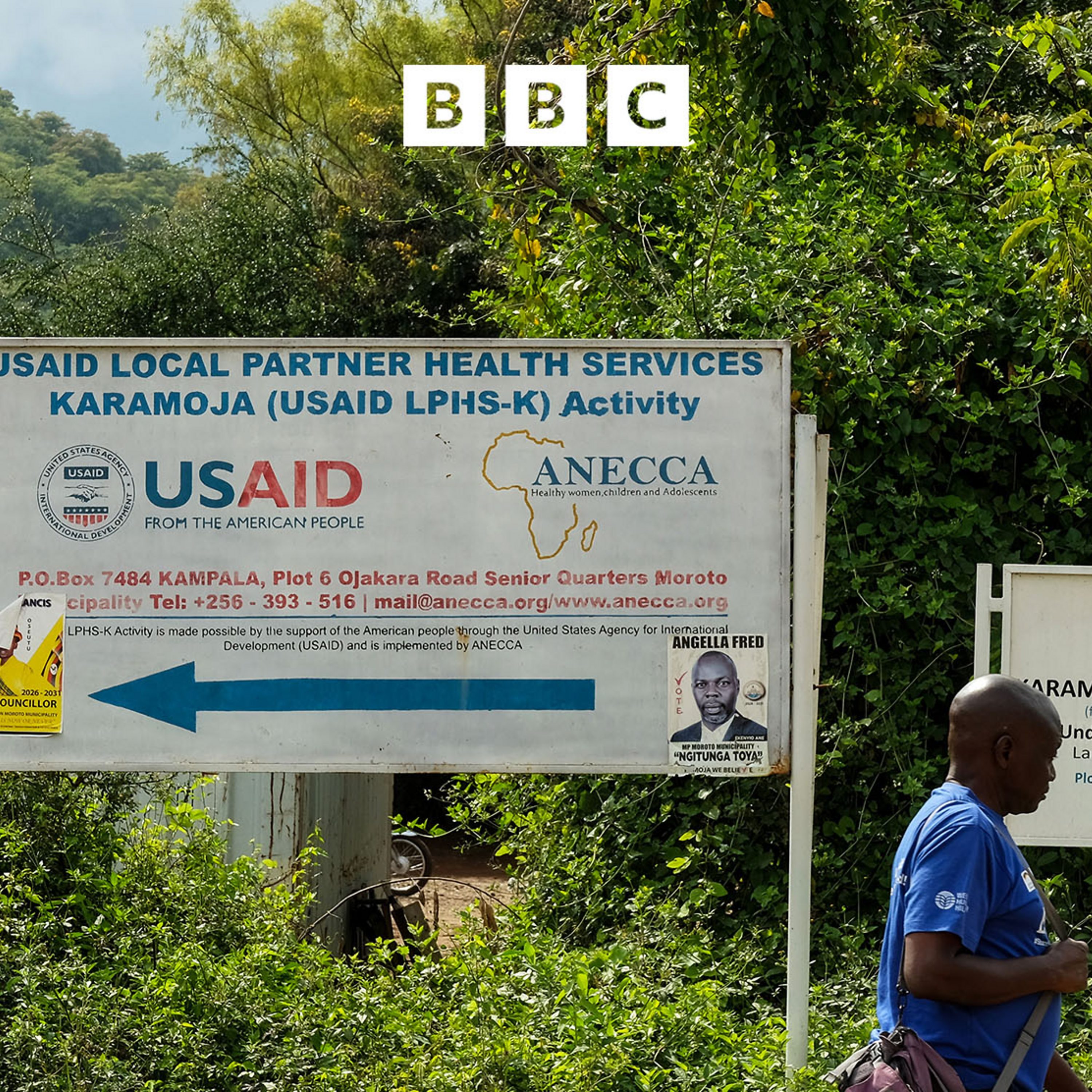 14 million deaths or zero deaths? The impact of the USAID cuts 15.08.2026 8λAs part of their mandate to stop 'waste, fraud and abuse' in federal government spending, DOGE, the department of Government Efficiency, made large cuts to the amount of money the US spent on foreign aid. The task force, headed by Elon Musk, effectively dismantled the US's largest foreign aid agency, USAID - cancelling many of its programmes and absorbing the remainder into the State Department. This has caused controversy in some circles, with researchers estimating that the cuts could result in the loss of 14 million lives by 2030. Musk strenuously denies this, stating that cuts made by DOGE has resulted in 'zero' deaths. But who is right, and what are the problems with these sorts of estimates? We speak to Dr Hannah Ritchie to find out more. If you see numbers that you want us to look into contact [email protected]/Producer: Lizzy McNeill Series Producer: Tom Colls Editor: Richard Vadon Production Coordinator: Brenda Brown Sound Mix: Neil Churchill
 -
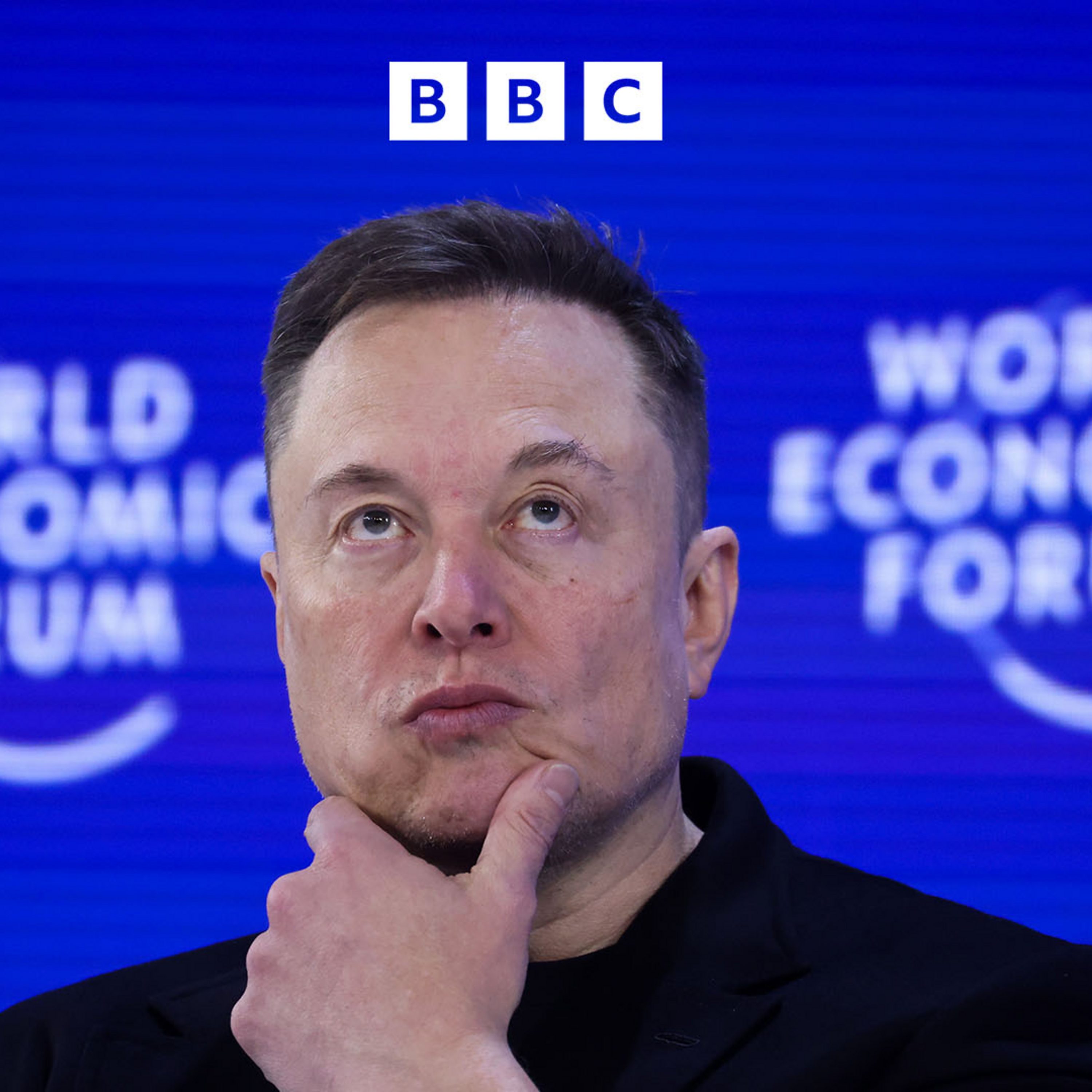 How much of all the money in the world does Elon Musk have? 08.08.2026 8λEarlier this year, South African-born tech tycoon Elon Musk briefly became the world’s first dollar trillionaire. This prompted loyal listener Stephen to email the More or Less team, to ask us to investigate something his daughter had been pondering: For all Musk’s vast wealth, what does it equate to as a proportion of all the wealth in the world?How much of all the money does Elon Musk have?We set about trying to figure this out, with the help of Robin Wigglesworth, author of A Fabulous Debt and journalist at the Financial Times.If you’ve seen a number in the news that you think we should take a look at, or have an interesting statistical question like Stephen, get in touch: [email protected]: Lizzy McNeill Producer: Josh McMinn Series producer: Tom Colls Production co-ordinator: Brenda Brown Sound mix: James Beard Editor: Richard Vadon
 -
Would you take £50,000 or a 50/50 chance of £1m? 01.08.2026 8λIf you had a choice between instantly receiving £50,000 or a 50% chance to win £1m, which would you pick?When YouGov asked exactly that question to people in the UK, 73% said they would take the £50,000, while 21% opted for the 50/50 chance of winning £1m.As you may or may not have imagined, this finding provoked outrage on Twitter, with people saying the UK appeared incredibly risk averse. “This is what’s wrong with Britain,” wrote celebrity polling analyst and More or Less interviewee Nate Silver.But is the result surprising, when you know a bit more about how people make decisions like this? BBC economics editor Faisal Islam explains why he thinks not. Image: Illustration of paper notes with a sterling pound symbol falling. Credit: Jamie Lawton/Getty ImagesPresenter: Lizzy McNeill Series producer: Tom Colls Production co-ordinator: Siobhan Reed Sound engineer: Donald MacDonald Editor: Richard Vadon
-
The mistake in Trump’s tariff formula 30.07.2026 29λWhat is the error in the calculation Donald Trump used to work out his new tariffs? What happened when the government ordered a recount of bobbies on the beat?When is a tax freeze not a tax freeze? And do redheads really have a 25% higher tolerance to pain? Tim Harford investigates some of the numbers in the news. Presenter: Tim Harford Reporter: Charlotte McDonald Producers: Nathan Gower and Lizzy McNeill Series producer: Tom Colls Production co-ordinator: Brenda Brown Sound mix: James Beard Editor: Richard Vadon
-
Is crime in London ‘through the roof’? 25.07.2026 8λThe crime rate in London has been cropping up regularly on social media and in political discussions - US president Donald Trump has claimed that crime in the city is ‘through the roof’.But what does the data tell us?Professor Matt Ashby, from University College London’s Centre for Global City Policing, has put together statistics that allow you to start to compare crime rates between cities around the world. That evidence shows London in a different light, in terms of murder and other violent crimes.If you see any stats you think need looking into, contact us at [email protected] Presenter/Producer: Lizzy McNeill Series Producer: Tom Colls Editor: Richard Vadon Production Coordinator: Brenda Brown Sound Mix: Andrew Garratt
Ραδιοφωνικός σταθμός

Παρόμοια podcasts


Δημοφιλές σε
Αυτό το podcast εμφανίζεται και στις λίστες podcasts αυτών των χωρών.
-
 Μπρουνέι
-
 Λιθουανία
-
 Μαυρίκιος
-
 Ομάν
Ομάν
-
 Βοσνία και Ερζεγοβίνη
-
 Αλβανία
-
 Μπενίν
-
 Βόρεια Μακεδονία
-
 Ακτή Ελεφαντοστού
-
 Βερμούδες
-
 Καμερούν
-
 Τσαντ
Τσαντ
-
 Λάος
Λάος
-
 Τρινιντάντ και Τομπάγκο
-
 Λουξεμβούργο
-
 Ηνωμένο Βασίλειο
-
 Ουρουγουάη
-
 Λετονία
-
 Καζακστάν
-
 Λιβερία
-
 Ταϊλάνδη
-
 Ινδονησία
-
 Ουγγαρία
-
 Τζαμάικα
-
 Μογγολία
-
 Ζιμπάμπουε
-
 Αζερμπαϊτζάν
-
 Φινλανδία
-
 Μαλαισία
-
 Μπαρμπάντος
-
 Μοζαμβίκη
-
 Υεμένη
-
 Μποτσουάνα
-
 Ισημερινός
-
 Νέα Ζηλανδία
-
 Κροατία
-
 Μπελίζ
-
 Ελλάδα
-
 Μάλτα
Μάλτα
-
 Σιέρα Λεόνε
-
 Τανζανία
-
 Νησιά Κέιμαν
-
 Παπούα Νέα Γουινέα
-
 Αρμενία
-
 Σρι Λάνκα
-
 Κένυα
Κένυα
-
 Ουζμπεκιστάν
-
 Γουιάνα
-
 Ζάμπια
-
 Νίγηρας
-
 Ρουμανία
-
 Σερβία
-
 Μαλδίβες
-
 Πράσινο Ακρωτήριο
-
 Εσθονία
-
 Κιργιζιστάν
-
 Άγιος Βικέντιος και Γρεναδίνες
-
 Ισλανδία
-
 Σεϋχέλλες
-
 Νεπάλ
Νεπάλ
-
 Μπουρκίνα Φάσο
-
 Κύπρος
-
 Γουινέα-Μπισσάου
-
 Σιγκαπούρη
-
 Αργεντινή
-
 Νότια Αφρική