
SF Música
SF Música
0
SF Música takes you inside your favorite Latinx concerts to come through the San Francisco Bay Area. Whether it's San Francisco, Oakland or San Jose, tune in and get our reactions to some of the biggest concerts and artists who represent Latinos, Latinas and Latinx culture.
Επεισόδια
-
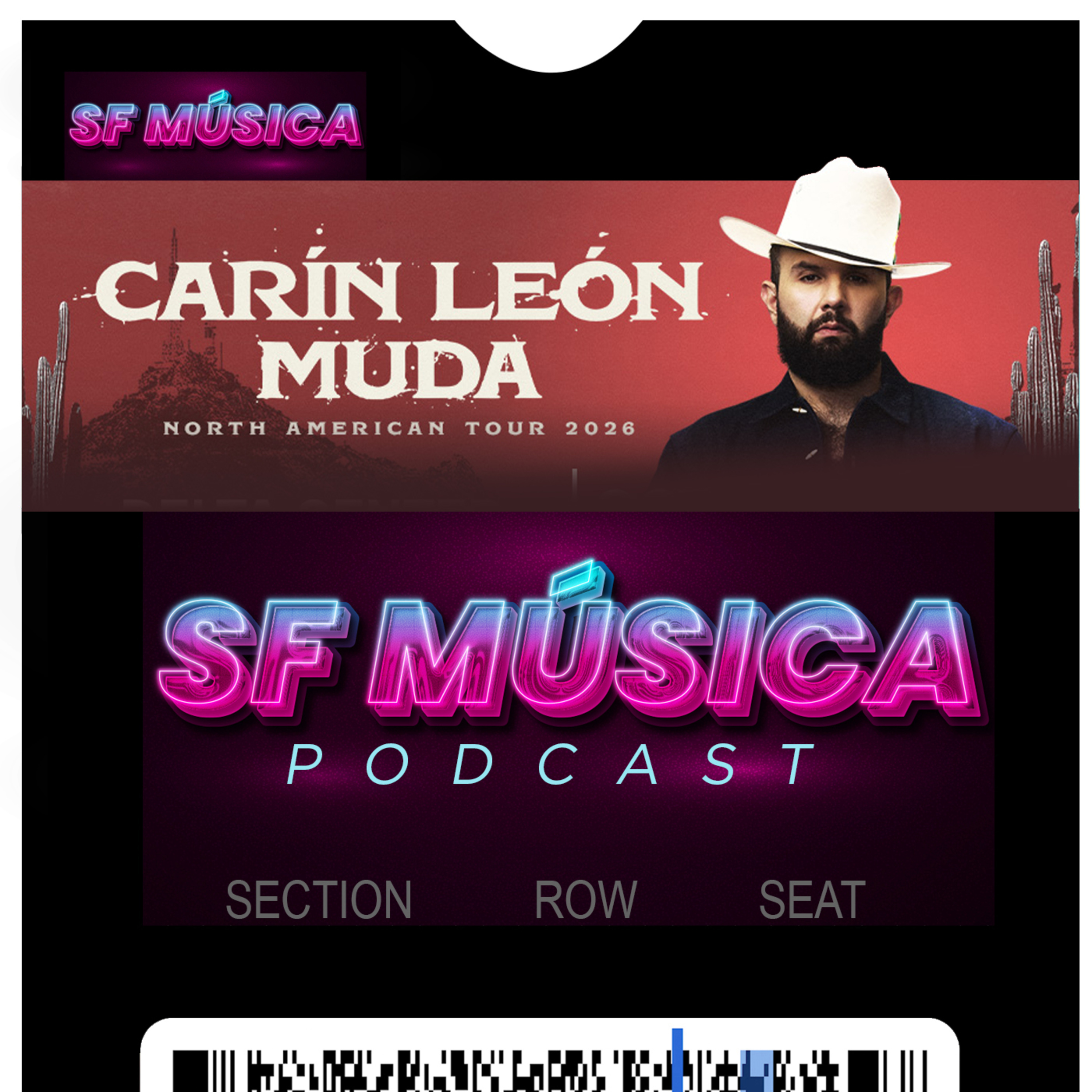 Carin León rebounds from Sphere controversy, gives epic performance at SAP Center in San Jose 20.09.2026 23λIn this episode of the SF Música Podcast, we review Carín León’s Muda Tour stop at the SAP Center in San Jose—and explain why this performance gave us the musical experience we had been hoping for. After seeing his Las Vegas Sphere residency just weeks earlier, we compare the two shows and make the case that San Jose placed the focus where it belonged: on Carín’s voice, his band, his Sonoran roots, and his ability to move naturally between regional Mexican music, banda, salsa, jazz-influenced textures, ballads, and crowd-ready anthems.We break down the stronger sound, the intimate secondary stage, Carín’s confident vocals, and the connection he created with a Bay Area audience that sang and danced throughout the night. We also revisit highlights including “Despídase Bien,” “Primera Cita,” “Bingo,” “La Buena,” and “El Amor de Mi Herida,” while discussing how much of the Muda album made the set—and the one song we still hoped to hear.From an indoor camera drone and cinematic video screens to pyrotechnics and arena-wide confetti, the production added spectacle without overpowering the music. We also discuss the controversy surrounding the canceled Sphere date, whether disappointed fans would return, and why this concert still felt bigger than entertainment: it became an immersive, collective experience built on emotion, nostalgia, musicianship, and the energy shared between artist and audience.CHAPTERS(00:41) San Jose versus the Las Vegas Sphere(02:52) Chasing the feeling of earlier Carín León shows(04:46) Sonoran roots, banda sound, and musical versatility(06:42) Why arena venues may suit Carín better(08:41) Confidence, vocals, and stage presence(09:44) Favorite songs from the concert(11:06) The Muda album songs—and missing “Tokyo”(13:08) Crowd energy and more standout performances(14:16) Drone shots, visuals, pyrotechnics, and confetti(16:06) “Banger after banger” and collective euphoria(18:22) Fan loyalty after the canceled Vegas show(20:26) Where the concert ranks—and why it mattered
 -
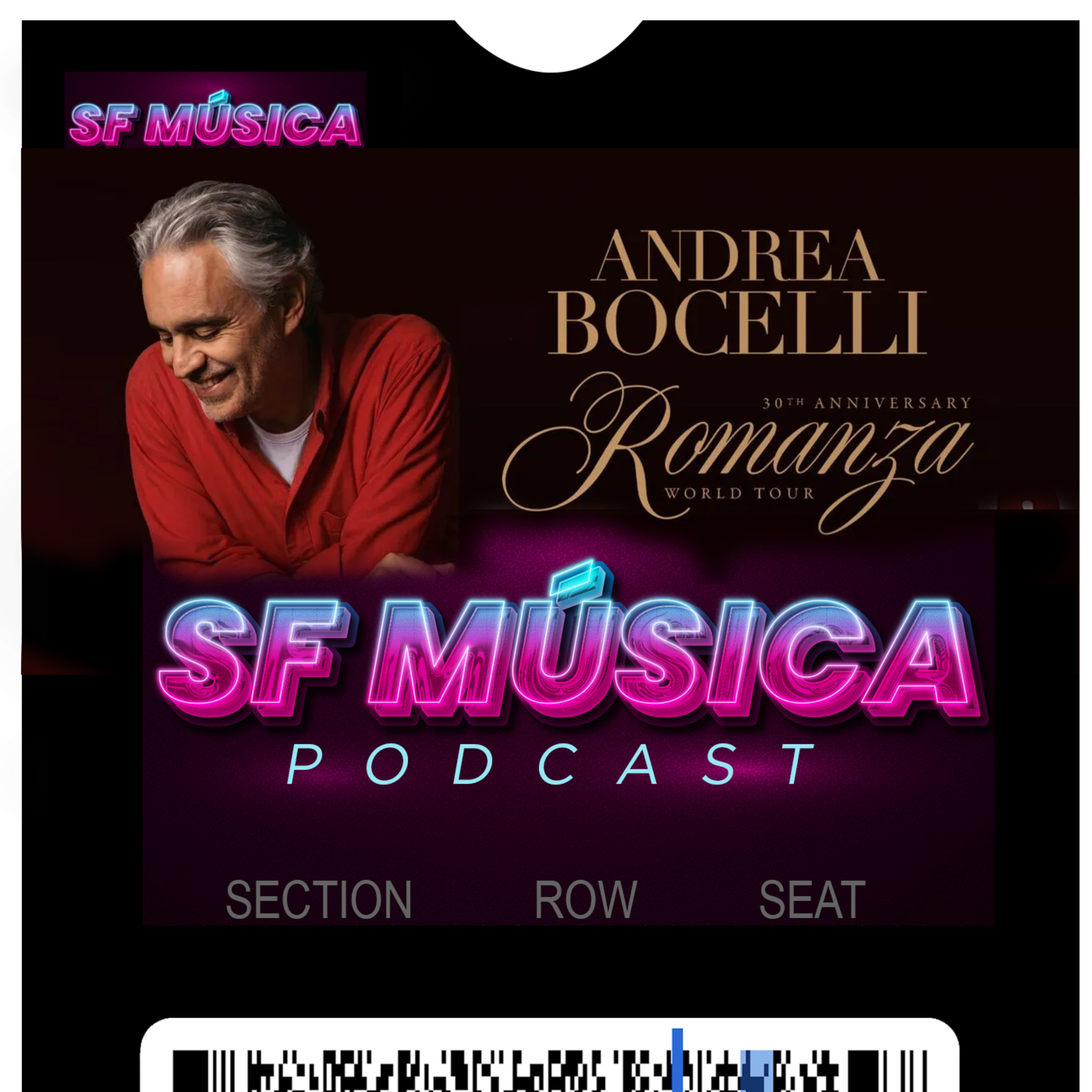 Andrea Bocelli en San Jose: La Voz que También es Nuestra 15.09.2026 7λEn este episodio especial de SF Música Podcast, reflexionamos sobre el concierto de Andrea Bocelli en el SAP Center de San José y sobre la profunda relación que el tenor italiano ha construido con el público latino.Aunque Bocelli no es un artista latino, canciones como “Vivo por ella”, “Por ti volaré” y “Bésame mucho” lo convirtieron en parte de nuestra radio, nuestras telenovelas y nuestros recuerdos familiares. Su música conecta con emociones muy presentes en el bolero, la ranchera y la balada romántica: el amor, la devoción, el anhelo y la pérdida.También repasamos un espectáculo que reunió ópera, ballet, música orquestal y canto coral, demostrando que la música clásica puede llegar mucho más allá de su público tradicional. Sus colaboraciones con Los Ángeles Azules y Karol G confirman que Bocelli continúa buscando un lugar dentro de la conversación musical latina.Al final, entendemos que su legado no se mide solamente por su voz, sino por la manera en que sus canciones se han convertido en la banda sonora de nuestras familias, nuestros duelos y nuestras memorias.CHAPTERS(00:00) Artistas que trascienden géneros y fronteras(00:22) El concierto de Andrea Bocelli en San José(00:42) La conexión de Bocelli con el público latino(01:45) Romanza y su impacto internacional(02:49) Las telenovelas y “Vivo por ella”(04:13) El lenguaje emocional de su música(04:50) Ópera, ballet y espectáculo visual(05:26) Los Ángeles Azules, Karol G y nuevas generaciones(06:45) La música como memoria familiar(07:25) Reflexión final
 -
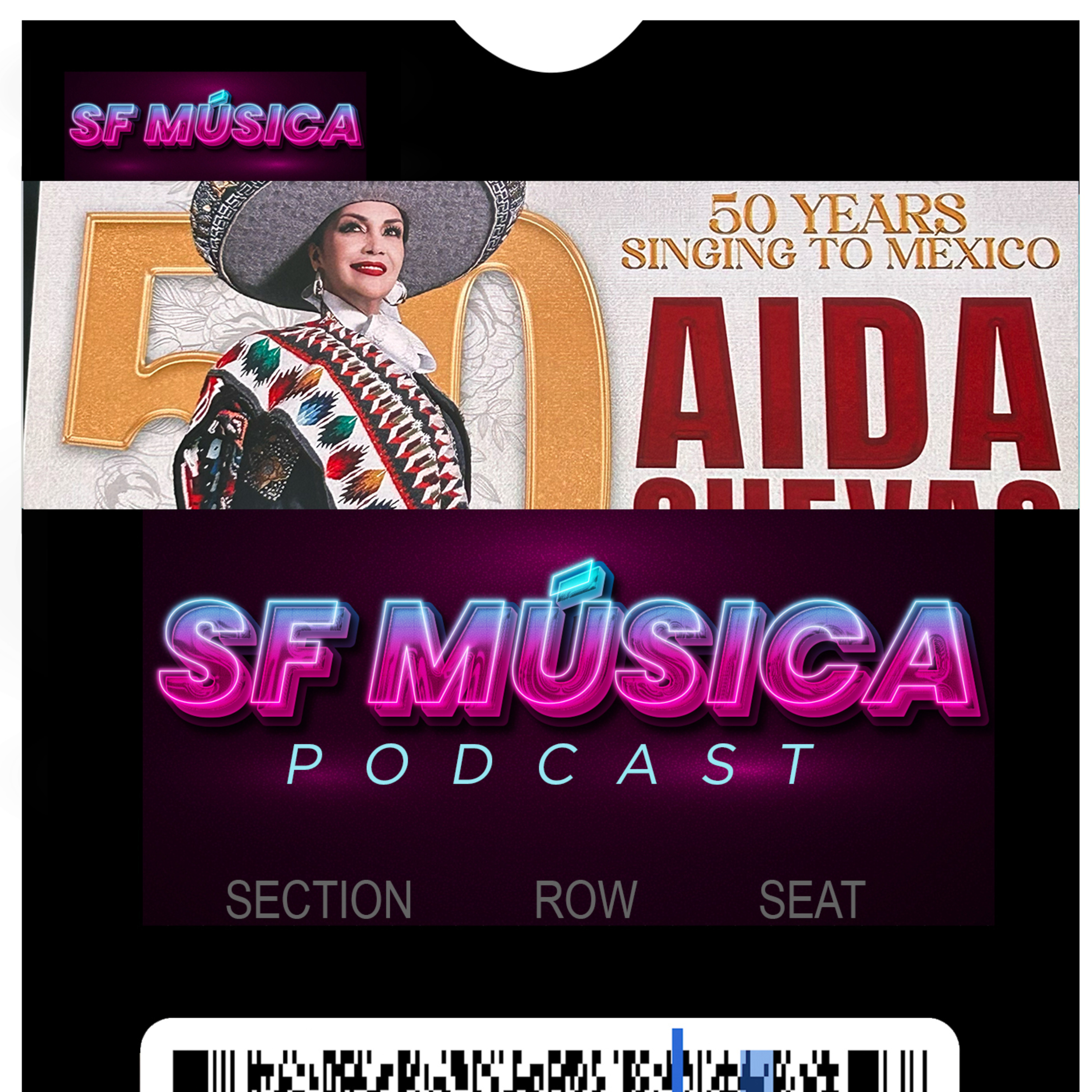 Aída Cuevas en Cache Creek: Una Clase Magistral de Música Ranchera 14.09.2026 17λEn este episodio especial de SF MÚSICA Podcast, compartimos nuestras impresiones después de presenciar a Aída Cuevas en el Cache Creek Casino Resort, en Brooks, California. En un recinto íntimo y con el público completamente entregado, la cantante celebró cinco décadas de trayectoria artística con un espectáculo lleno de música, tradición y orgullo mexicano.La conversación recorre los elementos que hicieron memorable la presentación: la fuerza del mariachi, una escenografía inspirada en los paisajes, símbolos y colores de México, y la imponente entrada de Aída Cuevas con un elegante traje de charro. Su voz, presencia y dominio del escenario confirmaron por qué es considerada una de las máximas exponentes de la música ranchera.Más allá de su capacidad vocal, destacamos la manera en que Aída interpreta cada canción con el rostro, el cuerpo y las emociones. Su presentación se convierte en una verdadera clase magistral sobre cómo habitar una canción, conectar con el público y defender con seguridad el espacio de la mujer dentro de una tradición musical históricamente dominada por hombres.El episodio también reflexiona sobre el legado de Aída Cuevas y su compromiso con la preservación de la música mexicana. La participación de su hija sobre el escenario representa la transmisión de esta cultura de una generación a otra, mientras que los homenajes a figuras como José Alfredo Jiménez, Cuco Sánchez, Lucha Villa y Juan Gabriel conectan su espectáculo con algunas de las voces y composiciones más importantes de la canción mexicana.Entre recuerdos personales, clásicos que transportan a la infancia, momentos de humor y demostraciones impresionantes de potencia vocal, esta reseña celebra mucho más que un concierto. Es el testimonio de una experiencia compartida entre generaciones y de una artista que, después de cincuenta años, continúa cantando con pasión, elegancia y un profundo respeto por México.CHAPTERS(00:46) Primeras impresiones desde Cache CreekPilar y Natalia describen la intimidad del recinto y la cercanía que se creó entre la artista y el público.(01:37) Mariachi, escenografía y símbolos de MéxicoEl espectáculo comienza con la fuerza del mariachi y una producción visual inspirada en la cultura, los paisajes y la identidad mexicana.(02:26) Una entrada digna de una leyendaLa aparición de Aída Cuevas con traje de charro y la celebración del orgullo mexicano durante el mes patrio.(04:00) Carisma y conexión con el públicoLa cercanía, el sentido del humor y la experiencia escénica con la que Aída mantiene involucrada a toda la audiencia.(05:49) Una clase magistral de interpretación rancheraLa emoción de su voz, sus gestos, su expresión corporal y la seguridad con la que ocupa el escenario.(07:32) Trayectoria, reconocimientos y legado familiarUn repaso por su carrera internacional y la importancia de transmitir la música ranchera a las nuevas generaciones.(09:03) El privilegio de acompañar a Aída CuevasLa calidad del mariachi y el respeto que sus músicos muestran por una de las grandes voces de la canción mexicana.(10:14) Homenajes a los grandes de la música mexicanaRecuerdos de José Alfredo Jiménez, Cuco Sánchez, Lucha Villa y Juan Gabriel, además del desafío vocal de interpretar “El Pastor”.(12:10) Clásicos, memoria y orgullo mexicanoCanciones que despiertan recuerdos familiares, referencias a la Virgen de Guadalupe y la emoción de escuchar este repertorio en un espacio íntimo.(14:23) Potencia vocal, picardía y una noche inolvidableLas canciones más esperadas, el humor de Aída, su impresionante vigencia vocal y una reflexión final sobre la música como puente entre generaciones.
 -
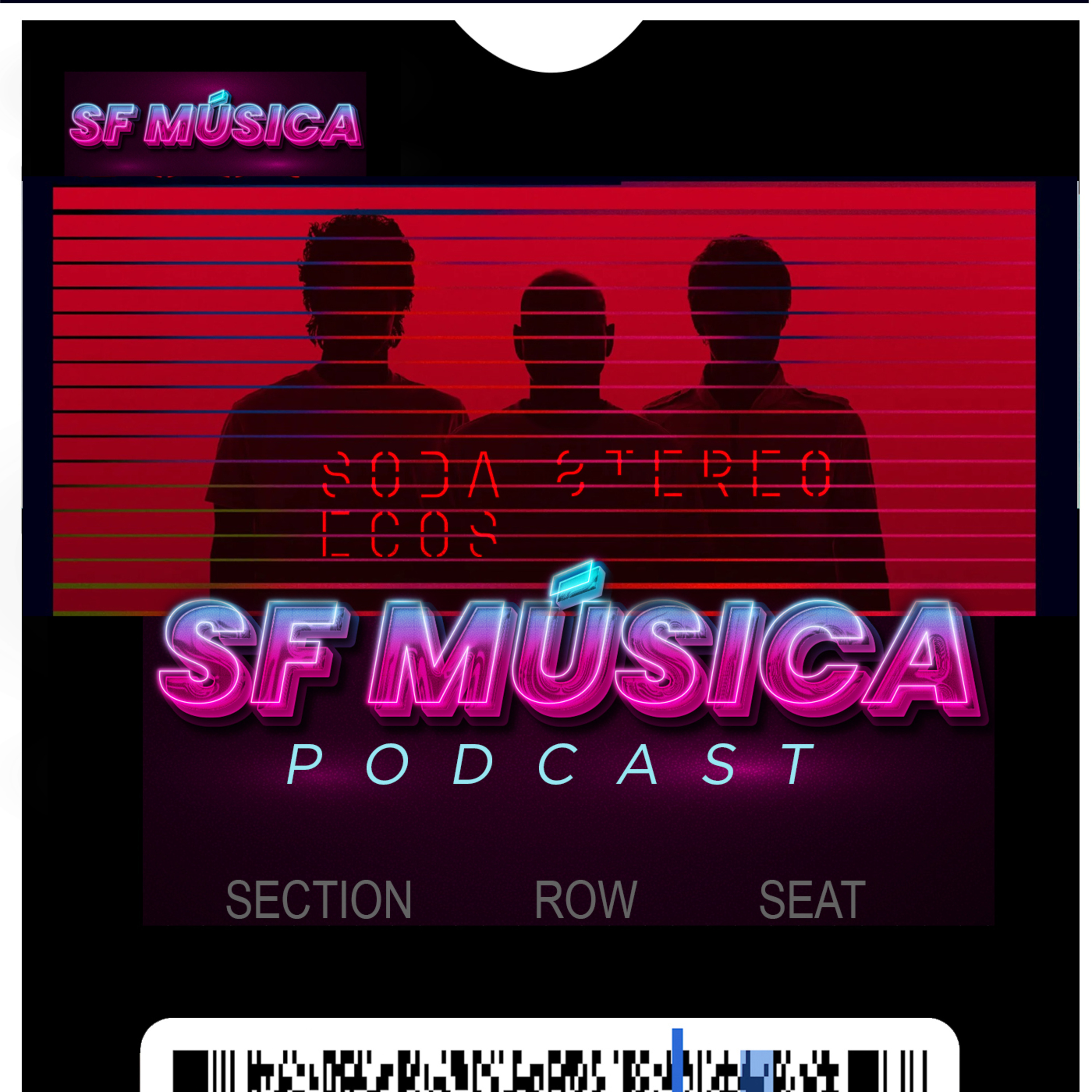 Cerati lives! Soda Stereo ECOS in San Jose: Living the Rock en Español Dream 11.09.2026 29λSoda Stereo’s ECOS Tour brings an unprecedented rock en español experience to San Jose, combining live performances from Charly Alberti and Zeta Bosio with a digitally reconstructed stage presence of the late Gustavo Cerati.In this episode of the SF MÚSICA Podcast, Julio and Francisco react to the visually stunning and emotionally complicated concert at SAP Center. They discuss the production delay that kept fans outside the arena, the extraordinary precision required to sustain ECOS’ hologram-like illusion and the initial disbelief of seeing Cerati apparently performing alongside his Soda Stereo bandmates.For two fans who believed they had permanently missed their opportunity to experience Soda Stereo live, ECOS becomes more than a technological spectacle. Hearing songs including “Nada personal,” “Cuando pase el temblor,” “Persiana americana,” “Prófugos” and “De música ligera” allows them to temporarily stop analyzing the illusion and experience the music collectively inside an arena.Julio compares the production to Christopher Nolan’s Inception: ECOS creates the visual and auditory framework, while the audience’s memories, emotions and subconscious understanding of Cerati fill in the remaining gaps. The result is part concert, part movie, part magic show and part visual-art installation.The conversation also examines the ethical and artistic questions surrounding digitally reconstructed performers. Can a precisely timed production replace the spontaneity of a living frontman? What happens when the lead singer cannot improvise, extend a song or respond authentically to the crowd? And should ECOS be judged alongside traditional concerts—or understood as an entirely new form of live entertainment?For fans of Soda Stereo, Gustavo Cerati, rock en español, Latin alternative music and concert technology, this episode explores how ECOS uses nostalgia, collective memory and digital stagecraft to offer audiences the closest possible experience to seeing the legendary Argentine trio together again.CHAPTERS(00:00) Soda Stereo’s ECOS Tour Arrives in San Jose(02:10) A Long-Awaited Dream to See Soda Stereo(05:45) Allowing Yourself to Believe Cerati Is There(08:00) How ECOS Creates the Digital Illusion(10:55) Is Someone Really Standing on the Stage?(14:45) Part Concert, Part Magic Show, Part Movie(16:40) The Inception Theory: Memory Fills the Gaps(19:15) Ethics, Grief and the Crowd’s Emotional Role(22:05) What Technical Perfection Takes From Live Music(25:50) Concert, Visual Art or the Future of Touring?
 -
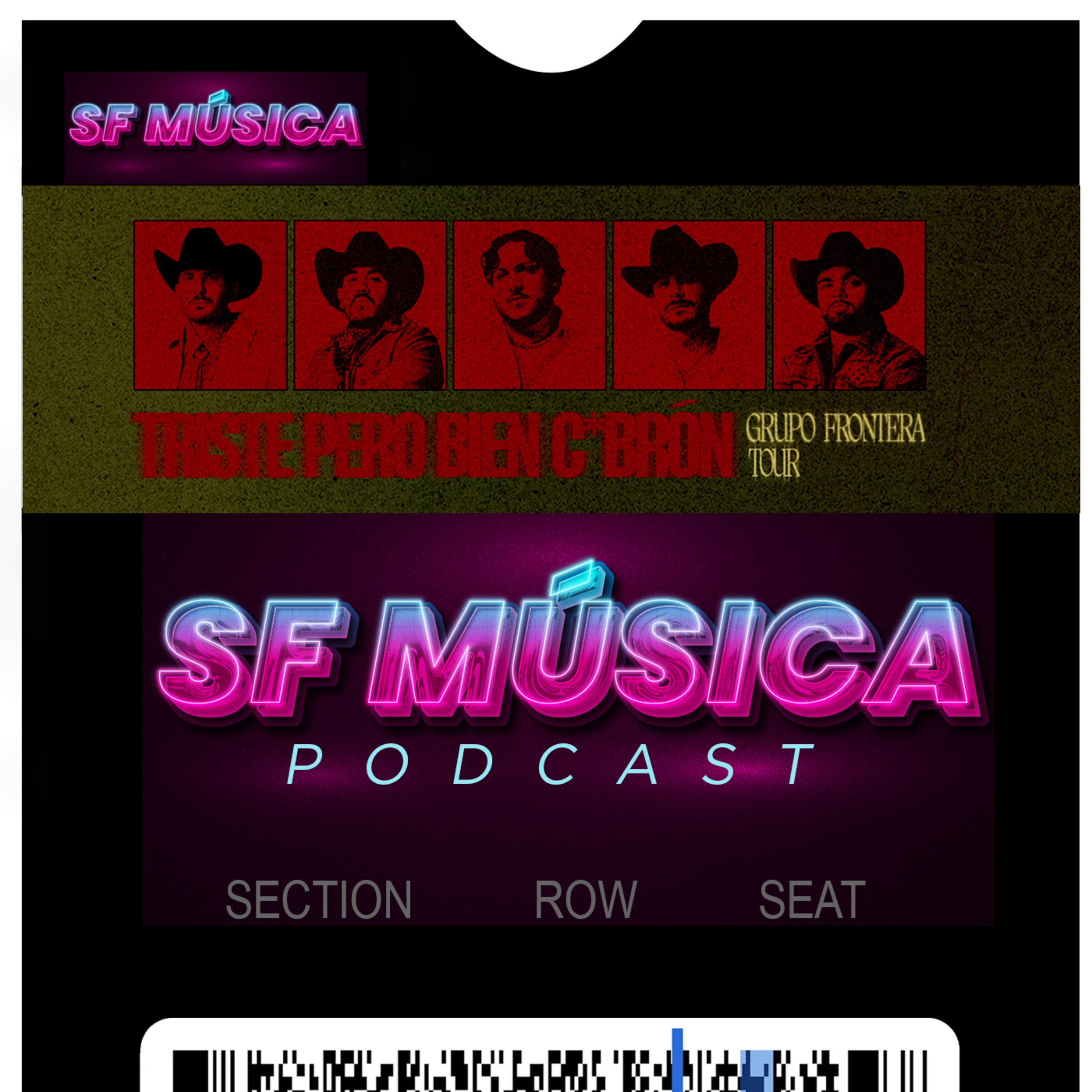 Grupo Frontera in San Jose: Cero Tristeza, Concierto super cabrón 11.08.2026 26λGrupo Frontera brought the Triste Pero Bien Cabrón Tour to San Jose’s SAP Center, and this stop gave us a very different look at the group than the last time we saw them live.In this episode of SFMúsica, we break down why the San Jose show worked so well with less emphasis on spectacle and more attention on the music itself. With a setlist packed with recognizable songs, stronger live arrangements and a band that looked completely comfortable onstage, Grupo Frontera delivered one of the more purely entertaining shows we’ve covered this year.But the conversation doesn’t stop with the performance. The night also raised bigger questions about Grupo Frontera’s place within Latin music, the expectations that come with representing a community on a massive stage, and what audiences should—or shouldn’t—ask of artists beyond the music.Sometimes a concert is just a concert. Sometimes there’s more happening in the room.CHAPTERS(00:00) Grupo Frontera arrives in San Jose(02:01) San Jose vs. Las Vegas(04:07) The energy behind Triste Pero Bien Cabrón(06:00) A setlist built on hits(09:01) The show’s visual identity(10:58) Vocals and live musicianship(15:00) When the conversation moves beyond music(20:03) Artists, identity and cultural leadership(23:17) Music, community and collective joy(25:58) Final thoughts from San Jose
 -
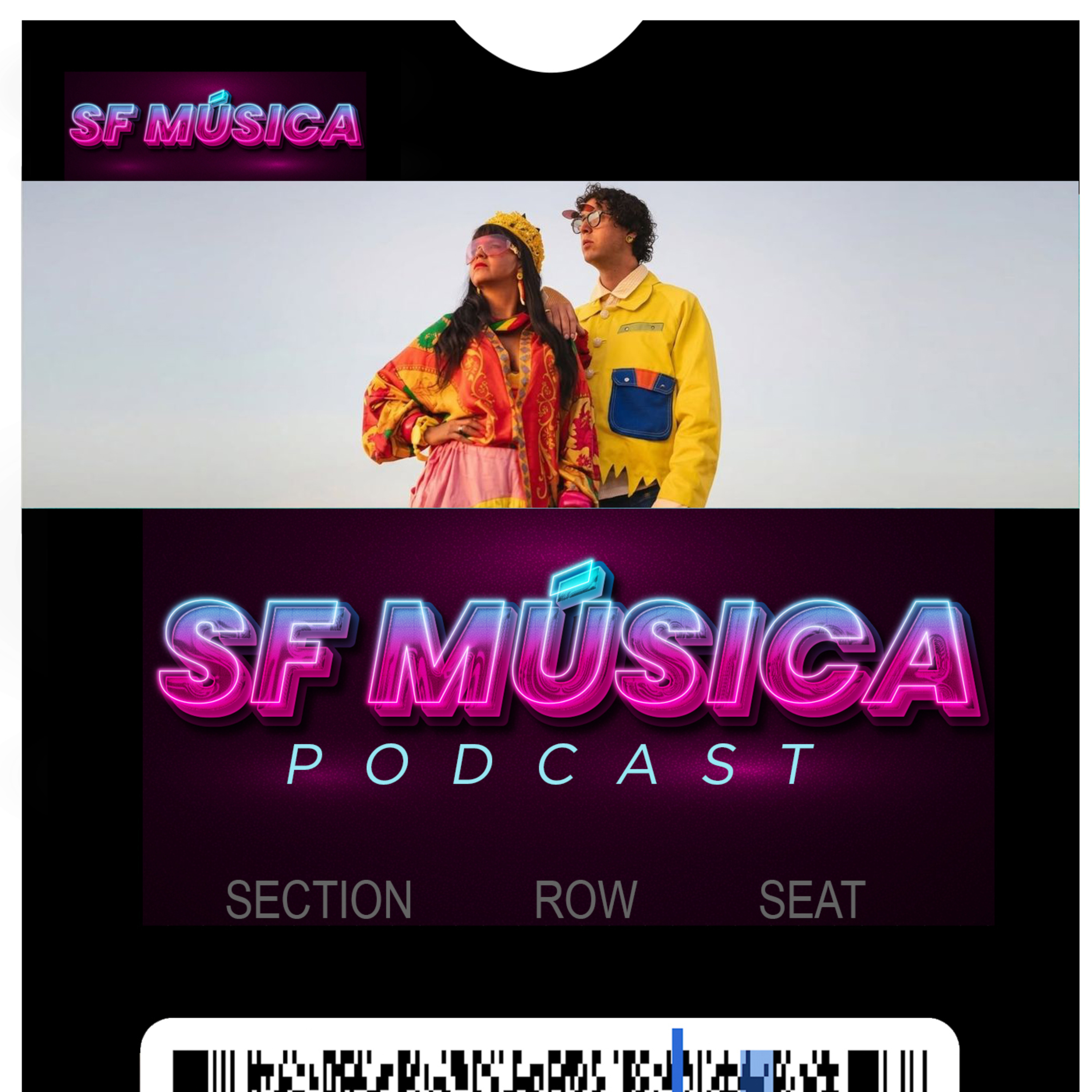 Bomba Estéreo at Stern Grove: A perfect San Francisco match 26.06.2026 20λIn this episode of the SF Música Podcast, we recap our experience seeing Bomba Estéreo live at Stern Grove Festival in San Francisco — a free summer concert that felt like the perfect collision of music, nature, community, and Colombian-Caribbean energy.We start with the unique Stern Grove experience itself: the ticket lottery, the walk into the park, the hillside setup, and the feeling of stepping into a forest in the middle of San Francisco. From the beginning, the atmosphere felt different from a traditional concert venue. Families, dancers, dogs, picnic blankets, drinks, and people vibing at their own pace all helped create the kind of loose, communal energy that makes Stern Grove so special.We also talk about La Misa Negra opening the show and how the DJ kept the crowd moving before Bomba Estéreo took the stage. Once the band launched into “Llegó el Verano,” the whole grove shifted into dance mode. We break down the energy of Li Saumet, the colorful stage visuals, the percussion, the psychedelic cumbia atmosphere, and how the setlist kept the momentum alive by mixing fan favorites with deeper cuts.From “To My Love” and “Soy Yo” to “Ojitos Lindos,” “Fiesta,” “Ponte Bomb,” and “La Cumbia Psicodélica,” Bomba Estéreo delivered a set that felt joyful, weird, sweaty, tropical, and completely San Francisco. We close by reflecting on why this pairing — Bomba Estéreo in the middle of Stern Grove — worked so well, and why the concert felt less like a standard show and more like a big family party in the forest.CHAPTERS00:00 — Welcome to Stern GroveWe introduce the episode and set the scene for Bomba Estéreo’s free Stern Grove Festival concert in San Francisco.01:00 — The Free Concert ExperienceWe talk about the ticket lottery, arriving at Stern Grove, and what made the entry process feel smooth and welcoming.02:30 — A Forest in San FranciscoWe reflect on the unique feeling of being surrounded by trees, hillsides, families, dancers, and picnic setups in the middle of the city.04:40 — La Misa Negra Sets the ToneWe discuss how La Misa Negra opened the day with Bay Area cumbia energy and helped prepare the crowd for Bomba Estéreo.05:40 — Bomba Estéreo Takes the StageWe break down the opening moments of the set, starting with “Llegó el Verano,” and how quickly the crowd got up to dance.07:30 — The Setlist Finds Its FlowWe talk about the way Bomba Estéreo mixed upbeat songs, mellow moments, fan favorites, and deeper cuts to keep the energy moving.09:40 — “To My Love,” “Ponte Bomb” and Psychedelic CumbiaWe get into the middle of the show, including standout songs, the drummer’s energy, the colorful visuals, and the full dance-party atmosphere.11:30 — “Ojitos Lindos” and “Soy Yo”We discuss two of the biggest crowd moments, including the Bad Bunny-associated “Ojitos Lindos” and the self-love anthem “Soy Yo.”14:00 — Why the Ending WorkedWe reflect on how the final stretch of songs helped wind the crowd down while still keeping the show upbeat and celebratory.15:20 — Stern Grove Meets Bomba EstéreoWe connect the venue, the crowd, the hillside, the nature, and Bomba Estéreo’s electro-Caribbean sound into one uniquely San Francisco experience.18:00 — Final ThoughtsWe close with our overall reaction to the show, the Stern Grove vibe, and why we would absolutely come back for more concerts like this.
 -
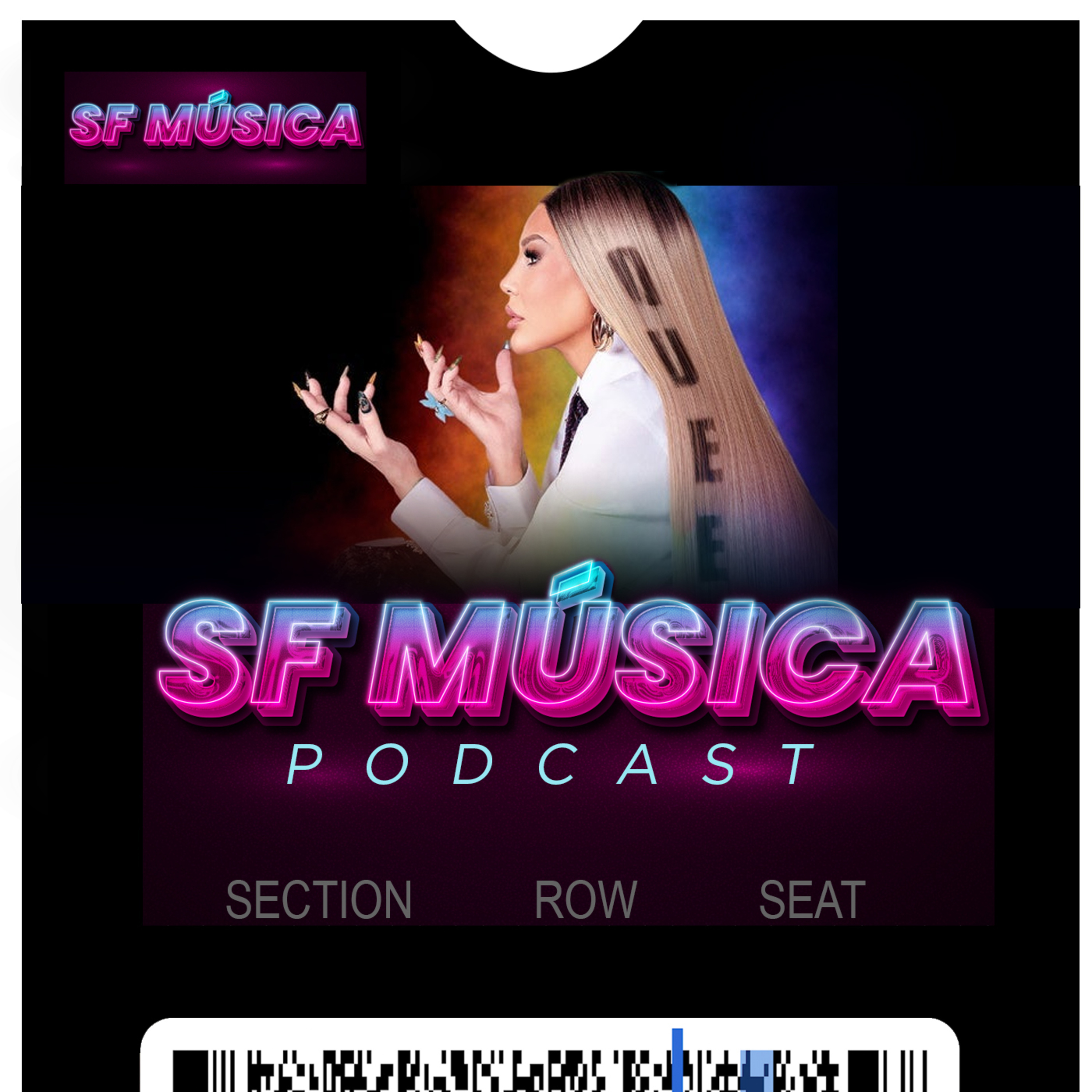 Ivy Queen reigns over San Francisco during Pride Month performance at the Midway 23.06.2026 20λIn this episode of SF Música, we recap our experience seeing Ivy Queen live at The Midway in San Francisco as part of her Pride Tour. From the moment the room filled with chants for La Caballota, the night became more than a concert — it was a celebration of Ivy Queen’s legacy as La Reina del Reggaetón, a pioneer who helped define the female voice in reggaetón long before the current wave of women in música urbana.We talk about Ivy Queen’s importance to reggaetón, her role in shaping conversations around women’s autonomy and consent through songs like “Quiero Bailar,” and why her presence during San Francisco Pride weekend felt especially meaningful. We also break down the energy inside The Midway, the nostalgia of hearing classic reggaetón in a packed room, the crowd’s love for Ivy, and the way DJ Preciosa built the perfect runway for the show.The episode also gets honest about expectations and a reminder that Ivy Queen remains one of reggaetón’s essential architects and deserves to be celebrated on even bigger stages.For fans of Ivy Queen, classic reggaetón, Latin music, Bay Area concerts, Pride events, and música urbana, this episode is a tribute to the queen, her catalog, and the generations of fans who still show up ready to dance, scream, and give her flowers.CHAPTERS (01:30) Why Ivy Queen Still MattersWe revisit Ivy Queen’s place in reggaetón history, her role as a female pioneer in a male-dominated genre, and how songs like “Quiero Bailar” spoke about consent and autonomy before those conversations were mainstream.(04:00) Expectations Going Into The Midway ShowNatalie talks about seeing Ivy Queen before, listening to her Tiny Desk performance, and expecting a deeper vocal showcase — while the actual show leaned more into nostalgia, energy, and entertainment.(06:20) The Midway Crowd, Volume, and Club EnergyWe break down the atmosphere inside The Midway, the deafening crowd reaction, and the way the show felt like a high-energy club experience built around Ivy Queen’s legacy.(08:20) DJ Preciosa Sets the ToneWe give flowers to DJ Preciosa, whose opening set built the crowd’s energy with reggaetón classics and created the perfect runway for Ivy Queen’s entrance.(10:30) Visuals, Dancers, and La Diva PersonaWe discuss Ivy Queen’s stage presentation, graphics, lighting, dancers, fashion, and the way her glamorous, commanding persona came through during the performance.(12:45) The Songs That Hit the HardestWe talk through standout moments from songs like “Quiero Saber,” “Yo Perreo Sola,” “Quiero Bailar,” “Los 12 Discípulos,” and “Te He Querido, Te He Llorado,” plus the crowd’s emotional sing-along energy.(16:45) A Fan Moment and the Power of NostalgiaWe recap one of the night’s most memorable moments, when Ivy Queen brought fans onstage and the room turned into a shared celebration of memory, identity, and love for the music.(18:15) Why Ivy Queen Deserves Bigger StagesWe close by reflecting on Ivy Queen’s legacy, the reverence in the room, and why La Caballota deserves to be part of the same major-stage conversation as reggaetón legends like Daddy Yankee, Don Omar, and Tego Calderón.
 -
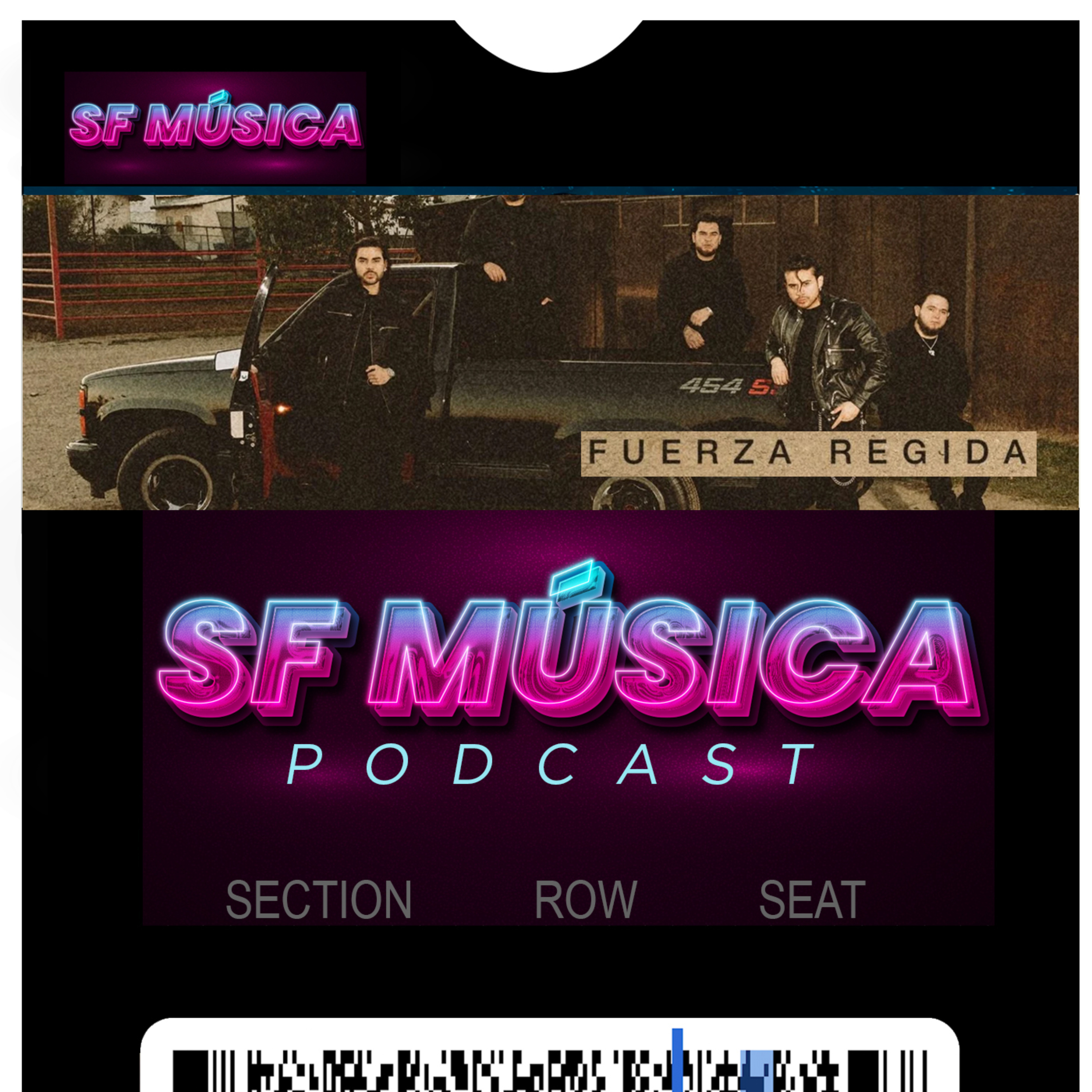 40,000-plus share Fuerza Regida’s Sold-out Stadium Dream in San Francisco 22.06.2026 15λIn this episode of SF Música, we recap and reflect on Fuerza Regida’s This Is Our Dream Tour stop at Oracle Park in San Francisco, one of the biggest Latin music events of 2026 in Northern California. More than a traditional concert review, this episode looks at the show as a cultural moment: a stadium-scale celebration of música mexicana, corridos tumbados, Bay Area Latino pride, and the fierce loyalty of Fuerza Regida fans.We by examining the significance of Fuerza Regida bringing their sound to a stadium tour, placing the group alongside broader Mexican and Latin music stadium precedents such as Los Bukis, Grupo Firme, and Shakira’s recent Oracle Park milestone. While we admit we entered the night skeptical of Fuerza Regida’s ability to draw more than 40,000 fans in San Francisco, the packed stadium and sold-out energy quickly proved otherwise.The episode also offers a fair critique of the performance, including JOP mistakenly referring to San Francisco as San Diego, while still giving credit to the group’s ambitious production, time-machine-inspired visuals, fan engagement, and ability to create communal singalong moments inside Oracle Park.Highlights include performances of “Marlboro Rojo,” “Harley Quinn,” “Bebé Dame,” a touching fan moment on stage, and the fashion show element tied to JOP’s Paris Fashion Week appearance. Ultimately, the episode argues that Fuerza Regida’s Oracle Park show mattered because it proved that this generation of música mexicana can command a stadium, mobilize tens of thousands of fans, and turn San Francisco into part of a larger cultural dream.CHAPTERS(00:00) Fuerza Regida Brings the Dream to San FranciscoWhy the Oracle Park stop on the This Is Our Dream Tour stood out as one of the biggest Latin music events of 2026 in Northern California.(01:30) Is This Really the First Stadium Tour?Wes down Fuerza Regida’s stadium-tour claim and compares their run to Los Bukis, Grupo Firme, and other Mexican music stadium precedents.(03:10) Underestimating Fuerza Regida’s Draw PowerA personal admission: the crowd response at Oracle Park proved that Fuerza Regida’s Bay Area fan base is larger and more loyal than expected.(05:00) Traffic, Delays, and a Packed Oracle ParkDespite commute issues, parking challenges, and another sold-out show nearby at Chase Center, the stadium eventually filled with energy.(06:40) Did the Band Match the Moment?The episode critiques JOP’s San Francisco/San Diego mix-up while asking whether the band fully respected and recognized the Bay Area crowd.(08:30) Production, Storytelling, and Stadium AmbitionA look at the time-machine-inspired visuals, stage production, and the effort Fuerza Regida put into making the show feel bigger than a standard concert.(10:20) The Fans Become the StoryWe reflect on the singalongs, loyalty, passion, and cultural pride that turned Oracle Park into a música mexicana celebration.(12:40) Song Highlights and Final TakeawayFrom “Marlboro Rojo” and “Harley Quinn” to “Bebé Dame,” the fashion show, and surprise guest moments, the episode closes by framing the show as a milestone for Fuerza Regida and the Bay Area.
 -
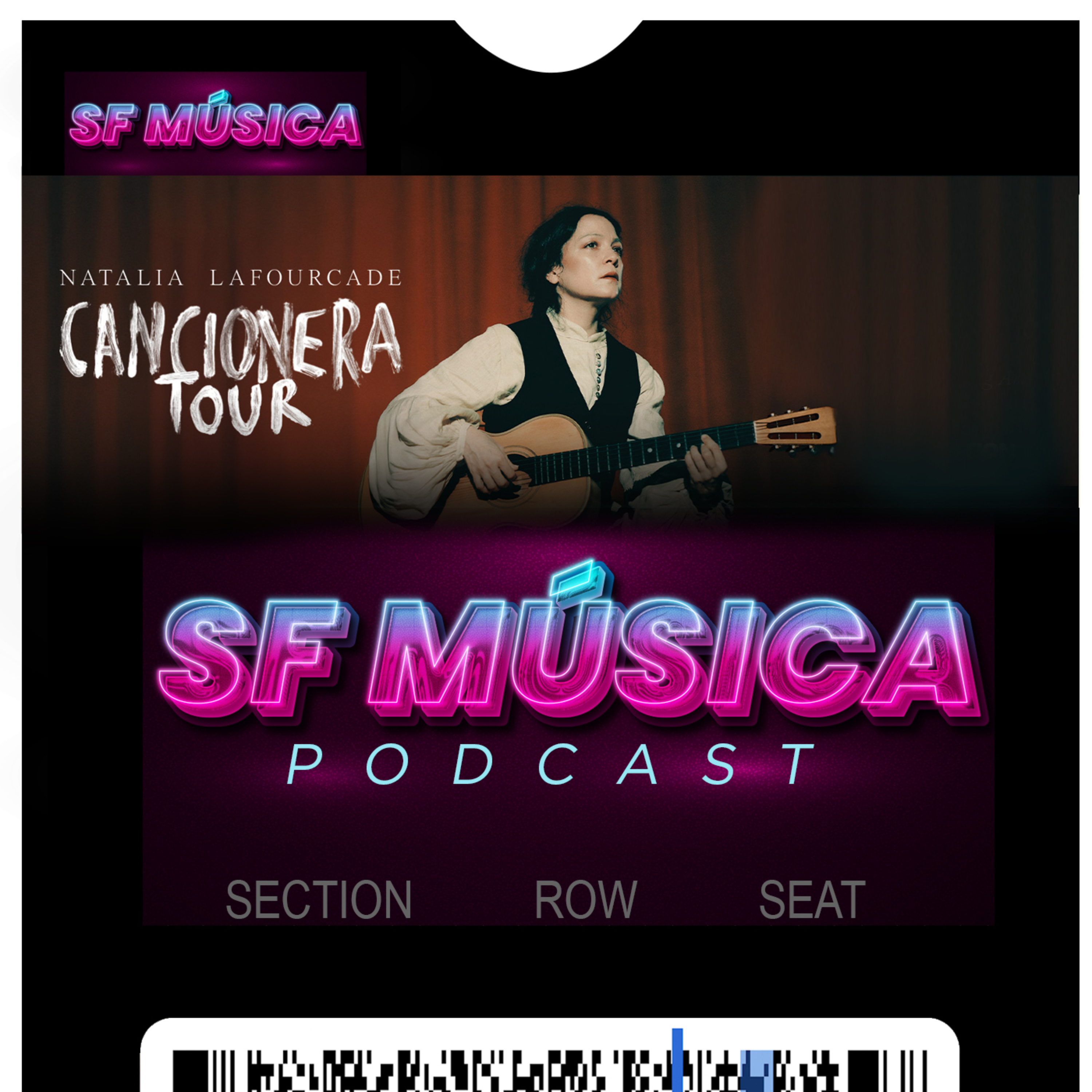 Natalia Lafourcade’s Cancionera Tour: Intimate, Acoustic, Unforgettable (San Jose Civic) 17.06.2026 21λIn this episode of the SF Música Podcast, we reflect on Natalia Lafourcade’s acoustic concert at the San Jose Civic, a two-night Bay Area stand that showcased the Mexican singer-songwriter at her most intimate, poetic, and musically exposed.Instead of relying on a full band, elaborate visuals, or arena-style production, Lafourcade built the night around voice, guitar, piano, storytelling, and atmosphere. We break down how the minimalist staging — a chair, instruments, soft lighting, and a human-shaped floral altar — transformed the San Jose Civic into something closer to a living room, or as Lafourcade framed it, “her house.” The result was a concert that emphasized lyricism, musicianship, Mexican roots, and emotional connection over spectacle.We discuss the quiet reverence of the crowd, the show’s phone-free tone, and how songs like “La Llorona,” “Mi Tierra Veracruzana,” “Nunca Es Suficiente,” “Tú Sí Sabes Quererme,” and “Hasta la Raíz” carried new weight in stripped-down acoustic form. We also reflect on Lafourcade’s place among Latin American artists, comparing her artistry, composition, voice, and emotional range to other Latina artists. For fans of Natalia Lafourcade, Mexican music, Latin alternative, Bay Area concerts, and live music reviews, this episode captures why her San Jose performance felt courageous, rare, and deeply memorable.CHAPTERS(01:24) First Impressions of a Different Kind of ConcertWe share why this show felt unlike past Lafourcade performances, especially compared to her full-band festival appearances.(02:17) Minimalist Stage, Maximum IntimacyWe describe the stripped-down production, floral altar, lighting, and “welcome to my house” framing.(03:45) A Phone-Free, Acoustic OpeningWe explore the show’s zen-like instructions, solo piano opening, and early realization that no full band was coming.(05:29) Poetry, Storytelling, and One-Woman TheaterWe compare the performance to a theatrical solo show built around lyricism, emotion, and crowd interaction.(08:30) Mexican Roots, Love, Death, and HeritageWe turn to songs connected to Veracruz, Mexican tradition, grief, memory, and cultural identity.(11:07) The Hits Reimagined AcousticallyWe break down how familiar songs landed in acoustic form, including crowd singalongs and rhythmic moments powered by the audience.(15:10) Lafourcade’s Draw Power and Artistic CourageWe close by placing Natalia Lafourcade among Latin music’s elite and praising the risk of carrying a major venue with only voice, guitar, piano, and presence.
 -
 Deorro & 3BallMTY in San Francisco: A massive victory for EDM, Mexico and Latinx culture 07.06.2026 14λIn this episode of "SF Música", we step outside our comfort zone to recap the "Botas Y Rave" tour stop in San Francisco" featuring "Deorro and 3BallMTY" at "The Midway". The episode explores how The Midway transformed into a massive outdoor block party, bringing Latin EDM, Mexican tribal rhythms, and Bay Area crowd energy together in one of the city’s most versatile live music spaces.We frame the experience through the lens of culture, community, and live music energy. We reflect on 3BallMTY’s role in bringing "Tribal Monterrey" into the mainstream, the nostalgia of hearing “Inténtalo” live, and the way DJs can feed off the crowd by blending their own hits with familiar sounds from current artists. The episode also highlights Deorro’s larger cultural impact: his ability to bring Mexican and Latin American sounds into EDM, including live banda elements and traditional instrumentation, while drawing thousands of fans into a shared, high-energy space. With organizers estimating roughly 18,000 attendees across two days, the episode positions the Botas & Rave stop as a major moment for Latin music, EDM, and San Francisco nightlife.For SF Música, the night was less about genre boundaries and more about the power of Latinx artists to create belonging, joy, and cultural pride across the Bay Area.CHAPTERS(01:00) Botas Y Rave Takes Over The MidwayA look at The Midway’s transformation into an outdoor block party and why the venue proved to be a perfect fit for Deorro, 3BallMTY, and a massive San Francisco crowd.(02:40) Entering Latin EDM With an Open MindWe explain our relationship to EDM, our appreciation for live music energy, and why the night was about more than simply analyzing the genre.(04:20) 3BallMTY, Tribal Monterrey and NostalgiaThe episode traces 3BallMTY’s cultural impact, from their rise in the late 2000s to the mainstream success of Mexican tribal sounds and “Inténtalo.”(08:25) Banda, Culture and the Full Midway ExperienceA stop inside The Midway reveals other live cultural elements that helped make the night feel bigger than one EDM show.(10:00) Deorro’s Respect for Mexican SoundWe highlight Deorro’s ability to bring Latin American culture into EDM, including live banda instrumentation and traditional Mexican elements within a high-BPM set.(12:25) Why the Bay Area Needs More Nights Like ThisThe episode closes by celebrating the scale of the event, the estimated 18,000 attendees over two days, and San Francisco’s role as a home for Latinx music across genres.
 -
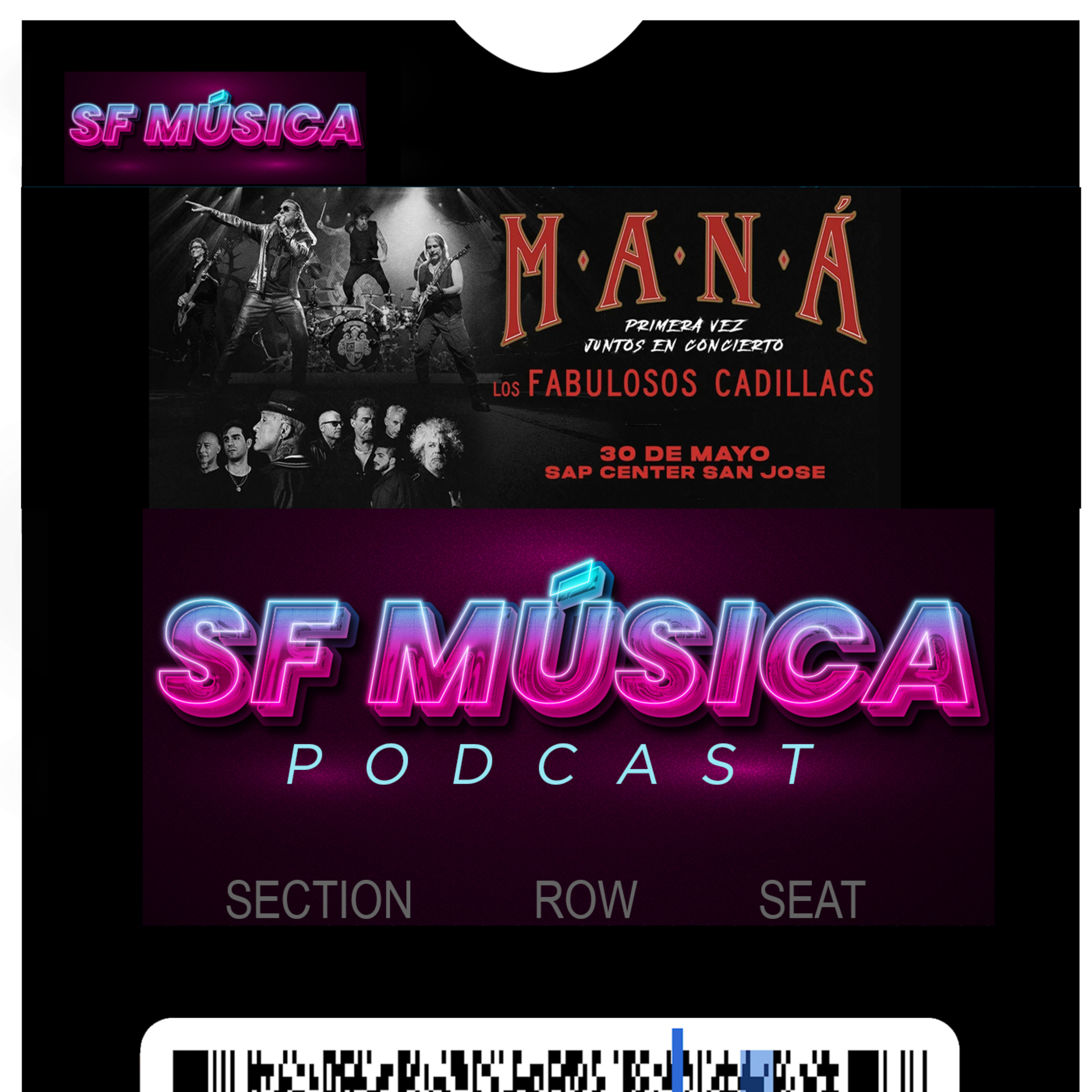 Maná y Los Fabulosos Cadillacs hacen historia en el SAP de San Jose 01.06.2026 24λEn este episodio de SF Música, analizamos la histórica noche en el SAP Center de San José con Maná y Los Fabulosos Cadillacs, dos gigantes del rock en español que ayudaron a definir caminos muy distintos dentro de la música latina en vivo.Pero antes de hablar de la música, toca encontrar cierre con Festival La Onda. Ahora que el fin de semana que pudo haber sido en Napa quedó atrás, este concierto sirve como una ventana para entender no solamente lo que se salvó, sino también lo que se perdió cuando La Onda fue cancelada. El episodio explora el regreso de Los Fabulosos Cadillacs al norte de California después de una sequía de 27 años, desde su última presentación documentada en la región. La banda argentina entregó una hora intensa, fan-friendly y cargada de historia. Aun así, el momento también dejó una pregunta: después de casi tres décadas de espera, ¿era suficiente una presentación compartida de una hora, cuando La Onda pudo haberles dado un rito propio?También hablamos de Maná desde una perspectiva muy personal: después de 23 conciertos, finalmente aparece una epifanía. Maná demuestra por qué nadie en el rock en español convierte una arena en congregación como ellos.Al final, esta noche en San José confirma que La Onda no fue reemplazada. Su cancelación dispersó la música latina por distintos escenarios, pero también dejó claro por qué hacen falta espacios donde nuestra música pueda reunirse bajo un mismo techo cultural.CHAPTERS(02:00) Dos gigantes, una coincidencia y no un premio de consolaciónPor qué Maná y Los Fabulosos juntos en San José pudo sentirse como respuesta a La Onda, aunque en realidad no fue un reemplazo oficial ni una disculpa organizada para los fans.(04:30) Los Fabulosos Cadillacs y 27 años de sequíaEl regreso de la banda argentina al norte de California después de casi tres décadas, del Warfield al SAP Center, y lo que significa medir esa ausencia a través de la propia sangre generacional de la banda.(07:30) Una hora de lluvia: el set de Los Fabulosos en San JoséEl análisis del set: una arena que tardó en llenarse, una audiencia que llegó por partes y una banda que dejó que las canciones hablaran sin casi interactuar con el público.(09:45) “Mal Bicho” y “Matador”: la espera pagó, pero no alcanzóEl punto más alto de Los Fabulosos Cadillacs en San José: la liberación de “Mal Bicho,” la locura de “Matador” y la sensación de que una hora compartida no podía sostener 27 años de expectativa.(12:30) Mi historia con Maná: 23 conciertos despuésUna mirada personal a la relación con Maná, desde los primeros conciertos hasta la pregunta que vuelve cada vez: ¿por qué seguir viendo a la misma banda una y otra vez?(15:45) Maná es religión: Fher oficia y la arena respondeLa epifanía del episodio: Maná como religión, sus conciertos como misa, el público como feligreses y canciones como “Vivir Sin Aire” y “Eres Mi Religión” como liturgia emocional.(19:30) La fórmula de Maná: perfecta, repetida e imperfectaLa crítica desde el fanático: canciones abreviadas, el solo de Alex, el bloque acústico/ranchero y una estructura conocida que no sorprende, pero sigue convirtiendo la arena en congregación.(22:30) Lo que La Onda no pudo reunirLa conclusión: Maná puede llenar arenas, Los Fabulosos pueden prender una ciudad con dos canciones, pero eso no reemplaza un festival latino donde todas esas fuerzas podían convivir bajo un mismo techo cultural.
 -
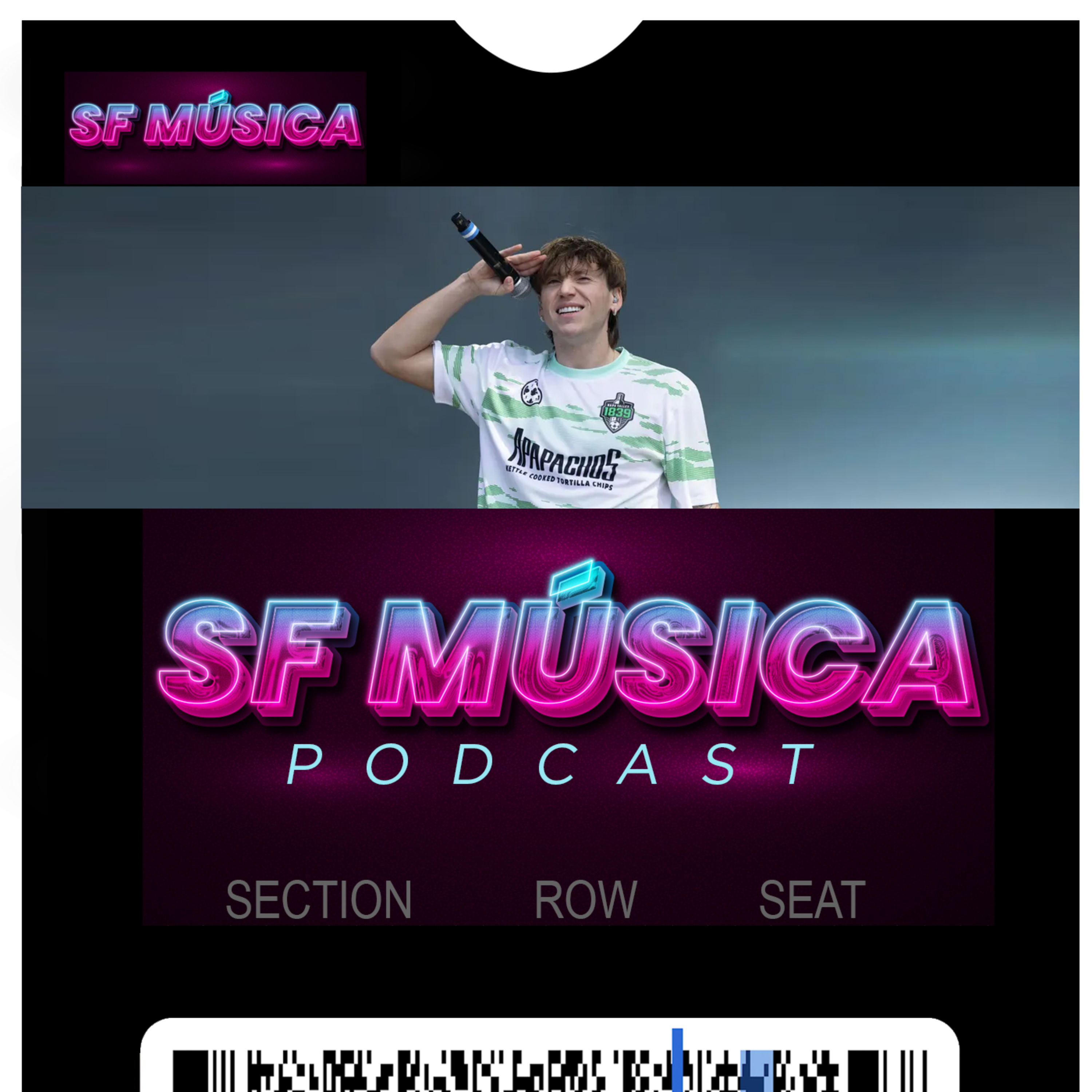 BottleRock Day 3: Paulo Londra triumfa y el eco de Festival La Onda (Entrevista exclusiva!) 26.05.2026 38λEn este episodio especial de SF Música Podcast desde BottleRock Napa Valley, analizamos el set de Paulo Londra y lo que su presentación reveló sobre la presencia de la música latina en Napa después de la cancelación de Festival La Onda.[Our story in the San Francisco Chronicle: https://bit.ly/paulo-londra-bottlerock-sfchron]Paulo Londra llegó al escenario T-Mobile como uno de los remanentes más claros de La Onda, el festival latino que debía celebrarse la semana siguiente en Napa. Su presentación no fue solamente un show de domingo por la tarde: fue un recordatorio de lo que pudo haber sido un fin de semana completo dedicado a la música latina en el norte de California.Hablamos de cómo Londra tuvo que ganarse a un público de BottleRock canción por canción, de la diferencia entre tener fans en el público y tener un público lleno de fans, y de cómo momentos como “Plan A,” “Nublado,” “PVSL,” “Nena Maldición” y “Adán y Eva” ayudaron a transformar poco a poco la energía del campo.También reflexionamos sobre la importancia de la representación latina en festivales mainstream, el papel de La Onda como espacio cultural para la comunidad latina de Napa y el Área de la Bahía, y la diferencia entre que la música latina esté presente y que realmente esté centrada.El episodio incluye dos entrevistas completas: primero, nuestra conversación exclusiva con Paulo Londra, donde habla sobre su primera vez en el norte de California, su gira por Estados Unidos, cómo arma un setlist para públicos nuevos, el orgullo de representar a Argentina y el papel del amor en su música. Después, escuchamos a Javier Martínez y Scarlet Carrillo, residentes de Napa, quienes comparten lo que significó ver a Londra en BottleRock mientras pensaban en el festival La Onda que ya no ocurrió.CHAPTERS(00:00) BottleRock, Paulo Londra y el eco de La OndaAbrimos el episodio desde BottleRock Napa Valley con una reflexión sobre por qué el set de Paulo Londra se sintió más grande que una presentación regular de festival.(02:20) La Onda cancelada y el hueco que dejó en NapaAnalizamos cómo la cancelación de Festival La Onda cambió el significado del fin de semana y dejó a BottleRock como uno de los pocos escenarios restantes para la música latina en Napa.(05:10) Paulo Londra frente a un público que debía ganarseExploramos la diferencia entre tocar para fans que ya conocen las canciones y presentarse ante un público mainstream que todavía está descubriendo al artista.(08:40) “Nublado,” el balón y la búsqueda de casa en BottleRockComentamos el momento en que Londra llevó un balón al escenario, conectando su ritual personal de fútbol con una forma de encontrar comodidad y comunidad en un festival que no estaba construido alrededor de él.(11:45) De “PVSL” a “Adán y Eva”: cuando el público empezó a responderRepasamos cómo el set ganó fuerza con el grito de “¡Viva Argentina!,” los cánticos de “Paulo” y el cierre con canciones clave de su catálogo.(19:40) Entrevista exclusiva con Paulo LondraPaulo habla sobre su primera vez en el norte de California, lo que significa tocar en Estados Unidos, cómo elige canciones para públicos menos familiares, la música argentina, la versatilidad artística y el orgullo de ver banderas argentinas lejos de casa.(27:40) Javier Martínez y Scarlet Carrillo: el corazón roto por La OndaCerramos con una conversación desde el campo del T-Mobile stage sobre lo que habría sido ver a Londra en La Onda, la importancia de la representación latina en Napa y por qué la cancelación del festival todavía duele para la comunidad.
 -
 BottleRock Day 2: ¿Adonde esta lo Latino? -- Buscando y encontrando "Latinidad" en Napa con The Warning y Midnight Generation 24.05.2026 19λEn este episodio especial de SF Música, grabado directamente desde Napa Valley durante BottleRock, compartimos nuestra búsqueda de identidad latina dentro de uno de los festivales más grandes del norte de California. Después de la cancelación de La Onda, llegamos a BottleRock con una mezcla de emoción y nostalgia, preguntándonos dónde aparece la música latina, el español y la representación cultural dentro de un festival principalmente anglo.Hablamos a fondo sobre The Warning, la banda de rock de Monterrey, México, que llevó energía, potencia vocal y orgullo mexicano al escenario de BottleRock. Analizamos su presencia en vivo, sus canciones en español, sus comparaciones con bandas y su importancia dentro de la historia del rock en español, especialmente como una banda integrada por tres mujeres que rompe esquemas dentro de un género históricamente dominado por hombres.También exploramos el set de Midnight Generation, una banda de Chihuahua, México, que combina disco, funk, electropop y sonidos ochenteros con elementos latinos. Aunque gran parte de su música se presenta en inglés, reflexionamos sobre cómo su identidad mexicana sigue apareciendo en el escenario y cómo conecta con audiencias diversas.A lo largo del episodio, nos preguntamos qué significa encontrar “granitos de arena” de latinidad en festivales masivos como BottleRock. Desde The Warning hasta Midnight Generation, este episodio es una conversación sobre representación latina, música mexicana, rock, funk, festivales en California.(00:00) SF Música llega a BottleRock en Napa ValleyAbrimos el episodio desde BottleRock, compartiendo la emoción de estar en uno de los festivales más importantes del norte de California.(01:22) Una experiencia agridulce tras La OndaReflexionamos sobre cómo se siente estar en BottleRock después de la cancelación de La Onda y lo que ese festival representaba para la comunidad latina.(01:58) En busca de la identidad latina en BottleRockExplicamos la intención del episodio: encontrar señales de latinidad, música en español y representación cultural dentro del festival.(03:42) The Warning y el poder del rock mexicanoEntramos en el set de The Warning, su origen en Monterrey, México, su energía en vivo y la emoción de verlas representar otra cara de la cultura latina.(09:28) Canciones en español y conexión con el públicoComentamos cómo The Warning usó letras en pantalla y canciones en español para conectar con una audiencia que quizá no hablaba el idioma, pero sí sentía la música.(11:14) Midnight Generation entra a escenaPasamos a Midnight Generation, una banda de Chihuahua, México, con un sonido disco, funk, electropop y muy influenciado por los años ochenta.(13:29) Congas, baile e influencias latinasDestacamos los elementos latinos dentro del set de Midnight Generation, desde la conga hasta el baile sincronizado y las referencias a Café Tacvba.(15:59) La diversidad de lo latino en el mainstreamReflexionamos sobre cómo ambas bandas muestran que la identidad latina no se ve ni suena de una sola manera.(16:40) Nuevos descubrimientos desde México y LatinoaméricaHablamos de la emoción de descubrir bandas latinas en espacios inesperados y de cómo BottleRock puede abrir puertas a más artistas de México y América Latina.(18:00) La esperanza de más espacios para la música latinaCerramos con la esperanza de que regresen más festivales y escenarios dedicados a la música latina, especialmente en Napa Valley y el norte de California.----SF Música, BottleRock, Napa Valley, The Warning, Midnight Generation, música latina, rock mexicano, rock en español, Monterrey México, Chihuahua México, festivales de música, representación latina
 -
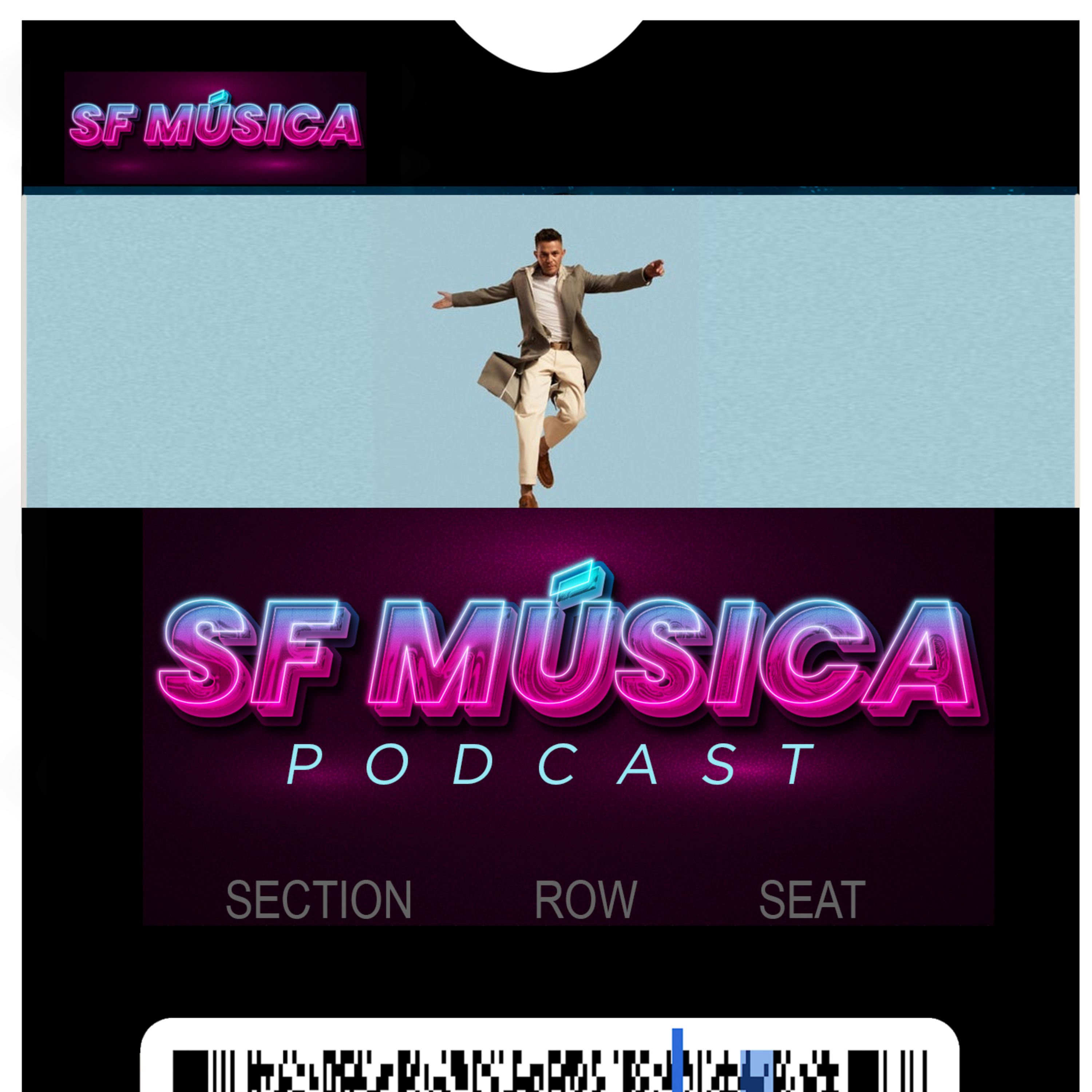 Alejandro Sanz en SAP Center de San José: Un Concierto Entre Nostalgia y Evolución 15.05.2026 21λEn este episodio de SF Musica Podcast, asistimos al concierto de Alejandro Sanz en el SAP Center de San José durante la gira ¿Y Ahora Qué?, y analizamos una pregunta importante: ¿cómo sigue siendo relevante un artista con más de 30 años de carrera, 24 Latin Grammys y múltiples Grammys en 2026?Hablamos sobre el setlist completo, las canciones que provocaron los momentos más fuertes del público, la evolución artística de Alejandro Sanz, su influencia más allá del flamenco tradicional y cómo su música hoy incorpora sonidos caribeños, arreglos modernos, salsa, hip hop y nuevas interpretaciones de clásicos como Corazón Partío.También debatimos si la nostalgia sigue siendo el motor principal de sus conciertos o si Sanz continúa reinventándose para nuevas generaciones. Analizamos canciones como Mi Soledad y Yo, Amiga Mía, No Es Lo Mismo, Y, ¿Si Fuera Ella?, y el cierre inesperado de Corazón Partío.CHAPTERS(01:50) El legado de Alejandro Sanz: Grammys, Latin Grammys y por qué sigue siendo una figura histórica(03:40) Primeras impresiones del concierto y análisis del arranque del setlist(04:35) Mi Soledad y Yo: el primer momento donde el público toma control del concierto(05:30) El mensaje de Alejandro Sanz sobre la música, humanidad y guerra(06:55) ¿Alejandro Sanz es un artista para todos? Debate sobre su público y por qué puede ser un “acquired taste”(08:00) La banda, los músicos y el protagonismo inesperado del saxofón y los arreglos instrumentales(09:45) Las canciones con mayor reacción del público: No Es Lo Mismo, Amiga Mía y los momentos más fuertes de la noche(11:00) ¿Por qué Alejandro Sanz cambia sus clásicos? Debate sobre nostalgia vs evolución artística(12:20) Salsa, hip hop y sonidos caribeños: el lado menos esperado de Alejandro Sanz en vivo(13:10) Los momentos acústicos y por qué las versiones íntimas fueron algunas de las más memorables(14:35) La nostalgia, la conexión emocional y cómo Sanz mantiene una base de fans por décadas(16:00) Las canciones que faltaron: Shakira, Alicia Keys y colaboraciones ausentes del setlist(17:15) Comparaciones con otros artistas latinos: Juanes, Luis Miguel, Ricky Martin y longevidad en la industria(19:00) Asistencia del concierto, competencia en la Bahía y el estado actual del mercado latino en vivo(20:00) Reflexión final: ¿por qué Alejandro Sanz sigue importando en 2026?
 -
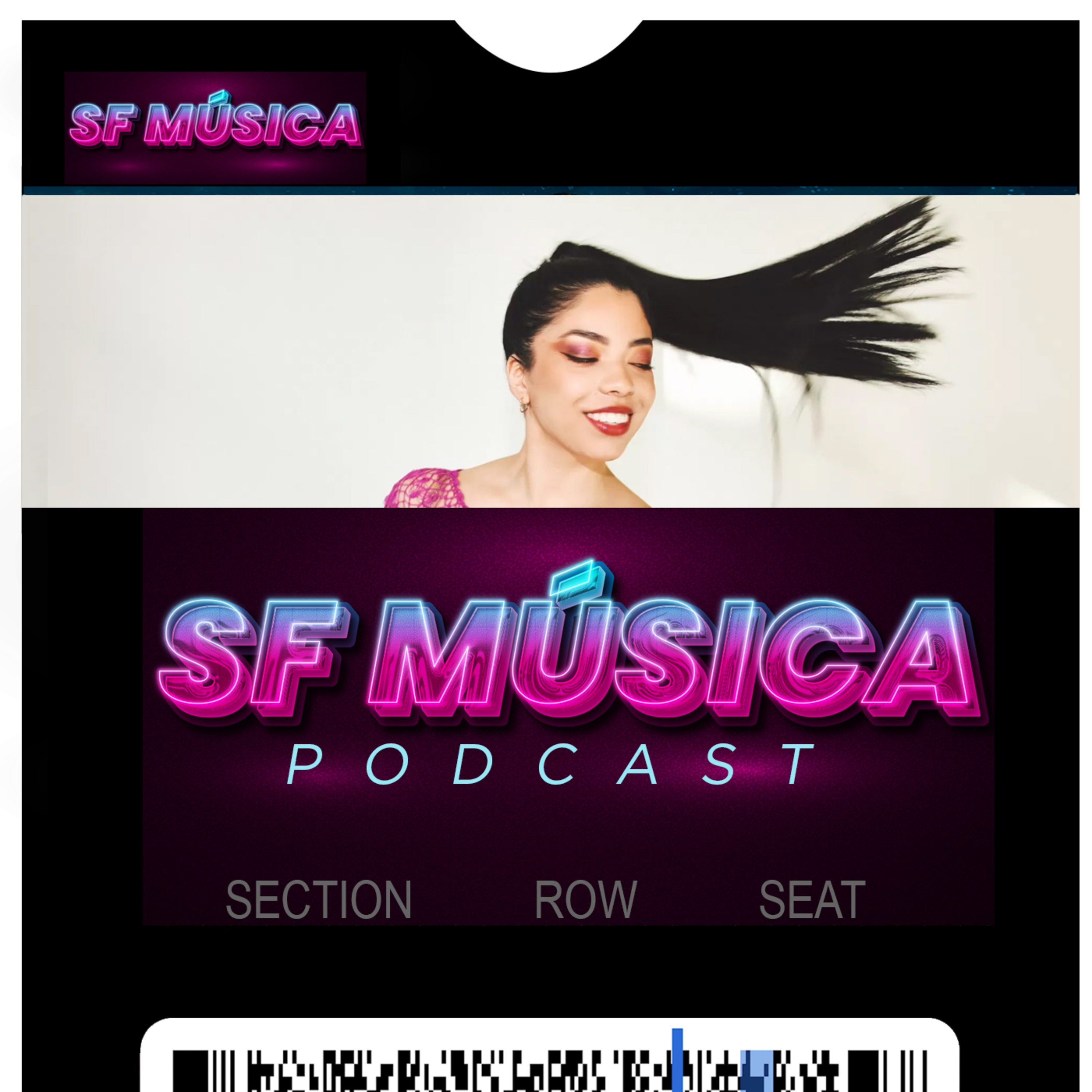 Lucía in San Francisco: a Victory for Restraint, Creativity and Musical Integrity 09.05.2026 20λOn this episode of the SF Musica Podcast, we head into a concert completely blind for the first time in years to experience rising Mexican jazz vocalist Lucía live at the Presidio Theatre in San Francisco. With little prior knowledge of her catalog or contemporary jazz as a genre, the night becomes less about reviewing songs and more about discovering what makes Lucía one of the most intriguing young Latin American artists emerging today.The episode explores Lucía’s deep reverence for jazz, the discipline and restraint required to succeed within the genre, and why her approach to legendary Latin American songs felt more like reinterpretation than simple cover performances. Along the way, the conversation examines the challenges facing a 24-year-old artist choosing artistic integrity over commercial crossover, Lucía’s growing fanbase in Northern California, and whether this performance felt like one of those rare “I saw her before everyone else did” moments.If you love live music analysis, Latin music, jazz vocals, contemporary jazz, or thoughtful concert reviews from the San Francisco Bay Area music scene, this episode is for you.Chapters(03:44) Who Is Lucía? A Rising Mexican Jazz Vocalist(05:43) Adjusting Expectations Around Jazz Vocals(07:35) Jazz Restraint vs. Mariachi Power(10:33) Breaking Down Lucía’s Set List(12:59) Why Her Covers Didn’t Feel Like Filler(14:19) “Oye Cómo Va” and Vocal Improvisation(16:10) Can Lucía Stay True to Jazz as She Grows?(18:00) Final Thoughts on Lucía’s Future in Music--A reminder that tickets for Romeo and Prince Royce are still available: https://bit.ly/sfmusica-romeo-royce-tix
 -
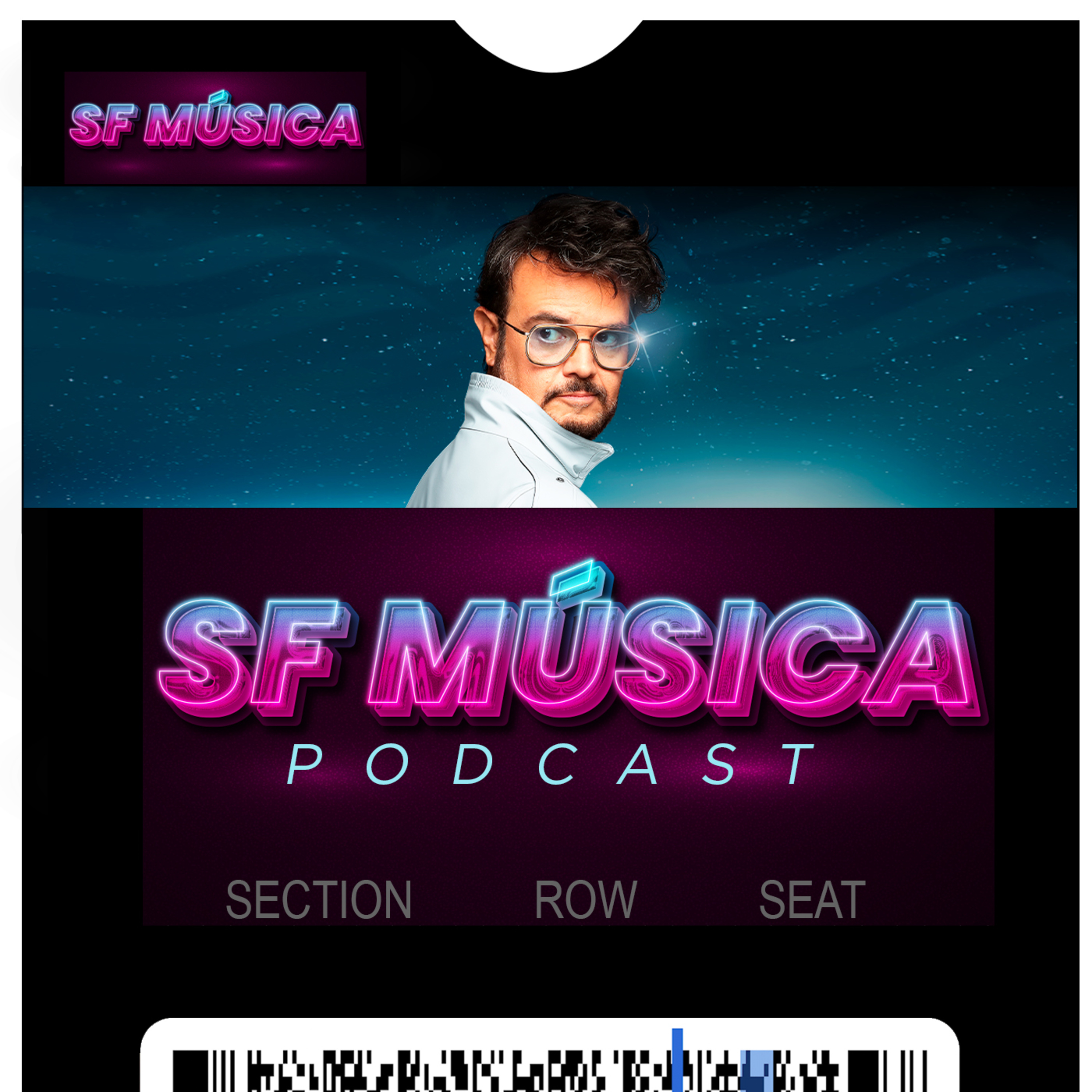 Aleks Syntek Bay Area Breakdown: Intimate Triumph or Reality Check? 18.04.2026 24λOn this episode of the SF Musica podcast, we break down Aleks Syntek’s recent Bay Area performance and what it reveals about his place in today’s music landscape. What begins as a concert recap quickly turns into a deeper conversation about artist relevance, nostalgia, and the realities of touring in the streaming era.We dive into the unexpected venue change—from a mid-size theater to a much smaller nightclub—and unpack what that shift might signal about ticket demand, audience size, and how legacy artists are navigating today’s market. Was this a downgrade, or simply a smarter, more realistic fit for his current draw?From there, we explore the tension between streaming numbers and real-life fan engagement. While Syntek may not dominate platforms like Spotify or Apple Music, his live show tells a different story—one driven by loyal fans, strong emotional connection, and a catalog that still resonates in the room.We also evaluate the performance itself: the musicianship, setlist choices, and whether the intimacy of a smaller venue enhanced or exposed limitations in the show. Does a tightly rehearsed performance translate in a club setting, or does it create distance?Ultimately, this episode asks a bigger question: what does success look like for an artist decades into their career? Is it chart dominance—or the ability to fill a room with fans who still care?Chapters(00:55) Opening Thoughts & ExpectationsSetting the stage for the show, initial expectations, and why this concert felt worth dissecting.(04:12) The Venue Change: Theater to NightclubBreaking down the move from a larger venue to a smaller one—and what that signals about demand.(09:35) First Impressions of the CrowdWho showed up, the “super fan” dynamic, and how the audience shaped the experience.(14:50) The Performance: Musicianship vs SpectacleEvaluating Syntek’s live execution, band quality, and overall stage presence.(20:18) Setlist & Hit DensityHow the song selection carried the show—and where the energy peaked.(25:42) Intimacy vs RehearsalDid the smaller room create connection, or expose a rigid, scripted performance style?(31:10) Streaming vs Real Life RelevanceA deeper dive into how streaming numbers align—or don’t—with live audience engagement.(37:28) Legacy Artists in the Modern EraWhere Syntek fits among peers and what it takes to sustain a touring career today.(43:55) Final Verdict: Success or Reality Check?Was this a win, a recalibration, or something in between?(48:20) Closing Thoughts & TakeawaysWhat this show ultimately says about longevity, nostalgia, and staying power in music.---Aleks Syntek, Latin pop, SF Musica podcast, concert review, live music review, Bay Area concerts, legacy artists, streaming era music, Latin music analysis, music industry trends
 -
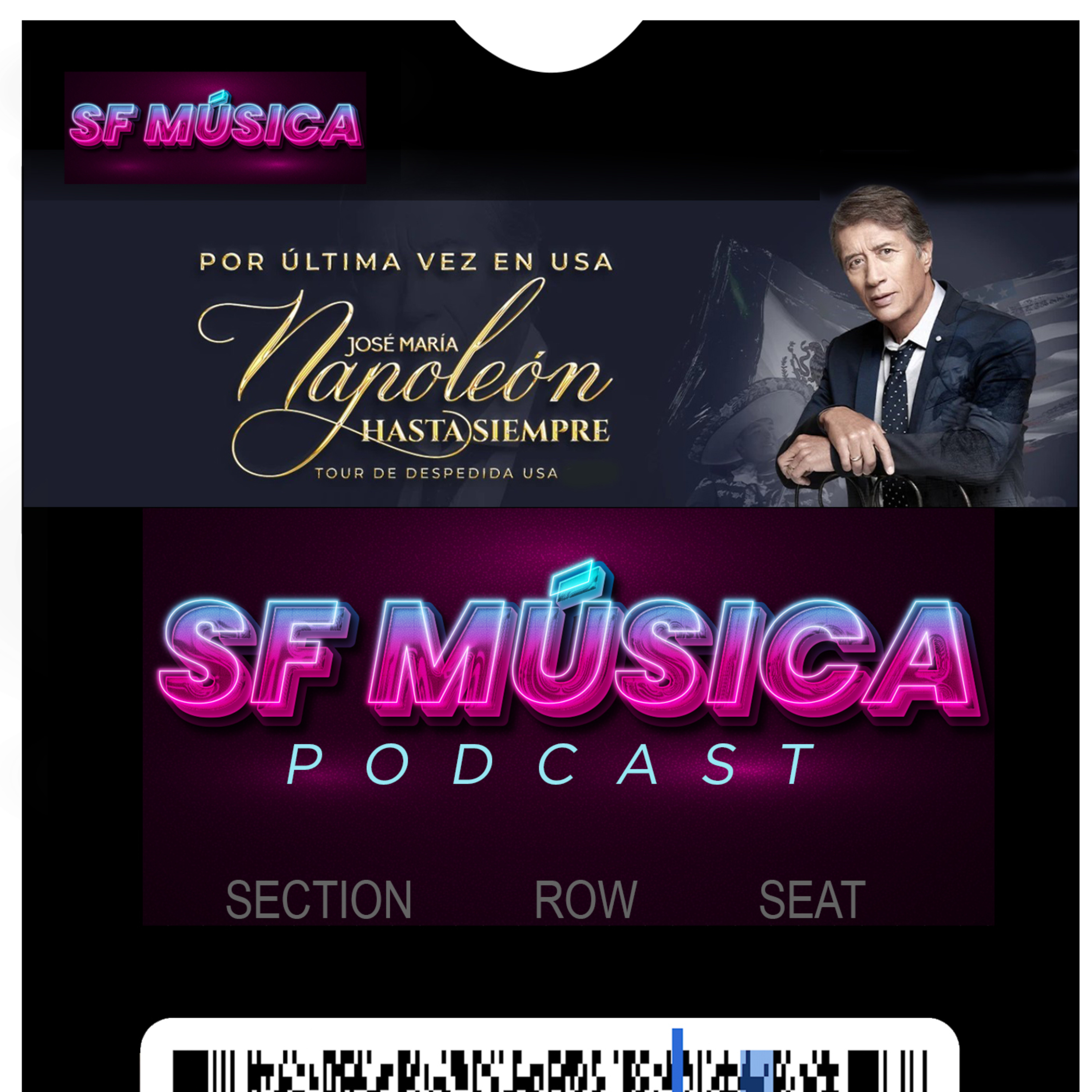 José María Napoleón en San Francisco: El Adiós memorable de una Leyenda Mexicana 13.04.2026 12λEn este episodio de SF Musica, nos trasladamos al corazón de San Francisco para vivir una noche inolvidable en el Masonic Auditorium, donde la leyenda de la música mexicana José María Napoleón ofreció un concierto lleno de emoción, historia y humanidad.Acompañan este análisis dos figuras clave de los medios en el Área de la Bahía: Pilar y Omar García, quienes comparten sus perspectivas sobre la trayectoria, disciplina y legado artístico de Napoleón.Desde su voz intacta a los 77 años hasta su mensaje de respeto, humildad y amor —especialmente hacia la mujer— este episodio explora por qué Napoleón sigue siendo un ícono vigente. También hablamos de su gira de despedida, su libro autobiográfico y el impacto emocional de canciones como “Vive” y “Marta”.Un episodio imprescindible para amantes de la música latina, la cultura mexicana y las historias reales detrás de grandes artistas.CHAPTERS(00:58) Trayectoria de Napoleón y su impacto internacionalAnálisis de su carrera, disciplina y relevancia global a sus 77 años.(02:02) La voz que no envejeceReflexión sobre cómo Napoleón ha mantenido intacta su calidad vocal.(04:07) Influencia en otros artistasMención de grandes figuras que han interpretado sus canciones.(04:41) Un concierto con mensaje humanoCómo Napoleón conecta con el público a través de historias, valores y humildad.(05:42) Respeto a la mujer y valores personalesEl enfoque del artista en el amor, respeto y dignidad dentro de sus letras.(06:52) Gira de despedida y libro autobiográficoDetalles sobre su retiro musical y las historias detrás de sus canciones.(07:33) “Vive” y el legado emocionalEl significado de su canción más icónica y su mensaje de vida.(08:21) El concierto en el Masonic AuditoriumAmbiente, audiencia y la conexión única con el público.(09:51) Orígenes humildes y cierre del episodioHistoria personal de Napoleón y despedida con reflexiones finales.---José María Napoleón, concierto San Francisco, música mexicana, SF Music Podcast, Omar García Connecta TV, Pilar locutora, Masonic Auditorium, artistas mexicanos, gira de despedida, canción Vive, cultura latina en Estados Unidos
 -
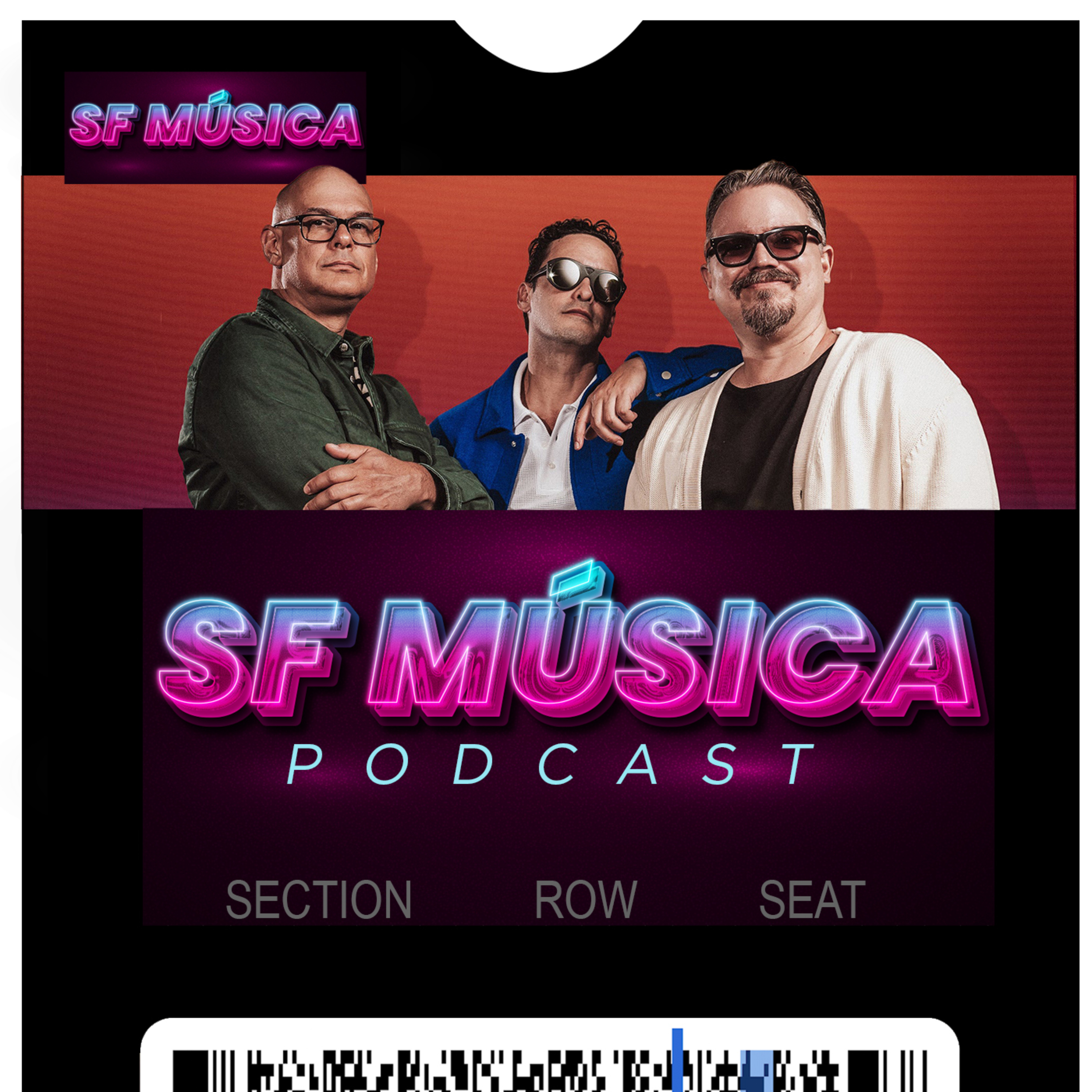 Los Amigos Invisibles Don’t Break the Formula — They Perfect It at Sweetwater 22.03.2026 16λLos Amigos Invisibles brought their signature groove-driven sound to Sweetwater Music Hall in Mill Valley—and delivered exactly what they’ve built their career on: a seamless, disco-heavy live set that kept the crowd moving from start to finish.In this episode of the SF Música Podcast, Julio breaks down a North Bay appearance from the Venezuelan band and explores what makes them such a unique fixture in the Latin alternative scene. From a 90-minute, groove-first set with almost no breaks, to a diverse crowd that didn’t need to understand the lyrics to stay engaged, this show was a reminder of how rhythm can transcend language.This episode dives into the band’s musical identity—disco, funk, acid jazz, and Latin rhythms—and examines why Los Amigos Invisibles continue to thrive in intimate venues, even 30 years into their career.If you care about live music in the Bay Area, Latin alternative acts, or just want to know what it feels like when a room turns into a dance floor for 90 straight minutes—this one’s for you.CHAPTERS(00:45) First Impressions of Sweetwater Music Hall(03:30) Los Amigos Invisibles: Background + First Exposure(06:00) Set Overview: 90 Minutes of Disco, Funk, and Groove(08:45) The Encore: A Shift in Sound That Stood Out(11:15) Crowd Breakdown: 50/50 Latino and Anglo Audience(13:30) The “Where Are the Americans?” Moment(15:00) Groove Over Language: Why the Band Connects Live(17:30) Setlist Critique: Consistency vs. Variety(19:30) Musical Influences: Disco, Funk, Acid Jazz, Latin Rhythms(21:30) Comps: Where Do They Fit Sonically?(23:30) Bay Area Touring Context + Venue Strategy(25:30) Final Verdict: A Groove-First Band That Delivers--Los Amigos Invisibles, SF Musica Podcast, Latin music, Latin alternative, disco funk, acid jazz, live music review, Sweetwater Music Hall, Mill Valley concerts, Bay Area music scene, Venezuelan bands, concert review podcast, live show recap, funk music, disco music, Latin funk, indie Latin music, music podcast, San Francisco music, live performance review
 -
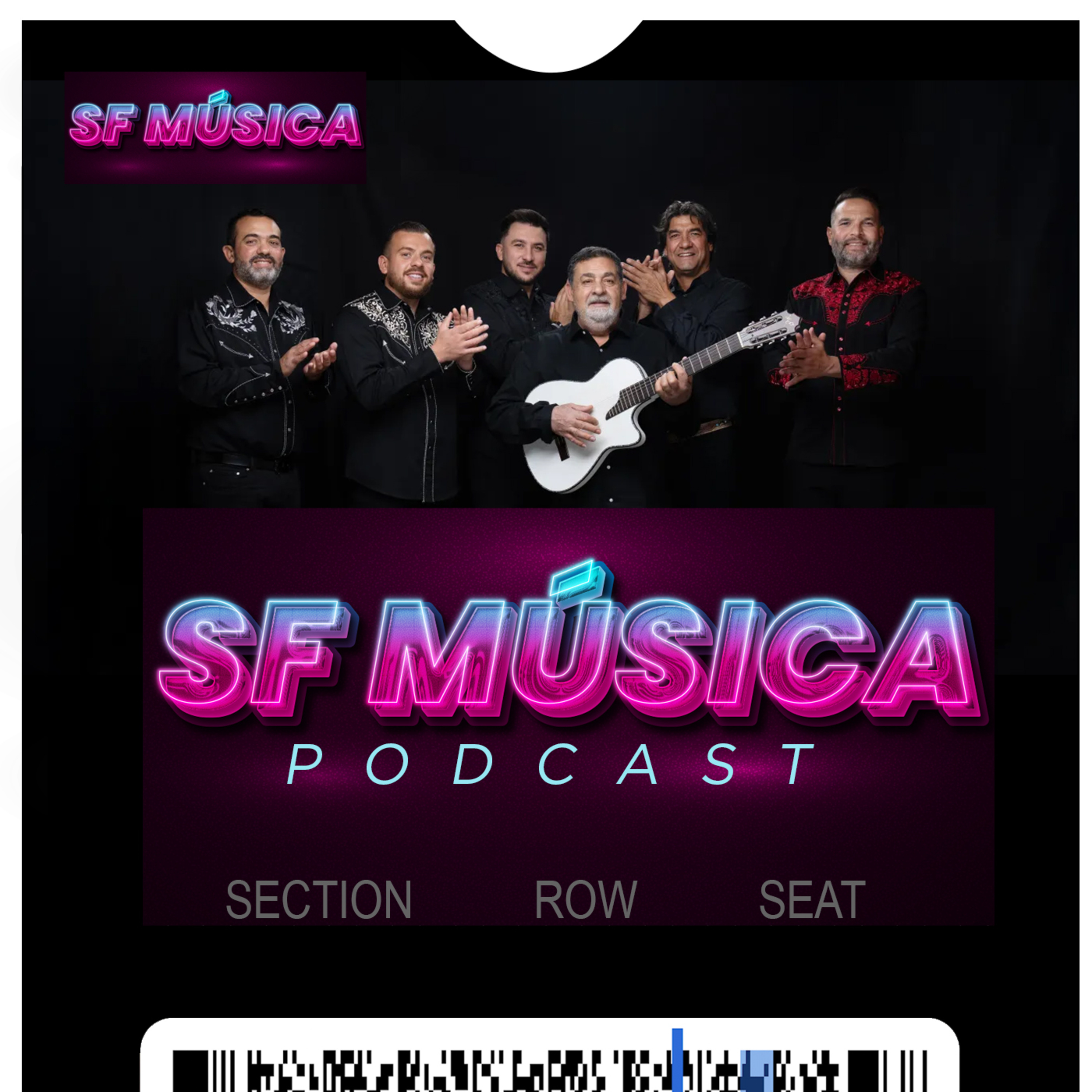 Gipsy Kings: Flamenco en Oakland, corazones y alma en España 21.03.2026 16λEn este episodio de SF Música, exploramos la mágica presentación de Gipsy Kings en el icónico Henry J. Kaiser Center for the Arts en Oakland. Analizamos cómo esta legendaria agrupación logró transformar una noche íntima en una experiencia cultural vibrante, llena de energía, nostalgia y conexión generacional.Hablamos sobre la historia de los Gipsy Kings, sus raíces entre España y Francia, y cómo su música —una fusión de flamenco, rumba, salsa y pop— ha trascendido generaciones y fronteras. También destacamos el virtuosismo de Tonino Baliardo, cuya maestría en la guitarra sigue cautivando al público mundial.El episodio profundiza en la diversidad del público, la riqueza cultural del evento y el poder universal de la música para unir comunidades. Además, revisamos los momentos más memorables del concierto, incluyendo interpretaciones de clásicos como Bamboleo y Un Amor, que hicieron vibrar a toda la audiencia.Si te interesa la música latina, el flamenco moderno o las experiencias en vivo en el Área de la Bahía, este episodio es una guía imprescindible para revivir uno de los conciertos más emotivos del año.CHAPTERS(00:50) El público diverso y la atmósfera del evento(02:00) Historia de los Gipsy Kings y sus orígenes(03:20) Impacto cultural y presencia en el cine(04:30) Instrumentación y fusión de géneros(05:40) Energía del show y primeras impresiones(06:50) El alma del flamenco y la emoción en vivo(08:10) Voces, estilos y momentos destacados(09:20) Tonino Baliardo y su virtuosismo(10:30) Sincronía musical y experiencia sensorial(11:40) Idiomas, identidad y universalidad(12:40) Simplicidad escénica y conexión con el público(13:40) Raíces gitanas e historia cultural(14:40) Canciones icónicas y momento “Bamboleo”(15:50) Conclusión y despedida
 -
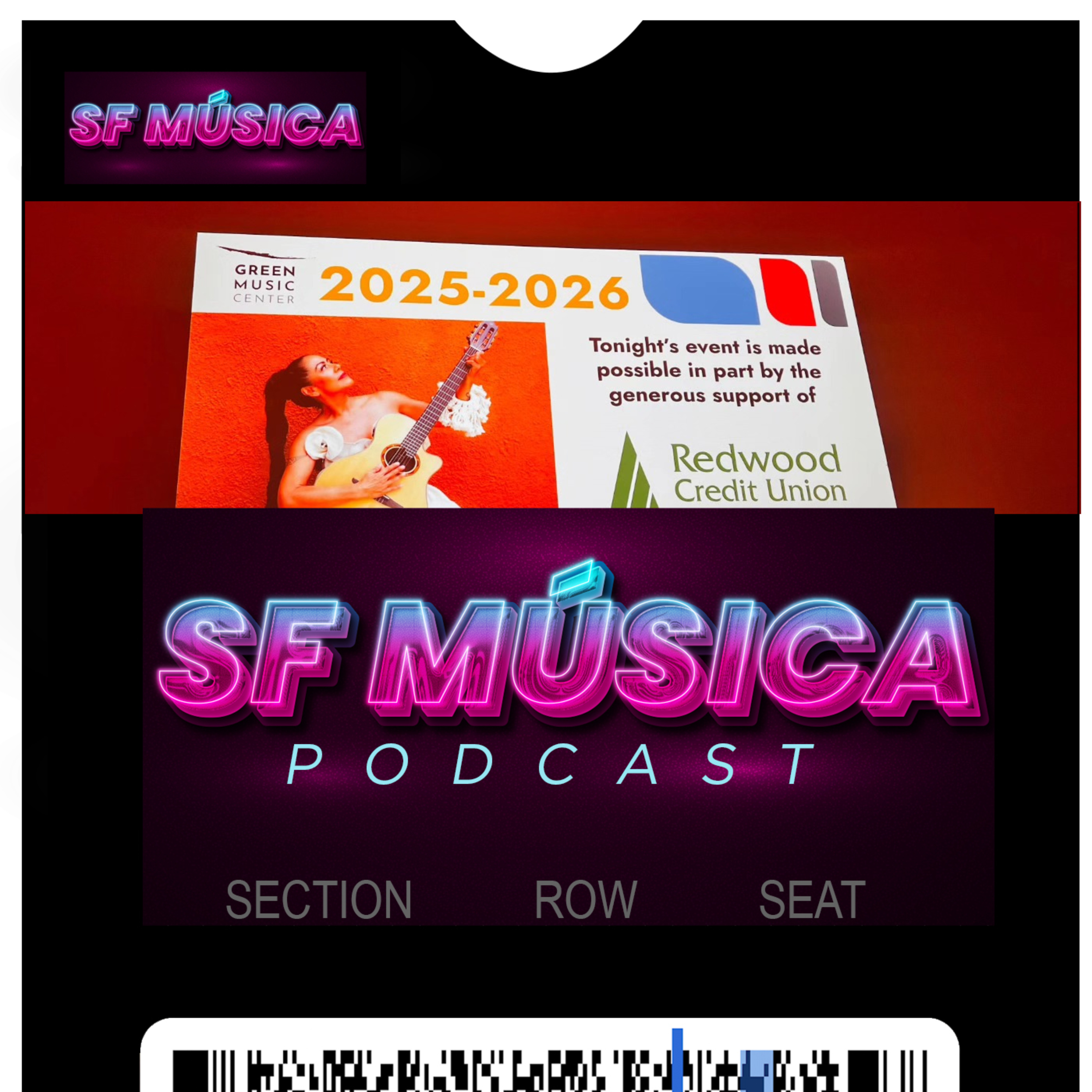 Lila Downs en Sonoma State: Una celebración de cultura, identidad y resistencia 08.03.2026 23λEn este episodio de SF Musica, analizamos el poderoso concierto de Lila Downs en el Green Music Center de Sonoma State. Desde nuestra perspectiva crítica y cultural, exploramos cómo la artista mexicana transforma cada presentación en una experiencia que combina música, identidad y memoria colectiva.Durante el episodio, SF Musica examina cómo Lila Downs fusiona múltiples tradiciones musicales —desde mariachi, cumbia y son jarocho hasta blues, jazz y otros estilos contemporáneos— creando un sonido que refleja la diversidad cultural de México y de la diáspora latinoamericana.También analizamos el papel central de la identidad indígena en su obra, particularmente su conexión con Oaxaca y con las tradiciones textiles, visuales y musicales de esa región. En el escenario, el vestuario tradicional, las proyecciones visuales y los símbolos culturales funcionan como una extensión de su narrativa artística.En nuestra conversación, SF Musica reflexiona sobre temas que atraviesan el concierto: migración, inclusión, memoria cultural y resistencia. Canciones como Dark Eyes evocan la experiencia migrante y conectan con tradiciones musicales como el blues y los spirituals, mostrando cómo el dolor, la nostalgia y la esperanza pueden transformarse en arte.El episodio también examina el trabajo de su banda y la riqueza instrumental del espectáculo, donde destacan elementos como trompetas, acordeón y jarana veracruzana, así como la capacidad de Lila Downs para moverse entre momentos de profunda melancolía y celebraciones llenas de energía como las cumbias que hacen bailar al público.Finalmente, SF Musica reflexiona sobre el impacto cultural de Lila Downs como una de las artistas latinoamericanas más importantes de la música contemporánea. Su trayectoria internacional, reconocida con premios Grammy y Latin Grammy, demuestra cómo la música puede preservar tradiciones, fortalecer identidades y conectar generaciones a través de la cultura.CHAPTERS(01:30) Lila Downs como símbolo culturalAnálisis de su figura artística y su comparación con iconos culturales como Frida Kahlo.(03:30) Folklore, vestuario y raíces oaxaqueñasEl significado del huipil, el rebozo y los elementos tradicionales en su puesta en escena.(05:20) Visuales y simbolismo culturalCómo las proyecciones y elementos visuales refuerzan los temas de identidad y tradición.(07:40) Inclusión, identidad y raíces indígenasReflexión sobre la identidad tricultural de la artista y su representación de comunidades indígenas.(09:20) Migración y la canción “Dark Eyes”El tema migratorio y la influencia del blues y el jazz en su repertorio.(11:00) La banda y los instrumentos del conciertoExploración de los instrumentos y la riqueza sonora del ensamble.(13:10) Fusión musical y diversidad de ritmosLa mezcla de estilos que caracteriza el sonido de Lila Downs.(14:50) La voz única de Lila DownsAnálisis de su registro vocal y su estilo interpretativo.(16:20) Canciones icónicas y conexión con el públicoLa emoción del público al escuchar canciones tradicionales.(17:00) Reconocimientos internacionalesLos premios y la trayectoria global de la artista.(18:20) Interacción con el públicoLa cercanía y humildad de Lila Downs durante el espectáculo.(19:50) Narrativa y storytelling musicalCómo sus canciones transmiten historias culturales y emocionales.(20:10) El Green Music Center y la experiencia del conciertoLa atmósfera del recinto y la diversidad del público.(21:10) Cultura mexicana y nuevas generacionesLa importancia de transmitir la cultura a través de la música.(22:50) El significado de la GuelaguetzaLa tradición de dar y recibir como metáfora del arte y la cultura.Capítulos del episodio
Παρόμοια podcasts


Δημοφιλές σε
Αυτό το podcast εμφανίζεται και στις λίστες podcasts αυτών των χωρών.

