
The Global Story
BBC World Service
2
The Global Story is a daily podcast from the BBC World Service that explores how global events, particularly those involving the US and the second Trump administration, are reshaping politics, business, and foreign policy. Hosted by Asma Khalid in Washington, DC, and Tristan Redman in London, the show leverages the BBC's international newsroom to provide clarity on a rapidly changing world.
Επεισόδια
-
 The Canadians who want out of Canada 15.09.2026 26λAs Canada continues to wage a trade war with the US, an internal battle is being fought over the country’s identity. Next month, voters in Alberta, the country’s wealthiest province, face a referendum on whether they want the opportunity to explore a separation from Canada. Supporters say Alberta would thrive on its own, because of its rich reserves of oil and natural gas. Prime Minister Mark Carney has warned that independence would lead to years of economic and political turmoil, “right at a time the world is fundamentally uncertain.” How might the Trump administration leverage this Canadian identity crisis? And how is the Alberta separatist movement complicating Carney’s “Canada Strong” messaging? Nadine Yousif, the BBC’s senior Canada reporter, explains. (Photo: Canada’s Prime Minister Mark Carney speaks with the news media after he suspended trade negotiations with the United States, in Ottawa, Ontario, Canada August 22, 2026. Credit: Chris Tanouye/Reuters)Producers: Hannah Moore and Xandra Ellin Executive producer: Martine Powers Sound engineer: Travis Evans Senior news editor: China Collins
 -
 Can the US and China stop AI from killing us all? 14.09.2026 26λChina’s President Xi Jinping will meet Donald Trump later this month with the issue of AI governance high on the agenda. In recent weeks there has been increasing concern around the risks that AI might pose to humanity, after a safety researcher at Anthropic suggested the technology could, "kill all humans” within the next decade.Washington has long framed the United States’ development of AI as a race against China – one that it considers vital to its national security. But does China see it the same way? And if so, what are the chances of these rival superpowers cooperating to reign in the risks of AI?Asma Khalid is joined by Kyle Chan, a fellow at the Brookings Institute and an expert on Chinese tech development, to understand how China's AI ambitions differ from the US, and what‘s really at stake if these two countries fail to find common ground on this era-defining technology. Producers: Aron Keller and Xandra Ellin Digital producer: Charlie FirthMix: Travis EvansEditor: James Shield and Martine PowersSenior news editor: China CollinsPhoto: Chinese President Xi Jinping and U.S. President Donald Trump attend a welcome ceremony at the Great Hall of the People in Beijing, China May 14, 2026. REUTERS/Maxim Shemetov/Pool
 -
 Did America win the ‘war on terror’? 11.09.2026 27λWhy can’t America quit the Middle East?September 11 marked a shift in the American psyche, and altered the way the United States saw its place in the world. Shortly after the attacks, President George W Bush announced the ‘war on terror’, a policy that would implicate the United States in multiple wars, on multiple fronts, in the Middle East over the next 25 years. But was this the US reaction that al-Qaeda had planned for? And as the US entered into more wars, in Iraq, Afghanistan and Iran, are the unintended consequences of the ‘war on terror’ still threatening the US today? The Global Story’s Asma Khalid speaks to Frank Gardner, the BBC’s security correspondent, about the event that still dominates US foreign policy today. Producers: Mhairi Mackenzie and Lucy Pawle Digital producer: Charlie Firth Mix: Travis Evans Editor: Martine Powers Senior news editor: China Collins Photo: U.S. President George W. Bush speaks to Vice President Dick Cheney by phone aboard Air Force One after departing Offutt Air Force Base in Nebraska, in this September 11, 2001. Credit: Eric Draper / White House Handout
 -
 How the AfD is rewriting German history 10.09.2026 27λFor the first time since World War Two, a far-right party has made a significant win in Germany – taking almost 44% of the vote in Saxony-Anhalt. The Alternative for Germany (AfD) party, which has been labelled as “right-wing extremist” by domestic intelligence, is leading the national polls. Among its pledges at a state level are to defund “anti-German" art and teach children less about Hitler, as part of a “patriotism” agenda. This idea challenges the deeply held and decades-long German memory culture that insists people must never forget the Nazis’ crimes. The AfD describes German memory culture in its manifesto as a "guilt complex". BBC Berlin correspondent Jessica Parker talks us through the complexities of remembering Germany’s past, and the controversial ways in which the AfD wants to shape its future. Producers: Hannah Moore and Xandra Ellin Mix: Travis Evans Executive producers: James Shield and Martine Powers Senior news editor: China CollinsPhoto: Alternative for Germany (AfD) party and parliamentary group co-chairwoman Alice Weidel looks on during a press conference in Berlin, Germany, 07 September 2026. EPA/Shutterstock.
 -
 Why America's allies are sanctioning West Bank settlers 09.09.2026 27λOn Tuesday, the government of the United Kingdom announced sweeping sanctions against Israeli settlements in the West Bank, and accused settlers of ‘ethnic cleansing.’ Soon after, 11 other countries, including Canada, France, Spain and Poland, announced a ban on goods imported from illegal settlements.In response, US Ambassador to Israel Mike Huckabee said there would "without a doubt" be a reaction from the US, adding that the move could have a “huge economic impact on British businesses." What do the sanctions suggest about the US’s complex relationship with its western allies?The Global Story’s Asma Khalid speaks with BBC State Department correspondent Tom Bateman about the diplomatic consequences of US allies sanctioning the West Bank. Producers: Xandra Ellin and Hannah MooreExecutive producer: Martine PowersMix: Travis EvansTechnical producer: Philip BullDigital producer: Charlie FirthSenior news editor: China CollinsPhoto: A man looks on at the damage as Palestinians inspect the site of a demolished house after an Israeli army raid, in the village of Aqraba near Nablus, in the Israeli-occupied West Bank, September 8, 2026. Credit: Mohammed Torokman/Reuters.
 -
 Can Dubai’s luxe image survive the war with Iran? 08.09.2026 27λAs the summer holiday season draws to a close, foreigners travelling to and from Dubai in the United Arab Emirates are facing delays, cancellations and severe travel warnings. The disruption comes as a result of the UAE’s position in the ongoing US-Israel war with Iran. Throughout the conflict, Iran has attacked the UAE more times than any other country, including Israel.Until the war with Iran began, Dubai was a major tourist destination, famous for its modern skyscrapers, luxurious beaches and low crime rate. For decades, the Gulf city has promised residents and tourists alike safety, security and stability – so has that promise fallen apart? And what could that mean for the city’s future?The Global Story’s Asma Khalid speaks to Sameer Hashmi, an independent journalist based in Dubai, about how Brand Dubai is weathering a major regional war.Producer: Xandra EllinMix: Travis EvansDigital producer: Charlie FirthEditor: Martine PowersSenior news editor: China CollinsPhoto: Jebel Ali Port after one of the berths caught fire because of debris from an intercepted missile, March 1, 2026. Credit: Planet Labs PBC/Reuters
 -
 Was Saudi Arabia involved in 9/11? 07.09.2026 27λTwenty-five years on from the deadliest terror attack in history, thousands of grieving families are still fighting for answers. In early 2000, two young Saudis arrived in San Diego. They had never been to America, spoke almost no English, and had no idea how to open a bank account or rent a flat. Within weeks they had done all of it. Twenty months later they hijacked a plane and crashed it into the Pentagon. The BBC’s Jane McMullen has been investigating a man who helped two of the hijackers – and has revealed a story that the US and Saudi governments have fought to keep secret. Producers: Mhairi Mackenzie and Xandra Ellin Digital producer: Tom Bage Mix: Travis Evans Editor for The Global Story: James Shield Editor for Intrigue: A 9/11 Story: Matt Willis Senior news editor: China CollinsPhoto: New York City skyline with Brooklyn Bridge in the foreground and the twin towers of the World Trade Center in the background.
 -
 How the world sees Lindsay Clancy 04.09.2026 26λLindsay Clancy faces first-degree murder charges over the deaths of her three young children. But if her case had happened elsewhere, the charges might have looked very different.Clancy’s trial in Massachusetts has captured international attention. It has divided public opinion and ignited debate over how the US prosecutes cases involving mothers who kill their children — and the charges brought against them.Other countries, including the UK, Canada and Australia, have specific statutes that allow mothers to be charged with infanticide — a conviction that’s more lenient than murder and often results in mental health treatment rather than prison time. So why is US law different?The Global Story’s Asma Khalid speaks with Dr Karen Brennan, a senior lecturer in law at the University of Essex, to discuss what the Lindsay Clancy case reveals about how American law understands motherhood, mental illness and criminal responsibility. (Photo: Lindsay Clancy, with long straight dark brown hair, looks to her lawyer Kevin Reddington, on the day the jury in her murder trial determined that they cannot reach a verdict, in Plymouth, Massachusetts, US, 1 September, 2026. Credit: Greg Derr/Reuters)Producer: Xandra Ellin, Cat Farnsworth and Aron Keller Digital producer: Charlie FirthSound engineer: Travis EvansEditor: Martine PowersSenior news editor: China Collins
 -
 Is the AI backlash actually a Chinese psy-op? 03.09.2026 26λAccusations of foreign interference have been making headlines this week.Elon Musk’s X alleges that China has been stirring up a backlash against American data centres. Israel and Russia have denied allegations from Spain’s prime minister that they’re partly to blame for the migrant crisis in Ceuta.And Germany has accused Russia of being behind a spate of drone attacks at a German airport. Vladimir Putin has dismissed those claims and accused Germany of a ‘false flag’ operation.We speak to the BBC’s social media investigations correspondent, Marianna Spring, to examine the evidence – and ask whether foreign interference is really to blame in every case, or if it is just a convenient scapegoat. Producers: Sam Chantarasak and Lucy Pawle Digital producer: Charlie FirthMix: Travis Evans Editor: James ShieldSenior news editor: China CollinsPhoto: A drone view shows construction underway on Microsoft's ATL11 data center in Union City, Georgia, US. Credit: Brian Snyder/Reuters.
 -
 Is the world giving up on the US dollar? 02.09.2026 27λAmerica’s national debt recently hit a new milestone of $40 trillion. It is estimated that interest payments on the national debt are now the second largest expense in the US government budget, trailing only social security. How was the US able to borrow so much and for so long? One answer, according Harvard economist Kenneth Rogoff, is the US dollar’s status as the world’s reserve currency. In this episode, Rogoff, former chief economist at the International Monetary Fund, explains how the US dollar came to enjoy this hegemonic status, what being the world’s reserve currency actually means in practice, and why he believes the dollar is now in decline. (Photo: An Asian-American man passes by the passes by the National Debt Clock in New York City, US, 19 August, 2026. It is a digital display screen that shows the National Debt figures 39, 393, 882, 535, 284 against a background of dollar notes. Credit: Brendan McDermid/Reuters)Producer: Valerio Esposito, Aron Keller and Lucy Pawle Executive producer: James ShieldSound engineer: Travis Evans Senior news editor: China Collins
 -
 Nepal: Covering a disaster in your own country 01.09.2026 27λAs the world watches the aftermath of devastating floods in Nepal, journalist Anup Kaphle has been asking a difficult question: When does coverage of a natural disaster cross from rightful global concern into spectacle?Kaphle is the group editorial director of Kantipur Media Group, Nepal’s largest media organisation. He’s also a native of Nepal. After more than two decades working for American newsrooms, he returned to his home country with a mission to help tell Nepal’s story for the people who live there. Now, he finds himself confronting one of the greatest challenges of his career: helping Nepalis understand the full scale of the flooding and its impact on their lives, at a moment when international attention is focused on the most dramatic accounts.Asma Khalid, co-host of The Global Story, speaks with Kaphle about the ongoing humanitarian efforts, the potential long-term impact of the disaster on Nepalis, and why he worries that the international community will soon turn its attention away from Nepal. Producer: Xandra EllinMix: Travis EvansEditor: Martine PowersSenior news editor: China Collins Photo: Police officers carry a survivor after a flash flood at Trishuli in Nuwakot district, Nepal, August 26, 2026. Credit: Navesh Chitrakar/Reuters.
 -
 Inside Afghanistan’s secret schools for girls 31.08.2026 26λFive years after the withdrawal of US troops from Afghanistan, the Taliban’s near-total crackdown on the rights of women and girls has made the country ‘a global outlier with no parallel in the modern world’, according to the United Nations. The Taliban governed for five years in the late 1990s before the US invasion. Now, as Afghanistan reaches the same milestone with the Taliban’s second stint in power, how is the international community engaging with them this time around? We speak to the BBC’s chief international correspondent, Lyse Doucet, who has reported on the country for decades. She recounts her recent trip to Afghanistan and her conversations with senior Taliban ministers, as well as women and girls trying to challenge their repression. Producers: Hannah Moore and Sam ChantarasakExecutive producer: Martine PowersMix: Travis EvansSenior news editor: China CollinsPhoto: An Afghan burqa-clad woman walks along a road at Kolcha Abad village in the Dand district of Kandahar on June 16, 2026. Credit: Sanaullah Seiam/AFP via Getty Images.
 -
 Did Emily ruin Paris? 28.08.2026 27λThe Netflix show Emily in Paris has been lauded by French President Emmanuel Macron, who presented its creator, Darren Star, with the prestigious Légion d’Honneur last year. “You make France shine across the world,” Macron said. Many critics disagree. The programme, about a hapless American marketing executive living a glamorous and romantic fantasy in the French capital, is due to return for its sixth and final season later this year. Some Parisians have complained that the series is full of cliches. And they worry that the tourism boost created by the show is changing the city they live in. How do blockbuster TV series and iconic films reshape our cities, for better or worse? Host Tristan Redman heads to the fifth arrondissement, while producers Hannah Moore and Xandra Ellin get the picture in London and New York. Producer: Hannah Moore Executive Producer: James Shield Mix: David Crackles Senior news editor: China CollinsPhoto: Lily Collins at the ‘Emily in Paris’ Season 4, Part 1 Premiere held at The Egyptian Theatre Hollywood on August 14, 2024 in Los Angeles, California. Credit: Gilbert Flores/Variety via Getty Images.
 -
 Trump 'tightens the noose' on Iran. Will it backfire? 27.08.2026 26λThere have been a lot of sanctions programmes against Iran. But this week US Treasury Secretary Scott Bessent announced Operation Economic Outcast, which promises to go further than ever before. It will punish not just Iran but any country helping Iran - including China.It is the Trump administration’s latest attempt to end the war. Will it work? We speak to Vali Nasr, professor of international affairs and Middle East studies at Johns Hopkins University, and ask whether in trying to end one war, President Trump risks starting a global trade conflict.(Photo: US Treasury Secretary Scott Bessent speaks during a press conference to outline further sanctions against Iran, at the Treasury Department in Washington, DC, 24 August, 2026. He has short, mousy-grey hair and is wearing glasses, with the American flag behind him. Credit: Evelyn Hockstein/Reuters)Producers: Mhairi MacKenzie and Lucy PawleSound engineer: Travis EvansEditor: James ShieldSenior news editor: China Collins
 -
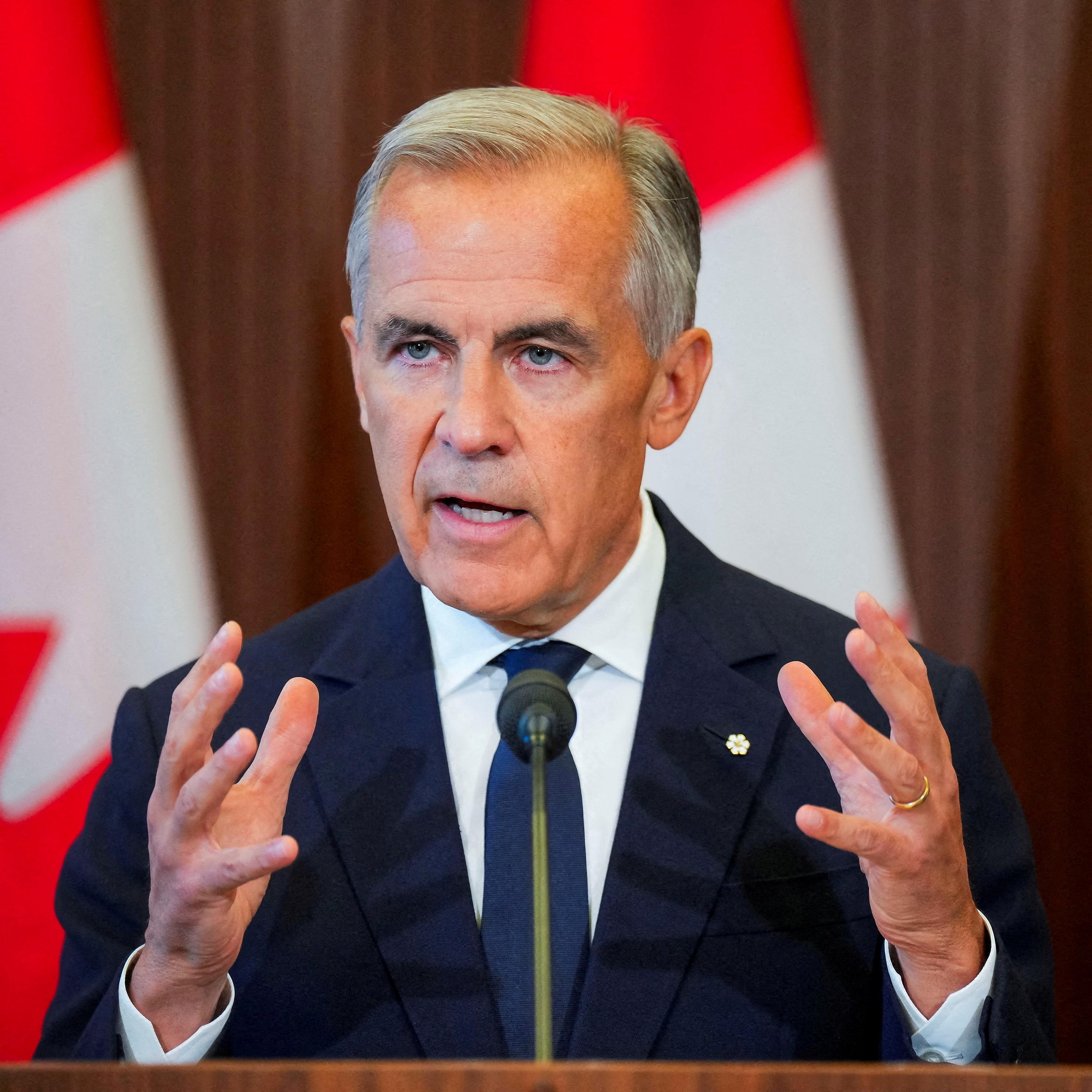 Canada’s Mark Carney fights back 26.08.2026 27λWhat are the costs of standing up to your biggest trading partner? Canada recently walked away from trade talks with the US hours before Trump's deadline to impose major tariffs on Canadian goods. Prime Minister Mark Carney struck a defiant tone, acknowledging that Canada was now locked in a trade war with the US. "You're at war when you're attacked,” Carney told reporters, “we got attacked". He also announced retaliatory tariffs, pledging to match US tariffs, "dollar for dollar". Carney's tough stance is popular at home, but will it come at a price? We speak to Jayme Poisson, host of the CBC podcast Front Burner, about whether Carney is taking a big political gamble by standing up to Trump’s tariffs – and why many Canadians feel confident they can withstand a trade war with their southern neighbour. (Photo: Canada’s Prime Minister Mark Carney speaks holds press conference after suspending trade negotiations with the US, in Ottawa, Canada August 22, 2026. Credit: Chris Tanouye/Reuters)Listen to Front Burner: link.mgln.ai/jvyxQWProducers: Aron Keller and Xandra EllinExecutive producer: Martine Powers Sound engineer: Travis EvansSenior news editor: China Collins
 -
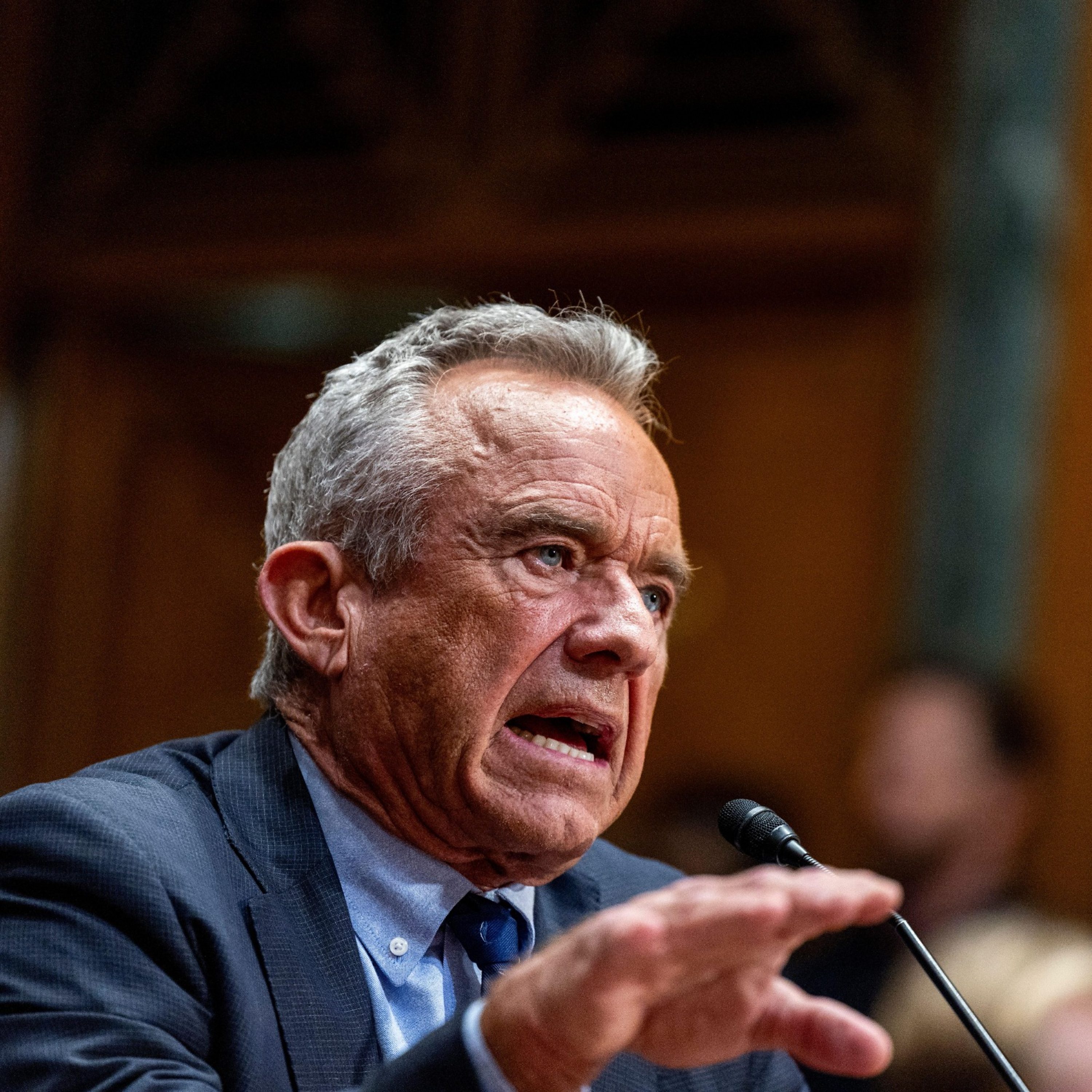 Will the new cancer vaccine survive RFK Jr’s America? 25.08.2026 26λA new personalised vaccine given in combination with a drug has stopped skin cancer returning in patients during a trial, representing a potentially watershed moment in cancer treatment. Scientists used mRNA technology, which was used for some Covid-19 vaccines.But that technology - and vaccines more generally - have become increasingly controversial in the United States since the Covid-19 pandemic. The Health Secretary Robert F Kennedy Jr, is a vaccine sceptic. In August 2025 cancelled $500m (£376m) in funding for mRNA vaccine research. The move impacted 22 projects being led by major pharmaceutical companies, including Pfizer and Moderna, for vaccines against bird flu and other viruses, according to Kennedy’s department. We speak to Tom Whipple, host of the BBC’s Inside Science programme, about the science of this new vaccine. And we ask how funding cuts for vaccine research could impact health outcomes not just for Americans, but for the world.Producers: Lucy Pawle and Sam ChantarasakDigital producer: Sam GruetMix: Travis EvansEditor: James ShieldSenior news editor: China CollinsPhoto: US Secretary of Health and Human Services Robert F. Kennedy Jr. testifies during the Senate Finance Committee's hearing on The President's Health Care Agenda on Capitol Hill in Washington, DC, USA, 04 September 2025. Credit: Shawn Thew/EPA/Shutterstock
 -
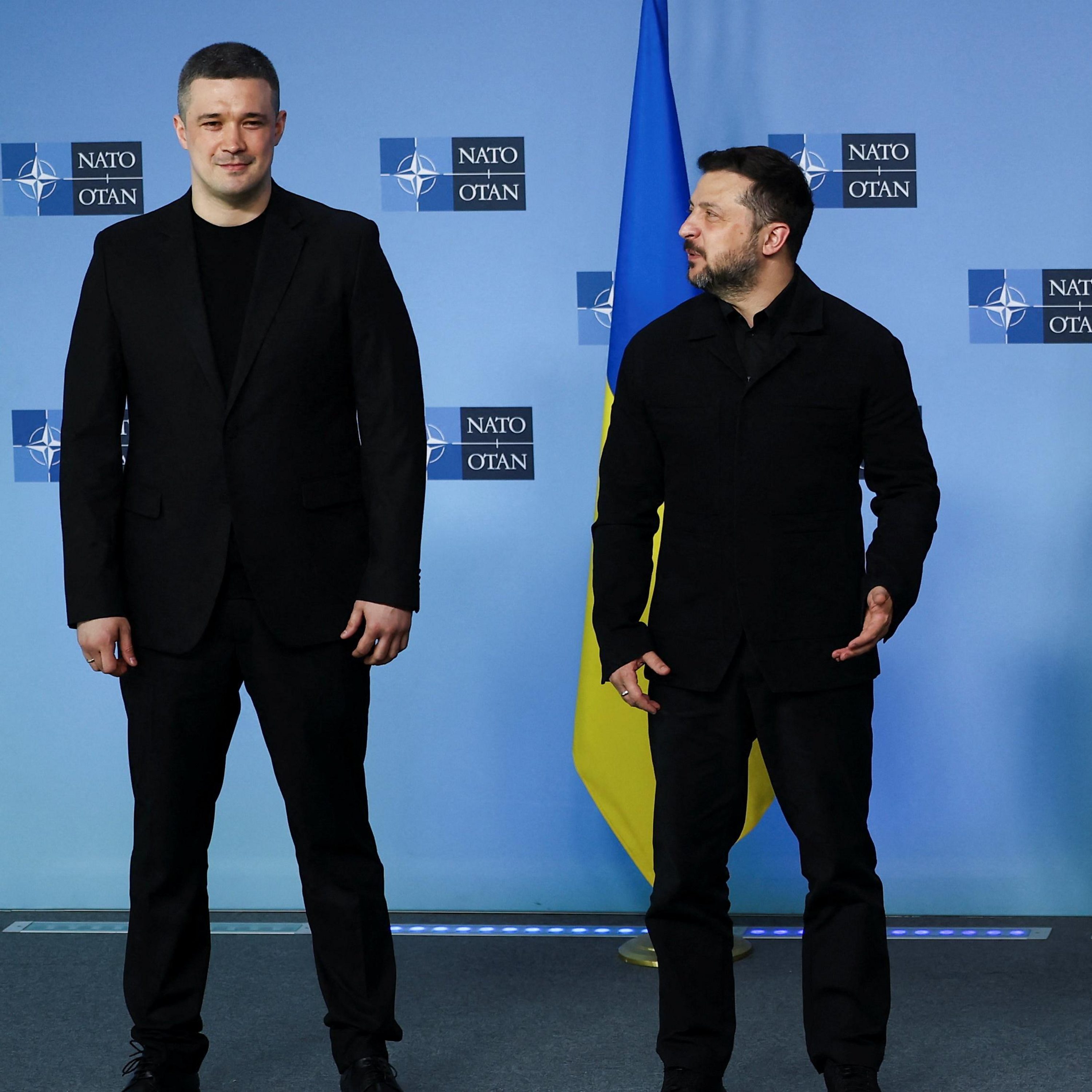 The campaign to replace Zelensky 24.08.2026 27λLast week Ukraine's popular ex-defence minister Mykhailo Fedorov called for wartime elections, in what is widely seen as the biggest challenge to Volodymyr Zelensky's presidency since Russia's full-scale invasion in 2022.Zelensky, whose five-year presidential term ended in May 2024, has been under pressure from both Washington and Moscow to hold new elections, but they have been suspended until after the war is over. Fedorov says that corruption is depriving the military of weapons and making it harder for Kyiv to win the war, and that, "democracy cannot be held hostage by Russia”, although he tells the BBC that he had not himself seen the president engage in any corrupt activity.We speak to Vitaly Shevchenko from BBC Monitoring about where all this could lead.Producers: Mhairi Mackenzie, Xandra Ellin and Lucy PawleExecutive producer: James ShieldMix: Travis EvansDigital producer: Tom BageSenior news editor: China CollinsPhoto: Ukrainians protest against dismissal of Defence Minister Mykhailo Fedorov, Kyiv, Ukraine,24 July, 2026. EPA/Sergey Dolzhenko
 -
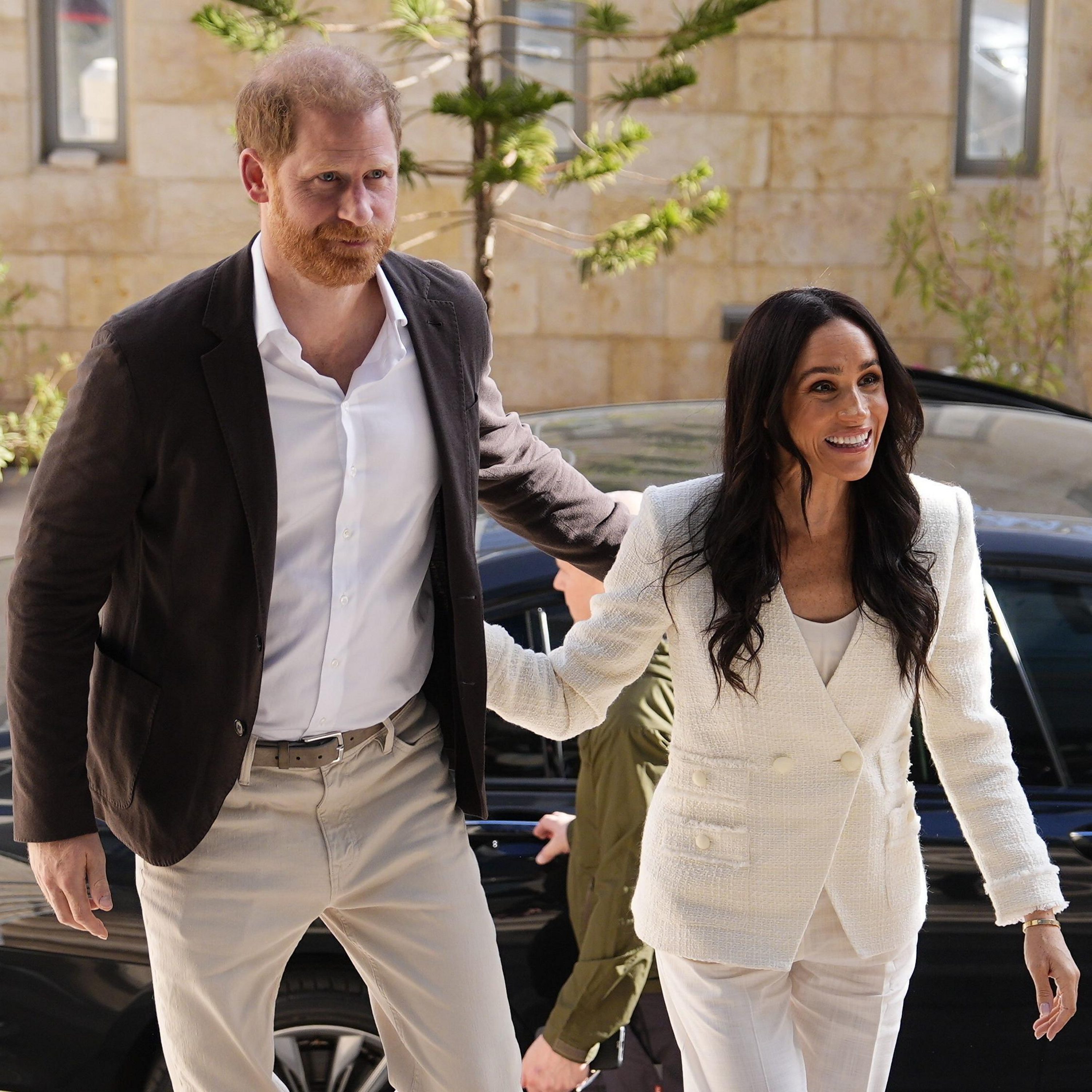 The end of Harry and Meghan’s American dream 21.08.2026 26λThe Duke of Sussex told the BBC last year that he, “can't see a world in which I would be bringing my wife and children back.” So what’s changed?Prince Harry and his wife, the Duchess of Sussex, plan to move back to the UK later this month. Their children, Prince Archie and Princess Lilibet, are due to start at a British school in September. They are not expected to resume their roles as working Royals. Prince Harry and Meghan left the UK in 2020, and in the years since have had various achievements and controversies, including high-profile legal battles with the UK press and the government. We ask the journalist and royal commentator Sarah Hewson about the successes and failures of brand Sussex in the US, Prince Harry’s ongoing concerns about security, and whether he can repair relationships with his family.Producers: Xandra Ellin and Sam ChantarasakExecutive producers: Martine Powers and James ShieldMix: Travis EvansDigital producer: Matt PintusSenior news editor: China CollinsPhoto: The Duke and Duchess of Sussex attend a World Health Organisation roundtable in Amman, Jordan, February 25, 2026. Credit: Aaron Chown/PA Wire
 -
 Jason Arday, DEI, and the dilemma facing black academics 20.08.2026 26λHow did a prominent Cambridge professor come to embody the fault lines around DEI in higher education?Three years ago, Jason Arday was celebrated as the youngest black professor ever appointed at the University of Cambridge. But recent questions about his academic work and his life story became the subject of fierce media scrutiny — scrutiny that only intensified after Arday was found dead at his South London home last week. Police have said his death was unexpected, but not believed to be suspicious.Now, Arday’s personal narrative is raising broader questions about the responsibility of universities to vet high-profile hires, the media’s role in amplifying a firestorm of controversy, and the deepening cultural divide over diversity and inclusion in liberal institutions.Asma Khalid of The Global Story speaks with BBC Education Editor Branwen Jeffreys and Tyler Austin Harper of The Atlantic about Arday’s story — and what it reveals about the limits of inclusion in higher education.Producers: Lucy Pawle and Hannah MooreDigital producer: Matt PintusMix: Travis EvansEditor: Martine PowersSenior News Editor: China Collins Photo: Jason Arday - a guest on the panel of BBC show Sunday with Laura Kuenssberg in 2025. Credit: Jeff Overs/BBC
 -
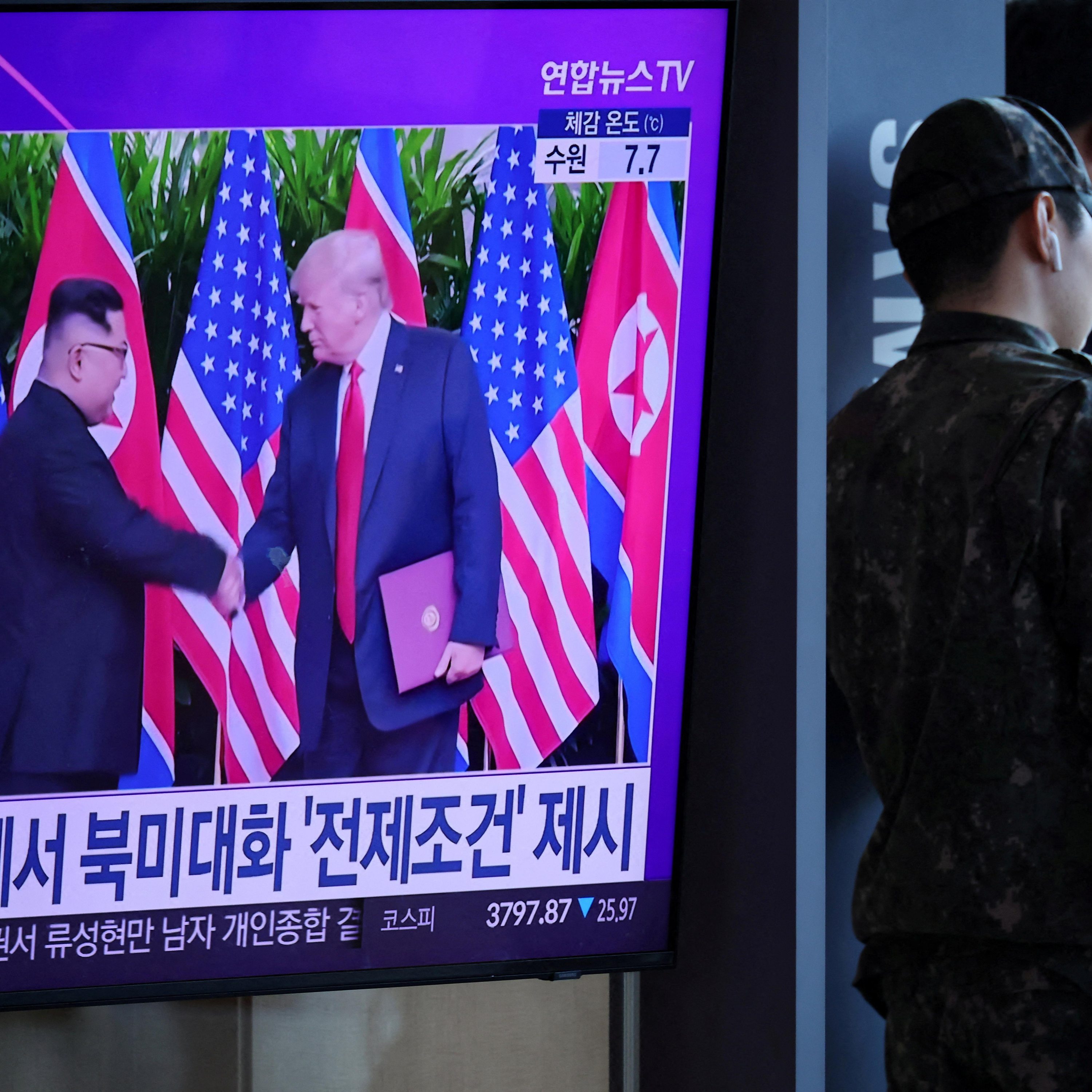 Is Kim Jong Un the real winner of the Iran war? 19.08.2026 26λPresident Trump took to Truth Social last weekend to announce that the US will "substantially reduce" joint military exercises with South Korea. He cited his "very good relationship" with North Korea's leader Kim Jong Un, but he also accused South Korea of failing to help the US in its war with Iran – comments that suggest major new cracks in the US’s relationship with a key ally.To understand the reaction from South Korea, we speak to the BBC’s Seoul Correspondent Jake Kwon about whether Trump’s sidelining of South Korea is a major foreign policy shift for the US. Producers: Aron Keller and Mhairi MacKenzieExecutive producer: Martine Powers Mix: Travis EvansDigital producer: Sam Gruet Senior news editor: China CollinsPhoto: A South Korean soldier stands next to a TV broadcasting a news report on a possible summit between North Korean leader Kim Jong Un and U.S. President Donald Trump, October 22, 2025. Credit: Reuters/Kim Hong-Ji
Ραδιοφωνικός σταθμός

Παρόμοια podcasts


Δημοφιλές σε
Αυτό το podcast εμφανίζεται και στις λίστες podcasts αυτών των χωρών.
-
 Σεϋχέλλες
-
 Ρουάντα
-
 Νεπάλ
Νεπάλ
-
 Σιγκαπούρη
-
 Ισημερινός
-
 Παπούα Νέα Γουινέα
-
 Γουατεμάλα
-
 Καμπότζη
-
 Σιέρα Λεόνε
-
 Μοζαμβίκη
-
 Σλοβενία
-
 Ουρουγουάη
-
 Δομινικανή Δημοκρατία
-
 Λετονία
-
 Μάλτα
Μάλτα
-
 Άγιος Βικέντιος και Γρεναδίνες
-
 Σρι Λάνκα
-
 Ταϊλάνδη
-
 Νέα Ζηλανδία
-
 Ονδούρα
-
 Αγκόλα
-
 Μπαχάμες
-
 Ισλανδία
-
 Μογγολία
-
 Αντίγκουα και Μπαρμπούντα
-
 Ιορδανία
-
 Κένυα
Κένυα
-
 Σλοβακία
-
 Ουγγαρία
-
 Ζιμπάμπουε
-
 Ομάν
Ομάν
-
 Ηνωμένα Αραβικά Εμιράτα
-
 Ινδονησία
-
 Βερμούδες
-
 Λίβανος
-
 Παναμάς
-
 Ιρλανδία
-
 Λουξεμβούργο
-
 Αργεντινή
-
 Ζάμπια
-
 Εσουατίνι
-
 Καμερούν
-
 Φινλανδία
-
 Μολδαβία
-
 Τανζανία
-
 Βόρεια Μακεδονία
-
 Κατάρ
Κατάρ
-
 Τουρκία
-
 Κιργιζιστάν
-
 Λιθουανία
-
 Μαλαισία
-
 Αζερμπαϊτζάν
-
 Κροατία
-
 Αρμενία
-
 Τατζικιστάν
-
 Πολωνία
-
 Κολομβία
-
 Χονγκ Κονγκ
-
 Μποτσουάνα
-
 Λάος
Λάος
-
 Μπαχρέιν
-
 Καζακστάν
-
 Φιλιππίνες
-
 Βουλγαρία
-
 Νησιά Κέιμαν
-
 Αλγερία
-
 Σουρινάμ
-
 Ελβετία
-
 Αλβανία
-
 Γκάνα
Γκάνα
-
 Ινδία
Ινδία
-
 Μαυροβούνιο
-
 Τζαμάικα
-
 Κύπρος
-
 Ουκρανία
-
 Νότια Κορέα
-
 Σερβία
-
 Βιετνάμ
-
 Ουζμπεκιστάν
-
 Νότια Αφρική
-
 Μαυρίκιος
-
 Ναμίμπια
-
 Τρινιντάντ και Τομπάγκο
-
 Κουβέιτ
-
 Μαλάουι
-
 Μιανμάρ
-
 Ρουμανία
-
 Εσθονία
-
 Γουιάνα
-
 Πακιστάν
-
 Πορτογαλία
-
 Βολιβία
-
 Κόστα Ρίκα
-
 Βέλγιο
-
 Χιλή
Χιλή
-
 Αγία Λουκία
-
 Ελλάδα