
The NFPA Podcast
National Fire Protection Association
0
The NFPA Podcast is for safety professionals to stay up to date on electrical, fire, and life safety. It features in-depth conversations with people in the field about confronting new challenges and emerging technologies to keep the world safe. New episodes are released on the second and fourth Tuesday of every month. Listeners can email feedback or suggest topics.
Επεισόδια
-
 The FDNY World Trade Center Health Program: A Stunning Success 08.09.2026 1ώ 1λTwenty-five years ago this month, nearly 350 New York City firefighters died during the collapse of the World Trade Center towers on September 11, 2001. For the next 10 months, FDNY members spent countless hours searching for victims and clearing wreckage from Ground Zero and related sites. Many of those workers have since come down with various respiratory diseases, cancers, and other ailments as a result of their work. But among all this loss, tragedy, and sacrifice, there is also a tremendous success story here. Just a month after the attacks, FDNY stood up what would become the FDNY World Trade Center Health Program to monitor and treat its exposed members. The program has been nothing short of miraculous at diagnosing and treating diseases stemming from 9/11. In fact, by many metrics, FDNY members exposed at Ground Zero have better health outcomes than the general population. Today on the podcast, we talk with Dr. David Prezant, the chief medical officer at FDNY, about this remarkable program. We discuss how the program works, what its success says about routine health monitoring and early treatment, and we reflect on the enduring impact that 9/11 has had on firefighter PPE and overall firefighter health and wellness. Links: Read the new NFPA Journal feature about the many enduring legacies of September 11 View NFPA's new 9/11 archive, "NFPA and the World Trade Center: 25 Years Later" Learn more about the FDNY World Trade Center Health Program Visit Asset Panda, our sponsor for this episode of the NFPA Podcast
 -
 The Promise of the World Fire Congress 25.08.2026 39λThis September, dozens of fire service and government leaders from more than 70 countries around the world will meet in London for the second ever World Fire Congress. Their broad goal is to discuss and share ideas and potential solutions to the many common risks and challenges that fire and rescue services share—everything from extreme wildfires and lithium-ion batteries to firefighter cancer and the looming impacts of artificial intelligence. It's all based on the idea that, rather than each country and department fighting its own battles, working together can solve problems faster and more efficiently, potentially having enormous positive impacts for firefighters and the communities they serve. Today on the podcast, Jesse talks to Otto Drozd III and Stephen Wevers, two accomplished international fire service leaders who are helping to plan and oversee the World Fire Congress. They chat about how the Congress came to be, what it aims to become, and why international cooperation in the fire service is becoming so critical. The interview was recorded live at the 2026 NFPA Conference & Expo in Las Vegas. Learn more about the 2026 World Fire Congress in London
 -
 BattleBots: Managing the Risks of Robot Combat 11.08.2026 36λWe all know that lithium-ion batteries can overheat, ignite, and sometimes even cause explosions when damaged—now imagine those batteries in robots built to smash each other apart. That's the reality for the safety team of the long-running television series BattleBots. Today on the podcast, we chat with the founder and the safety manager of BattleBots to discuss how the show's engineering team blends cutting-edge design standards, inspections, arena containment, and rapid-response safety systems to manage extreme risks—delivering maximum destruction while keeping fans, teams, and staff protected. The interview was recorded live at the 2026 NFPA Conference & Expo in Las Vegas. Links: Watch episodes and clips of BattleBots in action Read more about the forthcoming NFPA 800, Battery Safety Code
 -
 Jim Pauley's Exit Interview 21.07.2026 1ώ 6λJim Pauley, NFPA's president and CEO, has done a lot in his 12 years at the helm of the organization. From the launch of NFPA LiNK and NFPA Global Solutions to the creation of the NFPA Fire & Life Safety Ecosystem, Pauley's tenure has been transformative. But that tenure is coming to an end. Pauley's last day at NFPA is July 31, at which time Ross Ashley will become the 8th president in NFPA history. But before Pauley heads off into retirement, he sat down with Lorraine Carli, NFPA's vice president of Outreach and Advocacy, for a wide-ranging conversation about the challenges and accomplishments over the last 12 years, the biggest threats and opportunities facing NFPA and the safety community, and why the fight for safety needs to continue. The interview was recorded live in June at the 2026 NFPA Conference & Expo in Las Vegas. Links: Read an in-depth feature profile about the career and accomplishments of NFPA President Jim Pauley in the Summer issue of NFPA Journal
 -
Fire Protection in the Age of AI 07.07.2026 51λEverybody in fire protection, and everywhere else for that matter, is wondering how artificial intelligence will impact their lives, their jobs, and society in general. On this episode, we will explore some of the ways that AI is already having a meaningful impact on fire protection engineering, and then engineer and industry observer Joe Meyer will engage in some informed speculation about what we will see next and how the industry might evolve and change as a result. This episode was recorded live in late June at 2026 NFPA Conference and Expo in Las Vegas. Links: Learn more about Joe Meyer Check out NFPA Journal's coverage on AI and fire protection, the AI-centric data center boom, as well as NFPA's new AI tool CASI
-
CRR: The Good ... and Not So Good 09.06.2026 49λOver the last decade or so, community risk reduction (CRR) has gone from a novelty to perhaps the biggest buzz term in the safety industry. And while more CRR is a great thing, its surging popularity has also caused some safety departments to rush out CRR programs before taking time to analyze their data to understand the what, whys, and hows of their plan. Without data and careful planning, departments might be spending time, money, and precious staff hours on efforts where the impact is dubious or unknown. To help us sort out the good CRR from the bad, we are joined by Fire Chief Landon Churchill, a passionate and experienced CRR leader. We chat about what effective CRR looks like, what it doesn't look like, how even the best of intentions can go sideways, and the key elements fire departments need to ensure that their efforts have the greatest impact. LINKS: Visit NFPA's CRR homepage to see tips, tools, resources. Learn more about NFPA 1300, Standard for Community Risk Assessement and Community Risk Reduction Plan Development. To sign up for NFPA's monthly CRR Kitchen Table, email [email protected]
-
 The State of Electrical Safety 26.05.2026 32λAs National Electrical Safety Month winds down, we are taking stock of some of the biggest electrical safety trends, hazards, and challenges facing both electrical workers and the public. Today on the podcast, Corey Hannahs, NFPA's electrical technical lead, has a wide-ranging conversation with Jennifer Lefevre, the executive director of Electrical Safety Foundation International (ESFI), the organization behind National Electrical Safety Month. They chat about ESFI's safety outreach efforts, what electrical trends and hazards they are keeping an eye on, and why workers, educators, and the general public all have a key role to play in reducing electrical deaths and injuries. LINKS: Learn more about Electrical Safety Foundation International and National Electrical Safety Month Read the latest NFPA news, blogs, and information about electrical safety at home and at work Episode Art: Getty
 -
 Is 911 in Trouble? 12.05.2026 39λIn the United States, when someone calls 911 the call is routed to an operator at a public safety answering point, or PSAP. But news outlets across the country are finding that local PSAPs are struggling, and that 911 callers are waiting longer to get help. Today on the podcast, we speak to a researcher who just surveyed dozens of PSAPs to find out how well they are able to meet the call answering and processing times required by NFPA standards. The results were eye-opening. This episode first aired in June, 2023. Then, on a new Code Corner, with construction season about to ramp up, engineer Shawn Mahoney talks about the role of the fire prevention program manager on construction sites. LINKS: Read the 2023 NFPA Journal feature story, "Please Hold," about the challenges facing America's 911 dispatch system. Read the Fire Protection Research Foundation report on 911 dispatch call centers See the latest on NFPA 241, Standard for Safeguarding Construction, Alteration, and Demolition Operations Episode Image: Lauren Sauceda answers an emergency 911 call while working at her desk at the Harris County Emergency 9-1-1 Dispatch Center in Houston. Michael Paulsen/Houston Chronicle via Getty Images.
 -
 10 Years of Progress on Cancer 21.04.2026 55λThe Fire Fighter Cancer Cohort Study is perhaps the most comprehensive effort ever undertaken to understand and address firefighter cancer. The project seeks to track the exposure and biometric data of 10,000 firefighters over the course of 30 years with the hopes of gaining insight into the factors that cause cancer in firefighters and what actions can be taken to reduce the risk. The project, which began in July 2016, has at least 12 different cancer-related studies completed or underway on everything from PFAS to wildland firefighting exposure to female firefighter health. Today on the podcast, we welcome Dr. Jeff Burgess, the director of the Fire Fighter Cancer Cohort Study, and Casey Grant, the former of executive director of the Fire Protection Research Foundation. We chat about how this massive project works, its notable findings on a wide range of cancer-related topics, and why researchers are confident that we will significantly curtail firefighter cancer within the next 20 years. Links: Visit the Fire Fighter Cancer Cohort Study homepage to learn more about its various studies and findings Read about the education session that Burgess and Grant will give at the 2026 NFPA Conference & Expo in Las Vegas this June
 -
 Flying Cars are Finally Here. Are they Safe? 14.04.2026 45λFlying cars are no longer science fiction. As soon as this summer, several U.S. states and Dubai will likely have flying taxies buzzing around overhead, according to recent press releases from the U.S. Federal Aviation Administration and Uber. If these pilot programs go well, service from these so-called electric vertical takeoff and landing (eVTOL) aircraft could quickly spread across the planet. In light of this recent news, we are re-airing an episode from 2021 where we talk about the critical fire, electrical, and life safety questions that remain about the ground infrastructure needed to ensure eVTOL aircraft are safe. We talk to Rex Alexander, a veteran helicopter pilot and technical committee member for NFPA 418, Standard for Heliports, about how NFPA and others are working to answer those serious questions. LINKS Read more about NFPA 418, Standard for Heliports Read the recent FAA press release about the eVTOL aircraft program launching in 2026 Watch a video about Uber's planned air taxi service launching this year in Dubai
 -
 How Australia is Tackling Wildfire 24.03.2026 40λFor the last few decades, Australia has taken a proactive and centralized approach to wildfire mitigation. It's wildfire building codes are standardized and mostly mandatory throughout the country, and in some especially wildfire-prone areas the government restricts development altogether. By contrast, the U.S. has a patchwork, state by state and even town by town approach to wildfire rules and building codes. On this episode of the NFPA podcast, we talk to Maria Kornakova, the national bushfire manager at Fire Protection Association Australia, to learn more about the history of the Australian wildfire codes and the country's accreditation and mapping programs. We also chat about Australia's successes and challenges tackling the wildfire threat, the differences of the U.S. approach, and what the countries might learn from each other. LINKS Learn more about Fire Protection Association Australia Learn more about NFPA's FireWise USA program Learn more about Outthink Wildfire, NFPA's ambitious effort to eliminate wildfire loss in the U.S.
 -
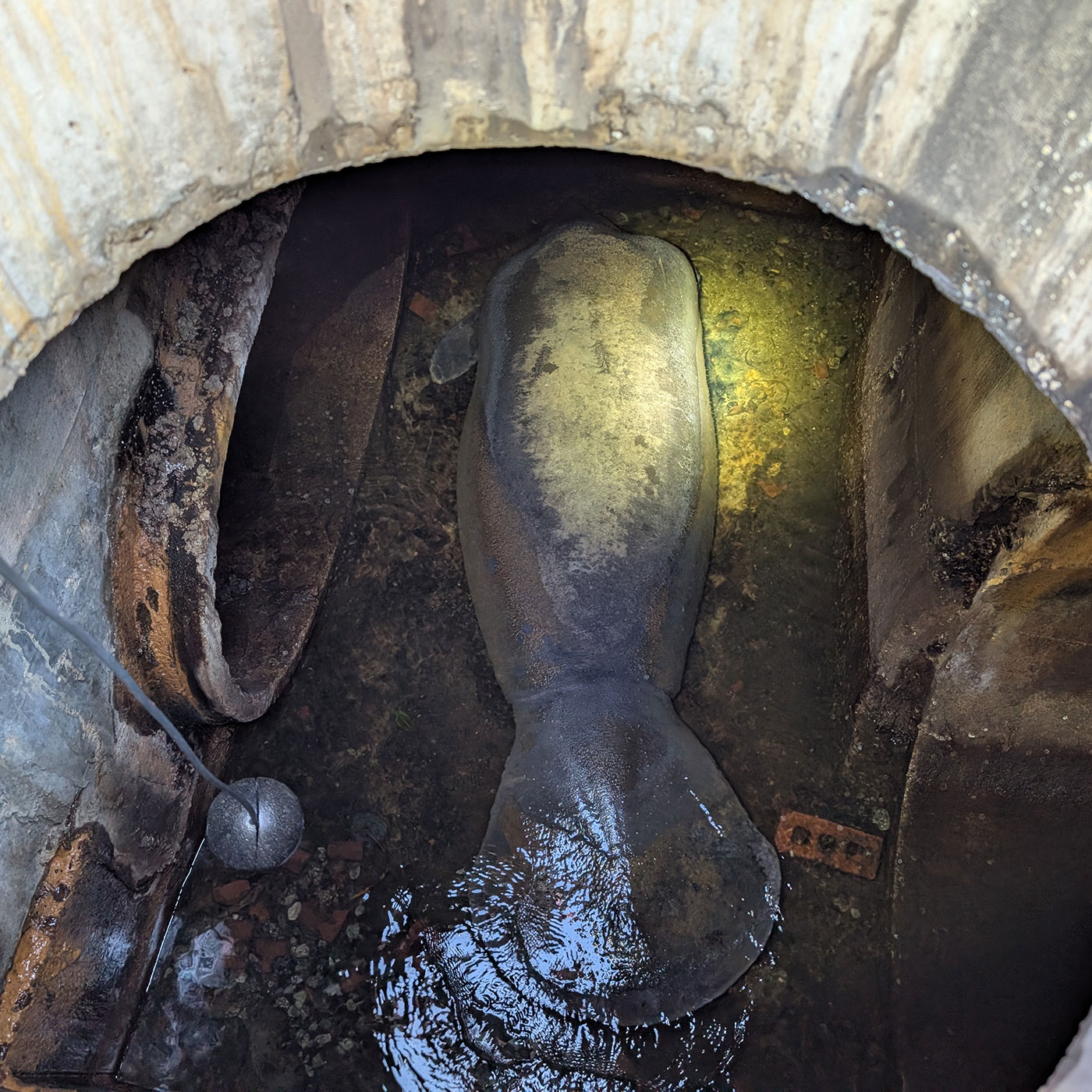 Manatee Rescue 10.03.2026 42λIn February, responders in Florida successfully rescued a 7-foot, 400-pound manatee that had wiggled his way up a concrete pipe and became trapped in a stormwater drain under the road. The unusual rescue made international headlines, but it was all in a day's work for Brandi Phillips, the animal technical rescue specialist who helped lead the effort to extract Melby the manatee. Phillips joins us on today's episode to chat about how the unique incident unfolded, the challenges of rescuing trapped animals, and what resources, including NFPA standards, are available to help guide agencies as they prepare for and respond to these sometimes tricky incidents. LINKS Learn more about NFPA 2500, Standard for Operations and Training for Technical Search and Rescue Incidents and Life Safety Rope and Equipment for Emergency Services. Read and learn more about the University of Florida's Veterinary Emergency Treatment Service
 -
 The Data Center Boom 24.02.2026 1ώ 2λThe race to cash in on artificial intelligence has triggered a data center building boom that is quickly becoming the largest infrastructure effort of our time. With these enormous facilities being built all over the world, an army of safety professionals is now racing to understand the complex systems in data centers and mitigate their hazards, even as the technology inside continues to rapidly evolve. Today on the podcast, we welcome Michael Brune, one of those safety experts on the frontlines of overseeing safety during the data center buildout. As the fire marshal of Goodyear, Arizona, a suburb of Pheonix, Brune and his office review designs and issue permits for data centers, and oversee construction and inspections. He's had a lot to do. The city now has at least 30 data centers in various stages of completion, most of which have gone up in just the last few years. Brune shares his experiences and lessons learned as an AHJ overseeing several enormous data center projects, and what it's like playing a high-stakes safety tug-of-war with some of the richest corporations on earth. LINKS: Read the cover story of the NFPA Journal, "Fast, Furious, Immense." Learn more about NFPA 75, Standard for Fire Protection of Information Technology Equipment
 -
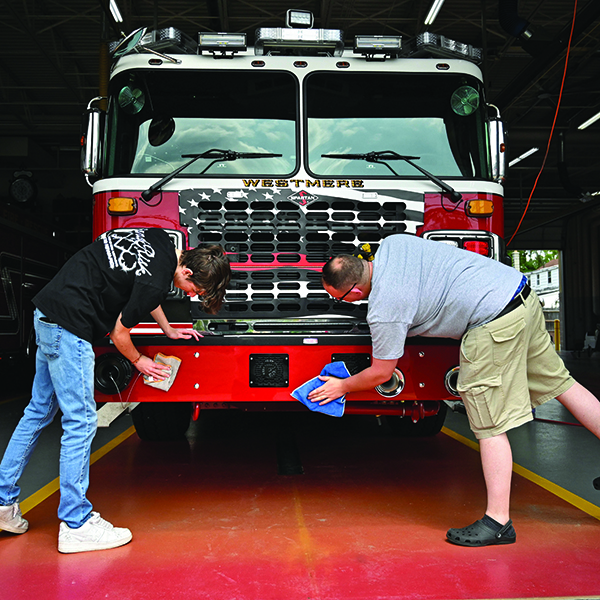 The Volunteer Crisis 10.02.2026 1ώ 5λVolunteer firefighters are the backbone of the U.S. emergency response system, but since 2008, nearly 200,000 volunteers have left the fire service, a drop of almost 25 percent. To make things worse, calls to fire departments have increased about 70 percent since 2008, leaving the firefighters who remain to do much more with much less. Despite all of this, little research has been done to find the causes of this crisis and what to do about it. But that is starting to change. Today on the podcast, I am joined by Joe Maruca, a board member of the National Volunteer Fire Council, and Ken Willette, the executive director of the North American Fire Training Directors. Both men recently worked with researchers on a massive new study looking at what effects training requirements have had on volunteer fire department recruitment and retention. During the interview, we discuss the many factors that have caused volunteers to leave the fire service, and how volunteer departments are adapting to their new reality. We also talk about what is being done to help chiefs and communities bring more volunteers into the fire service. Links: Read the new Fire Protection Research report, "Understanding the Role of Training on Volunteer Firefighter Recruitment & Retention," coming at the end of February. Learn more about the National Volunteer Fire Council, and check out its new Make Me a Firefighter program, which matches volunteers with department needs. Learn more about the North American Fire Training Directors
 -
 Swiss Nightclub Fire Follows a Familiar and Tragic Script 27.01.2026 49λIn the early hours of New Year's Day, a blaze erupted at Le Constellation, a popular bar in Crans-Montana, Switzerland, killing 40 young people and injuring more than 100 others. Authorities believe the fire started when embers from sparklers ignited foam soundproofing material on the ceiling. It is latest in a long line of eerily similar deadly fires in nightclubs involving pyrotechnics. Why do we keep repeating the same mistakes? Today on the podcast, you will hear a powerful conversation with two survivors of The Station nightclub fire, one of the deadliest nightclub fires in U.S. history. They talk with two prominent fire safety and burn advocates about their emotional reaction to Le Constellation, and what it was like to live through and recover from a similar tragedy. Then, the group discusses why these lessons are so hard to learn, and what we can all collectively do to help stop these fires from happening. This conversation first aired on Girls with Grafts, a burn survivor's podcast published by the Phoenix Society for Burn Survivors. LINKS Learn more about the NFPA Fire & Life Safety Ecosystem Get involved with NFPA's 'Safety Doesn't Happen by Chance' campaign Learn more about the Phoenix Society for Burn Survivors Listen to more episodes of Girls with Grafts
 -
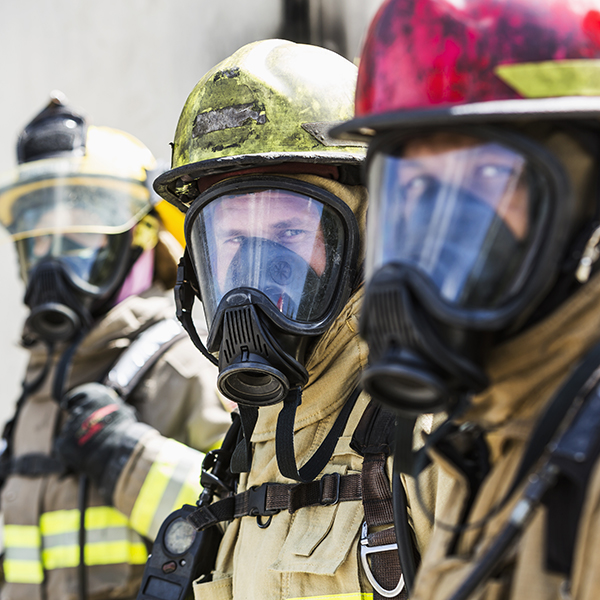 Assessing the Needs of the U.S. Fire Service 08.01.2026 48λEvery five years since 2001, NFPA has conducted a massive research project known as the Needs Assessment of the U.S. Fire Service. It's a survey that goes out to about 30,000 fire departments across the country with questions aimed at finding out whether the fire service has the resources it needs to accomplish the enormous job we've asked them to take on. The next survey, which is the Sixth Needs Assessment, was sent to departments via mail and email in October, and is due back by February 15. Today on the podcast, we are joined by an all-star panel featuring the president of the International Association of Fire Chiefs, the president of the Metro Chiefs, and NFPA's director of research. We discuss the ins and outs of this critically important survey and dive into the "pain points" facing the modern fire service, from skyrocketing EMS call volumes and firefighter burnout to the emerging threats of lithium-ion battery fires and AI implementation. LINKS: Learn more about the Sixth Needs Assessment of the U.S. Fire Service survey, and to see reports from past surveys. Questions about participating, email [email protected], or call 800-343-8890.
 -
 Will Female Firefighters Soon Have Better Fitting Gear? 23.12.2025 41λAbout 80 percent of female firefighters say that their personal protective clothing doesn't fit right, and studies show that ill-fitting gear puts women at greater risk of being injured on the job. In this podcast from 2023, Jesse talks to two textile researchers working on multi-year project to better understand the issue and to gather the data needed to design female-specific turnout gear. Before the episode, Jesse gives a quick update on the project, which has now moved onto a crucial second phase. Researchers are now gathering measurements from thousands of women in the fire service, which they will use to design the first prototypes of female specific personal protective clothing. Researchers are looking for female firefighters who are willing share their measurement data. This can be done by yourself with an app on your phone and takes only a few minutes. Visit, nfpa.org/femaleppe to learn how to help. Links: Visit the research page to learn more about the project and how to submit measurement data Read and NFPA Journal feature story about the project to understand and solve the problem of ill-fitting PPE for female firefighters. Watch a webinar presentation with researchers Cassandra Kwon and Meredith McQuerry
 -
 Testing the EV Toolbox 09.12.2025 1ώ 6λMyriad new tools have emerged in recent years that claim to help firefighters safely contain and extinguish electric vehicle fires. However, few of these tools have been independently tested, until now. This year, researchers burned dozens of EV battery packs and four full-sized vehicles to assess the effectiveness of these tools and the tactics required to use them. Today on the podcast, we talk to one of the project's lead researchers to learn about how the study was done and what insights emerged. We also discuss some promising new tactics that could significantly reduce the time and water it takes for crews to put out an EV fire. Links: Read the recent NFPA Journal article on this study and its findings Watch a Fire Protection Reserach Webinar on the project and its findings See and learn more about NFPA resources and training for firefighter EV tactics
 -
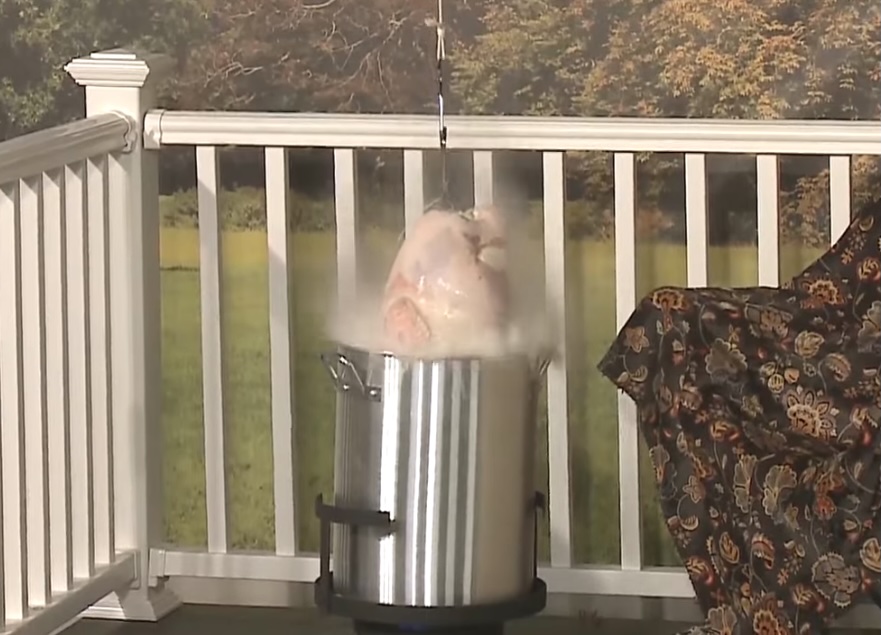 Cooking Fire Facts and Figures 25.11.2025 25λCooking is such a routine part of everyday life that it's easy to overlook its potential dangers. According to NFPA research, cooking is the leading cause of reported home fires, home fire injuries, and home fire deaths in the United States. With Thanksgiving this week—the day with by far the most cooking fire incidents of any day on the calendar—we take a close look at NFPA's latest cooking fire statistics to better understand how these fires start, who the victims tend to be, and what public educators should know (1:15). Then, we rerun a segment from 2020 exploring the science behind those viral videos of turkey-fryer fireballs (7:37). Then, in Code Corner, NFPA engineer Brian O'Connor talks about the different letters and numbers on fire extinguishers and what they mean (19:23). LINKS: Watch turkey frying gone wrong View NFPA cooking fire prevention resources Read the 2023 NFPA research report on US home cooking fires
 -
 Tilting the Wildfire Odds 11.11.2025 52λIn even the most destructive wildfires, some structures survive untouched while everything around them is incinerated. It begs the question: What factors are most responsible for determining if a home is destroyed or survives during these events? A team of researchers spent years trying to answer that important question. They gathered massive troves of data from California's most destructive wildfires, then used artificial intelligence machine learning to analyze what factors make the biggest difference in home survivability. On today's podcast, we talk to wildfire researcher and study co-author Michael Gollner about what the team found out, how they did it, and how this valuable information will be used. We also discuss whether AI is changing the way we study and think about wildfire. LINKS: Read the wildfire research paper we discussed in this episode. Read the NFPA Journal article about this project Learn more about the Firewise USA program at NFPA
Παρόμοια podcasts


Δημοφιλές σε
Αυτό το podcast εμφανίζεται και στις λίστες podcasts αυτών των χωρών.
