
Living Clarity
Welcome to Kadampa podcasts, where we explore the art of living a happier and more fulfilling life through the teachings and meditations of Kadampa Buddhism. Buddhism is a philosophy and way of life that has been practiced for centuries, and its principles can be applied to our modern world to help us navigate the challenges of daily life with greater ease and compassion. In these podcasts, we'll delve into the core concepts of Buddhist meditation, such as mindfulness, compassion, and wisdom, and explore how they can be applied to our daily lives to cultivate a greater sense of peace, clarity and happiness. Each episode is an inspiring extract taken from a teaching given by various Kadampa Buddhist meditation teachers worldwide.
Episodios
-
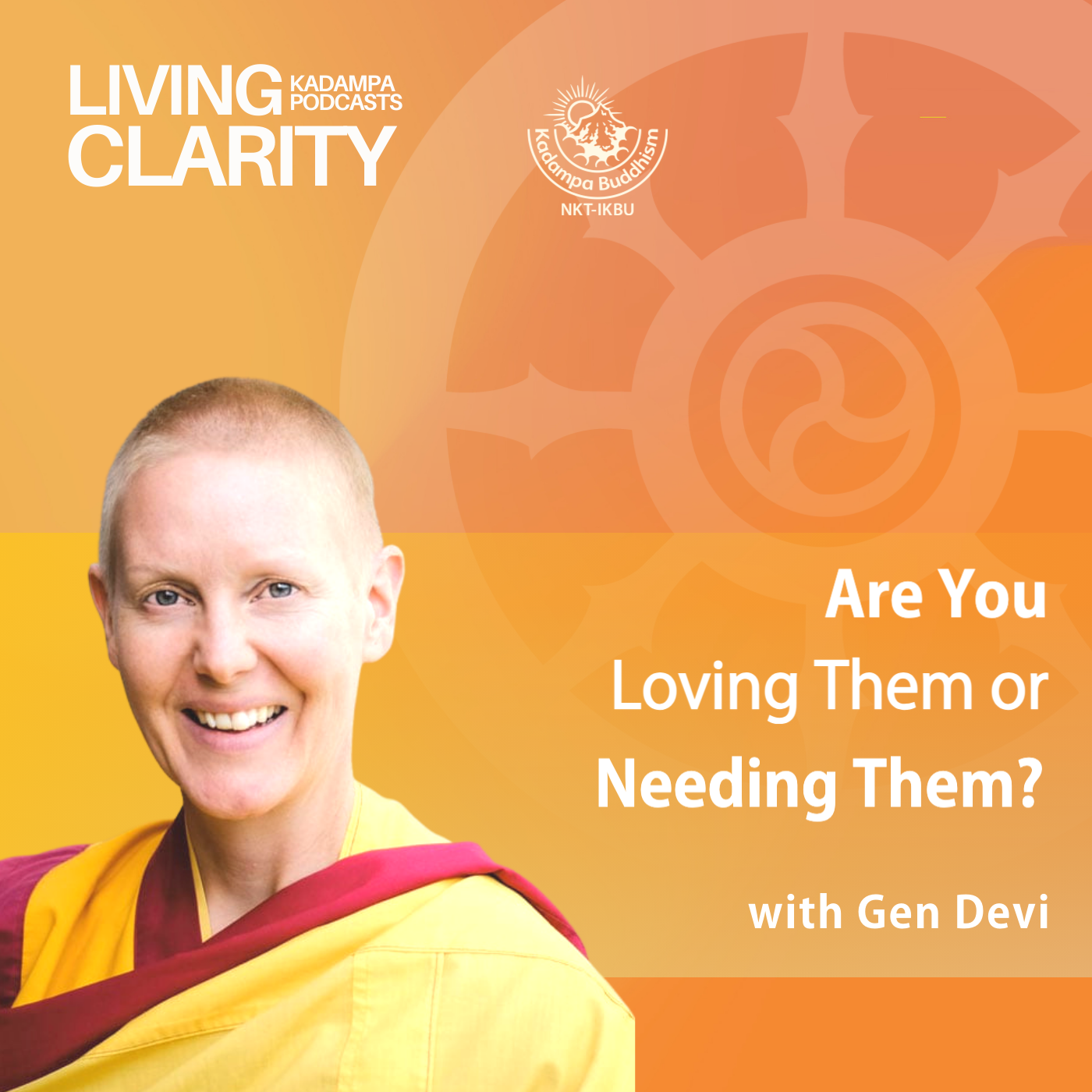 Are You Loving Them or Needing Them? 21.09.2026 16mGen Devi follows what happens once the fantasy fades — the honeymoon ends, we feel the person has changed, and we blame them for no longer matching our projection. She shows the way out: removing attachment rather than abandoning the people we love, taking responsibility for our own mind, and switching our focus from ourselves to others as the true source of lasting happiness. Further reading in the following book: How to Transform Your Life
 -
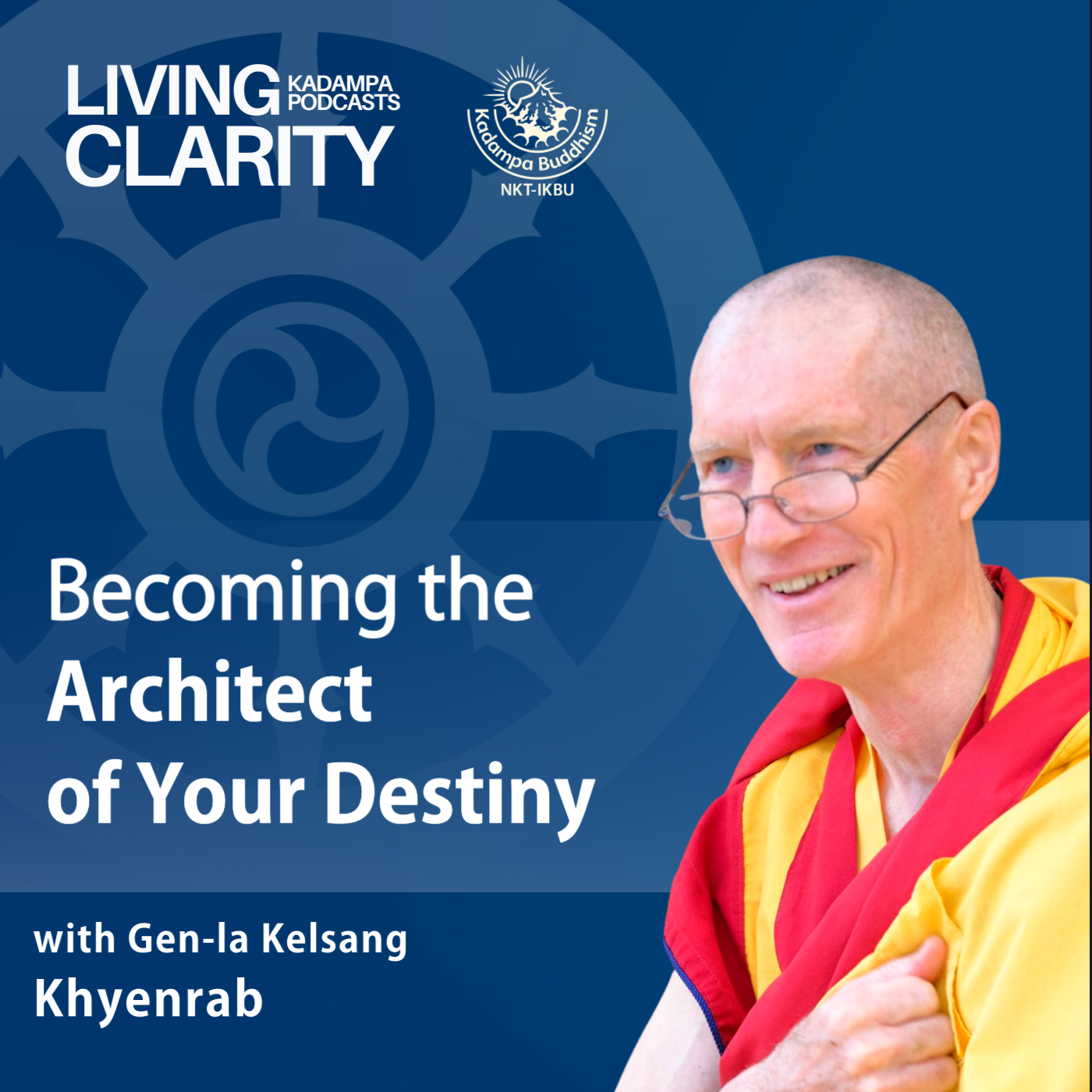 Becoming the Architect of Your Destiny 14.09.2026 15mGen-la Khyenrab explores the transformative power of our Buddha potential and explains how understanding the law of karma allows us to take full control of our lives. By recognizing and overcoming mental delusions like anger and attachment, we can intentionally cultivate positive mindsets and truly become the architects of our own destiny.
 -
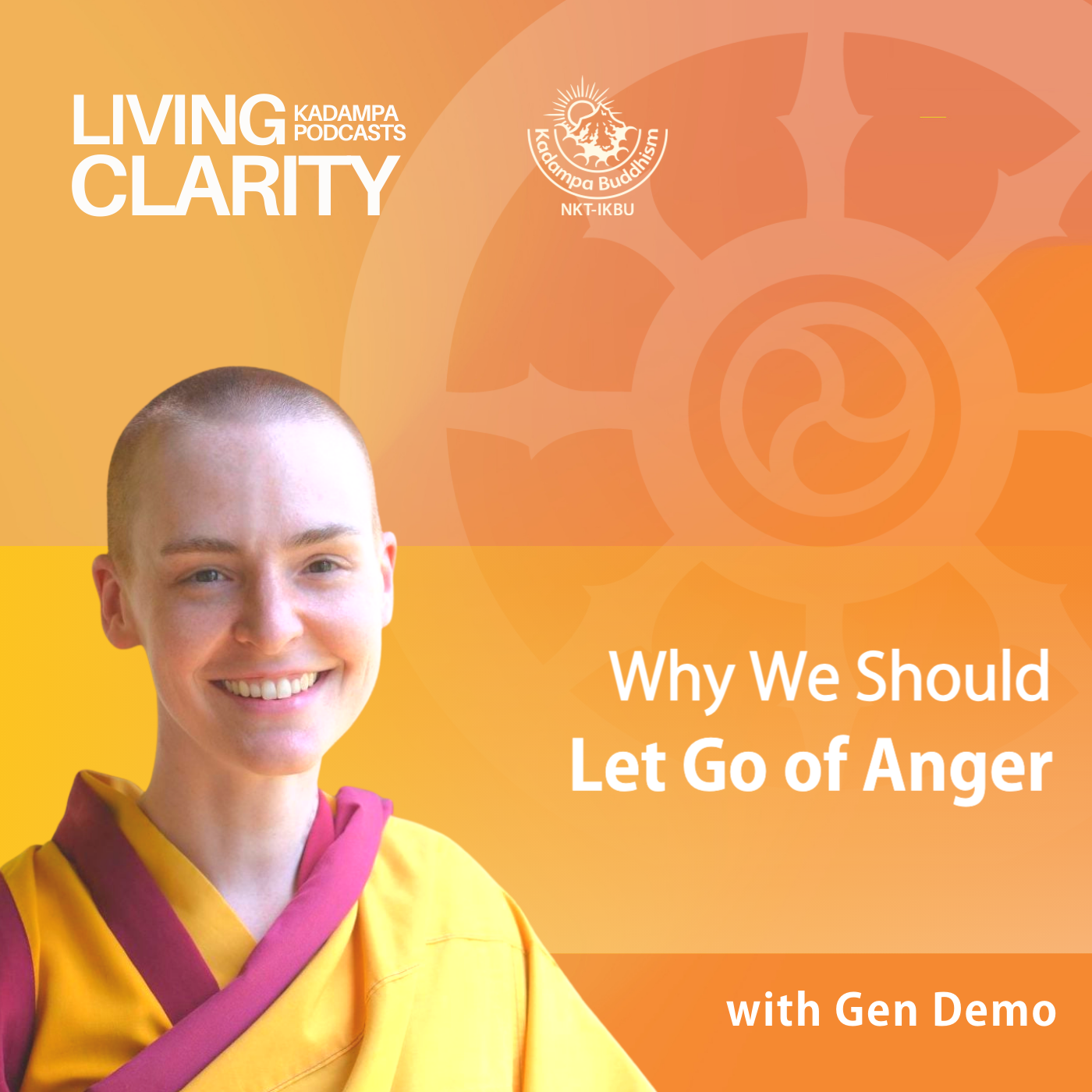 Why We Should Let Go of Anger 07.09.2026 18mGen Demo explores why letting go of anger is essential for a happy life, showing how anger can become a deeply ingrained habit and how it affects the people around us. Through relatable examples, she reveals that although we cannot control difficult situations, we can choose how we respond to them.
 -
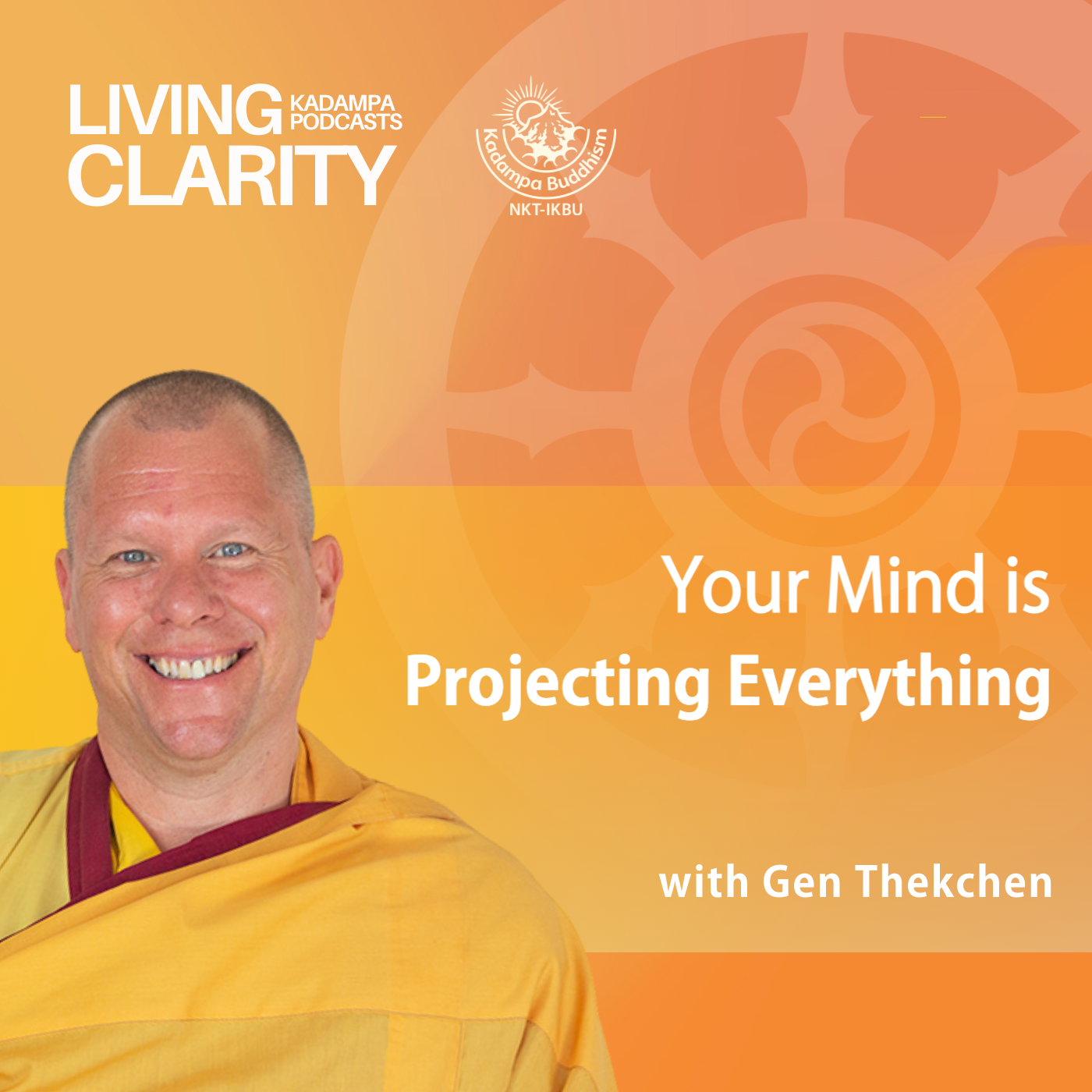 Your Mind Is Projecting Everything 31.08.2026 14mGen Thekchen introduces emptiness with disarming humor — looking at his audience and showing how the same people can appear as kind or horrible depending entirely on the mind’s projection. He reveals that spiritual practice is simply about reducing exaggeration and bringing our mind closer to reality. Further reading in the following book: The New Eight Steps to Happiness
 -
 What Are You Focusing on? 25.08.2026 16mGen Lamchen explains why thinking harder about a problem so often makes it worse. She shows how attention and mindfulness — the very mental habits that trap us in worry — can be turned around, then offers Shantideva’s simple framework for containing runaway thoughts in just five minutes a day. Further reading in the following books: How to Solve Our Human Problems Guide to the Bodhisattva’s Way of Life
 -
 What Authentic Self-Confidence Really Means 17.08.2026 17mAdam Starr explores why our confidence crumbles when life hits hard, using the vivid metaphor of living in a bamboo hut on a beach. Drawing from the Buddhist master Shantideva, he reveals the difference between misplaced confidence and authentic spiritual confidence rooted in openness and humility. Further reading in the following book: Meaningful to Behold
 -
 Making Hardship Your Spiritual Teacher 20.07.2026 20mGen-la Jampa teaches how to transform unavoidable suffering into spiritual growth. He shares the story of the Indian master Atisha who regarded his rude cook as his most precious companion because he helped him develop patience, explains how acceptance purifies negative karma, and offers practical advice about starting with small annoyances to gradually build unshakable inner peace. Further reading in the following book: How to Solve Our Human Problems
 -
 How to Change Your Experiences 13.07.2026 14mKadam Bridget explores how meditation and mindfulness can help us change the direction of our life by changing what karma is ripening for us. She explains why our negative thoughts are not our true nature and offers practical advice for noticing unhelpful mental habits before they carry us into more suffering. Further reading in the following book: How to Solve Our Human Problems
 -
 The Joy of Overcoming Distraction 06.07.2026 13mKadam Morten explains how observing the mind itself helps us overcome our greatest obstacle: distraction. He reveals how an untrained mind habitually focuses on things that causes us to suffer and shows how developing concentration allows us to carry inner peace and happiness with us everywhere we go.
 -
 Delusions Are Our Only Enemy 29.06.2026 14mGen Devi explains that our real problem is never other people or outer conditions, but the distorted states of mind called delusions. She reveals the vast, pure potential hidden beneath them — like a clear sky behind clouds — and shows how these mental habits take hold, and why we can always change them. Further reading in the following book: How to Understand the Mind
 -
 The Real Source Of Loneliness & Pain 19.06.2026 15mGen Gomlam explains that our worst mental habit — desirous attachment — is very sneaky. Unlike the pain of anger or jealousy, attachent actually feels good at first. It exaggerates people’s good qualities and hides the bad, creating an illusion of perfection that inevitably leads to pain. Further reading in the following book: How to Understand the Mind
 -
 Build Confidence Nothing Can Destroy 15.06.2026 20mGen Demo explains how to build a self-confidence that doesn’t depend on what we achieve or what others think of us. She shows how our potential, our everyday good actions, and our power to overcome negativities creates an unbreakable confidence and frees us from discouragement. Further reading in the following books: Meaningful to Behold Guide to the Bodhisattva’s Way of Life
 -
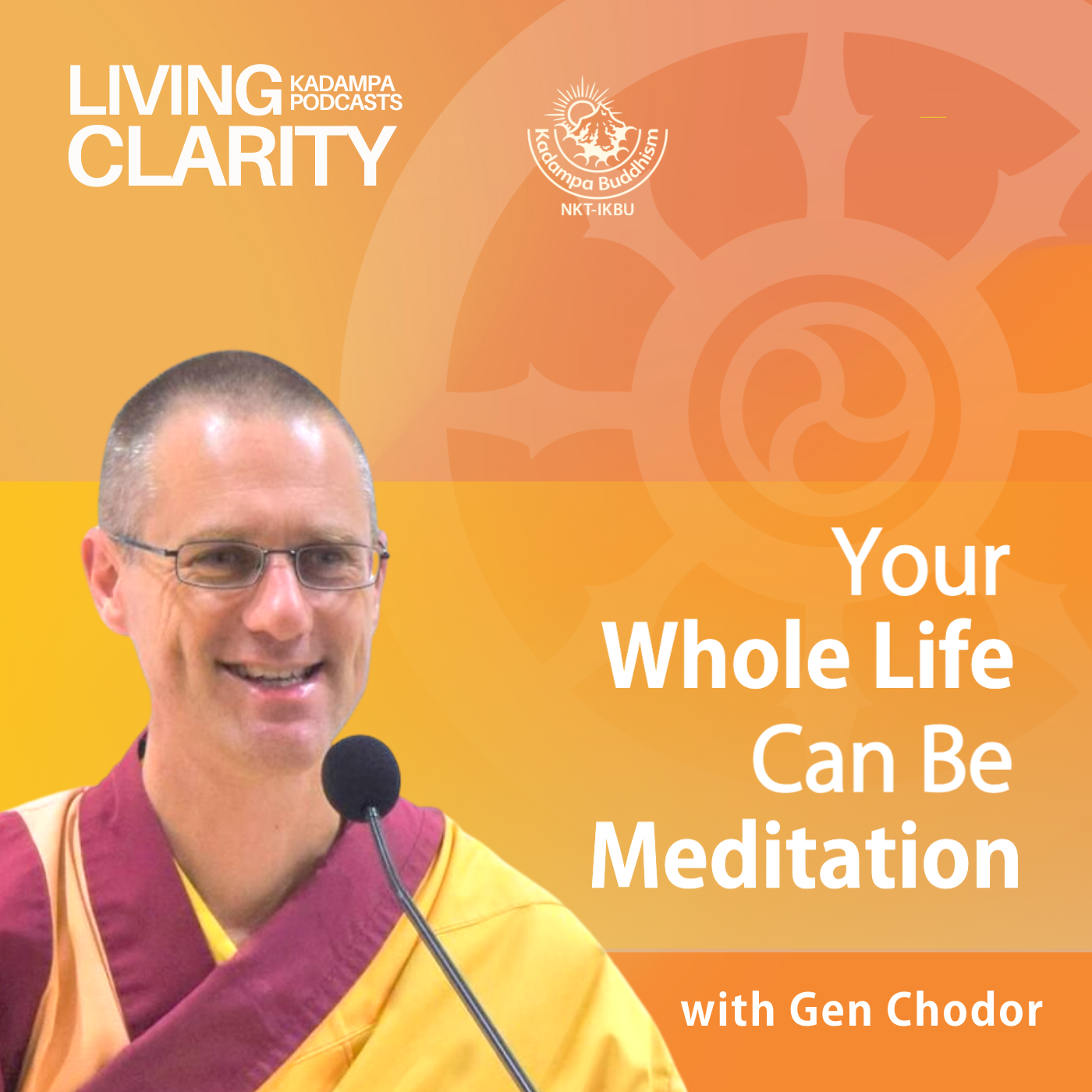 Your Whole Life Can Be Meditation 09.06.2026 17mGen Chodor gives advice on overcoming a common objection to meditating: “I don’t have the time to meditate”. He explains how any activity — eating, driving, even watching Netflix — can become a meditation practice. Learn how to do regular daily activities with special states of mind that transform life into the path to happiness. Further reading in the following book: How to Understand the Mind
 -
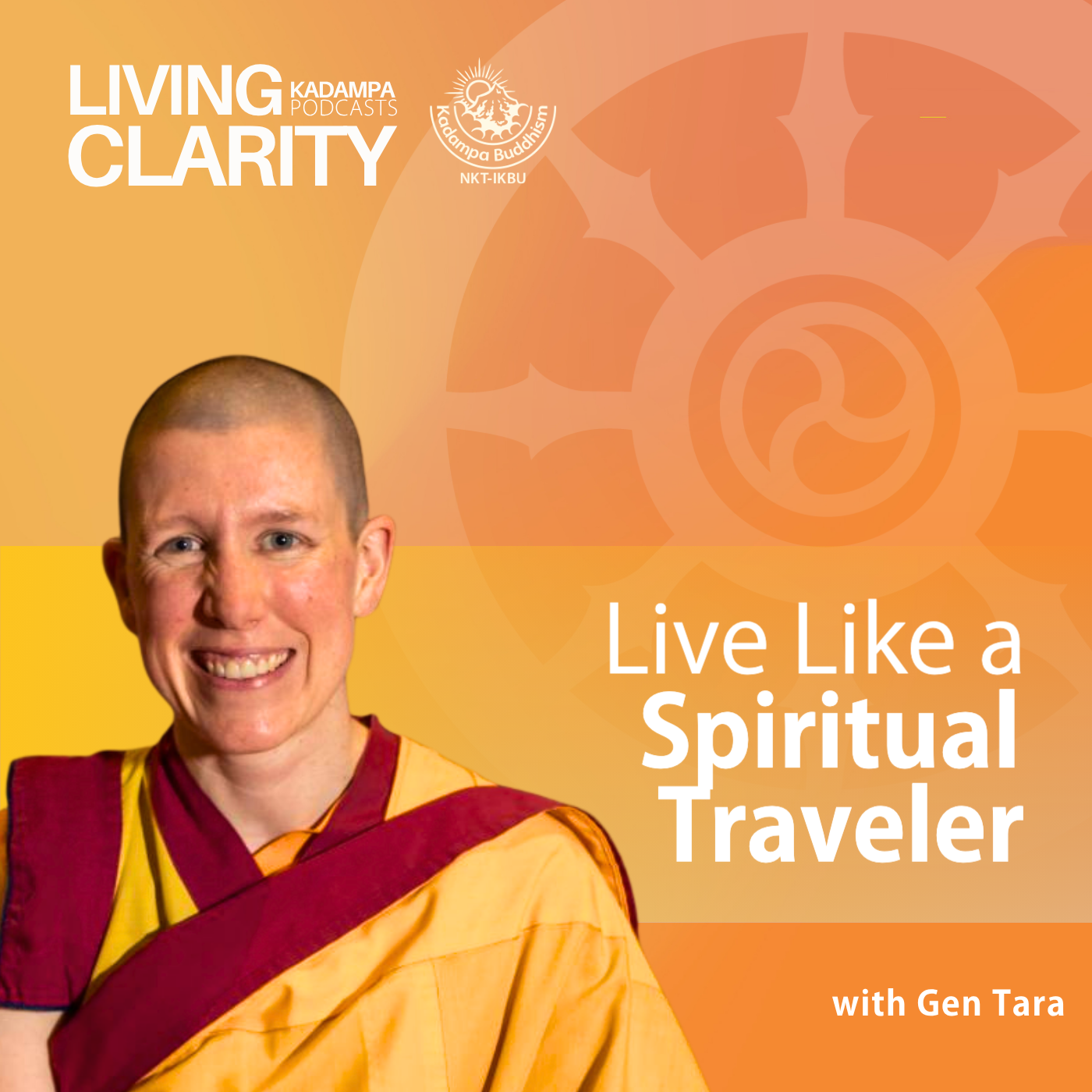 Live Like a Spiritual Traveler 01.06.2026 16mGen Tara explains how our life completely transforms when we begin to see ourselves not as permanent residents of this life but as travelers passing through. She teaches how this view loosens our grip on gain and loss, redefines daily life as an opportunity to invest in ourselves spiritually, and enables us to live lightly and joyfully. Further reading in the following books: Joyful Path of Good Fortune Living Meaningfully, Dying Joyfully
 -
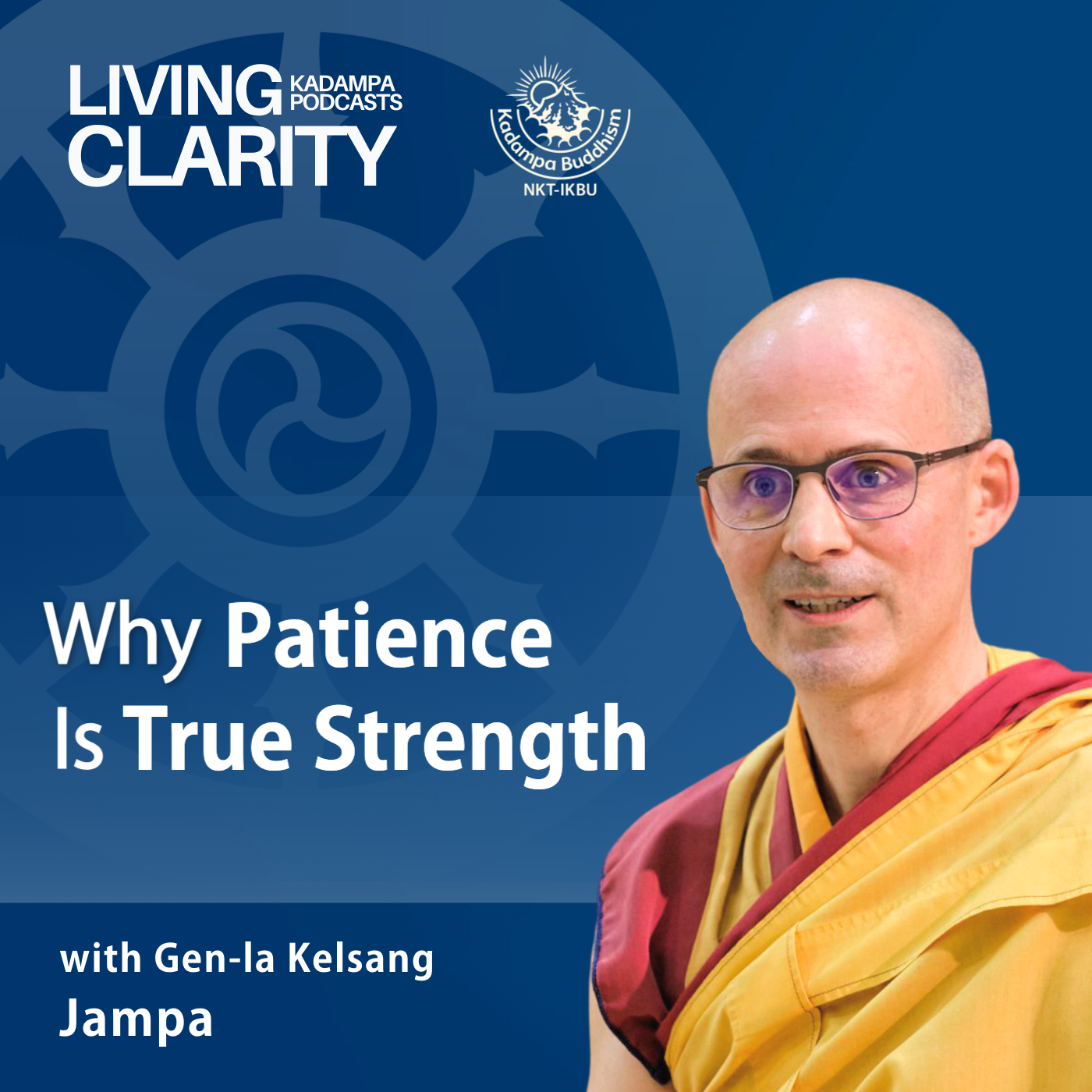 Why Patience Is True Strength 18.05.2026 14mGen-la Jampa introduces patient acceptance as the genuine solution to daily problems. He challenges the modern view that patience is a weakness, revealing instead the inner strength required to refuse our well-worn mental grooves of intolerance — and the mental freedom that comes from accepting what is. Discover how changing our mind from resistance to acceptance is a revolutionary approach to overcoming suffering. Further reading in the following book: How to Solve Our Human Problems
 -
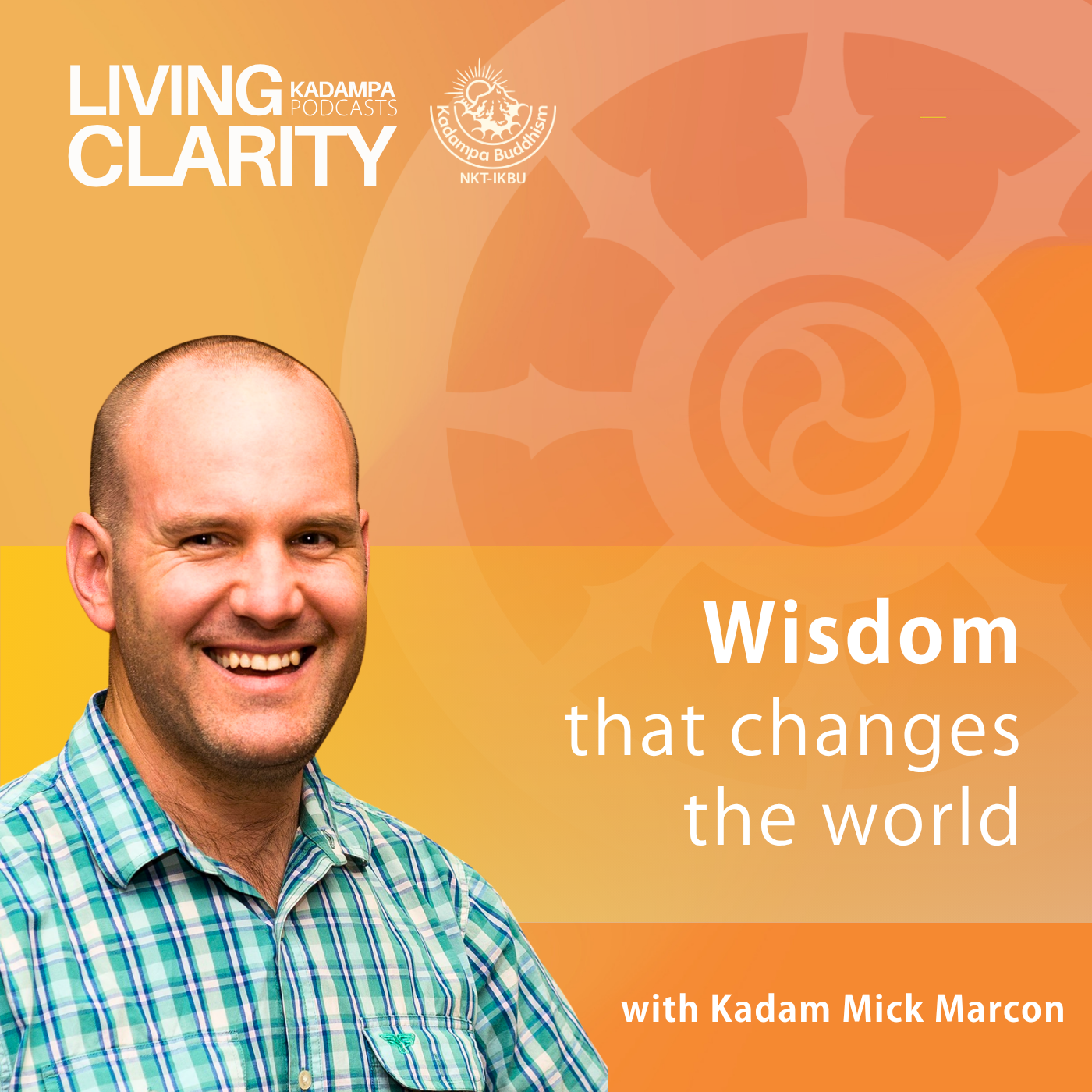 Wisdom that changes the world 11.05.2026 13mIn this episode, Kadam Mick Marcon explores how wisdom can literally change the way we see the world — and why that matters for our everyday happiness. He shares real life stories that illustrate how due to ignorance we are deceived by appearances and how simply by turning to our meditation practice we can dispel fear and confusion.
 -
 Why do relationships sometimes hurt? 04.05.2026 22mIn this episode, Gen Kelsang Leksang explores one of life’s great mysteries — why do the people we care about most sometimes cause us the greatest pain? She begins by drawing a clear distinction between two things we often mistake for the same feeling: love and attachment. One is a source of lasting peace; the other, she explains, is like chasing a mirage. Through relatable examples she exposes the negative emotional mechanics functioning in our closest relationships. And offers a way out. Further reading in the following book: How to Transform Your Life
 -
 What are we really afraid of? 27.04.2026 15mIn this episode, Gen Kelsang Lhachog, talks about our fears — of failure, loss, loneliness, or rejection. First she explains the difference between fear that can help and protect us, such as fear of deadly Australian snakes! And fears that paralyse our happiness and wellbeing. She then drills down to what is under those fears — the root fear that affects us all. Further reading in the following books: The New Eight Steps to Happiness How to Solve Our Human Problems
 -
 Small Actions That Change Everything 20.04.2026 15mKadam Bridget explains how we can actively shape our future through small, everyday acts of kindness. She shares a story about someone living in a community whose quiet contributions were only noticed after her death showing that creating positive karma doesn’t require world-changing heroics, just a good intention to benefit others. Everyone can transform their lives. Further reading in the following book: How to Transform Your Life
 -
 Taking the pain out of loss 06.04.2026 15mThe sadness we feel when we go through loss or separation is not coming from the loss itself, it’s coming from the irrational mind of attachment. Buddha gives scientific teachings on how our pain is created by this and other negative states of mind. Based on Understanding The Mind by Geshe Kelsang Gyatso, Gen Gomlam explains that by understanding the distinction between love and attachment and realising how Buddhist wisdom overcomes this irrational and painful mind, we can heal our emotional pain. Further reading in the following book: How to Understand the Mind
Podcasts similares


Popular en
Este podcast también aparece en las listas de podcasts de estos países.
