
'Mind the Kids': an ACAMH podcast
The Association for Child and Adolescent Mental Health
0
These podcasts are an invaluable resource for anyone interested in child and adolescent mental health. They bridge the gap between rigorous research and practical application, featuring expert discussions on mental health. Each episode highlights cutting-edge studies offering insights into findings, and implications for practice. The series caters to clinicians, researchers, and those interested in mental health. Available on major platforms like Spotify and Apple Podcasts, it’s an accessible way to stay informed about advancements in the field.
Episodios
-
 425: Rates of Anxiety: Is It Time to Press the Panic Button? 'Mind the Kids' podcast 30.09.2026 51m📅 Professor Sam Cartwright-Hatton is hosting an ACAMH webinar, 'Helping Anxious Parents Raise Confident Children: Preventing the Intergenerational Transmission of Anxiety', on 17 November 2026 at 2pm UK time. 📷 Follow Fearless Labs on Instagram for practical, evidence-based tips for parents and professionals: @fearless.labsIn this episode of Mind the Kids, hosts Dr. Jane Gilmour (Honorary Consultant Clinical Psychologist and Child Development Programme Director at UCL) and Professor Umar Toseeb (Professor of Psychology at the University of York) sift through the data, dilemmas and debates around childhood anxiety disorders — before bringing in special guest Professor Sam Cartwright-Hatton, Professor of Clinical Psychology at the University of Sussex and Director of Fearless Labs.Drawing on Tamsin Ford's influential editorial, 'Why I am now convinced that emotional disorders are increasingly common among young people in many countries', published in the Journal of Child Psychology and Psychiatry, Jane and Umar open by questioning society's mixed messaging around anxiety, before Sam joins to unpack the evidence on prevention, parenting and treatment.In this conversation on childhood anxiety, parenting and prevention, mental health literacy, and digital interventions, the trio unpack:- Why distinguishing "I'm anxious about this" from "I have an anxiety disorder" matters — and why avoidance, not anxiety itself, is often the real problem- The latest UK prevalence data: around 3.9% of 5-10 year-olds and 13.1% of 17-19 year-olds have a diagnosable anxiety disorder, according to the British Child and Adolescent Mental Health Survey- Why it's genuinely difficult to know if anxiety disorders are truly increasing, given changing questionnaires and growing openness about mental health — and the "dark side" of destigmatisation flagged by researcher Lucy Foulkes- Why anxiety is an adaptive personality trait that evolution needed — and what determines whether it tips over into a disorder- Sam's "Three L's" framework for parents: Love, Limits, and Little -Pushes — and why good behaviour management matters just as much for anxious kids as for behaviourally-challenged ones- Why universal, whole-classroom anxiety and mindfulness programmes (including findings from the MYRIAD trial) show weak or even harmful effects — and why targeted, opt-in approaches may work better- How the school environment itself — nutrition, exercise, relationships — functions as a passive mental health intervention- Evidence from a randomised controlled trial of over 1,800 families showing that a scalable, unsupported digital parenting course, Parenting with Anxiety, produced real reductions in child anxiety symptoms with no reported harms- Why an app being popular or "feeling helpful" doesn't mean it's evidence-based — and why unregulated mental health apps could do more harm than goodGet a free CPD/CME certificate for listening to this podcast by registering for a FREE ACAMH Learn account at https://bit.ly/4fF4BBWVisit https://www.acamh.orgFacebook and LinkedIn search / ACAMHInstagram https://www.instagram.com/assoc.camhBluesky https://bsky.app/profile/acamh.bsky.socialX https://x.com/acamh🎧 Subscribe to Mind the Kids for more conversations with leading researchers and clinicians on child and adolescent mental health, evidence-based interventions, and the latest findings shaping youth mental health care.#MindTheKids #ACAMH #ChildAnxiety #AnxietyDisorder #ParentingSupport #ChildMentalHealth #AdolescentMentalHealth #DigitalMentalHealth #FromTimidToTiger #FearlessLabs #EvidenceBasedParenting #ChildPsychology #JCPP #MentalHealthAwareness
 -
 424: Parenting Intervention: Finding the Goldilocks Zone. A 'Mind the Kids' podcast 23.09.2026 47mThis episode of the Mind the Kids podcast is called "Parenting Intervention: Finding the Goldilocks Zone." Hosts Dr. Jane Gilmour, honorary consultant clinical psychologist and Child Development Programme Director at UCL, and Professor Umar Toseeb, Professor of Psychology at the University of York specialising in children and young people's mental health and special educational needs, are joined by a trio of experts: Julia Ruggiero, advanced PhD student in clinical psychology at the University of Oregon, Dr. Xiaolan Liao from the University of Oklahoma, and Professor Elizabeth Skowron from Penn State University.The guests are co-authors of "Effects of Parent-Child Interaction Therapy Dosage on Child and Parent Outcomes: Differentiating Child-Directed Interaction and Parent-Directed Interaction Session Impacts in Child Welfare-Involved Families," published in the Journal of Child Psychology and Psychiatry (JCPP). Drawing on a sample of 204 child welfare-involved families, the study examines how the dosage of the two phases of Parent-Child Interaction Therapy (PCIT) — child-directed interaction (CDI), which builds warmth and relationship quality, and parent-directed interaction (PDI), which teaches safe, effective discipline and limit-setting — shapes parenting skills and child behaviour outcomes.The conversation explores:- What Parent-Child Interaction Therapy actually looks like in the room, including the therapist "in the parent's ear" coaching model- Why the relationship-building CDI phase and the limit-setting PDI phase teach parents distinct skills, and how the two phases interact with each other- The evidence base for PCIT with child welfare-involved families, including striking three-year re-abuse rates and cost-effectiveness data- Why the study's key finding — that dosage in one phase interacts with dosage in the other — challenges the assumption that "more sessions" always means "better outcomes"- Barriers to engagement facing families experiencing deprivation, and practical strategies (transport, childcare, food, community-based delivery) that improve treatment completion- How the core principles of PCIT, connection before correction, might translate differently across developmental stages, from preschoolers to teenagers- Why caution is needed before drawing strong causal conclusions from dose-response data that wasn't itself randomisedThis episode is essential listening for clinical psychologists, child welfare practitioners, family therapists, researchers, and policymakers interested in evidence-based parenting interventions, child welfare services, and how treatment dosage and sequencing affect outcomes for vulnerable families.📄 Read the full paper, published in the Journal of Child Psychology and Psychiatry: 'Effects of parent–child interaction therapy dosage on child and parent outcomes: differentiating child-directed interaction and parent-directed interaction session impacts in child welfare-involved families'Xiaolan Liao, Julia P. Ruggiero, David E. Bard, Adon F. G. Rosen, Elizabeth A. SkowronFirst published: 03 February 2026 https://doi.org/10.1111/jcpp.70106Mind the Kids is brought to you by ACAMH (Association for Child and Adolescent Mental Health), translating the latest child and adolescent mental health research into evidence-based conversation.🔔 Subscribe for more conversations on child development, social policy, and the evidence shaping child and adolescent mental health.Get a free CPD/CME certificate for listening to this podcast by registering for a FREE ACAMH Learn account at https://bit.ly/4fF4BBWVisit https://www.acamh.orgFacebook and LinkedIn search / ACAMHInstagram https://www.instagram.com/assoc.camhBluesky https://bsky.app/profile/acamh.bsky.socialX https://x.com/acamh#MindTheKids #ParentChildInteractionTherapy #PCIT #ChildWelfare #EvidenceBasedParenting #ChildMentalHealth #ParentingSupport #ACAMH #MentalHealthResearch
 -
 423: Problem eating in a community sample, the thin end of a wedge. A 'Mind The Kids' Podcast 16.09.2026 48mThis episode of the Mind the Kids podcast is called "Problem Eating in a Community Sample: The Thin End of a Wedge." Hosts Dr. Jane Gilmour, honorary consultant clinical psychologist and Child Development Programme Director at UCL, and Professor Umar Toseeb, Professor of Psychology at the University of York specialising in children and young people's mental health and special educational needs, are joined by Dr. Clara Faria from the University of Cambridge to discuss eating difficulties and eating disorders in young people.Dr. Faria is the lead author of "The Prevalence of Eating Difficulties in Children and Young People in England: A Large, Cross-Sectional School Survey," published in JCPP Advances, one of ACAMH's journals. Drawing on 2023 data from the OxWell Student Survey — a large school-based survey led by Professor Mina Fazel — the study found that eating difficulties are common among secondary school students, with a weighted prevalence of 62.5% reporting at least one type of eating difficulty. Using the DAWBA screening items, the most endorsed difficulty was believing you were fat when others said you were thin (47.3%), while the least endorsed, but still striking, was self-induced vomiting (17.7%).The conversation explores:- The difference between disordered eating, problem eating, and clinically diagnosable eating disorders such as anorexia nervosa, bulimia nervosa, ARFID (avoidant/restrictive food intake disorder), OSFED, and binge eating disorder- What the evidence says about the transition from disordered eating to a diagnosable eating disorder, including longitudinal and twin-study findings on body dissatisfaction and gender differences in risk- Whether eating disorders sit within an internalising or externalising framework, and why binge eating disorder may not fit neatly into either- The impact of COVID-19 lockdowns on eating difficulties, body image, and screen time among young people- What schools and clinicians can learn from family-based treatment and non-judgmental approaches such as the Body Project when supporting young people with problematic eatingThis episode is essential listening for child and adolescent psychiatrists, clinical psychologists, researchers, educators, and school staff interested in youth mental health, eating disorders, body image, and evidence-based approaches to supporting young people with problem eating.📄 Read the full paper, published in JCPP Advances: The prevalence of eating difficulties in children and young people in England: A large, cross-sectional school surveyClara Faria, The OxWell Study Team, Mina Fazel, Emma Soneson, Tamsin J. Ford, Simon Whitehttps://doi.org/10.1002/jcv2.70111Get a free CPD/CME certificate for listening to this podcast by registering for a FREE ACAMH Learn account at https://bit.ly/4fF4BBWVisit https://www.acamh.orgFacebook and LinkedIn search / ACAMHInstagram https://www.instagram.com/assoc.camhBluesky https://bsky.app/profile/acamh.bsky.socialX https://x.com/acamh🎧 Subscribe to Mind the Kids for more conversations with leading researchers and clinicians on child and adolescent mental health, evidence-based interventions, and the latest findings shaping youth mental health care.#MindTheKids #EatingDisorders #ChildMentalHealth #AdolescentMentalHealth #BodyImage #YouthMentalHealth #EatingDisorderAwareness #ACAMH #MentalHealthResearch
 -
 422: Diagnosed; The Teenage Brain Experience. An 'Inside the Teen Brain' podcast 11.09.2026 32mWatch the interview on ACAMH Learn at https://bit.ly/Diagnosed-Experience and get a free CPD/CME certificate by registering for a FREE ACAMH Learn account at https://bit.ly/4fF4BBWIn this episode of Inside the Teen Brain, Dr. Jane Gilmour speaks with Rayne Huggins about the experience of being diagnosed with Tourette syndrome. Drawing on personal lived experience, Rayne reflects on what a diagnosis can mean for a young person and explores the pros and cons of receiving one. Together, they consider how a diagnosis can shape not only how a person understands themselves, but also their sense of identity and connection to a wider community. Honest and thought-provoking, the conversation offers a valuable first-hand perspective on living with Tourette syndrome and what diagnosis can come to represent.Learning ObjectivesA. To understand what it means to be diagnosed with tourette syndrome. B. To explore pros and cons of attaining a diagnosis of tourette syndrome. C. To explore how this may shape identity and communityGet a free CPD/CME certificate for listening to this podcast by registering for a FREE ACAMH Learn account at https://bit.ly/4fF4BBWVisit https://www.acamh.orgFacebook and LinkedIn search / ACAMHInstagram https://www.instagram.com/assoc.camhBluesky https://bsky.app/profile/acamh.bsky.socialX https://x.com/acamh
 -
 421: Poverty, Policy, and Politics. A Mind the Kids podcast 09.09.2026 42mHow does research actually change government policy? In this episode of Mind the Kids, hosts Dr Jane Gilmour (UCL) and Professor Umar Toseeb (University of York) sit down with Baroness Ruth Lister — Emeritus Professor of Social Policy at Loughborough University, Fellow of the British Academy, and a Labour peer in the House of Lords — to unpack how evidence, political will and public appetite combine (or collide) to shape social policy for children living in poverty.This conversation goes behind the headlines of the UK's child poverty strategy, including the abolition of the two-child benefit limit from April 2026 — a change expected to be the single biggest reduction in child poverty any UK government has delivered at a stroke, after CPAG research linked the policy to roughly 109 children entering poverty every day.In this episode we cover:– How the House of Lords scrutinises legislation, and Baroness Lister's role as a backbench "critical friend"– Why politicians cherry-pick evidence — and when evidence gets overridden by ideology or public appetite– The real story behind scrapping the two-child benefit limit, and why the benefit cap remains in place despite similar evidence of harm– Why UK child poverty sits at 27% (down from around 30% following a measurement change) and what's really driving it — frozen benefits, insecure work, and rising housing costs– The civil service vs. ministers vs. MPs: who academics should really be talking to for policy impact– Why "child poverty," not "family poverty," was the deliberately chosen framing that built public support– The power of lived experience in policymaking, including the Changing Realities project and the Timms PIP review– Interpersonal relationships and community interventions as a positive, low-cost buffer against the harms of poverty– Why child poverty is a mental health issue — and how squeezed welfare budgets often resurface as pressure on CAMHS and schoolsWhether you're a researcher trying to translate evidence into real-world impact, a clinician working with families affected by poverty, or simply want to understand how policy really gets made in Westminster, this episode is essential listening.Mind the Kids is brought to you by ACAMH (Association for Child and Adolescent Mental Health), translating the latest child and adolescent mental health research into evidence-based conversation.🔔 Subscribe for more conversations on child development, social policy, and the evidence shaping child and adolescent mental health.Get a free CPD/CME certificate for listening to this podcast by registering for a FREE ACAMH Learn account at https://bit.ly/4fF4BBWVisit https://www.acamh.orgFacebook and LinkedIn search / ACAMHInstagram https://www.instagram.com/assoc.camhBluesky https://bsky.app/profile/acamh.bsky.socialX https://x.com/acamh
 -
 420: ADHD; Risk, Reward and the Teenage Brain. An 'Inside the Teen Brain' podcast. 04.09.2026 44mWatch the interview on ACAMH Learn at https://bit.ly/ADHD-Teen-Brain and get a free CPD/CME certificate by registering for a FREE ACAMH Learn account at https://bit.ly/4fF4BBWIn this conversation, Dr. Jane Gilmour and Professor Susan Young explore what it means to understand ADHD through the lens of the teenage brain. Adolescence is a period of rapid change, marked by increased risk-taking, emotional intensity, and a drive for novelty—characteristics that are also central to ADHD. She considers what happens when these developmental processes intersect, and how to distinguish between what is typical, what is neurodivergent, and what may be misunderstood. Professor Young reflects on how ADHD presents and evolves across adolescence and into young adulthood, challenging dominant narratives, including debates around overdiagnosis and late identification. She also examines more complex and often overlooked issues in practice, such as the relationship between ADHD and trauma, risk-taking behaviours including substance use, and pathways into the criminal justice system.The discussion moves beyond theory to consider what works in practice, including how clinicians can better engage young people in evidence-based interventions such as CBT, and what practical changes can make a meaningful difference. Overall, this conversation brings together research, clinical experience, and real-world challenges to better understand and support neurodivergent young people.Learning ObjectivesA. To understand ADHD through the lens of adolescent developmentB. To recognise areas of debate and uncertainty in ADHD (e.g. diagnosis, trauma, risk)C. To identify practical approaches to supporting and engaging young peopleGet a free CPD/CME certificate for listening to this podcast by registering for a FREE ACAMH Learn account at https://bit.ly/4fF4BBWVisit https://www.acamh.orgFacebook and LinkedIn search / ACAMHInstagram https://www.instagram.com/assoc.camhBluesky https://bsky.app/profile/acamh.bsky.socialX https://x.com/acamh
 -
 419: How smart is a phone ban? A Mind the Kids podcast 02.09.2026 54mListen to the pod and take this 30 second survey to help us improve https://york.qualtrics.com/jfe/form/SV_5gNKGPMVAHdQS6aHow smart is a phone ban, really? With the UK's under-16s social media ban confirmed for spring 2027 and mobile phones now expected to be banned from every English school day by default, this episode of Mind the Kids tackles one of the biggest parenting and policy debates of our time: what does the evidence actually say about smartphones, social media and children's mental health?Hosts Dr. Jane Gilmour (Honorary consultant clinical psychologist and child development programme director at UCL) and Professor Umar Toseeb (Professor of Psychology at the University of York) are joined by Professor Lisa Henderson from the University of York, author of two Child and Adolescent Mental Health Journal papers: "Digital Safeguarding Incidents in Schools With and Without Smartphone Policies" and "Innovations in Practice: A Pilot Randomised Trial on Smartphone and Social Media Abstinence."In this episode we unpack:– What the UK's social media ban for under-16s actually means for platforms like TikTok, Instagram, YouTube and Snapchat– Why comparing the UK ban to Australia's isn't a fair like-for-like comparison– New pilot RCT data on smartphone and social media abstinence, sleep quality and wellbeing in adolescents– What happens to digital safeguarding incident reporting when schools introduce phone policies– The "lost generation" risk — teens already embedded in social platforms navigating an abrupt policy shift– Why parental phone habits predict children's smartphone use– The "Goldilocks" amount of social media time, and why moderate use isn't the enemyIf you work in education, child psychology, safeguarding, or you're a parent trying to make sense of the smartphone ban headlines, this conversation goes well beyond the soundbites.Mind the Kids is brought to you by ACAMH (Association for Child and Adolescent Mental Health), translating the latest child and adolescent mental health research into evidence-based conversation.🔔 Subscribe for new episodes on child development, adolescent mental health, and the research shaping child psychology practice.Read the JCPP paper ‘Digital safeguarding incidents in schools with and without smartphone policies: a cross-sectional study in England'https://doi.org/10.1111/camh.70079Emma Sullivan, Rob Dallison, Pete Montgomery, Lisa HendersonFirst published: 11 March 2026Get a free CPD/CME certificate for listening to this podcast by registering for a FREE ACAMH Learn account at https://bit.ly/4fF4BBWDon't miss our webinar debate 'Regulating Social Media Use in Children and Young People – Are bans justified?' This 1.5-hour online debate brings together leading experts to examine whether age-based social media bans are an appropriate policy response to concerns about children and young people’s mental health.Visit https://www.acamh.orgFacebook and LinkedIn search / ACAMHInstagram https://www.instagram.com/assoc.camhBluesky https://bsky.app/profile/acamh.bsky.socialX https://x.com/acamh
 -
 418: Bullied; the teenage brain under threat. An 'Inside the Teen Brain' podcast 28.08.2026 39mWatch the interview on ACAMH Learn at https://bit.ly/Teen-Brain-Bullied and get a free CPD/CME certificate by registering for a FREE ACAMH Learn account at https://bit.ly/4fF4BBWIn this interview, Dr. Jane Gilmour talks to Mairéad Foody, Assistant Lecturer in Psychology at University of Galway, Ireland.Bullying is a harmful experience for many children and young people, affecting their mental health, relationships, and wellbeing into adulthood. This talk will help listeners understand what bullying and cyberbullying are, and why they happens. It will discuss the impact of victimisation on children and adolescents and it will outline the different roles involved in bullying/cyberbullying situations (not just bullies and victims, but also bystanders and defenders). Overall, the goal is to provide a clearer picture of how complex bullying and cyberbullying really are and why effective responses must consider individuals, peer groups, families, and schools together.Learning ObjectivesA. To understand what bullying and cyberbullying are and their prevalence.B. To outline the impact of bullying and cyberbullying on children and adolescents.C. To describe anti-bullying interventions.Visit https://www.acamh.orgFacebook and LinkedIn search / ACAMHInstagram https://www.instagram.com/assoc.camhBluesky https://bsky.app/profile/acamh.bsky.socialX https://x.com/acamh
 -
 417: ADHD and Emotional Regulation. A 'Mind the Kids' podcast 26.08.2026 28mPlease email [email protected] if you would like to learn more.Why do so many young people with ADHD find it harder to bounce back from difficult emotions — and what can actually help?This episode of the Mind the Kids podcast features Professor Aja Murray, Professor of Developmental Psychology of Mental Health at the University of Edinburgh's School of Philosophy, Psychology and Language Sciences. Aja's research examines mental health across the lifespan, with a particular focus on the links between ADHD symptoms and co-occurring mental health issues such as anxiety and depression, especially during adolescence.Hosted by Mark Tebbs, the conversation explores the Mental Health in the Moment ADHD (MHIM-ADHD) programme of research, funded by the Medical Research Foundation, conducted with colleagues including Dejla Hoxha, Daria Melashenko, and Amanda Russell at the University of Edinburgh, alongside guidance from the project's young person and lived-experience advisory group.The discussion opens by unpacking two key terms: ADHD, characterised by difficulties with attention, hyperactivity and impulsivity and diagnosed in up to around 8% of children and adolescents globally, and emotion dysregulation, the breakdown of the processes people use to identify, manage and respond to their emotions. Aja explains how emotion dysregulation, while not a core symptom of ADHD, is a commonly associated feature that can show up as intense or changeable emotions, emotions that take longer to settle, or emotionally driven behaviour such as lashing out.Drawing on ecological momentary assessment methods that capture emotion regulation as it unfolds in daily life, alongside longitudinal data, Aja shares findings on how emotion dysregulation sits on the pathway between ADHD symptoms and elevated risk of anxiety and depression, and how patterns like rumination are a particularly important feature of this pathway. The conversation also explores rejection sensitivity dysphoria — the tendency to anxiously or angrily anticipate social rejection — a concept gaining significant attention within the ADHD community. The project's lived-experience advisory group specifically recommended including a measure of rejection sensitivity, informed by broader work on co-producing adolescent mental health research with young people (Health Expectations). Findings show rejection sensitivity dysphoria is linked to more negative emotions day to day, but that positive peer interactions can buffer this effect, pointing to peer acceptance as a promising avenue for support.Aja also sets out practical, evidence-based strategies for adolescents with ADHD and the adults who support them, including cognitive reappraisal, techniques for interrupting rumination, acceptance, square breathing, and the "grounding" 5-4-3-2-1 technique. The conversation covers the crucial role of parents and caregivers in modelling emotion regulation, understanding how the ADHD brain processes emotion, and responding supportively rather than dismissively to emotional expression — plus a look at positive emotion regulation, including noticing, savouring and sharing good moments. Aja closes with an update on the team's emerging work on teacher relationships, autistic traits, and a co-produced digital emotion regulation app for adolescents with ADHD.This conversation is essential listening for clinicians, researchers, educators, and parents and caregivers interested in child and adolescent mental health, ADHD, emotion regulation, and rejection sensitivity dysphoria. It offers a clear, hopeful message: emotion regulation is a skill that can be learned, practised, and strengthened over time.Learn more about the MHIM-ADHD study protocol: 'Illuminating the daily life experiences of adolescents with and without ADHD: protocol for an ecological momentary assessment study', Aja Murray, Lydia Speyer, Melissa Thye, et al. BMJ Open, published 29 September 2023. https://doi.org/10.1136/bmjopen-2023-077222Get a free CPD/CME certificate for listening to this podcast by registering for a FREE ACAMH Learn account at https://bit.ly/4fF4BBWDon't miss our webinar on 04/11/26 Led by leading expert Dr. Alessio Bellato 'Assessment Tools and Interventions for Emotion (Dys)Regulation: Practical Approaches'. Emotion regulation is a key skill for well-being, yet individuals, particularly those who are neurodivergent, may experience unique challenges in managing emotions in daily life. This two-part short course provides a practical approach to understanding, assessing, and providing personalised support across diverse populations.Visit https://www.acamh.orgFacebook and LinkedIn search / ACAMHInstagram https://www.instagram.com/assoc.camhBluesky https://bsky.app/profile/acamh.bsky.socialX https://x.com/acamh
 -
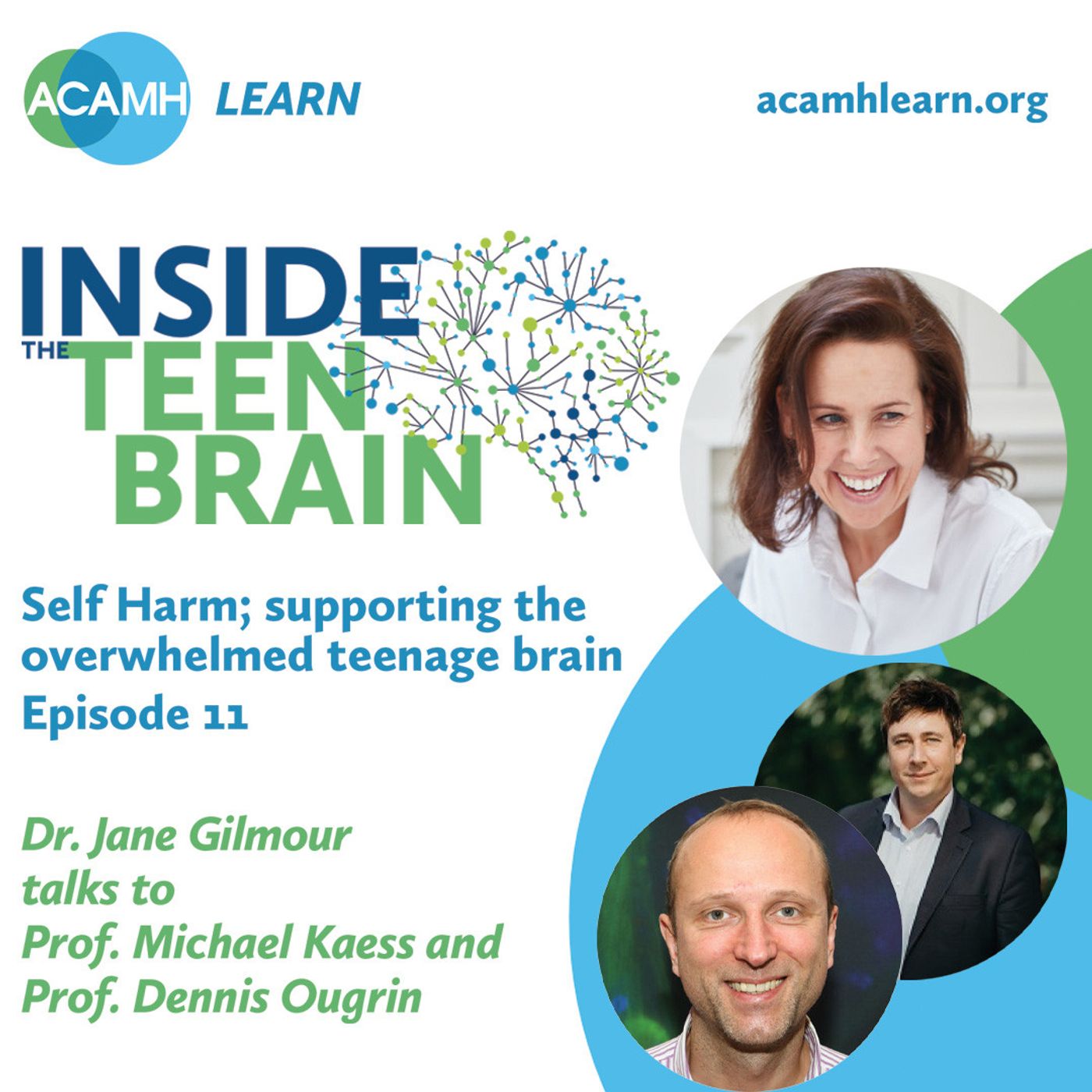 416: Self Harm; supporting the overwhelmed teenage brain. An 'Inside the Teen Brain' podcast 21.08.2026 43mGet a free CPD/CME certificate for listening to this podcast by registering for a FREE ACAMH Learn account at https://bit.ly/4fF4BBWIn this interview, Dr. Jane Gilmour talks to Professor Michael Kaess and Professor Dennis Ougrin, who describe self-harm as self-injury or self-poisoning, irrespective of suicidal intent, encompassing both non-suicidal self-injury and suicide attempts. They highlight that the lifetime prevalence of self-harm is approximately 20% among young people. They outline that initial assessment should include evaluation of risk, development of a safety plan, and a therapeutic component focused on understanding the nature of self-harm, instilling hope, and linking young people with follow-up treatment. They discuss evidence-based approaches to intervention, noting that Dialectical Behaviour Therapy should be offered to young people with severe self-harm. They also consider preventative approaches, including school-based interventions such as the Youth Aware of Mental Health programme, which may reduce self-harm in young people.Learning ObjectivesA. To define self-harmB. To understand the prevalence and risk factorsC. To critically evaluate treatment evidence-baseVisit https://www.acamh.orgFacebook and LinkedIn search / ACAMHInstagram https://www.instagram.com/assoc.camhBluesky https://bsky.app/profile/acamh.bsky.socialX https://x.com/acamh
 -
 415: Violence Exposure and Adolescent Conduct. A 'Mind the Kids' podcast 19.08.2026 38mCan behaviour be understood without understanding the violence that surrounds it?This episode of the Mind the Kids podcast features Susan Swingler, a researcher at the University of Oxford's Department of Social Policy and Intervention, who recently completed a PhD in social intervention and policy evaluation. Her research focuses on how young people respond to chronic stress and violence exposure in low- and middle-income country contexts, and how this shapes mental health and behavioural development through adolescence.Hosted by Mark Tebbs, the conversation explores a landmark near two-decade longitudinal study built on data from the Thula Sana birth cohort in Khayelitsha, South Africa, conducted with colleagues Qing Han, Alexis E. Cullen, Stefani du Toit, Sarah Skeen, Jane Barlow, and Mark Tomlinson.The discussion centres on adolescent conduct problems — persistent patterns of aggression and rule-breaking that place young people at higher risk of anti-social behaviour and poorer mental health. Susan explains why violence exposure between the ages of 12 and 14 is best understood in context rather than as an individual failing, and outlines how the study tracked adolescents from early into late adolescence using both self-report and caregiver-report measures across a community shaped by decades of structural disadvantage.Drawing on one of the longest-running adolescent cohort studies in a high-adversity setting, Susan shares the study's central finding: violence exposure in early adolescence predicted higher conduct problems both at the time and four years later in late adolescence, even after accounting for broader socioeconomic hardship — while the reverse pathway, from conduct problems to later violence exposure, was not statistically significant. The conversation also explores exploratory sex differences in these pathways, the extraordinary effort required to retain 70% of the original cohort across 20 years, and what genuinely contextually grounded violence prevention could look like using the WHO's INSPIRE framework.This conversation is essential listening for clinicians, researchers, educators, and policymakers interested in child and adolescent mental health, developmental psychopathology, and violence prevention in low-resource settings. It offers both rigorous longitudinal evidence and a clear message: adolescence is not too late for intervention, and understanding the context around a young person's behaviour is key to changing it.Read the JCPP paper 'Longitudinal associations between violence exposure and adolescent conduct problems in a high-adversity, South African setting'Susan Swingler, Qing Han, Alexis E. Cullen, Stefani du Toit, Sarah Skeen, Jane Barlow, Mark TomlinsonFirst published: 11 February 2026https://doi.org/10.1111/jcpp.70132Get a free CPD/CME certificate for listening to this podcast by registering for a FREE ACAMH Learn account at https://bit.ly/4fF4BBWVisit https://www.acamh.orgFacebook and LinkedIn search / ACAMHInstagram https://www.instagram.com/assoc.camhBluesky https://bsky.app/profile/acamh.bsky.socialX https://x.com/acamh
 -
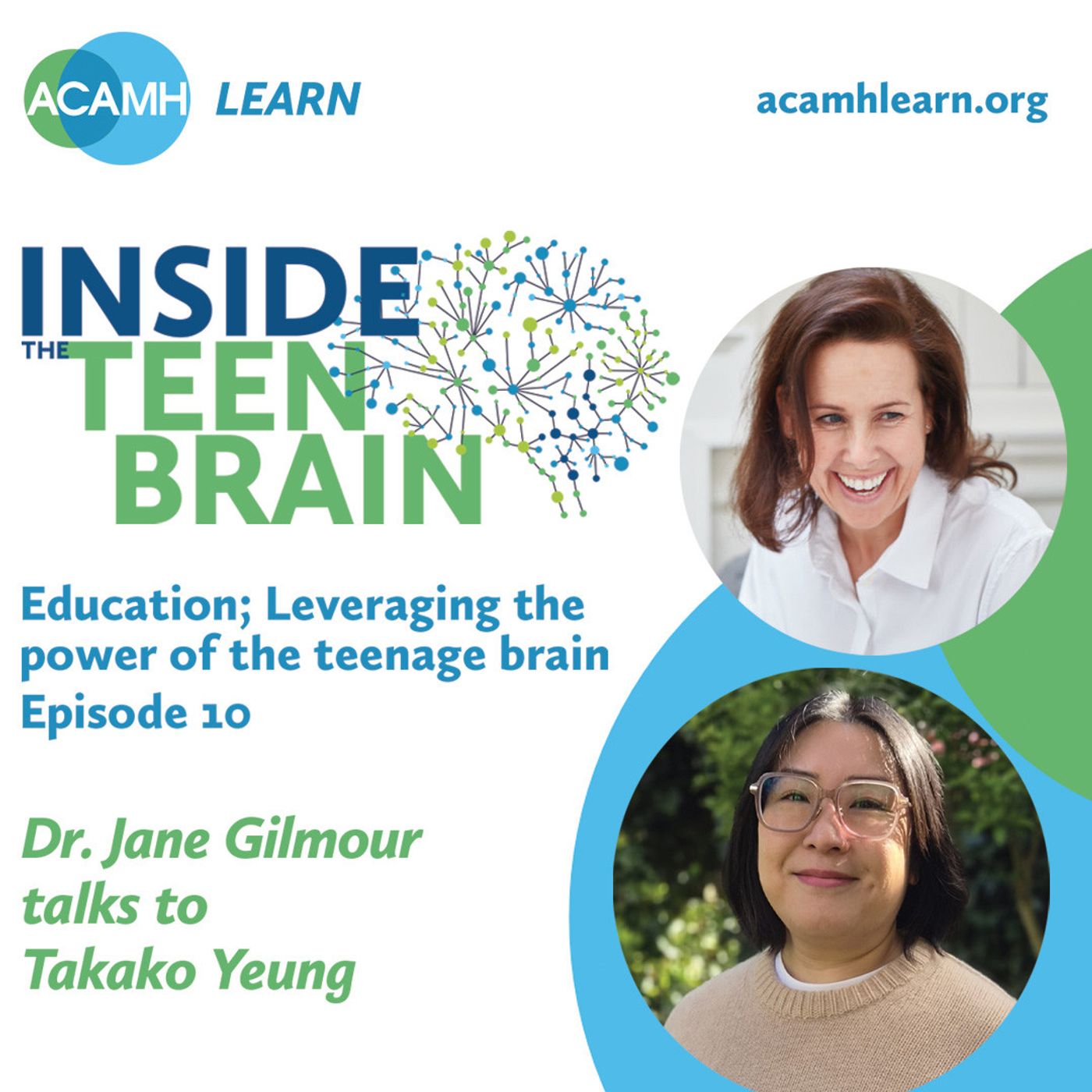 414: Education; Leveraging the power of the teenage brain. An 'Inside the Teen Brain' podcast 14.08.2026 42mIn this episode of Inside the Teen Brain, Takako Yeung explores how neuroscience can inform everyday teaching practice. Drawing on more than twenty years of experience driving systemic change in education, Takako discusses how the adolescent brain's heightened sensitivity to social and emotional cues makes the student–teacher relationship a powerful lever for both wellbeing and academic attainment. In conversation with Dr Jane Gilmour, Takako reflects on what it means to truly value and believe in each young person, and how that belief shapes the way teachers respond, set expectations, and support students through the ups and downs of adolescence. Her insights offer a thoughtful look at how small shifts in practice can make a lasting difference.Learning ObjectivesA. To understand how the adolescent brain's heightened sensitivity to social and emotional cues shapes learning and influences academic attainment.B. To explore how strong student–teacher relationships can be built and used to support young people's wellbeing, motivation, and engagement.C. To consider practical strategies for setting appropriately high expectations and supporting students through challenges without fuelling stress or perfectionism.Get a free CPD/CME certificate for listening to this podcast by registering for a FREE ACAMH Learn account at https://bit.ly/4fF4BBWVisit https://www.acamh.orgFacebook and LinkedIn search / ACAMHInstagram https://www.instagram.com/assoc.camhBluesky https://bsky.app/profile/acamh.bsky.socialX https://x.com/acamh
 -
 413: Breaking the Cycle of Violence: 3-Generation Study. A Mind the Kids podcast 12.08.2026 33mCan the cycle of violence that passes from one generation to the next be broken?This episode of the Mind the Kids podcast features Dr. Laura Gorla, a postdoctoral fellow at the Center for Child and Family Policy at Duke University. Originally from Italy and now based in the United States, Dr. Gorla's research focuses on parenting, parent-child relationships, and child and adolescent mental health from early childhood through late adolescence. Hosted by Mark Tebbs, the conversation explores a landmark three-generation study built on data from the Fast Track intervention, conducted with colleagues Dr. Rotenberg, Dr. Godwin, and the Conduct Problems Prevention Research Group, alongside Fast Track principal investigators Dr. Jennifer Lansford and Dr. Kenneth Dodge.The discussion centres on early emerging conduct problems — persistent patterns of aggressive and disobedient behaviour that place children at higher risk of anti-social behaviour, criminal involvement, and mental health difficulties later in life. Dr. Gorla explains the theory of intergenerational transmission of violence, describing how cycles of harm can pass from one generation to the next, and outlines how this study uniquely tracked three generations — grandparents, parents, and children — using prospective rather than retrospective data, a rare advance in this field of research.Drawing on Fast Track, one of the most influential randomised controlled trials in developmental psychology, Dr. Gorla shares the study's central finding: intimate partner violence in the first generation predicted parent-child violence in the second generation, which in turn led to poorer mental health in the third generation — but only within the control group. Crucially, this negative chain was disrupted among families who received the Fast Track intervention, offering compelling evidence that early, multi-component prevention can break cycles of violence across generations.This conversation is essential listening for clinicians, researchers, educators, and policymakers interested in child and adolescent mental health, early intervention, and violence prevention. It offers both rigorous longitudinal evidence and a genuinely hopeful message: outcomes for children are not predetermined by family history, and investment in early intervention protects not just today's children, but generations to come.Read the JCPP paper 'The randomized controlled trial Fast Track multilevel intervention for children with early-emerging conduct problems breaks intergenerational transmission of violence across three generations'Laura Gorla, W. Andrew Rothenberg, Jennifer Godwin, Conduct Problems Prevention Research GroupFirst published: 11 February 2026https://doi.org/10.1111/jcpp.70133Get a free CPD/CME certificate for listening to this podcast by registering for a FREE ACAMH Learn account at https://bit.ly/4fF4BBWVisit https://www.acamh.orgFacebook and LinkedIn search / ACAMHInstagram https://www.instagram.com/assoc.camhBluesky https://bsky.app/profile/acamh.bsky.socialX https://x.com/acamh
 -
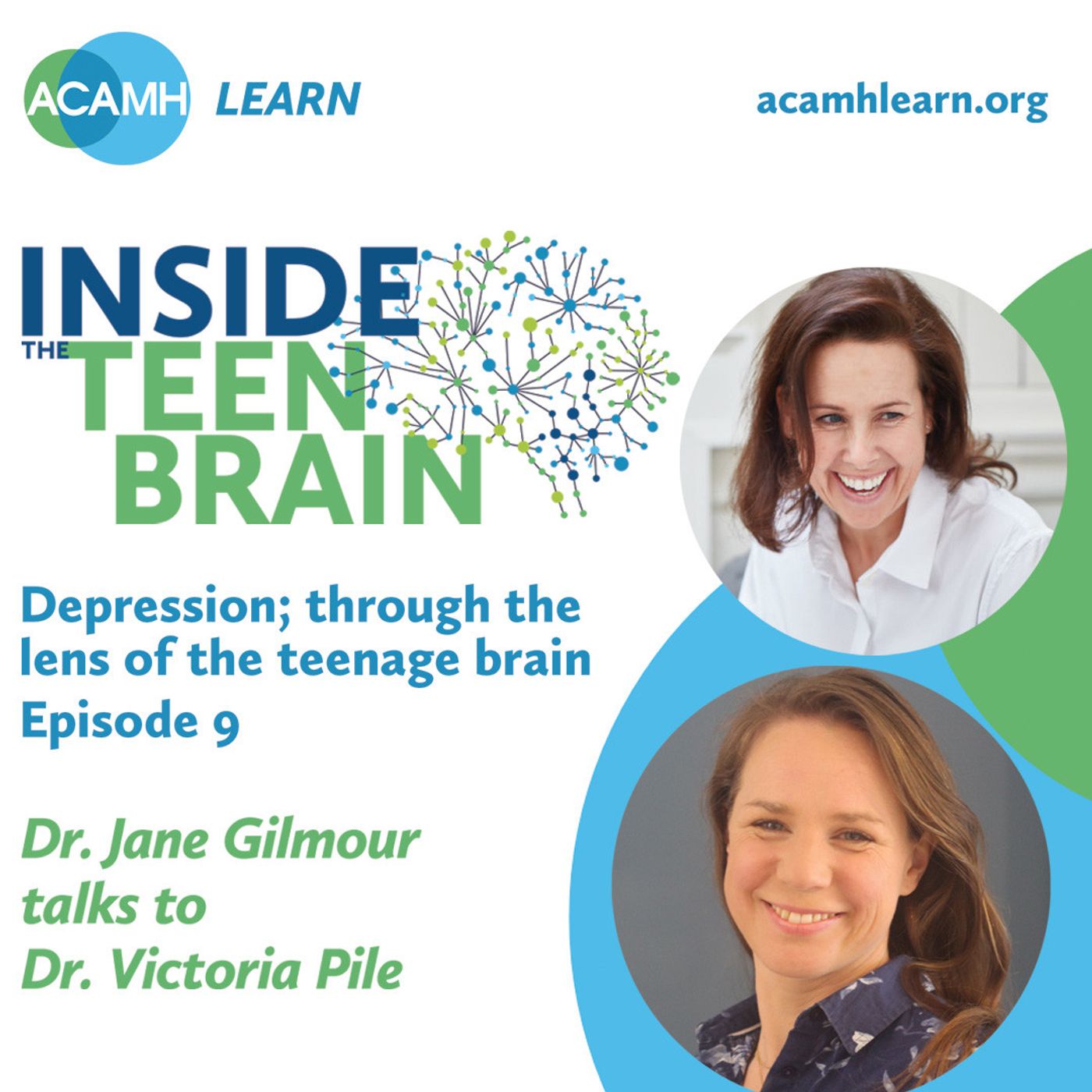 412: Depression; through the lens of the teenage brain. An 'Inside the Teen Brain' podcast 07.08.2026 31mDr. Jane Gilmour returns with Inside the Teen Brain. In this episode Jane talks to Dr. Victoria Pile about depression.This talk explores the presentation, recognition, and psychological intervention for depression in adolescence, a developmental period marked by heightened vulnerability and significant opportunity for intervention. Depression commonly emerges during adolescence and is associated with substantial long-term consequences, including social and academic impairment. Despite its prevalence and impact, the majority of young people with depression do not receive timely or effective support. The talk highlights how adolescent depression is often under-recognised, perhaps due to its overlap with developmental changes and its heterogeneous clinical presentation. Recent work that highlights central symptoms of depression is discussed. Current treatment approaches are described and evidence explored that suggests many established interventions show only modest efficacy, and a substantial proportion of young people do not respond. In response, emerging approaches are discussed that aim to improve both access and effectiveness. These include school-based delivery models and the co-development of treatments with young people. Finally, the talk considers a shift toward targeting specific symptoms and psychological mechanisms, such as self-compassion, sleep, and emotional mental imagery. Novel interventions are presented as promising avenues for improving outcomes. Overall, the talk suggests a more developmentally informed, accessible, and mechanism-focused approach to addressing adolescent depression.Learning Objectives To understand the presentation and challenges of recognising adolescent depression. To appreciate the effectiveness and limitations of current psychological interventions for adolescent depression To explore emerging, developmentally informed approaches to intervention Get a free CPD/CME certificate for listening to this podcast by registering for a FREE ACAMH Learn account at https://bit.ly/4fF4BBWVisit https://www.acamh.orgFacebook and LinkedIn search / ACAMHInstagram https://www.instagram.com/assoc.camhBluesky https://bsky.app/profile/acamh.bsky.socialX https://x.com/acamh
 -
 411: Inhibitory Control vs Emotion Regulation. A Mind the Kids 05.08.2026 27mHave you ever wondered how a child's ability to manage their emotions and impulses might shape their later mental health? And, what if one of the most important predictors isn't about how clever they are, but how well regulated they are on the inside? This episode of the Mind the Kids podcast features Lilja Jónsdóttir, a PhD student at the Department of Psychology at Uppsala University, Sweden, who will shortly take up a postdoctoral research position in child and adolescent psychiatry at Uppsala's Department of Medical Sciences. Hosted by Mark Tebbs, the conversation explores her paper, Examining Early Inhibitory Control and Emotional Regulation as Predictors of Childhood Internalizing and Externalizing Problems: A Longitudinal Study, co-authored with her supervisor Professor Karen Brocki, co-supervisors Dr. Matilda Frick and Dr. Andreas Frick of Stockholm University, and fellow PhD researcher Emma Heemann.The discussion unpacks the hierarchical development of self-regulation, examining how simpler skills such as inhibitory control — the ability to override an automatic impulse, illustrated through the classic marshmallow test — feed into more complex abilities like emotion regulation. Drawing on data from the long-running Effect Project, a longitudinal study following 94 typically developing children in Uppsala from infancy, Lilja explains how inhibitory control was measured at age four using the day-night Stroop task, emotion regulation was assessed at age six via validated parent-report measures, and internalizing and externalizing problems were captured at nine to ten years using the Strengths and Difficulties Questionnaire.Contrary to prior research and theoretical expectations, the study found no link between early inhibitory control and later emotion regulation or behavioural outcomes. Instead, emotion regulation at age six emerged as a robust, transdiagnostic predictor of both internalizing problems (such as worry and withdrawal) and externalizing problems (such as impulsivity and defiance) three to four years later — a finding that held even within a relatively advantaged community sample, strengthening the case for universal, early support.This conversation is essential listening for clinicians, educators, and parents interested in child development, self-regulation, and early intervention. Lilja discusses the importance of co-regulation between caregivers and children, promising directions for emotion-regulation-focused support, and why publishing null results — such as the absence of an inhibitory control effect here — matters for advancing the field.Read the JCPP Advances paper 'Examining early inhibitory control and emotion regulation as predictors of childhood internalizing and externalizing problems: A longitudinal study'Lilja K. Jónsdóttir, Matilda A. Frick, Andreas Frick, Emma J. Heeman, Karin C. BrockiFirst published: 07 January 2026 https://doi.org/10.1002/jcv2.70093Get a free CPD/CME certificate for listening to this podcast by registering for a FREE ACAMH Learn account at https://bit.ly/4fF4BBWVisit https://www.acamh.orgFacebook and LinkedIn search / ACAMHInstagram https://www.instagram.com/assoc.camhBluesky https://bsky.app/profile/acamh.bsky.socialX https://x.com/acamh
 -
 410: IQ Is Not the Ceiling: Rethinking Daily Living Skills in Autism - a Mind the Kids podcast 29.07.2026 34mIn this episode of Mind the Kids, the podcast from the Association for Child and Adolescent Mental Health (ACAMH), host Mark Tebbs is joined by Dr. Elaine Clark, postdoctoral researcher at the Lifespan Autism Lab, Rutgers University.Dr. Clark shares findings from her recently published paper in JCPP Advances, ACAMH's open-access research journal, co-authored with Dr. Vanessa Ball and Dr. Katherine Lord. Drawing on the Longitudinal Study of Autism (LSA) — tracking autistic individuals from ages 2–3 through to their mid-twenties — the study examines how daily living skills develop across the lifespan in autistic individuals, both with and without a co-occurring intellectual disability.Daily living skills — the practical abilities that underpin independent adult life — are broken down into three domains: personal skills (hygiene, dressing, grooming), domestic skills (cooking, household chores), and community skills (managing money, navigating public spaces, vocational readiness). These are the skills that shape autism outcomes across education, employment, and quality of life, yet they have been chronically under-researched, particularly for autistic individuals with co-occurring intellectual disability.The headline finding is striking: approximately 80% of autistic individuals with co-occurring intellectual disability demonstrated daily living skills equal to or stronger than their measured cognitive ability — directly challenging the widespread assumption that adaptive behaviour in autism is constrained by IQ. Developmental trajectories between groups were indistinguishable up to age five, clearly differentiated by age nine, and those differences strengthened into adulthood.Dr. Clark and Mark discuss why domestic skills represent the most promising early intervention target, why community skills are the hardest to move, and how schools, IEP goals, and caregivers can reshape expectations to create opportunity-rich learning environments for autistic young people. The conversation closes with a look ahead at Dr. Clark's next research phase — examining individual skills for adults with profound autism and the caregivers who support them.A must-listen for anyone working in autism education, autism support, early intervention, or child and adolescent mental health.Read the JCPP paper ‘Relative strengths in daily living skills among autistic individuals and individuals with related developmental conditions who have co-occurring intellectual disability' - https://doi.org/10.1111/jcpp.70124Elaine B. Clarke, Catherine Lord, Vanessa Hus BalFirst published: 28 January 2026Get a free CPD/CME certificate for listening to this podcast by registering for a FREE ACAMH Learn account at https://bit.ly/4fF4BBWVisit https://www.acamh.orgFacebook and LinkedIn search / ACAMHInstagram https://www.instagram.com/assoc.camhBluesky https://bsky.app/profile/acamh.bsky.socialX https://x.com/acamh
 -
 409: Can we predict childhood mental health from birth? A Mind the Kids podcast 22.07.2026 41mIn this episode of the Mind the Kids podcast, host Mark Tebbs sits down with Emma Butler — an occupational therapist with over 20 years of clinical experience in neonates and paediatrics — to explore one of the most pressing questions in child mental health research: can we predict poor mental health in childhood as early as birth?Emma, a PhD researcher working across multiple institutions including Trinity College Dublin, the Royal College of Surgeons in Ireland, and University College Cork, shares findings from her groundbreaking work using the Avon Longitudinal Study of Parents and Children (ALSPAC) — one of the world's leading pregnancy cohort studies — to develop a multivariable prediction model for childhood mental health outcomes at age seven.With children's mental health rising sharply across Europe and England — from one in eleven in 2017 to one in five by 2023 — Emma makes the case for why a preventative, early intervention approach is not just desirable but essential. The conversation covers the growing global burden of childhood mental health disorders, the critical difference between prediction and causation in research, and why psychosocial and socioeconomic factors consistently emerge as the strongest predictors of later poor mental health.Emma also unpacks a striking finding from her PhD: that fine motor skills measured at just 18 months can predict mental health outcomes at age seven — a discovery with significant implications for early childhood development and infant mental health services.From the ethics of predictive modelling and the risk of labelling children, to what a tiered, community-based early intervention system could look like in practice, this episode offers a rich, evidence-based discussion for clinicians, researchers, policymakers, and anyone passionate about improving outcomes for children and young people.Read the paper 'Predicting 7-year-olds mental health in the perinatal period: Development and internal validation of a multivariable model using the prospective ALSPAC cohort' https://doi.org/10.1002/jcv2.70091Emma Butler, Michelle Spirtos, Linda M. O’Keeffe, Mary ClarkeFirst published: 03 January 2026 Get a free CPD/CME certificate for listening to this podcast by registering for a FREE ACAMH Learn account at https://bit.ly/4fF4BBWVisit https://www.acamh.orgFacebook and LinkedIn search / ACAMHInstagram https://www.instagram.com/assoc.camhBluesky https://bsky.app/profile/acamh.bsky.socialX https://x.com/acamh
 -
 408: How Teens Learn from Rewards: New Research on Anhedonia and Depression Risk - Mind the Kids podcast 15.07.2026 35mIn this episode of the Mind the Kids podcast, we explore how adolescents learn from rewards and what this means for depression risk and mental health outcomes. Drawing on longitudinal research from the Temple Adolescent Development Study, our guest breaks down the complex science of reward processing, anhedonia, and reinforcement learning in young people.Anhedonia—defined as a reduced ability to experience pleasure—is a key symptom across multiple mental health conditions, including depression, and is linked to poorer long-term outcomes. But what actually drives these changes in reward responsiveness during adolescence? And how do differences in learning from rewards and punishments shape emotional development?We discuss cutting-edge findings using the Iowa Gambling Task and computational modelling to better understand how reward learning evolves between ages 9 and 17. The conversation highlights how adolescents may fine-tune their learning strategies over time, and why subtle differences—particularly in young people at higher risk of depression due to parental history—could have meaningful implications.This episode is essential listening for clinicians, researchers, and anyone interested in child and adolescent mental health, offering evidence-based insights into how reward systems develop and how they may inform early identification and intervention strategies.Read the JCPP paper 'Reward-specific learning parameters change across normative adolescent development and are blunted in youth with high risk for depression' at https://doi.org/10.1111/jcpp.70086Holly Sullivan-Toole, Jeremy M. Haynes, Helen Schmidt, Bart Larsen, Nathaniel Haines, Thomas M. OlinoFirst published: 22 December 2025Get a free CPD/CME certificate for listening to this podcast by registering for a FREE ACAMH Learn account at https://bit.ly/4fF4BBWVisit https://www.acamh.orgFacebook and LinkedIn search / ACAMHInstagram https://www.instagram.com/assoc.camhBluesky https://bsky.app/profile/acamh.bsky.socialX https://x.com/acamh
 -
 407: Are we measuring what matters? Life impact, functioning, and quality of life in youth mental health - A Mind the Kids podcast 08.07.2026 36mIn this episode of Mind the Kids, the podcast from the Association for Child and Adolescent Mental Health (ACAMH), host Clara Faria — academic clinical fellow in child psychiatry — is joined by Dr. Karolin Krause, clinical epidemiologist and measurement scientist at the Center for Research in Epidemiology and Statistics (CRESS), Université Paris Cité.Dr. Krause shares findings from her recently published paper in JCPP, the Journal of Child Psychology and Psychiatry. The paper — a scoping umbrella review — systematically maps 80 instruments used to measure life impact in youth mental health research across three interconnected domains: functioning, quality of life, and well-being. Despite major international core outcome set initiatives — including ICHOM and In-ROADS — consistently identifying functioning and quality of life as critical outcomes alongside symptoms, no consensus exists on which instruments to use, and the landscape remains highly fragmented.The rationale runs deeper than methodology. Outcomes measurement in child and adolescent mental health is foundational to evidence-based, person-centred care. Symptom severity and life impact do not always move in step — the DSM-5 itself requires both symptom threshold and clinically significant impairment for diagnosis, yet instruments frequently conflate the two constructs, making it difficult to track which improves first in treatment and whether the gains that matter most to young people are being captured. Across the 80 instruments identified, the review found wide variation in informant type, length, age range, and developmental setting. More than a quarter were classified differently across reviews — a consequence of unclear construct definitions, limited co-production with young people, and what the paper terms "jingle-jangle fallacies." A notable gap emerges for the 19–24 age group navigating the transition from CAMHS to adult services, for whom no instrument has been specifically validated.Clara and Karolin discuss why functioning and life impact deserve dedicated measurement separate from symptom scales, the case for self-report over adult-observer-dominated measures, the trade-offs of multi-informant approaches, and a Wellcome-funded project focused on the development of an evidence synthesis platform for patient-reported outcome measure selection aimed at making evidence-based instrument choice more accessible to researchers worldwide”A must-listen for anyone working in child and adolescent mental health, CAMHS outcomes, youth mental health outcomes measurement, functioning measures, quality of life in children and young people, patient-reported outcome measures, or routine outcome measurement in research and practice.The the JCPP paper 'Research Review: Measuring life impact of youth mental health difficulties: scoping umbrella review of 80 instruments'Karolin R. Krause, Sophie Chung, Christiane Konstantopoulos, Terri Rodak, Ana Calderón, Nichol Edwards Snagg, Kristin Cleverley, Nancy J. Butcher, Giovanni A. Salum, Kathleen R. Merikangas, Peter Szatmari First published: 11 March 2026 https://doi.org/10.1111/jcpp.70134Get a free CPD/CME certificate for listening to this podcast by registering for a FREE ACAMH Learn account at https://bit.ly/4fF4BBWVisit https://www.acamh.orgFacebook and LinkedIn search / ACAMHInstagram https://www.instagram.com/assoc.camhBluesky https://bsky.app/profile/acamh.bsky.socialX https://x.com/acamh
 -
 406: Can schools prevent childhood anxiety with parent-led CBT? - Mind the Kids podcast 01.07.2026 38mIn this episode of Mind the Kids, the podcast from the Association for Child and Adolescent Mental Health (ACAMH), host Clara Faria, academic clinical fellow in child psychiatry, is joined by Dr. Tessa Reardon, research fellow in the departments of experimental psychology and psychiatry at the University of Oxford.Dr. Reardon shares findings from her recently published paper in JCPP, the Journal of Child Psychology and Psychiatry, co-authored with colleagues. Drawing on the My Cats cluster randomised controlled trial, the study recruited children aged four to seven identified as being at heightened risk for anxiety disorders through schools across England. The intervention — known as OSI (Online Support and Intervention for Child Anxiety) — is a parent-led, therapist-supported online cognitive behavioural therapy programme, in which parents work through digital modules of approximately 20 minutes each, supported by brief telephone or video calls with a children's wellbeing practitioner, amounting to around two and a half hours of contact time in total.The research sits against a backdrop of a growing gap between the need for child mental health support and access to evidence-based care. CAMHS thresholds are high, and many families cannot access help until difficulties are already entrenched — yet anxiety disorders in children can onset as early as age five and a half. Schools offer a distinctive opportunity to reach families before problems escalate, and England's Mental Health Support Teams (MHSTs) represent a trained, scalable future workforce for delivering this type of early intervention in child mental health.The primary outcome — anxiety disorder diagnosis at 12 months — showed fewer diagnoses in the intervention group, though the difference did not reach statistical significance. All secondary outcomes were statistically significant, however, including reductions in child anxiety symptoms, inhibited temperament, parental anxiety, and targeted child and parent behaviours. Approximately three quarters of families completed the programme — a notably strong completion rate for a school-recruited, at-risk population who were not actively help-seeking. Qualitative findings, forthcoming, point to broader ripple effects within families beyond the targeted outcomes.Clara and Tessa discuss why schools were chosen as the recruitment setting; why the integrated practitioner calls in therapist-supported online CBT appear central to completion rates compared with fully self-guided approaches; and what the findings mean for scaling school-based mental health intervention. The conversation also turns to a key challenge ahead — addressing inequalities in participation, particularly among families from socioeconomically disadvantaged backgrounds, to ensure the benefits of parent-led CBT reach those who need them most.A must-listen for anyone working in child anxiety prevention, early intervention, school-based mental health, CBT for young children, CAMHS, or child and adolescent mental health.Read the JCPP paper 'Parent-led CBT delivered via online and telephone support alongside usual school practice versus usual school practice only for young children identified as at risk for anxiety disorders through screening in schools: a cluster randomised controlled trial'Tessa Reardon, Obioha C. Ukoumunne, Helen Dodd, Gemma Halliday, Claire Hill, Bec Jasper, Benjamin Jones, Peter J. Lawrence, Fran Morgan, Anna Placzek, Ronald M. Rapee, Mara Violato, Shuye Yu, MYCATS Team, Cathy Creswell First published: 19 February 2026 https://doi.org/10.1111/jcpp.70119Get a free CPD/CME certificate for listening to this podcast by registering for a FREE ACAMH Learn account at https://bit.ly/4fF4BBWVisit https://www.acamh.orgFacebook and LinkedIn search / ACAMHInstagram https://www.instagram.com/assoc.camhBluesky https://bsky.app/profile/acamh.bsky.socialX https://x.com/acamh
Podcasts similares


Popular en
Este podcast también aparece en las listas de podcasts de estos países.

