
Crisis in Perception
Crisis in Perception
0
Crisis in Perception is a long-form educational podcast that examines how we misunderstand the world around us. Each episode uses books as entry points to explore history, psychology, economics, science, and power structures. It reveals how systems actually work and why our perceptions often fail. The content is clear, evidence-based, and non-tribal.
Episodios
-
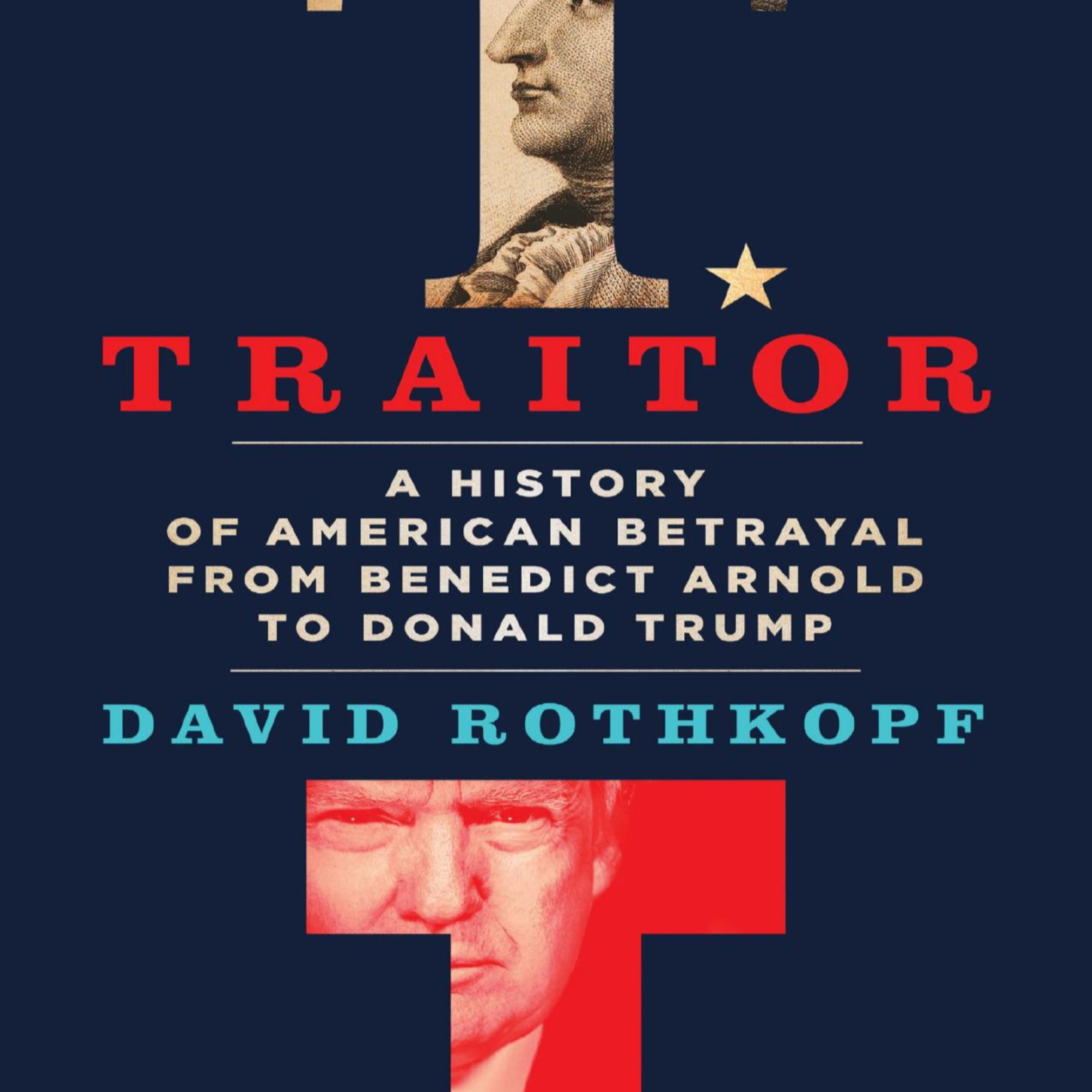 Traitor: A History of American Betrayal from Benedict Arnold to Donald Trump — The Limits of Treason 12.10.2026 42mWhat separates a political betrayal from the constitutional crime of treason? And can public officials escape one form of accountability while remaining subject to another?Welcome to Crisis in Perception, where we examine the systems shaping our world.In Traitor: A History of American Betrayal from Benedict Arnold to Donald Trump, author David Rothkopf examines American history through the recurring tension between personal ambition, national loyalty, and the responsibilities of public office.From Benedict Arnold and Aaron Burr to Confederate leaders and Cold War spies, Rothkopf traces how acts of disloyalty have been prosecuted, punished, excused, or reconsidered by later generations.He then applies these historical comparisons to Donald Trump's first presidency, examining Russian election interference, foreign relationships, the Mueller investigation, and the Ukraine impeachment. Rothkopf argues that the resulting pattern constitutes a profound betrayal of American national interests, while acknowledging that constitutional treason is a distinct and narrowly defined legal offense.This Deep Dive investigates the larger institutional question behind his argument: why political accountability depends not only on law but also on congressional oversight, party incentives, executive authority, and the willingness of institutions to scrutinize those who hold power.The investigation distinguishes documented events from contested interpretations and considers the competing risks of politically motivated treason accusations and inadequate accountability for abuses of public office.At its center is a transferable question: How should democratic societies evaluate conflicts between personal interest and public duty without confusing legal guilt with broader historical judgment?Central themes include constitutional treason, foreign influence, conflicts of loyalty, political incentives, institutional oversight, and democratic accountability.📺 Watch on YouTube:https://youtu.be/OjQ_zaJkPJE❤️ Support / Episode Post on Patreon:https://www.patreon.com/CrisisinPerception/posts/traitor-history-172120036?utm_medium=clipboard_copy&utm_source=copyLink&utm_campaign=postshare_creator&utm_content=join_linkIf these ideas resonate, consider reading the work yourself or borrowing it from your local library. Supporting authors and libraries helps keep critical inquiry accessible.If you value systems-level analysis like this, please follow, rate, and share the project.This content was created using AI-assisted tools for research synthesis, structuring, and narration support. All analysis, framing, and editorial decisions are guided by human judgment as part of the Crisis in Perception project.
 -
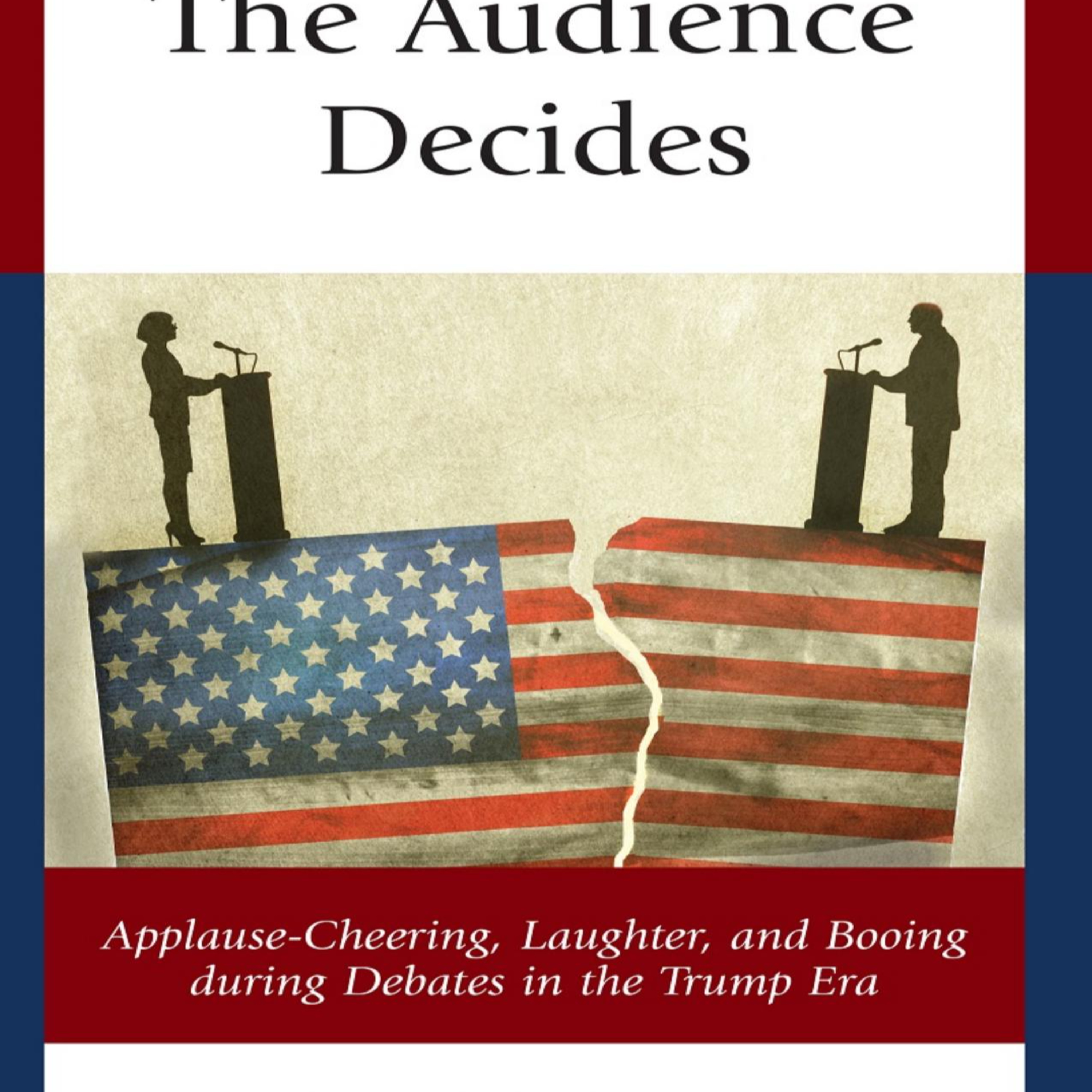 The Audience Decides: Applause-Cheering, Laughter, and Booing during Debates in the Trump Era — How Attention Becomes Political Power 12.10.2026 40mWhat if a presidential debate does not simply reveal political viability, but participates in creating it?Welcome to Crisis in Perception, where we examine the systems shaping our world.Using The Audience Decides: Applause-Cheering, Laughter, and Booing during Debates in the Trump Era by Patrick A. Stewart as our lens, this investigation examines how debate structure, candidate performance, audience reaction, and media amplification interact during presidential campaigns.Stewart focuses on observable audience response—laughter, applause-cheering, and booing—and its ability to provide social information to people watching from home. Through the 2016 and 2020 debates, the investigation traces how dominance of attention, memorable exchanges, audience intensity, subsequent media coverage, and online search behavior can reinforce one another.At a systems level, the episode explores weakened political gatekeeping, attention incentives, recognition heuristics, social contagion, and the tension between evaluating leadership and rewarding performance. Audience response can indicate charisma and connection, but neither attention nor enthusiasm alone demonstrates governing competence.Central systems and tensions include audience signaling, media amplification, candidate visibility, recognition, institutional gatekeeping, and deliberation versus spectacle.📺 Watch on YouTube:https://youtu.be/jlSGUuPIUvA❤️ Support / Episode Post on Patreon:https://www.patreon.com/CrisisinPerception/posts/audience-decides-172117746?utm_medium=clipboard_copy&utm_source=copyLink&utm_campaign=postshare_creator&utm_content=join_linkIf these ideas resonate, consider reading the work yourself or borrowing it from your local library. Supporting authors and libraries helps keep critical inquiry accessible.If you value systems-level analysis like this, please follow, rate, and share the project.This content was created using AI-assisted tools for research synthesis, structuring, and narration support. All analysis, framing, and editorial decisions are guided by human judgment as part of the Crisis in Perception project.
 -
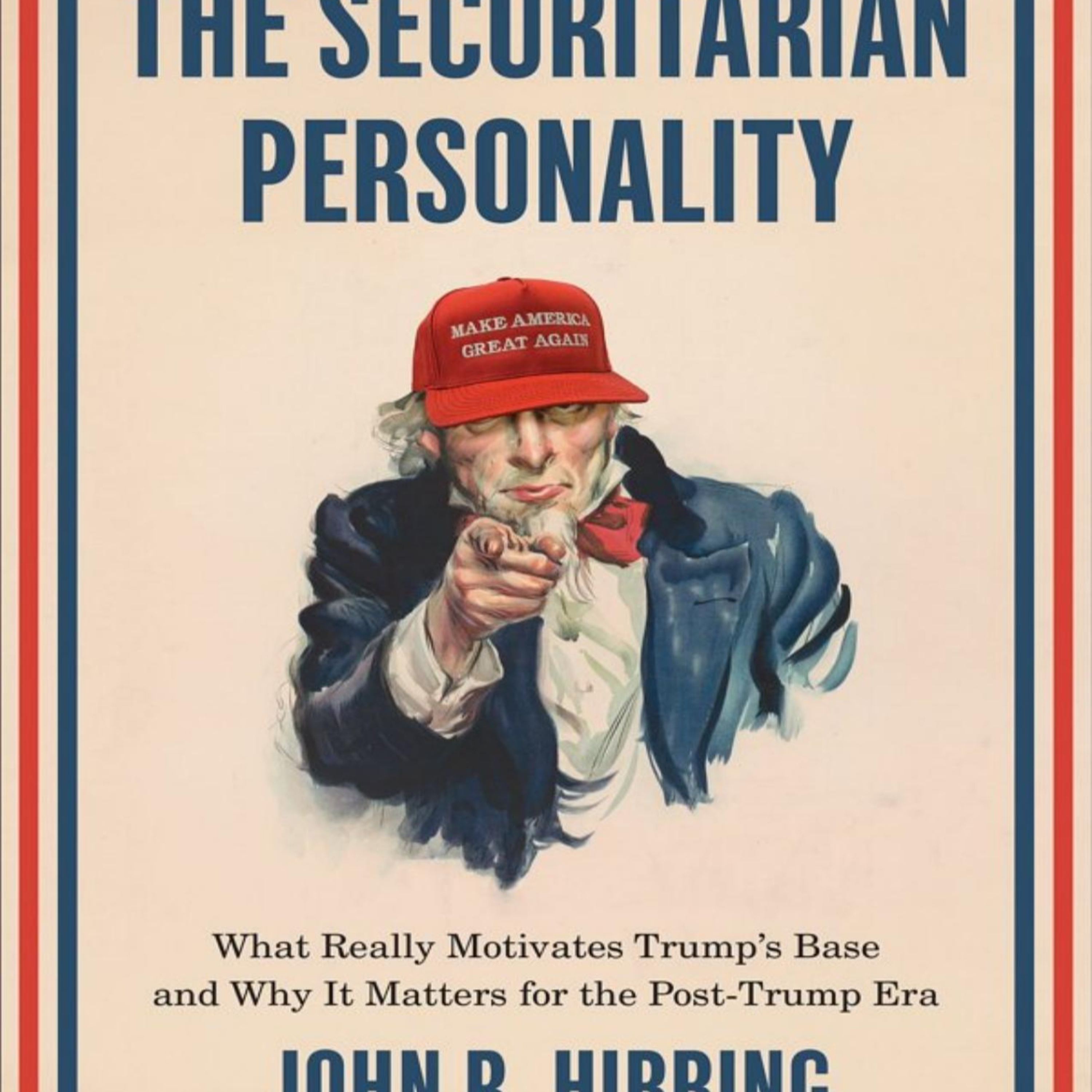 The Securitarian Personality — How Threat Perception Shapes Political Loyalty 12.10.2026 40mWhy do people who resist authority sometimes become fiercely loyal to leaders who promise protection from outsiders?Welcome to Crisis in Perception, where we examine the systems shaping our world.In The Securitarian Personality, political scientist John R. Hibbing offers an evidence-based investigation into the psychological motivations of Donald Trump's most ardent supporters.Rather than explaining intense political loyalty primarily through anger, economic insecurity, or authoritarian submission, Hibbing identifies a distinctive orientation centered on vigilance, group security, and protection from perceived outsider threats.This Deep Dive investigates how securitarian attitudes shape judgments about who belongs, which dangers deserve attention, and which political leaders can be trusted. We explore the informal boundaries dividing insiders from outsiders, the role of cultural identity and perceived loyalty, and why protecting the dominant cultural group can become more important than conventional political principles.The investigation also examines how competing perceptions of danger reinforce political polarization. While securitarians emphasize protection from outsiders, their opponents may be more concerned about concentrated power, discrimination, and the erosion of democratic safeguards.Drawing on Hibbing's research from 2019, we distinguish the author's findings from broader interpretations and consider what this psychological framework can—and cannot—explain about political behavior.The deeper question: How can democratic societies function when citizens disagree fundamentally about whom they should fear, trust, and protect?Central themes include selective threat perception, group identity, political loyalty, institutional trust, cultural boundaries, and the tension between security and democratic equality.🎬 Watch the Mini Explainer:https://youtu.be/eSD0bv3GpTc❤️ Support / Episode Post on Patreon:https://www.patreon.com/CrisisinPerception/posts/securitarian-how-172116993?utm_medium=clipboard_copy&utm_source=copyLink&utm_campaign=postshare_creator&utm_content=join_linkIf these ideas resonate, consider reading the work yourself or borrowing it from your local library. Supporting authors and libraries helps keep critical inquiry accessible.If you value systems-level analysis like this, please follow, rate, and share the project.This content was created using AI-assisted tools for research synthesis, structuring, and narration support. All analysis, framing, and editorial decisions are guided by human judgment as part of the Crisis in Perception project.
 -
 Liquid Modernity — How Flexibility Turns Security Into Individual Risk 12.10.2026 29mWhat happens when constant change stops being a temporary disruption and becomes the normal condition of life?Welcome to Crisis in Perception, where we examine the systems shaping our world.In Liquid Modernity, Zygmunt Bauman argues that modernity has shifted from seeking durable social arrangements toward valuing flexibility, mobility, reversibility, and continuous adaptation.This Deep Dive examines how that transformation affects work, identity, consumer culture, citizenship, and political power. As institutions become less durable, individuals are increasingly expected to absorb uncertainty themselves. Meanwhile, mobile economic forces can operate across borders more easily than political institutions designed around territorial states can respond.The result is a central tension between freedom and security: greater choice may loosen restrictive structures while also weakening the collective protections that make meaningful autonomy possible.Central systems include individualization, deregulation, flexible labor, consumer identity, mobile power, weakened collective bonds, and the separation of global problems from territorially limited political institutions.📺 Watch on YouTube:https://youtu.be/dt71Fy-irEA❤️ Support / Episode Post on Patreon:https://www.patreon.com/CrisisinPerception/posts/liquid-modernity-172111419?utm_medium=clipboard_copy&utm_source=copyLink&utm_campaign=postshare_creator&utm_content=join_linkIf these ideas resonate, consider reading the work yourself or borrowing it from your local library. Supporting authors and libraries helps keep critical inquiry accessible.If you value systems-level analysis like this, please follow, rate, and share the project.This content was created using AI-assisted tools for research synthesis, structuring, and narration support. All analysis, framing, and editorial decisions are guided by human judgment as part of the Crisis in Perception project.
 -
 Eichmann in Jerusalem: A Report on the Banality of Evil — When Obedience Replaces Judgment 12.10.2026 31mWhat happens when a system can transform mass killing into administrative duty?Welcome to Crisis in Perception, where we examine the systems shaping our world.Using Eichmann in Jerusalem: A Report on the Banality of Evil by Hannah Arendt as our lens, this Deep Dive investigates the relationship between bureaucracy, obedience, moral judgment, and individual responsibility.Arendt’s portrait of Adolf Eichmann challenges the expectation that extraordinary crimes must originate in extraordinary personalities. She emphasizes instead his thoughtlessness, his dependence on clichés and official language, his career ambition, and his inability to examine his actions from another person’s standpoint.At a systems level, the episode traces how Nazi rule transformed persecution and extermination into coordinated administrative processes involving laws, ministries, transportation networks, professional expertise, and institutional hierarchy. Responsibility was dispersed across a vast organization, but dispersion did not eliminate individual responsibility.The central tension is obedience versus judgment: what happens when law, authority, institutional consensus, and professional duty tell individuals that compliance is the responsible thing to do?📺 Watch on YouTube:https://youtu.be/SRYrdkOW8dg❤️ Support / Episode Post on Patreon:https://www.patreon.com/CrisisinPerception/posts/eichmann-in-on-172110933?utm_medium=clipboard_copy&utm_source=copyLink&utm_campaign=postshare_creator&utm_content=join_linkIf these ideas resonate, consider reading the work yourself or borrowing it from your local library. Supporting authors and libraries helps keep critical inquiry accessible.If you value systems-level analysis like this, please follow, rate, and share the project.This content was created using AI-assisted tools for research synthesis, structuring, and narration support. All analysis, framing, and editorial decisions are guided by human judgment as part of the Crisis in Perception project.
 -
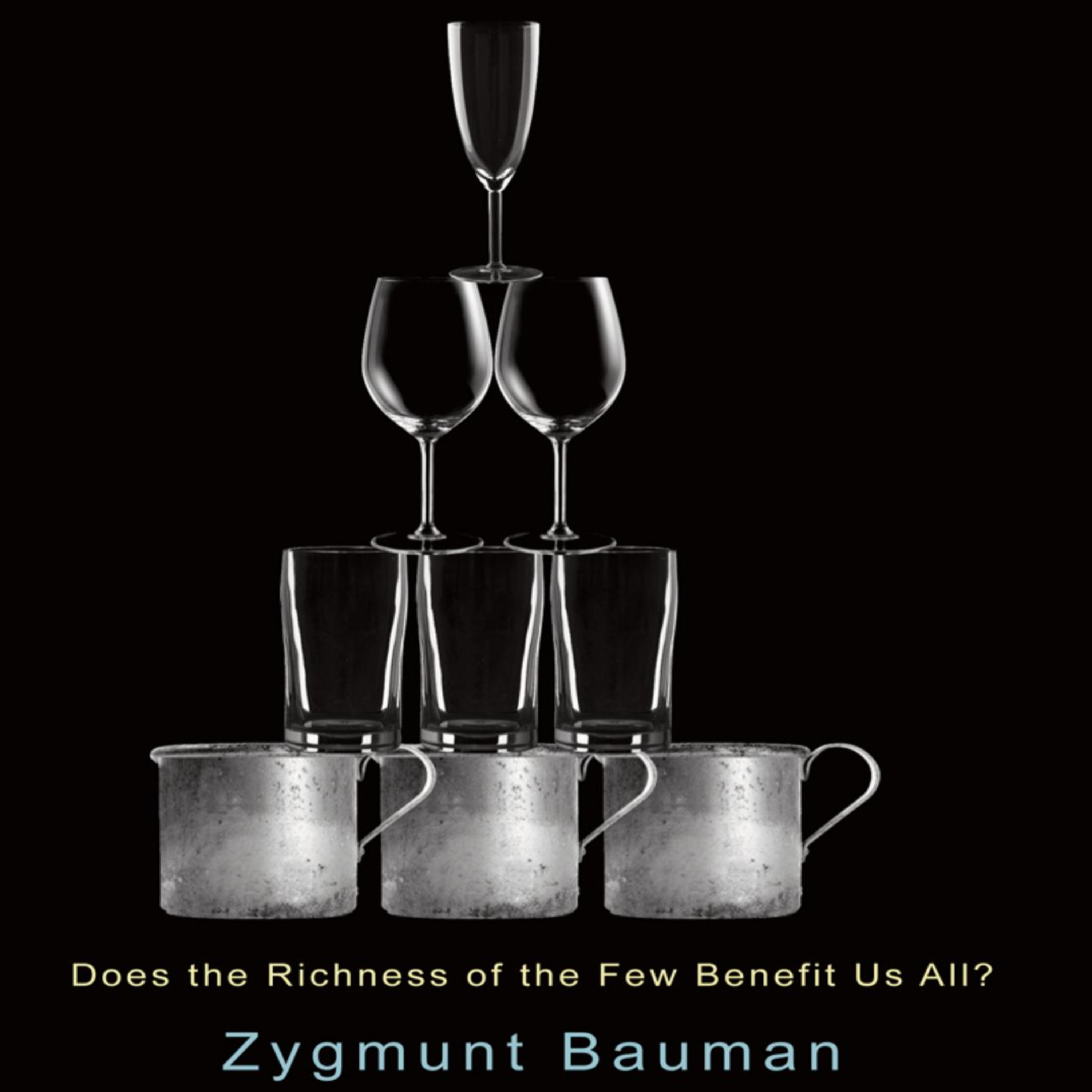 Does the Richness of the Few Benefit Us All? — The Myth of Shared Prosperity 11.10.2026 35mWhat happens when an economy grows richer, but prosperity becomes increasingly concentrated?Welcome to Crisis in Perception, where we examine the systems shaping our world.In Does the Richness of the Few Benefit Us All?, sociologist Zygmunt Bauman challenges the widely accepted belief that the enrichment of a small economic elite necessarily benefits society as a whole.Drawing on research into inequality, social mobility, and consumer culture, Bauman investigates why economic growth can coexist with insecurity and unequal opportunity. He also examines how beliefs about competition, meritocracy, and individual responsibility can help reproduce the very inequalities they appear to explain.This Deep Dive moves beyond income statistics to investigate the structures shaping economic advantage: inherited opportunities, unequal bargaining power, institutional incentives, consumer expectations, and the social pressures that make competition appear unavoidable.It also explores an important contradiction: societies may publicly value fairness, cooperation, and solidarity while maintaining arrangements that reward individual advancement over collective well-being.Using Bauman's 2013 work as our historical and sociological lens, we ask what economic success actually measures—and what disappears when wealth creation is confused with shared prosperity.📺 Watch on YouTube:https://youtu.be/Z-k2nbFRgw4❤️ Support / Episode Post on Patreon:https://www.patreon.com/CrisisinPerception/posts/does-richness-of-172091519?utm_medium=clipboard_copy&utm_source=copyLink&utm_campaign=postshare_creator&utm_content=join_linkIf these ideas resonate, consider reading the work yourself or borrowing it from your local library. Supporting authors and libraries helps keep critical inquiry accessible.If you value systems-level analysis like this, please follow, rate, and share the project.This content was created using AI-assisted tools for research synthesis, structuring, and narration support. All analysis, framing, and editorial decisions are guided by human judgment as part of the Crisis in Perception project.
 -
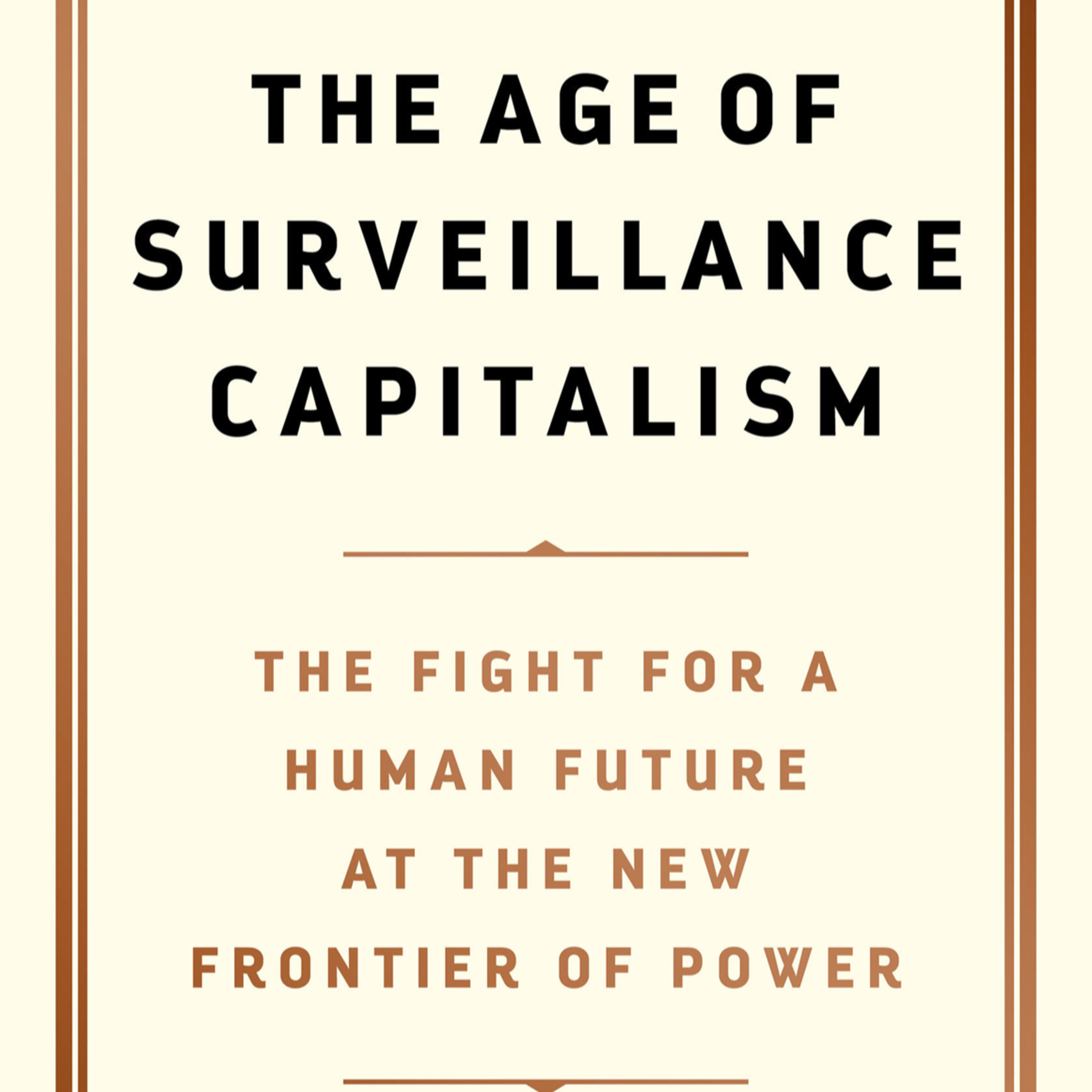 The Age of Surveillance Capitalism — When Prediction Becomes Power 11.10.2026 52mWhat happens when predicting human behavior becomes a business—and greater certainty becomes a competitive advantage?Welcome to Crisis in Perception, where we examine the systems shaping our world.In The Age of Surveillance Capitalism: The Fight for a Human Future at the New Frontier of Power, Shoshana Zuboff argues that a distinctive form of capitalism has emerged around the extraction of human experience. Behavioral data are gathered, analyzed, and transformed into prediction products designed to anticipate what people will do now, soon, and later.This investigation traces the movement from behavioral surplus to behavioral futures markets and then toward what Zuboff calls economies of action: systems capable not only of observing behavior but of intervening in the environments where behavior occurs.The deeper issue is an asymmetry of knowledge and power. Zuboff describes this as a privatization of the “division of learning in society,” asking who possesses knowledge about human behavior, who gets to act on that knowledge, and ultimately who gets to decide who decides.The episode examines behavioral surplus, prediction, instrumentarian power, Big Other, self-determination, the right to the future tense, and the tension between democratic autonomy and systems designed to approximate behavioral certainty.📺 Watch on YouTube:https://youtu.be/Jnx7KcYofws❤️ Support / Episode Post on Patreon:https://www.patreon.com/CrisisinPerception/posts/age-of-when-172036889?utm_medium=clipboard_copy&utm_source=copyLink&utm_campaign=postshare_creator&utm_content=join_linkIf these ideas resonate, consider reading the work yourself or borrowing it from your local library. Supporting authors and libraries helps keep critical inquiry accessible.If you value systems-level analysis like this, please follow, rate, and share the project.This content was created using AI-assisted tools for research synthesis, structuring, and narration support. All analysis, framing, and editorial decisions are guided by human judgment as part of the Crisis in Perception project.
 -
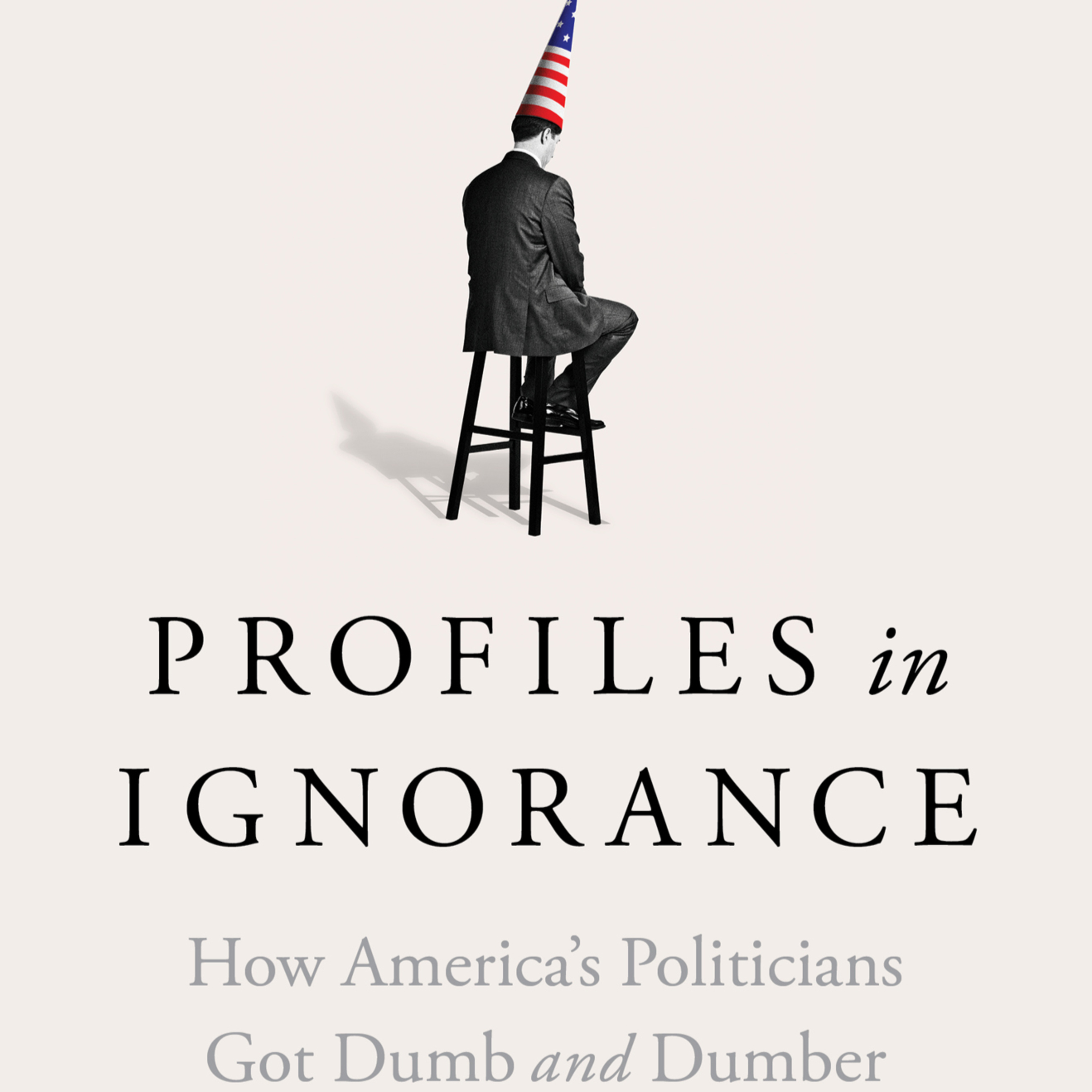 Profiles in Ignorance: How America's Politicians Got Dumb and Dumber — When Ignorance Pays 11.10.2026 48mWhat happens when not knowing stops carrying a political cost—and begins carrying a political reward?Welcome to Crisis in Perception, where we examine the systems shaping our world.In Profiles in Ignorance: How America's Politicians Got Dumb and Dumber, Andy Borowitz traces what he describes as the evolution of political ignorance through three stages: Ridicule, Acceptance, and Celebration.Using political figures from Ronald Reagan and Dan Quayle through George W. Bush, Sarah Palin, and Donald Trump, Borowitz examines how attitudes toward knowledge and expertise changed alongside television, campaign strategy, partisan media, and the internet.This episode investigates the broader system behind that transformation: media rewards attention, campaigns adapt to what succeeds, audiences reinforce those strategies, and repeated success can gradually alter political expectations. The central tension is between expertise and relatability—and between democratic error correction and an information environment that can reward simplicity, certainty, identity, and spectacle.The investigation also follows Borowitz's conclusion beyond education alone, examining his emphasis on local participation, listening, organizing, deep canvassing, and storytelling as potential mechanisms for strengthening democratic engagement.Central systems include media incentives, political performance, partisan identity, information fragmentation, feedback loops, and democratic error correction.📺 Watch on YouTube:https://youtu.be/qU0FCS-bBQ8❤️ Support / Episode Post on Patreon:https://www.patreon.com/CrisisinPerception/posts/profiles-in-how-172036364?utm_medium=clipboard_copy&utm_source=copyLink&utm_campaign=postshare_creator&utm_content=join_linkIf these ideas resonate, consider reading the work yourself or borrowing it from your local library. Supporting authors and libraries helps keep critical inquiry accessible.If you value systems-level analysis like this, please follow, rate, and share the project.This content was created using AI-assisted tools for research synthesis, structuring, and narration support. All analysis, framing, and editorial decisions are guided by human judgment as part of the Crisis in Perception project.
 -
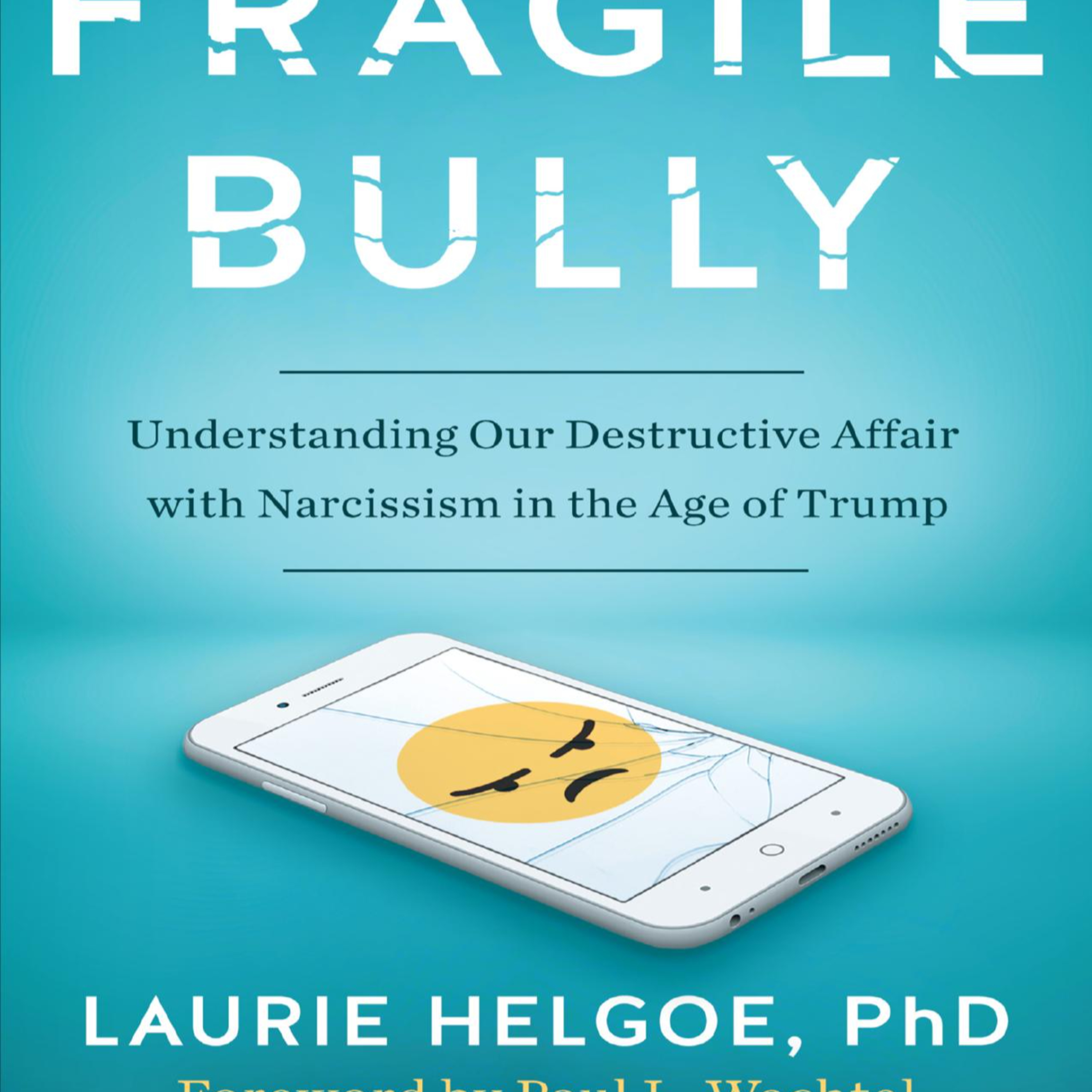 Fragile Bully: Understanding Our Destructive Affair with Narcissism in the Age of Trump 10.10.2026 52mWhy do narcissistic relationships and public conflicts become so difficult to escape—even when everyone recognizes that something is wrong?Welcome to Crisis in Perception, where we examine the systems shaping our world.Using Fragile Bully: Understanding Our Destructive Affair with Narcissism in the Age of Trump by Laurie Helgoe, PhD, this investigation examines the interaction between grandiosity, vulnerability, external validation, and destructive behavioral reinforcement.Helgoe challenges the assumption that narcissism can be understood entirely by examining one difficult individual. Drawing on cyclical psychodynamics and the myth of Narcissus and Echo, she explores how attempts to reassure, accommodate, retaliate against, or distance ourselves from problematic behavior can become part of recurring relational patterns.The investigation extends from intimate relationships into political culture, where provocation, emotional identification, and media attention can create similar cycles of reinforcement. Helgoe's Trump-era examples provide a historically situated lens into how individual psychological dynamics can interact with broader social incentives.At the center is a transferable systems principle: behaviors persist not only because of their origins, but also because of the responses they continue to produce.📺 Watch on YouTube:https://youtu.be/cEQTh2TbfT0❤️ Support / Episode Post on Patreon:https://www.patreon.com/CrisisinPerception/posts/fragile-bully-in-171996661?utm_medium=clipboard_copy&utm_source=copyLink&utm_campaign=postshare_creator&utm_content=join_linkIf these ideas resonate, consider reading the work yourself or borrowing it from your local library. Supporting authors and libraries helps keep critical inquiry accessible.If you value systems-level analysis like this, please follow, rate, and share the project.This content was created using AI-assisted tools for research synthesis, structuring, and narration support. All analysis, framing, and editorial decisions are guided by human judgment as part of the Crisis in Perception project.
 -
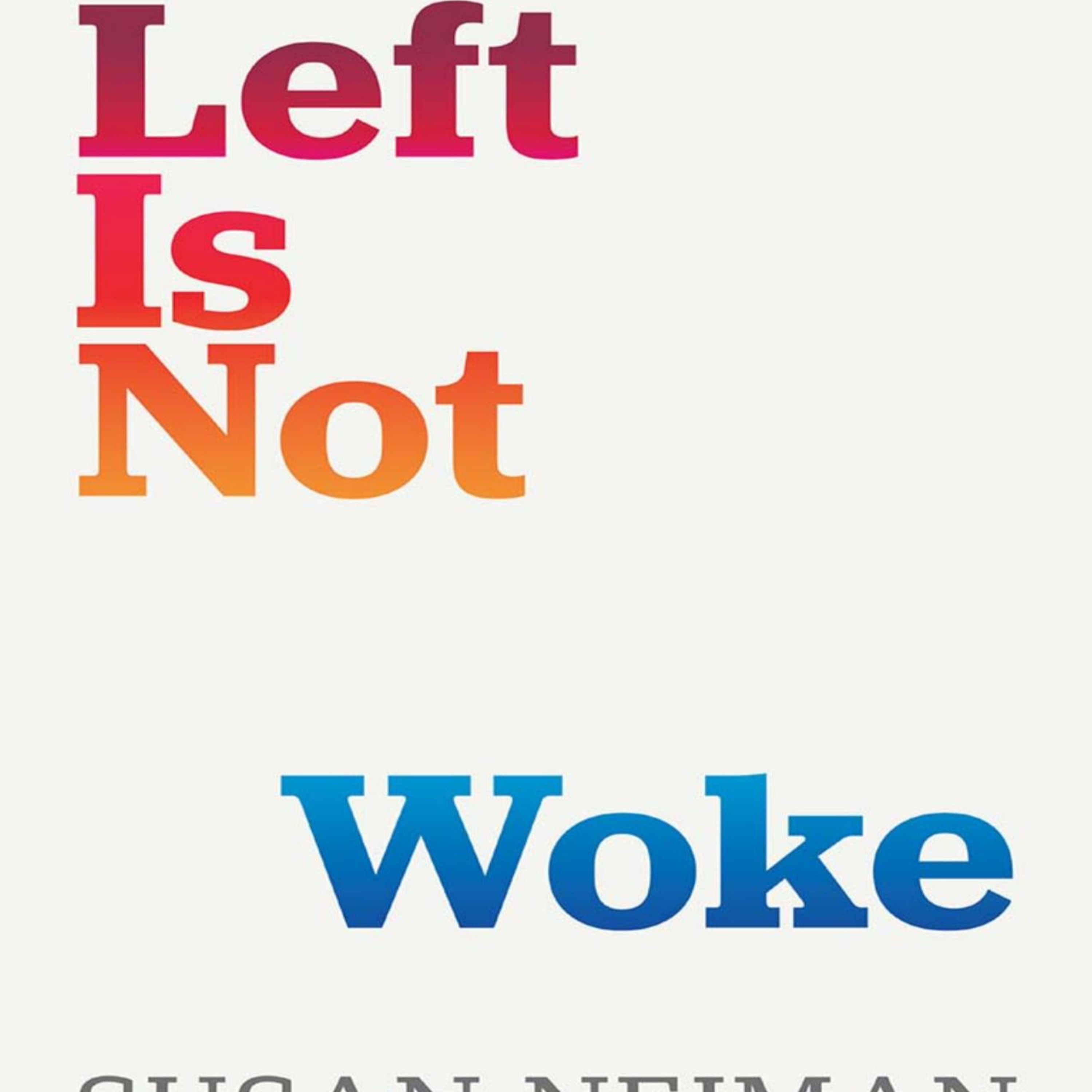 Left Is Not Woke — Can Universalism Survive Identity Politics? 10.10.2026 46mWhat happens when exposing the failures of universal ideals begins to erode confidence in the ideals themselves?Welcome to Crisis in Perception, where we examine the systems shaping our world.Using Left Is Not Woke by Susan Neiman as our lens, this investigation examines her argument that parts of the contemporary “woke” left have moved away from three principles she regards as essential to left-wing politics: universalism, the distinction between justice and power, and belief in the possibility of progress.Neiman’s concern is not simply that political movements have become too focused on identity. Her deeper argument is that repeated encounters with hypocrisy can produce a philosophy of suspicion. Universal claims are interpreted as concealed interests, justice becomes difficult to distinguish from power, and political solidarity risks narrowing into competition among groups.The episode follows this tension through Neiman’s discussions of identity and victimhood, Enlightenment philosophy, human rights, Michel Foucault, Carl Schmitt, historical progress, and hope. The central question is whether universal principles should be abandoned because they have repeatedly been violated—or whether those principles provide the very standards needed to recognize and challenge those violations.Central themes include universalism and tribalism, justice and power, identity and solidarity, philosophical suspicion, Enlightenment ideals, and the possibility of progress.📺 Watch on YouTube:https://youtu.be/d4I9Zo-JTr8❤️ Support / Episode Post on Patreon:https://www.patreon.com/CrisisinPerception/posts/left-is-not-woke-171993980?utm_medium=clipboard_copy&utm_source=copyLink&utm_campaign=postshare_creator&utm_content=join_linkIf these ideas resonate, consider reading the work yourself or borrowing it from your local library. Supporting authors and libraries helps keep critical inquiry accessible.If you value systems-level analysis like this, please follow, rate, and share the project.This content was created using AI-assisted tools for research synthesis, structuring, and narration support. All analysis, framing, and editorial decisions are guided by human judgment as part of the Crisis in Perception project.
 -
 The List: A Week-by-Week Reckoning of Trump’s First Year — How Abnormal Becomes Normal 10.10.2026 25mWhat happens when political events arrive so quickly that yesterday’s shock becomes today’s baseline?Welcome to Crisis in Perception, where we examine the systems shaping our world.Using The List: A Week-by-Week Reckoning of Trump’s First Year by Amy Siskind as its lens, this episode investigates how information overload, shifting expectations, public memory, and institutional norms interact during periods of rapid political disruption.Siskind began recording weekly events she considered “not normal” after reading warnings from scholars of authoritarianism about the importance of documenting gradual changes. As the lists expanded, the project revealed another problem: people were not simply forgetting individual events. Their reference point for what counted as unusual was changing.The investigation follows that mechanism from attention scarcity to normalization and asks why a chronological record can function as an external memory system. Central themes include shifting baselines, democratic norms, media attention, institutional accountability, repetition, and the tension between psychological adaptation and historical memory.📺 Watch on YouTube:https://youtu.be/TXX3H7oin4E❤️ Support / Episode Post on Patreon:https://www.patreon.com/CrisisinPerception/posts/list-week-by-of-171991611?utm_medium=clipboard_copy&utm_source=copyLink&utm_campaign=postshare_creator&utm_content=join_linkIf these ideas resonate, consider reading the work yourself or borrowing it from your local library. Supporting authors and libraries helps keep critical inquiry accessible.If you value systems-level analysis like this, please follow, rate, and share the project.This content was created using AI-assisted tools for research synthesis, structuring, and narration support. All analysis, framing, and editorial decisions are guided by human judgment as part of the Crisis in Perception project.
 -
 American Fascists: The Christian Right and the War on America — When Certainty Becomes Power 10.10.2026 36mWhat turns religious conviction into a system of political obedience?Welcome to Crisis in Perception, where we examine the systems shaping our world.Using American Fascists: The Christian Right and the War on America by Chris Hedges as our lens, this Version 2 remaster examines Hedges’s argument that radical Christian dominionism can convert religious certainty into a broader system of authoritarian political power.The investigation traces a feedback loop connecting despair, isolation, belonging, moral certainty, hierarchical authority, closed information systems, persecution narratives, and political mobilization. Hedges argues that people experiencing social and personal dislocation can be drawn toward communities that promise certainty and purpose. The danger emerges when maintaining that certainty requires surrendering doubt, treating leaders as sacred authorities, and transforming political opponents into existential enemies.Umberto Eco’s “Eternal Fascism,” reprinted in the book, provides a comparative framework for examining recurring authoritarian tendencies without reducing the investigation to a simple historical analogy.At the center of the episode is a larger question: how can democratic societies provide belonging and meaning without allowing certainty to become a justification for suppressing pluralism, evidence, and independent judgment?📺 Watch on YouTube:https://youtu.be/5rhAH2Gd3VQ❤️ Support / Episode Post on Patreon:https://www.patreon.com/CrisisinPerception/posts/american-right-171989672?utm_medium=clipboard_copy&utm_source=copyLink&utm_campaign=postshare_creator&utm_content=join_linkIf these ideas resonate, consider reading the work yourself or borrowing it from your local library. Supporting authors and libraries helps keep critical inquiry accessible.If you value systems-level analysis like this, please follow, rate, and share the project.This content was created using AI-assisted tools for research synthesis, structuring, and narration support. All analysis, framing, and editorial decisions are guided by human judgment as part of the Crisis in Perception project.
 -
 Gangsters of Capitalism — How Wall Street and the Military Built an American Empire (Remastered) 10.10.2026 39mWhat happens when a democracy builds systems of coercion abroad—and then discovers that those systems can reshape politics at home?Welcome to Crisis in Perception, where we examine the systems shaping our world.This remastered investigation revisits Gangsters of Capitalism: Smedley Butler, the Marines, and the Making and Breaking of America's Empire by Jonathan M. Katz.Katz follows Major General Smedley Butler through the expansion of American power across Latin America, the Caribbean, and Asia. Butler participated in interventions that protected strategic, financial, and corporate interests before becoming an outspoken critic of the system he had helped enforce.The episode traces an imperial feedback loop: economic and strategic interests encourage intervention; intervention creates institutions of control; resistance produces further coercion; and distance from the consequences makes those practices easier to forget at home.Haiti's occupation and forced-labor corvée provide one of the clearest examples. Butler's later antiwar politics, War Is a Racket, and his testimony concerning the Business Plot then raise a more unsettling question: what happens when methods tolerated in the defense of power abroad begin to influence political possibilities at home?Central themes include American empire, military intervention, financial power, occupation, institutional persistence, historical memory, authoritarianism, and democratic vulnerability.📺 Watch on YouTube:https://youtu.be/PhlWrDkZ1ZU❤️ Support / Episode Post on Patreon:https://www.patreon.com/CrisisinPerception/posts/gangsters-of-how-171988854?utm_medium=clipboard_copy&utm_source=copyLink&utm_campaign=postshare_creator&utm_content=join_linkIf these ideas resonate, consider reading the work yourself or borrowing it from your local library. Supporting authors and libraries helps keep critical inquiry accessible.If you value systems-level analysis like this, please follow, rate, and share the project.This content was created using AI-assisted tools for research synthesis, structuring, and narration support. All analysis, framing, and editorial decisions are guided by human judgment as part of the Crisis in Perception project.
 -
 God's Chaos Candidate: Donald J. Trump and the American Unraveling — Cultural Power and Perception 10.10.2026 38mWhat happens when political disagreement becomes evidence of a much larger struggle over who gets to shape culture?Welcome to Crisis in Perception, where we examine the systems shaping our world.Using God's Chaos Candidate: Donald J. Trump and the American Unraveling by Lance Wallnau as our lens, this episode examines the larger institutional and religious framework through which Wallnau interpreted the 2016 election.Wallnau argues that America was entering a “Fourth Crucible” and portrays progressive political networks as having accumulated influence across seven major cultural spheres. Within this framework, Donald Trump becomes an unconventional “wrecking ball” and possible Cyrus-like figure capable of disrupting an institutional trajectory Wallnau believes threatens conservative Christianity and the country itself.The investigation moves beyond the campaign argument to examine political mobilization through perceived institutional capture. It traces the interaction of cultural threat, media distrust, religious identity, elite power, outsider politics, and prophetic interpretation while distinguishing the author’s documented examples from his broader ideological and theological conclusions.Central systems include institutional power, cultural influence, political mobilization, belief formation, media framing, identity, and reinforcing feedback loops.📺 Watch on YouTube:https://youtu.be/-m2W0eb8XGA❤️ Support / Episode Post on Patreon:https://www.patreon.com/CrisisinPerception/posts/gods-chaos-j-and-171952478?utm_medium=clipboard_copy&utm_source=copyLink&utm_campaign=postshare_creator&utm_content=join_linkIf these ideas resonate, consider reading the work yourself or borrowing it from your local library. Supporting authors and libraries helps keep critical inquiry accessible.If you value systems-level analysis like this, please follow, rate, and share the project.This content was created using AI-assisted tools for research synthesis, structuring, and narration support. All analysis, framing, and editorial decisions are guided by human judgment as part of the Crisis in Perception project.
 -
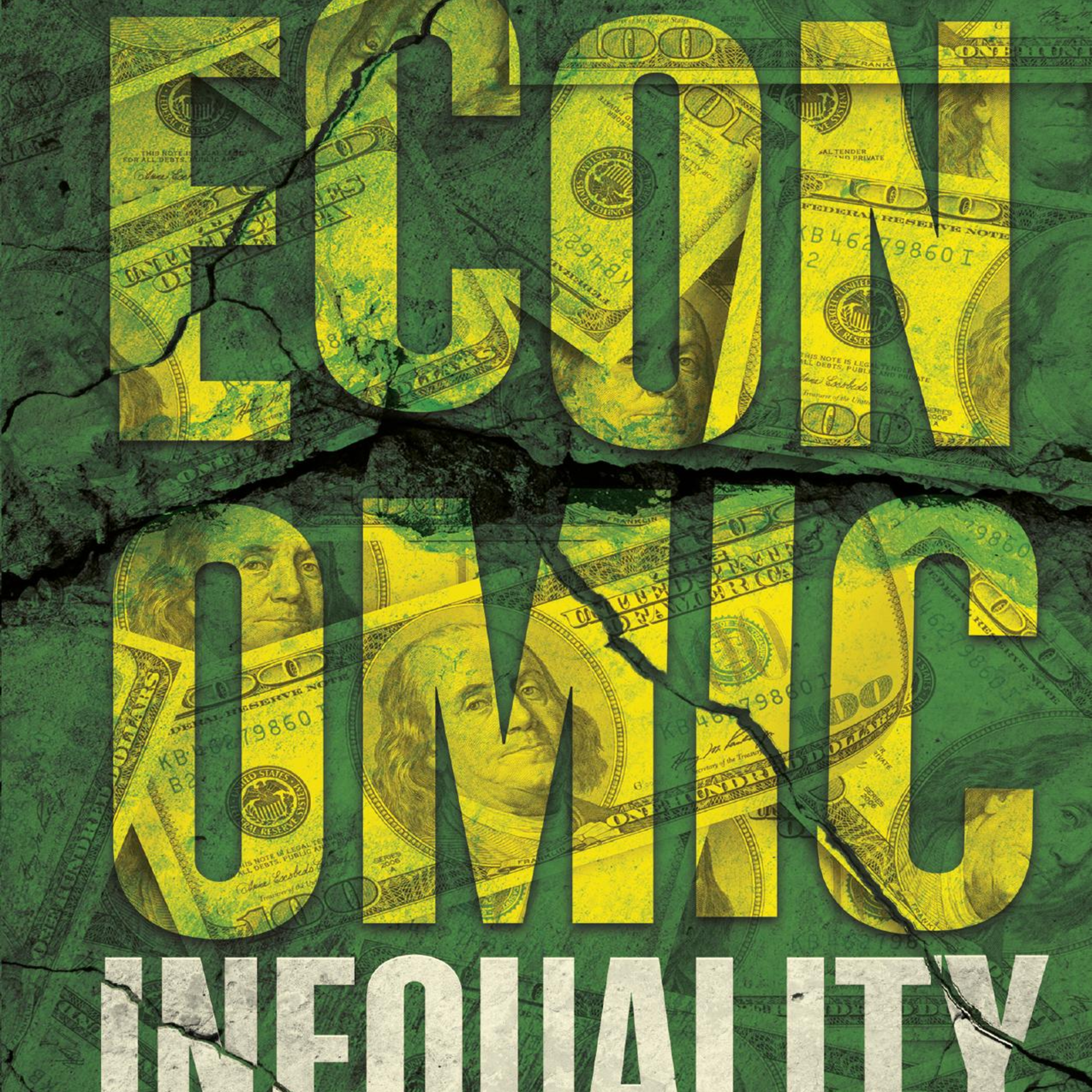 Economic Inequality: The American Dream Under Siege — Who Gets the Gains? 10.10.2026 50mEconomic growth can create extraordinary prosperity without distributing its rewards evenly. What determines who actually receives the gains?Welcome to Crisis in Perception, where we examine the systems shaping our world.Using Economic Inequality: The American Dream Under Siege by Coral Celeste Frazer as our lens, this Deep Dive traces the historical forces that have repeatedly widened and narrowed inequality in the United States.From industrialization and the Gilded Age to the Great Depression, wartime mobilization, postwar prosperity, deindustrialization, outsourcing, automation, and declining union strength, Frazer shows that inequality changes alongside institutions and bargaining power.The investigation follows the deeper feedback loop connecting wealth, wages, political influence, education, opportunity, and intergenerational advantage. The central question is not only how much wealth an economy creates, but what determines where that wealth—and the power associated with it—ultimately goes.Central systems include labor bargaining power, wealth accumulation, political influence, social mobility, taxation, and institutional feedback loops.📺 Watch on YouTube:https://youtu.be/5iBqxMBXX4s❤️ Support / Episode Post on Patreon:https://www.patreon.com/CrisisinPerception/posts/economic-dream-171951357?utm_medium=clipboard_copy&utm_source=copyLink&utm_campaign=postshare_creator&utm_content=join_linkIf these ideas resonate, consider reading the work yourself or borrowing it from your local library. Supporting authors and libraries helps keep critical inquiry accessible.If you value systems-level analysis like this, please follow, rate, and share the project.This content was created using AI-assisted tools for research synthesis, structuring, and narration support. All analysis, framing, and editorial decisions are guided by human judgment as part of the Crisis in Perception project.
 -
 Against the Terror of Neoliberalism: Politics Beyond the Age of Greed — When Markets Shape Democracy 09.10.2026 37mWhat happens when the market stops being an economic tool and becomes a model for citizenship itself?Welcome to Crisis in Perception, where we examine the systems shaping our world.Using Against the Terror of Neoliberalism: Politics Beyond the Age of Greed by Henry A. Giroux as our lens, this Deep Dive investigates Giroux’s argument that neoliberalism is more than an economic program. It also operates as public pedagogy, shaping how people understand freedom, responsibility, citizenship, public institutions, and the common good.Situated in the Bush-Cheney and post-9/11 era, Giroux connects neoliberalism to concentrated corporate power, the weakening of public institutions, militarization, surveillance, media consolidation, and what he describes as an emerging authoritarian political culture. The episode treats these claims as Giroux’s analytical framework while examining the mechanisms he believes connect them.The deeper system involves normalization. As market assumptions become embedded across government, media, education, and culture, political choices can begin to appear inevitable or simply natural. Public problems are increasingly translated into private responsibilities, citizens become consumers, and democratic spaces for collective deliberation can shrink.Giroux ultimately counters this process with the idea of educated hope: the cultivation of critical education, democratic public spheres, civic participation, and collective agency capable of making dominant assumptions visible and contestable.Central themes include neoliberalism as public pedagogy, market liberty versus democratic freedom, media power, militarization, the politics of disposability, and the relationship between critical education and democratic citizenship.📺 Watch on YouTube:https://youtu.be/YJyQPmhV7jc❤️ Support / Episode Post on Patreon:https://www.patreon.com/CrisisinPerception/posts/against-terror-171922718?utm_medium=clipboard_copy&utm_source=copyLink&utm_campaign=postshare_creator&utm_content=join_linkIf these ideas resonate, consider reading the work yourself or borrowing it from your local library. Supporting authors and libraries helps keep critical inquiry accessible.If you value systems-level analysis like this, please follow, rate, and share the project.This content was created using AI-assisted tools for research synthesis, structuring, and narration support. All analysis, framing, and editorial decisions are guided by human judgment as part of the Crisis in Perception project.
 -
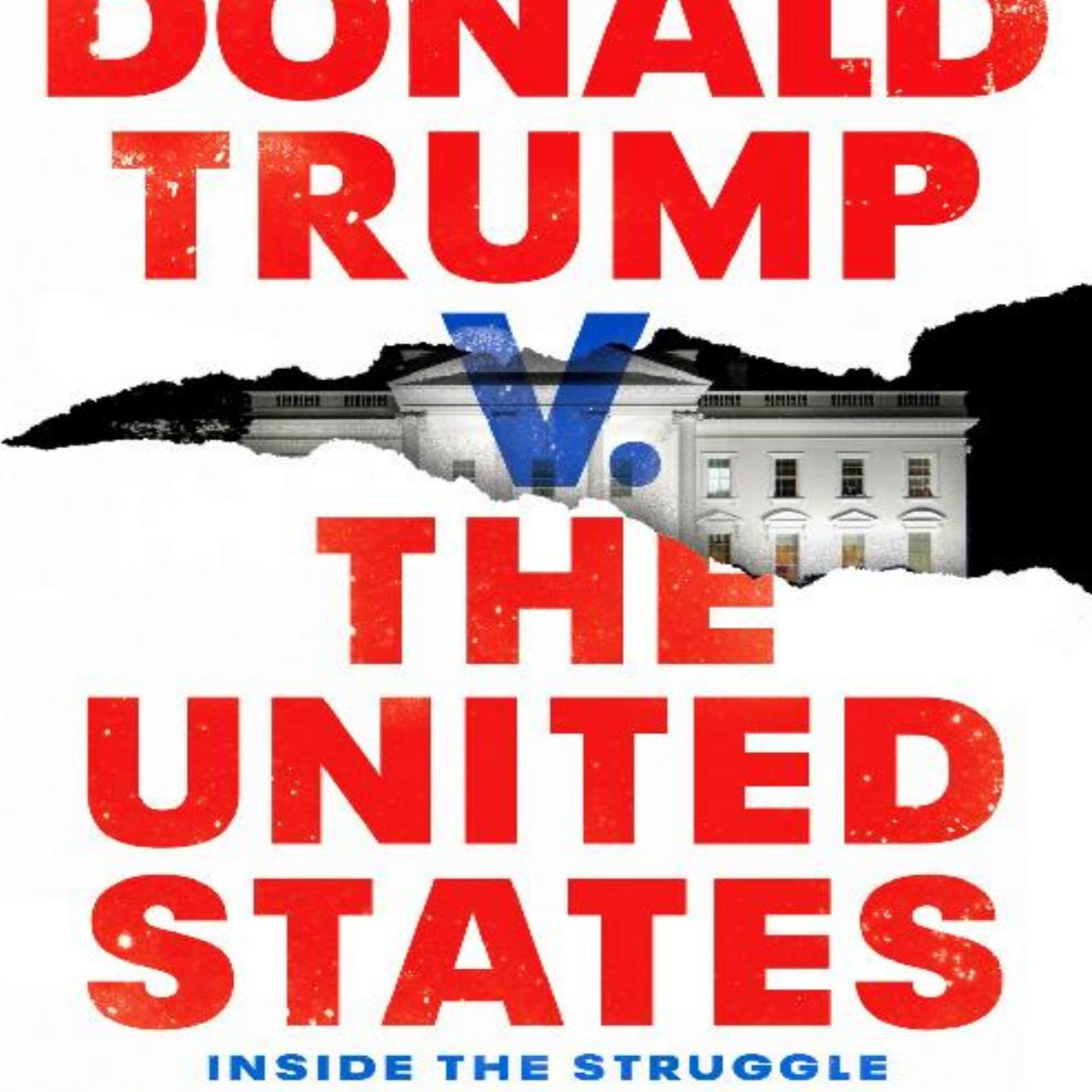 Donald Trump v. The United States: Inside the Struggle to Stop a President — Loyalty vs. Rule of Law 09.10.2026 44mWhat happens when the safeguards around presidential power depend on whether individual officials are willing to enforce them?Welcome to Crisis in Perception, where we examine the systems shaping our world.Using Donald Trump v. The United States: Inside the Struggle to Stop a President by Michael S. Schmidt as our lens, this Deep Dive examines the tension between presidential authority, personal loyalty, and institutional independence.Schmidt follows figures including James Comey and Donald McGahn as they confront extraordinary pressure inside the executive branch. Their experiences reveal a deeper institutional problem: checks and balances are not simply constitutional mechanisms operating automatically in the background. They depend on people interpreting their responsibilities, defending professional boundaries, documenting decisions, and sometimes resisting the person with authority over their careers.The investigation moves from the Clinton email inquiry and Trump’s requests for loyalty through Comey’s firing, the Mueller investigation, McGahn’s resistance to efforts to remove Mueller, and the struggle over institutional credibility. The larger question is not simply what particular officials did, but what makes institutional guardrails strong enough to survive when power pushes against them.Central themes include presidential power, institutional independence, professional duty, informal norms, incentives, accountability, and the fragile human infrastructure behind formal checks and balances.📺 Watch on YouTube:https://youtu.be/fcyLm_1VbhY❤️ Support / Episode Post on Patreon:https://www.patreon.com/CrisisinPerception/posts/donald-trump-v-171915117?utm_medium=clipboard_copy&utm_source=copyLink&utm_campaign=postshare_creator&utm_content=join_linkIf these ideas resonate, consider reading the work yourself or borrowing it from your local library. Supporting authors and libraries helps keep critical inquiry accessible.If you value systems-level analysis like this, please follow, rate, and share the project.This content was created using AI-assisted tools for research synthesis, structuring, and narration support. All analysis, framing, and editorial decisions are guided by human judgment as part of the Crisis in Perception project.
 -
 The View from Flyover Country: Dispatches from the Forgotten America — Who Gets to Climb? 09.10.2026 26mWhat if the American ladder of opportunity still appears functional because its missing rungs are most visible to the people trying to climb from below?Welcome to Crisis in Perception, where we examine the systems shaping our world.In The View from Flyover Country: Dispatches from the Forgotten America, Sarah Kendzior examines economic decline and shrinking opportunity from the perspective of workers, students, artists, families, and communities frequently overlooked in national narratives about prosperity and recovery.Kendzior argues that many problems commonly treated as failures of personal responsibility are rooted in structural change. Stable employment becomes contingent work. Entry-level positions become unpaid internships. Higher education becomes more expensive while offering less security. Creative and professional opportunities concentrate in cities whose cost of living increasingly excludes anyone without financial backing.This Deep Dive investigates the resulting architecture of opportunity: how insecurity, credentialism, geographic inequality, gentrification, inherited advantage, and professional gatekeeping can reinforce one another. When wealth helps determine who can afford to gain experience, take risks, relocate, or work without pay, privilege can be converted into credentials and then mistaken for merit.At the center of the investigation is a difficult tension: individuals still make choices, but those choices take place inside systems that distribute risks and options very differently.📺 Watch on YouTube:https://youtu.be/pUBHu3NVIFE❤️ Support / Episode Post on Patreon:https://www.patreon.com/CrisisinPerception/posts/view-from-from-171903094?utm_medium=clipboard_copy&utm_source=copyLink&utm_campaign=postshare_creator&utm_content=join_linkIf these ideas resonate, consider reading the work yourself or borrowing it from your local library. Supporting authors and libraries helps keep critical inquiry accessible.If you value systems-level analysis like this, please follow, rate, and share the project.This content was created using AI-assisted tools for research synthesis, structuring, and narration support. All analysis, framing, and editorial decisions are guided by human judgment as part of the Crisis in Perception project.
 -
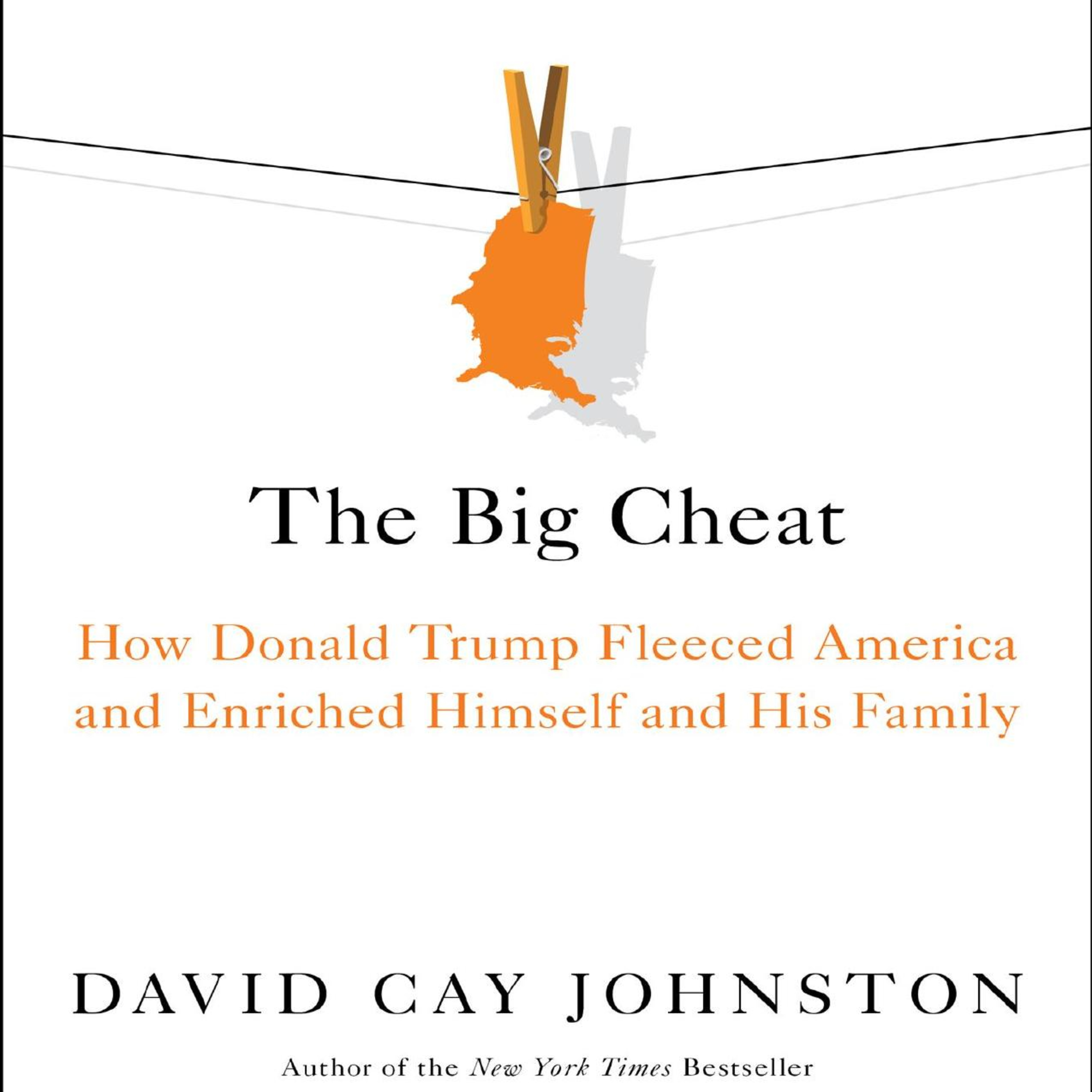 The Big Cheat: How Donald Trump Fleeced America and Enriched Himself and His Family — Power & Profit 08.10.2026 57mWhat happens when a reputation for extraordinary business success becomes political capital—and political power becomes entangled with private financial interests?Welcome to Crisis in Perception, where we examine the systems shaping our world.Using The Big Cheat: How Donald Trump Fleeced America and Enriched Himself and His Family by David Cay Johnston as our lens, this investigation examines the relationship between Donald Trump’s public image, political authority, private business interests, and institutional accountability.Johnston argues that Trump’s political identity rested partly on a carefully cultivated image of wealth, independence, and business competence. The book follows that image from real estate and television into presidential politics, then examines how public office interacted with Trump-family businesses, tax policy, the Washington hotel, financial disclosure battles, and investigations of the Trump Organization.The deeper system involves a feedback loop among reputation, political power, private economic advantage, legal resources, institutional caution, and delayed accountability. The central tension is between public trust and private interest: how effectively can democratic institutions oversee an officeholder whose personal financial interests remain connected to the authority of the office itself?Central systems and mechanisms include media amplification, branding, economic anxiety, conflicts of interest, incentive structures, institutional oversight, litigation delay, and financial opacity.📺 Watch on YouTube:https://youtu.be/TZ4-YNwk2oY❤️ Support / Episode Post on Patreon:https://www.patreon.com/CrisisinPerception/posts/big-cheat-how-171827216?utm_medium=clipboard_copy&utm_source=copyLink&utm_campaign=postshare_creator&utm_content=join_linkIf these ideas resonate, consider reading the work yourself or borrowing it from your local library. Supporting authors and libraries helps keep critical inquiry accessible.If you value systems-level analysis like this, please follow, rate, and share the project.This content was created using AI-assisted tools for research synthesis, structuring, and narration support. All analysis, framing, and editorial decisions are guided by human judgment as part of the Crisis in Perception project.
 -
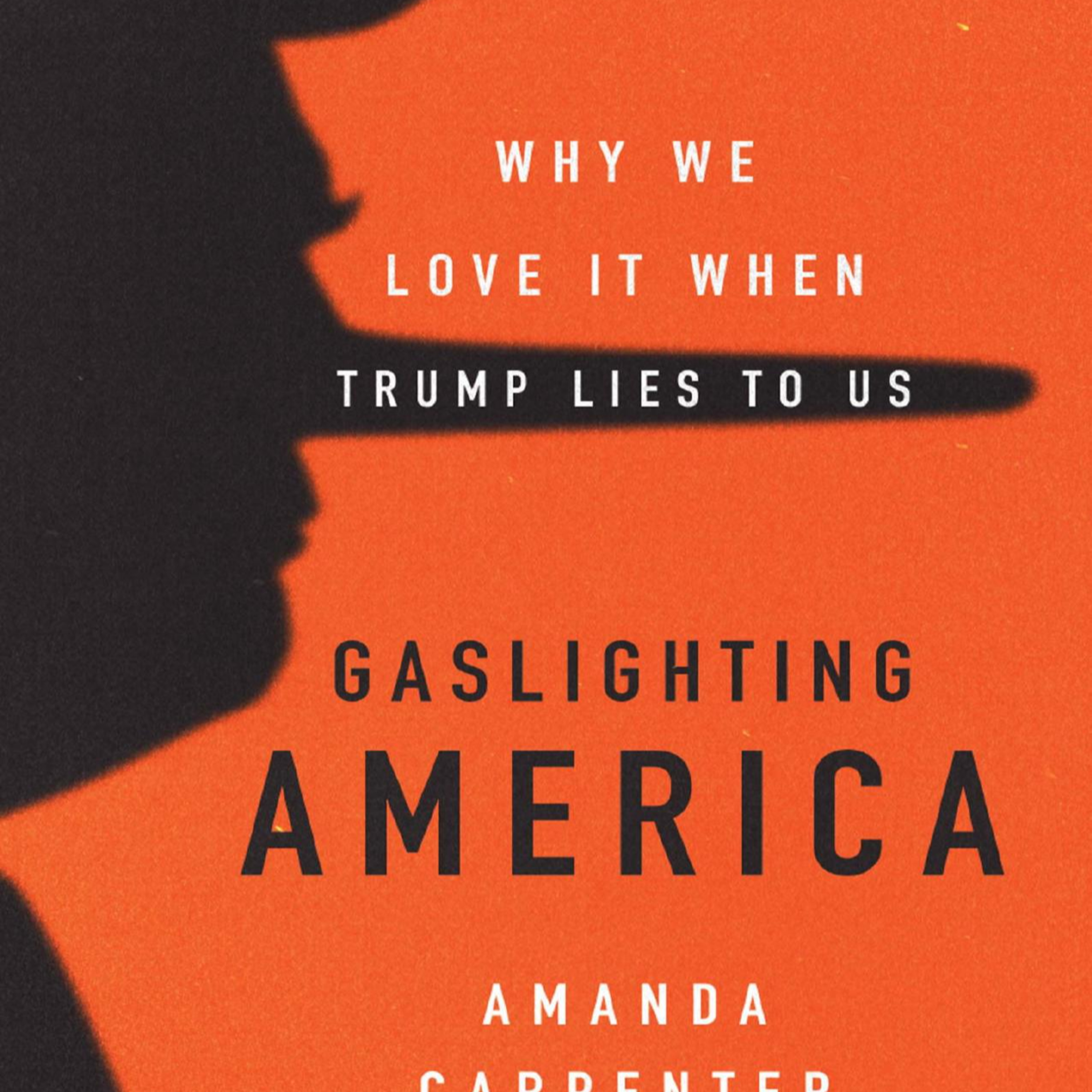 Gaslighting America: Why We Love It When Trump Lies to Us — How Attention Rewards Falsehoods 08.10.2026 39mWhat happens when correcting a political falsehood can also help keep it alive?Welcome to Crisis in Perception, where we examine the systems shaping our world.Using Gaslighting America: Why We Love It When Trump Lies to Us by Amanda Carpenter as our lens, this episode investigates Carpenter’s argument that Donald Trump’s 2016 political strategy repeatedly converted provocative claims into attention, conflict, loyalty, and political leverage.Carpenter identifies a five-step pattern: stake a claim, advance and deny, create suspense, discredit the opponent, and declare victory. Her account of birtherism provides a central example, but the larger system includes journalists, political parties, rivals, surrogates, voters, social media, and audiences whose different incentives can unintentionally reinforce the same narrative.The investigation focuses on the tension between correction and amplification. When controversy attracts attention, attention rewards coverage, and coverage increases political value, factual weakness does not necessarily make a narrative disappear. Carpenter’s later discussion of source evaluation and falsifiability offers a broader thinking tool for recognizing claims that become resistant to correction.Central systems include media attention, political incentives, partisan identity, information feedback loops, conspiracy thinking, and the relationship between evidence and engagement.📺 Watch on YouTube:https://youtu.be/qIvVJsyq9Ko❤️ Support / Episode Post on Patreon:https://www.patreon.com/CrisisinPerception/posts/gaslighting-why-171826329?utm_medium=clipboard_copy&utm_source=copyLink&utm_campaign=postshare_creator&utm_content=join_linkIf these ideas resonate, consider reading the work yourself or borrowing it from your local library. Supporting authors and libraries helps keep critical inquiry accessible.If you value systems-level analysis like this, please follow, rate, and share the project.This content was created using AI-assisted tools for research synthesis, structuring, and narration support. All analysis, framing, and editorial decisions are guided by human judgment as part of the Crisis in Perception project.
Podcasts similares


Popular en
Este podcast también aparece en las listas de podcasts de estos países.
