
Paper Podcast
Paper Podcast
0
This podcast features interviews with scientists about their favorite research papers. The show aims to give research a direct and honest voice by having scientists discuss the work they find most compelling. Each episode highlights a specific paper through the eyes of an expert. The tone is informal and enthusiastic, designed to make academic research accessible and personal.
Episodios
-
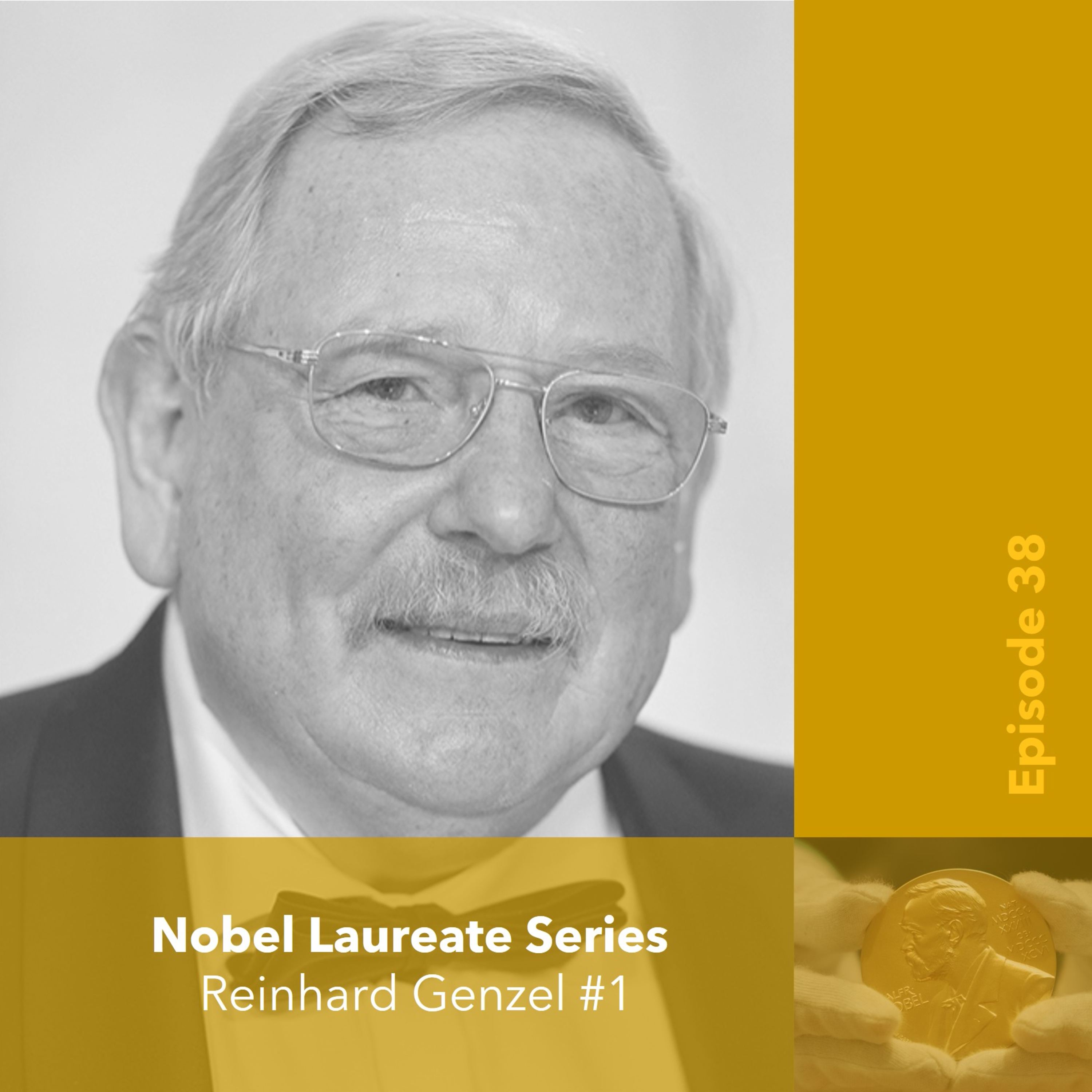 Episode 38: Reinhard Genzel (Nobel Prize in Physics): Measuring molecules, the universe, and our place in this world 12.09.2026 25m(German episode) Reinhard Genzel won the Nobel Prize in 2020 for the discovery of Sagittarius A*, the black hole in the center of our galaxy. Reinhard shares a story of becoming scientist and his work Charles Towns, the godfather of lasers and masers. The first laser is now still exhibited at the Max Planck Institutes in Garching (by Munich, Germany). Reinhard is one group leader there and uses infrared and submillimeter astronomy to investigate the universe. With us in this episode, Reinhard investigates not only questions about the universe but also political questions about the current U.S. and our role as a good society on Earth. Link to one favorite review: https://doi.org/10.1146/annurev.aa.25.090187.002113 Annual Review of Astronomy and Astrophysics (1987): Physical conditions, dynamics, and mass distribution in the center of the galaxyPhotographs on the cover: Courtesy and thanks for supporting the Paper Podcast to © Nobel Foundation. Photographs by Bernhard Ludewig and Clément Morin.
 -
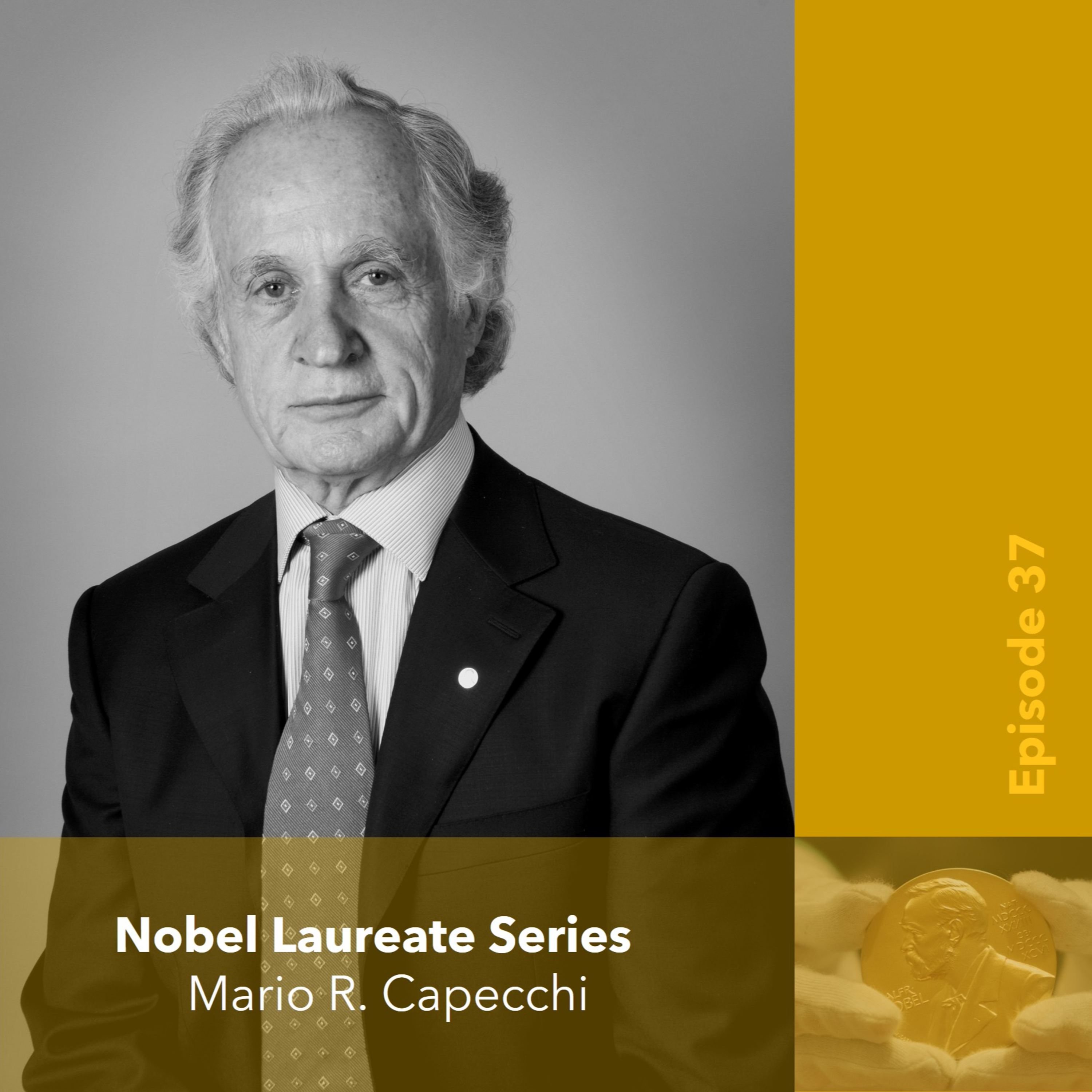 Episode 37: Mario R. Capecchi (Nobel Prize in Medicine and Physiology): The first knockout-mice and anxiety in pigs 05.09.2026 16mMario R. Capecchi won the Nobel Prize in 2007 for his work on the first knockout mice. Today, we widely take knockout mice and his methods for gene targeting for granted. They have become the standard for functional genetics and preclinical assessments. In this episode, Mario shares his view on giving the brain something to do. We talk about his early work on protein translation of viruses, about mice, and about HOX genes and their relationship to - soon - giving anxiety to pigs. Link to one favorite paper: https://doi.org/10.1016/j.ydbio.2021.10.007 Photographs on the cover: Courtesy with thanks for supporting the Paper Podcast to © Nobel Foundation. Photographers: Ulla Montan and Clément Morin.
 -
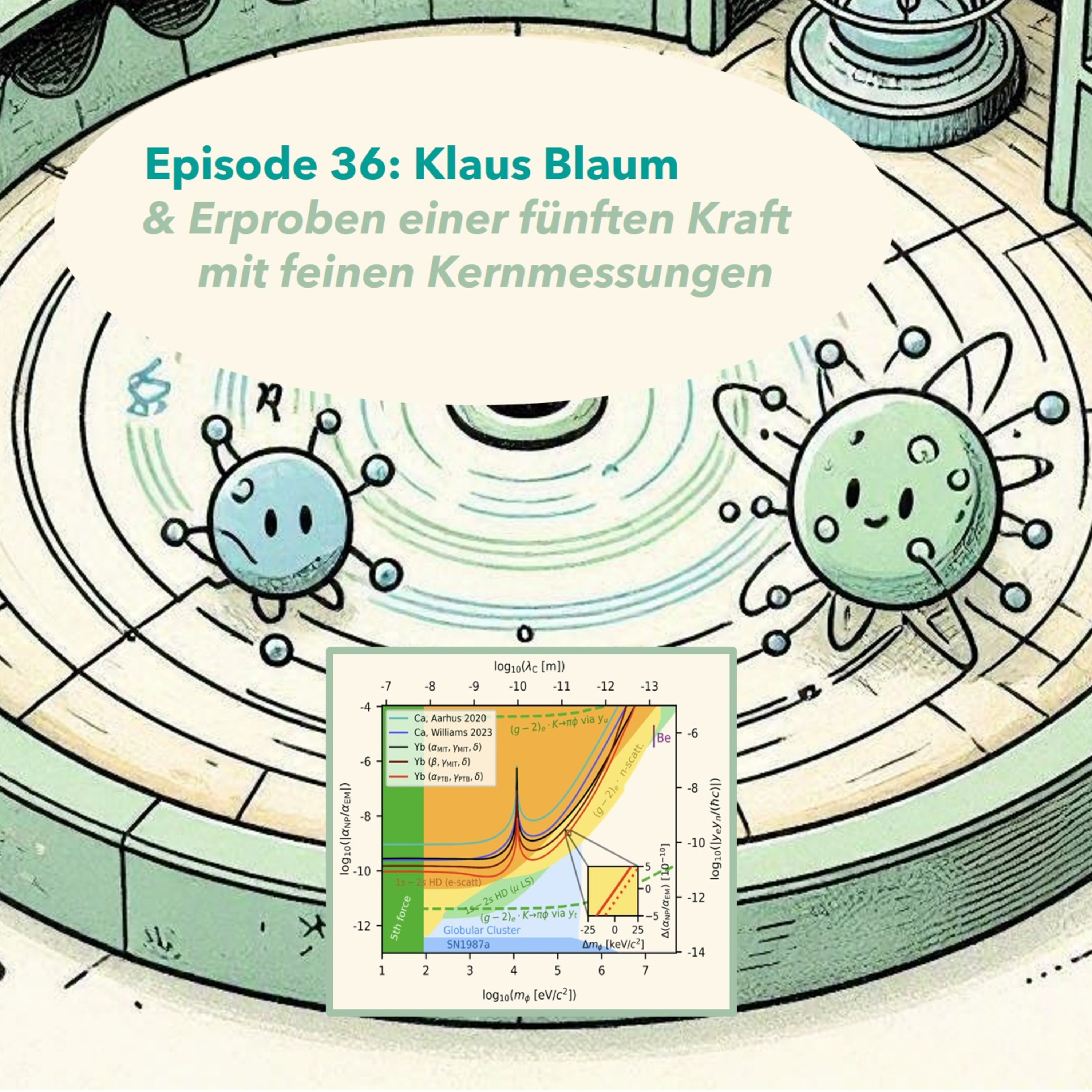 Episode 36: Klaus Blaum & Erproben einer fünften Kraft mit feinen Kernmessungen 23.08.2026 12mKlaus Blaum ist Direktor am Max-Planck-Institut für Kernphysik in Heidelberg. Seine Arbeitsgruppe hält Rekorde in den präzisesten Messungen von Kernmassen und der Elektronenmasse. In dieser Episode stellt uns Klaus zwei Publikationen vor, welche die Grenzen des Standardmodells austesten. Kombiniert man präzise bekannte Isotopenmassen mit genau gemessenen Frequenzverschiebungen eines bestimmten elektronischen Übergangs zwischen zwei Isotopen, lässt sich ein sogenannter King-Plot erstellen. Für Calcium und Ytterbium wurden dabei signifikante Abweichungen vom erwarteten linearen Zusammenhang gefunden. Diese Nichtlinearitäten konnte das Team um Blaum auf kleinste Deformationen der Atomkerne zurückführen, sowie auf einen möglichen zweiten Beitrag einer neuen, fünften Kraft. Dies könnte dem Standardmodell möglicherweise ein neues Boson hinzufügen und neue Einblicke in Dunkle Materie und ihre Wechselwirkungen ermöglichen. Physical Review Letters (2025): Probing New Bosons and Nuclear Structure with Ytterbium Isotope ShiftsLink to the paper: https://doi.org/10.1103/PhysRevLett.134.063002 Physical Review Letters (2025): Nonlinear Calcium King Plot Constrains New Bosons and Nuclear PropertiesLink to the paper: https://doi.org10.1103/PhysRevLett.134.233002
 -
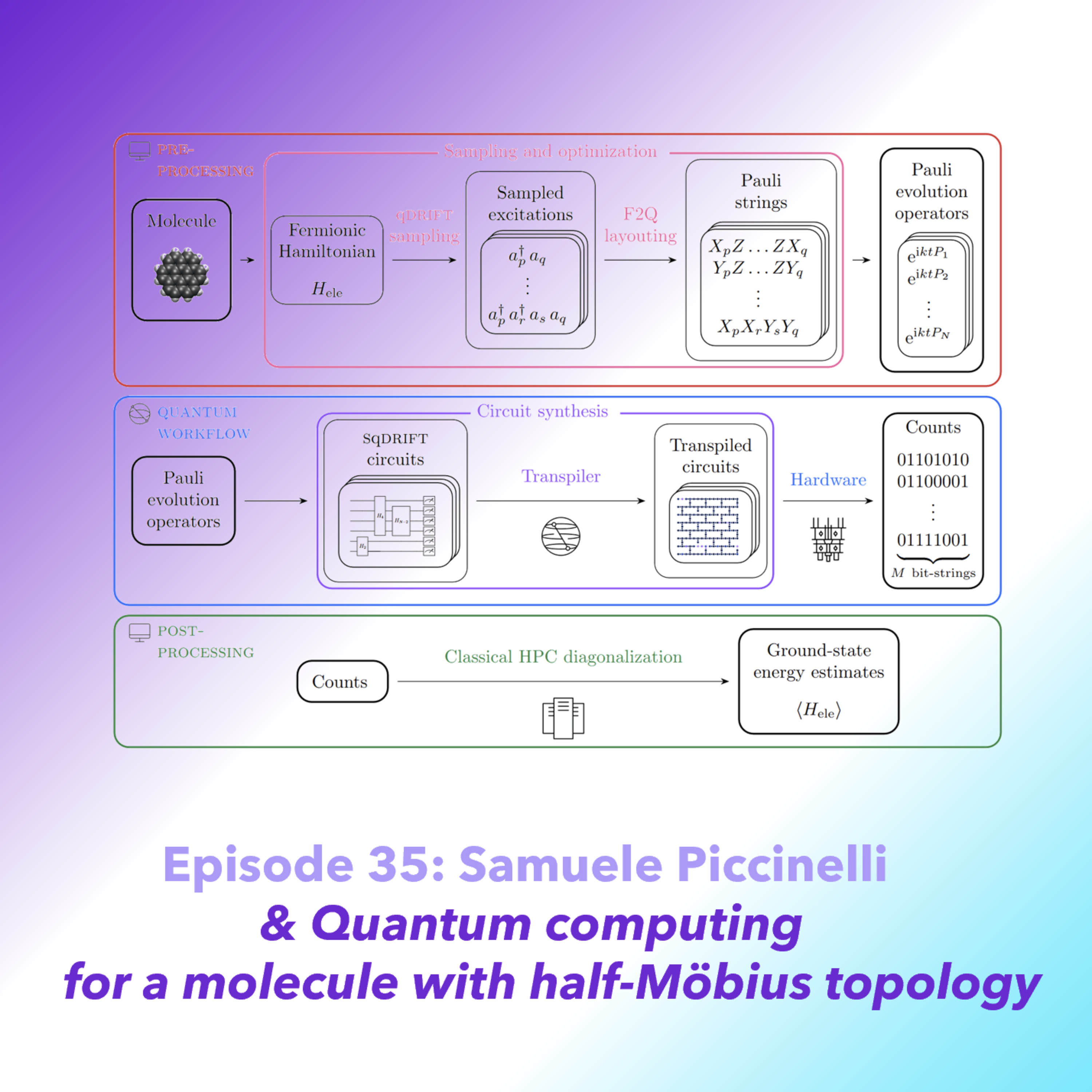 Episode 35: Samuele Piccinelli & Quantum computing for a molecule with half-Möbius topology 14.06.2026 15mToday, we talk about the algorithm and quantum chemical calculations behind the molecule with half-Möbius topology as Part 2 (for Part 1, see last episode). Samuele Piccinelli - PhD student at EPFL and IBM Zurich - discusses with us his path into physics and his intuition on quantum algorithmic design. He introduced SqDRIFT, the algorithm used to probe the unique electronic structure of the half-Möbius molecule, and shares his general notions on computational quantum chemistry and the possible directions of future advancements in the field.Science (2026): A molecule with half-Möbius topologyLink to the paper: https://doi.org/10.1126/science.aea3321 bioRxiv (2026): Quantum chemistry with provable convergence via randomized sample-based Krylov quantum diagonalizationLink to the paper: https://doi.org/10.48550/arXiv.2508.02578Further links: https://quantum.cloud.ibm.com/learning/en/courses/quantum-diagonalization-algorithms/skqd
 -
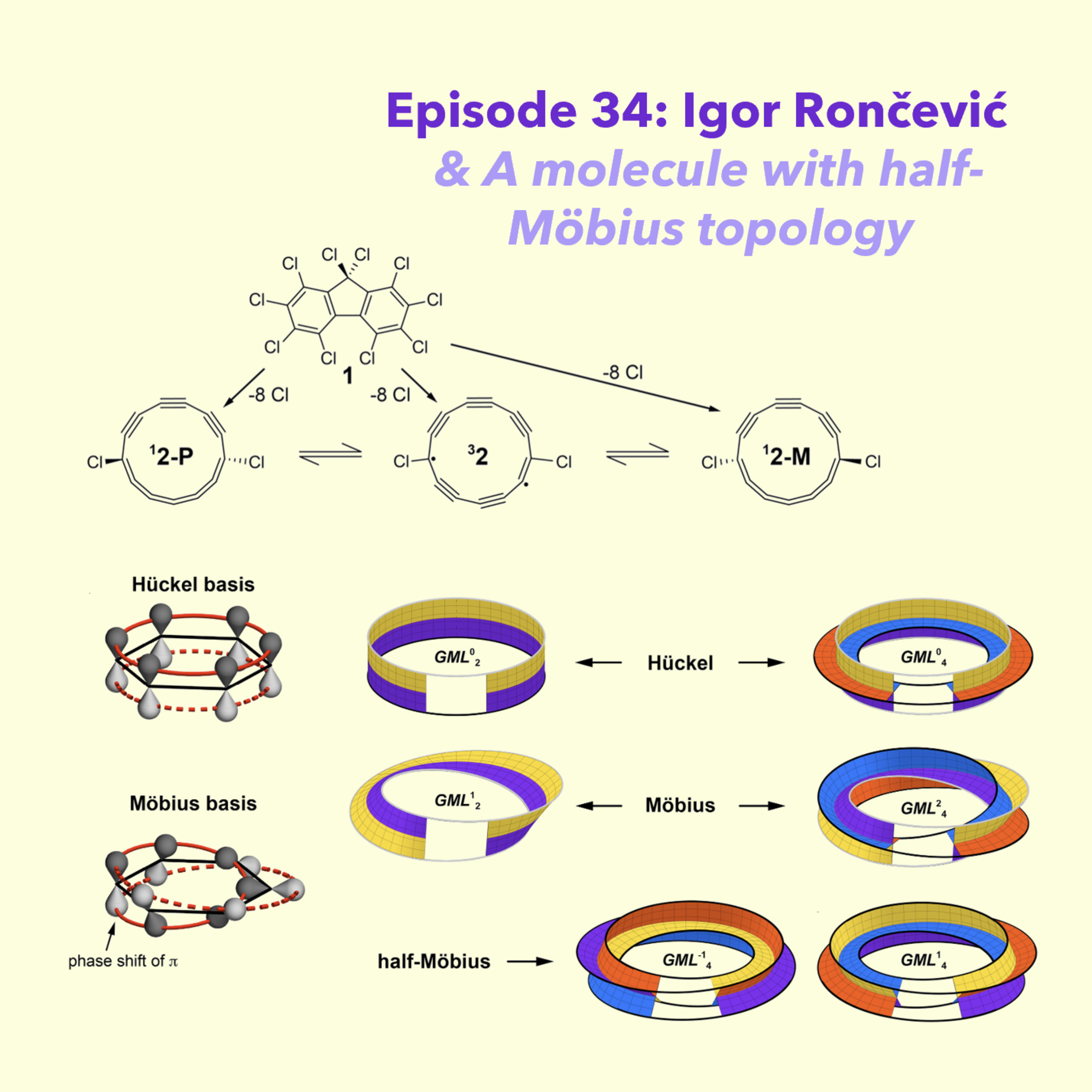 Episode 34: Igor Rončević & A molecule with half-Möbius topology 31.05.2026 29mRecently, a molecule with new electronic structure was constructed, atom-by-atom using atomic force methodology. Igor Rončević is the first author behind this recent Science paper and shares with us how the molecule's electronic properties can be understood, what Möbius and half-Möbius topology mean, why the molecule bends, and how he can actually flip between topologies of the molecule. It is a very interesting and kind conversation for every chemists and physicists to listen into :) Science (2026): A molecule with half-Möbius topologyLink to the paper: https://doi.org/10.1126/science.aea3321
 -
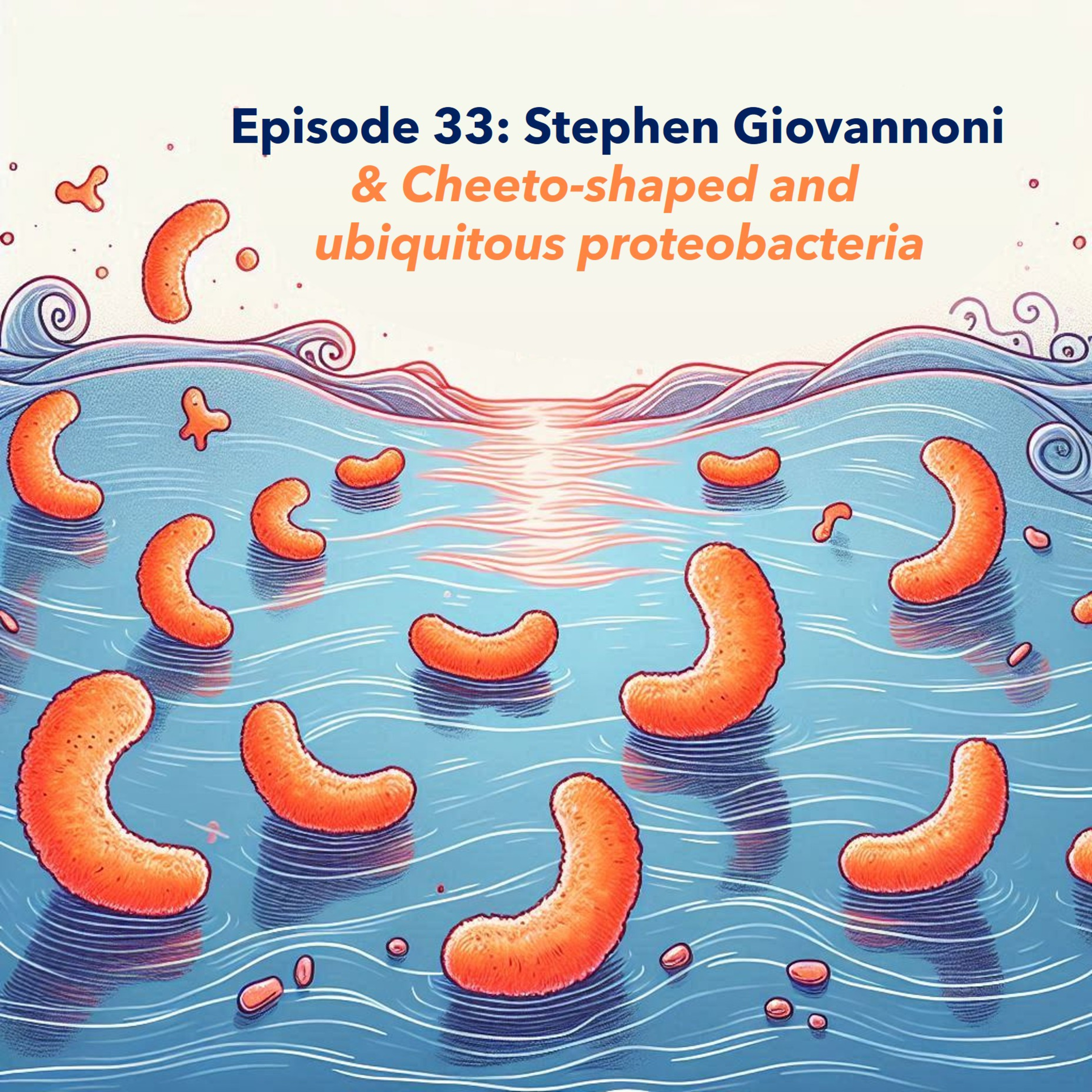 Episode 33: Stephen Giovannoni & Cheeto-shaped and ubiquitous proteobacteria 17.05.2026 12mDo we know what is in the ocean? In 2002, Stephen Giovannoni with his team discovered and cultured an extremely abundant and small proteobacterium, Candidatus pelagibacter, and with this we knew: We previously did not know about a quarter of the plankton in our oceans. Candidatus pelagibacter constitutes 25% of the global plankton population, is cheeto-shaped, and is hunted by an army of specialized SAR-11 viruses. Stephen Giovannoni discusses his love for cultivating rare bacteria, his high-throughput cultivation facility, and heartfelt advice on writing, finding collaboration and finding our paths.Nature (2002): Cultivation of the ubiquitous SAR11 marine bacterioplankton cladeLink to the paper: https://doi.org/10.1038/nature00917 Annual Reviews (2017): SAR11 Bacteria: The Most Abundant Plankton in the OceansLink to the paper: https://doi.org/10.1146/annurev-marine-010814-015934 Nature (2013): Abundant SAR11 viruses in the oceanLink to the paper: https://doi.org/10.1038/nature11921 Applied and Environmental Microbiology (2017): Three-Dimensional Structure of the Ultraoligotrophic Marine Bacterium “Candidatus Pelagibacter ubique”Link to the paper: https://doi.org/10.1128/AEM.02807-16
 -
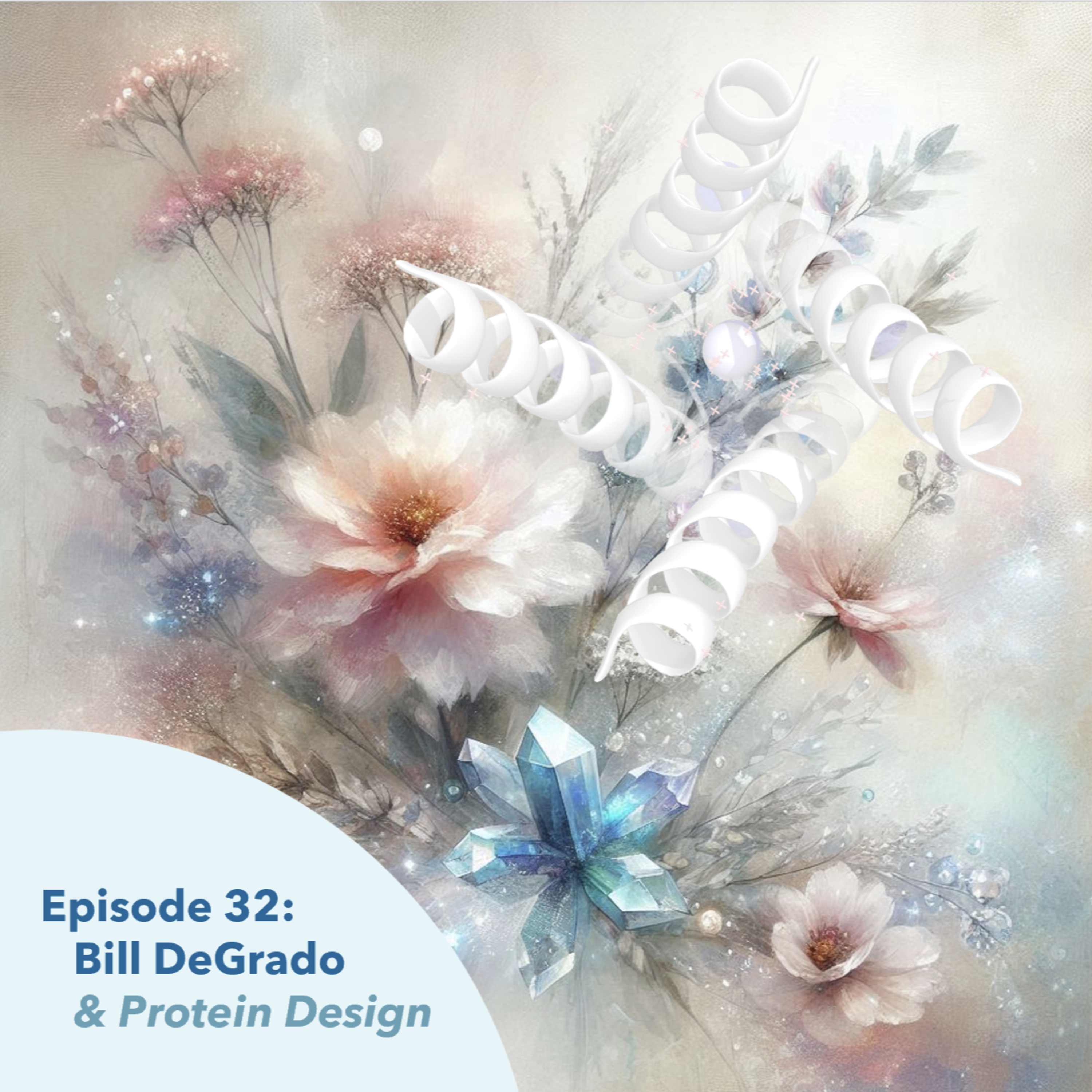 Episode 32 (70th Birthday): Bill DeGrado & Protein Design 05.04.2026 10mThis episode was recorded on 12th Sept. 2025. This marks Bill DeGrado's 70th birthday. Many thanks for what you did from the whole field! :)Bill DeGrado is one of the early protein designers who defined the field and coined the terms. His papers describe the first de novo designs, starting from helices to ion channels to catalytic centers. This episode is a kind mix of experiences shared as chemist and structural biologist. We talk about crystals, machine learning tools, and that life gives us both lemons and lemonade.Link to the paper: https://doi.org/10.1038/nature06528Nature (2008): Structural basis for the function and inhibition of an influenza virus proton channelLink to the paper: https://doi.org/10.1073/pnas.170562411PNAS (2017): XFEL structures of the influenza M2 proton channel: Room temperature water networks and insights into proton conductionLink to the paper: https://doi.org/10.1126/science.2464850Science (1989): Protein Design, A Minimalist ApproachLink to the paper: https://doi.org/10.1126/science.270.5238.935Nature (1995): Protein Design: A Hierarchical Approach
 -
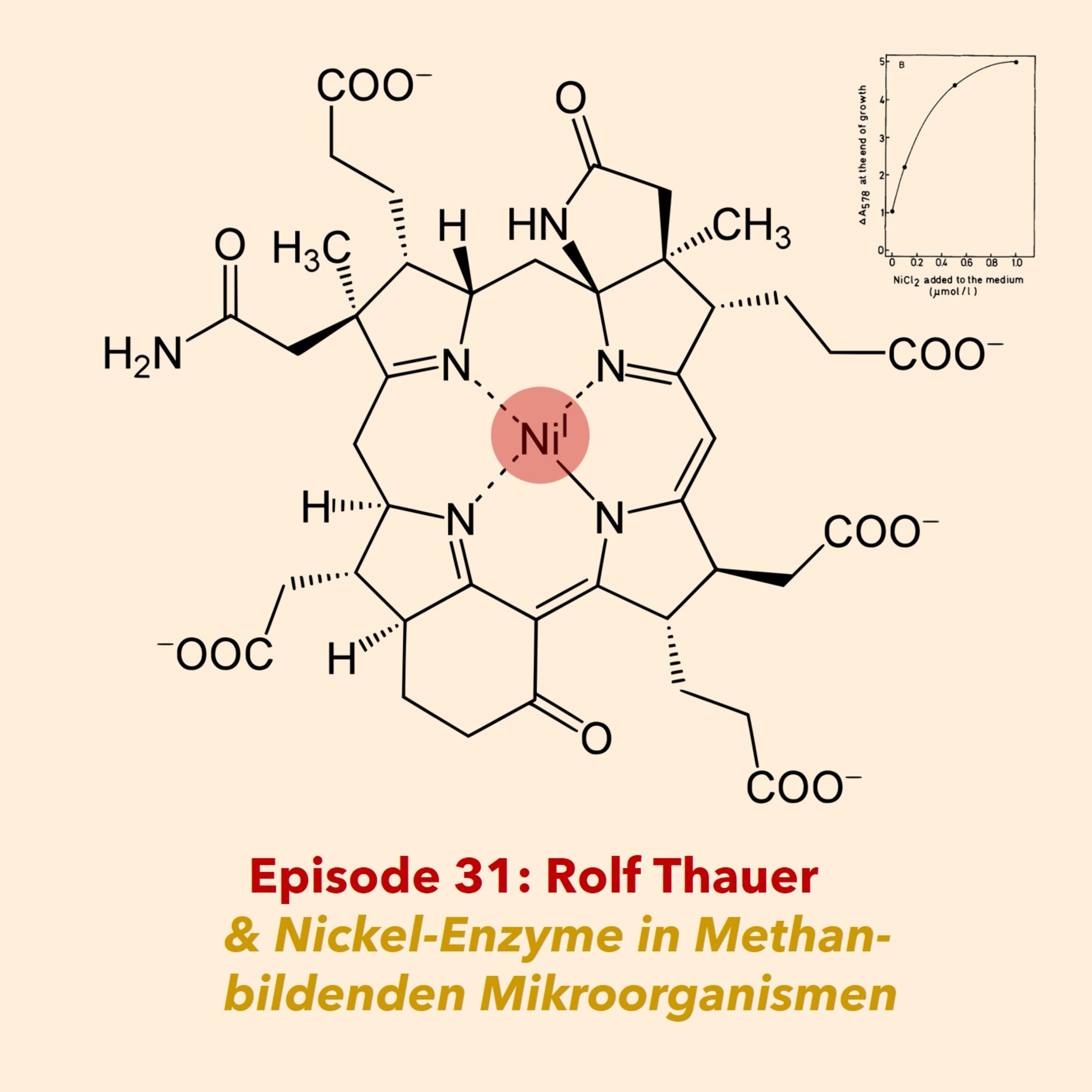 Episode 31: Rolf Thauer & Nickel-Enzyme in Methan-bildenden Mikroorganismen 08.03.2026 24mRolf Thauer ist Gründungsdirektor des Max-Planck Instituts für terrestrische Mikrobiologie. Über seine Karriere klärte er zahlreiche Stoffwechselwege in anaeroben Bakterien und Archaeen (die damals noch nicht einmal so hießen) auf. Er erzählt uns über die Zufallsentdeckung das Feld der Nickelbiochemie, und Enzymen für Methanproduktion aus Wasserstoff. Dieses können wir dann in die normalen Erdgaspipelines hineinschleusen. Nach ihm sind unter anderem das Thauer Limit (ein theoretisches Limit, wieviel Wasserstoff ein Bakterium produzieren kann), sowie mehrere Mikroorganismen wie Thauera selenatis und Methanobrevibacter thaueri benannt, und die gesamte Gattung Thauera.Link zum Paper: https://doi.org/10.1146/annurev-micro-091014-104344 Annual Reviews (2015): My Lifelong Passion for Biochemistry and Anaerobic MicroorganismsLink zum Paper: https://doi.org/10.1007/BF00403508Archive of Microbiology (1979): Nickel, cobalt, and molybdenum requirement for growth of Methanobacterium thermoautotrophicum
 -
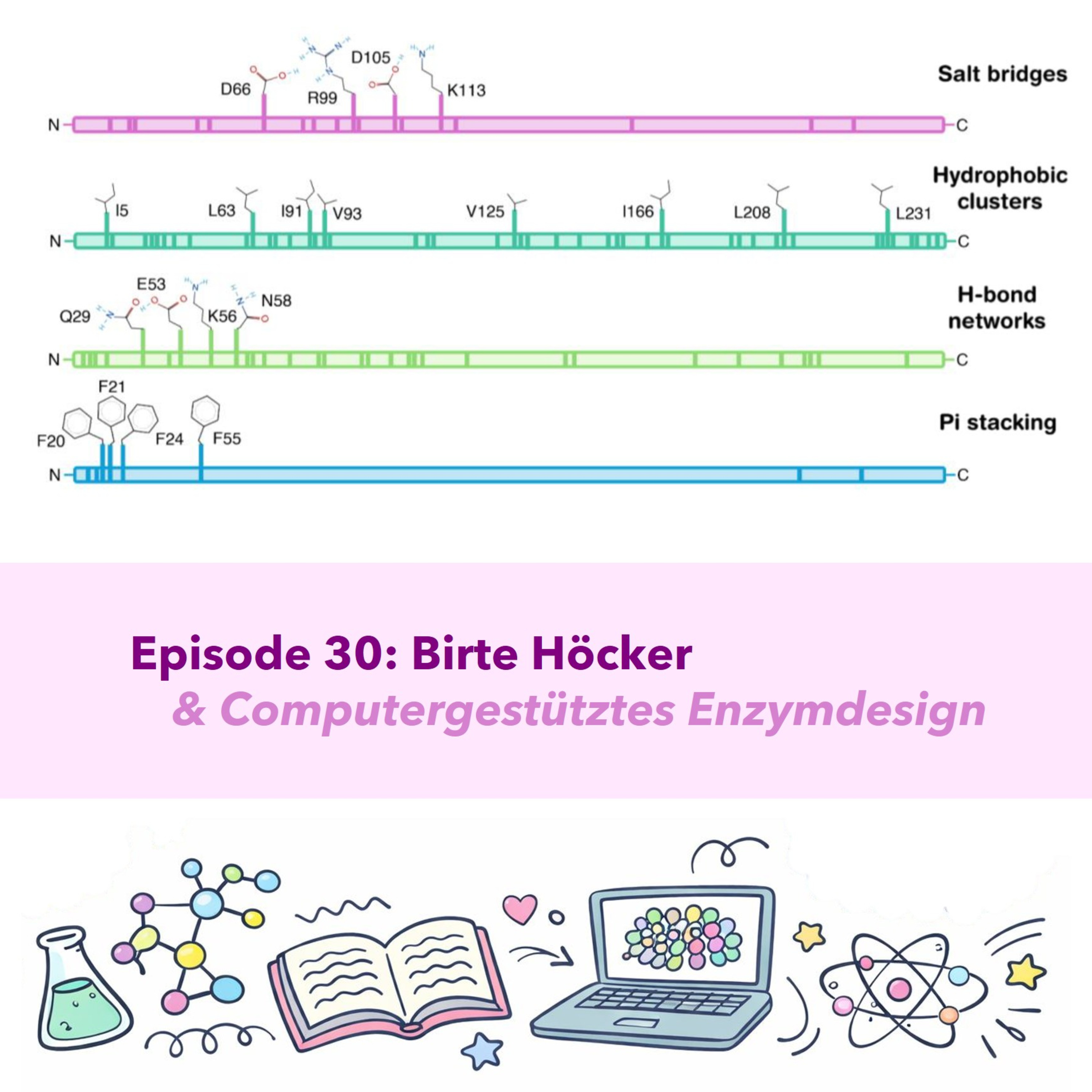 Episode 30: Birte Höcker & Computergestütztes Proteindesign 22.02.2026 10mBirte Höcker forscht daran, neue Enzyme herzustellen. Dabei kombiniert sie das Feld der Biochemie mit den computergestützten Informationswissenschaften. Anhand einer ihrer Lieblingsreaktionen, der Triosephosphate Isomerase Reaktion (TIM), zeigt Birte uns, wie man zwei verschiedene Computermodell verwenden und verglichen kann, um solche Enzyme neu zu designen und loss-of-function Bakterienstämme damit retten kann. Link to the paper: https://doi.org/10.1101/2024.11.10.622869 BioXriv (2024): De novo design of triosephosphate isomerases using generative language models
 -
 Episode 29: Renko de Vries & Ice-binding proteins 25.01.2026 10mSome organisms survive cold temperatures and need protection against ice crystals in their bloodstream. Renko de Vries and his students embarked on a journey to elucidate such mechanisms and design novel antifreeze proteins. How can a biological protein recognize an inorganic ice surface? Why are threonines important, and what has the winter flounder to do with it? A podcast on the fascination for conducting and designing unusual science.Link to the paper: https://doi.org/10.1073/pnas.2220380120PNAS (2023): De novo designed ice-binding proteins from twist-constrained helices
 -
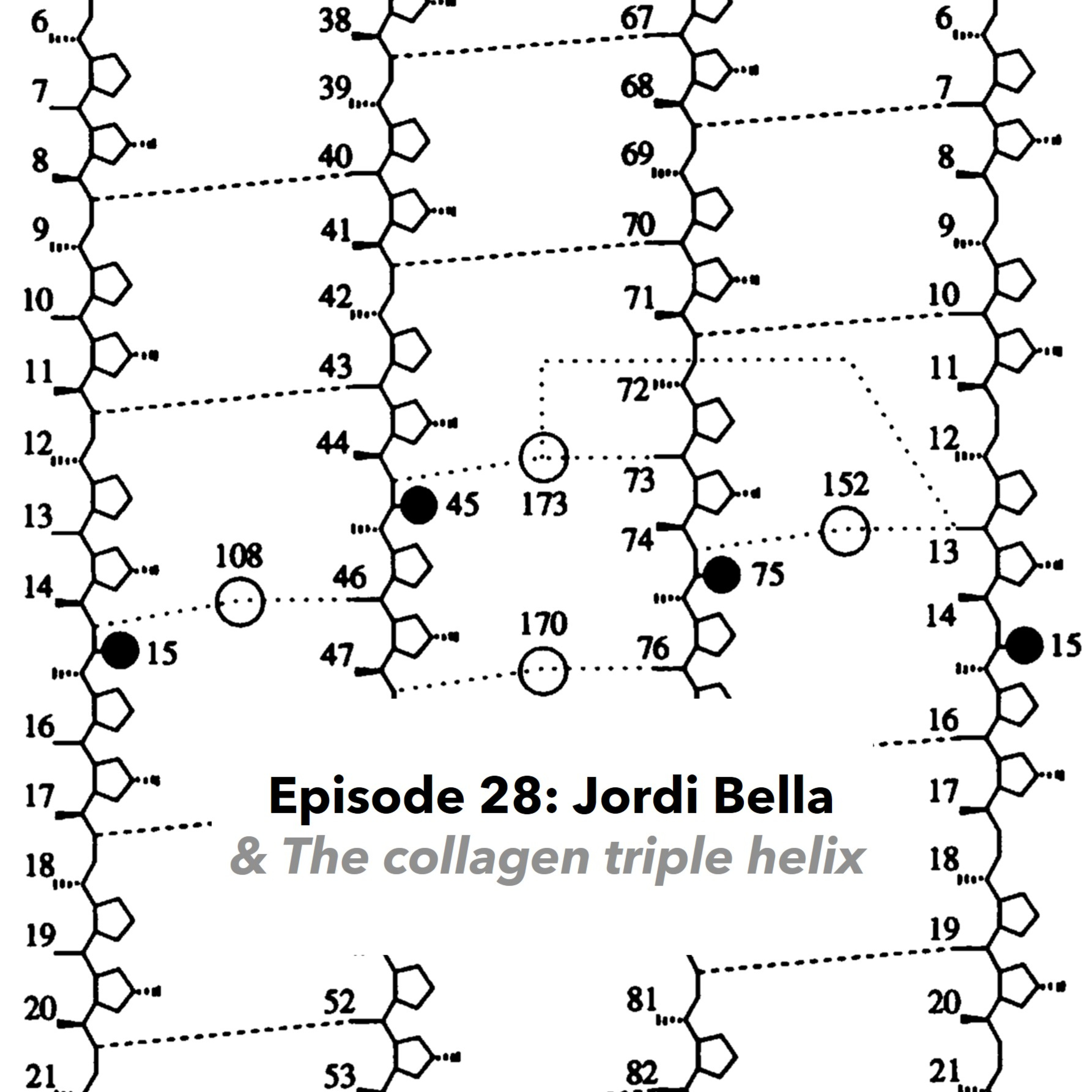 Episode 28: Jordi Bella & The collagen triple helix 18.01.2026 12mJordi Bella was the first scientist to look at the structure of collagen, an amazing triple helix that creates our cartilage, intervertebral disks, and other connective tissues. A special amino acid, hydroxyproline, is part of the story, together with different collagen application types to talk about. Where does our collagen come from, and can tobacco plants produce it?Link to the paper: https://doi.org/10.1126/science.7695699Science (1994): Crystal and Molecular Structure of a Collagen-Like Peptide at 1.9 Å Resolution
 -
 Episode 27: Véronique Mayeux & Safety at Synchrotrons and EMBL 11.01.2026 18mVéronique Mayeux is the leading safety officer at EMBL Grenoble. She is the daily contact point for scientists who design new experiments and equipment, and was previously a neuroscientist herself. She shares how she came to work for safety on the medical beamline of the brightest X-ray synchrotron in Europe, her love for neuroscience, supporting scientists, and animals: Her mice in the lab, and her bees at home.Link to the paper: https://doi.org/10.1212/01.WNL.0000032500.73621.C5Neurology (2002): SMN1 gene study in three families in which ALS and spinal muscular atrophy co-exist
 -
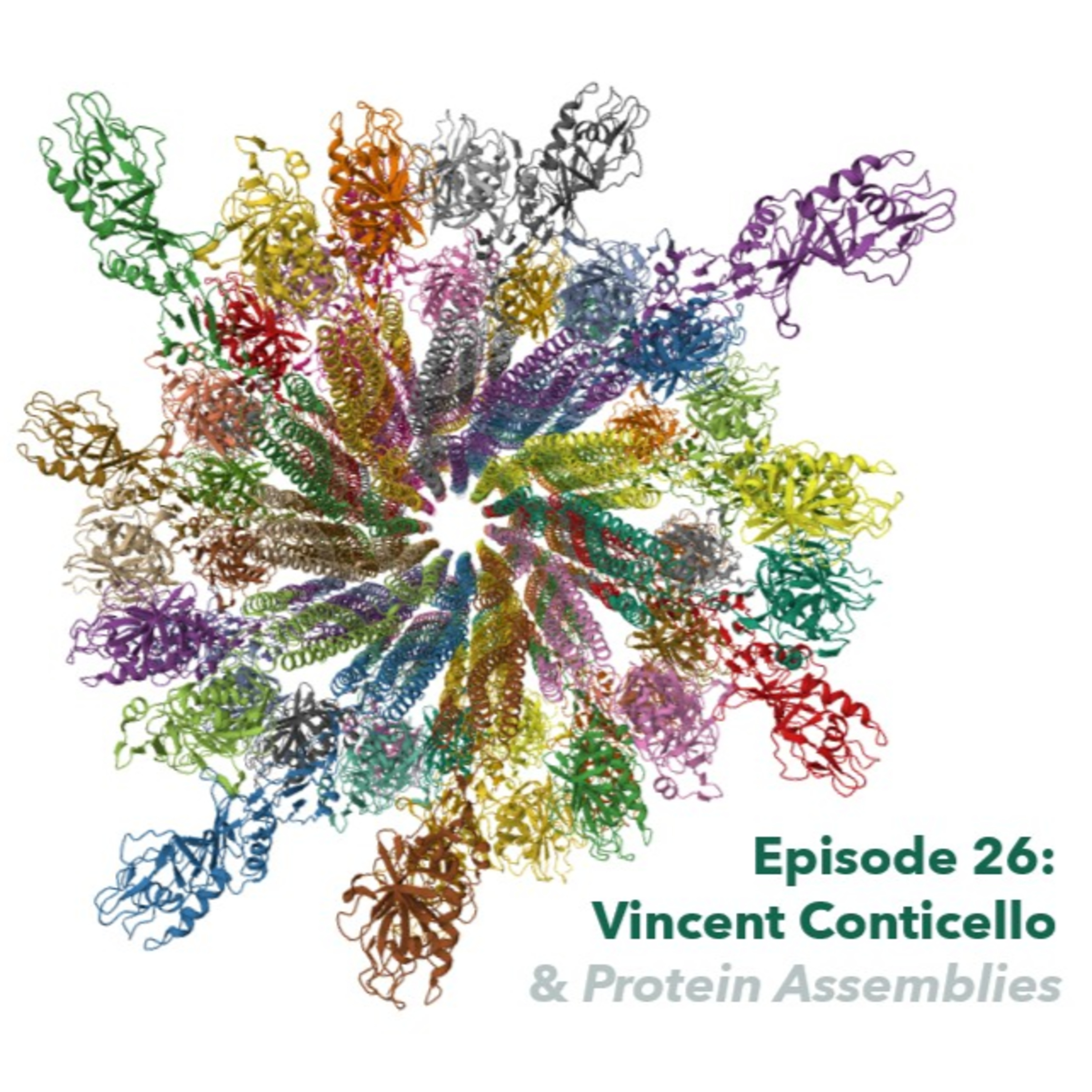 Episode 26: Vincent Conticello & Protein Assemblies 03.11.2025 7mSingle proteins work together in teams! Vincent Conticello is investigating and designing large assemblies of protein units. How do they form, how can new shapes be formed, how can we make biomaterials and (block-)polymers with programmable assembly properties? This episode is also very interesting from a scientist’s personal view on the impact of one’s own science worldwide.Link to the paper: https://doi.org/10.1038/s41467-022-29069-y Nature Communications (2022): Flagellin outer domain dimerization modulates motility in pathogenic and soil bacteria from viscous environmentsTitle of Patent: Native protein mimetic fibers, fiber networks and fabrics for medical useU.S. Patent: Number US 2004/0110439 A
 -
 Episode 25: Ed Egelman & An Expert's Stories on Electron Microscopy 21.09.2025 15mEd Egelman is professor of biochemistry at the University of Virginia and shares his stoy of muscle actin filaments, helical proteins and the first discovery of “dehydrated” A-type DNA in active viruses. This episode is a fine combination of early day methods to modern day developments in the field of cryo-electron microscopy, a key technique in the study of proteins and elucidation of mechanics behind fiber assemblies. Link to one of many papers: https://doi.org/10.1038/298131a0 Nature (1982): F-actin is a helix with a random variable twist.
 -
 Episode 24: Helga Kromp-Kolb, Medizin & Klima in Teil 2 14.09.2025 19mNach Episode 23, folgt hier der zweite Gesprächsabschnitt mit Prof. Kromp-Kolb. Es ist ein tiefgründiges Gespräch von beheizten Klobrillen zu Lernfähigkeit des menschlichen Gehirns, mit philosophischen und politischen Fragen: Sollen Klimawissenschaftler:innen expressiv handeln? Wann reicht es nicht mehr, in einem Journal zu publizieren? Steht jemand täglich auf und möchte die Welt kaputt machen? Prof. Kromp-Kolb ist überzeugt, wir werden viel schaffen, wenn wir Notfallmedizin und Klimaschutz mit Lösungsmut angehen. Gestalten wir die Zukunft, als Einzelperson, als Freundesgruppe, mit der Politik.Link zum APCC (Austrian Panel on Climate Change) Special Report: https://austriaca.at/APCC_ASR18.pdf
 -
 Episode 23: Helga Kromp-Kolb & Medizin und Klima in Teil 1 29.06.2025 17mEin Einblick in den APCC (Austrian Panel on Climate Change) Special Report zu der Schnittstelle zwischen Medizin, Gesundheit, Demografie und Klima. Wie beinflusst das Gesundheitssystem das Klima? Wie beinflusst das Klima den Menschen? Wir sprechen in diesem ersten Teil über den Menschen als Wärmekraftmaschine, Erdölförderung und Plastik, Dachdecker und Kernkraftwerke. Eine zentrale Frage, welche wir uns stellen: Worauf achtet der:die Mediziner:in? Wie wandeln sich mögliche Krankheitsbilder mit dem Klima? Fakt ist: 1° Erhöhung in der Körpertemperatur kann ein kritischer Kipppunkt sein. Fakt ist: Vielleicht sollten wir die Erde auch als Patienten betrachten und liebevoll und fürsorglich gute Behandlungsziele aufbauen :)Link zum APCC (Austrian Panel on Climate Change) Special Report: https://austriaca.at/APCC_ASR18.pdf
 -
 Episode 22: Panagiotis Papatheodorou & Drug Repurposing als Anti-Toxin-Strategie 06.10.2024 18mWas macht Bakterien so toxisch? Krankheitserreger kommen oft mit Miniaturwaffen, Toxinen, welche in unsere Zellen eindringen, Poren bauen, das Zytoskelett zerstören und Symptome von Durchfall zu Tod auslösen können. Anstatt nun mit Antibiotika gesamte Bakterien zu töten - viele Darmbakterien würden die meisten Menschen gerne behalten, was bei Antibiotikagabe nicht gut möglich ist - forscht Panagiotis Papatheodorou daran, gezielt die Toxine zu hemmen. Dabei hat seine Arbeitsgruppe unlängst Herzmedikamente gefunden, welche sehr potent Toxine hemmen können. Was hat ein Antiarrhythmikum mit Toxinen zu tun? Und verbessern wir Nebenwirkungen? Über das und mehr werden wir in dieser Episode sprechen :) Link zum Paper: https://pubmed.ncbi.nlm.nih.gov/37749884/ Gut. Microbes: Exploring the inhibitory potential of the antiarrhythmic drug amiodarone against Clostridioides difficile toxins TcdA and TcdB Link zum Paper: https://pubmed.ncbi.nlm.nih.gov/38935126/ Inhibition of Clostridioides difficile toxins TcdA and TcdB by the amiodarone derivative dronedarone
 -
 Episode 21: Kurt Matzler & Hochleistung im Sport und im Leben 15.09.2024 28mKurt Matzler ist Strategieprofessor der Universität Innsbruck und gleichzeitig Solo-Finisher der Race Across America. Als Hochleistungssportler hat er unter anderem in 11 Tagen Amerika von Westküste nach Ostküste mit dem Rad durchquert, und mehr als 4 Mio. USD für die Ausrottung der Kinderlähmung gesammelt. Er zählt zu den besten strategischen Denkern der Welt und denkt mit uns über Hochleistung im Beruf, Sport und Leben nach. Dabei stellt er Strategien aus seinem Buch High Performance Mindset vor, welches von Forbes zu den 2023 Top 10 Business Büchern gekürt wurde, und erzählt, wie er sein Team zusammenstellt. Ein extrem lehrreiches, menschliches Gespräch :) Link zum Open Strategy Paper: https://sloanreview.mit.edu/article/open-up-your-strategy/ MIT Sloan Management Review: Open Up Your Strategy - Making strategy behind closed doors is a prescription for failure when disruptions are coming from all directions. Link zum Buch: https://www.amazon.com/dp/B0C91WZ5YD?ref_=cm_sw_r_apan_dp_PCJ9NNT3NBM13W60XVPX
 -
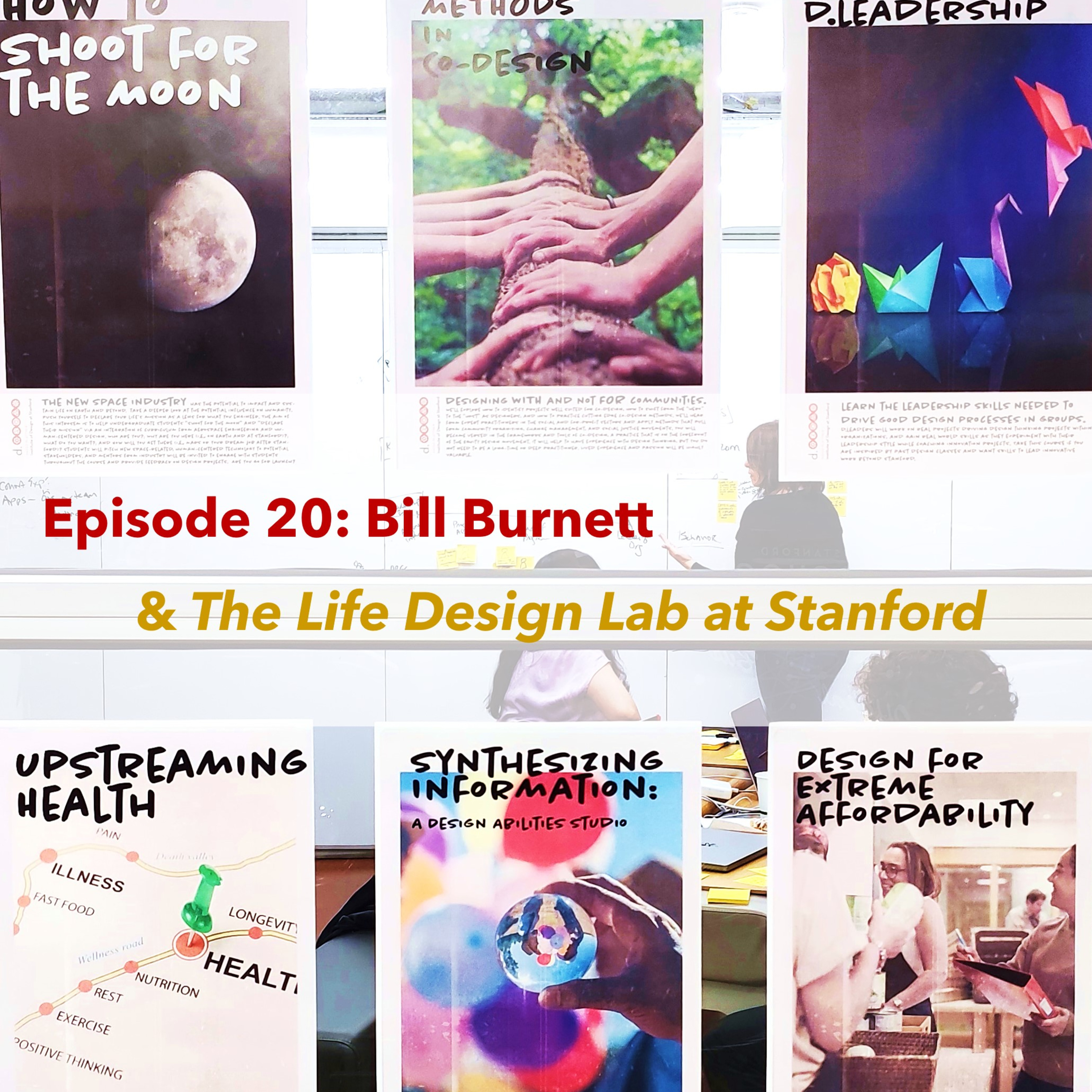 Episode 20: Bill Burnett & The Life Design Lab at Stanford 11.08.2024 30mWe will all not live forever. So what does a good life take? How to design a good life? Bill Burnett investigates this question among students and together with students. Like building the next Apple product, our lives are equally shaped by a process called “design thinking”. Bill Burnett explains the concrete steps of good design processes, what finding, mapping and prototyping personal values looks like. Is design like evolution? And how do we get unstuck on those values that truly matter? Link to the Stanford Life Design Lab: http://lifedesignlab.stanford.edu/
 -
 Episode 19: Anna Weiss & Bakterielle Gemeinschaften 28.07.2024 17mWir kennen Knockout-Organismen, ein Gen wird entfernt, man sieht am Lebewesen, für welche Funktion es wichtig war. Was passiert nun, wenn wir uns Bakterien nehmen und "Knockout" bzw. "Dropout"-Communities herstellen? Anna Weiss hat 12 Bakterienspezies aus dem menschlichen Darm in deren Interaktion untersucht. Spannenderweise gibt es kein absolut “gutes” Darmbakterium oder ein “schlechtes” Darmbakterium. Sehr viel kommt auf das Umfeld und Interaktionspartner an. Anna erklärt mehrere Versuche und Analysen im Detail und gibt uns einen Hinweis, was wir Menschen als Gemeinschaft von Mikroben noch lernen können. Link zum Paper: https://doi.org/10.1038/s41467-023-40372-0 Nature Communications: Nutritional and host environments determine community ecology and keystone species in a synthetic gut bacterial community
Podcasts similares


Popular en
Este podcast también aparece en las listas de podcasts de estos países.
